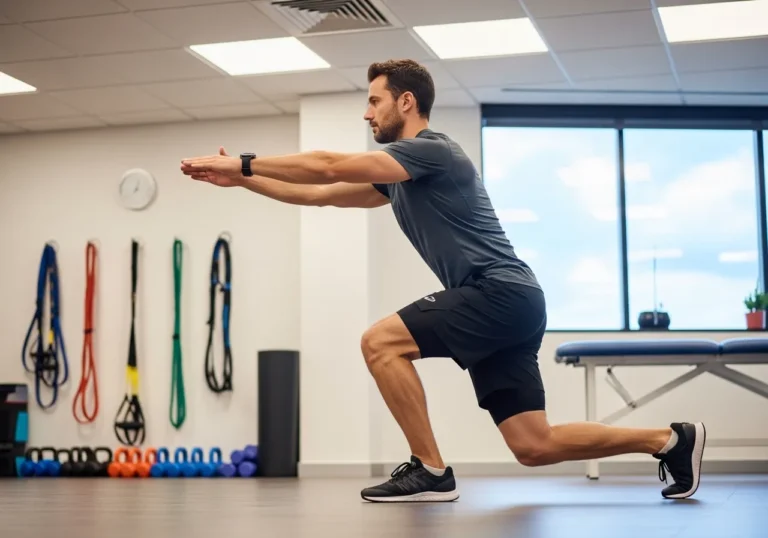
How to Prevent the Most Common Gym Injuries
⚠️ Disclaimer: The information in this article is for general educational purposes only and does not constitute medical, nutritional, or professional fitness advice. Individual results may vary. Always consult a qualified healthcare professional or certified fitness trainer before starting any new exercise program, changing your diet, or making decisions about injury treatment or recovery. If you experience pain, discomfort, or any unusual symptoms during exercise, stop immediately and seek professional guidance.

The Most Common Gym Injuries and Why They Happen
Understanding the epidemiology of gym injuries — which injuries are most common, which populations they affect, and which training behaviors cause them — provides the foundation for targeted prevention strategies.
I pulled a muscle trying to max out on bench press without a spotter in my second month of training — an injury that set me back six weeks and taught me more about injury prevention than any article.
Injury Epidemiology: The Numbers
Research on gym injury epidemiology provides a clear picture of which injuries are most prevalent and what causes them. A comprehensive review of resistance training injuries published in the Journal of Strength and Conditioning Research found that the shoulder is the most commonly injured body region in gym settings, accounting for approximately 36 percent of all reported injuries — primarily rotator cuff strains and impingement syndromes from overhead pressing and pulling movements performed with poor technique or excessive volume. The lower back represents the second most commonly injured region (24 percent of gym injuries), with muscle strains from deadlifting, squatting, and rowing movements performed with compromised spinal alignment being the primary injury mechanism. The knee accounts for approximately 20 percent of gym injuries, predominantly through patellofemoral pain syndrome (anterior knee pain) and ligamentous stress from squatting movements with valgus collapse and running overuse. The elbow and wrist together account for approximately 15 percent, primarily from repetitive stress in pressing and gripping movements. This injury distribution is consistent across multiple populations and facilities, suggesting that the injury mechanisms are fundamental to the training movements rather than facility or population specific.
The population distribution of gym injuries shows that beginners (less than 6 months of consistent training experience) have substantially higher injury rates than intermediate and advanced trainees — a finding that reflects the technique deficiency, inappropriate loading, and inadequate movement preparation that characterize the early training period before proper movement patterns are established. However, advanced trainees are not injury-free: the overuse injuries that develop from years of high-volume training in limited movement patterns, the accumulated structural adaptations that alter joint biomechanics over time, and the progressive loading that eventually exceeds the tissue’s adaptive capacity all produce injuries in experienced trainees at rates that the beginner literature does not reflect. The injury risk curve across training experience is therefore U-shaped: highest in very early training (technique deficiency), lower in intermediate training (established technique, conservative loading), and elevated again in advanced training (high volume, high load, accumulated overuse).
Acute vs. Overuse Injuries
Gym injuries divide into two mechanistically distinct categories that require different prevention strategies. Acute injuries — sprains, strains, tears, and fractures — result from a single excessive loading event that exceeds the tissue’s immediate tolerance: the deadlift performed with a rounded lumbar spine under maximum load that strains the erector spinae, the bench press with a failed rep that tears the pectoralis major, the squat that produces a knee ligament sprain through sudden valgus collapse. Acute injuries are typically identifiable at the moment of occurrence (sharp pain, immediate functional loss) and result from specific identifiable errors in technique, loading, or equipment setup. Prevention focuses on technique quality, loading progression conservatism, and the attention and fatigue management that prevent the technique breakdowns that acute injury mechanisms require.
Overuse injuries — tendinopathies, stress fractures, bursitis, impingement syndromes — result from cumulative loading that exceeds the tissue’s recovery capacity across weeks or months of training: the shoulder impingement that develops gradually from years of internal rotation-dominant pressing volume without compensatory pulling and external rotation; the patellar tendinopathy that develops from rapid increases in jumping or squatting volume; the lateral epicondylitis (tennis elbow) that develops from repetitive gripping and elbow flexion. Overuse injuries are insidious — they develop gradually, often presenting first as mild stiffness or discomfort that is dismissed as normal soreness, and reaching clinical significance only after the tissue damage has accumulated to a threshold that the individual’s activity tolerance falls below. Prevention focuses on training load management (the volume and intensity progression rates that allow tissue adaptation to keep pace with loading demands) and movement pattern balance (the variety and balance that prevents tissue overspecialization).
The Most Common Specific Injuries
The five specific gym injuries with the highest prevalence across recreational fitness populations: rotator cuff strain and impingement (shoulder pain that worsens with overhead movements and internal rotation, caused primarily by technique errors in overhead pressing, upright rows, and kipping pull-ups combined with the shoulder internal rotation dominance that bench pressing and front rack movements create); lumbar muscle strain (acute lower back pain from deadlift, row, and squat technique breakdown under load — specifically spinal flexion under axial load that concentrates stress in the lumbar erector attachments); patellofemoral pain syndrome (anterior knee pain that worsens with stair climbing, squatting, and sitting with knees bent, caused by quadriceps imbalance, femoral internal rotation, and training load increase that exceeds the patellofemoral joint’s adaptation rate); bicep tendinopathy (pain at the anterior shoulder where the bicep long head tendon attaches, caused by repetitive overhead loading and curling volume that strains the tendon beyond its recovery capacity); and medial epicondylitis (golfer’s elbow — pain at the inner elbow from repetitive gripping, especially in pulling movements and racquet sports training).
The Psychology of Gym Injury Risk
Psychological factors are among the most underappreciated contributors to gym injury risk — yet the research on injury psychology consistently identifies several cognitive and emotional patterns that significantly elevate injury occurrence. Ego lifting — selecting loads based on social desirability or comparison with other gym members rather than on the individual’s current strength and technique capacity — is one of the most direct injury causes in gym settings, producing the technique compromises under excessive load that acute injury mechanisms require. The competitive social environment of many commercial gyms actively promotes ego lifting by making load selection publicly visible and socially meaningful in ways that private or solo training does not. Recognizing and resisting the ego lifting impulse — choosing loads based on technique quality rather than social comparison — is one of the most important psychological injury prevention skills available.
Training Through Fatigue: The Accumulated Risk
Fatigue — both acute (within-session) and chronic (accumulated across training days) — is one of the most reliable injury risk multipliers in gym training. Technique quality deteriorates predictably under fatigue as the neuromuscular system’s ability to maintain optimal motor patterns is compromised by accumulated metabolic waste products, glycogen depletion, and central nervous system fatigue. The deadlift set performed with perfect technique at the beginning of a training session may be performed with dangerous lumbar flexion on the final set when fatigue has accumulated to the point where the technique-maintaining motor programs can no longer override the fatigue-induced tendency toward the path of least resistance. Research on fatigue and technique consistently shows that technique deviations increase exponentially in the final sets of fatigued training sessions — making the last few sets of any high-volume training program the highest-injury-risk training performed, and making the management of within-session fatigue through appropriate set selection and rest periods one of the most practical injury prevention tools available.
Age and Injury Risk: What Changes Over Time
Age-related physiological changes alter the injury risk profile in ways that training program design must account for to remain injury-preventive rather than injury-producing. Collagen synthesis rate declines with age — reducing the rate at which tendons, ligaments, and joint capsules repair the microtrauma that training inevitably produces, increasing the overuse injury risk that accumulates when loading exceeds the reduced repair rate. Muscle recovery time increases with age — requiring longer inter-session recovery periods at equivalent training loads to prevent the accumulated fatigue that injury risk multiplies. Joint mobility and tissue extensibility typically decline with age in sedentary individuals (though regular training significantly attenuates this decline), altering the movement mechanics that injury-preventive technique requires. And the hormonal environment changes with age — particularly the testosterone and growth hormone declines that reduce the anabolic signaling that tissue repair requires — reducing the rate of adaptation to training loads and increasing the volume at which training becomes maladaptive. Accounting for these age-related changes in training program design — increasing warm-up duration and thoroughness, reducing training volume at matched intensity, extending inter-session recovery, and incorporating more mobility and flexibility work — keeps gym training injury-preventive across the full adult lifespan rather than only in the optimal physiological conditions of early and middle adulthood.
The financial and temporal cost of gym injuries — beyond the obvious physical suffering — provides additional motivation for the injury prevention investment that this guide advocates. A moderate gym injury requiring 4 to 6 weeks of training disruption represents not just lost training time but the physiological detraining that occurs during enforced rest: research on detraining shows that strength decreases meaningfully within 2 to 3 weeks of inactivity, aerobic capacity declines within 1 to 2 weeks, and muscle mass begins decreasing within 2 to 4 weeks of complete training cessation. A 6-week injury therefore produces fitness losses that require 3 to 6 months of resumed training to fully recover — making the actual cost of a single preventable injury equivalent to 4 to 7 months of fitness development, not merely 6 weeks. For recurring injuries — the shoulder impingement that returns with every pressing phase, the lower back strain that recurs with each deadlift loading increase — the total training disruption across a training career can represent years of cumulative lost development. The injury prevention practices described in this guide are not optional safety measures for overcautious trainees; they are the prerequisite investments that determine how much of the training time and effort invested actually converts into lasting fitness development rather than being lost to preventable injury recovery.
| Injury Type | Most Common Site | Primary Cause | Prevention Priority |
|---|---|---|---|
| Acute strain | Lower back, hamstring | Technique failure under load | Form quality + conservative loading |
| Overuse tendinopathy | Shoulder, knee, elbow | Volume exceeds tissue recovery rate | Load management + movement balance |
| Impingement | Shoulder, hip | Movement pattern imbalance | Balanced programming + mobility |
| Stress fracture | Foot, shin (runners) | Rapid load increase | 10% weekly volume rule |
Research published in the British Journal of Sports Medicine found that structured warm-up programs reduce sports injury rates by up to 50 percent — with the greatest injury prevention benefit observed in the lower extremities — confirming warm-up as the single most impactful injury prevention strategy available to recreational and competitive athletes.

Proper Form as the First Line of Defense
Technique quality is the single most important injury prevention variable under the individual’s direct control — and it is the variable most commonly sacrificed in the pursuit of short-term performance gains that long-term injury sets back far more dramatically than any technique-prioritizing limitation on immediate progress.
Spending three months learning movement patterns before chasing numbers felt frustrating at the time, but I’ve been training injury-free for over two years since.
The Biomechanics of Safe Lifting
Safe lifting technique is not arbitrary convention — it is the expression of the biomechanical principles that distribute loading across the musculoskeletal system in ways that maximize force production while minimizing peak stress concentration at injury-vulnerable sites. The most important biomechanical principles for injury prevention in resistance training: spinal neutrality during loaded movements (maintaining the spine’s natural curves under axial load prevents the dangerous stress concentration at intervertebral disc margins that spinal flexion under load produces — the mechanism responsible for the majority of deadlift and row-related lower back injuries); bracing rather than belting (training the core musculature to create intra-abdominal pressure through active bracing provides more reliable spinal protection than a lifting belt, which can mask core weakness and produce injury through load transfers the unsupported core cannot manage when the belt is removed); joint alignment during loaded movements (knees tracking over toes during squats and lunges, shoulder blades retracted and depressed during pressing movements, neutral wrist alignment during pressing and pulling — each alignment principle reduces peak joint stress at the specific injury-vulnerable sites that misalignment exposes).
The cervical spine — the neck — is one of the most frequently overlooked technique considerations in gym training, despite the high prevalence of neck pain and cervical injury in recreational weight trainees. Maintaining neutral cervical alignment during all loaded movements (neither excessive extension from “chest up” cuing that hyperextends the neck, nor excessive flexion from “chin tuck” cuing that strains the posterior cervical structures) protects the cervical facet joints and intervertebral discs from the compression and shear forces that cervical malalignment under load concentrates at these injury-vulnerable structures. The particularly important contexts: front squat and back squat (where the loaded barbell creates axial compression that amplifies any cervical malalignment), deadlift (where the tendency to look up at the top of the movement creates dangerous cervical hyperextension under maximal load), and overhead pressing (where the movement naturally produces cervical extension that should be controlled rather than exaggerated).
Learning Technique: The Right Sequence
The sequence in which technique is learned significantly affects how well it is retained under load and fatigue — and the common approach of learning technique by watching a single YouTube video and then immediately loading the bar is one of the primary causes of the technique deficiency that produces beginner gym injuries. Evidence-based technique learning follows a deliberate sequence: first, learn the movement pattern unloaded (bodyweight squat, hip hinge with a dowel, push-up) until the pattern is reproducible and feels natural without any external cueing; second, add minimal external load (empty barbell, very light dumbbells) and maintain technique quality under the novel feedback of external resistance; third, increase load incrementally only when technique is consistent — not merely acceptable — at the current load, using the internal criterion “would I be comfortable with this technique being filmed and analyzed by a coach?” as the loading permission standard. This learning sequence typically requires 4 to 8 weeks per major movement pattern for genuine technique establishment — a timeline that feels slow relative to the load-focused orientation of most beginning trainees but produces a technique foundation that prevents the injuries that premature loading produces and that supports safe loading increases across the years of training the movement that follow.
Common Technique Errors and Their Injury Consequences
Several technique errors are so prevalent in recreational gym training and so reliably injury-producing that explicit identification and correction reduces injury risk more efficiently than general technique improvement efforts. Squat knee valgus (knees collapsing inward during the descent and ascent) increases patellofemoral joint stress, stresses the medial knee ligaments, and concentrates hip joint loading at the inferior-medial rim rather than the optimal superior-lateral zone — producing both immediate pain and long-term joint damage that accumulates across training years. The correction: deliberate knee-out cuing (“push your knees out over your pinky toes”), glute activation work that strengthens the hip abductors that prevent valgus collapse, and load reduction that brings the movement within the current hip abductor strength’s ability to maintain alignment throughout the full range of motion. Deadlift lumbar flexion (losing the lower back’s neutral curve during the setup or pull) transfers the lift’s loading from the hip extensors to the lumbar erectors and intervertebral discs in a mechanically disadvantaged position — the primary mechanism responsible for the majority of deadlift-related lower back injuries at any experience level. The correction: deliberate “proud chest” setup cuing that establishes lumbar extension before the bar leaves the floor, bar path management that keeps the bar in contact with the legs throughout the pull, and weight reduction that brings the movement within the hip extensor strength’s ability to maintain neutral spine throughout the complete range of motion.
The Mirror, Video, and Coach: Feedback Tools for Technique
Technique improvement requires feedback — and the training environment’s feedback quality is one of the most important determinants of how quickly and reliably technique improves. The mirror (where available) provides real-time visual feedback on frontal plane alignment and gross movement pattern quality, but is limited by the inability to observe sagittal plane technique (the lateral view that reveals spinal alignment, bar path, and joint angles that the frontal view cannot capture). Video recording — filming training sessions with a phone propped against a weight plate or training bag — provides the sagittal and rear-view feedback that identifies the technique errors most relevant to injury prevention, and that the subjective experience of performing the movement cannot reliably detect. Periodic video review of training sessions, comparing observed technique to the established technique standards for each movement, is one of the most effective and most underutilized technique improvement tools available to recreational trainees. Occasional sessions with a qualified personal trainer or strength coach specifically for technique assessment and correction provide the expert feedback that video and self-assessment cannot always accurately interpret — identifying the subtle compensations and movement quality issues that only trained observation can reliably detect.
Technique Under Fatigue: The Critical Period
Technique under fatigue — specifically, the maintenance of safe movement patterns in the final sets of a training session when accumulated fatigue has impaired the neuromuscular control that technique requires — is the most injury-relevant technique consideration in day-to-day gym training. The research on fatigue and technique consistently shows that technique deviations increase sharply in the final sets of fatigued training sessions, and that these fatigue-induced deviations are the most common proximate cause of acute gym injuries. The practical implication: establish a technique quality standard below which training loads must be reduced rather than maintained, and apply this standard rigorously in the final sets when fatigue makes standard violation most likely. The standard can be operationalized as “I will reduce load or terminate the set if I cannot maintain neutral spine, joint alignment, and full range of motion” — a clear, specific behavioral rule that removes the in-the-moment decision-making pressure that fatigue impairs and replaces it with a pre-established criterion that applies automatically when the standard is not met.
Building a Technique Practice Habit
Treating technique improvement as an ongoing practice rather than a one-time learning event is the mindset that sustains injury-preventive technique quality across the years of training that load progression gradually challenges. The most effective technique practice habit: begin each training session with a light warm-up set of each planned exercise performed at 40 to 50 percent of working weight with deliberate attention to every technique element — not as a perfunctory warm-up but as a genuine technique rehearsal that establishes the movement quality baseline for the session. Review one or two training session videos per month, comparing current technique to established standards and identifying any emerging deviations before they become entrenched. Seek periodic technique assessment from a qualified coach at least twice per year, even for experienced trainees whose self-assessment confidence has outpaced their objective technique quality. And treat technique regression — the deterioration of established technique under load or fatigue — as the primary indicator that load has exceeded the current movement system’s capacity, requiring load reduction rather than persistence with compromised technique in the hope that strength will eventually catch up with the form demands the current load creates.
The role of proprioception — the body’s sense of its own position and movement in space — in technique quality and injury prevention is frequently underappreciated in recreational training contexts. Proprioceptive training (training that challenges the body’s ability to sense and control its own position) improves the real-time feedback quality that technique maintenance under load and fatigue requires, developing the sensory foundation that allows the neuromuscular system to detect and correct technique deviations before they produce injury-level loading at vulnerable tissues. Proprioceptive training elements relevant to gym training include single-leg balance exercises (developing the ankle and hip proprioception that prevents the sudden positional errors that ankle sprains and knee injuries require), unstable surface training for appropriate upper body exercises (improving the shoulder joint proprioception that rotator cuff injury prevention requires), and blindfolded or eyes-closed rehearsal of movement patterns (removing visual feedback to develop the proprioceptive sensitivity that is the primary guidance system during loaded exercise when visual attention is directed elsewhere). Integrating even modest proprioceptive training into the warm-up or prehabilitation routine — 5 minutes of single-leg balance, hip circles, and shoulder blade control exercises — measurably improves the sensory foundation that technique quality and injury prevention both depend upon.
| Common Error | Injury Risk | Correction |
|---|---|---|
| Squat knee valgus | Patellofemoral, medial knee ligaments | Knee-out cuing + glute activation work |
| Deadlift lumbar flexion | Lower back strain, disc injury | Proud chest setup + load reduction |
| Shoulder internal rotation in press | Rotator cuff impingement | Scapular retraction + external rotation work |
| Cervical hyperextension | Cervical facet compression | Neutral head position cuing |
| Wrist extension under load | Wrist joint stress, carpal tunnel | Neutral wrist alignment + grip adjustment |
A systematic review in Sports Medicine found that the majority of gym injuries — approximately 60 to 70 percent — result from training errors including excessive load progression, inadequate warm-up, poor movement mechanics, and insufficient recovery rather than equipment failure or accidents, establishing technique and programming quality as the primary injury prevention tools.

The Importance of a Structured Warm-Up Routine
The warm-up is the most consistently skipped injury prevention practice in recreational gym training — and its absence is a direct contributor to the acute injury rate that characterizes insufficiently prepared training sessions.
I used to skip warm-ups to save time — until a cold-muscle shoulder tweak during a pressing movement made me realize I was gambling with every heavy session.
What a Warm-Up Actually Does
The physiological effects of an effective warm-up are multiple, measurable, and directly relevant to injury prevention. Core body temperature increases of 1 to 2 degrees Celsius (produced by 5 to 10 minutes of light cardiovascular activity) produce corresponding increases in muscle elasticity and extensibility — the tissue’s ability to lengthen without tearing under the dynamic loading that gym exercises produce. The viscosity of synovial fluid in joint capsules decreases with temperature elevation, improving joint lubrication and reducing the friction-related mechanical stress that cold, viscous synovial fluid produces during the initial joint movements of an unwarmed training session. Neuromuscular activation — the speed and efficiency of motor unit recruitment — increases with warm-up, improving the coordination and timing of muscle activation patterns that technique quality requires. Cardiovascular preparation — the increase in cardiac output, blood flow to working muscles, and oxygen delivery capacity that warm-up produces — ensures that the energy systems required for training are operating at capacity from the first working set rather than reaching capacity partway through early sets performed under energy system limitation that impairs both performance and technique.
General vs. Specific Warm-Up
An effective pre-training warm-up has two distinct components that serve different physiological purposes. The general warm-up (5 to 10 minutes of light cardiovascular activity — brisk walking, light cycling, jump rope, or rowing at 50 to 60 percent of maximum effort) elevates core body temperature, increases blood flow to peripheral muscles, and activates the cardiovascular system’s working capacity. The specific warm-up (exercise-specific preparation performed with progressively increasing loads before the first working set of each major exercise) activates the specific neuromuscular patterns the exercise requires, prepares the specific joints and connective tissues that the exercise loads, and gradually introduces the mechanical stress of the working loads without the jarring effect of jumping from zero load to working weight that commonly contributes to acute strain injuries. The specific warm-up is particularly important for the highest-risk exercises — the squat, deadlift, bench press, and overhead press — where working loads are typically the highest and where technique errors under fatigue or inadequate preparation are most likely to produce serious injury. A standard specific warm-up sequence for a working weight squat of 100 kilograms: bodyweight squat × 10, empty bar × 5, 40kg × 5, 60kg × 3, 80kg × 2, 90kg × 1, then working sets at 100kg.
Dynamic vs. Static Stretching in the Warm-Up
The research on stretching and warm-up has substantially revised the conventional wisdom of static stretching before exercise — showing that prolonged static stretching (30 seconds or more per muscle) before training reduces force production, power output, and the active stiffness that joints require for stability, potentially increasing rather than decreasing acute injury risk in strength training contexts. The current evidence-based warm-up recommendation replaces pre-exercise static stretching with dynamic mobility work — controlled movements through the full range of motion that prepare the joints and muscles for the training movements without the force production impairment that static stretching produces. Dynamic warm-up elements: leg swings (hip flexion/extension, hip abduction/adduction), arm circles, thoracic rotations, hip circles, ankle mobility drills, and movement-specific activation exercises (glute bridges, band pull-aparts, shoulder external rotation drills). Static stretching has an appropriate place in fitness practice — as part of the cool-down after training, when muscles are warm and force production impairment is not a concern, and as a dedicated flexibility session separate from strength training.
Activation Exercises: Preparing the Right Muscles
Muscle activation exercises — targeted exercises that specifically activate the muscles most important for technique and injury prevention in the upcoming training session — are one of the most practically valuable additions to the standard warm-up that most recreational trainees do not perform. The most commonly under-activated muscles in recreational gym trainees — and the ones whose underactivation most directly contributes to injury: the glute medius and maximus (underactive in people with prolonged sitting habits, contributing to knee valgus in squats and hip drop in single-leg movements); the lower trapezius and serratus anterior (underactive in people with rounded upper back posture, contributing to shoulder impingement in pressing and overhead movements); the deep cervical flexors (underactive in people with forward head posture from screen use, contributing to cervical stress in loaded movements); and the rotator cuff external rotators (typically insufficient relative to internal rotation dominance in pressing-heavy training, contributing to shoulder impingement over time). A 5 to 10-minute activation sequence before training — glute bridges and clamshells for the lower body sessions, band pull-aparts and face pulls for the upper body sessions — directly addresses the most common activation deficits that injury-producing movement compensations reflect.
The Warm-Up Investment: Time vs. Injury Prevention Value
The warm-up time investment that recreational gym trainees most commonly resist — citing schedule pressure and the desire to maximize working set volume within the available training window — is one of the highest-value time investments in the entire training session when evaluated against the injury prevention outcomes it produces. A single serious gym injury that removes 4 to 8 weeks of training represents a total training volume loss of 12 to 24 training sessions — sessions that a thorough warm-up of 10 to 15 minutes per session would have required 120 to 360 minutes of warm-up time to prevent. This is a 1:24 ratio of prevention time to recovery time saved in the best case — and the warm-up’s injury prevention benefit compounds across every training session it accompanies, while the injury’s recovery cost is absorbed in a single event that could have been prevented by any of those warm-up investments. Reframing the warm-up as the most time-efficient training investment available — rather than as non-training time that competes with working set volume — produces the appropriate priority weighting that injury prevention logic demands.
Post-Workout Cool-Down and Its Role
The cool-down — 5 to 10 minutes of light activity and static stretching after the training session — serves injury prevention functions distinct from the warm-up and equally important for long-term training sustainability. The physiological purposes of the cool-down: gradual cardiovascular system deactivation (preventing the blood pooling and cardiovascular stress that abrupt cessation of high-intensity exercise produces by gradually reducing intensity over 5 to 10 minutes of light activity); metabolic waste removal facilitation (light activity post-training accelerates the removal of lactate and other metabolic byproducts from working muscles, reducing next-day soreness and accelerating recovery); and flexibility maintenance (static stretching of the major muscle groups trained, performed when muscles are warmest and most extensible immediately post-training, produces the greatest flexibility improvements and addresses the range of motion losses that training-induced muscle tension would otherwise maintain). A standard cool-down sequence: 5 minutes of light walking or easy cycling, followed by 5 minutes of static stretching targeting the muscles most worked in the session (hip flexors and quadriceps after leg sessions, chest and shoulder after upper body sessions, thoracic spine after any compound movement session). This 10-minute investment significantly improves next-session recovery quality and maintains the flexibility that injury-preventive technique requires.
The relationship between warm-up quality and subsequent training performance — not just injury prevention — provides an additional incentive for thorough warm-up investment that the injury prevention argument alone may not sufficiently motivate. Research on warm-up and athletic performance consistently shows that appropriate warm-up improves subsequent strength output by 3 to 5 percent, power production by 5 to 8 percent, and technique quality through the improved neuromuscular activation and joint mobility that the warm-up produces. These performance improvements are not trivial: a 3 to 5 percent strength improvement from warm-up investment translates to an additional 3 to 5 kilograms on a 100-kilogram working weight — loading that would otherwise require weeks of progressive training to achieve. The warm-up is therefore simultaneously the session’s most effective injury prevention practice and one of its most effective performance enhancement practices — making the time investment doubly justified on both safety and performance grounds. The recreational trainee who skips the warm-up to maximize working set time is making a decision that reduces both safety and performance in the working sets that follow, while the trainee who invests 15 minutes in thorough warm-up improves both safety and performance in the working sets that follow. From both perspectives, the warm-up is not time taken from training — it is preparation that makes the training better in every respect.
The environmental conditions of training should modulate warm-up duration and intensity in ways that most gym training guidance does not explicitly acknowledge. Cold ambient temperatures — training in an unheated garage gym in winter, training early morning before the gym’s HVAC system has warmed the facility — require extended warm-up duration to achieve the same core temperature elevation that warmer environments produce more quickly. High humidity environments — training in poorly ventilated facilities in summer — increase sweat rate and cardiovascular warm-up demand that may require additional hydration attention during the warm-up period. And altitude (for the minority of trainees at high-altitude locations or those traveling to mountain destinations) reduces oxygen availability in ways that affect the cardiovascular warm-up’s completeness and require accommodation in both warm-up duration and initial working set intensity. Recognizing these environmental modifiers and adjusting warm-up accordingly — extending duration in cold environments, managing hydration in humid environments, reducing initial intensity at altitude — maintains the warm-up’s injury prevention effectiveness across the full range of training conditions that real-world exercise inevitably includes.
| Warm-Up Phase | Duration | Content | Purpose |
|---|---|---|---|
| General | 5–10 min | Light cardio (walk, bike, rope) | Temperature elevation, blood flow |
| Dynamic mobility | 5 min | Joint circles, leg/arm swings | Range of motion, joint preparation |
| Activation | 5 min | Glute bridges, band pull-aparts | Target muscle activation |
| Specific (per exercise) | 3–5 min | Progressive loaded warm-up sets | Neuromuscular prep, tissue loading |
According to the American College of Sports Medicine, progressive overload — increasing training load by no more than 10 percent per week — is the evidence-based standard for injury-free strength and conditioning progression, with rapid load increases identified as the most common cause of overuse injuries in recreational strength trainees.

Choosing the Right Weight to Avoid Strain
Load selection — choosing the right weight for each exercise in each training session — is one of the most practically important and most consistently misjudged injury prevention decisions in recreational gym training.
Ego lifting is something I’m guilty of, and every injury I’ve had traces back to a weight I had no business using at that point in my training.
The Technique-Based Load Selection Standard
The evidence-based standard for safe load selection is technique-based rather than performance-based: the correct weight for any exercise is the maximum load at which the complete planned set can be performed with technique that meets the quality standard established for that exercise — not the maximum load that can be moved through some range of motion by some means. This standard sounds obvious when stated explicitly, but it is systematically violated by the majority of recreational gym trainees who select loads based on what they want to be able to lift (ego-based loading), what they lifted last session (performance-continuity-based loading regardless of day-to-day variation in readiness), or what they observe others lifting (social comparison-based loading). The technique-based standard requires the willingness to reduce load when technique quality falls below the standard — a willingness that the performance-orientation of gym culture actively discourages but that injury prevention logic demands as a non-negotiable behavioral rule.
Progressive Overload: The Safe Rate of Loading Increase
Progressive overload — systematically increasing training load over time — is the fundamental mechanism of strength and muscle development, but the rate at which loading increases is the primary determinant of whether the progression produces adaptation or injury. Research on tissue adaptation rates establishes that muscles adapt to increased loading faster than tendons and ligaments — creating a dangerous mismatch window where the muscle feels capable of handling more load before the connective tissue has adapted to the current load. This mismatch is the primary mechanism behind the overuse tendinopathies that appear in progressive loading programs: the connective tissue that supports the muscle’s force production cannot keep pace with the muscle’s strength increases, accumulating microtrauma at a rate that exceeds its repair capacity. The safe loading progression rate that accounts for this mismatch: for beginners, increase loads by no more than 5 kilograms per session for lower body exercises and 2.5 kilograms per session for upper body exercises; for intermediate trainees, weekly or bi-weekly load increases of equivalent magnitude are more appropriate as neuromuscular adaptation rate slows. These rates are maximums for injury-free progression — any individual whose connective tissue is showing signs of overuse (stiffness, tenderness, pain at tendon attachment sites) should reduce the progression rate further or maintain current loads until symptoms resolve before resuming progression.
Daily Readiness and Load Adjustment
Daily training readiness — the physiological state of the neuromuscular and recovery system on any given training day — varies meaningfully from session to session based on sleep quality, nutrition, stress levels, prior session recovery, and accumulated training fatigue. A training program that prescribes specific loads for each session without accounting for daily readiness variation will systematically produce under-recovery training (attempting prescribed loads when readiness is insufficient to support them with technique quality) — one of the primary mechanisms through which programmed training produces injuries that the program’s design did not intend. Autoregulation — adjusting training loads based on real-time feedback of readiness and technique quality rather than on prescribed percentages or fixed loads — provides the injury prevention benefit of maintaining the technique-based load selection standard across the full range of daily readiness variation that training across weeks and months inevitably produces. A simple autoregulation protocol: if warm-up sets feel notably heavy or technique is below standard, reduce working loads by 10 to 15 percent for the session; if warm-up sets feel light and technique is excellent, maintain or modestly increase planned loads. This daily adjustment prevents both the under-recovery overloading that acute injury risk elevates and the underperformance on exceptional readiness days that rigid load prescription produces.
Rep Range and Injury Risk
The rep range used in training significantly affects injury risk — and understanding the relationship between rep range and injury mechanism informs load selection decisions that optimize both training effectiveness and safety. Very heavy, low-repetition training (1 to 3 repetitions at 90 to 100 percent of maximum) produces maximal mechanical loading per repetition but minimal cumulative volume — making it appropriate for experienced trainees with established technique but significantly more injury-risky for beginners and for any trainee whose technique becomes unreliable under near-maximal loads. Moderate rep range training (6 to 12 repetitions at 70 to 80 percent of maximum) provides the combination of adequate mechanical tension and manageable per-repetition load that produces the best combination of hypertrophy stimulus and injury risk profile for most recreational trainees. High rep range training (15 to 25 repetitions at 50 to 65 percent) provides lower per-repetition injury risk but higher cumulative repetition volume — increasing the overuse injury risk from repetitive joint loading that very high rep counts produce when performed with even minor technique imperfections that compound across the many repetitions in each set.
The Deload: Planned Recovery as Injury Prevention
A deload — a planned period of reduced training volume and/or intensity, typically lasting 1 to 2 weeks and occurring every 4 to 8 weeks of progressive training — is one of the most evidence-supported injury prevention interventions available for anyone training with meaningful progression over extended periods. The physiological rationale: progressive training accumulates connective tissue microtrauma at a rate that exceeds the repair capacity during training periods, requiring periodic reduction in training stress to allow the accumulated microtrauma to fully repair before the next progressive loading block begins. Without planned deloads, this microtrauma accumulates progressively until it reaches clinical injury threshold — the pattern that produces the overuse injuries that appear in high-volume trainees who have not incorporated recovery periods into their programming. The deload protocol: maintain training frequency and exercise selection, reduce total volume (sets per session) by 40 to 50 percent, maintain or slightly reduce intensity (load), and pay particular attention to technique quality during the reduced-stress deload period when fatigue-related technique compromises are minimal and form improvement is most achievable. Most experienced trainees report feeling stronger and moving better in the first session after a deload than at any point in the preceding training block — confirming that the deload’s recovery function was physiologically necessary and producing the reinvigorated training quality that the next progressive block requires.
Listening to Your Body: Pain as a Load Signal
Pain during training — particularly sharp, joint-localized pain, pain that persists into the rest period after a set, or pain that worsens across a training session — is the most reliable acute signal that current loading exceeds the tissue’s current tolerance and requires immediate load reduction or exercise modification. The tendency to ignore or override pain signals during training — driven by the “no pain, no gain” cultural message and the competitive reluctance to appear to be struggling — is directly responsible for a significant proportion of gym injuries that begin as minor warning signals and progress to serious injuries through the continued loading that pain signals were attempting to prevent. Distinguishing the discomfort of productive training (the burning sensation of metabolic accumulation in working muscles, the effort of final repetitions, the temporary muscle fatigue that characterizes effective training) from the pain of tissue damage (sharp pain, joint pain, pain that worsens rather than plateaus across a set, pain that persists rather than dissipating during the rest period) is the most important day-to-day injury prevention skill in gym training. When genuine pain is present, the appropriate response is always the same: stop, assess, reduce load, and if the pain does not resolve with load reduction and technique adjustment, seek professional assessment before continuing to load the painful structure.
The psychological dimension of appropriate load selection extends beyond ego lifting to include the positive performance anxiety that competition, peer presence, and personal record attempts create — and that can override the technique-based load selection standard in ways that create acute injury risk. Research on the effect of social presence and competitive context on lifting behavior consistently shows that both factors increase the loads selected and the reps attempted beyond what solo, non-competitive training produces — partly through the genuine performance-enhancing effect of arousal on strength output, and partly through the technique-compromising effect of loading beyond the boundary where arousal can support safe movement quality. The experienced gym-goer who understands this dynamic deliberately applies additional conservatism to load selection in competitive or high-arousal contexts — recognizing that the elevated state increases both performance potential and injury risk, and managing both through deliberate technique prioritization over performance outcome. The training PR (personal record) that is achieved at the expense of technique quality is not a true PR — it is a risk event that produced a performance outcome that the honest technique-based load standard would not have permitted, and that may have initiated the connective tissue microtrauma that produces injury in subsequent sessions.
Nutrition and hydration status directly affect both training performance and injury risk through their effects on neuromuscular function and tissue mechanical properties. Dehydration of just 2 percent of body weight reduces muscle strength output by 3 to 8 percent and impairs neuromuscular coordination in ways that technique quality directly reflects — making adequate pre-training hydration an injury prevention practice as well as a performance optimization practice. Carbohydrate availability affects the glycolytic energy system that high-intensity training primarily uses, and glycogen depletion in the final sets of a training session produces the neuromuscular fatigue that technique breakdown and injury risk amplify. Training in a well-fueled, well-hydrated state — and reducing expected performance when nutritional status is compromised — maintains the neuromuscular function quality that technique and injury prevention both require.
| Load Situation | Injury Risk | Recommendation |
|---|---|---|
| Ego lifting (beyond technique capacity) | Very high | Technique-based load selection always |
| Rapid progression (>5kg/session lower body) | High (overuse) | Follow safe progression rate guidelines |
| Training through pain | Very high | Stop, assess, reduce or modify |
| No deload in 8+ weeks | Moderate-high | Implement 1–2 week deload immediately |
| Technique-appropriate loading with deloads | Low | Maintain this standard consistently |

Equipment Safety: Checking What You Use
Equipment failure and misuse contribute to a meaningful proportion of gym injuries — and simple equipment safety practices eliminate this entirely preventable injury category.
I once used a cable machine without checking whether the pin was seated properly — the stack dropped and hit the frame hard, and it was a wake-up call to always do a quick safety check.
Barbell and Weight Plate Safety
The barbell and weight plates are the highest-load pieces of gym equipment and consequently the equipment whose failure or misuse produces the most serious injuries. The most critical safety practices: always use collar clips (spring collars or screw-on collars) on the barbell when performing any loaded barbell exercise — a barbell without collars can shift plate loading asymmetrically under fatigue, creating unexpected load imbalances that produce acute spinal injury from the sudden compensatory movement the shift requires; inspect barbell sleeves for smooth rotation before use — a sticky or binding sleeve creates unpredictable rotational forces during pressing movements that compromise shoulder joint mechanics and increase injury risk; verify that plates are seated completely on the sleeve and that the collars are fully engaged before beginning any set; and never load a barbell beyond the rated capacity of the equipment, as structural failure under excessive load is rare but catastrophically injurious when it occurs.
Cable Machine and Pulley Safety
Cable machines are among the most used pieces of gym equipment and among the most commonly misused in ways that create injury risk. Before using any cable machine: inspect the cable for fraying, kinking, or visible wear at the attachment points (frayed cables can snap under load, releasing the weight stack suddenly and producing acute injury); verify that the weight pin is fully inserted in the weight stack before beginning any movement; ensure that any attachments (handles, bars, ropes) are properly secured to the carabiner and that the carabiner is fully closed and locked; and position yourself at the appropriate distance from the pulley that the movement’s geometry requires — standing too close to a cable machine during pulling movements increases the risk of the attachment striking the face or head if grip is lost. Check for smooth cable travel through all pulleys before loading — cable movements that catch or bind unexpectedly can produce the sudden load release that acute injury mechanisms require.
Bench and Rack Safety
The bench press — performed on an adjustable bench in a power rack or squat rack — is responsible for one of the most serious categories of gym injury: the failed bench press rep that traps a loaded barbell across the lifter’s chest or throat when performed without a spotter or safety bars. Before any heavy bench press session: always use the rack’s safety bars, set at the appropriate height to catch a failed rep at the chest without requiring muscular effort to escape (approximately 2 to 3 centimeters below the chest at the bottom position with the back arched); or use a spotter if the safety bars are not available or not properly configured. Rack safety practices also apply to the squat: safety bars should be set at a height that allows a controlled descent to safety-bar contact in the event of a failed squat rep, providing a reliable escape mechanism that prevents the squat rack crush injury that occurs when a lifter fails without safety equipment in place.
Cardio Equipment Safety
Treadmill injuries — most commonly ankle and knee sprains from falls, and occasionally more serious injuries from high-speed falls — are entirely preventable through simple equipment use practices. Always attach the emergency stop clip to your clothing when using a treadmill (it is there for exactly this purpose — removing it when you fall stops the belt immediately and prevents the abrasion injuries that the moving belt produces during a fall); start at low speed and increase gradually rather than starting at high speed; do not look at the phone while running at speed on a treadmill; and step off to the sides rather than jumping onto a moving belt. Elliptical and rowing machine safety focuses on proper form and mounting/dismounting practices — mounting an elliptical while it is moving, or dismounting a rowing machine by pushing back into the seat beyond the seat’s rearward travel limit, are the primary injury mechanisms for these specific equipment types.
Footwear and Its Role in Injury Prevention
Footwear is a frequently overlooked component of gym equipment safety — yet inappropriate footwear directly contributes to a significant proportion of lower extremity gym injuries through the mechanisms of inadequate stability, inappropriate cushioning, and poor force transfer. For resistance training (squatting, deadlifting, pressing): a flat, firm-soled shoe (Converse, flat-soled training shoes, or dedicated weightlifting shoes) provides optimal force transfer from the feet to the floor and stable ankle support that running shoes’ elevated, cushioned heel cannot provide. Running shoes’ cushioned, elevated heel creates an unstable base for heavy squatting and deadlifting — the heel’s compression under load allows unpredictable ankle pronation and forward tibial lean that compromise the joint alignment that injury-preventive squat and deadlift technique requires. For running: appropriate running shoes with the cushioning and support profile matched to the individual’s gait characteristics and foot structure are important for preventing the overuse injuries that running in inappropriate footwear — particularly running in flat shoes without adequate cushioning if accustomed to cushioned shoes — reliably produces.
Gym Etiquette as Injury Prevention
Several gym etiquette practices serve injury prevention functions beyond their social courtesy purposes. Re-racking weights after use — returning dumbbells, plates, and equipment to their designated storage locations — prevents the tripping and toe-stubbing injuries that equipment left on the floor produces in other gym members. Wiping down equipment after use removes the sweat that creates the slippery surfaces that exercise equipment contact produces on metal handles, bench surfaces, and floor mats. Communicating before entering another exerciser’s working space — particularly when approaching the barbell rack area during someone else’s set — prevents the collision and distraction injuries that unexpected intrusions into the lifting area cause. And performing exercises in the designated areas (squatting in the squat rack rather than in the middle of the gym floor, performing Olympic lifting in the designated lifting platform areas) ensures that the appropriate safety equipment and floor surface are available for the specific exercises being performed. These practices collectively create the safe shared training environment that injury prevention in shared gym spaces requires.
Resistance bands — one of the most versatile and widely used pieces of gym equipment — present specific safety considerations that their apparent simplicity can cause users to overlook. Resistance bands accumulate damage through use, UV exposure, and storage in ways that progressively increase the risk of sudden snap failure under load — a failure mode that releases the band’s stored elastic energy explosively, potentially striking the face, eyes, or other unprotected body parts with significant force. Before each use, inspect bands along their full length for any visible cracks, discolorations, thin spots, or areas of changed texture that indicate material degradation; replace any band showing these signs immediately regardless of how recently it was purchased. When using bands for exercises with the band stretched toward the face (face pulls, band pull-aparts, overhead exercises), wear eye protection or ensure that the band’s failure trajectory would not direct snapped material toward the eyes. And store bands away from UV light, heat, and ozone sources (including air purifiers and electrical equipment) that accelerate the rubber degradation that snap failure follows.
Flooring and training surface quality is a gym equipment safety consideration that receives minimal attention despite its direct relevance to several injury categories. Slippery gym floors — from water, sweat, or inadequate surface friction — contribute to both falls during cardiovascular exercise and the unexpected foot displacement that can compromise technique during loaded exercises in ways that acute injury mechanisms require. Gym shoes with appropriate outsole grip for the specific training surface used provide the first layer of floor safety; adequate floor drainage and prompt cleaning of sweat and spill from training areas provides the second layer. Rubber flooring in the free weight area serves multiple safety functions: it provides grip during heavy lifts, cushions dropped equipment to protect both the equipment and the floor structure, absorbs impact during plyometric training, and provides a stable, consistent surface that enhances the proprioceptive feedback that technique quality requires. Training on appropriate flooring — and avoiding training on unstable or slippery surfaces when heavy loaded exercise is planned — is a simple equipment safety practice that eliminates an entirely preventable injury category.
Eye protection — rarely discussed in gym safety contexts — is a legitimate safety consideration for several specific training scenarios. Chalk use in the free weight area creates particulate matter that can irritate or damage eyes when mishandled; washing hands after chalk use and avoiding excessive chalk cloud creation through controlled application reduces this risk. Cable attachment snap failures, as discussed above, create the most significant eye injury risk from gym equipment. And during certain outdoor training scenarios (particularly windy conditions with debris, or training near construction sites), UV-protective eyewear provides protection from both UV radiation and physical debris that training without eye protection does not. These scenarios are not frequent enough to warrant routine protective eyewear use during standard gym training, but they represent conditions where the marginal cost of eye protection is negligible relative to the injury it prevents.
| Equipment | Critical Safety Check | Failure Consequence |
|---|---|---|
| Barbell | Collar clips always installed | Plate shift, acute spinal injury |
| Bench press rack | Safety bars set at correct height | Failed rep entrapment |
| Cable machine | Cable inspection, attachment secured | Snap release, acute injury |
| Treadmill | Emergency clip attached | High-speed fall injury |
| Footwear | Appropriate shoe for exercise type | Ankle instability, force transfer failure |

Creating a Long-Term Injury Prevention Plan
Injury prevention is not a one-time setup but an ongoing practice that requires systematic planning, regular review, and adaptation to the changing demands that long-term training progression creates.
Building a regular mobility and prehab routine into my week felt like overhead I didn’t need until I realized it was what was keeping me consistent year over year.
The Prehabilitation Concept
Prehabilitation — proactive exercises and practices that strengthen the structures most vulnerable to injury before injury occurs, rather than rehabilitating them after injury has occurred — is the most evidence-supported framework for long-term injury prevention in regular exercisers. Prehabilitation exercises target the specific anatomical vulnerabilities that the individual’s training program creates: the shoulder external rotators and lower trapezius for bench-press-heavy programs; the hip abductors and external rotators for squat and running programs; the ankle dorsiflexors and peroneals for jumping and plyometric programs; the lumbar multifidus and deep core stabilizers for deadlift and rowing programs. Incorporating 10 to 15 minutes of prehabilitation work into each training session — either as part of the warm-up or as a dedicated post-session block — directly addresses the movement imbalances and structural weaknesses that injury mechanisms require. The investment is modest: 30 to 45 minutes per week of targeted prehabilitation work prevents the weeks to months of training disruption that the injuries it targets would produce — making it one of the most valuable time investments in the entire training program.
Monitoring Training Load: The Acute:Chronic Workload Ratio
The acute:chronic workload ratio (ACWR) — developed in sports science research as a tool for managing overuse injury risk in athletes — provides a quantitative framework for monitoring whether training load is increasing at a rate that tissue adaptation can support. The ACWR compares the acute workload (the current week’s training volume) to the chronic workload (the average weekly training volume over the preceding 4 weeks). Research on the ACWR and injury risk consistently shows that ACWR values between 0.8 and 1.3 are associated with the lowest injury rates — representing training volumes that are consistent with recent history and that tissue adaptation can support. ACWR values above 1.5 (acute training volume significantly exceeding the chronic baseline) are associated with dramatically elevated injury risk — the “too much, too soon” overuse mechanism that produces the injuries that most commonly derail training programs. Monitoring the ACWR through a simple training log and weekly volume calculation provides an objective warning signal when training load increases are outpacing the chronic adaptation that injury prevention requires.
Movement Screening: Identifying Your Vulnerabilities
Movement screening — a structured assessment of fundamental movement quality across basic patterns — identifies the specific mobility limitations, stability deficits, and movement compensations that increase injury risk in the individual’s specific training program before they produce injury. The Functional Movement Screen (FMS) and similar screening tools assess movement quality in deep squat, hurdle step, in-line lunge, shoulder mobility, active straight leg raise, trunk stability push-up, and rotary stability — providing a structured picture of the movement quality and asymmetries that inform individualized prehabilitation and exercise modification decisions. A single movement screen session with a certified FMS practitioner or a qualified physical therapist provides the individualized vulnerability map that general injury prevention recommendations cannot — identifying the specific patterns that require correction in the specific individual rather than addressing population-average vulnerabilities that may or may not reflect the individual’s actual risk profile. Annual or bi-annual movement screening, tracking changes in mobility and stability over time, provides the longitudinal data that reveals improving or deteriorating movement quality trends that correlate with changing injury risk.
Recovery Monitoring: The Early Warning System
Systematic recovery monitoring — tracking the physiological and psychological indicators of recovery status across training weeks — provides the early warning system that identifies developing overuse injuries before they reach clinical severity. Key recovery monitoring indicators: morning resting heart rate (elevated by 5 or more beats per minute above baseline indicating incomplete recovery or developing illness); grip strength (declining by more than 10 percent from baseline indicating accumulated neuromuscular fatigue); sleep quality (declining sleep quality despite consistent sleep opportunity indicating physiological stress); training performance (declining performance at equivalent loads indicating accumulated fatigue); and subjective wellbeing and mood (declining across training weeks indicating parasympathetic insufficiency from chronic training stress). Any cluster of these indicators trending negatively for 2 or more consecutive weeks warrants a reduction in training load — either a planned deload or a spontaneous volume reduction — before the accumulated recovery deficit produces either performance plateau or overuse injury. Tracking these indicators daily (morning HR, subjective wellbeing rating) and weekly (performance trends, sleep quality average) requires approximately 5 minutes per day and provides the early detection capability that prevents the overuse injuries that develop silently until they reach clinical threshold.
Building the Injury-Resistant Body: The Long Game
Genuine, comprehensive injury resistance — the kind that sustains training across decades without the major injuries that derail long-term fitness development — is built through the cumulative effect of consistent attention to all the injury prevention dimensions described in this guide: technique quality, appropriate loading, thorough warm-up, prehabilitation, load monitoring, and recovery management. No single intervention produces lasting injury resistance — it is the integration of all these practices into a coherent, consistently applied injury prevention system that produces the long-term training durability that allows progressive fitness development across decades. The athlete who has trained consistently for 20 years without major injury has not been lucky — they have been systematic: their training technique has been sound, their loading has been progressive but conservative, their warm-ups have been thorough, their recovery has been monitored and protected, and their program has addressed their specific vulnerabilities rather than merely optimizing their strengths. Building this systematic injury prevention practice is the most important long-term fitness investment available — because the training continuity it enables compounds over years and decades in ways that any individual training session’s quality cannot approach.
When to Seek Professional Help: Physical Therapy and Sports Medicine
Professional assessment from a physical therapist or sports medicine physician is appropriate — and significantly more valuable than delayed self-management — in several specific circumstances: any injury with sudden onset and acute pain that does not resolve within 24 to 48 hours of initial injury; any pain that prevents performing normal daily activities (not just gym activities) or that worsens rather than improving across several days of rest; any joint pain accompanied by swelling, instability, or mechanical symptoms (clicking, locking, giving way) that suggest structural damage beyond muscle strain; any recurring injury that responds temporarily to rest but returns with resumed training, suggesting an underlying biomechanical issue rather than simple overuse; and any pain that has persisted for more than 2 to 4 weeks without clear improvement despite appropriate self-management including load reduction and rest. Early professional assessment of these presentations produces significantly better outcomes than delayed assessment — both by identifying serious injuries that require specific management that self-directed rest does not provide, and by identifying the movement and loading issues that produced the injury and correcting them before they produce recurrence or additional injury in compensating structures.
| Prevention Practice | Time Investment | Injury Prevention Value |
|---|---|---|
| Prehabilitation exercises | 10–15 min/session | Very high — targets specific vulnerabilities |
| ACWR monitoring | 5 min/week | High — prevents overuse overloading |
| Movement screening | 60 min/year (2×) | High — individualized vulnerability map |
| Recovery monitoring | 5 min/day | High — early warning for overuse |
| Professional assessment | As needed | Essential — for injuries that exceed self-management |
Frequently Asked Questions
Injury prevention questions are where I see the most overconfidence — most people think it won’t happen to them until it does.
What is the most common gym injury?
The shoulder is the most commonly injured region in gym settings, accounting for approximately 36 percent of all reported gym injuries according to research reviews. Rotator cuff strains and shoulder impingement syndrome are the most prevalent specific injuries, typically resulting from overhead pressing and pulling movements performed with poor technique, inadequate warm-up, or progressive loading that exceeds the rotator cuff’s adaptive capacity. Lower back injuries (primarily lumbar muscle strains from deadlift and squat technique breakdown) are the second most common, accounting for approximately 24 percent of gym injuries.
How can I tell if pain during exercise is normal or a warning sign?
Productive training discomfort — the burning sensation of working muscles under metabolic stress, the effort of final repetitions, the cardiovascular challenge of intense cardio — is normal and expected. Warning sign pain has distinct characteristics: it is sharp rather than burning, joint-localized rather than in the muscle belly, worsens rather than plateaus across a set, persists rather than dissipating during rest periods, or is accompanied by swelling, instability, or mechanical symptoms. When in doubt, reduce load and observe whether the sensation resolves; genuine injury pain persists and worsens despite load reduction, while productive discomfort is eliminated by reducing intensity.
Should I use a lifting belt for injury prevention?
A lifting belt is most appropriately used as a performance tool for near-maximal loading in advanced trainees with established core bracing technique — not as a primary injury prevention tool for recreational trainees. Using a belt without first developing the core bracing capacity that safe lifting requires can mask the core weakness that is the actual injury risk, producing stronger lifting performance while maintaining the underlying vulnerability that the belt temporarily compensates for. The priority should be developing core bracing competence through training, then adding a belt as a supplementary tool when maximum loads demand it — not relying on the belt to compensate for underdeveloped core bracing from the beginning.
How long should my warm-up be?
An effective pre-training warm-up takes 15 to 20 minutes total: 5 to 10 minutes of general warm-up (light cardiovascular activity), 5 minutes of dynamic mobility and activation exercises, and 3 to 5 minutes of exercise-specific warm-up sets for the first major exercise of the session. For subsequent exercises within the same session, the general warm-up state is maintained from the first exercise and only the specific warm-up sets (2 to 3 sets at reduced loads) are needed. More thorough warm-ups (20 to 25 minutes) are appropriate for older trainees, cold environments, first training sessions of the week, or sessions involving particularly demanding or injury-sensitive exercises.
Can overtraining cause injury?
Yes — overtraining (chronic training volume or intensity exceeding the body’s recovery capacity) is one of the primary causes of overuse injuries in regular exercisers. The mechanism: tissues accumulate microtrauma faster than they can repair it, progressively weakening until the accumulated damage reaches clinical injury threshold. The warning signs of developing overtraining include declining performance despite consistent training, increasing perceived effort at submaximal loads, persistent fatigue that sleep does not resolve, mood deterioration, and the early-stage joint and tendon discomfort that typically precedes clinical overuse injury. Implementing regular deloads, monitoring recovery indicators, and respecting the 10 percent weekly volume increase guideline prevents the overtraining-related overuse injuries that the most enthusiastic and committed trainees are paradoxically most vulnerable to.