How to Recover from a Workout Faster (Science-Backed Tips)
⚠️ Disclaimer: The information in this article is for general educational purposes only and does not constitute medical, nutritional, or professional fitness advice. Individual results may vary. Always consult a qualified healthcare professional or certified fitness trainer before starting any new exercise program, changing your diet, or making decisions about injury treatment or recovery. If you experience pain, discomfort, or any unusual symptoms during exercise, stop immediately and seek professional guidance.

Why Recovery Is Where the Real Gains Happen
Understanding the physiology of recovery — what actually happens in the hours and days after training — provides the conceptual foundation that makes specific recovery strategies meaningful rather than arbitrary protocols to follow without understanding.
I used to think more training meant faster results — until a coach showed me that I was essentially rebuilding the same damaged tissue over and over without ever letting adaptation complete.
The Supercompensation Model
The supercompensation model — one of the foundational concepts in exercise science — describes the cyclical relationship between training stress and recovery adaptation that produces fitness improvement over time. The cycle has four phases: first, the training session applies a stress that temporarily reduces performance capacity (the fatigue phase); second, the post-training period begins the recovery process that restores baseline function (the recovery phase); third, if adequate time and resources are available, the body overshoots the original baseline and achieves a temporarily elevated fitness level (the supercompensation phase); fourth, if the next training stimulus is applied during the supercompensation phase, the new, elevated baseline is consolidated rather than returning to the original level. The critical insight from this model is that the supercompensation phase — the window of elevated fitness that represents the actual adaptation from training — only occurs if the recovery between sessions is sufficient for the biological repair processes to complete and for the adaptive overshoot to develop. Training sessions applied too frequently (before recovery is complete) produce cumulative fatigue without supercompensation; training sessions applied too infrequently (after supercompensation has dissipated) fail to consolidate the adaptive gains that adequate recovery produced. The art of training program design is timing training sessions to fall within the supercompensation window — a timing that varies by training intensity, training volume, individual recovery capacity, and the specific physiological systems being trained.
What Happens Physiologically After Training
The post-training recovery period involves simultaneous biological processes that together restore function and build the structural adaptations that improved fitness represents. In the first 0 to 2 hours post-training: muscle glycogen resynthesis begins, with the rate of glycogen repletion highest in this window due to elevated insulin sensitivity and GLUT4 transporter activity in the trained muscle; muscle protein synthesis (MPS) — the process of building new muscle protein — rises significantly above baseline and remains elevated for 24 to 48 hours in response to the mechanical stimulus of resistance training; inflammatory mediators (cytokines, prostaglandins) peak at the injury sites of exercise-induced muscle damage, initiating the repair process; and the cardiovascular system begins clearing the metabolic byproducts (lactate, hydrogen ions) that accumulated during training. In the 2 to 24 hours post-training: satellite cells (muscle stem cells) activate and migrate to the sites of muscle fiber damage, contributing to fiber repair and potential hypertrophy; growth hormone and IGF-1 secretion increase — driven primarily by the training stimulus and amplified by subsequent sleep — promoting protein synthesis and fat oxidation; and the nervous system begins restoring the neuromuscular function that fatigue has impaired, with motor unit recruitment patterns recovering across this window. In the 24 to 72 hours post-training: the remodeling phase of muscle repair produces the organized collagen and myofibrillar protein deposition that structural adaptation requires; delayed onset muscle soreness (DOMS) peaks and begins resolving as the inflammatory repair process completes; and the mitochondrial biogenesis signals from endurance training stimulate the organelle synthesis that aerobic capacity improvement requires — a process that takes 3 to 5 days to complete after endurance sessions.
The Recovery Debt Concept
Recovery debt — the accumulated physiological deficit that develops when training load consistently exceeds recovery capacity — is the mechanism through which inadequate recovery eventually produces performance plateau, injury vulnerability, and the symptoms of overtraining syndrome that many dedicated recreational athletes experience without recognizing their cause. Recovery debt accumulates gradually through the training weeks: each session that is followed by insufficient recovery adds a small increment to the accumulated deficit; this deficit is manageable in small amounts (it represents the normal productive overreach that planned training produces) but becomes progressively problematic as it accumulates across weeks and months without adequate restoration through deloads, rest periods, or recovery optimization. The markers of developing recovery debt: declining performance at submaximal training loads (the trained movement feels harder than it should at the given weight or pace); increasing perceived effort at standardized workloads; declining motivation for training that was previously intrinsically motivating; sleep quality deterioration despite adequate sleep opportunity; and persistent low-grade muscle soreness that does not fully resolve between sessions. Recognizing these markers early and responding with appropriate recovery investments — the nutrition, sleep, active recovery, and reduced training load described in this guide — prevents the accumulated deficit from reaching the clinical overtraining threshold where weeks of complete rest become necessary rather than the days of enhanced recovery that early-stage recovery debt requires.
Individual Variation in Recovery Rate
Recovery rate — how quickly an individual restores full function after a given training session — varies substantially between individuals based on factors including training age (experienced trainees recover faster from equivalent relative training loads than beginners), age (recovery rate declines with chronological age, with meaningful changes beginning in the mid-30s), sex (hormonal differences produce some variation in specific recovery metrics, though overall recovery capacity differences between males and females are smaller than commonly assumed), genetics (polymorphisms in genes related to inflammatory regulation, protein synthesis, and autonomic nervous system function all affect recovery rate), and current life stress load (psychological and physiological stressors outside training — work demands, relationship stress, illness, poor nutrition — all compete with the biological resources that training recovery requires). Understanding and accounting for individual recovery variation prevents the application of generic recovery timelines that are appropriate for the average trainee but not for the specific individual — particularly for older trainees, trainees under high life stress, and beginners whose recovery rate is genuinely lower than the training programs designed for intermediate or advanced athletes assume.
Measuring Recovery Status
Objective and subjective recovery monitoring provides the feedback that enables evidence-based training load management rather than the intuition-based approach that produces inconsistent recovery management outcomes. The most practical recovery monitoring tools: heart rate variability (HRV) measured with a wearable device on waking, providing an objective assessment of autonomic nervous system recovery status that correlates reliably with physical readiness for training; resting heart rate (measured first thing in the morning before getting out of bed) which increases measurably above individual baseline when recovery is insufficient; grip strength measured with a hand dynamometer (or by subjective assessment), which declines measurably with neuromuscular fatigue and recovers as the neuromuscular system restores function; and subjective wellbeing assessments — the validated RESTQ-Sport questionnaire or simpler single-item measures of fatigue, mood, sleep quality, and motivation — that capture the psychological dimensions of recovery status that physiological measures miss. Daily HRV monitoring, combined with weekly subjective wellbeing assessment, provides the most comprehensive practical recovery monitoring system available to recreational athletes — providing the data that makes training load adjustments evidence-based rather than arbitrary, and that identifies developing overtraining before it reaches clinical severity.
The concept of training age — the cumulative years of consistent resistance training an individual has accumulated — significantly modifies recovery requirements and the specific recovery strategies that produce the greatest returns. Beginner trainees (less than 1 year of consistent training) recover from training sessions faster than intermediate and advanced trainees at equivalent relative intensities — because beginners are performing lower absolute loads that produce less total tissue damage, and because their neuromuscular systems have not yet developed the capacity to generate the maximal forces that produce greater damage. This counterintuitive finding means that beginners often do not need the elaborate recovery protocols that advanced trainees benefit from — basic sleep, protein, and hydration are sufficient to support the rapid adaptation that beginner training produces. Intermediate trainees (1 to 3 years) are performing meaningfully higher absolute loads and training volumes that begin to require the systematic recovery approaches described in this guide, with sleep optimization and post-workout nutrition producing the most meaningful improvements in recovery quality. Advanced trainees (3 or more years of serious training) are performing loads and volumes that routinely challenge their recovery capacity and require the full spectrum of recovery optimization — including monitoring, periodization, and the specific modalities described in sections four and five — to sustain the progressive training that continued adaptation at their fitness level requires.
The interaction between psychological stress and physical recovery capacity is one of the most important and most practically underappreciated dimensions of training recovery management. The hypothalamic-pituitary-adrenal (HPA) axis — the system governing the stress hormone cortisol — responds to both psychological stressors (work demands, relationship challenges, financial stress, sleep anxiety) and physical stressors (training) with the same cortisol secretion response, meaning that high psychological stress directly reduces the physical recovery resources available for training adaptation. Research on psychological stress and athletic recovery shows that athletes experiencing high psychological stress loads demonstrate slower recovery of strength and power after equivalent training sessions, higher DOMS severity, and greater performance decrements across multi-day training blocks than low-stress controls — attributable to the cortisol-driven protein catabolism and growth hormone suppression that chronic psychological stress produces. The practical implication: tracking life stress alongside training stress as equally important inputs to the total stress load that recovery capacity must serve, and reducing training load during high psychological stress periods rather than maintaining training volume at the expense of recovery quality, produces better long-term training outcomes than the training-isolated approach that ignores non-training stressors.
| Recovery Phase | Timeframe | Key Processes | Priority Actions |
|---|---|---|---|
| Immediate | 0–2 hours post-training | Glycogen resynthesis, MPS initiation, inflammation | Protein + carbs, hydration |
| Short-term | 2–24 hours | Satellite cell activation, GH secretion, CNS recovery | Sleep, continued nutrition |
| Intermediate | 24–72 hours | Structural remodeling, DOMS peak and resolution | Active recovery, protein maintenance |
| Long-term | 72h–1 week | Mitochondrial biogenesis, connective tissue adaptation | Adequate training frequency management |
Research published in the Journal of Strength and Conditioning Research found that post-exercise recovery is not passive — it is an active physiological process requiring adequate nutrition, sleep, and low-intensity movement to complete the adaptation cycle initiated by training, with neglected recovery directly limiting the gains achievable from any training program.
Nutrition for Faster Muscle Recovery
Post-workout nutrition is the most direct and most evidence-supported recovery intervention available — providing the specific macronutrients and micronutrients that the biological repair processes described above require.
Getting serious about my post-workout protein timing cut my DOMS in half within two weeks — it was the easiest performance upgrade I’ve ever made.
The Post-Workout Protein Imperative
Muscle protein synthesis (MPS) — the primary mechanism of muscle repair and adaptation after resistance training — is directly dependent on amino acid availability, making post-workout protein intake the single most important nutritional recovery intervention for resistance-trained athletes. Research on post-workout protein dosing consistently shows that 20 to 40 grams of high-quality protein consumed within 2 hours of training produces near-maximal stimulation of MPS — with larger doses (above 40 grams) producing negligible additional MPS stimulation because the cellular machinery driving MPS becomes saturated at approximately this dose. The protein source matters: leucine — the branched-chain amino acid that most potently triggers MPS through the mTORC1 signaling pathway — should be present in quantities of at least 2 to 3 grams per serving, a threshold met by approximately 20 to 25 grams of whey protein (the fastest-absorbing, highest-leucine protein source available), 30 to 35 grams of soy protein, or 35 to 40 grams of pea protein. Whole food protein sources — chicken breast, eggs, Greek yogurt, cottage cheese — are equally effective as protein supplements for MPS stimulation when consumed in the leucine-threshold quantities, with the practical consideration that their digestive complexity may slightly delay amino acid delivery to muscle tissue compared to rapidly hydrolyzed whey. The practical recommendation: consume 25 to 40 grams of high-quality protein within 2 hours post-workout, prioritizing leucine-rich sources.
Carbohydrates for Glycogen Restoration
Glycogen — the glucose polymer stored in muscle and liver — is the primary fuel for moderate to high-intensity exercise and is substantially depleted during most training sessions. The rate of glycogen resynthesis after training is the primary determinant of how quickly the trained muscles can be ready for another training session, making post-workout carbohydrate intake the most important recovery nutrition variable for athletes training multiple times per day or with less than 24 hours between sessions. The rate of glycogen resynthesis is highest in the first 30 to 60 minutes after training and remains elevated for 2 to 4 hours — a window during which carbohydrate intake is incorporated into glycogen most efficiently. Research on post-workout carbohydrate dosing shows that approximately 1 to 1.2 grams of carbohydrate per kilogram of body weight consumed within 30 to 60 minutes post-training maximizes glycogen resynthesis rate during this elevated window — an amount of 70 to 90 grams of carbohydrate for a 70 to 75 kilogram athlete. The carbohydrate source that optimizes resynthesis rate is high glycemic index — glucose, maltodextrin, white rice, white potato — which rapidly elevates blood glucose and the insulin response that drives glucose into muscle tissue at the fastest possible rate. For athletes with greater than 24 hours between sessions, the urgency of immediate post-workout carbohydrate intake is lower — total daily carbohydrate intake distributed across the day restores glycogen adequately over the 24-hour inter-session period even without the strategically timed post-workout carbohydrate.
The Anabolic Window: How Real Is It?
The “anabolic window” concept — the idea that there is a brief post-workout period during which nutrition produces dramatically superior recovery and anabolic effects compared to nutrition outside this window — has been substantially revised by the research of the past decade. Early research appeared to show that protein consumed within 30 to 60 minutes post-workout produced significantly greater MPS than equivalent protein consumed later — a finding that drove the widespread practice of rushing to consume a protein shake immediately after training. Subsequent research with better experimental controls showed that the critical variable is not the timing relative to training but the timing relative to the last pre-workout meal: if pre-workout nutrition included adequate protein (25 to 40 grams consumed within 2 to 3 hours before training), the post-workout window extends to 4 to 6 hours without meaningful loss of MPS response. The anabolic window is real but much longer than the original 30 to 60 minute concept suggested — and its significance varies inversely with training experience (beginners show less window-dependence than advanced trainees) and directly with fasted training frequency (training in a fasted state shortens the effective window and increases the importance of immediate post-workout nutrition). The practical takeaway: ensure total daily protein intake meets the recommended 1.6 to 2.2 grams per kilogram target, consume protein within 2 to 3 hours before and after training, and do not stress excessively about the specific minute of post-workout protein consumption if these broader criteria are met.
Hydration and Electrolyte Replacement
Dehydration impairs recovery through multiple mechanisms: reduced blood volume impairs the circulation of nutrients to and waste products away from recovering muscle tissue; reduced interstitial fluid availability impairs the satellite cell migration and inflammatory cell trafficking that muscle repair requires; and the hormonal response to dehydration (elevated vasopressin, aldosterone, and cortisol) creates a catabolic hormonal environment that opposes the anabolic processes that recovery requires. The post-workout hydration target: replace 150 percent of the fluid lost during training — because the kidneys continue excreting fluid after training, simple replacement of training sweat losses (100 percent replacement) produces net dehydration by the time kidney losses are accounted for. Practical estimation of fluid loss: weigh before and after training (without eating or drinking during the session) — each kilogram of body weight lost represents approximately 1 liter of fluid that needs replacement. Electrolytes — particularly sodium — are critical components of post-workout rehydration because they are lost in sweat and their replacement drives the water retention that effective rehydration requires. Post-workout rehydration with electrolyte-containing beverages (commercial sports drinks, coconut water, or water with a small amount of salt and fruit for potassium) rehydrates more effectively than plain water, which is cleared by the kidneys more rapidly without the osmotic retention that electrolytes provide.
Anti-Inflammatory Foods and Recovery
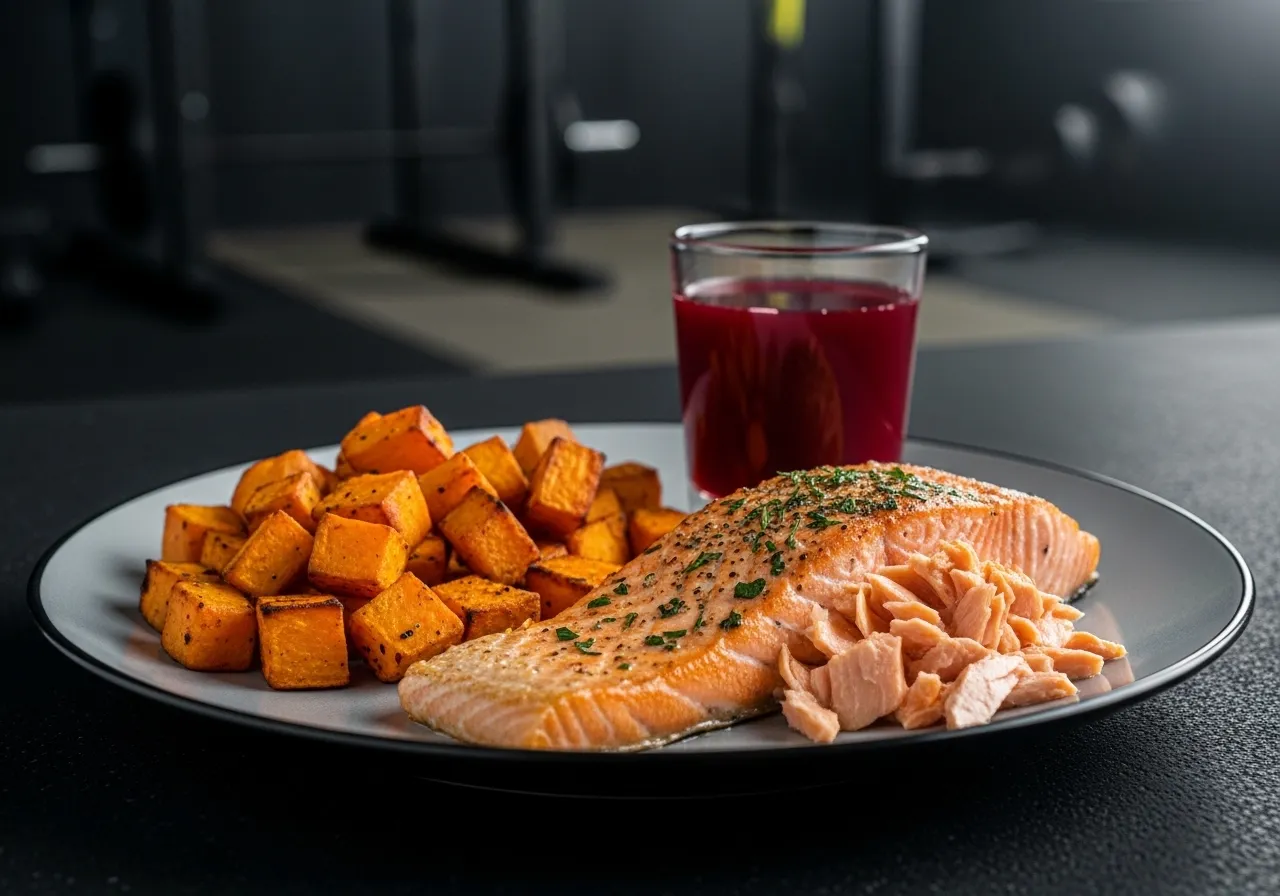
Dietary anti-inflammatory compounds — omega-3 fatty acids, polyphenols, and specific antioxidants — modulate the inflammatory response to training in ways that can support recovery quality, though the appropriate use of these compounds requires understanding the nuanced relationship between inflammation and recovery. Exercise-induced inflammation serves essential repair functions — the inflammatory phase of muscle damage response orchestrates the satellite cell activation, debris clearance, and repair signaling that muscle adaptation requires — meaning that complete suppression of post-training inflammation impairs rather than enhances recovery. The appropriate role of dietary anti-inflammatory compounds is modulation (reducing the excessive or prolonged inflammation that produces DOMS and recovery impairment) rather than suppression (eliminating the inflammation that drives repair). Foods and supplements with evidence for beneficial effects on recovery through anti-inflammatory modulation: tart cherry juice (750 to 1000 mL daily, providing anthocyanins that reduce oxidative stress and inflammatory markers), shown in multiple randomized controlled trials to reduce DOMS and accelerate strength recovery after eccentric exercise; omega-3 fatty acids from fatty fish or fish oil (2 to 4 grams EPA + DHA daily) that reduce IL-6 and TNF-alpha inflammatory cytokines without impairing the satellite cell activation that muscle repair requires; and curcumin (500 to 1000 mg daily with piperine for absorption) that inhibits NF-kB inflammatory signaling. Notably, high-dose antioxidant supplementation (vitamin C above 1 gram and vitamin E above 400 IU daily) shows evidence of impairing the training adaptations that controlled reactive oxygen species signaling promotes — suggesting that very high antioxidant supplementation is counterproductive despite its intuitive appeal for reducing exercise-induced oxidative stress.
Creatine, Protein Supplements, and Recovery-Focused Supplementation
Beyond the foundational protein and carbohydrate strategies, several specific supplements have sufficient evidence for recovery benefits to warrant consideration. Creatine monohydrate — the most extensively studied performance supplement in sports nutrition — supports recovery by replenishing phosphocreatine stores (the immediate energy system’s primary fuel, depleted during high-intensity training), supporting the cellular hydration that anabolic signaling requires, and showing direct evidence of reducing muscle damage markers and accelerating strength recovery after eccentric-heavy training in multiple meta-analyses. Standard dosing: 3 to 5 grams daily (loading phase not necessary — steady-state saturation is achieved within 3 to 4 weeks at maintenance doses). Beta-alanine extends the buffering capacity that delays acid accumulation in working muscles — indirectly supporting recovery by reducing the acid-induced muscle damage that training to metabolic failure produces, though its primary evidence base is for performance enhancement rather than direct recovery acceleration. Collagen peptides (10 to 15 grams consumed with vitamin C 60 minutes before training) have emerging evidence for supporting connective tissue recovery — specifically the tendons, ligaments, and cartilage that are recovery-limited by slower turnover rates than muscle tissue and that most recovery protocols fail to specifically address. The practical supplement priority order for recovery: creatine monohydrate (strongest evidence, multiple mechanisms), protein supplements if dietary protein is insufficient (whey for post-workout, casein for overnight), tart cherry juice or concentrate during heavy training blocks, and collagen peptides for connective tissue-intensive training programs.
The interaction between total daily caloric intake and recovery quality is a frequently overlooked dimension of recovery nutrition that protein and carbohydrate timing strategies cannot compensate for if overall energy availability is insufficient. Energy availability — the calories remaining for physiological processes after the energy cost of training is subtracted from total caloric intake — must be adequate to support both the resting metabolic needs of the body and the elevated anabolic demands of post-training tissue repair. Research on low energy availability and recovery shows that insufficient caloric intake impairs MPS, reduces growth hormone secretion, elevates cortisol, impairs sleep quality, and reduces the hormonal milieu that training adaptation requires — effects that produce the performance plateau and injury vulnerability that is otherwise attributed to overtraining but often reflects under-fueling. The target for athletes in training: consume sufficient calories to meet both baseline metabolic needs and the energy cost of training sessions, with the specific target dependent on body composition goals (a modest caloric surplus of 200 to 300 calories above maintenance for muscle-building goals; maintenance calories or a very modest deficit of 200 to 300 calories for body composition improvement without sacrificing recovery quality). Aggressively restricting calories while maintaining high training volumes is the most reliable way to impair recovery, regardless of how well-timed the protein and carbohydrate intakes are within those restricted calories.
| Nutrient | Timing | Dose | Primary Recovery Benefit |
|---|---|---|---|
| Protein | Within 2h post-workout | 25–40g high-quality | MPS, muscle repair |
| Carbohydrates | Within 30–60 min (if training again within 24h) | 1–1.2g/kg | Glycogen resynthesis |
| Fluids + electrolytes | Immediately post-workout | 150% of sweat loss | Rehydration, circulation |
| Creatine | Any time (daily) | 3–5g | Phosphocreatine replenishment, reduced damage |
| Tart cherry | Pre- and post-workout | 750–1000mL juice | DOMS reduction, strength recovery |
A meta-analysis in the Journal of the International Society of Sports Nutrition found that consuming 20 to 40 grams of protein within 2 hours post-exercise maximizes muscle protein synthesis rates, with the addition of 1 to 1.2 grams of carbohydrates per kilogram of bodyweight accelerating glycogen replenishment and reducing next-session fatigue.

The Role of Sleep in Post-Workout Recovery
Sleep is not simply the absence of wakefulness — it is the most anabolically productive state the body enters, and optimizing sleep quality and duration is the highest-impact single recovery intervention available to any athlete.
When I started tracking sleep alongside training, I could see my performance was directly tied to sleep quality in a way that made every other recovery variable look minor.
Sleep and Anabolic Hormone Secretion
The hormonal environment during sleep is fundamentally different from the waking hormonal environment — and profoundly more conducive to the tissue repair and structural adaptation that training-induced recovery requires. Growth hormone (GH) secretion — the primary anabolic signal driving muscle protein synthesis, fat oxidation, and connective tissue repair — occurs in pulses predominantly during slow-wave sleep (stages 3 and 4 of non-REM sleep), with approximately 70 to 80 percent of daily GH secretion occurring during the first few hours of sleep. Testosterone — the primary anabolic steroid driving muscle mass, strength adaptation, and recovery from training stress — is secreted predominantly during REM sleep, with sleep duration a primary determinant of testosterone levels: research shows that reducing sleep from 8 hours to 5 hours for one week reduces testosterone levels by 10 to 15 percent — a reduction equivalent to 10 to 15 years of normal age-related testosterone decline. Insulin-like growth factor 1 (IGF-1) — which amplifies GH’s anabolic effects on muscle and connective tissue — peaks during deep sleep and is directly impaired by sleep restriction. Cortisol — the primary catabolic hormone that promotes muscle protein breakdown — is naturally suppressed during sleep (particularly during the first half of the night) before rising in the early morning hours to facilitate awakening and glucose mobilization. The net effect of adequate sleep on the anabolic-catabolic hormone ratio is dramatic: sleep-deprived athletes operate in a relatively catabolic hormonal environment compared to adequately slept athletes, making the training stimulus’s conversion into adaptation systematically less efficient in the sleep-restricted state.
Sleep Duration Recommendations for Athletes
The evidence on sleep duration and athletic recovery consistently supports targets significantly above the general population sleep recommendation of 7 to 9 hours. Research on elite athletes and collegiate athletic teams shows that athletes sleeping 10 hours per night demonstrate improvements in sprint speed, reaction time, shooting accuracy, and mood state compared to their habitual 6 to 8 hour baseline — suggesting that most athletes are operating in a state of chronic partial sleep deprivation relative to their optimal recovery needs. For recreational athletes, 8 to 9 hours of sleep per night is the evidence-supported target, with the understanding that training days (particularly those involving high-volume or high-intensity sessions) increase sleep need above non-training day baselines through the recovery demands that training creates. Sleep extension — deliberately extending sleep duration by going to bed earlier rather than sleeping later — is more effective for recovery than sleeping later (which tends to be REM-rich, catching up on the sleep stage that high-stress periods most disrupt) because it captures more slow-wave sleep in the earlier sleep cycles where GH secretion is concentrated. The practical implication: if training quality and recovery feel insufficient, increasing sleep duration by 30 to 60 minutes per night — through consistent earlier bedtimes rather than variable late-morning wake times — is the single highest-impact recovery intervention available at zero financial cost.
Sleep Quality: Architecture and Recovery
Sleep quality — the proportion of sleep time spent in the high-recovery slow-wave and REM stages — is as important as sleep quantity for training recovery, and quality can be poor even when duration is adequate if the factors that disrupt sleep architecture are present. The sleep stages most important for athletic recovery: slow-wave sleep (stages 3 and 4, deep non-REM sleep occurring predominantly in the first half of the night) is the primary GH secretion period and the stage during which the majority of physical restoration occurs — tissue repair, immune function restoration, and metabolic waste clearance from the brain and body; REM sleep (occurring predominantly in the second half of the night, in progressively longer cycles toward morning) is the primary testosterone secretion period, the memory consolidation stage (important for motor learning and skill development that training drives), and the emotional processing stage that reduces the psychological stress that impairs recovery. The factors that most reliably disrupt sleep architecture and reduce recovery-relevant sleep quality: alcohol (reduces REM sleep duration and quality even at moderate consumption levels, and is one of the most harmful recovery saboteurs available despite its social normalization); screen exposure in the hour before sleep (blue light emission suppresses melatonin secretion and delays sleep onset, reducing total sleep time and shifting the sleep architecture toward lighter stages); late-night training (training within 2 to 3 hours of bedtime elevates core body temperature and sympathetic nervous system activation that delays sleep onset and reduces slow-wave sleep proportion); and inconsistent sleep timing (irregular bed and wake times disrupt the circadian rhythm that governs sleep stage distribution, reducing both slow-wave and REM sleep even when total sleep duration is adequate).
Practical Sleep Optimization Strategies
The most evidence-supported sleep optimization interventions for athletic recovery: maintain consistent bed and wake times across all days of the week, including weekends — circadian rhythm consistency is the single most impactful sleep quality determinant available, and weekend sleep schedule shifts of more than 1 hour produce “social jet lag” that disrupts the circadian timing of sleep stage distribution across the following week; keep the bedroom cool (18 to 20 degrees Celsius is the research-supported optimal sleep temperature — core body temperature decline is the primary signal initiating sleep onset, and a cool bedroom facilitates this decline more effectively than warm environments); eliminate all sources of light in the sleeping environment (even the ambient light from electronics on standby has been shown to disrupt sleep quality through the retinal light exposure that circadian clock-setting photoreceptors detect even through closed eyelids); develop a 30 to 60 minute pre-sleep wind-down routine that consistently signals sleep onset — the routine’s specific content matters less than its consistency and its avoidance of activating inputs (screen use, stressful content, high-intensity activity, bright lights). For athletes whose training schedule requires evening sessions within 2 to 3 hours of intended sleep time, strategies for mitigating training-induced sleep disruption include cold shower immediately post-training (accelerates the core temperature decline that sleep onset requires), magnesium glycinate supplementation (200 to 400 mg 30 to 60 minutes before sleep, supporting the GABAergic inhibitory neurotransmission that sleep onset requires), and a brief (15 to 20 minute) relaxation practice (progressive muscle relaxation, meditation, or breathing exercises) that actively transitions the nervous system from sympathetic to parasympathetic dominance before the intended sleep time.
Napping as a Recovery Tool
Strategic napping — brief daytime sleep periods that supplement nighttime sleep — is one of the most effective and most underutilized recovery tools available to athletes whose training schedules, life demands, or nighttime sleep quality limits the sleep duration that optimal recovery requires. Research on napping and athletic performance consistently shows that a 20 to 30 minute nap (the “power nap” duration that prevents the slow-wave sleep entry that produces sleep inertia — the grogginess and temporary performance reduction that longer naps create) significantly improves reaction time, sprint speed, mood state, and perceived exertion at standardized workloads when taken 6 to 8 hours after waking. A longer nap of 60 to 90 minutes — which includes a full sleep cycle including both slow-wave and REM sleep — provides more comprehensive recovery benefit but requires 20 to 30 minutes of post-nap sleep inertia clearance before performance is improved rather than impaired. The optimal nap timing is between 1 PM and 3 PM (corresponding to the natural circadian dip that most people experience in early afternoon), avoiding naps later than 4 PM that may interfere with nighttime sleep onset. For athletes training twice daily, a nap between sessions is one of the most effective between-session recovery strategies available — more effective than passive rest at equivalent time cost and nearly as effective as a full additional night of sleep for restoring the neuromuscular function that the first session depleted.
The relationship between caffeine consumption and sleep quality is one of the most practically important recovery considerations for the large proportion of athletes who use caffeine as a training performance enhancer. Caffeine’s mechanism of action — blocking adenosine receptors that promote sleep pressure — means that caffeine consumed in the afternoon or evening delays sleep onset, reduces slow-wave sleep proportion (the recovery-critical sleep stage described above), and reduces total sleep time even when the individual does not feel that caffeine is affecting their sleep. Research on caffeine and sleep consistently shows that caffeine consumed within 6 hours of intended sleep reduces total sleep time by approximately 1 hour and reduces slow-wave sleep percentage significantly — effects that persist even in habitual caffeine users who report no subjective sleep disruption from afternoon caffeine. The practical guidance for athletes: establish a personal caffeine cut-off time that is at least 6 hours before intended sleep (so a 10 PM bedtime requires a 4 PM caffeine cutoff); track the correlation between afternoon caffeine and sleep quality in a training log; and consider shifting pre-workout supplementation to caffeine-free formulations for afternoon and evening training sessions. For the athlete whose training schedule requires 4 to 6 PM sessions, using caffeine-free pre-workout alternatives (beta-alanine, citrulline, creatine) or simply accepting a small performance reduction relative to caffeine-enhanced performance in exchange for the recovery quality that undisrupted sleep provides represents a favorable trade-off for long-term training outcomes.
| Sleep Factor | Recovery Impact | Optimization Strategy |
|---|---|---|
| Duration | GH, testosterone secretion volume | Target 8–9 hours; earlier bedtime |
| Slow-wave sleep | Physical restoration, GH peak | Cool room, consistent timing, avoid alcohol |
| REM sleep | Testosterone, motor learning | Consistent wake time, reduce stress |
| Circadian consistency | Sleep architecture quality | Same bed/wake time ±30 min daily |
| Napping | Between-session recovery | 20–30 min, 1–3 PM optimal window |

Active Recovery Techniques That Speed Up Healing
Active recovery — low-intensity physical activity performed between training sessions — accelerates recovery through mechanisms that passive rest cannot replicate, making it one of the most effective recovery strategies available.
A 20-minute walk on rest days sounds almost too simple, but my soreness cleared faster and I showed up to the next session feeling better than on complete rest days.
Why Active Recovery Outperforms Passive Rest
The physiological mechanisms through which active recovery produces faster recovery than equivalent passive rest are well-established: increased blood flow to recovering muscle tissue (from the cardiovascular activation that even low-intensity exercise produces) enhances the delivery of repair nutrients (amino acids, glucose, oxygen) and the clearance of metabolic waste products (lactate, hydrogen ions, inflammatory byproducts) at rates that passive rest circulation cannot match; the mechanical pumping action of muscle contractions during active recovery improves lymphatic drainage of the interstitial fluid that edema and inflammation have accumulated; and the neural activation of the motor units in the recovering muscle during low-intensity exercise maintains the neuromuscular connectivity and coordination that complete disuse temporarily reduces. Research comparing active recovery to passive rest consistently shows that active recovery produces lower next-day soreness ratings, faster lactate clearance, and greater maintenance of muscle function across recovery periods — with the caveat that the intensity of the active recovery is the critical variable: high-intensity active recovery (above approximately 60 percent of maximum heart rate) increases rather than decreases recovery demand by adding additional training stress to the already-depleted system, while low-intensity active recovery (below 50 to 60 percent of maximum heart rate) consistently produces the recovery benefits described above.
Walking as the Most Underrated Recovery Tool
Walking is the single most accessible, most evidence-supported, and most consistently undervalued active recovery tool available — providing the blood flow enhancement, lymphatic drainage, and gentle musculoskeletal loading that recovery requires without any of the recovery cost that more intense activities impose. A 20 to 30 minute walk at comfortable pace (approximately 50 to 55 percent of maximum heart rate) the day after an intense training session produces measurable reductions in DOMS ratings, faster restoration of strength and power output, and improved subjective recovery perception compared to complete rest — outcomes achieved through the mechanisms described above at zero equipment cost and negligible scheduling demand. The anti-inflammatory effects of walking extend beyond the direct circulation effects: walking’s mild mechanical loading of the musculoskeletal system produces anti-inflammatory signaling (IL-10, IL-1 receptor antagonist) that reduces the excessive inflammation contributing to soreness and function impairment, while the modest cortisol response that mild cardiovascular exercise produces provides a brief anti-inflammatory hormonal pulse without the sustained cortisol elevation that high-intensity training produces. Walking outdoors in natural settings provides additional recovery benefit through the stress reduction and autonomic nervous system rebalancing that nature exposure (reduced sensory stimulation, green space, natural light) produces — adding psychological recovery value to the physical recovery benefits that any walking environment provides.
Swimming and Pool Recovery
Aquatic exercise — swimming laps, water walking, or pool-based mobility work — provides active recovery with the additional benefit of hydrostatic pressure that the water exerts on all submerged body surfaces. Hydrostatic pressure acts as total-body compression that reduces interstitial fluid accumulation (the mechanism underlying the edema and swelling that contribute to post-exercise soreness and function impairment), improves venous return of blood to the central circulation, and creates the gentle compression that enhances lymphatic drainage at rates that land-based active recovery cannot replicate. Research on aquatic active recovery consistently shows that pool-based recovery produces greater DOMS reduction and faster strength restoration than equivalent-intensity land-based active recovery — attributable to the hydrostatic pressure effects that water immersion provides. The temperature of the water adds another variable: cool water immersion (15 to 20 degrees Celsius) combines the active recovery benefits of aquatic exercise with the cold therapy benefits described in section five, while warm water immersion (35 to 38 degrees Celsius) combines active recovery with the muscle tension reduction and parasympathetic activation that thermal relaxation produces. Even non-swimming aquatic recovery — simply performing gentle mobility exercises while submerged to the waist or neck in a pool at comfortable temperature — provides meaningful recovery enhancement that pure walking cannot match through the hydrostatic pressure mechanism that water provides regardless of the specific activity performed within it.
Yoga and Mobility Work as Active Recovery
Gentle yoga and structured mobility work provide active recovery benefits through the combination of low-intensity movement, parasympathetic nervous system activation, and range of motion maintenance that together accelerate both physical and psychological recovery. The specific recovery mechanisms of yoga practice: the low-intensity muscular engagement of yoga postures provides the blood flow enhancement and mild mechanical loading that active recovery requires without training stress; the breath-focused practice activates the parasympathetic nervous system through the extended exhalation and slow breathing rates that yoga emphasizes, directly reducing the sympathetic activation that intense training maintains; and the stretching component addresses the muscle tightening and range of motion restriction that training induces, preventing the accumulated flexibility losses that training without mobility maintenance produces. Research on yoga as active recovery shows significant reductions in DOMS, faster restoration of range of motion, and improved mood state compared to passive rest — with yin yoga (long-held, passive stretching) and restorative yoga (prop-supported, fully passive positions) producing the greatest parasympathetic activation and psychological recovery benefit. A 30 to 45 minute yin or restorative yoga session the evening after an intense training session, or as a dedicated recovery-day practice, provides comprehensive active recovery benefits that integrate the physical, neural, and psychological recovery dimensions that full recovery restoration requires.
Foam Rolling and Self-Myofascial Release
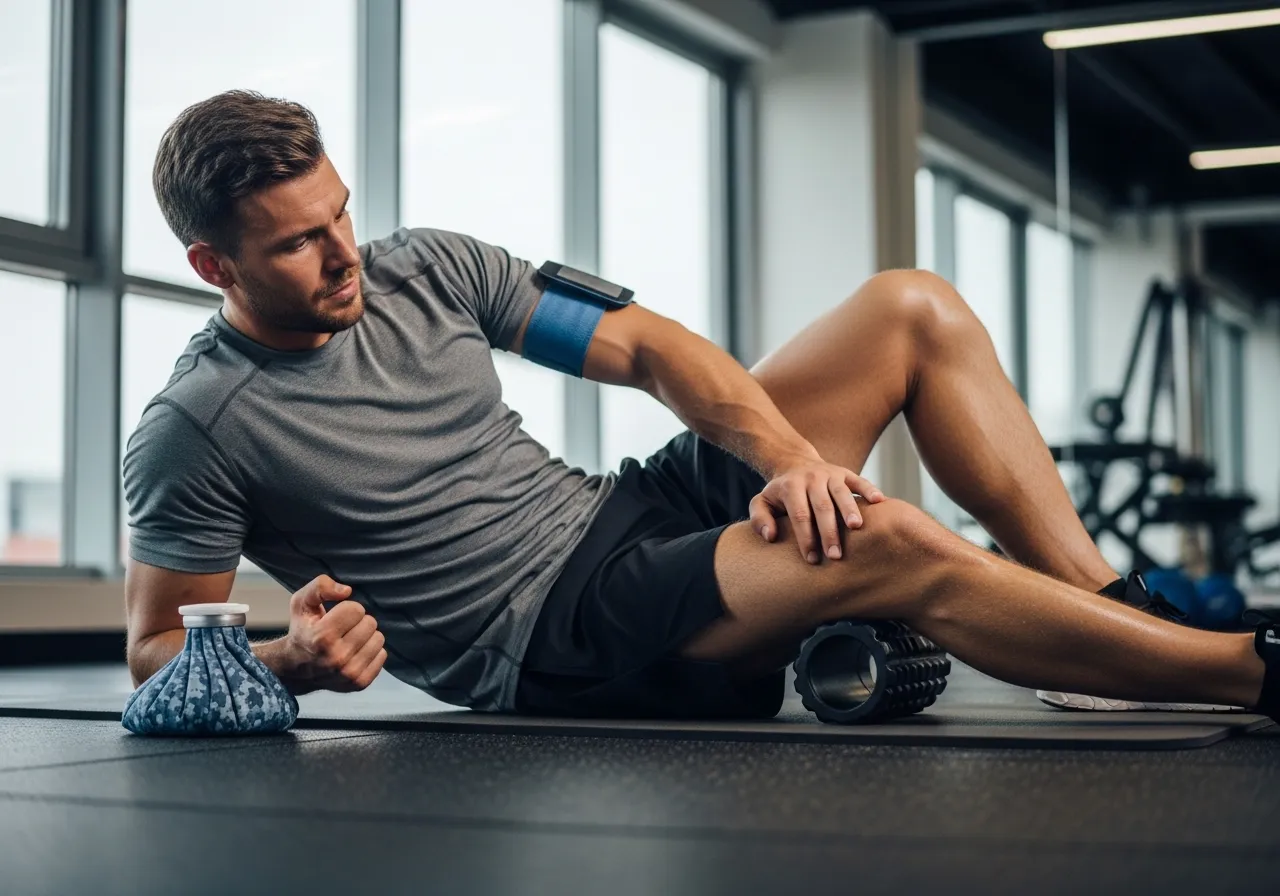
Foam rolling — applying body weight pressure to a foam cylinder to provide self-massage to the muscles and fascia — produces the most mechanically direct form of active recovery intervention available without professional assistance, and has accumulated substantial research support for its specific recovery effects. The mechanisms: direct mechanical pressure on muscle tissue reduces the passive tension that accumulated metabolic byproducts and protective spasm maintain, improving the tissue’s compliance and range of motion; the pressure and stretch applied to fascial tissue (the connective tissue network that surrounds and connects all muscles) reduces fascial adhesion that restricts movement and contributes to soreness; and the neurological response to the mechanical pressure (the autogenic inhibition that sustained pressure on a muscle produces through Golgi tendon organ activation) reduces muscle tone below the resting level, producing the myofascial release sensation that experienced foam rollers recognize. Research on foam rolling and recovery shows consistent reductions in DOMS (20 to 40 percent reduction in soreness ratings), faster restoration of range of motion, and modest improvements in subsequent performance — outcomes achieved with sessions of 20 to 30 seconds per muscle group, repeated 2 to 3 times, performed within 30 minutes post-training and/or the following morning. The common instruction to “roll through the pain” is not supported by the research — a moderate pressure that produces the “hurts so good” sensation (4 to 6 out of 10 discomfort) is more effective than the maximum pressure that produces guarded, tensed tissue response, because tissue guarding prevents the autogenic inhibition that effective foam rolling requires.
The psychological dimension of active recovery — the mood enhancement, stress reduction, and cognitive restoration that low-intensity physical activity provides — is as important for complete recovery as the physiological mechanisms described above, and is particularly relevant for athletes whose training serves as both physical development and psychological wellbeing management. The bidirectional relationship between psychological state and physical recovery means that psychological restoration accelerates physical recovery (through the hormonal changes that positive mood and reduced stress produce) and physical recovery accelerates psychological restoration (through the endorphin, serotonin, and BDNF effects that even light exercise produces). Active recovery practices that most effectively serve both physiological and psychological recovery simultaneously: walking in natural settings (the combined effects of mild cardiovascular activation, nature exposure, and reduced sensory stimulation produce the greatest parasympathetic activation and stress hormone reduction of any common active recovery activity); swimming (the sensory deprivation of underwater movement combined with the rhythmic breathing and hydrotherapy combine physical and psychological recovery benefits uniquely); and yoga (the mindfulness component of yoga practice adds the psychological recovery benefits of present-moment awareness and rumination reduction to the physical recovery benefits of low-intensity movement and stretching). For athletes experiencing high-stress periods — professional pressure, personal challenges, or the psychological burden of competitive performance — investing in the active recovery forms that most directly address psychological stress alongside physical fatigue produces better overall recovery outcomes than optimizing the physical recovery modalities alone at the expense of the psychological recovery that the total stress load equally requires.
The social dimension of active recovery — performing recovery activities with training partners, friends, or in community settings — provides additional recovery benefits through the social support, positive mood, and reduced isolation that group activity produces. Group walks, recreational swimming, social yoga classes, and casual team sports performed at active recovery intensity all provide the same physiological recovery benefits as solitary equivalents while adding the social connection that research consistently identifies as a significant moderator of stress, psychological wellbeing, and the recovery outcomes that psychological state influences. For the recreational athlete whose training is already a predominantly solitary activity, incorporating social elements into active recovery practices deliberately addresses the social dimension of wellbeing that isolated training does not provide — producing a more complete recovery that extends beyond the physical parameters that training-focused recovery protocols tend to emphasize.
| Active Recovery Method | Intensity | Best For | Optimal Duration |
|---|---|---|---|
| Walking | Very low (50–55% MHR) | General recovery, any training type | 20–30 min |
| Swimming / pool work | Low (50–60% MHR) | Lower body training recovery | 20–30 min |
| Yoga (yin/restorative) | Minimal | Psychological + physical recovery | 30–45 min |
| Foam rolling | N/A (self-massage) | DOMS reduction, range of motion | 20–30 sec/muscle × 2–3 |
| Light cycling | Low (50–60% MHR) | Lower body active recovery | 15–20 min |

Cold Therapy, Heat Therapy, and Contrast Therapy
Temperature-based recovery modalities — ice baths, hot baths, sauna, and alternating hot-cold protocols — are among the most discussed and most debated recovery interventions in sports science, with evidence that is both compelling and nuanced.
I was skeptical of cold showers until I started taking them post-training — the reduction in next-day stiffness was noticeable enough that I’ve kept the habit for over a year.
Cold Water Immersion: The Evidence
Cold water immersion (CWI) — immersing the body in water at 10 to 15 degrees Celsius for 10 to 20 minutes post-training — is the most extensively researched temperature-based recovery modality and the one with the most robust evidence for specific recovery outcomes. The physiological mechanisms: vasoconstriction during CWI reduces blood flow to peripheral tissues, limiting the inflammatory response and edema that produce DOMS and function impairment; the hydrostatic pressure of water immersion (present even without cold — described in section four) reduces interstitial fluid accumulation; and the thermal shock of cold immersion produces a hormonal response (norepinephrine increase, dopamine increase, cortisol decrease) that has both anti-inflammatory and mood-elevating effects. Research on CWI and recovery consistently shows: significant reductions in DOMS (30 to 50 percent in meta-analyses), faster restoration of muscle function and power output in the 24 to 72 hours after intense exercise, and improved subjective recovery perception — outcomes that make CWI one of the most effective single recovery interventions available. However, the critical caveat: CWI appears to blunt the hypertrophic adaptation that resistance training produces through the inflammatory pathways that CWI suppresses — research shows that regular post-training CWI reduces muscle protein synthesis and satellite cell activation compared to passive recovery in resistance training contexts. This finding suggests that CWI is most appropriately used selectively — for recovery between sessions in congested competition or training schedules where performance restoration is the priority — rather than routinely after every resistance training session where maximizing hypertrophic adaptation is the goal.
Heat Therapy and Sauna for Recovery
Heat-based recovery — hot baths, sauna, steam room — provides recovery benefits through mechanisms opposite to cold therapy but equally valuable in appropriate contexts. The physiological mechanisms of heat recovery: vasodilation increases blood flow to recovering muscle tissue, enhancing nutrient delivery and metabolic waste clearance at rates that exceed normal resting circulation; elevated tissue temperature improves muscle extensibility, reducing the passive stiffness that training-induced muscle tension maintains; and the parasympathetic activation that thermal comfort produces (when the heat is maintained at a comfortable rather than stressful level) reduces sympathetic tone and supports the hormonal milieu that anabolic recovery requires. Finnish sauna research — notably the extensive Kuopio sauna studies — shows that regular sauna use (4 to 7 sessions per week at 80 to 100 degrees Celsius for 15 to 20 minutes) produces cardiovascular adaptations that improve cardiovascular fitness, reduces inflammatory markers, and increases growth hormone secretion by 200 to 300 percent above baseline — a GH effect that, while transient, provides meaningful additional anabolic support during the recovery period. The timing of heat therapy relative to training matters: heat within 4 to 6 hours post-training (when inflammatory processes are actively driving repair) should be avoided to prevent the inflammation augmentation that heat promotes at this time; heat 6 to 24 hours post-training, when the initial inflammatory phase has subsided, provides the vasodilation and relaxation benefits without the inflammation-augmenting risk of acute post-training heat application.
Contrast Therapy: Hot-Cold Alternation
Contrast therapy — alternating between hot and cold exposure in cycles — is theorized to produce recovery benefits through the “vascular pumping” action that the alternating vasoconstriction (cold) and vasodilation (heat) creates, driving increased blood flow and lymphatic drainage in the recovery tissue. The standard contrast therapy protocol: 3 to 4 cycles of 1 to 2 minutes cold (10 to 15 degrees Celsius) alternating with 3 to 4 minutes hot (38 to 40 degrees Celsius), beginning and ending with cold, for a total session of 15 to 20 minutes. Research on contrast therapy shows recovery benefits — DOMS reduction, faster functional recovery — that are comparable to CWI alone for endurance training recovery and somewhat superior to either hot or cold alone for mixed training recovery contexts. The practical implementation most accessible to recreational athletes without ice bath facilities: shower contrast therapy (alternating cold and warm shower cycles) provides meaningful recovery benefit with only standard shower facilities, though the temperature differential achievable in a shower is typically less extreme than dedicated immersion protocols and produces proportionally smaller effects. For athletes competing or training in settings where access to cold immersion or sauna is available, the contrast bath protocol (using the facility’s hot tub or sauna alternated with cold pool or ice bath) represents one of the highest-value recovery modality combinations available within standard sports facility infrastructure.
Compression Garments and Recovery
Compression garments — graduated compression tights, sleeves, and socks that apply consistent mechanical pressure to the covered limb — provide recovery effects through the same hydrostatic pressure mechanism that water immersion produces, but in a portable, wearable form that can be applied throughout the post-training period including sleep. The evidence on compression garments and recovery is consistent: meta-analyses show significant reductions in DOMS, faster restoration of muscle function, and reduced swelling in the compressed limbs compared to standard clothing — with the largest effects seen in the 24 to 48 hour post-exercise window when compression is worn continuously or for extended periods. The compression mechanism: graduated pressure (highest distally, reducing proximally) improves venous return of blood from the limb’s periphery to the central circulation, reduces interstitial fluid accumulation in the muscles and subcutaneous tissue, and provides the proprioceptive stimulation that may reduce the pain sensitization contributing to DOMS severity. Wearing compression tights or calf sleeves during the 12 to 24 hours after a heavy lower body training session — including during sleep if tolerated — provides one of the most passive, maintenance-free recovery interventions available, requiring no active protocol compliance after the garment is donned.
Massage: Professional and Self-Directed
Massage therapy — the systematic manipulation of soft tissue through effleurage, petrissage, friction, and tapotement techniques — is one of the oldest recovery interventions in athletic history and one with substantial research support for its recovery outcomes. The mechanisms: massage mechanically reduces passive muscle tension through the direct pressure that disrupts the contractile element tension maintaining shortened muscle length; improves local circulation through the mechanical pumping of blood and lymph that massage strokes produce; and reduces the psychological stress and pain perception that contribute to the subjective severity of DOMS and recovery fatigue through the opioid and oxytocin-mediated pain modulation that touch and pressure activate. Research on massage and recovery outcomes shows consistent reductions in DOMS severity (approximately 30 percent reduction) and improvements in mood state, anxiety reduction, and subjective recovery — with the timing of massage significantly affecting outcomes: massage performed immediately post-training (within 2 hours) reduces subsequent DOMS most effectively; massage performed at peak DOMS (24 to 72 hours post-training) most directly addresses the symptomatic soreness that limits training quality in this window. Sports massage from a qualified massage therapist is the gold standard intervention, but the cost and scheduling demands make regular professional massage impractical for most recreational athletes — self-directed massage tools (foam rollers, massage balls, percussion massagers) provide meaningful recovery benefits at fraction of the professional massage cost and with the scheduling flexibility that daily application requires.
The evidence on cold water immersion and hypertrophy impairment — described in section 5-1 — requires some nuance in interpretation to avoid the overly simplistic conclusion that CWI should be entirely avoided by anyone with muscle-building goals. The research showing hypertrophic impairment from CWI is based primarily on studies using CWI immediately (within 10 to 30 minutes) after resistance training sessions — a timing that maximally exposes the exercise-induced satellite cell activation to the inflammatory suppression that cold produces. CWI applied 4 to 6 hours post-training, when the acute satellite cell activation window has passed and the ongoing inflammatory repair is in a phase where suppression is less likely to impair adaptation, appears to produce fewer of the hypertrophic downsides that immediate post-training CWI demonstrates. Additionally, the hypertrophy impairment effect appears more pronounced with high-frequency CWI use (multiple times per week) than with strategic use (once or twice per week on the heaviest training days). Athletes with both performance and hypertrophy goals can therefore use CWI strategically — on the heaviest training days or during congested competition schedules where performance recovery takes clear priority — without systematically undermining hypertrophic adaptation, as long as CWI is not applied immediately after training and is not used after every session.
The emerging research on heat acclimation and its effects on athletic performance and recovery provides an additional rationale for sauna use beyond the immediate recovery benefits described in section 5-2. Heat acclimation — the physiological adaptations to repeated heat stress — produces increases in plasma volume (expanding blood volume and improving cardiovascular endurance capacity), improved sweat rate and distribution (enhancing thermoregulation during exercise in any environment), increased red blood cell production (improving oxygen-carrying capacity through an erythropoietin mechanism similar to altitude training), and enhanced heat shock protein production (proteins that protect cells from stress-induced damage and support cellular repair). Research on sauna protocols for heat acclimation shows that 4 to 7 sauna sessions per week for 2 to 3 weeks produces meaningful performance improvements in endurance athletes comparable to those produced by altitude training camps — suggesting that regular sauna use is both a recovery tool and a performance enhancement tool that recreational athletes can access without the expense and logistics of altitude training. The practical protocol: 15 to 20 minutes in a Finnish-style sauna (80 to 100 degrees Celsius) 3 to 4 times per week, separated from intense training by at least 6 hours, providing the combined recovery, adaptation, and cardiovascular health benefits that the evidence base supports.
| Modality | Best Use Case | Caution |
|---|---|---|
| Cold water immersion | Competition/performance recovery | Blunts hypertrophy if used routinely after lifting |
| Sauna / heat | Relaxation, cardiovascular recovery | Avoid within 4–6h post-training |
| Contrast therapy | Mixed training, congested schedules | Not ideal for pure hypertrophy goals |
| Compression garments | Passive 24h recovery, travel | Ensure correct size for graduated compression |
| Massage | DOMS reduction, tension release | Avoid deep massage at acute injury sites |
The Best Recovery Tools Worth Investing In
The recovery tool market offers dozens of products at a wide range of price points — most with compelling marketing and variable scientific support. This section cuts through the noise to identify what is actually worth buying.
A foam roller sat unused in my apartment for six months before I actually learned how to use it correctly — the technique matters far more than the tool itself.
Percussion Massage Guns: Worth the Investment
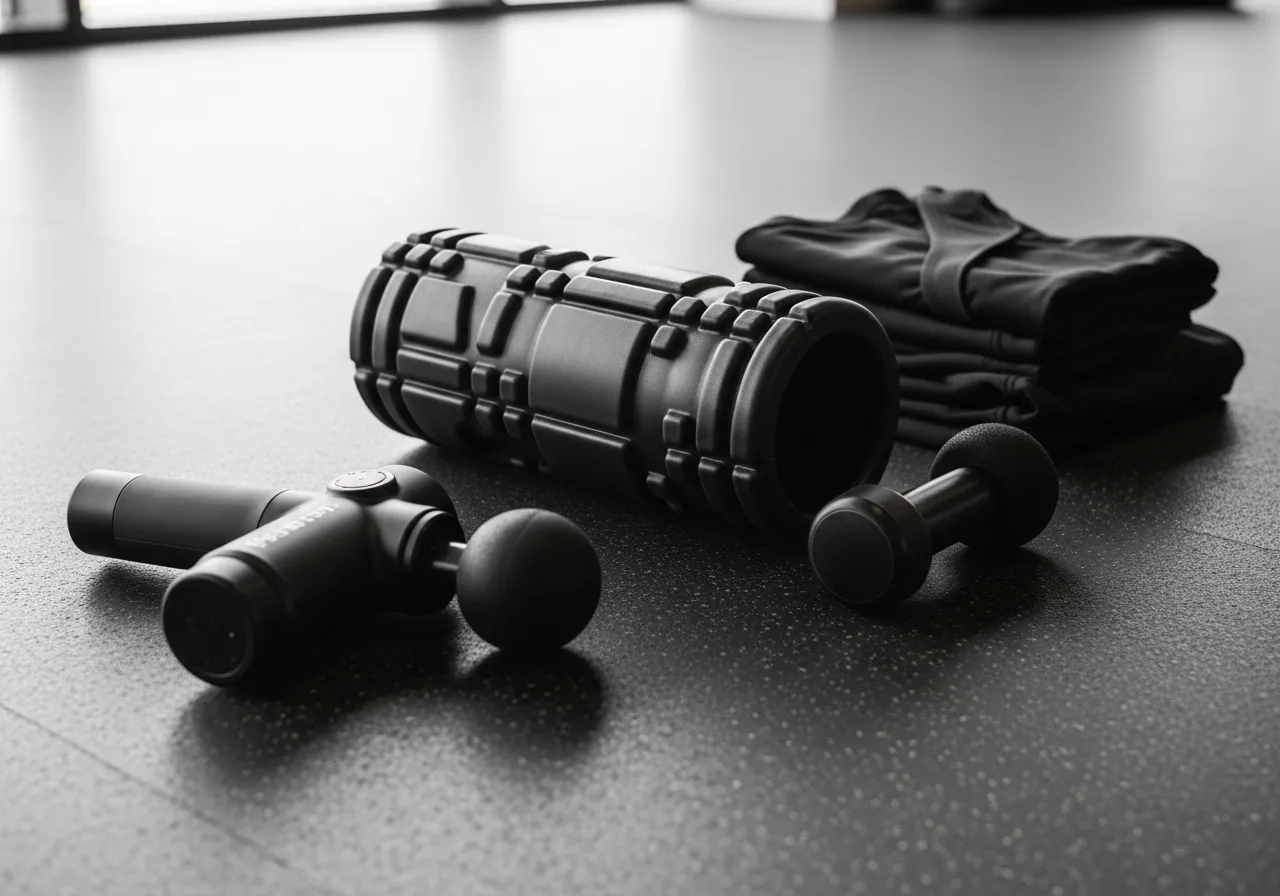
Percussion massage guns — handheld devices that deliver rapid, repetitive percussive impacts to muscle tissue — have become one of the most popular recovery tools in the market, and the research on their efficacy generally supports the investment for athletes who train consistently enough to benefit from regular soft tissue work. The mechanism: the rapid percussion provides a form of vibration therapy that has been shown to reduce passive muscle tension, improve range of motion, decrease perceived soreness, and stimulate the local circulation that recovery requires — effects comparable to traditional massage but achievable independently without scheduling or cost constraints. Research comparing percussion massage guns to foam rolling shows comparable effects on range of motion, DOMS reduction, and perceived recovery — with the percussion gun providing superior access to muscles that foam rolling positioning cannot easily target (mid-back, posterior shoulder, upper trapezius) and the foam roller providing superior contact area for large muscle group coverage (quadriceps, hamstrings, glutes). A quality percussion massage gun in the 150 to 400 dollar range provides years of effective use for athletes training 3 to 5 times per week, with the investment justified by the frequency and quality of use rather than by any superiority over more economical alternatives.
Foam Rollers: Essential, Affordable, Effective
The foam roller remains the most cost-effective recovery tool available that has genuine scientific support for meaningful recovery outcomes. A high-density foam roller in the 20 to 50 dollar range provides the self-myofascial release benefits described in section four at a fraction of the cost of percussion massagers, with the additional advantages of large surface area contact (covering the full quadriceps or hamstring in a single position rather than requiring point-by-point percussion gun coverage) and body weight as the resistance source (eliminating the arm fatigue that percussion gun use over large muscle groups produces). Foam roller texture — smooth, grid, or spiky surface — affects the pressure distribution across the contact area: smooth rollers distribute pressure more broadly (appropriate for acute soreness management and beginners sensitive to pressure), while grid and textured rollers concentrate pressure at specific points (providing more intense myofascial release for experienced users with moderate soreness). The investment recommendation: start with a high-density smooth foam roller (not the soft white rollers that compress under body weight and provide minimal effective pressure) and add a smaller lacrosse ball or massage ball for targeted point pressure on areas that the foam roller cannot adequately access (glute medius, upper trapezius, plantar fascia).
Sleep Tracking Wearables: Data-Driven Recovery Management
Sleep and recovery tracking wearables — devices like the Oura Ring, WHOOP, Garmin fitness trackers, and Apple Watch — provide the objective recovery data that makes training load management evidence-based rather than intuition-based. The most recovery-relevant metrics that quality wearables provide: heart rate variability (HRV) on waking (the primary objective recovery status indicator described in section one); resting heart rate trends across training weeks (elevated trends indicate accumulated fatigue); sleep stage distribution (total sleep, slow-wave sleep, and REM proportions); and recovery scores that integrate multiple physiological inputs into an overall recovery readiness rating. The evidence for HRV-guided training — where training load is adjusted based on daily HRV readings — consistently shows better performance outcomes, lower injury rates, and higher training motivation compared to fixed training load programming, because HRV-guided training systematically reduces training load on physiologically unfavorable days and increases it on favorable days rather than applying the same demands regardless of the physiological state they encounter. The investment in a quality recovery wearable (150 to 500 dollars depending on the device) is justified for athletes who train seriously enough to benefit from systematic recovery management — typically those training 4 or more times per week with genuine performance or body composition goals.
Not Worth It: Recovery Products Without Evidence
The recovery product market includes many products that are marketed aggressively but lack meaningful scientific support for their claimed recovery benefits — and identifying these products prevents the waste of money and the false recovery confidence that using ineffective tools while neglecting evidence-based strategies produces. Products with insufficient evidence for the costs they impose: compression boots (pneumatic leg compression devices ranging from 500 to 1,500 dollars) show recovery effects comparable to compression garments at a fraction of the cost — the additional pneumatic mechanism adds negligible benefit over passive compression for most recreational athletes; electrical muscle stimulation (EMS) devices show inconsistent evidence for recovery benefits (some studies show modest DOMS reduction, others show no effect) at costs ranging from 100 to 500 dollars for consumer-grade devices that deliver far lower current than the clinical-grade devices in which any evidence was developed; and alkaline water, infrared light therapy panels, and various supplement combinations (beyond the evidence-supported supplements described in section two) are marketed for recovery benefits with either no randomized controlled trial evidence or effect sizes too small to justify their cost premium over evidence-based alternatives. The most effective recovery strategy is not the most expensive one — adequate protein intake, 8 to 9 hours of high-quality sleep, daily walking, foam rolling, and consistent training frequency produce recovery outcomes that the vast majority of marketed recovery products cannot meaningfully improve upon.
The Recovery Tool Priority List
For the recreational athlete building a recovery toolkit with finite budget, prioritizing investments by evidence quality and cost-effectiveness produces the following hierarchy. First priority (free): adequate sleep (8 to 9 hours), daily walking on recovery days, and post-workout protein and carbohydrate nutrition — these three practices account for approximately 70 to 80 percent of total recovery optimization potential at zero additional cost. Second priority (low cost, high evidence): high-density foam roller (20 to 50 dollars) and a massage ball (5 to 15 dollars) for self-myofascial release; creatine monohydrate (15 to 30 dollars per month) for enhanced glycogen and phosphocreatine replenishment; and a protein supplement (40 to 60 dollars per month) if dietary protein is insufficient without supplementation. Third priority (moderate cost, good evidence): a recovery wearable for HRV monitoring (150 to 300 dollars) that enables evidence-based training load management; and tart cherry juice or concentrate for heavy training blocks (20 to 40 dollars per month). Fourth priority (higher cost, situational benefit): a percussion massage gun (150 to 300 dollars) for athletes who train frequently enough to use it daily and who find the foam roller’s access limitations meaningful; and compression garments (30 to 80 dollars per pair) for athletes who travel frequently or perform multiple sessions per day. Everything beyond this list provides marginal improvements at best and is best allocated toward the food quality, sleep environment, and training quality improvements that produce greater recovery benefit than any single tool or supplement.
The market for recovery-focused wearable technology is evolving rapidly, and several specific devices and capabilities deserve mention beyond the general sleep tracking wearable category described in section 6-3. Continuous glucose monitors (CGMs) — originally developed for diabetes management — are increasingly used by athletes to optimize the nutrition timing that fuels both training performance and recovery: real-time glucose data reveals how specific foods affect blood glucose response, enabling the personalization of pre- and post-workout nutrition beyond the generic glycemic index categories that population-average research produces. Smart mattress covers (Eight Sleep, Withings) monitor sleep quality through movement sensing and provide temperature regulation that optimizes the sleep environment for the sleep stages that athletic recovery requires — an investment that is expensive (400 to 2,000 dollars) but may produce the greatest single-night sleep quality improvement of any single recovery product for athletes whose sleep is significantly impaired by temperature regulation. And muscle oxygenation monitors (Moxy, BSX Athletics) provide real-time data on the oxygen saturation of working muscle during training and recovery, enabling the optimization of both training intensity and active recovery intensity at levels that heart rate monitoring alone cannot achieve. These advanced tools are appropriate for the most committed recreational athletes and competitive amateurs whose performance improvement goals justify the investment and the data management that their effective use requires — for the majority of recreational athletes, the evidence-based practices and lower-cost tools described throughout this guide produce recovery quality that advanced biometric technology would improve only marginally.
The recovery supplement market is particularly prone to products with compelling theoretical mechanisms but inadequate human evidence — and recognizing the pattern that distinguishes evidence-supported supplements from those relying primarily on mechanistic plausibility prevents the waste of money and false confidence that ineffective supplementation produces. The standard to apply: does the supplement have at least two well-designed randomized controlled trials in athletic populations showing the claimed effect size? If not, the supplement belongs in the unproven category regardless of how compelling its theoretical mechanism sounds, how many athletes endorse it, or how prominently it is marketed by the sports nutrition industry. By this standard, the supplements described in section 2-6 (creatine, tart cherry, omega-3s, collagen) meet the evidence threshold for inclusion in a recovery supplement protocol; most others currently available — from expensive plant extract complexes to recovery-marketed amino acid formulas with added micronutrients — do not. The opportunity cost of spending on unproven recovery supplements is the food quality, sleep environment, and training equipment improvements that equivalent spending would produce with substantially greater evidence-based recovery benefit.
| Tool | Evidence Level | Cost | Priority |
|---|---|---|---|
| Sleep optimization | Very high | Free | 1st — non-negotiable |
| Post-workout nutrition | Very high | Low | 1st — non-negotiable |
| Foam roller | High | $20–50 | 2nd |
| Creatine monohydrate | High | $15–30/mo | 2nd |
| HRV wearable | High | $150–300 | 3rd |
| Percussion massager | Moderate | $150–400 | 4th |
| Compression boots | Low (vs. garments) | $500–1500 | Skip for most |

Building a Systematic Recovery Routine After Every Workout
The most effective recovery approach is not a collection of occasionally applied techniques but a systematic routine that is executed consistently after every training session — making recovery as habitual and non-negotiable as the training itself.
Treating recovery with the same structure I applied to training — specific actions, specific timing — was what made it stick rather than being something I did occasionally.
The Immediate Post-Workout Protocol (0–30 Minutes)
The immediate post-workout protocol — the actions taken in the first 30 minutes after completing a training session — captures the recovery window where certain interventions (particularly nutrition and initial tissue treatment) are most effective. The protocol: immediately after completing the final set, begin the cool-down by performing 5 minutes of light cardiovascular activity (walking, easy cycling) that gradually reduces heart rate and begins the blood lactate clearance process; then complete the foam rolling and stretching routine described in the lower back pain guide (applicable to any body region trained) for 10 to 15 minutes; consume the post-workout protein and carbohydrate described in section two within 30 minutes of completing the session; apply ice (if acute muscle damage or joint irritation is present) or compression garments (for lower body sessions); and begin active rehydration with electrolyte-containing fluids. This 20 to 25 minute post-workout protocol requires minimal additional time beyond the training session itself and provides the immediate recovery inputs that the first post-training window’s elevated sensitivity makes most valuable. The barrier to consistent execution is not time (25 minutes is modest) but habit formation — establishing the protocol as an automatic extension of the training session rather than an optional extra that motivation determines requires the same habit architecture that the training habit itself requires.
The Evening Recovery Protocol (Training Day)
The evening of a training day is the second most recovery-critical window — when the biological repair processes initiated by training are at their most active and when the sleep quality that will govern overnight GH secretion is most importantly optimized. The evening protocol for training days: consume a high-protein evening meal or snack (30 to 40 grams of protein, with casein-containing sources — cottage cheese, Greek yogurt, or a casein protein supplement — providing slow-release amino acids across the overnight period when MPS continues despite the absence of additional feeding); reduce sympathetic nervous system activation in the 1 to 2 hours before sleep through the screen reduction, light management, and relaxation practices described in section three; perform a brief (10 to 15 minute) yin yoga or stretching session focused on the muscles worked in the training session — not for athletic performance but for the parasympathetic activation and tissue recovery that gentle evening stretching produces; and target the sleep onset time that allows 8 to 9 hours before the required wake time, treating this bedtime as non-negotiable on training days in the same way that the training session itself is non-negotiable. The training day’s evening protocol determines the overnight recovery quality that will determine morning readiness for the next day’s training demands — making it the bridge between the training day and the next training day that consistent recovery requires.
The Recovery Day Protocol
Recovery days — days without scheduled training — are not simply days of passive rest but days of active recovery investment that accelerate the physiological restoration and structural adaptation that the preceding training days initiated. The recovery day protocol: begin with 20 to 30 minutes of walking (the active recovery mechanism described in section four that passive rest cannot replicate); maintain the protein intake targets of the training day (muscle protein synthesis remains elevated for 24 to 48 hours post-training and requires continued protein availability to proceed optimally — reducing protein intake on rest days limits the recovery that continued elevated MPS needs); perform the full flexibility and mobility routine (the lower back stretching routine from the previous guide and any sport-specific flexibility work) that training days’ schedule may not allow the full time for; and target the same sleep duration and quality practices as training days — recovery days are not an excuse to stay up late, as the sleep on recovery nights provides the same hormonal recovery environment that training night sleep produces. The psychological framing of recovery days matters for their execution quality: athletes who view recovery days as “days off” tend to reduce all beneficial recovery behaviors including sleep, nutrition, and gentle movement; athletes who view recovery days as “recovery training days” maintain the behaviors that optimize the recovery those days are meant to produce.
The Weekly Recovery Audit
A weekly recovery audit — a brief Monday morning review of the previous week’s recovery quality across sleep, nutrition, active recovery, and stress management — provides the systematic self-assessment that identifies recovery gaps before they accumulate into performance impairment or injury. The audit questions: Did I consistently achieve 8 or more hours of sleep on training days? Did my post-workout nutrition include adequate protein within 2 hours of training on all sessions? Did I perform active recovery (walking, mobility work, foam rolling) on recovery days? Were there any sessions where accumulated fatigue notably impaired technique or performance — and if so, were additional recovery measures implemented? And did any subjective recovery markers (mood, motivation, energy, joint comfort) show a negative trend across the week? If the audit identifies consistent deficiencies in one or more categories, the following week’s planning addresses those specific gaps rather than maintaining the recovery approach that produced the deficiency. The weekly audit requires 5 to 10 minutes and produces the systematic recovery management that the majority of recreational athletes — who train thoughtfully but recover reactively — do not currently practice.
Periodizing Recovery: Heavy and Light Weeks
Just as training is periodized through planned variation in volume and intensity, recovery should be periodized through planned alternation of higher and lower recovery demand periods that allow complete physiological restoration before the next high-demand training block begins. The planned deload — described in the injury prevention guide — is the recovery periodization tool that most directly addresses the accumulated recovery debt that consistent progressive training produces: 1 to 2 weeks of reduced training volume (40 to 50 percent reduction) at maintained frequency and exercise selection allows the full resolution of accumulated muscle damage, connective tissue microtrauma, neuromuscular fatigue, and hormonal imbalances that progressive training maintains in a state of productive but never fully resolved challenge. Entering each deload with the full recovery protocol described in this guide — optimized sleep, maintained nutrition, active recovery, reduced training stress — produces the supercompensation rebound that the deload week’s reduced training load enables. Most athletes training consistently for 4 to 8 weeks without a deload report that their performance in the first week after the deload exceeds any single session in the preceding training block — confirming that the deload’s recovery function was physiologically necessary and that the adaptation it allowed to consolidate represents real fitness improvement rather than simply the return of the freshness that the deload temporarily provided.
| Time Window | Protocol | Key Focus |
|---|---|---|
| 0–30 min post-workout | Cool-down, foam roll, protein + carbs, hydration | Immediate recovery inputs |
| Training day evening | Casein-rich meal, screen reduction, stretching, early bedtime | Overnight recovery optimization |
| Recovery days | Walking, full mobility routine, maintained nutrition + sleep | Active restoration |
| Weekly audit (Monday AM) | 5–10 min review of sleep, nutrition, recovery quality | Gap identification + next week planning |
| Deload weeks (every 4–8 weeks) | 40–50% volume reduction, full recovery protocol | Accumulated debt resolution |
Frequently Asked Questions
Recovery questions come up constantly because it’s the part of training most people are underinvesting in.
How long should I rest between workouts for optimal recovery?
Rest time between training the same muscle group depends on training volume and intensity. For moderate-volume resistance training (3 to 4 sets per muscle group), 48 hours between sessions targeting the same muscles is generally sufficient for most recreational trainees. For high-volume training (5 or more sets per muscle group) or very high intensity (training to failure regularly), 72 hours or more may be needed. Monitoring performance in the first working set of each session provides reliable feedback: if the first set feels significantly harder than usual at the planned load, recovery is incomplete and the session should be reduced in volume or intensity.
Does more soreness mean better recovery is needed?
Not necessarily. DOMS (delayed onset muscle soreness) indicates that muscle damage occurred — primarily from eccentric-heavy or novel exercise — but its severity does not reliably indicate the magnitude of the adaptive stimulus or the recovery time required. Experienced trainees often adapt with minimal soreness after sessions that would produce severe DOMS in beginners, despite similar or greater training stimuli. Soreness that significantly impairs range of motion or movement quality indicates incomplete recovery; mild soreness that does not affect movement quality does not necessarily indicate that training should be postponed.
Is cold water immersion (ice baths) good for muscle building?
Cold water immersion is beneficial for performance recovery between sessions but is not ideal if maximizing muscle hypertrophy is your primary goal. Research shows that regular post-training CWI reduces muscle protein synthesis and satellite cell activation — the primary mechanisms of muscle growth — compared to passive recovery. Use CWI strategically for competition recovery and congested training schedules where performance restoration takes priority over hypertrophy optimization, but avoid routine post-lifting CWI if adding muscle mass is your primary training goal.
What is the single best thing I can do for workout recovery?
Sleep. The evidence is unambiguous: adequate sleep duration (8 to 9 hours) and quality produce more comprehensive recovery benefit than any supplement, modality, or technique available. Sleep governs the hormonal environment (growth hormone, testosterone, cortisol) that determines how efficiently training stimuli convert into structural adaptation, provides the neural restoration that performance quality requires, and drives the tissue repair processes that every other recovery intervention supports. Optimizing sleep is the highest-ROI recovery investment by a substantial margin.
Should I eat on rest days?
Yes — maintaining adequate protein intake on rest days is essential for recovery, because muscle protein synthesis remains elevated for 24 to 48 hours after training and requires continued amino acid availability to proceed optimally. A common mistake is significantly reducing food intake on rest days, treating them as low-energy-expenditure days that require less fuel. While total calorie needs are modestly lower on non-training days (by approximately 200 to 400 calories, depending on training intensity), protein targets should be maintained at the same 1.6 to 2.2 grams per kilogram of body weight that training days require. Carbohydrate intake can be modestly reduced on rest days if calorie management is a goal, but protein should remain consistent.