The Best Electrolyte Drinks for Intense Workouts
Why Electrolytes Matter More Than You Think During Intense Workouts
I used to think hydration meant one thing: drink water. For the first few years of serious training, I brought a plain water bottle to every session, drank it down between sets, and wondered why I still cramped up during heavy leg days or felt inexplicably flat during afternoon HIIT circuits. The problem wasn’t the volume of water — it was everything I was flushing out with it. Electrolytes are the mineral salts that dissolve in body fluids and carry the electrical charges that power muscle contractions, nerve signals, and fluid balance. Without them, water alone cannot do its job, and the harder and longer you train, the more critically this gap matters.
What Electrolytes Actually Are and What They Do
The primary electrolytes relevant to athletic performance are sodium, potassium, magnesium, calcium, and chloride. Each plays a distinct physiological role that directly affects how well you perform and recover. Sodium is the dominant extracellular electrolyte, controlling fluid volume outside cells and driving the osmotic pressure that keeps plasma volume stable during sweat-heavy exercise. Potassium is its intracellular counterpart, essential for maintaining the electrochemical gradient across muscle cell membranes that makes contraction possible — when potassium balance is disrupted, the result is the involuntary cramping that ends sets prematurely and derails competition performances. Magnesium participates in over 300 enzymatic reactions, including ATP synthesis and protein synthesis — it is simultaneously the electrolyte most involved in energy metabolism and the one most commonly deficient in athletes eating Western diets. Calcium triggers the actin-myosin cross-bridge cycle that generates force in every muscle fiber, while chloride works alongside sodium to regulate fluid shifts and acid-base balance during intense anaerobic efforts. The systemic importance of maintaining all five simultaneously during prolonged, intense exercise cannot be overstated: they interact, they depend on each other, and a deficiency in any one can cascade into performance failures that more water will not fix. From Gatorade Sports Science Institute (GSSI), sweat electrolyte losses vary considerably between individuals, with sodium losses ranging from 200 to over 2,000 mg per liter of sweat — making personalized electrolyte replacement a genuine performance variable rather than a one-size-fits-all recommendation.
How Sweat Depletes Electrolytes and Why Water Alone Fails
Sweat is not simply water leaving your body. It is a dilute solution of electrolytes — primarily sodium and chloride, with smaller amounts of potassium, magnesium, and calcium — that the body sacrifices to maintain core temperature during thermal stress. The sweat rate and electrolyte concentration vary significantly between individuals based on genetics, heat acclimatization status, training fitness, and ambient conditions, but the fundamental problem is consistent: for every liter of sweat lost, the body loses between 400 and 1,200 mg of sodium alone, along with proportional losses of other minerals. Replacing this fluid with plain water dilutes the remaining blood electrolyte concentrations — a phenomenon called hyponatremia when sodium falls far enough — which impairs the cellular functions that those electrolytes support and paradoxically worsens performance compared to partial dehydration without electrolyte replacement. The practical consequence: the athlete who drinks 2 liters of plain water during a 90-minute training session in warm conditions is likely making their electrolyte balance worse, not better, compared to the athlete who drinks 1.5 liters of a properly formulated electrolyte drink. This is the core argument for electrolyte drinks over plain water in any training session exceeding 60 minutes at moderate-to-high intensity, and it is why the sports nutrition research community has consistently supported electrolyte replacement strategies for decades of peer-reviewed investigation.
Signs You Are Electrolyte Depleted Mid-Workout
The warning signs of electrolyte depletion during training are specific enough to distinguish from simple dehydration fatigue and important enough to recognize before they escalate into the muscle cramps, dizziness, or performance collapse that advanced depletion produces. Early warning signs: muscle twitching or fasciculations (the involuntary small muscle movements that low magnesium and potassium trigger before full cramping); unusual fatigue disproportionate to the actual training load, particularly in the second half of long sessions; reduced sweat production despite continued effort (the paradoxical sweating reduction that occurs when plasma volume drops enough to trigger conservation mechanisms); and mental fog or difficulty concentrating on technique cues that sodium-related plasma volume reduction produces. Mid-stage signs: visible cramping in the calves, hamstrings, or feet — the muscles that experience the highest mechanical stress and therefore the fastest depletion of intramuscular potassium and magnesium; headache at the temples or front of the skull; nausea without other apparent cause; and the characteristic inability to push through intervals that previously felt manageable. Late-stage signs (requiring immediate attention): significant dizziness on standing, confusion, cessation of sweating entirely, or muscle weakness that prevents continuation — these indicate a level of electrolyte disruption that requires medical management in severe cases. Recognizing the early and mid-stage signs allows the smart athlete to intervene with electrolyte intake before performance collapse occurs, rather than discovering the problem only after the session has been compromised.
The Role of Sodium in Plasma Volume and Sustained Power Output
Of all the electrolytes, sodium’s impact on sustained exercise performance is the most directly measurable and the most consistently demonstrated in controlled research. Plasma volume — the fluid component of blood — is the physiological variable that most directly determines cardiovascular capacity during prolonged exercise, and sodium is the primary determinant of plasma volume through its osmotic effect on extracellular fluid distribution. When plasma volume falls during exercise through sweat-driven fluid loss, stroke volume drops, heart rate rises to compensate, and the perception of effort at any given workload increases — the physiological chain that produces the characteristic “legs getting heavy” feeling that athletes experience in the second half of long sessions. Sodium replacement that maintains plasma sodium concentration above the approximately 135 mEq/L threshold prevents the plasma volume contraction that drives this cascade, allowing cardiac output and muscle perfusion to remain closer to resting levels for longer into the exercise bout. Research on sodium loading before endurance events — consuming 1,000-1,500 mg of additional sodium in the 2-3 hours before competition — consistently demonstrates improved plasma volume expansion and delayed cardiovascular fatigue compared to unsupplemented controls, findings that translate directly to training contexts where sustained performance quality across long sessions determines adaptation outcomes. The practical athlete takeaway: sodium is not merely a cramping prevention mineral; it is a fundamental determinant of the cardiovascular capacity that every type of intense training depends on.
Magnesium’s Unique Role: The Overlooked Performance Mineral
While sodium and potassium receive the bulk of the electrolyte replacement discussion in sports nutrition, magnesium deserves dedicated attention as the mineral whose deficiency most commonly impairs training performance in ways that athletes misattribute to other causes. Magnesium is required for the activation of over 300 enzymes, including the ATP synthase and ATPase systems that power muscle contraction and the protein kinases that drive post-exercise muscle protein synthesis signaling. The specific performance impacts of magnesium insufficiency include: reduced maximal strength output (through impaired cross-bridge cycling kinetics); increased oxygen consumption at submaximal intensities (meaning the athlete works harder physiologically to produce the same power output); sleep architecture disruption through magnesium’s role in GABA receptor activation and melatonin synthesis; and elevated resting cortisol that impairs the anabolic environment that training is designed to create. The dietary insufficiency problem: most Western diets provide 200-300 mg of magnesium daily, significantly below the 400-420 mg recommended for active men and 310-320 mg for active women — and the increased urinary magnesium excretion of exercise training widens this gap further. Sweat magnesium losses are modest compared to sodium (approximately 4-15 mg per liter of sweat), making intra-workout replacement less critical than ensuring adequate total daily intake through diet and supplementation. Magnesium glycinate or magnesium malate provide the best absorption with the least digestive side effects, taken at 200-400 mg in the evening to support the sleep quality that recovery requires. The athlete who addresses their magnesium insufficiency — identifiable through blood serum testing or the clinical pattern of fatigue, cramping, and poor sleep — consistently discovers it was a more significant performance limiter than they had recognized.
Calcium’s Role in Muscle Contraction and How Exercise Affects Your Calcium Balance
Calcium is the electrolyte most associated with bone health in popular nutrition awareness, but its role as the intracellular signaling molecule that triggers every muscle contraction makes it equally critical for athletic performance — and its loss in sweat, while smaller than sodium or potassium, adds up meaningfully in high-volume training contexts. The muscle contraction sequence begins with calcium release from the sarcoplasmic reticulum following neural stimulation — without adequate calcium availability, the troponin-tropomyosin complex that regulates actin binding cannot shift to the permissive configuration that allows myosin cross-bridge formation and force production. This is the mechanism underlying the muscle weakness that severe hypocalcemia produces, though the frank deficiency required to reach this threshold is uncommon in athletes with adequate dairy or calcium-fortified food intake. The more relevant practical concern is sweat calcium loss during prolonged intense exercise — approximately 20-30 mg of calcium per liter of sweat, accumulating to 60-90 mg over a 3-hour session — adding to the daily calcium balance equation that bone density maintenance and long-term skeletal health depend on. Female athletes in particular, who already face higher calcium requirements for bone density maintenance and potentially eat less total food than male athletes, are the population most vulnerable to the cumulative calcium deficit that high-volume training without adequate dietary calcium creates. The practical recommendation: ensure baseline dietary calcium intake of 1,000-1,300 mg daily from food sources (dairy, fortified plant milks, calcium-set tofu, leafy greens) before considering supplemental calcium; use dairy-based recovery options (chocolate milk remains one of the most evidence-supported recovery beverages for its calcium, protein, and carbohydrate combination) strategically after high-volume sessions; and note that most commercial electrolyte drinks provide minimal calcium because its concentration in sweat is low relative to sodium and potassium, making dietary sources rather than intra-workout drinks the appropriate vehicle for calcium management.

The Best Electrolyte Drinks for Intense Workouts: A Ranked Review
The electrolyte drink market is crowded with products ranging from genuine performance tools to glorified sugar water with a mineral label. I have tested most of the major options over several years of training, including long-distance trail running preparation, competitive obstacle racing, and high-volume strength training blocks, and the differences in real-world performance between categories are substantial. Here is how the options break down, ranked by evidence quality and performance relevance.
Category 1: Purpose-Built Sports Electrolyte Drinks
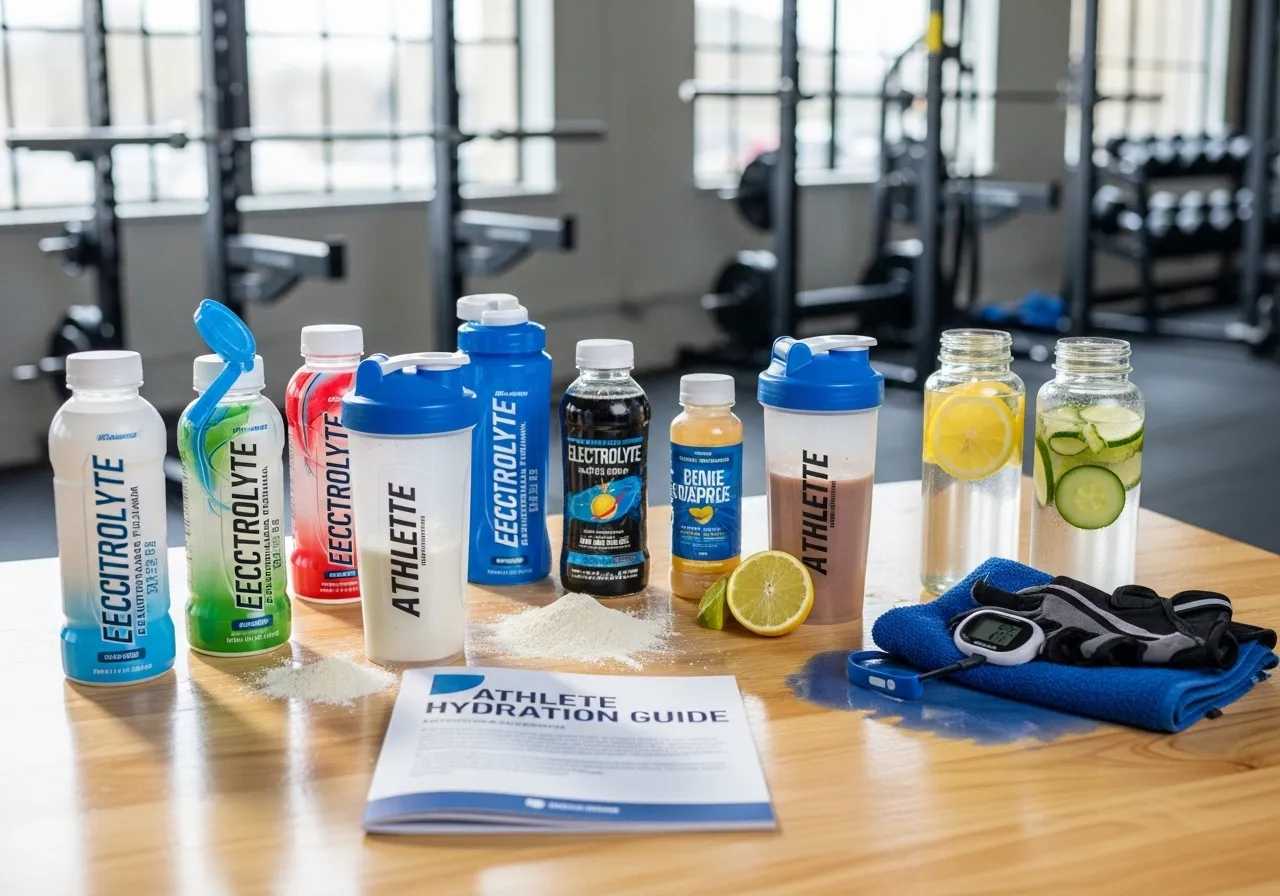
The category of drinks specifically formulated for athletic electrolyte replacement includes products like Precision Hydration, Skratch Labs, Liquid IV, LMNT, and the reformulated versions of traditional sports drinks like Gatorade Endurance. What distinguishes the best of these from the worst is primarily the sodium content and the ratio of electrolytes to sugar. Precision Hydration offers multiple sodium concentration tiers (250 mg, 500 mg, 1,000 mg per 500ml serving) that allow athletes to match their individual sweat sodium loss rates — a genuinely evidence-based approach to personalization that the company’s own sweat testing service supports. LMNT provides 1,000 mg of sodium, 200 mg of potassium, and 60 mg of magnesium per serving, with no sugar — making it one of the highest-sodium electrolyte supplements available and one most appropriate for athletes with high sweat rates or those following low-carbohydrate nutritional approaches. Skratch Labs Exercise Hydration Mix provides a more moderate 380 mg sodium per serving alongside a modest carbohydrate load, designed for the during-exercise window where both electrolyte replacement and carbohydrate availability matter simultaneously. The key differentiators to look for in this category: sodium content of at least 300-500 mg per serving for sessions over 60 minutes; inclusion of potassium (150-200 mg minimum); magnesium ideally present (though less critical during exercise than before and after); and minimal artificial colors and sweeteners for athletes who train twice daily and do not want unnecessary additive load. From Precision Hydration’s performance research hub, sweat sodium concentration is the most important individual variable in electrolyte replacement strategy, with high-sodium sweaters potentially losing four times more sodium per hour than low-sodium sweaters at equivalent sweat rates.
Category 2: Traditional Sports Drinks (Gatorade, Powerade)
The traditional sports drink giants — Gatorade, Powerade, and their store-brand equivalents — were formulated in the 1960s and 1970s based on the understanding of exercise physiology available at the time, and they remain among the most researched beverages in sports nutrition. Their core formulation of approximately 110-125 mg sodium, 30-35 mg potassium, and 14 grams of sugar per 240ml serving is a reasonable compromise between electrolyte replacement and carbohydrate delivery for moderate-intensity exercise lasting 60-90 minutes. For high-intensity training lasting longer than 90 minutes, or for athletes with high sweat rates, their sodium content is frankly insufficient — the 110 mg per serving that standard Gatorade provides replaces approximately 8-12% of the sodium lost in a liter of sweat from a moderate-sodium sweater, meaning that a 90-minute session with 1.5 liters of sweat loss requires drinking an implausible volume of standard sports drink to replace losses. The sugar content — while appropriate for endurance events requiring rapid carbohydrate delivery — is unnecessary and potentially counterproductive for weight-training sessions where carbohydrate availability is not the limiting performance factor. The verdict: traditional sports drinks are fine for moderate-intensity recreational exercise of 60-90 minutes in cool conditions; they are outperformed by higher-sodium purpose-built options for any training context involving significant sweat loss or sessions exceeding 90 minutes.
Category 3: Coconut Water
Coconut water has been heavily marketed as a natural alternative to sports drinks, with claims about its electrolyte content that its actual composition does not fully support. The potassium content of coconut water is genuinely impressive — approximately 600 mg per 240ml serving, making it one of the richest dietary potassium sources available. The sodium content, however, is where the natural sports drink narrative falls apart: natural coconut water contains only 30-50 mg of sodium per serving, roughly one-quarter to one-third of what even traditional sports drinks provide and a small fraction of what purpose-built electrolyte supplements deliver. Since sodium is the primary electrolyte lost in sweat and the primary driver of effective rehydration, coconut water’s sodium deficiency makes it a poor standalone electrolyte replacement strategy for high-sweat training despite its excellent potassium profile. The practical application where coconut water genuinely shines: as a post-training recovery drink combined with a sodium-containing food or supplement, where its potassium content helps restore intracellular potassium balance while dietary sodium from the post-workout meal addresses the extracellular sodium deficit. Used in this context — complementing a balanced post-workout meal rather than replacing a dedicated electrolyte strategy — coconut water is a pleasant and nutritionally valuable beverage. Used as the primary hydration strategy during heavy training, it consistently underperforms purpose-built alternatives for the sodium-dependent aspects of performance.
Electrolyte Drinks and Gut Tolerance During High-Intensity Exercise
The physiological stress of intense exercise — particularly at intensities above 75% of maximum heart rate — redirects splanchnic blood flow away from the gut and toward working muscles, reducing the intestinal absorptive capacity and gut motility that fluid and electrolyte absorption requires. This exercise-induced reduction in gut perfusion is the mechanism behind the nausea, bloating, and gastrointestinal distress that high-intensity athletes commonly experience with standard sports drink consumption, and it has direct implications for electrolyte drink formulation choices during intense training. The osmolality consideration: drinks with higher osmolality (more dissolved solutes per unit volume) empty from the stomach more slowly than more dilute solutions, increasing the time during which unabsorbed fluid sits in a poorly-perfused gut and producing the sloshing discomfort that athletes associate with certain products. Standard commercial sports drinks are formulated to be approximately isotonic (280-300 mOsm/kg, matching blood osmolality) — a deliberate design choice that balances gastric emptying rate with carbohydrate and electrolyte delivery. Higher-concentration electrolyte products or carbohydrate-electrolyte combinations consumed at high doses during maximum-intensity effort can exceed the gut’s absorption capacity and produce the distress that poor product timing or concentration choices cause. The practical management: consume electrolyte drinks at the moderate concentrations that the product’s per-serving instructions specify; avoid consuming large boluses immediately before high-intensity intervals; and test any new electrolyte product extensively in training before using it in competition, where the additional physiological stress of competition context can amplify gut responses that training only partially reveals.
Comparing Electrolyte Drink Labels: What to Look For and What to Ignore
The marketing language on electrolyte drink packaging frequently obscures rather than clarifies the product’s actual value, and developing the label literacy to cut through the noise saves both money and performance errors. The critical label information to check: sodium content per serving (the primary performance electrolyte — minimum 200 mg per 500ml for training applications, 400-700 mg for heavy or hot sessions); serving size (many products list electrolyte content per “tablet” or per “packet” without making clear how much water the serving is designed for — a 500 mg sodium tablet dissolved in 1 liter produces a different concentration than in 500ml, and concentration matters for gastric emptying rate); and added sugar content relative to intended use (sugar is appropriate for endurance fueling applications; it is unnecessary and calorically burdensome for rehydration-only applications during weight training). The marketing terms to discount: “advanced electrolyte matrix” and “proprietary electrolyte blend” are labeling strategies that obscure the specific quantities of individual minerals behind a single gram weight — legitimate electrolyte products list each mineral’s quantity in milligrams on the nutrition facts panel. “Natural electrolytes” implies superior bioavailability that the research does not consistently support compared to inorganic mineral salts of equivalent concentration. “Clinical hydration” is a marketing term with no regulatory definition. The label information that actually matters is the milligram quantities of sodium, potassium, magnesium, and calcium — everything else is packaging persuasion rather than performance information.
Electrolyte Drinks in Cold Weather Training: The Often-Ignored Winter Strategy
Cold weather training creates a different but equally real electrolyte management challenge that athletes often ignore because the reduced sweat visibility in cold conditions leads to the false conclusion that electrolyte replacement is unnecessary. Cold exposure suppresses thirst perception even more effectively than heat does — the cold-induced diuresis that occurs when vasoconstriction increases central blood volume triggers a hormonal signal to reduce fluid volume by increasing urination, simultaneously increasing fluid losses and reducing the thirst signal that would normally prompt replacement. Combined with the respiratory water and electrolyte losses that increased ventilation in cold air produces, cold weather athletes can accumulate significant electrolyte deficits without ever feeling thirsty or noticeably sweaty. Winter trail runners, cross-country skiers, cold-water swimmers, and outdoor team sport athletes training through winter months all experience this pattern and benefit from the same strategic electrolyte management that hot-weather athletes apply, with adjustments for the lower absolute sweat rate and the respiratory loss component that cold-weather exercise adds. The winter electrolyte strategy: maintain pre-session sodium loading regardless of ambient temperature; use warm electrolyte beverages during cold-weather sessions to encourage consumption (the palatability barrier of cold drinks in cold conditions significantly reduces ad libitum intake); and prioritize post-session sodium and fluid restoration even when post-session thirst is minimal. From NCAA Sport Science Institute hydration in cold weather, cold weather athletes are at elevated risk of voluntary dehydration compared to heat-exposed athletes due to suppressed thirst and reduced palatability of cold beverages — making structured electrolyte intake schedules more important in cold conditions than relying on thirst-driven consumption patterns.
The evidence base for strategic electrolyte replacement is strong, accessible, and directly actionable by any athlete willing to invest the modest time and cost required to implement it properly.

When and How to Use Electrolyte Drinks for Maximum Performance
The timing of electrolyte intake matters as much as the specific product chosen. Getting this wrong — chugging an electrolyte drink immediately before a 20-minute workout, or waiting until symptoms of depletion appear during a 2-hour session — produces outcomes far below what strategic timing can achieve.
Pre-Workout Electrolyte Loading: The Case for Starting Hydrated
Pre-workout electrolyte loading — consuming a sodium and fluid-rich intake in the 60-120 minutes before a demanding training session — begins the session from a position of plasma volume optimization rather than playing catchup once sweating has begun. The physiological rationale: sodium consumed before exercise drives osmotic fluid retention that expands plasma volume, improving the cardiovascular reserve available for sustained high-intensity effort. This pre-load effect is well-established in the endurance sports research and applies to any training context where sustained cardiovascular output matters — which includes resistance training circuits, CrossFit, team sport practice, and HIIT as much as traditional endurance events. The pre-workout electrolyte protocol I have used consistently before hard sessions: 500ml of water with 500mg sodium (from an electrolyte supplement or a salty pre-workout snack like salted rice cakes) consumed 60-90 minutes before training, followed by 200-300ml plain water in the final 20 minutes. This protocol consistently produces better sustained power output and reduced early fatigue compared to either plain water or no pre-session hydration strategy in my personal training experience, and it aligns with the hydration pre-loading research that sports medicine organizations have published for pre-event athlete preparation.
During Workout: The 15-20 Minute Intake Rule
The during-workout electrolyte strategy depends primarily on session duration and intensity. For sessions under 45 minutes at moderate intensity: plain water is generally sufficient, as electrolyte losses are modest enough that they will be replaced through normal dietary intake post-workout. For sessions of 45-90 minutes at moderate-to-high intensity: 400-600ml of a sodium-containing electrolyte drink (200-400 mg sodium per 500ml) consumed in 150-200ml increments every 15-20 minutes maintains plasma sodium concentration without the hyper-hydration risk of excessive plain water intake. For sessions exceeding 90 minutes at high intensity, or any session in heat exceeding 28°C: a higher-sodium electrolyte drink (500-700mg sodium per 500ml) at the same frequency, with carbohydrate included if the activity is aerobic-dominant or if the training immediately follows a fasted period. The 15-20 minute intake schedule — rather than waiting for thirst — is based on the documented lag between physiological fluid need and the thirst signal, particularly during intense exercise when the sympathetic nervous system suppresses thirst perception below the level of actual physiological deficit. Thirst is a reliable indicator of hydration status at rest; during intense training, it reliably underestimates the degree of replacement needed. From American College of Sports Medicine hydration guidelines, athletes should not rely on thirst as their sole hydration cue during exercise, as thirst perception typically lags 1-2% body weight fluid deficit — a level at which aerobic performance is already measurably impaired.
Post-Workout Recovery Electrolytes: Restoring What You Lost
Post-workout electrolyte replacement is the component most commonly neglected by athletes who pay careful attention to intra-workout hydration but then transition immediately to plain water or protein shakes that contain minimal electrolytes. The restoration of sodium, potassium, and magnesium after training is as important for recovery quality as protein intake, yet receives far less attention in mainstream sports nutrition discussion. The post-workout electrolyte restoration window: the first 60-120 minutes post-exercise represent the period of maximal glycogen resynthesis, protein synthesis signaling, and cellular rehydration — all processes that require adequate electrolyte availability to function optimally. Consuming a sodium-containing meal or electrolyte supplement within this window restores the osmotic gradients that drive fluid back into cells, supports the insulin-mediated glucose uptake that glycogen resynthesis requires (sodium facilitates intestinal glucose absorption), and provides the potassium and magnesium that intracellular enzyme function and protein synthesis depend on. The practical post-workout electrolyte restoration approach: if the post-workout meal is a whole food meal with adequate sodium and potassium (salty protein with a potato or rice side), additional electrolyte supplementation is usually unnecessary. If the immediate post-workout intake is a protein shake or a low-electrolyte recovery product, adding an electrolyte packet or consuming a sodium-containing snack alongside it fills the gap efficiently.
Hydration Testing: How to Know If Your Electrolyte Strategy Is Working
The objective feedback that confirms whether an electrolyte strategy is actually working — rather than just feeling like it should be working based on the product marketing — comes from three practical monitoring tools that require no laboratory equipment. Urine color assessment: urine color on a 1-8 scale from pale straw (optimal hydration) to dark amber (significant dehydration) provides the most accessible real-time hydration indicator available. The target throughout a training day is consistently pale yellow (scale 1-3) without the colorless over-dilution that excessive plain water intake produces. Dark urine in the morning or post-training indicates that the previous session’s electrolyte and fluid replacement was insufficient; consistently pale urine throughout the day with adequate sodium intake indicates that the strategy is working. Body weight comparison: weighing before and after training sessions provides a direct measure of fluid loss that guides replacement strategy — each kilogram of body weight lost represents approximately 1 liter of fluid loss, and the target is to finish sessions within 1-2% of starting body weight (0.7-1.4 kg for a 70 kg athlete). Athletes consistently losing 2-3% per session despite drinking ad libitum have documented evidence that their intra-workout intake strategy needs adjustment. Performance monitoring: tracking the sessions where cramping, early fatigue, or mental fog occurs relative to the electrolyte strategy used identifies the specific conditions where current intake is insufficient — the late-session cramping that appears only in hot weather identifies heat as the trigger for increased sodium intake; the general fatigue that appears on consecutive days without temperature correlation may indicate the chronic magnesium insufficiency that acute intra-workout supplementation cannot fully address. Using all three monitoring tools together — urine color, weight comparison, and performance tracking — creates the feedback loop that personalizes electrolyte strategy from generic recommendations to individual optimization.
Potassium: The Intracellular Partner You Cannot Ignore
Potassium receives far less marketing attention than sodium in the sports drink world despite being the primary intracellular cation and a direct determinant of muscle excitability, nerve conduction velocity, and the membrane potential restoration between successive contractions. During intense exercise, potassium concentration in the muscle interstitium — the fluid surrounding muscle cells — rises sharply as potassium exits depolarizing muscle fibers, potentially reaching levels that impair the cell membrane repolarization required for the next contraction. This potassium accumulation in the muscle interstitium is now understood as a primary contributor to peripheral muscle fatigue during high-intensity exercise, distinct from and additive to the central and metabolic fatigue mechanisms that receive more research attention. The dietary potassium intake required for athletes: 3,500-4,700 mg daily from food sources, with the most potassium-dense whole food sources including sweet potatoes (542 mg per 100g), white beans (561 mg per 100g), and avocados (485 mg per 100g) providing the most accessible dietary contribution. Intra-workout potassium replacement through electrolyte drinks contributes modestly to total daily potassium needs — the 150-200 mg per 500ml serving of most sports drinks represents 3-5% of daily requirements — meaning that adequate total daily dietary potassium intake matters more than the specific intra-workout potassium content for most training contexts. The post-workout potassium restoration window is the most practically important timing consideration: the potassium-rich post-workout meal or supplement that restores intramuscular potassium concentrations over the 2-4 hours following training supports the recovery of excitability that next-session performance depends on, particularly when back-to-back training days or twice-daily sessions reduce the restoration time available between efforts.
Electrolyte Drinks During Weight Loss: Balancing Hydration and Caloric Goals
Athletes pursuing body composition changes — reducing body fat while maintaining or building muscle — face an additional consideration in electrolyte strategy: the caloric content of many commercial sports drinks may conflict with the caloric deficit that fat loss requires. The 14-20 grams of sugar in a standard 500ml serving of traditional sports drinks adds 56-80 calories per serving that may be significant within the caloric budgets of an active fat loss phase. The solution is not to abandon electrolyte replacement during fat loss training — doing so would impair training quality and recovery in ways that cost more in adaptation outcome than the calories saved — but to select the zero-calorie or near-zero-calorie electrolyte options that provide equivalent mineral replacement without the sugar component that fat loss phases don’t require. Products like LMNT (10 calories per serving), Nuun Sport (15 calories), and Precision Hydration’s sugar-free tablet range provide full electrolyte replacement profiles at caloric costs that fit within even aggressive fat loss caloric targets. The carbohydrate consideration within fat loss phases: for resistance training sessions of 60-90 minutes at moderate intensity during a caloric deficit, the intra-workout carbohydrate that traditional sports drinks provide is not physiologically necessary — glycogen stores are adequate for this duration at these intensities even in a moderate deficit, and the minor performance benefit of intra-workout carbohydrate does not outweigh the caloric cost during dedicated fat loss phases. For longer sessions or higher-intensity work during fat loss, a modest 15-20 gram carbohydrate addition to the electrolyte drink maintains the performance quality that the training’s adaptation stimulus requires without dramatically impacting the daily caloric balance that fat loss depends on.
The consistency of electrolyte management across an entire training season — rather than the quality of any single session’s strategy — determines the cumulative physiological benefit that shows up in training adaptation, injury frequency, and competitive performance. Build the habits. Apply the framework. And let the science-backed consistency deliver the athletic outcomes that proper hydration and electrolyte management reliably produces for every athlete willing to implement it with the same intentionality they bring to their training programming.
DIY Electrolyte Drinks: Make Your Own for a Fraction of the Cost
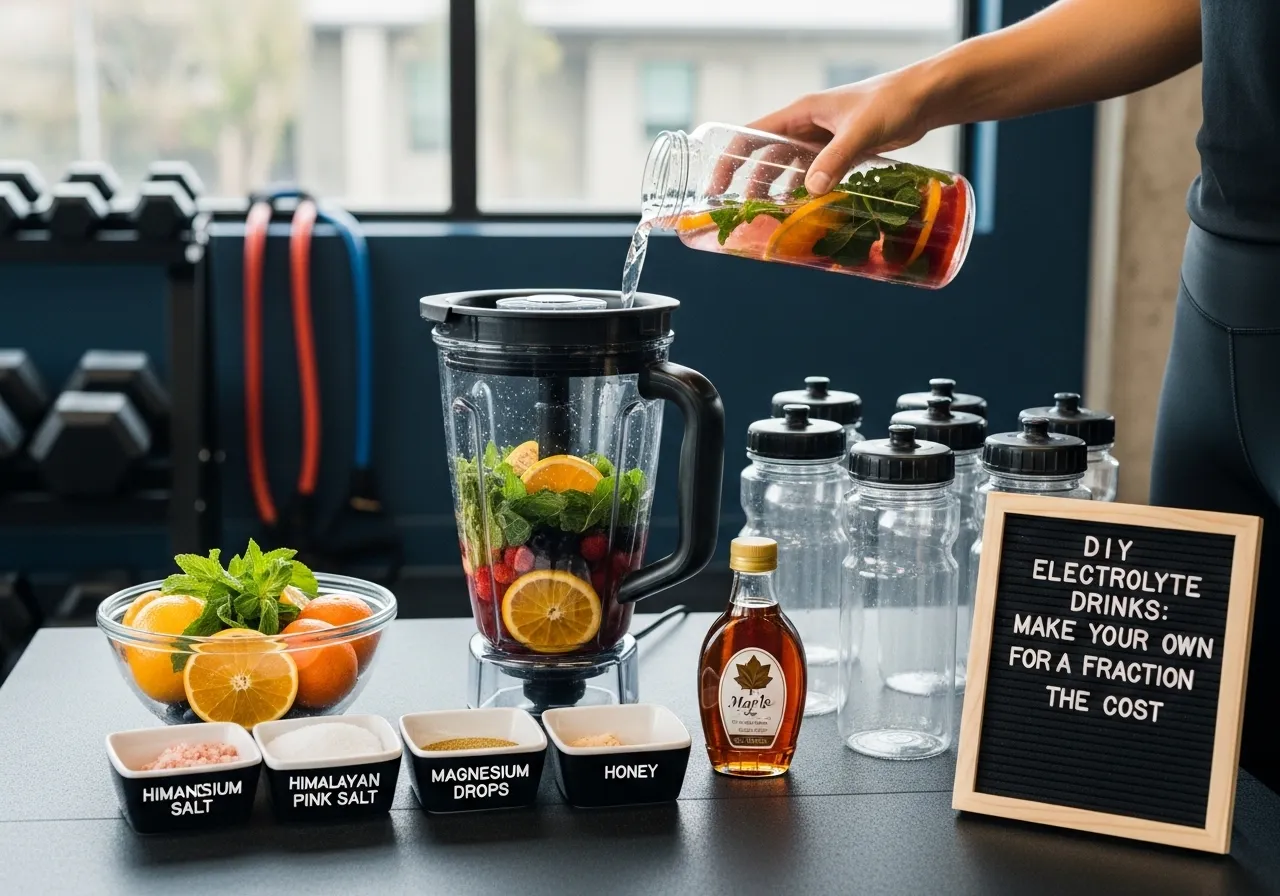
Commercial electrolyte drinks range from around $1.50 to over $3 per serving — a cost that becomes significant when you are training six days a week and consuming two electrolyte drinks per session. The good news is that the core ingredients of effective electrolyte replacement are inexpensive commodities, and making your own electrolyte drink costs a fraction of the commercial equivalent while allowing complete control over the electrolyte concentrations and ingredient quality.
The Basic DIY Electrolyte Recipe
The foundational DIY electrolyte drink that covers the primary bases for most training contexts uses five ingredients: water, sodium chloride (table salt or sea salt), potassium chloride (available as “No Salt” or “Nu-Salt” salt substitute in most grocery stores), magnesium glycinate or magnesium citrate powder (available from supplement retailers), and a small amount of citrus juice for flavor and a modest potassium contribution. The base recipe per 500ml serving: 500ml water; 1/4 teaspoon (approximately 500-600 mg) of sodium chloride; 1/8 teaspoon (approximately 350 mg potassium) of potassium chloride; 100-150 mg magnesium from powder form; and the juice of half a lemon or lime (approximately 30ml). This produces a drink with approximately 500 mg sodium, 350 mg potassium, and 100-150 mg magnesium per 500ml — a profile comparable to or superior to most commercial purpose-built electrolyte supplements at a cost of approximately $0.15-0.25 per serving. For sessions requiring carbohydrate alongside electrolytes, adding 15-20 grams of glucose or table sugar provides the isotonic carbohydrate delivery that trained endurance athletes need during prolonged aerobic work. The palatability of the basic recipe is modest — the potassium chloride in particular has a slightly bitter metallic note that takes adjustment — but adding fruit juice, a flavored electrolyte packet for taste only, or natural flavor extracts converts it into a drink that most athletes find acceptable after a few uses.
Customizing DIY Electrolytes for Your Sweat Type
The most sophisticated application of the DIY electrolyte approach is customizing sodium concentration to individual sweat sodium loss rate. Salty sweaters — athletes who notice white crystalline residue on skin or clothing after hard sessions, who experience more frequent cramping than training partners at similar loads, or who have had sweat composition testing confirming high sodium concentration — benefit from 700-1,000 mg sodium per 500ml during intense sessions rather than the 400-600 mg that average-sodium sweaters require. The DIY formulation accommodates this adjustment simply by increasing the sodium chloride quantity in the recipe, something that fixed commercial products cannot do without purchasing a different product tier. Light sweaters or those training in cool conditions can reduce the sodium contribution and increase the potassium-magnesium ratio slightly to support the intracellular electrolyte balance that recovery and muscle function depend on even when sweat losses are modest. The personalization advantage of DIY formulation is particularly valuable during multi-day training blocks, altitude camps, or competition periods where electrolyte demands vary significantly from day to day and a single fixed-formula commercial product may consistently over- or under-deliver on the specific mineral most limiting performance on any given day.
Electrolytes and Strength Training: The Overlooked Connection
The electrolyte replacement conversation in sports nutrition is dominated by endurance sport contexts — running, cycling, triathlon — because the prolonged duration and high sweat rates of endurance exercise make electrolyte management more visibly critical. But the strength training athlete who dismisses electrolyte strategy as a “runner’s concern” is leaving performance on the table in ways that may be subtler but are no less real. Resistance training sessions of moderate-to-high volume (15+ working sets) in a typical gym environment produce sweat rates and electrolyte losses that are meaningfully above resting levels — particularly for the upper body and back training that produces some of the highest sweat rates per unit of mechanical work in any athletic activity. The specific strength training electrolyte impacts: sodium depletion reduces the plasma volume that delivers oxygen and nutrients to working muscles, impacting the cardiovascular component of high-rep sets and metabolic conditioning more than low-rep maximal effort sets; potassium loss impairs the membrane potential restoration between sets, reducing the explosive neural activation quality that successive maximal efforts require; magnesium depletion reduces ATP availability and protein synthesis signaling in the hours following training, impairing the recovery that determines next-session readiness. For the strength athlete who trains 4-5 days per week and maintains high session volumes, establishing a consistent electrolyte strategy — sodium-containing pre-workout meal, electrolyte drink during sessions over 75 minutes, magnesium supplementation daily — addresses these specific mechanisms and commonly produces the improvements in late-session performance consistency and inter-session recovery that the athlete had previously attributed to programming or sleep factors.
Children, Adolescents, and Electrolyte Needs During Youth Sport
Young athletes have electrolyte replacement requirements that differ from adults in several important ways, yet youth sports nutrition guidance is frequently an afterthought compared to the detailed protocols available for adult performance athletes. Children and adolescents have higher sweat rates per unit of body weight than adults at equivalent exercise intensities, a less efficient thermoregulatory response to heat stress, and a smaller total body fluid reserve — making them more vulnerable to the performance and health consequences of electrolyte depletion during prolonged sport participation. The practical implications: youth athletes participating in training or competition lasting more than 60 minutes in warm conditions should receive electrolyte-containing beverages rather than plain water alone, with sodium content appropriate to their smaller body mass (approximately 200-300 mg per 500ml rather than the 400-600 mg appropriate for adults). Flavoring matters more for youth athletes than for adults — palatability research consistently shows that children drink significantly more during exercise when beverages are flavored and mildly sweetened compared to plain water, meaning that the modest caloric cost of a lightly sweetened youth sports drink is outweighed by the hydration volume improvement it produces. Parents and coaches who enforce plain water-only policies for youth sport based on anti-sugar health concerns may inadvertently be causing the under-hydration that impairs young athlete performance and heat tolerance more meaningfully than the caloric content of a moderate sports drink would. The evidence-based recommendation for youth sport nutrition organizations: provide palatable electrolyte beverages for sessions over 60 minutes, position them accessibly during practice and competition, and actively encourage rather than merely permit consumption during play.
Electrolyte management is not a complexity reserved for elite athletes or endurance specialists — it is a foundational physiological practice that every athlete who trains with intensity and intention deserves to get right. The information exists. The products are accessible. The habits are buildable. Start today, track the response over four to six weeks, and allow the measurable improvements in training quality, recovery speed, and performance consistency to confirm what the science has established: adequate electrolytes are not optional equipment for serious training, they are the hidden infrastructure that everything else is built on.
Electrolyte Drinks vs. Electrolyte Tablets vs. Powder: Which Format Works Best
The electrolyte replacement market offers the same mineral content in three primary delivery formats — ready-to-drink beverages, dissolvable tablets, and powder sticks or tubs — and the right choice depends on training context, convenience priorities, and personal preference more than any meaningful difference in physiological effectiveness.
Ready-to-Drink Electrolyte Beverages
Pre-mixed electrolyte drinks like Liquid IV, Pedialyte Sport, and the various sports drink formats offer the convenience of zero preparation and the consistency of a fixed formulation that eliminates the measuring error of powder-based products. Their primary disadvantages are cost per serving (typically the most expensive format), packaging waste for athletes consuming multiple servings daily, and the limited ability to adjust concentration for different training demands without purchasing multiple products. Ready-to-drink formats are most valuable in competition contexts where preparation time is limited, for travel when supplement measuring is impractical, and as a convenience product for athletes who prioritize minimal friction in their nutrition routine over cost efficiency. The refrigeration requirement of many RTD formats adds a practical limitation that powders and tablets avoid — a relevant consideration for athletes who commute to training or work out at facilities without refrigeration access.
Electrolyte Tablets (Nuun, SaltStick, Precision Hydration Tabs)
Dissolvable electrolyte tablets represent the most convenient high-quality option for athletes who want precise electrolyte delivery without the bulk and cost of RTD beverages. Products like Nuun Sport (300 mg sodium, 150 mg potassium per tablet), SaltStick Caps (215 mg sodium, 63 mg potassium per capsule), and Precision Hydration’s tablet line offer portability that no other format matches — a small tube of tablets fits in a running vest pocket, a cycling jersey, or a gym bag with negligible space impact. The SaltStick format in particular — encapsulated electrolytes rather than dissolvable tablets — can be swallowed directly without water mixing, making it the format of choice for athletes in activities where stopping to prepare a drink is impractical (trail racing, team sports, open-water swimming). The sodium content of most tablet formats falls in the moderate range appropriate for average sweaters; the customization limitation is the same as RTD products, though some manufacturers offer higher-sodium tier versions. From SaltStick’s exercise physiology research references, encapsulated electrolyte supplementation mimics the electrolyte profile of average sweat and has been shown to reduce muscle cramping frequency in endurance athletes compared to placebo in double-blind conditions.
Electrolyte Powders: The Best Value for High-Volume Athletes
Electrolyte powder formats — either single-serve sticks (LMNT, Liquid IV, Ultima Replenisher) or bulk tubs (Skratch Labs, Tailwind, homemade blends) — provide the best combination of cost efficiency, customizability, and formulation quality for athletes who use electrolyte supplements daily. The per-serving cost of bulk powder formats is typically 30-50% lower than equivalent RTD products, and the absence of packaging per serving reduces waste significantly. The customization advantage: powder formats allow easy concentration adjustment by altering the water volume used, effectively scaling the electrolyte dose without changing the number of servings consumed. The preparation requirement — mixing with water — is the primary practical friction point, but a 30-second preparation time is a minimal cost for athletes who are already managing complex training nutrition protocols. Bulk tub formats require accurate measuring tools for consistent dosing, a small practical requirement that the cost and customization advantages more than justify for the high-volume athlete who views nutrition as a genuine performance investment rather than an afterthought.
Electrolyte Drinks for Team Sport Athletes
Team sport athletes — soccer players, basketball players, rugby players, and those competing in other intermittent high-intensity sports — face a unique electrolyte challenge that the continuous-effort model of endurance sports does not capture. The stop-start nature of team sports produces highly variable sweat rates within a single session, with periods of intense effort generating 1-2 liters per hour of sweat loss interspersed with lower-intensity phases that produce a fraction of that rate. The practical challenge is that team sport athletes cannot always predict when high-intensity phases will occur or how long they will last, making the pro-active electrolyte timing strategy of a marathon runner less straightforwardly applicable. The team sport electrolyte approach that works best: a well-executed pre-session electrolyte load (sodium-rich meal 2-3 hours before, with a moderate electrolyte drink 30-60 minutes before) that builds the sodium and fluid reserve that the first intense burst of activity will draw on; opportunistic electrolyte consumption during natural breaks in play (substitutions, half-time, time-outs) rather than attempting to drink on a fixed schedule; and a structured post-session recovery protocol that prioritizes sodium and potassium replacement alongside protein within the first 30-60 minutes after the final whistle. The post-session recovery window matters especially in multi-day tournament formats — where the next game may be 18-24 hours away — because incomplete electrolyte recovery between matches progressively impairs the physiological reserve that performance depends on across a tournament bracket.
Electrolyte Absorption: How Your Body Actually Takes In What You Drink
Understanding the absorption kinetics of electrolytes from ingested drinks explains why product formulation choices affect performance outcomes and why simply consuming more of a suboptimal product cannot replicate the benefits of the right formulation consumed strategically. Sodium absorption occurs primarily in the small intestine via sodium-glucose cotransporter 1 (SGLT1), a transport protein that moves both sodium and glucose simultaneously across the intestinal epithelium — which is precisely why the carbohydrate in sports drinks improves fluid absorption rate compared to electrolyte-only beverages of equivalent osmolality. This cotransporter mechanism is the physiological basis for oral rehydration therapy’s effectiveness in clinical contexts and for the sports nutrition principle that including a modest carbohydrate amount alongside electrolytes accelerates their absorption and delivery to working tissues. The practical implication: for maximum absorption speed during exercise, drinks containing 4-8% carbohydrate alongside 200-400 mg sodium per 500ml empty from the stomach and are absorbed in the small intestine more rapidly than either pure electrolyte solutions or pure water. However, the speed advantage of carbohydrate-facilitated absorption matters most in conditions of acute depletion or extreme performance demand — for the moderate-intensity training session where replacement rate rather than absorption speed is the limiting factor, a zero-sugar electrolyte drink provides equivalent practical benefit for athletes who don’t require the caloric contribution. Potassium absorption follows different intestinal pathways — primarily passive diffusion and potassium-specific channels — that are less dependent on glucose co-transport, making potassium replacement less affected by the sugar content of the electrolyte vehicle than sodium replacement. Magnesium absorption in the gut is the most complex of the common electrolytes, varying significantly with the chemical form of magnesium used: magnesium citrate and glycinate forms provide 20-30% bioavailability; magnesium oxide provides only 4-5% bioavailability despite its common use in lower-cost supplements; magnesium chloride falls in between at approximately 15%. This form-dependent bioavailability difference explains why many athletes who take magnesium supplements containing oxide forms experience little improvement in magnesium status or training outcomes compared to those using citrate or glycinate forms at equivalent labeled doses.
Apply the science. Build the habit. Train better.

Electrolytes for Special Training Contexts: Heat, Altitude, and Keto
The standard electrolyte replacement recommendations that apply to typical moderate-intensity training in comfortable conditions require meaningful adjustment for three specific contexts that dramatically alter electrolyte dynamics: heat training, altitude acclimatization, and low-carbohydrate or ketogenic nutritional approaches.
Heat Training and Hot Weather Electrolyte Strategy
Training in heat above 28°C increases sweat rate by 50-100% compared to training at the same intensity in cool conditions, proportionally increasing the rate of electrolyte loss. The acclimatization process that occurs over 10-14 days of consistent heat exposure does reduce the sodium concentration of sweat (the body becomes more efficient at retaining sodium), but total sodium loss per session remains higher than in cool conditions because the increased sweat volume more than offsets the reduced concentration. The heat training electrolyte adjustments: increase sodium intake in the 2-3 hours before training (pre-loading with 500-1,000 mg additional sodium beyond normal intake); increase during-session sodium concentration to 600-800 mg per 500ml; consume a sodium-rich recovery meal or supplement within 30 minutes of finishing; and monitor urine color (targeting pale yellow indicating adequate hydration without hypo-osmolarity from plain water overdrinking). Heat acclimatization also increases plasma volume over time, which dilutes resting electrolyte concentrations and can trigger the functional equivalent of mild hyponatremia in poorly adapted athletes who increase fluid intake without proportionally increasing sodium intake. The practical advice for athletes transitioning from cool-season to hot-season training: increase electrolyte intake before increasing fluid intake to maintain the osmolality balance that performance and safety both require.
Altitude and Low-Carbohydrate Approaches
Altitude exposure above 2,500 meters accelerates urinary electrolyte excretion — particularly sodium and potassium — through the increased respiratory rate and the diuretic effect of altitude-induced hormonal changes. Athletes training at altitude commonly experience the electrolyte-deficiency symptoms of cramping, headache, and unusual fatigue that they attribute to altitude sickness when they are at least partly the result of correctable electrolyte depletion. Increasing sodium and potassium intake by 20-30% above sea-level baselines during the first 5-7 days at altitude addresses this component of altitude adaptation discomfort and may accelerate the performance normalization that acclimatization eventually produces. Low-carbohydrate and ketogenic dietary approaches significantly increase electrolyte requirements through two mechanisms: the reduction in insulin levels that low carbohydrate intake produces reduces renal sodium reabsorption, causing the increased urinary sodium loss that the “keto flu” of early adaptation reflects; and the depletion of muscle glycogen that ketogenic eating produces reduces the intramuscular water and associated electrolyte stores that normal glycogen-replete training relies on. Athletes following ketogenic or very low carbohydrate approaches during training need to increase sodium intake to 3,000-5,000 mg daily (significantly above the general population recommendation), potassium to 3,500-4,700 mg daily, and magnesium to 400-500 mg daily to compensate for the increased renal and intramuscular losses that this dietary approach creates. From PubMed ketogenic diet and electrolyte research, sodium and potassium supplementation specifically addresses the performance decrements and adverse symptoms of early ketogenic adaptation in athletes, with supplemented groups maintaining significantly better training capacity than unsupplemented controls during the adaptation period.
Building Your Personal Electrolyte Protocol: A Step-by-Step Framework
The information in this article converges into a practical framework that any serious athlete can use to build an evidence-based, personalized electrolyte strategy without requiring expensive sweat testing or sports science consultation. Step 1 — Assess your sweat rate and type: during your next hard training session of 60+ minutes, weigh yourself before and after (in minimal clothing) and estimate fluid consumed during the session; the weight difference plus intake volume equals your sweat rate. Look for salt crystalline deposits on skin and clothing. Note whether you experience cramping and at what point in sessions it typically appears. Step 2 — Establish your baseline: for your typical training session duration and intensity, calculate the appropriate sodium replacement range from this article’s guidelines (200-400 mg per 500ml for moderate sweaters in cool conditions; 500-800 mg per 500ml for heavy sweaters or hot conditions). Step 3 — Choose your format: select a product and format (tablet, powder, RTD) that fits your training context, budget, and preparation preferences. Step 4 — Implement and monitor: use the urine color, weight tracking, and performance monitoring tools described above to assess whether the strategy is working, adjusting sodium concentration upward or downward based on the feedback. Step 5 — Refine for specific contexts: identify the training conditions where standard intake produces suboptimal results (particular heat, altitude, or consecutive training days) and develop context-specific adjustments for those situations. This five-step process converts the general electrolyte science into a personal protocol that matches your physiology, your training environment, and your performance goals — producing outcomes that neither generic recommendations nor expensive commercial solutions can fully deliver without individualization.
Practical Product Recommendations at Every Budget Level
The ideal electrolyte product is the one that provides appropriate sodium content, includes potassium and ideally magnesium, fits the training context’s carbohydrate requirements, and is affordable enough to use consistently without budget pressure causing intermittent skipping of the practice. Here are specific recommendations across budget tiers that reflect the evidence for performance relevance and value. Budget tier (under $0.50 per session): DIY electrolyte blend using table salt, potassium chloride salt substitute (Nu-Salt), and a magnesium powder — the full formulation recipe described earlier in this article provides equivalent or superior electrolyte content to premium commercial products at a fraction of the cost. The investment is a one-time purchase of the three-ingredient base that provides hundreds of sessions at minimal per-unit cost. Mid-range tier ($0.75-1.50 per session): Nuun Sport tablets (widely available, convenient, 300 mg sodium per tablet, good palatability, low calorie), Skratch Labs Exercise Hydration Mix (clean ingredient profile, 380 mg sodium, natural flavors, appropriate carbohydrate for endurance contexts), or Liquid IV Hydration Multiplier (1,000 mg sodium per serving — high-sodium option appropriate for heavy sweaters, though the caloric content from added sugars may not suit all training contexts). Premium tier ($1.50-3.00 per session): LMNT (1,000 mg sodium, zero sugar, excellent for low-carbohydrate athletes and high-intensity sessions without carbohydrate need), Precision Hydration 1000 (precise high-sodium formulation backed by sweat testing research, appropriate for competition contexts where every variable is optimized), or Maurten Drink Mix (designed specifically for absorption rate maximization in competition contexts, high cost justified primarily for race-day rather than daily training use). The meta-recommendation: use a mid-range or DIY product for daily training to build consistent habits without unsustainable cost; reserve the premium options for the competition or testing contexts where the performance edge they may provide justifies the expense. Consistency across hundreds of training sessions matters more than marginal product quality differences in any single session.
The athlete who treats electrolyte management as an integral part of training preparation — not an optional add-on for extreme conditions — consistently outperforms the athlete of equal fitness who neglects it, because the physiological foundation that electrolytes provide determines how fully every other performance variable can express itself under the demands of intense training and competition.

Common Mistakes, Myths, and FAQ About Electrolyte Drinks
After years of experimenting with electrolyte strategies and reading the sports nutrition literature extensively, I have seen the same misunderstandings repeat themselves in training communities, on forums, and in popular fitness media. Addressing them directly saves the time and performance cost of discovering them through personal trial and error.
The Most Common Electrolyte Mistakes Athletes Make
Mistake 1: Relying on sports drinks for all electrolyte needs while eating a low-sodium diet. The electrolyte drink is not a substitute for a diet that provides adequate minerals through whole food sources — it is a supplement to baseline dietary intake that covers the training-specific increment above normal requirements. Athletes who eat low-sodium diets for health reasons while training heavily are often in chronic electrolyte deficit that no amount of intra-workout sports drink can fully address. Mistake 2: Using electrolyte drinks for every workout regardless of duration or intensity. A 25-minute weight room session in an air-conditioned gym does not produce the electrolyte losses that justify anything beyond plain water. Overconsumption of electrolyte drinks adds unnecessary calories and sugar for training contexts that don’t need them. Mistake 3: Assuming cramping is always an electrolyte problem. Muscle cramping during exercise has multiple causes — electrolyte depletion, fatigue-induced neuromuscular dysfunction, dehydration, and inadequate warm-up among them — and attributing all cramping to electrolyte deficiency leads to over-supplementation without addressing the other common contributors. A systematic approach to identifying the specific trigger (does it occur only late in sessions suggesting fatigue, or early suggesting deficiency?) produces better management than reflexively increasing electrolyte intake. Mistake 4: Forgetting magnesium. Sodium and potassium get most of the sports nutrition attention, but magnesium deficiency is estimated to affect 50-60% of Western athletes and produces the fatigue, sleep disruption, and reduced power output that training plateaus often reflect. Adding a daily magnesium glycinate supplement (200-400 mg before sleep) addresses this independently of intra-workout electrolyte strategy and often produces noticeable recovery improvement within 2-3 weeks. From National Strength and Conditioning Association magnesium and performance overview, magnesium supplementation improves sleep quality, reduces cortisol response to training stress, and supports the ATP regeneration that high-intensity exercise depends on — making it one of the most cost-effective performance supplements available to athletes whose baseline dietary intake falls short of the training-appropriate level.
Electrolyte Myths Worth Debunking
Myth: “Natural” electrolyte sources like coconut water are always superior to supplements. As discussed earlier, coconut water’s low sodium content makes it a poor standalone replacement strategy for heavy training, regardless of its natural origin. The quality of an electrolyte source is determined by its mineral content and bioavailability, not by whether it grows on a tree. Myth: More electrolytes are always better. Excessive sodium intake can actually worsen performance by increasing extracellular fluid volume beyond the optimal range, raising blood pressure acutely, and triggering the compensatory hormonal responses that disrupted osmolality produces. The goal is replacement matching loss, not surplus above loss. Myth: If you don’t cramp, you don’t need electrolytes. Cramping is a late-stage symptom of electrolyte disruption, not the first indicator. The performance decrements of mild electrolyte depletion — reduced power output, increased fatigue perception, impaired heat tolerance — occur long before cramping becomes apparent, making the absence of cramping a poor indicator of adequate electrolyte status.
Frequently Asked Questions About Electrolyte Drinks
Q: How do I know if I am a salty sweater? A: Look for white crystalline deposits on your skin or dark clothing after training; experience chronic cramping despite adequate hydration; or find that standard sports drinks don’t seem to resolve your hydration symptoms as effectively as higher-sodium options. Formal sweat testing is available through sports science facilities and some commercial providers (Precision Hydration offers a free sweat sodium test) for athletes who want objective confirmation. Q: Can I drink too many electrolytes? A: Yes — excessively high sodium intake causes fluid retention, elevated blood pressure, and the digestive distress that concentrated electrolyte solutions produce. Staying within the replacement range (matching losses rather than dramatically exceeding them) avoids these issues. Q: Are electrolyte drinks necessary for weight training? A: For sessions under 45-60 minutes in cool conditions, no. For sessions over 90 minutes, heavy volume days, or training in heat, yes — particularly for the sodium replacement that supports the fluid balance and neuromuscular function that heavy training requires. Q: What is the best electrolyte drink for a beginner? A: A standard purpose-built option like Nuun Sport, Liquid IV, or Skratch Labs provides a good starting point that covers the electrolyte bases without excessive cost or complexity. As training volume and intensity increase, upgrading to a higher-sodium option and tracking cramping and performance response guides personalization. Q: Should I use electrolytes on rest days? A: Moderate electrolyte intake on rest days — particularly sodium and potassium from whole food sources — supports the recovery and tissue repair processes that rest days are designed to enable. Active supplementation is generally unnecessary unless the rest day follows a particularly heavy training period or occurs during hot weather. From Sports, Cardiovascular and Wellness Nutrition (SCAN) dietitian resources, individualized electrolyte replacement strategies developed with a registered sports dietitian produce better outcomes than generic population recommendations for athletes with high training volumes, competitive goals, or specific dietary patterns that alter standard electrolyte needs.
The Long-Term Picture: Electrolyte Habits That Build Athletic Longevity
The athletes who maintain the best performance consistency into their 40s and 50s are disproportionately the ones who built solid hydration and electrolyte habits early in their athletic careers — not because electrolyte management becomes more critical with age (though it does, through reduced renal sodium conservation efficiency and the cardiac changes that affect plasma volume regulation), but because the cumulative recovery benefit of consistent electrolyte management compounds across sessions and seasons in ways that acute supplementation cannot replicate. I have trained alongside athletes who have maintained high training quality into their 50s, and the consistent pattern among the ones who have stayed healthy and performed well is careful attention to hydration and nutrition recovery — the unsexy, daily-consistency behaviors that don’t make social media content but do prevent the chronic fatigue, recurring minor injuries, and training inconsistency that derail athletic longevity. Building the electrolyte habits now — establishing the pre-workout sodium load, the intra-workout replacement strategy, the magnesium evening protocol, the post-workout recovery sequence — creates the physiological foundation that training quality can be built on without the deficiency-related impairments that undermine it. The habits are simple. The science is well-established. The products are available at every price point. The only remaining variable is the consistency of implementation that converts the knowledge in this article into the athletic outcomes that adequate electrolyte management reliably supports. Start with identifying your sweat type. Choose a product. Build the habit. And let the compounding benefit of consistently well-supported physiology deliver the athletic results that hard training without adequate electrolyte support routinely falls short of producing.
Electrolyte Drinks and Sleep Quality: The Nighttime Recovery Connection
The relationship between electrolyte status and sleep quality is underappreciated in sports nutrition discussions focused on intra-workout performance but is one of the most impactful areas where electrolyte management affects athletic outcomes — because sleep quality is the primary determinant of growth hormone secretion, muscle protein synthesis rate, neural recovery, and the subjective readiness that next-session training quality reflects. Magnesium is the electrolyte with the most direct and evidence-supported relationship to sleep architecture: it facilitates the GABA receptor binding that promotes nervous system relaxation at sleep onset, supports the reduction of cortisol that allows the transition from sympathetic training activation to parasympathetic recovery, and participates in the melatonin synthesis pathway that circadian timing depends on. Athletes with suboptimal magnesium status — which, as noted earlier, describes the majority of Western athletes on standard diets — commonly experience the delayed sleep onset, reduced deep sleep proportion, and early morning waking that magnesium insufficiency produces, without identifying magnesium as the causal factor. Potassium status also affects sleep quality through its role in maintaining the muscle relaxation between contractions — low potassium can produce the restless leg sensations and nocturnal cramping that disrupt sleep continuity in athletes who have trained heavily without adequate replenishment. Sodium, paradoxically, plays a role in sleep through its effect on plasma volume and blood pressure regulation — both very high and very low sodium status can disrupt sleep through their effects on sympathetic nervous system activation and the renin-angiotensin-aldosterone system that regulates nocturnal blood pressure dipping. The practical sleep electrolyte optimization: a magnesium glycinate supplement of 200-400 mg taken 30-60 minutes before sleep addresses the most common electrolyte contributor to sleep disruption; a potassium-rich evening meal (sweet potato, leafy greens, legumes) addresses potassium restoration after high-training days; and maintaining consistent overall sodium intake without dramatic day-to-day variation avoids the hormonal compensation responses that erratic sodium availability triggers.
Every training session where you arrive well-hydrated with adequate electrolyte reserves is a session where you are giving your physiology the best possible conditions to produce the adaptation that your training program is designed to create. Conversely, every session conducted in an electrolyte-deficient state is a session where the physiological ceiling on performance and adaptation is lower than it needed to be — a limitation that more training volume or better programming cannot overcome. The electrolyte strategy is the foundation. Build it right, maintain it consistently, and let it work in the background while your focus remains on the training itself.