Cutting Diet Plan: How to Lose Fat Without Losing Muscle
⚠️ Disclaimer: The information in this article is for general educational purposes only and does not constitute medical, nutritional, or professional fitness advice. Individual results may vary. Always consult a qualified healthcare professional or certified fitness trainer before starting any new exercise program, changing your diet, or making decisions about injury treatment or recovery. If you experience pain, discomfort, or any unusual symptoms during exercise, stop immediately and seek professional guidance.

The Science Behind Losing Fat While Keeping Muscle
Understanding why muscle loss occurs during caloric restriction — and the specific conditions under which it is minimized — transforms cutting from a passive process of eating less into an active strategy targeting the precise physiological mechanisms that determine body composition outcomes during a fat loss phase.
My first cut I lost 15 pounds but felt flat and weak — I had no idea I was losing as much muscle as fat, and understanding why changed how I approached every cut after that.
Why Muscle Is Lost During Caloric Restriction
Muscle protein is not biochemically inert during a caloric deficit — it is continuously broken down and rebuilt through the ongoing cycle of muscle protein breakdown (MPB) and muscle protein synthesis (MPS) that characterizes protein turnover in all living muscle tissue. Under normal fed conditions, MPS and MPB are roughly balanced or MPS slightly exceeds MPB (particularly after resistance training and protein feeding), producing either maintenance or slow accretion of muscle protein. Under caloric restriction, the energy deficit triggers several interconnected mechanisms that shift this balance toward net muscle protein catabolism: elevated cortisol (produced by the stress of caloric restriction and exercise in a deficit) increases MPB rates; reduced insulin signaling from lower carbohydrate intake decreases the anti-catabolic insulin effect that suppresses MPB under fed conditions; and the absolute energy deficit creates metabolic pressure to use all available substrates — including amino acids released from muscle catabolism — to cover the energy gap between expenditure and dietary intake.
The degree to which these catabolic mechanisms operate during a cut is determined by the magnitude of the deficit, the dietary protein intake, the training stimulus maintained during the cut, and the individual’s body fat percentage at the time of cutting. Larger deficits activate the catabolic mechanisms more strongly than moderate deficits; inadequate protein intake removes the primary MPS stimulus that counteracts MPB; reduction or elimination of resistance training removes the mechanical training stimulus that maintains the anabolic drive in muscle tissue even under energy restriction; and lower body fat percentage correlates with greater muscle loss during cutting because the body preferentially protects essential fat stores when absolute fat mass is low, increasing reliance on muscle protein as an alternative fuel source as the deficit becomes more physiologically stressful at low body fat levels.
The Role of Energy Availability in Muscle Catabolism
Energy availability — the dietary energy remaining after exercise energy expenditure is accounted for, expressed per kilogram of lean body mass — is the primary hormonal and metabolic regulator of muscle catabolism during a cut. Research in both athletic populations and general fitness populations finds a consistent energy availability threshold of approximately 30 kilocalories per kilogram of lean body mass per day, below which the body activates a suite of metabolic and hormonal adaptations collectively known as low energy availability (LEA) syndrome: suppressed reproductive hormones, reduced thyroid hormone output, elevated cortisol, reduced IGF-1, impaired bone turnover, and significantly elevated muscle protein catabolism. Cutting diets that reduce energy availability below this threshold — either from excessive caloric restriction or from very high training volumes that increase exercise energy expenditure without corresponding dietary adjustments — produce muscle loss at rates dramatically higher than those achieved at energy availabilities above the threshold, regardless of protein intake or training quality.
The practical significance of the energy availability threshold is that it defines the lower limit of safe caloric intake during a cut for any given training volume. A trainee who burns 500 calories through daily resistance training and has 65 kilograms of lean body mass needs a minimum dietary intake of (30 × 65) + 500 = 2,450 calories to maintain energy availability above the critical threshold — a figure that limits the maximum productive deficit to their TDEE minus 2,450 calories. For most trained individuals, this energy availability constraint produces effective deficits in the 300 to 600 calorie range that align with the independently derived optimal deficit research described in section two.
Nutrient Partitioning: Directing the Deficit Toward Fat Rather Than Muscle
Nutrient partitioning — the proportion of a caloric deficit that is drawn from fat mass versus lean mass — is not a fixed biological constant but a variable outcome that is heavily influenced by the nutritional and training strategies employed during the deficit. A deficit of 500 calories can draw its energy from a ratio of 90 percent fat and 10 percent lean mass in a well-optimized cutting protocol, or from a ratio of 50 percent fat and 50 percent lean mass in a poorly optimized one — the same total weight loss producing dramatically different body composition outcomes depending on how the deficit is executed. The variables that most strongly influence nutrient partitioning toward fat and away from lean mass are: protein intake (high protein maintains MPS and reduces MPB, shifting the partitioning ratio toward fat); resistance training maintenance (the mechanical stimulus of training maintains anabolic signaling in muscle tissue that competes with the catabolic signals of the deficit); deficit magnitude (moderate deficits allow better partitioning toward fat than aggressive deficits that overwhelm the muscle-preserving mechanisms); and sleep quality (growth hormone, primarily released during deep sleep, is a key regulator of fat oxidation and muscle protein preservation that inadequate sleep suppresses).
Metabolic Adaptation: The Body’s Response to Prolonged Caloric Restriction
Metabolic adaptation — the reduction in total daily energy expenditure that occurs in response to sustained caloric restriction — is the primary mechanism that causes fat loss to slow progressively during an extended cut despite maintenance of the same caloric intake. The adaptation occurs through four interconnected mechanisms: reduced BMR from loss of both fat and lean mass (which reduces the total metabolically active tissue that drives resting expenditure); involuntary reduction of NEAT (the body unconsciously reduces fidgeting, spontaneous movement, and low-intensity activity drive as an energy conservation response); reduced TEF from lower total food volume consumed; and in extreme cases, a reduction in exercise efficiency as the body finds metabolic pathways that accomplish the same physical movements with reduced energy expenditure. Research has documented that total metabolic adaptation in response to aggressive caloric restriction can reduce energy expenditure by 300 to 600 calories per day beyond what the weight loss alone would predict — an “adaptive thermogenesis” effect that is responsible for the plateau experiences that most dieters encounter after 8 to 12 weeks of sustained restriction.
The practical management strategy for metabolic adaptation during a cut is the diet break: a 1 to 2-week period of eating at maintenance calories (TDEE without deficit) inserted into the cutting phase after every 6 to 8 weeks of sustained restriction. Research on diet breaks demonstrates that maintenance-calorie periods partially restore NEAT, partially reverse BMR suppression, normalize the appetite hormones leptin and ghrelin toward their pre-restriction baselines, and improve adherence to the subsequent restriction period. Two groups cutting for 16 weeks — one continuously and one with two 1-week diet breaks at weeks 6 and 12 — consistently show similar or greater total fat loss in the diet break group despite identical total caloric restriction across the full period, because the diet breaks prevent the severity of metabolic adaptation that limits fat loss in the continuous restriction group during the latter weeks of the cut.
Body Fat Percentage and Muscle Loss Risk During Cutting
Body fat percentage at the start of a cut is one of the strongest predictors of the muscle-to-fat ratio of subsequent weight loss. Individuals beginning a cut at higher body fat percentages — above 20 percent for men, 28 percent for women — have greater fat mass available as preferential fuel for the deficit, producing better nutrient partitioning toward fat and less pressure on lean mass as an alternative energy substrate. As body fat percentage decreases toward the lower ranges — below 12 percent for men, 18 to 20 percent for women — the increasingly limited fat stores create greater physiological pressure to catabolize muscle protein alongside fat to cover the energy deficit, making muscle preservation increasingly difficult despite optimal nutrition and training. This relationship between body fat percentage and muscle loss risk has practical implications for when to stop a cutting phase: attempting to achieve extremely low body fat percentages requires imposing conditions on the body that make significant muscle loss essentially unavoidable regardless of nutritional optimization, and for most recreational trainees the aesthetic and health returns from pushing below certain body fat thresholds do not justify the lean mass cost. Understanding this relationship — and setting realistic body fat reduction targets that balance desired leanness with physiologically achievable muscle preservation — is one of the most important body composition judgment calls that determines how satisfying the final body composition outcome of a cutting phase will be relative to the effort invested across the entire process. of the muscle-to-fat ratio of subsequent weight loss. Individuals beginning a cut at higher body fat percentages — above 20 percent for men, 28 percent for women — have greater fat mass available as preferential fuel for the deficit, producing better nutrient partitioning toward fat and less pressure on lean mass as an alternative energy substrate. As body fat percentage decreases toward the lower ranges — below 12 percent for men, 18 to 20 percent for women — the increasingly limited fat stores create greater physiological pressure to catabolize muscle protein alongside fat to cover the energy deficit, making muscle preservation increasingly difficult despite optimal nutrition and training. This relationship between body fat percentage and muscle loss risk has practical implications for when to stop a cutting phase: attempting to achieve extremely low body fat percentages requires imposing conditions on the body that make significant muscle loss essentially unavoidable regardless of nutritional optimization, and for most recreational trainees the aesthetic and health returns from pushing below certain body fat thresholds do not justify the lean mass cost.
| Factor | Effect on Muscle Loss Risk | Optimization Strategy |
|---|---|---|
| Deficit magnitude | Larger deficit = more muscle loss | Moderate 300–500 kcal deficit |
| Protein intake | Higher protein = less muscle loss | 2.0–2.4 g/kg during cut |
| Resistance training | Training maintenance = less muscle loss | Maintain intensity, reduce volume modestly |
| Body fat % | Higher BF% = less muscle loss risk | Begin cutting at moderate BF% |
| Sleep quality | Poor sleep = more muscle loss | Prioritize 7–9 hours quality sleep |
Research published in the Journal of the International Society of Sports Nutrition found that a moderate caloric deficit of 300 to 500 calories per day, combined with high protein intake of 2.0 to 2.4 grams per kilogram of bodyweight, preserves muscle mass effectively during fat loss phases while producing sustainable weekly weight loss of 0.5 to 1.0 percent of bodyweight.

How Much of a Caloric Deficit Is Safe and Effective
Setting the right caloric deficit for a cut is the most important single nutritional decision of the cutting phase — a decision that determines the rate of fat loss, the degree of muscle catabolism, the sustainability of the deficit over the required duration, and the training performance quality that determines whether the resistance training stimulus needed for muscle preservation can be maintained throughout the cut. The evidence base for optimal deficit magnitude is extensive and converges on a clear recommendation that most trainees either under-apply (from excessive caution) or over-apply (from impatience for faster results).
I tried a 1,000-calorie daily deficit thinking faster was better, lost strength immediately, and had to abandon the cut — moderate deficits are slower but the quality of what you lose is completely different.
The Evidence-Based Deficit Range
The research on caloric deficit optimization for body composition consistently identifies a deficit range of 300 to 500 calories per day as the sweet spot that maximizes the fat-to-muscle loss ratio for most trained individuals. A 2011 study by Garthe and colleagues — one of the most cited studies in sports nutrition research — assigned resistance-trained athletes to either a slow weight loss group (0.7 percent of bodyweight per week, approximately 300 to 400 calorie deficit) or a fast weight loss group (1.4 percent per week, approximately 600 to 700 calorie deficit). The slow loss group lost significantly less lean mass — losing approximately 0.5 percent of lean mass per week compared to 1.1 percent in the fast loss group — while losing similar amounts of total fat over the study period, demonstrating that the moderate deficit produced a far more favorable muscle-to-fat loss ratio than the aggressive deficit despite equal total restriction over the same time frame.
The physiological explanation for this finding is that the moderate deficit stays within the range where the muscle-preserving mechanisms — high protein intake maintaining MPS, resistance training maintaining anabolic signaling, adequate energy availability preserving anabolic hormones — can effectively compete with the catabolic signals of the deficit. The aggressive deficit overwhelms these mechanisms: cortisol elevates to a degree that significantly increases MPB, energy availability falls below the critical threshold that triggers hormonal adaptations favoring catabolism, training performance degrades to a level where the mechanical stimulus for muscle preservation cannot be maintained at its pre-cut intensity and volume, and the combination of these factors shifts nutrient partitioning away from fat and toward lean mass as the primary deficit fuel source.
Rate of Loss Targets by Training Status and Body Fat Percentage
The optimal weekly rate of weight loss during a cut scales with both training status and current body fat percentage. Beginners with higher body fat percentages can sustain faster rates of loss — 0.75 to 1.0 percent of bodyweight per week — with acceptable muscle preservation because their greater fat mass provides abundant energy substrate for the deficit and their less developed muscle mass is relatively less vulnerable to the training performance degradation that limits more advanced trainees’ muscle preservation at aggressive deficits. Intermediate trainees with moderate body fat should target 0.5 to 0.75 percent of bodyweight per week. Advanced trainees with lower body fat percentages approaching single digits for men or mid-teens for women should reduce the loss rate to 0.25 to 0.5 percent per week — the slower rate being essential for minimizing lean mass catabolism at body fat levels where the physiology becomes increasingly uncooperative with fat loss without muscle sacrifice.
Translating these percentage-of-bodyweight rates into daily caloric deficit targets: for an 80 kg intermediate trainee targeting 0.5 percent bodyweight loss per week (0.4 kg/week), the required weekly deficit is approximately 3,000 calories (0.4 kg × 7,700 kcal/kg), producing a daily deficit of approximately 430 calories — directly within the evidence-based 300 to 500 calorie optimal range. For a 70 kg advanced trainee targeting 0.35 percent per week (0.245 kg/week), the required weekly deficit is approximately 1,900 calories, producing a daily deficit of approximately 270 calories — appropriate for the slower loss rate that preserves muscle at lower body fat percentages. These calculations confirm that the percentage-of-bodyweight loss rate targets and the absolute caloric deficit targets are internally consistent and point to the same practical range of deficit sizes for different training profiles.
Calculating Your Personal Cutting Calorie Target
Setting a personal cutting calorie target requires accurate TDEE as the starting point. Using the TDEE calculation framework from the previous article in this series: identify your TDEE using the Mifflin-St Jeor or Katch-McArdle formula with the appropriate activity multiplier, validate the estimate with 2 to 4 weeks of maintenance eating if possible, then subtract the deficit that produces the appropriate rate of loss for your training status and body fat percentage. For an intermediate trainee with a TDEE of 2,700 calories targeting a 400-calorie daily deficit: daily cutting target = 2,300 calories. For a 60 kg female intermediate trainee with a TDEE of 1,900 calories targeting a 350-calorie deficit: daily cutting target = 1,550 calories.
These starting targets are validated against actual weekly weight change over the first 2 to 4 weeks of the cut. If weight is declining faster than the target rate, increase calories by 150 to 200 to slow the deficit. If weight is declining slower than expected — accounting for the normal water retention fluctuations that can mask fat loss in the first 1 to 2 weeks — reduce calories by 100 to 150. Most trainees require only one or two iterations of this calibration process before arriving at a cutting target that reliably produces the desired rate of body composition change. Once established, this personalized target serves as the baseline for the duration of the cut, with periodic downward adjustments of 50 to 100 calories every 3 to 4 kilograms of weight loss to maintain the effective deficit as TDEE decreases proportionally with reduced bodyweight and metabolic adaptation accumulates.
Deficit Cycling: Higher and Lower Days Within the Week
Caloric deficit cycling — consuming a larger deficit on rest days and a smaller deficit (or maintenance) on training days — is a flexible approach to managing the weekly caloric total that aligns food intake more closely with energy expenditure variation across the week, potentially improving both training performance and fat loss outcomes compared to a uniform daily deficit. The logic is straightforward: on training days, higher caloric intake supports training performance, muscle glycogen maintenance, and the post-training MPS response; on rest days, lower caloric intake creates the deficit without impacting any training demand, allowing the weekly caloric deficit to be achieved without compromising the training-day conditions that matter most for muscle preservation.
A simple deficit cycling implementation for a trainee with a TDEE of 2,700 calories targeting a weekly deficit of 2,100 calories (300 per day average): on four training days per week, eat at TDEE or 100 below (2,600 to 2,700 calories); on three rest days, eat 600 to 700 below TDEE (2,000 to 2,100 calories). Weekly average = (4 × 2,650) + (3 × 2,050) = 10,600 + 6,150 = 16,750 calories, versus the non-cycled target of 7 × 2,400 = 16,800 calories — essentially the same weekly total delivered with better alignment to training demands and rest day expenditure. The psychological benefit of higher food intake on training days — the days that are most mentally and physically demanding — also improves dietary adherence and the subjective experience of the cut, making the overall process more sustainable across the full cutting phase duration.
When to Adjust the Deficit: Progress Stalls and Plateaus
Weight loss plateaus — periods of 2 to 3 weeks or more where scale weight does not decline despite consistent caloric deficit adherence — are a normal and expected feature of extended cutting phases rather than a sign of dietary failure. They occur because of the metabolic adaptation mechanisms described in section one: NEAT reduction, BMR suppression from reduced body mass, and adaptive thermogenesis collectively reduce actual TDEE below the original estimate, gradually closing the effective deficit without any change in dietary behavior. The appropriate response to a confirmed plateau (confirmed by consistent tracking showing no weekly average weight change over 2 to 3 weeks) is a modest caloric reduction of 100 to 150 calories — not a large restriction that might compromise training and muscle preservation, and not a dramatic dietary overhaul that disrupts what has been working throughout the cut. This small adjustment restores the effective deficit to the target range and typically resumes progress within 1 to 2 weeks. If progress does not resume after 2 weeks at the adjusted target, a second reduction of 100 calories is appropriate, and if still no progress after a further 2 weeks, implementing a 1-week diet break to partially reverse metabolic adaptation before resuming the cut is the recommended next step. Throughout this iterative plateau management process, maintaining protein intake at the full daily target is non-negotiable regardless of what other adjustments are made to address the plateau — reducing protein to create caloric space when adjusting the deficit is a common mistake that trades short-term adherence ease for accelerated muscle loss, undermining the body composition outcome that the entire cut is designed to produce. The discipline to adjust carbohydrates and fats while holding protein constant through every caloric adjustment is the dietary management skill that distinguishes effective cutters who preserve lean mass from those who lose as much muscle as fat despite consuming fewer total calories.
| Training Stage | Target Weekly Loss | Approximate Daily Deficit | Expected Fat Loss Duration (5 kg) |
|---|---|---|---|
| Beginner, higher BF% | 0.75–1.0% bodyweight | 400–600 kcal | ~8–10 weeks |
| Intermediate | 0.5–0.75% bodyweight | 300–500 kcal | ~10–14 weeks |
| Advanced, lower BF% | 0.25–0.5% bodyweight | 150–300 kcal | ~16–24 weeks |
Research published in the American Journal of Clinical Nutrition found that high protein intake during caloric restriction — 2.0 to 2.4 grams per kilogram of bodyweight — preserves lean muscle mass significantly more effectively than moderate protein intake, with high-protein dieters retaining an average of 1.5kg more lean mass over 12 weeks of fat loss compared to standard protein intake groups.
The Best Foods to Eat on a Cut
The nutritional constraints of a cutting diet — lower total calories, elevated protein requirement, need for high satiety per calorie, and maintained micronutrient intake despite reduced food volume — define a specific food quality profile that differs meaningfully from the less constrained food choices appropriate during a caloric surplus. Selecting foods that optimally fit this profile makes a caloric deficit more comfortable, more nutritionally complete, and more sustainable across the weeks or months that an effective cut requires.
Volume eating — building meals from high-satiety, low-calorie foods — was what finally made cutting feel manageable rather than like constant hunger.
High-Volume, Low-Calorie Foods for Satiety
Satiety — the subjective feeling of fullness and satisfaction that suppresses hunger — is the most important practical determinant of dietary adherence during a caloric deficit. Chronic hunger is the primary reason cutting diets fail: the persistent appetite drive generated by a sustained caloric deficit undermines the willpower-dependent suppression required to maintain the deficit, eventually producing the dietary breaks, compensatory overeating, and behavioral fatigue that terminate the cut prematurely. Choosing foods that produce maximal satiety per calorie — through high volume, high water content, high protein content, and high fiber content — directly reduces the hunger experience associated with the deficit, improving adherence and enabling longer, more productive cutting phases.
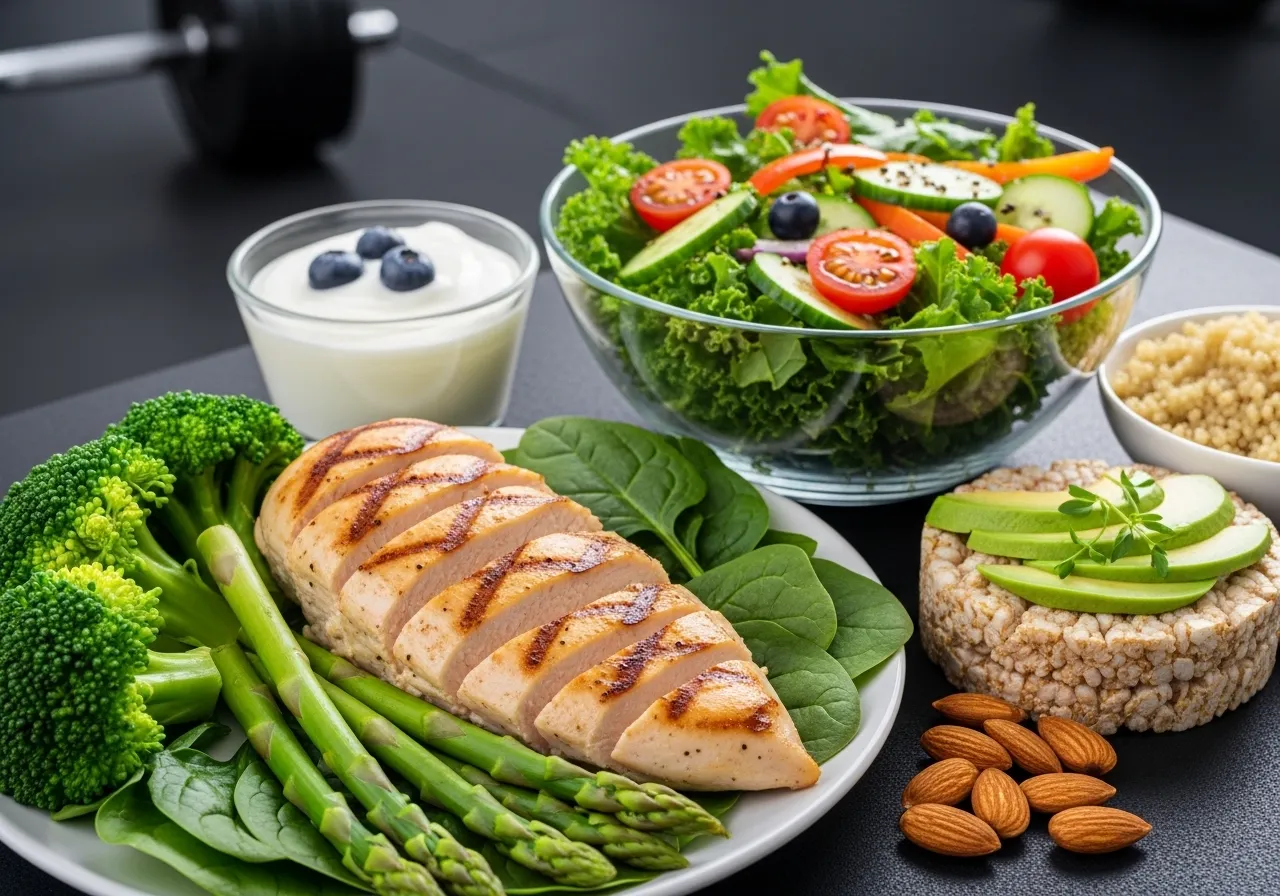
The foods with the highest satiety per calorie are almost exclusively whole foods with high water and fiber content: non-starchy vegetables such as leafy greens, cucumber, celery, broccoli, cauliflower, courgette, and bell peppers provide 15 to 35 calories per 100 grams of actual eating volume — an extraordinarily low caloric density that allows very large eating volumes with negligible caloric contribution. A 300-gram mixed salad of leafy greens with cucumber and tomato provides approximately 60 to 80 calories — the same caloric contribution as a single medium biscuit — but produces a physically substantial meal that occupies meaningful gastric volume and provides the fiber that slows digestion and extends satiety beyond the initial eating episode. Incorporating 400 to 600 grams of non-starchy vegetables per day into a cutting diet — as salad bases, stir-fry components, soups, vegetable sides, and snack vegetables with protein dips — is one of the highest-impact strategies for making a caloric deficit tolerable rather than chronically hunger-inducing.
Lean Protein Sources: The Cutting Diet Foundation
Lean protein sources are the nutritional foundation of a cutting diet for two reasons that compound each other: protein is the most satiating macronutrient per calorie (the thermic effect of protein means that 100 calories of protein produces only 70 to 80 net calories after digestion costs, and produces far greater satiety than 100 calories of carbohydrate or fat); and adequate protein intake is the primary nutritional variable determining whether the deficit draws from fat stores or lean mass. The lean protein sources that best serve the cutting diet profile are: chicken breast (165 calories per 100g, 31g protein, 3g fat), canned tuna in water (110 calories per 100g, 25g protein, 1g fat), egg whites (52 calories per 100g, 11g protein, 0g fat), non-fat Greek yogurt (60 calories per 100g, 10g protein, 0g fat), low-fat cottage cheese (80 calories per 100g, 12g protein, 1g fat), white fish such as cod or tilapia (80 to 100 calories per 100g, 18 to 22g protein, 1 to 2g fat), and shrimp (90 calories per 100g, 20g protein, 1g fat).
These lean protein sources enable the elevated protein targets required during a cut — 2.0 to 2.4 grams per kilogram of bodyweight — to be achieved within the reduced caloric budget that the deficit requires. For a 75 kg trainee cutting on 2,100 calories with a protein target of 165 grams (2.2 g/kg), protein provides 660 of the 2,100 daily calories (31 percent of total), leaving 1,440 calories for carbohydrates and fats. Achieving this protein target from fatty protein sources (full-fat beef, whole dairy, fatty fish) would consume an additional 300 to 500 calories from the fat content alongside the protein, leaving insufficient calories for the carbohydrate intake needed to support training performance. Lean protein sources separate the protein contribution from unnecessary fat calories, allowing the protein target to be met efficiently within the caloric budget and leaving more room for the carbohydrates that sustain training quality throughout the cut.
Carbohydrate Choices During a Cut: Quality and Timing
Carbohydrates are reduced in total quantity during a cut — compared to the higher carbohydrate intake of a surplus phase — but they are not eliminated, and the specific carbohydrate sources chosen during cutting significantly affect both training performance and satiety. The best carbohydrate choices for a cutting diet prioritize high fiber content (for satiety and digestive health), moderate glycemic index (for sustained energy and blood glucose stability), and meaningful micronutrient density alongside the carbohydrate content. Oatmeal, sweet potato, legumes (lentils, chickpeas, black beans), brown rice, quinoa, fruit (particularly berries, apples, and oranges for their fiber and satiety), and whole grain bread represent the best carbohydrate sources for cutting because they provide sustained energy with high satiety per calorie, supporting both training performance and hunger management throughout the day.
Strategically timing carbohydrate intake around training sessions — concentrating the majority of daily carbohydrates in the pre- and post-workout meals while reducing carbohydrates in other meals — improves both training performance and nutrient partitioning during a cut. The pre-workout carbohydrates ensure adequate glycogen for training intensity; the post-workout carbohydrates drive glycogen resynthesis and support the post-training anabolic environment when insulin sensitivity in muscle tissue is at its highest. Reducing carbohydrates at the less metabolically active meals — breakfast on rest days, evening meals on non-training days — creates the caloric space for the training-adjacent carbohydrate concentration without increasing total daily carbohydrate calories above the cutting budget.
Foods to Prioritize for Micronutrient Completeness on Reduced Calories
Reducing total caloric intake while maintaining micronutrient sufficiency is one of the most practically challenging aspects of cutting diet design, because many essential vitamins and minerals are distributed across food categories that are reduced during a cut — particularly carbohydrate-rich foods and fat-containing foods whose reduced intake can create deficits in B vitamins, magnesium, zinc, vitamin E, and omega-3 fatty acids. Prioritizing micronutrient-dense foods within each macronutrient category ensures that the reduced food volume of a cutting diet delivers the essential micronutrients needed for training performance, recovery, hormonal function, and immune competence even as total caloric intake decreases.
The highest micronutrient priorities during a cut are: iron and zinc (from lean red meat consumed 2 to 3 times per week, or from shellfish such as oysters that provide the highest zinc density of any food per calorie), magnesium (from leafy greens, nuts in small quantities, seeds, and legumes), calcium (from low-fat dairy products and leafy greens), vitamin D (from fatty fish and egg yolks consumed in the limited fat allocation), and B12 (from animal proteins consumed across the day). A daily multivitamin provides a nutritional insurance policy against the micronutrient gaps that reduced food variety and volume create during a cut — not as a substitute for micronutrient-rich food choices but as a supplementary safety net that prevents deficiency-related impairments in the athletic performance, recovery, and hormonal function that productive cutting depends on.
Hydration Strategy During a Cutting Phase
Adequate hydration is particularly important during a cutting phase for several reasons that go beyond general health: water is required for efficient fat oxidation (beta-oxidation, the metabolic pathway that breaks down stored fat for energy, requires water as a reactant); adequate hydration maintains training performance at the level required to sustain the muscle-preserving training stimulus; water intake supports the satiety effects that buffer hunger during the caloric deficit by contributing to gastric fullness; and the diuretic effects of the reduced insulin levels characteristic of a lower-carbohydrate cutting diet increase fluid and electrolyte turnover that must be replaced to maintain performance and wellbeing. Targeting 35 to 40 ml of water per kilogram of bodyweight per day — approximately 2.5 to 3 liters for a 75 kg trainee — ensures adequate hydration throughout the cut. Including electrolyte-rich foods (leafy greens for potassium and magnesium, small amounts of sodium from whole food sources) and occasionally adding an electrolyte supplement to water on high-training-volume days addresses the elevated electrolyte turnover of cutting phases. The discipline of meeting hydration targets on days when appetite is reduced and food volume is low — the very conditions of a well-executed cut — requires deliberate habit formation: keeping a water bottle in constant proximity, scheduling hydration reminders if needed, and counting herbal teas and other non-caloric beverages toward the daily fluid target to reduce the behavioral burden of the hydration goal. Adequate hydration is one of the easiest performance and outcome optimization factors in a cutting diet to implement correctly, yet it is one of the most commonly neglected, with dehydration-related performance impairments frequently misattributed to the caloric deficit itself when the actual cause is insufficient fluid intake compounding the already-challenging physiological and behavioral conditions that sustained energy restriction imposes on the body and on daily life across the full duration of an extended cutting phase.
| Food Category | Best Cutting Options | Benefit |
|---|---|---|
| Lean proteins | Chicken breast, tuna, egg whites, Greek yogurt, white fish | High protein, low calories, maximum satiety |
| High-volume veg | Leafy greens, broccoli, cucumber, courgette, bell pepper | 15–35 kcal/100g; fills plate without calories |
| Cutting carbs | Oatmeal, sweet potato, legumes, berries, brown rice | High fiber, sustained energy, sustained satiety |
| Essential fats | Salmon 2×/week, eggs, small handful of nuts | Hormonal function, fat-soluble vitamins |
A systematic review in Sports Medicine confirmed that combining resistance training with a moderate caloric deficit produces superior body composition outcomes compared to cardio-only or diet-only approaches, with resistance-trained dieters losing 40 percent more fat and retaining significantly more muscle over equivalent fat loss periods.
High Protein Eating to Preserve Muscle Mass
Protein intake is the single most important dietary variable determining muscle preservation during a caloric deficit — more important than the deficit magnitude, carbohydrate timing, meal frequency, or any supplement. Getting protein right during a cut is therefore the highest nutritional priority of the entire cutting phase, and the evidence base for optimal protein intake during fat loss is among the most robust in sports nutrition research.
Bumping protein above what I thought I needed during a cut was the change that most clearly preserved my strength; I could feel and measure the difference.
Why Protein Needs Are Higher During a Cut Than a Bulk
Counterintuitively, protein requirements during a caloric deficit are higher than during a caloric surplus for muscle-building purposes. During a surplus, excess dietary energy creates an anabolic environment that allows lower protein intakes to still support net muscle protein synthesis — the energy surplus itself reduces the degree to which dietary protein is oxidized for energy rather than used for tissue synthesis. During a deficit, the body’s drive to oxidize available substrates for energy is elevated, increasing the proportion of dietary protein that is diverted to energy production rather than muscle protein synthesis. This increased oxidative “leakage” of dietary protein means that a higher protein intake is needed during a cut to ensure that the residual post-oxidation protein available for MPS still meets the threshold required to activate muscle protein synthesis and counteract the elevated MPB of the catabolic deficit environment.
Additionally, during a deficit, protein serves as a metabolic multitasker beyond its direct role in MPS: its high thermic effect (20 to 30 percent of protein calories are expended in digestion and metabolism) reduces the net caloric contribution of protein, effectively allowing a higher absolute caloric intake while maintaining the deficit; its superior satiety effect compared to carbohydrates and fats at equivalent calories directly reduces the hunger that undermines dietary adherence during restriction; and the gluconeogenic potential of amino acids provides an alternative glucose production pathway that helps maintain blood glucose stability during the reduced carbohydrate intake of a cutting diet. These combined roles make protein simultaneously the muscle-preservation, appetite-management, and metabolic-support nutrient during a cut — justifying its elevated intake even within the caloric constraints of a deficit phase.
The Optimal Protein Target During Cutting
The research on protein requirements during caloric restriction converges on a range of 1.8 to 2.4 grams per kilogram of bodyweight per day for most resistance-trained individuals, with the higher end of this range — 2.2 to 2.4 g/kg — providing the greatest margin of lean mass preservation during aggressive deficits or at lower body fat percentages where muscle loss risk is elevated. A landmark meta-analysis by Morton and colleagues on protein during energy restriction found that increasing protein intake from 0.8 to 2.4 g/kg during a deficit progressively improved lean mass retention at each step, with diminishing returns appearing above approximately 2.4 g/kg for most individuals. A subsequent study specifically examining bodybuilders during competition preparation found that protein intakes of 2.3 to 3.1 g/kg of lean body mass (not total bodyweight) were associated with the best lean mass preservation outcomes in this extreme fat loss context, suggesting that particularly aggressive cuts in lean individuals may warrant protein intakes above the 2.4 g/kg of total bodyweight threshold to compensate for the elevated muscle loss risk at very low body fat percentages.
For practical implementation, rounding to 2.2 grams per kilogram of current bodyweight provides a simple, evidence-supported protein target for most cutting phases. For a 75 kg trainee: 75 × 2.2 = 165 grams of protein per day. For an 80 kg trainee: 80 × 2.2 = 176 grams per day. For a 60 kg female trainee: 60 × 2.2 = 132 grams per day. These protein targets should be maintained throughout the entire cut duration, including during diet breaks, and are the last variable to reduce if total caloric intake needs further restriction — reducing protein below target to create additional caloric room undermines the primary muscle-preservation mechanism that the entire cutting strategy is built around.
Protein Distribution During a Cut: Frequency and Per-Meal Targets
Distributing the daily protein target across 4 to 5 eating occasions per day — rather than concentrating it in fewer, larger servings — maintains elevated amino acid availability throughout the waking day, maximizes the number of MPS activation events, and prevents the long between-meal gaps during which circulating amino acid levels fall below the MPS-stimulating threshold and net muscle protein balance declines toward catabolism. During a caloric deficit when catabolic pressure on muscle tissue is chronically elevated, maximizing MPS frequency through protein distribution is a meaningful lean mass preservation strategy that requires no additional calories — it is a free optimization achievable simply by distributing the same daily protein across more eating occasions.
For practical implementation, a 4 to 5-meal distribution with a protein target of 165 grams per day produces per-meal protein targets of approximately 33 to 41 grams per meal for 4 meals, or 27 to 33 grams per meal for 5 meals. These targets are achievable from a single lean protein serving at each meal: a 150 to 170-gram chicken breast, two to three eggs with egg whites, a large serving of Greek yogurt with protein powder, a can of tuna, or a similar lean protein centerpiece provides the 30 to 40-gram per-meal protein target without requiring protein supplementation for most meals. Pre-sleep protein — a 30 to 40-gram casein-dominant serving from cottage cheese or slow-release protein before bed — extends the final distribution of the day into the overnight period, providing amino acids during the 7 to 9 hour overnight fast that might otherwise represent a prolonged period of net muscle protein catabolism.
Using Protein to Manage Hunger During the Deficit
The appetite-suppressing properties of protein are among its most practically valuable characteristics during a cutting phase, and they can be deliberately exploited through strategic meal composition to reduce the subjective hunger experience of the deficit. Research consistently shows that higher-protein meals produce greater and more sustained satiety than isocaloric lower-protein meals — higher peptide YY, lower ghrelin, greater gastric distension from the slower gastric emptying of protein-containing meals, and the slower blood glucose dynamics of protein-mixed meals versus pure carbohydrate meals all contribute to this enhanced satiety. Prioritizing protein in the first meal of the day — consuming 35 to 45 grams of protein at breakfast — produces satiety effects that reduce total daily caloric intake by 200 to 300 calories on average without any conscious dietary restriction, as demonstrated in multiple randomized controlled trials comparing high-protein versus standard-protein breakfast compositions.
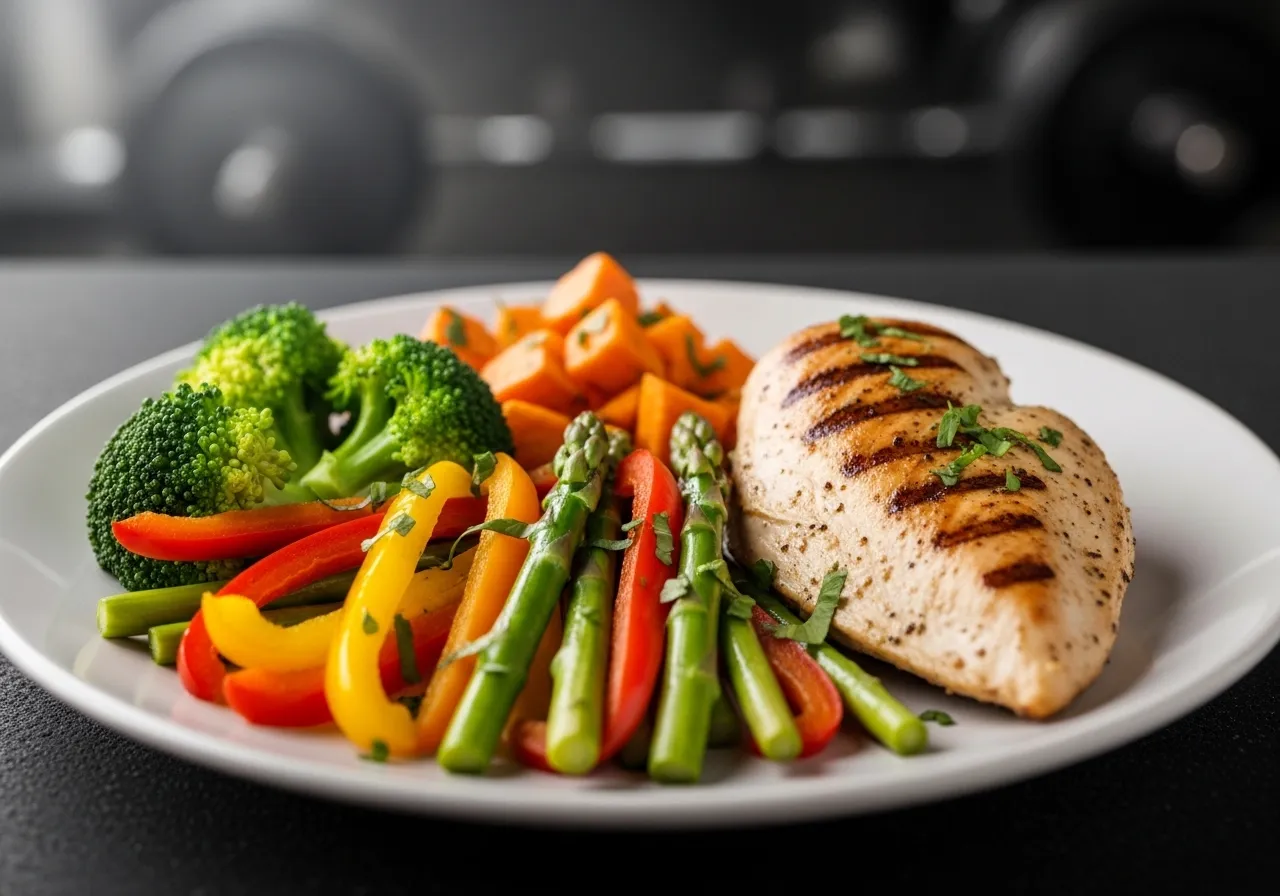
Practical protein-forward meal compositions that maximize satiety within the cutting caloric budget include: a large Greek yogurt parfait with berries and minimal granola (30 to 35 grams protein, approximately 350 calories, high satiety from protein and fiber); scrambled eggs with a substantial vegetable base (30 grams protein, high satiety from egg protein and vegetable volume); grilled chicken salad with extensive non-starchy vegetables (35 to 40 grams protein, very high satiety from combined protein and vegetable volume); and cottage cheese with fruit and seeds as an afternoon snack (25 to 30 grams casein protein, high satiety from casein’s slow digestion). These meal structures share the common feature of pairing a lean protein centerpiece with a large vegetable volume component — the combination producing high absolute eating volume, high protein content, and high fiber from the vegetables, achieving a trifecta of satiety drivers within a calorie-constrained meal format.
Protein Timing Around Training During a Cut
During a caloric deficit, the timing of protein relative to training sessions takes on greater importance than during a caloric surplus, because the catabolic environment of the deficit makes the pre- and post-training protein feeding windows the highest-priority protein delivery moments of the day. Pre-training protein — 20 to 30 grams of rapidly digested complete protein consumed 60 to 90 minutes before training — reduces the net muscle protein catabolism during the training session itself by providing circulating amino acids that compete with endogenous muscle protein as the amino acid source for the metabolic demands of exercise. Post-training protein — 30 to 40 grams consumed within 60 to 90 minutes of training completion — initiates MPS during the post-exercise period when muscle protein sensitivity to leucine is maximally elevated, producing the greatest muscle protein synthesis response per gram of protein delivered of any daily protein feeding opportunity. Ensuring that both these high-priority protein delivery windows are consistently covered — even on the dietary days when total intake must be reduced to maintain the caloric target — preserves the training-associated MPS stimulation that is the most powerful tool for maintaining muscle mass throughout the deficit phase. On days when total caloric intake needs to be reduced to manage a weekly caloric excess — social eating events, travel disruptions, or simply days when tracking reveals intake running higher than target — make the reductions at non-training meals rather than compromising the pre- and post-workout protein servings. A smaller lunch or reduced evening meal size is a far less costly adjustment from a muscle preservation perspective than reducing the post-workout protein meal that initiates the most productive MPS window of the training day. This hierarchy of nutritional priorities — protecting training-adjacent protein above all other daily eating occasions when trade-offs are necessary — is the practical application of muscle preservation physiology that distinguishes body composition-aware cutting from undifferentiated caloric restriction that produces equivalent weight loss with far worse lean mass outcomes.
| Protein Strategy | Target | Primary Benefit |
|---|---|---|
| Daily protein target | 2.0–2.4 g/kg bodyweight | Maintain MPS; suppress MPB |
| Per-meal distribution | 30–40g across 4–5 meals | Maximize MPS frequency |
| Pre-workout protein | 20–30g, 60–90 min before | Reduce training-time catabolism |
| Post-workout protein | 30–40g within 60–90 min | Maximize post-exercise MPS |
| Pre-sleep protein (casein) | 30–40g before bed | Overnight MPS support |

Training Adjustments to Make During a Cut
Training adjustments during a cutting phase are as important as dietary adjustments for optimizing the body composition outcome. The training stimulus is the primary driver of the anabolic signaling that maintains muscle mass against the catabolic pressure of the caloric deficit, and the specific ways that training volume, intensity, and structure should be modified — and which variables absolutely must not be compromised — determine whether the physique at the end of the cut reflects the muscle mass built during the preceding bulk or the diminished version that inadequate training maintenance produces.
Keeping intensity high and reducing volume slightly was counterintuitive advice I resisted until it preserved my lifts through an 8-week cut better than any approach I’d tried.
The Cardinal Rule: Maintain Training Intensity
The single most important training principle during a cut is maintaining training intensity — the loads lifted relative to maximal capacity, expressed as percentage of one-rep maximum or relative perceived exertion — at or near the levels achieved during the preceding building phase. Intensity is the primary mechanical signal that tells the body’s protein synthesis machinery to maintain existing muscle tissue; reducing training loads signals that the mechanical stimulus requiring that muscle mass has been removed, activating the metabolic logic that the muscle is no longer necessary and can be catabolized to contribute to the energy deficit. Research on training variable manipulation during caloric restriction consistently finds that maintaining load intensity while reducing volume produces better lean mass retention than maintaining volume while reducing intensity — confirming that how heavy you train matters more than how much you train for muscle preservation purposes during a cut.
The practical implications are clear: do not use the cutting phase as an opportunity to switch to lighter, higher-rep “toning” work in the belief that this approach better serves fat loss. Continue lifting heavy compound movements — squats, deadlifts, bench press, rows, overhead press, and their variations — at loads that require genuine effort and represent meaningful percentages of pre-cut maximal strength. The loads may need to be slightly reduced from the peak of the preceding bulk phase as caloric restriction reduces recovery capacity and training performance, but this reduction should be driven by genuine performance limitation rather than by a conscious decision to deliberately reduce training intensity based on the erroneous belief that lighter training is more appropriate during a cut.
Volume Reduction: How Much Is Appropriate
While intensity must be maintained, training volume — the total number of sets performed per muscle group per week — can be modestly reduced during a cut without compromising muscle retention. Research by Schoenfeld and colleagues on minimum effective volume for muscle maintenance shows that as few as one to two hard sets per muscle group per week are sufficient to maintain existing muscle mass when training intensity is maintained — a dramatically lower volume than the 10 to 20 sets per week per muscle group associated with maximal hypertrophy. This finding has a specific and valuable practical implication for cutting: reducing training volume by 30 to 50 percent from the peak bulk volume is not only safe for muscle retention but is actively beneficial for cutting success, because it reduces the recovery demand that competes with the dietary deficit for recovery resources, reduces total training energy expenditure to a more manageable level for a body operating in a caloric deficit, and reduces the cortisol burden from high-volume training in an already-cortisol-elevated deficit environment.
A practical volume reduction framework for cutting: if training 4 days per week during the bulk with 16 to 20 sets per muscle group per week, reduce to 3 to 4 days per week with 10 to 14 sets per muscle group per week during the cut — maintaining the same compound movement selection and load progression but reducing the total number of working sets per session and potentially eliminating one of the lower-priority accessory exercises. The maintenance principle applies: keep the primary compound movements at full intensity, reduce or eliminate the accessory work that adds volume but contributes least to the primary muscle-building stimulus.
Cardiovascular Training: Strategic Addition or Potential Pitfall
Cardiovascular exercise during a cut can contribute to the caloric deficit in useful ways when programmed appropriately — but it must be recognized as a potential double-edged tool that can accelerate fat loss when applied strategically or actively impede muscle retention when applied excessively. Low-intensity steady-state cardio (LISS) — walking, light cycling, easy swimming at 50 to 65 percent of maximum heart rate for 30 to 60 minutes per session — is the most muscle-sparing form of cardio because it primarily uses fat oxidation for fuel, produces minimal cortisol elevation relative to high-intensity cardio, and creates negligible interference with resistance training recovery. Adding 3 to 5 sessions of 30 to 45-minute LISS cardio per week during a cut contributes 150 to 300 additional calories of daily energy expenditure without the training stress and recovery demand that would compromise resistance training performance and muscle retention.
High-intensity interval training (HIIT) during a cut is more problematic than its popular reputation suggests for muscle-preserving purposes. While HIIT burns more calories in shorter time periods than LISS, its high cortisol response, its glycolytic energy demand that competes with resistance training for glycogen substrate, and its significant recovery demand that can impair resistance training performance in a calorie-restricted state make it a less muscle-friendly cardio option than LISS when muscle retention is the cutting priority. HIIT is not contraindicated during a cut — it can be incorporated once or twice per week for cardiovascular conditioning without major muscle preservation concerns — but it should not replace resistance training sessions or constitute the primary cardio modality when the goal is maximizing the muscle-to-fat ratio of the weight loss rather than maximizing total caloric burn per unit of training time.
Managing Training Performance Decline During a Cut
Training performance decline during a caloric deficit is expected and normal — reduced glycogen availability, lower anabolic hormone levels, elevated cortisol, and the accumulated physiological stress of the deficit all reduce maximal training capacity to some degree. A typical training performance decline during a well-executed moderate-deficit cut is 5 to 15 percent across compound lifts — a 100 kg squatter may find their working sets settling at 87 to 95 kg during the cut, or their rep counts at a given weight declining from 8 to 6 to 7 per set. This degree of performance decline is an expected consequence of the energy restriction and does not signal inadequate training effort or poor muscle retention; it simply reflects the reduced energy availability that the deficit creates for high-intensity glycolytic efforts.
The appropriate response to performance decline during a cut is continued effort at maximal tolerated intensity — pushing each set to the same relative intensity (same RPE, same proximity to failure) as during the bulk, even if the absolute loads or rep counts are somewhat reduced from peak values. Cutting back effort in response to performance decline — backing off to comfortable, sub-maximal loads rather than working at genuine training intensity with the reduced loads that the deficit supports — removes the mechanical stimulus that is the only signal the body has to maintain the muscle mass that the deficit’s catabolic environment is otherwise trying to reduce.
Recovery Optimization During a Cut
Recovery capacity during a caloric deficit is reduced compared to a caloric surplus for the straightforward reason that recovery from training is an energy-consuming anabolic process, and the energy restriction of the deficit limits the resources available for this process. Maximizing the quality of recovery within the constraints of reduced caloric intake requires deliberate attention to the lifestyle factors that modulate recovery efficiency: sleep is the most important, with 7 to 9 hours of quality sleep per night ensuring maximal growth hormone release, cortisol normalization, and muscle protein repair during the overnight period. Stress management — reducing non-training stressors where possible during a cut, as chronic psychological stress elevates cortisol and amplifies the catabolic effects of the dietary deficit on muscle tissue — becomes more important during a cut than during a surplus. Post-training nutrition timing — consuming the post-workout protein and carbohydrate meal within 60 to 90 minutes of session completion — initiates recovery processes as promptly as possible, maximizing the anabolic window within the constrained energy environment. These recovery optimization strategies cost nothing in additional calories; they simply ensure that the calories consumed are used as efficiently as possible for the muscle preservation and recovery functions that the cutting phase depends on.
| Training Variable | During Bulk | During Cut | Rationale |
|---|---|---|---|
| Intensity (% 1RM) | High | Maintain — do not reduce | Primary muscle retention signal |
| Volume (sets/week) | High (10–20 sets/muscle) | Reduce 30–50% (6–14 sets/muscle) | Reduce recovery demand |
| Frequency | 4–5 days/week | 3–4 days/week | Manage fatigue accumulation |
| Cardio (LISS) | Minimal | 3–5 × 30–45 min/week | Additional deficit without muscle stress |
| HIIT | Optional | 1–2×/week maximum | High cortisol; use LISS preferentially |
Frequently Asked Questions
These cutting questions are the ones I get from people who are making the same mistakes I made — and the answers are usually simpler than expected.
How long should a cutting phase last?
Most effective cutting phases last 8 to 16 weeks for recreational trainees targeting moderate body fat reductions of 3 to 6 kilograms. At a rate of 0.5 percent of bodyweight per week, an 80 kg trainee loses approximately 0.4 kg per week — requiring approximately 10 weeks to lose 4 kg. Phases longer than 16 weeks can be productive if diet breaks are incorporated every 6 to 8 weeks to manage metabolic adaptation and adherence fatigue, but phases exceeding 20 to 24 weeks typically require expert nutritional guidance to manage the lean mass preservation challenges that emerge at extended cutting durations and low body fat percentages.
Should I do cardio every day during a cut?
Daily cardio is not necessary for effective fat loss during a cut and may impair muscle retention if total training volume (resistance plus cardio) exceeds recovery capacity on the reduced caloric intake of the deficit. Three to five sessions of 30 to 45-minute low-intensity cardio per week provides meaningful additional caloric expenditure contribution to the deficit without recovery-impairing excess. If daily activity feels beneficial, low-intensity walking — which has minimal recovery demand — can be performed daily without concern for muscle retention effects.
How do I know if I am losing muscle during my cut?
The primary indicators of muscle loss during a cut are: training strength declining by more than 15 to 20 percent on key compound lifts compared to pre-cut baseline; muscle circumference measurements decreasing beyond what fat loss alone would explain; progressive photographs showing loss of muscular fullness and definition beyond the visual changes attributable to reduced body fat; and weekly weight loss rate significantly exceeding the expected rate for the deficit size, suggesting that the composition of the weight lost contains more lean mass than intended. One or more of these indicators warrant dietary adjustment — increasing protein, reducing the deficit magnitude, or both — to shift the composition of the weight loss back toward fat.
Can I build muscle while cutting?
Significant muscle building during a cut is generally not possible for trained individuals because the energy deficit limits the metabolic resources available for net muscle protein accretion. However, muscle maintenance — preventing muscle loss while losing fat — is entirely achievable with the strategies in this article. The exception is beginners or individuals returning to training after a break, who can simultaneously gain muscle and lose fat at maintenance calories or even in a modest deficit, as described in the body recomposition section of the previous article in this series.
What is the best protein source during a cut?
Chicken breast, non-fat Greek yogurt, egg whites, canned tuna, low-fat cottage cheese, and white fish are the optimal cutting protein sources because they provide 25 to 31 grams of complete protein per 100 grams at very low caloric cost (80 to 165 calories per 100 grams), maximizing protein delivery per calorie spent — a critical consideration when total daily calories are restricted. Including one serving of fatty fish such as salmon or mackerel twice per week ensures omega-3 fatty acid intake for anti-inflammatory recovery support within the limited fat allocation of a cutting diet.