Do You Really Need Protein Shakes to Build Muscle?
⚠️ Disclaimer: The information in this article is for general educational purposes only and does not constitute medical, nutritional, or professional fitness advice. Individual results may vary. Always consult a qualified healthcare professional or certified fitness trainer before starting any new exercise program, changing your diet, or making decisions about injury treatment or recovery. If you experience pain, discomfort, or any unusual symptoms during exercise, stop immediately and seek professional guidance.
The Truth About Protein Shakes and Muscle Building
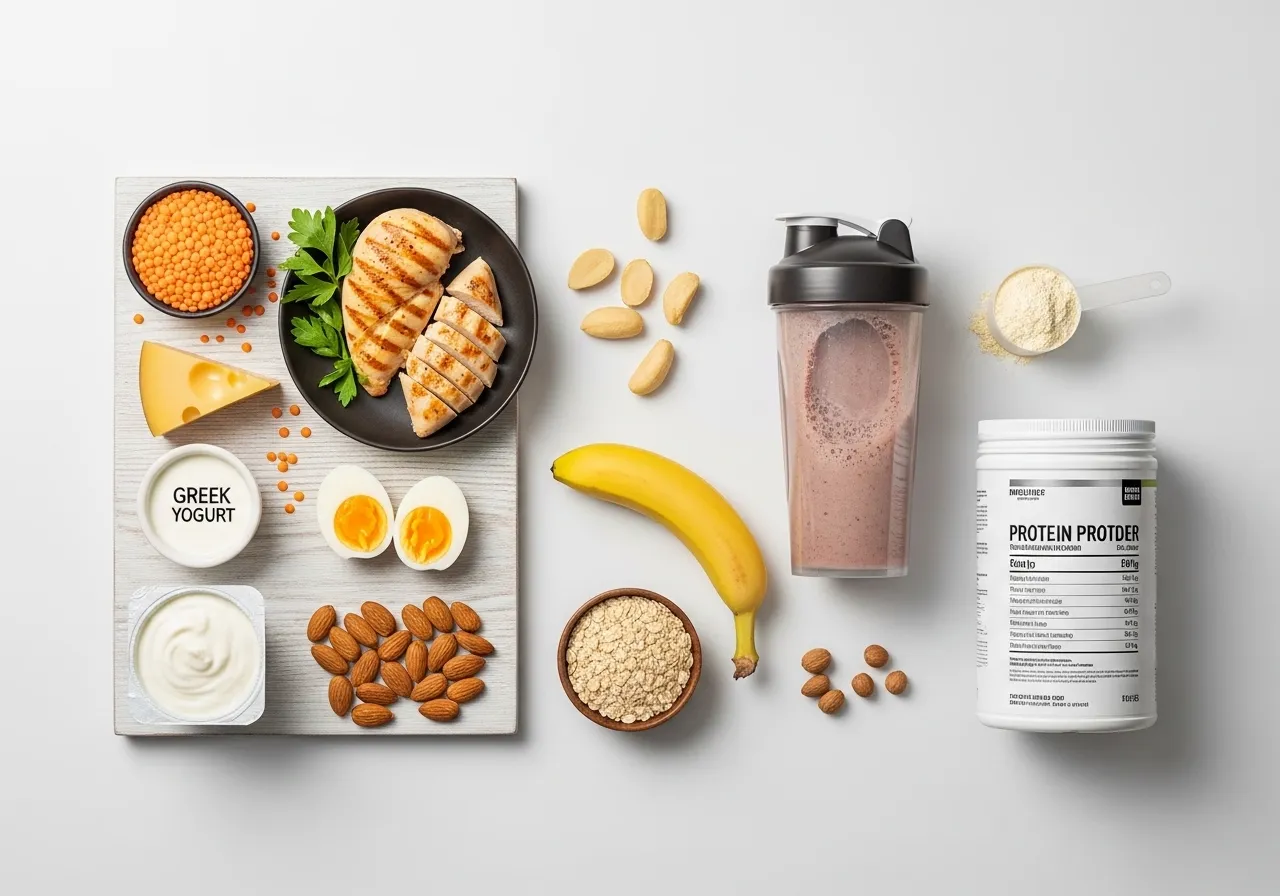
Protein shakes have become so thoroughly associated with gym culture and muscle building that many people assume they are a necessary component of any serious fitness program — that building meaningful muscle without them is somehow inferior to the gains achievable with regular shake consumption. The supplement industry, which generates tens of billions of dollars annually from protein powder sales, has a significant commercial interest in maintaining this perception. The exercise science research, however, presents a more measured and context-dependent picture.
I spent two years drinking two protein shakes a day thinking it was necessary for muscle growth — learning that total daily protein mattered far more than timing or source was clarifying.
The fundamental truth is this: your muscles cannot tell the difference between the amino acids derived from a grilled chicken breast and the amino acids derived from a whey protein shake. What matters for muscle protein synthesis is the presence of sufficient essential amino acids in the bloodstream at the right times — not their source. Protein from whole food sources, consumed in adequate amounts at appropriate times, produces identical muscle-building results to equivalent protein from supplements. The shake does not do anything that food cannot also do; it is a delivery mechanism for protein, not a magical muscle-building substance.
This reality does not mean protein shakes are useless — they have genuine value in specific contexts, which this article explores honestly. But it does mean they are optional rather than essential, and that building an impressive physique on whole food protein sources alone is entirely achievable and practiced by millions of successful athletes and strength trainees worldwide. Research from the Journal of the International Society of Sports Nutrition confirms that protein source — whether food or supplement — does not significantly affect muscle hypertrophy or strength outcomes when total protein intake and training are equated.
The Marketing vs. The Science
The marketing claims surrounding protein shakes often imply benefits that the science does not support for recreational exercisers. “Anabolic window” claims suggest that consuming protein within 30 minutes of training is critical for results — in reality, the muscle protein synthesis response to training remains elevated for 24 to 48 hours, and protein consumed at any time during this window contributes to recovery and adaptation. “Advanced formula” claims for specific proprietary blends rarely survive scrutiny of the ingredient list — most premium-priced protein powders provide the same essential amino acid profile as basic whey concentrate at 2 to 3 times the cost. The supplement industry operates in a largely unregulated environment where marketing claims do not require the scientific evidence standards that pharmaceutical products require.
Who the Research Is Based On
Much of the research on protein supplementation has been conducted on specific populations — competitive athletes, elite bodybuilders, highly trained individuals — whose protein requirements and lifestyle constraints differ substantially from recreational exercisers following a general fitness program. Extrapolating findings from professional athletes training twice daily to a person training 4 days per week produces recommendations that overstate the protein requirements of the latter population. Understanding the population context of the research is essential for applying it appropriately to individual circumstances.
The Psychological Dependence Problem
A subtle but real issue with protein shake dependence is the psychological outsourcing of nutrition management to a supplement rather than developing competency with whole food nutrition. People who rely primarily on shakes for protein intake often have limited practical cooking skills for protein-rich foods and limited understanding of how to meet protein targets through varied dietary choices — a fragility that leaves them at a loss when the supplements run out, become unavailable, or are found to be of poor quality. Developing whole food protein literacy — knowing the protein content of common foods, how to prepare them efficiently, and how to build meals around them — produces more robust and flexible nutritional competency than supplement dependence, regardless of whether shakes are also used.

How Much Protein Do You Actually Need?
Protein requirements for muscle building have been studied extensively, and the current evidence-based recommendations differ significantly from both the government-recommended daily allowances (designed for minimal health maintenance, not muscle development) and the inflated requirements sometimes promoted by supplement marketing (designed to justify high consumption of supplement products).
I was eating half the protein I actually needed for my training volume before tracking — and the difference in recovery after correcting that was immediate.
The evidence-based range for muscle building and preservation in resistance-trained adults is 1.6 to 2.2 grams per kilogram of bodyweight per day — a range supported by meta-analyses of the research literature and confirmed by the American College of Sports Medicine joint position statement on nutrition and athletic performance. For a 75-kilogram person, this means 120 to 165 grams of protein per day — achievable through whole food sources without protein supplementation for most people who include protein-rich foods at each meal.
Protein Timing: Does It Matter as Much as Total Intake?
The debate about protein timing — whether the distribution of protein across meals matters beyond total daily intake — has been largely resolved by research over the past decade. Total daily protein intake is the primary determinant of muscle protein synthesis over 24 hours; protein timing produces modest additional benefits for competitive athletes performing multiple training sessions daily but is a secondary consideration for recreational exercisers performing a single daily training session. The practical implication: focus on meeting your total daily protein target across 3 to 4 meals before worrying about the specific timing of individual protein servings.
That said, protein consumed within the 2-hour window following resistance training does appear to produce a somewhat greater muscle protein synthesis response than the same protein consumed at a more distant time — likely because exercise-induced increases in muscle blood flow and amino acid uptake improve the utilization of amino acids consumed in this window. Including a protein-containing food (or shake) within 2 hours of training is a reasonable practice for maximizing training adaptation, without this window being as urgent or as narrow as earlier “anabolic window” research suggested.
Protein Per Meal: The 30-40 Gram Cap Myth
A long-standing claim in supplement marketing holds that the body can only absorb 30 to 40 grams of protein per meal, implying that consuming more than this amount per meal is wasteful. This claim misrepresents the research. Protein absorption capacity — the amount the small intestine can absorb — is several hundred grams per day, far exceeding any practical intake level. The 30 to 40-gram figure refers to the per-meal protein dose that produces maximal acute muscle protein synthesis — the amount beyond which additional protein does not further increase the immediate MPS response but is still absorbed and contributes to other protein-dependent processes (enzyme production, immune function, hair and nail growth, etc.).
For muscle building specifically, distributing protein across 3 to 4 meals of 30 to 50 grams each produces a superior cumulative muscle protein synthesis response compared to consuming the same total protein in 1 to 2 large servings. This is an argument for meal frequency and protein distribution across the day — not for limiting individual meal protein to 30 grams.
Protein Needs at Different Life Stages
Protein requirements vary with age in ways that affect the practicality of meeting targets through whole food sources alone. Older adults (60+) experience anabolic resistance — reduced muscle protein synthesis response per gram of protein consumed — that means they need higher protein intakes (2.0 to 2.4 grams per kilogram) to achieve the same muscle-building stimulus as younger adults consuming lower amounts. This elevated requirement can make protein supplementation more practically necessary for older adults, particularly those with reduced appetites that limit total food intake. Pregnant and lactating women have significantly elevated protein requirements that similarly may benefit from supplemental sources when total food intake is insufficient to meet increased demands.
The Best Whole Food Protein Sources vs. Shakes
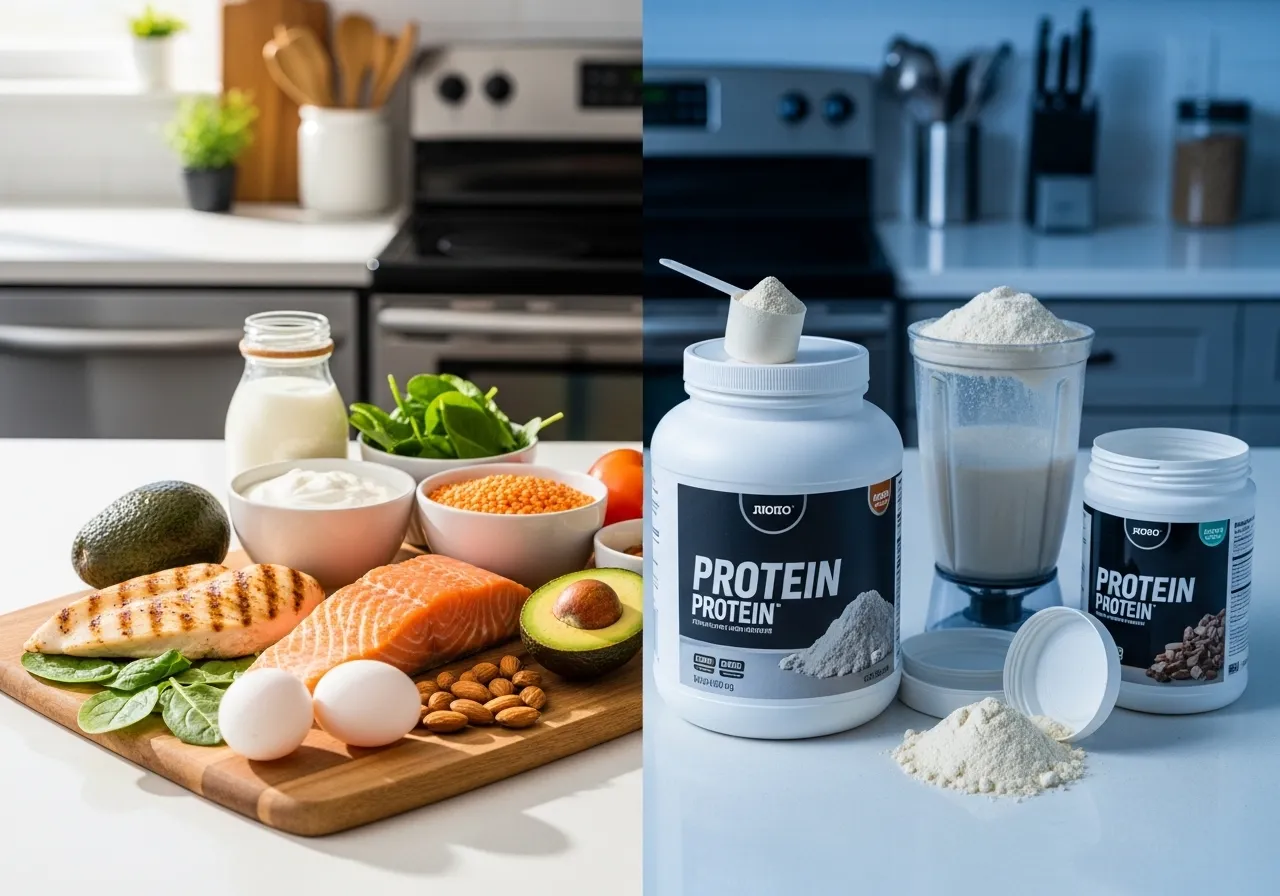
A comprehensive comparison of whole food protein sources and protein supplements reveals that whole foods consistently offer nutritional advantages beyond protein alone — micronutrients, fiber (from plant sources), bioactive compounds, and satiety — at competitive or lower cost per gram of protein. The cases where protein supplements provide practical advantages are specific and genuinely useful, but they do not apply to the majority of meals for the majority of people.
Building my protein intake around whole foods first and using shakes only to fill gaps is an approach that saved me money and kept my diet far more satisfying.
Animal Protein Sources
Lean animal proteins — chicken breast, turkey, lean beef, pork tenderloin, fish, eggs, and dairy — provide complete amino acid profiles with high digestibility and bioavailability. Chicken breast remains the protein density benchmark at 31 grams per 100 grams (cooked), with essentially zero carbohydrate and modest fat content — making it the lean protein standard against which other sources are compared. Fatty fish (salmon, tuna, mackerel) add omega-3 fatty acids that supplement no plant-based protein source can replicate from diet alone. Eggs provide the highest biological value protein of any whole food — a measure of how efficiently the protein is used for body protein synthesis — plus choline, lutein, and vitamin D that most protein powders lack entirely.
Plant Protein Sources
Plant-based protein sources — legumes, soy products, whole grains, nuts, seeds — provide protein alongside fiber, complex carbohydrates, phytonutrients, and antioxidants unavailable in animal proteins or protein supplements. While individual plant protein sources are typically incomplete (lacking one or more essential amino acids), combining different plant proteins across a day easily provides all essential amino acids without requiring careful meal-by-meal combining. Edamame (12g protein per 100g), lentils (9g/100g cooked), tempeh (19g/100g), Greek yogurt (10g/100g), and cottage cheese (11g/100g) are among the highest protein plant and fermented dairy sources compatible with vegetarian and plant-forward dietary approaches.
Protein Powder vs. Whole Food: Cost Comparison
The cost per gram of protein comparison between protein supplements and whole food sources is more nuanced than supplement marketing implies. Whey concentrate powder provides protein at approximately $0.02 to $0.03 per gram — competitive with but not significantly cheaper than chicken breast ($0.03 to $0.04 per gram), eggs ($0.03 to $0.05 per gram), or canned tuna ($0.03 to $0.06 per gram) when purchased at standard retail prices. Premium isolate and hydrolysate products cost $0.05 to $0.10 per gram — significantly more expensive than most whole food protein sources without evidence-based performance advantages for recreational exercisers that justify the premium.
Digestibility and Bioavailability
Protein quality is more than just quantity — the digestibility and amino acid completeness of protein sources determine how effectively dietary protein is used for muscle building. The DIAAS (Digestible Indispensable Amino Acid Score) is the current gold standard for protein quality assessment. Whey protein has a DIAAS above 1.0 (highly digestible, complete amino acid profile). Eggs score 1.13. Chicken breast scores 1.08. Beef scores 1.0. Soy protein isolate scores approximately 0.9. Combined plant proteins typically score 0.8 to 0.9 when varied across the day. These scores indicate that all of these sources are high-quality protein options, with no dramatic practical advantage of any single source for recreational exercisers consuming diverse diets.

When Protein Shakes Are Actually Useful
Despite the primary conclusion that protein shakes are optional rather than essential, there are genuine circumstances where their convenience, portability, and efficiency produce practical advantages over whole food alternatives. Recognizing these legitimate use cases allows informed, context-appropriate supplementation rather than either dismissing shakes entirely or using them indiscriminately.
Shakes genuinely solved a problem for me on training days when I was traveling and couldn’t access a proper meal — that specific use case is where they earn their place.
Convenience in Time-Constrained Post-Workout Windows
The most compelling practical use case for protein shakes is the post-workout context where preparing a protein-rich whole food meal is genuinely impractical. Traveling from a gym to work or home may take 30 to 60 minutes during which a whole food protein source is neither available nor convenient. A portable, ready-to-drink protein shake or a shaker bottle with pre-measured protein powder and available water provides the same amino acid stimulus as a chicken breast at a fraction of the convenience cost. This use case is real and common — not a manufactured justification but a legitimate logistical solution.
High Protein Targets That Are Difficult to Meet Through Food
For larger individuals (90+ kilograms) with high protein targets (160 to 200+ grams per day), meeting the full daily requirement through whole food sources alone requires either very high food volume, careful meal planning, or both — which may be impractical on some days. Adding a single protein shake on days when food-based protein intake falls short of targets provides flexible gap-filling that maintains overall protein adequacy without requiring perfect whole food intake on every day.
Lower Appetite During Cutting Phases
During caloric deficit phases (fat loss focused dieting), total food intake is reduced, making it more challenging to simultaneously meet protein targets at reduced caloric intake. Protein shakes provide high protein density at relatively low caloric cost — whey isolate provides approximately 25 to 30 grams protein at 100 to 120 calories — making them efficient for maintaining protein targets within a caloric restriction that would otherwise require trading protein intake against caloric goals.
Older Adults with Reduced Appetite
As discussed in the protein requirements section, older adults need higher protein intakes despite often having reduced appetites that limit food consumption. A protein shake provides a practical, palatable, easy-to-consume source of high-quality protein that many older adults can incorporate more easily than eating a large piece of protein-rich food when appetite is limited.
Plant-Based Eaters Struggling with Complete Proteins
While plant-based diets can fully support muscle building with appropriate food selection, the practical challenge of consistently meeting both protein quantity and quality targets from varied plant sources can make a plant-based protein powder (pea + rice combination, soy isolate) a useful daily supplement for vegetarians and vegans with high protein requirements and limited dietary variety. The supplement fills the gap created by the lower protein density of most plant foods relative to animal proteins.

How to Choose a Quality Protein Powder
The protein supplement market includes thousands of products ranging from genuine high-quality protein sources to protein-diluted products padded with cheap amino acids that inflate the stated protein content. Navigating this market effectively requires understanding the most important quality indicators.
I wasted money on expensive proprietary blends before learning to just read the label — protein per serving and third-party testing are the only things that actually matter.
Types of Protein Powder
Whey protein (derived from milk during cheese production) is the most researched protein supplement type and the gold standard for post-workout protein supplementation due to its high leucine content, rapid digestion, and extensive evidence base for muscle building. Whey concentrate (70 to 80 percent protein by weight, contains some lactose and fat) is the most affordable and commonly available form. Whey isolate (90+ percent protein, essentially lactose and fat free) is preferred by lactose-sensitive individuals and those minimizing carbohydrate intake. Casein protein digests more slowly, producing a sustained amino acid release that makes it preferable for consumption before sleep to support overnight muscle protein synthesis. Plant-based proteins (pea, rice, soy, hemp, pumpkin seed) vary in amino acid completeness but combinations (particularly pea + rice) produce a complete amino acid profile comparable to whey.
What to Look for on the Label
Quality protein powder labels share several characteristics: protein should appear at or near the top of the ingredient list (indicating it’s a primary rather than minor ingredient), the amino acid profile should show high leucine content (the key essential amino acid for triggering muscle protein synthesis), the ingredients list should be short without excessive fillers, artificial sweeteners, or proprietary blends that obscure individual ingredient quantities, and the product should ideally carry third-party testing certification (NSF Certified for Sport, Informed Sport, or Banned Substances Control Group) that verifies the product contains what it claims and is free from prohibited substances.
Amino Acid Spiking: How to Spot It
Amino acid spiking — adding cheap individual amino acids (typically glycine, taurine, or creatine) to a protein product to inflate the nitrogen content measured in protein testing — allows manufacturers to claim higher protein content than their product’s actual whey or casein content warrants. Warning signs: very low-cost protein products with suspiciously high protein claims, ingredient lists that include individual amino acids beyond what complete protein sources would naturally contain, and products without third-party testing certification. Paying slightly more for certified products from established brands eliminates this quality risk.
Recommended Approach for Beginners
For someone beginning protein supplementation, the recommendation is straightforward: choose an unflavored or simply flavored whey concentrate from a reputable brand with third-party testing, bought in the smallest available size to test palatability before committing to a large quantity. If lactose-sensitive, choose whey isolate or a plant-based option. Avoid proprietary blends, weight gainers marketed as protein, and very cheap products without certifications. The monthly cost of a single daily serving of quality protein powder is $20 to $40 — less than most other fitness investments and less than the cost of equivalent protein from premium whole food sources.
Common Protein Shake Mistakes That Waste Money
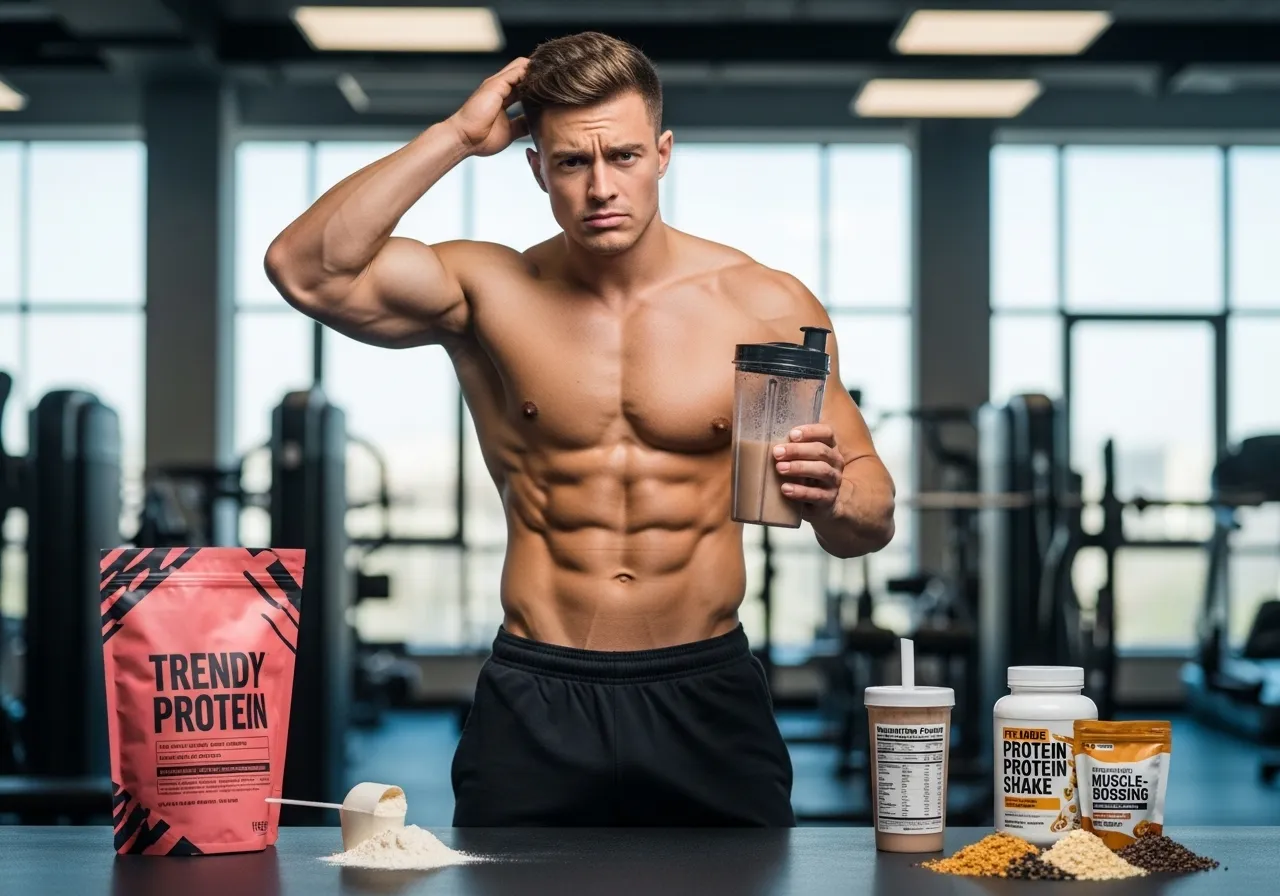
Even when protein supplementation is appropriate and the product quality is good, common usage mistakes reduce the value of protein supplements below what their cost justifies. These mistakes are widespread among gym-goers and correcting them simultaneously reduces cost and improves outcomes.
The phase where I was buying pre-workout, BCAAs, glutamine, and protein all at once was expensive and largely unnecessary — simplifying saved money and produced the same results.
Using Shakes as Meal Replacements Regularly
Protein shakes are not meal replacements — they lack the fiber, complex carbohydrates, micronutrients, and food-based bioactive compounds that whole food meals provide. Regularly consuming shakes in place of whole food meals to increase convenience produces nutritional gaps that whole food meals fill naturally. The appropriate role of protein shakes is supplementing a whole food diet with additional protein in specific contexts — not replacing the whole food meals that form the nutritional foundation of an effective fitness diet.
Consuming More Than Necessary
The “more is better” approach to protein supplementation — consuming 3 to 4 shakes daily on top of adequate whole food protein intake — does not produce greater muscle building than meeting protein targets through fewer shakes or through whole food sources. Protein consumed above the 2.2 to 2.4 grams per kilogram ceiling for muscle building is metabolized for energy and excreted as urea — not converted to additional muscle beyond what lower intakes produce. The extra spending and caloric intake of excess protein consumption produces no additional benefit.
Buying Based on Marketing Rather Than Evidence
The marketing premium on “advanced,” “ultra,” “pro,” and “elite” protein products is not supported by meaningful performance differences over basic whey concentrate or isolate for recreational exercisers. Clinical-grade products, pharmaceutical-standard purity claims, and exotic formulation claims add cost without adding evidence-based benefit for the target demographic — recreational gym-goers seeking muscle building and recovery support. Basic third-party tested whey from a reputable manufacturer produces equivalent results at significantly lower cost.
Ignoring Caloric Contribution
Each protein shake serving contains 100 to 200 calories depending on the product and preparation. For people in caloric deficit for fat loss, these calories must be accounted for in total daily caloric intake — a protein shake that adds 150 calories to a diet that is already at maintenance caloric intake produces a caloric surplus that works against fat loss goals regardless of its protein content. Protein shakes are caloric foods that affect energy balance in the same way as all other foods, and treating them as calorie-free supplements while carefully tracking other food intake is a common fat loss failure.

Building Your Personal Protein Strategy
The decision of whether to use protein shakes, which type, and how frequently is individual and should be based on honest assessment of your actual protein intake from whole food sources, your training goals, your lifestyle constraints, and your budget — not on gym culture norms or supplement marketing.
The protein strategy that works is the one that fits your food preferences, schedule, and budget — I’ve tried versions of all of them and adherence always beats optimization.
Protein Audit: Assessing Your Current Intake
Before deciding whether protein supplementation is needed, conduct a realistic assessment of your current whole food protein intake. Track your food intake for 3 to 7 days using a food tracking app (Cronometer, MyFitnessPal, or similar), recording everything consumed and noting the protein content. Compare your average daily protein intake to the target of 1.6 to 2.2 grams per kilogram of bodyweight. If you’re consistently meeting this target through whole food sources, protein supplementation provides no additional muscle-building benefit and is purely optional for convenience. If you’re consistently falling short — particularly if you’re falling short by 30 to 50+ grams per day — protein supplementation or deliberate dietary changes to increase whole food protein are warranted.
The Decision Framework
Use protein supplements if: your whole food protein intake consistently falls below 1.6 grams per kilogram, post-workout whole food protein is regularly unavailable due to logistics, you are in a fat loss phase where total food intake is reduced, or you are an older adult with reduced appetite struggling to meet elevated protein requirements. Use whole food sources primarily if: your dietary protein is already adequate, whole food protein sources are accessible and practical for your lifestyle, your budget is limited (whole food sources often provide better overall nutrition per dollar), or you prefer the satiety and nutritional completeness that whole food protein provides.
A Sample Daily Protein Plan Without Supplements
For a 75-kilogram active adult targeting 150 grams of protein daily through whole foods: Breakfast — 3 eggs scrambled (18g) + 200g Greek yogurt (20g) = 38g. Lunch — 150g grilled chicken breast (47g) + 80g cooked lentils (7g) = 54g. Dinner — 150g baked salmon (32g) + 100g edamame (11g) = 43g. Snacks — 200g cottage cheese (22g). Daily total: approximately 157 grams. This target is achievable through whole food sources without protein supplements for anyone who includes protein-rich foods at each meal — demonstrating that supplementation is genuinely optional rather than necessary for meeting muscle-building protein targets.
Frequently Asked Questions
Can I build muscle without ever using protein shakes?
Absolutely. Millions of competitive athletes and bodybuilders throughout history built impressive physiques before protein powders existed, and millions do so today through careful whole food nutrition alone. Protein shakes are a convenience tool, not a necessity.
Is it safe to have a protein shake every day?
Yes, for healthy adults with functioning kidneys, daily protein shake consumption at typical serving sizes (20 to 40 grams) is safe. The concern that high protein intake damages kidneys applies only to people with existing kidney disease — not to healthy individuals.
What’s the best time to take a protein shake?
Post-workout (within 2 hours) is the most evidence-supported timing for muscle building goals. Before bed (casein protein specifically) supports overnight muscle protein synthesis. Any time when whole food protein is unavailable and protein intake would otherwise be insufficient is the right time for an individual supplement decision.