The Best Vitamins and Minerals for Muscle Growth
⚠️ Disclaimer: The information in this article is for general educational purposes only and does not constitute medical, nutritional, or professional fitness advice. Individual results may vary. Always consult a qualified healthcare professional or certified fitness trainer before starting any new exercise program, changing your diet, or making decisions about injury treatment or recovery. If you experience pain, discomfort, or any unusual symptoms during exercise, stop immediately and seek professional guidance.

How Vitamins and Minerals Support Muscle Growth: The Science
Macronutrients — protein, carbohydrates, and fat — receive the overwhelming majority of nutrition attention in fitness contexts, while the vitamins and minerals that enable every biological process that muscle growth requires operate invisibly in the background. This invisible operation does not reflect their importance — micronutrient deficiencies directly impair protein synthesis, testosterone production, energy metabolism, recovery, and the hormonal environment that determines whether training produces its intended adaptation. My own experience discovering a significant vitamin D deficiency after 18 months of stalled progress despite good training and protein intake — and the dramatic improvement in strength, recovery, and body composition after correcting it — is representative of the micronutrient story that many athletes overlook while optimizing macros with precision.
The Micronutrient-Muscle Connection: Core Mechanisms
Muscle hypertrophy is a multi-step biological process that requires specific micronutrients at each step — from the training stimulus through the signaling cascades, protein synthesis, and structural rebuilding that produce the adaptation. Protein synthesis mechanism: muscle protein synthesis — the cellular process of building new muscle protein from amino acids — requires cofactors (B vitamins, zinc, magnesium) that participate in the enzymatic reactions that link amino acids into protein chains. Without adequate cofactor availability, protein synthesis proceeds at a reduced rate even when dietary protein intake is adequate — explaining how micronutrient deficiency limits muscle development despite apparent macronutrient sufficiency. Hormonal environment: testosterone and growth hormone — the primary anabolic hormones that stimulate muscle protein synthesis and satellite cell activation — require specific micronutrients for their synthesis and function. Zinc is required for testosterone synthesis; vitamin D functions as a hormone precursor that directly regulates testosterone receptor sensitivity; magnesium influences both testosterone bioavailability and insulin sensitivity that modulates the anabolic response to training. Energy metabolism: the ATP generation that powers muscular contraction during training, and the metabolic processes that rebuild muscle tissue between sessions, depend on B vitamins (particularly B1, B2, B3, B5, B6) as essential coenzymes in glycolysis, the citric acid cycle, and oxidative phosphorylation — the metabolic pathways that generate ATP from glucose, fatty acids, and amino acids. Deficiency in any of these B vitamins impairs the energy production that both training performance and recovery metabolism depend upon.
Prevalence of Micronutrient Deficiency in Athletes
Despite eating generally more than average populations, athletes are paradoxically at increased risk for specific micronutrient deficiencies — elevated losses through sweat, higher metabolic rates that increase cofactor turnover, and the restrictive dietary patterns common in weight-class and aesthetic sports create deficiency risk that exceeds that of the general population. Research from the Journal of the International Society of Sports Nutrition on micronutrient status in athletes identifies vitamin D, magnesium, iron, zinc, and B12 as the most commonly deficient micronutrients in athletic populations — with deficiency rates ranging from 20–70% depending on the micronutrient, the sport, and the athlete population studied. The deficiency-performance connection: research across these micronutrients consistently finds that correcting deficiency to optimal levels produces measurable improvements in strength, power, recovery rate, and body composition in deficient athletes — confirming that micronutrient adequacy is a genuine performance variable rather than a marginal optimization relevant only after everything else is perfect. Athletes who assume that eating “enough food” protects against micronutrient deficiency frequently discover through blood testing that specific deficiencies are present despite apparently adequate dietary intake — making targeted assessment more reliable than dietary assumption for identifying the micronutrient gaps that may be limiting their results.
Fat-Soluble vs. Water-Soluble Vitamins: Practical Implications
The distinction between fat-soluble vitamins (A, D, E, K) and water-soluble vitamins (B-complex, C) has important practical implications for supplementation strategy and toxicity risk. Fat-soluble vitamins are stored in adipose tissue and the liver — allowing several weeks to months of reserves that buffer against temporary dietary shortfalls, but also creating toxicity risk from chronic over-supplementation that accumulates in tissue. Vitamin D and vitamin A are the fat-soluble vitamins most commonly supplemented by athletes, and both have established upper intake levels beyond which adverse effects occur — vitamin D toxicity (hypercalcemia) from doses above 10,000 IU daily for extended periods; vitamin A toxicity from preformed retinol supplementation above 10,000 IU daily. Water-soluble vitamins are not stored significantly in body tissues (with the exception of B12, which the liver stores for months to years) — excess intake is excreted in urine, making toxicity from food sources essentially impossible. However, very high supplemental doses of water-soluble B vitamins can produce adverse effects (B6 toxicity from chronic high-dose supplementation produces peripheral neuropathy; niacin flush from high-dose B3). The practical guidance: supplement fat-soluble vitamins based on confirmed deficiency and monitored repletion; use B-vitamins at amounts achievable from diet plus standard multivitamin, with specific supplementation guided by confirmed deficiency.
The Interaction Between Micronutrients and Macronutrients
Micronutrients do not operate independently of macronutrient intake — several critical interactions determine how effectively both categories of nutrients support muscle development. Protein synthesis efficiency: the efficiency with which dietary protein is converted to muscle protein depends on the availability of B vitamins (particularly B6, which is involved in amino acid metabolism), zinc (which is essential for the ribosomes that synthesize protein), and magnesium (which participates in the ATP-dependent steps of protein synthesis). An athlete consuming optimal protein but deficient in these cofactors synthesizes muscle protein less efficiently than one with adequate micronutrient status — meaning that micronutrient deficiency effectively reduces the value of dietary protein investment. Carbohydrate metabolism: the B vitamin family (B1, B2, B3, B5) participates in every step of carbohydrate energy metabolism from glycolysis through the citric acid cycle — deficiency impairs the conversion of dietary carbohydrate to ATP, reducing the energy available for both training performance and recovery processes. Fat metabolism: B2, B3, and carnitine (conditionally essential in high-demand situations) participate in fatty acid oxidation — impaired fat metabolism reduces the body’s contribution of fat calories to energy production, requiring greater carbohydrate and protein use as energy substrates and potentially reducing the protein availability for muscle synthesis.
Blood Testing: The Foundation of Micronutrient Optimization
Subjective dietary assessment (food logs, dietary recall) provides insufficient precision for identifying micronutrient deficiency — the combination of variability in food micronutrient content, absorption efficiency differences between individuals, and the systematic underestimation in dietary recall makes blood testing the only reliable method for confirming micronutrient status. The micronutrient panel most relevant for muscle-building athletes: serum 25-hydroxyvitamin D (vitamin D status); serum ferritin and hemoglobin (iron status); serum zinc and RBC zinc (zinc status); serum magnesium and RBC magnesium (more sensitive than serum alone); complete blood count with B12 and folate; and testosterone (confirming whether suspected deficiency is producing hormonal consequences). These tests are available through primary care physicians as part of annual physical examinations, or through direct-to-consumer laboratory services. The results provide the objective baseline from which targeted supplementation is appropriate — and follow-up testing 3–6 months after supplementation confirms whether deficiency has been corrected and guides dose adjustment. The research from the NIH Office of Dietary Supplements provides the reference ranges for each micronutrient that distinguish deficiency, insufficiency, adequacy, and optimal status — the distinctions that determine appropriate supplementation response.
Micronutrient Synergies: Why Individual Nutrients Don’t Work Alone
Micronutrients function within interconnected metabolic networks where the effectiveness of one nutrient depends on the availability of others — creating synergistic relationships that individual supplement approaches frequently miss. The vitamin D-calcium-magnesium triad: vitamin D is required for calcium absorption from the intestine, and calcium absorption is co-dependent on adequate magnesium — supplementing vitamin D without adequate dietary calcium and magnesium produces incomplete benefit because the downstream actions of vitamin D on bone and muscle cannot occur without the minerals it mobilizes. The zinc-copper balance: zinc and copper compete for intestinal absorption through the same transport mechanism — high-dose zinc supplementation (50+ mg daily) without adequate copper intake produces copper deficiency over time, as the high zinc concentrations outcompete copper for absorption. Athletes supplementing zinc for testosterone support should ensure copper adequacy (1–2mg copper daily) to prevent this interaction. The B vitamin interdependence: the B vitamins participate in overlapping metabolic pathways where deficiency of one impairs the function of others — folate and B12 function together in one-carbon metabolism; B6 is required for the conversion of tryptophan to niacin; riboflavin (B2) is required for the conversion of pyridoxine (B6) to its active form. Deficiency of one B vitamin therefore cascades into impaired function of the others through these interdependencies.
Micronutrients and Inflammation: The Recovery Connection
Training-induced inflammation — the inflammatory response to the muscle damage and metabolic stress of exercise — is the initiating signal for the repair and remodeling process that produces muscle hypertrophy. Micronutrients influence this inflammatory process at multiple levels: vitamins C and E function as antioxidants that modulate oxidative stress from training without completely suppressing the inflammatory signal that drives adaptation; omega-3 fatty acids (EPA and DHA, the anti-inflammatory fats from marine sources) reduce chronic low-grade inflammation that impairs recovery without suppressing the acute exercise-induced inflammation that drives adaptation; zinc and vitamin A participate in immune function that affects recovery quality through the immune-mediated components of muscle repair. The balance between sufficient inflammation for adaptation signaling and excessive inflammation that impairs recovery and increases injury risk is influenced by the overall micronutrient status of the athlete — nutritionally replete athletes recover faster from high training volumes and show lower markers of chronic inflammation than micronutrient-deficient athletes at equivalent training loads. This inflammatory modulation through micronutrient adequacy explains a portion of the recovery-rate differences between athletes who eat high-quality, diverse whole-food diets versus those whose adequate macronutrient intake masks deficient micronutrient profiles through highly processed food choices.
Dietary Quality vs. Supplementation: Getting Micronutrients From Food
Whole food sources of micronutrients provide bioavailability advantages over isolated supplements in most cases — the food matrix (the combination of nutrients, fiber, and other food components) enhances absorption and utilization of many micronutrients compared to isolated supplement forms. Vitamin C from whole citrus fruit is accompanied by flavonoids that enhance its antioxidant activity; iron from red meat (heme iron) is absorbed at 2–3 times the rate of non-heme iron from plant sources or supplements; magnesium from green vegetables is accompanied by other minerals and compounds that support its absorption and utilization. The food-first approach: building a diverse, whole-food dietary pattern that includes the primary food sources of each key micronutrient — fatty fish and egg yolks for vitamin D; red meat and shellfish for zinc; dark leafy greens and legumes for magnesium and iron; animal products for B12; colorful vegetables and fruit for vitamins C and A — provides a synergistic micronutrient profile that targeted supplementation cannot fully replicate. Supplementation is most appropriate when food-based approaches are insufficient — confirmed by blood testing — rather than as a replacement for dietary quality. The sequential approach: optimize dietary quality first, assess via blood testing, supplement specifically for confirmed deficiencies, re-test to confirm correction.
The science of micronutrient support for muscle growth — the mechanisms, the prevalence of deficiency, the fat-soluble versus water-soluble distinctions, the macronutrient interactions, and the blood testing foundation — provides the framework within which the specific vitamins and minerals in the following sections deliver their muscle-building benefits. Every micronutrient optimized is a door opened to the full adaptation that training and nutrition alone cannot produce without adequate micronutrient support.
Top Vitamins for Muscle Growth: D, C, B12, and the B-Complex
Among the 13 essential vitamins, several have direct, research-supported roles in the processes most relevant to muscle hypertrophy, strength development, and athletic performance. These vitamins — vitamin D, vitamin C, vitamin B12, and the broader B-complex — deserve specific attention in any athlete’s micronutrient strategy.
Vitamin D: The Muscle-Building Hormone Precursor
Vitamin D — technically a prohormone rather than a vitamin, as it undergoes conversion to an active hormonal form in the kidney — has a broader and more direct role in muscle function than any other micronutrient in this category. The muscle-specific vitamin D effects: vitamin D receptors are expressed in skeletal muscle tissue, and active vitamin D (1,25-dihydroxyvitamin D) directly regulates muscle protein synthesis through genomic (gene expression) and non-genomic (rapid cell signaling) pathways. Research consistently finds that vitamin D levels below 75 nmol/L (30 ng/mL) are associated with reduced muscle protein synthesis rates, decreased type II (fast-twitch, most relevant to strength and power) muscle fiber size, impaired calcium-mediated muscle contraction, and reduced testosterone — all mechanisms that directly limit muscle hypertrophy and strength development. The testosterone connection: vitamin D receptor activation is required for optimal Leydig cell testosterone synthesis — research finds that supplementing vitamin D in deficient athletes produces testosterone increases of 20–30% in some studies, representing a clinically meaningful anabolic hormone restoration. For athletes with confirmed vitamin D deficiency (25-OH vitamin D below 50 nmol/L), supplementation to the 75–125 nmol/L range with 2,000–5,000 IU D3 daily (the D3 form being significantly more effective than D2 at raising blood levels) consistently produces strength and body composition improvements. The high deficiency prevalence (40–60% of indoor-trained athletes) makes vitamin D the highest-priority micronutrient assessment for most athletes whose training is not performed primarily outdoors in direct sunlight.
Vitamin C: Collagen Synthesis and Antioxidant Support
Vitamin C (ascorbic acid) supports muscle growth and athletic performance through two distinct mechanisms: collagen synthesis (supporting the connective tissue integrity that heavy training demands) and antioxidant function (modulating the oxidative stress of training without completely suppressing the adaptation signal). Collagen is the primary structural protein of tendons, ligaments, and the extracellular matrix surrounding muscle fibers — and vitamin C is an essential cofactor for the hydroxylation reactions that stabilize the collagen triple helix structure. Adequate vitamin C supports the tendon and ligament strength that allows heavy progressive overload without connective tissue failure — and the injury prevention that intact connective tissue provides is a critical indirect contributor to muscle development through maintained training continuity. The antioxidant consideration: very high doses of vitamin C (1,000+ mg daily during the immediate post-training period) may blunt the exercise-induced oxidative stress that serves as a training adaptation signal — research finds that high antioxidant supplementation immediately post-training reduces some training adaptations compared to lower doses. The practical recommendation: 200–500 mg from food (citrus, berries, peppers, broccoli) provides the collagen synthesis support without the adaptation-blunting concern of very high supplemental doses. Athletes with diets genuinely low in fruits and vegetables may benefit from a 200–500mg supplement to fill the gap; higher doses are not supported by evidence for additional muscle-building benefit beyond this range.
Vitamin B12: Neural Function and Red Blood Cell Production
Vitamin B12 (cobalamin) is essential for the nervous system function that coordinates muscular contraction and the red blood cell production that delivers oxygen to working muscles. B12’s muscle-relevant functions: it is required for myelin sheath synthesis (the insulating layer of nerve fibers that enables rapid neural impulse transmission to muscle fibers); it is essential for DNA synthesis in rapidly dividing cells, including satellite cells (the muscle stem cells that fuse with muscle fibers during hypertrophy); and it participates with folate in one-carbon metabolism that influences gene expression in muscle tissue. B12 deficiency — most prevalent in vegetarians and vegans (as B12 is found almost exclusively in animal products), older adults (due to reduced intrinsic factor production for B12 absorption), and those with gastrointestinal conditions affecting absorption — produces macrocytic anemia (large, dysfunctional red blood cells with reduced oxygen-carrying capacity), peripheral neuropathy (nerve damage affecting coordination and motor control), and fatigue that severely impairs training capacity. Athletes who have adopted plant-based diets without adequate B12 supplementation are at high risk for developing B12 deficiency over months to years — as the liver’s B12 stores (typically several years’ worth) deplete gradually, the deficiency develops insidiously before symptoms become obvious. The recommended B12 intake for athletes at risk: 1,000–2,500 mcg of methylcobalamin or cyanocobalamin daily (the high dose compensates for the limited absorption efficiency of oral B12 supplementation), or 1mg intramuscular injections monthly for confirmed deficiency with absorption impairment.
The B-Complex: Energy Metabolism Foundation
The B-complex vitamins — B1 (thiamine), B2 (riboflavin), B3 (niacin), B5 (pantothenic acid), B6 (pyridoxine), B7 (biotin), B9 (folate), and B12 (cobalamin) — collectively function as essential coenzymes in every step of the energy metabolism that both training performance and recovery require. The training-specific B vitamin roles: B1 is rate-limiting for pyruvate dehydrogenase — the enzyme that converts pyruvate to acetyl-CoA for entry into the citric acid cycle that generates ATP from carbohydrate; B2 is the FAD precursor required for electron transport in oxidative phosphorylation; B3 is the NAD precursor that transfers electrons throughout cellular energy production; B6 is required for amino acid metabolism that affects protein synthesis and gluconeogenesis from amino acids during fasted or low-carbohydrate training. Athletes have higher B-vitamin requirements than sedentary individuals because their elevated energy metabolism consumes cofactors at higher rates — research from the American College of Sports Medicine nutrition guidelines identifies B vitamins as nutrients at potential risk of inadequacy in athletes with high training volumes and restricted caloric intakes. The food sources most rich in B vitamins: whole grains, legumes, eggs, dairy, meat, and dark leafy greens — athletes eating adequate whole foods from diverse categories typically meet B vitamin requirements without supplementation, while those restricting food variety or calories may benefit from a B-complex supplement or comprehensive multivitamin.
Vitamin A: Muscle Protein Synthesis and Satellite Cell Activation
Vitamin A (retinol and carotenoid precursors) participates in muscle development through its role as a signaling molecule in cell differentiation and protein synthesis regulation. The muscle-specific vitamin A mechanisms: retinoic acid (the active form of vitamin A) regulates satellite cell differentiation — the process by which muscle stem cells commit to becoming new muscle fibers or fuse with existing fibers to add nuclei during hypertrophy. Research on vitamin A and muscle development finds that retinoic acid signaling is required for appropriate muscle stem cell function, and deficiency impairs the satellite cell-mediated muscle repair and growth that high-volume training demands. The practical vitamin A consideration for athletes: vitamin A toxicity from preformed retinol supplementation is a genuine risk at doses above 10,000 IU daily, making high-dose retinol supplementation inappropriate without confirmed deficiency. The safer approach: carotenoid sources (beta-carotene from orange, red, and yellow vegetables, and dark leafy greens) are converted to vitamin A in the body at the rate that the body requires, making toxicity from carotenoid sources essentially impossible. Athletes consuming adequate vegetables from diverse colors are very unlikely to be vitamin A deficient; plant-based athletes who specifically avoid orange and dark leafy green vegetables and animal products are the population most at risk for meaningful vitamin A insufficiency affecting muscle function.
Vitamin E: Membrane Integrity and Recovery Support
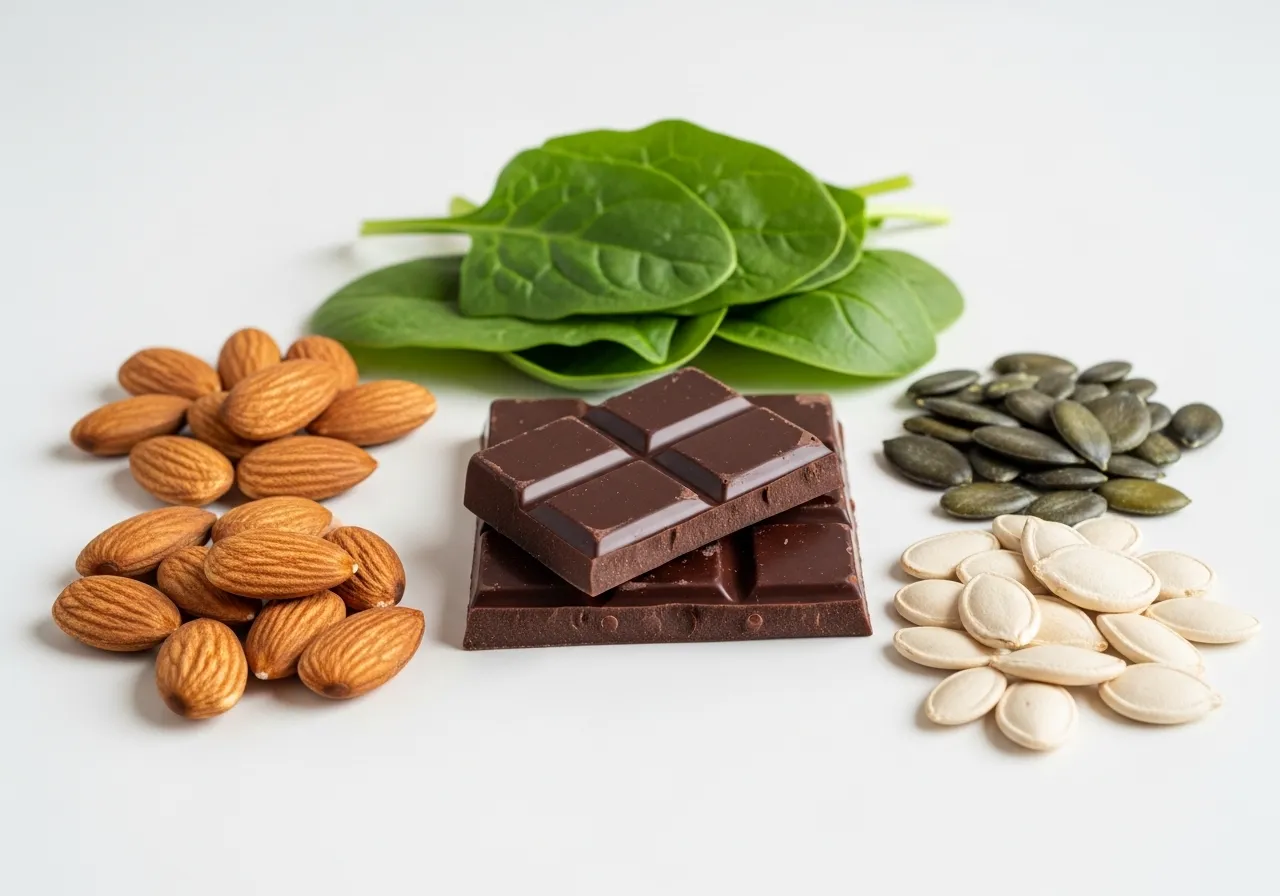
Vitamin E (tocopherol) functions primarily as a fat-soluble antioxidant that protects cell membranes — including muscle cell membranes — from oxidative damage during and after training. The muscle-specific vitamin E functions: protecting sarcolemmal (muscle cell membrane) integrity from the lipid peroxidation that high-intensity training produces; supporting immune function during the recovery period; and potentially modulating the inflammatory response to training-induced muscle damage. The evidence for vitamin E supplementation for athletes is mixed — like vitamin C, very high supplemental doses (400+ IU daily) of vitamin E may reduce some training adaptations by blunting the oxidative stress signal. Research on combined high-dose vitamins C and E supplementation consistently finds reductions in training-induced adaptations at the mitochondrial level when these antioxidants are taken at very high doses immediately after training. The practical vitamin E recommendation: adequate intake from food sources (nuts, seeds, vegetable oils, wheat germ) — approximately 15mg daily — provides antioxidant support without the adaptation-blunting concern of high supplemental doses. Athletes eating nuts and seeds regularly as part of their protein and caloric intake are unlikely to be vitamin E deficient.
Vitamin K2: Bone Health and Indirect Muscle Support
Vitamin K2 (menaquinone) supports muscle growth indirectly through its role in bone health maintenance — the skeletal structure that muscles attach to and act upon. K2 is required for the carboxylation of osteocalcin (a bone protein that also has roles in energy metabolism and testosterone synthesis) and matrix Gla protein (which prevents arterial calcium deposition). The muscle-indirect effects of vitamin K2 through osteocalcin: research has identified that carboxylated osteocalcin acts as a hormone that stimulates muscle glucose uptake during exercise and may directly influence muscle protein synthesis — a direct skeletal-muscular communication pathway that makes bone health genuinely relevant to muscle function rather than merely to injury prevention. Vitamin K2 is found primarily in fermented foods (natto, fermented cheese, certain sauerkrauts) and to a lesser degree in grass-fed dairy — food sources that many athletes consume infrequently, creating the potential for K2 insufficiency despite adequate K1 intake from leafy greens. Supplemental K2 (100–200 mcg of MK-7 form, the most bioavailable form with the longest half-life) is appropriate for athletes with low fermented food intake and represents a low-cost, low-risk nutritional insurance for the bone and muscle health pathways it supports.
Multivitamin Use for Athletes: When It Makes Sense
A comprehensive multivitamin provides insurance against the micronutrient gaps that dietary analysis and blood testing cannot always identify prospectively — but does not replace the targeted supplementation that confirmed deficiencies require. The case for multivitamin use: athletes with variable dietary patterns, those in caloric restriction phases, those with food allergies or preferences that restrict dietary variety, and those unable to access regular blood testing benefit from the broad coverage that a quality multivitamin provides. The limitations of multivitamins: most contain lower doses of key nutrients (particularly vitamin D and magnesium) than the amounts required to correct confirmed deficiencies; some contain nutrient forms with lower bioavailability than targeted supplements (magnesium oxide vs. magnesium glycinate; cyanocobalamin vs. methylcobalamin; folic acid vs. methylfolate); and they may not contain nutrients that specific individuals specifically need (K2, for example, is absent from most multivitamins). The practical approach: a quality multivitamin provides a foundation that reduces the risk of undetected deficiency in nutrients not covered by targeted supplementation — use it as a complement to rather than a replacement for targeted deficiency correction guided by blood testing.
The vitamin landscape for muscle growth — from the hormonal prohormone vitamin D through the antioxidant vitamins C and E, the neural and energy metabolism B-complex, and the bone-muscle communicating vitamin K2 — represents a genuinely complex and interconnected nutritional system where adequacy of all components determines the full expression of the muscle growth potential that training and macronutrition provide.
Essential Minerals for Muscle Growth: Magnesium, Zinc, Iron, and More
Minerals — the inorganic elements required by the body in varying quantities — participate in muscle function through structural (calcium and phosphorus in bone), electrolyte (sodium, potassium, chloride in membrane potential and contraction), enzymatic cofactor (zinc and magnesium in hundreds of enzymatic reactions), and oxygen transport (iron in hemoglobin) roles. The four minerals most consistently identified as limiting factors for athletic muscle development are magnesium, zinc, iron, and calcium.
Magnesium: The Most Underappreciated Muscle Mineral
Magnesium participates in over 300 enzymatic reactions in the human body — including ATP synthesis (without magnesium, ATP cannot be activated for use in muscular contraction), protein synthesis (magnesium is required for ribosome function and the aminoacyl-tRNA synthetases that link amino acids during protein synthesis), and muscle relaxation (the return of calcium to the sarcoplasmic reticulum after contraction requires ATP-dependent calcium pumps that require magnesium). The testosterone connection: research finds that magnesium status is positively correlated with total and free testosterone levels in both sedentary individuals and athletes — athletes with adequate magnesium have significantly higher testosterone than magnesium-deficient peers at equivalent training loads. Magnesium deficiency is endemic in athletic populations: sweat losses of 36mg of magnesium per liter of sweat (significant during intense training in hot conditions), combined with inadequate dietary intake from the highly processed food patterns common in many athletes’ diets, produce the chronic low-grade magnesium insufficiency that impairs all of the above functions without producing the dramatic symptoms of frank deficiency. The practical magnesium target: 400–600mg daily (the higher end appropriate for athletes with significant sweat losses), from food sources (dark leafy greens, nuts, seeds, legumes, whole grains) supplemented by 200–400mg of glycinate or citrate form (the highly bioavailable forms preferred over oxide, which has poor absorption but is cheapest and most common). Research from Examine.com on magnesium and performance documents the sleep quality improvements, testosterone support, and recovery enhancement that magnesium adequacy produces in previously deficient athletes.
Zinc: Testosterone Synthesis and Protein Metabolism
Zinc is required for the synthesis and function of over 300 enzymes — including the 5-alpha reductase that converts testosterone to the more potent dihydrotestosterone (DHT), the aromatase enzyme that converts testosterone to estrogen (zinc moderately inhibits aromatase, supporting free testosterone levels), and the insulin-like growth factor receptors that mediate IGF-1’s anabolic signaling. The muscle-specific zinc functions: zinc is essential for the zinc-finger protein structure of muscle transcription factors that regulate gene expression during muscle hypertrophy; it participates in the protein folding processes that determine whether newly synthesized proteins achieve their functional structures; and it modulates the immune response to training through its role in immune cell proliferation and cytokine production. Zinc deficiency — resulting from inadequate animal product intake (heme zinc from meat is absorbed at twice the rate of non-heme zinc from plant sources), high phytate intake (phytic acid in grains and legumes binds zinc in the intestine and reduces absorption), or elevated sweat losses — produces significant testosterone reduction, impaired protein synthesis, and delayed wound and tissue healing. The research on zinc supplementation in deficient athletes consistently finds testosterone improvements and strength gains — but zinc supplementation in athletes with adequate zinc status does not produce further benefits, confirming that zinc optimization corrects deficiency rather than pharmacologically enhancing hormone levels beyond physiological range. Adequate intake: 11mg (men) and 8mg (women) daily from food, with supplemental 15–30mg zinc if blood testing confirms deficiency or diet consistently excludes animal proteins.
Iron: Oxygen Delivery for Training Performance
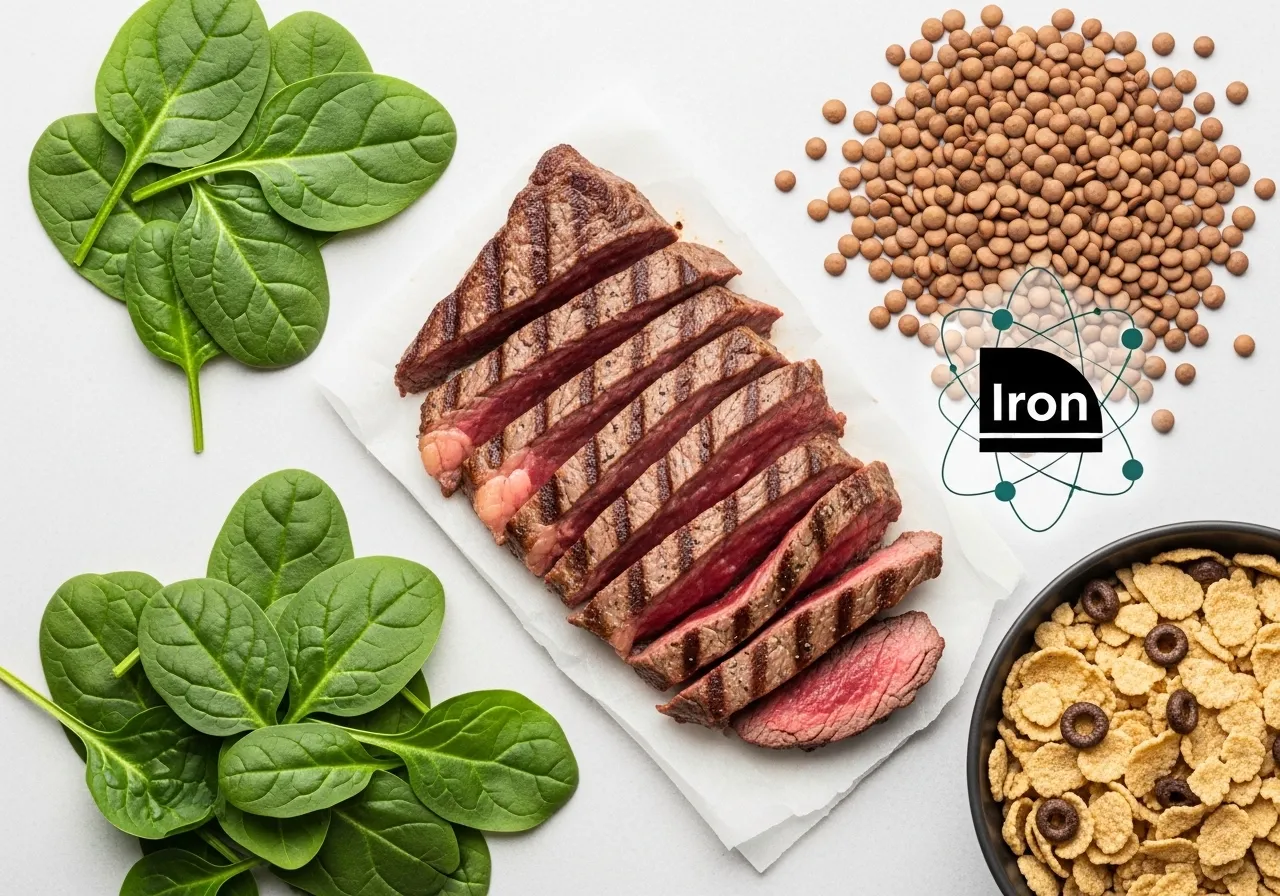
Iron’s primary relevance to muscle development is through its role in hemoglobin (the red blood cell protein that carries oxygen from lungs to muscles) and myoglobin (the oxygen-storage protein within muscle cells that delivers oxygen to mitochondria during aerobic metabolism). Iron deficiency anemia — producing small, pale red blood cells with reduced hemoglobin content — dramatically impairs oxygen delivery to working muscles, reducing aerobic training performance, increasing fatigue during resistance training, and impairing recovery between sessions. Iron deficiency without anemia (the stage where iron stores are depleted but hemoglobin is still normal) also impairs athletic performance through reduced muscle oxidative capacity even before anemia develops — making non-anemic iron deficiency a meaningful performance limitation that blood testing reveals but symptom monitoring often misses. Iron deficiency risk in athletes: female athletes (menstrual iron losses), endurance athletes (elevated hemolysis from foot-strike impact, elevated sweat losses, reduced intestinal iron absorption from high training volumes), vegetarian and vegan athletes (non-heme plant iron absorbed at 2–15% vs heme iron at 15–35%), and athletes in rapid growth phases. Iron supplementation requires confirmed deficiency — routine iron supplementation without testing is inappropriate, as iron overload (hemochromatosis) is a meaningful risk with adverse effects on cardiovascular and joint health. Iron supplementation under confirmed deficiency: 100–200mg elemental iron daily in the ferrous form (ferrous sulfate, ferrous gluconate, ferrous bisglycinate — ferrous bisglycinate produces less gastrointestinal side effects) with vitamin C co-administration to enhance non-heme iron absorption.
Calcium: Beyond Bone Health to Muscle Contraction
Calcium’s role in muscle function extends far beyond the bone density support that is the common public health focus — calcium is the primary second messenger of muscular contraction, triggering the actin-myosin cross-bridge cycling that produces force every time a muscle contracts. The intracellular calcium transient — the rapid release of calcium from the sarcoplasmic reticulum in response to neural stimulation and its subsequent reuptake — is the molecular mechanism of every muscular contraction from the lightest single-fiber activation to the maximal effort of a 1-repetition maximum. Adequate dietary calcium ensures that the body does not need to mobilize skeletal calcium to maintain serum calcium levels (a tightly regulated homeostatic process) — calcium mobilization from bone is a protective mechanism that prevents acute calcium deficiency but produces long-term bone density reduction that impairs the skeletal integrity that heavy training requires. The muscle hypertrophy connection: calcium-dependent signaling through calmodulin and calcineurin activates muscle protein synthesis downstream of the mTOR pathway — adequate intracellular calcium signaling capacity contributes to the anabolic signaling response to training. Adequate calcium intake: 1,000mg daily from food (dairy, fortified plant milks, calcium-set tofu, sardines with bones, dark leafy greens) provides the skeletal and muscle-contraction calcium requirements for most athletes. Supplemental calcium (calcium citrate preferred over carbonate for absorption without food) is appropriate for athletes who cannot achieve dietary targets through food sources.
Potassium and Sodium: Electrolytes for Muscle Function
Potassium and sodium — the primary intracellular and extracellular electrolytes — maintain the membrane potential of nerve and muscle cells that enables the electrical impulses that drive muscular contraction. The resting membrane potential (maintained by the sodium-potassium ATP-ase pump) is the electrical foundation of neuromuscular function — electrolyte imbalances that disturb this potential produce the muscle cramps, weakness, and reduced performance that athletes experience during severe dehydration or electrolyte depletion. The performance relevance: both acute (within a single session) and chronic (day-to-day) electrolyte imbalances impair muscle performance — sodium and potassium lost through sweat during training must be replaced through dietary intake and, during very long or very intense training sessions, through electrolyte supplementation. Potassium: the recommended intake of 3,400–4,700mg daily (higher end for athletes with significant sweat losses) is achievable through a diet rich in fruits, vegetables, legumes, and whole grains — the same foods that support overall micronutrient adequacy. Sodium: while excessive sodium is a public health concern for sedentary populations, athletes with significant sweat losses require adequate sodium replacement — 1,000–7,000mg daily depending on sweat rate and training duration, with individual variation significant enough to warrant personalized assessment through sweat testing for athletes in heat-intensive sports.
Selenium: Thyroid Function and Antioxidant Defense
Selenium — a trace mineral required in microgram quantities — supports muscle health through two primary mechanisms: thyroid hormone activation (selenium-dependent deiodinases convert inactive T4 to active T3, the metabolically active thyroid hormone that regulates metabolic rate and protein synthesis) and antioxidant defense (selenium is the cofactor for glutathione peroxidase, the primary intracellular antioxidant enzyme that protects muscle cells from oxidative damage). Selenium deficiency impairs thyroid function even when iodine intake is adequate — producing the reduced T3 and metabolic rate depression that manifests as fatigue, cold intolerance, and reduced training capacity. The selenium intake target: 55–200mcg daily (the recommended dietary allowance is 55mcg, but athletes with elevated oxidative stress from high training volumes may benefit from intakes toward 100–200mcg). Brazil nuts are the most concentrated food source of selenium (one nut provides approximately 70–90mcg) — making 1–3 Brazil nuts daily an effective and convenient strategy for meeting selenium requirements without supplemental risk. Supplemental selenium should be used cautiously — the margin between adequate intake and potentially toxic intake is narrower than for most minerals, and selenosis (selenium toxicity) from over-supplementation produces hair loss, nail brittleness, and neurological symptoms at chronically high intakes.
Chromium and Vanadium: Insulin Sensitivity Support
Chromium and vanadium are trace minerals that influence glucose metabolism and insulin sensitivity — factors that affect the uptake of glucose and amino acids into muscle cells and therefore the efficiency of both training performance and recovery. Chromium’s role: chromium potentiates insulin signaling through a chromodulin (LMW-Cr) mechanism that enhances insulin receptor sensitivity — adequate chromium supports the efficient insulin-mediated glucose uptake by muscle cells during and after training that supports glycogen resynthesis and anabolic signaling. The research on chromium supplementation for athletes produces mixed results — some studies find modest improvements in lean body mass and strength, particularly in previously deficient individuals, while others find no benefit in nutritionally replete athletes. Chromium from food (whole grains, broccoli, lean meats, eggs) provides the amounts that biological functions require without the toxicity risk of high-dose supplemental chromium, which in certain forms (chromium picolinate) has raised genotoxicity concerns at very high doses. The practical approach: dietary chromium adequacy through whole food consumption is the appropriate strategy for most athletes, with targeted supplementation reserved for confirmed deficiency identified through appropriate laboratory assessment.
The Mineral Stack for Optimal Muscle Development
Rather than addressing minerals individually, the most effective practical approach is building a dietary and supplementation stack that addresses the highest-priority and most commonly deficient minerals simultaneously. The evidence-based mineral priority stack for muscle-building athletes: (1) Magnesium — 400–600mg daily from food plus 200–400mg glycinate/citrate supplement if dietary intake is insufficient; (2) Zinc — 11–15mg from food (animal proteins are primary) with supplemental 15–30mg if confirmed deficient; (3) Iron — from food (red meat 3x weekly for non-vegetarians) with supplementation only if confirmed deficient by blood testing; (4) Calcium — 1,000mg from food (dairy or fortified alternatives) without routine supplementation above dietary adequacy; (5) Potassium — 3,400–4,700mg from fruits, vegetables, and legumes; (6) Selenium — 1–3 Brazil nuts daily as the most convenient food-based approach. This mineral stack prioritized by deficiency risk and muscle-building relevance addresses the majority of the mineral insufficiencies that impair muscle development in athletic populations — while the food-first approach for most minerals ensures that the bioavailability advantages of food-matrix minerals over isolated supplements are captured where possible.
The mineral landscape for muscle growth — magnesium enabling protein synthesis and testosterone; zinc supporting hormone production and enzymatic function; iron delivering oxygen to training muscles; calcium triggering every muscle contraction; and trace minerals supporting thyroid function and metabolic efficiency — represents the foundational inorganic chemistry that all the biological complexity of muscle development builds upon.
Deficiency Recognition, Testing, and Optimal Supplementation Strategies
Identifying micronutrient deficiency before it produces dramatic symptoms — in the subclinical insufficiency range where performance is impaired but overt disease has not developed — requires systematic testing and symptom awareness rather than waiting for deficiency to become clinically obvious.
Symptom Patterns That Suggest Micronutrient Deficiency
While blood testing provides definitive deficiency assessment, specific symptom patterns suggest particular micronutrient inadequacies and help prioritize testing. Vitamin D deficiency symptoms: fatigue disproportionate to training load, frequent upper respiratory infections during winter months, diffuse musculoskeletal aches, low mood and depression particularly during reduced-sunlight months, and unexplained training plateau without obvious training or nutrition errors. Magnesium deficiency symptoms: difficulty sleeping, muscle cramps and twitches (particularly nocturnal leg cramps), anxiety and stress reactivity, headaches, and constipation — symptoms that are individually nonspecific but together suggest the systemic magnesium insufficiency that inadequate intake or elevated losses produce. Iron deficiency symptoms: unusual fatigue during aerobic activities, pale appearance, shortness of breath at training intensities that previously felt comfortable, cold intolerance, and brittle nails — with female athletes and endurance athletes most at risk. Zinc deficiency symptoms: frequent infections, poor wound healing, reduced appetite, taste changes, and acne — less common in athletes eating adequate animal protein but relevant for plant-based athletes and those in highly restricted caloric phases.
Interpreting Blood Test Results: Reference Ranges for Athletes
Standard laboratory reference ranges — the “normal” values printed on blood test reports — represent population averages that include sedentary, older, and clinically ill individuals and may not reflect the optimal ranges for athletic muscle development. The athlete-specific optimal ranges: vitamin D (25-OH) — deficient below 50 nmol/L, insufficient 50–75 nmol/L, optimal 75–125 nmol/L for athletes (above the 50 nmol/L “normal” lower limit that many labs report); serum ferritin — deficient below 20 mcg/L in men and below 12 mcg/L in women, insufficient 20–40 mcg/L (functional deficiency range where performance is impaired before anemia), optimal 50–150 mcg/L for athletic performance; serum zinc — optimal 12–18 μmol/L, with lower values suggesting deficiency; RBC magnesium — a more accurate assessment than serum magnesium, which remains normal until magnesium depletion is severe; testosterone — total testosterone 400–900 ng/dL for adult men (values below 400 in conjunction with vitamin D, zinc, or magnesium deficiency suggest micronutrient-driven hormonal suppression rather than primary hypogonadism). Requesting athlete-specific interpretation from a sports medicine physician or registered dietitian familiar with athletic populations ensures that laboratory results are interpreted in the context of athletic function rather than general population health standards.
Supplementation Protocols for Confirmed Deficiencies
Confirmed micronutrient deficiencies require specific repletion protocols that differ from maintenance supplementation in dose, duration, and monitoring requirements. Vitamin D repletion: 4,000–10,000 IU D3 daily for 8–12 weeks to correct confirmed deficiency (below 50 nmol/L), followed by re-testing and transition to maintenance dosing (1,000–4,000 IU daily) once optimal range is achieved — always with K2 (100–200 mcg MK-7) to support calcium direction to bone rather than soft tissue during high-dose vitamin D. Iron repletion: 100–200mg elemental iron daily (ferrous bisglycinate preferred for tolerability) taken away from calcium-containing foods and beverages and with vitamin C to enhance absorption, for 3–6 months with re-testing at 6–8 week intervals to confirm hemoglobin and ferritin restoration. Magnesium repletion: 400mg magnesium glycinate or malate daily (better tolerated than oxide for doses above 200mg), split across 2 doses, for 2–3 months to replete intracellular magnesium stores (serum magnesium normalizes faster than intracellular stores). Zinc repletion: 25–40mg elemental zinc daily for 4–8 weeks in confirmed deficiency, always with 1–2mg copper to prevent copper deficiency from competitive absorption inhibition.
Timing Micronutrient Intake for Optimal Absorption
The timing of micronutrient intake relative to meals, training sessions, and other supplements influences absorption efficiency and utilization — a consideration that becomes meaningful when optimizing therapeutic supplementation rather than routine dietary intake. Vitamin D: absorption is enhanced by fat (vitamin D is fat-soluble) — take with the largest meal of the day containing dietary fat. Iron: absorption is highest when taken on an empty stomach or with vitamin C, and is significantly reduced by calcium (inhibits iron absorption), coffee, tea (tannins inhibit), and phytate-containing foods — separate iron supplementation from calcium supplements and high-calcium meals by 2 hours. Magnesium: take in the evening — the muscle relaxation and sleep quality benefits of magnesium are most relevant to the recovery period during sleep, and the calming effect of adequate magnesium contributes to sleep onset. Zinc: take between meals or with a small protein-containing meal (protein doesn’t impair zinc absorption as phytate does) — avoid taking with high-phytate foods or high-calcium meals. B12: oral absorption is enhanced by dividing doses (the intrinsic factor pathway is saturable, so 3 × 500mcg provides better absorption than 1 × 1500mcg) — sublingual methylcobalamin provides the best absorption for athletes with any absorption concerns.
Monitoring and Adjusting Supplementation Over Time
Effective micronutrient supplementation requires periodic reassessment rather than indefinite continuation of initial protocols — deficiency correction changes requirements, seasonal variation (vitamin D from sunlight in summer vs. supplemental need in winter) changes needs, and evolving dietary patterns alter food-based micronutrient contribution. Recommended reassessment schedule: re-test key micronutrients (vitamin D, ferritin, serum zinc, RBC magnesium) at 3 months after initiating targeted supplementation, then annually during routine health monitoring. Summer vs. winter vitamin D management: athletes in northern latitudes who train outdoors may achieve adequate vitamin D through sunlight exposure in summer months — blood testing in September confirms whether summer sun has produced adequate stores to reduce or eliminate supplementation through winter; blood testing in March confirms whether winter supplementation has been adequate or requires dose adjustment. Life stage adjustments: pregnancy, aging (reduced absorption efficiency), illness, and significant training volume changes all alter micronutrient requirements and may require supplementation protocol revision even in athletes who have previously achieved optimal status.
The Special Case of Plant-Based Athletes
Vegan and vegetarian athletes face systematically elevated micronutrient deficiency risks that require proactive supplementation strategies beyond those appropriate for omnivorous athletes. The specific high-risk micronutrients for plant-based athletes: B12 (absent from plant foods — the only micronutrient with no plant-food source, requiring supplementation for all vegans and most vegetarians consuming no or minimal eggs/dairy); vitamin D3 (cholecalciferol from animal sources is more effective than D2 from plant sources — vegan athletes should use lichen-derived D3 that is vegan-friendly); iron (non-heme plant iron absorbs at 2–15% vs heme iron’s 15–35% — plant-based athletes need 1.8x the iron intake of omnivores to achieve equivalent absorption); zinc (phytates in the grains and legumes that form the foundation of plant-based diets reduce zinc bioavailability — plant-based athletes need 1.5x the zinc intake of omnivores); calcium (if not consuming dairy, sufficient calcium requires strategic inclusion of calcium-set tofu, fortified plant milks, white beans, and kale); omega-3 fatty acids (EPA and DHA from marine sources must be obtained from algae-based omega-3 supplements for vegans — ALA from flaxseed converts to EPA and DHA at only 5–15% efficiency). Plant-based athletes who address all of these micronutrient considerations through targeted dietary planning and appropriate supplementation achieve equivalent athletic performance and body composition to well-nourished omnivores — the evidence for plant-based diet limitations in athletes reflects poor planning rather than inherent inadequacy of well-constructed plant-based nutrition. The key is active, informed management rather than the assumption that a plant-based diet is automatically complete.
Gut Health and Micronutrient Absorption
Optimal dietary micronutrient intake does not guarantee adequate absorption — gastrointestinal health factors significantly influence the fraction of consumed micronutrients that actually reaches circulation and target tissues. Common gastrointestinal conditions that impair micronutrient absorption: celiac disease (autoimmune reaction to gluten that damages the small intestinal villi responsible for iron, calcium, folate, and fat-soluble vitamin absorption); inflammatory bowel disease (Crohn’s and ulcerative colitis — significantly impair absorption of multiple micronutrients through intestinal inflammation, reduced absorptive surface, and accelerated intestinal transit); proton pump inhibitor use (medications that reduce stomach acid, which is required for mineral release from food and B12 liberation from food-bound forms). Athletes with confirmed gastrointestinal conditions should be monitored closely for multiple micronutrient deficiencies that their conditions predispose them to — and may require higher supplemental doses or alternative delivery routes (sublingual, intramuscular injection for B12) that bypass the absorptive impairment. The gut microbiome influence: some gut bacteria synthesize B vitamins (particularly K2, B12, folate, and riboflavin) that contribute to the body’s supply — maintaining a diverse gut microbiome through prebiotic fiber intake and fermented food consumption supports the microbial vitamin contribution that supplements cannot replace.
Drug-Nutrient Interactions Affecting Athletic Micronutrients
Common medications used by athletes — including oral contraceptives, proton pump inhibitors, NSAIDs, antibiotics, and metformin — interact with micronutrient metabolism in ways that create deficiency risk even with apparently adequate dietary intake. Oral contraceptives: deplete B6, B12, folate, zinc, and magnesium through multiple mechanisms including altered metabolism, reduced absorption, and increased renal excretion — female athletes on hormonal contraception have systematically lower levels of these micronutrients and should be monitored and supplemented accordingly. NSAIDs (ibuprofen, naproxen): chronic use increases gastrointestinal blood loss that depletes iron; reduces renal folate conservation; and inhibits prostaglandin synthesis that affects intestinal zinc absorption. Antibiotics: disrupt gut microbiome, reducing the microbial B vitamin synthesis that contributes to the body’s supply — probiotic supplementation during and after antibiotic courses partially restores the microbiome contribution. Proton pump inhibitors (omeprazole, pantoprazole): reduce stomach acid required for iron, zinc, and calcium release from food and for B12 liberation — long-term use produces meaningful iron, B12, magnesium, and calcium deficiency risk that requires monitoring and supplementation. Athletes on these medications should discuss the micronutrient implications with their prescribing physician and undergo more frequent micronutrient blood monitoring than those not on these medications.
Bioavailability Differences Between Supplement Forms
Not all supplement forms of the same micronutrient are equally effective — the chemical form in which a mineral or vitamin is delivered determines the fraction that is absorbed and utilized. Magnesium forms: magnesium glycinate and magnesium malate have absorption rates of 40–80% and minimal gastrointestinal side effects; magnesium oxide (the most common and cheapest form in supplements) has only 4–20% absorption and frequently causes diarrhea at effective doses — the apparent low cost of magnesium oxide supplements is deceptive when the dose required to achieve equivalent absorption to glycinate is calculated. Zinc forms: zinc bisglycinate and zinc picolinate have superior absorption compared to zinc sulfate and zinc oxide — the chelated forms (bound to amino acids) bypass the competition for absorption transporters that inhibit inorganic zinc forms. Iron forms: ferrous bisglycinate is significantly better tolerated than ferrous sulfate (the most commonly prescribed iron supplement) at equivalent absorption rates, producing less constipation and gastrointestinal discomfort that frequently leads to poor compliance with iron repletion. Vitamin D: D3 (cholecalciferol) raises blood 25-OH vitamin D levels approximately 1.7 times more effectively than D2 (ergocalciferol) at the same dose — D3 is the form of choice for both repletion and maintenance. Understanding bioavailability differences allows informed supplement selection that achieves therapeutic intent with lower doses and better tolerability — the quality difference between the most and least bioavailable forms of the same mineral can be the difference between successful deficiency correction and persistent inadequacy despite apparent supplementation compliance.
The systematic approach to deficiency recognition, testing, and supplementation — informed by symptom patterns, objective blood testing, athlete-specific reference ranges, and evidence-based repletion protocols — converts micronutrient optimization from guesswork into a precise, measurable intervention that produces the athletic performance improvements that deficiency correction reliably delivers.

Building Your Micronutrient Plan: Foods, Timing, FAQs, and Common Mistakes
The micronutrient knowledge in the preceding sections becomes actionable through a personalized plan that integrates food sources, supplementation, timing, and monitoring into a practical daily system that consistently supports the muscle-building and athletic performance goals that motivate the investment in nutritional optimization.
Food-First Micronutrient Strategy: Building the Base
The foundation of any micronutrient plan is a diverse, whole-food dietary pattern that provides the majority of micronutrient requirements through food — capturing the bioavailability advantages, synergistic co-nutrients, and additional health benefits that food sources provide beyond isolated nutrient delivery. The most micronutrient-dense food categories for muscle-building athletes: organ meats (liver is the most nutrient-dense food on the planet — rich in vitamins A, B12, folate, iron, zinc, copper, and CoQ10 in a single serving; including liver 1–2 times monthly addresses multiple micronutrient needs simultaneously); shellfish (oysters and clams are among the highest food sources of zinc, iron, B12, and selenium — 6 oysters provides 50+ mg zinc, multiple times the daily requirement); dark leafy greens (spinach, kale, Swiss chard are concentrated sources of magnesium, iron, folate, vitamins K1, C, and A); eggs (particularly yolks — rich in vitamins D, B12, choline, and selenium while providing high-quality protein); fatty fish (salmon, sardines, mackerel — rich in vitamin D, omega-3 fatty acids, B12, and selenium); whole grains and legumes (concentrated sources of B vitamins, magnesium, iron, zinc, and potassium). Building meal patterns around these food categories provides comprehensive micronutrient coverage that supplements can only partially replicate.
Sample High-Micronutrient Day of Eating for Athletes
A practical daily eating pattern that prioritizes micronutrient density alongside macronutrient targets: Breakfast — 3 whole eggs (B12, vitamin D, selenium, choline) scrambled with 2 cups spinach (magnesium, folate, iron, vitamin K) and 1/2 cup oats (B vitamins, magnesium, zinc) with berries (vitamin C, antioxidants) = 40g protein. Mid-morning snack — Greek yogurt (calcium, B12, protein) with Brazil nut (selenium) and mixed seeds (magnesium, zinc) = 20g protein. Lunch — 150g salmon (vitamin D, omega-3, B12, selenium) with quinoa (magnesium, zinc, complete protein) and broccoli (vitamin C, K, folate) = 40g protein. Afternoon snack — Handful almonds (magnesium, vitamin E) and orange (vitamin C) = 8g protein. Dinner — 200g lean beef (iron, zinc, B12, vitamin B6) with sweet potato (vitamin A, potassium) and kale salad with olive oil (vitamins K, E) = 50g protein. Evening — cottage cheese (calcium, B12) with walnuts (omega-3, magnesium) = 20g protein. This pattern provides approximately 175g protein and generous coverage of all the key muscle-building micronutrients through food alone — with targeted supplementation (vitamin D, magnesium) filling the gaps that food cannot consistently close in most athletes.
The Practical Supplementation Stack for Muscle-Building Athletes
Based on the prevalence of specific deficiencies in athletic populations and the research support for micronutrient-muscle connections, the evidence-based supplementation stack for most muscle-building athletes: (1) Vitamin D3 with K2 — 2,000–5,000 IU D3 + 100–200 mcg K2 MK-7, daily with the largest fat-containing meal — the highest-priority supplement for the majority of indoor-training athletes; (2) Magnesium glycinate — 200–400mg in the evening before sleep — addresses the most common deficiency mineral and supports sleep quality and recovery; (3) Omega-3 (EPA+DHA) — 2–3g combined EPA and DHA daily from fish oil or algae-based source — supports the anti-inflammatory environment that training recovery requires; (4) Comprehensive multivitamin — covers the broad micronutrient base, particularly B vitamins, for athletes with dietary gaps; (5) Creatine monohydrate — 3–5g daily — not a micronutrient but consistently the highest evidence-supported supplement for strength and muscle building. Additional targeted supplementation (zinc, iron, B12, specific B vitamins) based on confirmed blood test findings. This stack costs approximately $50–80 monthly and addresses the primary micronutrient limiting factors for muscle development in most athletes — a low investment relative to the training and other nutrition investments that the same athletes make.
Common Micronutrient Mistakes Athletes Make
Mistake 1 — Supplementing without testing: taking high doses of fat-soluble vitamins (particularly vitamin D and vitamin A) without baseline blood testing risks toxicity, while iron supplementation without confirmed deficiency risks iron overload — always test before therapeutic supplementation of fat-soluble vitamins and minerals with narrow safety margins. Mistake 2 — Ignoring absorption interactions: taking calcium and iron together, or zinc without copper, or vitamin D without K2 — absorption interactions and downstream consequences that can undermine the supplementation purpose. Mistake 3 — Using low-bioavailability forms: purchasing the cheapest supplement form (magnesium oxide, ferrous sulfate, cyanocobalamin B12) rather than higher-bioavailability alternatives that provide effective doses at lower amounts with better tolerance. Mistake 4 — Expecting rapid results: vitamin D and iron repletion require 2–3 months to show meaningful blood level improvement; magnesium intracellular repletion requires 2+ months despite faster serum normalization — patience with the repletion timeline and follow-up testing at 3 months prevents premature abandonment of effective protocols. Mistake 5 — Neglecting dietary quality in favor of supplements: athletes who eat poorly but supplement extensively will always produce inferior results to those who build micronutrient status primarily through dietary quality with targeted supplementation for confirmed gaps — supplements fill gaps, they don’t create the synergistic benefits of whole-food nutrient profiles.
Frequently Asked Questions About Vitamins and Minerals for Muscle Growth
Do I need supplements if I eat a balanced diet? Possibly not for most micronutrients — but vitamin D is almost universally insufficient in indoor athletes regardless of diet quality (because food sources are limited and sunlight exposure is the primary source), and magnesium is commonly deficient in athletes with high sweat losses. Blood testing identifies whether your specific diet is sufficient for your specific needs. Can too many vitamins hurt muscle building? Yes — high-dose vitamins C and E immediately post-training may blunt some adaptations; excess vitamin A reduces testosterone; iron overload impairs performance through oxidative stress. Micronutrient toxicity is dose-dependent — therapeutic doses based on confirmed deficiency are safe, while routine high-dose supplementation without testing is inappropriate for fat-soluble vitamins and potentially toxic minerals. What time of day should I take vitamins? Fat-soluble vitamins (D, E, K) with fat-containing meals; iron away from calcium and coffee; magnesium in the evening for sleep benefits; B vitamins in the morning as B6 at high doses can interfere with melatonin and sleep. Are natural vitamins better than synthetic? For most vitamins, synthetic and natural forms are equivalent — methylcobalamin (natural B12 form) is better absorbed than cyanocobalamin (synthetic); natural vitamin E (d-alpha-tocopherol) is more bioavailable than synthetic (dl-alpha-tocopherol). For vitamin D and most minerals, the form matters more than natural versus synthetic. How soon will I notice improvements from correcting deficiencies? Energy and sleep quality improvements from magnesium correction: 2–4 weeks. Strength improvements from vitamin D correction: 4–8 weeks. Recovery improvements from iron correction: 8–12 weeks. The timeline is linked to the rate of biological repletion — patience through the repletion period produces the improvements that testing-confirmed deficiency correction reliably delivers.
Supplement Quality and Third-Party Testing
The supplement industry in most countries operates without the pre-market approval requirements applied to pharmaceutical drugs — meaning that a supplement label’s stated ingredients and dosages are not legally required to be verified before sale. Research on supplement quality consistently finds that a meaningful percentage of supplements contain lower active ingredient quantities than labeled, contain contaminants including heavy metals or unlisted substances, or contain ingredients not listed on the label. For athletes subject to drug testing (competitive athletes at any level where prohibited substance testing occurs), the contamination risk of untested supplements is significant — trace amounts of prohibited substances in supplements have produced positive doping tests despite athlete non-intentional use. Third-party testing certifications (NSF Certified for Sport, Informed Sport, USP Verified, ConsumerLab testing) provide independent verification that the supplement contains what the label states, at the quantity stated, without prohibited substance contamination. For the key micronutrients covered in this article (magnesium, zinc, vitamin D, vitamin K2, omega-3s, B vitamins), selecting products with NSF Certified for Sport or Informed Sport certification provides the contamination-free assurance that competitive athletes specifically require and that health-conscious non-athletes benefit from as quality verification. The additional cost of certified products over uncertified alternatives is modest compared to the wasted expenditure on supplements that contain less active ingredient than labeled — and is justified by the peace of mind that certified purity provides.
Nutrient Interactions That Affect Absorption
The bioavailability of micronutrients — the fraction of consumed nutrient that actually reaches systemic circulation and target tissues — is significantly modified by interactions between nutrients consumed simultaneously or in close sequence. Calcium and iron compete for the same intestinal transport mechanisms — consuming calcium-rich foods or supplements simultaneously with iron sources reduces iron absorption by 30–60%. Athletes who need to optimize both calcium and iron should separate their primary sources by 2+ hours: iron-rich meals without calcium accompaniment, and calcium supplementation at a separate time. Zinc and copper share absorption pathways — high-dose zinc supplementation (above 40mg daily) can induce copper deficiency through competitive absorption inhibition. The zinc-to-copper ratio in multivitamins and zinc supplements should ideally be 8–15:1 (zinc to copper) to prevent this interaction. Fat-soluble vitamins (A, D, E, K) require dietary fat for absorption — taking fat-soluble vitamin supplements with a fat-containing meal significantly improves their bioavailability compared to taking them with a fat-free meal. Vitamin C markedly enhances non-heme iron absorption (the plant-based iron form) — consuming vitamin C-rich foods alongside plant iron sources (spinach with lemon juice, legumes in tomato sauce) is a practical absorption enhancement strategy for athletes on plant-based diets where iron adequacy is a concern.
Frequently Asked Questions: Vitamins and Minerals for Muscle Growth
Which single vitamin or mineral has the biggest impact on muscle growth? Vitamin D has the strongest evidence for direct muscle function effects among commonly deficient micronutrients — its role in testosterone synthesis, muscle protein synthesis signaling, and neuromuscular function makes correction of deficiency (affecting 40–60% of athletes) the highest-impact single micronutrient intervention for most athletes who have not been specifically tested. Can I get all the micronutrients I need from food alone? A varied whole-food diet meeting caloric needs provides adequate quantities of most micronutrients — the specific exceptions being vitamin D (few food sources, solar synthesis often inadequate at northern latitudes), omega-3 fatty acids (adequate only with regular fatty fish consumption), and potentially vitamin B12 (from animal products only, requiring supplementation for vegans). How long does it take to correct a micronutrient deficiency? Most water-soluble vitamin deficiencies resolve within 2–4 weeks of adequate intake restoration; fat-soluble vitamin deficiencies (particularly vitamin D) require 2–3 months of supplementation to restore tissue levels to optimal range; mineral deficiencies vary widely depending on severity and the mineral’s body pool size. Are micronutrient supplements necessary for muscle growth? Supplementation is necessary only when dietary intake is inadequate for specific micronutrients — athletes meeting their caloric and macronutrient needs from varied whole foods frequently have adequate micronutrient status without supplementation. The value of micronutrient assessment (blood testing) is identifying the specific deficiencies that exist rather than supplementing broadly on the assumption that deficiency is likely. What is the best time to take micronutrient supplements? Fat-soluble vitamins (D, K2) with the largest meal of the day; magnesium at night for sleep quality benefits; B-complex vitamins in the morning for energy metabolism support; zinc away from high-fiber meals that reduce absorption. The specific timing differences produce modest bioavailability improvements — supplement consistency (taking them daily regardless of timing) is more important than optimizing timing at the expense of regularity.
Building Your Personal Micronutrient Plan: A Practical Summary
The comprehensive micronutrient approach for muscle growth optimization synthesizes the preceding sections into a practical, personalized system. Step 1 — Assess: schedule a blood panel including 25-hydroxyvitamin D, serum ferritin, zinc, magnesium (RBC), and a comprehensive metabolic panel that identifies specific deficiencies rather than assuming them. Step 2 — Food foundation: build the dietary base around the whole foods highest in muscle-critical micronutrients — fatty fish twice weekly for vitamin D and omega-3s, red meat twice weekly for zinc and iron, dark leafy vegetables daily for magnesium and vitamin K, whole grains and legumes for B vitamins and additional magnesium, and dairy or fortified alternatives for calcium and additional vitamin D. Step 3 — Targeted supplementation: correct confirmed deficiencies with the specific supplements at evidence-based doses; add the universally recommended supplements (vitamin D 2,000 IU, magnesium glycinate 300–400mg, omega-3 1–2g combined EPA+DHA) for the micronutrients where dietary adequacy is uncertain and supplementation risk is low. Step 4 — Monitor: re-test blood levels after 3 months of consistent supplementation to confirm correction and adjust doses accordingly. This systematic, assessment-driven approach to micronutrient optimization ensures that the training, protein, and sleep investments that muscle growth requires are supported by the micronutrient environment that allows those investments to produce their maximum return.
The athletes who consistently outperform their peers in long-term muscle development and recovery are not those with the best genetics or the most expensive supplements — they are those who have built the micronutrient foundation that allows every training session, every protein meal, and every night of sleep to produce its maximum adaptive return. Start with the assessment, build the food foundation, add targeted supplementation where needed, and monitor progress — the micronutrient optimization system produces results that are measurable in the bloodwork, felt in the training, and visible in the physique changes that consistent, well-supported training produces over months and years of dedicated application. The investment is small — a blood test, some whole food upgrades, a few well-chosen supplements — and the return is the full expression of the training and nutrition work you are already doing. Optimize the micronutrients. Unlock the gains that are already waiting. Start today. The biology will do the rest.