Top 10 Foods That Naturally Boost Testosterone
⚠️ Disclaimer: The information in this article is for general educational purposes only and does not constitute medical, nutritional, or professional fitness advice. Individual results may vary. Always consult a qualified healthcare professional or certified fitness trainer before starting any new exercise program, changing your diet, or making decisions about injury treatment or recovery. If you experience pain, discomfort, or any unusual symptoms during exercise, stop immediately and seek professional guidance.

Why Testosterone Matters for Fitness and How Food Directly Affects It
Testosterone is the primary anabolic hormone in the male body and plays a meaningful supporting role in female physiology as well. Its relevance to fitness is direct and multifaceted: testosterone drives muscle protein synthesis, supports fat metabolism, influences training drive and energy, affects bone density, and contributes substantially to recovery speed between sessions. When testosterone levels are suboptimal — even within the technically “normal” clinical range — the effects show up in training in ways that are frustrating but often misattributed to age, overtraining, or insufficient effort.
I became interested in this topic after an unexpected plateau that lasted nearly four months. Training was consistent, nutrition was reasonable, sleep was adequate — but strength wasn’t moving, energy was lower than usual, and the drive to push hard in sessions had noticeably diminished. On the advice of a sports medicine physician, I got bloodwork done. Total testosterone was in the low-normal range — not clinically deficient, but well below optimal for someone training seriously. His first intervention was dietary: addressing specific micronutrient deficiencies that were limiting the hormonal environment. Within eight weeks of targeted dietary changes, the bloodwork shifted meaningfully and the subjective training experience changed dramatically. I didn’t need pharmacological intervention — I needed to stop unintentionally starving my endocrine system of the raw materials it needed.
The Biochemistry of Testosterone Production
Understanding why diet affects testosterone requires a brief look at how testosterone is made. The synthesis pathway begins with cholesterol — a molecule that most people associate with cardiovascular risk but that is the direct biochemical precursor to all steroid hormones, including testosterone. Cholesterol is converted through a multi-step enzymatic cascade in the Leydig cells of the testes (and in smaller amounts in the adrenal glands and ovaries) into testosterone. Each step in this cascade requires specific cofactors — zinc, magnesium, and vitamin D being the most critically important — that must be present in sufficient dietary supply for the process to proceed at full capacity.
When any of these nutritional cofactors are deficient or insufficient, testosterone production becomes bottlenecked at the corresponding enzymatic step. The endocrine system can still produce testosterone under deficiency conditions, but it cannot produce it at the rate that optimal nutrition enables. This is why dietary optimization for testosterone support is not about “boosting” testosterone beyond its natural ceiling — it is about removing the nutritional roadblocks that prevent the body from producing what it is physiologically capable of producing.
What Research Says About Diet and Testosterone
Research published in the Journal of Clinical Endocrinology and Metabolism has documented direct relationships between dietary patterns and testosterone levels across multiple large population studies. The most consistent findings are: very low-fat diets (below approximately 20% of total calories from fat) are associated with significantly lower testosterone; zinc deficiency produces measurable testosterone reductions that are reversed by zinc repletion; vitamin D insufficiency is strongly correlated with lower testosterone and supplementation in deficient individuals increases levels; and overall caloric restriction — eating significantly below energy needs — suppresses testosterone production as an adaptive response to perceived energy scarcity.
These are not marginal associations — they represent meaningful, modifiable dietary factors that influence the hormonal environment available for training adaptation. The foods in this article address these mechanisms directly. They are not superfoods with magical properties — they are nutrient-dense whole foods that reliably provide the raw materials the endocrine system requires for optimal testosterone synthesis.
Realistic Expectations: What Diet Can and Cannot Achieve
Diet cannot compensate for clinically low testosterone that requires medical evaluation and potentially pharmaceutical intervention. If bloodwork shows testosterone significantly below the normal clinical range, dietary optimization should accompany — not replace — medical management. For men and women whose testosterone sits in the lower portions of the normal range, dietary and lifestyle optimization can produce meaningful improvements that measurably affect body composition, energy, and training quality. For individuals already eating well and with optimal micronutrient status, the incremental effect of further dietary optimization is smaller. The greatest gains from dietary testosterone support go to those whose current diet is most nutritionally deficient — which, given the state of the average Western diet, is a very large population.
How Testosterone Levels Are Measured and What’s Optimal
Total testosterone is measured in a standard blood panel and reported in ng/dL (nanograms per deciliter) or nmol/L. The clinical normal range for adult men is typically 300–1,000 ng/dL, but this range is wide enough to include men who feel excellent at 700 and men who feel chronically fatigued at 320 — both technically “normal.” Research from the Boston Area Community Health study and other large epidemiological datasets suggests that testosterone in the 500–800 ng/dL range is associated with optimal body composition, energy, mood, and physical performance in most men under 60. Men in the lower third of the normal range (300–450 ng/dL) experience measurably worse body composition outcomes from the same training programs compared to those in the upper half, even when all other variables are controlled.
Free testosterone — the fraction not bound to sex hormone-binding globulin (SHBG) or albumin and therefore biologically active — is equally or more important than total testosterone for understanding actual hormonal function. A man with total testosterone of 600 ng/dL but very high SHBG may have lower functional hormonal activity than a man with 500 ng/dL and low SHBG. Requesting both total and free testosterone in bloodwork provides a more complete hormonal picture than total testosterone alone. The dietary interventions in this article improve both total production and free availability by reducing SHBG through magnesium optimization and reducing aromatase-driven conversion through body composition and cruciferous vegetable intake.
For women, normal total testosterone ranges from approximately 15–70 ng/dL — substantially lower than men but no less functionally important for muscle development, libido, energy, and bone health. Women experiencing symptoms of low testosterone (unexplained fatigue, difficulty building muscle, reduced libido, low mood) despite otherwise good health habits are often found to have testosterone in the lower portion of the female range, and the same dietary interventions that support male testosterone production support female testosterone as well.
Why “Normal” Isn’t Always Optimal for Athletes
The distinction between clinically normal testosterone and hormonally optimal testosterone is particularly relevant for people training seriously. Clinical reference ranges are established based on the general population — including sedentary individuals, those with metabolic disease, and those at various life stages. They represent the range within which 95% of the population falls, not the range associated with peak athletic performance and body composition. An athlete whose testosterone sits at 310 ng/dL is technically within normal range but is likely experiencing meaningful hormonal disadvantage in terms of muscle protein synthesis capacity, recovery speed, and training drive compared to an athlete at 650 ng/dL.
Functional medicine practitioners who work extensively with athletes often use ranges of 500–900 ng/dL as the target for optimized performance, rather than the 300–1000 ng/dL clinical normal range. Dietary optimization, combined with the lifestyle factors described later in this article, is a reasonable and side-effect-free first approach to moving from the lower portion of normal toward the upper portion — without pharmacological intervention that carries meaningful risks at non-therapeutic doses.
The Top 10 Foods That Naturally Support Healthy Testosterone Levels
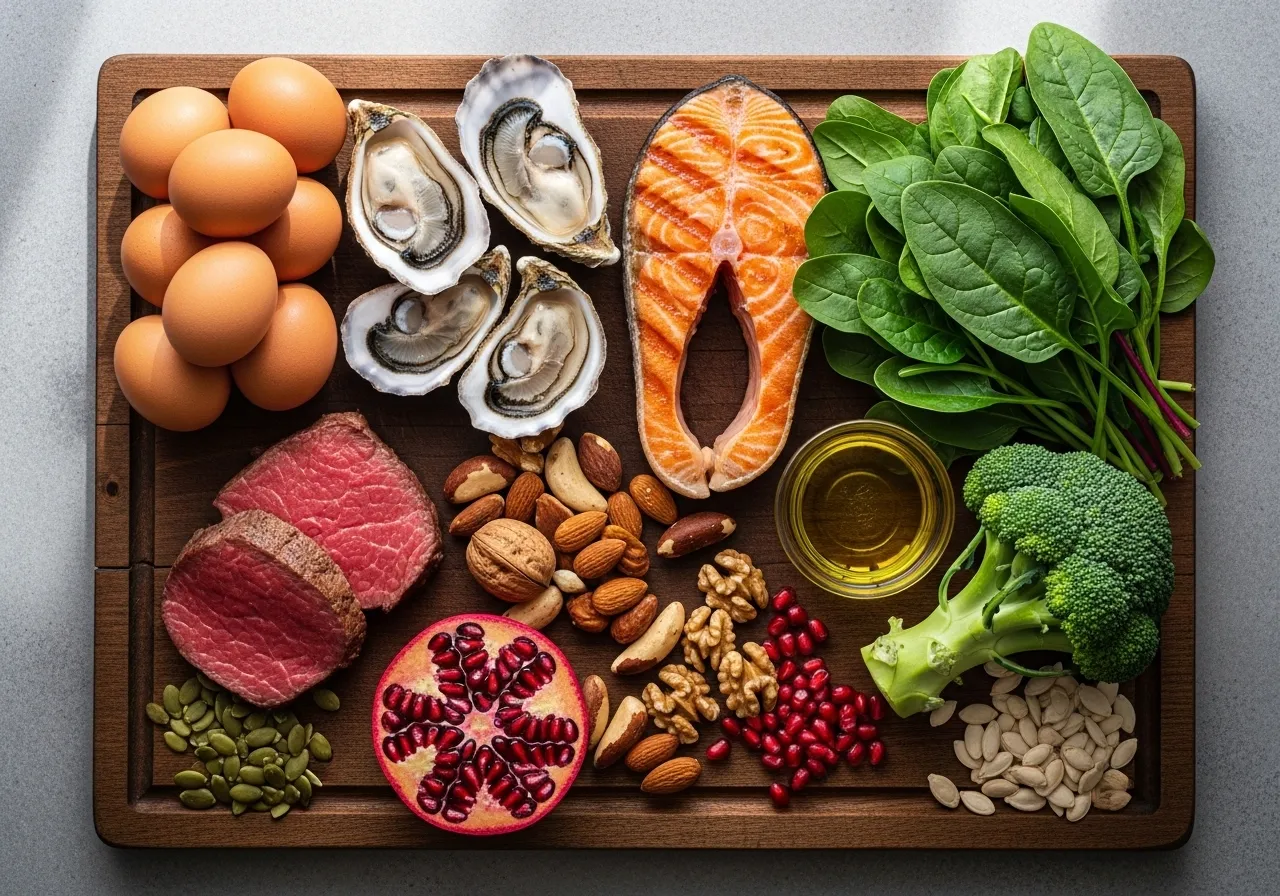
Each food on this list has at least one well-documented, mechanistic connection to the nutritional environment that supports healthy testosterone production. The explanations go beyond the common “X food boosts testosterone” headlines to explain what each food actually contains, how those nutrients function in the hormonal pathway, and how to incorporate them practically.
Oysters: The Highest Zinc Food on Earth
Oysters contain more zinc per serving than any other food — a single 3-ounce serving provides 32–74 mg of highly bioavailable zinc, compared to the recommended daily intake of 11 mg for adult men. Zinc is a critical cofactor for the enzyme 17-beta-hydroxysteroid dehydrogenase, which catalyzes one of the final steps in testosterone synthesis. It is also required for the function of luteinizing hormone (LH) receptors on Leydig cells — without adequate zinc, the hormonal signal from the pituitary gland cannot be fully translated into testosterone production at the cellular level.
Multiple studies have documented that zinc deficiency produces significant testosterone reductions, and that zinc repletion in deficient subjects restores testosterone toward normal. A widely cited study in the journal Nutrition showed that young men subjected to dietary zinc restriction for 20 weeks experienced a 75% decline in serum testosterone, and that supplementation restored levels to baseline. This is not a marginal micronutrient effect — zinc is a foundational requirement for male hormone function. If oysters are not accessible or palatable, other high-zinc sources include red meat, crab, pumpkin seeds, and fortified cereals, though none match oysters’ zinc density.
Whole Eggs: Cholesterol, Vitamin D, and Complete Protein
Whole eggs are one of the most nutritionally complete testosterone-supporting foods available. The yolk contains dietary cholesterol — the direct precursor to testosterone and all other steroid hormones. The historical medical advice to avoid egg yolks due to cholesterol concerns has been substantially revised by research showing that dietary cholesterol has minimal impact on cardiovascular risk for most healthy individuals and is a necessary component of hormone synthesis. Athletes who consume whole eggs rather than egg whites alone show better anabolic hormone profiles in research examining post-exercise hormonal responses.
Egg yolks also provide meaningful vitamin D — particularly from pasture-raised hens with outdoor sun access, which can contain 3–4 times the vitamin D of conventionally raised eggs. They supply choline, which supports liver function and the clearance of excess estrogen, and they provide the fat-soluble vitamins A, E, and K2, all of which play supporting roles in hormonal health. At 2–4 whole eggs per day, eggs represent one of the most cost-effective testosterone-supporting nutritional choices available.
Fatty Fish: Vitamin D, Omega-3s, and Anti-Inflammation
Salmon, sardines, mackerel, and herring are among the few dietary sources of vitamin D significant enough to affect blood levels. Vitamin D functions as a steroid hormone precursor — its active form (1,25-dihydroxyvitamin D) is structurally similar to testosterone and interacts with many of the same receptor pathways. Research published in Hormone and Metabolic Research found that vitamin D-sufficient men had testosterone levels approximately 20% higher than vitamin D-deficient men, and that supplementation in deficient men significantly increased testosterone over 12 months.
The omega-3 fatty acids in fatty fish — EPA and DHA — provide a secondary benefit through anti-inflammatory mechanisms. Chronic systemic inflammation suppresses testicular function and testosterone production through multiple pathways including direct inhibition of Leydig cell activity. Omega-3s reduce inflammatory cytokine production, creating a hormonal environment more favorable for testosterone synthesis. Two to three servings of fatty fish per week provides meaningful vitamin D and omega-3 intake, particularly valuable for people in northern latitudes with limited sun exposure.
Grass-Fed Beef: Zinc, Saturated Fat, and Bioavailable Nutrients
Red meat provides the most bioavailable dietary zinc outside of shellfish, alongside meaningful amounts of saturated fat — which, in appropriate quantities within a balanced diet, provides the fat-based substrate for steroid hormone synthesis. The relationship between saturated fat intake and testosterone is not linear at high intake levels, but very low saturated fat intake is consistently associated with lower testosterone, and red meat’s saturated fat contribution supports the baseline dietary fat profile that hormonal function requires.
Grass-fed beef specifically has a superior nutritional profile compared to grain-fed: higher omega-3 content, higher conjugated linoleic acid (CLA) content, and higher concentrations of fat-soluble vitamins. Its vitamin B12 content supports methylation processes involved in hormonal metabolism, and its creatine content provides an ergogenic benefit to training performance that complements hormonal optimization. Three to four servings of lean red meat per week as part of a varied diet provides these benefits without the excess saturated fat intake that very high red meat consumption involves.
Spinach and Dark Leafy Greens: Magnesium for Hormonal Availability
Magnesium deficiency affects an estimated 50–60% of people eating Western diets — it is one of the most prevalent micronutrient deficiencies in the developed world and one of the most consequential for testosterone function. Magnesium influences testosterone through two distinct mechanisms: it reduces sex hormone-binding globulin (SHBG), the protein that binds testosterone in the bloodstream and renders it biologically inactive, thereby increasing free testosterone availability; and it supports sleep quality through its role as a cofactor for GABA receptor function, which in turn supports the deep sleep stages during which the majority of daily testosterone is produced.
Research published in Biological Trace Element Research showed that magnesium supplementation in athletes significantly increased both total and free testosterone over four weeks compared to placebo. Spinach provides approximately 157 mg of magnesium per cooked cup — roughly 37% of the daily recommended intake. Other excellent magnesium sources include pumpkin seeds, black beans, almonds, and dark chocolate. Consuming a variety of magnesium-rich foods daily is a more sustainable approach than relying on supplementation for most people.
Pomegranate: The Clinically Studied Testosterone Food
Pomegranate is unique on this list because it has been studied in a human clinical trial specifically for testosterone effects — not just for the nutrients it contains. A study documented in Endocrine Abstracts found that consuming pomegranate juice for 14 days increased salivary testosterone by an average of 24% in healthy adult subjects. Salivary testosterone reflects free (bioactive) testosterone rather than total testosterone, making this a particularly meaningful measurement for practical hormonal function.
The proposed mechanism is pomegranate’s exceptional antioxidant activity — its ORAC score (a measure of antioxidant capacity) is among the highest of any food tested. Leydig cells in the testes, where testosterone is produced, are highly susceptible to oxidative stress, which impairs their function. Pomegranate’s polyphenols reduce oxidative damage in testicular tissue, preserving and potentially restoring Leydig cell function. Whether consumed as the whole fruit or as juice (with the caveat that juice concentrates calories and sugars), pomegranate represents one of the most evidence-backed dietary additions for testosterone support.
Extra Virgin Olive Oil: Monounsaturated Fats and Enzyme Support
Research on Moroccan men who switched from their usual fat sources to olive oil as their primary dietary fat showed a significant increase in testosterone levels over three weeks, with no other dietary changes. The proposed mechanism involves olive oil’s monounsaturated fat content providing the fat substrate for hormone synthesis while its polyphenols reduce oxidative stress in testicular tissue. Mediterranean dietary patterns — which feature olive oil prominently — are consistently associated with favorable hormonal profiles in epidemiological research.
Cruciferous Vegetables: Estrogen Metabolism Support
Broccoli, cauliflower, Brussels sprouts, and cabbage contain indole-3-carbinol (I3C), which converts to diindolylmethane (DIM) in the gut. These compounds support healthy estrogen metabolism by promoting the preferential production of less potent estrogen metabolites (2-hydroxyestrone) over more potent ones (16-hydroxyestrone), and by modulating aromatase activity — the enzyme that converts testosterone to estrogen. In men with elevated estrogen relative to testosterone, reducing estrogen load indirectly increases the testosterone-to-estrogen ratio. Cruciferous vegetables are not anti-estrogen foods in any extreme sense — they support metabolic balance rather than elimination.
Pumpkin Seeds: Dual Zinc and Magnesium Density
Pumpkin seeds are one of the few plant foods that provide meaningful quantities of both zinc (approximately 2.2 mg per ounce, about 20% of daily needs) and magnesium (approximately 156 mg per ounce, about 37% of daily needs). As a portable, no-preparation snack, they represent a practical and calorie-efficient way to address both of the most common micronutrient deficiencies affecting testosterone production. A 1-ounce daily serving of pumpkin seeds as a snack or salad topping contributes meaningfully to both zinc and magnesium status over time.
Brazil Nuts: Selenium for Testicular Function
Brazil nuts are the single richest dietary source of selenium — a mineral that plays a specific role in sperm production and testicular function. Selenium is a component of multiple selenoproteins expressed in testicular tissue and is required for the synthesis of testosterone in Leydig cells. Research has shown that selenium deficiency impairs male reproductive function and that adequate selenium intake is associated with better testosterone profiles. Critically, Brazil nuts can cause selenium toxicity if consumed in excess — 2–3 Brazil nuts per day provides the full recommended daily intake without risk of overconsumption. This is not a food to consume in large quantities.
Micronutrient Synergies: How These Foods Work Together
An important and often overlooked aspect of the testosterone-supportive foods listed above is that their effects are synergistic — meaning they work more effectively in combination than individually. Zinc and vitamin D together produce greater improvements in testosterone profiles than either alone, because they address different steps of the same biosynthetic pathway simultaneously. Magnesium and vitamin D interact at the enzymatic level — magnesium is required for the hydroxylation reactions that convert inactive vitamin D to its active form in the liver and kidneys, meaning that vitamin D supplementation is partially ineffective in magnesium-deficient individuals.
The omega-3 fatty acids in salmon and sardines enhance the absorption of fat-soluble vitamins (D, K, A, E) from other foods consumed in the same meal — making it beneficial to include a fat source when eating vitamin D-rich foods. The vitamin C in cruciferous vegetables enhances the bioavailability of non-heme iron and may support zinc absorption from plant sources. These nutrient interactions are the reason why whole food dietary patterns consistently outperform isolated nutrient supplementation in research on hormonal and health outcomes — the food matrix provides not just the target nutrients but the synergistic cofactors that enable their optimal utilization. Eating a diverse diet featuring the foods in this article regularly creates a nutritional environment far more effective for testosterone support than any combination of isolated supplements could replicate.

The Key Nutrients Behind the Effect: Zinc, Vitamin D, Magnesium, and Healthy Fats
Understanding the specific nutrients that drive dietary effects on testosterone allows you to assess your current diet for gaps and make targeted improvements beyond just the ten foods listed above. The four nutrients with the strongest evidence for direct testosterone support are zinc, vitamin D, magnesium, and dietary fat — and deficiency in any of them creates a bottleneck in the hormone production pathway that no amount of other optimization can fully compensate for.
Zinc: The Testosterone Gatekeeper
Zinc’s role in testosterone production operates through multiple simultaneous mechanisms, making it arguably the single most important micronutrient for male hormonal health. First, zinc is a required cofactor for the enzymes that catalyze the final steps of testosterone synthesis from its cholesterol precursors — without adequate zinc, these enzymatic reactions slow even when all other substrate is present. Second, zinc is necessary for the functional integrity of LH receptors on Leydig cells — the receptors that receive the hormonal signal from the pituitary gland instructing testosterone production. Third, zinc inhibits aromatase activity, reducing the conversion of testosterone to estrogen. Fourth, zinc supports pituitary function, helping to maintain the LH and FSH production that drives testicular testosterone synthesis from the top of the hormonal cascade.
Daily zinc requirements for adult men are 11 mg, with athletes who sweat heavily potentially needing more — zinc is lost in significant quantities through sweat, meaning that high-volume training without attention to dietary zinc creates a progressive deficiency. Bioavailability varies dramatically: zinc from animal sources (oysters, red meat, poultry) is 2–3 times more bioavailable than zinc from plant sources because plant-based zinc is bound to phytates that inhibit absorption. Vegetarians and vegans should pay particular attention to zinc status and may benefit from supplementation given the bioavailability limitations of plant-based sources.
Vitamin D: The Steroid Hormone Precursor
Vitamin D is biochemically classified as a steroid hormone rather than a traditional vitamin — its active form interacts with nuclear receptors throughout the body in the same way sex hormones do. Vitamin D receptors are present in Leydig cells, pituitary cells, and hypothalamic cells — every level of the hormonal axis that controls testosterone production. Research has identified a clear dose-response relationship between vitamin D status and testosterone levels in epidemiological studies, and several randomized controlled trials have shown that correcting vitamin D deficiency increases testosterone in deficient men.
The recommended daily intake for vitamin D from official guidelines (600–800 IU per day) is widely considered insufficient to maintain optimal blood levels by most endocrinologists and researchers in the field. Blood 25-hydroxyvitamin D levels of 40–60 ng/mL are generally considered optimal for hormonal function — a target that dietary sources alone are typically insufficient to reach in people with limited sun exposure. Combining dietary vitamin D sources (fatty fish, eggs, fortified foods) with sensible sun exposure (15–20 minutes of midday sun on substantial skin area) and potentially supplementation (1,000–4,000 IU vitamin D3 daily depending on baseline status) is the practical approach to maintaining adequate levels year-round.
Magnesium: Free Testosterone and Sleep Quality
Magnesium’s testosterone-supporting effects operate through two distinct pathways that make it uniquely important. The first is direct: magnesium reduces SHBG binding affinity for testosterone, effectively increasing the proportion of testosterone that is “free” — the biologically active form that can enter cells and exert its effects. Total testosterone numbers on bloodwork can be misleadingly adequate if SHBG is elevated, as a large fraction of that testosterone is bound and inactive. Adequate magnesium helps ensure that total testosterone levels translate into bioavailable, active testosterone.
The second pathway is indirect but equally important: magnesium is required for the synthesis of GABA, the primary inhibitory neurotransmitter that regulates sleep onset and deep sleep quality. The majority of daily testosterone secretion occurs in pulses during sleep — specifically during slow-wave (deep) sleep stages. Poor sleep quality, including insufficient deep sleep, directly reduces daily testosterone production. Magnesium deficiency impairs sleep quality through reduced GABA function, creating a downstream reduction in testosterone that diet and training cannot compensate for. Addressing magnesium deficiency often produces simultaneous improvements in sleep quality and testosterone levels — a compounding effect that makes it one of the highest-leverage micronutrient interventions available.
Dietary Fat: The Non-Negotiable Foundation
All steroid hormones — testosterone, estrogen, progesterone, cortisol, DHEA — are synthesized from cholesterol, which is itself a fat-derived molecule. This biochemical reality means that dietary fat is not simply a caloric source to minimize — it is the substrate from which the hormonal building blocks are made. Very low-fat diets consistently produce lower testosterone levels in research, and the relationship is particularly strong for saturated and monounsaturated fats, which provide the most direct precursors to steroid hormone synthesis.
This does not mean that higher fat diets are categorically better for testosterone — the relationship is not linear, and excessive saturated fat intake without the nutrient density of whole food fat sources does not further increase testosterone and has cardiovascular tradeoffs. The practical recommendation is to ensure total fat intake constitutes at least 25–35% of total calories, drawn primarily from whole food sources: fatty fish, eggs, olive oil, avocado, nuts, and moderate amounts of animal products. Specifically eliminating fat from the diet in the name of health or weight management is one of the most reliable ways to unintentionally suppress testosterone production.
Supporting Micronutrients Worth Knowing About
Beyond the four primary nutrients above, several others contribute meaningfully to the testosterone-supportive nutritional environment. Vitamin K2, found in fermented foods and grass-fed dairy, activates osteocalcin — a bone-derived hormone that directly stimulates testosterone production in the testes. Boron, found in nuts, avocado, and leafy vegetables, has been shown in research to increase free testosterone by reducing SHBG. Vitamin A, from animal liver and eggs, is required for Leydig cell differentiation and function. Addressing the full micronutrient spectrum through dietary variety rather than isolated supplementation provides these supporting factors naturally and in the food matrices that optimize their absorption and utilization.
Getting Micronutrients From Food vs. Supplements: A Practical Guide
The hierarchy of micronutrient delivery for hormonal support is: whole foods first, food fortification second, targeted supplementation for documented deficiencies third. Whole foods provide nutrients in natural food matrices with cofactors that enhance absorption and utilization — zinc from beef is accompanied by amino acids and heme compounds that enhance its absorption; vitamin D from fatty fish comes with omega-3s that support its transport. Isolated supplements provide the nutrient without these absorption-enhancing matrices, which is why food-sourced nutrients generally produce better biological outcomes per milligram than supplemental forms.
That said, certain situations make supplementation necessary: vitamin D is nearly impossible to obtain sufficiently from diet alone without sun exposure, particularly in northern climates during winter months; strict vegetarians may not be able to achieve adequate zinc and vitamin B12 from plant sources alone; individuals with inflammatory bowel conditions may have impaired absorption of fat-soluble vitamins and minerals regardless of dietary intake. For these situations, supplementation is appropriate and evidence-based. The key is targeting supplementation based on actual measured deficiency rather than taking broad-spectrum supplements on the assumption that more is better — some nutrients (selenium, zinc, fat-soluble vitamins) are toxic at excessive intake levels.
The Phytonutrient Perspective: Beyond Minerals and Vitamins
Beyond the well-characterized minerals and vitamins discussed above, a growing body of research is identifying specific phytonutrient compounds in whole plant foods that modulate aromatase activity, SHBG levels, and inflammatory pathways relevant to testosterone. Quercetin, found in onions, apples, and capers, has been shown in cell and animal research to inhibit aromatase activity. Luteolin, found in celery, parsley, and artichokes, has similar properties in preliminary research. Resveratrol from grapes and berries influences estrogen receptor activity in ways that may support testosterone-to-estrogen ratio. While the human evidence for these specific compounds is less robust than for zinc, vitamin D, and magnesium, they represent an additional reason why a diet rich in varied vegetables and fruits — beyond the specific testosterone-supporting foods discussed — creates a broadly favorable hormonal environment through phytonutrient diversity that any single-food or supplement approach cannot replicate.
Seasonal Eating and Testosterone: Adjusting for Time of Year
Research has documented measurable seasonal variation in testosterone levels in men living in temperate climates, with levels typically peaking in autumn and reaching their nadir in spring and winter. The primary driver is vitamin D — which declines substantially during winter months in northern latitudes as sun exposure decreases — but dietary patterns also shift seasonally in ways that can compound the vitamin D effect. During winter, increasing dietary vitamin D through fatty fish, eggs, and where appropriate supplementation becomes more important. During summer months of abundant sun exposure, dietary vitamin D from food becomes less critical while other aspects of the testosterone-supportive diet — zinc, magnesium, anti-inflammatory foods — remain equally important year-round. Being aware of seasonal testosterone variation and proactively maintaining dietary testosterone support during the higher-risk winter period prevents the compounding effect of seasonal decline on top of dietary insufficiency.

Foods and Habits That Silently Crush Your Testosterone
The positive dietary additions discussed so far are only half of the nutritional testosterone equation. An equally important — and frequently overlooked — strategy is identifying and reducing the dietary factors that actively suppress testosterone production. Many people optimize their diet for testosterone support while simultaneously consuming multiple items that blunt those efforts. Understanding these suppressors is essential for the complete picture.
Alcohol: A Direct Testicular Toxin
Alcohol is one of the most potent dietary testosterone suppressors available in the modern food environment, and its effects are dose-dependent, acute, and well-documented. Alcohol is directly toxic to Leydig cells — even moderate acute intake produces measurable reductions in testosterone that persist for 12–24 hours. Chronic heavy drinking causes lasting Leydig cell damage that can permanently impair testosterone production capacity. At moderate intake levels (1–2 drinks per occasion), the acute suppression is temporary and recoverable. But consistent frequent drinking — even at socially normalized intake levels of 3–5 drinks several nights per week — maintains testosterone in a chronically suppressed state for the days surrounding each drinking occasion, creating a persistent hormonal deficit during the training days that follow.
Alcohol also increases aromatase activity, accelerating the conversion of testosterone to estrogen, and impairs sleep architecture — reducing the slow-wave sleep stages during which testosterone is secreted. It increases cortisol, which is directly antagonistic to testosterone function. It depletes zinc and magnesium through increased urinary excretion. And it contributes to liver dysfunction at high intake levels, impairing the liver’s role in hormone metabolism and clearance. There is essentially no mechanism by which regular alcohol consumption supports testosterone — it suppresses it through multiple simultaneous pathways. For people serious about hormonal optimization, reducing alcohol intake is among the highest-impact interventions available.
Ultra-Processed Foods and Refined Sugar
Ultra-processed foods — fast food, packaged snack foods, sweetened beverages, industrially produced baked goods — are associated with lower testosterone through several mechanisms. They are calorie-dense but micronutrient-poor, contributing to the zinc, magnesium, and vitamin D deficiencies discussed above. Their high refined carbohydrate content drives insulin resistance over time, and insulin resistance is associated with lower testosterone and higher SHBG. Their inflammatory fatty acid profiles (high in omega-6, low in omega-3) promote chronic systemic inflammation that impairs Leydig cell function.
A study in the journal Nutrients found that adherence to a Western dietary pattern — high in processed foods, refined carbohydrates, and industrial fats — was associated with 25–30% lower testosterone compared to adherence to Mediterranean or whole-food dietary patterns, even after controlling for BMI, physical activity, and other confounding variables. The mechanism is multifactorial, but the effect size is clinically meaningful — the difference between a Western and whole-food dietary pattern may be equivalent to 10–15 years of age-related testosterone decline.
Excess Soy: The Phytoestrogen Question
The relationship between soy and testosterone is more nuanced than the dramatic claims in both directions suggest. Soy foods contain phytoestrogens — plant compounds that weakly bind estrogen receptors and can exert estrogenic effects in tissue. At moderate intake levels (1–2 servings of whole soy foods per day), research in healthy men generally shows no significant effect on testosterone or estrogen levels. At very high intake levels — consuming soy protein isolate in multiple servings daily as a primary protein source — some research has shown modest testosterone reductions and estrogen increases, particularly in men with high sensitivity to estrogenic compounds.
The practical recommendation is not to eliminate soy, but to avoid relying on it as the primary protein source if testosterone optimization is a goal. Using a variety of protein sources — animal proteins, legumes, nuts, and moderate soy — provides the amino acid needs of training without the potential phytoestrogen load of soy-dominant protein intake.
Chronic Undereating and Crash Dieting
The body interprets significant caloric restriction as an energy crisis and responds by downregulating non-essential physiological processes — reproductive hormone production being among the first to be reduced. Research consistently shows that caloric deficits of 500–1,000 calories below maintenance produce measurable testosterone reductions within 1–2 weeks, with the effect scaling with deficit severity. Crash dieting, extended fasting protocols, and very low-calorie dietary approaches all suppress testosterone substantially and persistently for the duration of the restriction.
For people trying to simultaneously lean down and optimize testosterone — which are inherently somewhat conflicting goals — a moderate deficit (200–350 calories below maintenance) minimizes the hormonal suppression from restriction while still allowing fat loss. Aggressive cutting phases and testosterone optimization are largely incompatible; they should be pursued in alternating phases rather than simultaneously.
Poor Sleep and Its Hormonal Consequences
While not strictly a dietary factor, sleep is so directly connected to testosterone production that no discussion of testosterone nutrition is complete without it. The Sleep journal has published research showing that reducing sleep from 8 hours to 5 hours for one week reduced testosterone in healthy young men by 10–15% — an effect comparable to 10–15 years of age-related decline. Prioritizing 7–9 hours of quality sleep is not a soft lifestyle recommendation — it is a hormonal intervention with effect sizes comparable to meaningful dietary changes.
The Cortisol-Testosterone Seesaw in Modern Life
One of the most clinically important but least discussed testosterone suppressors is not a food at all — it’s the chronic psychological and physiological stress of modern life. Cortisol and testosterone share the same biochemical precursor (cholesterol) and compete for the same enzymatic machinery. When the body is under sustained stress and cortisol demand is high, the steroidogenesis pathway is preferentially directed toward cortisol production at the expense of testosterone — a phenomenon researchers call the “cortisol steal” or “pregnenolone steal.” This is why elite athletes who overtrain show paradoxically low testosterone despite otherwise healthy diets, and why people under severe work or life stress frequently experience hormonal disruption even when their nutrition is excellent.
The dietary connection is significant: foods that reduce systemic inflammation — omega-3-rich fish, antioxidant-rich vegetables and fruits, magnesium-rich leafy greens — also modulate the cortisol response to stress, creating conditions where cortisol is appropriately managed rather than chronically elevated. The Mediterranean dietary pattern, which naturally includes most of the testosterone-supporting foods in this article, has been shown in research to reduce baseline cortisol, improve stress resilience, and support more favorable testosterone-to-cortisol ratios compared to Western dietary patterns. Choosing an anti-inflammatory whole food dietary pattern thus serves both direct hormonal support (through micronutrient provision) and indirect support (through cortisol management).
Environmental Factors: Endocrine Disruptors in Food and Packaging
The hormonal effects of diet extend beyond what foods contain to include what they’re packaged in and how they’re produced. Endocrine-disrupting chemicals — synthetic compounds that interfere with hormonal signaling — are pervasive in the modern food environment. BPA (bisphenol A) and related bisphenols in plastic food packaging and can linings have estrogenic activity and have been associated with lower testosterone in epidemiological studies. Pesticide residues on conventionally grown produce include compounds with anti-androgenic activity in laboratory research. Dioxins and PCBs that bioaccumulate in fatty animal tissues are potent endocrine disruptors at exposure levels found in some populations.
Practical harm reduction: minimize canned food consumption or choose BPA-free cans; store and heat food in glass or stainless steel rather than plastic; wash produce thoroughly; choose organic for the “dirty dozen” highest-pesticide crops when budget allows; and choose fatty fish species lower in the food chain (sardines, mackerel, herring) that accumulate less PCBs than larger species like tuna and swordfish. These measures are not hormonal optimization in the same direct sense as addressing nutritional deficiencies, but they reduce the environmental hormonal load that dietary optimization must work against.
How to Build a Testosterone-Supportive Diet Into Your Daily Life
Knowing which foods support testosterone is only useful if that knowledge translates into consistent daily eating habits. Sporadic consumption of testosterone-supporting foods while the baseline diet remains poor will produce minimal effect. The following framework is designed to make testosterone-supportive eating systematic, practical, and sustainable — not a restrictive diet protocol but a way of orienting daily food choices toward hormonal health.
The Testosterone-Supportive Meal Template
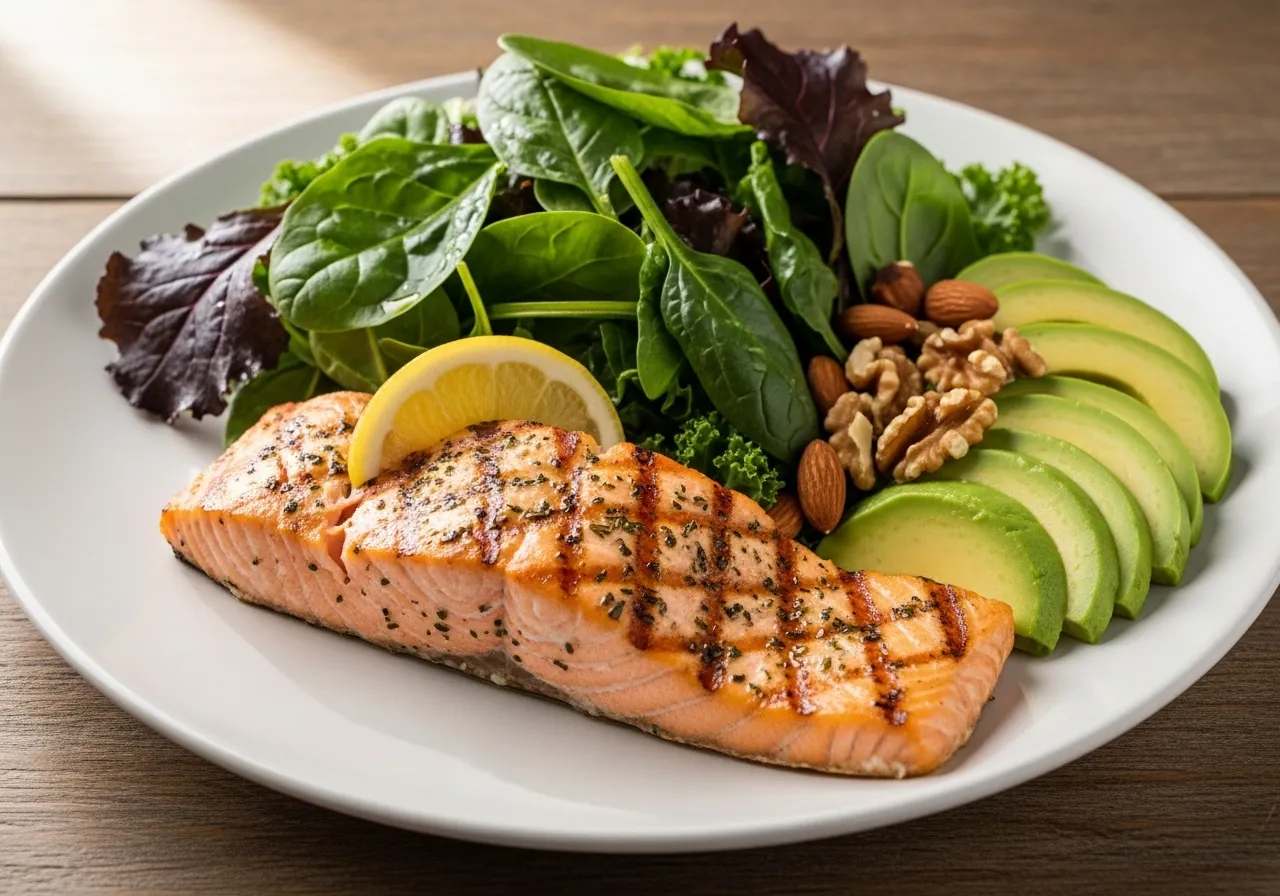
Build each main meal around a protein source that also provides zinc or vitamin D: eggs at breakfast, fatty fish or red meat at lunch or dinner, shellfish occasionally. Add a dark leafy green (spinach, kale, or Swiss chard) to at least two meals daily for magnesium. Include a healthy fat source at every meal — olive oil for cooking or dressing, avocado, nuts, or eggs — to ensure the fat substrate for hormone synthesis is consistently available. Rotate cruciferous vegetables (broccoli, cauliflower, Brussels sprouts) into meals 3–4 times per week for estrogen metabolism support.
A practical example day: breakfast of 3 whole eggs scrambled with spinach cooked in olive oil, plus a handful of pumpkin seeds; lunch of a large salad with grilled salmon, avocado, broccoli, and olive oil dressing; dinner of grass-fed beef with roasted Brussels sprouts and sweet potato. Snack options include Brazil nuts (2–3, not more), pomegranate seeds, or a small handful of mixed nuts. This template is not a rigid diet — it’s an orienting framework that can be adapted to preferences, budget, and cultural food traditions while maintaining the key nutritional pillars.
Addressing Common Barriers to Testosterone-Supportive Eating
Budget constraints are one of the most common barriers to eating testosterone-supportively. The good news is that many of the most effective foods are not expensive: eggs, canned sardines, canned salmon, frozen spinach, dried pumpkin seeds, black beans, and frozen broccoli are all highly affordable sources of the key nutrients. Oysters and grass-fed beef are premium items, but even occasional inclusion (once weekly) provides meaningful zinc and nutritional contribution. Building a testosterone-supportive diet doesn’t require spending more — it requires reorienting existing food spending toward whole foods and away from processed items, which are often more expensive per unit of nutritional value.
Time constraints push people toward processed convenience foods that undermine hormonal health. Batch cooking — preparing several days of protein sources, roasted vegetables, and grains on one day per week — makes testosterone-supportive eating as convenient as processed alternatives. A Sunday batch cook of baked salmon, hard-boiled eggs, roasted broccoli and Brussels sprouts, and cooked grains creates a week of assembly-ready components that take 3–5 minutes to combine into a meal.
Supplementation: When Food Isn’t Enough
For most people eating a varied whole-food diet, supplementation is not necessary to achieve the micronutrient levels that support optimal testosterone. However, specific circumstances — limited sun exposure reducing vitamin D synthesis, vegetarian or vegan diets limiting zinc bioavailability, gastrointestinal conditions impairing nutrient absorption — may make targeted supplementation appropriate. The most commonly warranted supplements for testosterone support are vitamin D3 (1,000–4,000 IU daily, adjusted based on bloodwork) and magnesium glycinate (200–400 mg daily, taken before bed to also support sleep). Zinc supplementation is appropriate only if dietary zinc is consistently inadequate — excess zinc supplementation interferes with copper absorption and can have adverse effects at high doses.
Bloodwork is the most reliable guide to supplementation decisions. Testing 25-hydroxyvitamin D, serum zinc (or RBC zinc for a more accurate measure), RBC magnesium, and total and free testosterone at baseline and after several months of dietary optimization provides objective data on what’s working and where gaps remain. This data-driven approach prevents both under-supplementation (leaving deficiencies unaddressed) and over-supplementation (assuming more is better in situations where dietary needs are already met).
Meal Timing and Testosterone: Does When You Eat Matter?
The question of meal timing relative to testosterone is more nuanced than simple pre- or post-workout nutrition. Research on this topic shows that very large, carbohydrate-heavy meals produce acute post-meal testosterone reductions through insulin-mediated mechanisms — an effect that is temporary and not hormonally significant in the context of overall daily diet quality. However, consistently skipping meals or prolonged fasting produces more sustained testosterone suppression as the body responds to perceived energy restriction.
For most practical purposes, consistent meal timing throughout the day — 3–5 meals providing protein and the key micronutrients — is more important than any specific timing strategy. One timing consideration that does have meaningful evidence is the pre-sleep meal: consuming a casein-rich protein source (cottage cheese, Greek yogurt) before sleep has been shown to support overnight muscle protein synthesis and may support the hormonal environment during the nocturnal growth hormone and testosterone release pulses. This is not a major effect, but it represents an easy optimization with no downside for people prioritizing testosterone and muscle development simultaneously.
Intermittent fasting protocols — particularly 16:8 or longer daily fasting windows — have mixed effects on testosterone in research. Short-term fasting studies show acute testosterone reductions during the fasted state, while some longer studies in resistance-trained men show no significant difference in resting testosterone between intermittent fasting and normal meal frequency at equivalent calories. The individual response varies considerably, and the hormonal effect of any fasting protocol is likely less significant than total caloric intake, protein adequacy, and micronutrient sufficiency. People who use intermittent fasting and feel well and perform well training are not harming their testosterone; people who experience fatigue, poor recovery, and performance regression on fasting protocols may be experiencing hormonal suppression from the energy restriction that the eating window creates.
Building the Habit: Consistency Over Perfection
The dietary principles described in this article are only useful if applied consistently over months — not perfectly executed for a few weeks before reverting to previous habits. Testosterone optimization through diet is a long-term project, and the cumulative effect of consistently better eating over 6–12 months is vastly more powerful than any acute dietary intervention. This means the most important factor in success is not which specific foods you eat on any given day but whether the overall dietary pattern, sustained over time, provides adequate zinc, vitamin D, magnesium, healthy fats, and micronutrient diversity while limiting the suppressors discussed in the previous section.
Start with the changes that require the least disruption to current habits and build from there. If eggs aren’t currently a regular part of breakfast, adding 2 eggs daily is an easy first step that meaningfully contributes zinc, vitamin D, and cholesterol precursors with minimal behavior change required. If fatty fish is unfamiliar, starting with canned sardines or salmon — inexpensive, convenient, and nutritionally dense — is more sustainable than attempting to prepare fresh salmon several times weekly. Small, sustainable changes in the direction of testosterone-supportive eating, compounded over months, produce the lasting hormonal improvements that dramatic dietary overhauls attempted for weeks and abandoned rarely achieve.

Lifestyle Factors That Amplify the Effects of Nutrition on Testosterone
Nutrition is the foundation of testosterone support, but it operates within a broader lifestyle context. Several non-dietary lifestyle factors have effect sizes on testosterone comparable to or greater than dietary optimization — and they work synergistically, meaning the combined effect of optimizing nutrition and lifestyle simultaneously is greater than either alone. Understanding these amplifying factors allows the dietary investments described in this article to produce their maximum possible effect.
Resistance Training: The Most Powerful Natural Testosterone Stimulus
Progressive resistance training — particularly compound movements like squats, deadlifts, rows, and presses performed at moderate to high intensities — produces acute post-exercise testosterone elevations and contributes to higher resting testosterone levels over the long term in trained individuals. The acute hormonal response to heavy compound training provides a regular stimulus for testicular testosterone production that dietary optimization supports but cannot replicate. The practical implication is that dietary testosterone support and resistance training are multiplicative, not additive — the hormonal benefits of testosterone-supportive eating are greater in people who are also training progressively than in sedentary individuals.
The type of training matters: research published in the Journal of Strength and Conditioning Research consistently shows that high-volume compound training (squats, deadlifts, presses) produces the greatest acute testosterone elevations, while isolation exercises and low-intensity training produce minimal hormonal response. Prioritizing compound movements in your training program serves both body composition and hormonal goals simultaneously.
Stress Management: Cortisol as the Testosterone Antagonist
Cortisol and testosterone have an inverse relationship — when cortisol is chronically elevated from psychological stress, overtraining, poor sleep, or caloric restriction, testosterone production is suppressed through both direct inhibition of Leydig cell function and competition for the shared cholesterol precursor that both hormones require. Chronic psychological stress is one of the most commonly overlooked contributors to suboptimal testosterone in otherwise healthy individuals. Stress management through regular exercise, adequate sleep, social connection, time in nature, and deliberate relaxation practices directly supports the hormonal environment that nutritional optimization aims to create.
Body Composition: The Adipose Tissue Connection
Adipose tissue (body fat) contains aromatase enzyme — the enzyme that converts testosterone to estrogen. Higher body fat levels mean more aromatase activity and more testosterone-to-estrogen conversion, reducing the testosterone available for its intended functions. This creates a self-reinforcing cycle: low testosterone promotes fat storage, particularly visceral fat; increased visceral fat increases aromatase activity; increased aromatase activity further reduces testosterone. Addressing body composition through the combination of progressive training and nutrition directly supports testosterone by reducing the aromatase load that elevated body fat creates.
Frequently Asked Questions About Testosterone and Diet
How quickly will dietary changes affect testosterone levels? Measurable changes in serum testosterone from dietary interventions typically appear within 4–8 weeks of consistent change. Zinc repletion in deficient individuals can produce changes within 2–4 weeks. Vitamin D optimization takes longer — 3–6 months to meaningfully increase blood levels and the downstream hormonal effects. Set expectations at months rather than weeks for comprehensive dietary optimization to produce its full effect.
Do these foods work for women? Yes — while the context differs (women produce testosterone in the adrenal glands and ovaries at approximately 5–10% of male levels), testosterone is an important hormone for women’s muscle development, energy, libido, and bone density. The nutritional requirements for testosterone synthesis are identical, and the same foods support healthy testosterone in women. Women should note that the optimal testosterone range and the consequences of both deficiency and excess differ significantly from men.
Are testosterone booster supplements effective? Most commercially sold testosterone booster supplements have minimal to no evidence supporting their effectiveness in men with normal testosterone levels. Some contain ingredients like zinc and vitamin D that are effective for deficient individuals — but taking these individually and at evidence-based doses is more cost-effective and reliable than purchasing proprietary blends. A few ingredients (ashwagandha, fenugreek) have modest research support for modest testosterone effects in specific populations. None approach the effect size of addressing actual nutritional deficiencies through whole food dietary optimization.
What is the single most impactful dietary change for testosterone? For most people eating a standard Western diet, the most impactful single change is ensuring adequate zinc and magnesium intake through whole foods — which typically means adding shellfish, increasing red meat to moderate levels, and regularly consuming magnesium-rich dark leafy greens and pumpkin seeds. Addressing these two mineral deficiencies, which affect a majority of the Western population, tends to produce more pronounced hormonal improvements than any other single dietary modification.
Testing, Tracking, and Iterating Your Testosterone Nutrition Protocol
The most effective approach to dietary testosterone optimization is not guesswork — it is systematic assessment, targeted intervention, and objective measurement of outcomes. This means getting baseline bloodwork (total testosterone, free testosterone, vitamin D, zinc where possible, and a basic metabolic panel) before making major dietary changes, implementing the dietary changes described in this article consistently for 8–12 weeks, then repeating the bloodwork to assess what has changed. This data-driven approach reveals which specific nutritional gaps were contributing to suboptimal hormonal status and confirms whether the interventions are achieving the intended effect.
Beyond bloodwork, subjective tracking of energy levels, training performance, sleep quality, mood, and recovery speed provides qualitative data that is highly relevant even when numbers are improving. Many people notice subjective improvements in energy and training drive before their bloodwork shows significant changes — the hormonal environment for performance is complex enough that total testosterone is an incomplete proxy for overall hormonal function. Tracking both objective (bloodwork) and subjective (performance and wellbeing) outcomes over time creates a comprehensive picture of whether dietary optimization is achieving its intended effects and where further adjustments may be warranted.
The Synergy Between Testosterone and Training Adaptations
One of the most compelling reasons to prioritize dietary testosterone support as an athlete or serious gym-goer is the synergistic relationship between testosterone and training adaptations. Testosterone doesn’t just support muscle growth directly — it also amplifies the response to the training stimulus. Research has shown that in men with higher testosterone levels, the same training program produces greater gains in lean mass, strength, and power compared to men with lower testosterone performing the identical program. The dietary optimization and lifestyle factors that support testosterone don’t just improve baseline hormonal status — they increase the return on every hour spent training.
This synergy works in the other direction as well: progressive resistance training stimulates testosterone production both acutely and over the long term in trained individuals, which further enhances the recovery and adaptation process between sessions. Building the dietary foundation for testosterone support while simultaneously engaging in progressive resistance training creates a positive feedback loop — better nutrition supports testosterone, which enhances training adaptations, which further stimulate testosterone, which creates more favorable body composition, which reduces aromatase activity, which preserves more testosterone. The investment in nutritional testosterone support is not just a hormonal optimization — it is a multiplier on the effectiveness of everything else you’re doing in your training program.