Why You’re Not Seeing Results (And How to Fix It)
⚠️ Disclaimer: The information in this article is for general educational purposes only and does not constitute medical, nutritional, or professional fitness advice. Individual results may vary. Always consult a qualified healthcare professional or certified fitness trainer before starting any new exercise program, changing your diet, or making decisions about injury treatment or recovery. If you experience pain, discomfort, or any unusual symptoms during exercise, stop immediately and seek professional guidance.

The Real Reasons You’re Not Getting Fitness Results (Backed by Science)
The most frustrating experience in fitness is training consistently, eating “pretty well,” and still seeing no meaningful change in the body or performance metrics that motivated starting in the first place. This experience is more common than the fitness industry’s transformation marketing acknowledges, and the causes are almost always diagnosable and fixable — not a matter of wrong genetics, wrong metabolism, or needing a more expensive program. I spent 18 months early in my training career doing exactly this — training four times a week with genuine effort, wondering why nothing was changing — before understanding the three specific errors that were collectively neutralizing every hour I invested in the gym. The errors were not exotic or complex; they were the same common mistakes that the research identifies as the primary causes of fitness stagnation for the majority of people who plateau.
The Gap Between Perceived and Actual Effort
The single most common reason people do not see results from training is the gap between perceived training effort and actual training stimulus — the difference between how hard training feels and how hard it needs to be to produce the adaptation that drives results. Research on training intensity perception consistently finds that untrained and recreationally trained individuals systematically underestimate their capacity relative to their actual maximum output, performing at 50–60% of potential while perceiving this as 80–90% effort. A set of squats performed at 8 repetitions with 3–4 reps still in reserve provides minimal hypertrophic stimulus compared to a set performed at 8 repetitions with 0–1 reps in reserve — the training logs would look identical, but the adaptation stimulus differs by an order of magnitude. The research from the Journal of Strength and Conditioning Research on proximity to failure and hypertrophy confirms that sets performed at 3+ reps in reserve produce significantly less muscle growth than sets performed at 0–2 reps in reserve at equivalent volumes. Solving this gap does not require training to complete failure in every set — it requires honest assessment of actual capacity versus performed effort, and the willingness to increase load or volume until sets are genuinely challenging rather than merely present.
The Progressive Overload Absence: The Root Cause of Plateaus
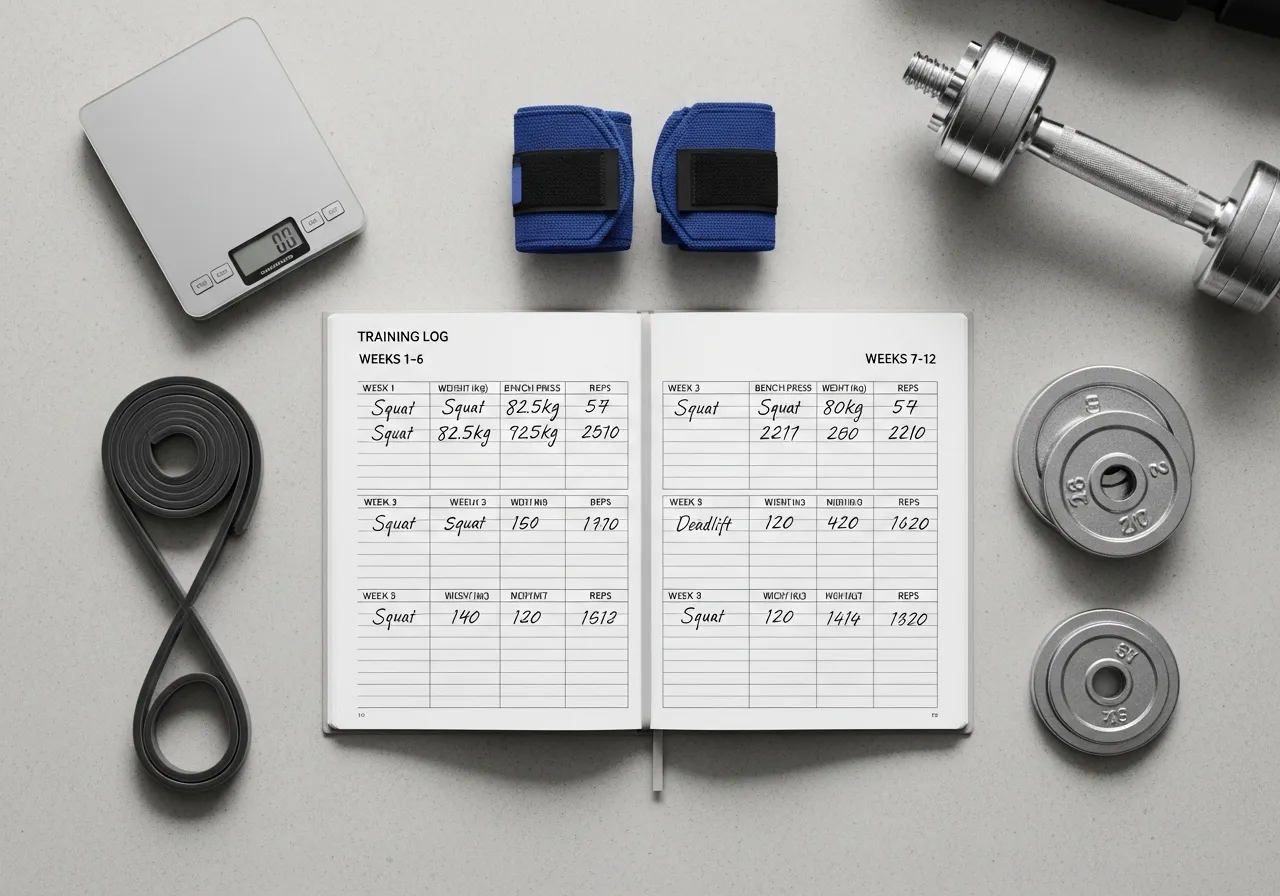
Progressive overload — the systematic, continuous increase in training stimulus over time — is the non-negotiable foundation of fitness adaptation. The body adapts to a given training stimulus and then stops adapting once that stimulus is no longer novel — performing the same workout, at the same weights, for the same reps, indefinitely produces zero ongoing adaptation after the initial adaptation period, regardless of how faithfully it is performed. The progression equation is simple: if the training stimulus does not increase over weeks and months, the adaptation it drives does not increase. Most people who plateau are not failing to progress because of genetics or metabolism but because they have unconsciously stopped applying progressive overload — either by not tracking their training (preventing awareness of stagnation), by avoiding the discomfort of heavier loads and higher reps, or by not understanding that progression is the mechanism of improvement rather than an optional bonus. Progressive overload in practice: track every session (weight, reps, sets for every exercise), target a specific performance improvement each session (even 1 additional rep or 2.5kg more weight), and treat the training log as the primary tool for diagnosing and fixing plateau. Research published in the PubMed literature on progressive overload and adaptation is unambiguous: the training stimulus must increase to drive ongoing adaptation, and the absence of progressive overload is the physiological mechanism underlying virtually every long-term training plateau.
The Nutrition Blindspot: Eating “Pretty Well” vs. Eating Precisely Enough
The second most common cause of stagnant fitness results is nutritional imprecision — eating patterns that feel healthy and appropriate but do not provide the specific macronutrient targets that support the desired body composition change. For muscle building: inadequate protein intake is the most prevalent nutritional error — research consistently identifies 1.6–2.2g of protein per kg of body weight as the minimum effective range for maximizing muscle protein synthesis in training individuals, and the majority of people who believe they eat “enough protein” are consuming significantly less. For fat loss: the most common nutritional error is underestimating caloric intake through the combination of portion estimation errors, untracked liquid calories, and the systematic underestimation of restaurant and processed food caloric density that is endemic in subjective dietary reporting. Research on dietary adherence and outcomes from the American Journal of Clinical Nutrition consistently finds that both self-reported caloric intake and protein intake are significantly lower than actual consumption — the direction of error always underestimates intake, explaining why “eating well” without measurement rarely produces the specific body composition outcomes that measurement-based approaches reliably achieve.
The Consistency Illusion: Training Frequency and Adherence
Many people who believe they train consistently are training with patterns of adherence that are far more sporadic than they recall — the remembered training sessions (the ones performed with effort and intention) crowd out the memory of the skipped sessions, creating an inflated perception of training frequency that does not match the actual training stimulus accumulated. Research on training adherence and outcomes finds that the perceived consistency of recreational exercisers is dramatically higher than their actual training logs show — subjective recall of training frequency overestimates actual frequency by 20–40% in controlled studies where training is objectively recorded. The specific consistency requirement for meaningful fitness results: 3 progressive training sessions per week, maintained for at least 8–12 weeks, is the minimum stimulus for meaningful measurable body composition change in most training individuals. Three sessions per week with 2-week gaps every month effectively reduces the actual training frequency below the minimum effective level, regardless of how hard individual sessions are. Tracking actual training session frequency (not planned or intended frequency) provides the honest baseline from which genuine consistency improvement can be measured.
Distinguishing Real Progress from False Plateaus
Some apparent fitness plateaus are not actual plateaus but measurement artifacts — the absence of scale weight change despite genuine body composition improvement, the absence of perceived performance improvement despite genuine neural and muscular adaptation, or the absence of visible change despite ongoing metabolic improvements. Body recomposition (simultaneous fat loss and muscle gain) produces the most misleading apparent plateau: scale weight stays constant while fat decreases and muscle increases — a genuinely positive body composition change that the scale completely fails to capture. Body composition measurement (skinfold calipers, DEXA scan, body fat percentage tracking) rather than scale weight alone is required to detect body recomposition progress. Strength adaptation in beginners often precedes hypertrophy by several weeks, producing performance improvements that are not accompanied by visible muscle size change — the neural adaptations of early training (improved motor unit recruitment, better inter-muscular coordination) improve strength without the protein synthesis-driven volume increase that produces visible hypertrophy. Understanding which adaptations are occurring and choosing the appropriate measurement tools to detect them prevents the premature abandonment of effective training programs that are producing genuine results but in forms that the default measurement approach (scale weight and mirror) cannot detect.
The Timeline Mismatch: Unrealistic Expectations
A significant contributor to the perception of “not seeing results” is the mismatch between the timeline of genuine fitness adaptation and the timeline that fitness marketing creates as the expectation — the 6-week transformation, the 30-day challenge, the 12-week program promising dramatic visible change. Research on the timeline of fitness adaptation is unambiguous: meaningful, visible hypertrophy requires 3–6 months of consistent, progressive training for most individuals; significant fat loss (10+ lbs of actual fat, not water weight) requires 3–6 months of sustained caloric deficit; cardiovascular fitness improvements require 6–12 weeks of consistent training before producing the resting heart rate and VO2max changes that represent genuine aerobic adaptation. Athletes who train for 6–8 weeks and declare that they are “not seeing results” are comparing actual results (early-stage neural adaptations, modest metabolic improvements, beginning muscle protein accretion) against an unrealistic expectation of visible transformation that requires twice to three times as long as they have been training. Setting accurate timeline expectations — and measuring intermediate outcomes (training log performance, body measurements, energy levels, sleep quality) that confirm adaptation is occurring before visible results emerge — prevents the premature program-switching and motivation collapse that terminate training before genuine results appear.
Program Hopping: The Serial Quitter’s Trap
Program hopping — switching training programs every 4–6 weeks in search of the “optimal” approach — is one of the most common and most destructive patterns in recreational fitness, consistently preventing the sustained progressive overload that produces adaptation by resetting the training stimulus before the body has fully adapted to the current program. Every new program requires an initial adaptation period where the training stimulus is novel but the trainee is learning the movements, discovering their capacity, and establishing their baseline for the new exercises. Meaningful strength and hypertrophy gains from a new program typically emerge in weeks 4–8 as the initial learning phase gives way to genuine progressive overload — the phase that program hoppers almost always abandon before reaching. Research on training program adherence and outcomes consistently finds that intermediate and advanced athletes produce superior results from 12–16 week programs completed with full progressive overload than from the same athletes cycling through 6-week programs repeatedly. The optimal program is not the one that looks best on paper or in a YouTube video — it is the one that will be executed consistently for 12+ weeks with genuine progressive overload applied systematically across the full duration. Pick a program appropriate for the goal, commit to it for a minimum of 12 weeks, track progress meticulously, and assess outcomes only at the end of the full commitment period before deciding whether to continue, modify, or switch.
Diagnosing Your Specific Results Problem
The specific cause of stagnant results differs by training history, goal, and current program structure — and the solution follows directly from the diagnosis rather than requiring trial-and-error experimentation. The diagnostic framework: if training loads and reps are not progressing across weeks, the problem is insufficient progressive overload — increase loads or reps until each session represents a genuine improvement. If training loads are progressing but body composition is not changing, the problem is nutritional — track protein and calories for two weeks to identify the specific gap. If nutrition appears appropriate but body composition is stagnant, the problem may be training frequency or volume — confirm that 3+ progressive sessions per week are occurring, and that each session accumulates 10+ hard sets per muscle group weekly. If all training and nutrition variables appear appropriate but results are absent, confirm training genuinely occurs at sufficient intensity (sets ending within 2 reps of failure) rather than at a comfortable effort level that feels hard but is not near-maximal. Working through this diagnostic sequence systematically identifies the specific limiting factor that targeted correction addresses, rather than applying generic “work harder” advice that may not address the actual cause of stagnation.
The diagnostic and correction framework in this article provides the systematic approach to identifying and fixing the specific cause of any fitness plateau — moving beyond the vague frustration of not seeing results into the specific, actionable understanding that converts effort into outcomes. Understanding the diagnostic framework — identifying whether results are limited by progressive overload absence, nutritional inadequacy, recovery deficiency, or measurement error — provides the specific correction target that converts effort into the outcomes that consistent training deserves. The athletes who build genuine, lasting fitness results are not those with the best genetics, the most expensive programs, or the most sophisticated nutrition strategies — they are those who execute the five foundational variables at adequate levels consistently across months and years, measuring progress honestly, adjusting based on data rather than frustration, and persisting through the adaptation timelines that biological change genuinely requires. Apply the diagnostic framework in this article to your current training situation, implement the specific corrections identified, and commit to the 12-week protocol with the honest tracking that reveals whether the approach is working — the results that consistent, systematic application produces are available to any athlete who applies these principles with the patience and discipline that genuine physical transformation requires. The plateau is not permanent — it is a diagnostic opportunity that points directly to the specific variable requiring correction. Fix the variable, maintain the consistency, and the results follow with the reliable biological certainty that evidence-based training and nutrition principles provide to every athlete who applies them correctly. Start today with the audit: open a food tracking app, log today’s meals, check your training log for the last four weeks of actual sessions completed, and identify the one variable that is most clearly below the evidence-based threshold. Address that variable first, confirm improvement over two weeks, then move to the next. This systematic, one-variable-at-a-time approach produces the sustainable results that multi-variable simultaneous changes cannot achieve because it identifies causality rather than introducing noise that obscures what is and is not working. The results you want are achievable — the path to them is clear, evidence-based, and available to you starting now. Act now. Results follow consistent, intelligent effort. Now.

Training Mistakes That Kill Progress: Volume, Intensity, and Consistency
Training program design errors are responsible for a large proportion of fitness plateaus — not because most people’s programs are wildly incorrect, but because they contain specific, correctable flaws in volume, intensity, exercise selection, or structure that collectively prevent the progressive overload on which all adaptation depends. This section identifies the most common program design errors with specific corrective recommendations.
Volume Error: Too Much, Too Little, and Wrong Distribution
Training volume — the total number of hard sets per muscle group per week — is the primary driver of muscle hypertrophy within the range that recovery capacity supports. Too little volume: fewer than 6–8 hard sets per muscle group per week produces minimal hypertrophic stimulus in most intermediate and advanced trainees — the training frequency and volume are insufficient to maintain the elevated muscle protein synthesis rates that drive ongoing muscle growth. This is the most common volume error for beginners who perform 2 sets of 3 exercises for each muscle group and wonder why they are not growing. Too much volume: more than 20–25 hard sets per muscle group per week in a single training phase typically exceeds recovery capacity, producing the overtraining symptoms (persistent soreness, declining performance, fatigue) that are sometimes mistaken for insufficient training rather than excessive training. Wrong volume distribution: concentrating all weekly volume for a muscle group in one training session (6 sets in one workout, 0 sets in other workouts) produces less hypertrophy than distributing the same weekly volume across 2–3 sessions — the protein synthesis spike from training is optimally restimulated every 48–72 hours, and the single-session approach under-stimulates this frequency. Research from the NSCA on resistance training volume recommendations identifies 10–20 hard sets per muscle group per week, distributed across 2–3 sessions, as the optimal range for most trained individuals targeting hypertrophy. Athletes should audit their actual weekly set counts per muscle group against this target before concluding that their training program is otherwise flawed.
Intensity Error: Training in the Comfort Zone
Training intensity — the proximity to muscular failure that determines the mechanical tension and metabolic stimulus of each set — is the most commonly under-applied training variable among recreational athletes. The research on training intensity and hypertrophy finds that sets must be performed within 4 reps of failure (4 reps in reserve or closer) to provide meaningful hypertrophic stimulus — sets performed at 5+ reps in reserve produce minimal muscle growth relative to their recovery cost. Most recreational gym-goers consistently train at 5–8 reps in reserve because the effort required to train at 0–3 reps in reserve is uncomfortable and requires genuine mental effort beyond the physical effort most people apply. The practical solution: add 2.5–5kg to the current working weight, or add reps until the final 2–3 reps of each set are genuinely challenging rather than merely present. A training log that shows the same weights and reps maintained across 4+ consecutive sessions is objective evidence that the training intensity is insufficient for continued adaptation — the plateau is visible in the numbers before it is visible in the mirror or on the scale.
Exercise Selection Errors: Complexity Versus Effectiveness
Exercise selection significantly influences training effectiveness — compound movements that load multiple muscle groups through large ranges of motion with high mechanical tension produce superior hypertrophy and strength adaptation per unit of time compared to isolation exercises targeting single muscles with lower mechanical loads. The most common exercise selection error: building training programs around exclusively machine-based isolation exercises (leg extension, leg curl, cable crossover, lateral raise machine) while neglecting the barbell and dumbbell compound movements (squat, deadlift, bench press, overhead press, row) that produce the majority of both strength and hypertrophy adaptation. Isolation exercises are valuable as supplementary work targeting specific muscles that compound movements under-develop, but programs built primarily on isolation exercises lack the mechanical loading and multi-joint stimulus that compound movements uniquely provide. The practical prescription: ensure that 60–70% of total training volume comes from compound movements (barbell/dumbbell squats, hinges, presses, rows) with isolation exercises filling the remaining 30–40% for targeted muscle development. Switching from an isolation-dominant program to a compound-dominant program frequently produces dramatic progress after stagnation — not because the isolation work was worthless but because the compound work provides the foundational stimulus that isolation training supplements rather than replaces.
Periodization Absence: The Same Program Forever Problem
Periodization — the planned variation of training variables (volume, intensity, exercise selection) across training cycles of varying length — prevents the adaptation stagnation that results from performing identical training indefinitely. The body adapts to a specific training stimulus within 4–8 weeks of consistent exposure — after which the same stimulus produces no additional adaptation because the adaptation has already occurred. Without periodization that systematically varies the training stimulus, the initial adaptation becomes a plateau that the repeated stimulus can no longer overcome. The minimum periodization structure for ongoing progress: alternate between higher-volume, moderate-intensity phases (accumulation, 4–6 weeks) and lower-volume, higher-intensity phases (intensification, 3–4 weeks), followed by a brief deload (1 week) before beginning the next cycle. This linear periodization approach — the simplest periodization model — prevents the stagnation that flat programming produces by continuously cycling between training stimuli that each drive different adaptive responses that compound into ongoing progress across the training year.
Rest Period Errors: Too Short and Too Long
Rest period length between sets directly determines both training quality and session duration — insufficient rest impairs subsequent set performance, while excessive rest unnecessarily extends sessions and reduces the metabolic stimulus of the training. Too-short rest periods (less than 60 seconds for heavy compound exercises): prevents full phosphocreatine resynthesis and neural recovery, causing each successive set to be performed at meaningfully lower output than optimal. The progressive performance decline across sets from insufficient rest produces what appears to be training difficulty (high perceived effort) but is actually fatigue-compromised quality rather than genuine near-failure effort. Too-long rest periods (more than 5 minutes for hypertrophy work): reduces the metabolic stress component of the hypertrophic stimulus and unnecessarily extends sessions without additional adaptation benefit. The optimal rest periods: 3–5 minutes for maximal strength work (85%+ 1RM), 90–120 seconds for hypertrophy work (65–80% 1RM), 60–90 seconds for muscular endurance and conditioning work. Using a timer to enforce the target rest period rather than estimating rest subjectively ensures consistent session structure and accurate attribution of performance changes to training stimulus changes rather than rest period variation.
Cardio and Strength Balance: A Common Volume Error
Many athletes unknowingly undermine their strength and muscle building progress by dedicating disproportionate training time to cardiovascular exercise while under-investing in the resistance training volume that drives hypertrophy. The “I go to the gym 5 days a week” assertion that is not reflected in strength or muscle progress is frequently attributable to the session structure being 3–4 days of cardio and 1–2 days of resistance training — a ratio that produces good cardiovascular fitness but inadequate resistance training volume for meaningful hypertrophy. The minimum resistance training frequency for ongoing hypertrophy progress: each major muscle group trained at least twice per week at adequate volume (10+ total hard sets per week). Athletes who prioritize cardio over resistance training and then are surprised by absent muscle gains are experiencing the expected outcome of their actual training structure, not a mysterious failure of their program. Reversing the priority — 3–4 days of resistance training with cardio as supplementary — while maintaining adequate protein for the increased training demands produces the body composition changes that cardio-dominant programs cannot deliver. Research on concurrent training (combined resistance and cardio) consistently finds that adequate resistance training volume, performed before cardio in the same session or in separate sessions, produces near-equivalent hypertrophy to resistance-training-only programs — confirming that cardio does not prevent muscle building, but that cardio-dominant training with insufficient resistance training volume does.
Training Age and Realistic Expectations
Training age — the number of years of consistent, progressive resistance training an individual has completed — fundamentally determines the rate at which adaptation occurs and the realistic expectations for the pace of visible results. Beginners (0–1 year): rapid adaptation across all fitness dimensions as the neuromuscular system responds to entirely novel stimuli — strength gains of 25–50% over 12 months, visible muscle development within 3–4 months, and body composition improvements that often motivate continued training commitment. Intermediate trainees (1–3 years): meaningfully slower adaptation as the body approaches a higher percentage of genetic potential — monthly strength gains replacing the weekly gains of the beginner phase, visible muscle change over months rather than weeks. Advanced trainees (3+ years): adaptation is slow and requires highly structured, periodized programming to drive ongoing improvement — annual strength improvements rather than monthly, requiring the sophisticated program design that beginners do not need. Athletes who compare their intermediate or advanced adaptation rate to their beginner adaptation rate interpret the normal, expected deceleration of adaptation as “not seeing results” — when the actual comparison should be against the research-established rate for their training age, not against their own beginner rate. Understanding training age and its influence on realistic expectation setting prevents the demoralization and program-switching that stall progress by eliminating the sustained progressive overload that continued adaptation requires.
The training variable corrections — volume calibration, intensity increase, exercise selection optimization, periodization implementation, and rest period management — address the specific program design elements that determine whether training stimulus is sufficient to drive the continuous adaptation that produces visible, measurable results. The athletes who build genuine, lasting fitness results are not those with the best genetics, the most expensive programs, or the most sophisticated nutrition strategies — they are those who execute the five foundational variables at adequate levels consistently across months and years, measuring progress honestly, adjusting based on data rather than frustration, and persisting through the adaptation timelines that biological change genuinely requires. Apply the diagnostic framework in this article to your current training situation, implement the specific corrections identified, and commit to the 12-week protocol with the honest tracking that reveals whether the approach is working — the results that consistent, systematic application produces are available to any athlete who applies these principles with the patience and discipline that genuine physical transformation requires. The plateau is not permanent — it is a diagnostic opportunity that points directly to the specific variable requiring correction. Fix the variable, maintain the consistency, and the results follow with the reliable biological certainty that evidence-based training and nutrition principles provide to every athlete who applies them correctly. Start today with the audit: open a food tracking app, log today’s meals, check your training log for the last four weeks of actual sessions completed, and identify the one variable that is most clearly below the evidence-based threshold. Address that variable first, confirm improvement over two weeks, then move to the next. This systematic, one-variable-at-a-time approach produces the sustainable results that multi-variable simultaneous changes cannot achieve because it identifies causality rather than introducing noise that obscures what is and is not working. Train smarter, not just harder. The science shows the way. Progress is inevitable with the right approach.

Nutrition Errors Preventing Your Results: What You’re Missing
Nutrition is the substrate through which training adaptation occurs — the building materials, energy, and hormonal environment that determine whether the training stimulus produces its intended physical changes. Training errors and nutrition errors produce different result-stagnation patterns, and identifying whether a plateau is primarily training-driven or nutrition-driven requires specific diagnostic attention to both variables.
Insufficient Protein: The Most Common Nutrition Error
Inadequate protein intake is the single most prevalent nutrition error among athletes and fitness-focused individuals who are not seeing results — and the gap between perceived adequate intake and research-supported adequate intake is substantial. The research-based protein targets for active individuals: 1.6g/kg body weight is the minimum effective dose for maximizing muscle protein synthesis; 2.0–2.2g/kg is the optimal range for active muscle building; 2.2–2.6g/kg is recommended during caloric restriction phases where higher protein protects lean mass from catabolism. For a 75kg person, these targets represent 120g, 150–165g, and 165–195g of daily protein — ranges that the majority of people who believe they eat adequate protein fall significantly short of. The protein underestimation problem: dietary recall studies consistently find that people underestimate their protein intake by 20–30%, and the foods that people typically classify as “protein foods” (eggs: 6g/egg, Greek yogurt: 15–18g per cup, chicken breast: 30g per 100g) require specific serving sizes and combinations to hit the targets. Tracking protein intake for two weeks using a food diary provides the accurate baseline that confirms whether protein is the limiting nutritional variable — and for athletes who are training consistently without gaining muscle, inadequate protein is the limiting variable in the majority of cases. Research from Examine.com’s nutrition research synthesis on protein and body composition is unambiguous: protein intake below 1.6g/kg consistently limits muscle development regardless of training quality.
Caloric Mismanagement: The Under and Over-Eating Traps
The two most common caloric errors produce opposite stagnation patterns that are sometimes confused without careful tracking. Chronic under-eating for muscle building: attempting to build significant muscle in a sustained caloric deficit is physiologically possible only in very specific circumstances (beginners with high body fat, returning athletes after detraining, individuals with high levels of anabolic support). For most trained athletes in caloric deficit, muscle protein synthesis is limited by the energy availability required for anabolic processes — the body prioritizes energy homeostasis over muscle building, reducing the adaptation from training that adequate caloric intake would support. Athletes who have been training consistently for 6+ months without gaining muscle and without intentionally eating for muscle building are almost certainly under-eating for their training demands. Chronic over-eating for fat loss: the caloric deficit required for fat loss (500–750 calories below TDEE producing 0.5–0.75 kg weekly fat loss) is undermined by the systematic caloric tracking errors that inflate perceived deficit while actual intake remains above maintenance. Specific common over-eating errors: underestimating cooking oil quantities (1 tablespoon = 120 calories, commonly underestimated as 50–60 calories); eating restaurant meals without accounting for added fats and sauces; drinking caloric beverages (juice, smoothies, coffee drinks, alcohol) without including them in daily totals; and not weighing foods, relying instead on volume estimates that systematically underestimate caloric density.
Meal Timing: When It Matters and When It Doesn’t
Meal timing — the distribution of calories and macronutrients across the day — influences performance and recovery through specific mechanisms that are meaningful in some contexts and irrelevant in others. The anabolic window myth (the claim that protein must be consumed within 30–60 minutes of training or the anabolic stimulus is lost) is contradicted by research showing that the protein synthesis response to training is elevated for 24–48 hours post-training, making the timing window much longer than the acute “window” myth suggests. What meal timing does matter for: post-training protein consumption within 2–3 hours supports muscle protein synthesis rates that are meaningfully higher in the immediate post-training period than at other times — not because a narrow window closes, but because the post-training metabolic state is particularly receptive to protein. Pre-training carbohydrate: consuming 30–60g of carbohydrates 60–90 minutes before high-intensity training sessions improves performance in those sessions by ensuring adequate muscle glycogen availability — athletes who train fasted on very low glycogen stores perform measurably worse in high-intensity strength and interval training. The practical meal timing framework: consume 25–35g of protein at each of 3–5 daily meals (distributing protein synthesis stimulus throughout the day); eat a moderate-carbohydrate meal or snack 60–90 minutes before training sessions; consume a protein-containing meal within 2 hours post-training. These timing principles are supporting optimizations for athletes who are meeting their total protein and caloric targets — they are not replacements for the foundational caloric and protein adequacy that drives the majority of nutrition’s influence on body composition outcomes.
Supplement Myths: What Cannot Replace Fundamentals
The supplement industry’s marketing creates the impression that specific supplements are the missing ingredient in ineffective training programs — an impression that is both commercially motivated and contradicted by the research on supplement effectiveness relative to training and nutrition fundamentals. The research-supported supplements with meaningful evidence of effectiveness: creatine monohydrate (3–5g daily, the most well-studied performance supplement with consistent evidence for strength, power, and lean mass benefits), caffeine (3–6mg/kg body weight, improving performance in strength and endurance training), and protein powder (a convenient protein source that is nutritionally equivalent to food protein when total daily protein is the limiting factor). The gap in effectiveness between these evidence-supported basics and the majority of the supplement market (pre-workouts with proprietary blends, fat burners, testosterone boosters, BCAAs for those meeting total protein targets) is enormous. Athletes who plateau and attribute the plateau to needing a better supplement are almost always experiencing a training or nutrition fundamental deficit that no supplement addresses. The practical rule: optimize the five training and nutrition fundamentals (progressive overload, adequate volume, sufficient protein, appropriate caloric management, consistent sleep) before considering any supplement intervention — the compound effects of these fundamentals dwarf any supplement contribution.
Tracking Methods: Getting Nutritional Accuracy
The difference between eating “pretty well” and eating precisely enough for a specific fitness outcome is almost entirely a tracking accuracy problem — subjective dietary recall is systematically inaccurate in ways that undermine the specific nutritional targets that body composition goals require. Food weighing versus measuring by volume: volume measurements (cups, tablespoons) are significantly less accurate than weight measurements (grams, ounces) for most foods — the density variation between differently packed cups of the same food can produce 30–50% differences in actual quantity, making volume-based tracking unreliable for precise nutritional management. A kitchen food scale ($15–30) is the single most cost-effective nutritional tool for athletes whose results have plateaued without an obvious cause — two weeks of gram-based food tracking typically reveals caloric and protein intakes that differ dramatically from subjective estimates and explain results that were otherwise mysterious. Restaurant and packaged food accuracy: restaurant meals should be tracked at the higher end of the estimate range (restaurants consistently use more oil, butter, and calorie-dense ingredients than standard recipes) and packaged food should be verified against the actual weight of the serving rather than the nominal serving size on the label. The habit of weighing and tracking for 4–8 weeks establishes the food quantity intuition that allows accurate estimation without ongoing daily tracking — a temporary investment in accuracy that pays compound dividends in ongoing nutritional intelligence.
The Eating Window and Intermittent Fasting
Intermittent fasting (IF) — restricting eating to a specific daily window (commonly 8 hours of eating, 16 hours of fasting) — has become a popular dietary approach with genuine research support for specific outcomes. The research evidence: IF produces body weight and fat loss equivalent to conventional caloric restriction when total caloric intake is matched, confirming that the eating window itself does not produce metabolic benefits beyond those of total caloric restriction. The specific advantages of IF for some individuals: reduced eating opportunities naturally reduce total caloric intake for those who find continuous eating access drives overconsumption; the simplicity of the eating window rule reduces the decision fatigue of continuous food management; and some individuals find that the hunger adaptation to fasted periods is easier to maintain than the moderate caloric restriction of distributed eating. The potential disadvantages for athletes: compressing all daily nutrition (including protein) into an 8-hour window may compromise the distributed protein synthesis stimulus that 4–5 protein meals per day optimally provides, particularly for athletes targeting maximum muscle development. The practical recommendation: IF is an appropriate dietary structure for athletes whose total protein and caloric targets are met within the eating window and whose training is not concentrated in the fasted period that impairs performance from low glycogen availability. Athletes who use IF and are not seeing results should first confirm that their eating window provides adequate total protein and calories before attributing the plateau to the IF approach itself.
Gut Health and Nutrient Absorption
Optimal nutrition tracking and adequate dietary intake do not guarantee the tissue-level nutrient availability that supports fitness adaptation — gastrointestinal health and nutrient absorption efficiency determine what fraction of consumed nutrients actually reaches the muscles, liver, and other tissues where they drive the adaptation that fitness requires. Athletes with compromised gut health — from dysbiosis (imbalanced gut microbiome), intestinal permeability, irritable bowel syndrome, or other gastrointestinal conditions — may consume adequate protein and calories while absorbing a meaningfully lower fraction than healthy gut function would deliver. The signs of potential gut health issues affecting results: persistent digestive discomfort (bloating, gas, irregular bowel function) despite apparent nutritional adequacy, the absence of expected results from a period of tracked, adequate nutrition, or food sensitivities that restrict the diversity of nutritional sources. Gut health optimization for athletes: adequate prebiotic fiber (vegetables, legumes, whole grains) feeding the beneficial bacteria that maintain gut integrity; probiotic foods or supplements to maintain microbial diversity; adequate hydration to support digestive function; and management of chronic gut-dysbiosis contributors (excessive processed food, chronic antibiotic exposure, high stress) that impair the gut environment that optimal nutrient absorption requires.
The nutritional precision strategies — protein targeting with measurement, caloric alignment with tracking, meal timing optimization, and supplement rationalization — provide the dietary framework that converts adequate training into the body composition outcomes that undernutrition or overnutrition prevent. The athletes who build genuine, lasting fitness results are not those with the best genetics, the most expensive programs, or the most sophisticated nutrition strategies — they are those who execute the five foundational variables at adequate levels consistently across months and years, measuring progress honestly, adjusting based on data rather than frustration, and persisting through the adaptation timelines that biological change genuinely requires. Apply the diagnostic framework in this article to your current training situation, implement the specific corrections identified, and commit to the 12-week protocol with the honest tracking that reveals whether the approach is working — the results that consistent, systematic application produces are available to any athlete who applies these principles with the patience and discipline that genuine physical transformation requires. The plateau is not permanent — it is a diagnostic opportunity that points directly to the specific variable requiring correction. Fix the variable, maintain the consistency, and the results follow with the reliable biological certainty that evidence-based training and nutrition principles provide to every athlete who applies them correctly. Start today with the audit: open a food tracking app, log today’s meals, check your training log for the last four weeks of actual sessions completed, and identify the one variable that is most clearly below the evidence-based threshold. Address that variable first, confirm improvement over two weeks, then move to the next. This systematic, one-variable-at-a-time approach produces the sustainable results that multi-variable simultaneous changes cannot achieve because it identifies causality rather than introducing noise that obscures what is and is not working. Nutrition precision unlocks the results that hard training prepares the body for. Track. Adjust. Win.

Recovery, Sleep, and Lifestyle Factors Blocking Your Progress
Training and nutrition are the visible inputs to fitness outcomes, but recovery — the sleep, stress management, and lifestyle practices that determine how completely the training stimulus is converted into adaptation — is the invisible variable that limits results when training and nutrition appear adequate but progress remains absent. Athletes who train hard and eat well but chronically under-recover are achieving a fraction of the adaptation that the same training and nutrition would produce with adequate recovery support.
Sleep Deprivation: The Silent Progress Killer
Sleep is the most powerful recovery tool available — during the 8–10 hours that athletic performance optimally requires, growth hormone secretion, muscle protein synthesis, inflammatory resolution, and neural recovery proceed at rates that waking activity cannot replicate. The evidence on sleep and fitness outcomes is stark: athletes sleeping fewer than 7 hours per night show measurably impaired strength, reduced muscle protein synthesis, elevated catabolic hormones, impaired fat oxidation, and slower recovery between sessions compared to athletes sleeping 8–10 hours. A person who trains four times per week but sleeps 6 hours per night is training against a significant physiological headwind that limits the conversion of training stimulus into the adaptation that results represent. The hormonal mechanism: growth hormone, which drives muscle protein synthesis and fat oxidation, is released primarily during slow-wave sleep — chronic sleep restriction reduces slow-wave sleep duration and therefore reduces the growth hormone stimulus that recovery requires. Testosterone, the primary anabolic hormone, is synthesized during sleep and shows measurable reductions with chronic sleep restriction — with testosterone levels reduced by 10–15% after one week of sleeping 5 hours per night in research studies. For athletes whose results have plateaued despite adequate training and nutrition, auditing sleep duration and quality is frequently the most impactful intervention available.
Chronic Stress and Cortisol: The Anti-Progress Hormone
Chronic psychological stress — from work, relationships, financial concerns, or life circumstances — elevates cortisol (the primary stress hormone) to levels that directly impair the anabolic processes that training is designed to stimulate. Cortisol promotes protein catabolism (breaking down muscle protein for gluconeogenesis), inhibits testosterone synthesis, impairs sleep quality, increases appetite for high-calorie foods, and promotes fat deposition in the visceral region — a perfect storm of anti-fitness hormonal effects that training cannot overcome when it is sustained chronically. The training-stress interaction: training itself is a stress that elevates cortisol appropriately as part of the training response — but the body treats all sources of stress equivalently through the HPA axis, meaning that high life stress and high training stress compete for the same recovery resources. An athlete under extreme life stress and trying to maintain high training volumes is accumulating total stress beyond recovery capacity, producing the overtraining symptoms (fatigue, declining performance, mood disturbance) despite potentially appropriate training volumes in isolation. The practical implication: during periods of high life stress, reducing training volume and intensity (while maintaining consistency) is not a concession but a physiologically intelligent adjustment that preserves recovery capacity for the stress management that the life situation requires, maintaining training progress better than attempting high-volume training against a cortisol-elevated physiological background.
Active Recovery and Mobility: Supporting Between-Session Recovery
Between-session recovery practices — the active and passive interventions performed on rest days and after training sessions — influence the rate at which training-induced fatigue resolves and the next productive training session can be performed. The research evidence for specific recovery modalities varies in quality and effect size, but several practices have consistent support for meaningful recovery acceleration. Active recovery (20–30 minutes of low-intensity movement on rest days): improves blood flow to recovering muscles, accelerates inflammatory mediator clearance, and reduces the DOMS that impairs subsequent session quality — more effective than complete rest for athletes in active training phases. Foam rolling and soft tissue work: consistent evidence for reduced DOMS and improved range of motion, with smaller effect sizes than professional massage but practical accessibility for daily use. Adequate hydration (total body water maintained within 2% of baseline): dehydration impairs both training performance and recovery — the chronic mild dehydration that many athletes maintain through insufficient daily fluid intake (targeting 2–3 liters daily for active adults) produces measurable performance deficits that are frequently attributed to training or nutrition problems rather than their actual hydration cause.
Overtraining vs. Under-Recovering: The Critical Distinction
True overtraining syndrome — a pathological state of chronic training-induced hormonal, neural, and immunological dysregulation that requires weeks to months of reduced training to resolve — is much rarer than the “overtraining” that recreational athletes commonly self-diagnose. Most cases of “overtraining” are actually under-recovery — a state where training volume and intensity are appropriate but recovery inputs (sleep, nutrition, stress management, inter-session rest) are insufficient to support the training load. The distinction matters because true overtraining requires significant training reduction to resolve, while under-recovery resolves quickly with improved recovery inputs without requiring training reduction. The self-diagnostic test: take 5–7 days of complete rest while optimizing sleep, nutrition, and stress management. If performance is significantly better at the end of this rest period, under-recovery was the issue and improvements to recovery inputs will allow resumption of training at the previous load. If performance remains impaired despite the rest period, true overtraining may be present and consultation with a sports medicine professional is appropriate.
Lifestyle Habits That Silently Impair Results
Several lifestyle habits that most athletes do not associate with fitness results significantly impair adaptation through their hormonal, metabolic, and recovery effects. Alcohol consumption: regular alcohol consumption impairs muscle protein synthesis (by approximately 30% in studies measuring MPS rates following training with concurrent alcohol intake), reduces testosterone, impairs sleep quality (suppressing slow-wave sleep despite reducing sleep onset latency), and provides empty calories that displace the protein and carbohydrates that support training. For athletes seeking maximum results, alcohol is one of the highest-impact lifestyle factors to modify — reducing consumption to 1–2 drinks per week and avoiding alcohol within 24 hours of training sessions meaningfully improves both recovery and hormonal support for adaptation. Sedentary time outside training: research on NEAT (non-exercise activity thermogenesis) finds that the movement (or lack thereof) outside formal exercise sessions significantly influences total daily energy expenditure and metabolic rate — athletes who train for 60 minutes but are sedentary for the remaining 16 waking hours have substantially lower TDEE than those who maintain moderate activity levels outside training. Increasing daily step count (target 8,000–10,000 steps for general health and metabolic rate maintenance) contributes meaningfully to the caloric expenditure that supports the lean body composition that training is designed to produce.
The Role of Alcohol in Recovery Impairment
Alcohol’s specific mechanisms of impairment for fitness results deserve detailed attention because the magnitude of the effect — and its pervasiveness among recreational athletes who consume alcohol regularly — makes it one of the most modifiable lifestyle factors for athletes who are not achieving expected results from their training programs. The mechanisms: alcohol inhibits muscle protein synthesis by impairing the mTOR signaling pathway that is the primary cellular mechanism of muscle protein accretion — research on alcohol and MPS finds 30–40% reductions in post-exercise muscle protein synthesis rates when moderate alcohol is consumed following training. Alcohol impairs growth hormone secretion during sleep (the primary window for GH-driven tissue repair), elevates cortisol, increases aromatization of testosterone to estrogen, and reduces total testosterone — a comprehensive anabolic hormone disruption that persists for 24–48 hours following meaningful alcohol consumption. The caloric impact: alcohol provides 7 calories per gram — dense but metabolically distinctive from fat or carbohydrate, as ethanol is prioritized for oxidation over stored fat, effectively halting fat oxidation for the duration of alcohol metabolism. The practical threshold: 3+ drinks per occasion appears to produce meaningful, measurable impairments in post-exercise recovery and adaptation in research studies; occasional 1–2 drink consumption produces smaller, potentially negligible effects. For athletes whose progress has plateaued despite apparent training and nutrition adequacy, alcohol reduction is among the most impactful single lifestyle changes available — particularly if current consumption patterns include 3+ drinks multiple times per week.
Micronutrient Deficiencies That Block Progress
While macronutrient adequacy (protein and caloric intake) receives appropriate attention in fitness nutrition, several micronutrient deficiencies produce fitness-relevant physiological impairments that are surprisingly prevalent even in athletes eating generally adequate diets. Vitamin D deficiency: associated with reduced testosterone, impaired muscle protein synthesis, reduced strength, and elevated injury risk — affecting an estimated 40–60% of the general population (and potentially higher in athletes who train predominantly indoors). Serum 25-hydroxyvitamin D levels below 50 nmol/L are associated with measurable fitness performance impairments; supplementation to above 75 nmol/L through 2,000–4,000 IU daily D3 supplementation corrects the deficiency in most individuals within 2–3 months. Iron deficiency: the most common nutrient deficiency globally, producing the fatigue, reduced oxygen-carrying capacity, and impaired energy metabolism that significantly impair both training performance and the recovery between sessions — particularly prevalent in female athletes and endurance athletes with high sweat losses. Magnesium: involved in over 300 enzymatic reactions including ATP synthesis, protein synthesis, and neural function — deficiency (from insufficient dietary intake or high sweat losses in athletic populations) impairs strength, muscle relaxation, and sleep quality. Before attributing fitness stagnation to training or nutrition program errors, ruling out these common micronutrient deficiencies through blood testing provides the actionable diagnostic information that targeted supplementation can address rapidly.
The recovery optimization system — sleep quality management, stress reduction, active recovery practices, and lifestyle variable management — addresses the invisible but decisive inputs that determine how completely training stimulus is converted into adaptation rather than remaining unrealized potential. The athletes who build genuine, lasting fitness results are not those with the best genetics, the most expensive programs, or the most sophisticated nutrition strategies — they are those who execute the five foundational variables at adequate levels consistently across months and years, measuring progress honestly, adjusting based on data rather than frustration, and persisting through the adaptation timelines that biological change genuinely requires. Apply the diagnostic framework in this article to your current training situation, implement the specific corrections identified, and commit to the 12-week protocol with the honest tracking that reveals whether the approach is working — the results that consistent, systematic application produces are available to any athlete who applies these principles with the patience and discipline that genuine physical transformation requires. The plateau is not permanent — it is a diagnostic opportunity that points directly to the specific variable requiring correction. Fix the variable, maintain the consistency, and the results follow with the reliable biological certainty that evidence-based training and nutrition principles provide to every athlete who applies them correctly. Start today with the audit: open a food tracking app, log today’s meals, check your training log for the last four weeks of actual sessions completed, and identify the one variable that is most clearly below the evidence-based threshold. Address that variable first, confirm improvement over two weeks, then move to the next. This systematic, one-variable-at-a-time approach produces the sustainable results that multi-variable simultaneous changes cannot achieve because it identifies causality rather than introducing noise that obscures what is and is not working. Sleep and recover well — your training deserves it. Always.
Building the System That Actually Gets Results: FAQs and Action Plan
Diagnosing the cause of fitness stagnation and implementing the corrections requires a systematic approach — not the random application of multiple changes simultaneously (which prevents identification of what specifically worked) but a structured sequence of prioritized interventions that address the most impactful variables first and layer additional refinements as the foundation solidifies.
The Results-Getting System: Five Non-Negotiable Foundations
The five foundational variables that, when consistently applied at adequate levels, produce results from any reasonable training program: progressive overload (training logs show improvement every 1–2 sessions), adequate protein (1.6–2.2g/kg tracked with a food scale for at least two weeks to confirm), caloric alignment (eating in a surplus for muscle building, deficit for fat loss, or maintenance for body recomposition, confirmed by 2-week tracking), sufficient sleep (7–9 hours measured by a wearable device or sleep diary), and genuine training intensity (sets ending within 2 reps of failure on most working sets). These five variables are not advanced techniques or marginal optimizations — they are the foundational requirements that determine whether the training investment produces its intended return. Most athletes who plateau are missing at least one of these five with a degree of deficiency that is preventing the results that the present variables alone cannot produce. The correct sequence for addressing multiple deficiencies: protein and calories first (nutrition is the substrate that everything else builds on), then sleep (recovery capacity determines how much training can be productively absorbed), then progressive overload (the training quality that drives adaptation given adequate substrate and recovery), then training intensity (the proximity to failure that determines whether volume sets actually produce meaningful stimulus).
The 12-Week Results Reset: A Structured Action Plan
For athletes who have been training without meaningful results for 2+ months, the following 12-week protocol addresses all five foundational variables simultaneously: Weeks 1–2 (Foundation Audit): Track all food intake using a food scale and app for two consecutive weeks — recording every meal, calculating daily protein and calories, and identifying specific gaps against targets. Simultaneously, track actual training sessions completed (not planned) and the specific weights and reps performed in each session. This audit provides the accurate baseline that all subsequent improvements build on. Weeks 3–6 (Correction Implementation): Apply the specific corrections identified in the audit — increase protein to target range, adjust calories to goal-appropriate level, begin applying progressive overload (adding 2.5–5kg or 1–2 reps to each exercise every session or every other session), and implement a consistent sleep schedule. Weeks 7–12 (Progress Measurement): Track objective progress metrics every two weeks (body weight, key measurements, key performance metrics from the training log) and adjust variables based on measured response. If body weight is not changing in the intended direction over 2 consecutive weeks, adjust caloric intake by 200–300 calories in the appropriate direction. By week 12, the vast majority of athletes who execute this protocol will have measurable, visible results that the previous months of unstructured training failed to produce.
Mental Approach: The Consistency and Patience Framework
Beyond the physical and nutritional variables, the mental framework for sustained progress — the patience to allow genuine adaptation time, the consistency to maintain the foundational behaviors across weeks and months without results-based motivation (which is unavailable until results emerge), and the objectivity to assess progress based on data rather than daily subjective impression — is as important as any training or nutrition principle. The daily variance problem: body weight fluctuates by 1–3 kg daily from water retention, food volume, and hormonal variation — daily weigh-ins produce anxiety-provoking noise that has no relationship to fat loss progress. Weekly averages (summing 7 daily weights and dividing by 7) provide the signal that filters the noise and accurately reflects the fat loss trend. Training performance on any given day varies based on sleep, stress, and accumulated fatigue — a single poor training session is not evidence of stagnation, just as a single excellent session is not evidence of progress. Monthly trends in training log performance and body measurements provide the accurate progress signal that daily variance obscures.
When to Seek Professional Help
Athletes who have addressed all five foundational variables at appropriate levels for 12+ consecutive weeks without measurable results should consider professional guidance: a registered dietitian for nutritional assessment (ruling out medical conditions affecting metabolism, addressing eating patterns that self-monitoring has not identified), a certified strength and conditioning specialist or personal trainer for training program assessment (identifying technique issues, programming errors, or individual response factors), or a sports medicine physician (ruling out hormonal, thyroid, or other medical factors that impair body composition response to appropriate training and nutrition). The search for professional help is not an admission of failure — it is the recognition that individual variables occasionally require professional assessment that self-diagnosis cannot provide, and that the cost of professional guidance is justified by the months of frustrated effort that unaddressed limiting factors otherwise produce.
Frequently Asked Questions About Fitness Plateaus
How long should I try a program before concluding it is not working? A minimum of 12 weeks of genuine execution — with progressive overload, adequate protein, appropriate calories, and consistent sleep — before drawing conclusions. The changes in body composition, strength, and performance that confirm the program is working require at least 8–12 weeks to produce the measurable differences that assessment methods can reliably detect. Am I not seeing results because of bad genetics? Genetic variation influences the rate of adaptation (some people respond faster than others) but does not determine whether adaptation occurs — it determines how quickly results emerge from consistent, appropriate training, not whether they emerge at all. The vast majority of “genetic bad luck” narratives are actually training and nutrition fundamental deficits that have not been addressed. Is cardio preventing muscle building? Moderate cardio (3–4 sessions per week of 30–45 minutes) does not significantly impair muscle building when protein and total caloric intake are adequate. Excessive cardio (5+ hours per week) may create a caloric deficit and recovery competition that limits hypertrophy — but the solution is caloric and protein adjustment, not cardio elimination. Why am I gaining weight but not seeing muscle? Weight gain without visible muscle development during a hypertrophy-focused program usually reflects excess fat gain from too aggressive a caloric surplus — reducing surplus to 200–300 calories above maintenance produces slower scale weight gain but a higher proportion of lean mass in the weight gained. How do I know if I am building muscle or just gaining fat? Body composition measurement (DEXA, skinfold calipers, or circumference measurements) tracks the lean mass and fat components independently — scale weight change alone cannot distinguish muscle gain from fat gain, making body composition measurement an essential tool for athletes attempting lean muscle building.
Tracking Progress Correctly: Beyond Scale Weight
The selection of appropriate progress metrics is as important as implementing the training and nutrition strategies that drive progress — measuring the wrong variable produces misleading signals that cause athletes to abandon effective programs before results materialize. Scale weight is the most commonly used but least informative progress metric for body composition goals because it reflects total body mass — including water, glycogen, food, and lean mass — rather than the specific fat and muscle changes that fitness training targets. An athlete who gains 2 lbs of muscle and loses 2 lbs of fat over 8 weeks of effective training would show zero scale weight change while achieving precisely the body recomposition they trained for. The appropriate measurement battery for different goals: hypertrophy — muscle circumferences (arm, chest, thigh) plus key lifting performance metrics (squat, bench, deadlift 1RM or rep maxes); fat loss — waist circumference, hip circumference, progress photos, and scale weight weekly averages (not daily); athletic performance — sport-specific metrics (vertical jump, sprint times, VO2max testing). Weekly progress photos (same lighting, angle, and time of day) provide the visual record that scale weight cannot, capturing the slow but consistent body composition changes that occur over weeks into the months-long visual transformation. Athletes who track only scale weight and see no change frequently abandon programs that are producing exactly the body recomposition results they sought, measured with the wrong tool.
Building Accountability: Social and Environmental Support
The behavioral psychology of consistent fitness performance identifies accountability and environmental design as more reliable drivers of training consistency than willpower and motivation alone. Research on exercise adherence consistently finds that social accountability (training partners, group classes, coach relationships, public commitments) dramatically improves training consistency compared to solo training without accountability structures — with the effect size of social accountability exceeding that of most motivational interventions. The practical accountability structures available to recreational athletes: a training partner who trains at the same time and relies on your presence creates the social commitment that makes skipping sessions socially costly; a training log shared with a coach or online community creates the public commitment that maintains consistency; group fitness classes with reservation requirements create the financial and social commitment that reduces session skipping below the rate of self-directed training. Environmental design complements social accountability by reducing the friction of consistent training — having training clothes, gym bag, and equipment prepared the night before; choosing a gym on the route between work and home rather than requiring an additional trip; and scheduling training sessions as non-negotiable calendar appointments that displace other activities rather than being displaced by them. These behavioral design strategies produce higher actual training consistency than motivation alone across months and years of training — and training consistency, not program sophistication, is the primary driver of long-term results.
The systematic results-getting approach — five foundational variables, 12-week structured protocol, appropriate progress measurement, and accountability structures — provides the operational framework that converts the understanding in this article into the consistent implementation that produces results from any reasonable training program. The athletes who build genuine, lasting fitness results are not those with the best genetics, the most expensive programs, or the most sophisticated nutrition strategies — they are those who execute the five foundational variables at adequate levels consistently across months and years, measuring progress honestly, adjusting based on data rather than frustration, and persisting through the adaptation timelines that biological change genuinely requires. Apply the diagnostic framework in this article to your current training situation, implement the specific corrections identified, and commit to the 12-week protocol with the honest tracking that reveals whether the approach is working — the results that consistent, systematic application produces are available to any athlete who applies these principles with the patience and discipline that genuine physical transformation requires. The plateau is not permanent — it is a diagnostic opportunity that points directly to the specific variable requiring correction. Fix the variable, maintain the consistency, and the results follow with the reliable biological certainty that evidence-based training and nutrition principles provide to every athlete who applies them correctly. Start today with the audit: open a food tracking app, log today’s meals, check your training log for the last four weeks of actual sessions completed, and identify the one variable that is most clearly below the evidence-based threshold. Address that variable first, confirm improvement over two weeks, then move to the next. This systematic, one-variable-at-a-time approach produces the sustainable results that multi-variable simultaneous changes cannot achieve because it identifies causality rather than introducing noise that obscures what is and is not working. The system works when the fundamentals are in place. Go.