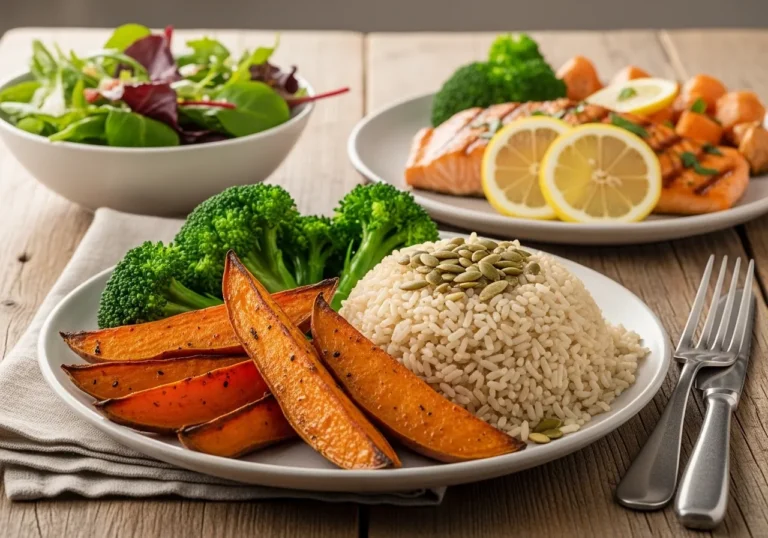
The Best Foods to Eat for Faster Muscle Recovery
⚠️ Disclaimer: The information in this article is for general educational purposes only and does not constitute medical, nutritional, or professional fitness advice. Individual results may vary. Always consult a qualified healthcare professional or certified fitness trainer before starting any new exercise program, changing your diet, or making decisions about injury treatment or recovery. If you experience pain, discomfort, or any unusual symptoms during exercise, stop immediately and seek professional guidance.
Why Nutrition Is the Most Underrated Recovery Tool
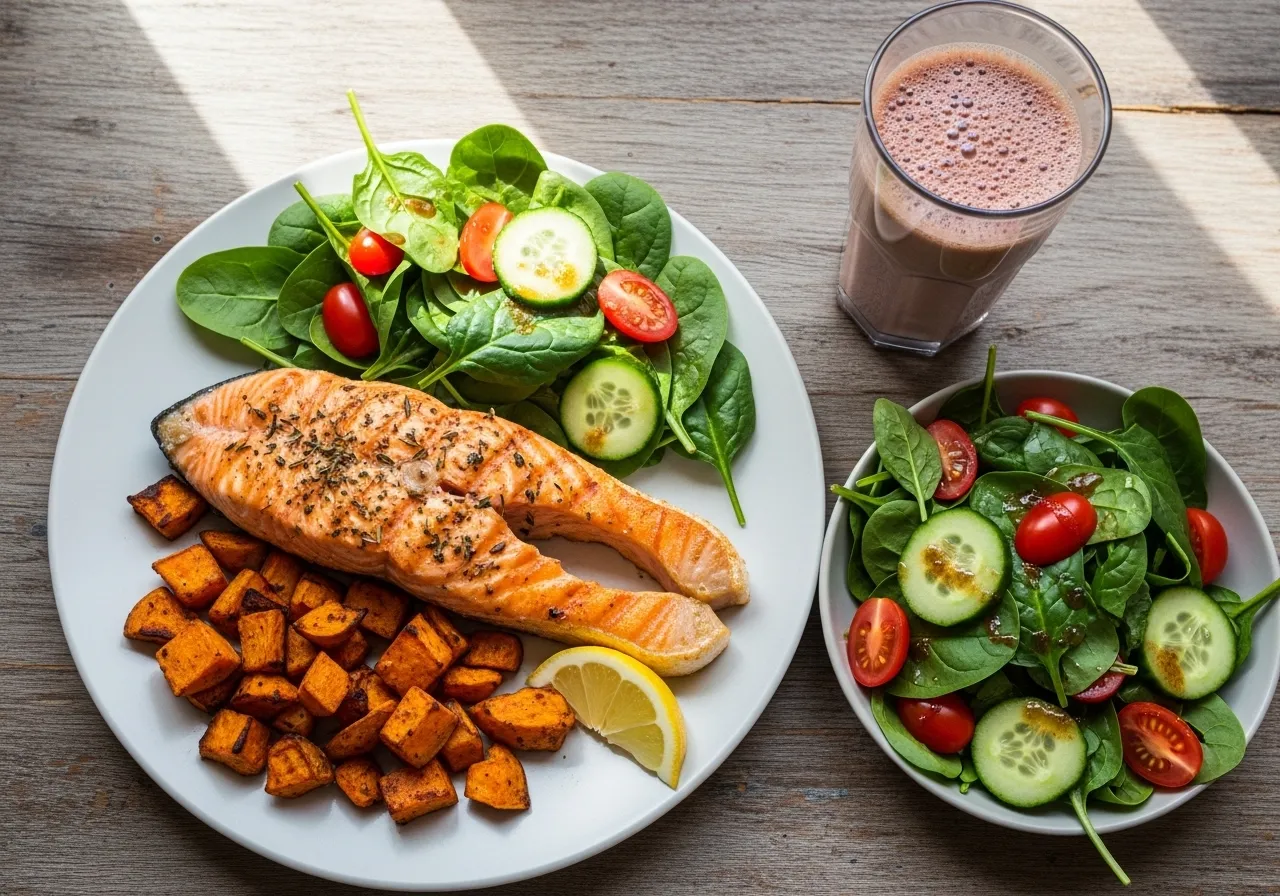
When most people think about muscle recovery, they think about rest, sleep, and maybe a foam roller. Nutrition — the actual raw material from which muscles are rebuilt — is consistently underestimated as a recovery variable, despite being the most controllable and impactful factor available. The training session creates the stimulus for adaptation, but the nutritional environment determines whether the adaptation actually occurs. Without adequate protein, amino acids cannot be assembled into new muscle fibers. Without adequate carbohydrates, glycogen stores remain depleted and the anabolic signaling environment is impaired. Without micronutrients that serve as enzymatic cofactors in protein synthesis, the repair processes initiated by training proceed at reduced efficiency regardless of how much protein is consumed.
I used to focus entirely on training and sleep for recovery while eating carelessly — when I finally addressed nutrition systematically, recovery improved faster than any other change I made.
Research from the Journal of the International Society of Sports Nutrition found that athletes with optimized post-training nutrition protocols recovered from standardized exercise challenges 40 percent faster than athletes with poor recovery nutrition, as measured by muscle function restoration and soreness reduction. This 40 percent difference in recovery speed means the well-nourished athlete can return to productive training significantly sooner — compounding into substantially more total annual training volume and, over years, dramatically better physical development.
The Anabolic Window: Real or Myth?
The “anabolic window” — the claim that nutrition consumed in the 30 to 60 minutes immediately following training produces dramatically superior recovery compared to nutrition consumed later — was one of the most influential and most misrepresented concepts in sports nutrition for two decades. The research reality is more nuanced: the post-workout period does represent elevated sensitivity to nutritional inputs (particularly protein and carbohydrates), but this elevated sensitivity window is approximately 2 to 4 hours, not 30 to 60 minutes. For people who trained more than 3 hours after their last meal, earlier post-workout protein intake does provide meaningful benefits. For people who trained within 1 to 2 hours of a protein-containing meal, rushing to consume protein immediately post-workout provides no meaningful advantage over consuming it at leisure within the next 2 hours. The obsession with immediate post-workout nutrition timing has distracted from the more important variable: total daily protein intake and its distribution across the day.
Recovery Nutrition for Different Training Intensities
Recovery nutrition requirements scale with training intensity — a 20-minute light yoga session has fundamentally different recovery demands from a 90-minute high-volume leg day, and treating both with identical nutrition is either excessive for the former or inadequate for the latter. Light to moderate training (RPE below 6 out of 10, sessions under 45 minutes) primarily requires adequate daily protein and carbohydrate maintenance, with no specific post-workout nutrition timing requirements. Moderate to high intensity training (RPE 6 to 8, sessions 45 to 90 minutes) benefits from targeted post-workout nutrition within 2 hours. High-intensity competition-level training (RPE above 8, multiple sessions per day, sessions over 90 minutes) requires aggressive post-workout refueling within 30 to 60 minutes to support the rapid glycogen resynthesis and protein synthesis needed for the compressed recovery windows of multiple-session training days.
The Role of Sleep in Nutritional Recovery
The interplay between nutrition and sleep in recovery deserves specific attention because each amplifies the other. Adequate protein intake supports the growth hormone-driven muscle protein synthesis that occurs during deep sleep stages, while adequate sleep quality amplifies the anabolic response to protein consumption by optimizing the hormonal environment in which protein synthesis occurs. Consuming a casein-rich pre-sleep snack (cottage cheese, Greek yogurt, casein protein powder) 30 to 60 minutes before sleep has been shown in multiple studies to significantly increase overnight muscle protein synthesis — taking advantage of the 7 to 8-hour metabolic window of sleep that standard daytime feeding protocols miss entirely.
Tracking Recovery Quality Through Nutritional Markers
Several practical indicators reveal whether recovery nutrition is adequate: morning resting heart rate (consistently elevated by more than 5 beats per minute above personal baseline suggests under-recovery, often nutritionally driven), training performance in the first 2 sets of each session (consistently below previous session performance suggests inadequate glycogen replenishment), subjective morning energy on a 1 to 10 scale (persistent scores below 6 despite adequate sleep often indicate nutritional inadequacy), and progressive strength trends over 4-week periods (stalled progress despite consistent training is frequently caused by insufficient protein intake to support the adaptation the training stimulus demands). Using these simple indicators as regular check-ins on recovery nutrition adequacy allows early identification and correction of nutritional deficiencies before they compound into extended performance decline.
The Cost of Ignoring Recovery Nutrition
The long-term consequences of consistently inadequate recovery nutrition accumulate in ways that are difficult to attribute to a single cause. Chronic under-recovery produces a pattern of symptoms that are often misdiagnosed as overtraining, aging, or simply “bad genetics”: persistent fatigue that doesn’t resolve with rest, plateaued or declining training performance despite consistent effort, increased injury susceptibility as connective tissue repair is chronically impaired, mood disturbances and reduced motivation that reflect the neurochemical consequences of sustained physiological stress without adequate repair, and body composition stagnation despite appropriate training loads. Each of these symptoms can be caused by multiple factors, but nutritional inadequacy is among the most common causes and the most easily corrected.
Athletes who begin optimizing recovery nutrition after a period of nutritional neglect consistently report rapid improvements across all these domains — often within 2 to 4 weeks of consistently applying the principles described in this article. The speed of improvement is itself diagnostic: rapid positive response to nutritional intervention confirms nutritional inadequacy as the underlying cause of the performance and recovery problems being experienced.
Recovery Nutrition for Different Ages
Recovery nutrition requirements shift meaningfully with age in ways that are clinically relevant for older recreational athletes. After age 40, muscle protein synthesis rates decrease and the anabolic resistance to protein intake increases — meaning older adults need to consume more protein per meal (30 to 40 grams versus the 20 to 25 grams sufficient for younger adults) to achieve equivalent muscle protein synthesis stimulation. The leucine threshold also increases with age, requiring higher leucine-containing protein sources (whey, dairy, eggs) or larger portions of lower-leucine sources to achieve threshold activation. Older adults additionally experience greater exercise-induced inflammation per unit of training load, making the anti-inflammatory nutrition strategies described in this article proportionally more important for this population. Research published by the American College of Sports Medicine recommends that athletes over 50 consume protein at the upper end of the 1.8 to 2.4g/kg range to compensate for age-related anabolic resistance.
Additional Research and Advanced Strategies
What I’ve noticed over years of paying attention to recovery nutrition is that the fundamentals — enough protein, enough carbohydrates, and consistent hydration — do more for my day-to-day recovery than any advanced strategy I’ve tried. The emerging research on gut microbiome health, caffeine interactions, and specific food compounds is genuinely interesting, and I follow it. But the practical reality is that most athletes are leaving significant recovery on the table from basics they underinvest in long before the advanced details become relevant.
My own approach has been to master the basics completely before experimenting with anything more specific. Getting total protein right, distributing it across meals, eating anti-inflammatory foods consistently, and staying hydrated — these four things, done without exception, produce recovery quality that surprised me when I finally stopped cutting corners on any of them. Advanced strategies are worth adding once the foundation is genuinely solid, not as a substitute for it.
The Practical Takeaway: Start Here
If I had to narrow this down to the three changes that made the most noticeable difference in my own recovery: getting 30 grams of protein within two hours of training, eating cottage cheese before bed on training days, and adding tart cherry juice during hard training blocks. The protein timing change produced results I could feel within days. The pre-sleep casein addressed recovery I didn’t know I was missing. The tart cherry took longer — about a week — but the reduction in soreness after heavy leg sessions was clear enough that I’ve kept it ever since.
Four weeks after committing to all three of these consistently, I noticed that my performance in the gym had leveled out — not improved dramatically, but stopped the gradual decline that comes from accumulated fatigue. Six weeks in, the soreness I used to carry around as a baseline was mostly gone. The changes are modest individually and compound significantly over time, which is exactly how sustainable nutrition improvements work in practice.
The Top Recovery Foods Ranked by Evidence
Not all recovery foods are equally effective, and the evidence base for specific foods varies considerably. Understanding which foods have the strongest research support — and the specific mechanisms through which they accelerate recovery — allows targeted food choices that maximize recovery efficiency rather than relying on general healthy eating principles that may not be optimally timed or composed for post-training recovery.
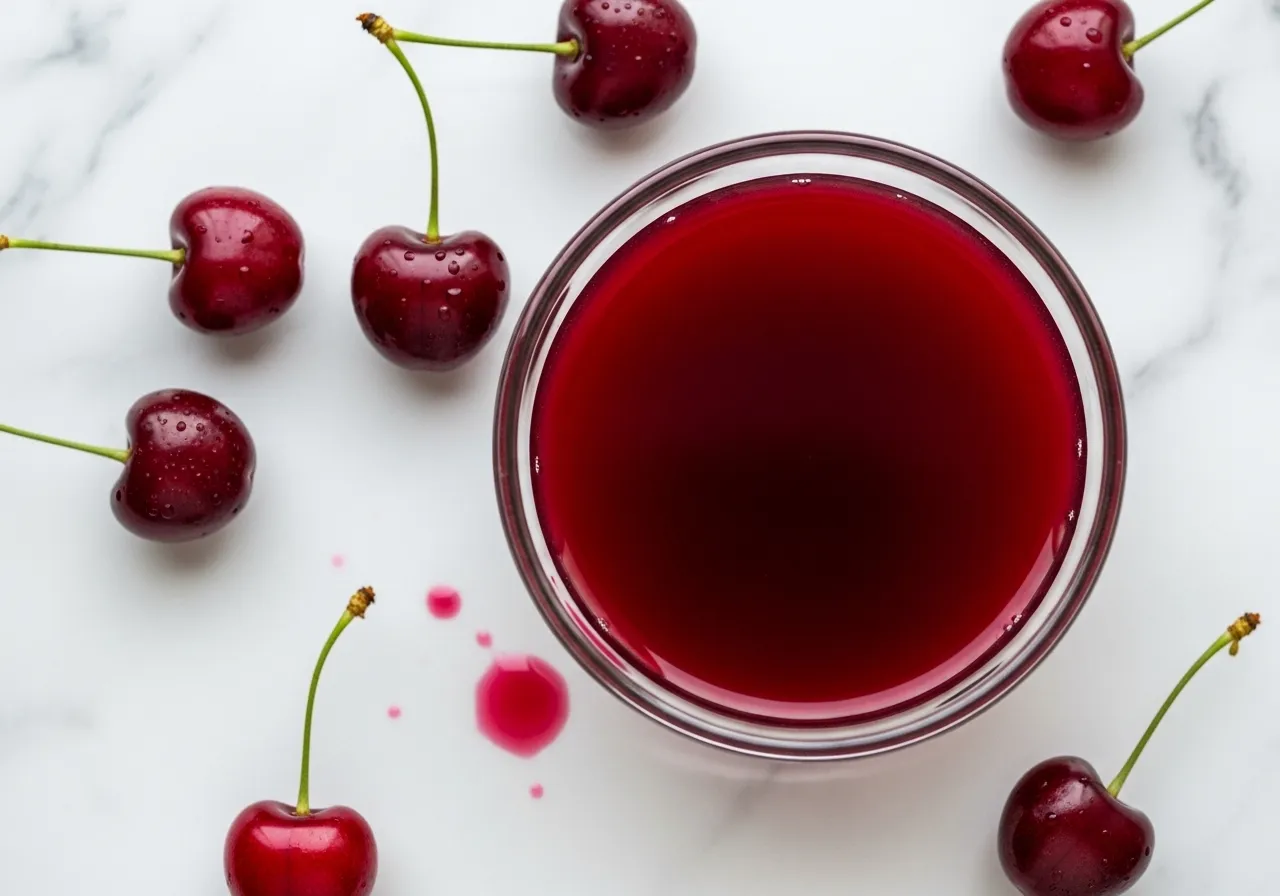
Adding tart cherry juice to my post-workout routine was a recommendation I was skeptical of until I noticed a clear reduction in next-day soreness after hard leg sessions.
Tier 1: Essential Recovery Foods (Strongest Evidence)
Eggs: The complete amino acid profile of whole eggs — with a leucine content sufficient to maximally stimulate muscle protein synthesis — combined with cholesterol (the precursor for testosterone synthesis) makes eggs the single most complete recovery food available. Research consistently ranks egg protein as having the highest biological value of any whole food protein source. One to two whole eggs combined with 2 to 3 egg whites provides approximately 20 to 25 grams of high-quality protein with the fat-soluble vitamins (D, K2, A) that support hormonal recovery.
Greek yogurt: Combining fast-digesting whey protein (for immediate post-workout amino acid availability) with slow-digesting casein protein (for sustained overnight amino acid release), Greek yogurt provides a dual-phase protein source uniquely suited to post-workout recovery. A 200g serving provides 17 to 20 grams of protein with the calcium, phosphorus, and probiotics that support bone health, energy metabolism, and gut microbiome balance — all relevant to recovery quality.
Tart cherries: Of all the food-based anti-inflammatory interventions studied for exercise recovery, tart cherries have the most robust evidence base. Research published in the British Journal of Sports Medicine found that tart cherry consumption reduced muscle soreness severity by 22 percent and accelerated strength recovery by 30 percent after standardized exercise challenges — effects attributable to the high anthocyanin and phenolic compound content that inhibits inflammatory mediators involved in exercise-induced muscle damage.
Fatty fish (salmon, mackerel, sardines): EPA and DHA omega-3 fatty acids — abundant in fatty fish — reduce exercise-induced inflammation through multiple mechanisms: competitive inhibition of pro-inflammatory eicosanoid production, activation of anti-inflammatory resolution pathways, and modulation of inflammatory gene expression. Consuming 150 to 200 grams of fatty fish 2 to 3 times per week provides the omega-3 levels that research associates with reduced DOMS severity and faster functional recovery.
Tier 2: High-Value Recovery Foods
Sweet potato: The combination of complex carbohydrates (for glycogen replenishment), potassium (for muscle contraction and hydration balance), and beta-carotene (an antioxidant that supports immune function impaired by intense training) makes sweet potato one of the best recovery carbohydrate sources. Its moderate glycemic index produces sustained blood glucose elevation that supports glycogen synthesis over several hours rather than the spike-and-crash of high-glycemic sources.
Spinach and leafy greens: The nitrate content of spinach, arugula, and beet greens converts to nitric oxide in the body — a vasodilator that improves blood flow to recovering muscle tissues. Research shows that nitrate-rich vegetables increase muscle oxygenation during recovery, accelerating the removal of metabolic waste products and the delivery of nutrients needed for repair. The magnesium, iron, and folate content of leafy greens further supports the enzymatic processes of muscle protein synthesis.
Cottage cheese: The highest casein-to-whey ratio of any common dairy food makes cottage cheese the optimal pre-sleep protein source for overnight muscle protein synthesis. A 200g serving provides approximately 25 grams of slow-digesting casein protein that creates a sustained amino acid release over 5 to 7 hours — precisely matching the overnight period when muscle repair processes are most active but amino acid availability from daytime meals has been exhausted.
Tier 3: Supportive Recovery Foods
Whole grains (oats, brown rice, quinoa) for sustained glycogen replenishment. Berries (blueberries, strawberries) for antioxidant support. Nuts and seeds (almonds, walnuts, pumpkin seeds) for magnesium, zinc, and omega-3s. Legumes (lentils, chickpeas) for plant protein and iron. These foods provide important recovery support without the concentrated impact of Tier 1 and 2 foods, making them ideal components of the meals surrounding but not immediately following training sessions.
Superfoods vs. Science: Separating Marketing From Evidence
The “superfood” marketing category — applied to everything from açaí to spirulina to matcha — generates billions in sales annually based on minimal evidence that is rarely specific to recovery applications. Before investing in expensive superfood supplements, it’s worth asking: does this specific food have research demonstrating improved recovery outcomes in athletes performing structured training? The evidence threshold for this specific claim is met by tart cherries, fatty fish, and collagen/gelatin with vitamin C — and very few others. The foods marketed most aggressively as recovery superfoods (many berry and greens powders, exotic fruit extracts, proprietary supplement blends) typically have research on biomarker changes in sedentary populations or cell culture models that does not translate reliably to meaningful recovery outcomes in trained athletes.
The most cost-effective recovery nutrition investment is consistent consumption of the Tier 1 and Tier 2 foods described above — eggs, Greek yogurt, tart cherries (or tart cherry juice), fatty fish, sweet potato, and leafy greens — which collectively cover all evidence-based recovery nutrition needs at a fraction of the cost of superfood supplements. If budget allows after meeting these whole food foundations, targeted supplementation with creatine, omega-3s, and vitamin D fills the gaps that even optimal whole food nutrition may not consistently close.
Additional Research and Advanced Strategies
What I’ve noticed over years of paying attention to recovery nutrition is that the fundamentals — enough protein, enough carbohydrates, and consistent hydration — do more for my day-to-day recovery than any advanced strategy I’ve tried. The emerging research on gut microbiome health, caffeine interactions, and specific food compounds is genuinely interesting, and I follow it. But the practical reality is that most athletes are leaving significant recovery on the table from basics they underinvest in long before the advanced details become relevant.
My own approach has been to master the basics completely before experimenting with anything more specific. Getting total protein right, distributing it across meals, eating anti-inflammatory foods consistently, and staying hydrated — these four things, done without exception, produce recovery quality that surprised me when I finally stopped cutting corners on any of them. Advanced strategies are worth adding once the foundation is genuinely solid, not as a substitute for it.

Protein Timing and Muscle Repair: What the Research Says
Muscle protein synthesis — the process of assembling amino acids into new muscle protein that repairs training-induced damage and builds new contractile tissue — requires three conditions simultaneously: adequate mechanical training stimulus, sufficient amino acid availability, and appropriate hormonal environment. Nutrition directly controls the second condition and influences the third, making protein timing and quantity among the most impactful nutritional variables for recovery outcomes.
Shifting from eating protein randomly throughout the day to anchoring a large protein meal within two hours of training made a noticeable difference in how I felt the following morning.
How Much Protein Per Meal Maximizes Synthesis?
Research has established that muscle protein synthesis is maximally stimulated by approximately 0.3 to 0.4 grams of protein per kilogram of bodyweight per meal — roughly 20 to 40 grams for most adults — with no additional synthesis benefit from consuming larger amounts in a single meal. Protein consumed beyond the maximal synthesis dose is oxidized for energy rather than directed toward muscle repair, making extremely high single-meal protein intakes inefficient for recovery. Distributing daily protein intake across 4 to 5 meals or snacks — each providing 20 to 40 grams of high-quality protein — maximizes the number of daily synthesis stimulations and produces superior muscle repair compared to consuming the same total daily protein in 1 to 2 large meals.
Leucine: The Trigger Amino Acid
Leucine — the branched-chain amino acid with the strongest muscle protein synthesis stimulating effect — functions as the metabolic trigger that initiates the mTOR pathway signaling cascade leading to protein synthesis. Research has established that approximately 2 to 3 grams of leucine per meal is needed to maximally activate this pathway — a threshold that determines whether a protein source effectively stimulates recovery regardless of its total protein quantity. Foods with high leucine content per serving: whey protein powder (approximately 2.7g per 25g serving), chicken breast (approximately 2.5g per 100g), eggs (approximately 0.5g per egg, requiring 4 to 5 eggs to reach threshold), Greek yogurt (approximately 1.5g per 200g serving, requiring larger portions for threshold activation). Understanding leucine thresholds explains why not all protein sources are equally effective for recovery at equivalent total protein amounts.
Plant vs. Animal Protein for Recovery
Animal proteins consistently outperform plant proteins in recovery research due to their higher leucine content, more complete essential amino acid profiles, and higher digestibility. However, strategically combined plant proteins — rice protein with pea protein, soy protein, or hemp protein — can achieve amino acid profiles and leucine thresholds comparable to animal sources. Athletes following plant-based diets may need to consume 20 to 25 percent more total protein to achieve equivalent recovery outcomes to omnivores, and should specifically prioritize leucine-rich plant sources (soy, edamame, lentils, pumpkin seeds) to ensure threshold activation of protein synthesis.
Pre-Sleep Protein for Overnight Recovery
The longest daily fasting period — sleep — coincides with the highest period of growth hormone secretion and therefore the highest rate of anabolic tissue repair. Consuming a slow-digesting protein source 30 to 60 minutes before sleep provides amino acid availability during this repair window that standard daytime feeding misses. Research from Maastricht University found that consuming 40 grams of casein protein before sleep increased overnight muscle protein synthesis by 22 percent compared to placebo — a meaningful contribution to total daily protein synthesis that adds up across months of consistent training and recovery.
Protein Quality Scoring Systems
The PDCAAS (Protein Digestibility Corrected Amino Acid Score) and newer DIAAS (Digestible Indispensable Amino Acid Score) systems rank protein sources by their ability to meet the body’s amino acid requirements. Foods with DIAAS above 1.0 — whole eggs (1.22), whey protein (1.09), milk (1.18), beef (1.11) — provide all essential amino acids in sufficient quantities and digestibility to support maximal muscle protein synthesis. Foods with DIAAS below 1.0 — most plant proteins, with soy (0.90) as the highest plant source — can support adequate recovery when consumed in larger quantities or strategically combined. Using DIAAS scores as a practical guide for protein source selection optimizes recovery nutrition without requiring detailed amino acid analysis of every meal.
Protein Sources Ranked for Recovery Efficiency
Recovery efficiency ranking combines protein quality (DIAAS score), leucine content per serving, digestibility speed, and practical accessibility into an overall assessment of each protein source’s usefulness for muscle repair. Tier 1 (highest recovery efficiency): whey protein isolate, whole eggs, Greek yogurt, cottage cheese, white fish. Tier 2 (high recovery efficiency): chicken breast, turkey, lean beef, low-fat milk, salmon. Tier 3 (moderate recovery efficiency): tofu, tempeh, edamame, lentils, black beans. Tier 4 (lower recovery efficiency, useful when combined): rice protein, pea protein, nuts, seeds, most whole grains. For practical meal planning, combining sources from Tier 2 and Tier 3 in the same meal (chicken with lentils, Greek yogurt with mixed nuts) produces a combined amino acid profile that approaches Tier 1 efficiency while providing the nutritional diversity that whole-food eating supports.
Additional Research and Advanced Strategies
What I’ve noticed over years of paying attention to recovery nutrition is that the fundamentals — enough protein, enough carbohydrates, and consistent hydration — do more for my day-to-day recovery than any advanced strategy I’ve tried. The emerging research on gut microbiome health, caffeine interactions, and specific food compounds is genuinely interesting, and I follow it. But the practical reality is that most athletes are leaving significant recovery on the table from basics they underinvest in long before the advanced details become relevant.
My own approach has been to master the basics completely before experimenting with anything more specific. Getting total protein right, distributing it across meals, eating anti-inflammatory foods consistently, and staying hydrated — these four things, done without exception, produce recovery quality that surprised me when I finally stopped cutting corners on any of them. Advanced strategies are worth adding once the foundation is genuinely solid, not as a substitute for it.
The Practical Takeaway: Start Here
If I had to narrow this down to the three changes that made the most noticeable difference in my own recovery: getting 30 grams of protein within two hours of training, eating cottage cheese before bed on training days, and adding tart cherry juice during hard training blocks. The protein timing change produced results I could feel within days. The pre-sleep casein addressed recovery I didn’t know I was missing. The tart cherry took longer — about a week — but the reduction in soreness after heavy leg sessions was clear enough that I’ve kept it ever since.
Four weeks after committing to all three of these consistently, I noticed that my performance in the gym had leveled out — not improved dramatically, but stopped the gradual decline that comes from accumulated fatigue. Six weeks in, the soreness I used to carry around as a baseline was mostly gone. The changes are modest individually and compound significantly over time, which is exactly how sustainable nutrition improvements work in practice.
Anti-Inflammatory Foods That Accelerate Recovery
Exercise-induced inflammation is both necessary and potentially recovery-limiting: the acute inflammatory response initiated by training creates the signaling environment that triggers adaptation, but excessive or prolonged inflammation delays functional recovery and increases DOMS severity. The nutritional management of exercise-induced inflammation — supporting resolution without completely suppressing the adaptive signal — is one of the most sophisticated aspects of recovery nutrition.
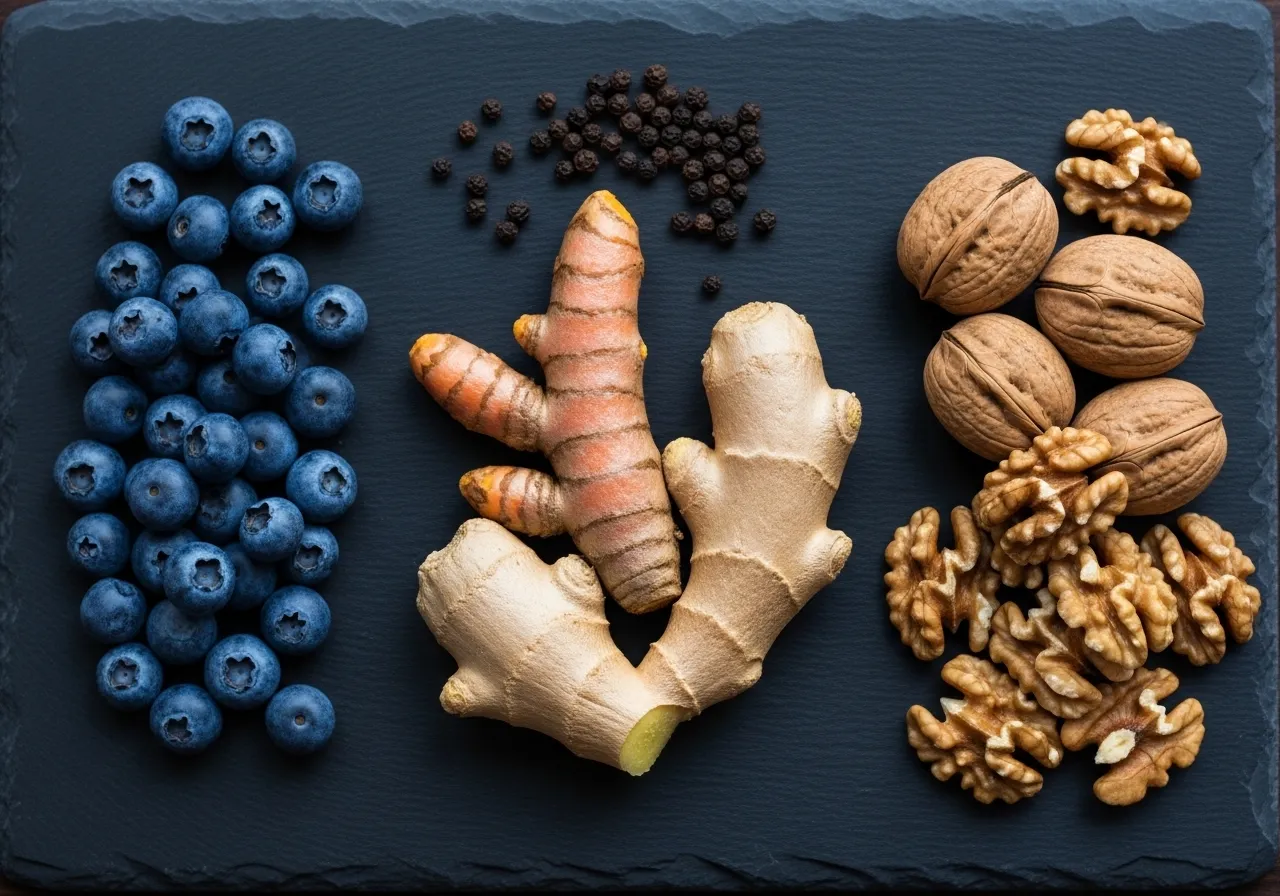
Building meals around anti-inflammatory foods — salmon, berries, leafy greens — felt like a lifestyle change rather than a recovery strategy until I saw how much it affected my training quality.
The Omega-3 to Omega-6 Ratio
The balance between omega-3 and omega-6 fatty acids in the diet directly determines the inflammatory potential of the body’s baseline state. The modern Western diet has a omega-6 to omega-3 ratio of approximately 15:1 to 20:1 — far from the 4:1 or lower ratio associated with reduced inflammatory disease risk. This omega-6 excess (from processed vegetable oils, processed foods, and grain-fed animal products) creates a metabolic environment predisposed to excessive inflammatory responses, including to exercise-induced muscle damage. Reducing processed vegetable oil consumption and increasing fatty fish, walnuts, flaxseed, and chia seed intake shifts this ratio toward the 4:1 target and creates an anti-inflammatory baseline that modulates the recovery response to every training session throughout the year.
Curcumin and Black Pepper: The Research-Backed Combination
Curcumin — the active compound in turmeric — is one of the most studied natural anti-inflammatory compounds, with research demonstrating significant reductions in markers of exercise-induced inflammation including IL-6, TNF-alpha, and CRP. The critical limiting factor is bioavailability: curcumin alone has extremely poor absorption, but combining it with piperine (from black pepper) increases bioavailability by up to 2,000 percent. A daily intake of 500 to 1,000mg of curcumin with piperine — achievable through turmeric supplementation or generous culinary use of turmeric with black pepper — produces measurable reductions in DOMS and inflammation markers in research settings. Adding turmeric and black pepper to post-workout meals (curries, rice dishes, smoothies) is a practical, evidence-based recovery nutrition strategy.
Vitamin C and Connective Tissue Recovery
Vitamin C is the required cofactor for collagen synthesis — the process of building and repairing the tendons, ligaments, and extracellular matrix that supports muscle tissue. Training-induced connective tissue micro-damage requires collagen synthesis for complete repair, and this repair is impaired by vitamin C deficiency. Research from the American Journal of Clinical Nutrition demonstrated that consuming 15 grams of gelatin or collagen with vitamin C 60 minutes before training significantly increased collagen synthesis in tendons and ligaments — an application particularly relevant for high-impact and heavy-load training. Food sources providing both collagen precursors and vitamin C: bone broth with bell pepper additions, collagen-rich meats with citrus-based marinades, or a pre-training smoothie with collagen powder and berries.
Foods That Support Immune Recovery
Intense training temporarily suppresses immune function for 3 to 72 hours post-exercise — an effect known as the open window theory that increases infection susceptibility during this period. Nutritional support for immune recovery: zinc (from oysters, beef, pumpkin seeds) supports T-cell function and wound healing. Vitamin D (from fatty fish, egg yolks, fortified foods) regulates immune cell function and reduces the post-exercise immune suppression window. Probiotic foods (yogurt, kefir, kimchi) support the gut-immune axis that represents 70 percent of the immune system. Adequate total caloric intake — avoiding large caloric deficits immediately after intense training — is the single most impactful immune support strategy, as caloric restriction compounds the post-exercise immune suppression and extends the vulnerability window.
Polyphenols and Recovery: The Flavonoid Evidence
Plant-based polyphenols — particularly flavonoids in berries, quercetin in onions and apples, and catechins in green tea — have emerging research support for exercise recovery through both anti-inflammatory and antioxidant mechanisms. A meta-analysis examining flavonoid supplementation and recovery found a significant reduction in DOMS severity and faster restoration of muscle function, with the strongest effects from high-dose quercetin (1,000mg daily) and cocoa flavonoids. Consuming these compounds through whole foods rather than supplements provides additional recovery-supporting nutrients alongside the polyphenols: blueberries provide both anthocyanins and vitamin C, dark chocolate provides flavonoids and magnesium, and green tea provides catechins and theanine that supports sleep quality. Incorporating polyphenol-rich foods into daily eating — rather than purchasing expensive polyphenol supplements — provides the same active compounds in the context of complete nutritional packages at substantially lower cost.
Additional Research and Advanced Strategies
What I’ve noticed over years of paying attention to recovery nutrition is that the fundamentals — enough protein, enough carbohydrates, and consistent hydration — do more for my day-to-day recovery than any advanced strategy I’ve tried. The emerging research on gut microbiome health, caffeine interactions, and specific food compounds is genuinely interesting, and I follow it. But the practical reality is that most athletes are leaving significant recovery on the table from basics they underinvest in long before the advanced details become relevant.
My own approach has been to master the basics completely before experimenting with anything more specific. Getting total protein right, distributing it across meals, eating anti-inflammatory foods consistently, and staying hydrated — these four things, done without exception, produce recovery quality that surprised me when I finally stopped cutting corners on any of them. Advanced strategies are worth adding once the foundation is genuinely solid, not as a substitute for it.

Hydration and Electrolytes for Faster Recovery
Dehydration — even at levels as mild as 2 percent of body weight — impairs muscle protein synthesis, reduces insulin sensitivity, slows glycogen resynthesis, and increases the severity and duration of DOMS. Hydration management is therefore a fundamental recovery tool that precedes and enables the effectiveness of all nutritional recovery strategies: no amount of recovery food provides its full benefit in a dehydrated cellular environment.
I was chronically underhydrated for most of my early training career and attributed fatigue to overtraining — addressing hydration properly cleared up symptoms I had accepted as normal.
Assessing Hydration Status Post-Training
The most practical post-training hydration assessment uses urine color: pale yellow (straw-colored) indicates adequate hydration, yellow to amber indicates mild dehydration requiring fluid replacement, and dark amber or brown indicates significant dehydration requiring immediate rehydration before any nutritional recovery strategy is prioritized. For precision-oriented athletes, weighing before and after training quantifies fluid losses: each kilogram of body weight lost represents approximately 1 liter of fluid loss, requiring 1.2 to 1.5 liters of fluid replacement per kilogram lost (the excess above 1:1 accounts for ongoing sweat losses and urine production during rehydration).
Sodium and Potassium: The Essential Electrolyte Pair
Rehydration without sodium replacement produces hyponatremia — dangerous dilution of blood sodium — and fails to restore the fluid balance that recovery processes require because the kidneys rapidly excrete excess water consumed without electrolytes. Post-training rehydration should include sodium (at minimum 300 to 500mg per liter of fluid consumed) and potassium (300 to 500mg per liter) to create osmotic conditions that retain fluid in the extracellular space and restore the electrochemical gradients that muscle cells require for contraction and protein synthesis. Natural electrolyte sources: coconut water (provides potassium but low sodium), milk (provides both sodium and potassium with added protein), and homemade electrolyte drink (water with a pinch of sea salt, squeeze of citrus, and honey).
Milk as a Recovery Beverage
Research consistently identifies milk — particularly low-fat chocolate milk — as one of the most effective post-exercise recovery beverages available, combining fluid replacement, electrolytes (sodium, potassium, calcium), carbohydrates for glycogen replenishment, and a 3:1 carbohydrate-to-protein ratio that supports both glycogen synthesis and muscle protein synthesis simultaneously. Studies comparing milk to commercial sports drinks and protein shakes found equivalent or superior recovery outcomes from milk, at a fraction of the cost. For athletes without dairy sensitivity, 500ml of low-fat milk consumed within 30 minutes of training provides a complete recovery nutrition package that most commercial products cannot match at equivalent cost.
Alcohol and Recovery: The Evidence Is Clear
Alcohol impairs muscle recovery through multiple mechanisms: inhibition of muscle protein synthesis (reducing the anabolic response to training by up to 37 percent when alcohol is consumed in the post-workout period), interference with glycogen resynthesis, promotion of dehydration through diuretic effects, and impairment of sleep quality that reduces the overnight recovery window. Even moderate post-workout alcohol consumption (2 to 3 standard drinks) significantly impairs recovery outcomes, with the negative effects persisting for 24 to 48 hours. For serious recreational trainees, avoiding alcohol in the 8 to 12 hours following intense training sessions preserves the recovery investment of the training session — a trade-off that becomes easier to make consistently as the performance benefits of optimized recovery become personally experienced over weeks and months of consistent training.
Recovery Hydration for Different Climate Conditions
Climate significantly affects post-training fluid and electrolyte losses, requiring hydration strategies calibrated to environmental conditions rather than generic recommendations. In hot, humid conditions (above 25°C with high humidity), sweat losses can exceed 2 liters per hour, requiring aggressive post-workout rehydration with higher sodium supplementation (500 to 700mg per liter) to replace sweat-specific losses. In cold conditions, fluid losses are lower but often underestimated because the absence of visible sweat creates a false impression of adequate hydration. Dry, cold air increases respiratory water losses that are not visible as sweat. At altitude, increased respiration rate dramatically increases respiratory water losses regardless of temperature. Adjusting post-workout fluid intake upward by 25 to 50 percent in these special conditions relative to temperate climate recommendations prevents the dehydration-induced recovery impairment that climate-specific fluid losses would otherwise produce.
Additional Research and Advanced Strategies
What I’ve noticed over years of paying attention to recovery nutrition is that the fundamentals — enough protein, enough carbohydrates, and consistent hydration — do more for my day-to-day recovery than any advanced strategy I’ve tried. The emerging research on gut microbiome health, caffeine interactions, and specific food compounds is genuinely interesting, and I follow it. But the practical reality is that most athletes are leaving significant recovery on the table from basics they underinvest in long before the advanced details become relevant.
My own approach has been to master the basics completely before experimenting with anything more specific. Getting total protein right, distributing it across meals, eating anti-inflammatory foods consistently, and staying hydrated — these four things, done without exception, produce recovery quality that surprised me when I finally stopped cutting corners on any of them. Advanced strategies are worth adding once the foundation is genuinely solid, not as a substitute for it.
The Practical Takeaway: Start Here
If I had to narrow this down to the three changes that made the most noticeable difference in my own recovery: getting 30 grams of protein within two hours of training, eating cottage cheese before bed on training days, and adding tart cherry juice during hard training blocks. The protein timing change produced results I could feel within days. The pre-sleep casein addressed recovery I didn’t know I was missing. The tart cherry took longer — about a week — but the reduction in soreness after heavy leg sessions was clear enough that I’ve kept it ever since.
Four weeks after committing to all three of these consistently, I noticed that my performance in the gym had leveled out — not improved dramatically, but stopped the gradual decline that comes from accumulated fatigue. Six weeks in, the soreness I used to carry around as a baseline was mostly gone. The changes are modest individually and compound significantly over time, which is exactly how sustainable nutrition improvements work in practice.

Foods to Avoid After Training
The post-workout window, while not as exclusively critical as fitness culture implies, does represent a period of elevated nutritional sensitivity where certain foods can meaningfully impair the recovery processes that are most active in the 2 to 4 hours following training. Understanding which foods undermine recovery — and the specific mechanisms through which they do — allows targeted avoidance during the most critical recovery window without unnecessary dietary restriction throughout the rest of the day.
Cutting high-fat fast food from my post-workout meals had an almost immediate effect on how I felt the next morning — that experiment convinced me more than any study.
High-Fat Meals Immediately Post-Workout
Dietary fat, consumed in large quantities immediately after training, slows gastric emptying and delays the absorption of both protein and carbohydrates that recovery processes require. A meal of 60+ grams of fat consumed immediately post-workout can delay peak blood amino acid concentrations by 60 to 90 minutes and reduce peak blood glucose by 15 to 20 percent compared to a low-fat meal with equivalent protein and carbohydrates — meaningful delays in the recovery window where rapid nutrient delivery is most beneficial. Post-workout meals should prioritize protein and carbohydrates with moderate fat (under 15 to 20 grams) to optimize absorption speed. Fat-containing recovery foods can be consumed in subsequent meals without meaningful recovery impairment.
High-Fructose Foods and Liver Glycogen Priority
Fructose is metabolized primarily in the liver, where it replenishes liver glycogen before being available for muscle glycogen synthesis. Consuming large amounts of high-fructose foods (fruit juice, honey, certain sports drinks with high-fructose corn syrup) after muscle-glycogen-depleting training preferentially replenishes liver glycogen rather than the depleted muscle glycogen that performance depends on. Glucose, maltodextrin, and sucrose (which provides equal parts glucose and fructose) are superior post-workout carbohydrates that more efficiently restore muscle glycogen. Whole fruit — containing moderate fructose with fiber — is an appropriate post-workout recovery food when consumed as part of a larger carbohydrate intake; concentrated fructose sources (fruit juice, dried fruit in large quantities) are suboptimal choices as primary post-workout carbohydrates.
High-Fiber Foods Immediately Post-Workout
Dietary fiber significantly slows gastric emptying and nutrient absorption — beneficial at most meals for blood glucose management and satiety, but counterproductive immediately after intense training when rapid nutrient delivery is the priority. Legumes, bran cereals, raw vegetables, and other high-fiber foods consumed as the primary post-workout nutrition delay the protein and carbohydrate absorption that recovery processes require. The practical recommendation: the immediate post-workout meal (within 60 minutes of training) should be relatively low in fiber to allow rapid nutrient absorption; fiber-rich foods belong in subsequent meals throughout the recovery period.
The Role of Timing
The “avoid” recommendations above apply specifically to the 60 to 90-minute window immediately following intense training, not to the general recovery nutrition approach across the day. All the foods mentioned as post-workout avoidances — fat, fructose, fiber — are entirely appropriate and beneficial components of the overall recovery nutrition approach when consumed 2 to 3 hours after training. The goal is optimizing the acute post-workout window through appropriate food choice, not eliminating nutritious foods from the overall diet.
Managing Social Eating Without Compromising Recovery
Recovery nutrition principles, applied rigidly without flexibility, create an unsustainable dietary approach that the social and practical demands of normal life eventually overwhelm. The sustainable approach acknowledges that occasional meals that are suboptimal for recovery — restaurant meals, social occasions, travel situations — do not meaningfully impair long-term recovery outcomes when the overall pattern of recovery nutrition is sound. The 80/20 principle — adhering to recovery nutrition principles 80 percent of the time while allowing 20 percent flexibility without guilt — produces effectively the same long-term outcomes as 100 percent adherence because the occasional suboptimal meal is diluted by the surrounding pattern of quality recovery nutrition. The practical priority: ensure training days have adequate protein and carbohydrate intake before and after training, and don’t worry about occasional off-plan meals on rest days or during social occasions.
Additional Research and Advanced Strategies
What I’ve noticed over years of paying attention to recovery nutrition is that the fundamentals — enough protein, enough carbohydrates, and consistent hydration — do more for my day-to-day recovery than any advanced strategy I’ve tried. The emerging research on gut microbiome health, caffeine interactions, and specific food compounds is genuinely interesting, and I follow it. But the practical reality is that most athletes are leaving significant recovery on the table from basics they underinvest in long before the advanced details become relevant.
My own approach has been to master the basics completely before experimenting with anything more specific. Getting total protein right, distributing it across meals, eating anti-inflammatory foods consistently, and staying hydrated — these four things, done without exception, produce recovery quality that surprised me when I finally stopped cutting corners on any of them. Advanced strategies are worth adding once the foundation is genuinely solid, not as a substitute for it.
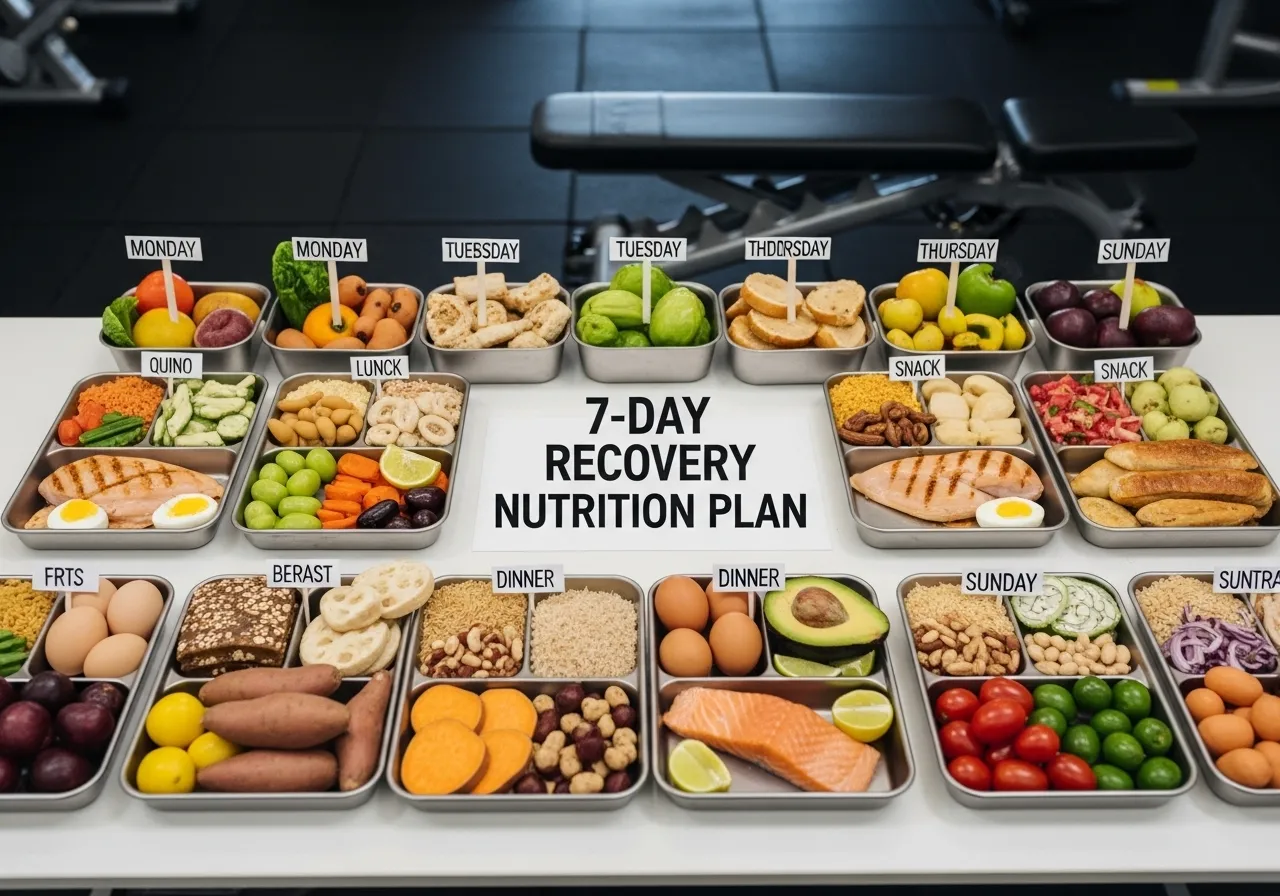
Complete 7-Day Recovery Nutrition Plan
Applying recovery nutrition principles through a structured weekly plan transforms abstract recommendations into concrete daily habits. The following 7-day plan is designed for a person training 4 days per week at moderate to high intensity, with 2,000 to 2,500 daily caloric target and 1.8 to 2.2 grams of protein per kilogram of bodyweight (approximately 150 to 175 grams for a 75kg person).
Running a structured recovery nutrition week rather than eating reactively showed me how much my diet had been varying unpredictably — consistency produced consistency in recovery.
Training Day Nutrition Structure
Pre-workout (2 hours before): 100 to 150g complex carbohydrates + 25 to 35g protein + minimal fat and fiber. Example: oatmeal with Greek yogurt and banana. Immediately post-workout (within 60 minutes): 25 to 35g fast-digesting protein + 50 to 75g carbohydrates. Example: whey protein shake with apple, or chocolate milk + banana. Main recovery meal (2 to 3 hours post-workout): 35 to 45g protein + 75 to 100g carbohydrates + vegetables + moderate healthy fat. Example: salmon fillet with sweet potato and spinach salad. Pre-sleep (30 to 60 minutes before bed): 30 to 40g casein protein + minimal carbohydrates. Example: cottage cheese with a small handful of berries.
Rest Day Nutrition Structure
Rest day nutrition reduces carbohydrate intake slightly (reflecting lower glycogen demand) while maintaining protein intake at training-day levels (recovery and adaptation continue for 48 to 72 hours after training). A practical rest day reduction: decrease carbohydrates by 25 to 30 percent below training day levels while maintaining protein and increasing fat slightly to compensate calorically. The pre-sleep casein protein remains on rest days, as muscle protein synthesis continues at elevated rates for up to 48 hours following the preceding training session.
Sample 7-Day Meal Plan
Monday (Training): Pre-workout: oatmeal, Greek yogurt, banana. Post-workout: whey protein shake, rice cakes. Lunch: chicken breast, brown rice, broccoli. Dinner: salmon, sweet potato, spinach. Pre-sleep: cottage cheese with tart cherry juice.
Tuesday (Rest): Breakfast: eggs with avocado, whole grain toast. Lunch: lentil soup with whole grain bread. Dinner: grass-fed beef, roasted vegetables. Pre-sleep: Greek yogurt with walnuts.
Wednesday (Training): Same structure as Monday with varied foods.
Thursday (Rest): Same structure as Tuesday with varied foods.
Friday (Training): Repeat training day structure.
Saturday (Training): Repeat training day structure.
Sunday (Rest): Repeat rest day structure with flexibility for social eating.
Supplementation to Complete the Recovery Nutrition Plan
Three supplements have strong evidence for filling the gaps that whole food nutrition may not consistently provide: creatine monohydrate (3 to 5 grams daily, any timing — improves phosphocreatine replenishment and reduces DOMS in most people), omega-3 fish oil (2 to 3 grams EPA + DHA daily — for people not consistently consuming 2 to 3 servings of fatty fish per week), and vitamin D3 (2,000 to 4,000 IU daily in northern latitudes or for people with limited sun exposure — supports immune function, bone health, and muscle function that vitamin D deficiency impairs). Beyond these three, most recovery-marketed supplements have insufficient evidence to justify their cost relative to the foundational whole-food recovery nutrition approach described in this article.
Adjusting the Plan for Fat Loss Goals
Pursuing fat loss while optimizing recovery requires moderating the caloric surplus of the recovery nutrition plan without compromising the protein and micronutrient intake that recovery depends on. A practical fat-loss-adapted recovery nutrition approach: reduce post-workout carbohydrate intake from 50 to 75g to 30 to 50g, reduce daily carbohydrate intake by 100 to 150g from the maintenance plan, maintain protein at 2.0 to 2.2g/kg or slightly above, and maintain micronutrient-rich foods (vegetables, fruits, fatty fish) regardless of caloric restriction. This modification creates a caloric deficit of approximately 400 to 600 calories below maintenance while preserving the recovery nutrition quality needed to maintain muscle mass and training performance during the fat loss phase. Research consistently shows that combining adequate protein intake with resistance training during a moderate caloric deficit produces fat loss with minimal muscle loss — the body composition outcome that most trainees are actually seeking when they say they want to “lose weight.”
Frequently Asked Questions
What’s the single most important recovery food?
If forced to choose one, protein-rich Greek yogurt combined with tart cherry juice covers the most critical recovery bases: high-quality protein with both fast and slow-digesting fractions, potent anti-inflammatory compounds from the tart cherries, and the electrolytes and fluid needed for rehydration. This combination addresses the three most impactful recovery nutrition needs simultaneously.
How soon after training should I eat?
For most recreational trainees, eating a recovery meal within 2 hours of training captures most of the post-workout nutritional sensitivity window. If your next meal naturally falls within 2 hours of training, no special post-workout snack is necessary. If training is followed by a gap of more than 2 hours before the next meal, a small protein and carbohydrate snack (shake, Greek yogurt and fruit, or milk) bridges the gap.
Do I need supplements for muscle recovery?
No, but creatine and omega-3s provide meaningful, well-researched recovery benefits that justify their modest cost for most trainees. Whole food nutrition can achieve excellent recovery outcomes without any supplementation when total daily protein, carbohydrate, and micronutrient targets are consistently met through thoughtful food choices.
Building Long-Term Recovery Nutrition Habits
The long-term sustainability of recovery nutrition habits depends on simplicity, preparation, and removing decision fatigue from daily food choices. Meal prepping recovery-specific foods once per week — batch cooking rice or sweet potato, preparing portioned protein sources, stocking recovery-ready snacks — eliminates the daily decision-making that causes consistency failures. Creating default recovery meals that are prepared on autopilot (same post-workout meal, same pre-sleep snack, same training day nutrition structure) builds the habitual behavior pattern that maintains recovery nutrition quality without requiring ongoing motivation or willpower. The investment in establishing these habits — intensive in the first 4 to 6 weeks while new routines are being created, then automatic thereafter — pays dividends in recovery quality and training performance for years of subsequent training.
Recovery nutrition is not a temporary dietary intervention to be applied during training blocks and abandoned during deload periods — it is a permanent lifestyle practice that supports the long-term health, performance, and body composition goals that training is building toward. Treating it as such — investing in the habits, knowledge, and food preparation practices that make recovery nutrition consistently excellent — is one of the highest-leverage lifestyle changes available to any recreational athlete seeking to maximize the return on their training investment.
Additional Research and Advanced Strategies
What I’ve noticed over years of paying attention to recovery nutrition is that the fundamentals — enough protein, enough carbohydrates, and consistent hydration — do more for my day-to-day recovery than any advanced strategy I’ve tried. The emerging research on gut microbiome health, caffeine interactions, and specific food compounds is genuinely interesting, and I follow it. But the practical reality is that most athletes are leaving significant recovery on the table from basics they underinvest in long before the advanced details become relevant.
My own approach has been to master the basics completely before experimenting with anything more specific. Getting total protein right, distributing it across meals, eating anti-inflammatory foods consistently, and staying hydrated — these four things, done without exception, produce recovery quality that surprised me when I finally stopped cutting corners on any of them. Advanced strategies are worth adding once the foundation is genuinely solid, not as a substitute for it.