Why You Should Never Skip Your Cool-Down
⚠️ Disclaimer: The information in this article is for general educational purposes only and does not constitute medical, nutritional, or professional fitness advice. Individual results may vary. Always consult a qualified healthcare professional or certified fitness trainer before starting any new exercise program, changing your diet, or making decisions about injury treatment or recovery. If you experience pain, discomfort, or any unusual symptoms during exercise, stop immediately and seek professional guidance.

The Science Behind Cool-Down: What Happens When You Skip It
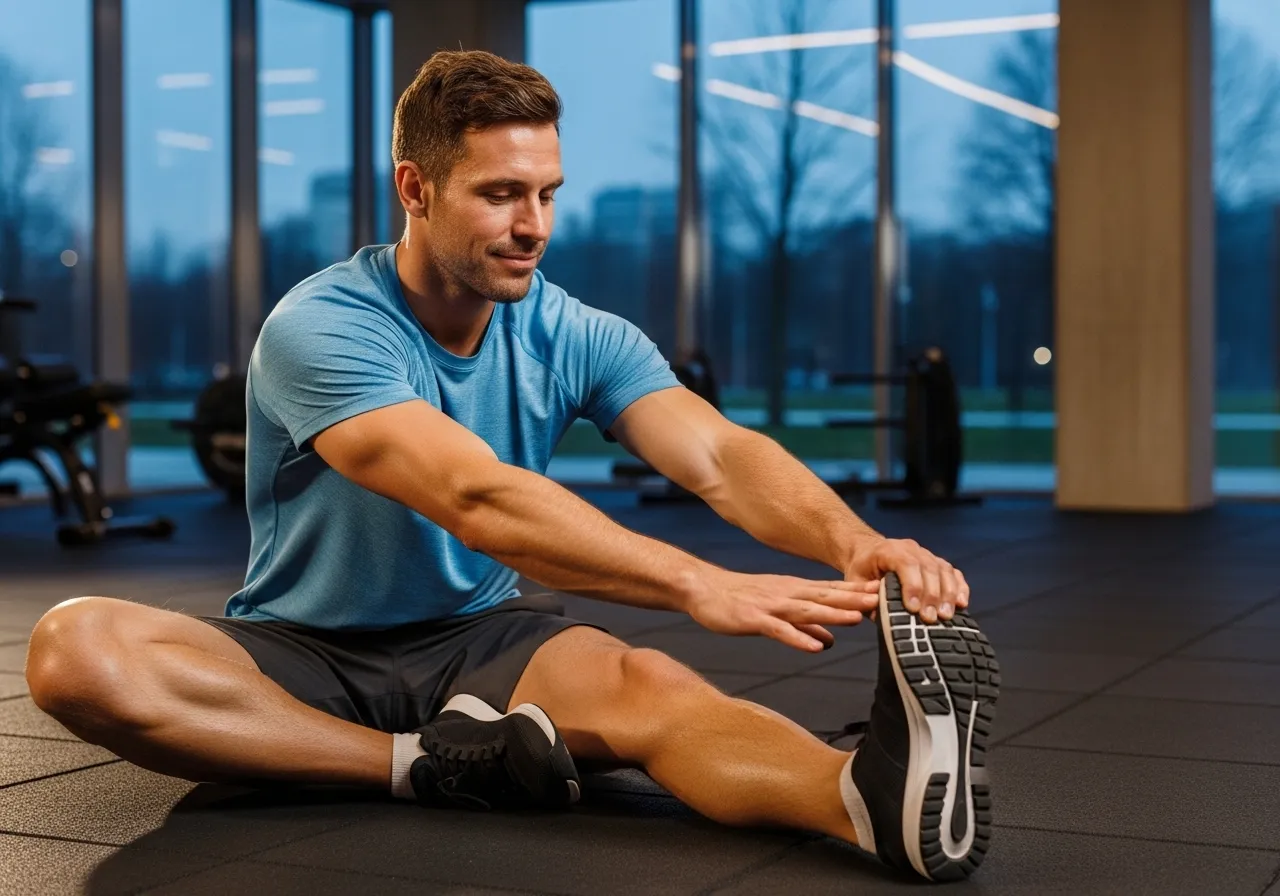
The cool-down — the 10–15 minutes of reduced-intensity activity and stretching that follow the main training session — is the most consistently skipped component of the training session, and the one whose omission produces the most immediate physiological consequences. Athletes who end training with a hard final set or sprint and immediately sit down, shower, or leave the gym are subjecting their cardiovascular and muscular systems to the abrupt cessation of the regulatory mechanisms that hard exercise requires to be safely withdrawn. I skipped cool-downs for three years of early training until a sports physiologist explained what was actually happening in my cardiovascular system in the minutes after stopping intense exercise — information that made the 10-minute cool-down feel obviously necessary rather than optionally tedious.
Cardiovascular Consequences of Abrupt Exercise Cessation
During intense exercise, the cardiovascular system operates in a highly activated state — heart rate elevated to 70–90% of maximum, cardiac output increased 4–6 times resting levels, and blood redistributed from central organs to the working muscles that exercise demands. This redistribution — the exercise-induced shift of blood volume to the skeletal muscles — means that up to 80% of cardiac output is directed to the muscles during maximal exercise, leaving the central circulation with reduced blood volume available for cardiac filling. When exercise stops abruptly, the pumping action of the leg muscles (the skeletal muscle pump that assists venous return to the heart during activity) ceases immediately, while the vasodilation of the muscle vascular beds persists for several minutes — the combination of reduced muscle pump activity and continued peripheral vasodilation creates the venous pooling that causes blood to accumulate in the lower extremities. This venous pooling reduces the blood available for cardiac filling (preload), reducing cardiac output and cerebral perfusion — producing the dizziness, lightheadedness, and in severe cases, exercise-induced syncope (fainting) that abrupt cessation of vigorous exercise can cause. The cool-down prevents this by maintaining muscle pump activity at reduced intensity while allowing the cardiovascular system to gradually reduce its output and redistribute blood back to the central circulation at a rate that the regulatory mechanisms can manage safely.
The Blood Lactate Clearance Mechanism
High-intensity exercise produces blood lactate accumulation as glycolysis generates ATP faster than the aerobic metabolic pathway can process pyruvate — the lactate produced is not a metabolic waste product but an energy substrate that the liver, heart, and slow-twitch muscle fibers can oxidize for ATP during and after exercise. Research from the Journal of Strength and Conditioning Research on lactate clearance mechanisms confirms that active recovery at low intensity (30–50% of VO2max) accelerates blood lactate clearance 2–3 times faster than passive rest — the continued low-intensity muscle activity maintains the oxidative metabolic processes that consume lactate as fuel. Faster lactate clearance reduces the duration of the metabolic acidosis that high-intensity exercise produces, accelerating restoration of the pH environment that enzymatic processes for recovery require. The practical consequence: athletes who perform an active cool-down after high-intensity training begin the recovery processes that enable the next training session from a metabolically more favorable starting point — lower residual lactate, faster pH restoration, and earlier initiation of the protein synthesis and glycogen resynthesis that next-session performance depends on.
Core Temperature Regulation
Intense exercise elevates core body temperature by 1–2°C above resting levels through the metabolic heat generated by working muscles — heat that the thermoregulatory system dissipates through sweat evaporation and cutaneous vasodilation. The abrupt cessation of exercise does not immediately cease thermoregulatory demands — the metabolic processes of recovery continue generating heat for several minutes after exercise stops, and the cutaneous blood flow that heat dissipation requires continues to compete with the demands of circulatory stabilization. The cool-down period allows core temperature to decline gradually while the thermoregulatory system continues functioning with the cardiovascular support that continued (if reduced) activity provides. This gradual core temperature reduction prevents the post-exercise thermal stress that abrupt cessation can produce — maintaining the controlled decline that optimizes the transition from exercising to resting physiology. For athletes training in hot environments where heat acclimatization responses are being sought, the cool-down also provides the extended elevated core temperature exposure that stimulates the plasma volume expansion and improved sweating efficiency that heat acclimatization produces.
Neural and Hormonal Transition
Exercise activates the sympathetic nervous system — elevating catecholamine (adrenaline and noradrenaline) levels, maintaining arousal and attention, and suppressing the parasympathetic “rest and digest” functions that recovery requires. The abrupt transition from high-intensity training to complete rest leaves the sympathetic nervous system activated while the body attempts to initiate the parasympathetic-dominant recovery state — a physiological conflict that manifests as the post-exercise restlessness, difficulty winding down, and sleep disruption that many athletes experience after training. The cool-down provides the gradual sympathetic withdrawal and parasympathetic reactivation that allows the autonomic nervous system to transition smoothly from the exercise state to the recovery state. Research from the British Journal of Sports Medicine on post-exercise autonomic recovery finds that heart rate variability (the primary measure of parasympathetic activity) recovers faster after exercise with active cool-down than after abrupt cessation — confirming that the cool-down accelerates the autonomic shift that initiates effective recovery. For athletes who train in the evening and experience difficulty sleeping afterward, a thorough cool-down with particular emphasis on parasympathetic activation techniques (slow breathing, progressive muscle relaxation, static stretching) significantly reduces post-exercise arousal and improves sleep onset.
What Actually Happens in the 30 Minutes After Skipping Cool-Down
The specific physiological events that occur in the 30 minutes following abrupt exercise cessation without cool-down illustrate the concrete costs of the skipped recovery phase. Minutes 0–5: heart rate decreases rapidly from exercise levels but remains elevated by 20–40% above resting while cardiac output drops more sharply from the sudden loss of muscle pump assistance — the mismatch between cardiac filling demand and supply produces the cardiovascular strain that orthostatic hypotension symptoms reflect. Minutes 5–15: blood lactate peaks at its highest post-exercise concentration as clearance mechanisms are operating at near-resting efficiency (no active cool-down to maintain clearance rate), and core temperature continues rising for 3–5 minutes before beginning gradual decline without the active heat dissipation that continued movement provides. Minutes 15–30: the hormonal milieu of cortisol, adrenaline, and noradrenaline from intense exercise remains elevated without the gradual attenuation that the cool-down provides, maintaining the catabolic hormonal environment that delays transition to the anabolic recovery state that muscle protein synthesis and glycogen resynthesis require. For athletes training multiple times per day or on consecutive days, these physiological costs of skipped cool-down accumulate into the impaired recovery that reduces next-session quality — making the 10–15 minute cool-down investment one of the highest-return time allocations in the training schedule.
The Injury Risk of Skipping Cool-Down
Beyond the immediate cardiovascular and metabolic consequences, the omission of cool-down creates injury risk through the specific musculoskeletal and connective tissue mechanisms that the post-exercise period involves. Post-exercise muscles remain in a heightened state of metabolic activity with elevated temperature and temporarily altered viscoelastic properties — they are both more pliable (reduced stiffness from elevated temperature) and more vulnerable (fatigued neuromuscular system providing less protective co-contraction) than rested muscles. The transition from exercise-temperature to resting-temperature without active maintenance of the elevated tissue temperature causes the rapid viscosity increase in the muscle-tendon units that increases the passive stiffness of the musculoskeletal system — the same structures that were flexible during exercise become stiffer and less able to absorb sudden loads. The athlete who sprints from the gym to catch a bus immediately after intense training, or who carries heavy equipment up stairs in the minutes after a hard session, is loading stiffening, fatigued musculoskeletal structures that are transiently more susceptible to strain than they would be either during the session (elevated temperature, active neuromuscular protection) or after a proper cool-down (systematic return to resting state). The cool-down also provides the athlete with a systematic scan of musculoskeletal status — identifying the muscles, joints, and tendons that are unusually sore, tight, or symptomatic after the session, providing the injury-awareness that allows early intervention before minor issues become significant injuries.
Psychological Benefits of Cool-Down: Separating Training and Recovery Mentally
The cool-down serves an important psychological function that is rarely discussed in the physiological literature but is practically significant for athletes’ relationship with their training: it provides a deliberate, bounded transition between the intense effort of training and the recovery-focused attention of the post-training period. Athletes who abruptly end training and immediately transition to the next obligation — work, family, study, social commitments — carry the psychological and physiological activation state of training into those obligations without the mental decompression that the cool-down provides. Research on athlete burnout and training sustainability finds that the inability to mentally disengage from training is a significant contributor to the chronic psychological stress that eventually drives training aversion — the cool-down’s 10–15 minutes of deliberate reduced intensity and attention provides the psychological closing ritual that separates the training identity from the whole-person identity and reduces the mental fatigue that training-without-recovery-transition accumulates over weeks and months. For competitive athletes who train under significant performance pressure, the cool-down’s contemplative period — reviewing the session’s successes and areas for improvement — provides the reflective practice that converts training experiences into the explicit learning that systematic improvement requires.
Research Evidence: Does Cool-Down Actually Matter?
The research evidence on cool-down effectiveness is more nuanced than simple advocacy — and understanding which specific outcomes cool-down does and does not influence allows rational, evidence-based design of the cool-down component. What the evidence clearly supports: active cool-down accelerates blood lactate clearance (2–3× faster than passive rest); reduces post-exercise hypotension risk (the primary safety rationale for cool-down after intense exercise); improves next-day training readiness for athletes training twice daily or on consecutive days. What the evidence is less clear on: the effect of cool-down on delayed onset muscle soreness (DOMS) is small and inconsistent in research trials — cool-down does not meaningfully prevent DOMS, which is primarily determined by the mechanical and metabolic intensity of the training session rather than the post-training management. The effect of immediate post-exercise static stretching during cool-down on long-term flexibility is modest — chronic flexibility improvement requires consistent, frequent stretching practice, not solely post-exercise stretching. The evidence-informed conclusion: cool-down is clearly beneficial for cardiovascular safety and metabolic recovery, moderately beneficial for autonomic recovery and training readiness, and modestly beneficial for flexibility — with the cardiovascular safety benefit alone justifying the practice for any athlete performing moderate to high-intensity training.
The 10–15 minutes that an effective cool-down requires represents less than 15% of a typical training session duration — an investment that protects the physiological systems that make all the preceding training productive, and that produces measurable improvements in recovery quality, training readiness, and long-term injury resilience that the skipped cool-down cannot deliver. Understanding the specific mechanisms through which cool-down protects and accelerates recovery transforms the perception of cool-down from optional post-training filler to an essential training component whose physiological rationale is as compelling as the warm-up that precedes the session. The cool-down’s 10–15 minutes represent the bridge between the training stress that drives adaptation and the recovery processes that convert that stress into the fitness improvements that training is designed to produce — treating it as the non-negotiable training component its physiological importance justifies produces the recovery quality, training readiness, and long-term athletic development outcomes that consistent cool-down practice delivers. Skip the last set if time is short, but never skip the cool-down that protects the cardiovascular and metabolic investment that the training session represents. Every effective training session deserves an effective cool-down — the physiology demands it, the evidence supports it, and the athletes who practice it consistently reap the training readiness and injury resilience rewards that thoughtful post-exercise recovery produces across the seasons and years of sustained athletic development. The cumulative effect of consistent cool-down practice across months and years of training is not captured in any single session — it accumulates in the reduced injury frequency that allows uninterrupted training, the improved next-session readiness that allows higher training quality session after session, the better sleep quality on training days that supports the recovery processes that adaptation requires, and the sustained motivation that the positive post-training physiological state that effective cool-down produces contributes to the training consistency that long-term athletic development demands. Build the cool-down habit with the same commitment that the training session itself receives, and allow the compound physiological and psychological benefits to accumulate across the training career that consistent, evidence-based practice enables. Start today: after your next training session, walk for 10 minutes, perform 5 minutes of static stretching for the muscles you trained, and spend 2 minutes breathing slowly and deliberately. Notice the difference in how you feel 30 minutes after training — the reduced fatigue, the more settled cardiovascular state, and the calmer mental state that effective cool-down produces are tangible, immediate feedback that the physiological benefits of the practice are real and occurring as the evidence predicts they should.

Physiological Benefits of Cooling Down: Cardiovascular, Muscular, and Hormonal
The specific physiological benefits of the cool-down extend across multiple body systems — each contributing to the recovery quality and training readiness outcomes that the following training sessions depend on. This section examines the mechanisms of each benefit category with the specificity that allows athletes to understand why each component of an effective cool-down serves a distinct physiological purpose.
Cardiovascular Recovery: Heart Rate and Blood Pressure Normalization
The primary cardiovascular benefit of active cool-down is the safe, graduated reduction of heart rate and cardiac output that allows blood pressure and peripheral vascular tone to normalize without the orthostatic hypotension risk that abrupt cessation creates. During vigorous exercise, sympathetic activation maintains arterial tone throughout the peripheral vasculature — the moment exercise stops, sympathetic drive begins withdrawing while the vasodilation it maintained persists temporarily. Active cool-down maintains enough cardiovascular demand to sustain partial sympathetic activity while allowing gradual withdrawal, preventing the blood pressure drop that the sudden sympathetic withdrawal of abrupt cessation creates. The clinical relevance: exercise-associated collapse — the sudden loss of postural tone that produces the fall seen when athletes cross a finish line and immediately stop — is primarily caused by the orthostatic hypotension that abrupt exercise cessation produces in the context of extreme exercise-induced vasodilation. The gradual heart rate reduction of cool-down (targeting 100–110 bpm at 5 minutes, 90 bpm at 10 minutes, approaching resting levels by 15 minutes) provides the graduated cardiovascular recovery that safe post-exercise physiology requires. Research from the American College of Sports Medicine exercise recovery guidelines identifies active cool-down as the primary safety intervention for moderate-to-high intensity exercise, particularly in warm environments or with athletes who have known cardiovascular risk factors.
Muscular Recovery: Metabolite Clearance and Temperature Management
The muscular benefits of cool-down operate through two distinct mechanisms: the accelerated clearance of exercise-generated metabolites through maintained blood flow, and the controlled reduction of muscle temperature that prevents the abrupt stiffening that rapid temperature decline produces. Metabolite clearance: during intense exercise, hydrogen ions (from ATP hydrolysis and anaerobic glycolysis), inorganic phosphate (from phosphocreatine breakdown), and reactive oxygen species accumulate in the working muscles — the low-level continued muscle activity of cool-down maintains the blood flow that delivers these metabolites to the liver and kidneys for clearance while maintaining the cellular transport processes that move metabolites from the muscle interior to the capillary for systemic clearance. The research consistently shows: 15 minutes of light cycling at 30–40% VO2max after high-intensity exercise clears blood lactate to near-resting levels; passive recovery requires 45–60 minutes for equivalent clearance. Temperature management: the 1–2°C elevation of muscle temperature during intense exercise increases enzyme activity rates and reduces muscle viscosity — the gradual temperature decline during active cool-down preserves the elevated enzyme activity for the early recovery processes (glycogen resynthesis, protein synthesis) that benefit from the higher metabolic rate of the elevated-temperature muscle environment.
Hormonal Transition: From Catabolism to Anabolism
The hormonal environment of intense exercise is dominated by catabolic hormones — cortisol, adrenaline, noradrenaline, and glucagon — that mobilize energy substrates and maintain exercise capacity. The transition to the anabolic hormonal state that recovery requires involves the gradual reduction of these catabolic hormones and the permissive conditions for anabolic hormone expression (growth hormone, testosterone, IGF-1) that the exercise stress itself stimulated. The cool-down supports this hormonal transition by providing the gradual rather than abrupt exercise cessation that allows the autonomic regulatory system to shift from sympathetic to parasympathetic dominance in the controlled manner that hormonal signaling requires. The cortisol-testosterone ratio — a measure of the catabolic-to-anabolic hormonal balance that determines whether training is driving growth or breakdown — normalizes faster with active cool-down than with passive rest, as the maintained light activity continues providing the insulin sensitivity and glucose uptake that the post-exercise anabolic window requires. For athletes who train in the evening and wish to optimize both recovery and sleep quality, the cool-down’s hormonal normalization also facilitates the melatonin secretion that sleep onset requires — the lingering sympathetic activation of abrupt cessation delays the melatonin rise that sleep-conducive physiology depends on.
Proprioceptive and Neuromuscular Recovery
The neuromuscular system undergoes specific fatigue during intense training that affects both force production and the proprioceptive accuracy that injury prevention depends on. Post-exercise neuromuscular fatigue produces temporary reductions in the accuracy of joint position sense, the speed of protective muscle reflexes, and the coordination of multi-joint movement patterns — all of which are important for safe performance in the hours after training. The cool-down’s controlled movement at low intensity provides the neuromuscular activity that allows gradual recovery of neuromuscular control while maintaining the movement experience that proprioceptive recalibration requires. Athletes who perform technically demanding skill work (gymnastics, Olympic lifting technique, sport-specific skill drills) at the end of a fatiguing session — without a cool-down period that allows partial neuromuscular recovery — are performing technical work with degraded proprioceptive accuracy, reinforcing movement patterns under fatigued conditions that may not accurately reflect the optimal technique that full neuromuscular recovery supports.
Immune System Support During the Post-Exercise Window
Intense exercise creates a transient post-exercise immunosuppression — the “open window” of 1–2 hours after vigorous training during which immune surveillance is temporarily reduced and infection risk is elevated. The mechanisms: exercise-induced cortisol and adrenaline suppress lymphocyte and natural killer cell function during and immediately after training; the mucosal immunity of the upper respiratory tract (the primary defense against respiratory infections) is temporarily reduced as secretory immunoglobulin A (sIgA) levels fall post-exercise. The cool-down’s role in this immune window: by facilitating faster cortisol normalization and sympathetic withdrawal, active cool-down reduces the duration and depth of the post-exercise immunosuppression compared to abrupt cessation. For athletes with heavy training schedules who are concerned about infection risk (particularly during periods of high training volume or competitive stress), the cool-down’s immunological benefit — while modest in absolute terms — contributes to the overall recovery strategy that maintains immune competence across the training season. Combining active cool-down with immediate post-exercise carbohydrate and protein intake (which independently supports immune function by reducing cortisol and maintaining lymphocyte glucose availability) provides the most effective post-exercise immune support available through recovery management.
Cardiac Drift and Heart Rate Response to Cool-Down
Cardiac drift — the phenomenon of increasing heart rate at the same exercise intensity during prolonged training, driven by dehydration-induced plasma volume reduction and increasing core temperature — creates an additional cardiovascular challenge in the post-exercise period for athletes completing long training sessions. Athletes finishing 90+ minute training sessions are frequently in a state of moderate dehydration (1–3% of body weight) and elevated core temperature that elevates heart rate above the expected response for the exercise intensity being performed. The cool-down for these sessions must account for the cardiac drift by targeting heart rate reduction as the primary marker of recovery progress rather than the pace or intensity of the cool-down activity — a heart rate of 130 bpm at 5 minutes of walking that would normally indicate insufficient cool-down intensity may simply reflect the dehydration and temperature elevation that the session produced, rather than excessive cool-down intensity. Rehydration during the cool-down (consuming 500–750ml of water or electrolyte drink during the 10–15 minute period) accelerates plasma volume restoration, reduces the cardiac strain of dehydration-elevated heart rate, and supports the subsequent recovery processes that adequate hydration enables. For athletes who monitor heart rate variability as a recovery metric, post-session rehydration during the cool-down period improves the HRV values recorded the following morning — confirming that the cool-down-period hydration strategy has meaningful next-day recovery implications beyond the immediate cardiovascular benefit.
Cool-Down and Injury Prevention: The Evidence
The relationship between cool-down and acute injury prevention is more nuanced than either “cool-down prevents injuries” or “cool-down has no injury prevention effect” — the specific mechanisms through which cool-down reduces injury risk are well-established, even if the overall injury prevention evidence is less definitive than for warm-up. The most clearly supported injury prevention mechanism: maintaining the muscle temperature that reduces passive tissue stiffness during the immediate post-training period prevents the musculoskeletal vulnerability that rapid tissue cooling creates. Athletes who immediately transition from training to sedentary activity (sitting in a car, at a desk, or on public transport) experience rapid muscle cooling that increases passive tissue stiffness and reduces the shock absorption capacity that muscles and tendons provide to the skeleton during sudden loading — loading that encounters stiffer, less compliant tissues with a higher injury risk than properly warmed tissue. The cool-down’s 10–15 minutes of maintained activity extends the elevated tissue temperature into the period when metabolite clearance and hormonal normalization have progressed sufficiently that the physiological priority shifts from active recovery to transition to the resting state — providing the temperature-maintenance that prevents the post-training vulnerability that rapid cooling creates.
The cool-down’s 10–15 minutes represent the bridge between the training stress that drives adaptation and the recovery processes that convert that stress into the fitness improvements that training is designed to produce — treating it as the non-negotiable training component its physiological importance justifies produces the recovery quality, training readiness, and long-term athletic development outcomes that consistent cool-down practice delivers. Skip the last set if time is short, but never skip the cool-down that protects the cardiovascular and metabolic investment that the training session represents. Every effective training session deserves an effective cool-down — the physiology demands it, the evidence supports it, and the athletes who practice it consistently reap the training readiness and injury resilience rewards that thoughtful post-exercise recovery produces across the seasons and years of sustained athletic development. The cumulative effect of consistent cool-down practice across months and years of training is not captured in any single session — it accumulates in the reduced injury frequency that allows uninterrupted training, the improved next-session readiness that allows higher training quality session after session, the better sleep quality on training days that supports the recovery processes that adaptation requires, and the sustained motivation that the positive post-training physiological state that effective cool-down produces contributes to the training consistency that long-term athletic development demands. Build the cool-down habit with the same commitment that the training session itself receives, and allow the compound physiological and psychological benefits to accumulate across the training career that consistent, evidence-based practice enables. Start today: after your next training session, walk for 10 minutes, perform 5 minutes of static stretching for the muscles you trained, and spend 2 minutes breathing slowly and deliberately. Notice the difference in how you feel 30 minutes after training — the reduced fatigue, the more settled cardiovascular state, and the calmer mental state that effective cool-down produces are tangible, immediate feedback that the physiological benefits of the practice are real and occurring as the evidence predicts they should.

The Ideal Cool-Down Routine: Techniques, Duration, and Exercise Selection
An effective cool-down is not simply “less intense training” or a few minutes of stretching — it is a structured sequence of physiological interventions that systematically guides the body through the cardiovascular, muscular, hormonal, and neural recovery transitions that the training session’s demands require. The following evidence-based protocol provides a complete cool-down framework adaptable to any training type and duration.
Phase 1: Active Recovery (5–10 Minutes)
The active recovery phase — low-intensity continuous activity at 30–50% of maximum heart rate — is the foundation of the physiological cool-down, addressing the cardiovascular, lactate clearance, and temperature regulation priorities that determine the safety and efficiency of the transition from exercise to rest. The activity should be the same modality or similar to the training just completed: walking or light jogging after running sessions, light cycling after cycling or lower body strength sessions, arm cycling or walking after upper body training, and full-body light activity after compound or mixed training. Target heart rate: begin at whatever heart rate the final training set or interval produced, targeting a reduction to 110–120 bpm within the first 2–3 minutes and 90–100 bpm by the end of the 5–10 minute active recovery phase. The pace should feel easy — conversational, effortless, requiring no attention to effort management. The mechanism: maintaining this light cardiovascular activity sustains the skeletal muscle pump that assists venous return, prevents the blood pooling that orthostatically stresses the cardiovascular system with abrupt cessation, and maintains the elevated muscle blood flow that accelerates metabolite clearance from the working muscles. For athletes who have difficulty slowing down (the competitive instinct to maintain intensity makes even light activity feel insufficiently intense), using a heart rate monitor and targeting the specific 90–110 bpm range provides the objective feedback that allows the appropriate light intensity without subjective perception bias toward higher effort.
Phase 2: Breathing and Parasympathetic Activation (2–3 Minutes)
After heart rate has reduced to 90–100 bpm through the active recovery phase, a brief period of controlled breathing deliberately activates the parasympathetic nervous system — accelerating the autonomic transition that the cool-down overall is designed to facilitate. The 4-7-8 breathing technique (inhale for 4 counts, hold for 7 counts, exhale for 8 counts) and box breathing (4 counts inhale, 4 counts hold, 4 counts exhale, 4 counts hold) both activate the vagal (parasympathetic) response through the respiratory-cardiac coupling that slow, deep breathing produces. The physiological mechanism: slow exhalation activates the cardiac vagal tone that slows heart rate through the respiratory sinus arrhythmia mechanism — the heart rate slows during exhalation as vagal tone increases. Performing 5–6 slow breathing cycles (approximately 5–6 breaths per minute, compared to the 15–20 breaths per minute of resting breathing) produces measurable parasympathetic activation within 2–3 minutes, accelerating the heart rate variability recovery that confirms effective parasympathetic reactivation. This breathing phase is particularly important for athletes who train in the evening and experience sleep difficulty after training — the 2–3 minutes of deliberate parasympathetic activation through controlled breathing produces the neurological shift that allows sleep-preparatory physiology to begin earlier than it would without this intervention.
Phase 3: Static Stretching and Mobility Work (5–8 Minutes)
Static stretching during the cool-down — holding stretches for 20–60 seconds at the point of mild tension without pain — is the most effective time for flexibility work because the elevated muscle temperature of the post-exercise period reduces the passive stiffness of the muscle-tendon unit, allowing greater range of motion achievement with the same stretching stimulus than cold-muscle stretching produces. The evidence on static stretching timing confirms this thermal advantage: the same stretch held for the same duration produces greater range of motion improvement when performed at post-exercise elevated muscle temperature than at resting temperature. The primary muscle groups to address in post-training static stretching: hip flexors and quadriceps (restricted by prolonged seated postures and heavy lower body training); hamstrings and posterior chain (shortened by hip-dominant training patterns); thoracic spine and shoulder girdle (restricted by anterior-focused upper body training); and hip external rotators and glutes (often restricted in athletes with sedentary occupations). Hold each stretch for 30–45 seconds (long enough to allow the stretch reflex to subside and the viscoelastic tissues to elongate under the sustained load), perform 2 sets of each targeted muscle group, and breathe continuously throughout each stretch rather than holding the breath that produces the Valsalva-like pressure increase that impairs the relaxation response that static stretching requires.
Phase 4: Foam Rolling and Self-Myofascial Release (3–5 Minutes)
Self-myofascial release (SMR) using foam rollers, lacrosse balls, or massage sticks after training addresses the myofascial tension and trigger points that intense training produces — providing the mechanical pressure that temporarily reduces tissue stiffness and the neural input that modifies the muscle spindle’s resting length sensitivity. Research on post-exercise foam rolling from Sports Medicine Journal active recovery studies finds that SMR after training reduces next-day DOMS severity, improves perceived recovery quality, and maintains range of motion better than no SMR, with effect sizes that are modest but practically meaningful for athletes with high training volumes. The technique: apply moderate pressure (7/10 intensity) to each major muscle group for 30–60 seconds, pausing on areas of increased tenderness (potential trigger points) for 10–20 seconds with sustained pressure until the sensitivity decreases. Progress through: thoracic spine (foam roller perpendicular to the spine, rolling from mid-back to upper back), quadriceps and hip flexors, hamstrings, glutes and piriformis (using lacrosse ball for deeper pressure), and calves. Avoid rolling directly on joints, the lumbar spine, and areas of acute injury or significant inflammation.
Cool-Down Nutrition: The Recovery Window
The cool-down period coincides with the critical post-exercise metabolic window during which the muscles’ capacity for glycogen resynthesis and protein synthesis is maximally elevated — making the cool-down period the appropriate time to consume the post-exercise nutrition that supports recovery. The post-exercise nutrition targets: 25–35g of high-quality protein (to maximally stimulate muscle protein synthesis) combined with 0.5–0.8g/kg of carbohydrates (to initiate glycogen resynthesis at the elevated rates that the insulin-independent glucose uptake of the immediate post-exercise period allows). The practical approach: prepare the post-exercise meal or snack before training and consume it during or immediately after the cool-down — a protein shake with fruit, Greek yogurt with granola, or chicken and rice all meet the nutritional targets. The timing recommendation: consume within 30–60 minutes of completing the main training set, meaning that the cool-down period is precisely the appropriate window for post-exercise nutrition consumption without requiring the additional time that delaying nutrition until after the cool-down would involve.
Yoga and Mindfulness as Cool-Down Practices
Yoga-based and mindfulness-integrated cool-down practices provide an effective approach to the combined flexibility, breathing, and parasympathetic activation goals of the post-training recovery period — with the additional benefit of the established mindfulness practice that regular yoga-integrated cool-down develops over time. The most effective yoga poses for post-training cool-down: child’s pose (hip flexor, quadriceps, and thoracic spine stretch with simultaneous mild inversion that supports venous return); supine figure-4 (piriformis and hip external rotator release that addresses the hip tightness of running and cycling-dominated training); seated forward fold (hamstring and posterior chain release); legs-up-the-wall (passive inversion that facilitates venous return through gravity while providing a restorative posture that activates the parasympathetic system through the mild inversion and passive position); and supine spinal twist (thoracic rotation that decompresses the spine and addresses the rotational restrictions of asymmetric sport training). The mindfulness component — focusing full attention on the breath, physical sensations, and body feedback during the cool-down period rather than reviewing training metrics, social media, or other stimulating content — converts the cool-down from a passive physical transition into an active psychological recovery practice that reduces the post-training mental fatigue that intense training produces alongside physical fatigue. Athletes who integrate mindfulness into their cool-down practice consistently report improved post-training mood, better sleep quality on training days, and greater perceived recovery — outcomes that the combined physiological and psychological benefits of mindful cool-down practices produce.
Technology and Cool-Down Monitoring
Wearable technology provides objective data that transforms subjective cool-down guesswork into evidence-based practice — allowing athletes to confirm that their cool-down is achieving the specific physiological recovery targets that the practice is designed to produce. Heart rate monitoring during cool-down: tracking the heart rate decline curve from the end of training through the 15-minute cool-down period provides the objective confirmation that cool-down intensity is appropriate (declining toward 80–90 bpm by the end of the cool-down) and that the cardiovascular recovery goal is being achieved. Heart rate variability measurement immediately post-training and 15 minutes post-cool-down: comparing the HRV values at these two time points quantifies the autonomic recovery that the cool-down produced — athletes who perform effective cool-down consistently show larger HRV improvements across the cool-down period than those who perform inadequate cool-down. Muscle temperature assessment using infrared thermometers: tracking the skin temperature of the primary trained muscles at the end of training and at the end of cool-down provides a proxy measure of the tissue temperature maintenance that the cool-down’s light activity provides — confirming that the cool-down activity level was sufficient to maintain elevated tissue temperature throughout the recovery period rather than allowing rapid cooling from insufficient activity. Core temperature tracking using ingestible temperature pills (used in elite sport and research settings) provides the most accurate measure of the core temperature decline that the cool-down facilitates — with practical implications for cool-down duration in hot-environment training where core temperature elevation is most significant.
The cool-down’s 10–15 minutes represent the bridge between the training stress that drives adaptation and the recovery processes that convert that stress into the fitness improvements that training is designed to produce — treating it as the non-negotiable training component its physiological importance justifies produces the recovery quality, training readiness, and long-term athletic development outcomes that consistent cool-down practice delivers. Skip the last set if time is short, but never skip the cool-down that protects the cardiovascular and metabolic investment that the training session represents. Every effective training session deserves an effective cool-down — the physiology demands it, the evidence supports it, and the athletes who practice it consistently reap the training readiness and injury resilience rewards that thoughtful post-exercise recovery produces across the seasons and years of sustained athletic development. The cumulative effect of consistent cool-down practice across months and years of training is not captured in any single session — it accumulates in the reduced injury frequency that allows uninterrupted training, the improved next-session readiness that allows higher training quality session after session, the better sleep quality on training days that supports the recovery processes that adaptation requires, and the sustained motivation that the positive post-training physiological state that effective cool-down produces contributes to the training consistency that long-term athletic development demands. Build the cool-down habit with the same commitment that the training session itself receives, and allow the compound physiological and psychological benefits to accumulate across the training career that consistent, evidence-based practice enables. Start today: after your next training session, walk for 10 minutes, perform 5 minutes of static stretching for the muscles you trained, and spend 2 minutes breathing slowly and deliberately. Notice the difference in how you feel 30 minutes after training — the reduced fatigue, the more settled cardiovascular state, and the calmer mental state that effective cool-down produces are tangible, immediate feedback that the physiological benefits of the practice are real and occurring as the evidence predicts they should.
Cool-Down for Different Training Types: Strength, Cardio, HIIT, and Sport
The optimal cool-down protocol differs meaningfully based on the type of training completed — the physiological demands of a maximal strength session differ from those of a long endurance run, a HIIT session, or a competitive sport, and the cool-down should address the specific recovery needs that each training type creates.
Strength Training Cool-Down
Heavy resistance training creates specific recovery needs that differ from cardiovascular exercise — the mechanical muscle damage (particularly from eccentric loading), neuromuscular fatigue from near-maximal motor unit recruitment, and joint loading from heavy compound movements require a cool-down that addresses these structural and neural elements specifically. The post-strength cool-down sequence: 5 minutes of light cardiovascular activity at 40–50% HRmax (walking, light cycling) to facilitate metabolite clearance without adding mechanical loading to fatigued muscles and connective tissue; 5–8 minutes of static stretching focusing on the primary muscles trained (hip flexors, hamstrings, and glutes after lower body; pectorals, shoulder internal rotators, and biceps after upper body pull/push sessions); and 3–5 minutes of foam rolling the primary trained muscles. The mobility work that strength training athletes should include in their cool-down: spinal decompression exercises (hanging from a bar for 30–60 seconds, or a supine lying position with arms overhead) counteract the spinal compression that heavy squatting and deadlifting produces — particularly beneficial for athletes who experience post-training lower back tightness from disc compression during heavy loading. Post-strength cool-down should avoid high-intensity stretching of the muscles trained with maximal eccentric load (particularly hamstrings after Romanian deadlifts) — aggressive stretching of eccentrically damaged muscle tissue in the immediate post-exercise period may exacerbate the microtrauma that produces DOMS rather than accelerating its resolution.
Cardiovascular and Endurance Cool-Down
Endurance training — running, cycling, swimming, rowing — creates the cardiovascular and glycogen depletion demands that the cool-down must address, with the additional consideration that endurance sessions often produce significant total mechanical load from repeated ground contact (running) or paddling cycles (rowing) that the musculoskeletal system accumulates across the session duration. The post-endurance cool-down: the final 10–15 minutes of any endurance session should be performed at conversational pace (below the ventilatory threshold), allowing heart rate to decline from the training intensity to the 100–110 bpm range before the session ends — this gradual intensity reduction within the session itself constitutes the cardiovascular component of the cool-down. After stopping: 5–8 minutes of walking at slow pace continues cardiovascular recovery while reducing the joint loading below even light jogging levels. The endurance athlete’s stretching priority: hip flexors and iliopsoas (chronically shortened by the sustained running or cycling position), calves and Achilles (absorbing high repetitive loads during running), thoracic spine and lats (restricted by the forward-lean position of cycling and rowing). For runners specifically: the post-run period is the highest-risk period for the orthostatic hypotension symptoms that the combination of extreme peripheral vasodilation and fluid loss through sweating creates — walking for 5–10 minutes after runs longer than 45 minutes is both the cardiovascular safety measure and the mechanical cool-down that the post-endurance period requires.
HIIT and Interval Training Cool-Down
High-intensity interval training (HIIT) — alternating periods of near-maximal effort with brief recovery periods — produces the highest post-exercise lactate levels and the most significant cardiovascular stress of any training modality, making the cool-down after HIIT sessions particularly critical and the active lactate clearance component most important. Research from PubMed HIIT recovery studies confirms that active cool-down after HIIT clears blood lactate to near-resting levels within 15–20 minutes, while passive rest requires 45–60 minutes for equivalent clearance — with measurable implications for next-session readiness in athletes who train twice daily or on consecutive days. The post-HIIT cool-down protocol: 10 minutes of light continuous activity (walking or light cycling) at 30–40% HRmax immediately after the final interval — this duration is longer than the post-strength or post-endurance cool-down because HIIT produces the highest peak blood lactate levels and the most rapid sympathetic activation of any training format. The psychological challenge: the abrupt cessation that HIIT naturally ends with (the final interval is performed at maximal effort) makes the cool-down transition feel particularly jarring — the most effective approach is programming the final 10 minutes of every HIIT session as the cool-down phase from the beginning, rather than attempting to add it after the training is subjectively “complete.”
Sport-Specific Cool-Down Considerations
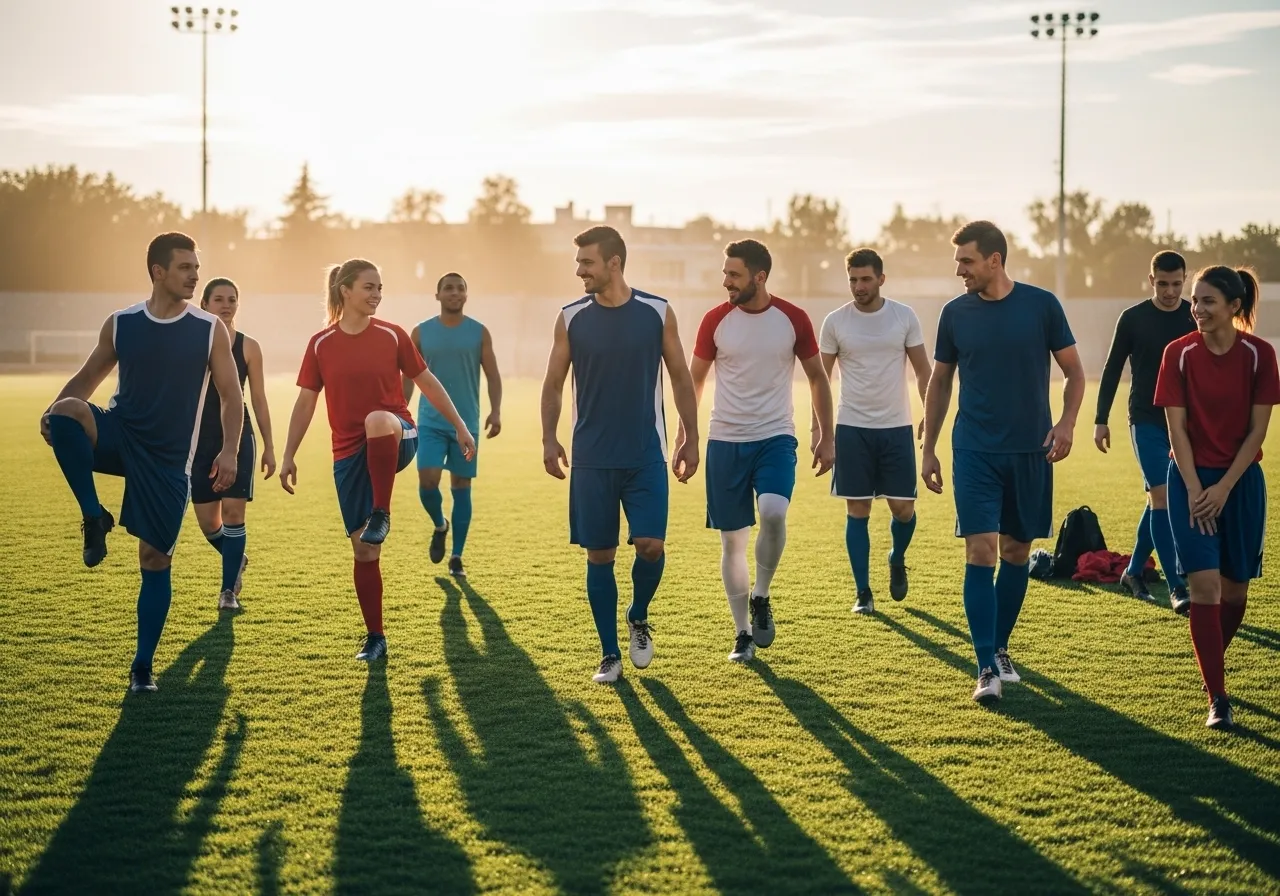
Team and individual sport athletes face unique cool-down challenges — training and competition schedules do not always accommodate ideal cool-down duration, the social dynamics of team sport may prioritize team meetings or post-game activities over individual cool-down, and the variable intensity profile of sport (intermittent high-intensity efforts interspersed with lower-intensity periods) differs from the steady-state or programmed interval training that laboratory research typically studies. The sport-specific cool-down priorities: after competition, cardiovascular cool-down is the highest priority — competition-intensity exercise with the added psychological stress of competitive outcome produces the highest post-exercise sympathetic activation levels, making cardiovascular recovery through 10 minutes of light activity particularly important. Post-competition stretching: focus on the sport-specific muscle groups that competition loads most heavily — hamstrings and hip flexors for field sports, shoulder and rotator cuff for overhead sports, lower leg and ankle complex for court sports. The post-game or post-competition cool-down also provides the reflective space that competitive athletes benefit from before engaging with coaches, media, or social obligations — the physiological decompression coincides with the psychological decompression that allows more measured, accurate assessment of competitive performance than the immediate post-competition emotional state provides.
Morning vs. Evening Training Cool-Down Differences
The timing of training relative to the circadian rhythm influences both the physiological demands of the cool-down and the specific recovery priorities it should address. Morning training cool-down: the morning physiological state (elevated cortisol, lower parasympathetic tone, reduced body temperature at the beginning of the circadian rise) means that the cool-down following morning training can be briefer for the cardiovascular component (morning heart rate typically recovers faster post-exercise due to the sympathetic dominance of morning physiology) but should include thorough warming and mobility work to address the reduced morning tissue extensibility. Evening training cool-down: the evening training cool-down carries the additional priority of facilitating the transition to sleep-preparatory physiology — extending the parasympathetic activation phase (controlled breathing, progressive muscle relaxation) and avoiding activities that maintain sympathetic arousal (checking training metrics, competition planning, stimulating media) during the cool-down period maximizes the sleep-onset facilitation that the evening cool-down can provide. Athletes who train within 2–3 hours of their intended sleep time benefit most from extending the cool-down’s parasympathetic activation component and including a hot shower (which paradoxically facilitates sleep by producing the post-shower core temperature drop that the circadian temperature decline of sleep onset mimics) as part of their post-training recovery routine.
Group Sport Cool-Down: Managing Team Logistics
Team sport contexts present unique cool-down logistical challenges — the competing priorities of post-game analysis, media obligations, hydration and nutrition management, and the individual variation in cool-down needs across players with different positions, playing times, and physical states after competition. The most effective team cool-down structure: a 5-minute mandatory light jogging or walking component for all players immediately after the final whistle or horn (before any post-game team meeting or media engagement), followed by the post-game team meeting, followed by 10 minutes of individual cool-down during which players can perform position-specific stretching and recovery interventions appropriate for their specific physical state. This structure captures the cardiovascular safety benefit of early cool-down initiation (preventing the post-exercise hypotension risk that immediate rest creates) while accommodating the team meeting priority that coaching staff require. Substitutes and players with low playing time require briefer cardiovascular cool-down (their cardiovascular system was not stressed to the same degree) but may benefit from warm-up-like activity during the cool-down period to maintain tissue temperature that long periods of bench inactivity reduced. The individual variation in post-game physical state — players who performed at maximal intensity for 90 minutes versus those who played 20 minutes — justifies the individualized cool-down component that the 10-minute post-meeting period allows.
Cool-Down for Masters Athletes: Age-Specific Considerations
Masters athletes (generally 35+ years) experience specific physiological changes that affect both the importance of cool-down and the appropriate cool-down protocol for their age-related recovery characteristics. Age-related cardiovascular changes: the maximum heart rate decline with age (approximately 1 beat per minute per year from around age 20) reduces the heart rate range between resting and maximum, making the cardiovascular stress of any given absolute training intensity relatively greater for older athletes and the cardiovascular recovery after exercise relatively more important. Autonomic function changes with age: the age-related reduction in heart rate variability and parasympathetic responsiveness means that the post-exercise autonomic transition from sympathetic to parasympathetic dominance takes longer in masters athletes — making the cool-down period and particularly the parasympathetic activation techniques (controlled breathing, progressive muscle relaxation) more physiologically important and justified at greater duration. Musculotendinous changes: the age-related reduction in tendon elasticity and muscle fiber composition shift (toward slower-twitch fibers with greater resistance to fatigue but reduced power output) affects the warm-up and cool-down requirements — masters athletes benefit from longer warm-up and cool-down periods that account for the greater time required for musculotendinous viscoelastic changes at older tissue temperatures. Research consistently finds that masters athletes who perform consistent warm-up and cool-down practices maintain training quality and injury resilience better than those who skip these practices — with the relative benefit of structured recovery practices increasing with athlete age.
The cool-down’s 10–15 minutes represent the bridge between the training stress that drives adaptation and the recovery processes that convert that stress into the fitness improvements that training is designed to produce — treating it as the non-negotiable training component its physiological importance justifies produces the recovery quality, training readiness, and long-term athletic development outcomes that consistent cool-down practice delivers. Skip the last set if time is short, but never skip the cool-down that protects the cardiovascular and metabolic investment that the training session represents. Every effective training session deserves an effective cool-down — the physiology demands it, the evidence supports it, and the athletes who practice it consistently reap the training readiness and injury resilience rewards that thoughtful post-exercise recovery produces across the seasons and years of sustained athletic development. The cumulative effect of consistent cool-down practice across months and years of training is not captured in any single session — it accumulates in the reduced injury frequency that allows uninterrupted training, the improved next-session readiness that allows higher training quality session after session, the better sleep quality on training days that supports the recovery processes that adaptation requires, and the sustained motivation that the positive post-training physiological state that effective cool-down produces contributes to the training consistency that long-term athletic development demands. Build the cool-down habit with the same commitment that the training session itself receives, and allow the compound physiological and psychological benefits to accumulate across the training career that consistent, evidence-based practice enables. Start today: after your next training session, walk for 10 minutes, perform 5 minutes of static stretching for the muscles you trained, and spend 2 minutes breathing slowly and deliberately. Notice the difference in how you feel 30 minutes after training — the reduced fatigue, the more settled cardiovascular state, and the calmer mental state that effective cool-down produces are tangible, immediate feedback that the physiological benefits of the practice are real and occurring as the evidence predicts they should.
Cool-Down Myths, Common Mistakes, and FAQs
The cool-down is surrounded by more misunderstanding than almost any other training component — misconceptions that cause athletes either to skip it entirely (believing it to be optional or ineffective) or to perform it in ways that produce limited physiological benefit. This section addresses the most persistent myths, identifies the most common execution errors, and directly answers the practical questions that athletes most frequently have about cool-down implementation.
Myth 1: Cool-Down Prevents Muscle Soreness
The most persistent cool-down myth — that cooling down prevents delayed onset muscle soreness — is contradicted by the research evidence with sufficient consistency that this claim has been retracted from evidence-based exercise guidelines. DOMS is primarily produced by the eccentric component of exercise (the controlled lengthening under load that causes the Z-disk disruption and inflammatory cascade responsible for the soreness felt 24–48 hours post-training) — and the cool-down cannot meaningfully alter the eccentric damage that produces DOMS because this damage occurs during the training session itself, not during the recovery period that cool-down addresses. Multiple randomized controlled trials comparing DOMS outcomes in athletes who performed cool-down versus those who did not find no significant difference in DOMS severity or duration between groups — establishing that DOMS prevention is not a primary mechanism of cool-down benefit. The practical implication: athletes who skip cool-down are not accepting more muscle soreness — they are accepting the cardiovascular, metabolic, and hormonal recovery deficits that cool-down prevents, which are the evidence-based rationale for the practice. Correcting the DOMS myth allows the actual benefits of cool-down to be communicated accurately — building evidence-based rather than myth-based compliance with the practice.
Myth 2: Static Stretching After Training Will Make You More Flexible
Post-exercise static stretching contributes to flexibility development, but its role is more limited and nuanced than the common belief that stretching after training is the primary mechanism of flexibility improvement. Flexibility is primarily improved through consistent, frequent stretching practice — performing the same muscles through their full range of motion repeatedly, with sufficient duration and frequency to produce the neural and structural adaptations that increase range of motion. Post-exercise stretching provides one stretching session per day for athletes who train once daily — a meaningful contribution to total weekly stretching volume, but not the complete flexibility program that significant range of motion improvement requires. The most effective approach: perform the post-exercise static stretching as one component of a broader flexibility program that also includes dedicated, stand-alone flexibility sessions (yoga, dedicated stretching sessions) that provide additional stretching volume beyond what cool-down alone can supply. For athletes with significant flexibility restrictions (particularly hip flexors and posterior chain in those with sedentary occupations), supplementary stretching beyond the post-training cool-down session is required to produce meaningful long-term range of motion improvement.
Myth 3: The Cool-Down Is Just for Beginners or Older Athletes
The belief that highly trained or young athletes do not need cool-down — because their superior cardiovascular efficiency and faster recovery supposedly make the cool-down unnecessary — inverts the actual relationship between training intensity and cool-down importance. Higher training intensity produces the physiological states (greater lactate accumulation, higher peak sympathetic activation, more significant cardiovascular stress) that cool-down most directly addresses — meaning that more fit athletes who train at higher intensities have greater physiological need for effective cool-down, not less. Elite athletes in endurance, team sport, and power sport disciplines universally include structured cool-down in their training protocols — not as a beginner’s accommodation but as a physiologically justified recovery practice that their high-intensity training makes particularly important. The observation that fit athletes “recover faster” describes the rate of passive recovery, not the rate of active recovery — even athletes who would recover adequately without cool-down in the long run benefit from the accelerated cardiovascular and metabolic recovery that cool-down produces in the hours immediately following training.
Common Cool-Down Execution Mistakes
The most frequent errors in cool-down execution reduce its physiological effectiveness without the time savings of complete omission — understanding these errors allows correction that extracts the full benefit the cool-down is designed to provide. Too brief duration: a 2–3 minute “cool-down” does not allow sufficient cardiovascular recovery for the heart rate to approach resting values or for meaningful metabolite clearance — the minimum effective cool-down duration is 10 minutes, with 15 minutes optimal for high-intensity sessions. Wrong intensity: cooling down at too high an intensity (above 60% HRmax) maintains the metabolic and cardiovascular demands of training without providing the recovery benefit of lighter activity; cooling down at standing-still intensity (true rest) eliminates the active metabolite clearance that distinguishes active from passive recovery. Stretching only without cardiovascular component: athletes who perform only static stretching as their “cool-down” are addressing flexibility but missing the cardiovascular safety and metabolite clearance benefits that are the primary physiological rationale for the practice. Post-cool-down nutrition delay: waiting until after a complete shower and change before consuming post-exercise nutrition delays the anabolic window that the cool-down period is ideally suited to coincide with — having the post-exercise nutrition prepared and available during the cool-down period is the practical approach that captures both the cooling benefits and the nutritional timing advantage.
Frequently Asked Questions About Cool-Down
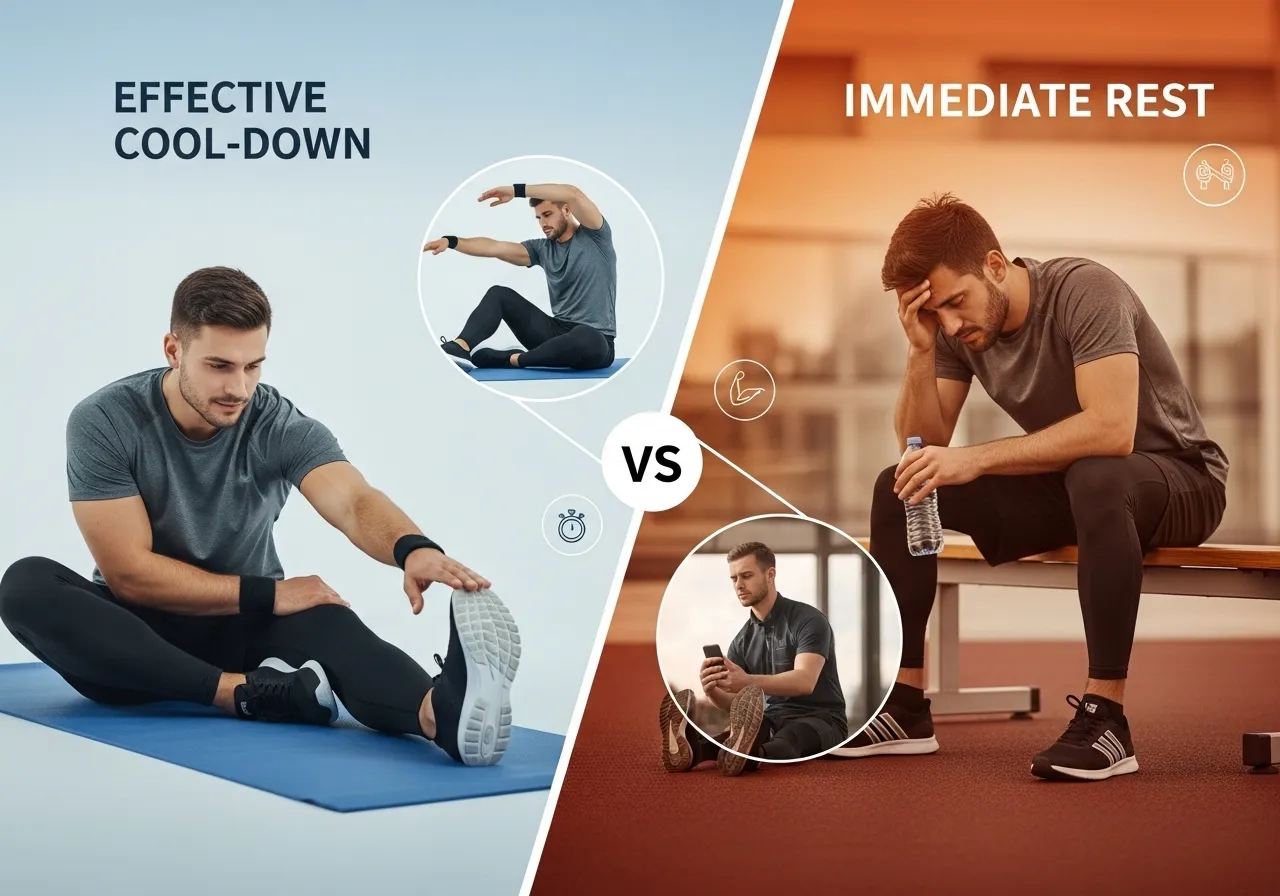
How long should my cool-down be? 10–15 minutes for most training sessions; 15–20 minutes after very high-intensity or long-duration sessions (90+ minutes of vigorous exercise, HIIT, or competition). The cool-down duration should scale with training intensity and duration — brief training sessions warrant briefer cool-downs. Is stretching required for an effective cool-down? The cardiovascular component (light activity) is the physiologically non-negotiable element of cool-down; static stretching adds flexibility benefit but is not required for the cardiovascular recovery that is the primary safety rationale. A 10-minute walk after intense exercise provides the essential cool-down benefit even without any stretching. Can I do my cool-down on a different piece of equipment than my training? Yes — a light walk or cycling is an appropriate cool-down after strength training, running, or any other training modality. The modality is less important than the intensity (30–50% HRmax) and duration (10+ minutes). Should I eat before or after my cool-down? Ideally, begin consuming post-exercise nutrition during the cool-down — there is no need to wait until cool-down is complete before eating. Does cold water immersion replace the need for cool-down? Cold water immersion (ice bath) is a separate recovery modality that addresses inflammation and perceived soreness — it does not replace the cardiovascular component of cool-down and should be performed after active recovery rather than as a substitute for it. What if I only have 5 minutes? Five minutes of light walking is better than no cool-down — prioritize the cardiovascular component over stretching when time is limited, as the cardiovascular safety benefit is the most time-critical element of effective cool-down practice.
Building the Cool-Down Habit: Practical Consistency Strategies
The most effective cool-down is the one that actually happens — and the practical barriers to cool-down consistency (time constraints, post-training fatigue, the social pressure to leave training environments quickly) require specific behavioral strategies to overcome. Programming the cool-down into the training session: include the cool-down in the total session duration from the planning stage — a 75-minute training session including 15 minutes of cool-down rather than a 60-minute session followed by an optional 15-minute cool-down that is easily skipped under time pressure. Training partners as accountability: agreeing with training partners to cool down together converts the cool-down from an individually skippable optional component into a social commitment with the accountability that interpersonal agreements provide. Environmental design: having the foam roller and stretching mat already positioned at the training location before the session begins removes the setup friction that makes post-training stretching and self-myofascial release easier to skip than to perform. Treating the cool-down as training: reframing the cool-down as an integral training component rather than post-training optional activity — using the same deliberateness, attention, and intentionality that the main training session receives — transforms it from a perfunctory box-ticking exercise into a practiced skill that contributes meaningfully to the training outcomes that motivated the session.
Cool-Down and Mental Health: The Psychological Recovery Component
Exercise’s well-established mental health benefits — reduced anxiety and depression symptoms, improved mood, enhanced cognitive function — are partly mediated by the post-exercise neurochemical environment that effective recovery transitions preserve and inadequate cool-down disrupts. The post-exercise endorphin release (the neurobiological basis of the “runner’s high” and post-exercise mood improvement) is maintained during light-intensity cool-down activity but diminishes rapidly with abrupt cessation — athletes who maintain light activity through the cool-down period report more sustained post-exercise mood improvement than those who stop abruptly. The cortisol reduction that effective cool-down facilitates has direct mental health implications: cortisol elevation is associated with anxiety and cognitive impairment, and the faster cortisol normalization that cool-down produces shortens the post-exercise window of elevated stress hormone exposure that the abrupt cessation maintains. For athletes who exercise as a primary mental health management tool — using training to regulate mood, manage anxiety, or alleviate depressive symptoms — the cool-down period’s psychological recovery function is as important as its physiological recovery function, and should be treated with the same intentionality as the main training session whose mental health benefits it helps maximize and prolong.
The Cool-Down as Training: Optimizing the Investment
Reframing the cool-down as a training component rather than a post-training obligation transforms both its execution quality and the consistency with which athletes perform it. The cool-down represents the body’s first responses to the training session — the initial phase of the adaptation process that the training stimulus initiated — and approaching it with the same deliberateness that the training session itself receives extracts the full physiological benefit that effective cool-down delivers. Practical optimization: use the cool-down period for skill practice that benefits from the warm, loose muscular state that post-training provides — light technique work in martial arts, yoga poses that require the flexibility that training warm-up produced, breathing practice that is easier at the physiological arousal level of post-training. Journal the training session during the cool-down: the 10–15 minutes of light activity provide the reflective space that accurate training logging requires — noting the specific weights, reps, and subjective performance assessment while the session is fresh produces better training records than post-shower journaling when specific details have already faded. Use the cool-down to plan the next session: the training data from the current session is fresh, the training context is immediate, and the physiological state of moderate arousal supports the analytical thinking that effective next-session planning requires — making the cool-down period the optimal time for the training planning that improves session-to-session progressive overload implementation. The cool-down, approached as an integral training component rather than optional post-training filler, converts 10–15 minutes of recovery time into the physiological and strategic investment that maximizes the return from every training session it follows.
The cool-down’s 10–15 minutes represent the bridge between the training stress that drives adaptation and the recovery processes that convert that stress into the fitness improvements that training is designed to produce — treating it as the non-negotiable training component its physiological importance justifies produces the recovery quality, training readiness, and long-term athletic development outcomes that consistent cool-down practice delivers. Skip the last set if time is short, but never skip the cool-down that protects the cardiovascular and metabolic investment that the training session represents. Every effective training session deserves an effective cool-down — the physiology demands it, the evidence supports it, and the athletes who practice it consistently reap the training readiness and injury resilience rewards that thoughtful post-exercise recovery produces across the seasons and years of sustained athletic development. The cumulative effect of consistent cool-down practice across months and years of training is not captured in any single session — it accumulates in the reduced injury frequency that allows uninterrupted training, the improved next-session readiness that allows higher training quality session after session, the better sleep quality on training days that supports the recovery processes that adaptation requires, and the sustained motivation that the positive post-training physiological state that effective cool-down produces contributes to the training consistency that long-term athletic development demands. Build the cool-down habit with the same commitment that the training session itself receives, and allow the compound physiological and psychological benefits to accumulate across the training career that consistent, evidence-based practice enables. Start today: after your next training session, walk for 10 minutes, perform 5 minutes of static stretching for the muscles you trained, and spend 2 minutes breathing slowly and deliberately. Notice the difference in how you feel 30 minutes after training — the reduced fatigue, the more settled cardiovascular state, and the calmer mental state that effective cool-down produces are tangible, immediate feedback that the physiological benefits of the practice are real and occurring as the evidence predicts they should.


