The Best Sleep Positions for Muscle Recovery
⚠️ Disclaimer: The information in this article is for general educational purposes only and does not constitute medical, nutritional, or professional fitness advice. Individual results may vary. Always consult a qualified healthcare professional or certified fitness trainer before starting any new exercise program, changing your diet, or making decisions about injury treatment or recovery. If you experience pain, discomfort, or any unusual symptoms during exercise, stop immediately and seek professional guidance.

How Sleep Position Affects Muscle Recovery and Athletic Performance
Sleep is the most powerful recovery tool available to athletes — during the 7–9 hours of quality sleep that athletic performance and muscle recovery require, the body performs the growth hormone secretion, muscle protein synthesis, inflammatory resolution, and neural recovery processes that training days cannot replicate. The quantity and quality of sleep are the primary determinants of recovery effectiveness, but sleep position — the posture maintained during those critical hours — influences tissue loading, circulation, nerve compression, and the musculoskeletal alignment that either supports or impairs the recovery processes occurring throughout the night. I discovered the sleep position issue personally when a persistent shoulder impingement that was not responding to physical therapy resolved almost completely within two weeks of changing from stomach sleeping to back sleeping — the hours I was spending compressing the impinged tissue each night were undoing the progress from my daytime rehab work.
The Physiology of Sleep and Muscle Recovery
Understanding why sleep position matters requires first understanding what the body does during sleep that makes it the irreplaceable foundation of athletic recovery. Growth hormone (GH) secretion: approximately 70% of daily growth hormone release occurs during slow-wave sleep (stages 3 and 4 of NREM sleep), peaking 1–2 hours after sleep onset. GH directly stimulates muscle protein synthesis, fat oxidation, and the cartilage and connective tissue repair that recover joint integrity following training load. Sleep positions that impair sleep quality — by causing pain, discomfort, or airway restriction that fragments sleep architecture — reduce slow-wave sleep duration and therefore the GH secretion that deep sleep produces. Muscle protein synthesis: protein synthesis continues during sleep and is specifically enhanced by the growth hormone environment that quality sleep creates — the pre-sleep protein consumption research (30–40g of casein protein before bed producing measurable overnight muscle protein synthesis) confirms that the sleeping muscle is metabolically active in ways that sleep position affects through the circulatory and pressure effects on muscle tissue. Inflammatory resolution: the cytokine and immune activity that resolves the exercise-induced inflammation underlying DOMS and promotes tissue repair peaks during slow-wave sleep — fragmented or inadequate sleep impairs inflammatory resolution, contributing to the chronic low-grade inflammation associated with overtraining and poor recovery.
How Sleep Position Directly Affects Tissue Loading
During 7–9 hours of sleep, the body applies sustained pressure, stretch, and compression to specific tissues depending on the sleep position maintained. The cumulative effect of this sustained loading is significant: tissues maintained in compressed or stretched positions for 7+ hours experience changes in fluid distribution, nerve function, and circulatory efficiency that affect function the following day and cumulatively affect tissue health across weeks and months of consistent sleep position. Nerve compression: peripheral nerves compressed by sustained sleep positions produce the familiar “dead arm” or “pins and needles” that wakes sleepers — brief compression events that resolve within minutes. Sustained, repeated compression of the same nerve pathways across years of consistent sleep positioning contributes to the entrapment neuropathies (carpal tunnel, cubital tunnel, thoracic outlet syndrome) that are associated with specific sleep positions and that impair both athletic performance and daily function. Joint loading: sleep positions that maintain joints in compromised positions — shoulder internal rotation in stomach sleeping, knee hyperextension in back sleeping without pillow support, lateral hip compression in unsupported side lying — apply sustained compressive or tensile forces to joint cartilage, synovial fluid distribution, and the periarticular structures that recover nightly during sleep. Research from the National Sleep Foundation on sleep position and musculoskeletal health identifies position-specific tissue loading as a significant contributor to the chronic musculoskeletal complaints that are disproportionately prevalent in athletes who maintain suboptimal sleep positions.
Sleep Architecture and Position: The Quality Connection
Sleep position affects not just tissue loading but the architecture of sleep itself — the cycling through NREM and REM sleep stages that determines the recovery quality of the total sleep duration. Back sleeping (supine): the most neutral spinal position for most adults, associated with the lowest rate of sleep position-related discomfort and sleep fragmentation when adequate pillow support maintains cervical and lumbar alignment. Side sleeping: the most common adult sleep position, generally well-tolerated but requiring specific pillow support to maintain spinal neutrality and prevent the shoulder compression and hip misalignment that unsupported side sleeping produces. Stomach sleeping: the sleep position most consistently associated with impaired sleep quality — the cervical spine rotation required to breathe in the prone position creates sustained muscle tension and joint loading that produces morning neck and shoulder pain, disrupts sleep continuity from discomfort, and contributes to the cervicogenic headaches that many stomach sleepers experience. For athletes specifically, the sleep position that produces the best quality sleep — the deepest, most continuous sleep with the least disruption from discomfort — is the position that maximizes recovery effectiveness regardless of which position that is for the individual.
Circulation During Sleep: Position’s Vascular Effects
Blood flow to recovering muscles during sleep is influenced by sleep position through the hydrostatic and compressive effects of body position on vascular structures. Limb elevation: elevating the lower extremities slightly during sleep (achieved with a pillow under the knees in back sleeping, or a pillow between the legs in side sleeping that aligns the hips) reduces venous pooling in the legs and the morning lower extremity heaviness that results from overnight dependent positioning — particularly relevant for athletes with high lower body training volumes or those recovering from lower extremity injuries. Shoulder circulation: the pectoralis minor and scalene muscles can compress the brachial plexus and subclavian vessels during shoulder-forward sleep positions (stomach sleeping, or side sleeping with the arm extended overhead) — the resulting thoracic outlet compression impairs blood flow and nerve function in the arm and hand, contributing to the morning arm numbness and shoulder pain that many athletes experience without connecting to sleep position.
Research on Sleep and Athletic Performance
The research on sleep duration, quality, and athletic performance is among the most compelling in sports science — the performance deficits of insufficient sleep and the performance benefits of sleep extension are larger and more consistent than the effects of most nutritional supplements and many training interventions. Research published in the British Journal of Sports Medicine on sleep and sports performance finds that sleep extension to 10 hours per night in collegiate athletes produces significant improvements in reaction time, accuracy, mood, and effort perception over 5–7 weeks — suggesting that most athletes are chronically under-sleeping relative to their optimal recovery requirements. The specific contribution of sleep position to these performance outcomes is difficult to isolate from total sleep duration and quality effects, but the consistent finding that musculoskeletal discomfort is among the most common causes of sleep fragmentation — and that fragmented sleep produces the same performance deficits as insufficient total sleep — establishes the practical importance of optimizing sleep position for the athletes whose current position is producing the discomfort that fragments their sleep.
The Athlete’s Specific Sleep Recovery Requirements
Athletes have meaningfully higher sleep requirements than sedentary adults — the training-induced tissue damage, glycogen depletion, neurological fatigue, and inflammatory burden of regular intense training require more sleep time to resolve than the lower recovery demands of sedentary daily life. The general adult recommendation of 7–9 hours understates the optimal range for athletes in active training phases — research on athletes and sleep consistently finds that performance and recovery indicators are best at sleep durations of 8–10 hours, with many elite athletes targeting 9–10 hours through napping supplementation when their night sleep is limited by training or competition schedules. Sleep efficiency — the percentage of time in bed actually spent asleep — is as important as total duration. An athlete spending 9 hours in bed but waking frequently from discomfort (often position-related), anxiety, or environmental factors achieves less recovery than one spending 8 hours in bed with 95% sleep efficiency and minimal fragmentation. Optimizing sleep position is one of the most accessible means of improving sleep efficiency for athletes whose position-related discomfort is the primary source of nocturnal awakening.
Chronotype and Sleep Schedule: Working With Your Biology
Sleep timing — when in the 24-hour cycle sleep occurs — is genetically influenced through the circadian chronotype that determines whether a person naturally inclines toward early morning or late evening wakefulness. For athletes, training schedules often conflict with natural chronotype — early morning training for evening chronotypes, or late evening training for morning chronotypes — producing the circadian misalignment that reduces sleep quality and athletic performance independent of sleep position effects. The practical implication: aligning training schedules with chronotype where possible (allowing morning types to train early and evening types to train in the afternoon or evening) improves sleep quality through chronotype-consistent scheduling that position optimization alone cannot fully compensate for. Sleep consistency — maintaining the same sleep and wake times across all days of the week, including weekends — is the most effective chronotype-based sleep quality intervention, establishing the consistent circadian rhythm that produces the deep, consolidated sleep that athletic recovery requires. When training schedules impose chronotype-conflicting timing, strategic light exposure (morning bright light for evening types who need to shift earlier; blue light avoidance in the evening for all athletes) and sleep position optimization together provide the accessible quality improvements within the available sleep window.
Measuring Sleep Quality: Practical Tools for Athletes
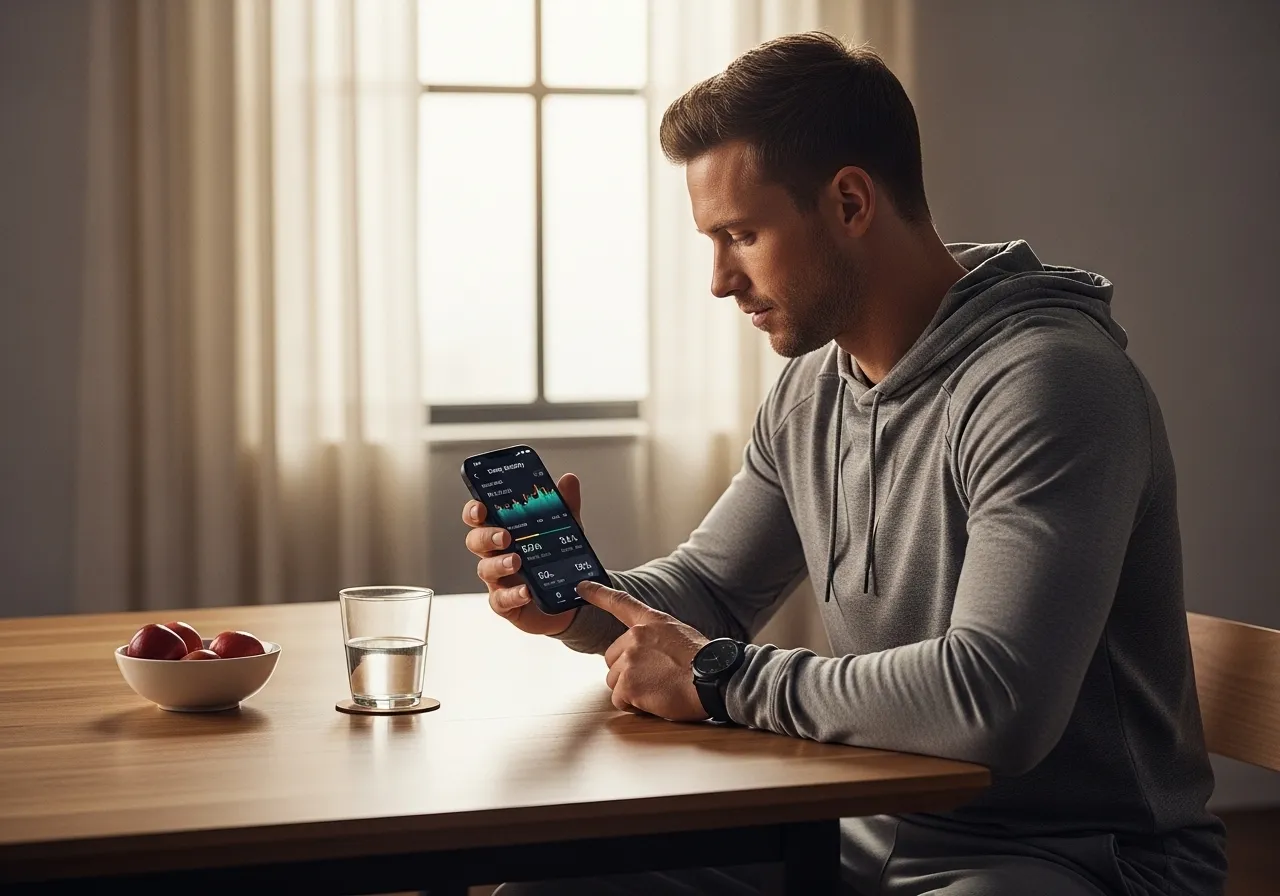
Athletes who want to objectively assess their sleep quality — and the effect of position changes on that quality — have several practical measurement tools available. Consumer wearable devices (Whoop, Oura Ring, Apple Watch with sleep tracking) provide estimates of sleep stage distribution, heart rate variability during sleep (a reliable autonomic recovery marker), and sleep efficiency that allow tracking of improvements following position changes or other sleep optimization interventions. The limitations: wearable sleep stage estimates are less accurate than polysomnography (clinical sleep study), and individual devices vary in their accuracy for specific metrics. For practical athlete use, the trend data across weeks is more informative than any single night’s reading — tracking whether position changes improve HRV, reduce estimated wake episodes, or improve next-day subjective recovery ratings provides the feedback that confirms whether an intervention is working for an individual athlete.
The physiological foundation — growth hormone, muscle protein synthesis, inflammatory resolution, sleep architecture, and circulation — establishes why sleep position matters for athletes seeking to maximize the recovery that training demands, and provides the evidence base for the specific position recommendations that follow. The comprehensive sleep recovery system — position optimization, environment management, pre-sleep routine, and long-term practice — produces the compound recovery quality that individual interventions alone cannot achieve, making sleep the highest-return investment in athletic performance available to every athlete regardless of training level, sport, or access to other recovery modalities. Every night of quality recovery sleep — in an optimized position, in a well-managed environment, following a deliberate pre-sleep routine — is a training session in its own right, producing the physiological adaptations that training days stimulus and rest days allow, compounding across weeks and months into the performance and physical development that distinguishes the athlete who prioritizes sleep recovery from the one who treats sleep as merely the time between training sessions. Sleep well. Recover fully. Perform at your best. Train hard. Sleep smart. Recover completely. Always.
The Best Sleep Positions for Recovery: Back, Side, and What to Avoid
The three primary sleep positions — back (supine), side (lateral), and stomach (prone) — produce distinctly different tissue loading patterns, circulatory effects, and spinal alignment outcomes that affect both sleep quality and musculoskeletal recovery. Understanding the evidence for each position allows informed choice of the optimal position for individual anatomy, training demands, and any existing injuries or pain conditions.
Back Sleeping: The Gold Standard for Spinal Recovery
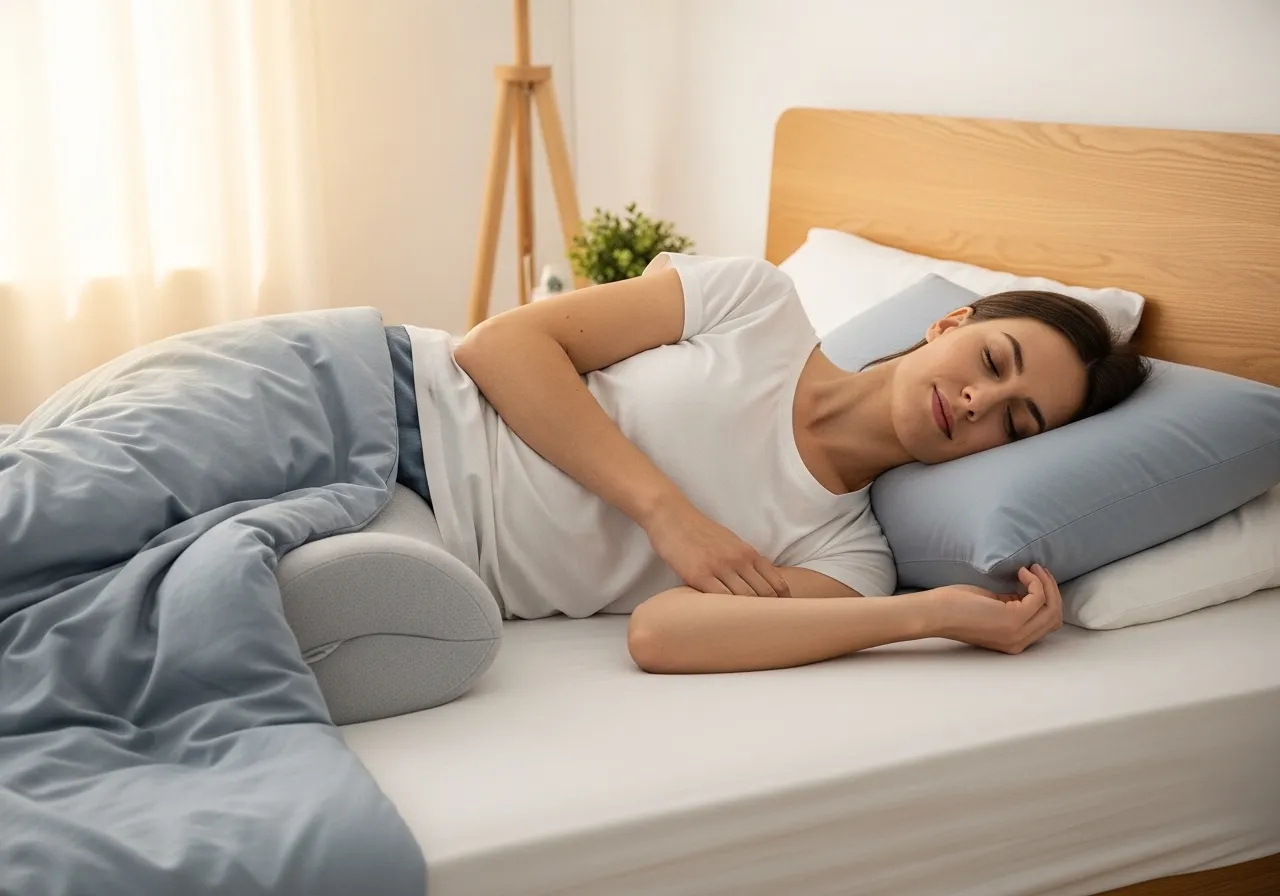
Back sleeping is the most evidence-supported position for spinal health, shoulder recovery, and neutral musculoskeletal alignment — recommended by the majority of physical therapists, sports medicine physicians, and sleep specialists as the optimal position for most athletes without contraindications. The primary advantage: supine sleeping with adequate pillow support maintains the spine in its natural curves without imposing the rotational forces (stomach sleeping) or lateral bending forces (unsupported side sleeping) that produce the asymmetric tissue loading associated with overnight musculoskeletal discomfort and injury risk. Cervical spine alignment in back sleeping: a pillow that maintains the head in neutral alignment — neither flexed forward (too high a pillow) nor extended backward (too flat) — preserves the natural cervical lordosis and prevents the sustained muscle tension and facet joint compression that produce morning neck stiffness. The correct pillow height for back sleeping positions the head so that the cervical spine is parallel to the mattress surface rather than angled up or down. Lumbar support in back sleeping: a small pillow or rolled towel under the knees (15–30 degree knee flexion) reduces the lumbar spine extension that flat supine sleeping produces, particularly in athletes with hip flexor tightness from heavy lower body training — the knee elevation allows the hip flexors to relax fully, reducing their anterior pull on the lumbar spine that causes the low back discomfort that some back sleepers report. For athletes recovering from back injuries, herniated discs, or spinal stenosis, back sleeping with knee support is typically the recommended position from spine specialists because it minimizes disc pressure and allows the vertebral spacing that compressed discs require for overnight rehydration.
Side Sleeping: The Most Common Position, Done Right
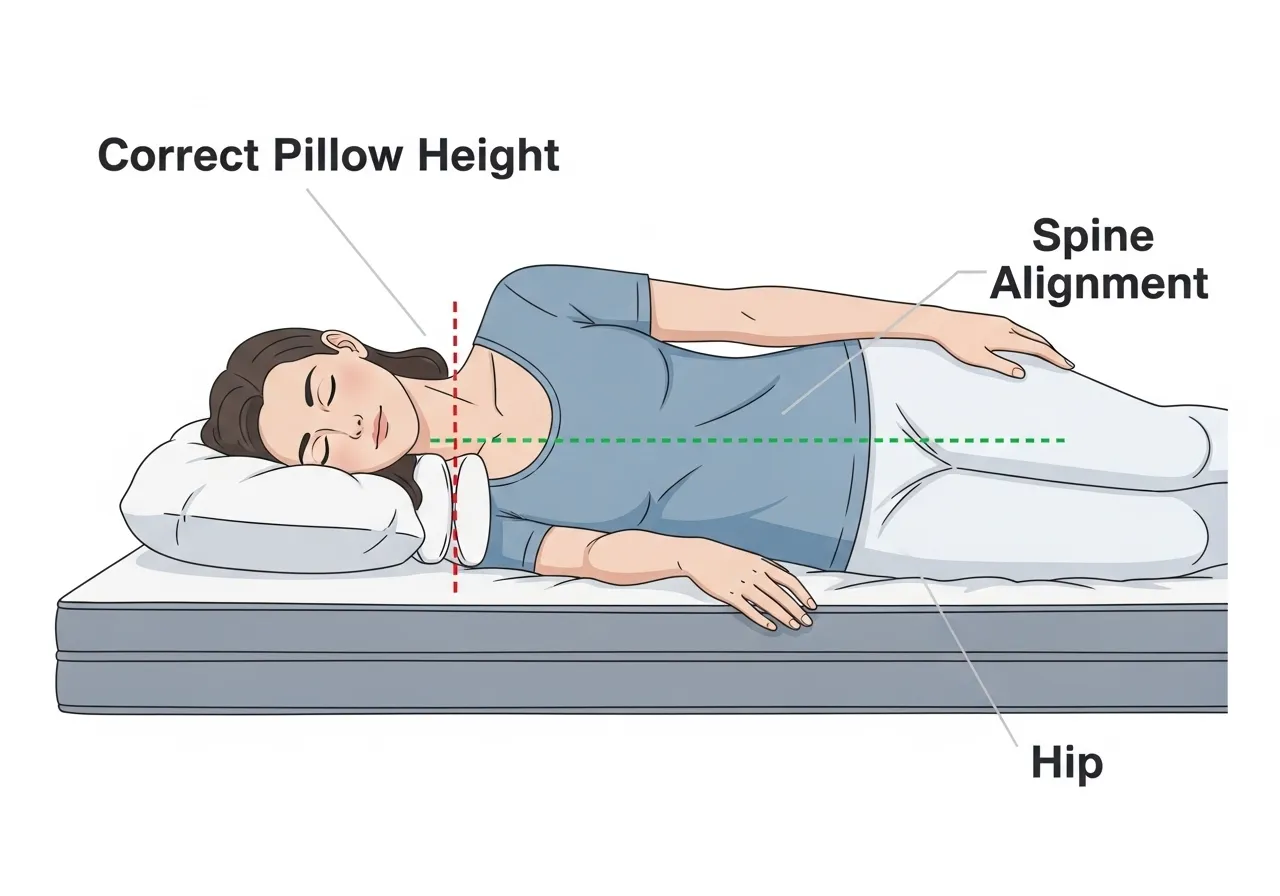
Side sleeping is the most prevalent adult sleep position (approximately 60–70% of adults prefer it) and is generally well-tolerated for recovery when performed with adequate support. The critical elements of beneficial side sleeping: a pillow of sufficient height to maintain the cervical spine in neutral alignment (the head should not tilt toward the shoulder — the ear, shoulder, and hip should form a straight line when viewed from behind), and a pillow between the knees that maintains hip alignment by preventing the top leg from rotating the pelvis forward and creating the lumbar rotation that produces low back discomfort. Without knee pillow support in side sleeping, the top knee falls forward, pulling the lumbar spine into rotation and causing the morning low back discomfort that many side sleepers experience and attribute to mattress problems rather than position mechanics. Which side to sleep on: for athletes with cardiovascular health considerations, sleeping on the left side is sometimes recommended as it may slightly improve venous return to the heart and is the standard recommendation for pregnant women. For athletes recovering from shoulder injuries, sleeping on the uninjured shoulder minimizes compressive loading on the recovering tissue. For athletes with acid reflux (which affects some athletes who eat close to training or competition), left-side sleeping reduces nocturnal reflux symptoms by positioning the stomach below the esophageal junction. Fetal position: curling into a fetal position (extreme hip and knee flexion alongside spinal lateral flexion) is the most common deviation from neutral side sleeping and is associated with both reduced diaphragmatic breathing space and increased spinal curvature loading — less optimal than the straight-spine side sleeping position but less harmful than stomach sleeping for most people.
Stomach Sleeping: The Position to Avoid
Stomach sleeping is the sleep position most consistently identified as detrimental to musculoskeletal health by physical therapists, sports medicine specialists, and sleep researchers — producing sustained cervical spine rotation (the head must turn 90 degrees to one side to breathe), lumbar spine hyperextension, and shoulder internal rotation loading that impairs recovery from training and contributes to the neck, shoulder, and low back complaints that stomach sleepers disproportionately experience. Cervical spine effects: the 6–9 hours of maximum cervical rotation that stomach sleeping requires applies sustained asymmetric loading to cervical facet joints, muscles, and discs — contributing to the cervical degenerative disc disease, facet joint irritation, and muscle tension headaches that are more prevalent in habitual stomach sleepers. The morning neck stiffness and headaches that stomach sleepers commonly experience are direct manifestations of this overnight cervical loading. Lumbar effects: the hip extension that stomach sleeping produces hyperextends the lumbar spine throughout the night, compressing posterior lumbar structures (facet joints, posterior disc margins) and contributing to the morning low back discomfort that is the second-most-common complaint of stomach sleepers. Shoulder effects: the shoulder internal rotation, protraction, and compression of stomach sleeping — particularly when a hand or arm is positioned under the body or pillow — contributes to shoulder impingement, rotator cuff compression, and the anterior shoulder pain that impairs pressing performance in athletes who train the upper body. For athletes with any existing shoulder, neck, or lower back issue, stomach sleeping is the position most likely to impair recovery and most worth changing.
Transitioning Away from Stomach Sleeping
Stomach sleeping is the most habit-entrenched sleep position and the most difficult to change because many stomach sleepers fall asleep in other positions and unconsciously migrate to stomach sleeping during the night. Practical transition strategies: place a thin pillow under one hip when falling asleep on your side — the slightly elevated hip position cues the body to maintain lateral positioning and makes rolling to stomach sleeping less natural. A body pillow (a long pillow supporting the full length of the body from shoulder to knee) provides the physical pressure sensation that many stomach sleepers crave from having their front body in contact with a surface, substituting the mattress contact with the pillow contact while maintaining lateral positioning. Placing a small rolled towel or pillow under the chest in the early transition phase (for those who cannot yet maintain lateral positioning all night) provides a partial accommodation that is less harmful than flat stomach sleeping while the full transition is in progress. Most adults who deliberately transition from stomach to side or back sleeping achieve consistent lateral or supine sleeping within 3–6 weeks of deliberate practice with the transitional props described.
Comparing Recovery Positions: What the Research Shows
Direct comparative research on sleep positions and athlete-specific recovery outcomes is limited — most research examines position effects on pain conditions, snoring, and spinal alignment rather than specifically on exercise recovery. However, the indirect research connecting sleep architecture, musculoskeletal discomfort, and position-specific tissue loading builds a coherent evidence base for the position hierarchy: back sleeping (with adequate pillow support) → side sleeping (with knee pillow and adequate cervical support) → stomach sleeping. Research from the Journal of Clinical Sleep Medicine on sleep position and pain outcomes finds that back and side sleeping produce significantly lower rates of sleep-disturbing musculoskeletal pain compared to stomach sleeping across adult populations, with neck and shoulder pain the most position-sensitive complaints. For athletes specifically, the position hierarchy applies most strongly to those with existing shoulder, cervical, or lower back issues where the tissue loading of suboptimal positions directly impairs recovery — athletes without these issues have more positional latitude while still benefiting from the circulation and alignment optimization that optimal positioning provides.
Arm Position in Side and Back Sleeping
The position of the arms during sleep significantly affects shoulder, elbow, and wrist tissue loading in ways that athletes with upper body training demands particularly need to manage. Overhead arm sleeping — placing one or both arms above the head, a common position that many people adopt during sleep without awareness — compresses the shoulder’s rotator cuff against the acromion in internal rotation and narrows the subacromial space for 7+ hours nightly. For athletes with any shoulder impingement history or rotator cuff sensitivity, overhead arm sleeping directly impairs the shoulder recovery that nightly rest should provide. The correct arm position for both back and side sleeping: arms resting at or below shoulder height, with the elbow in a comfortable bent position (60–90 degrees) rather than fully extended, and neither arm tucked under the body in a position that compresses nerves and blood vessels. For side sleepers, the bottom arm should extend forward at shoulder height (not tucked under the body) with the pillow height managing the shoulder clearance so the shoulder joint is not loaded by the body’s weight directly on the acromial region. Cubital tunnel syndrome — the entrapment of the ulnar nerve at the elbow that produces the “funny bone” tingling and ring/little finger numbness — is frequently caused or exacerbated by sleeping with the elbow in maximum flexion (bent sharply) for extended periods. Sleeping with an arm in maximum elbow flexion compresses the ulnar nerve at the cubital tunnel, and athletes who wake with tingling in the ring and little fingers may resolve the symptoms by maintaining the elbow at 60–90 degrees during sleep rather than fully flexed.
Pillow Strategy for Athletic Recovery
The pillow is the primary alignment tool for sleep position optimization — the correct pillow type, height, and placement determines whether a given sleep position produces the neutral alignment that supports recovery or the deviated alignment that impairs it. For back sleepers: a medium-loft pillow (3–5 inches for most adults, adjusted to the individual’s shoulder width and cervical curve) that maintains the head in neutral alignment — the chin should be neither tucked toward the chest nor tilted upward. Memory foam and latex pillows that contour to the cervical curve provide better alignment maintenance than conventional fill pillows that compress under the head’s weight. For side sleepers: a higher-loft pillow than back sleeping requires (4–6 inches for most adults) to bridge the gap between the shoulder and the head — insufficient height allows the head to tilt toward the shoulder, loading the cervical muscles and facet joints asymmetrically throughout the night. A knee pillow (any firm pillow positioned between the knees at hip width) maintains the hip and lumbar alignment that prevents the rotation loading that produces side-sleeping back discomfort. The combination of cervical pillow height optimization and knee pillow use transforms side sleeping from a position that commonly produces morning back and shoulder complaints into one that most athletes can maintain comfortably across the full sleep period.
Changing Sleep Positions: What to Expect
Athletes who change their primary sleep position in response to pain, injury, or performance optimization goals should expect a 2–6 week adaptation period during which the new position feels unfamiliar and may initially produce more sleep fragmentation, not less, as the body habituates to the new positional demands. The transition discomfort is not evidence that the new position is wrong — it is evidence that the postural muscles supporting the new position are adapting to a novel sustained loading pattern. Persistence through the transition period with the position adjustments (pillow height optimization, knee pillow, arm position management) produces the genuine improvements in sleep quality and morning comfort that position optimization is intended to achieve. Athletes who abandon position changes after 2–3 nights of transition discomfort rarely experience the benefits, while those who persist for the full adaptation period typically report meaningful improvements in morning mobility, sleep continuity, and the injury-site comfort that motivated the change initially.
The comprehensive sleep recovery system — position optimization, environment management, pre-sleep routine, and long-term practice — produces the compound recovery quality that individual interventions alone cannot achieve, making sleep the highest-return investment in athletic performance available to every athlete regardless of training level, sport, or access to other recovery modalities. Every night of quality recovery sleep — in an optimized position, in a well-managed environment, following a deliberate pre-sleep routine — is a training session in its own right, producing the physiological adaptations that training days stimulus and rest days allow, compounding across weeks and months into the performance and physical development that distinguishes the athlete who prioritizes sleep recovery from the one who treats sleep as merely the time between training sessions. The optimal position, maintained consistently, is among the most accessible and highest-impact recovery interventions available to any athlete tonight. The hours spent sleeping are never wasted when they are spent recovering well. Rest well. Tonight.
Sleep Position by Injury Type: Optimizing Recovery for Specific Conditions
The optimal sleep position for injury recovery is injury-specific — the tissue loading, circulation, and alignment requirements of a recovering shoulder differ fundamentally from those of a recovering knee, lumbar disc, or ankle. Generic sleep position advice (“sleep on your back”) is insufficient for athletes managing specific injuries, because the optimal position for one injury may be contraindicated for another. This section provides position-specific guidance for the injuries and conditions most commonly encountered by athletic populations.
Shoulder Injuries: Rotator Cuff and Impingement
Shoulder pain is the most common sleep-disrupting complaint among upper body athletes, and sleep position is one of the most significant modifiable factors in both shoulder recovery and the nightly reinforcement or impairment of shoulder tissue healing. For rotator cuff injuries and shoulder impingement: the positions to avoid are stomach sleeping (produces shoulder internal rotation and protraction loading for the entire sleep duration), and sleeping on the affected shoulder (direct compressive loading on inflamed rotator cuff and subacromial bursa). The recommended positions: sleeping on the back with the affected arm supported on a pillow positioned alongside the body (maintaining the arm at 30–45 degrees of shoulder abduction in the scapular plane — the position of minimal rotator cuff tension), or sleeping on the unaffected side with a pillow between the chest and the affected arm to prevent it from crossing the body and loading the anterior shoulder. The pillow support for the affected arm in both positions serves two functions: it maintains the shoulder in the position of minimum tissue stress, and it prevents the unconscious overnight migration to a compressive position that occurs when the arm is unsupported. Research on rotator cuff tendinopathy and sleep quality from the British Journal of Sports Medicine identifies sleep position as one of the most modifiable variables in rotator cuff pain management, with appropriate positional support producing measurable improvements in shoulder pain scores and sleep continuity within 2 weeks.
Lower Back and Disc Injuries
Lumbar disc injuries, facet joint irritation, and non-specific lower back pain are among the most common conditions affecting athletic populations — and sleep position is consistently identified by spine specialists as a primary management variable. For lumbar disc herniations (particularly posterior-lateral herniations, the most common type): back sleeping with a pillow under the knees (10–15 cm elevation) is typically the recommended position because it reduces lumbar lordosis and decreases posterior disc pressure — the disc is unloaded in the supine position with knee flexion and allowed to rehydrate with nutrient-rich fluid that supports tissue repair during the overnight non-weight-bearing period. Side sleeping is also appropriate for lumbar disc injuries when a knee pillow maintains hip alignment and prevents lumbar rotation — the rotational loading of unsupported side sleeping is one of the most aggravating positions for posterior lumbar disc herniations and should be specifically prevented. Stomach sleeping is contraindicated for virtually all lumbar spine conditions because of the sustained lumbar hyperextension that compresses posterior disc margins and facet joints throughout the night. For athletes with lumbar spinal stenosis (narrowing of the spinal canal that causes leg pain with standing and walking): slightly flexed positions (knees drawn toward the chest in a partial fetal position) open the spinal canal and reduce nerve root compression, providing the relief from stenosis-related leg symptoms that standing and walking cannot achieve.
Knee Injuries: Meniscus, ACL, and Patellofemoral
Knee injuries present position considerations that balance the circulatory benefit of elevation with the joint alignment requirements of specific tissue recovery. For acute knee injuries with swelling: leg elevation above heart level during the first 24–72 hours post-injury or post-surgery reduces edema through improved venous and lymphatic drainage — achieved in back sleeping with pillows under the entire leg (not just under the knee, which creates an acute knee bend that impairs patellofemoral recovery). For ACL reconstruction recovery: the first weeks post-surgery typically require sleeping with the knee in relative extension (avoiding sustained knee flexion that stresses the healing graft) — most post-surgical protocols recommend a leg pillow positioned under the entire limb rather than just under the knee, maintaining the extension that graft healing requires. For patellofemoral syndrome (anterior knee pain): avoid pillow placement directly under the knee in back sleeping (which creates sustained knee flexion and increases patellofemoral joint pressure) — position the pillow support under the thigh or calf to maintain a comfortable, slightly extended position that minimizes patellofemoral loading. For meniscal injuries without surgical intervention: side sleeping on the unaffected side with a pillow between the knees prevents the compressive rotation that loads the injured meniscus, allowing the position accommodation that sports medicine physicians recommend during conservative management.
Hamstring and Hip Flexor Injuries
Posterior chain injuries — hamstring strains, proximal hamstring tendinopathy, and hip flexor strains — require position management that avoids sustained loading of the injured tissue while maintaining the circulation that promotes healing. For proximal hamstring tendinopathy (the most common hamstring injury in recreational runners and cyclists): avoid sustained hip flexion positions during sleep — the fetal position and pillow-under-knee back sleeping both maintain sustained hip flexion that loads the proximal hamstring at the ischial tuberosity attachment, aggravating the tendinopathy that hip flexion loading produces during the day. The recommended position: back sleeping with a thin pillow under the thighs (supporting the thigh without significant hip flexion) or side sleeping on the unaffected side with a long pillow between the legs that supports the top leg at hip height without forward hip rotation. For hip flexor strains: back sleeping is typically the most comfortable position as it allows the hip to rest in mild extension — the prone (stomach sleeping) position, while uncommon for most athletes, would theoretically extend the hip most fully but is contraindicated for its other effects.
Neck and Upper Trapezius Issues
Cervicogenic pain — neck and upper trapezius discomfort from cervical spine issues, muscle tension, or tension headaches — is both caused and perpetuated by sleep position in ways that make position optimization one of the most accessible management interventions for athletes with recurrent neck discomfort. The foundational principle: any position that requires sustained cervical rotation, lateral flexion, or extreme extension or flexion impairs cervical disc rehydration and muscle recovery during sleep. Back sleeping with a correctly sized cervical pillow (memory foam or contoured latex that fills the cervical curve) is the optimal cervical spine position because it maintains neutral alignment without muscle contraction requirements. For athletes who cannot achieve comfortable back sleeping, side sleeping with an appropriately sized pillow (sufficient height to maintain the ear-shoulder-hip alignment) is the second-best option for cervical spine health. The cervical pillow height formula: start with a pillow height equal to the distance from the ear to the shoulder tip — this is the approximate height needed to maintain the cervical spine in neutral alignment during side sleeping. Adjust by half an inch at a time until morning neck stiffness and headache frequency decrease, indicating that neutral cervical alignment is being maintained.
Post-Surgery Recovery Positions
Post-surgical recovery position requirements are typically specified by the surgeon and vary significantly by procedure. The general principles that apply across most post-surgical recovery situations: maintain the operated limb or structure in the position of least tissue stress that also optimizes venous and lymphatic drainage — usually mild elevation for limb surgeries, and neutral alignment for spinal procedures. Follow the surgeon’s specific position instructions even when they conflict with preferred sleep positions — the post-surgical healing window (first 2–6 weeks) is finite, and position compliance during this critical period meaningfully affects the quality and timeline of tissue healing. Recliner sleeping (semi-reclined at 30–45 degrees) is often recommended for shoulder, abdominal, and thoracic surgeries because it reduces the tissue tension that full supine positioning creates while maintaining the trunk elevation that surgical site drainage requires. The temporary discomfort of sleeping in an unfamiliar position for the post-surgical period is the appropriate trade-off for the tissue healing quality that sports medicine and surgical guidelines consistently support impairs injured tissue recovery and one that supports it can meaningfully accelerate return to full training. The following recommendations reflect sports medicine consensus on injury site management during sleep, translated into specific actionable positions for the most common athletic injuries.
Ankle and Lower Leg Recovery Positions
Ankle sprains, Achilles tendinopathy, and lower leg injuries benefit from sleep position strategies that balance tissue loading with the circulatory support that promotes healing. For acute ankle sprains (first 48–72 hours): elevation of the ankle above heart level reduces edema formation and accelerates the resolution of swelling that impairs early range of motion and tissue healing — achieved with a stack of pillows under the entire leg from ankle to upper thigh, avoiding isolated ankle elevation that creates uncomfortable sustained plantar flexion. For Achilles tendinopathy: the most common overnight problem is sleeping with the foot in plantar flexion (pointing down) throughout the night — the Achilles tendon, already under tension from the training-induced sensitization, is maintained in a shortened position that perpetuates the morning start-up pain that tendinopathy produces. A neutral ankle splint or a wedge pillow that maintains the foot in neutral dorsiflexion during sleep reduces Achilles morning pain by preventing the overnight plantar flexion that makes the first steps of the day so characteristically painful for Achilles tendinopathy sufferers. For shin splints and tibial stress reactions: no specific position modification is required, but avoiding positions that cause direct pressure on the anterior tibial compartment (certain side sleeping positions where the inner ankle is loaded) minimizes unnecessary nocturnal discomfort.
General Injury Recovery Position Principles
Beyond the injury-specific guidance above, several general principles apply across all athletic injury recovery contexts. Symmetry: sleeping symmetrically (both sides of the body in equivalent positions rather than asymmetrically loaded) distributes forces evenly and prevents the compensatory asymmetric loading that adjacent structures develop when an injured tissue is consistently positioned to offload at the expense of neighboring structures. Comfort-guided positioning: within the constraints of specific injury management protocols, the position that produces the most comfortable and uninterrupted sleep is typically close to the optimal recovery position — because the body’s pain and discomfort signals reflect tissue loading that impairs recovery, and a position that allows comfortable sleep generally means the recovering tissue is in an appropriate loading state for overnight healing. Communication with treating clinicians: athletes managing serious injuries should confirm sleep position recommendations with their physical therapist or sports medicine physician, who can provide individualized guidance that accounts for the specific tissue involved, the stage of healing, and any surgical considerations that generic position advice cannot address.
The injury-specific position guidance in this section addresses the most common athletic injuries with the clinical precision that generic ‘rest on your back’ advice cannot provide — translating the tissue healing science into immediately actionable position modifications that athletes can implement tonight to begin improving their injury recovery quality. The comprehensive sleep recovery system — position optimization, environment management, pre-sleep routine, and long-term practice — produces the compound recovery quality that individual interventions alone cannot achieve, making sleep the highest-return investment in athletic performance available to every athlete regardless of training level, sport, or access to other recovery modalities. Every night of quality recovery sleep — in an optimized position, in a well-managed environment, following a deliberate pre-sleep routine — is a training session in its own right, producing the physiological adaptations that training days stimulus and rest days allow, compounding across weeks and months into the performance and physical development that distinguishes the athlete who prioritizes sleep recovery from the one who treats sleep as merely the time between training sessions. Your body heals most when you give it the right conditions to do so. Position is the framework. Go.
Pillows, Mattresses, and Sleep Environment for Optimal Recovery
The physical sleep environment — mattress support, pillow alignment, room temperature, light, and sound — determines whether optimal sleep position is physically achievable and whether the sleep obtained in that position is deep and restorative. Athletes who optimize sleep position without addressing the environmental factors that impair sleep quality are optimizing one variable while leaving the others at suboptimal levels that impede the recovery that position changes are meant to support.
Choosing the Right Mattress for Athletic Recovery
The mattress is the foundation of sleep position effectiveness — an inadequate mattress allows the spine to sag into positions that undermine the alignment that correct sleep position is intended to maintain. Mattress firmness and sleep position: back sleepers generally benefit from medium-firm mattresses that provide enough surface contouring to fill the lumbar curve while maintaining sufficient support to prevent the sinking that exaggerates lumbar lordosis. Side sleepers need slightly softer mattresses that allow the shoulder and hip to sink into the surface without creating lateral spinal curvature — the shoulder (the widest body part in side sleeping) needs to sink 2–3 inches into the mattress for the thoracic spine to maintain neutral alignment. Stomach sleepers (though this position should be transitioned away from) tolerate firmer mattresses better than softer ones that allow the lumbar spine to sink into hyperextension. Memory foam and hybrid mattresses: memory foam provides excellent pressure relief and contouring but retains heat and has high motion transfer — hybrids (memory foam or latex over pocketed coils) address the heat retention issue while maintaining the contouring benefit. Latex mattresses are the highest-performing option for spinal alignment and pressure distribution but are expensive ($1,000–3,000+). The practical minimum: any mattress that does not create morning back or hip pain from positional support failure is adequate for sleep position optimization purposes — the most expensive mattress cannot compensate for poor sleep position, but an inadequate mattress undermines the best sleep position.
Pillow Selection for Different Sleep Positions and Needs
The pillow’s role in sleep position optimization has been addressed throughout this article, but the specific material and construction considerations that determine whether a pillow maintains alignment throughout the night deserve specific attention. Memory foam pillows: provide excellent contouring and maintain their shape throughout the night without the gradual compression that fill pillows experience — the best option for back sleepers and side sleepers who need consistent alignment support. The limitation: memory foam sleeps hot and does not allow repositioning airflow that some athletes need. Latex pillows: similar to memory foam in support quality but with better temperature regulation and a slightly more responsive feel — preferred by athletes who find memory foam too warm. Down and down-alternative pillows: adjustable loft (can be fluffed or compressed to adjust height) but compress under the head’s weight during the night, providing less consistent alignment support than foam or latex. Buckwheat pillows: extremely adjustable loft through addition or removal of fill, and maintain their shape without compression — preferred by many athletes for the precise height adjustment they allow but heavier and noisier than foam alternatives. Cervical contour pillows (with raised side panels and a central depression): designed specifically for back sleepers, these pillows maintain the cervical curve throughout the night and are worth trying for athletes with recurrent cervical issues who have not found relief from standard pillows.
Room Temperature and Recovery Sleep Quality
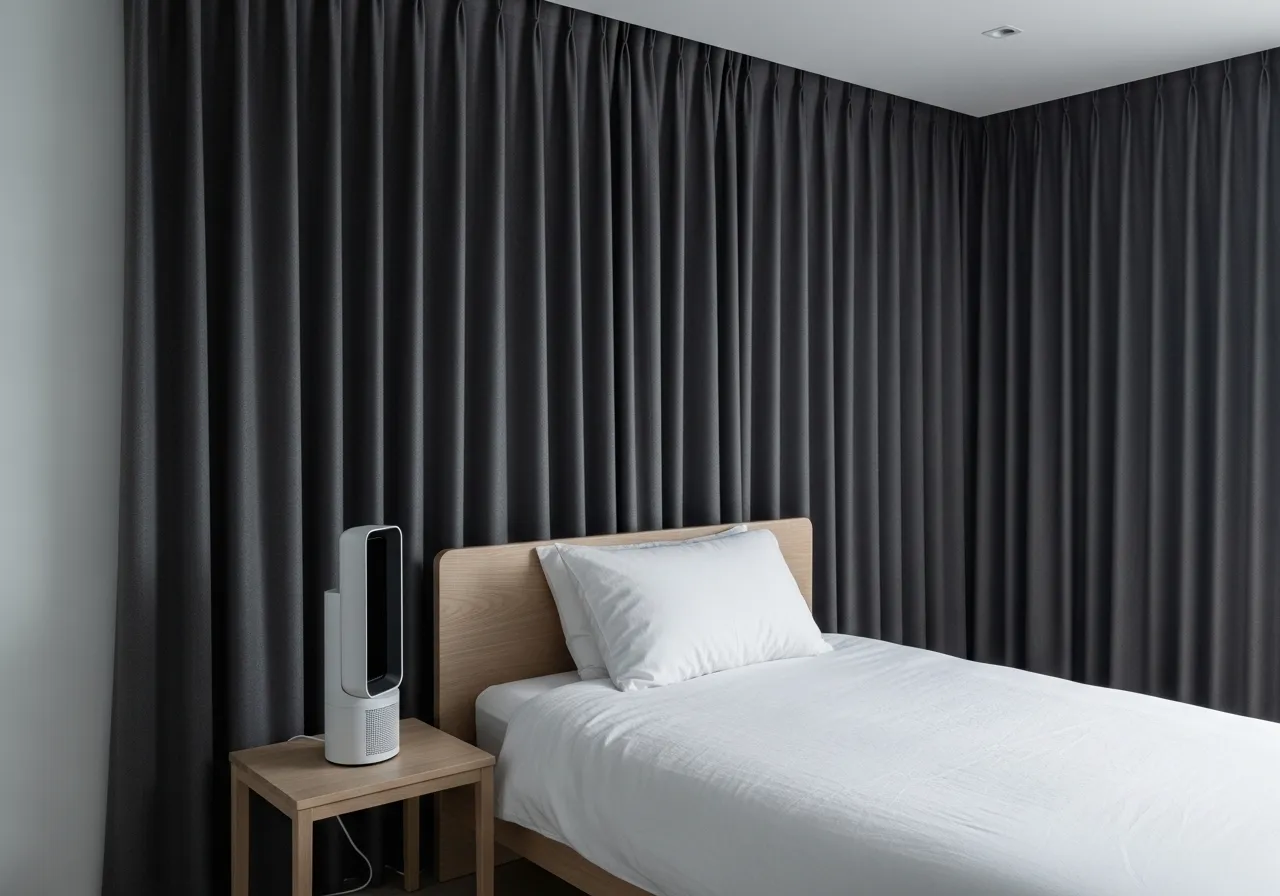
Core body temperature naturally decreases during sleep initiation and through the first half of the night — this temperature decrease is a physiological requirement for entering and maintaining deep sleep stages, and room temperature significantly influences the ease and completeness of this thermoregulatory descent. The optimal bedroom temperature for recovery sleep: 16–19°C (60–67°F) — cool enough to support core temperature reduction without causing the shivering or discomfort that impairs sleep continuity. Athletes who train in the evening and whose elevated post-training core temperature delays sleep onset benefit particularly from a cool room — the environmental temperature gradient provides additional heat dissipation beyond what the body’s normal thermoregulatory mechanisms achieve, shortening the time to sleep onset and deepening early sleep stages. Cold showers or contrast showers before bed — often recommended as sleep aids — work through this same mechanism: inducing the peripheral vasodilation and core temperature reduction that accelerates sleep onset. Active cooling strategies (cooling mattress pads, fans, air conditioning) provide measurable sleep quality improvements for athletes who sleep in warm environments — the investment in cooling technology is justified by the recovery quality improvements that better sleep produces.
Light and Sleep Architecture: Managing the Recovery Environment
Light exposure is the primary circadian rhythm regulator — the blue-wavelength light from screens and artificial lighting suppresses melatonin production and delays circadian sleep timing, while darkness triggers melatonin release and signals the body to initiate sleep physiology. For athletic recovery, light management focuses on two critical windows: evening light reduction (beginning 60–90 minutes before target bed time, reducing screen brightness, using warm-toned or red-spectrum lighting, and avoiding bright overhead lighting) and morning light exposure (10–30 minutes of outdoor light within 30 minutes of waking, or bright light therapy if outdoor access is unavailable, to anchor circadian timing and regulate next-night’s melatonin timing). For athletes who train in the evening: the combined effect of elevated core temperature, cortisol, and sympathetic nervous system activation from training overlaps with the light exposure from training facilities and post-training screen use to significantly delay sleep onset. Managing this overlap through the combined application of evening light reduction, active cooling, and post-training relaxation strategies produces the fastest transition to the recovery sleep state that late-evening training athletes need.
Pre-Sleep Routine for Athletic Recovery
A deliberate pre-sleep routine that includes specific recovery-supporting activities in the 60–90 minutes before sleep consolidates the position, environment, and physiological preparations that maximize recovery sleep quality. The evidence-based pre-sleep routine for athletes: light mobility and stretching (10–15 minutes, addressing the areas most affected by the day’s training without stimulating the sympathetic nervous system with high-intensity activity); protein intake (20–40g of slow-digesting protein — casein powder, Greek yogurt, or cottage cheese — within 60 minutes of sleep to support overnight muscle protein synthesis); warm bath or shower (induces the peripheral vasodilation that accelerates core temperature reduction and sleep onset); blue light reduction (screens dimmed or blue light filtered, room lighting shifted to warm tones); and the final position setup (pillow arrangement, knee pillow in position, comfortable clothing that does not restrict circulation). This 60–90 minute routine is not onerous — each individual element requires 5–15 minutes and can be integrated into existing evening activities — but performed consistently, it produces the compound sleep quality improvements that individual elements alone cannot deliver. The athlete who performs the full pre-sleep routine 5–6 nights per week develops the sleep quality foundation that makes their training investment produce its maximum possible physiological return.
Sound Environment and Sleep Continuity
The acoustic environment during sleep influences sleep continuity through the arousal potential of sounds that activate the brain’s threat monitoring system — maintaining vigilance even during sleep. For athletes who sleep in environments with variable or intermittent noise (urban environments, households with other people or pets, training facilities with shared accommodation), white noise or consistent background sound reduces the relative contrast between ambient sound and noise events, decreasing the arousal potential of the noise events that would otherwise fragment sleep. White noise machines ($20–50), fans (which produce natural white noise alongside their cooling function), or white noise apps on smartphones provide accessible acoustic management for athletes in noisy environments. Research on white noise and sleep architecture finds that white noise reduces nocturnal awakenings and increases slow-wave sleep duration in environments with moderate ambient noise — the recovery sleep quality improvements are most significant for athletes who currently experience frequent noise-induced arousals that fragment their sleep without complete awakening.
Napping for Recovery: Position and Timing
Strategic napping — the deliberate 20–90 minute sleep periods that supplement nighttime recovery — is used by many elite athletes and is supported by research on nap effects on afternoon performance, reaction time, and subjective recovery. For recovery napping, the same position principles apply: a 20-minute nap (sufficient for the Stage 2 NREM sleep that provides cognitive and mood recovery without entering slow-wave sleep that produces grogginess on awakening) in a supported position allows the musculoskeletal structures to rest without the sustained loading that poor nap position produces. The best nap position: the recliner at approximately 30 degrees of trunk elevation — this position reduces cardiovascular demand, allows comfortable cervical alignment without a pillow, and is naturally associated with brief rest periods that do not transition to deep sleep. The nap timing recommendation: between 1–3 PM to coincide with the natural circadian dip in alertness that most people experience in the early afternoon — napping after 3 PM can impair nighttime sleep onset for athletes with regular sleep schedules, producing the paradox of worse nighttime recovery from the afternoon recovery nap that was intended to supplement it.
Sleep Environment Checklist for Athletes
A practical sleep environment audit — evaluating the temperature, light, sound, and equipment variables that determine sleep quality — identifies the specific modifications most likely to improve recovery sleep for an individual athlete’s current situation. Temperature assessment: measure bedroom temperature at bedtime — if above 20°C, identify cooling options (fan, AC, windows, lightweight bedding). Light assessment: can you see your hand in front of your face in the room at sleeping time? Any visible light source is a potential circadian disruptor — blackout curtains ($30–80), eye masks ($10–20), and covering LED indicators on electronics eliminate the common light pollution sources that impair sleep quality. Sound assessment: at a typical quiet moment during your sleep hours, are there intermittent sounds that could produce nocturnal arousals? White noise masking is the most accessible solution for most athletes. Equipment assessment: does your mattress produce morning back or hip pain suggesting inadequate support? Does your current pillow maintain cervical alignment through the night? The investment in sleep environment optimization — typically $50–200 for the most impactful interventions — produces returns in recovery quality that compound across every night of sleep for years, making it one of the highest-return investments in athletic development available.
The physical sleep environment — temperature, light, sound, and equipment — is the infrastructure within which sleep position optimization occurs, and addressing both dimensions together produces the compounded recovery sleep quality that addressing only one cannot achieve. The comprehensive sleep recovery system — position optimization, environment management, pre-sleep routine, and long-term practice — produces the compound recovery quality that individual interventions alone cannot achieve, making sleep the highest-return investment in athletic performance available to every athlete regardless of training level, sport, or access to other recovery modalities. Every night of quality recovery sleep — in an optimized position, in a well-managed environment, following a deliberate pre-sleep routine — is a training session in its own right, producing the physiological adaptations that training days stimulus and rest days allow, compounding across weeks and months into the performance and physical development that distinguishes the athlete who prioritizes sleep recovery from the one who treats sleep as merely the time between training sessions. Optimize your sleep environment and position tonight. Sleep is the foundation. Now.
Sleep Quality Strategies, Common Mistakes, and Frequently Asked Questions
Sleep optimization for athletic recovery is not a single intervention but a multi-variable system where position, environment, timing, nutrition, and behavioral practices interact to produce the sleep quality that training demands. This final section addresses the behavioral and strategic elements of sleep quality that complement the position and environment optimization covered in the previous sections.
The Most Common Sleep Mistakes Athletes Make
Mistake 1: Training too close to bedtime without managing the physiological consequences. Evening training elevates core temperature, cortisol, sympathetic nervous system activity, and mental alertness for 1–3 hours post-training — attempting to sleep within this window impairs sleep onset and reduces slow-wave sleep duration. Athletes who must train in the evening should implement active cooling (cold shower), transition activities (light stretching, breathing exercises), and aggressive light management to accelerate the physiological transition to sleep readiness. Mistake 2: Inconsistent sleep and wake times. Varying sleep timing by 1–2 hours between weekdays and weekends creates “social jet lag” — a circadian disruption that impairs Monday and Tuesday performance as the circadian clock resynchronizes. Maintaining consistent sleep timing within 30 minutes across all days produces the circadian consistency that deep, efficient recovery sleep requires. Mistake 3: Using alcohol as a sleep aid. While alcohol reduces sleep onset latency (makes falling asleep easier), it dramatically impairs sleep architecture — suppressing REM sleep in the first half of the night and producing fragmented, shallow sleep in the second half as the alcohol is metabolized. The net effect: longer time in bed with substantially less recovery value. Athletes who use alcohol for relaxation before sleep are trading sleep latency improvement for significant sleep quality reduction. Mistake 4: Screen use in bed. The combination of blue light melatonin suppression and the cognitive arousal of engaging content makes screen use in bed one of the most impactful sleep quality impairments that most athletes practice. Moving screen use to a different room, switching to book reading or non-stimulating activity in bed, and using blue light filtering on screens at minimum reduces the impact of this pervasive sleep quality impairment.
Sleep Supplements: What Evidence Supports
Several sleep supplements have meaningful research support for specific aspects of sleep improvement, and athletes who have addressed the behavioral and environmental foundations of sleep quality can consider them as adjuncts. Magnesium glycinate: magnesium is involved in GABA (the primary inhibitory neurotransmitter) function and muscle relaxation — the glycinate form is well-absorbed and has research supporting reduced sleep onset latency and improved sleep quality at doses of 300–400mg taken 30–60 minutes before bed. Particularly relevant for athletes with high training volumes who may be at risk for magnesium depletion through sweat losses. Melatonin: most effective for circadian timing adjustment (jet lag, shift work, delayed sleep phase) rather than sleep quality improvement per se — low doses (0.5–1mg) are more effective for circadian adjustment than the high doses (5–10mg) commonly available, and earlier timing (2–3 hours before target sleep time) is more effective for circadian shifting than immediate pre-bed dosing. L-theanine: the amino acid found in green tea that promotes relaxation without sedation — research finds that 100–200mg of L-theanine 30–60 minutes before bed reduces pre-sleep anxiety and improves subjective sleep quality without the sedative dependence risk of pharmaceutical sleep aids. Ashwagandha: adaptogenic herb with growing research support for cortisol reduction and sleep quality improvement in stressed populations — 300–600mg of KSM-66 or Sensoril extract taken in the evening shows consistent improvements in sleep quality and total sleep time in clinical studies.
Alcohol, Caffeine, and Sleep: The Timing Rules
The two most commonly consumed performance-impairing substances for sleep quality are alcohol (as addressed above) and caffeine. Caffeine’s half-life is 5–7 hours in most adults — a 200mg coffee at 2 PM leaves 100mg of caffeine circulating at 9 PM, reducing sleep depth and slow-wave sleep duration even when it does not prevent sleep onset. The practical caffeine cutoff for athletes targeting quality recovery sleep: no caffeine after 1–2 PM for athletes with standard evening sleep timing (10 PM–11 PM), or 6 hours before target sleep time as an alternative cutoff rule. For athletes with evening training who use pre-workout caffeine: the caffeine timing of an evening pre-workout supplement is one of the most significant modifiable impairments to recovery sleep quality — switching to stimulant-free pre-workouts for evening sessions, or to caffeine-based products with a 4 PM cutoff and an evening training time before 6 PM, preserves training performance while protecting sleep quality.
Mental Recovery and Sleep: Managing Training Stress
The psychological dimension of athletic recovery — managing the mental arousal, competitive anxiety, and the intrusive thinking about training, performance, and injury that many athletes experience at bedtime — is as important to sleep quality as the physical position and environment factors. Cognitive behavioral therapy for insomnia (CBT-I) is the most evidence-based treatment for sleep difficulty in the general population and is increasingly studied in athletic populations — the core techniques (sleep restriction therapy, stimulus control, cognitive restructuring of sleep-related thoughts) address the psychological perpetuating factors that maintain sleep difficulty after the initial precipitating event has resolved. Athletes who experience regular pre-competition anxiety, training rumination at bedtime, or the hyperarousal that follows particularly intense or emotionally significant training sessions benefit from CBT-I techniques or sport psychology support specifically addressing the sleep-performance anxiety cycle that impairs both sleep quality and the performance that poor sleep produces. The PubMed literature on sleep and athletic performance increasingly recognizes the psychological dimension of athletic sleep quality as a primary target for intervention alongside the physical factors that most sleep optimization resources address.
Frequently Asked Questions About Sleep Position and Athletic Recovery
How many hours of sleep do athletes need? Research consistently identifies 8–10 hours as the optimal range for athletes in active training phases, with 9 hours producing the best performance outcomes in several controlled studies on elite athletes. The general adult recommendation of 7–9 hours understates the sleep debt that training imposes — athletes should aim for the upper end of the 7–9 range as a minimum and target 9–10 hours when training volume is highest. Is napping beneficial for recovery? Yes — 20-minute power naps (sufficient for Stage 2 NREM sleep without entering slow-wave sleep) improve afternoon performance, mood, and subjective recovery without impairing nighttime sleep when timed before 3 PM. 90-minute naps (completing a full sleep cycle) provide deeper recovery but require more time and increase the risk of sleep inertia (post-nap grogginess) that shorter naps avoid. Does sleep position affect morning muscle soreness? Yes, indirectly — sleep positions that fragment sleep or maintain DOMS-affected muscles in compressive positions may slow the overnight inflammatory resolution that reduces soreness, while positions that allow uninterrupted deep sleep and maintain adequate circulation to recovering muscles support the immune processes that resolve DOMS. What should I do if I wake up in the wrong position? Simply return to the target position when you wake — sleep position optimization is a gradual process that involves reducing the frequency of migration to suboptimal positions, not achieving perfect position maintenance throughout the night immediately. Most people change positions 3–6 times per night, and reducing the frequency of transitions to the most problematic positions produces meaningful improvements even without complete position control. Can a bad mattress cause injury? Chronic poor spinal support from an inadequate mattress can contribute to the musculoskeletal complaints — persistent morning back pain, progressive disc degeneration, and muscle imbalances from asymmetric overnight loading — that impair athletic function and represent a form of repetitive stress injury accumulated over months and years of inadequate sleeping surface support.
Building a Long-Term Sleep Recovery Practice
The athletes who extract the most recovery value from sleep are those who treat it as a deliberate athletic practice — applying the same systematic attention, progressive optimization, and performance monitoring to sleep that they apply to their training. The sleep practice framework: establish a consistent schedule (same sleep and wake times within 30 minutes every day), optimize the environment (temperature, light, sound), implement the pre-sleep routine (cooling, light management, protein, relaxation), choose and maintain the optimal position (back or side with appropriate support), and monitor the outcome with a wearable device or subjective rating scale. Review the sleep data weekly alongside training logs to identify patterns — the nights before and after high-intensity training, the effect of competition anxiety on sleep architecture, and the gradual improvements from interventions that individual nights do not reveal. Treat sleep problems as seriously as training problems: an athlete who is chronically sleeping poorly is training with a significant physiological handicap that no training optimization can compensate for. Seeking professional help for persistent insomnia (CBT-I with a sleep specialist) is as appropriate and productive as seeking physical therapy for a persistent injury — the performance returns from resolving a sleep problem are often more significant than those from any training program modification.
Sleep and the Overtraining Syndrome Connection
Overtraining syndrome — the condition where training exceeds recovery capacity and produces persistent performance decline, mood disturbance, and hormonal dysregulation — has sleep disruption as one of its earliest and most sensitive indicators. Athletes in the early stages of overtraining frequently report difficulty falling asleep (elevated sympathetic nervous system activation and cortisol impair the parasympathetic shift required for sleep onset), increased nocturnal awakenings, and non-restorative sleep that leaves them tired despite adequate time in bed. The disturbed sleep of early overtraining both results from and contributes to the hormonal environment that drives the syndrome: elevated nocturnal cortisol impairs growth hormone secretion, which impairs recovery, which increases the training stress relative to recovery capacity, which further elevates cortisol in a cycle that rapidly progresses to established overtraining if not recognized and interrupted. Sleep quality monitoring — through wearable HRV and sleep stage data, or through subjective recovery questionnaires — is one of the most sensitive early warning systems for overtraining, allowing load reduction before the full syndrome establishes. The athlete who notices that three consecutive nights of impaired sleep architecture follow a high-training-volume week has early warning that the training stimulus has exceeded their current recovery capacity — information that allows the training adjustment that prevents the full overtraining syndrome that weeks of ignored sleep warning signs otherwise produce.
Seasonal and Altitude Considerations for Sleep Position
Environmental contexts that athletes train and compete in — altitude training camps, travel across time zones, seasonal temperature extremes — create sleep challenges that position optimization alone cannot fully address but that interact with position in ways worth understanding. Altitude sleep disruption: sleeping above 2,500m produces Cheyne-Stokes respiration (periodic breathing with alternating hyperventilation and apnea that fragments sleep and reduces sleep quality) — the semi-reclined position (head elevated 30–45 degrees) reduces the severity of altitude-induced sleep-disordered breathing compared to fully supine sleeping. Athletes preparing for altitude training camps benefit from head-elevated sleeping in the initial acclimatization period. Seasonal temperature adjustment: summer sleeping typically requires lower ambient temperature to maintain the 16–19°C optimal recovery range — the pillow and bedding choices that work in winter may overheat in summer, fragmenting sleep from thermal discomfort rather than position issues. Time zone travel: jet lag’s circadian disruption impairs sleep quality independent of position — strategic light exposure, melatonin timing, and the consistent pre-sleep routine help reanchor circadian timing faster than passive adaptation alone.
Every night of quality recovery sleep — in an optimized position, in a well-managed environment, following a deliberate pre-sleep routine — is a training session in its own right, producing the physiological adaptations that training days stimulus and rest days allow, compounding across weeks and months into the performance and physical development that distinguishes the athlete who prioritizes sleep recovery from the one who treats sleep as merely the time between training sessions. Start tonight with one position change — the pillow between the knees, the arm repositioned away from overhead compression, the knee pillow for back sleeping. The compound recovery returns begin with the very first night of improved alignment. Every athlete deserves to wake up recovered. Sleep well.