The Truth About Fat Burners: Do They Work?
⚠️ Disclaimer: The information in this article is for general educational purposes only and does not constitute medical, nutritional, or professional fitness advice. Individual results may vary. Always consult a qualified healthcare professional or certified fitness trainer before starting any new exercise program, changing your diet, or making decisions about injury treatment or recovery. If you experience pain, discomfort, or any unusual symptoms during exercise, stop immediately and seek professional guidance.
What Fat Burners Actually Are (And What They’re Sold As)
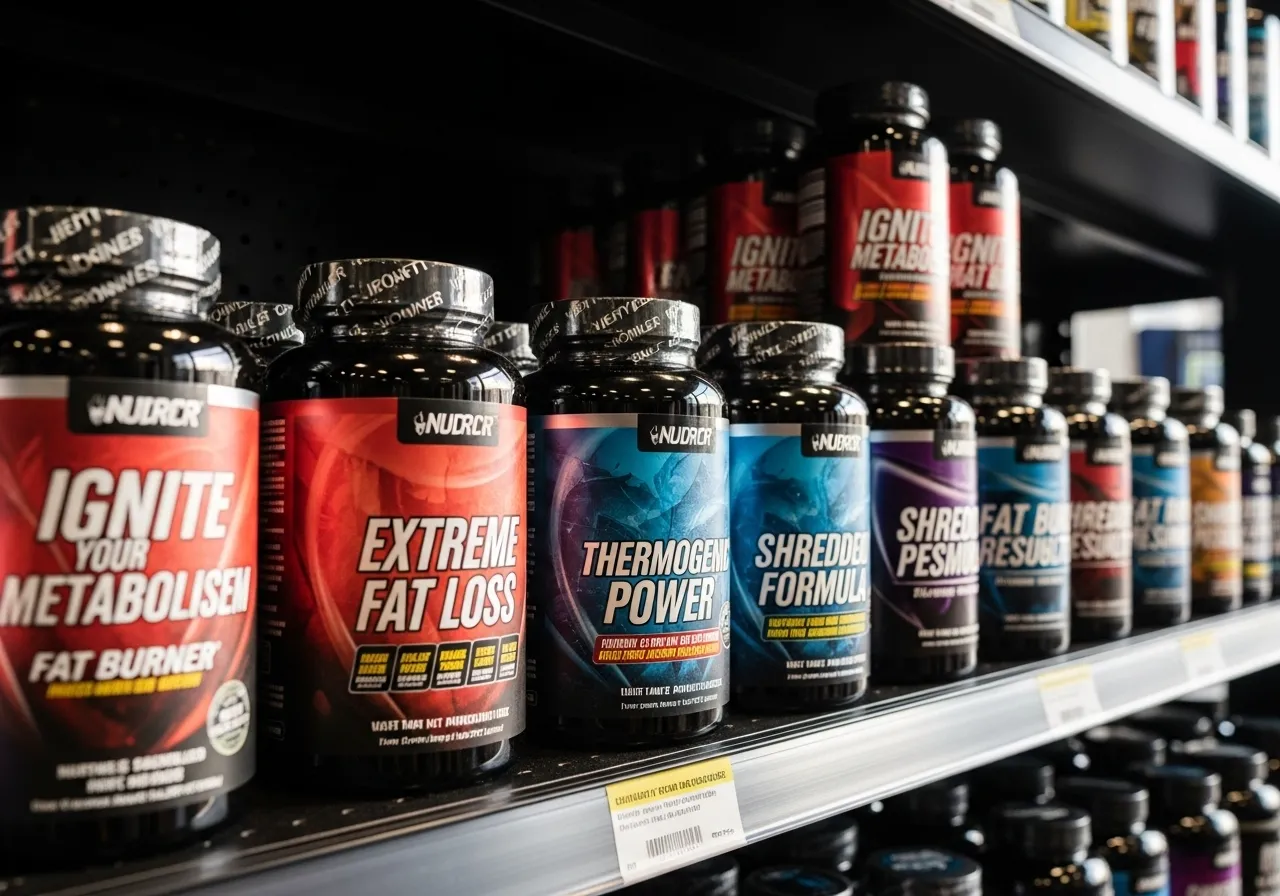
Walk into any supplement store and the fat burner section will assault you with promises: shred fat in 30 days, boost metabolism by 300%, melt away stubborn belly fat while you sleep. The products are usually attractively packaged, aggressively marketed, and priced between $30 and $80 for a month’s supply. They are also, with very few exceptions, substantially ineffective at producing meaningful fat loss beyond what diet and exercise alone achieve — and some are genuinely dangerous. Understanding what these products actually are, as opposed to what they’re sold as, is the starting point for making rational decisions about them.
Fat burners are dietary supplements marketed specifically for fat loss. Unlike pharmaceutical weight loss drugs — which undergo clinical trials, FDA approval, and post-market safety surveillance — dietary supplements are regulated under a much less stringent framework. The Dietary Supplement Health and Education Act of 1994 (DSHEA) does not require supplement manufacturers to prove their products are effective before sale; it only requires that they not make disease claims. This regulatory gap allows products to be sold with dramatic fat loss claims supported by no rigorous evidence, manufactured without consistent quality control, and withdrawn from the market only after adverse events are reported — rather than before the product reaches consumers.
The Marketing Language of Fat Burners
Fat burner marketing uses a vocabulary specifically designed to imply powerful physiological effects without making falsifiable claims that would trigger FDA scrutiny. “Thermogenic” implies raising body temperature and metabolic rate — some ingredients do this modestly; most products’ thermogenic effect is negligible at label doses. “Metabolism booster” implies increasing resting calorie expenditure — the metabolic effects of most fat burner ingredients are so small that they are physiologically inconsequential. “Appetite suppressant” implies meaningful reduction in hunger — some stimulant ingredients reduce appetite slightly; the effect rarely persists more than a few weeks. “Fat oxidizer” implies specifically mobilizing and burning fat stores — a process that happens continuously based on energy balance, independent of any supplement.
These terms are not technically illegal — they describe physiological processes that can technically be attributed to some ingredients at some doses in some studies. But the clinical translation from “this ingredient has a statistically significant thermogenic effect in a controlled lab study” to “this product will meaningfully accelerate your fat loss” is a leap that the evidence does not support. Understanding this gap between the physiological mechanism and the practical outcome is central to evaluating fat burner claims critically.
Categories of Fat Burner Products
Fat burner products fall into several broad categories based on their primary marketing claim and primary ingredients. Stimulant-based fat burners, the most common category, center on caffeine and caffeine-like compounds (synephrine, yohimbine, DMAA in some banned products) that increase heart rate, metabolic rate, and energy expenditure modestly while suppressing appetite through stimulant mechanisms. Non-stimulant fat burners target people who are sensitive to stimulants or who train in the evening — they typically rely on green tea extract, L-carnitine, conjugated linoleic acid (CLA), or raspberry ketones, none of which have meaningful fat loss evidence at supplement doses. Nighttime fat burners claim to burn fat while you sleep through ingredients like melatonin, 5-HTP, and proprietary blends that ostensibly reduce cortisol and increase fat oxidation during sleep — for which essentially no clinical evidence exists.
The Supplement Industry’s Incentive Structure
Understanding why ineffective fat burner products persist in the market despite weak evidence requires understanding the incentive structure of the supplement industry. Unlike pharmaceutical drugs, supplements do not require efficacy proof for market entry. Marketing budgets for major supplement brands routinely exceed research budgets — the investment in convincing people that products work is substantially larger than the investment in determining whether they work. Third-party endorsements from sponsored athletes create social proof that functions as implied efficacy evidence for consumers who don’t scrutinize the underlying science. And the subjective experience of taking a stimulant-based fat burner — increased energy, reduced appetite, elevated mood — creates a genuine felt response that consumers interpret as the product “working,” even when objective fat loss measurement shows no benefit beyond placebo. These incentive structures are not unique to supplements; they are common in industries where consumer knowledge asymmetry allows claims that wouldn’t survive expert scrutiny. The informed consumer’s defense is exactly that: becoming the expert, at least in the specific domain of fat burner products they’re being asked to buy.
The Main Ingredients in Fat Burners: What the Science Says
Rather than evaluating fat burner products as monolithic entities, the most scientifically defensible approach is to evaluate the evidence for each ingredient independently. The same ingredients appear repeatedly across hundreds of products, and the evidence base — or lack of it — for each ingredient is the relevant information for determining whether any product containing it is likely to produce meaningful effects.
Caffeine: The One Ingredient With Real Evidence
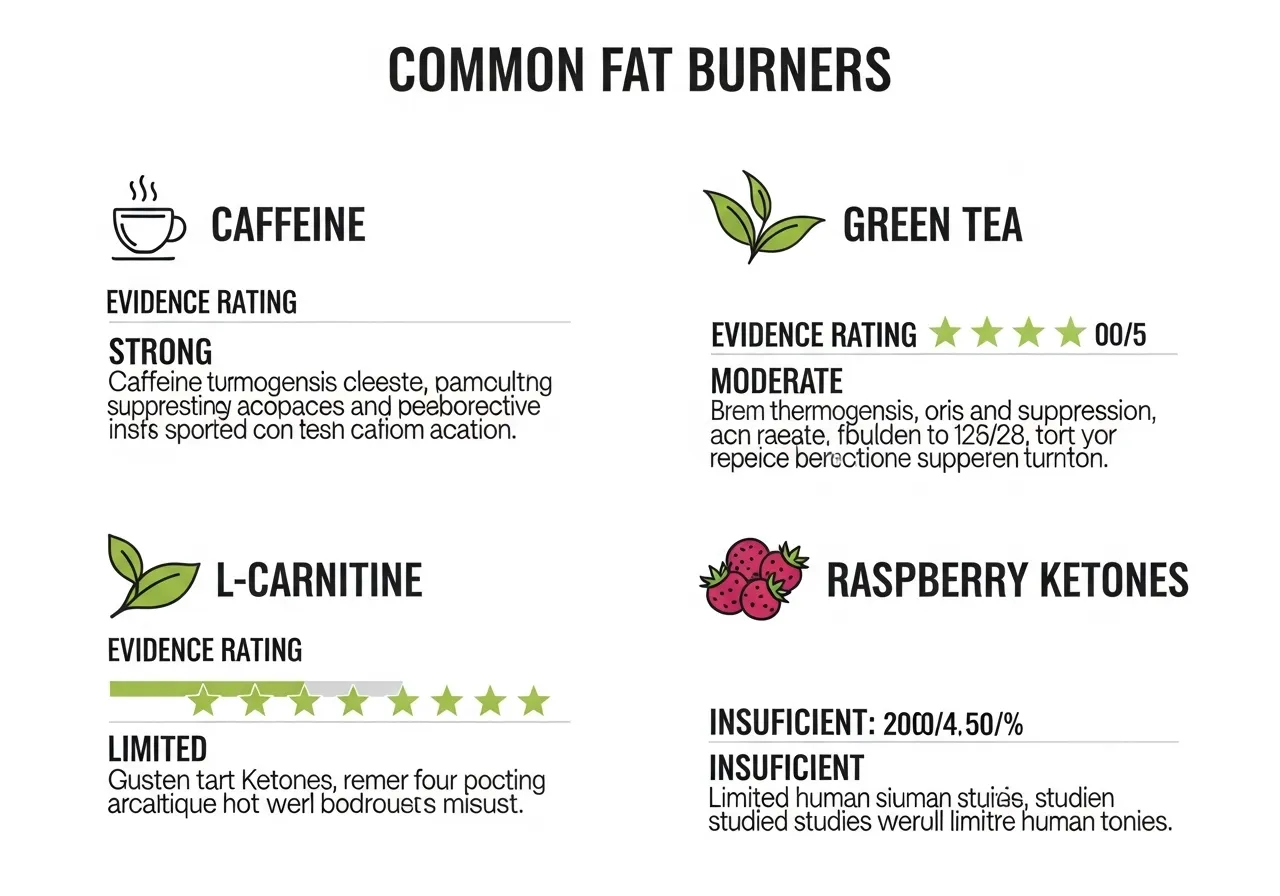
Caffeine is the most evidence-supported ingredient in any fat burner product and the reason that stimulant-based fat burners produce any measurable effect at all. Research consistently shows that caffeine increases resting metabolic rate by 3–11%, temporarily suppresses appetite, and enhances fat oxidation during exercise by increasing free fatty acid mobilization from adipose tissue. A meta-analysis in Obesity Reviews found that caffeine supplementation produces statistically significant weight loss in randomized controlled trials — a rare finding for any supplement ingredient.
However, the practical magnitude of caffeine’s fat loss effect is modest. The typical thermogenic effect of 200–400 mg of caffeine (the dose range used in most fat burner products) amounts to approximately 80–150 additional calories burned over 24 hours — the equivalent of a 10–15 minute light walk. This is real but small — certainly not the dramatic transformation that fat burner marketing implies. Caffeine tolerance also develops within 1–2 weeks of regular use, substantially reducing the metabolic and thermogenic effects that new users experience. And caffeine is available cheaply in coffee, tea, and pure caffeine powder at a tiny fraction of the cost of fat burner products — if caffeine’s modest metabolic effect is what you’re seeking, there is no reason to purchase it as part of an expensive proprietary blend.
Green Tea Extract: Modest Evidence, Exaggerated Claims
Green tea extract — concentrated EGCG (epigallocatechin gallate) and catechins from green tea — has a legitimate but modest evidence base for fat loss. Research suggests that green tea catechins combined with caffeine produce a small additional thermogenic effect beyond caffeine alone, primarily through catechin-mediated inhibition of catechol-O-methyltransferase (COMT), an enzyme that breaks down norepinephrine. By slowing norepinephrine breakdown, catechins extend the sympathetic nervous system activation that drives thermogenesis. The practical effect of this mechanism is small — studies showing meaningful green tea fat loss effects typically use high doses (800–1,000 mg EGCG daily) that substantially exceed most fat burner product doses. Green tea consumed as a beverage provides significantly less EGCG than therapeutic doses studied in research.
Green tea extract is also associated with hepatotoxicity (liver damage) at high doses — multiple case reports of acute liver injury from green tea extract supplements have been documented, and the NIH LiverTox database lists green tea extract as a rare cause of clinically apparent liver injury. The risk is low at typical supplement doses but increases with concentrated extract products, making awareness of the liver toxicity signal important for anyone considering products with high EGCG content.
L-Carnitine: The Most Overhyped Ingredient in Fat Loss Supplements
L-carnitine is an amino acid derivative involved in transporting long-chain fatty acids into the mitochondria for beta-oxidation (fat burning). The theoretical mechanism — increase carnitine, increase fat transport into mitochondria, burn more fat — sounds compelling. The clinical evidence is not. Multiple well-controlled randomized trials have shown that L-carnitine supplementation does not meaningfully increase fat oxidation in well-nourished individuals, because carnitine is not the rate-limiting factor in fat oxidation under normal nutritional conditions. The mitochondrial transport capacity is not limited by carnitine availability — it’s limited by the enzyme systems and energy demand that determine how much fat the mitochondria are actually called upon to oxidize.
Raspberry Ketones, CLA, and Garcinia Cambogia
These three ingredients appear frequently in fat burner products and share a common evidence profile: animal or cell study data showing some effect on fat metabolism, and human clinical trial data showing no meaningful fat loss in well-designed studies. Raspberry ketones — isolated from raspberries and structurally similar to synephrine — showed fat mobilization effects in rodent studies at doses that would require consuming 90 pounds of raspberries daily to replicate in humans. At supplement doses, no human fat loss evidence exists. Conjugated linoleic acid (CLA) has multiple randomized controlled trials showing minimal to no statistically significant fat loss in humans, despite promising animal data. Garcinia cambogia, once heavily marketed by celebrity doctors, has been investigated in multiple meta-analyses and consistently shows no meaningful fat loss benefit over placebo. These ingredients are included in fat burner products because they have theoretical mechanisms that make good marketing copy, not because they have demonstrated efficacy in humans.
Yohimbine: Modest Evidence With Real Safety Concerns
Yohimbine, derived from the bark of the Pausinystalia yohimbe tree, is an alpha-2 adrenergic receptor antagonist that theoretically enhances fat mobilization from adipose tissue — particularly “stubborn” fat areas with high alpha-2 receptor density, like the lower abdomen and thighs in men. Some research supports a modest fat loss effect, particularly during fasted exercise. However, yohimbine also produces significant cardiovascular stimulation — elevated heart rate, blood pressure, and anxiety — that is contraindicated in people with hypertension, cardiac conditions, anxiety disorders, or those taking medications with cardiovascular effects. The safety profile of yohimbine makes it inappropriate for inclusion in proprietary blends where the dose is obscured, and it is one of the ingredients most associated with adverse events in FDA supplement safety reporting. Any product containing yohimbine should be approached with caution and medical review if cardiovascular or psychiatric risk factors are present.

Do Fat Burners Work? An Honest Look at the Evidence
After examining individual ingredients, the overarching question deserves a direct answer: do fat burner supplements produce meaningful fat loss? The honest evidence-based answer is: very rarely, very modestly, and only under conditions that most users don’t meet — and caffeine (which you can obtain cheaply from coffee) accounts for essentially all of the modest effect that exists.
What the Clinical Trial Literature Shows
Systematic reviews and meta-analyses of fat burner supplements — the highest level of evidence in clinical research — consistently reach similar conclusions. A 2019 systematic review published in the British Journal of Clinical Pharmacology examined the evidence for commercially available weight loss supplements and found that the vast majority had no high-quality human evidence supporting efficacy, that the few with positive evidence showed only small effects (typically 1–3 lbs over 12 weeks compared to placebo), and that the industry heavily invested in low-quality studies designed to show positive results rather than rigorous trials designed to detect true effects.
The critical methodological issue in fat burner research is the placebo effect and the confounding from lifestyle changes. When people begin a fat burner program, they also typically increase their health consciousness — eating slightly better, exercising slightly more, paying more attention to their body. These behavioral changes produce real fat loss that gets attributed to the supplement. Rigorous placebo-controlled trials that isolate the supplement effect from behavioral changes consistently find that the supplement’s independent contribution to fat loss is negligible.
The Caloric Math Problem
Even accepting the most generous estimates of fat burner thermogenic effects — a 5% increase in resting metabolic rate from a combination of caffeine, green tea, and other stimulant ingredients — the caloric math reveals the fundamental problem with relying on fat burners for fat loss. A 5% increase in resting metabolic rate for someone with a 1,800 calorie RMR adds approximately 90 calories per day to expenditure. Creating a meaningful fat loss of 1 lb per week requires a 500 calorie daily deficit. Fat burners at their theoretical maximum provide 90 of those 500 calories — less than 20% of what a meaningful deficit requires. The other 80%+ must come from diet and exercise modifications that the fat burner user must make independently of any supplement effect.
This caloric math makes it clear that fat burners are, at absolute best, a minor adjunct to diet and exercise — not a primary fat loss strategy. The marketing framing that positions them as the tool that makes fat loss achievable without substantial lifestyle change is not supported by the mathematical reality of energy balance. People who lose meaningful fat while taking fat burners almost invariably succeed because of the diet and lifestyle changes they make alongside the supplement, not because of the supplement itself.
Why Anecdotal Success Stories Are Misleading
The most persuasive evidence for fat burners in consumer culture is not clinical trials — it’s before-and-after photos and testimonials. These are strategically selected by supplement companies for the most dramatic transformations, often with lighting, posture, hydration, and timing manipulation that makes the results appear more dramatic than they are. They also universally involve people who simultaneously changed their diet and exercise during the supplement period — meaning any fat loss success is almost certainly attributable to the lifestyle changes, not the product.
The cognitive bias of causal attribution — the human tendency to attribute an outcome to the most salient change in one’s behavior rather than systematically evaluating all contributing factors — makes fat burners appear to “work” for many people who use them. They start a fat burner, they also start eating slightly better and going to the gym more, they lose 10 pounds over 8 weeks, and they attribute the success to the fat burner rather than to the 200 fewer daily calories and 3 weekly gym sessions. The fat burner gets credit for the lifestyle change — which is exactly what the supplement marketing is designed to produce, and which no clinical trial methodology can replicate.
The Meaningful Exception: Trained, Lean Athletes
There is a narrow population for whom fat burner ingredients produce effects that somewhat justify consideration: trained, already-lean athletes trying to lose the last few percentage points of body fat (moving from 12% to 8% body fat, for example) who have optimized diet and exercise and are looking for marginal additional support. In this population, caffeine’s metabolic effect, yohimbine’s alpha-2 antagonism during fasted training, and the slight thermogenic effect of high-dose green tea catechins produce small but potentially meaningful effects that accumulate over weeks of use. This is not the population fat burners are primarily marketed to — and even for this population, the effects are modest and the cost-benefit calculation must account for the side effects and safety considerations of the ingredients involved.
The Real Risks: Side Effects, Interactions, and Dangerous Products
Beyond the question of efficacy, the safety profile of fat burner supplements deserves serious attention. The regulatory framework for supplements does not require pre-market safety proof, manufacturing quality control, or consistent labeling accuracy — creating conditions where dangerous products can reach consumers, remain on shelves, and cause harm before regulatory action occurs. Understanding the actual risk landscape is essential for anyone considering fat burner use.
Common Side Effects of Stimulant Fat Burners
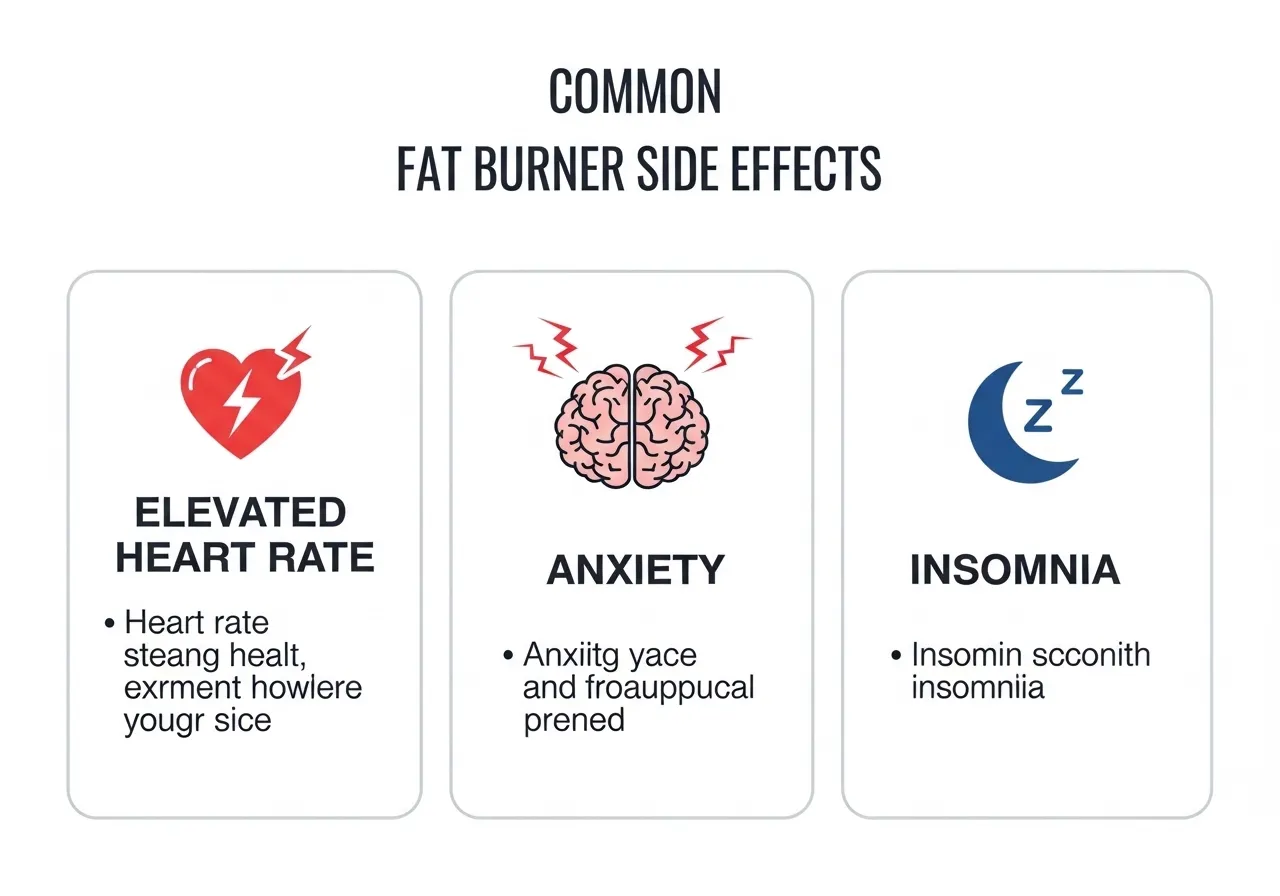
The most common side effects of stimulant-based fat burners reflect the cardiovascular and nervous system stimulation that their active ingredients produce. Elevated heart rate (tachycardia) and elevated blood pressure are the most frequent cardiovascular effects — in healthy individuals with no pre-existing cardiovascular conditions, these effects are generally tolerable and transient. In individuals with hypertension, arrhythmias, heart disease, or anxiety disorders, the same cardiovascular stimulation can precipitate serious adverse events. Insomnia is extremely common with stimulant fat burners — a paradoxical problem, since sleep deprivation impairs fat loss by elevating cortisol and reducing growth hormone secretion. Taking a fat burner that disrupts sleep is likely to impair the very process it’s marketed to accelerate.
Gastrointestinal side effects — nausea, diarrhea, cramping — affect a significant minority of fat burner users, particularly with products containing high doses of green tea extract, capsaicin, or multiple stimulant compounds. Anxiety, irritability, and mood disruption are common with high-dose caffeine and yohimbine combinations. Headaches, particularly during the withdrawal phase when tolerance has developed and the product is discontinued, are reported frequently. These side effects are not unique to “dangerous” products — they are common experiences with mainstream, legally sold stimulant fat burners at label-recommended doses.
Dangerous Ingredients and Banned Products
The fat burner market has a history of genuinely dangerous ingredients that were widely used before regulatory action removed them. DMAA (1,3-dimethylamylamine), marketed as a geranium extract derivative but actually a synthetic amphetamine-like compound, was associated with multiple fatalities and cardiac events before the FDA took enforcement action. DNP (2,4-dinitrophenol), technically illegal as a supplement but still sold underground, is one of the most dangerous weight loss compounds known — it uncouples mitochondrial ATP production, producing massive thermogenic effects alongside risk of fatal hyperthermia, metabolic acidosis, and cardiac arrest. Multiple deaths from DNP-containing products are documented annually. BMPEA (beta-methylphenylethylamine), found in products marketed as Acacia rigidula extract, is a synthetic amphetamine analog that appeared in multiple tested supplements without label disclosure.
These are not isolated incidents from a pre-regulatory era — they represent an ongoing pattern in the supplement industry where novel stimulant compounds are introduced, marketed aggressively, associated with adverse events, and eventually removed — often years after the first safety signals appear. The FDA’s adverse event reporting system for supplements (CFSAN Adverse Event Reporting System, CAERS) documents thousands of annual adverse events from weight loss supplements. The true incidence is likely far higher, as adverse event reporting for supplements is voluntary and substantially underreported.
Drug Interactions
Fat burner supplements interact with numerous prescription and over-the-counter medications in ways that can produce serious adverse effects. MAO inhibitors (used for depression and Parkinson’s disease) interact dangerously with many stimulant compounds, potentially producing hypertensive crisis. Anticoagulants (warfarin, aspirin) interact with vitamin K-related ingredients and some herbal extracts in ways that alter bleeding risk. Thyroid medications interact with iodine-containing supplements and some stimulants in ways that alter thyroid hormone levels. Antidepressants (SSRIs, SNRIs) interact with yohimbine and some stimulant compounds in ways that can produce serotonin syndrome. Anyone taking prescription medications should consult a physician or pharmacist before using any fat burner supplement, and the increasingly complex ingredient profiles of proprietary blend products make these interactions difficult to identify without professional pharmacological review.
Quality Control and Label Accuracy Issues
Third-party testing of commercially available supplement products consistently finds significant discrepancies between label claims and actual contents. A study published in JAMA Internal Medicine found that a significant proportion of weight loss supplements tested contained unlisted ingredients — including controlled substances and pharmaceutical compounds — that were not disclosed on the label. The same testing revealed that many products contained substantially less of the active ingredients listed than label claims, and some contained more — creating dosing uncertainty that is irrelevant for ineffective ingredients but clinically significant for ingredients with dose-dependent safety concerns.
Third-party certification programs — NSF Certified for Sport, Informed Choice, USP Verified — provide meaningful assurance of label accuracy and freedom from banned substances, but most fat burner products on the market do not carry these certifications. The absence of third-party verification means that consumers cannot reliably know what they’re actually taking at what dose — a fundamental problem for any safety or efficacy evaluation.
What Actually Burns Fat: The Evidence-Based Alternatives
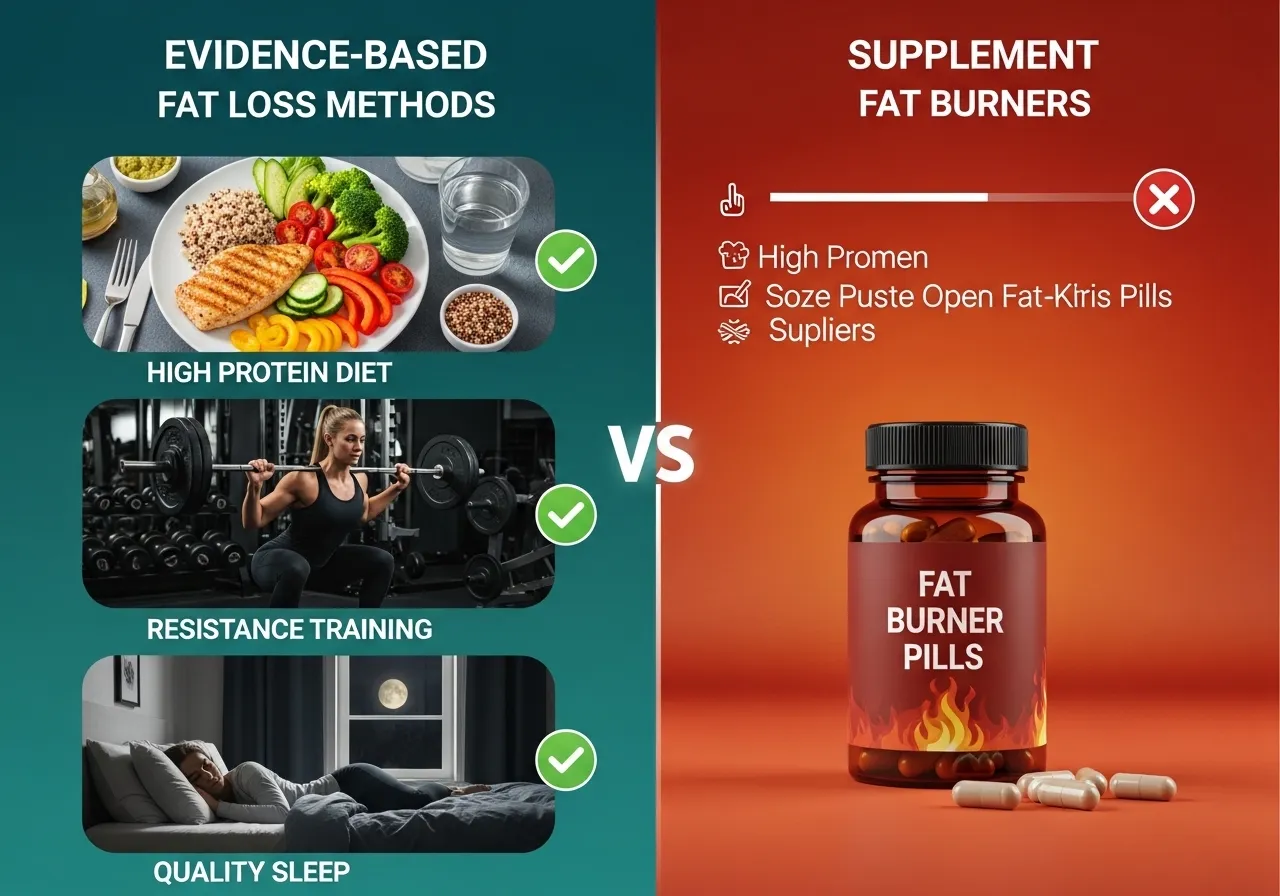
If fat burner supplements are largely ineffective for producing meaningful fat loss, what does the evidence actually support for fat loss? The answer is simultaneously disappointing and empowering: the interventions with the strongest evidence are also the least commercially interesting — caloric deficit, resistance training, sleep, and dietary protein. These don’t generate supplement industry revenue, but they produce fat loss outcomes that no supplement can replicate.
Caloric Deficit: The Non-Negotiable Foundation
Fat loss requires a sustained caloric deficit — consuming fewer calories than the body expends, forcing it to mobilize stored energy (primarily fat) to meet the shortfall. This is not a hypothesis or a theory; it is a thermodynamic reality supported by every well-controlled study of fat loss ever conducted. The magnitude of the deficit determines the rate of fat loss: a 500-calorie daily deficit produces approximately 1 lb of fat loss per week; a 1,000-calorie deficit produces approximately 2 lbs per week (the practical maximum for most people before muscle loss becomes significant). No supplement can substitute for this caloric deficit — it is the primary driver of fat loss, period. The best evidence-based approach to creating a sustainable caloric deficit: tracking food intake for 2–4 weeks to establish a reliable baseline, identifying high-calorie, low-satiety foods that can be reduced or replaced, and building a deficit primarily through dietary changes rather than exercise (exercise burns fewer calories than most people think, and compensatory appetite increases substantially reduce the net caloric benefit of exercise-only deficit strategies).
Resistance Training: The Metabolic Game-Changer
Resistance training contributes to fat loss through mechanisms that are far more impactful than any thermogenic supplement. First, muscle tissue is metabolically active — each pound of muscle burns approximately 6 additional calories per day at rest. Building 5 lbs of muscle over 6 months of training adds 30 additional daily calories burned — modest in isolation but permanent and compounding. Second, resistance training produces elevated post-exercise oxygen consumption (EPOC) — the “afterburn effect” — for 12–24 hours following heavy sessions, increasing total daily energy expenditure. Third, maintaining muscle mass during a caloric deficit is critical for preserving metabolic rate — people who lose weight without resistance training lose a significant proportion of their weight as muscle, which lowers metabolic rate and makes maintaining the new weight harder. Resistance training during a deficit preserves muscle mass, maintaining metabolic rate and producing a leaner body composition than deficit without resistance training achieves.
Dietary Protein: The Most Effective “Fat Loss Supplement” Available
High dietary protein is consistently the single most evidence-supported nutritional strategy for fat loss — more so than any fat burner ingredient studied. Protein has the highest thermic effect of food of any macronutrient — approximately 25–30% of protein calories are burned in digestion and absorption, compared to 5–10% for carbohydrates and 0–3% for fat. A diet providing 150 grams of protein per day burns approximately 150–180 additional calories in thermogenesis — far more than any supplement thermogenic effect. Protein also produces the greatest satiety per calorie of any macronutrient, reducing total caloric intake through improved appetite management. And adequate protein intake during a caloric deficit preserves lean mass, maintaining metabolic rate and improving body composition outcomes compared to deficit with insufficient protein.
Research by Layne Norton and colleagues on protein and fat loss has documented that high-protein diets (1.8–2.7 g/kg) during a caloric deficit produce superior fat loss outcomes, better muscle retention, greater satiety, and higher adherence rates compared to lower-protein diets at the same caloric intake. If there is a single “supplement” that demonstrably enhances fat loss in the way that fat burner marketing claims, it is protein — and it can be obtained from whole foods at a fraction of the cost of any proprietary fat burner blend.
Sleep Optimization: The Free Fat Loss Intervention
Chronic sleep restriction below 7 hours per night is independently associated with greater fat gain and reduced fat loss even in caloric deficit conditions. The mechanisms are multiple: sleep deprivation elevates ghrelin (hunger hormone) and reduces leptin (satiety hormone), directly increasing appetite and caloric intake; it elevates cortisol, which promotes fat storage particularly in visceral adipose tissue; it reduces insulin sensitivity, impairing carbohydrate metabolism; and it reduces the anabolic hormone environment (growth hormone, testosterone) that preserves muscle mass during a deficit. Improving sleep from 6 hours to 8 hours per night can produce fat loss outcomes equivalent to adding a weekly training session — and costs nothing except behavioral prioritization of sleep.
Stress Management and Its Fat Loss Impact
Chronic psychological stress elevates cortisol, promotes visceral fat accumulation, increases cravings for calorie-dense foods through cortisol-mediated changes in reward processing, and impairs sleep quality. The relationship between stress and fat gain is bidirectional — stress promotes fat gain, and fat gain (particularly visceral fat) promotes inflammatory signaling that further elevates cortisol. Stress management interventions — exercise, mindfulness, social connection, adequate leisure — address this cycle at its root rather than attempting to override it with stimulant supplements that add additional cortisol-elevating physiological stress to an already-stressed system. For many people, reducing chronic stress produces fat loss improvements that no dietary or supplementation change has achieved, by removing the hormonal environment that promotes fat storage regardless of caloric intake.

How to Make Smart Decisions About Supplements and Fat Loss
The goal of this section is not to create a blanket anti-supplement position — some supplements have genuine utility in specific contexts — but to provide a decision framework that allows informed evaluation of fat loss supplement claims without the cognitive biases and information asymmetries that supplement marketing exploits.
The Evidence Hierarchy for Evaluating Supplement Claims
Not all evidence is equal, and supplement marketing exploits the fact that most consumers don’t have the scientific literacy to distinguish between study types. The evidence hierarchy for evaluating any health claim, including fat burner supplement efficacy: systematic reviews and meta-analyses of randomized controlled trials represent the strongest evidence; single randomized controlled trials with adequate sample size and blinding represent strong evidence; observational human studies (cohort, case-control) represent moderate evidence; animal studies represent weak and often non-translatable evidence; mechanistic cell studies represent very weak evidence for human outcomes; and anecdotal reports and testimonials represent essentially no scientific evidence. Fat burner claims almost universally rest on the bottom of this hierarchy — animal studies, mechanistic rationales, and testimonials — while the clinical trial evidence at the top typically shows no meaningful effect.
When evaluating a specific product claim, ask: what is the highest quality evidence available for this ingredient in humans? Is that evidence from independent research or industry-funded studies? Has the effect been replicated across multiple independent research groups? What is the effect size in clinical terms, not statistical significance? An ingredient that shows “statistically significant” fat loss in one small industry-funded trial may be producing 0.5 lbs of fat loss over 8 weeks — technically real but practically meaningless.
The Cost-Benefit Analysis Every Fat Burner Consumer Should Do
Before purchasing any fat burner product, a rational cost-benefit analysis requires honestly answering: What is the realistic, evidence-based magnitude of the fat loss benefit (not the marketing claim)? What are the potential side effects and safety risks? What is the financial cost, and how does it compare to investing the same money in food quality, gym membership, or sleep optimization? Is there a cheaper source of the active ingredient (caffeine in coffee, protein in food) that would produce the same effect at a fraction of the cost?
For most commercially available fat burner products, this analysis produces a clear conclusion: the evidence-based benefit is small to negligible, the safety profile has real concerns, the financial cost is substantial, and cheaper alternatives (black coffee, high-protein food, consistent sleep) produce equal or greater benefits. This conclusion is uncomfortable for supplement industry revenue but is directly supported by the available evidence. The rational consumer who performs this analysis typically concludes that fat burner supplements are a poor allocation of limited resources for most people in most circumstances.
If You Choose to Use a Fat Burner: Harm Reduction
For individuals who decide to use fat burner supplements despite the evidence limitations, harm reduction practices reduce risk without requiring complete abstinence. Choose products with third-party certification (NSF Certified for Sport, Informed Choice) that verify ingredient accuracy and freedom from undisclosed substances. Avoid proprietary blends that don’t disclose individual ingredient doses — these prevent dosing assessment and make interaction risk evaluation impossible. Start with a half dose to assess personal tolerance before using the full label dose. Avoid products containing DMAA, BMPEA, or any ingredient with FDA warning letters or import alerts. Do not combine fat burners with other stimulant products (pre-workouts, energy drinks, concentrated caffeine). Consult a physician before use if you have any cardiovascular, psychiatric, or metabolic health conditions or take any prescription medications.
Building a Supplement Strategy Based on Evidence
The supplements with the strongest evidence for supporting body composition improvement are not marketed as fat burners. Protein powder — not a fat burner, but the highest-evidence supplement for fat loss through protein’s thermic effect, satiety, and muscle preservation effects. Creatine monohydrate — the most extensively researched supplement for performance and body composition, producing lean mass improvements that favorably alter body composition independent of fat loss. Vitamin D — widespread deficiency is associated with impaired fat metabolism and hormonal function; correction of deficiency improves the metabolic environment for fat loss. These supplements are unsexy, inexpensive, and well-studied — the opposite profile from marketed fat burners, and the ones that a dispassionate review of the evidence would recommend for body composition goals.
Frequently Asked Questions About Fat Burners
Are any fat burners FDA-approved? No dietary supplement fat burners are FDA-approved for weight loss. There are FDA-approved prescription weight loss medications (orlistat, phentermine-topiramate, naltrexone-bupropion, liraglutide, semaglutide) that have demonstrated efficacy in clinical trials, but these are pharmaceutical drugs with clinical oversight requirements, not supplements available over the counter. The distinction is significant: FDA-approved drugs have proven efficacy and characterized safety profiles; supplement fat burners have neither.
What about thermogenic teas and “detox” products? Thermogenic teas typically contain caffeine and green tea catechins — the same ingredients discussed in this article — in concentrations that produce the same modest, caffeine-driven metabolic effects. “Detox” products for fat loss are without scientific basis: the body’s liver and kidneys perform detoxification continuously and do not require supplement support. No supplement “detox” product has demonstrated fat loss efficacy in clinical research, and the concept of “toxin accumulation” that these products claim to address is not supported by current physiology.
Can I trust influencer reviews of fat burners? Influencer reviews of supplement products are almost always financially incentivized — either through direct payment, free products, or commission-based affiliate arrangements. This financial incentive creates a systematic bias toward positive reviews. Influencer endorsement of a fat burner product provides zero information about its efficacy and should be entirely discounted in any rational evaluation. The relevant information sources are independent peer-reviewed research and systematic reviews published in academic journals — not social media content created by people financially dependent on positive supplement coverage.