How Long Should You Rest After an Injury?
⚠️ Disclaimer: The information in this article is for general educational purposes only and does not constitute medical, nutritional, or professional fitness advice. Individual results may vary. Always consult a qualified healthcare professional or certified fitness trainer before starting any new exercise program, changing your diet, or making decisions about injury treatment or recovery. If you experience pain, discomfort, or any unusual symptoms during exercise, stop immediately and seek professional guidance.
Why Rest Duration After Injury Is More Science Than Guesswork
One of the most common questions athletes and gym-goers ask after getting injured is simple: how long do I have to rest? The frustrating reality is that the answer varies enormously based on injury type, severity, location, individual healing capacity, and whether the injury is being managed well. But “it depends” is not a complete answer — there is substantial science behind tissue healing timelines that makes rest duration far more predictable than most people realize.
The two most common approaches to post-injury rest duration both lead to suboptimal outcomes. The first is resting too little — returning to training as soon as pain subsides, without allowing the tissue to complete its healing process. Pain reduction and tissue healing are not the same thing; pain receptors can calm down before the structural repair of injured tissue is complete, creating a false signal of readiness. Returning to training on partially healed tissue is one of the most reliable ways to re-injure yourself, often causing more significant damage than the original injury.
The second common error is resting too long — remaining completely inactive well beyond the period necessary for tissue healing. Prolonged complete rest is now understood to be actively counterproductive for most musculoskeletal injuries. Research published in the British Journal of Sports Medicine has established that controlled loading of healing tissue during recovery — within appropriate limits — stimulates more organized collagen deposition, better-aligned fiber structure, and ultimately stronger tissue than complete immobilization produces. Rest when necessary; move when possible.
The optimal approach — now called “relative rest with progressive loading” in sports medicine — involves reducing or eliminating the activities that caused or aggravate the injury while maintaining all feasible movement and loading within pain-free ranges. This approach requires understanding what the healing tissue needs at each phase of recovery, which is what the following sections provide.
I’ve made both errors. After a knee injury from running, I returned too quickly because the pain had subsided, re-injured the same tissue, and added six weeks to my recovery. Years later, after a muscle strain, I rested completely for three weeks out of excessive caution, losing significant fitness unnecessarily and experiencing a difficult reconditioning period. The lesson from both experiences: understanding the tissue healing process is the most valuable knowledge an active person can have.
The goal of this article is to give you the framework to make informed decisions about post-injury rest rather than relying on either guesswork or unnecessarily conservative guidance that prioritizes caution over optimal recovery.
Understanding the Phases of Tissue Healing and Their Timelines
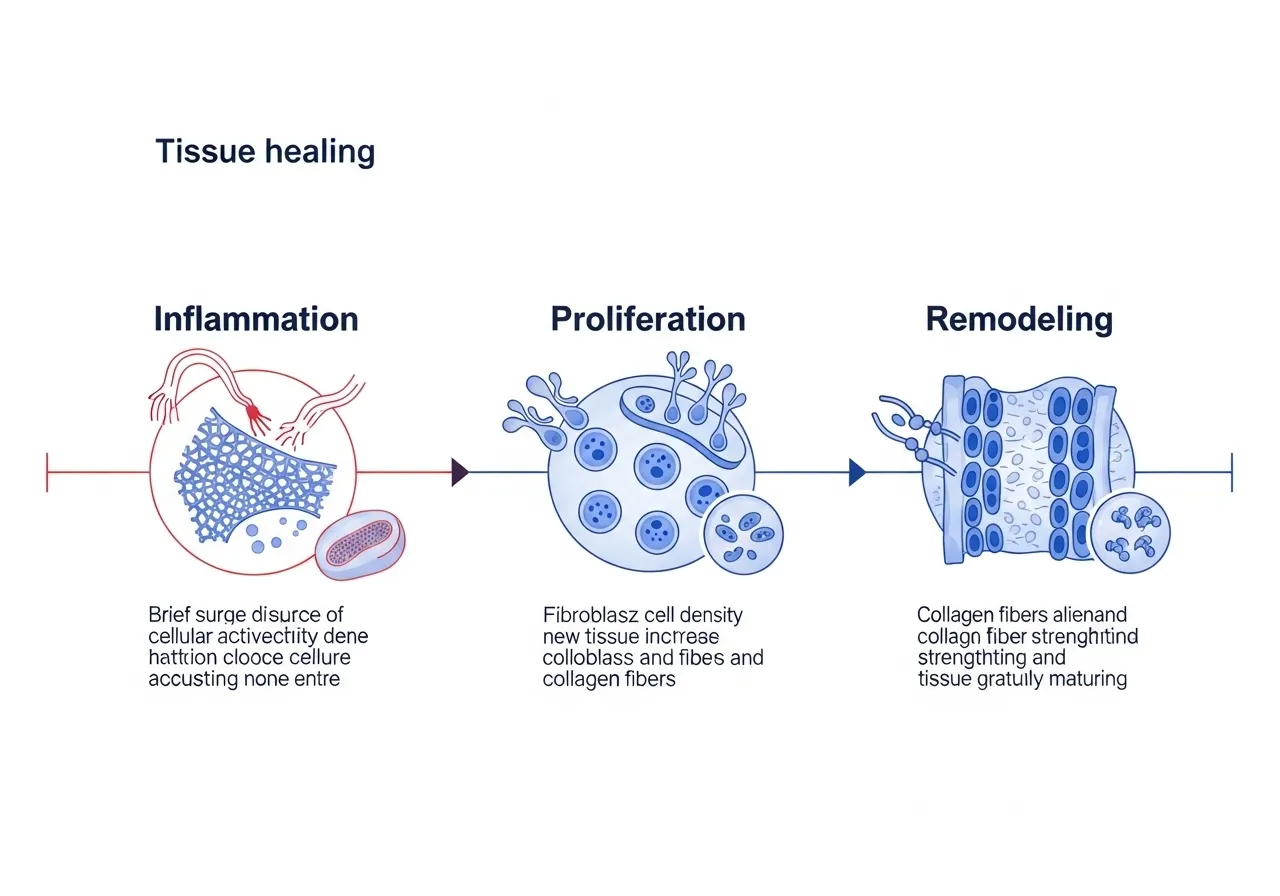
All musculoskeletal tissue — muscle, tendon, ligament, cartilage, and bone — heals through a broadly similar three-phase process: inflammation, proliferation, and remodeling. Understanding these phases and their timelines is the foundation of intelligent return-to-sport decision-making.
Phase 1: Inflammation (Days 0–5)
Immediately following injury, the inflammatory response is initiated. Blood vessels dilate, immune cells flood the injury site, and the characteristic signs of inflammation appear: pain, heat, redness, swelling, and loss of function. This phase, while uncomfortable, is biologically essential — it clears cellular debris, initiates the healing process, and signals the proliferative phase to begin. Suppressing inflammation excessively with NSAIDs or ice during this phase may impair healing quality, though evidence on this is nuanced. During this phase, the priority is protection: avoiding activities that cause pain or further tissue disruption. PRICE (Protection, Rest, Ice, Compression, Elevation) principles apply.
Phase 2: Proliferation (Days 5–21)
The proliferative phase involves active tissue repair. Fibroblasts migrate to the injury site and begin depositing collagen — the structural protein that forms the scaffold of connective tissue. The new collagen initially has a disorganized, woven structure that provides some tensile strength but is inferior to the organized, parallel fiber structure of healthy tissue. During this phase, controlled movement and loading of the healing tissue within pain-free ranges stimulates more organized collagen alignment. Complete immobilization during proliferation produces weaker, more disorganized scar tissue. The treatment principle: move what you can, load what doesn’t hurt.
Phase 3: Remodeling (Weeks 3 – 12+ months)
The remodeling phase is the longest and most underappreciated. The disorganized collagen deposited during proliferation is progressively replaced by more organized, stronger tissue aligned along lines of mechanical stress. This process takes months — not weeks — and the tissue doesn’t reach full mechanical strength until remodeling is complete. Research from the Journal of Orthopaedic and Sports Physical Therapy shows that even after pain has completely resolved and normal function has returned, tissue may be at only 60–80% of its original strength. This is the phase where re-injury is most common, because patients feel fully recovered while the tissue is still completing its structural reorganization.
Different tissue types have different healing timelines within this framework. Muscle heals relatively quickly — minor muscle strains typically progress through all three phases in 2–6 weeks. Tendons heal more slowly due to their poor blood supply, with significant injuries requiring 3–6 months or longer. Ligaments have variable timelines depending on location and severity. Bone heals at a rate determined by fracture severity and location but typically requires 6–8 weeks for significant structural repair, with full remodeling taking 6–12 months.
Rest Time by Injury Type: A Practical Reference Guide
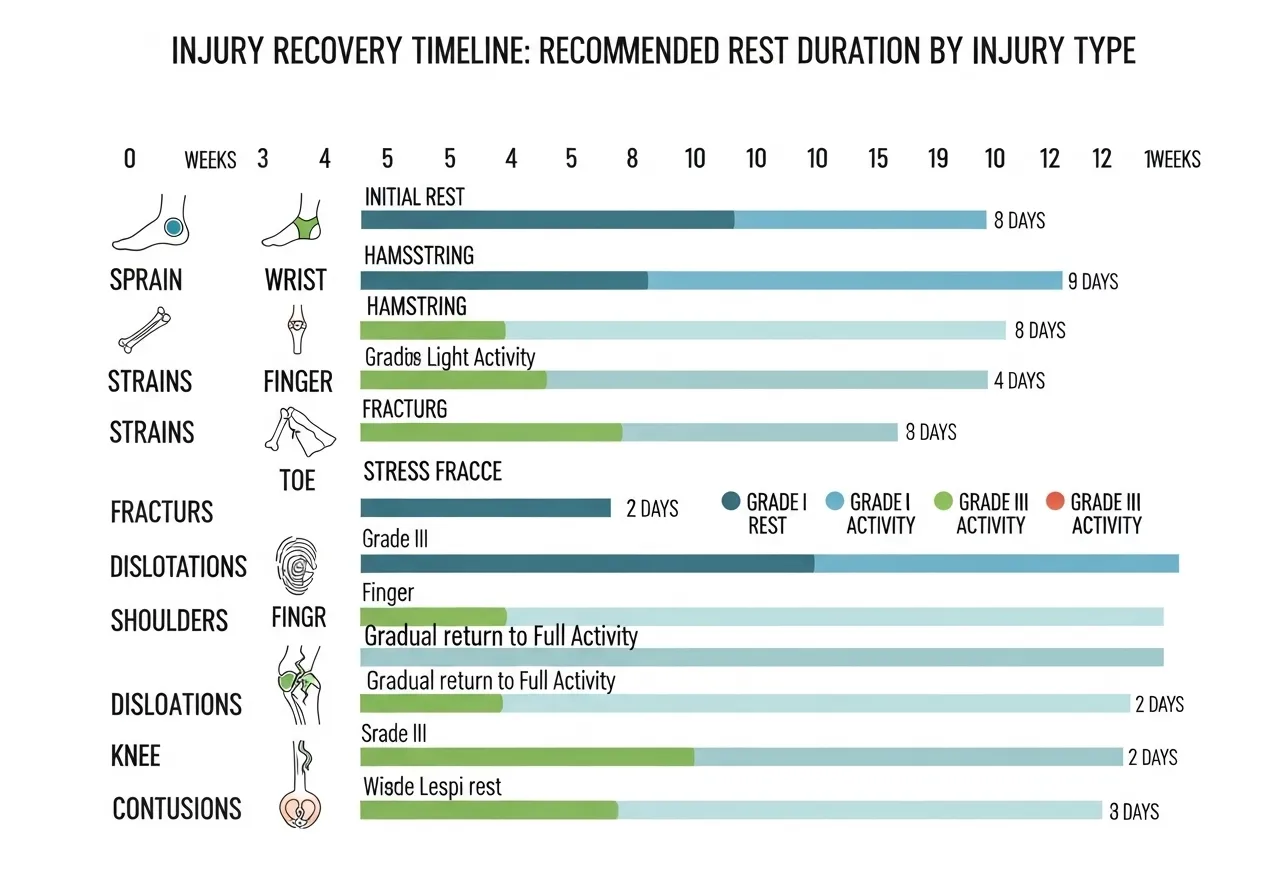
The following timelines are evidence-based approximations for common sports and exercise injuries. Individual variation, injury severity, and management quality all affect actual recovery times. These ranges assume appropriate conservative management — relative rest, progressive loading, and rehabilitation exercises. Medical evaluation is warranted for any injury that is severe, doesn’t improve as expected, or involves significant swelling, bruising, or loss of function.
Muscle Strains
Grade 1 (minor tear, minimal strength loss): 1–3 weeks return to full activity. Grade 2 (partial tear, moderate strength loss): 3–6 weeks return to full activity, with 1–3 weeks of complete rest from aggravating activities followed by progressive loading. Grade 3 (complete rupture): Weeks to months depending on location and whether surgical repair is required; requires medical management.
Ligament Sprains
Grade 1 ankle sprain: 1–2 weeks with functional rehabilitation. Grade 2 ankle sprain: 2–6 weeks. Grade 3 ankle sprain (complete rupture): 6–12 weeks for conservative management, potentially longer if surgical reconstruction is required. Knee ligament injuries vary dramatically — ACL reconstruction recovery is typically 9–12 months, while minor MCL sprains may resolve in 2–4 weeks.
Tendinopathies (Overuse Tendon Injuries)
Patellar tendinopathy (jumper’s knee): 3–6 months of rehabilitation for chronic cases, with return to full activity depending on symptom response to progressive loading. Achilles tendinopathy: Similarly 3–6 months. These injuries are particularly slow to resolve and require patience with a progressive tendon loading program. The research of Alfredson and colleagues established eccentric loading protocols as the most effective non-surgical treatment.
Stress Fractures
Tibial stress fractures: 6–8 weeks of non-weight-bearing or reduced loading. Metatarsal stress fractures: 4–8 weeks depending on location and severity. Return to running is typically gradual over an additional 4–6 weeks after the pain-free period. Medical imaging (MRI or bone scan) is required for definitive diagnosis and management guidance.
Rotator Cuff Strains
Minor rotator cuff strains: 2–4 weeks of modified training with rehabilitation exercises. Significant tears: 3–6 months of conservative management; complete tears may require surgical repair with 6–12 month recovery.
Lower Back Strains
Acute lumbar muscle strain: Most resolve within 2–4 weeks with relative rest and gradual return to activity. Disc-related back pain has more variable timelines — acute episodes often resolve in 4–8 weeks, but recurrence is common without addressing the contributing factors.
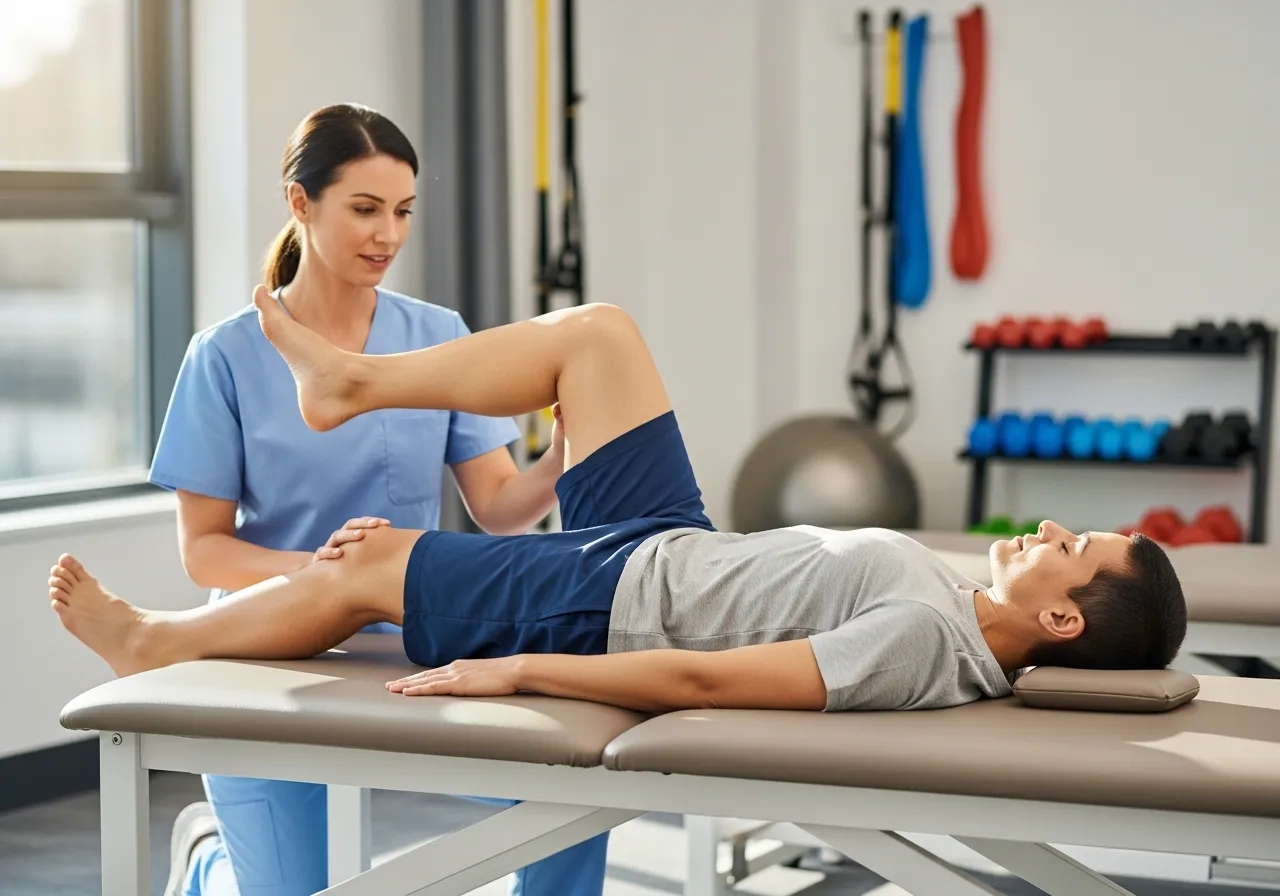
Active Recovery vs. Complete Rest: Which Heals Faster?
The RICE protocol (Rest, Ice, Compression, Elevation) has been the standard first-aid recommendation for musculoskeletal injuries for decades. However, sports medicine research over the past 15 years has significantly revised the understanding of optimal injury management, particularly regarding the “Rest” component.
Dr. Gabe Mirkin, who coined the RICE acronym in 1978, has himself updated his recommendations based on subsequent research. The current evidence supports replacing Rest with “Optimal Loading” — the concept that healing tissue responds best to controlled, progressive mechanical stimulation rather than complete immobilization. The updated acronym POLICE (Protection, Optimal Loading, Ice, Compression, Elevation) better reflects current evidence, though even POLICE has been further refined to PEACE and LOVE (Protection, Elevation, Avoid anti-inflammatories, Compression, Education; and Load, Optimism, Vascularization, Exercise).
The biological reason active recovery outperforms complete rest is related to tissue nutrition and healing stimulus. Most connective tissues — tendons, ligaments, cartilage — have poor direct blood supply and receive nutrition primarily through movement-mediated fluid exchange and mechanical stimulation of surrounding tissues. Complete immobilization reduces this nutrition delivery. Additionally, as established in the healing phases section, mechanical loading during the proliferative phase stimulates organized collagen alignment, producing structurally superior healed tissue.
A study in the Medicine & Science in Sports & Exercise comparing active and passive recovery in muscle strains found that athletes who performed controlled light activity in the days following mild muscle injury returned to full training 30% faster than those who rested completely. The active recovery group also showed lower re-injury rates at 6-month follow-up.
The critical qualifier is “controlled” and “within pain-free ranges.” Active recovery means movement and loading that does not provoke the injured tissue — not pushing through pain. Pain during movement is a signal that loading is exceeding the healing tissue’s current capacity. The target is activity at the maximum level that remains pain-free, progressively increased as healing progresses. This requires more body awareness and judgment than complete rest, but produces meaningfully better outcomes.
Practical active recovery approaches depend on injury location. For lower extremity injuries, upper body training, pool exercise, and seated cardiovascular work may be immediately feasible. For upper extremity injuries, lower body training and cardiovascular work can continue unmodified. For back injuries, specific rehabilitation exercises prescribed by a physical therapist and modified resistance training are often appropriate within days of injury onset.
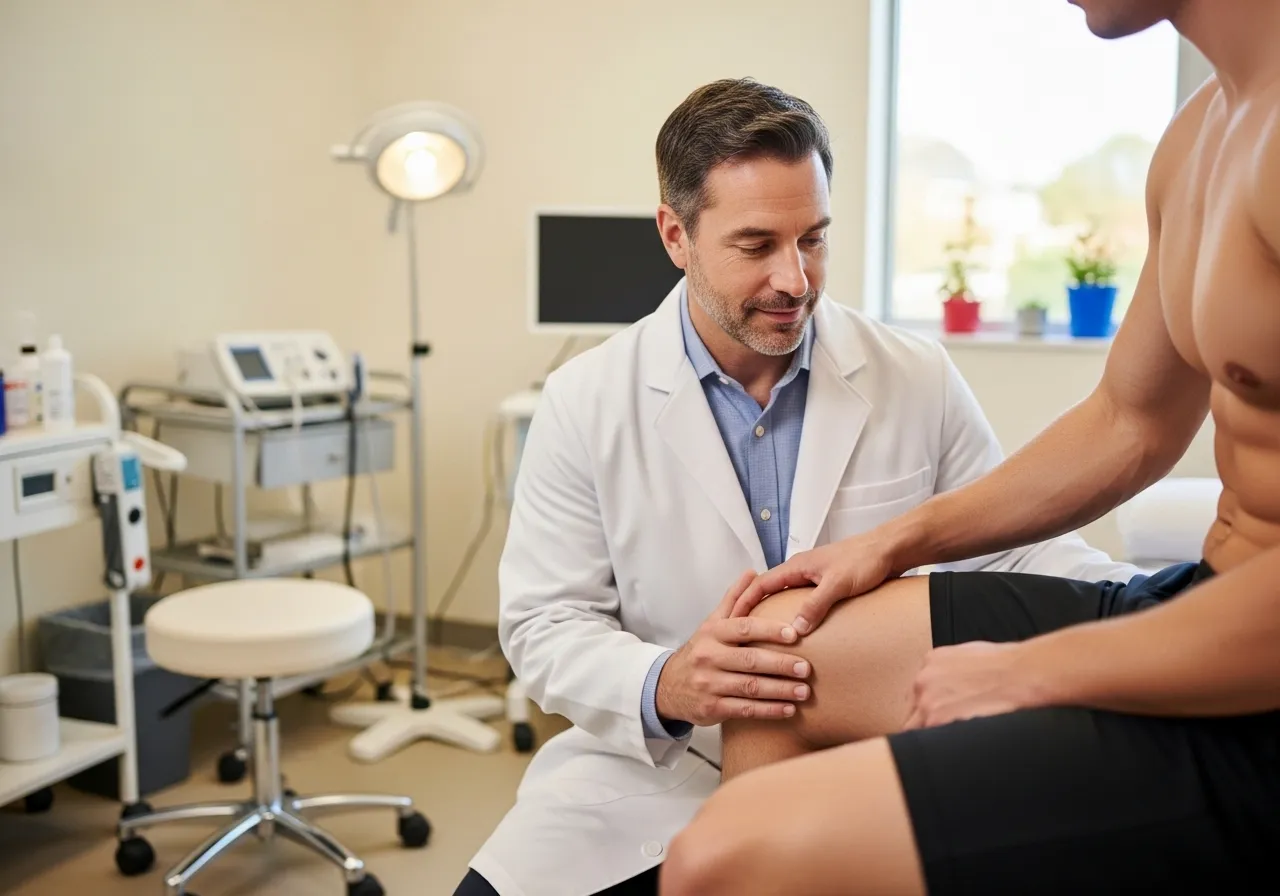
Red Flags That Mean You Should Not Return to Training Yet
The desire to return to training creates a systematic bias toward underestimating injury severity and overestimating readiness. Knowing the specific signs that indicate insufficient recovery is the counterbalance that prevents premature return and re-injury.
Pain at rest is the most unambiguous sign of insufficient recovery. If the injured area is painful when you’re simply sitting still or lying in bed, the tissue is in an active inflammatory or healing state that is not ready for training stress. This is distinct from general muscle soreness from training, which is typically symmetric, diffuse, and worst 24–48 hours after training. Pain at rest that persists beyond the first few days after injury warrants medical evaluation.
Night pain — pain that consistently wakes you from sleep or prevents comfortable sleeping positions — similarly indicates active tissue pathology rather than simple training adaptation. For shoulder injuries particularly, night pain is a reliable indicator of significant rotator cuff pathology. For other injuries, it indicates sufficient inflammation and tissue irritability that training would be inappropriate.
Significant swelling that hasn’t substantially reduced suggests the inflammatory phase has not resolved. Some residual swelling is expected for weeks after significant joint injuries, but marked swelling that persists or worsens with attempted activity indicates ongoing tissue disruption. Training on significantly swollen tissue risks further damage and may indicate a more serious injury (fracture, significant ligament tear) that requires medical imaging.
Compensatory movement patterns — unconsciously altering your gait, posture, or lifting mechanics to protect the injured area — are one of the most reliable indicators that injury pain is still limiting normal function. If you cannot run with a normal gait, squat without altered weight distribution, or perform pulling movements without shrugging or rotation to avoid pain, you are not ready to train that movement pattern at training loads. Compensatory patterns under load create new injury risks in the structures that are compensating.
Functional testing failure provides objective evidence of readiness. Before returning to running, you should be able to walk pain-free, then jog, then run at easy pace. Before returning to squatting with load, you should be able to perform bodyweight squats through full range without pain. Research from NCBI sports medicine literature on return-to-sport criteria consistently shows that functional testing thresholds predict re-injury risk more accurately than time-based criteria alone.
Finally: if you have any doubt about the severity of an injury or the appropriateness of returning to training, consult a sports medicine physician or physical therapist. A single appointment for professional evaluation is almost always worth the time and cost compared to the alternative of re-injury and extended recovery.

How to Maintain Fitness While Injured Without Re-Injuring Yourself
One of the most psychologically difficult aspects of injury is the fear of fitness loss. This fear is legitimate — significant deconditioning can occur with prolonged inactivity — but it is often overestimated, and the opportunities for cross-training during most injuries are greater than injured athletes realize.
The principle of specificity means that fitness adaptations are largely specific to the activities that produce them. Cardiovascular fitness built through running is not perfectly maintained by cycling. However, the general cardiovascular adaptations — cardiac output, oxygen delivery efficiency, mitochondrial density — transfer substantially between modalities. Research on cross-training during injury consistently shows that well-designed cross-training preserves 80–90% of sport-specific fitness for periods of 4–6 weeks, with greater losses only in longer injury durations.
Uninjured body regions can and should be trained throughout injury recovery. A lower limb injury does not prevent upper body strength training — and maintaining upper body training prevents the full-body deconditioning that comes from complete rest while potentially accelerating lower limb recovery through systemic hormonal effects of training. Similarly, an upper body injury doesn’t prevent lower body training or cardiovascular conditioning.
Blood flow restriction (BFR) training has emerged as a valuable tool for maintaining and even building muscle during injury when normal loading is contraindicated. BFR involves applying a cuff to the proximal limb to restrict venous return while performing light resistance training (20–30% of one-rep maximum). This creates metabolic stress sufficient to stimulate muscle protein synthesis and hypertrophy at loads that do not stress healing tissue. Research published in the Journal of Strength and Conditioning Research shows meaningful muscle maintenance with BFR during periods when normal loading is impossible.
Aquatic exercise — pool running, swimming, water aerobics — provides cardiovascular conditioning and movement with dramatically reduced tissue loading. The buoyancy of water reduces effective body weight by approximately 80% when immersed to shoulder depth, allowing lower limb movement and cardiovascular work that would be impossible or painful on land.
Mental training — visualization, technical review, strategy development — is an often-dismissed but genuinely effective component of maintaining athletic performance during injury. Research on motor imagery consistently demonstrates that mentally rehearsing athletic movements activates similar neural pathways to physical practice, helping to maintain the neural component of skill while physical training is restricted.