10 Superfoods Every Fitness Enthusiast Should Eat
What Makes a Food a Superfood for Fitness?
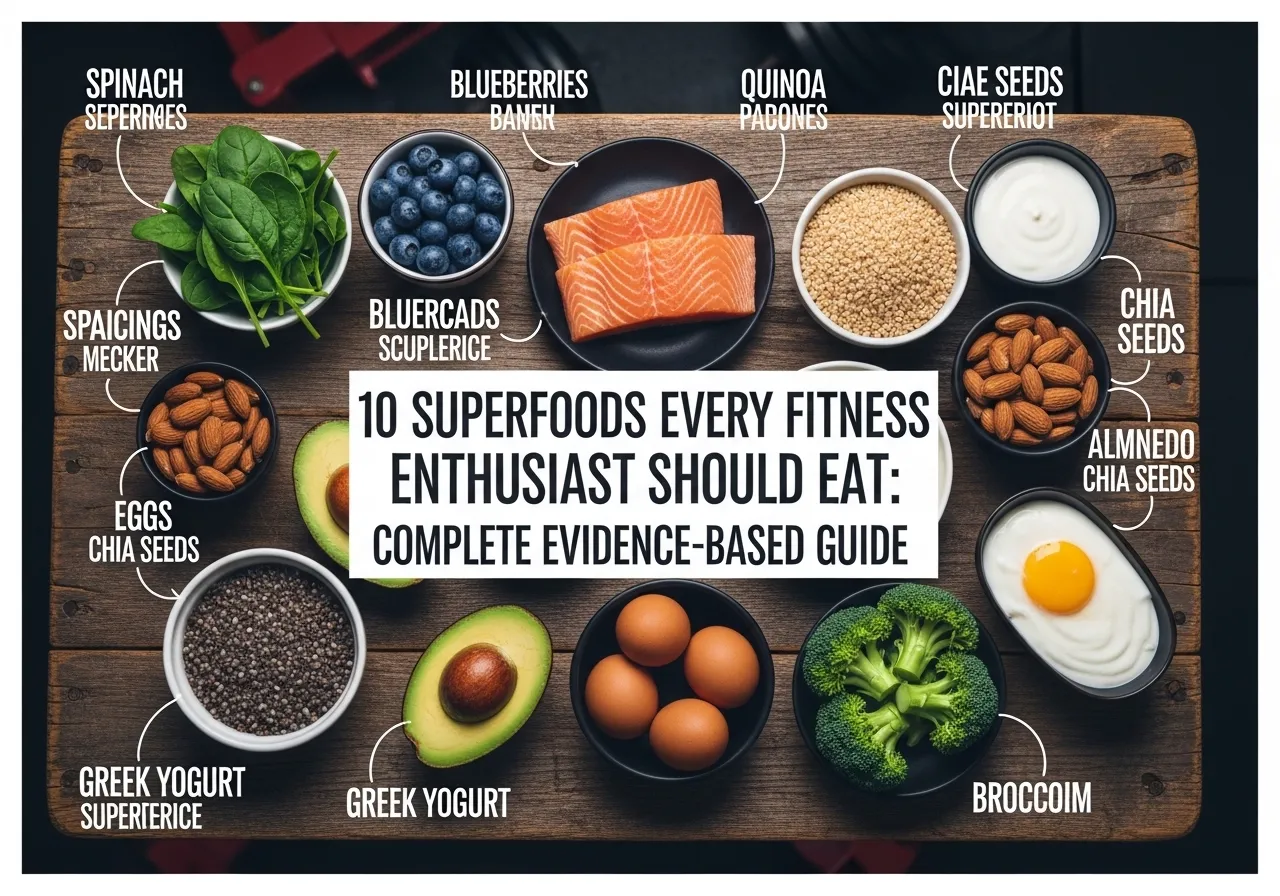
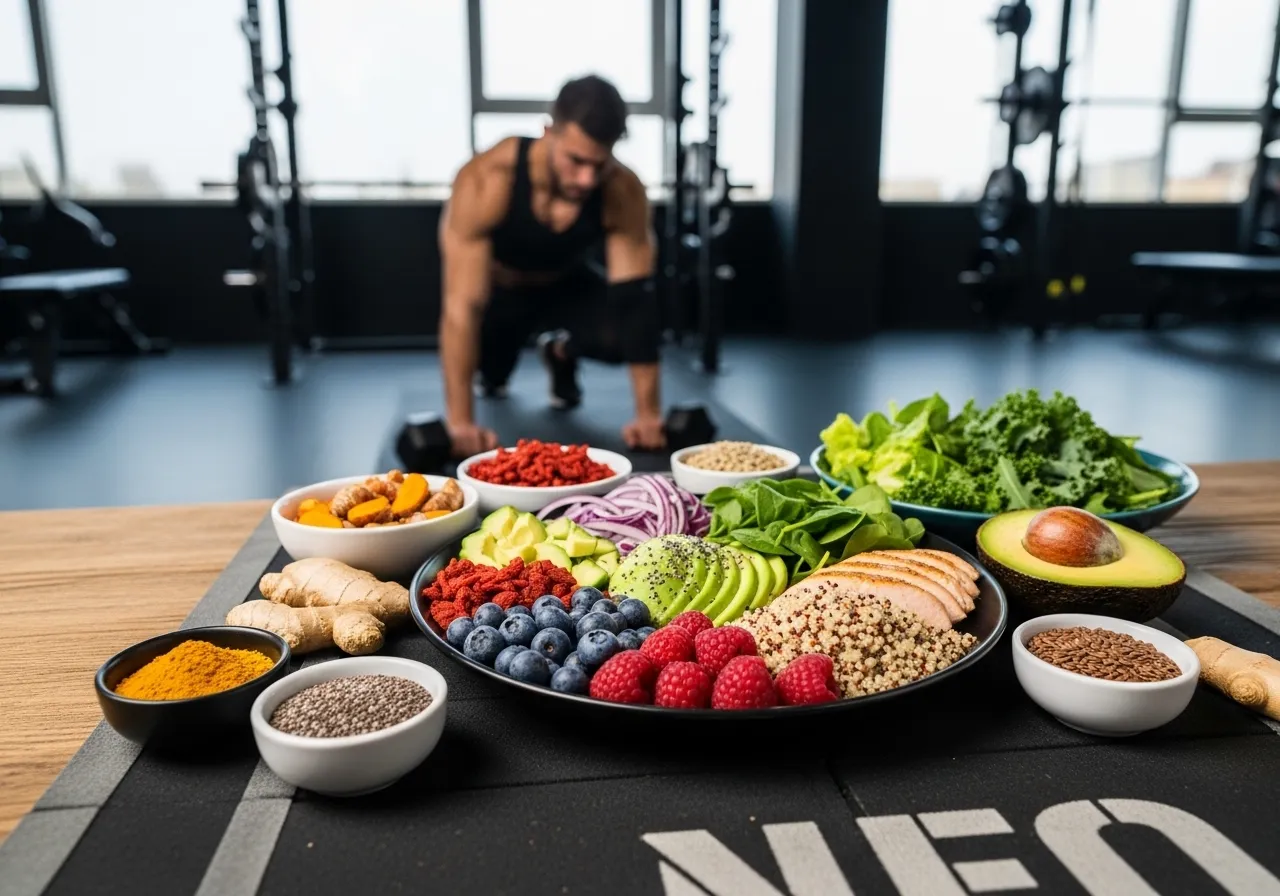
The word “superfood” gets thrown around in health media so casually that it has lost most of its precision — almost anything with a notable nutrient can be marketed as a superfood, and the list seems to expand weekly. But when I started filtering the concept through the lens of what actually matters for training performance, body composition, and recovery, a shorter and more useful list emerged: foods that deliver exceptional nutrient density per calorie, that address the specific physiological demands that consistent training creates, and that have genuine research support for their effects rather than just impressive-sounding marketing copy. This article covers ten foods that meet that standard — foods I have personally tested and that the research consistently validates for athletes who want maximum nutritional return from every meal they eat.
The Athlete’s Nutritional Hierarchy: Why Food Quality Matters Beyond Macros
Macronutrient tracking — hitting protein, carbohydrate, and fat targets — is the foundational nutrition strategy for physique and performance goals, and no list of superfoods overrides the importance of getting the macro fundamentals right. But the athlete who optimizes macros from low-quality food sources and the athlete who achieves the same macro targets from nutrient-dense whole foods experience meaningfully different training outcomes — because the micronutrients, phytonutrients, antioxidants, and anti-inflammatory compounds that whole foods deliver alongside their macronutrients support the hormonal environment, inflammation management, recovery efficiency, and immune function that training performance depends on in ways that macronutrient tracking alone does not account for. The research on dietary quality and athletic performance consistently demonstrates that athletes consuming predominantly whole food diets show better recovery markers, lower rates of training-related illness, superior hormonal profiles, and higher long-term training adherence than those consuming calorie-equivalent processed food diets at matched macronutrient ratios. From Academy of Nutrition and Dietetics evidence on nutrient-dense foods and athletic performance, the micronutrient and phytonutrient content of whole foods provides synergistic performance and recovery support that individual supplement replication cannot fully replicate — confirming the case for prioritizing the food quality dimension of athletic nutrition alongside the macronutrient targets that most athletes focus on exclusively.
How to Use This List: Integration, Not Supplementation
The ten superfoods in this article are not intended as a supplementary protocol layered on top of an otherwise poor diet — they are foods that deserve structural integration into the weekly meal rotation as primary nutrition sources. The practical integration principle: replace lower-nutrient-density alternatives with the superfoods in this list rather than adding them as extras on top of the existing dietary baseline. Replacing white rice with sweet potato at some meals rather than adding sweet potato to a diet already meeting caloric targets; substituting salmon for a less nutritious protein source on two weekly dinners rather than eating salmon in addition to the usual protein serving; and incorporating spinach into every cooked meal where a green vegetable fits rather than adding a salad alongside existing meals — these substitution-based integrations improve nutritional quality without requiring dietary restructuring or caloric excess. This substitution approach also prevents the meal prep and financial complexity that treating superfoods as additions rather than replacements creates for athletes who are already managing training, work, and family demands alongside nutrition planning. Each food in this list is available in most supermarkets, reasonably priced when purchased in bulk or in season, and compatible with the meal preparation and cooking methods that the athlete already uses — the accessibility standard that genuine dietary utility requires rather than the exotic scarcity that some superfood marketing exploits.
Superfood Synergies: Which Foods Work Better Together
One of the most underappreciated dimensions of whole-food superfood eating is that specific food combinations produce nutritional benefits that neither food provides independently — the food matrix synergies that supplement-based nutrition cannot replicate. The most practically relevant synergies for athletes: turmeric plus black pepper increases curcumin bioavailability by up to 2,000% as piperine inhibits the liver enzymes that degrade curcumin before it reaches the bloodstream — a combination so significant that consuming turmeric without black pepper provides a fraction of the therapeutic dose that the researched anti-inflammatory effects require; avocado with colorful vegetables (spinach, sweet potato, tomatoes, bell peppers) increases carotenoid absorption from those vegetables by 3-15 times as the fat-soluble carotenoids are absorbed through the lipid-dependent pathway that avocado’s monounsaturated fat activates — the salad with avocado provides dramatically more vitamin A, lycopene, and lutein from the other vegetables than the fat-free salad equivalent; eggs with vegetables improve the absorption of the fat-soluble vitamins in both foods similarly to the avocado-vegetable interaction; and salmon with leafy greens enhances the iron absorption from spinach because the “meat factor” in fish increases non-heme iron bioavailability from plant sources consumed in the same meal. Building meals with these synergistic combinations rather than eating the superfoods in isolation maximizes the nutritional return from the same foods — the salmon-spinach-olive oil combination provides more bioavailable iron and vitamins than the sum of the individual parts. These synergies are one of the practical reasons that whole food dietary patterns consistently produce superior health outcomes to equivalent nutrient intakes from isolated supplements — the food matrix and its interaction effects are genuinely more than the sum of the individually measurable nutrients.
Superfoods for Hormonal Health: The Testosterone and Cortisol Connection
Several of the ten superfoods on this list have specific mechanisms that support the hormonal environment that muscle building and body composition management depend on — the testosterone-supporting and cortisol-moderating effects that dietary quality research has increasingly identified as being as important as macronutrient balance for the hormonal physiology of training adaptation. The testosterone-relevant superfoods: eggs provide cholesterol (the biosynthetic precursor for all steroid hormones including testosterone), zinc (the cofactor for the testosterone synthesis enzyme 17-beta-hydroxysteroid dehydrogenase), and the saturated fat that the research consistently associates with testosterone maintenance in the 0.3-0.5g/kg/day range; avocado and almonds provide the monounsaturated fat and zinc that the testosterone-diet correlation research identifies as the two dietary fat-and-mineral drivers most predictive of testosterone levels across epidemiological studies; and salmon provides the omega-3 EPA and DHA that reduce the SHBG (sex hormone-binding globulin) that binds and inactivates free testosterone — improving testosterone bioavailability beyond total testosterone measurement. The cortisol-moderating superfoods: blueberry anthocyanins reduce the oxidative stress-driven cortisol secretion that intense training produces; oat beta-glucan’s effect on blood glucose stability prevents the cortisol-triggering reactive hypoglycemia that high-GI carbohydrate consumption causes 60-90 minutes after consumption; and kefir’s gut microbiome support reduces the gut-derived LPS (lipopolysaccharide) endotoxemia that poor gut health allows into systemic circulation and that constitutes an inflammatory cortisol trigger. The athlete whose dietary pattern supports testosterone through adequate fat, zinc, and omega-3 intake while moderating cortisol through antioxidant, blood glucose stability, and gut health measures is optimizing the complete hormonal environment that training adaptation requires — an optimization that the ten superfoods collectively and specifically contribute to.
Cooking Methods That Preserve Superfood Nutrient Density
The cooking method applied to superfoods significantly affects the final nutrient delivery — and the specific preservation or degradation that heat, water, and cooking time produce differs enough between nutrients to be worth addressing for athletes who want maximum nutritional return from the foods they prepare. Water-soluble vitamins (vitamin C, B vitamins, folate) leach into cooking water during boiling and steaming — the spinach boiled for 5 minutes loses 35-50% of its vitamin C and folate into the cooking water, while the sautéed spinach in olive oil retains 80-90% of these water-soluble vitamins by avoiding the water-leaching mechanism. The cooking method hierarchy for spinach and leafy greens: sautéing in oil (highest nutrient retention), steaming (second best — brief steam exposure without submersion), and boiling (lowest retention, avoid for spinach and kale except in soups where the cooking liquid is consumed). The fat-soluble nutrient exception: cooking vegetables in fat or with fat in the same meal increases fat-soluble carotenoid and vitamin bioavailability regardless of the cooking method’s effect on raw content — the slightly reduced beta-carotene in cooked sweet potato is more bioavailable than the higher raw content because cooking breaks down the plant cell wall that encases carotenoids and prevents their release for absorption. Eggs: the protein bioavailability of cooked eggs (97%) substantially exceeds that of raw eggs (51-54%) because the heat denaturation of avidin (the biotin-binding protein in raw egg white that reduces biotin absorption) and the improved structural accessibility of cooked protein to digestive enzymes both favor cooking over raw consumption. Blueberries: minimal cooking is preferred — heat degrades anthocyanins progressively, with 5-minute boiling reducing anthocyanin content by 25-40%. Fresh and frozen blueberries consumed without heat treatment preserve maximum anthocyanin content; brief microwave heating (30-45 seconds for warming) produces negligible anthocyanin loss compared to stovetop cooking.
Hidden Superfoods Worth Mentioning: The Runners-Up
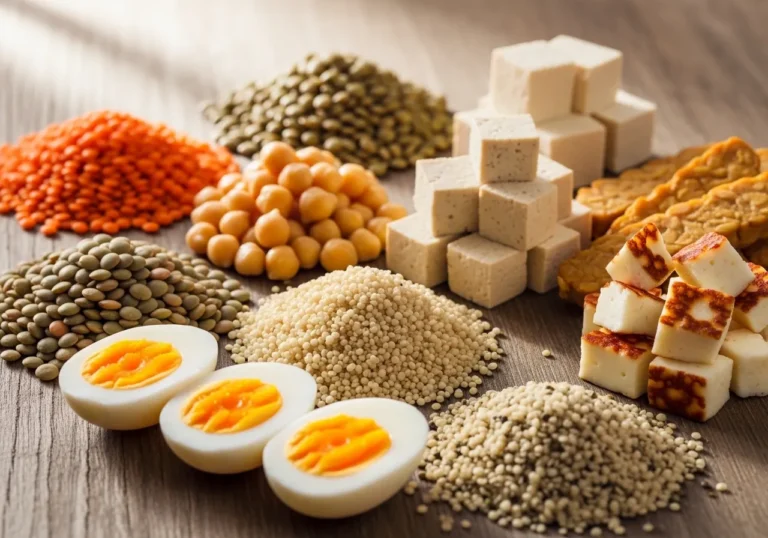
Beyond the ten primary superfoods, several foods just missed the list and deserve brief recognition for the athletes who want to extend their superfood repertoire beyond the core ten. Tart cherry juice — the most researched sports recovery beverage after protein shakes, with multiple randomized trials demonstrating significant reductions in post-exercise muscle soreness, inflammatory markers, and sleep quality improvement from 240-480ml daily doses of tart (Montmorency) cherry juice in the 5-7 days surrounding intense training and competition blocks; the anthocyanin and melatonin content of tart cherries provides both the anti-inflammatory and sleep quality mechanisms that the research confirms. Beets and beetroot juice — the highest dietary nitrate source available (300-400mg nitrate per 100g raw beet), providing the nitric oxide performance enhancement mechanism at a more concentrated dose than spinach achieves per gram; the research on beetroot juice and exercise performance is robust enough to place it in the highest-evidence performance-enhancement tier among whole foods. Quinoa — the only grain-category food with complete essential amino acid content, providing 8g protein per 100g cooked with all nine essential amino acids and the iron, zinc, and magnesium that the mineral-rich ancient grain’s reputation is based on. Lentils — the most practical plant protein source for athletes monitoring budget and food costs, providing 9g protein per 100g cooked at the lowest protein cost per gram of any whole food and the highest fiber and iron content of any legume. These runner-up superfoods can be incorporated alongside or in rotation with the primary ten depending on personal preference, cooking style, and the specific performance goals that individual athletes prioritize.
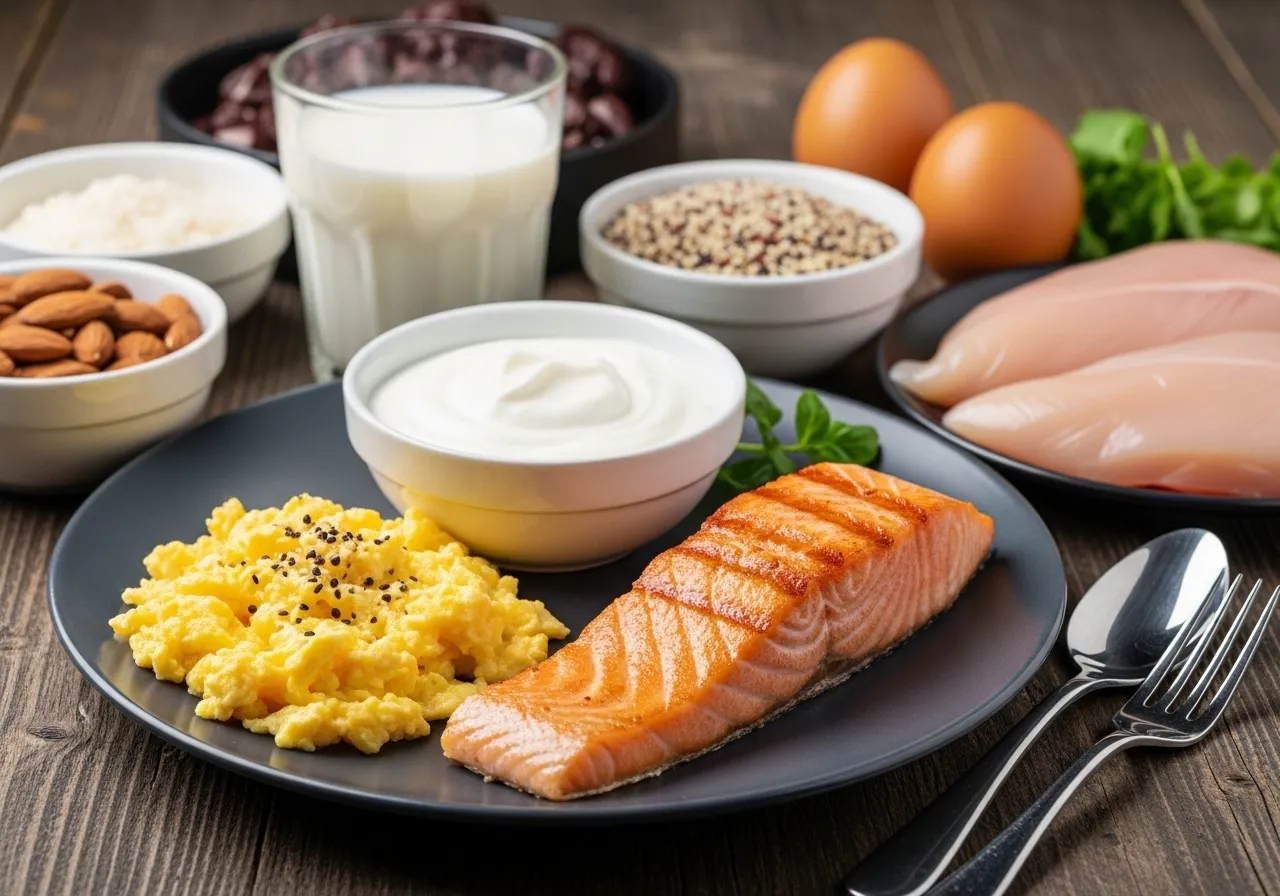
Protein Superfoods: The Muscle-Building Foundation
The first category of athlete superfoods centers on protein quality — the amino acid completeness, leucine content, and bioavailability that determine how effectively each gram of consumed protein supports muscle protein synthesis.
Superfood 1: Eggs — The Most Complete Protein on Earth
Whole eggs consistently score highest on every measure of protein quality that nutrition science uses — the Protein Digestibility Corrected Amino Acid Score (PDCAAS), the Digestible Indispensable Amino Acid Score (DIAAS), and biological value all rank egg protein at or above every other naturally occurring food protein source. The specific attributes that make eggs the reference standard for protein quality: a complete essential amino acid profile with no limiting amino acids; 6.3 grams of protein per egg at a bioavailability approaching 97% — meaning that 97% of the protein in a whole egg is absorbed and made available for protein synthesis; and 10.8 grams of leucine per 100 grams of protein, placing them among the highest-leucine natural food sources that activate mTORC1-mediated protein synthesis at the threshold that research identifies as maximally effective. Beyond protein, whole eggs provide: choline (147mg per large egg — 27% of the daily adequate intake) for the acetylcholine neurotransmitter synthesis that neuromuscular function and focus depend on; vitamin D (44 IU per egg, meaningful contribution to the daily requirement that training athletes frequently fall short of); selenium, zinc, and B vitamins that collectively support the metabolic enzyme systems that energy production and recovery require; and the lutein and zeaxanthin antioxidants in the yolk that reduce the oxidative stress that intense training generates. The historical concern about egg dietary cholesterol and cardiovascular risk has been substantially revised by the meta-analytic research of the past decade — the current evidence does not support a meaningful cardiovascular risk from whole egg consumption of up to 2-3 eggs daily for healthy individuals, and the nutritional benefit of the complete whole egg considerably outweighs the theoretical concern that led to yolk avoidance in a previous nutrition paradigm. From PubMed review on egg protein quality and muscle protein synthesis, whole egg consumption post-exercise produces greater muscle protein synthesis than equivalent protein from egg whites alone — demonstrating that the yolk’s non-protein nutrients actively enhance the anabolic response rather than simply contributing caloric density.
Superfood 2: Salmon — Protein Plus the World’s Most Studied Omega-3s
Salmon earns its superfood designation not from protein quality alone — though its 25g per 100g cooked protein and complete amino acid profile place it among the highest-quality protein sources — but from the unique combination of protein with EPA and DHA omega-3 fatty acids that no other commonly consumed whole food delivers in combination. The EPA and DHA content of Atlantic salmon: approximately 2.2-2.6 grams per 100g serving, providing the majority of the 2-4 gram daily omega-3 target that anti-inflammatory support and cardiovascular health research supports in a single serving. The athletic performance and recovery mechanisms of EPA and DHA that justify the superfood designation for training athletes specifically: omega-3 supplementation at 2-4 grams per day consistently reduces the training-induced inflammatory markers (IL-6, TNF-alpha, CRP) that high training volumes produce by 20-40% in randomized controlled trials, accelerating the resolution of post-training inflammation that recovery efficiency and next-session readiness depends on; EPA and DHA improve mTOR signaling sensitivity in muscle tissue, enhancing the anabolic response to both resistance training and dietary protein stimulation; and the DHA-dependent phospholipid composition of neural cell membranes that omega-3 adequacy maintains supports the cognitive function, focus, and neuromuscular coordination that training performance requires alongside the muscular development that the protein component supports. Practical integration: two 150-200g salmon servings per week achieves the omega-3 intake associated with training performance and health benefits in the research, with the additional protein contribution of approximately 50g per serving representing a complete meal’s protein allocation. Wild-caught salmon provides modestly higher omega-3 concentrations than farmed equivalents, though both provide meaningful omega-3 benefit that the farmed variety’s lower cost makes the more accessible option for the budget-conscious athlete.
Superfood 3: Greek Yogurt — Protein, Probiotics, and Pre-Sleep Casein
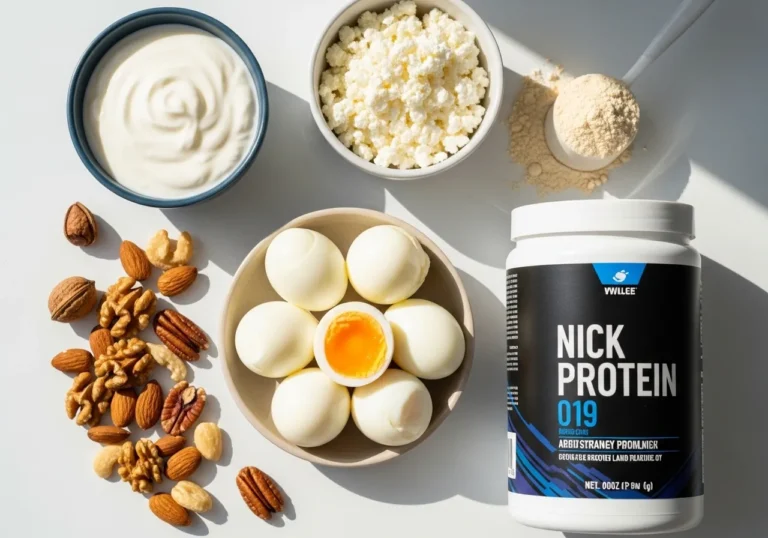
Greek yogurt occupies a unique position in the athlete superfood hierarchy because it simultaneously addresses three distinct nutritional needs: the high-protein snack requirement (15-20g protein per 170g serving in full-fat or 2% varieties); the gut microbiome support that the live bacterial cultures in unsweetened Greek yogurt provide; and the slow-digesting casein protein that makes it the most practical pre-sleep protein food source available. The casein component specifically: Greek yogurt’s primary protein is casein (the curd protein that the straining process concentrates by removing liquid whey), and casein’s micellar structure produces a slow, sustained amino acid release over 5-7 hours — the exact profile that the overnight muscle protein synthesis window requires to maintain elevated amino acid availability throughout the sleep period when growth hormone peaks and muscle repair is most active. The probiotic benefit for training athletes is more than a digestive wellness consideration: gut microbiome composition influences nutrient absorption efficiency (including protein bioavailability), immune function (relevant to the increased upper respiratory illness susceptibility that heavy training periods create), and the gut-brain axis signaling that mood, motivation, and stress response regulation involve. Athletes consuming probiotic-containing fermented foods regularly show lower rates of training-related illness and maintain training consistency better through heavy training phases than non-probiotic-consuming athletes in several sports science studies — the immune-protective benefit of a well-maintained microbiome. Practical integration: 170-200g of unsweetened Greek yogurt as a pre-sleep protein source (with optional addition of 20-30g casein protein powder for athletes targeting 40g pre-sleep protein from the Maastricht research group’s recommendation), as a post-training snack combined with fruit and nuts, or as a high-protein breakfast base provides flexible multi-purpose nutritional value from a single affordable and convenient food source.
Superfoods for Female Athletes: Addressing Gender-Specific Nutritional Needs
Female athletes have specific nutritional requirements that the gender-neutral framing of most sports nutrition guidance underserves — and several of the superfoods on this list are particularly valuable for the physiological realities of female athletic training. Iron is the micronutrient with the most significant gender gap in sports nutrition — menstrual blood loss creates iron requirements for female athletes that are approximately 70% higher than for male athletes of equivalent training volume, and the iron-deficiency anemia that inadequate intake allows is among the most common causes of unexplained fatigue, reduced training capacity, and impaired performance in female athletes. Spinach’s iron content (2.7mg per 100g cooked) combined with the iron absorption-enhancing strategies described above — vitamin C in the same meal, avoiding calcium-rich foods in the same eating occasion, and the meat factor from combining plant iron sources with fish or poultry — makes spinach a meaningful dietary iron contribution that the female athlete’s elevated requirement specifically benefits from. The calcium requirement for female athletes — particularly important for bone mineral density maintenance during the relative energy deficiency that under-fueled training periods create — is best met through the dairy-containing superfoods: Greek yogurt provides 150-200mg calcium per serving, kefir provides 300mg per cup, and the weekly salmon servings provide the vitamin D that calcium absorption efficiency requires. Omega-3 fatty acids from salmon specifically benefit female athletes through the menstrual symptom modulation that EPA and DHA consistently demonstrate in research — reducing dysmenorrhea intensity and duration through prostaglandin pathway competition that omega-3 supplementation produces, improving the training days that menstrual cycle phases sometimes compromise. The practical application: female athletes should weight the iron-rich, calcium-containing, and omega-3-dense superfoods from this list toward the front of their weekly priority — spinach, salmon, Greek yogurt, and kefir address the specific nutritional vulnerabilities that female athletic physiology creates alongside their universal athletic performance benefits.
Superfood Meal Prep: Batch Cooking All Ten in Two Hours
The practical challenge of integrating ten distinct foods into weekly eating is most efficiently solved through a structured Sunday meal prep that handles the majority of the week’s superfood preparation in a single session. The two-hour superfood meal prep protocol: start the oven at 200°C and roast sweet potato cubes (500g, cut to 2cm pieces) and whole salmon fillets (4x150g) on separate sheet pans simultaneously — 25-30 minutes for sweet potato, 15-18 minutes for salmon. While the oven runs, prepare overnight oat jars (5 jars: 80g oats, protein powder, 100g frozen blueberries per jar) and store in the refrigerator for the week’s breakfasts. Hard-boil 8-10 eggs simultaneously on the stovetop (10-12 minutes from cold water start). While the oven and stovetop complete, portion Greek yogurt into 5 containers with mixed nuts (pre-measured 15g almond, 15g walnut per container) for the week’s mid-morning snacks. At the oven’s completion, transfer the salmon and sweet potato to meal prep containers and store refrigerated. The total active preparation time for this session is approximately 45-60 minutes across the 90-120 minute elapsed time — producing five complete breakfast sets, five snack containers, five salmon-sweet potato dinner bases, and ten hard-boiled eggs that cover the majority of the week’s superfood requirement from a single Sunday investment. The remaining superfoods — spinach (added to cooked meals as needed, 3 minutes per use), avocado (sliced fresh as needed), kefir (poured from a bottle), and turmeric (used as seasoning) — require only the seconds of daily integration that condiment-level additions provide rather than dedicated meal prep time. This complete superfood integration approach requires approximately 90 minutes per week of dedicated preparation time — a time investment that the research consistently shows produces the dietary quality outcomes that translate into the training performance and recovery benefits that this article’s individual superfood sections describe.

Carbohydrate Superfoods: Energy, Recovery, and Performance Fuel
The carbohydrate superfoods on this list are distinguished from ordinary starch sources by the micronutrient density, fiber content, antioxidant load, and the specific performance-relevant phytonutrients that they deliver alongside their carbohydrate macronutrient contribution.
Superfood 4: Sweet Potato — The Athlete’s Premier Starchy Carbohydrate
Sweet potato consistently earns the top ranking among starchy carbohydrate sources for athletes because its combination of nutritional attributes addresses the performance, recovery, and immune function demands that training creates more completely than any other single carbohydrate source. The nutritional profile that justifies this ranking: 20g of carbohydrate per 130g serving at a moderate glycemic index (GI 50-60, lower than white potato or white rice) that provides steady glucose delivery rather than the blood glucose spike-and-crash that high-GI carbohydrates produce; 3.8g of fiber per serving that supports gut health and the satiety that prevents the overeating that sweet potato’s palatability might otherwise encourage; a beta-carotene content of 11,520 mcg per 130g serving — one of the most concentrated beta-carotene food sources available, providing the vitamin A precursor that immune function, skin health, and the antioxidant protection against exercise-induced oxidative stress that athletic training generates requires; potassium at 542mg per serving for the electrolyte replacement that sweat losses require; and manganese, B6, and vitamin C that collectively support the enzymatic pathways of energy metabolism and the connective tissue synthesis that training demands. The practical training nutrition application: sweet potato as the primary post-training carbohydrate source combines the glycogen replenishment function that any digestible starch provides with the antioxidant and electrolyte content that recovery nutritional comprehensiveness benefits from — the sweet potato that replaces the white rice post-training delivers the same glycogen restoration with substantially greater micronutrient contribution. Meal preparation compatibility: sweet potatoes roast efficiently in large batches (1 hour at 200°C for whole potatoes, 25-30 minutes for cubed), mash easily for portioning, and hold refrigerated quality for 4-5 days — ideal meal prep carbohydrate characteristics. From Harvard T.H. Chan School of Public Health sweet potato nutrition and health effects, sweet potatoes’ high beta-carotene, fiber, and moderate glycemic index profile make them among the most nutritionally complete starchy vegetable sources for athletic and general population dietary quality.
Superfood 5: Oats — Sustained Energy and Beta-Glucan Performance
Rolled oats are the most practical high-quality carbohydrate source for pre-training nutrition and breakfast meal prep — the combination of slow-digesting complex carbohydrate that provides sustained glucose availability through the early training session, beta-glucan soluble fiber that research has demonstrated cholesterol-lowering and immune function benefits, and the preparation versatility that overnight oats and cooked preparations both provide. The performance-specific oat attributes: the beta-glucan fiber content (3-4g per 100g dry oats) does more than support digestive health — the viscous beta-glucan gel that forms in the stomach slows gastric emptying and glucose absorption, producing the sustained blood glucose that training athletes need for session quality without the rapid insulin spike that high-GI carbohydrates produce. The blunted post-meal insulin response from beta-glucan consumption also reduces the reactive hypoglycemia that occurs 60-90 minutes after high-GI pre-training meals — a practical benefit for athletes who eat 60-90 minutes before training and experience the mid-session energy crash that a well-timed high-GI meal produces. Oat protein: at 17g per 100g dry weight, oats provide more protein than any other common grain — and while oat protein’s amino acid profile limits its direct MPS contribution compared to animal proteins, the combined protein contribution of a 100g oat serving (17g) alongside a 30g casein or whey scoop in overnight oats delivers the 45-50g leucine-threshold-crossing protein that optimal morning muscle protein synthesis requires. Practical integration: overnight oats prepared the evening before for the following morning’s breakfast — 80-100g dry oats in 250ml of milk or kefir with a protein scoop, chia seeds, and fruit — provides the complete pre-training carbohydrate and protein meal in 10 minutes of preparation time that the morning training window that most athletes minimize preparation within requires.
Superfood 6: Blueberries — The Antioxidant Powerhouse for Recovery
Blueberries are the most researched fruit for athletic performance and recovery specifically — and the research literature has established a mechanistic understanding of their performance benefits that elevates them above the general “antioxidant fruit” category into the specific recovery superfood designation that the evidence supports. The anthocyanin compounds that give blueberries their characteristic deep blue-purple color are potent anti-inflammatory antioxidants that specifically reduce the exercise-induced oxidative stress and inflammatory cytokine production that intense training generates — with the research showing 25-33% reductions in muscle soreness and improvements in strength recovery at 24 and 48 hours post-exercise in athletes consuming 200-250g of blueberries daily compared to control conditions. The neurological performance dimension of blueberry consumption: the anthocyanins in blueberries cross the blood-brain barrier and produce measurable improvements in cognitive function — specifically working memory, executive function, and processing speed — in both short-term (2-3 hours after consumption) and long-term (daily consumption over 6-12 weeks) protocols. For athletes whose training involves skill acquisition, complex movement patterns, or the cognitive demands of strategic sports, the cognitive performance benefit of regular blueberry consumption is as relevant as the physical recovery benefit. Practical integration: 150-200g of fresh or frozen blueberries daily — added to overnight oats, blended into post-training protein shakes, or consumed as a standalone snack — delivers the anthocyanin dose that the research associates with performance and recovery benefits at minimal caloric cost (80-90 calories per 150g serving) and the year-round accessibility that frozen blueberries provide regardless of fresh availability. From PubMed review on blueberry anthocyanins and exercise recovery outcomes, blueberry consumption consistently reduces post-exercise muscle soreness and accelerates strength recovery at 24-48 hours compared to placebo in randomized controlled trials of resistance and endurance exercise.
Superfoods and Supplementation: What to Add and What to Replace
The relationship between whole food superfoods and the supplement stack that many athletes maintain deserves clear guidance — some supplements become redundant when whole food sources provide the equivalent nutrient reliably, while others address deficiencies that whole foods cannot realistically provide at practical intake volumes. Supplements that whole food superfood integration reduces the need for: a vitamin C supplement becomes largely redundant when blueberries, sweet potato, and spinach are daily dietary fixtures (these three sources together provide 150-250mg vitamin C daily, comfortably exceeding the 75-90mg adequate intake); a vitamin E supplement is substantially addressed by the 7.3mg per 30g almond serving alongside the vitamin E in spinach and avocado; and a potassium supplement is replaced by the daily sweet potato, avocado, and spinach combination that provides 1,500-2,000mg potassium from food sources. Supplements that remain valuable alongside whole food superfood eating: creatine monohydrate (3-5g daily) has no practical dietary equivalent — the 5 grams of creatine from food would require approximately 1 kg of raw meat, making supplementation the only practical delivery mechanism; vitamin D3 (2,000-4,000 IU for athletes training predominantly indoors) addresses the ultraviolet B sunlight exposure deficit that indoor training creates, which dietary sources cannot compensate for at practical food volumes; and magnesium glycinate (200-400mg before sleep) addresses the magnesium deficit that dietary survey data consistently reveals in athletes eating typical Western diets despite the magnesium content of the superfoods this list includes. The rationalized supplement protocol that the whole food superfood approach enables: creatine, vitamin D3, and magnesium as the evidence-based core supplements; fish oil for athletes who cannot achieve the two weekly salmon servings that adequate omega-3 intake requires; and a high-quality protein supplement (whey or casein) as a convenience tool for hitting daily protein targets when whole food preparation is impractical — a dramatically simpler and more cost-effective supplement stack than the 15-20 product protocols that supplement marketing suggests athletic performance requires.
Superfoods and Long-Term Athletic Longevity: The 10-Year View
The most compelling argument for building a dietary pattern around these ten superfoods is not the acute performance effect of any individual food but the cumulative biological protection that consistently consuming high-antioxidant, anti-inflammatory, phytonutrient-rich whole foods provides against the chronic low-grade inflammation that years of intense training can build up in the athlete who does not actively counter it through dietary quality. The research on dietary quality and long-term health outcomes in athletic populations confirms that the former athlete who maintained high dietary quality throughout their training years retains superior metabolic, cardiovascular, and inflammatory health markers in their 50s and 60s compared to the former athlete who trained with equivalent intensity but lower dietary quality — a 20-30 year compounding of the daily cellular protection and inflammatory management that whole-food eating provides. The specific longevity-relevant mechanisms: the antioxidant capacity of the berry-spinach-turmeric-nut combination consistently consumed reduces the oxidative DNA damage accumulation that aging biology normally produces; the omega-3 anti-inflammatory environment of regular salmon consumption reduces the chronic arterial inflammation that cardiovascular disease risk depends on; and the gut microbiome diversity that kefir and fermented food consumption maintains is increasingly associated with the immune competence, metabolic flexibility, and inflammation regulation that healthy aging requires. The ten superfoods in this article are not a 12-week program — they are a dietary foundation that the athlete who builds them into their permanent weekly eating pattern carries into every subsequent training year, maintaining the biological environment that each training decade can adapt optimally within. Start with the foods you enjoy most from the list. Build the weekly frequency through the meal preparation habits that make them convenient. And let the compounding biology of consistently excellent dietary quality be the silent force multiplier that every other aspect of your training and recovery investment builds its results on.
Seasonal Superfood Eating: Maximizing Freshness and Minimizing Cost Year-Round
The nutritional quality and financial cost of the ten superfoods varies significantly with seasonal availability — and building seasonal purchasing habits that take advantage of peak-quality, lowest-cost availability periods for each food optimizes both nutritional return and the food budget that consistent high-quality eating requires. The seasonal calendar for the key fresh superfoods in the Northern Hemisphere: blueberries peak in quality and drop to lowest cost in June-August, making fresh buying the priority during this window and frozen the year-round backup; sweet potato is harvested in autumn (September-November) when fresh quality and pricing are best, with good storage life making direct-from-farm or bulk purchases at this time cost-effective for the winter months; avocado pricing peaks in winter and drops significantly in spring-summer when import volumes from Mexico and California reach their highest. Salmon pricing is most consistent year-round among the superfoods because the majority consumed is farmed Atlantic salmon with continuous production — but wild-caught Pacific salmon (sockeye, coho, king) seasons in June-September provide the highest omega-3, lowest heavy metal, and most sustainably sourced option for the athletes who prioritize wild over farmed. Building the seasonal superfood purchasing calendar: maximize fresh buying during peak seasons and quality periods; pivot to frozen equivalents when fresh quality or pricing is unfavorable; and maintain year-round access to the non-seasonal shelf-stable superfoods (oats, canned salmon, almond and walnut packs, dried turmeric) that buffer the fresh-only weeks where the preferred fresh versions are unavailable or overpriced. This seasonal-aware purchasing strategy reduces the annual food cost of the ten-superfood diet by 15-25% compared to buying all fresh year-round while maintaining the nutritional quality standards that the research-supported consumption frequencies require.

Green Vegetables and Healthy Fats: The Supporting Cast That Actually Carries the Show
The most commonly underrepresented categories in athletes’ diets — green vegetables and healthy fat sources — provide the micronutrient density, anti-inflammatory compounds, and hormonal precursors that the protein and carbohydrate foundations cannot independently deliver.
Superfood 7: Spinach — The Most Nutrient-Dense Green for Athletes
Spinach earns the green vegetable superfood designation for athletes through its exceptional nitrate content — the compound that exercise physiology research has identified as one of the most effective natural performance enhancers available in whole food form. The nitrate-nitric oxide pathway that makes spinach performance-relevant: dietary nitrate from spinach is converted to nitrite by oral bacteria and then to nitric oxide in the bloodstream, and nitric oxide is the signaling molecule that dilates blood vessels, improves muscle oxygen utilization efficiency, and reduces the oxygen cost of submaximal exercise by 5-8%. The research translation: athletes consuming 300-500mg of dietary nitrate (approximately 100g of raw spinach or 250g of cooked spinach) show measurably lower oxygen consumption at the same absolute exercise intensity and improved time-to-exhaustion at high intensities — the performance enhancement that the nitric oxide mechanism mechanistically produces and that multiple randomized trials have confirmed in endurance and resistance training contexts. Beyond the nitrate performance enhancement, spinach delivers: iron (2.7mg per 100g cooked — 15% of daily recommended intake for men, relevant to the endurance athlete whose running-induced hemolysis creates elevated iron requirements); calcium (99mg per 100g cooked); folate (145mcg per 100g — essential for the DNA synthesis and red blood cell production that training recovery demands); and the lutein-zeaxanthin antioxidant combination that reduces exercise-induced oxidative stress at the cellular level. The oxalate content of spinach — the anti-nutrient that reduces calcium and iron absorption — is a legitimate consideration for athletes eating large spinach quantities: cooking spinach reduces oxalate content by 30-50%, and consuming spinach alongside vitamin C-rich foods increases the iron absorption that oxalate would otherwise reduce. From PubMed systematic review on dietary nitrate supplementation and exercise performance, dietary nitrate from green vegetables consistently reduces the oxygen cost of submaximal exercise and improves time-trial performance in well-controlled trials — confirming spinach as the most evidence-supported natural performance-enhancing whole food in the vegetable category.
Superfood 8: Avocado — Monounsaturated Fats, Potassium, and Hormonal Support
Avocado is the most nutritionally complete fatty food source available to athletes — a designation that its combination of monounsaturated fatty acids, potassium, fiber, and fat-soluble vitamin delivery justifies in ways that other high-fat foods cannot match. The specific athletic performance attributes of avocado: the oleic acid (monounsaturated fatty acid) that constitutes 65-70% of avocado’s fat content is the same fatty acid that the Mediterranean diet research most consistently associates with improved cardiovascular health markers, anti-inflammatory cytokine reductions, and testosterone maintenance — the latter being directly relevant to the hormonal environment that muscle building requires; the 700-900mg potassium per 100g (superior to the banana that most athletes associate with potassium supplementation) supports the post-training electrolyte replacement that sweat losses deplete and that the cardiovascular function and muscle contraction of subsequent training depends on; and the 7-9g of fiber per avocado half supports the gut health and satiety that meal planning for body composition management benefits from. Avocado’s fat-soluble vitamin delivery function extends the superfood case beyond its own direct nutrient content: the fat that avocado contributes to a meal enhances the absorption of the fat-soluble carotenoids (beta-carotene from sweet potato and lycopene from tomatoes) in the same meal — a meal-composition synergy where avocado’s fat content increases the nutritional return from the other foods consumed alongside it by 3-5 times compared to the fat-free meal equivalent. Practical integration: half an avocado (approximately 100-120g) added to the post-training meal provides the monounsaturated fat and potassium that recovery nutrition benefits from; avocado oil as a cooking fat for meal prep provides the heat-stable oleic acid base that maintains the monounsaturated fat benefit even through the oven temperatures that roasting requires.
Superfood 9: Almonds and Walnuts — Complementary Nut Superfoods
Nuts deserve specific attention in the athlete superfood list for the combination of healthy fats, plant protein, micronutrients, and the unique compounds that specific nut varieties provide that make them among the most nutrient-dense calorie sources available. Almonds and walnuts are addressed together because their complementary nutritional profiles make the combination more complete than either alone. Almonds specifically provide: vitamin E (7.3mg per 30g serving — 49% of daily recommended intake for the fat-soluble antioxidant that protects cell membranes from exercise-induced oxidative damage); magnesium (76mg per 30g — 18% of daily recommended intake); and the highest protein content of the common nuts at 6g per 30g serving with a leucine content that supports the snack-time MPS contribution. Walnuts specifically provide the plant-based omega-3 ALA (2.5g per 30g serving), making them the only nut with a meaningful omega-3 contribution — and while ALA conversion to the EPA and DHA that fish oil directly provides is inefficient (5-15% conversion rate), the additional ALA from daily walnut consumption supplements the EPA and DHA from salmon and fish oil in the complete omega-3 picture. The combined almond-walnut daily snack of 15g each (30g total) provides the complete nutritional benefit of both varieties at approximately 175 calories — the nutrient-dense snack that provides the portable, preparation-free nutrition that the between-meal hunger that training creates frequently encounters in athletes whose food environment does not offer prepared alternatives. From PubMed comprehensive nut consumption and athletic performance review, regular nut consumption is associated with improved cardiovascular health markers, anti-inflammatory status, and body composition in active individuals — confirming the performance relevance of regular nut intake beyond the general health benefits that epidemiological nut research has established.
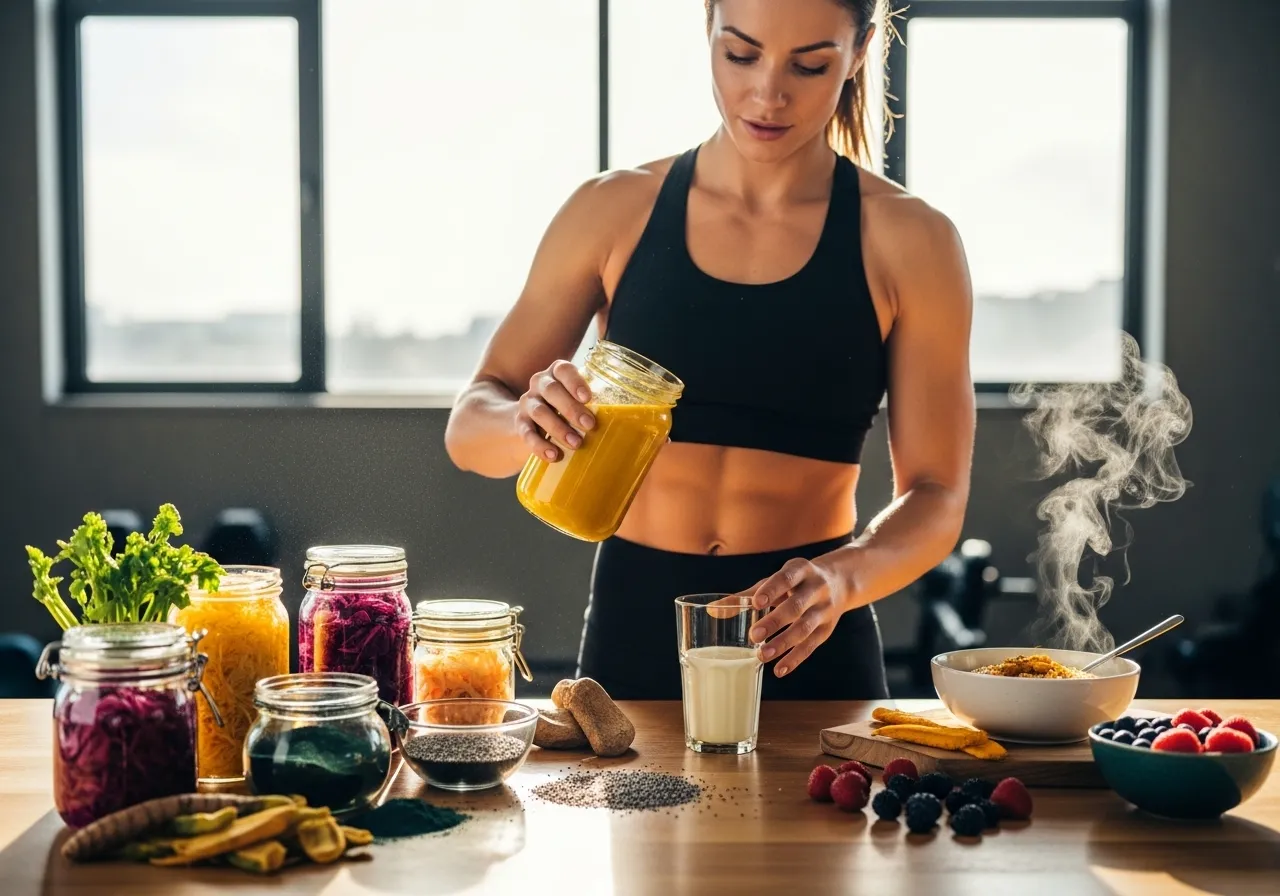
Specialty Superfoods: The High-Impact Additions That Make a Real Difference
The final two superfoods on this list occupy distinct functional niches that the protein, carbohydrate, fat, and green vegetable categories do not cover — the gut health and immune function support that fermented foods provide, and the anti-inflammatory and metabolic benefits of one of the most studied culinary compounds in nutrition research.
Superfood 10: Kefir and Fermented Foods — The Gut Health Foundation
Kefir — the fermented milk drink produced by kefir grain cultures containing 30-50 distinct bacterial and yeast strains — provides more diverse and robust probiotic support than any other single fermented food, including the Greek yogurt that the protein superfood section described. The probiotic diversity of kefir is its distinguishing characteristic: where Greek yogurt typically contains 2-5 bacterial strains, kefir’s complex culture provides 30-50 strains that colonize the gut more comprehensively and produce the complete range of short-chain fatty acids, antimicrobial compounds, and immunomodulatory signals that diverse microbiome composition generates. The athletic performance implications of gut microbiome quality have become an increasingly well-researched area over the past decade: microbiome composition influences substrate metabolism during exercise (specifically the short-chain fatty acids that colonic bacteria produce from fiber fermentation contribute to energy provision and spare muscle glycogen during prolonged exercise); gut permeability under the heat and reduced blood flow of intense exercise (“leaky gut” from exercise-induced tight junction disruption) is significantly reduced in athletes with higher microbiome diversity — meaning that the endotoxemia and systemic inflammation that gut permeability allows is less severe and less recovery-impairing for athletes with better microbiome health; and the gut-brain axis communication that microbiome signaling supports influences the mood, motivation, and stress response that training adherence and psychological performance depend on. For athletes who cannot or prefer not to consume dairy kefir, the fermented food alternatives that provide meaningful probiotic benefit: water kefir (non-dairy kefir fermentation), kombucha (fermented tea with moderate bacterial diversity), kimchi (fermented cabbage with Lactobacillus species that research specifically associates with athletic performance benefits), and sauerkraut provide the microbiome support through non-dairy sources. The fermented food integration target: 150-200ml of kefir daily or 100g of kimchi or sauerkraut on training days provides the consistent probiotic exposure that microbiome maintenance requires — not a dramatic overnight transformation but the sustained daily contact with beneficial bacteria that the gut’s dynamic bacterial ecosystem benefits from. From PubMed review on gut microbiome and athletic performance outcomes, higher gut microbiome diversity is consistently associated with better recovery markers, lower systemic inflammation, and improved substrate metabolism efficiency in athletic populations — confirming the performance relevance of the fermented food habits that maintain microbiome diversity.
Bonus: Turmeric — The Anti-Inflammatory Spice with Genuine Research Support
Turmeric earns a bonus entry beyond the ten main superfoods because its curcumin content produces anti-inflammatory effects that the research has investigated more thoroughly than almost any other dietary compound — and the application to training recovery is specific enough to deserve dedicated discussion. Curcumin — the active polyphenol compound in turmeric that constitutes 2-8% of the spice’s dry weight — inhibits the NF-κB inflammatory signaling pathway that exercise-induced muscle damage activates, reducing the post-training inflammatory cytokine production that DOMS reflects. The research on curcumin and exercise recovery: multiple randomized controlled trials show that 1.5-3g of curcumin daily (achievable from approximately 5-10g of turmeric with black pepper to enhance absorption) significantly reduces DOMS severity at 24 and 48 hours post-exercise, reduces inflammatory markers including CRP and IL-6, and improves the performance maintenance in repeated sprint and strength tests that reduced inflammation enables. The bioavailability caveat that makes turmeric’s culinary use less reliable than standardized curcumin supplementation: curcumin’s natural bioavailability is poor — only 1-2% is absorbed from turmeric powder without the piperine (from black pepper) that increases bioavailability by 2,000% through inhibiting the enzymatic metabolism that removes curcumin before absorption. The practical implication: turmeric in cooking should always be prepared with black pepper for meaningful curcumin bioavailability; standardized curcumin-phospholipid complex supplements (Meriva, BCM-95) provide more consistent bioavailability for athletes seeking reliable therapeutic dosing. The golden milk protocol that many athletes use: 1-2 teaspoons turmeric powder with a pinch of black pepper, warmed in plant milk with honey and ginger, provides a practical evening ritual that delivers the anti-inflammatory compound in a palatable format that the supplement-resistant athlete can sustain as a daily habit.
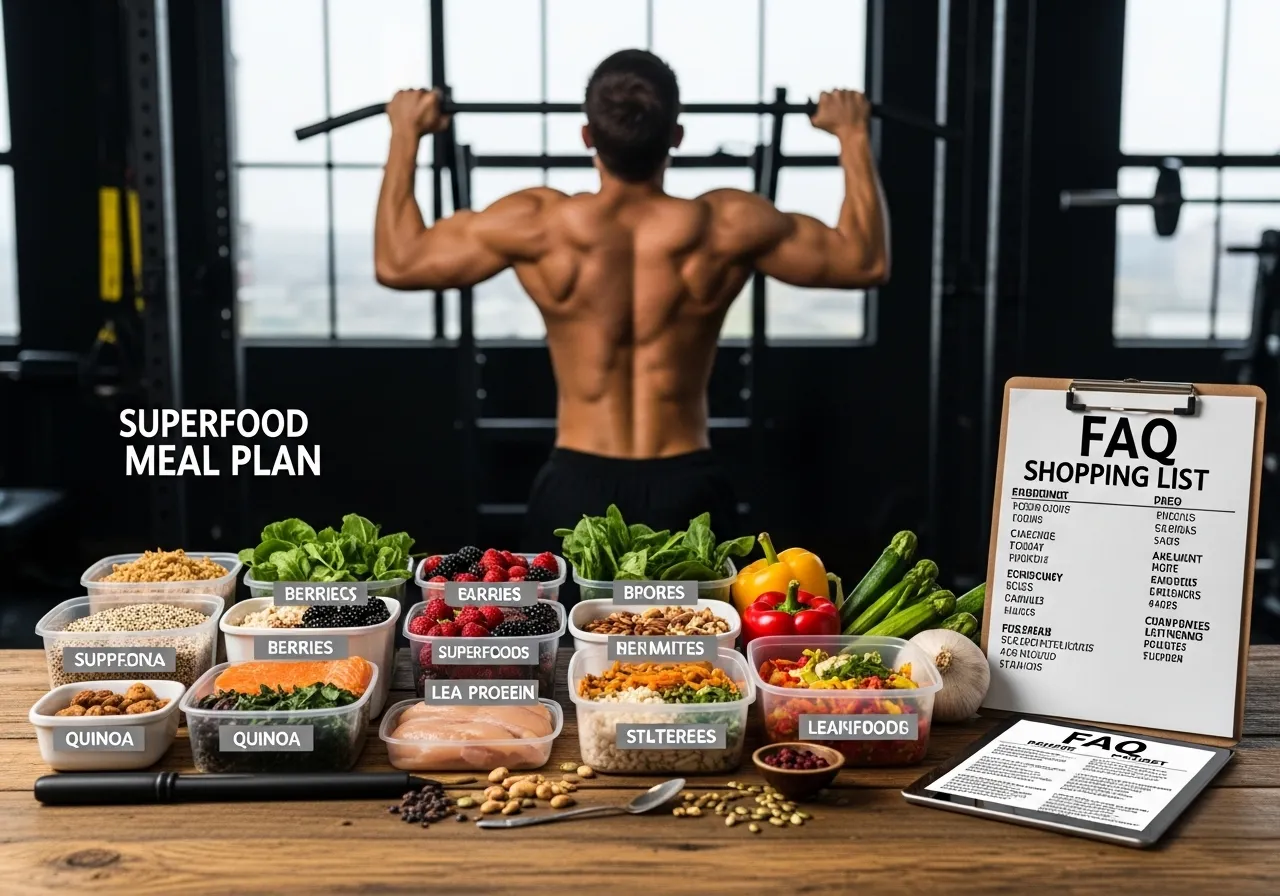
Building Your Superfood-Rich Meal Plan and Complete FAQ
Knowing which foods to include is only half of the practical nutrition challenge — the other half is building the weekly meal structure that integrates all ten superfoods into a sustainable, appetizing, and time-efficient eating pattern that an active athlete can maintain alongside training commitments.
A Sample Superfood-Integrated Weekly Meal Template
The following weekly meal template demonstrates how the ten superfoods integrate into practical athlete nutrition without requiring elaborate preparation or exotic ingredients: Monday breakfast — overnight oats (100g rolled oats, 30g protein powder, 150g blueberries, chia seeds, kefir) providing oats, blueberries, and kefir from the list in a single meal; lunch — spinach salad with salmon (150g), half avocado, cherry tomatoes, and olive oil providing three superfoods in a cold meal requiring no cooking; dinner — baked sweet potato with ground turkey, roasted spinach, and turmeric-black pepper seasoning. Tuesday — scrambled eggs (3 whole eggs) with sautéed spinach for breakfast; Greek yogurt with mixed nuts for mid-morning snack; salmon again at dinner for the second of the two weekly fatty fish servings that achieves the omega-3 target. Wednesday — oatmeal with blueberries and walnuts for breakfast; avocado toast on whole grain bread for lunch with eggs for the protein; sweet potato with any protein source for dinner. The weekly rotation continues with this framework, ensuring each superfood appears 2-4 times across the week through the natural integration into standard meal patterns rather than specially prepared superfood-specific meals. The complete superfood integration target: eggs 4-5 times per week; salmon 2 times per week; Greek yogurt or kefir daily; oats 4-5 times per week; sweet potato 3-4 times per week; blueberries daily; spinach daily (cooked or raw); avocado 3-4 times per week; nuts daily (30g mixed almonds and walnuts); turmeric daily in cooking or as golden milk. This frequency achieves the research-supported intake levels for each food without requiring the strict monotony that eating the same meal every day produces — the variety within the superfood framework that sustains the dietary quality over months rather than weeks.
Budget Superfood Eating: Maximizing Nutrient Density Per Dollar
The perception that nutrient-dense superfood eating requires significant additional food spending is a barrier that specific purchasing strategies can substantially reduce. The cost-effective superfood purchasing approach: eggs are among the cheapest complete protein sources available at approximately $0.20-0.35 per egg depending on type and location — the 4-5 egg weekly frequency on this list can be achieved for approximately $5-7 per week; frozen blueberries provide identical anthocyanin content to fresh at 40-60% lower cost and year-round availability that fresh seasonal availability cannot match; frozen spinach provides higher cooking convenience and lower unit cost than fresh while maintaining equivalent nitrate and micronutrient content after thawing; oats in bulk 1-2kg packages cost 20-30% less than individual serving packaging and maintain quality for 12-18 months in a sealed container; and canned salmon (wild-caught Pacific salmon in water) provides the omega-3 and protein of fresh salmon at approximately 40% of the cost, with research showing equivalent nutritional content to fresh equivalents in the omega-3 analysis that confirms no meaningful processing loss. The superfood buying strategy: purchase fresh the items where quality variation is high and seasonal pricing provides savings (avocado, sweet potato in their respective seasons); buy frozen the items where frozen quality equals fresh (blueberries, spinach, edamame); buy in bulk the shelf-stable items that volume purchasing discounts apply to (oats, nuts, canned salmon); and buy generic brands for the commodity items (eggs, Greek yogurt) where the product nutritional content is standardized regardless of label. This purchasing strategy reduces the incremental cost of the ten-superfood dietary pattern to approximately $15-25 per week above a non-superfood equivalent diet — an investment whose performance and recovery return value far exceeds the cost differential that it represents in the training athlete’s overall spending.
Superfoods for Specific Goals: Cutting, Bulking, and Maintenance
The ten superfoods on this list are all compatible with cutting, bulking, and maintenance phases — but the portion sizes and meal integration strategies differ between phases in ways that the list-level guidance does not automatically specify. For cutting phases where caloric deficit management is the primary nutrition objective: the superfoods that provide maximum satiety per calorie are the priority — eggs (high protein and fat satiety), spinach (near-zero calorie volume), Greek yogurt (high protein), and oats (beta-glucan fiber satiety) deserve emphasis, while avocado and nuts require portion awareness given their caloric density (160-180 calories per serving) that cutting phase caloric budgets must accommodate deliberately. For bulking phases where caloric surplus and anabolic hormone support are the priorities: avocado, salmon, eggs, and nuts provide the caloric density and testosterone-supporting fat profile that muscle-building caloric surplus requires without the refined carbohydrate sources that spike and crash blood glucose; sweet potato and oats provide the carbohydrate volume that the elevated training intensity of bulking phases demands for glycogen replenishment. For maintenance phases: all ten superfoods at the frequencies described in the weekly meal template provide the complete nutritional support for training quality maintenance, body composition stability, and the long-term health markers that sustained athletic longevity requires. The superfood list’s maintenance phase application is perhaps the most valuable — as the phase that most athletes spend the majority of their training years in, the consistent integration of these ten foods as the nutritional foundation of maintenance-phase eating produces the cumulative health, performance, and body composition benefits that the long-term compounding of high-quality dietary patterns generates.
Frequently Asked Questions About Fitness Superfoods
Q: Do I need to eat all ten superfoods every day? A: No — the target is weekly frequency (2-4 times for most items) rather than daily consumption of every item. Missing one or two in any given week is nutritionally inconsequential against the baseline of regular integration. Q: Can supplements replace these superfoods? A: Partly — fish oil supplements can replace salmon’s omega-3 benefit, protein powder can replace egg and Greek yogurt protein, and curcumin supplements can replace turmeric’s anti-inflammatory effect. But the food matrix of whole foods delivers bioactive compounds that isolated supplements do not replicate: the complete nutrient profile of a whole egg, the fiber of oats, the probiotic diversity of kefir, and the food-fat synergy of avocado all produce benefits that supplement stacks cannot fully replicate at reasonable cost. Q: Are these superfoods appropriate for vegetarians and vegans? A: Eggs and Greek yogurt are appropriate for lacto-ovo vegetarians; blueberries, oats, spinach, sweet potato, avocado, almonds, walnuts, turmeric, and kefir are all appropriate for vegans (with dairy kefir replaced by water kefir or kombucha). Vegan athletes should be specifically attentive to the omega-3 gap that salmon’s absence creates, supplementing EPA and DHA from algae-based sources that provide the DHA and EPA that plant-source ALA from walnuts cannot adequately replace. Q: How quickly will I notice benefits from eating these foods regularly? A: The most immediately noticeable changes with consistent superfood integration: reduced post-training muscle soreness within 2-4 weeks of regular blueberry and turmeric consumption; improved energy consistency within 2-3 weeks of regular oat consumption replacing high-GI breakfast alternatives; improved training quality within 4-6 weeks of consistent omega-3 intake from salmon improving the anti-inflammatory environment. The long-term benefits — improved body composition trajectory, better hormonal health, and the reduced illness frequency that microbiome improvement produces — appear over months of consistent eating rather than days. From PubMed review on whole food dietary patterns and athletic performance outcomes, consistently consuming varied, whole-food-dominant diets produces superior recovery, lower inflammatory burden, and better performance sustainability than macronutrient-matched processed food diets — confirming the evidence-based case for the whole-food superfood integration approach this article describes over the supplement-first and processed-food-convenient dietary patterns that many gym-goers default to.
My Personal Superfood Experience: What Changed When I Started Prioritizing Food Quality
The shift in my training and recovery that coincided with deliberately integrating these ten foods into my weekly eating pattern was gradual enough that I initially attributed it to other variables — improved sleep, reduced stress, more consistent training. But tracking both my food quality and my training metrics over a 12-week period with these foods as the consistent addition to my otherwise unchanged lifestyle made the connection clear: the 2-3 day post-leg-day soreness that had been a reliable weekly feature dropped to 1-1.5 days; the mid-afternoon energy crashes that I had normalized disappeared within three weeks of replacing my usual lunch starch with sweet potato and my snack with Greek yogurt and nuts; and the three colds I had experienced in the six months before starting the protocol reduced to zero in the six months that followed, during the same autumn-winter period that had historically been my most illness-prone training phase. None of these changes are definitive personal experiments — there are too many variables that I cannot control in real life to claim causation from personal experience alone. But the consistency of these changes with what the research on each food predicts, combined with the financial and practical accessibility of all ten foods, makes the continued integration the obvious choice. Start with the two or three from this list that are most practically compatible with your current eating patterns. Build from there as each becomes a default rather than a deliberate choice. And let the compounding nutritional quality of consistent whole-food eating do what the training alone cannot — build the physiological foundation that the training stimulus produces its best results from.