The Best Protein Sources for People Who Don’t Eat Meat
⚠️ Disclaimer: The information in this article is for general educational purposes only and does not constitute medical, nutritional, or professional fitness advice. Individual results may vary. Always consult a qualified healthcare professional or certified fitness trainer before starting any new exercise program, changing your diet, or making decisions about injury treatment or recovery. If you experience pain, discomfort, or any unusual symptoms during exercise, stop immediately and seek professional guidance.

Complete Protein Without Meat: Understanding Plant-Based Protein Quality
One of the most persistent nutritional anxieties for people who choose not to eat meat — whether for ethical, environmental, health, or personal preference reasons — is whether they can get “enough” protein from non-meat sources, and whether plant proteins are as effective for muscle building and athletic performance as animal proteins. I spent the early years of vegetarian eating operating under a vague sense of protein inadequacy that led me to over-rely on processed protein bars and powders while under-utilizing the genuinely excellent protein sources available from plants, dairy, and eggs. The clarity I eventually found came from understanding the actual science of protein quality, which is more nuanced than the simple “plants have complete protein / plants don’t have complete protein” debate that dominates the popular conversation.
The term “complete protein” refers to a food that contains all nine essential amino acids in quantities sufficient to support protein synthesis — the nine amino acids the body cannot synthesize endogenously and must obtain from dietary sources. Animal proteins are complete proteins; most individual plant proteins are not, because they are limiting in one or more essential amino acids (most commonly lysine, methionine, or leucine). However, the “incomplete protein” framing of plant foods is misleading in practice: the body pools amino acids from all dietary sources across the day rather than requiring complete amino acid profiles in each individual meal, meaning that combining plant protein sources across a day’s meals — rice and legumes, grains and seeds, varied whole plant foods — provides all essential amino acids in adequate quantities regardless of any individual food’s incompleteness. The practical implication: non-meat eaters who eat varied diets rich in multiple plant protein sources naturally consume adequate essential amino acids without deliberate protein combining at every meal.
PDCAAS and DIAAS: The Science of Protein Quality Measurement
Protein quality — the combination of amino acid completeness and digestibility that determines how well dietary protein supports muscle protein synthesis — is measured by two main scoring systems: PDCAAS (Protein Digestibility Corrected Amino Acid Score) and the more recent DIAAS (Digestible Indispensable Amino Acid Score). Both systems score proteins based on their essential amino acid content relative to a reference pattern and their digestibility — how much of the protein’s amino acids are actually absorbed rather than passing undigested through the gut. Animal proteins score highest on both systems: whey protein (DIAAS ≈ 1.09), eggs (DIAAS ≈ 1.13), and meat (DIAAS ≈ 1.0–1.1) provide complete, highly digestible amino acid profiles. Plant proteins score lower: soy (DIAAS ≈ 0.9–1.0) and pea protein (DIAAS ≈ 0.82) are the highest-quality plant proteins; rice (DIAAS ≈ 0.59) and wheat (DIAAS ≈ 0.40–0.45) score significantly lower due to lysine limitation and lower digestibility. Research from the American Journal of Clinical Nutrition on plant vs. animal protein bioavailability establishes that these quality differences are meaningful but not insurmountable — plant-based athletes who consume 20–25% more total protein than the standard recommendation compensate for the lower per-gram quality through higher total amino acid delivery.
Leucine: The Critical Amino Acid for Muscle Protein Synthesis
Among the nine essential amino acids, leucine occupies a uniquely important role in athletic nutrition: it is the primary anabolic signal that activates the mTOR pathway to initiate muscle protein synthesis. The leucine threshold model — based on research published in the PubMed literature on leucine and muscle protein synthesis — finds that a minimum of approximately 2.5–3.0g of leucine per meal is required to maximally stimulate muscle protein synthesis. Animal proteins are leucine-rich: 30g of whey protein provides approximately 3.0g leucine; 30g of chicken protein provides approximately 2.4g leucine. Most plant proteins are leucine-poor: 30g of protein from rice provides approximately 2.1g leucine; from peas, approximately 2.2g; from hemp, approximately 1.8g. This leucine deficit is why plant-based athletes benefit from consuming larger per-meal protein portions (35–40g rather than 25–30g) to reach the leucine threshold, or from supplementing with leucine-rich plant proteins (soy protein is the exception, at 2.4–2.5g leucine per 30g) that approach animal protein’s leucine density.
Total Protein Targets for Non-Meat Eaters
The protein requirements for muscle gain, maintenance, and fat loss are identical regardless of dietary pattern — the body’s anabolic signaling responds to amino acid availability, not the source from which those amino acids were derived. The targets: 1.6–2.0g/kg for maintenance and general fitness; 2.0–2.4g/kg for muscle gain phases; 2.2–2.6g/kg for fat loss phases where higher protein helps preserve lean mass during caloric restriction. The practical adjustment for plant-based athletes: targeting the higher end of these ranges (2.2–2.6g/kg rather than 1.6–2.0g/kg) compensates for the lower DIAAS scores and leucine content of plant proteins. For a 70kg athlete on a plant-forward diet: 2.2–2.6g/kg = 154–182g protein per day — achievable from plant and non-meat sources, but requiring deliberate attention to protein-dense food choices rather than emerging automatically from a typical vegetarian diet that may rely too heavily on carbohydrate-rich foods with incidental protein.
The Digestibility Factor: Why Plant Protein Requires More
Plant proteins are generally less digestible than animal proteins because plant cell walls (cellulose and fiber) and anti-nutritional factors (phytates, lectins, tannins) reduce the bioavailability of amino acids that the protein content numbers imply. Cooking, soaking, sprouting, and fermenting plant protein sources significantly improve their digestibility: cooked legumes are substantially more digestible than raw; sprouted lentils and chickpeas have improved digestibility versus unsprouted; fermented soy products (tempeh, miso) have better amino acid bioavailability than tofu; and heat treatment of plant proteins (as in commercial protein powders) removes much of the anti-nutritional factor content that would otherwise reduce absorption. The practical implication: always cook legumes thoroughly, consider sprouting high-consumption legumes and grains, and use plant protein sources that have undergone processing (tofu, tempeh, protein powders) rather than relying exclusively on raw unprocessed plant foods for the majority of protein intake.
Research on Plant-Based Athletes: Can You Build Muscle Without Meat?
The question of whether plant-based athletes can build equivalent muscle mass compared to omnivorous athletes has been studied directly in recent years, with results that are simultaneously reassuring and nuanced. A 2021 randomized controlled trial comparing plant-based and omnivorous diets in resistance-trained athletes matched for total protein intake found no significant difference in muscle protein synthesis rates or lean mass gains over 12 weeks — confirming that protein source does not matter when total protein and leucine intake are controlled. The critical caveat is “when total protein and leucine intake are controlled” — which requires deliberate dietary planning for plant-based athletes, since the lower leucine density and digestibility of most plant proteins mean that equivalent muscle building requires meaningfully higher total protein consumption than equivalent animal protein intakes. Research published in the Journal of the International Society of Sports Nutrition on plant protein and athletic performance concludes that well-planned plant-based diets can fully support athletic performance and body composition goals when protein targets are set 20–30% above the standard recommendations, protein quality is maximized through source selection and combination, and leucine intake is specifically monitored across the day’s meals.
Combining Plant Proteins for Complete Amino Acid Profiles
The classical protein combining principle — eating rice and beans together at every meal — has been largely abandoned in modern nutritional science as overly rigid, but the underlying insight remains valid: combining plant proteins that are complementary in their amino acid limitations produces a more complete amino acid profile than either source alone. The key amino acid limitations of major plant proteins: legumes (beans, lentils, chickpeas) are limiting in methionine but high in lysine; grains (rice, wheat, oats) are limiting in lysine but adequate in methionine; seeds (hemp, pumpkin, sunflower) provide a broader amino acid profile that complements both. Practical combining strategy: include at least two different plant protein categories at most meals — legumes with grains (rice and lentils, oat-based protein with beans), or legumes with seeds (hummus with whole grain bread, lentil soup with hemp seeds). This combining does not need to occur at every meal or be mathematically precise — variety across the day’s meals naturally produces the complementary amino acid coverage that supports muscle protein synthesis.
Iron, Zinc, and B12: The Non-Protein Nutritional Considerations
Plant-based athletes face nutritional considerations beyond protein that affect training performance and should inform food choice and supplementation decisions. Iron: plant-based (non-heme) iron is absorbed at 5–12% efficiency compared to 15–35% for heme iron in meat — substantially lower bioavailability that increases the dietary iron quantity required to meet physiological needs. Consuming vitamin C-rich foods alongside iron-rich plant foods (spinach with lemon juice, legumes with bell pepper) enhances non-heme iron absorption. Athletes with high training volumes who do not eat meat should periodically monitor iron status (serum ferritin) and consider supplementation if levels are insufficient. Zinc: plant foods contain phytates that bind zinc and reduce absorption, requiring 50% higher dietary zinc intake for non-meat eaters compared to omnivores. Vitamin B12: completely absent from plant foods and requires supplementation for plant-based athletes — 500–1,000mcg of cyanocobalamin or methylcobalamin daily is appropriate for those avoiding all animal products. These co-nutrients are separate from protein but equally important for athletic performance — iron deficiency impairs oxygen transport and endurance, zinc deficiency impairs immune function and testosterone production, and B12 deficiency impairs neurological function and energy metabolism.
Protein Timing for Plant-Based Athletes
The protein timing principles that maximize muscle protein synthesis apply identically to plant-based protein sources: consuming 3–5 evenly distributed protein feedings throughout the day (rather than one or two large meals), prioritizing post-workout protein within 60 minutes of training, and ensuring pre-sleep protein delivery through a leucine-rich evening meal or casein-equivalent slow-release plant protein. The practical implementation for plant-based athletes: breakfast with soy protein, eggs, or Greek yogurt (25–35g protein), lunch with legume-based meal (25–35g protein), post-workout soy or pea protein shake (30–40g protein with leucine supplementation if using low-leucine sources), dinner with tempeh or high-protein plant combination (30–40g protein). The Academy of Nutrition and Dietetics’ position on vegetarian diets confirms that well-planned vegetarian and vegan diets are nutritionally adequate for all life stages including competitive athletics, with protein timing and quality optimization as the primary practical considerations for athletes.
The protein quality science, leucine considerations, amino acid combining strategies, and micronutrient co-factors covered in this section form the evidence foundation for the food-specific recommendations in the sections that follow — understanding why these factors matter makes the practical choices of which protein sources to prioritize, how much to eat, and how to combine them across the day’s meals intelligible rather than arbitrary. The protein quality science — DIAAS, leucine thresholds, and digestibility adjustments — provides the framework that converts the general principle of ‘eat more protein’ into the specific food selection strategy that non-meat eating athletes need to match the muscle-building and performance outcomes that meat-eating athletes achieve with less dietary deliberateness. The protein quality science — DIAAS scores, leucine thresholds, and digestibility considerations — is not abstract nutritional theory but the practical foundation that distinguishes non-meat eaters who build muscle and perform athletically at their potential from those who plateau at suboptimal protein delivery despite genuine dietary effort. Every non-meat eating athlete who commits to understanding their protein sources at this level — quality scores, leucine content, digestibility, and total daily targets — removes the nutritional uncertainty that otherwise shadows plant-forward athletic performance and replaces it with the confident dietary competence that produces consistent results. The non-meat protein landscape has never been better — the combination of improved plant protein processing, growing availability of high-quality protein powders, and deeper nutritional research support means that the tools available today to non-meat eating athletes are fully adequate for elite-level performance and body composition goals.

The 10 Best Plant-Based Protein Sources Ranked by Protein Density and Quality
These ten plant-based protein sources are ranked primarily by their combination of protein density per serving, amino acid quality (DIAAS score), and practical accessibility — the foods that provide the most usable protein per serving with the fewest barriers to regular consumption. Each entry includes protein content per standard serving, key amino acid considerations, and practical usage suggestions for athletes targeting high protein intakes from plant sources.
Soy Products: Tofu, Tempeh, and Edamame
Soy is the clear leader among plant protein sources for athletes — the only plant protein with a DIAAS score approaching that of animal proteins (0.90–0.98), a relatively complete amino acid profile, and high protein density. Firm tofu: 8–10g protein per 100g, mild flavor that absorbs marinades well, suitable for stir-frying, baking, or scrambling. Extra-firm tofu pressed to remove moisture: 13–15g protein per 100g, better texture for high-heat cooking. Tempeh: 18–20g protein per 100g — the highest protein density of any soy product, produced by fermentation that improves digestibility and adds beneficial probiotics. The firmer texture and nutty flavor make it excellent grilled, pan-fried, or crumbled into stews. Edamame: 11g protein per 100g (fresh or frozen), the whole soybean before processing, consumed as a snack or salad addition. Soy protein isolate powder: 90%+ protein by weight, used in protein shakes and fortified foods, provides 25–30g high-quality protein per serving. For plant-based athletes, soy should feature prominently in most daily protein strategies because its amino acid quality most closely approaches animal protein and therefore requires the least quantity adjustment compared to lower-quality plant sources.
Lentils: The Versatile High-Volume Protein Source
Lentils provide 18g protein per 100g dry weight (approximately 9g per 100g cooked), making them one of the most protein-dense legumes accessible to most diets. Red, green, and black lentils all provide similar protein quantities, with black lentils (beluga lentils) having a slightly firmer texture that holds up better in salads and grain bowls. Lentils are limiting in methionine but rich in lysine — combining them with grains creates a more complete amino acid profile. The fiber content of lentils (approximately 8g per cooked cup) provides satiety that makes maintaining a caloric deficit more comfortable, a practical benefit for athletes pursuing fat loss alongside muscle maintenance. Preparation variety: lentil soups, Indian dals, lentil bolognese over pasta, lentil salads with roasted vegetables, lentil patties as burger alternatives. A standard 200g serving of cooked lentils provides approximately 18g protein — a meaningful contribution to a daily protein target without any protein-specific supplementation.
Chickpeas: The Most Versatile Legume
Chickpeas provide 15g protein per 100g dry (approximately 7–8g per 100g cooked) with the most culinary versatility of any legume — they form the base of hummus, roast into crunchy snacks, blend into stews, stuff into wraps, and flour into chickpea pasta (which provides 13g protein per 100g versus 7g for wheat pasta). Chickpea water (aquafaba) even serves as an egg white replacement in baking. For athletes specifically, roasted chickpeas provide a high-protein, high-fiber snack with satisfying crunch that replaces lower-protein snack options — a 50g serving provides approximately 9g protein and 5g fiber. Canned chickpeas (rinse well to reduce sodium) provide the convenience of ready-to-use protein that requires no soaking or extended cooking time, making them the most practically accessible legume for athletes with limited meal preparation time.
Hemp Seeds: The Complete Plant Protein
Hemp seeds are one of the few plant foods that provide a genuinely complete amino acid profile in isolation — containing all nine essential amino acids in proportions that approach adequacy — alongside a favorable omega-3 to omega-6 fatty acid ratio (approximately 3:1) that supports anti-inflammatory recovery. Three tablespoons (30g) of hemp seeds provide 10g protein, 3g omega-3 fatty acids, and 15g total fat. The soft, mild, slightly nutty flavor makes hemp seeds one of the easiest protein additions to any meal: sprinkle on oatmeal, blend into smoothies, stir into yogurt or salads, or incorporate into energy balls. Hemp protein powder (50–60% protein by weight) is extracted from hemp seeds and provides a convenient, complete plant protein for shakes — less commonly used than soy or pea protein but valuable for athletes seeking protein source diversity.
Pea Protein: The Athletic Performance Standout
Yellow split pea protein has emerged as one of the most extensively researched plant proteins for athletic applications — a 2015 study comparing pea protein to whey protein for resistance training outcomes found equivalent muscle thickness gains after 12 weeks of supplementation, establishing pea protein as a genuinely effective muscle-building protein source. Pea protein powder (80–85% protein by weight) provides 25g protein per 30g serving with a DIAAS score of approximately 0.82 — lower than whey but substantially higher than most plant protein sources. Whole yellow split peas: 24g protein per 100g dry, used in soups, curries, and porridges. Pea protein is low in methionine — combining with rice protein (which is high in methionine and low in lysine that pea provides) creates a complementary blend that many commercial “plant protein blends” specifically use. For athletes who cannot or prefer not to use soy, pea protein is the most practical high-quality plant protein alternative.
Black Beans, Kidney Beans, and Other Legumes
The broader legume family — black beans, kidney beans, navy beans, pinto beans, adzuki beans — collectively provides 15–18g protein per 100g dry weight, making them essential staples of any plant-based high-protein diet. Black beans specifically have become a fitness staple for their versatility (burritos, buddha bowls, black bean burgers, soups), protein density, and high antioxidant content from their dark pigment. A standard serving of 150g cooked black beans provides approximately 11g protein — substantial without being the highest per-serving contributor, but the cumulative effect of including beans at two daily meals adds 20–22g protein from food that also provides fiber, complex carbohydrates, iron, and folate. For athletes cooking in bulk, dried beans cooked in large batches (or purchased in bulk canned) are among the most cost-effective protein sources per gram of protein of any food category.
Quinoa: The Protein-Complete Grain
Quinoa is unique among grains in providing a complete amino acid profile alongside its carbohydrate content — 8g protein per 100g cooked, significantly higher than rice (2.7g) or oats (2.4g when cooked). The protein quality is considerably better than most grains, with a PDCAAS score of approximately 0.99 approaching that of animal proteins. As a primary carbohydrate source that also contributes meaningful protein, quinoa is the ideal grain base for plant-based athletes building high-protein meals: replace white rice with quinoa in grain bowls, use as the base for protein-packed salads, or cook into hot breakfast porridge topped with hemp seeds and Greek yogurt. A 200g serving of cooked quinoa provides 16g protein alongside 40g complex carbohydrates — a meal base that contributes substantially to both macronutrient targets simultaneously.
Nutritional Yeast: The Protein-Rich Flavor Enhancer
Nutritional yeast — deactivated Saccharomyces cerevisiae sold in flake or powder form — provides 8g protein per 15g serving (approximately 2 tablespoons) alongside all essential amino acids in a reasonably complete profile and B vitamins including B12 in fortified varieties. The distinctive savory, umami, cheese-like flavor makes nutritional yeast an exceptional functional ingredient: it adds protein and flavor to sauces, soups, pasta, popcorn, and roasted vegetables simultaneously. Two tablespoons stirred into pasta sauce adds 8g protein and a depth of savory flavor that dramatically improves the palatability of simple plant-based meals. For athletes cooking primarily from whole foods, nutritional yeast is one of the highest-protein, highest-flavor-value additions possible — the combination of nutritional and culinary contribution making it among the most cost-effective nutrition investments in a plant-based diet.
Seitan: The Wheat Protein with Meat-Like Texture
Seitan — made from vital wheat gluten — is the highest-protein plant food available at 25g protein per 100g, with a dense, chewy texture that mimics meat more closely than any other plant food. It absorbs marinades and seasonings effectively, producing convincingly satisfying substitutes for chicken, beef, and pork in virtually any cooking application. The limitation: seitan is inappropriate for anyone with celiac disease or non-celiac gluten sensitivity, and its amino acid profile is limited in lysine (as with all wheat proteins). For athletes without gluten concerns, seitan is the most protein-dense whole food available from plant sources — a 150g serving provides 37g protein — making it the most effective single-food protein source for athletes targeting very high protein intakes from plant foods. Commercial seitan products vary significantly in quality and sodium content; homemade seitan from vital wheat gluten ($3–5/lb) allows full control of seasoning and nutritional profile at substantially lower cost.
Spirulina: The Protein-Dense Algae Supplement
Spirulina — a blue-green algae sold in powder or tablet form — provides 57–60g protein per 100g with a surprisingly complete amino acid profile and high digestibility for a plant source. The practical challenge is the intensity of the flavor (strong, distinctly oceanic) and the small serving sizes typically used (5–10g in smoothies, providing 3–6g protein) — making it a supplement addition rather than a primary protein source. At larger quantities (30g daily providing approximately 17g protein), spirulina becomes a meaningful protein contributor, but the flavor at this quantity requires incorporation into strong-flavored smoothies or protein shakes. Research on spirulina has identified anti-inflammatory, antioxidant, and potential exercise performance effects beyond its protein contribution — making it a functional food addition with benefits beyond protein for athletes who can accommodate the flavor in their diets.
Cost-Effectiveness of Plant Protein Sources: Best Value Per Gram
One of the most underappreciated advantages of plant-based protein sources is their exceptional cost-effectiveness relative to animal protein — making high-protein eating more economically accessible on plant-based diets than on meat-centered ones when the right food choices are made. Dried lentils provide approximately 18g protein per 100g at a cost of approximately $0.02–0.04 per gram of protein — the lowest cost-per-gram protein source available. Dried black beans and chickpeas offer comparable protein at similar cost. Tofu provides protein at approximately $0.05–0.08 per gram — comparable to chicken breast as one of the most cost-effective animal proteins. Tempeh, despite its nutritional superiority, costs more at approximately $0.10–0.15 per gram of protein. Hemp seeds and nutritional yeast are more expensive per gram of protein ($0.20–0.30) but contribute flavor and micronutrients that justify the premium for moderate use. The economic advantage of plant protein becomes most pronounced when the comparison includes the full meal cost — a high-protein lentil curry or bean burrito bowl costs $1–3 per serving versus $5–10+ for equivalent protein from quality animal sources, making plant-forward high-protein eating significantly more financially sustainable across a multi-year training career.
Environmental Protein: The Sustainability Advantage
Beyond the personal health benefits, plant protein sources have dramatically lower environmental footprints than animal protein on every relevant metric: greenhouse gas emissions, land use, water consumption, and biodiversity impact. Producing 1kg of protein from beef requires approximately 20 times the land area and produces 10 times the greenhouse gas emissions compared to producing 1kg of protein from lentils. For athletes who are motivated by environmental as well as personal health considerations, the shift toward plant-forward protein sources represents one of the highest-impact individual dietary changes available — reducing personal carbon footprint while simultaneously pursuing athletic performance goals. The research synthesis at Examine.com on plant protein confirms that from a pure athletic performance standpoint, plant proteins at adequate quantities produce equivalent outcomes to animal proteins — making the environmental case for plant protein adoption a genuine free benefit rather than a performance trade-off.
The best non-meat protein sources are not compromises or inferior substitutes for meat proteins — they are genuinely excellent nutritional options that, when selected deliberately for their quality, versatility, and leucine content, fully support the protein requirements of athletic performance, muscle development, and long-term health. The ranking of protein sources by quality and leucine content gives non-meat eating athletes the same deliberate protein selection capability that nutritionally educated omnivores apply to their food choices — replacing the guesswork of hoping that varied plant eating provides adequate protein with the knowledge-based selection of the specific foods that reliably do. The non-meat protein landscape has never been better — the combination of improved plant protein processing, growing availability of high-quality protein powders, and deeper nutritional research support means that the tools available today to non-meat eating athletes are fully adequate for elite-level performance and body composition goals.

Eggs, Dairy, and Fish: The Best Protein Sources for Vegetarians and Pescatarians
For the majority of people who avoid meat but include eggs, dairy, and/or fish in their diets — the lacto-ovo vegetarians, pescatarians, and flexitarians who represent the most common non-meat dietary patterns — the protein situation is considerably simpler than for strict vegans. Eggs, dairy, and fish provide animal-quality protein with DIAAS scores at or above 1.0, leucine-rich amino acid profiles that maximally stimulate muscle protein synthesis, and high bioavailability that makes reaching protein targets more straightforward with smaller food volumes. This section covers the specific best options within each of these categories and how to use them as the protein anchors of a vegetarian or pescatarian high-protein diet.
Eggs: The Gold Standard Protein Source
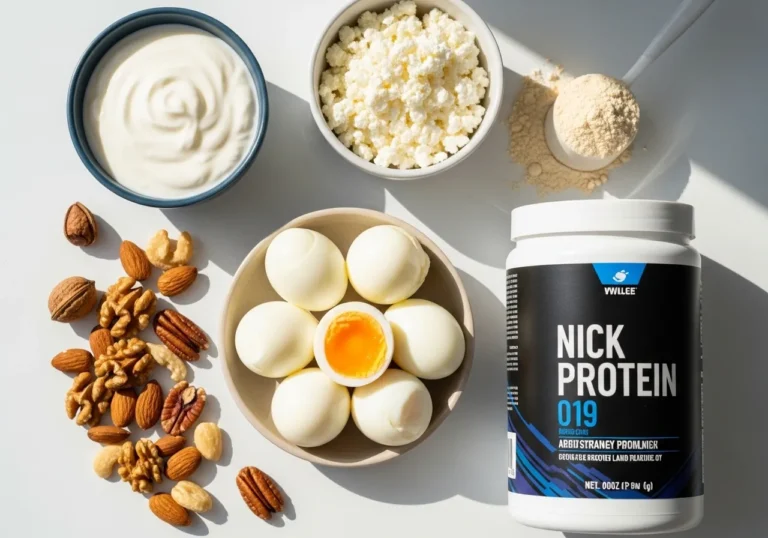
Eggs have been used as the reference standard for protein quality measurement for decades — their DIAAS score of 1.13 exceeds virtually every other protein source including most meat products. A large egg provides 6g high-quality protein at approximately 70 calories, with the protein split between white (4g, primarily albumin) and yolk (2g, alongside all fat-soluble nutrients). For athletes, the practical considerations around eggs center on volume: reaching 30–40g protein per meal from eggs alone requires 5–7 eggs — calorically significant and practically challenging without incorporating other protein sources. The most effective egg-based high-protein approaches: whole egg plus egg white combinations (2 whole eggs plus 4 egg whites provides 28g protein at approximately 220 calories — the same protein as 3–4 whole eggs at significantly lower caloric cost, important during caloric deficit phases). Greek yogurt or cottage cheese alongside eggs adds protein diversity and breakfast variety without relying on large egg volumes. Egg preparation methods that maximize protein per calorie: scrambled egg whites with vegetables and one whole egg for richness; omelets filled with protein-dense vegetables (spinach, mushrooms) and cheese; hard-boiled eggs as portable snacks providing 6g protein each at 70 calories.
Greek Yogurt and Cottage Cheese: The Highest-Protein Dairy
Among dairy products, Greek yogurt and cottage cheese stand apart from regular yogurt, milk, and cheese in their protein density — the straining process that produces Greek yogurt and the curd formation of cottage cheese concentrate the protein content while reducing or eliminating much of the lactose and whey. Full-fat Greek yogurt: 17g protein per 200g serving with slow-digesting casein that provides prolonged amino acid delivery — ideal as a pre-sleep protein source or meal component that sustains protein availability across longer between-meal periods. Non-fat Greek yogurt: 20g protein per 200g at 130 calories — the highest protein-to-calorie ratio of any common dairy product. Cottage cheese: 14g protein per 100g, primarily casein, with the same slow-digesting properties that make it effective pre-sleep or for extended satiety. Both foods are among the best protein sources for athletes regardless of dietary pattern — their exceptional protein density, high DIAAS scores (approximately 1.08 for casein), and versatility (eaten plain, with fruit and nuts, blended into smoothies, substituted for ricotta in savory dishes) make them daily protein staples for most high-performing athletes who consume dairy. Lactose intolerance consideration: most people with lactose intolerance tolerate Greek yogurt and cottage cheese better than milk or regular yogurt, because the straining process reduces lactose content and the bacterial cultures in yogurt partially pre-digest the remaining lactose.
Whey and Casein: Dairy Protein Supplements
Dairy-derived protein powders — whey and casein — are the most extensively researched protein supplements available and the gold standard against which plant protein powders are compared in research. Whey protein (fast-absorbing, highest DIAAS of any protein source at 1.09): ideal for post-workout consumption when rapid amino acid delivery maximizes the training stimulus for muscle protein synthesis. 25–30g whey protein within 60 minutes post-training is the most evidence-supported post-workout protein strategy for muscle building. Casein protein (slow-absorbing, digests over 5–7 hours): ideal pre-sleep to provide overnight amino acid availability that sustains muscle protein synthesis through the recovery period. 30–40g micellar casein before bed is the standard evidence-based pre-sleep protein recommendation. For vegetarians who are comfortable with dairy, these two protein powders provide the most efficient, highest-quality protein supplementation available — particularly valuable for athletes who need to reach high daily protein targets without excessive food volume.
Fish and Seafood: The Pescatarian Protein Advantage
Pescatarians — who avoid meat but include fish and seafood — have access to some of the highest-quality protein sources available, with the additional benefit of the omega-3 fatty acids that support anti-inflammatory recovery and cardiovascular health. Canned tuna: 25g protein per 100g at approximately 110 calories — the most cost-effective high-quality protein available at $0.03–0.06 per gram of protein, more economical than most plant proteins per gram of usable protein. Salmon: 20g protein per 100g with 2–3g omega-3 fatty acids per serving — the combination of high-quality protein and optimal omega-3 profile making it one of the most complete nutritional packages available in a single food. Shrimp: 24g protein per 100g at 99 calories — extremely protein-dense and virtually fat-free, making it the highest protein-to-calorie ratio seafood option. Sardines (canned in olive oil or water): 25g protein per 100g with the highest omega-3 content of common fish and the additional benefit of calcium from the edible bones — one of the most nutritionally complete foods available at extremely low cost ($1–2 per can). White fish (cod, haddock, tilapia): 18–22g protein per 100g, lower in fat than salmon, mild flavor that adapts to virtually any cuisine.
Cheese: The Calorie-Dense Protein Contribution
Cheese contributes meaningful protein to vegetarian diets — parmesan (35g protein per 100g), mozzarella (22g), cheddar (25g), and Swiss (27g) all provide substantial protein per serving — but the high fat and caloric density of most cheeses means that relying on cheese as a primary protein source requires careful caloric management. The most useful roles for cheese in vegetarian high-protein eating: as a protein amplifier added to meals that have other protein anchors (eggs with cheese, Greek yogurt with cheese in savory preparations, legume dishes finished with parmesan), and as a high-protein snack in controlled portions (30g sharp cheddar provides 8g protein at 120 calories — a satisfying protein-to-calorie ratio when the fat and calories fit the day’s targets). Low-fat cheese varieties (part-skim mozzarella, reduced-fat cottage cheese, ricotta) provide better protein-to-calorie ratios for athletes in caloric deficit phases, while full-fat varieties are appropriate for athletes in maintenance or caloric surplus phases where the additional caloric density is welcome.
Milk and Traditional Dairy: Moderate Protein Contribution
Regular cow’s milk provides 3.4g protein per 100ml — less protein-dense than Greek yogurt or cottage cheese, but consumed in larger volumes (300–500ml servings) that contribute 10–17g protein alongside calcium, vitamin D, and the unique anabolic properties of milk’s natural growth factor content. Research specifically on post-workout milk consumption finds that whole milk produces significantly better muscle protein synthesis responses than skim milk or soy milk at equivalent volumes — suggesting that the fat content of whole milk contributes to the anabolic response beyond its caloric contribution. Chocolate milk has been specifically studied as a post-workout recovery beverage and found to perform comparably to commercial recovery drinks due to its protein-to-carbohydrate ratio (approximately 1:3) that simultaneously delivers protein for muscle repair and carbohydrates for glycogen resynthesis. For athletes who tolerate dairy, 500ml of whole milk post-workout is a simple, low-cost, nutritionally complete recovery option that outperforms many more expensive alternatives in head-to-head research comparisons.
Optimizing Egg Intake: How Many Eggs Per Day Is Safe?
The historical concern about egg yolk cholesterol and cardiovascular disease has been substantially revised in current nutritional science — research published in the last decade consistently finds that dietary cholesterol from eggs has minimal impact on blood cholesterol levels in the majority of people (who are classified as “hypo-responders” to dietary cholesterol), with only a minority of individuals (approximately 25% of the population, classified as “hyper-responders”) experiencing meaningful LDL increases from egg consumption. Current evidence-based guidance from major cardiovascular and nutrition organizations does not specify an egg limit for healthy people, supporting 1–3 whole eggs daily as part of a varied diet without meaningful cardiovascular risk increase for most individuals. For athletes with high protein requirements who use eggs as a primary protein source, consuming 2–3 whole eggs plus 3–4 egg whites daily provides 28–35g high-quality protein from eggs alone at acceptable cardiovascular risk for the majority of people — those with specific lipid concerns or hyper-responder status should consult a healthcare provider for personalized guidance.
Omega-3 Fatty Acids for Non-Meat Athletes
The anti-inflammatory omega-3 fatty acids (EPA and DHA) found primarily in fatty fish are among the most extensively researched nutrients for athletic recovery — reducing exercise-induced inflammation, supporting joint health, and potentially improving muscle protein synthesis through their effects on cell membrane fluidity and anabolic signaling. For pescatarians, 2–3 servings of fatty fish weekly (salmon, mackerel, sardines) provides the EPA and DHA quantities associated with cardiovascular and anti-inflammatory benefits (approximately 250–500mg EPA+DHA daily). For lacto-ovo vegetarians who avoid fish: plant-based omega-3 (ALA from flaxseed, hemp, and walnuts) converts to EPA and DHA at very low efficiency (approximately 5% for EPA, less than 1% for DHA), meaning that vegetarians who rely solely on ALA for omega-3 status are at risk for EPA and DHA insufficiency that impairs recovery and cardiovascular health. Algae-based DHA/EPA supplements — the original source of the omega-3 that fish accumulate by eating algae — provide a genuinely plant-based EPA and DHA solution at 250–500mg per day, bypassing the inefficient ALA conversion pathway and directly supplying the long-chain omega-3 forms that confer health benefits.
Yogurt and Kefir: Fermented Dairy for Gut Health and Protein
Fermented dairy products — Greek yogurt, kefir, skyr, and labneh — provide the high-quality protein of regular dairy alongside beneficial probiotic bacteria that support gut microbiome health. The gut microbiome’s influence on athletic performance is an emerging research area, with studies suggesting that microbiome composition affects nutrient absorption, immune function, inflammation levels, and even exercise motivation through the gut-brain axis. Kefir — a fermented milk drink with more diverse probiotic strains than most yogurts — provides 10–12g protein per 200ml serving alongside 20–30 species of beneficial bacteria and yeast. Skyr (Icelandic-style strained dairy, similar to Greek yogurt) provides 11–12g protein per 100g with an even firmer texture than Greek yogurt, making it an excellent high-protein snack. Including fermented dairy products as part of the protein strategy provides the dual benefit of high-quality protein delivery and gut microbiome support that may enhance the absorption and utilization of the protein from all dietary sources — a genuine synergistic benefit of these specific protein choices.
The combination of eggs, dairy, and fish available to vegetarians and pescatarians provides access to some of the highest-quality protein sources available — enabling protein intake strategies that rival omnivorous diets in protein quality and potentially exceed them in the micronutrient diversity and omega-3 content that these specific food categories provide. The combination of eggs and dairy for vegetarians, and the soy-forward strategy for vegans, provides the protein quality foundation that allows non-meat eating athletes to achieve body composition and performance outcomes equivalent to meat-eating peers when total intake targets and leucine thresholds are consistently met. The egg and dairy protein sources available to lacto-ovo vegetarians represent a genuine nutritional advantage over fully plant-based diets for protein quality — whey from dairy, casein from cottage cheese, and the complete amino acid profiles of eggs provide the leucine-rich, high-DIAAS protein that most closely replicates the muscle-building stimulus of meat proteins. Vegetarians who use these sources generously have access to protein quality equivalent to omnivores, making the practical protein challenge for lacto-ovo vegetarians primarily one of habit and food selection rather than fundamental nutritional limitation. The non-meat protein landscape has never been better — the combination of improved plant protein processing, growing availability of high-quality protein powders, and deeper nutritional research support means that the tools available today to non-meat eating athletes are fully adequate for elite-level performance and body composition goals.

Building a High-Protein Meal Plan Without Meat: Practical Strategies and Sample Days
Understanding the best protein sources is necessary but insufficient — translating that knowledge into daily meals that consistently hit protein targets while being practically sustainable and genuinely enjoyable is the implementation challenge that determines whether a non-meat high-protein diet actually works in practice. This section provides concrete meal planning frameworks, sample high-protein days for different dietary patterns (vegan, lacto-ovo vegetarian, pescatarian), and the practical strategies that experienced plant-forward athletes use to maintain high protein intakes without meat.
Protein Anchoring: The Meal Planning Framework
The most effective high-protein meal planning strategy is protein anchoring — identifying the primary protein source for each meal first, then building the rest of the meal around it. This contrasts with the common approach of planning meals based on their overall composition and checking protein content afterward, which frequently results in insufficient protein totals that require awkward additions to compensate. For a 70kg athlete targeting 160g protein daily across 4 meals: each meal needs approximately 35–40g protein. Meal anchors that provide this at each meal: vegan options include 200g firm tofu (24g) + 50g hemp seeds (16g) = 40g; 200g tempeh (40g) alone; or 250g cooked edamame (22g) + 150g lentils (13g) = 35g. Vegetarian options include 200g Greek yogurt (20g) + 3 eggs (18g) = 38g; or 300g cottage cheese (42g) alone. Pescatarian options include 150g salmon (30g) + 100g Greek yogurt (10g) = 40g; or 200g canned tuna (50g) alone. Building each meal backward from the protein anchor rather than forward from a recipe concept ensures that protein targets are systematically met rather than haphazardly approached.
Sample High-Protein Day: Vegan (Target: 160g protein)
Breakfast (7am): Smoothie with 40g pea protein powder (32g protein) + 30g hemp seeds (10g protein) + 200ml oat milk + banana + frozen berries. Total: 42g protein, 520 calories. Lunch (12pm): Lentil and quinoa bowl — 150g cooked lentils (13g protein) + 200g cooked quinoa (8g protein) + 150g edamame (13g protein) + roasted vegetables + tahini dressing. Total: 34g protein, 580 calories. Afternoon snack (3pm): 200g silken tofu blended with 20g vanilla protein powder + cacao powder (smoothie bowl-style). Total: 28g protein, 280 calories. Dinner (7pm): Tempeh stir-fry — 200g tempeh (40g protein) + rice noodles + mixed vegetables + soy-ginger sauce. Total: 44g protein, 620 calories. Daily total: 148g protein, 2,000 calories. To reach the 160g target, add 2 tablespoons nutritional yeast (8g protein) across meals and 30g pumpkin seeds as evening snack (8g protein) — bringing total to approximately 164g protein. This day demonstrates that vegan protein targets are achievable but require deliberate planning around high-protein plant foods rather than relying on incidental protein from a predominantly carbohydrate-based diet.
Sample High-Protein Day: Lacto-Ovo Vegetarian (Target: 160g protein)
Breakfast (7am): 3 whole eggs + 3 egg whites scrambled (27g protein) + 200g Greek yogurt with berries (20g protein). Total: 47g protein, 480 calories. Lunch (12pm): Cottage cheese and lentil bowl — 200g cottage cheese (28g protein) + 100g cooked green lentils (9g protein) + roasted vegetables + olive oil. Total: 37g protein, 460 calories. Afternoon snack (3pm): 30g whey protein shake (25g protein) + apple. Total: 25g protein, 220 calories. Dinner (7pm): Tofu scramble with 200g firm tofu (24g protein) + 2 whole eggs (12g protein) + vegetables + cheese + sourdough toast. Total: 38g protein, 620 calories. Evening snack (9pm): 200g Greek yogurt (20g protein) + 30g hemp seeds (10g protein). Total: 30g protein, 280 calories. Daily total: 177g protein, 2,060 calories — comfortably exceeding the 160g target with the dietary flexibility of eggs and dairy. The lacto-ovo vegetarian has significantly easier access to high protein targets than the vegan, with less dietary planning required to consistently reach the threshold that maximizes muscle protein synthesis.
Sample High-Protein Day: Pescatarian (Target: 160g protein)
Breakfast (7am): 3 whole eggs + 100g smoked salmon (20g protein) + 2 eggs = 32g total protein scramble. Alongside 150g Greek yogurt (15g protein). Total: 47g protein, 500 calories. Lunch (12pm): Tuna and quinoa bowl — 150g canned tuna (37g protein) + 180g cooked quinoa (7g protein) + mixed greens + olive oil + lemon. Total: 44g protein, 520 calories. Afternoon snack (3pm): 200g cottage cheese (28g protein) + mixed seeds. Total: 30g protein, 260 calories. Dinner (7pm): 200g salmon fillet (40g protein) + roasted vegetables + 150g cooked lentils (13g protein). Total: 53g protein, 680 calories. Daily total: 174g protein, 1,960 calories — exceeding the 160g target with fish providing the most dense and complete protein contributions. The pescatarian has the broadest and most effortless access to high-quality protein of any non-meat dietary pattern, with fatty fish adding the additional benefit of omega-3 fatty acids not available from other protein sources at comparable density.
Meal Prep Strategies for High-Protein Plant-Based Eating
The most common practical failure mode in plant-based high-protein eating is reverting to low-protein default meals (pasta, bread, salads) when time pressure or cooking fatigue prevents deliberate meal planning. Batch cooking strategies that make high-protein plant-based eating accessible even on low-effort days: cook large batches of lentils and chickpeas (3–4 cups dry yields 8–10 cups cooked, lasting 5 days refrigerated) for instant protein addition to any meal; prepare a week’s worth of quinoa that serves as the base for multiple different grain bowl configurations; marinate and cook multiple blocks of tempeh or tofu in bulk (2–3 blocks at once) for slicing onto salads, adding to stir-fries, and packing in lunches across the week; keep canned tuna, canned beans, cottage cheese, and Greek yogurt as always-available refrigerator staples that require no preparation for instant protein contribution. The protein-dense pantry — with these staples always available — is the practical infrastructure that makes maintaining high protein intakes realistic across the full variability of a busy training life rather than only achievable during weeks when meal preparation is a priority.
Eating Out on a High-Protein Non-Meat Diet
Restaurant eating presents specific challenges for non-meat athletes pursuing high protein intakes — most restaurant vegetarian options are carbohydrate-heavy (pasta, pizza, grain bowls with minimal protein) and require deliberate ordering strategies to reach adequate protein totals. High-protein restaurant ordering strategies: Indian restaurants offer the most naturally high-protein vegetarian options — dal (lentil curry), paneer dishes (cottage cheese), and chana masala (chickpeas) provide 15–25g protein per dish. Japanese restaurants offer edamame, tofu-based dishes, and for pescatarians, sashimi and grilled fish with excellent protein density. Mediterranean restaurants provide hummus, falafel, Greek yogurt, and for pescatarians, grilled fish as high-protein options. Requesting additions: asking for double protein additions (extra tofu, extra eggs, extra cheese, extra legumes) at most restaurants is easily accommodated and transforms moderate-protein meals into high-protein ones without requiring menu items that don’t exist. The rule: always identify the protein anchor on the menu before ordering and build the meal around maximizing that component — the same protein-anchoring principle that applies to home cooking translates directly to restaurant eating.
Weekly Meal Prep for High-Protein Plant-Based Eating
Consistent high-protein eating without meat requires deliberate weekly preparation that makes protein-dense foods immediately accessible rather than requiring daily decision-making and cooking time that busy schedules rarely allow. A 90-minute Sunday meal prep routine for plant-based and vegetarian athletes: cook 1kg of lentils or chickpeas in a large pot (yields approximately 120–130g of protein across the week for use in salads, grain bowls, curries, and wraps); hard-boil 12 eggs (72g protein); prepare 500g of tempeh by pan-frying with tamari and garlic (approximately 100g protein); cook 800g of edamame from frozen (approximately 90g protein); and portion 500g of Greek yogurt into individual containers. This 90-minute investment produces approximately 500g of pre-cooked, ready-to-use protein across all macronutrient sources — enough to support the protein targets of a 70–80kg athlete for 4–5 days without daily cooking. The batch-cooked proteins integrate into meals in minutes: lentils added to any grain bowl, tempeh sliced into stir-fries, chickpeas roasted for snacks, hard-boiled eggs as portable protein across any meal or snack occasion. Reducing the daily friction of protein eating — from “I need to cook high-protein food from scratch” to “I need to add prepared protein to what I’m already eating” — is the practical infrastructure that makes consistently hitting protein targets achievable rather than exhausting.
Protein Timing for Vegetarian and Plant-Based Athletes
The protein timing principles that optimize muscle protein synthesis — 4 meals per day each containing 35–45g protein, spread across waking hours, with particular attention to post-training and pre-sleep protein — apply identically to non-meat eating athletes, but require deliberate food selection at each timing point because the protein-dense convenience foods that meat-eating athletes rely on (chicken breast, canned tuna, beef jerky) are not available. Post-training protein for vegetarians: a smoothie combining 30–40g pea or soy protein powder with milk or fortified plant milk, or Greek yogurt with cottage cheese, provides the 35–40g high-quality protein within the 60-minute post-training window that optimizes muscle protein synthesis. Pre-sleep protein for non-meat eaters: cottage cheese (the non-meat equivalent of casein’s slow-release profile) or Greek yogurt with added protein powder, consumed 30–60 minutes before bed, provides the overnight muscle protein synthesis stimulus that casein protein is known for. Between-meal protein snacks: hard-boiled eggs, edamame, roasted chickpeas, string cheese, or a small bowl of Greek yogurt with hemp seeds provide the amino acid delivery between main meals that keeps muscle protein synthesis elevated throughout the day.
Budget-Friendly High-Protein Eating Without Meat
Protein without meat is not only nutritionally achievable but frequently more budget-friendly than meat-centered eating — the highest-protein-density plant and dairy foods are among the least expensive protein sources available. Cost per gram of protein comparison: eggs ($0.06–0.10/g protein), dried lentils ($0.03–0.05/g protein), canned chickpeas ($0.05–0.08/g protein), dried black beans ($0.03–0.06/g protein), cottage cheese ($0.07–0.12/g protein), Greek yogurt ($0.10–0.15/g protein), and tofu ($0.08–0.12/g protein) all provide protein at costs well below chicken breast ($0.12–0.18/g), the cheapest common meat protein. A complete day of 170g protein from non-meat sources — 3 eggs at breakfast, 200g Greek yogurt as a snack, 150g lentils at lunch, 200g tofu at dinner, 300g cottage cheese in the evening — costs approximately $5–8 in most US markets. Building the protein shopping habit around the budget-friendly legume, egg, and dairy options rather than relying heavily on protein powders and specialty plant-based meat products (which are expensive per gram of protein delivered) produces excellent nutritional outcomes at costs that support long-term dietary sustainability.
The practical infrastructure of batch cooking, strategic protein timing, and budget-conscious food selection converts the theoretical knowledge of the best non-meat protein sources into the daily eating habits that consistently deliver the protein targets required for athletic performance, muscle development, and body composition achievement — regardless of whether meat is part of the dietary pattern. The meal planning and preparation infrastructure built around the highest-quality non-meat protein sources — batch-cooked legumes, prepared dairy portions, ready-to-use tofu and tempeh — is what converts the protein knowledge in this article into the daily eating habits that consistently produce the athletic results that motivate the dietary commitment in the first place. Vegetarian and plant-based athletes who build these practical systems — batch cooking, protein timing habits, supplement strategy — report that maintaining high protein intake eventually becomes as automatic and undemanding as any other established dietary habit, requiring the initial effort of system building but minimal ongoing conscious effort once the routine is established. The non-meat protein landscape has never been better — the combination of improved plant protein processing, growing availability of high-quality protein powders, and deeper nutritional research support means that the tools available today to non-meat eating athletes are fully adequate for elite-level performance and body composition goals.

Protein Supplements for Non-Meat Eaters, Common Mistakes, and FAQs
Protein supplements are not required for non-meat eaters to meet their protein targets — the whole food sources covered in the previous sections provide sufficient protein for most people when applied with deliberate planning. But supplements genuinely help when whole food sources are impractical (post-training when cooking is not possible, while traveling, or when appetite suppression from dieting makes eating adequate whole food protein uncomfortable), and understanding which plant-based protein supplements are most effective allows non-meat eaters to use them strategically rather than defaulting to inferior options out of habit or convenience.
Plant-Based Protein Powders: Quality Rankings
The plant-based protein powder market has grown dramatically as demand from vegan and vegetarian athletes has increased, but quality varies enormously between products. Soy protein isolate remains the highest-quality single-ingredient plant protein powder — with a DIAAS approaching 1.0 and leucine content of approximately 7.5g per 100g protein, it most closely approaches whey’s amino acid profile among plant options. Pea protein isolate is the second-highest quality and is now the most commonly used plant protein in blended products — good leucine content (approximately 8g per 100g protein), highly digestible, and well-tolerated by those with soy allergies. Pea-rice protein blends (typically 70% pea / 30% rice) are particularly popular because the amino acid profiles complement each other: pea is limiting in methionine while rice is limiting in lysine, and combining them produces a more complete amino acid profile than either alone — research published in the Journal of the International Society of Sports Nutrition on plant protein blends finds that pea-rice blends produce equivalent muscle protein synthesis responses to whey at matched leucine doses. Hemp protein powder provides the least concentrated protein (approximately 50% protein content vs. 80–90% for isolates), but includes beneficial omega-3 fatty acids and fiber — appropriate as a food supplement but not as a primary protein source when pure protein delivery is the goal. Avoid: pea protein concentrate (lower digestibility than isolate), most “complete plant protein” blends that use large numbers of low-quality protein sources at doses too small to contribute meaningfully.
Whey and Casein for Vegetarians
Vegetarians — those who avoid meat and fish but include dairy and eggs — have access to the highest-quality protein supplements available: whey protein (derived from milk during cheese production) and casein protein (the slow-digesting milk protein that supports overnight muscle protein synthesis). Whey protein isolate and concentrate are the most research-validated protein supplements for muscle building and recovery — with a DIAAS of 1.09 and leucine content of approximately 10g per 100g protein, whey produces superior muscle protein synthesis responses per gram compared to all plant-based alternatives at equivalent doses. For vegetarian athletes who are comfortable using dairy-derived supplements, whey protein represents the most cost-effective, highest-quality supplementation option available. Casein protein — consumed as micellar casein powder (30–40g before bed) or through high-casein whole foods (cottage cheese, Greek yogurt) — provides the slow-digesting protein that sustains muscle protein synthesis across the overnight fast, making it particularly valuable for muscle building and recovery in athletes who prioritize overnight protein delivery.
The 5 Most Common Non-Meat Protein Mistakes
Mistake 1: Relying on carb-heavy “protein foods.” Foods marketed as protein sources but providing most of their calories from carbohydrates (bread, quinoa, most grains) contribute meaningful protein but at such a low protein density per calorie that meeting daily protein targets from these sources alone requires enormous caloric intake. Supplement high-carbohydrate plant foods with true protein-dense sources (legumes, tofu, tempeh, dairy, eggs). Mistake 2: Insufficient total protein. The most common dietary protein error in vegetarians and vegans — underestimating protein needs and failing to track intake. A 70kg athlete needs 140–182g protein daily; most unplanned vegetarian diets provide 60–80g. Tracking protein intake for 1–2 weeks reveals the gap and guides food selection adjustment. Mistake 3: No attention to leucine content. Consuming adequate total protein grams from low-leucine sources (hemp, rice, wheat) without reaching the leucine threshold per meal impairs muscle protein synthesis despite adequate total daily protein. Prioritize leucine-rich plant proteins (soy, pea, edamame) or supplement with leucine powder to ensure the anabolic threshold is reached at each major meal. Mistake 4: Ignoring digestibility. Eating large portions of raw or undercooked legumes that are poorly absorbed does not deliver the amino acids the protein numbers suggest. Always cook legumes thoroughly and consider digestibility-improving preparation methods (soaking, sprouting, fermenting). Mistake 5: Underusing eggs and dairy. Many lacto-ovo vegetarians unnecessarily restrict the highest-quality non-meat protein sources available to them — eggs and dairy — out of habitual moderation or vague health concerns not supported by current evidence. For muscle building specifically, eggs and dairy are the highest-return protein investments for non-vegan vegetarians, and a diet that includes 3–4 eggs and 300–400g of Greek yogurt or cottage cheese daily has the quality advantage of animal protein while maintaining full vegetarian dietary alignment.
Micronutrient Considerations for Non-Meat Protein Eaters
Eliminating meat affects not only protein intake but also the availability of several micronutrients that meat provides in highly bioavailable forms. Iron: heme iron from meat is significantly more bioavailable (15–35% absorption) than non-heme iron from plants (2–20% absorption) — vegetarians and vegans require 1.8 times the iron RDA and benefit from pairing iron-rich plant foods with vitamin C (which enhances non-heme iron absorption) and avoiding calcium-rich foods alongside iron-rich meals (calcium reduces iron absorption). Vitamin B12: found almost exclusively in animal products, B12 supplementation (2.5–10mcg daily in cyanocobalamin form) is essential for vegetarians who consume minimal dairy and eggs, and non-negotiable for vegans — B12 deficiency produces neurological damage that is irreversible if prolonged. Zinc: less bioavailable from plant sources due to phytate content — vegetarians benefit from soaking and sprouting legumes to reduce phytate content, and may benefit from supplementation at 11–15mg daily. Omega-3 fatty acids: EPA and DHA from fish are the most biologically active omega-3 forms; plant sources provide ALA (found in flaxseed, chia, hemp) that converts to EPA and DHA at only 5–10% efficiency — algae-based omega-3 supplements provide direct EPA and DHA for non-fish eaters and are the most evidence-based solution for omega-3 adequacy without fish consumption.
Frequently Asked Questions: Protein Without Meat
Can I build muscle on a fully plant-based diet? Yes — multiple studies comparing muscle gain in omnivores versus vegans following equivalent resistance training programs with protein-matched diets find no significant difference in muscle hypertrophy outcomes when protein intake is sufficient and leucine threshold is met per meal. The caveat is that “protein-matched” requires higher total gram intake for plant-based athletes due to lower DIAAS scores, and “leucine threshold met” requires deliberate selection of leucine-rich plant proteins or supplementation. Plant-based bodybuilders who understand these requirements routinely achieve competitive-level muscle development.
Is tofu a good protein source? Yes — firm tofu provides approximately 17g protein per 100g serving at a DIAAS approaching 0.9, relatively high leucine content for a plant source, and versatility in cooking that makes it one of the most practical daily protein sources available to non-meat eaters. The concern that tofu’s phytoestrogen content impairs muscle building or hormonal function is not supported by research at normal dietary intake levels — the evidence on soy phytoestrogens finds no meaningful effects on testosterone or estrogen at the amounts found in a typical diet including moderate tofu consumption.
What is the single best protein source for a vegan athlete? Edamame (whole soybeans) and tofu/tempeh are the highest-quality complete protein sources available to fully plant-based athletes — the soy protein profile most closely approaches animal protein quality among plant options. For practical daily protein delivery, a combination of tempeh, edamame, and a pea-rice protein blend in a post-training smoothie provides the leucine-adequate, complete amino acid delivery that supports muscle building at vegan protein intake levels.
How much protein can the body absorb per meal? The “body can only absorb 30g protein per meal” claim is a persistent myth — the body absorbs all the protein consumed in a meal, though the rate of absorption and the muscle protein synthesis stimulus from a single meal do plateau above 40–50g of high-quality protein. This means that consuming 60–80g of protein in one meal is not harmful or wasted, but provides minimal additional muscle protein synthesis stimulus above the 40–50g threshold — making 4 meals of 40–45g each more effective for total daily muscle protein synthesis than 2 meals of 80–90g at equivalent total daily intake.
Non-Meat Protein Sources for Specific Athletic Goals
Different athletic goals benefit from different emphases in non-meat protein source selection. For maximum muscle building: prioritize the highest-DIAAS sources — soy protein, eggs, and dairy for vegetarians; soy, pea-rice blends, and high-volume edamame for vegans — consumed at 35–45g per meal across 4 daily meals with particular attention to post-training and pre-sleep protein delivery. For endurance sport performance: protein targets are somewhat lower (1.4–1.7g/kg), and the carbohydrate content of legumes and dairy makes them dual-purpose macronutrient sources — lentils, chickpeas, and milk provide the combined protein-carbohydrate nutrition that endurance athletes need in a single food source rather than requiring separate protein and carbohydrate sources at every meal. For fat loss and body recomposition: higher protein targets (2.0–2.6g/kg) combined with the satiety benefit of high-protein eating makes Greek yogurt, cottage cheese, eggs, and legumes particularly valuable — their high protein density relative to caloric content allows aggressive protein targets to be met within calorie-restricted total daily intake. For master athletes (50+): slightly higher protein requirements (1.8–2.2g/kg) combined with potentially reduced digestive efficiency make the highest-quality, most digestible sources most important — whey protein for vegetarians and soy protein for vegans are particularly appropriate as the protein sources closest in quality to the animal proteins that research on master athlete protein needs has been conducted with.
Tracking and Optimizing Non-Meat Protein Intake Over Time
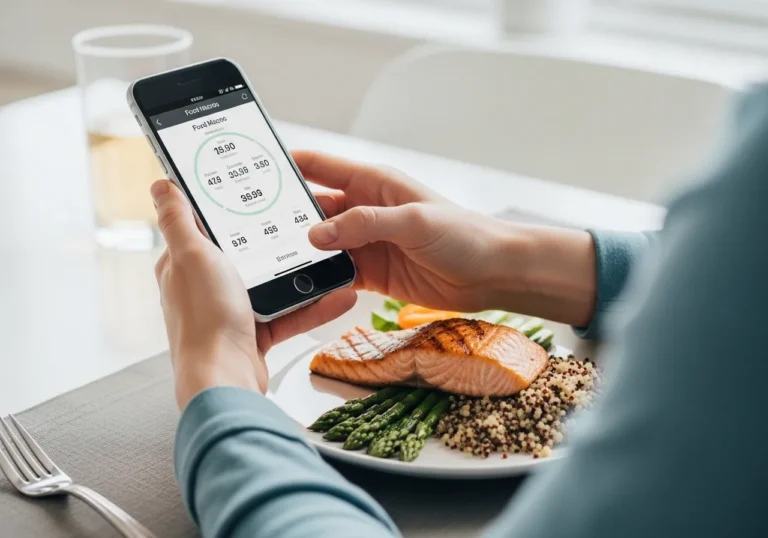
The athletes who most consistently achieve their non-meat protein targets are those who track their intake for at least 2–4 weeks at the beginning of their dietary approach — identifying the gap between current intake and target, the specific meals and times of day where protein is lowest, and the food sources that most efficiently close the gap within their existing food preferences. Tracking apps (Cronometer is particularly useful for plant-based eaters because it tracks amino acid profiles in addition to macronutrients) reveal not just total protein but leucine content across meals, allowing the specific amino acid optimization that generic calorie-counting apps do not support. After the initial tracking period, most athletes develop sufficient intuitive protein awareness to maintain targets without daily tracking — the 2–4 week education period provides the food knowledge that makes informed daily food choices second nature. Reassessing protein intake during training phase changes (from maintenance to muscle building, from general fitness to competition preparation) and during major dietary changes ensures the protein strategy remains appropriately calibrated to the evolving demands of the training program.
Protein without meat is not a compromise — it is a fully viable, nutritionally sound dietary strategy that supports athletic performance, muscle development, and long-term health when approached with the deliberateness that any high-performance nutrition strategy requires. The athletes who thrive on plant-forward and non-meat diets are not those who minimize the protein challenge but those who engage with it directly: understanding the quality differences between protein sources, hitting leucine thresholds at each meal, reaching total daily targets at the higher end of recommendations, and using the practical tools of batch cooking, strategic supplementation, and consistent tracking to make the protein delivery as automatic as it is for meat eaters who benefit from the protein density and convenience of animal-based foods. The non-meat protein landscape has never been better — the combination of improved plant protein processing, growing availability of high-quality protein powders, and deeper nutritional research support means that the tools available today to non-meat eating athletes are fully adequate for elite-level performance and body composition goals.