The Best Foods to Eat When You’re Sore After a Workout
1. The Science of Workout Soreness: What DOMS Is and Why Nutrition Matters
Delayed onset muscle soreness — the stiffness, tenderness, and aching that peaks 24–72 hours after an intense or unfamiliar workout — is one of the most universal experiences in fitness, and one of the most poorly understood. Most people treat DOMS as an unavoidable consequence of training, accept it as a sign of a “good workout,” and wait for it to resolve on its own. The research tells a more nuanced story: while DOMS cannot be fully prevented, specific nutritional strategies significantly reduce its severity and duration — making the recovery nutrition consumed in the hours and days after a hard workout one of the most impactful interventions available for feeling better faster and training again sooner. When I began specifically targeting recovery nutrition after particularly hard sessions, the difference in how I felt at 48 hours was dramatic enough to permanently change my post-workout approach.
What Is DOMS and What Causes It?
Delayed onset muscle soreness is a specific form of exercise-induced muscle damage that differs from the acute burning sensation felt during exercise (which results from hydrogen ion accumulation and metabolic fatigue) and from acute muscle strain injuries. DOMS is caused primarily by the eccentric component of exercise — the controlled lengthening of a muscle under tension that occurs during the lowering phase of any resistance exercise (lowering the bar in a bench press, descending into a squat, the landing phase of running or jumping). Eccentric contractions produce microscopic disruptions of the sarcomere structure (the Z-disk tears that disrupt the basic contractile unit of muscle), which triggers an inflammatory cascade: damaged muscle cells release inflammatory mediators (prostaglandins, bradykinins, histamine) that sensitize local nociceptors (pain receptors), producing the characteristic soreness and tenderness. This inflammatory phase also attracts neutrophils and macrophages (immune cells) to the damaged tissue — the immune response that clears cellular debris and initiates the tissue repair that makes the muscle stronger after recovery. The research from PubMed literature on DOMS mechanisms confirms that DOMS represents genuine muscle fiber disruption and the subsequent inflammatory repair response — a necessary physiological process that, when properly nutritionally supported, produces the adaptation (muscle growth and strength improvement) that training is designed to achieve.
How Nutrition Influences DOMS Severity and Duration
Nutrition influences DOMS through multiple specific mechanisms that the research has progressively clarified. Protein and amino acids provide the building blocks for muscle protein synthesis — the tissue repair process that replaces damaged sarcomere structures with new, stronger contractile proteins. Adequate protein intake in the 24–48 hours following intense training accelerates this repair process, reducing the duration and severity of the DOMS that persists while repair is incomplete. Anti-inflammatory nutrients (omega-3 fatty acids, polyphenols, antioxidants) modulate the inflammatory response that DOMS represents — not by blocking inflammation entirely (which would impair the repair process) but by resolving it more efficiently, reducing the excessive or prolonged inflammation that worsens pain beyond what the productive repair phase requires. Carbohydrates support glycogen resynthesis that restores the energy substrate that both the repair process and subsequent training sessions require — glycogen-depleted muscles undergo higher rates of protein catabolism as the body metabolizes muscle protein for gluconeogenesis, worsening the protein balance that tissue repair needs. Research from the Journal of the International Society of Sports Nutrition on recovery nutrition identifies combined protein and carbohydrate consumption within 2 hours of exercise as the nutritional strategy with the most consistent evidence for improving recovery outcomes — faster glycogen resynthesis, improved muscle protein synthesis, and reduced inflammatory markers compared to protein or carbohydrate alone.
The Inflammatory Response: Friend and Enemy
The post-exercise inflammatory response — the same process that causes DOMS — is simultaneously the mechanism of adaptation that makes training produce improvements and the source of discomfort that makes training soreness unpleasant. This dual nature of inflammation has important nutritional implications: strategies that completely block inflammation (like high-dose NSAIDs such as ibuprofen taken immediately after training) reduce DOMS symptoms but may impair the inflammatory signaling that drives muscle protein synthesis and adaptation — potentially reducing the training benefit that the discomfort was purchased with. The nutritional goal is not anti-inflammatory suppression but inflammatory resolution: providing the nutrients that allow the inflammatory cascade to complete its repair function efficiently and then resolve, rather than either blocking it prematurely or allowing it to persist chronically beyond the productive repair phase. Foods and nutrients that support efficient inflammatory resolution — omega-3 fatty acids (which produce resolvins and protectins, the specialized pro-resolving mediators that actively terminate inflammation), antioxidants (which neutralize the reactive oxygen species produced during the inflammatory process), and polyphenols (which modulate inflammatory gene expression through NF-kB pathway effects) — represent the evidence-based nutritional approach to DOMS management that supports both symptom relief and training adaptation.
Timing of Recovery Nutrition: The Window That Matters
The post-exercise nutritional window — the period during which specific nutrients produce their greatest recovery benefit — is broader than the “30-minute anabolic window” myth suggests but more important than the “timing doesn’t matter” overcorrection that followed. The research consensus: consuming protein and carbohydrates within 2 hours of training produces measurably better recovery outcomes than delaying the same nutrients by 4+ hours — not because a narrow window “closes” but because the metabolic state of the post-exercise period (elevated muscle insulin sensitivity, higher protein synthesis rates, depleted glycogen) makes nutrients more effectively utilized during this window than at other times. For athletes training when sore, the 24–48 hour nutritional period following the workout that caused the soreness is as important as the immediate post-workout window — muscle protein synthesis remains elevated for 24–48 hours after intense training, making the total protein intake across this extended period the most important nutritional determinant of DOMS duration and recovery quality. Distributing adequate protein across 4–5 meals in the 24–48 hours following intense training optimally stimulates muscle protein synthesis throughout the extended elevated-sensitivity period — achieving better protein utilization than the same total protein consumed in 1–2 large meals.
Individual Variation in DOMS and Recovery Nutrition Response
The severity of DOMS and the responsiveness to recovery nutrition interventions varies considerably between individuals based on training status, age, genetics, and exercise type. Training status: well-trained athletes experience significantly less DOMS from the same exercise stimulus than untrained individuals because repeated exposure to the eccentric stimulus produces the “repeated bout effect” — the adaptation that reduces Z-disk vulnerability to subsequent eccentric bouts after the initial exposure. The repeated bout effect means that experienced athletes need recovery nutrition primarily to optimize adaptation and training quality rather than to manage severe symptom-level DOMS. Age: adults over 40 typically experience more prolonged DOMS of greater severity than younger adults from equivalent exercise stimuli — the age-related reduction in satellite cell (muscle stem cell) function, reduced anabolic hormone signaling, and greater oxidative stress response to exercise all contribute to extended recovery needs that make recovery nutrition particularly important for masters athletes. The specific foods and strategies in this article apply to any individual experiencing post-workout soreness, with the practical guidance scaling appropriately for different training ages and exercise backgrounds.
The Satellite Cell Response: How Nutrition Drives Muscle Rebuilding
Satellite cells — the muscle-specific stem cells that reside between the sarcolemma and basal lamina of mature muscle fibers — are the primary cellular agents of DOMS repair and the muscle adaptation that training produces. Following exercise-induced muscle damage, satellite cells are activated by the inflammatory signals and mechanical stretch that the damage produces — they proliferate, migrate to the damage sites, and either fuse with the existing damaged fiber to repair it or fuse with each other to create new myofibers that replace severely damaged ones. The nutritional support for satellite cell function is specifically protein- and amino acid-dependent: satellite cell proliferation requires the nucleotide synthesis that demands methionine, glycine, and arginine; satellite cell differentiation and fusion require the leucine-stimulated mTOR signaling that protein intake triggers; and the overall satellite cell activity level is regulated by the IGF-1 and growth hormone that adequate dietary protein and caloric intake maintain. Nutritional inadequacy during the satellite cell-active DOMS recovery period — insufficient protein, severe caloric restriction, or micronutrient deficiencies (particularly vitamin D and zinc, both of which directly affect satellite cell function) — reduces satellite cell activity, delays muscle fiber repair, and attenuates the adaptation that the training stimulus was designed to produce. For athletes simultaneously managing body composition goals (losing fat) during training, the tension between caloric restriction and recovery nutrition adequacy is most acute during the 24–48 hours of active DOMS — the research recommendation is to prioritize protein adequacy (even at the expense of the caloric deficit target) during this window, and to resume caloric restriction once acute recovery is complete.
Practical Food Preparation for Recovery Nutrition
The best recovery nutrition plan is the one that is actually executed — and the practical barriers of time, preparation skill, and food access require specific strategies to ensure that the nutritional principles of recovery are implemented consistently rather than only on days when meal preparation is easy. Meal preparation for recovery: preparing recovery meals in advance (cooking a batch of rice, grilled salmon, or roasted sweet potatoes on a weekly basis) eliminates the post-workout decision-making that often defaults to convenience food when recovery-appropriate ingredients require preparation. The post-workout period specifically — when fatigue is high and motivation for cooking is low — is where pre-prepared recovery meals provide the most practical value. The no-preparation recovery meal: Greek yogurt with frozen berries and granola, cottage cheese with fruit and nuts, a premixed protein shake with banana, or hard-boiled eggs with a piece of fruit require zero cooking and provide the protein and anti-inflammatory nutrients that the post-workout window demands. Building a recovery pantry: keeping the evidence-based recovery foods consistently stocked — canned sardines or salmon (omega-3 protein with zero preparation required), frozen tart cherries and mixed berries, Greek yogurt or cottage cheese, quick-cooking oats, pre-portioned protein powder, and turmeric and ginger — removes the ingredient access barrier that makes recovery nutrition lapse into convenience food during busy training periods.
Post-workout soreness is not simply discomfort to be endured — it is the physiological signal of the repair and adaptation process that training is designed to produce, and the nutritional environment that supports that process determines how quickly repair completes and how fully adaptation is expressed. The research evidence for recovery nutrition is robust, the practical implementation is accessible to any athlete with adequate food access, and the outcomes of consistent recovery nutrition practice — faster DOMS resolution, better training quality, and superior long-term adaptation — represent a training advantage that requires only dietary attention rather than additional training time or financial investment to capture. Eat to recover as deliberately as you train to improve, and allow the nutritional intelligence of evidence-based recovery to multiply the return from every training session that precedes it. The athletes who get the most from their training are not necessarily those who train the hardest — they are those who support their training with the nutritional precision that complete recovery requires. Each post-workout meal that provides adequate protein, anti-inflammatory foods, and appropriate carbohydrates is an investment in the adaptation that the training session produced — and the cumulative effect of consistent recovery nutrition across weeks, months, and years of training compounds into the superior physical development that differentiates disciplined nutritional athletes from those who train hard but recover poorly. Begin with the post-workout protein and anti-inflammatory food combination at your next training session; add the pre-sleep casein protein that optimizes overnight repair; and gradually build the complete recovery nutrition system that this article provides into the consistent dietary pattern that your training investment deserves. The food you eat after training is as important as the training itself — treat it accordingly. Recovery starts on the plate. Train hard. Eat smart. Recover completely. Your muscles are waiting for the fuel to rebuild. Give it the nutrients it deserves. Eat up.
2. Anti-Inflammatory Foods That Speed Up Muscle Recovery
The anti-inflammatory nutritional approach to DOMS management focuses on providing the specific compounds that modulate the inflammatory cascade — resolving productive inflammation efficiently while preventing excessive or chronic inflammatory persistence that prolongs soreness and impairs training readiness. These are not exotic supplements or expensive products: they are whole foods with concentrated levels of the bioactive compounds that research has identified as meaningful contributors to post-exercise recovery.
Fatty Fish: Omega-3s and Inflammatory Resolution
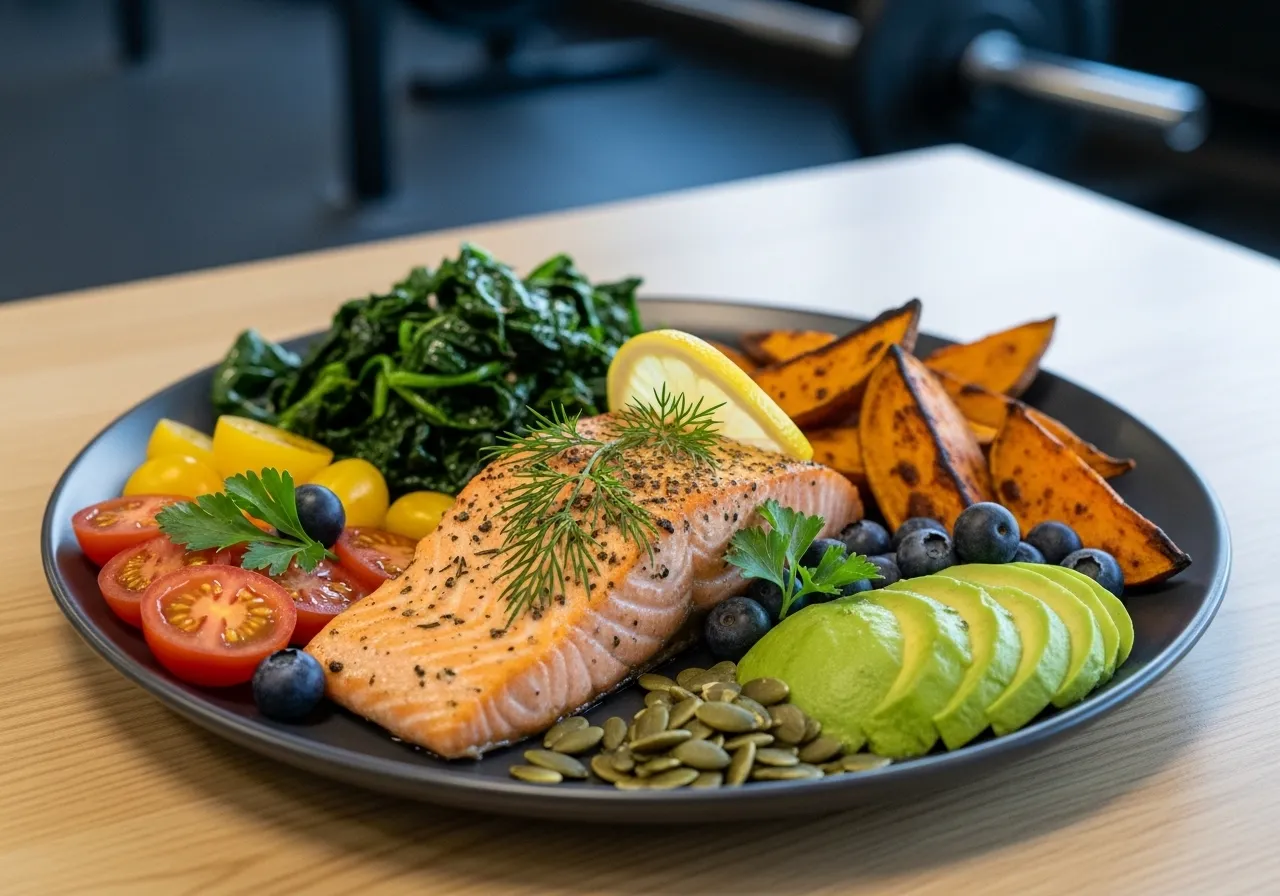
Fatty fish — salmon, mackerel, sardines, herring, and tuna — are the most nutrient-dense anti-inflammatory recovery foods available, providing the EPA and DHA omega-3 fatty acids that produce specialized pro-resolving mediators (resolvins, protectins, and maresins) that actively terminate the inflammatory cascade rather than simply suppressing its initial signals. The research on omega-3 supplementation and DOMS is among the most consistent in the recovery nutrition literature: studies using doses of 2–4g of combined EPA+DHA daily find significant reductions in post-exercise muscle soreness, lower circulating inflammatory markers (IL-6, TNF-alpha, CRP), and improved recovery of muscle force production after eccentric exercise. A 100g serving of Atlantic salmon provides approximately 2.2g of combined EPA+DHA — making 2 servings of fatty fish per week, combined with high omega-3 plant foods on other days, a practical dietary approach to reaching the therapeutic omega-3 intake that DOMS research supports. The practical recovery application: consume fatty fish at the meal immediately following an intense training session, or within the first 24 hours of the soreness onset — the timing allows the EPA and DHA to be incorporated into the inflammatory cell membranes that determine the character of the inflammatory response most relevant to the post-workout period. Research from American Journal of Clinical Nutrition on omega-3 and exercise recovery confirms the mechanism: dietary EPA and DHA competitively displace arachidonic acid (the omega-6 precursor of pro-inflammatory eicosanoids) in cell membranes, shifting the balance of inflammatory mediators toward the less inflammatory, more efficiently resolved EPA and DHA-derived compounds.
Tart Cherries: The Most Evidence-Supported Recovery Food
Tart cherries — and tart cherry juice in concentrated form — have the most extensive evidence base of any single food for post-exercise recovery outcomes, with multiple randomized controlled trials documenting significant reductions in DOMS severity, inflammatory markers, and muscle damage indicators compared to placebo. The active compounds in tart cherries: anthocyanins (the pigments responsible for the deep red color) are potent antioxidants and anti-inflammatory agents that inhibit cyclooxygenase (COX) enzymes (the same enzymes that NSAIDs target) through a mechanism that is thought to provide anti-inflammatory benefit without the gastrointestinal and platelet effects that NSAID use produces. The research protocol: 30ml of tart cherry concentrate (equivalent to 60–70 cherries) consumed twice daily for 4–5 days surrounding an intense training session — beginning 2 days before and continuing 2–3 days after — produces the most consistent reduction in DOMS severity in published trials. For athletes who prefer whole food sources: 200–250g of fresh or frozen tart cherries provides comparable anthocyanin content to the 30ml concentrate dose, making the whole food option practical for athletes with access to tart cherries during their season. The antioxidant content of tart cherries also includes melatonin (supporting sleep quality that is integral to recovery) and quercetin (an anti-inflammatory flavonoid with additional evidence for reducing exercise-induced muscle damage) — making the full food a more complex recovery tool than the anthocyanin content alone suggests.
Ginger and Turmeric: Culinary Anti-Inflammatories
Ginger and turmeric — the culinary spices with the longest traditional use for pain and inflammation and the most extensive modern research validation — provide the gingerols, shogaols, and curcumin that produce clinically relevant anti-inflammatory effects through COX-2 and NF-kB pathway modulation. Ginger: randomized controlled trials on ginger and DOMS (using 2–4g of raw ginger daily for 5 days) find significant reductions in post-exercise soreness and CK (creatine kinase, a marker of muscle damage) compared to placebo. The practical daily dose of 2g of raw ginger — equivalent to approximately 1 teaspoon of fresh grated ginger or half a teaspoon of ground ginger — is achievable through culinary use in smoothies, stir-fries, soups, and teas without requiring supplementation. Turmeric and curcumin: curcumin (the active polyphenol in turmeric) has anti-inflammatory evidence comparable to ibuprofen in some studies — without ibuprofen’s gastrointestinal effects — at doses of 500–2,000mg of curcumin daily. The challenge with dietary turmeric: standard turmeric contains only 3–5% curcumin by weight, meaning that achieving the research-used curcumin doses requires supplementation with curcumin extract rather than culinary turmeric alone. However, adding culinary turmeric to recovery meals (1–2 teaspoons daily in curry, soups, golden milk) provides meaningful curcumin intake alongside the other bioactive compounds in whole turmeric that curcumin extracts do not supply. Adding black pepper (which contains piperine, enhancing curcumin bioavailability by 2,000%) to turmeric-containing foods maximizes the curcumin absorption from culinary sources.
Berries and Polyphenol-Rich Foods
Beyond tart cherries, the broader category of polyphenol-rich foods — blueberries, strawberries, blackberries, pomegranate, red grapes, and dark leafy greens — provides the antioxidant and anti-inflammatory compounds that support recovery through multiple complementary mechanisms. Blueberries: among the highest antioxidant capacity of commonly consumed fruits, with research specifically on blueberry consumption and post-exercise recovery finding reduced muscle damage markers and improved recovery of strength after eccentric exercise. A 150g daily serving of blueberries (approximately one cup) provides meaningful polyphenol intake through pterostilbene, anthocyanins, and ellagic acid. Pomegranate juice: multiple studies find reduced DOMS severity and faster recovery of strength after eccentric exercise with pomegranate juice consumption (240ml daily for several days surrounding the exercise bout) — attributed to the ellagitannins and punicalagins that are unique to pomegranate and have demonstrated COX inhibitory activity in vitro and anti-inflammatory effects in vivo. The practical approach: prioritizing variety in fruit consumption — rotating through tart cherries, blueberries, strawberries, and pomegranate across the week — provides diverse polyphenol exposure that targets multiple inflammatory pathways rather than the single pathway that any individual polyphenol class addresses.
Green Tea and Anti-Inflammatory Beverages
Green tea — consumed as brewed tea or through matcha (a powdered whole-leaf form that provides the complete leaf’s catechin content) — contains EGCG (epigallocatechin gallate) and other catechins that demonstrate anti-inflammatory, antioxidant, and muscle-protective effects in exercise research. Studies on green tea extract and exercise recovery find reduced oxidative stress markers, lower CK levels, and attenuated inflammatory cytokine responses compared to placebo in athletes consuming 400–1,200mg of green tea catechins daily — a dose achievable from 3–4 cups of brewed green tea or 1–2 teaspoons of matcha powder daily. The practical recovery beverage approach: a cup of green tea or matcha immediately post-workout, combined with the hydration that the post-exercise period requires, provides both the catechin anti-inflammatory content and the rehydration that recovery demands. Anti-inflammatory beverages for the soreness period also include: golden milk (turmeric and ginger in warm milk or plant milk, providing curcumin, gingerols, and the protein of the milk base); tart cherry juice (as described above); and kombucha or kefir (providing the probiotic bacteria that gut health research increasingly links to systemic inflammatory regulation and post-exercise immune support).
Plant-Based Athlete Recovery Nutrition
Plant-based athletes face specific recovery nutrition challenges — the lower bioavailability of plant protein, the absence of EPA and DHA in plant foods (with the exception of algae-based omega-3 supplements), and the potential for specific micronutrient gaps (vitamin B12, zinc, iron, creatine) that animal-food restriction creates. The plant-based recovery nutrition approach requires specific strategies that compensate for these challenges without requiring animal products. Protein: combine complementary plant proteins at each recovery meal to ensure complete essential amino acid profiles (rice + legumes, corn + beans, hummus + whole grain pita); target 30–40g of plant protein per meal to compensate for the lower leucine content of plant proteins compared to animal sources (requiring higher total plant protein to achieve equivalent leucine-stimulated muscle protein synthesis). EPA and DHA: supplement with algae-based omega-3s (the direct source from which fish accumulate EPA and DHA) at 500–1,000mg of combined EPA+DHA daily — providing the anti-inflammatory omega-3s that the plant-food omega-3 (ALA from flaxseed, chia, and walnuts) poorly converts to at the typically 5–10% ALA-to-EPA/DHA conversion rate. Tart cherries, blueberries, turmeric, and ginger remain among the most effective anti-inflammatory recovery foods regardless of dietary pattern — the plant-based athlete has strong access to the polyphenol-based recovery foods that represent some of the most evidence-supported DOMS interventions available.
Alcohol, Recovery, and the Social Challenge
The intersection of athletic culture and social drinking creates a specific challenge for DOMS recovery nutrition — post-game team celebrations, weekend social drinking, and the cultural normalization of post-workout alcohol consumption (the post-race beer, the post-game drinks) directly undermine the recovery processes that training investments were designed to produce. Understanding the magnitude of the impact: research showing 30–40% impairment of muscle protein synthesis from post-exercise alcohol is not a trivial, marginal effect — it represents the difference between adequate and inadequate muscle repair for the same training session. The practical strategies for athletes who socialize with alcohol: consume the full post-workout recovery meal and protein shake before drinking (ensuring that the anabolic window is nutritionally supported before alcohol impairs protein synthesis signaling); choose lower-alcohol options and limit to 1–2 drinks to minimize the protein synthesis impairment (research finds dose-dependent effects — higher alcohol doses produce greater impairment); schedule social drinking on easy training days or active rest days rather than the post-hard-training period; and hydrate aggressively (alternating water and alcoholic beverages) to minimize the dehydration that alcohol adds to the post-exercise fluid deficit. These strategies reduce the recovery impact of social drinking without requiring complete abstinence — allowing the social participation that team and community sports appropriately value while limiting the physiological cost that strategic management makes meaningfully smaller.
Post-workout soreness is not simply discomfort to be endured — it is the physiological signal of the repair and adaptation process that training is designed to produce, and the nutritional environment that supports that process determines how quickly repair completes and how fully adaptation is expressed. The research evidence for recovery nutrition is robust, the practical implementation is accessible to any athlete with adequate food access, and the outcomes of consistent recovery nutrition practice — faster DOMS resolution, better training quality, and superior long-term adaptation — represent a training advantage that requires only dietary attention rather than additional training time or financial investment to capture. Eat to recover as deliberately as you train to improve, and allow the nutritional intelligence of evidence-based recovery to multiply the return from every training session that precedes it. The athletes who get the most from their training are not necessarily those who train the hardest — they are those who support their training with the nutritional precision that complete recovery requires. Each post-workout meal that provides adequate protein, anti-inflammatory foods, and appropriate carbohydrates is an investment in the adaptation that the training session produced — and the cumulative effect of consistent recovery nutrition across weeks, months, and years of training compounds into the superior physical development that differentiates disciplined nutritional athletes from those who train hard but recover poorly. Begin with the post-workout protein and anti-inflammatory food combination at your next training session; add the pre-sleep casein protein that optimizes overnight repair; and gradually build the complete recovery nutrition system that this article provides into the consistent dietary pattern that your training investment deserves. Anti-inflammatory eating is a daily practice, not a post-workout emergency measure. Eat color. Eat omega-3s. Recover faster. Train hard. Eat smart. Recover completely. Feed the inflammation resolution you need. Start today. Always.
3. Protein, Carbohydrates, and Hydration: The Core Recovery Nutrition
While anti-inflammatory foods address the symptom dimension of DOMS recovery, the macronutrient foundation — adequate protein for tissue repair, carbohydrates for energy restoration, and hydration for all metabolic processes — is the structural requirement that determines whether the repair process proceeds at the rate that minimizes DOMS duration and maximizes training adaptation. Without the macronutrient foundation, anti-inflammatory additions produce minimal benefit on top of a nutritional deficit that prevents adequate tissue repair.
Protein: The Building Blocks of Muscle Repair
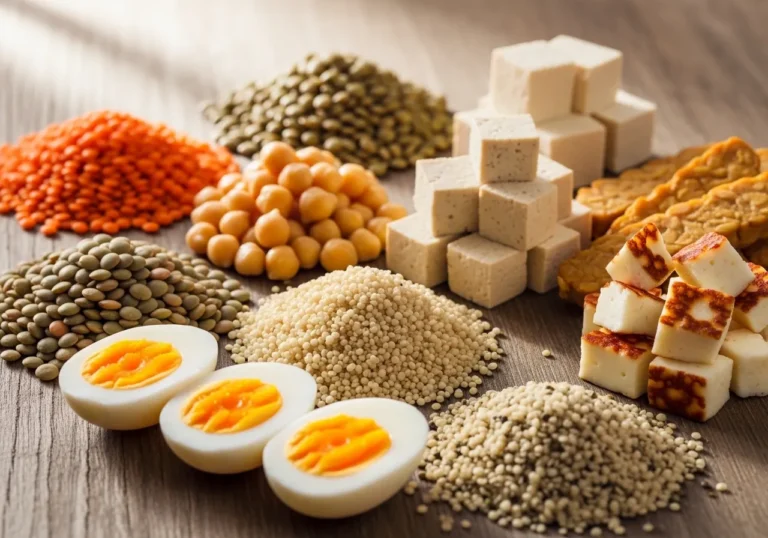
Muscle protein synthesis — the cellular process that replaces damaged sarcomere proteins with new contractile proteins — requires a continuous supply of essential amino acids, particularly leucine (the primary trigger of mTOR-mediated protein synthesis) and the other branched-chain amino acids (valine and isoleucine) that skeletal muscle preferentially incorporates during repair. The protein targets for the 24–48 hour post-workout recovery period: maintain 1.6–2.2g of high-quality protein per kg of body weight across the full 24-hour period, distributed across 4–5 meals or snacks of 25–35g of protein each (the dose that maximally stimulates muscle protein synthesis per eating occasion). High-quality protein sources for recovery: eggs (leucine-rich and highly bioavailable), Greek yogurt (casein and whey protein combination with slower and faster absorption profiles), salmon and other fatty fish (protein + omega-3s in combination), chicken and lean meats (high leucine content), cottage cheese (slow-digesting casein excellent for overnight recovery), and legumes combined with grains (providing the complete amino acid profile that each alone lacks). The leucine threshold: each protein meal should contain at least 2–3g of leucine to reliably trigger maximal muscle protein synthesis — this threshold is achieved by 25–30g of animal protein or 35–45g of high-quality plant protein, guiding the minimum serving size that produces the full protein synthesis stimulus. Research from Sports Medicine Journal on protein and exercise recovery confirms that protein intake below 1.6g/kg/day during the recovery period significantly prolongs DOMS duration and reduces adaptation — making adequate protein the highest-priority nutritional intervention for soreness management.
Carbohydrates: Glycogen Resynthesis and Cortisol Management
Carbohydrates provide the glucose that glycogen resynthesis requires — restoring the muscle and liver glycogen stores that intense training depletes and that subsequent training sessions (and the recovery metabolism itself) require for fuel. The post-workout carbohydrate target: 1–1.2g/kg of body weight within the first 2 hours post-exercise initiates glycogen resynthesis at the highest rates that the post-exercise insulin-independent glucose uptake window allows — achieving 150% faster glycogen resynthesis than delayed carbohydrate consumption for athletes requiring rapid recovery for same-day or next-day training. Carbohydrates also reduce post-exercise cortisol — the catabolic stress hormone that promotes muscle protein breakdown — by providing glucose that signals to the hypothalamic-pituitary-adrenal axis that the energy emergency of training has resolved, reducing cortisol production and creating a more anabolic hormonal environment for tissue repair. High-glycemic index carbohydrates (white rice, banana, potato, bread) produce faster glycogen resynthesis in the immediate post-exercise period because they rapidly elevate blood glucose and insulin — maximizing the insulin-stimulated glucose uptake at the GLUT-4 transporter level that skeletal muscle glycogen resynthesis requires. Lower-glycemic carbohydrates (oats, sweet potato, quinoa) produce more gradual glucose availability that is appropriate for the sustained energy supply that the 24–48 hour recovery period requires beyond the immediate post-exercise window. A practical post-workout recovery meal combining both: 50g of white rice (immediate glycogen resynthesis) alongside a serving of sweet potato or legumes (sustained carbohydrate availability) with a protein source.
Best Protein-Carbohydrate Recovery Combinations
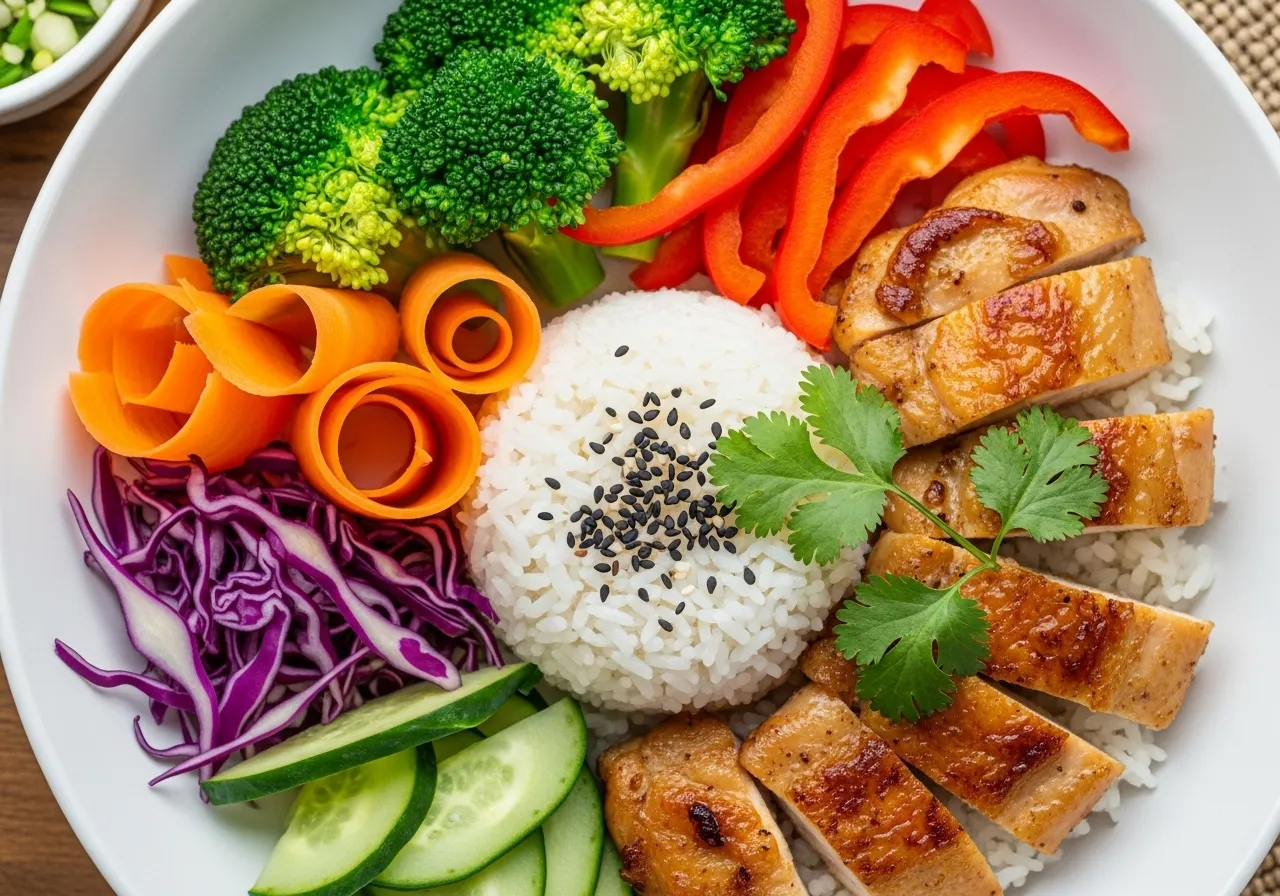
The synergistic effect of combined protein and carbohydrate consumption post-exercise exceeds the additive effects of each macronutrient consumed separately — the insulin response to carbohydrates enhances amino acid uptake into muscle cells through the insulin-stimulated activation of protein synthesis signaling pathways, while protein enhances glycogen resynthesis by providing additional amino acids for gluconeogenesis when total glucose availability is limited. The most evidence-supported post-workout recovery meals: grilled salmon with white rice and steamed vegetables (30g protein, 60g carbohydrate, omega-3s, and micronutrients); Greek yogurt parfait with banana and berries (25g protein, 50g carbohydrate, anti-inflammatory polyphenols); eggs on whole grain toast with avocado (20–25g protein, 40g carbohydrate, healthy fats); chicken and sweet potato bowl with green vegetables (35g protein, 60g carbohydrate, high micronutrient density). The protein-to-carbohydrate ratio for optimal post-exercise recovery: approximately 1:2 to 1:3 (protein:carbohydrate) in the immediate post-exercise meal — the higher carbohydrate proportion reflects the glycogen resynthesis priority of the immediate post-exercise period, while subsequent meals shift toward a 1:1 to 1:2 ratio as glycogen resynthesis rate slows and protein synthesis becomes the dominant recovery priority.
Hydration: The Overlooked Recovery Nutrient
Dehydration — even mild dehydration of 1–2% of body weight — impairs muscle protein synthesis, prolongs inflammatory resolution, reduces nutrient delivery to recovering muscle tissue, and worsens the perception of DOMS severity. The rehydration target post-exercise: consume 150% of the fluid lost during exercise (estimated at 500ml per 30 minutes of training in moderate conditions, more in heat or high intensity) in the 4–6 hours following training — the 150% overcorrection accounts for the continued urinary losses that prevent 100% rehydration from retained fluid alone. Electrolyte replacement alongside fluid: sodium, potassium, and magnesium lost through sweat must be replaced alongside fluid to support the cellular hydration and nerve-muscle transmission that recovery requires. Sodium specifically is required for water retention in the intracellular and extracellular compartments — drinking large volumes of plain water without sodium replacement can produce hyponatremia (dangerously low sodium levels) in extreme cases, and impairs optimal rehydration in less severe cases by promoting urinary losses before full rehydration is achieved. Practical hydration sources for recovery: water with electrolyte tablets or a pinch of salt and squeeze of lemon for basic electrolyte supplementation; coconut water for natural sodium and potassium replacement; or sports drinks (used specifically post-exercise rather than throughout the day) for rapid combined fluid and electrolyte restoration.
Protein Timing: Overnight Recovery and Pre-Sleep Protein
The overnight period — 7–9 hours during which the body undergoes its most significant muscle repair and growth hormone-driven tissue remodeling — represents the longest fasting period of each 24-hour cycle and a specific nutritional opportunity for athletes managing DOMS recovery. Muscle protein synthesis during sleep is limited by the amino acid availability that dietary protein intake before sleep determines — and research on pre-sleep protein consumption finds that 30–40g of slow-digesting casein protein consumed 30–60 minutes before bed significantly improves overnight muscle protein synthesis rates, reduces next-morning soreness, and improves next-day strength recovery compared to no pre-sleep protein. The pre-sleep protein source: casein (the primary protein in cottage cheese, Greek yogurt, and milk) is digested over 5–7 hours (compared to whey’s 1.5–2.5 hour digestion), providing a sustained amino acid supply throughout the overnight fasting period that brief-digesting proteins cannot maintain. Practical pre-sleep protein options: 200g of cottage cheese (28g protein, predominantly casein) with a small amount of tart cherry juice (for melatonin content supporting sleep quality); 200g of full-fat Greek yogurt (18g protein) with honey and walnuts; or 30g of casein protein powder in warm milk with cinnamon. This pre-sleep nutritional strategy converts the overnight period from a nutritional void in recovery to an actively managed recovery phase — maximizing the 7–9 hours when growth hormone, IGF-1, and satellite cell activity are highest for the tissue repair that DOMS resolution requires.
Recovery Nutrition for Consecutive Training Days
Athletes who train on consecutive days — or who participate in multi-day competitions, training camps, or tournament formats — face the specific challenge of recovery nutrition in a compressed timeline where the normal 48-hour recovery period is unavailable. The accelerated recovery nutrition approach for consecutive training days prioritizes rapid glycogen resynthesis (using high-glycemic carbohydrates in the immediate post-workout window rather than the lower-glycemic sources appropriate for less time-pressured recovery), maximizes protein intake timing (consuming protein at the first available opportunity post-training rather than waiting for a convenient meal time), and uses every available tool to reduce inflammatory burden (emphasizing anti-inflammatory foods at every eating occasion, considering tart cherry concentrate as a targeted intervention for the specific tournament or training camp period). For teams competing in multi-day tournaments, specific recovery nutrition protocols between games — the 4-hour window between a morning and afternoon game that requires near-complete glycogen resynthesis — use the highest-glycemic carbohydrate combinations (white rice, banana, sports drinks) with 30g of protein to achieve the fastest possible recovery in the limited available time. The electrolyte replacement that consecutive-day competition requires is also more critical than single-session recovery — cumulative sweat sodium, potassium, and magnesium losses across multiple training or competition sessions require proactive electrolyte management rather than the passive replacement that normal daily eating provides.
Long-Term Dietary Patterns for Sustained Training Recovery
The recovery nutrition strategies described in this article are most effective when embedded in a consistently anti-inflammatory, nutrient-dense dietary pattern rather than applied only as acute post-workout interventions. The chronic dietary background — the cumulative nutritional environment that the acute post-workout nutrition builds upon — determines the inflammatory set-point, the micronutrient status, and the metabolic health that either amplify or attenuate the acute recovery nutrition’s effects. The Mediterranean dietary pattern — characterized by high intake of olive oil, fatty fish, legumes, whole grains, vegetables, and fruits with moderate wine and minimal processed food — consistently produces the lowest inflammatory markers, best cardiovascular outcomes, and superior recovery-related micronutrient status (vitamin D, omega-3s, magnesium, polyphenols) of any broadly studied dietary pattern. Athletes who adopt a generally Mediterranean-pattern diet as their daily baseline and then apply the specific recovery nutrition strategies described in this article — adequate protein distribution, post-workout timing, anti-inflammatory food emphasis on training days — create the nutritional environment that maximizes both acute recovery and the long-term adaptation that sustained training produces. The investment in recovery nutrition is most productive when it builds on the consistent nutritional foundation that chronic dietary quality creates — making everyday food choices, not just post-workout meals, the foundation of effective DOMS management and athletic development.
Post-workout soreness is not simply discomfort to be endured — it is the physiological signal of the repair and adaptation process that training is designed to produce, and the nutritional environment that supports that process determines how quickly repair completes and how fully adaptation is expressed. The research evidence for recovery nutrition is robust, the practical implementation is accessible to any athlete with adequate food access, and the outcomes of consistent recovery nutrition practice — faster DOMS resolution, better training quality, and superior long-term adaptation — represent a training advantage that requires only dietary attention rather than additional training time or financial investment to capture. Eat to recover as deliberately as you train to improve, and allow the nutritional intelligence of evidence-based recovery to multiply the return from every training session that precedes it. The athletes who get the most from their training are not necessarily those who train the hardest — they are those who support their training with the nutritional precision that complete recovery requires. Each post-workout meal that provides adequate protein, anti-inflammatory foods, and appropriate carbohydrates is an investment in the adaptation that the training session produced — and the cumulative effect of consistent recovery nutrition across weeks, months, and years of training compounds into the superior physical development that differentiates disciplined nutritional athletes from those who train hard but recover poorly. Begin with the post-workout protein and anti-inflammatory food combination at your next training session; add the pre-sleep casein protein that optimizes overnight repair; and gradually build the complete recovery nutrition system that this article provides into the consistent dietary pattern that your training investment deserves. Protein and carbohydrates together produce recovery that neither alone can match. Protein first, carbohydrates alongside, anti-inflammatory foods always. Train hard. Eat smart. Recover completely. Carbohydrates restore. Protein rebuilds. Now eat well. Win.
4. Micronutrients, Supplements, and Timing for Optimal Soreness Recovery
The micronutrient and supplementation layer of recovery nutrition addresses the specific vitamins, minerals, and evidence-based supplements that support the enzymatic processes, immune function, and cellular signaling that muscle repair requires — providing the targeted support that whole food nutrition occasionally cannot fully supply for athletes with high training volumes or specific nutritional gaps.
Vitamin D: The Recovery Vitamin That Most Athletes Are Missing
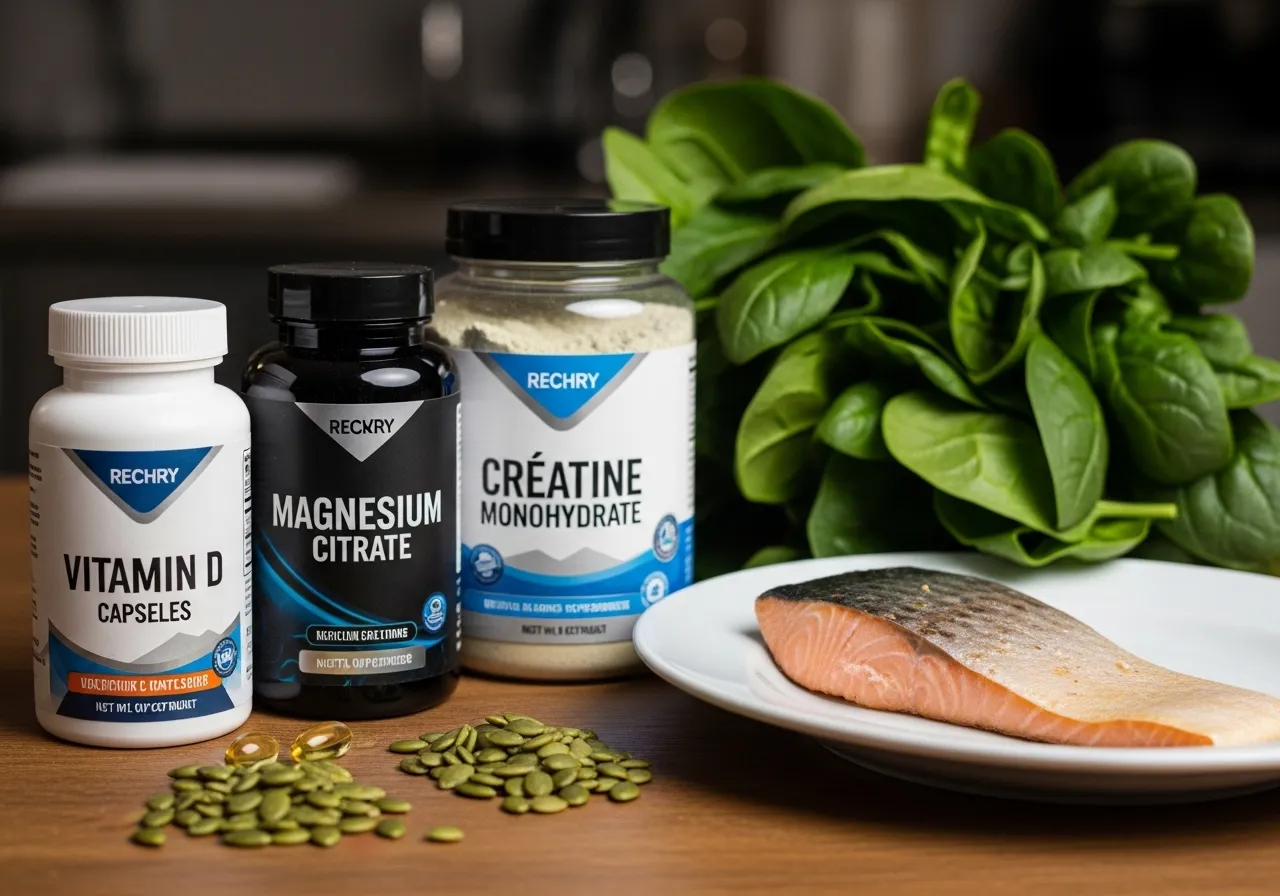
Vitamin D — the fat-soluble vitamin synthesized from sunlight exposure and obtained from fatty fish, egg yolks, and fortified foods — is among the most prevalent nutrient deficiencies in athletic populations despite its critical role in muscle function, immune regulation, and the inflammatory resolution that DOMS recovery requires. Vitamin D receptors are expressed in skeletal muscle cells, and vitamin D insufficiency (serum 25-hydroxyvitamin D below 50 nmol/L) is associated with impaired muscle protein synthesis, reduced muscle force production, impaired satellite cell function, and prolonged recovery from muscle damage. Research on vitamin D supplementation in deficient athletes finds improved recovery from eccentric exercise, reduced inflammatory markers, and faster return to pre-exercise strength levels compared to unsupplemented controls. The practical recommendation: assess vitamin D status through a serum 25-OH vitamin D blood test (request from a physician or through a direct-to-consumer laboratory service); supplement with 2,000–4,000 IU of vitamin D3 daily if levels are below 75 nmol/L until optimal levels (75–125 nmol/L) are achieved and maintained. The vitamin D sufficiency that supplementation produces is a systemic recovery-enhancing intervention — improving not just DOMS recovery but immune function, bone density, testosterone synthesis, and the neurological function that training performance depends on. Research from Examine.com’s vitamin D and exercise research synthesis identifies vitamin D as one of the highest-impact supplements for athletes with confirmed deficiency — providing broad physiological benefits per unit of supplementation cost that few other supplements approach.
Magnesium: The Mineral That Muscles Need
Magnesium participates in over 300 enzymatic reactions — including ATP synthesis, protein synthesis, muscle contraction and relaxation, and the inflammatory signaling pathways that DOMS recovery involves. Athletes are disproportionately affected by magnesium deficiency because sweat losses of magnesium are significant (2–4mg of magnesium per liter of sweat in moderate heat conditions), and the high carbohydrate intake of training athletes increases urinary magnesium excretion. The research on magnesium and exercise recovery: magnesium-deficient athletes experience greater post-exercise muscle damage markers, worse recovery of strength, and more severe DOMS than magnesium-sufficient athletes from the same exercise stimulus. Magnesium supplementation (300–400mg of elemental magnesium daily as magnesium glycinate, malate, or citrate) in athletes with inadequate dietary intake improves muscle relaxation, reduces muscle cramps, and supports the sleep quality that optimal recovery requires — magnesium activating the GABA receptors that promote deeper sleep at the doses used for supplementation. Dietary magnesium sources: dark leafy greens (spinach provides 78mg per 100g), pumpkin seeds (150mg per 28g), dark chocolate (64mg per 28g), avocado (29mg per half), and legumes (60–80mg per 100g cooked) — athletes who prioritize these foods in recovery meals address both the anti-inflammatory phytonutrient and the magnesium content simultaneously.
Creatine Monohydrate: Recovery Beyond Performance
Creatine monohydrate — the most extensively researched performance supplement available — provides recovery benefits that are often overlooked in the performance-focused discussion of its ATP regeneration effects. The recovery mechanisms of creatine: increased intramuscular phosphocreatine stores accelerate ATP regeneration between training sets, reducing the metabolic stress that leads to greater exercise-induced muscle damage; creatine directly reduces inflammatory markers (IL-6, TNF-alpha) and muscle damage indicators (CK, LDH) after eccentric exercise in multiple studies; and the cellular hydration effect of creatine (osmotically drawing water into muscle cells) improves the intracellular environment for protein synthesis. For athletes already using creatine for performance: the recovery benefits are an additional rationale for the established supplementation practice. For athletes considering creatine for DOMS management: the standard supplementation protocol (3–5g daily of creatine monohydrate, without a loading phase for most athletes) produces full intramuscular saturation within 3–4 weeks and provides both the performance and recovery benefits that the research documents. Creatine is most effective for the power-sport and resistance-training athlete whose training produces high levels of eccentric muscle damage — the population that DOMS most significantly affects and for whom the combined performance and recovery benefits are most relevant.
Collagen and Connective Tissue Recovery
Collagen supplements — hydrolyzed collagen peptides derived from bovine or marine sources — have gained significant research support for connective tissue recovery in the years since initial publications suggesting their benefit for joint health, tendon repair, and ligament recovery. The mechanism: consuming 15–20g of hydrolyzed collagen with 50mg of vitamin C 30–60 minutes before training (or after, for tendon-loading exercise) increases the serum glycine, proline, and hydroxyproline that collagen synthesis requires, producing greater tendon collagen content in the hours after training than training without collagen. For athletes experiencing DOMS with a connective tissue component (tendon soreness alongside muscle soreness, joint aching from eccentric loading), collagen supplementation with vitamin C provides the nutritional support that tendon and ligament repair specifically requires — support that standard protein sources (which are not glycine-rich) do not adequately provide. The practical protocol: 15g of hydrolyzed collagen powder mixed in vitamin C-rich fruit juice (orange, grapefruit, or tart cherry) consumed 30–60 minutes before training, or immediately post-training with a vitamin C supplement if pre-training timing is not possible. This supplementation is most beneficial during the initial exposure to a new training stimulus (when connective tissue adaptation lags behind muscle adaptation, producing the connective tissue soreness that precedes full adaptation) and during return to training after injury or detraining.
Sleep as the Ultimate Recovery Micronutrient
While not a nutrient in the conventional sense, sleep quality and duration are the primary determinants of recovery effectiveness that nutrition supports and cannot replace. During the 7–9 hours of sleep that athletic recovery optimally requires: growth hormone is secreted at its daily peak (90% of daily GH secretion occurs during sleep, primarily in the first 2 hours of slow-wave sleep); muscle protein synthesis proceeds at rates that waking activity cannot match; inflammatory resolution is most active; and the neural recovery and memory consolidation that skill learning requires occurs. The nutritional strategies that specifically enhance sleep quality in athletes: the pre-sleep casein protein described in Section 3 provides the overnight amino acid supply that supports sleep-phase protein synthesis; magnesium supplementation improves sleep architecture by activating GABA receptors that promote slow-wave sleep; tart cherry’s melatonin content supports sleep onset and total sleep duration; and carbohydrate consumption in the evening meal (reducing the cortisol and increasing serotonin/melatonin that evening carbohydrates support through tryptophan metabolism) facilitates the neurochemical transition to sleep. Optimizing sleep for DOMS recovery: maintain consistent sleep and wake times (supporting the circadian rhythm that regulates GH secretion and inflammatory timing); sleep in a cool room (18–19°C); eliminate screens 60–90 minutes before bed; and treat sleep as the most important recovery session of each 24-hour period — the session that nutrition, training, and lifestyle choices either support or undermine.
Recovery Nutrition for the Injured Athlete
Injury-related tissue repair makes recovery nutrition even more critical than exercise-induced DOMS recovery — the metabolic demands of tendon, ligament, bone, and cartilage repair following injury are specific and substantial, and the nutritional support that this repair requires differs from the muscle-focused recovery nutrition of DOMS management. Collagen and connective tissue repair: the specific nutritional support for tendon and ligament injury repair includes the hydrolyzed collagen supplementation described in Section 4, with particular attention to the vitamin C co-factor that collagen synthesis requires (50–100mg consumed with collagen supplements to maximize the hydroxylation reaction that produces stable collagen cross-links). Bone injury nutrition: calcium (1,000–1,200mg daily from dairy, fortified foods, or supplements), vitamin D (2,000–4,000 IU daily), vitamin K2 (100–200mcg daily for osteocalcin carboxylation and calcium deposition into bone matrix), and adequate total caloric intake to avoid the negative bone remodeling balance that caloric restriction produces during bone healing. Cartilage repair: the same collagen supplementation that supports tendon repair is relevant to cartilage recovery, with the addition of glucosamine and chondroitin sulfate (whose evidence for symptomatic relief in osteoarthritis is stronger than the evidence for acute injury repair but whose provision of cartilage matrix substrates provides theoretical justification for their use during acute cartilage repair). The overarching principle for injury recovery nutrition: the same whole-food, anti-inflammatory, adequate-protein dietary approach that optimizes DOMS recovery also optimally supports injury healing — with specific micronutrient additions (collagen, vitamin C, vitamin D, calcium) that address the connective tissue and bone repair demands that muscle-focused DOMS nutrition does not specifically target.
Monitoring Recovery Nutrition Effectiveness
Assessing whether the recovery nutrition approach is producing the intended outcomes requires tracking specific markers that reflect the quality of recovery across the 24–72 hours after intense training. Subjective markers: soreness severity (0–10 scale) at 24, 48, and 72 hours post-workout; perceived energy level at the next training session; morning mood and motivation quality; and sleep quality on training nights. Objective markers: next-session performance (are strength and endurance levels recovered to pre-DOMS baseline?); resting heart rate variability (HRV) the morning after training (lower HRV indicates incomplete recovery); and body weight stability (significant post-exercise weight gain suggests fluid retention from inflammation; rapid weight loss suggests inadequate rehydration). Systematically tracking these markers across 4–6 weeks of consistent recovery nutrition implementation — and comparing them to a pre-implementation baseline — provides the evidence that the nutritional investment is producing the recovery quality improvement that the research predicts. For athletes who find that DOMS remains severe despite consistent application of these strategies, the tracking data guides the specific nutritional adjustment that the remaining gap requires: if anti-inflammatory foods are consistently consumed but soreness remains high, the protein adequacy may need increase; if protein is adequate but energy is low at next sessions, carbohydrate timing may need optimization; if all macronutrients appear adequate but recovery remains impaired, micronutrient assessment (vitamin D status, magnesium intake) may reveal the specific gap that targeted supplementation addresses.
Post-workout soreness is not simply discomfort to be endured — it is the physiological signal of the repair and adaptation process that training is designed to produce, and the nutritional environment that supports that process determines how quickly repair completes and how fully adaptation is expressed. The research evidence for recovery nutrition is robust, the practical implementation is accessible to any athlete with adequate food access, and the outcomes of consistent recovery nutrition practice — faster DOMS resolution, better training quality, and superior long-term adaptation — represent a training advantage that requires only dietary attention rather than additional training time or financial investment to capture. Eat to recover as deliberately as you train to improve, and allow the nutritional intelligence of evidence-based recovery to multiply the return from every training session that precedes it. The athletes who get the most from their training are not necessarily those who train the hardest — they are those who support their training with the nutritional precision that complete recovery requires. Each post-workout meal that provides adequate protein, anti-inflammatory foods, and appropriate carbohydrates is an investment in the adaptation that the training session produced — and the cumulative effect of consistent recovery nutrition across weeks, months, and years of training compounds into the superior physical development that differentiates disciplined nutritional athletes from those who train hard but recover poorly. Begin with the post-workout protein and anti-inflammatory food combination at your next training session; add the pre-sleep casein protein that optimizes overnight repair; and gradually build the complete recovery nutrition system that this article provides into the consistent dietary pattern that your training investment deserves. Micronutrient sufficiency is the foundation that macronutrient timing builds upon. Micronutrient gaps are recovery gaps waiting to be closed. Train hard. Eat smart. Recover completely. Recovery is nutrition in action. Go thrive.

5. Complete Recovery Meal Plans, Common Mistakes, and FAQs
The practical integration of recovery nutrition into daily eating patterns is the difference between theoretical knowledge and the actual dietary behaviors that reduce DOMS and support training adaptation. This section provides concrete meal examples, addresses the most common nutritional mistakes during sore periods, and answers the practical questions that athletes most frequently ask about post-workout nutrition.
24-Hour Recovery Meal Plan After an Intense Workout
The following meal plan provides the complete nutritional profile that post-workout recovery requires: adequate protein distributed across the day, anti-inflammatory foods, appropriate carbohydrate for glycogen resynthesis, and the micronutrients that specific recovery processes require. Post-workout (within 30–60 minutes): Greek yogurt parfait — 200g full-fat Greek yogurt (20g protein, casein and whey), 150g mixed berries including tart cherries (polyphenols, antioxidants), 50g granola (30g carbohydrate), 1 tablespoon chia seeds (omega-3 ALA, fiber). Breakfast (2–3 hours post-workout if morning training): 3 whole eggs scrambled with 2 egg whites (25g protein), 2 slices whole grain toast (30g carbohydrate), 100g smoked salmon (additional 15g protein, omega-3s), sliced avocado (healthy fats, magnesium), large handful of spinach sautéed with garlic and turmeric (anti-inflammatory micronutrients). Lunch: 150g grilled salmon fillet (30g protein, 2g EPA+DHA), 150g white rice (40g carbohydrate), large mixed vegetable salad with olive oil and lemon dressing (polyphenols, vitamin C), 1 cup blueberries for dessert (antioxidants). Pre-workout snack (if training again the following day): banana and almond butter (30g carbohydrate, 7g protein, magnesium). Dinner: 200g chicken breast (40g protein), 200g sweet potato (35g carbohydrate), large portion of broccoli and leafy greens (vitamin C, magnesium, anti-inflammatory compounds), ginger and turmeric seasoning in cooking oil. Pre-sleep: 200g cottage cheese (28g protein, slow-digesting casein), small handful of walnuts (omega-3 ALA), 30ml tart cherry juice concentrate diluted in water (melatonin, anthocyanins). Total: approximately 160g protein, 230g carbohydrate, distributed across 5 eating occasions with anti-inflammatory foods at every meal.
Common Recovery Nutrition Mistakes
The most frequent errors in post-workout nutrition undermine the recovery investment that the training session represents — identifying and avoiding them produces meaningfully better recovery outcomes. Mistake 1 — Skipping post-workout food to avoid “wasting” workout gains: the caloric content of the post-workout meal does not negate the training’s fat-burning or caloric-deficit benefits — the recovery nutrition is invested in muscle repair and adaptation, not stored as fat when consumed at the appropriate macronutrient ratios. Skipping post-workout nutrition extends DOMS duration, reduces adaptation, and increases catabolism that undermines the training investment more than the calories consumed would. Mistake 2 — Over-supplementing anti-inflammatory compounds: high-dose antioxidant supplementation (vitamin C above 1,000mg daily and vitamin E above 400 IU daily for extended periods) may impair training adaptation by blunting the reactive oxygen species signaling that drives mitochondrial biogenesis and muscle protein synthesis — the same free radicals that antioxidants neutralize also serve as training adaptation signals. Prioritize food-based antioxidants (which provide contextually appropriate doses) over isolated supplement mega-doses. Mistake 3 — Relying on alcohol to relax after a hard session: the post-workout period is the most physiologically inappropriate time for alcohol consumption — alcohol directly impairs muscle protein synthesis by 30–40%, reduces GH secretion, impairs sleep quality, and converts the anabolic window into a catabolic one. Mistake 4 — Insufficient total protein: consuming adequate post-workout protein but insufficient protein across the full 24-hour period leaves overnight protein synthesis under-resourced — the post-workout protein dose initiates but the 24-hour total determines whether repair is completed. Track total daily protein during sore periods.
Foods to Avoid When Sore
While the positive additions to the recovery diet — the anti-inflammatory foods, adequate protein, carbohydrates, and hydration — are the primary nutritional focus during sore periods, certain foods and dietary patterns actively worsen inflammatory status and impair recovery. Ultra-processed foods high in refined vegetable oils (rich in omega-6 arachidonic acid that shifts the inflammatory balance toward pro-inflammatory mediators): chips, fast food, commercial baked goods, and fried foods all worsen the omega-6 to omega-3 ratio that determines inflammatory severity — displacing these foods with the whole food sources described in Section 2 directly improves the inflammatory environment that recovery requires. Alcohol: beyond the protein synthesis impairment described above, alcohol disrupts sleep architecture, elevates cortisol, dehydrates, and provides empty calories that displace the protein and carbohydrates that recovery requires — making alcohol restriction during the 24–48 hours of peak soreness the single most impactful dietary elimination for DOMS management. High-sodium processed foods: excessive sodium intake without adequate hydration worsens the intramuscular fluid dynamics that contribute to DOMS-associated swelling — although some sodium is necessary for rehydration, the 3,000–5,000mg of sodium in a typical fast-food day worsens fluid retention without the rehydration benefit of appropriate electrolyte replacement.
Recovery Nutrition for Different Types of Soreness
The nutritional approach to recovery varies somewhat based on the type and location of soreness — the metabolic demands of different training types create different nutritional priorities that the recovery diet should reflect. After long endurance training (marathon long runs, century rides): glycogen depletion is the primary nutritional deficit, making higher-carbohydrate recovery nutrition (1.5g/kg carbohydrate in the first 4 hours) the primary priority alongside adequate protein (1.2–1.6g/kg total daily). Anti-inflammatory foods are important but secondary to the glycogen resynthesis that same-day or next-day training performance requires. After heavy resistance training and HIIT: protein is the primary recovery priority (2.0–2.4g/kg total daily) alongside anti-inflammatory foods for the significant eccentric muscle damage that weight training and high-intensity intervals produce. Carbohydrate needs are present but the glycogen depletion is less extreme than endurance training unless the session was very long or high-volume. After upper body training: focus anti-inflammatory and protein choices on the shoulder, chest, and back muscles that are most affected — the same nutritional principles apply regardless of which muscles are sore, but awareness of the trained muscles helps in choosing recovery foods that provide the specific micronutrients (zinc, vitamin C for connective tissue, B vitamins for energy metabolism) that upper body pulling and pressing muscles require.
Frequently Asked Questions About Recovery Nutrition
Should I eat more when I’m sore? Slightly — the increased muscle protein synthesis and immune activity during DOMS recovery elevates total caloric needs by 200–400 calories above your maintenance level. Prioritize increasing protein and anti-inflammatory foods rather than adding empty calories. How long does it take for nutrition to reduce soreness? Anti-inflammatory foods consumed within 24 hours of a workout that produced soreness can meaningfully reduce peak DOMS severity compared to neglecting recovery nutrition — but nutrition effects on DOMS are cumulative and most pronounced when consistently applied rather than used only after particularly hard sessions. Is ice or heat better than nutrition for soreness? Ice and heat address symptom management (pain perception and local circulation) without addressing the underlying nutritional requirements of tissue repair — they are complementary interventions, not alternatives. Nutrition addresses the substrate requirements of repair; physical recovery modalities address symptoms and local recovery factors. Do I need supplements or can food alone handle recovery? For most athletes, whole food sources of the recovery nutrients described in this article provide adequate recovery nutrition — supplements (creatine, vitamin D, omega-3 fish oil, collagen) are valuable additions when dietary intake is insufficient or specific recovery targets require higher doses than food can practically provide. Can I train when sore? Yes — training at modified intensity while sore (“active recovery”) can accelerate recovery through improved blood flow and metabolite clearance, as long as the soreness does not indicate injury and the intensity is reduced enough to allow movement without exacerbating tissue damage.
Integrating Recovery Nutrition with Training Periodization
The nutritional support for DOMS recovery should vary with the training phase — the specific demands of accumulation phases (high volume, high soreness), intensification phases (lower volume, higher intensity), and deload phases (reduced training stimulus, emphasis on restoration) create different recovery nutrition priorities that the periodized nutritional approach addresses. During high-volume accumulation phases: maximum protein and anti-inflammatory food emphasis, with higher total caloric intake to support the increased training load and the greater muscle repair demand. The tart cherry supplementation protocol and daily fatty fish consumption are most valuable during the weeks of highest training volume when DOMS frequency and severity are greatest. During intensification phases: protein remains elevated but total carbohydrate may decrease if training volume is reduced (glycogen depletion is less complete at lower volumes); creatine’s performance benefits are most relevant during the higher-intensity work of intensification phases, making consistent creatine supplementation particularly valuable during these weeks. During deload phases: the recovery nutrition priority shifts from acute DOMS management to the repletion of micronutrient stores that high-volume training depleted — emphasizing dietary variety, high micronutrient density (organ meats, leafy greens, colorful fruits), and adequate total food intake that supports the supercompensation recovery that the deload phase is designed to allow. Aligning recovery nutrition intensity with training intensity creates the periodized nutritional approach that maximizes the health and performance benefits of both the training and the nutrition across the full annual training cycle.
Summary: The Recovery Nutrition Blueprint
The complete recovery nutrition approach for post-workout soreness integrates multiple evidence-based strategies into a coherent, practical dietary pattern that consistently reduces DOMS severity, accelerates tissue repair, and prepares the body for the next training session more completely than training without nutritional support allows. The blueprint: consume 25–35g of high-quality protein within 1 hour of training; add anti-inflammatory foods (fatty fish or tart cherries) to the post-workout meal; distribute the remaining 1.4–2.0g/kg total daily protein across 4–5 meals; emphasize polyphenol-rich fruits and vegetables at every meal; maintain hydration with electrolytes throughout the recovery period; consume pre-sleep casein protein to optimize overnight repair; supplement with vitamin D and creatine if dietary intake is insufficient; and embed these acute strategies in the consistent Mediterranean-pattern dietary baseline that creates the anti-inflammatory nutritional environment that recovery nutrition most effectively builds upon. The research evidence behind each component of this blueprint is substantial, the practical implementation is achievable for any motivated athlete, and the outcomes — meaningfully reduced DOMS duration and severity, improved training quality, better adaptation, and sustained athletic development — justify the nutritional attention that the blueprint requires.
Post-workout soreness is not simply discomfort to be endured — it is the physiological signal of the repair and adaptation process that training is designed to produce, and the nutritional environment that supports that process determines how quickly repair completes and how fully adaptation is expressed. The research evidence for recovery nutrition is robust, the practical implementation is accessible to any athlete with adequate food access, and the outcomes of consistent recovery nutrition practice — faster DOMS resolution, better training quality, and superior long-term adaptation — represent a training advantage that requires only dietary attention rather than additional training time or financial investment to capture. Eat to recover as deliberately as you train to improve, and allow the nutritional intelligence of evidence-based recovery to multiply the return from every training session that precedes it. The athletes who get the most from their training are not necessarily those who train the hardest — they are those who support their training with the nutritional precision that complete recovery requires. Each post-workout meal that provides adequate protein, anti-inflammatory foods, and appropriate carbohydrates is an investment in the adaptation that the training session produced — and the cumulative effect of consistent recovery nutrition across weeks, months, and years of training compounds into the superior physical development that differentiates disciplined nutritional athletes from those who train hard but recover poorly. Begin with the post-workout protein and anti-inflammatory food combination at your next training session; add the pre-sleep casein protein that optimizes overnight repair; and gradually build the complete recovery nutrition system that this article provides into the consistent dietary pattern that your training investment deserves. Consistent recovery nutrition produces consistent adaptation — the compound interest of athletic nutrition. The best supplement is a well-designed recovery meal. Train hard. Eat smart. Recover completely. Recovery is nutrition in action. Every meal counts.