7 Things to Do Before Bed to Wake Up Ready to Train
⚠️ Disclaimer: The information in this article is for general educational purposes only and does not constitute medical, nutritional, or professional fitness advice. Individual results may vary. Always consult a qualified healthcare professional or certified fitness trainer before starting any new exercise program, changing your diet, or making decisions about injury treatment or recovery. If you experience pain, discomfort, or any unusual symptoms during exercise, stop immediately and seek professional guidance.
The Sleep-Performance Connection: Why What You Do Before Bed Determines How You Train Tomorrow
For most of my early training years, I treated sleep as the passive background noise of my fitness life — something that happened between training sessions rather than an active component of the training process itself. I planned workouts meticulously, tracked nutrition obsessively, and spent money on supplements, but gave almost no deliberate attention to the quality of the 7–8 hours I was supposedly recovering in. The consequence was predictable in retrospect: chronic morning fatigue that blunted training intensity, slow recovery between sessions, persistent low-level soreness that never fully resolved, and mood and motivation patterns that made some training days feel genuinely inspired and others feel like maintenance obligations to be survived. When I finally started treating the hour before bed with the same intentionality I applied to pre-workout preparation, the improvement in training quality within two weeks was more dramatic than any training or nutrition change I had made in the previous year.
The connection between pre-bed behavior and next-day training performance is direct and physiologically specific, not merely an association between “good habits and good outcomes.” Sleep quality determines growth hormone secretion magnitude, and growth hormone is the primary hormonal driver of overnight muscle protein synthesis, fat mobilization, and tissue repair — the physiological processes that convert the previous day’s training stimulus into actual adaptation. Sleep quality determines cortisol normalization, and elevated cortisol from poor sleep impairs the anabolic signaling that training was designed to produce while accelerating muscle protein breakdown. Sleep quality determines central nervous system recovery, and CNS fatigue from insufficient or poor-quality sleep produces the motor unit recruitment impairments and reduced neuromuscular drive that make training feel harder at lower intensities — the physiological explanation for the “heavy legs” and “weak day” experience of training on inadequate sleep.
The Physiology of Sleep and Athletic Recovery
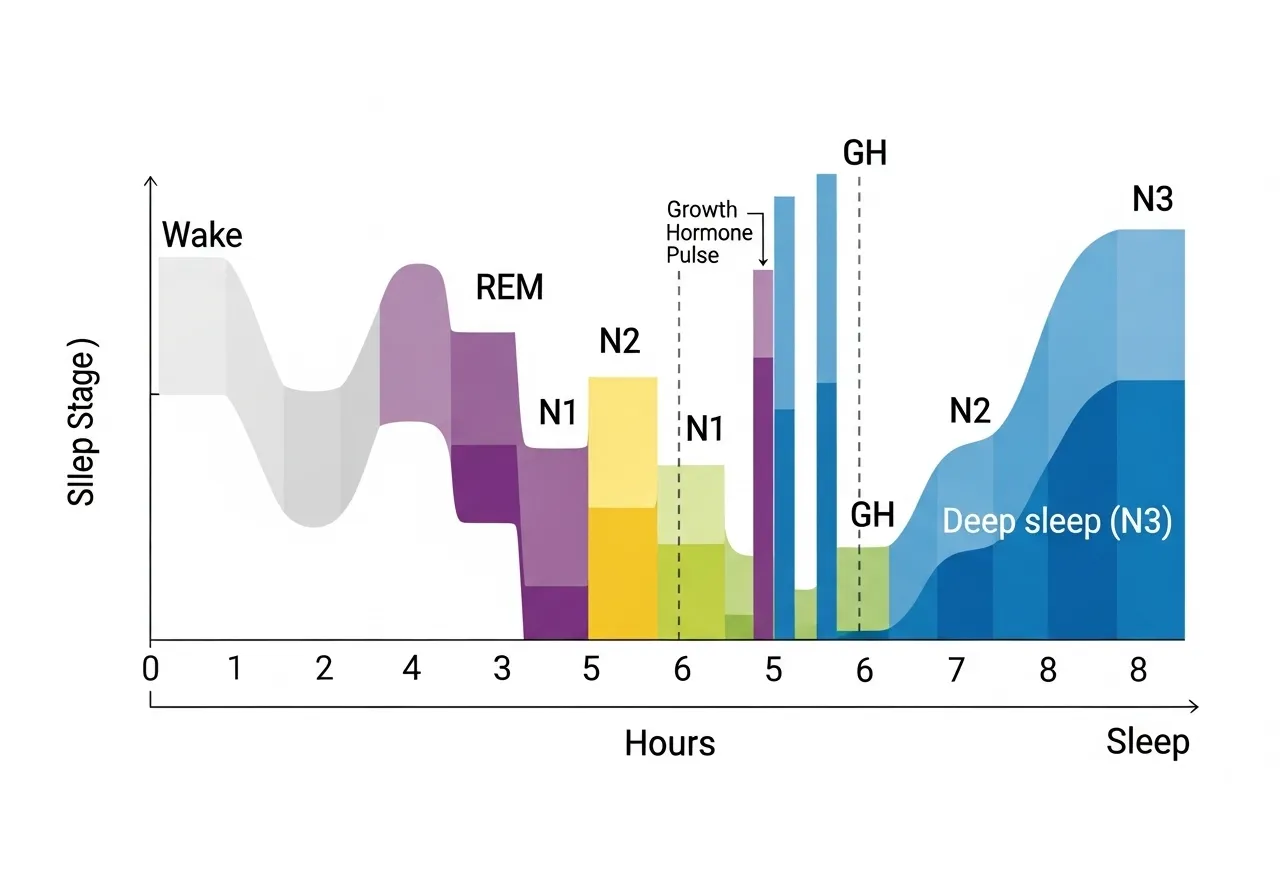
Sleep architecture — the structure of sleep stages across a night — is not uniform, and different stages serve different recovery functions that compound over a complete sleep cycle. Deep slow-wave sleep (SWS, stages 3 and 4) produces approximately 70% of the night’s total growth hormone secretion in a single large pulse during the first deep sleep cycle of the night, typically occurring in the first 90–120 minutes of sleep. This growth hormone pulse drives the primary overnight muscle protein synthesis and fat mobilization that makes sleep the most anabolically important period of the 24-hour recovery cycle. Research published by the NIH on growth hormone and sleep architecture documents that the depth of slow-wave sleep — not just total sleep duration — determines growth hormone secretion magnitude, making sleep quality as important as sleep quantity for hormonal recovery.
REM sleep, concentrated in the later cycles of the night, serves neurological recovery functions distinct from the hormonal repair driven by slow-wave sleep: memory consolidation (including motor skill memory that strengthens movement patterns practiced during training), emotional regulation, and restoration of prefrontal cortical function that drives motivation, focus, and willpower the following day. Athletes who curtail sleep from the morning end (reducing REM-rich later sleep cycles) preserve slow-wave sleep while sacrificing neurological recovery — producing adequate hormonal repair alongside impaired motor learning consolidation and reduced next-day motivation. Athletes who delay sleep onset (staying up late and sleeping in) displace slow-wave sleep from its optimal timing in the early night cycles — producing impaired growth hormone secretion alongside preserved REM. Complete sleep at optimal timing (7–9 hours with consistent timing that aligns with the circadian rhythm) is required to fully capture both the hormonal recovery of slow-wave sleep and the neurological recovery of REM.
How Pre-Bed Behavior Directly Affects Sleep Architecture
The behaviors in the 1–2 hours before sleep directly modulate the sleep architecture of the night that follows in ways that cascade into next-day training performance. Blue light exposure from screens suppresses melatonin production (the hormone that initiates sleep onset and coordinates sleep staging) for 2–3 hours after exposure — delaying sleep onset, reducing total sleep time, and specifically reducing slow-wave sleep depth in the first cycles of the night when growth hormone secretion would otherwise peak. Vigorous exercise within 2 hours of bed elevates core body temperature and sympathetic nervous system activation to levels that delay sleep onset and reduce slow-wave sleep depth — the opposite of the thermal and autonomic preparation that optimal sleep initiation requires. Heavy food intake within 2 hours of bed activates digestive processes that raise core body temperature and compete with the thermoregulatory cooling that sleep onset requires. Alcohol consumption near bedtime accelerates sleep onset but disrupts sleep architecture in the second half of the night, suppressing REM sleep and producing the fragmented, non-restorative sleep that explains the poor next-day recovery despite “sleeping” eight hours after drinking.
The pre-bed routine addresses each of these sleep architecture disruptors through deliberate behavioral modifications that create the physiological conditions optimal for deep, restorative sleep. The seven habits in the next section are not arbitrary wellness recommendations — each addresses a specific mechanism by which pre-bed behavior determines sleep architecture quality, which determines hormonal recovery, which determines training readiness and performance quality the following day. The causal chain from pre-bed behavior to training performance is direct, well-documented, and responsive to intervention within days to weeks of implementing the practices.
Quantifying the Performance Cost of Poor Sleep
Athletes frequently underestimate the performance cost of inadequate sleep because the adaptation to chronic sleep restriction reduces the subjective perception of impairment even as objective performance continues to decline. Research on sleep restriction and athletic performance documents: maximum strength output declines 10–20% with two consecutive nights of 5–6 hour sleep compared to 8-hour baselines; reaction time impairs to the equivalent of mild alcohol intoxication at 17–19 hours without sleep; endurance performance (time to exhaustion at fixed intensity) declines 10–30% with sleep deprivation; and accuracy in skill-based movements (including the movement patterns of resistance training that determine injury risk) declines measurably with sleep restriction. Most significantly, research from the British Journal of Sports Medicine on sleep and athletic performance finds that sleep extension — deliberately increasing sleep from habitual 6–7 hours to 8–10 hours in athletes — improves sprint speed, reaction time, accuracy, and mood in measures that exceed any supplementation intervention in comparable timeframes. The performance upside of optimizing sleep is larger than most athletes appreciate, and the pre-bed routine is the behavioral investment that makes that upside accessible.
Individual Sleep Requirements: Are 8 Hours Right for You?
The widely cited recommendation of 8 hours of sleep reflects the population average of sleep need, but individual requirements vary genuinely and meaningfully — some people function optimally at 7 hours while others require 9 or 10. Training load and physical stress increase sleep requirements: athletes in high-volume training phases often find their optimal sleep increases from 7.5 hours at baseline to 8.5–9 hours during peak training periods, reflecting the greater recovery demand that higher training stress creates. The reliable indicator of whether current sleep duration is adequate: morning readiness — not just absence of fatigue, but the positive experience of genuine energy, mental clarity, and motivation for the upcoming training session within 30 minutes of waking. Athletes who require extended time and significant caffeine to reach functional alertness are operating with a sleep deficit, regardless of whether they believe they are “fine” on current sleep duration. The pre-bed habits in this article improve sleep quality for any duration, but they are most impactful when the sleep window they optimize is actually long enough to meet the body’s recovery requirements.
The Circadian Rhythm and Training Performance
The circadian rhythm — the body’s internal 24-hour clock that coordinates physiology across the day — has direct implications for both training performance and the sleep quality that pre-bed habits influence. Peak physical performance (maximum strength, reaction time, cardiovascular efficiency, and pain tolerance) occurs in the late afternoon when core body temperature is at its daily maximum — typically 4–7pm for most people. Morning performance is genuinely lower by measurable physiological standards, not just subjective perception, because core temperature and anabolic hormone levels are at their daily nadir at typical morning training times. Athletes who consistently train in the morning should understand that the warm-up is compensating for a genuine physiological starting disadvantage compared to late-afternoon training, and that longer, more thorough warm-up is required for morning sessions to reach comparable performance levels. Pre-bed behavior that maintains circadian rhythm alignment — consistent sleep and wake times, avoiding light exposure that delays the melatonin signal, and avoiding late-day stimulants that advance arousal beyond the circadian schedule — preserves the predictable, high-quality sleep architecture that produces the recovery between sessions regardless of training timing.
The Cumulative Sleep Debt Problem for Training Athletes
Chronic partial sleep restriction — consistently sleeping 60–90 minutes less than the body requires — accumulates into sleep debt that compounds across weeks with measurably increasing performance impairment, even though subjective sleepiness adaptation makes the debt feel less severe as it grows. Research on cumulative sleep debt finds that two weeks of sleeping 6 hours per night produces cognitive and physical impairments equivalent to one night of total sleep deprivation — yet subjects in these studies rate their own impairment as moderate, having adapted to the subjective feeling of the impairment while the objective deficit remains fully present. For athletes in multi-week training blocks who consistently under-sleep by 60–90 minutes per night due to early training times, late work schedules, or social commitments, the cumulative sleep debt building across the training block is a primary contributor to the performance plateaus, increased injury risk, and motivational decline that athletes attribute to overtraining. Pre-bed habits that consistently improve sleep onset speed and sleep depth recoup 20–40 minutes of effective high-quality sleep per night — meaningful debt reduction that accumulates across weeks into measurably better training performance, reduced injury incidence, and improved recovery between sessions.
Tracking Sleep Quality: Wearables and Their Limitations
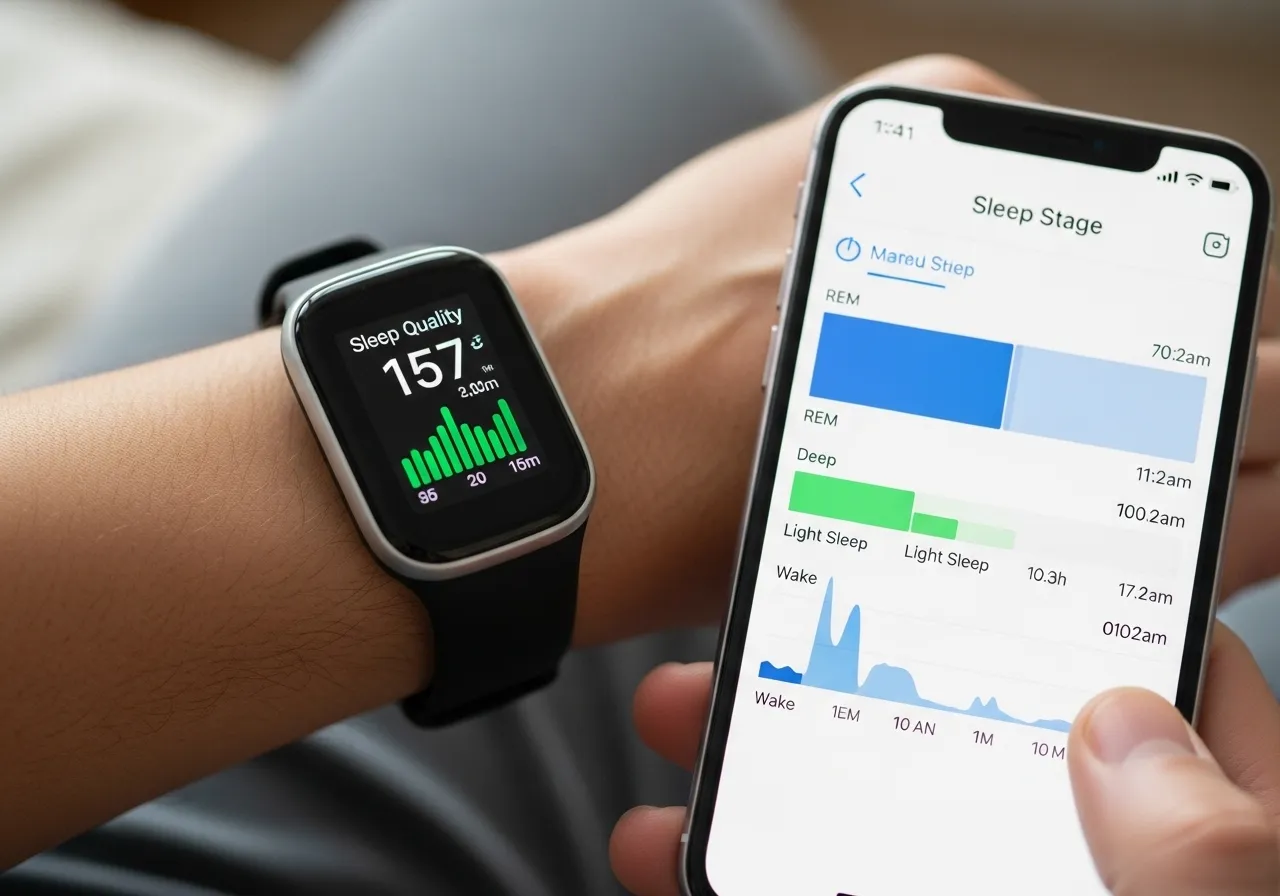
Consumer sleep tracking devices — Apple Watch, Garmin, Oura Ring, Whoop — provide athletes with sleep duration, sleep stage estimates, heart rate variability, and recovery readiness scores that can guide training decisions and pre-bed habit refinement. The value of these devices for athletic performance management is genuine but bounded: they reliably measure total sleep duration, sleep onset time, and heart rate patterns (from which HRV is derived), and these metrics provide useful feedback on sleep consistency and cardiovascular recovery status. Their sleep stage classification (estimating time in light, deep, and REM sleep) is significantly less accurate than clinical polysomnography and should be interpreted as directional guidance rather than precise measurement. The most practically useful metric from consumer sleep trackers for athletic performance management is heart rate variability — a measure of the variation in time between heartbeats that reflects autonomic nervous system balance and has been validated as a practical recovery readiness indicator. Low HRV on a given morning reliably predicts reduced tolerance for high-intensity training, and athletes who train according to HRV-guided readiness rather than fixed training schedules produce better long-term training adaptations and fewer overtraining injuries. Pre-bed habits that improve sleep quality improve HRV, which improves readiness scores, which directly validates the behavioral investment in the pre-bed routine through measurable physiological feedback.
Understanding why sleep quality matters this specifically for training — not just general health and mood, but the specific hormonal, neurological, and metabolic processes that determine training performance and adaptation — transforms pre-bed habits from vague wellness practices into targeted athletic recovery interventions worth executing with the same consistency as the training sessions they serve. The physiology of sleep and training recovery is not a peripheral consideration for serious athletes — it is the central mechanism by which training stimuli are converted into actual adaptation. Every hour of high-quality sleep is doing work: synthesizing muscle proteins, consolidating motor patterns, regulating the hormonal environment that determines body composition trajectory, and restoring the cognitive and motivational capacity that makes tomorrow’s training session possible. Treating the hour before bed with deliberate intentionality — as the preparation phase for this critical physiological work — is not wellness optimization at the margins of athletic performance; it is management of the primary recovery mechanism that determines how much of each training session’s potential is realized.

Seven Evidence-Based Pre-Bed Habits That Directly Improve Training Readiness
The seven habits in this section are selected specifically for their evidence base — each is supported by controlled research demonstrating that it improves sleep quality, training readiness, or recovery outcomes when consistently implemented. They are also ranked by implementation difficulty and impact magnitude, so that athletes who cannot implement all seven immediately can prioritize the highest-return habits first and add lower-impact habits as the initial changes become automatic. All seven together produce the compounded sleep quality improvement that makes the greatest training performance difference; any subset implemented consistently produces meaningful improvement over the baseline of no deliberate pre-bed routine.
Habit 1: Set a Consistent Bed Time and Wake Time — Including Weekends
Sleep timing consistency is the single most impactful sleep intervention available and requires no equipment, supplements, or special knowledge — only the behavioral commitment to go to bed and wake up at the same times seven days per week. The circadian rhythm is a biological clock that synchronizes to light-dark cycles and behavioral timing cues, including sleep and wake times. Consistent timing trains the circadian system to initiate sleep onset at the target bedtime and to complete sleep stages at the appropriate times across the night — producing faster sleep onset, deeper slow-wave sleep in the first cycles, and more complete REM sleep in the later cycles compared to variable-schedule sleeping. Irregular sleep timing — sleeping at different hours on weekdays versus weekends, or varying bedtime by 1–2 hours based on daily circumstances — produces social jet lag, the functional equivalent of traveling across time zones twice weekly that disrupts circadian alignment and produces the sleep architecture fragmentation that impairs recovery. Research from the National Sleep Foundation on sleep timing consistency finds that athletes with regular sleep schedules have significantly higher sleep quality scores, faster recovery times, and better mood and motivation measures than athletes with highly variable sleep timing despite comparable total sleep durations — confirming that when you sleep matters alongside how long you sleep.
Habit 2: Stop Screen Use 60 Minutes Before Bed
Blue-wavelength light from phones, tablets, computers, and televisions suppresses melatonin secretion by up to 85% for the 2–3 hours following exposure — significantly delaying the sleep onset and reducing the depth of slow-wave sleep in the first cycles of the night when growth hormone secretion peaks. For an athlete targeting a 10:30pm bedtime, screen use until 10:00pm is suppressing the melatonin signal that should be building from approximately 9:30pm, delaying sleep onset to 11:00–11:30pm and reducing the deep sleep that would have occurred in the 10:30–12:00am window. The solution is simple but requires behavioral preparation to prevent the default of screen use filling any available time before bed: stop screen use at least 60 minutes before target sleep time, use this period for the other pre-bed habits (stretching, journaling, pre-sleep nutrition, environment preparation), and use blue light filtering on devices during the 2 hours preceding the screen cutoff for additional melatonin protection. Blue light filtering glasses (amber-tinted lenses that block short-wavelength light) are an imperfect substitute for screen avoidance but meaningfully reduce melatonin suppression for athletes whose circumstances make complete screen avoidance impractical.
Habit 3: Take a Warm Shower or Bath 60–90 Minutes Before Bed
Core body temperature follows a predictable circadian decline in the evening that triggers sleep onset — the temperature decrease signals the circadian system that sleep time is approaching and initiates the physiological transition toward sleep. A warm shower or bath 60–90 minutes before bed accelerates this thermal transition by temporarily elevating skin temperature, which promotes heat dissipation from peripheral blood vessels and produces a more rapid and pronounced post-bath core temperature decline than would occur from passive cooling alone. Research on warm water immersion and sleep onset consistently finds that 10–15 minutes in warm water (40–43°C) 60–90 minutes before bed reduces sleep onset latency by 10–15 minutes and improves subjective sleep quality compared to no pre-bed bathing — a meaningful improvement for athletes who struggle with sleep onset speed after stimulating training or evening cognitive demands from work. The optimal timing of 60–90 minutes before bed rather than immediately before allows the post-bath temperature decline to reach its maximum effect at target sleep time rather than too early or too late in the pre-sleep temperature transition.
Habit 4: Gentle Stretching or Yoga (15–20 Minutes)
Light stretching or gentle yoga in the 30–60 minutes before bed activates the parasympathetic nervous system, reduces residual muscle tension from training or postural stress, and creates a physical relaxation state that facilitates the autonomic transition from the sympathetically dominant daytime state to the parasympathetically dominant sleep state. Research comparing gentle pre-bed stretching to no evening activity in athletes finds significant improvements in sleep quality ratings, reduced sleep onset latency, and lower morning muscle stiffness in the stretching group — effects that compound with consistent practice as the stretch routine becomes a conditioned sleep onset cue. The key distinction is intensity: gentle mobility work and static stretching at comfortable range activates sleep-facilitating parasympathetic responses, while vigorous stretching or aggressive flexibility work maintains sympathetic activation and may delay rather than facilitate sleep onset. Target areas for pre-bed stretching that address the highest-tension accumulation from both training and desk work: hip flexors (accumulated from sitting and hip-dominant training), hamstrings (daily postural stress and posterior chain training), thoracic spine (accumulated desk posture flexion), and shoulder/neck complex (training and screen-use tension accumulation). A 15-minute sequence addressing these four areas provides significant tension relief and parasympathetic activation within a practical pre-bed time investment.
Habit 5: Write Tomorrow’s Training Plan (5 Minutes)
Pre-sleep cognitive arousal — active thinking about unresolved plans, tomorrow’s demands, and unfinished mental tasks — is one of the most common causes of delayed sleep onset and reduced sleep quality in high-performing individuals. The open loops of unfinished planning occupy working memory and maintain prefrontal cortical activation at levels incompatible with sleep onset. Writing a specific, concrete plan for tomorrow — including training session details, key work tasks, and any logistical requirements — closes these cognitive open loops by externalizing them from working memory to a reliable external record. Research on this planning technique, sometimes called “offloading” or “implementation intentions,” finds that 5 minutes of writing tomorrow’s plan before bed reduces sleep onset latency by an average of 9 minutes compared to generalized journaling or no pre-bed writing — a meaningful effect from a trivially brief investment. For athletes, this planning should include the specific workout (exercises, sets, reps, target weights) so that training decision-making is completed the night before rather than requiring fresh cognitive effort on training morning when decision fatigue from work may impair the quality of spontaneous training decisions.
Habit 6: Lower the Room Temperature to 18–20°C
Bedroom temperature is among the most modifiable environmental variables for sleep quality and among the most commonly non-optimized — the majority of people sleep in bedrooms that are 2–5°C warmer than the 18–20°C range that research on sleep thermoregulation identifies as optimal for deep sleep. The core body temperature decline that drives sleep onset is facilitated by a cool sleeping environment — the gradient between skin temperature and ambient air temperature drives heat loss from peripheral blood vessels, accelerating the core temperature decline that deepens sleep. Bedrooms warmer than 22°C significantly impair slow-wave sleep depth, increasing nighttime waking frequency and reducing the total slow-wave sleep time that drives growth hormone secretion. Setting the bedroom thermostat to 18–20°C (or using air conditioning or fans if central heating prevents thermostat adjustment) is a passive, continuous sleep quality intervention that requires no willpower or consistency effort beyond the initial setup — once the temperature is set, it works automatically on every subsequent night.
Habit 7: Complete a 5-Minute Gratitude or Reflection Practice
Psychological stress and cognitive rumination are major contributors to pre-bed sympathetic activation that delays sleep onset and reduces sleep depth. A brief gratitude practice — writing 2–3 specific things that went well during the day and one thing accomplished in training — activates positive affect networks in the prefrontal cortex that are incompatible with the threat-monitoring rumination that keeps the sympathetic nervous system active at bedtime. Research on pre-bed gratitude practices finds significant improvements in sleep quality, sleep onset, and morning mood in both clinical anxiety populations and healthy non-anxious individuals — the effect is not limited to people with significant stress or anxiety but applies broadly to anyone whose pre-bed mental state includes reviewing the day’s problems and tomorrow’s challenges. The specificity of the gratitude items matters for effectiveness: “I’m grateful for my family” (abstract) produces smaller wellbeing effects than “Today’s training session felt strong in the second half and I hit a PR on the final set” (specific and concrete). For athletes, grounding the pre-bed reflection in training progress and physical achievements provides the positive affect activation through the domain most relevant to their primary identity and goals.
Stacking the Seven Habits: The Compound Effect of a Complete Pre-Bed Routine
The seven habits individually produce meaningful improvements in specific sleep quality variables, but their compound effect when implemented together as a consistent pre-bed sequence produces sleep improvements significantly larger than the sum of individual habit effects. This compounding occurs through two mechanisms: first, each habit addresses a different sleep quality variable (timing consistency, melatonin preservation, thermoregulation, muscle tension, cognitive arousal, environment, and psychological state), so the combination eliminates multiple barriers simultaneously rather than improving one while leaving others intact. Second, the consistent sequence of habits itself becomes a conditioned sleep onset cue — after 4–6 weeks of consistent practice, beginning the first habit in the sequence (the shower, the stretching, or writing the next day’s plan) triggers the physiological transition toward sleep as a learned conditioned response, in the same way that a consistent pre-workout routine triggers training readiness through conditioned arousal. This conditioned response makes sleep initiation faster and more reliable across circumstances — the athlete who has established a strong pre-bed routine will fall asleep more easily in hotel rooms, before competition, or during high-stress life periods because the routine’s physiological signal is portable and context-independent in a way that any single sleep habit is not. Implementing all seven habits together from day one is the fastest path to the full compound benefit, but sequentially adding habits over 2–3 week intervals allows each to become automatic before the next is introduced — producing the same eventual compound benefit through a lower initial behavioral demand.
Consistency Beats Perfection: The 80% Pre-Bed Routine
Like all habit practices, the pre-bed routine produces its benefits through consistency over time rather than perfect execution on any given night. Nights where the full routine is impossible — late social events, travel, unusual work demands — should not trigger the all-or-nothing abandonment that converts a disrupted night into a disrupted week. The 80% rule applies here: executing 5–6 of the 7 habits on most nights delivers 90%+ of the full routine’s benefit, and maintaining partial execution on disruptive nights preserves the conditioned sleep onset cue even when individual habits are truncated or skipped. The habits with the most portable execution across circumstances: consistent sleep timing (the single most impactful habit, executable anywhere), blue light cutoff (achievable with glasses or reduced screen use rather than complete avoidance on unavoidable screen nights), and the 5-minute writing practice (requires only a phone note or small notebook and 5 minutes). These three habits form the minimal viable pre-bed routine that should be maintained even when the full routine is impractical, preserving the majority of the sleep quality benefit in the circumstances most likely to disrupt the complete practice.
The athlete who implements the full seven-habit routine consistently for 90 days does not just sleep better — they become a fundamentally different physiological substrate for training adaptation. Their growth hormone secretion is higher, their cortisol normalization is more complete, their motor memory consolidation is more thorough, and their morning cognitive and motivational readiness is more reliably excellent than before the routine. These are not small marginal improvements; they are the difference between a training year that produces the adaptation the program was designed to create and one that consistently falls short of its theoretical potential due to the recovery deficit that pre-bed neglect accumulates.

Evening Nutrition and Hydration: What to Eat and Drink Before Sleep for Optimal Recovery
Evening nutrition for athletes occupies a space where general dietary advice and athletic performance optimization frequently diverge. General dietary guidance often recommends not eating after a certain time in the evening, treating nighttime eating as problematic regardless of content or context. Athletic recovery nutrition treats the pre-sleep period as a specific opportunity to deliver nutrients that support the overnight repair processes driving training adaptation — particularly the muscle protein synthesis supported by casein protein and the glycogen replenishment supported by complex carbohydrates in the post-training period before sleep. Understanding which nutritional inputs serve overnight recovery and which impair sleep quality allows athletes to make deliberate pre-sleep nutritional choices that enhance rather than compromise the recovery that sleep provides.
Pre-Sleep Protein: The Casein Opportunity
Muscle protein synthesis operates continuously throughout the 24-hour recovery cycle, not just in the immediate post-workout period, and the overnight fasting period presents a specific nutritional opportunity: providing slow-digesting protein before sleep extends amino acid availability throughout the overnight period, supporting muscle protein synthesis during the 7–9 hours when no dietary protein would otherwise be available. Research specifically on pre-sleep protein consumption and overnight muscle protein synthesis — including foundational studies from Maastricht University and subsequent replications — consistently finds that 30–40g of casein protein consumed 30–60 minutes before sleep significantly increases overnight muscle protein synthesis rates compared to no protein, without impairing sleep quality, disrupting fat loss progress, or causing gastrointestinal discomfort when consumed at these amounts in well-trained individuals.
Casein is specifically appropriate for pre-sleep use because it forms a gel in the stomach that digests slowly, releasing amino acids continuously over 5–7 hours rather than the rapid peak-and-decline amino acid pattern of whey. This sustained release maintains amino acid availability throughout the overnight synthesis period in a way that fast-digesting proteins cannot — whey consumed before sleep is fully absorbed within 2–3 hours, leaving the remaining sleep period without circulating amino acids to support synthesis. Whole food casein sources for pre-sleep use: cottage cheese (200–250g provides 28–35g of predominantly casein protein), Greek yogurt (200g provides 17–20g of casein-rich protein — supplement with an additional 15–20g of casein powder if targeting 35–40g total), or micellar casein protein powder mixed in water or milk. Cottage cheese is the most cost-effective and highest-protein-density whole food option and pairs well with berries, cinnamon, or nut butter for palatability.
Carbohydrates Before Bed: The Sleep-Supporting Case
The common recommendation to avoid carbohydrates in the evening reflects fat loss advice that has been misapplied to athletic recovery nutrition. For athletes who trained in the afternoon or evening and have not yet fully restored post-workout glycogen, a moderate carbohydrate intake before sleep (30–50g of complex carbohydrates) serves two legitimate functions: completing the glycogen resynthesis that the post-workout meal began, and supporting serotonin production that facilitates the neurological transition to sleep. Tryptophan — an amino acid that is the precursor to serotonin (which converts to melatonin) — competes with other large neutral amino acids for brain uptake; consuming carbohydrates alongside tryptophan-containing foods (dairy, turkey, nuts) facilitates tryptophan brain uptake by stimulating insulin clearance of competing amino acids from circulation. The sleep-supporting carbohydrate-tryptophan effect is modest but real — research on carbohydrate intake before sleep consistently finds faster sleep onset and better sleep quality in subjects consuming moderate carbohydrates with tryptophan-containing foods compared to protein-only or no pre-bed eating. For athletes who trained within 4–6 hours of sleep, the glycogen replenishment rationale for moderate pre-bed carbohydrates is the more physiologically significant benefit alongside the sleep-support function.
Foods That Impair Sleep Quality: What to Avoid After 7pm
Certain foods and ingredients consumed in the evening hours reliably impair sleep quality through specific physiological mechanisms that are worth understanding to avoid. Caffeine is the most impactful sleep disruptor: caffeine has a half-life of 5–7 hours, meaning that a 200mg coffee consumed at 3pm still has 100mg active at 8pm — sufficient to meaningfully elevate arousal and delay sleep onset for most people. Athletes sensitive to caffeine (a genetic variation that slows caffeine metabolism extends the half-life to 9–12 hours in some individuals) should cut off caffeine intake by 12–1pm to avoid sleep architecture impairment in the 10–11pm sleep window. Alcohol, as discussed previously, impairs REM sleep in the second half of the night despite facilitating sleep onset — the net sleep quality effect of alcohol is negative regardless of how easily it initially induces sleep. Spicy foods and high-fat meals consumed within 2–3 hours of bed elevate core body temperature through the thermogenic effect of digestion, directly impairing the temperature decline that deep sleep requires. Excessive total food volume within 2 hours of sleep activates digestive processes that maintain metabolic activity incompatible with the metabolic suppression of deep sleep stages.
Magnesium: The Pre-Sleep Supplement With Genuine Evidence
Among the many supplements marketed for sleep improvement, magnesium has the strongest and most replicated evidence base for genuine sleep quality benefits in the populations most likely to be deficient — which includes most athletes who sweat regularly and do not deliberately supplement. Magnesium is a cofactor in over 300 enzymatic reactions including ATP production, muscle contraction regulation, and GABA receptor activation — the inhibitory neurotransmitter system that promotes relaxation and sleep onset. Athletes lose significant magnesium through sweat during training, and dietary magnesium intake is frequently insufficient to replace these losses from food alone, making subclinical magnesium insufficiency common in active people without deliberate supplementation. Research on magnesium supplementation and sleep quality finds significant improvements in sleep efficiency (percentage of time in bed actually sleeping), sleep onset latency, and early morning insomnia in magnesium-insufficient individuals — with effects most pronounced in older adults but present across age groups. Recommended form and dose: magnesium glycinate or magnesium bisglycinate 300–400mg consumed 30–60 minutes before bed — the glycinate form has superior absorption and lowest gastrointestinal side effect rate compared to magnesium oxide or magnesium citrate. The pre-sleep timing capitalizes on magnesium’s GABA-enhancing properties to facilitate sleep onset while simultaneously addressing the exercise-induced magnesium depletion that impairs muscle recovery and sleep architecture.
Pre-Sleep Hydration: Balancing Recovery and Sleep Quality
Adequate hydration supports overnight recovery — the tissue repair processes of sleep require hydrated cellular environments — but consuming large fluid volumes immediately before bed creates the counterproductive outcome of nighttime wakings for bathroom trips that fragment sleep architecture. The practical hydration strategy for athletes: consume the majority of daily fluid intake during the day and in the hours following training, tapering fluid intake in the 60–90 minutes before target sleep time to avoid sleep-disrupting nocturia. A small glass of water (200–250ml) is acceptable immediately before bed and supports mild overnight hydration without producing bladder fullness that would interrupt sleep. Electrolyte drinks consumed before bed — tart cherry juice (a natural source of melatonin precursors with research support for sleep quality improvement) or magnesium-containing mineral water — provide both hydration and sleep-supporting nutrients within the volume that allows uninterrupted sleep. The morning hydration commitment compensates for any slight under-hydration from the evening taper: 500ml of water immediately upon waking restores overnight fluid losses and supports the morning physiological preparation for training regardless of whether morning training is planned or distant.
Tart Cherry Juice: The Sleep and Recovery Supplement With Dual Benefits
Tart cherry juice deserves specific mention as a pre-sleep nutritional intervention with the unusual distinction of having two independent mechanisms supporting athletic recovery: it is one of the few whole food sources of naturally occurring melatonin (in quantities sufficient to produce measurable plasma melatonin elevations), and it is a potent source of anthocyanins and other polyphenols that reduce exercise-induced inflammation and muscle damage markers. Research on tart cherry juice for athletic recovery finds significant reductions in DOMS, creatine kinase (a muscle damage marker), and inflammatory cytokines following eccentric exercise in subjects consuming 30ml of tart cherry concentrate or 240ml of tart cherry juice twice daily compared to placebo. The pre-sleep dose of tart cherry also improves sleep quality measures including total sleep time, sleep efficiency, and melatonin levels in both general population and athlete studies. Consuming 240ml of tart cherry juice or 30ml of tart cherry concentrate 30–60 minutes before sleep provides both the melatonin-precursor support for sleep quality and the anti-inflammatory polyphenol dose for exercise recovery in a single, whole-food nutritional intervention — a cost-effective dual-benefit addition to the pre-sleep nutrition protocol for athletes managing high training loads or consecutive training days.
The Complete Pre-Sleep Nutrition Protocol for Athletes
Combining the individual evidence-based pre-sleep nutritional interventions into a practical protocol: 30–60 minutes before target sleep time, consume 200g cottage cheese or 35g casein protein powder (pre-sleep protein), mixed with 30–40g of complex carbohydrates (oats, fruit, or a banana) for glycogen restoration and tryptophan uptake facilitation, alongside 240ml of tart cherry juice or water with 300–400mg magnesium glycinate. This complete pre-sleep nutrition protocol provides 28–40g of casein protein for overnight muscle protein synthesis, 30–40g of carbohydrates for glycogen completion and sleep-supporting tryptophan facilitation, melatonin precursors and anti-inflammatory polyphenols from the tart cherry, and magnesium for GABA-mediated sleep onset facilitation and exercise-induced depletion correction. The caloric contribution of this protocol — approximately 300–350 calories — is appropriate for the 2+ hours of overnight repair activity that sleep provides and does not meaningfully impair fat loss when total daily caloric targets are managed to account for this pre-sleep meal. For athletes in caloric deficit phases, reducing the carbohydrate component to 15–20g and replacing it with additional vegetable volume accommodates the deficit requirement while maintaining the protein and magnesium components that are most critical for recovery quality.
What Not to Eat Before Bed: The Practical Avoidance List
Beyond the general food categories to avoid (high-fat, spicy, caffeine-containing), specific foods commonly consumed by athletes in the evening hours impair sleep quality in ways worth identifying explicitly. Pre-workout supplements containing caffeine, stimulants, or high-dose B vitamins consumed within 6 hours of sleep maintain central nervous system arousal well into the sleep period — athletes training in the late afternoon should use stimulant-free pre-workout formulations for sessions ending within 5–6 hours of bedtime. Protein bars with high sugar content (many contain 20–30g of sugar) produce blood glucose spikes and subsequent reactive hypoglycemia that can cause nighttime waking from the cortisol response to low blood glucose. High-sodium foods (fast food, processed snacks) consumed in the evening cause fluid retention and bloating that increase sleep discomfort without impairing sleep architecture directly. Cruciferous vegetables (broccoli, cauliflower, Brussels sprouts) in large quantities produce gas and digestive discomfort that impairs sleep comfort — not by impairing sleep architecture but by the mechanical discomfort of excessive fermentation in the large intestine during the 6–8 hours of sleep. These avoidances are practical refinements to the pre-sleep nutrition protocol rather than absolute prohibitions — occasional exceptions have minimal impact on sleep quality, but consistent late-evening consumption of these items accumulates into the chronic sleep quality impairment that erodes athletic performance over training blocks.
The evening nutrition protocol is ultimately simple in execution even though its physiological rationale is complex: eat enough casein protein before sleep to support overnight synthesis, include moderate carbohydrates if you trained in the last 6 hours, take magnesium for sleep quality and recovery, consider tart cherry for dual sleep and anti-inflammatory benefits, and avoid the specific foods and substances that impair the sleep architecture that makes all recovery nutrition actually work. Viewing evening nutrition through the lens of overnight recovery — not late-night eating to be avoided, but targeted delivery of specific nutrients to the physiological processes that are most active during sleep — reframes the entire relationship between diet timing and athletic outcomes. The casein protein that feeds overnight muscle protein synthesis, the magnesium that facilitates deep sleep and replaces exercise-induced losses, and the tart cherry polyphenols that reduce inflammatory signaling while providing melatonin precursors are not optional additions to a complete nutrition strategy; they are the nutritional completion of the training-recovery cycle that begins in the gym and ends — or should end — with appropriately fueled, optimally staged, environmentally supported deep sleep.

Building a Pre-Bed Routine That Works With a Busy Life and a Training Schedule
The challenge with pre-bed routines for athletes is not identifying which habits to practice — the research evidence for the habits in this article is sufficiently strong that the what is clear. The challenge is building a system that makes consistent execution possible within the real demands of a life that includes work, family, social commitments, and the fatigue of training, without requiring heroic willpower or a level of schedule control that most people simply don’t have. The pre-bed routine design principles in this section address the practical implementation challenges that cause good-in-theory routines to fail in practice: the habit isn’t scheduled, the environment isn’t set up, conflicting demands haven’t been anticipated, and the routine hasn’t been made automatic enough to survive the low-motivation evenings that inevitably occur.
Scheduling the Pre-Bed Routine: Working Backward From Sleep Time
The most effective pre-bed routine design begins with the target sleep time and works backward to schedule the start time and each component. For a target sleep time of 10:30pm: the 60-minute screen cutoff begins at 9:30pm; the warm shower (15 minutes) takes place at approximately 9:00pm; the pre-sleep meal (cottage cheese and tart cherry juice) is consumed at 9:15–9:30pm; the stretching sequence (15 minutes) follows the shower from 9:15–9:30pm; and the planning and gratitude writing (10 minutes total) completes the routine from 9:40–9:50pm, leaving 30–40 minutes of book reading, quiet conversation, or other non-screen relaxation before the 10:30pm sleep target. Total routine time: approximately 60 minutes from shower to sleep, which can be compressed to 40 minutes on constrained evenings by shortening the shower, abbreviating the stretching, and combining the nutrition and writing in the same 15-minute window. The scheduling detail removes the daily decision about when to start each component, replacing decision-making with execution of a predetermined sequence that becomes progressively more automatic with repetition.
Environment Setup: Making the Routine Automatic
Behavioral environment design — arranging the physical environment to make desired behaviors easier and competing behaviors harder — is among the most effective tools for building consistent habits with minimal ongoing willpower expenditure. Pre-bed routine environment setup for athletes: place the stretching mat, foam roller, and a resistance band in the bedroom or hallway adjacent to the bathroom so that post-shower stretching requires no seeking out of equipment. Set the bedroom thermostat or fan to the target temperature (18–20°C) as a scheduled event that occurs automatically without daily manual adjustment. Place the pre-sleep nutrition items (cottage cheese or casein powder, tart cherry juice, magnesium supplements) on the kitchen counter or in a visible position in the refrigerator rather than in cupboards that require deliberate searching. Set the phone to an automatic Do Not Disturb schedule that activates at the screen cutoff time and a Bedtime mode that dims the screen to minimal blue light emissions for the 30 minutes preceding the cutoff. These environmental adjustments reduce the friction of pre-bed routine execution to near-zero for most components — the routine happens with minimal daily decision-making because the environment is designed to prompt and facilitate each step.
Managing Conflicting Demands: Family, Social Life, and Late Work
The pre-bed routine faces its strongest competition from family obligations (late bedtimes for children, partner schedules, household tasks that extend into the evening), social commitments (events, dinners, and activities that run past the ideal pre-routine start time), and work demands (late-evening emails, project deadlines, and the ambient anxiety of unfished professional obligations). Managing these conflicts requires explicit scheduling of the routine’s most critical components, clear communication with household members about the sleep schedule’s importance, and pre-planned modifications for evenings where the full routine is genuinely impossible. The two non-negotiable components that should be maintained even on the most constrained evenings: consistent sleep timing (the highest-impact habit, requiring only the commitment to go to bed at the target time regardless of how abbreviated the pre-bed routine was) and pre-sleep protein consumption (2 minutes to eat cottage cheese or mix a casein shake, executable even after a late social event). All other components can be abbreviated or skipped on disruptive evenings without completely losing the sleep quality benefit as long as these two anchor habits are maintained.
Adapting the Routine for Training Timing: Morning vs. Evening Workouts
Morning trainees and evening trainees face different pre-bed routine priorities based on how the training session interacts with sleep preparation. Morning trainees (training at 5:30–7:30am): the pre-bed routine’s highest priority is sleep timing consistency and environment optimization that enables the early wake required — the training timing that most frequently sacrifices sleep quality in favor of training convenience. For morning trainees, the pre-bed routine should include the training gear preparation (laying out clothes, pre-packing the gym bag) that eliminates morning decision-making, and the pre-sleep nutrition should include slightly higher carbohydrates to restore any glycogen not fully replenished from previous day training. Evening trainees (training at 5–8pm): the primary challenge is transitioning from the sympathetically aroused post-training state to the parasympathetically relaxed state required for sleep onset, which takes 2–3 hours naturally and can be accelerated by the warm shower, stretching, and screen cutoff habits. The post-evening-workout nutrition (post-training recovery meal plus pre-sleep casein) must be timed to fit within the window between training completion and target sleep time, which for an 8pm training completion and 10:30pm sleep time provides approximately 2.5 hours for a complete post-workout meal followed by the pre-sleep casein snack 30–60 minutes before sleep.
Building Momentum: The First 30 Days of Pre-Bed Routine Practice
The first 30 days of pre-bed routine practice require the most deliberate effort because none of the components have yet become automatic — each requires conscious decision and execution against the competing pull of familiar evening habits (screen use, staying up later than intended, skipping the stretching “just this once”). Research on habit formation time suggests that simple behaviors become automatic in approximately 18–66 days, with the wide range reflecting individual variation and habit complexity. A pre-bed routine of 5–7 components is complex enough that full automaticity requires 45–60 days for most people — meaning the first month requires deliberate daily commitment that the second and third months progressively replace with automatic execution. Making the first 30 days successful: announce the routine commitment to a training partner or accountability partner who will inquire about execution; track routine completion on a simple calendar (a checkmark for each completed night creates a “don’t break the chain” motivation that becomes self-sustaining after 2–3 weeks); and reward consistent execution with a non-food reward at the 30-day mark that acknowledges the behavioral investment made. The difficulty of the first 30 days is the price of the automaticity that makes the following years of consistent pre-bed practice virtually effortless.
Progressive Implementation: Starting With Two Habits and Building
Athletes who find the full seven-habit routine overwhelming as an initial implementation can build to it progressively by starting with the two highest-impact habits and adding one additional habit every two weeks. Start week 1–2 with consistent sleep timing (bed at the same time seven days per week) and screen cutoff (60 minutes before bed). Add warm shower in weeks 3–4. Add pre-sleep protein in weeks 5–6. Add the stretching sequence in weeks 7–8. Add the planning and gratitude writing in weeks 9–10. Add magnesium supplementation in weeks 11–12. By week 12, the full routine is established and each component has had 2 weeks to become automatic before the next was added — producing a complete, consistent practice through gradual accumulation rather than wholesale immediate implementation. This progressive approach is slower to the full benefit but significantly more sustainable because each habit is fully embedded before the behavioral demand expands, preventing the overwhelm that causes all-or-nothing thinkers to abandon multi-habit routines when any single component fails.
Technology Tools That Support the Pre-Bed Routine
Several technology tools provide practical support for consistent pre-bed routine execution without adding complexity or screen time that would undermine the routine’s purpose. Smart home devices (Amazon Echo, Google Home) configured with an evening routine command can simultaneously dim lights to the lower level appropriate for pre-sleep, set the thermostat to the sleep temperature, and start a sleep-promoting ambient sound (rain, white noise, or binaural beats associated with alpha wave relaxation) with a single spoken command at routine start time — compressing several environment-setting steps into one. Habit tracking apps (Streaks, Habitica, Done) provide the checkmark-and-streak accountability that research on habit formation finds effective for maintaining early-stage habit consistency before automaticity is established, with notification reminders at the routine start time that prompt execution when the competing activities of the evening have not yet transitioned to preparation for sleep. Sleep tracking devices (Oura Ring, Whoop) provide the objective feedback on sleep quality that validates the routine’s effectiveness and identifies specific nights where impairments occurred — helping the athlete correlate specific pre-bed behavior deviations (alcohol, late screen use, skipped stretching) with measurable sleep quality reductions that reinforce the habit’s value. Used in combination, these tools reduce the friction and increase the feedback of pre-bed routine execution without adding meaningful screen time or cognitive load to the practice.
Travel and Disruption Management for Pre-Bed Routines
Travel disrupts pre-bed routines through unfamiliar environments, altered time zones, late-evening social obligations, and the absence of the physical environment setup that facilitates home routine execution. Managing travel disruptions without completely losing the routine requires identifying the portable components and the non-portable components and planning accordingly. Portable pre-bed routine components that execute identically in hotel rooms: sleep timing consistency (requires only commitment), screen cutoff (requires only putting the phone down), stretching (requires only 6 square feet of floor space), writing practice (requires only a phone notes app), and pre-sleep nutrition if portable casein (individual casein protein packets, individual cottage cheese cups, or a compact tin of casein powder). Non-portable components requiring substitution: warm shower is available in most hotels; room temperature control may require requesting a fan or adjusting the hotel HVAC; blue light filtering glasses substitute for the home screen cutoff environment setup. The travel-adapted pre-bed routine — reduced in luxury but maintained in core habit execution — preserves the circadian anchor of consistent timing and the physiological benefits of pre-sleep protein and parasympathetic activation through stretching, preventing the complete routine collapse that accumulates into significant sleep debt across multi-day travel periods.
The pre-bed routine that is executed 85% of nights — including imperfect executions during travel, social events, and demanding work periods — produces dramatically better cumulative sleep quality than a perfect routine practiced 50% of the time. Building the portable, adaptable minimum viable version of the routine that survives disruption is as important as building the full optimal version for ideal conditions, because real athletic careers include weeks of travel, competition, family events, and professional demands that make the full routine occasionally impossible. The athlete whose sleep quality is anchored by the portable core habits through every disruption accumulates far better recovery across a training year than one who maintains the full routine during easy weeks and abandons it entirely during hard ones. The routine that is built gradually, executed consistently, and maintained flexibly across the full range of life circumstances — not just the convenient ones — is the routine that actually produces the compounding sleep quality improvements that distinguish the best-recovering athletes from those who train equally hard but recover significantly less effectively.
Sleep Environment Optimization, Common Mistakes, and Frequently Asked Questions
The sleep environment — the physical space where recovery occurs — is one of the highest-leverage and most frequently neglected variables in athletic sleep quality optimization. Unlike habits that require daily behavioral execution, environment optimizations are one-time or infrequent investments that provide continuous passive benefits every night without ongoing effort. A well-optimized sleep environment eliminates the ambient noise, light, and temperature disruptions that fragment sleep architecture regardless of how well the behavioral pre-bed routine is executed. An athlete who performs the full seven-habit pre-bed routine in a poorly optimized sleep environment — too warm, too light, too noisy — will consistently achieve inferior sleep quality compared to one who performs a simpler routine in an optimized environment. Both matter; the environment provides the foundation on which the behavioral routine’s benefits are realized.
Light Elimination: Blackout Conditions for Deep Sleep
Any light reaching the sleeping environment during the night — streetlights through inadequate curtains, standby lights from electronics, hallway light under the door — activates retinal photoreceptors that signal the suprachiasmatic nucleus (the brain’s master circadian clock) to suppress melatonin secretion and increase arousal. This light-induced arousal disrupts slow-wave sleep depth in the early night cycles and increases REM fragmentation in the later cycles, reducing total sleep quality regardless of total sleep duration. Achieving true blackout sleep conditions — where you literally cannot see your hand in front of your face with eyes open — requires blackout curtains or blackout blinds (not standard curtains, which transmit significant ambient light), tape or covers over any LED standby lights from electronics in the bedroom, and elimination of phone screen activation from notifications through Do Not Disturb scheduling. The investment in blackout curtains ($30–80 for most window sizes) pays for itself in improved sleep quality within the first week of installation, making it among the highest return-on-investment sleep environment improvements available. For travel where blackout curtains are not available, a quality sleep mask provides equivalent light elimination in a portable form — the Manta sleep mask with adjustable eye cups is specifically designed to prevent light contact with eyelids without pressure that conventional sleep masks create.
Sound Management: White Noise, Earplugs, and Acoustic Optimization
Noise disrupts sleep through two mechanisms: loud acute sounds (traffic, neighbors, partners’ movements) that cause complete arousals from sleep, and ambient noise variation that produces partial arousals that fragment sleep architecture without fully waking the sleeper. Both mechanisms reduce deep sleep depth and increase the number of nighttime arousals that impair next-morning recovery status. The most effective acoustic sleep optimization: consistent background sound (white noise, pink noise, or brown noise) that masks the variable ambient sounds that produce arousals without itself being loud enough to impair sleep. Research on white noise and sleep quality consistently finds reductions in nighttime arousals and improvements in sleep efficiency in environments with variable ambient noise when white noise is added at 50–60 decibels — audible but not loud. White noise machines ($30–60) or free smartphone apps (playing through a speaker placed away from the bed) provide this masking function without the sleep quality costs of music (which varies in volume and attention-capturing qualities in ways that disrupt sleep) or television (the light and content variation of which impairs sleep onset and architecture). For athletes who share sleeping spaces with partners whose sleep schedules differ from the training athlete’s optimal timing, earplugs combined with white noise provide the acoustic isolation needed to maintain sleep timing consistency without requiring household schedule alignment.
Common Pre-Bed Mistakes That Most Athletes Make
Beyond the specific impairments already discussed — screen use near bedtime, warm bedroom temperature, alcohol, inconsistent sleep timing — several additional pre-bed mistakes commonly undermine athletic sleep quality in ways worth explicitly identifying. Intense exercise within 90 minutes of bed raises core temperature and sympathetic arousal to levels that delay sleep onset and reduce slow-wave sleep depth — athletes who train in the evening should schedule sessions to complete at least 2 hours before target sleep time wherever possible, and use the warm shower and stretching habits to accelerate the post-training autonomic transition when the training-to-sleep gap is shorter than ideal. Engaging in stimulating cognitive work (complex problem-solving, emotionally charged conversations, work emails with high stakes content) in the final hour before bed maintains prefrontal cortical activation at levels incompatible with the cognitive deactivation that sleep onset requires — schedule demanding cognitive work to complete at least 90 minutes before bed, and treat the final hour as a protected decompression period. Consuming large quantities of fluid in the final 60 minutes before bed produces nocturia (nighttime waking for bathroom visits) that fragments sleep architecture — taper fluid intake as described in the nutrition section and complete fluid goals earlier in the evening.
Sleep Supplements: Evidence Quality Rankings
The sleep supplement market contains thousands of products with enormous variation in evidence quality, from well-supported interventions with consistent controlled trial evidence to marketing-driven products with no meaningful research base. For athletes specifically, the evidence-ranked list of sleep supplements: magnesium glycinate (strong evidence for sleep quality improvement in insufficient individuals, appropriate for most athletes — 300–400mg before bed), tart cherry juice (moderate-strong evidence for sleep duration and efficiency with dual anti-inflammatory benefit — 240ml before bed), ashwagandha (moderate evidence for stress-related sleep impairment reduction and cortisol normalization — 300–600mg KSM-66 extract before bed), L-theanine (moderate evidence for sleep quality improvement through GABA-adjacent anxiolytic effects — 200mg before bed, particularly useful for athletes with high pre-sleep cognitive arousal), and melatonin (strong evidence for jet lag and circadian shifting, modest evidence for primary sleep initiation in non-jet-lagged individuals — 0.5–1mg is the effective dose range, far lower than the 5–10mg in most commercial products). Supplements with insufficient evidence for athletic sleep use: valerian root (inconsistent trial results, no clear mechanism), GABA supplements (oral GABA does not cross the blood-brain barrier effectively), and most proprietary “sleep formula” blends (combining multiple low-evidence ingredients at sub-therapeutic doses). The NSCA’s recovery guidelines for athletes emphasize behavioral and environmental sleep interventions as the primary strategy, with evidence-based supplementation as adjunctive support rather than primary treatment for sleep quality issues.
When to Seek Professional Help for Sleep Problems
The pre-bed habits and environment optimizations in this article address the behavioral and environmental factors that impair sleep quality in otherwise healthy people — they are not treatments for clinical sleep disorders that require medical evaluation and intervention. Signs that sleep problems are beyond the scope of behavioral self-management: persistent inability to sleep despite appropriate sleep timing and environment optimization (insomnia disorder requiring cognitive behavioral therapy for insomnia, CBT-I, the evidence-based first-line treatment); loud snoring with gasping or choking sounds that partners report, daytime sleepiness despite adequate sleep duration, and waking with headaches (signs of sleep apnea requiring polysomnography and potentially CPAP treatment); restless leg sensations or leg movements during sleep that disrupt the ability to fall asleep or stay asleep (restless leg syndrome requiring medical evaluation); and persistent early morning waking with inability to return to sleep accompanied by low mood and energy (which may indicate depression rather than a primary sleep disorder). Athletes experiencing any of these presentations should seek evaluation from a sleep medicine physician or sports medicine physician with sleep medicine expertise, rather than continuing behavioral self-management approaches that address different sleep quality mechanisms than the underlying disorder.
Frequently Asked Questions About Pre-Bed Habits for Athletes
How long until pre-bed habits produce noticeable training improvement? Sleep quality improvements from consistent pre-bed habits typically manifest subjectively within 1–2 weeks — faster sleep onset, more refreshed morning feeling, and better energy during training sessions. Objective sleep quality improvements (measurable on a sleep tracker as improved deep sleep, better HRV, higher readiness scores) typically appear within 2–4 weeks of consistent practice. Training performance improvements driven by better recovery accumulate progressively across 4–8 weeks, as the compounding effect of consistently better sleep quality builds the recovery substrate that allows higher training quality and adaptation rates.
Is napping a replacement for pre-bed habits? Napping is a valuable supplement to, not a replacement for, consistent nighttime sleep. A 20–25 minute nap (short enough to avoid slow-wave sleep entry and the grogginess of sleep inertia) in the early afternoon restores alertness and reduces accumulated fatigue from insufficient nighttime sleep — and research on napping in athletes finds meaningful improvements in sprint performance, reaction time, and perceived exertion following afternoon naps. However, napping does not replicate the growth hormone secretion of nighttime slow-wave sleep, the motor memory consolidation of REM sleep, or the complete physiological restoration that a full 7–9 hour nighttime sleep cycle provides. Use napping to manage acute sleep debt and maintain performance on under-slept days; fix the nighttime sleep quality problem with pre-bed habits rather than relying on naps as the primary recovery strategy.
Can I watch television before bed if I use blue light filters? Blue light filters reduce but do not eliminate the melatonin suppression from evening screen use — they are a harm reduction tool, not a complete solution. More significantly, television content engages attention and emotional responses that maintain cognitive arousal independently of the blue light component — the stimulating plot, emotional investment in characters, and the variable audio of television programs maintain prefrontal activation that blue light filtering does not address. Reading physical books, listening to podcasts at low volume, or non-stimulating audio (ambient music, nature sounds) are superior alternatives for the pre-sleep hour because they reduce rather than maintain cognitive arousal while avoiding the blue light component entirely.
What is the single most important pre-bed habit if I can only implement one? Consistent sleep timing — going to bed and waking at the same time seven days per week — is the highest-impact single intervention because it anchors the circadian rhythm that coordinates all sleep architecture across the night. Every other sleep quality intervention works better within a well-timed, circadian-aligned sleep schedule than it does against the disrupted sleep architecture of irregular timing. Fix the timing first; build everything else on top of that foundation.
The Long-Term Impact of Sleep Optimization on Athletic Career Outcomes
The cumulative effect of consistently optimized sleep across an athletic career — measured in months and years rather than days and weeks — produces training adaptation outcomes that substantially exceed what the same training volume and intensity produces with chronically suboptimal sleep. Research on long-term sleep and training adaptation demonstrates that athletes who maintain 8+ hours of high-quality sleep during training seasons achieve measurably higher rates of strength gain, cardiovascular fitness improvement, and body composition change than athletes training equivalently with 6–7 hours of lower-quality sleep. The mechanism is the compounding of nightly growth hormone secretion — each fully optimized night of deep sleep produces a meaningful growth hormone pulse that drives overnight repair and adaptation; 365 optimized nights produce 365 growth hormone pulses at their maximum attainable magnitude, versus the blunted pulses of consistently disrupted sleep that never reach their potential. Over a training year, the difference between optimized and non-optimized sleep in terms of growth hormone secretion totals — and therefore training adaptation totals — is substantial enough to represent the equivalent of weeks of additional effective training. The athlete who sleeps well does not just recover better; they adapt faster, maintain higher training quality across the training block, reduce injury risk through better neuromuscular function, and sustain motivation and training enjoyment through better mood regulation and cognitive recovery. The pre-bed habits in this article are the behavioral investment that makes this superior recovery trajectory consistently accessible.