
The Best Music Playlists for Every Type of Workout
⚠️ Disclaimer: The information in this article is for general educational purposes only and does not constitute medical, nutritional, or professional fitness advice. Individual results may vary. Always consult a qualified healthcare professional or certified fitness trainer before starting any new exercise program, changing your diet, or making decisions about injury treatment or recovery. If you experience pain, discomfort, or any unusual symptoms during exercise, stop immediately and seek professional guidance.
The Science of Music and Exercise Performance: Why the Right Playlist Changes Everything
Music is one of the most powerful and most accessible performance-enhancing tools available to athletes — backed by decades of research showing measurable improvements in exercise performance, endurance, power output, and perceived effort when training with appropriate music compared to silence. Unlike most performance supplements, music costs nothing, produces no side effects, and is available on demand to every athlete with a phone and headphones. Yet most athletes select workout music casually — choosing whatever is popular or familiar — rather than applying the evidence-based principles that maximize music’s ergogenic (performance-enhancing) effects. I transformed my morning run consistency by switching from random shuffle to a specifically curated 165-BPM playlist — the running cadence synchronization to the music beat reduced my perceived exertion at the same pace by a subjectively remarkable degree, and pace data confirmed the improvement was objective, not imagined.
The Neuroscience of Music and Movement
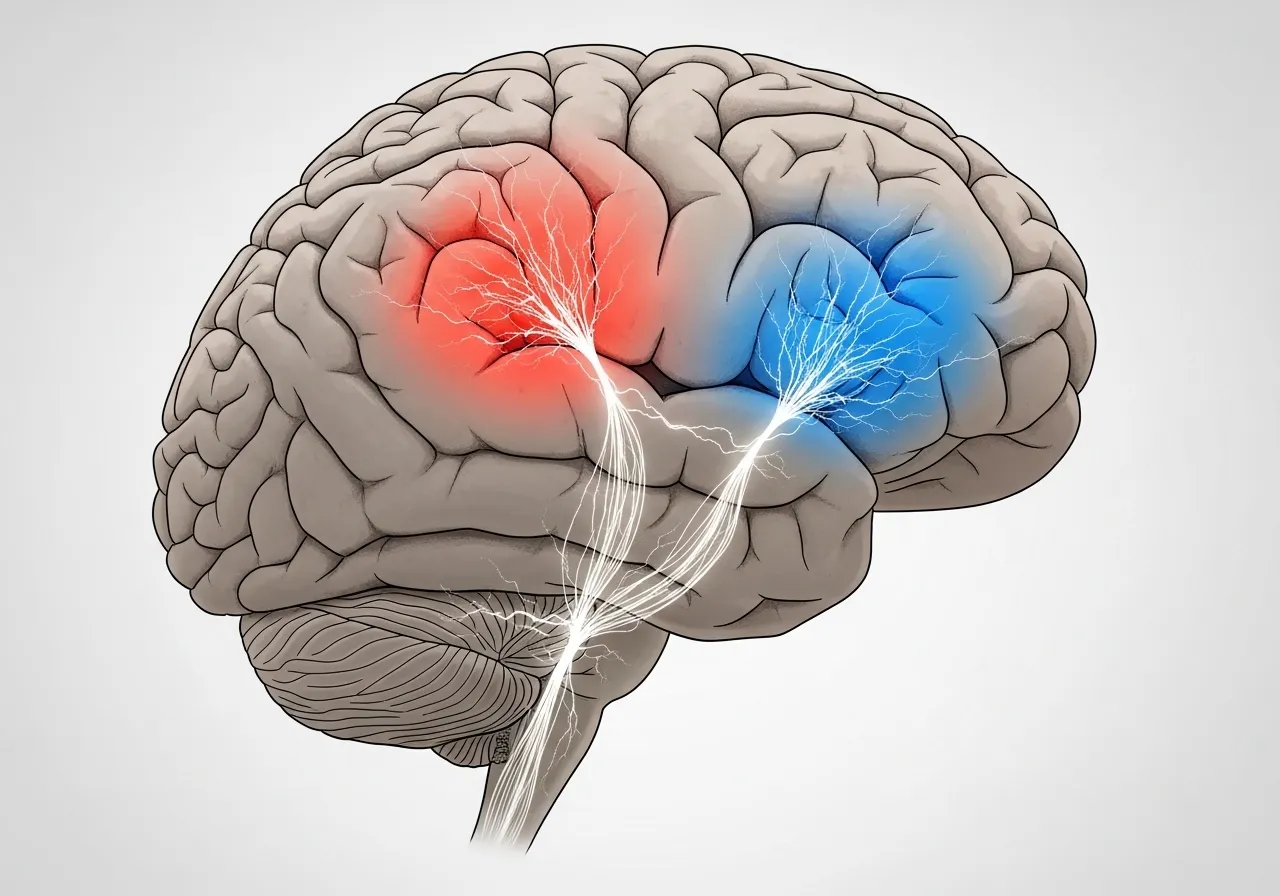
The mechanisms through which music enhances athletic performance are both neurological and psychological — operating simultaneously through the brain’s auditory-motor coupling systems and through emotional and arousal regulation pathways that influence perceived effort and motivation. Auditory-motor coupling: the brain’s motor cortex is directly connected to the auditory cortex through neural pathways that evolved for rhythmic movement coordination — the same neural infrastructure that allows humans to spontaneously tap a foot to music allows the brain to entrain movement patterns to musical rhythm. When running, cycling, or rowing cadence is synchronized to musical tempo, the auditory-motor entrainment reduces the cortical effort required to maintain the movement pattern, decreasing perceived exertion at equivalent mechanical output. Dissociation effect: during moderate-intensity exercise (60–75% maximum heart rate), music serves as an attention diverter — directing cognitive resources away from the physiological signals of fatigue (discomfort, breathing, muscle burn) toward the auditory experience, reducing perceived exertion by 10–15% compared to equivalent exercise in silence. Arousal regulation: fast-tempo music (above 140 BPM) increases arousal through sympathetic nervous system activation — elevating heart rate, increasing blood flow to working muscles, and creating the psychological state of readiness and intensity that high-performance training requires. Research from the Journal of Sports Sciences on music and exercise performance confirms that music can reduce perceived exertion by up to 15% and improve endurance performance by 10–15% under optimal music-exercise matching conditions.
BPM: The Most Important Variable in Workout Music Selection
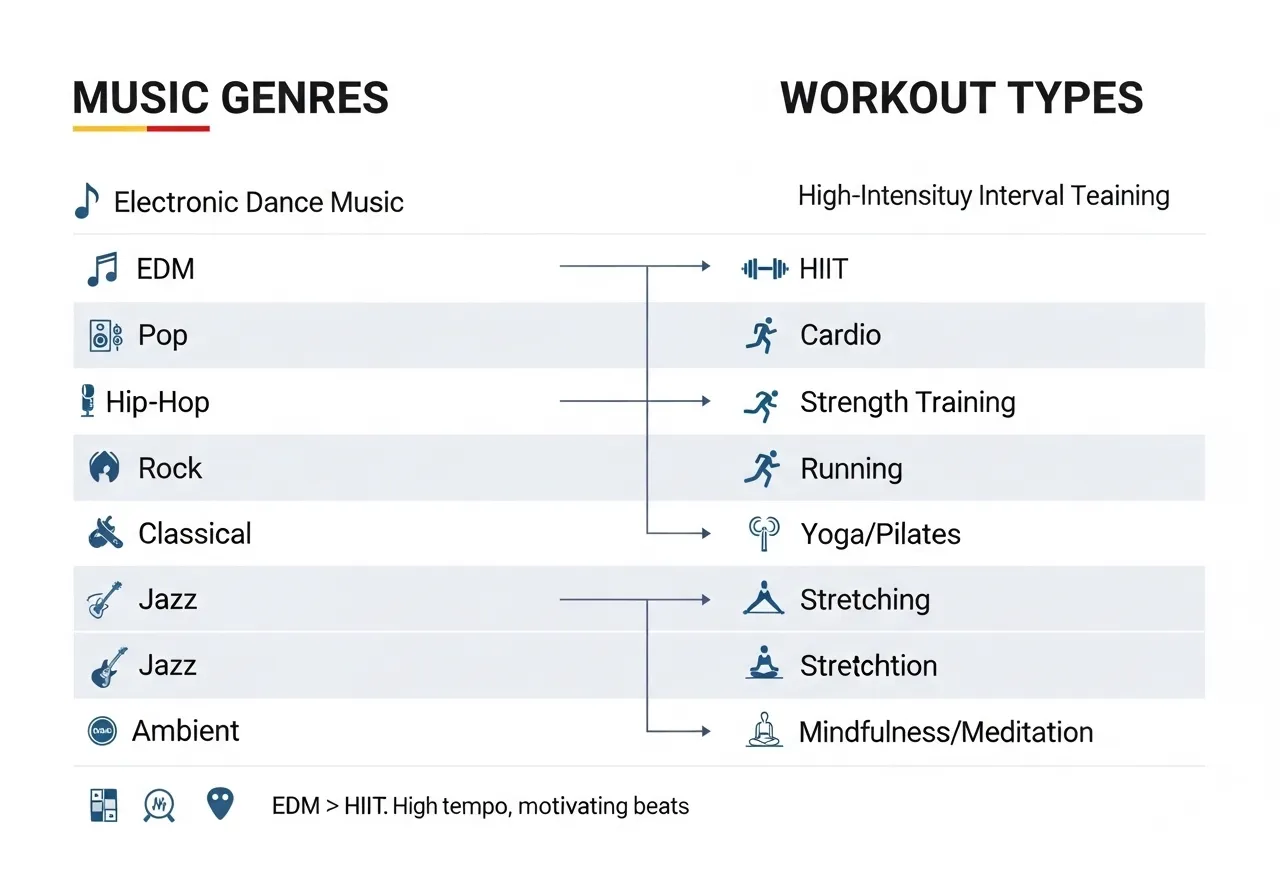
Beats per minute (BPM) — the tempo of a music track — is the single most important variable in music-exercise matching and the primary determinant of whether a given track enhances or impedes performance in a specific exercise context. The optimal BPM ranges for different exercise types are derived from the cadence of the exercise (the natural movement frequency that efficient biomechanics produces) and the arousal level required for optimal performance. Walking: 115–118 BPM; jogging/easy running: 120–125 BPM; moderate running: 140–150 BPM; high-intensity running/sprinting: 160–175+ BPM; cycling (recreational): 120–135 BPM; strength training: 120–140 BPM; HIIT: 140–180 BPM; yoga/stretching: 60–90 BPM. The BPM-performance relationship is not linear — music that is too fast (significantly above the exercise cadence) produces an arousing but non-synchronizable stimulus, while music significantly slower than the exercise cadence creates desynchronization that may impair rather than support performance. The optimal zone is typically within 10% of the natural exercise cadence — a runner with a 160-step-per-minute cadence benefits most from music in the 145–175 BPM range. Research on auditory-motor entrainment from the Frontiers in Psychology research on rhythmic coupling confirms that the greatest ergogenic effect occurs when music tempo closely matches exercise cadence, supporting the exercise-specific BPM recommendation approach over generic “energetic music” selection.
The Motivational Qualities of Music: Beyond BPM
While BPM is the most quantifiable music-performance variable, the motivational qualities of music — including lyrics, cultural associations, personal memories, and emotional response — contribute independently to exercise performance enhancement through psychological mechanisms that BPM alone does not capture. Motivational lyrics: music featuring explicitly motivational content (“don’t stop,” “push harder,” “you can do this”) produces measurable psychological effects during exercise — increasing self-efficacy (confidence in one’s ability to complete the task) and reducing abandonment rates in endurance tasks compared to equivalent-tempo music with neutral or negative lyrical content. Cultural associations and identity: music that athletes associate with athletic achievement, athletic role models, or peak performance experiences (the song playing during a memorable competitive success) activates associated psychological states that facilitate the mood and arousal required for high performance. Personal resonance: music that produces strong emotional responses in the listener — regardless of the specific mechanism — consistently produces larger ergogenic effects than objectively similar music with lower personal resonance. This explains why the scientifically “optimal” playlist built from research-recommended BPM ranges may be outperformed by a personally curated playlist of individually meaningful tracks at similar tempos — the motivational qualities and personal resonance that individual music selection provides cannot be fully replicated by algorithmic curation alone.
Music and Strength Training: Special Considerations
Strength training presents unique music-performance considerations compared to endurance activities — the intermittent nature of strength training (sets alternating with rest periods) and the need for maximal force production in individual repetitions creates different music-exercise interaction dynamics than sustained aerobic work. During rest periods, music serves a different function than during sets: the arousal-maintaining function of moderate-to-fast tempo music during rest periods prevents the arousal decline that extended rest without stimulation produces, allowing athletes to enter the subsequent set at the appropriate psychological and physiological readiness level. During sets, the role of music shifts from cadence entrainment (less applicable to variable-cadence strength movements) to dissociation and arousal — directing attention away from the discomfort of near-failure repetitions while maintaining the psychological intensity that maximum effort sets require. The strength-specific music strategy: select tracks with BPM in the 120–140 range for the workout baseline, transitioning to higher-BPM tracks (140–160) or personally motivating peak tracks for the heaviest working sets and near-failure sets that most benefit from acute arousal elevation. Research on music and strength performance from the American College of Sports Medicine finds that music improves bench press performance (additional repetitions at a given load) and squat performance under appropriate music conditions, with the greatest effect on the highest-intensity sets where psychological inhibition of effort is most likely without additional arousal support.
When Music Impairs Performance
Despite its generally ergogenic effects, music can impair performance under specific circumstances — understanding when to train without music is as important as understanding when to use it for maximum benefit. Technical skill acquisition: when learning new movement patterns (new exercises, complex weightlifting techniques, skill-based sports drills), music can impair performance by diverting attentional resources that the motor learning process requires. Novel movement learning demands focused attention to proprioceptive feedback, visual and internal cues, and coaching instruction — all of which compete with the auditory and attentional engagement that music provides. Athletes learning new techniques should train in silence or near-silence until the movement pattern is sufficiently ingrained to require less conscious attention, then reintroduce music as the movement automates. Very high-intensity performance: during maximal effort tasks (1RM attempts in powerlifting, true sprint efforts, maximum jump testing), some athletes find that music is distracting rather than facilitating — the concentration required for maximal single-effort performance is better served by self-generated internal focus than by the externally directed attention that music provides. Many elite powerlifters compete in silence or with headphones removed for maximum singles — using music only during warm-up sets and returning to focused silence for competition-weight attempts. Safety-critical outdoor training: running or cycling on roads with traffic requires sufficient auditory awareness to detect approaching vehicles, emergency signals, and other safety-relevant sounds — open-ear headphone designs (bone conduction headphones, single earbud with one ear open) or music at volumes that preserve ambient sound awareness represent the safety-appropriate compromise between music’s ergogenic benefits and the auditory awareness that outdoor training safety requires.
The Dissociation Effect: Music as a Pain Filter
One of the most practically significant mechanisms through which music enhances exercise performance is dissociation — the redirection of conscious attention away from the physical sensations of effort and fatigue toward the auditory and emotional processing of music. Research on attentional focus during exercise consistently finds that external focus (music, scenery, conversation) reduces both perceived exertion and pain ratings during moderate-intensity exercise — allowing sustained effort at intensities that internal focus (attending to breathing, muscle fatigue, heart rate) would cause to feel prohibitive. The dissociation effect is strongest at moderate intensities (50–75% VO2max) where the physical sensations are uncomfortable but not overwhelming — at very high intensities (85%+ VO2max), physiological signals become too dominant for music to successfully redirect attention, and the dissociation benefit diminishes. The practical application: music is most beneficial for the sustained moderate-intensity work that is psychologically most difficult to maintain — the long runs, rowing machine sessions, and circuit training that are not intensely painful but are mentally taxing through their duration and monotony. Strategic playlist design for these sessions prioritizes engagement, novelty, and positive emotional valence over pure arousal — the music needs to maintain interest and redirect attention across extended durations rather than producing the maximum pre-set spike that brief heavy lifting demands. Understanding which workout contexts benefit most from dissociation-targeted music selection (moderate sustained effort) versus arousal-targeted selection (brief maximal effort) is the key distinction that separates sophisticated workout music strategy from the generic “energetic music = better workout” approach.
The research on music and exercise performance is unambiguous and consistent across decades of study — the right music, selected with BPM precision, genre appropriateness, and personal emotional resonance, is a legitimate ergogenic tool that every athlete should optimize with the same intentionality applied to training program design and nutritional strategy. Build your playlist with care, test its effects on your training performance, and treat the results with the same analytical attention you give to your training log.

Best Music for Every Workout Type: BPM Guides and Genre Recommendations
The optimal music for different workout types varies based on the specific BPM requirements, motivational demands, and attentional strategies appropriate to each activity. This section provides evidence-based genre and BPM recommendations for the major workout categories, with specific artist and playlist suggestions for each.
Running and Cardio: The Cadence-Music Match
Running is the exercise type with the strongest research base for music-performance enhancement — and the most precise BPM requirements, since running cadence and music tempo synchronization produces the largest ergogenic effects when precisely matched. Easy runs and warm-up pace (150–155 steps/minute cadence): 140–155 BPM music. Moderate pace running (155–165 steps/minute): 155–165 BPM. Tempo runs and threshold pace (165–170 steps/minute): 165–175 BPM. Speed work and interval training (170+ steps/minute): 175–185 BPM. Genre recommendations by intensity: for easy runs, pop and classic rock provide the moderate tempo and familiar comfort that supports the steady-state effort. For tempo runs, electronic dance music (EDM) and hip-hop in the 160–175 BPM range provide the driving beat and high-energy production that matches the discomfort of threshold pace work. For interval training, hardstyle EDM, drum and bass, and high-tempo hip-hop (175–185 BPM) provide the extreme energy that sprint efforts require. Specific BPM-sorted playlist approaches: Spotify’s running feature automatically adjusts music playback to match real-time running cadence; Apple Music and YouTube Music offer running-specific playlists organized by BPM; Jog.fm provides BPM-sorted song recommendations by target running pace. For cyclists, the same BPM principles apply with cadence targets typically in the 80–100 RPM range — translating to 160–200 BPM music when matching music to pedaling frequency. Stationary cycling (spin classes): the instructor-driven intensity transitions make dynamic playlists (varying BPM across the session to match the interval structure) more appropriate than fixed-tempo selections for group cycling formats.
Strength Training: Maximizing Power and Intensity
Strength training music selection prioritizes arousal and psychological intensity over cadence matching — the intermittent, maximal-effort nature of strength training makes motivational energy and arousal elevation the primary mechanisms through which music enhances performance. The generally recommended BPM range for strength training (120–140 BPM) is somewhat lower than for running because the movement cadence of strength exercises is slower and more variable than running stride cadence. Genre recommendations: heavy metal and metalcore — the genre most consistently associated with the highest self-reported motivation and performance among strength-focused athletes — provides the aggressive energy, distortion, and driving rhythm that maximal effort lifting seems to require for many athletes. Research has specifically examined heavy metal’s ergogenic effects on strength training, finding significant improvements in lifting performance among metal-habituated listeners compared to both silence and pop music conditions. Hip-hop: the high BPM, aggressive lyrical content, and cultural associations with athletic dominance make hip-hop one of the most popular and effective strength training genres — particularly tracks with heavy bass production that provides the physical sensation of music impact. Electronic: progressive house and electronic trap music in the 128–135 BPM range provides consistent, driving energy appropriate for the sustained effort of strength training sessions. The “peak track” strategy: identify 3–5 personally motivating tracks that reliably produce maximum arousal and motivation — reserve these tracks specifically for the heaviest sets of the session (top squat sets, 1RM attempts, final near-failure sets) rather than playing them throughout, preserving their arousal effect through novelty and strategic deployment.
HIIT and Circuit Training: High-Energy Transitions
High-intensity interval training (HIIT) and circuit training present unique music challenges — the rapid transitions between maximum-effort work intervals and brief recovery periods benefit from different music during work versus rest that standard playlists do not accommodate. The HIIT music strategy: select tracks in the 160–180 BPM range for work intervals (matching the high exercise intensity) and use instrumentals or lower-BPM tracks during rest intervals (preventing over-arousal during recovery that impairs the complete recovery the next work interval requires). The pre-mixed Tabata music approach — tracks with built-in 20-second high-BPM segments and 10-second lower-intensity segments that match the Tabata interval structure — is the most practical solution for the standard 20/10 HIIT format. Genre recommendations for HIIT: hardstyle and hardcore EDM (145–175 BPM) for maximum arousal during work intervals; electronic trap and future bass (140–150 BPM) for the aggressive energy with slightly more rhythmic complexity that circuit movements benefit from; and uptempo pop (130–140 BPM) for HIIT formats with longer work periods (40–45 seconds) where sustainable high energy is more appropriate than the extreme arousal of hardstyle. The key for HIIT playlists: consistent high energy throughout, with peaks during work intervals and brief energy reduction during rest — avoiding the mid-session energy dips that playlist transitions to significantly lower-energy tracks produce.
Yoga, Stretching, and Mobility Work: The Opposite Extreme
At the opposite end of the exercise intensity spectrum, yoga, static stretching, and mobility work benefit from music that promotes parasympathetic nervous system activation — reducing arousal, slowing breathing, and facilitating the muscular relaxation that deep stretching requires. The arousal reduction from low-BPM, low-stimulation music during flexibility work provides the same psychological mechanism (in reverse) as the arousal elevation from high-BPM music during high-intensity work — directing music selection toward the physiological state that the exercise type requires. Target BPM range: 60–90 BPM for general yoga and stretching; 45–65 BPM for restorative yoga and deep relaxation stretching; 70–85 BPM for more dynamic yoga flows that include active balancing and strength elements. Genre recommendations: ambient electronic (Brian Eno’s ambient works, Moby’s ambient recordings) creates the spacious, non-demanding soundscape that deep relaxation stretching benefits from. Lo-fi hip-hop (60–80 BPM) provides a gentle rhythmic structure without the lyrical demands on attention that stretching’s interoceptive focus requires. World music and acoustic instrumental (flamenco, fingerstyle guitar, traditional Indian classical, Japanese koto) provides the cultural richness and acoustic warmth that enhances the contemplative quality of yoga practice without the electronic production that many yoga practitioners find jarring. Silence is also a valid and evidence-supported choice for high-skill yoga practice and proprioception-intensive mobility work — the attentional demands of advanced yoga and complex mobility sequences benefit from the absence of competing auditory stimulation.
Pre-Workout Music: The Psych-Up Protocol
The 10–15 minutes before training begins is a critical arousal window — the music during this period sets the physiological and psychological state that the training session commences from, and strategic pre-workout music selection produces measurable performance improvements independent of within-workout music effects. Research on pre-exercise music and performance readiness finds that listening to self-selected motivational music for 10 minutes before exercise produces significantly higher post-music arousal states, increased self-efficacy for the upcoming exercise, and improved performance on subsequent exercises compared to equivalent rest periods without music. The pre-workout music protocol: select the highest-energy, most personally motivating tracks from the workout playlist for the final 10–15 minutes before training begins; listen while completing warm-up preparation (changing, assembling equipment, applying tape) rather than additional sedentary waiting; and time the most arousing peak tracks to coincide with the start of the first working sets. Many professional athletes have specific pre-competition music protocols — specific tracks played at specific volumes during specific time windows that are carefully associated with peak performance states through repeated pairing — producing reliable psychological readiness on demand through the conditioned association between the music and the performance state.
The Neurochemistry of Music During Exercise
The powerful effect of music on exercise performance operates through specific neurochemical pathways that exercise science has mapped in substantial detail over the past two decades. Music activates the mesolimbic dopamine system — the brain’s primary reward circuit — producing dopamine release in the nucleus accumbens that elevates mood, reduces perceived effort, and creates the positive emotional state that both motivates continued effort and reduces the psychological cost of physical exertion. The auditory cortex processes the rhythmic and melodic components of music simultaneously with the motor cortex’s movement planning, creating the entrainment effect (synchronizing movement timing to music beat) that reduces the metabolic cost of repetitive exercise movements by up to 7%. Endogenous opioid release (the same neurochemical mediating the “runner’s high”) is augmented by music with specific acoustic properties — fast tempo, high energy, and emotional resonance — producing the analgesia and euphoria that make hard workouts feel manageable rather than punishing. The amygdala’s emotional processing of music creates the arousal state (elevated heart rate, increased respiratory rate, heightened attention) that prepares the body physiologically for the demands of intense training before the training stimulus itself arrives. For athletes seeking to optimize every training session, understanding that music is a legitimate ergogenic aid with well-characterized neurochemical mechanisms — not merely a distraction from effort — reframes playlist selection from casual entertainment to a deliberate performance tool deserving the same careful optimization as any other training variable.
BPM Science: The Optimal Tempo Window
Beats per minute (BPM) — the tempo measurement that determines how fast a song’s rhythmic pulse cycles — is the most scientifically studied music variable in exercise performance research, with clear evidence for optimal BPM ranges that maximize different performance outcomes. The preferred tempo effect: humans have a natural preferred walking cadence of approximately 120 steps per minute — music at or near 120 BPM produces the strongest entrainment response for walking, while running cadences of 150–180 steps per minute correspond to the 150–180 BPM range that running research identifies as optimal for stride efficiency. The “sweet spot” phenomenon: music at 125–140 BPM produces maximal arousal and motivational response for moderate-to-high intensity exercise — below this range, the tempo fails to maintain the psychological activation level that high-intensity exercise demands; above 145 BPM, the tempo provides less additional performance benefit and may create a chaotic rather than entraining effect. Research from multiple randomized controlled trials on music tempo and exercise performance consistently finds that music matched to exercise cadence produces performance improvements of 5–15% over silence or mismatched-tempo music — a meaningful ergogenic effect that BPM-matched playlist design reliably captures. The practical implication: organize workout playlists not by genre or artist preference alone but by BPM — using tempo as the primary organizational variable and filtering by personal taste within each BPM range produces the most scientifically optimized playlist structure.
Individual Variation in Music Response
While the average effects of music on exercise performance are well-established, meaningful individual variation exists in the magnitude of response — and understanding the sources of this variation allows personalized music strategy that outperforms generic recommendations. Music training and expertise: athletes with formal music training or high musical engagement show stronger entrainment responses and larger performance benefits from tempo-matched music than non-musicians, likely because of the superior internalized rhythmic representation that musical experience develops. Introversion-extraversion: research on personality and music preference in exercise contexts finds that extroverts show larger performance responses to high-energy, high-tempo music in group exercise settings, while introverts may show equivalent or stronger responses in individual training contexts — with the social elements of group exercise confounding the pure music effect for introverts. Exercise type and training status: beginners show larger music effects (particularly for motivation and perceived effort) than advanced athletes — who have developed internal motivational strategies that reduce reliance on external stimulation — but the rhythm synchronization benefits persist and may even increase with training experience as motor coordination improves. Cultural background: the emotional and motivational meaning of specific genres, songs, and rhythmic patterns is shaped by cultural exposure — effective workout music is ultimately the music that produces the strongest personal arousal and motivational response, which differs substantially across cultural backgrounds. The optimal personal playlist emerges from experimentation with different tempos, genres, and emotional valences tracked against training performance outcomes — a personalized optimization process that the generic BPM recommendations can frame but not fully determine.
The research on music and exercise performance is unambiguous and consistent across decades of study — the right music, selected with BPM precision, genre appropriateness, and personal emotional resonance, is a legitimate ergogenic tool that every athlete should optimize with the same intentionality applied to training program design and nutritional strategy. Build your playlist with care, test its effects on your training performance, and treat the results with the same analytical attention you give to your training log.
Building Your Perfect Workout Playlist: Tools, Apps, and Curation Strategies
Building a workout playlist that consistently delivers performance benefits requires both the music selection principles from the previous sections and the practical curation skills — using available tools and strategies — that convert principles into specific track lists that work in the gym, on the road, and in training sessions of any type.
Streaming Platform Tools for Workout Music
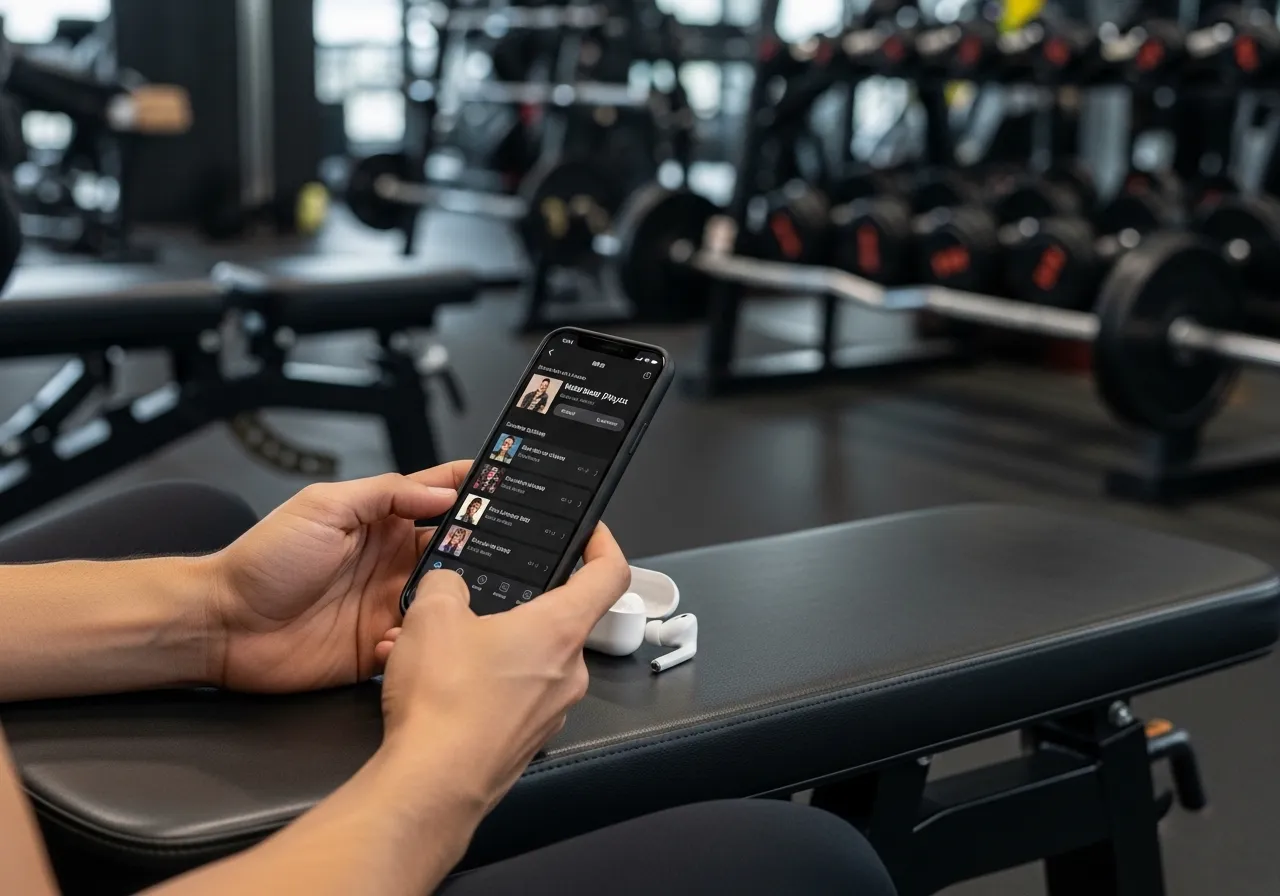
The major music streaming platforms have developed increasingly sophisticated tools for workout music curation that athletes can leverage for evidence-based playlist building without manual BPM calculation. Spotify for Athletes: the platform’s running feature adjusts playback tempo in real-time to match the user’s detected running cadence — using the phone’s motion sensors to calculate step frequency and pitch-adjusting compatible tracks (without changing musical key) to precisely match the detected cadence. This real-time BPM adaptation is the most technically sophisticated implementation of cadence-music matching currently available in consumer applications. Spotify also offers pre-built workout playlists organized by BPM range (BPM 120+, BPM 140+, etc.) and intensity (Power Workout, Beast Mode, High Intensity Training) that provide BPM-appropriate starting points for playlist curation. Apple Music Sports: offers curated workout playlists by exercise type and intensity, with editorial curation from fitness-focused music editors rather than algorithmic selection alone — often producing more musically cohesive playlists than purely algorithmic approaches. Particularly strong for strength training and general gym workout playlists. YouTube Music: the broadest genre coverage for niche workout music categories, particularly for metal, hardcore, and genre-specific workout playlists that Spotify and Apple Music’s mainstream focus underserves. Many dedicated workout music YouTube channels curate extended high-BPM mixes suitable for full training sessions. Amazon Music: increasingly competitive workout playlist curation, particularly strong for country and alternative rock workout playlists, with Alexa integration for voice-controlled playlist management during hands-occupied training sessions.
BPM Detection and Playlist Building Tools
For athletes who want to precisely control the BPM content of their workout playlists beyond what streaming platform curation provides, several tools enable BPM detection, sorting, and playlist assembly from personal music libraries. Jog.fm: a website that allows athletes to enter their target running pace and receive song recommendations matched to the corresponding optimal running BPM — effectively building a science-based running playlist from a catalog of BPM-verified popular songs. Free to use with no account required. Soundiiz: allows BPM-based filtering and playlist organization across streaming platforms — useful for transferring curated playlists between Spotify, Apple Music, and Tidal while preserving the BPM-sorted structure. Tunebat: a web-based tool that detects the BPM, key, and energy level of any song available on major streaming platforms — allowing precise verification of specific tracks’ BPM before including them in targeted BPM-range playlists. DJ software (Rekordbox, Serato, djay Pro): professional DJ software provides the most precise BPM detection, automatic track sorting, and beat-matching tools for athletes who want maximum control over their workout music’s tempo consistency. The crossfade and seamless transition features of DJ software can eliminate the energy disruption of track gaps during intense exercise. For most athletes, the streaming platform tools provide sufficient BPM management without the complexity of DJ software — but for performance-focused athletes who train at specific intensities and want complete BPM precision, DJ software represents the highest level of workout music optimization available.
Offline and No-WiFi Training: Download Strategies
Many training environments — outdoor trails, basement home gyms, international travel, rural areas — lack reliable internet connectivity for streaming music, making offline playlist management an important practical consideration. Streaming platform offline features (Spotify Premium, Apple Music, Amazon Music Unlimited) allow downloading of playlists to device storage for offline playback — the most practical solution for athletes who primarily use one streaming service. The limitation: downloaded playlists require periodic refresh when new tracks are added, and the downloaded library is only accessible while the subscription is active. For athletes who want permanent offline access to specific training tracks without subscription dependency, direct music purchase (iTunes, Amazon Music, Bandcamp) and loading to device storage provides subscription-free offline access. Podcast and audiobook alternatives: for longer endurance sessions where music’s ergogenic effects plateau (sessions exceeding 60–90 minutes), podcasts and audiobooks provide the dissociative attention diversion that music provides but with narrative engagement that maintains interest better than repeated playlist exposure over extended session durations. Many endurance athletes alternate between music and podcast content across long training sessions — using music during high-intensity intervals and podcast content during steady-state sections where narrative attention is compatible with the exercise intensity.
Curating for Emotional Arc: The Session Structure Playlist
The most sophisticated workout playlists are structured to match the emotional and physiological arc of the training session — building arousal progressively through the warm-up, maintaining peak energy during the working sets, and allowing controlled arousal reduction during cool-down and recovery. Session structure playlist design: warm-up tracks (10–15 minutes): moderate BPM (120–130), familiar and comfortable tracks that begin arousal elevation without producing premature peak intensity. Main workout tracks (40–60 minutes): progressive BPM escalation from 130 toward 150–165 for the primary working period, with specific peak tracks reserved for the highest-intensity portions. Peak intensity tracks: the 3–5 highest-energy, most personally motivating tracks deployed at the apex of the session (heaviest sets, fastest intervals, most challenging circuit rounds). Cool-down and post-workout tracks (10–15 minutes): BPM reduction back toward 100–120, transitioning toward the parasympathetic state that post-workout recovery requires. The emotional arc of a well-designed session playlist parallels the physiological preparation-performance-recovery structure of the training session itself — providing the appropriate psychological environment at each phase rather than maintaining constant arousal throughout. Building this arc requires deliberate playlist ordering rather than shuffle playback — sequencing tracks with the session structure in mind rather than allowing random selection to disrupt the intended energy progression.
Genre Evolution and Keeping Playlists Fresh
Music habituation — the progressive reduction in psychological response to repeatedly heard music — reduces the ergogenic effect of familiar tracks over time, making regular playlist refreshment an important aspect of workout music management. Research on music habituation in exercise contexts finds that the performance enhancement from familiar music diminishes significantly after repeated exposure — with the greatest ergogenic effects produced by music that is familiar enough to be comfortable (not cognitively demanding to process) but novel enough to retain engagement. The playlist refresh strategy: add 2–4 new tracks per week to the primary workout playlist (providing novelty without disrupting the established structure), and remove or rest tracks that have been on heavy rotation for 4–6 weeks. Seasonal playlist variation — maintaining separate playlists for different training seasons (higher volume training phase playlist, competition preparation playlist, off-season training playlist) — naturally reduces habituation by associating specific music with specific training contexts and rotating through the playlists across the training year. Genre exploration: deliberately exploring music genres outside the current workout rotation — sampling different subgenres of electronic music, exploring international hip-hop, investigating metal subgenres, or investigating workout-adapted versions of classical and film score music — provides the novelty that prevents habituation while potentially discovering new high-ergogenic tracks that become core playlist components.
Curating by Training Phase: Periodized Playlist Design
Advanced athletes who periodize their training (varying volume, intensity, and focus across training phases) benefit from periodizing their music selection in parallel — matching the musical stimulus to the psychological demands of each training phase rather than using the same playlist across all training contexts. High-volume accumulation phases: the sustained moderate-intensity work of volume phases is psychologically sustained by music that maintains engagement over long durations without creating excessive arousal — melodic, rhythmically consistent music at 125–140 BPM that prevents the monotony of high-rep training without creating the overstimulation that disrupts pacing judgment. High-intensity intensification phases: the brief, maximal efforts of heavy strength training and HIIT intervals require the maximum arousal and aggression that high-energy music at 140–160 BPM provides — the pre-set activation spike from a well-chosen “peak” song before a heavy single or max-effort interval produces the hormonal arousal that translates directly into performance output. Deload and recovery phases: active recovery, mobility, and light training sessions are psychologically supported by music at 90–110 BPM with lower energy profiles — the reduced arousal matches the reduced physiological demand and prevents the psychological frustration of underperforming against the internal standard that high-energy music creates during intentionally light training. Competition taper week: the reduced training volume of taper week combined with competitive anxiety creates a specific psychological state — playlist design for taper week should balance arousal maintenance (preventing the “flat” feeling of reduced training) with anxiety management (music with positive emotional valence and personal significance rather than pure aggression).
App Features and Playlist Management Tools
The music streaming platform ecosystem has developed specific features for athletic playlist management that go beyond basic playback functionality — and understanding these features allows more effective workout music deployment. Spotify’s DJ and Workout features: Spotify’s algorithm-generated workout playlists use listener history, BPM matching, and energy level detection to create dynamically adjusted playlists — the Workout playlist category includes pre-built options for running, strength training, HIIT, and cycling with verified BPM targeting. The Radio feature generates continuous music streams based on seed songs or artists, useful for extended endurance sessions where playlist length is a practical concern. Apple Music’s Fitness+ integration: syncs music tempo to workout type and includes instructor-curated playlists verified for BPM accuracy — particularly useful for structured workout formats (cycling, HIIT classes) where BPM precision is performance-critical. Third-party BPM tools: Jog.fm (matching songs to running cadence), Spotify’s tempo filter in playlist builders, and RockMyRun (DJ-mixed continuous exercise music) provide more precise BPM targeting than native streaming app playlists. Offline download strategy: downloading playlists before leaving for training prevents the buffering, connectivity failures, and Bluetooth interruptions that disrupt training momentum — particularly important for outdoor running, trail training, and gym environments with poor cellular coverage.
Headphone Selection for Athletic Use
The physical delivery of workout music — the headphones or earphones that translate digital audio into the sound that drives performance — significantly influences both music quality and safety during athletic training. The true wireless earbuds (TWS) category has become the dominant athletic headphone format — offering the cable-free convenience that eliminates the snag hazards and movement restrictions of wired options. Key athletic-specific features: IP67 or higher water and sweat resistance rating (essential for high-intensity training where perspiration is significant); secure fit mechanism (ear hooks, customizable ear tip sizes, wing tips) that maintains position during intense movement; battery life adequate for the training session without mid-workout recharge interruption; and ambient sound or transparency mode (allowing environmental awareness for outdoor training safety without removing the earbuds). Bone conduction headphones: an alternative format that transmits sound through the cheekbones rather than the ear canal — leaving the ear canal entirely open for environmental awareness, making them the preferred option for road running and cycling where traffic awareness is safety-critical. Audio quality considerations: the bass response and dynamic range of athletic headphones significantly influences the motivational impact of workout music — the low-frequency energy of bass-heavy music (hip-hop, EDM, rock) is the component most directly linked to the arousal and activation response that drives performance, making bass quality a performance-relevant technical specification rather than a purely audiophile concern.
The research on music and exercise performance is unambiguous and consistent across decades of study — the right music, selected with BPM precision, genre appropriateness, and personal emotional resonance, is a legitimate ergogenic tool that every athlete should optimize with the same intentionality applied to training program design and nutritional strategy. Build your playlist with care, test its effects on your training performance, and treat the results with the same analytical attention you give to your training log.
Advanced Music Strategies for Athletes: Timing, Psych-Up, and Recovery
Beyond basic playlist building, advanced athletes can implement specific music strategies that target defined performance objectives — using music as a precision tool for arousal management, pre-competition preparation, post-training recovery, and psychological skill development that complements the physical training program.
Music as a Pre-Competition Ritual
The use of music in pre-competition preparation — creating the specific psychological state of readiness, confidence, and controlled arousal that peak competition performance requires — is one of the most practically impactful applications of sports music science for competitive athletes. Research from the Psychology of Sport and Exercise on pre-competition arousal and music finds that athletes who used self-selected music before competition reported higher confidence, better mood, and lower anxiety than matched controls who prepared without music. The pre-competition music protocol components: personal significance (music selected by the athlete based on personal motivational resonance rather than externally prescribed); timing specificity (specific tracks associated with peak performance through repeated pre-performance pairing); arousal match (music tempo and energy matched to the target pre-competition arousal level — not all sports and athletes benefit from maximum arousal before competition); and consistent ritual (the same music, in the same sequence, performed in the same way before every competition, creating the conditioned association between the music ritual and the performance state it precedes). Team sports present the additional complexity of collective pre-competition music — teams that develop shared pre-game music rituals (dressing room playlists, team warm-up music) gain the collective identity and shared arousal that individual pre-game music cannot produce, with the team-selected music serving simultaneously as an individual arousal tool and a collective cohesion mechanism.
Music Periodization: Matching Music to Training Phases
Just as training programs periodize volume, intensity, and exercise selection across training phases, music selection can be periodized to match the psychological demands of each training phase — supporting the specific mindset and arousal level that each phase requires. High-volume accumulation phases (high training volume, moderate intensity): the fatigue management demands of high-volume training benefit from music that provides dissociation from accumulated training fatigue — familiar, comfortable, moderately energetic music that maintains engagement without demanding additional psychological resources. Intensification phases (lower volume, higher intensity): the near-maximal effort demands of intensification training benefit from maximum-arousal music — highest-energy genres, peak personal resonance tracks, and BPM precisely matched to the high-intensity movements being trained. Deload and recovery phases: the reduced intensity of deload training provides the opportunity to explore lower-energy music that refreshes the association between training and music, preventing the habituation that heavy high-intensity music rotation accumulates during the preceding intensity phase. Competition phase: music selection narrows to the personally highest-resonance tracks that reliably produce peak psychological readiness — eliminating experimentation and novelty in favor of the reliable pre-competition ritual that consistent competitive performance requires. This music periodization parallel to training periodization ensures that music continues to provide maximum ergogenic support across all training phases rather than plateauing in effectiveness because the same music selection is applied uniformly across radically different training contexts.
Sleep Music and Recovery Optimization
The most overlooked application of strategic music use for athletes is in the sleep and recovery context — the physiological recovery processes that determine how completely training adaptation occurs. Sleep-enhancing music (45–60 BPM, minimal lyrical content, consistent volume without sudden changes) activates the parasympathetic nervous system, reduces cortisol, slows heart rate, and facilitates the transition to sleep that athletic recovery requires. Research on sleep and music intervention finds that musical sleep aids (60 minutes of slow-tempo music before sleep onset) significantly improve sleep quality metrics — reduced time to sleep onset, increased slow-wave sleep duration, and improved next-day alertness — compared to silence or conversational audio (podcasts, audiobooks). The sleep music protocol: begin 60 minutes before intended sleep onset; select instrumental tracks (lyrics activate language processing that delays sleep onset); target 60 BPM or below (matching music to resting heart rate); maintain consistent, low volume (70–75 dB); and use a timer that stops playback after 60 minutes to prevent light sleep disruption from music continuing through sleep cycles. Genre recommendations for sleep optimization: classical piano (Chopin nocturnes, Debussy), ambient electronic (Brian Eno, Stars of the Lid), acoustic guitar (fingerstyle instrumental), and specifically composed sleep music (available on all major streaming platforms under “sleep music” or “sleep sounds” categories). Post-workout active recovery sessions (light movement, foam rolling, stretching) benefit from slightly higher BPM (80–100) music that maintains gentle engagement without arousal elevation that would impair the shift toward recovery physiology.
Focus Music for Technical Training and Learning
Technical skill training — learning new movement patterns, practicing complex weightlifting technique, or developing sport-specific skills that require concentrated attention — benefits from a specific category of music that research identifies as “focus-enhancing”: moderate tempo, consistent rhythm, low lyrical content, and moderate emotional arousal. The category that best meets these criteria is often characterized as “flow state” music — music that reduces mind-wandering and external distraction without producing the high arousal or lyrical processing demands that impair focused attention. Research on music and cognitive performance in athletes finds that background music at moderate volumes in the 60–90 BPM range with minimal lyrical content improves concentration during skill-learning tasks compared to silence (which allows mind-wandering) and high-intensity workout music (which over-arouses the system for the precise motor control skill learning requires). Genre recommendations for technical training focus: lo-fi hip-hop (55–75 BPM instrumentals), classical baroque music (60–80 BPM, particularly Johann Sebastian Bach keyboard works), film and game soundtracks (specifically composed for focused activity, without lyrics), and ambient electronic music (Brian Eno, Aphex Twin ambient works). The practical application: build a dedicated “technical training” playlist distinct from the high-energy workout playlist — using the technical playlist specifically during skill acquisition phases and the standard workout playlist when intensity rather than precision is the training priority.
Athlete-Specific Playlist Examples
The following examples illustrate how the music principles in this article translate into specific playlist structures for different athlete profiles. Competitive powerlifter weekly playlist: Monday heavy squat session — warm-up with classic rock (120–130 BPM, 15 minutes), main session with metal and hip-hop (130–145 BPM), peak tracks (hardstyle metal, specific motivational hip-hop) reserved for 90%+ working sets. Wednesday bench press focus — similar structure with slightly lower peak BPM (140 vs 155) matching the lower peak intensity of accessory bench day. Friday deadlift max effort — progressive arousal escalation throughout the session, with the 3–5 highest-energy personal tracks clustered around the heaviest working sets. Marathon runner weekly playlist: long run (90+ minutes) — first 30 minutes with familiar pop (145–150 BPM for easy pace), middle 60 minutes with podcast content for dissociation during sustained moderate effort, final 20 minutes with the highest-energy tracks for the finish surge. Tempo runs — consistent 165–170 BPM electronic music throughout, with the most driving tracks timed to the hardest kilometer intervals. CrossFit athlete: metcon playlist structured around the specific WOD format — for AMRAP workouts: consistent high-BPM electronic throughout (160–175 BPM); for EMOM workouts: beats that naturally emphasize the one-minute interval through structural cues; for hero WODs and particularly long workouts: progressive BPM escalation that keeps energy climbing across the full duration.
Music and Skill Acquisition: When to Train With and Without Music
While music enhances performance in well-learned, repetitive exercise tasks, research on music and skill acquisition identifies contexts where music may impair the learning of new movement skills — an important distinction for athletes working on technique alongside fitness. The attentional narrowing effect: music reduces the cognitive resources available for conscious movement monitoring by occupying auditory processing capacity — beneficial during known, automatic movements (running, cycling, standard exercises) but potentially detrimental when learning new skills that require conscious attention to technique cues, coaching feedback, and movement quality monitoring. Research on dual-task interference finds that performing a secondary auditory task (listening to music) while learning novel motor skills impairs the explicit learning processes that new skill acquisition requires — the cognitive resources needed for skill encoding are occupied by music processing. The practical framework: use music during established exercise patterns where movement is automatic and the primary goal is effort maintenance (strength sets with known weights, steady-state cardio, high-rep accessory work); remove music during technical skill work (Olympic lifting technique sessions, complex sports movement learning, any context where coaching feedback must be immediately processed and integrated). Elite athletes who use this music/no-music periodization report that the quality of technical training sessions with coaches improves substantially when music is removed — the improved coachability and technique retention justifying the reduced motivational stimulus for these specific sessions.
Group Training and Music: Synchronization Effects
The presence of music in group training contexts (team practices, group fitness classes, boot camps) creates synchronization effects that extend beyond individual motivation to influence group cohesion, effort coordination, and collective performance. The social facilitation of synchronized movement: when multiple athletes move in synchrony to shared music (as in a rowing ergometer session or a spin class), endorphin release is significantly higher than the same movement performed without synchronization — the social bonding mechanism that evolved to coordinate group activity is activated by rhythmically synchronized effort with others. Research published in the Royal Society’s Biology Letters found that groups performing synchronized activities rated each other higher on social bonding measures, cooperated more effectively on subsequent tasks, and reported significantly higher pain thresholds — all mediated by the endorphin release that synchronized effort triggers. For team sports coaches, incorporating music-synchronized warm-up routines, group stretching with shared music, or structured cardio with team-matched playlists leverages this synchronization effect for team cohesion benefits that extend into competitive performance contexts. The music choice for group training requires balancing the diverse personal preferences of the team against the shared musical characteristics (tempo, energy, emotional valence) that produce the strongest group synchronization — and athlete input into playlist selection increases the personal connection to the music that amplifies the motivational effect.
Music for Pre-Competition Preparation
The pre-competition use of music is one of the most strategically significant applications of exercise music psychology — the arousal optimization and psychological preparation that the right music provides in the hour before competition can produce measurable performance differences that the competition itself cannot reverse. The arousal optimization challenge: different sports and different athletes within the same sport have different optimal arousal levels for peak performance — a weightlifter needs maximum activation, a golfer needs moderate focused arousal, a basketball player needs high but controlled arousal with maintained fine motor precision. Music in the pre-competition period can be used to either increase arousal (high-energy, personally meaningful, high-tempo music during the warm-up) or reduce anxiety (calming, familiar, positive-association music during the final preparation period). The pre-competition music ritual: elite athletes frequently develop highly specific pre-competition music rituals — the same songs in the same sequence before every competition — that serve as psychological anchoring triggers associating the music with past successful performances and optimal competitive state. Research on pre-performance rituals in sport finds that consistency of ritual (including music) produces both improved performance outcomes and reduced competitive anxiety — the familiarity and predictability of the ritual providing psychological stability in the inherently unpredictable competitive environment. Building your own pre-competition playlist: select 5–8 songs that reliably produce the optimal pre-competition state (confirmed through experimentation during practice competitions), use these songs consistently in the same sequence before every important competition, and treat the playlist as a performance tool deserving the same careful curation as any other competition preparation element.
The research on music and exercise performance is unambiguous and consistent across decades of study — the right music, selected with BPM precision, genre appropriateness, and personal emotional resonance, is a legitimate ergogenic tool that every athlete should optimize with the same intentionality applied to training program design and nutritional strategy. Build your playlist with care, test its effects on your training performance, and treat the results with the same analytical attention you give to your training log.
Genre Deep-Dives, Platform Reviews, and FAQs for Workout Music
This final section provides detailed genre-specific guidance for the most popular workout music categories, honest platform comparisons for finding the right music, and direct answers to the most common questions athletes have about optimizing their workout music strategy.
Genre Deep-Dive: Hip-Hop and Rap for Workouts
Hip-hop is the most popular workout genre across all exercise types — and for scientifically supportable reasons beyond cultural preference. The genre’s BPM range (80–120 BPM in original tempo, but experienced at 160–240 BPM when accounting for the subdivision of the beat) naturally falls within the optimal range for many workout types. The genre’s cultural associations with physical dominance, competitive drive, and overcoming adversity align with the psychological demands of intense training — providing motivational lyrical content that directly addresses the mental challenges of pushing through discomfort. Best BPM ranges within hip-hop for workouts: classic hip-hop and East Coast (80–95 BPM original tempo): works well for strength training rest periods and moderate cardio. Trap and modern hip-hop (130–145 BPM): ideal for HIIT and intense strength training. Drill and aggressive hip-hop (140–155 BPM): for the highest-intensity strength and power work. Best artists and albums for strength training: albums and artists known for aggressive production, hard-hitting beats, and explicitly motivational content provide the highest ergogenic value in the strength training context. The playlist curation strategy for hip-hop: build around the heaviest beat production (deep bass, sharp snares, minimal melody) rather than the most popular tracks — the acoustic properties of the music that produce physical sensation (bass impact felt through the body as well as heard) contribute independently to the arousal elevation that workout music produces.
Genre Deep-Dive: Electronic Music for Athletes
Electronic dance music (EDM) and its subgenres cover the widest BPM range of any genre family — from the 120–130 BPM of progressive house to the 150–180 BPM of hardstyle and hardcore — making it the most versatile genre family for workout music across exercise types. Progressive house and melodic techno (120–130 BPM): the emotional build-drop structure of progressive house — tension building across 4–8 minute tracks with melodic development culminating in a high-energy drop — creates a natural arousal arc that parallels the set-rest structure of strength training. Drum and bass (160–175 BPM): the relentless forward drive of drum and bass at consistent high BPM makes it ideal for running at moderate-to-high intensity paces where cadence synchronization to the music beat improves running economy. Hardstyle and hardcore (150–175 BPM): the extreme energy, distorted kicks, and aggressive production of hardstyle provides maximum arousal elevation for the highest-intensity intervals and heaviest lifting sets — a niche genre with devoted workout followers for whom standard EDM does not provide sufficient intensity. The streaming platform considerations for electronic workout music: Spotify has the strongest algorithmic EDM playlist curation for mainstream subgenres; Soundcloud and Mixcloud provide access to DJ mixes that eliminate track gaps during continuous effort activities; Beatport provides access to the most current and genre-diverse electronic releases for athletes who want the newest tracks rather than curated mainstream selections.
Genre Deep-Dive: Rock and Metal for Maximum Intensity
Rock and metal provide the most consistent ergogenic effects for high-intensity strength training among music genres — the genre’s aggressive energy, guitar-driven distortion, and intense lyrical content producing the highest arousal elevations in research studies measuring physiological and psychological responses to different workout music genres. Classic rock (110–135 BPM): provides the driving rhythm and familiar cultural resonance that moderately arousing workout music requires, with sufficient energy for moderate-intensity training and the comfort of well-known tracks that reduce cognitive processing demands. Hard rock and heavy metal (120–150 BPM): the primary strength training genre for a dedicated subset of athletes — the research specifically examining metal’s ergogenic effects on strength training finds significant performance improvements among metal-habituated listeners. Metalcore and deathcore (130–180+ BPM, with blast beats creating very high effective tempo): provides extreme arousal for the highest-intensity training contexts, though the extreme intensity of the genre may be over-stimulating for training types requiring moderate rather than maximum arousal. Rock-specific streaming resources: dedicated workout rock and metal playlists on all major platforms; Pandora’s genre radio features provide good discovery for rock subgenres that athletes may not have previously explored; SiriusXM’s dedicated metal and rock channels offer continuous programming without the playlist management that on-demand streaming requires.
Platform Comparison: Finding the Best Workout Music Service
The choice of streaming platform significantly influences both the quality of workout music available and the tools for organizing and discovering new workout music. Spotify: the strongest overall choice for most athletes — the largest catalog, best algorithmic playlist curation, best BPM-sorted playlist features (including real-time running cadence matching), and the most active fitness playlist community. The free tier works for basic workout use; the Premium tier’s offline download and shuffle-free listening are particularly valuable for workout music management. Apple Music: the best choice for athletes in the Apple ecosystem — Siri integration allows voice control during hands-occupied training, and Apple Watch native playback for the workout types where leaving the phone behind is practical. Editorial playlist quality is strong, particularly for pop and alternative workout genres. YouTube Music: the best choice for genre diversity and niche workout music categories that the mainstream platforms underserve — the largest selection of extended DJ mixes, underground EDM, and international workout music genres. Also the most viable free option for athletes who want to avoid subscriptions. Tidal: the best audio quality option for athletes who use high-fidelity audio equipment (studio monitors, audiophile headphones) in home gym settings — the lossless audio streaming quality is meaningless for typical workout headphones in noisy environments but meaningful for home gym setups with high-quality audio equipment. Free alternatives: YouTube Music and Spotify free provide adequate workout music access for athletes unwilling or unable to pay for streaming subscriptions, with the advertising and shuffle-only limitations of free tiers being the primary functional compromises.
Frequently Asked Questions About Workout Music
Does music actually improve workout performance or is it just psychological? Both — and the distinction matters less than the outcome. Music produces measurable physiological effects (heart rate elevation, increased blood lactate clearance rate, improved motor efficiency through cadence entrainment) alongside the psychological effects (reduced perceived exertion, increased motivation, reduced time perception during effort). The performance improvements from appropriate workout music are real, measurable, and reproducible across research conditions — whether the mechanism is “just psychological” is irrelevant to the athlete whose performance genuinely improves. What if I prefer working out in silence? Silence is a valid choice — particularly for technical skill work, maximal effort strength attempts, and athletes who find music distracting rather than enhancing. The research on music and performance benefits applies to most athletes on most training tasks; some individuals respond better to silence, particularly for maximum concentration efforts. Personal preference remains a valid performance consideration even when it differs from statistical averages. Is there a BPM calculator for finding the right workout music? Yes — Jog.fm (for running pace to BPM conversion), Tunebat (for checking the BPM of specific tracks on streaming platforms), and Spotify’s running feature (for real-time cadence-matching) are the most accessible BPM tools for workout music optimization. How loud should workout music be? Research on music volume and workout performance finds a dose-response relationship — louder music produces greater arousal and ergogenic effect up to approximately 75–80 dB, above which hearing protection concerns override performance benefits. Prolonged exposure above 85 dB causes progressive noise-induced hearing loss — a significant health concern for athletes who train daily with headphones. Target 70–75 dB for the workout music sweet spot that maximizes ergogenic effect within safe hearing exposure limits. Can music help with workout boredom on long endurance sessions? Yes — music’s most powerful mechanism for long endurance sessions is the dissociative attention diversion that reduces the perceived duration and monotony of sustained effort. Alternating between music and podcast content across extended sessions (90+ minutes) prevents both music habituation and the podcast attention fatigue that develops across very long sessions — the content variation maintains engagement across training durations that either music or podcast alone would not sustain.
Running Music: Genre Deep-Dive
Running is the exercise context with the most extensive research on music effects — and specific genres have been identified as particularly effective for different running distances, intensities, and purposes. Hip-hop and rap: the genre most consistently identified as optimal for high-intensity running in research and athlete preference surveys — characterized by 85–100 BPM base tempo (which doubles to 170–200 BPM in the running cadence context), strong bass lines that enhance arousal, and lyrical content that frequently addresses themes of persistence, overcoming obstacles, and competitive dominance that resonates with running effort. Studies consistently find hip-hop produces the largest performance improvements over silence in high-intensity interval running. Electronic dance music (EDM) and house: the genre with the most precise BPM targeting and the longest continuous tracks — ideal for sustained-effort runs where BPM precision and continuous playback without song transitions are practical advantages. The 128 BPM house standard aligns closely with the 128 steps per minute comfortable running cadence. Rock and metal: the genre preferred by a significant subset of runners for high-intensity work — the guitar distortion, aggressive drumming, and high-energy mix creates an arousal state equivalent to EDM for many athletes. Research finds that “pre-task music” (listening to aggressive rock before rather than during running) produces significant performance benefits even without concurrent music, suggesting that the arousal priming effect persists into the exercise period.
Strength Training Music: Genre Deep-Dive
Strength training presents a different music optimization context than endurance running — the brief, maximal-effort nature of heavy compound sets creates specific pre-set activation requirements rather than the sustained motivational stimulus that steady-state running demands. Heavy metal and hard rock: the genre most strongly associated with strength training performance in research — characterized by complex, distorted guitar, aggressive vocals, and the high-energy mix that produces the maximum arousal state for heavy lifting. Research specifically on heavy metal and strength performance finds that listening to metal before heavy compound lifts (squat, bench, deadlift) produces significant increases in both force production and pain threshold — the two performance variables most directly relevant to maximal strength output. The “angst and aggression” effect: the emotional content of metal — the themes of power, dominance, and controlled aggression — creates a psychological state that aligns with the demands of heavy barbell training in a way that positive, uplifting music does not for many strength athletes. Trap and drill: the hip-hop subgenres characterized by 140 BPM hi-hat patterns, heavy 808 bass, and aggressive lyrical content — increasingly popular in strength training contexts, combining the aggressive emotional content of metal with the rhythmic precision of hip-hop.
Platform Reviews: Choosing the Right Streaming Service for Workout Music
The major streaming platforms differ in specific ways that influence their suitability for workout music management — understanding these differences allows informed selection of the platform that best serves athletic music use cases. Spotify’s strengths for athletes: the largest music library (80+ million tracks), the best BPM and energy metadata integration through the Echo Nest algorithm, the most developed workout playlist ecosystem, and podcast integration for athletes who prefer spoken audio during lower-intensity sessions. The BPM filter available through third-party tools (Spotify’s API allows tempo-filtering that the native app doesn’t expose) makes Spotify the most technically capable platform for precision BPM playlist building. Apple Music’s strengths: lossless audio quality (for athletes with high-quality headphones who notice audio quality differences), the best Siri voice control integration for hands-free music management during training, and the most seamless integration with Apple Watch for wrist-based music control during outdoor runs. YouTube Music: the most comprehensive access to remixes, edits, and DJ mixes — important for athletes who prefer extended mixes and continuous DJ sets over individually curated tracks. The freemium option that provides access to workout music without subscription cost, though the ad interruptions that disrupt training momentum make premium subscription worthwhile for serious athletes.
Frequently Asked Questions About Workout Music
Does music actually improve performance or just make it more enjoyable? Both — research consistently finds both objective performance improvements (5–15% in endurance tasks, measurable force production increases in strength tasks) and subjective improvements in enjoyment and reduced perceived effort. The performance improvements are most pronounced for moderate-intensity, sustained-effort tasks; enjoyment improvements are consistent across all exercise types and intensities. Should I use music during every workout? No — incorporating music-free training sessions preserves the motivational potency of music for the sessions where it is most needed. Athletes who train exclusively with music report habituation effects (reduced responsiveness over time), while those who use music selectively for high-priority sessions maintain stronger arousal responses. What about podcasts or audiobooks during exercise? Spoken audio is preferable to silence for low-to-moderate intensity endurance training where the rhythmic entrainment benefit of music is less critical and the cognitive engagement of spoken content maintains motivation effectively. For high-intensity training where rhythm synchronization and arousal optimization matter, music outperforms spoken audio significantly. How loud should workout music be? Research on music volume and exercise performance finds an inverted-U relationship — optimal performance at moderate volumes (70–75 decibels) with diminishing returns and increased distraction risk at high volumes. Critically, sustained exposure above 85 decibels risks hearing damage — a long-term health risk that the short-term performance benefit of louder music does not justify. Is it safe to use headphones while running outdoors? Bone conduction headphones or one-ear configurations that maintain environmental awareness are recommended for outdoor running — the safety risk of traffic unawareness outweighs the motivational benefit of full audio isolation in environments with vehicle traffic.
The research on music and exercise performance is unambiguous and consistent across decades of study — the right music, selected with BPM precision, genre appropriateness, and personal emotional resonance, is a legitimate ergogenic tool that every athlete should optimize with the same intentionality applied to training program design and nutritional strategy. Build your playlist with care, test its effects on your training performance, and treat the results with the same analytical attention you give to your training log.