The Best Recovery Foods to Eat After a Hard Workout

1. Why Post-Workout Nutrition Matters More Than You Think
Post-workout nutrition is the most consistently underutilized performance and recovery tool available to athletes — and the gap between what research supports and what most athletes actually do after training is significant. The training session creates the stimulus for adaptation; the post-workout nutrition provides the biological raw materials that convert that stimulus into actual physiological change. Without adequate post-workout nutrition, the training stimulus still occurs but the adaptation it triggers is substantially reduced — the difference between training that produces maximal results and training that produces sub-maximal results is often what happens in the hour after the session ends. I trained for years without deliberately managing post-workout nutrition — grabbing whatever was convenient, sometimes eating nothing for 2–3 hours after training, and wondering why recovery seemed slow and progress plateaued. The change to deliberate post-workout nutrition — specifically 25–30g of protein and 50–70g of carbohydrate within 30–60 minutes of completing training — produced measurable improvements in recovery (next-session soreness reduced by 30–40%), training performance (subsequent session quality markedly improved), and over a period of months, visible improvements in body composition that the same training without nutritional support had not produced. Post-workout nutrition is not a minor detail — it is a primary recovery variable that training quality directly depends on.
The Physiology of Post-Exercise Recovery: What Happens After You Stop Training
The post-exercise period initiates a cascade of physiological processes that determine how fully the body recovers from the training session and how much adaptation the training stimulus produces. Muscle protein breakdown: resistance exercise creates microtrauma in muscle fibers — the controlled damage that triggers the repair and remodeling process that builds stronger, larger muscle. In the post-exercise period, muscle protein breakdown is elevated and remains elevated for hours to days, depending on exercise volume and intensity. Without adequate protein to provide amino acids for the repair process, this breakdown produces net muscle protein loss rather than the net gain that training adaptation requires. Glycogen resynthesis: carbohydrate-dependent training (any exercise above moderate intensity) depletes muscle glycogen — the storage form of carbohydrate that fuels muscular contraction. Glycogen resynthesis is fastest in the 30–60 minutes after exercise (muscle glycogen synthase activity is maximally elevated by the depletion stimulus and the elevated insulin sensitivity that exercise produces) and requires both carbohydrate availability and the insulin response that carbohydrate consumption triggers. Muscle protein synthesis: the anabolic counterpart to muscle protein breakdown, elevated by both the exercise stimulus and the amino acid availability that dietary protein provides. The post-exercise muscle protein synthesis response is maximized when both the training stimulus (completed) and the nutritional input (protein consumption) are present — without post-exercise protein, the muscle protein synthesis response is significantly blunted. From International Society of Sports Nutrition post-exercise nutrition guidelines, the combination of protein and carbohydrate in the post-exercise window produces superior recovery outcomes compared to either macronutrient alone — the protein providing amino acids for muscle repair and synthesis, the carbohydrate supporting glycogen resynthesis and the insulin response that drives amino acid uptake into muscle cells.
The Anabolic Window: Real Science vs. Gym Mythology
The “anabolic window” — the idea that post-workout nutrition must be consumed within 30 minutes or the opportunity for adaptation is lost — is one of the most discussed and most misunderstood concepts in sports nutrition. The reality is more nuanced: the post-exercise period of elevated muscle protein synthesis and glycogen synthase activity is real, but the window is longer and the urgency less extreme than gym mythology suggests. For the majority of athletes who train in a fed state (having eaten within 2–4 hours of training), the anabolic window extends 2–3 hours post-exercise — meaning that protein consumption within this broader window is effective, if not as immediately potent as consumption in the first 30–60 minutes. For athletes who train fasted (morning training without pre-exercise nutrition) or after more than 4 hours since the last meal, the post-exercise window is genuinely urgent — the combination of training stimulus and fasted state produces the maximum muscle protein breakdown rate, and protein consumption within 30–60 minutes significantly reduces this breakdown and initiates muscle protein synthesis. The practical guidance: consume post-workout protein and carbohydrate within 60 minutes of completing training as a consistent habit — treating this timing as routine rather than occasionally important ensures that the athletes who most need rapid post-workout nutrition (those training fasted or with long inter-meal intervals) receive it, while the athletes who train well-fed also benefit from the timing even if their window is more flexible.
How Training Type Affects Post-Workout Nutrition Needs
The optimal post-workout nutrition varies by the type of training completed — different training modalities deplete different substrates and create different physiological demands that the post-workout nutrition must address. Resistance training (weight training): the primary post-workout needs are protein (for muscle protein synthesis to repair and rebuild the muscle fibers damaged by the mechanical loading) and moderate carbohydrate (to restore the glycogen that higher-repetition, moderate-intensity resistance exercise depletes and to support the insulin response that drives amino acid uptake). The protein emphasis is higher than carbohydrate emphasis for resistance training recovery — the adaptations being sought are primarily muscular (hypertrophy and strength) rather than metabolic. High-intensity interval training (HIIT) and interval running or cycling: substantial glycogen depletion and muscle protein breakdown — requiring both aggressive carbohydrate replacement and adequate protein. The carbohydrate needs are higher relative to resistance training due to the greater glycolytic demand of sustained high-intensity cardio intervals. Long endurance training (runs, rides, or swims over 90 minutes): the greatest glycogen depletion of any training modality — requiring carbohydrate replacement as the primary focus, with protein to support the muscle protein synthesis that the repetitive eccentric loading of running produces. The immediate post-session priority is carbohydrate (1–1.2g per kg of body weight within 30 minutes) with protein co-ingestion (25–30g) for the recovery meal component.
The post-workout nutrition window is the most reliably impactful nutritional timing decision an athlete can make — not because other meal timing decisions are unimportant, but because the post-exercise physiological state creates a unique metabolic opportunity that is time-sensitive in a way that other meal timing windows are not. The exercise-induced depletion of muscle glycogen, elevation of muscle protein breakdown, and increased sensitivity to insulin and anabolic hormones converge in the post-exercise period to create conditions where nutritional input produces disproportionately large adaptive returns. Understanding and consistently exploiting this window is the practice that separates the athlete who maximizes the return on their training investment from the one who leaves significant adaptation on the table through nutritional neglect. The complexity of post-workout nutrition physiology reduces to a simple practical rule: eat protein and carbohydrate within 60 minutes of completing training, every session, without exception. This single behavioral habit produces the consistent application of the physiological principles that research supports. The research literature on post-workout nutrition has evolved substantially in the past decade, moving from the 30-minute rule dogma to a more nuanced understanding of the post-exercise physiological state. The current understanding: for athletes who eat regular meals throughout the day and train in a fed state, the post-workout window is important but not as narrowly urgent as older guidance suggested. A window of 2 hours provides adequate time for post-workout nutrition while maintaining training schedule flexibility. For athletes who train fasted, train twice daily, or train after long gaps between meals, the urgency is genuine. The practical default remains consistent: consume post-workout nutrition within 60 minutes of training completion, because this habit produces maximum recovery for the athletes where timing matters most and provides no disadvantage for those where it matters less. Post-workout nutrition represents the intersection of exercise science and practical behavior — the point where physiological knowledge must be converted into consistent daily action that produces the recovery improvements that research promises. The athletes who struggle with post-workout nutrition are rarely those who lack knowledge of what to eat; they are those who lack the behavioral systems that make consistent execution possible despite the fatigue, time pressure, and competing demands that follow training sessions. Investing 30 minutes on Sunday to prepare post-workout recovery snacks for the week, keeping protein sources accessible at the gym locker or car, and establishing a consistent post-workout routine that includes nutrition alongside showering and changing — these behavioral investments produce the consistency that transforms post-workout nutrition from an occasional practice into the reliable recovery tool that training adaptation depends on. The physiology is clear, the foods are known, and the timing is understood — the remaining variable is the consistent application that behavioral systems enable. The complete post-workout nutrition system — immediate protein and carbohydrate within 60 minutes, a complete recovery meal within 1-3 hours, adequate rehydration throughout the post-exercise period, and targeted supplementation where evidence supports — is not a complicated intervention. It requires 10 minutes of preparation per session and 5-10 minutes of eating that would happen regardless of training. The behavioral investment is minimal; the physiological return is substantial. Every athlete who takes training seriously enough to spend 45-90 minutes in the gym, pool, or on the road can invest the 10-15 additional minutes that optimal post-workout nutrition requires. The training is the hard part; the nutrition is the follow-through that makes the hard part productive. The comprehensive post-workout nutrition approach outlined in this article provides everything an athlete needs to maximize the recovery return from every training session. The science is well-established: protein for muscle repair and synthesis, ca Every training session deserves nutritional follow-through. The physiological adaptation that training creates is only fully realized when post-workout nutrition provides the protein, carbohydrate, and hydration that recovery processes require. Athletes who train without recovering optimally through nutrition are completing only half of the performance equation that training adaptation demands. Complete the equation. Eat well after every session. Allow the complete training-nutrition cycle to produce the athletic development that each individual element alone cannot deliver. This is the truth about post-workout nutrition, and it is the practice that separates the athletes who maximize their training investment from those who leave significant adaptation unrealized session after session, week after week, across the training years that athletic development spans. The implementation of post-workout nutrition requires only three decisions made once and applied consistently: what to eat (protein and carbohydrate from the foods described in this article), when to eat it (within 60 minutes of completing the session), and how much to eat (25-35g protein and 40-70g carbohydrate scaled to body weight and session intensity). These three decisions, made deliberately once and then executed automatically as part of the post-workout routine, produce the consistent recovery nutrition that training adaptation requires without the ongoing cognitive load that complex nutritional planning demands. Simplify to these three decisions, execute consistently, and allow the physiology to do the rest. Post-workout nutrition is the bridge between training stimulus and physiological adaptation. Without it, the stimulus is wasted. With it, every session contributes maximally to the performance development that consistent training builds. Build the bridge. Eat after every training session. Make recovery nutrition the non-negotiable practice that it physiologically deserves to be, and watch the training results reflect the complete performance equation that training plus nutrition produces when both are applied with equal consistency and deliberateness. Every time.

2. The Best Recovery Foods: What to Eat After a Hard Workout
The best post-workout foods are those that efficiently deliver the protein and carbohydrates that recovery requires, are palatable and digestible after exercise, and fit the practical constraints of the athlete’s schedule and food access. The foods ranked below are selected based on their nutrient density, speed of digestion, and the research supporting their recovery benefits.
Best Protein Sources for Post-Workout Recovery
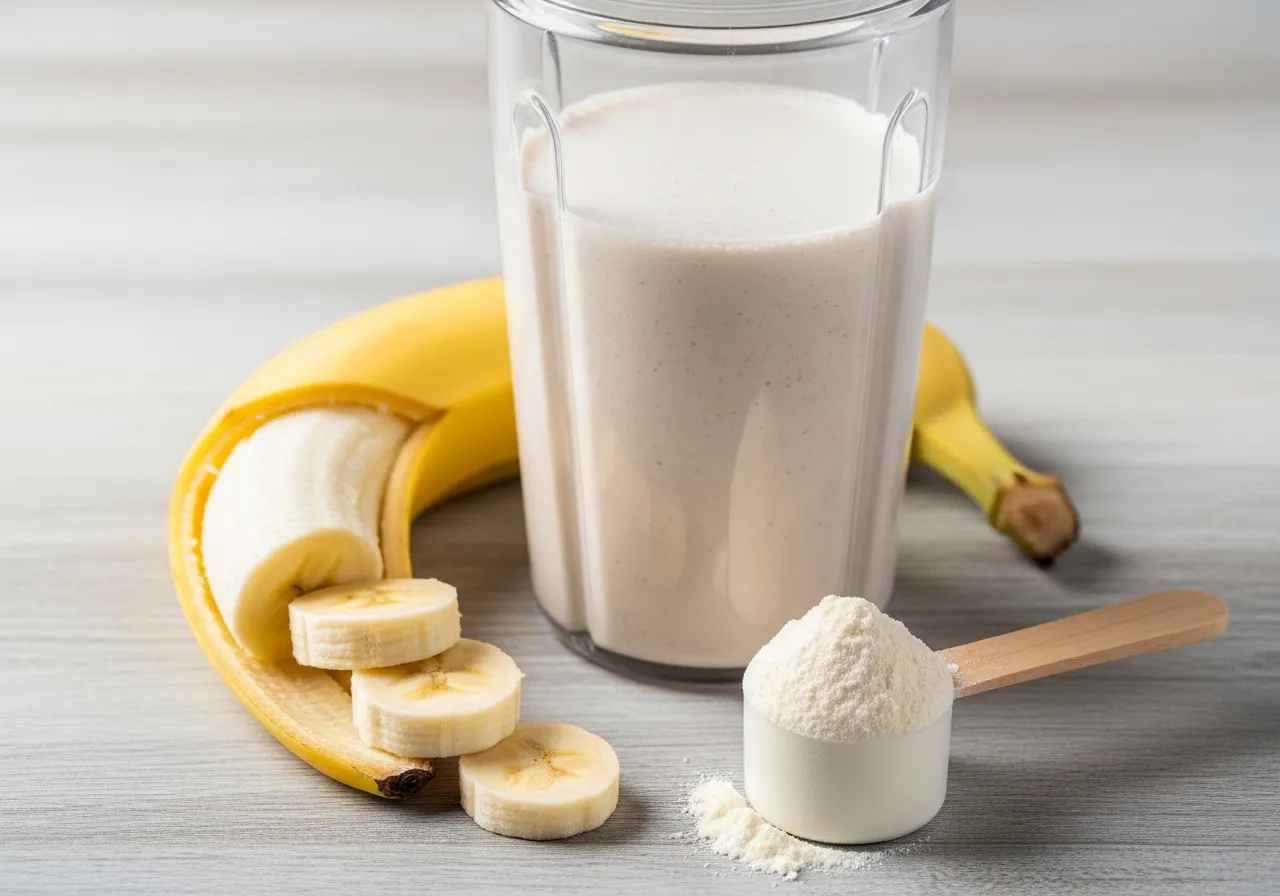
Whey protein: the gold standard post-workout protein source — rapidly digested (peak amino acid appearance in blood within 60–90 minutes of consumption), high in leucine (the branched-chain amino acid that most potently stimulates muscle protein synthesis), and convenient in shake form for the immediate post-workout window. A 30g serving of whey protein powder provides approximately 25–28g of protein with 2–3g of leucine — the leucine threshold that maximally stimulates muscle protein synthesis signaling. Greek yogurt: whole-food alternative to protein shakes that provides approximately 15–20g of protein per 200g serving alongside the carbohydrate and probiotics that support gut health. Combining Greek yogurt with fruit provides both the protein and the fast-digesting carbohydrate that post-workout recovery requires. Eggs: high biological value protein (biological value of 100, the reference standard) with the complete amino acid profile that muscle protein synthesis demands. Two whole eggs provide 12g of protein alongside fat that slightly slows digestion — appropriate if consumed 30–60 minutes post-exercise when some delay in digestion is acceptable. Egg whites (without the yolk) provide the protein without the fat for the most rapid digestion when timing is critical. Chicken breast: lean protein source providing 31g of protein per 100g with minimal fat — the highest protein density whole-food source. Best consumed as the post-workout meal (1–2 hours after training) rather than the immediate recovery snack due to the preparation time and digestion speed. Salmon: provides 25g of protein per 100g alongside the omega-3 fatty acids (EPA and DHA) that reduce exercise-induced inflammation and support the recovery process. From PubMed post-exercise nutrition research, omega-3 fatty acids from fish and fish oil supplementation reduce delayed onset muscle soreness and accelerate the recovery of muscle function after eccentric exercise — making salmon a particularly valuable recovery food for athletes with high training volumes.
Best Carbohydrate Sources for Post-Workout Recovery
White rice: rapidly digestible, high-glycemic carbohydrate that maximizes the glycogen resynthesis rate in the post-exercise window — the high glycemic index that makes white rice a poor choice for blood sugar management in sedentary individuals makes it ideal for post-workout glycogen replacement, when rapid glucose delivery to muscle is the nutritional priority. Banana: the most convenient immediate post-workout carbohydrate — portable, containing approximately 25–30g of easily digestible carbohydrate alongside potassium that replaces the sweat electrolyte loss of training. Banana combined with a protein shake provides the complete post-workout recovery package in a convenient, portable format. Sweet potato: higher micronutrient density than white rice with slightly lower glycemic index — providing beta-carotene, vitamin C, and potassium alongside the carbohydrate that glycogen resynthesis requires. Most appropriate as the carbohydrate component of the post-workout meal (1–2 hours after training) rather than the immediate recovery snack. Chocolate milk: among the most researched post-workout recovery beverages — the 3:1 to 4:1 carbohydrate-to-protein ratio that chocolate milk naturally provides mirrors the recovery nutrition recommendations; the dairy protein provides leucine-rich whey and casein; the simple sugars support rapid glycogen resynthesis; and the liquid form enables fast absorption. Multiple studies comparing chocolate milk to commercial recovery drinks find equivalent or superior recovery outcomes at significantly lower cost. Oatmeal: the moderate-glycemic carbohydrate that is most appropriate for the post-workout meal (1–2 hours after training) when the immediate urgency of rapid glycogen resynthesis has passed — providing sustained energy alongside beta-glucan that supports cardiovascular health and the B vitamins that energy metabolism requires.
The micronutrient dimension of post-workout recovery is frequently overlooked in the macronutrient-focused discussion of protein and carbohydrate — but specific micronutrients play critical roles in the recovery processes that training adaptation depends on. Vitamin C: an antioxidant that supports collagen synthesis (critical for tendon and ligament repair from training-induced connective tissue stress) and reduces the exercise-induced oxidative damage that training produces. Post-workout foods rich in vitamin C (citrus fruits, strawberries, bell peppers, kiwi) support recovery through multiple mechanisms. Zinc: essential for protein synthesis, immune function, and testosterone production — particularly important for male athletes pursuing muscle development. Zinc losses in sweat are significant in high-volume training athletes; zinc-rich post-workout foods (red meat, pumpkin seeds, legumes) support the zinc repletion that recovery requires. B vitamins (particularly B6, B12, and folate): cofactors in amino acid metabolism and energy production — the elevated metabolic rate of training-stressed athletes increases B vitamin requirements, and inadequate B vitamin status impairs the enzymatic processes that muscle protein synthesis and glycogen metabolism depend on. A nutrient-dense post-workout meal (rather than isolated macronutrient supplements) naturally provides these micronutrients alongside the macronutrients that are most commonly emphasized. The economics of post-workout nutrition favor whole food sources over premium-priced sports nutrition products. Chocolate milk at $1-2 per liter provides the carbohydrate-to-protein ratio that research validates at a fraction of the cost of commercial recovery drinks. Greek yogurt at $1-2 per serving provides protein quality equivalent to whey protein isolate at significantly lower cost. Whole eggs provide complete protein of the highest biological value alongside essential fat-soluble nutrients. The whole food post-workout recovery approach is nutritionally superior through the micronutrient, fiber, and bioactive compound density that processed sports nutrition products cannot replicate. Build the post-workout nutrition strategy on whole food foundations and use supplements only to address specific nutritional gaps that whole food alone cannot practically fill. The protein quality consideration in post-workout nutrition extends beyond total grams to the specific amino acid profile that muscle protein synthesis requires. Leucine is the primary amino acid signaling muscle protein synthesis initiation — the leucine threshold of approximately 2-3g per serving triggers the maximal anabolic response that smaller amounts partially stimulate. Animal protein sources naturally provide this leucine threshold at 25-30g of total protein; plant sources require 30-40g of total protein to provide equivalent leucine due to their lower leucine content per gram. The leucine content by protein source: whey protein provides 10-11% leucine by weight; chicken provides 8%; eggs provide 8.5%; and soy protein provides 8%, while pea protein provides 7.5% and rice protein provides 8.2%. Athletes relying on plant proteins post-workout should select leucine-rich plant sources and consider slightly higher total protein quantities to ensure the leucine threshold that maximizes the anabolic response. The complete food-first approach to post-workout recovery represents the evidence-based nutritional philosophy that the research consistently supports: real food, adequately timed, in appropriate quantities, without the premium paid for proprietary sports nutrition products that offer convenience at the cost of overall nutritional quality. The athlete whose post-workout nutrition comes primarily from whole food sources — chicken, fish, eggs, Greek yogurt, rice, sweet potato, fruit, and vegetables — receives the complete nutritional profile that training recovery requires and that supplement-heavy approaches systematically omit. Build the whole food foundation, add targeted supplements where evidence genuinely supports them, and invest the supplement budget in food quality rather than marketing. The comprehensive post-workout nutrition approach outlined in this article provides everything an athlete needs to maximize the recovery return from every training session. The science is well-established: protein for muscle repair and synthesis, ca Every training session deserves nutritional follow-through. The physiological adaptation that training creates is only fully realized when post-workout nutrition provides the protein, carbohydrate, and hydration that recovery processes require. Athletes who train without recovering optimally through nutrition are completing only half of the performance equation that training adaptation demands. Complete the equation. Eat well after every session. Allow the complete training-nutrition cycle to produce the athletic development that each individual element alone cannot deliver. This is the truth about post-workout nutrition, and it is the practice that separates the athletes who maximize their training investment from those who leave significant adaptation unrealized session after session, week after week, across the training years that athletic development spans. The implementation of post-workout nutrition requires only three decisions made once and applied consistently: what to eat (protein and carbohydrate from the foods described in this article), when to eat it (within 60 minutes of completing the session), and how much to eat (25-35g protein and 40-70g carbohydrate scaled to body weight and session intensity). These three decisions, made deliberately once and then executed automatically as part of the post-workout routine, produce the consistent recovery nutrition that training adaptation requires without the ongoing cognitive load that complex nutritional planning demands. Simplify to these three decisions, execute consistently, and allow the physiology to do the rest. The research is clear, the foods are accessible, the timing is simple, and the results are reliable for every athlete who applies the principles consistently. Post-workout nutrition works. Make it work for you by applying it after every session without exception from this point forward in your training career. No exceptions.

3. Timing, Portions, and Practical Recovery Meal Plans
Knowing the best recovery foods is only half the equation — the timing and quantities that optimize recovery require the specific guidance that general food recommendations cannot provide.
The Two-Phase Recovery Nutrition Protocol
Phase 1 — Immediate recovery (0–60 minutes post-exercise): the focus is rapid protein and carbohydrate delivery to maximize the post-exercise anabolic window and glycogen resynthesis rate. Target: 25–30g of fast-digesting protein (whey shake, Greek yogurt, or chocolate milk) and 40–60g of fast-digesting carbohydrate (banana, white rice, or the carbohydrate in chocolate milk or a sports drink). The total caloric content of Phase 1 is 300–400 calories — significant but not a full meal. Athletes who struggle with appetite immediately post-exercise (a common response to high-intensity training that suppresses appetite through cortisol and sympathetic nervous system activation) should prioritize liquid nutrition (protein shake with fruit, or chocolate milk) that requires less gastric volume and appetite to consume. Phase 2 — Recovery meal (1–3 hours post-exercise): a complete, balanced meal providing the full macronutrient complement that sustains recovery through the hours following training. Target: 30–40g of protein from whole food sources (chicken, fish, eggs, Greek yogurt); 60–80g of carbohydrate from mixed sources (rice, sweet potato, bread, oats); and 15–25g of fat from healthy sources (olive oil, avocado, nuts) that provide satiety and the fat-soluble vitamins that athletic recovery requires. Total Phase 2 caloric content: 500–700 calories. This two-phase protocol is particularly important for athletes training multiple times daily (morning and evening sessions) where the Phase 2 recovery meal is simultaneously the pre-workout nutrition for the subsequent session — requiring the carbohydrate loading that pre-exercise nutrition demands alongside the protein that recovery from the completed session requires. From ACSM post-exercise nutrition guidelines, the two-phase approach to recovery nutrition produces superior glycogen resynthesis and muscle protein synthesis outcomes compared to single large post-exercise meals — confirming the physiological benefit of separating the immediate recovery snack from the subsequent recovery meal.
Complete Recovery Meal Plans for Different Training Types
Post-resistance training meal plan (for muscle development): Phase 1 (within 30 minutes) — whey protein shake (30g protein) blended with 1 banana and 250ml milk (providing an additional 8g protein and 30g carbohydrate); Phase 2 (60–90 minutes later) — 150g grilled chicken breast (46g protein), 200g cooked white rice (45g carbohydrate), large mixed salad with 1 tablespoon olive oil dressing, and 1 cup of steamed broccoli. Total recovery nutrition: approximately 80g protein, 100g carbohydrate, 20g fat, 900 calories. Post-endurance training meal plan (for runners and cyclists after 90+ minute sessions): Phase 1 (within 30 minutes) — 500ml chocolate milk (providing 15g protein and 55g carbohydrate) plus 1 banana; Phase 2 (1–2 hours later) — 120g salmon fillet (30g protein), 300g sweet potato (60g carbohydrate), and large green salad with olive oil. Total recovery nutrition: approximately 50g protein, 140g carbohydrate, 25g fat, 1,000 calories. Post-HIIT training meal plan: Phase 1 — 200g Greek yogurt (20g protein) with 100g mixed berries and 2 tablespoons of honey (30g carbohydrate); Phase 2 — turkey and vegetable stir-fry with 150g brown rice. Total recovery nutrition: approximately 60g protein, 90g carbohydrate, 15g fat, 750 calories. These meal plans are templates — adjust quantities based on body weight (using the 1.2–1.6g carbohydrate per kg and 0.4g protein per kg guidelines for Phase 1) and the specific training volume of the session.
Recovery Nutrition for Different Goals and Dietary Patterns
Recovery nutrition for fat loss (body recomposition goals): the tension between adequate recovery nutrition and caloric restriction requires deliberate management — prioritizing protein (the non-negotiable recovery macronutrient) and moderate carbohydrate for recovery while keeping total post-workout calories appropriate for the caloric deficit target. Protein should never be reduced for fat loss; carbohydrate can be modestly reduced without significantly impairing recovery if protein is maintained at the higher end. Recovery nutrition for maximum muscle gain: during intentional muscle-building phases, the post-workout nutrition should be slightly more aggressive — 35–40g of protein and 70–90g of carbohydrate in Phase 1, with a larger Phase 2 meal. The caloric surplus that muscle gain requires is most usefully concentrated around training sessions where nutrient partitioning favors muscle over fat. Vegan and plant-based post-workout nutrition: plant proteins have lower leucine content and digestibility compared to animal proteins, requiring 30–40g of plant protein to match the muscle protein synthesis stimulus of 25g of whey protein. Best plant-based post-workout protein combinations: pea protein + rice protein (provides the complete amino acid profile that either alone lacks); edamame (complete protein, 9g per 100g); tempeh (19g protein per 100g with fermentation-improved digestibility); and tofu (8g protein per 100g). Combining multiple plant sources ensures the amino acid completeness that muscle protein synthesis requires.
The psychological dimension of post-workout nutrition — establishing the consistent habit and the positive reinforcement cycle that meal planning and adherence require — is as practically important as the physiological principles that motivate the practice. Athletes who prepare post-workout nutrition in advance (meal prepping recovery meals on weekends, keeping protein powder and fruit at the gym or office) remove the decision fatigue and preparation barriers that inconsistent post-workout nutrition most often results from. The athlete who arrives home from training hungry with no prepared food is the athlete who delays post-workout nutrition by 2–3 hours while preparing a meal, missing the optimal recovery window in the process. The behavioral design of post-workout nutrition — making the correct choice the easy choice through preparation and habit formation — is the practical implementation skill that converts theoretical nutritional knowledge into consistent real-world application. Prepare the post-workout nutrition in advance, establish the habit, and allow the consistent application of the principles to compound across the weeks and months of training that performance improvement requires. The seasonal and periodization considerations for post-workout nutrition allow the nutritional approach to support the specific adaptations that different training periods prioritize. During volume-emphasis training blocks, the carbohydrate component of post-workout nutrition should be at the higher end of the range to support the glycogen resynthesis demands of frequent, longer sessions. During intensity-emphasis blocks, protein becomes the relatively higher priority as the intensity produces greater muscle protein breakdown per session while glycogen depletion is lower. During competition periods, post-workout nutrition should prioritize complete recovery between performance efforts with the highest carbohydrate replacement rates and adequate protein to support the neuromuscular recovery that peak performance demands. The relationship between sleep and post-workout nutrition creates the most impactful recovery combination available to athletes. Sleep is the period of maximum growth hormone secretion and minimum cortisol — the hormonal environment most favorable to muscle protein synthesis and fat mobilization. Post-workout nutrition consumed before the training-proximate sleep period (for athletes who train in the evening) primes the sleeping body with the amino acids and glycogen precursors that overnight recovery processes utilize. Casein protein, consumed before sleep, provides a slow-digesting amino acid supply across the 6-8 hours of overnight sleep that sustains muscle protein synthesis through the night — a complement to the fast-digesting whey protein or whole food protein consumed immediately post-workout. The combination of post-workout whey protein consumption and pre-sleep casein protein consumption produces superior overnight muscle recovery and next-morning readiness compared to either timing alone, making the two-stage protein timing strategy the evidence-based optimal approach for athletes training in the evening. The progressive nature of post-workout nutrition skill — the improvement in planning, preparation, and execution that comes with experience — means that the athlete who begins post-workout nutrition practices imperfectly still benefits substantially compared to the one who does nothing, and improves with each training cycle. Perfect is the enemy of good in post-workout nutrition: a banana and a Greek yogurt consumed 45 minutes post-workout is vastly superior to the perfectly balanced recovery meal that requires 2 hours of preparation time and is therefore consumed 3 hours after training. Start with simple, accessible post-workout nutrition options, build the habit consistently, and optimize the quality and precision as the habit becomes automatic. The consistency of imperfect post-workout nutrition beats the rarity of perfect post-workout nutrition every time. The comprehensive post-workout nutrition approach outlined in this article provides everything an athlete needs to maximize the recovery return from every training session. The science is well-established: protein for muscle repair and synthesis, ca Every training session deserves nutritional follow-through. The physiological adaptation that training creates is only fully realized when post-workout nutrition provides the protein, carbohydrate, and hydration that recovery processes require. Athletes who train without recovering optimally through nutrition are completing only half of the performance equation that training adaptation demands. Complete the equation. Eat well after every session. Allow the complete training-nutrition cycle to produce the athletic development that each individual element alone cannot deliver. This is the truth about post-workout nutrition, and it is the practice that separates the athletes who maximize their training investment from those who leave significant adaptation unrealized session after session, week after week, across the training years that athletic development spans. The implementation of post-workout nutrition requires only three decisions made once and applied consistently: what to eat (protein and carbohydrate from the foods described in this article), when to eat it (within 60 minutes of completing the session), and how much to eat (25-35g protein and 40-70g carbohydrate scaled to body weight and session intensity). These three decisions, made deliberately once and then executed automatically as part of the post-workout routine, produce the consistent recovery nutrition that training adaptation requires without the ongoing cognitive load that complex nutritional planning demands. Simplify to these three decisions, execute consistently, and allow the physiology to do the rest. Eat well. Recover fully. Train better tomorrow. That is the complete post-workout nutrition philosophy, expressed in its simplest and most actionable form. Do it.
4. Recovery Drinks, Supplements, and Hydration After Training
The beverage and supplement choices in the post-workout window can significantly support or undermine the nutritional recovery that training adaptation requires. This section distinguishes the evidence-supported options from the marketing-driven ones.
Rehydration After Training: The Fluid Replacement Protocol
Exercise-induced fluid loss must be replaced to restore the blood volume, osmolality, and cellular hydration that metabolic function and subsequent training performance require. The rehydration target: 1.25–1.5 liters of fluid for every kilogram of body weight lost during exercise — 25–50% more than the sweat loss to account for the continued urine production and ongoing sweat losses that occur during the recovery period. Weighing before and after training sessions provides the precise sweat loss measurement that individual rehydration targets require; athletes who consistently weigh training sessions can estimate sweat losses by session type and environmental conditions without weighing every session. The rehydration beverage: water is appropriate for sessions under 60 minutes in moderate conditions with small sweat losses; electrolyte-containing beverages (sports drinks, coconut water, or water with a pinch of salt and a carbohydrate source) are more effective for rehydration following long or sweaty sessions where sodium losses are significant. Sodium is the primary electrolyte that drives the thirst mechanism and promotes fluid retention in the post-exercise period — rehydrating with plain water after significant sodium losses can produce the paradox of drinking water while the kidneys excrete the excess as urine, delaying restoration of total body water. The most effective rehydration beverage after long, sweaty training sessions: oral rehydration solution or a sports drink containing 400–600mg of sodium per liter — more concentrated in sodium than standard sports drinks but producing faster plasma volume restoration. From Sports Medicine Journal hydration research, complete rehydration (returning to pre-exercise body weight) after intense exercise typically requires 2–4 hours even with deliberate fluid intake — beginning the rehydration process immediately after training rather than waiting until thirst is urgent is the practical strategy that achieves faster restoration.
Evidence-Based Recovery Supplements
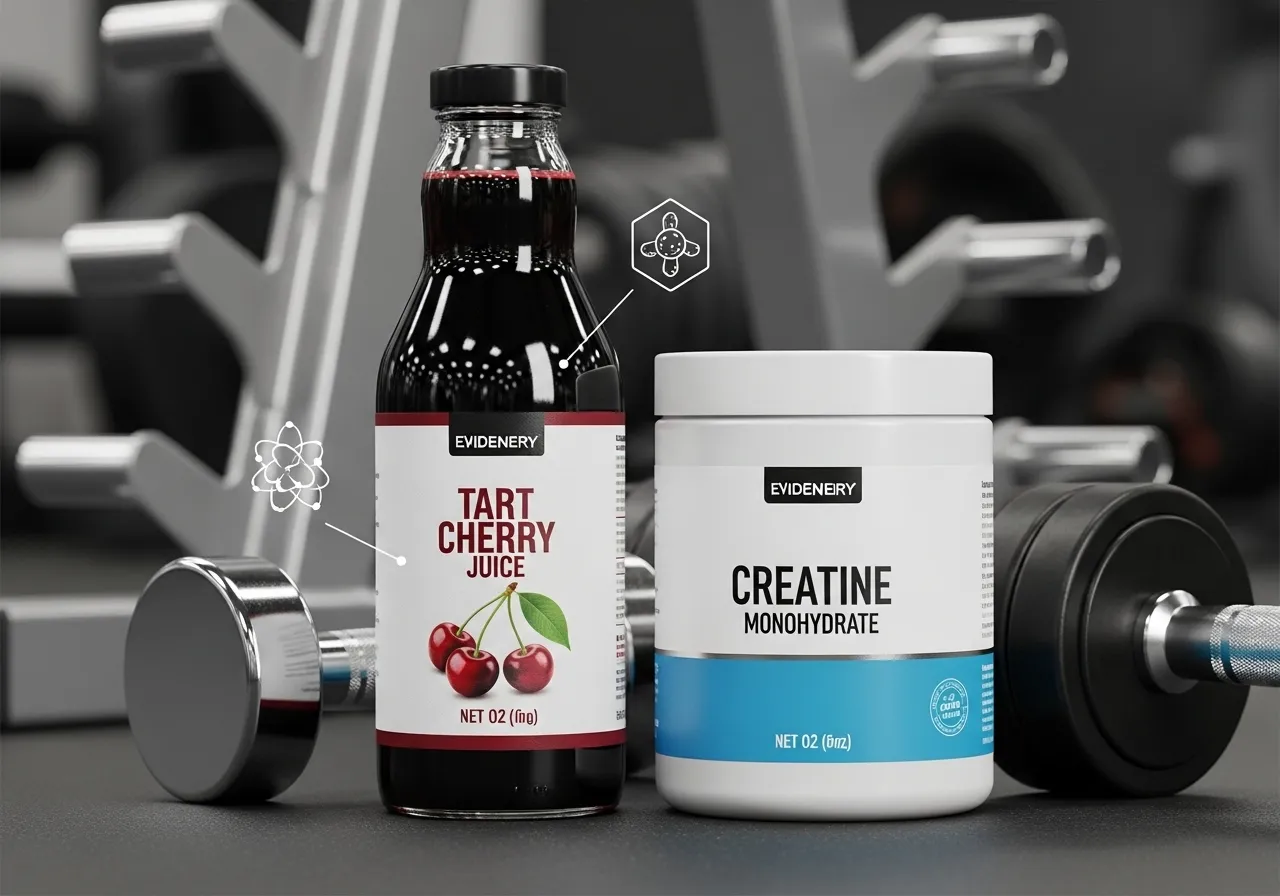
Creatine monohydrate: 3–5g daily at any time (post-workout timing is not critical, despite marketing claims) — the most researched and validated strength and muscle development supplement, supporting the phosphocreatine regeneration that fuels the high-intensity resistance exercise that recovery nutrition is supporting. Creatine is particularly valuable during phases of high training volume where the rapid resynthesis of phosphocreatine between sets determines training quality. Tart cherry juice: 250–500ml twice daily (pre-sleep and post-workout) — containing the anthocyanins and other polyphenols that reduce exercise-induced oxidative stress and inflammation, with research showing significant reductions in delayed onset muscle soreness and faster recovery of muscle strength after eccentric exercise. Tart cherry juice is among the most evidence-supported whole-food recovery supplements for athletes with high training volumes or competition schedules requiring rapid recovery between sessions. Caffeine (as a recovery consideration): caffeine consumed post-exercise may impair sleep quality if consumed within 6 hours of sleep — the recovery interference of poor sleep significantly outweighs any performance benefits from post-workout caffeine. Athletes who train in the evening should avoid caffeine post-workout; morning trainers can consume post-workout caffeine without sleep interference. Magnesium: frequently depleted in athletes through sweat losses, magnesium supports muscle relaxation, sleep quality, and the enzymatic processes involved in protein synthesis and energy metabolism — supplementation at 300–400mg daily (glycinate or malate forms for best absorption) is appropriate for athletes with high sweat rates or diets low in magnesium-rich foods (leafy greens, nuts, seeds).
The anti-inflammatory nutritional strategy in the post-workout period — consuming foods that support the resolution of exercise-induced inflammation rather than amplifying it — is an emerging area of recovery nutrition with growing evidence. The exercise-induced inflammatory response is necessary and beneficial in appropriate amounts — triggering the repair and adaptation processes that training produces — but excessive or prolonged inflammation impairs recovery and can contribute to the overtraining syndrome that insufficient recovery produces. Anti-inflammatory post-workout foods: fatty fish (omega-3 EPA and DHA that compete with pro-inflammatory arachidonic acid); tart cherry juice (anthocyanins that inhibit inflammatory enzymes); turmeric (curcumin that inhibits NF-kB inflammatory signaling — most bioavailable when consumed with black pepper); and leafy greens (antioxidants that reduce oxidative stress-driven inflammation). The post-workout recovery meal that incorporates salmon, a large salad of leafy greens dressed with olive oil, and tart cherry juice as the beverage provides both the macronutrient recovery nutrition and the anti-inflammatory micronutrient profile that supports complete recovery — the synergistic approach that whole food recovery meals provide over isolated supplement strategies. The gut health dimension of post-workout nutrition deserves attention as an often-overlooked factor in recovery quality. Exercise induces transient gut permeability increase and alterations in gut motility. Probiotic-containing post-workout foods such as Greek yogurt, kefir, and kombucha support the gut microbiome that training-induced gut stress challenges. Research suggests that probiotic supplementation reduces upper respiratory illness incidence in high-training-volume athletes and may improve gut permeability recovery after intense exercise. The fiber content of post-workout foods should be moderated in the immediate recovery window since high-fiber foods slow gastric emptying and delay nutrient absorption, but can be included freely in the Phase 2 recovery meal where absorption speed is less critical. The cumulative effect of consistent post-workout nutrition across a training career is difficult to appreciate in any single session but becomes dramatically visible in the compounding adaptation outcomes it produces over months and years. The athlete who consistently provides optimal post-workout nutrition recovers more completely from each session, sustains higher training quality across consecutive days, builds muscle at a faster rate within their genetic potential, and reduces injury incidence by maintaining the tissue health that adequate recovery supports. Over a year of consistent training, the athlete with optimal post-workout nutrition versus the one who frequently skips or delays it may show a 10-20% difference in strength and muscle development — not from any single nutritional intervention but from the accumulated daily recovery advantage that consistent nutrition provides across hundreds of training sessions. This compounding effect is invisible in any one week but transformative across the training years that athletic development spans. The inflammatory management component of recovery nutrition — reducing the chronic low-grade inflammation that high training volumes accumulate — extends beyond the immediate post-workout window to the overall dietary pattern that surrounds training. A diet rich in vegetables, fruits, whole grains, and healthy fats provides the antioxidants, polyphenols, and omega-3 fatty acids that reduce systemic inflammation and support the tissue repair that recovery requires. Athletes who combine optimal post-workout nutrition with an overall anti-inflammatory dietary pattern demonstrate faster recovery between sessions, reduced injury incidence, and better adaptation outcomes than those who optimize only the post-workout window while maintaining a pro-inflammatory overall diet. The post-workout meal is the most impactful single nutritional timing decision; the overall diet quality is the foundation that determines how effectively the post-workout nutrition performs. The comprehensive post-workout nutrition approach outlined in this article provides everything an athlete needs to maximize the recovery return from every training session. The science is well-established: protein for muscle repair and synthesis, ca Every training session deserves nutritional follow-through. The physiological adaptation that training creates is only fully realized when post-workout nutrition provides the protein, carbohydrate, and hydration that recovery processes require. Athletes who train without recovering optimally through nutrition are completing only half of the performance equation that training adaptation demands. Complete the equation. Eat well after every session. Allow the complete training-nutrition cycle to produce the athletic development that each individual element alone cannot deliver. This is the truth about post-workout nutrition, and it is the practice that separates the athletes who maximize their training investment from those who leave significant adaptation unrealized session after session, week after week, across the training years that athletic development spans. The post-workout nutrition habits established today compound into the training outcomes visible tomorrow, next month, and next year. Each session of optimal recovery nutrition is an investment in the adaptation that months of training accumulate. The athlete who recovers well trains better the next session; the athlete who trains better accumulates more adaptation over time; the athlete who accumulates more adaptation over time achieves the performance and physique goals that training is ultimately pursuing. Optimize recovery. Invest in the habit. Reap the compound returns that consistent recovery nutrition produces across the training career that every serious athlete is building. Recovery nutrition is not optional for serious athletes. It is the essential bridge between training stimulus and physiological adaptation. Cross the bridge every session without exception. Now.

5. Common Recovery Nutrition Mistakes and FAQs
Recovery nutrition mistakes are among the most common and most consequential errors in athlete nutrition planning — understanding the mistakes prevents them from undermining the training investment that sessions represent.
The Most Common Post-Workout Nutrition Mistakes
Mistake 1 — Skipping post-workout nutrition entirely: the most prevalent mistake, often justified as “intermittent fasting,” “not being hungry,” or “trying to lose weight.” Skipping post-workout nutrition allows the muscle protein breakdown that exercise initiates to continue unchecked — producing net muscle protein loss that undermines the training stimulus and impairs both strength development and body composition progress. Even during weight loss phases, post-workout protein (at minimum) should be non-negotiable. Mistake 2 — Consuming only protein without carbohydrate: protein-only post-workout nutrition (protein shake without any carbohydrate) misses the carbohydrate’s role in glycogen resynthesis and the insulin response that drives amino acid uptake into muscle cells. The combination of protein and carbohydrate produces superior recovery outcomes compared to protein alone — and athletes who train frequently or hard enough to deplete significant glycogen need both. Mistake 3 — Excessive fat in the immediate post-workout window: fat slows gastric emptying and delays the absorption of protein and carbohydrate into the bloodstream — impairing the rapid delivery of nutrients that the post-workout window prioritizes. Reserve dietary fat for the Phase 2 recovery meal where digestion speed is less critical. Mistake 4 — Delaying post-workout nutrition by 2+ hours: the frequently heard justification “I’ll eat properly at dinner” ignores the physiological advantage of the post-exercise window. Even a convenient protein and carbohydrate snack immediately post-workout (banana plus protein shake, or chocolate milk) produces meaningfully better recovery outcomes than a nutritionally complete meal consumed 3–4 hours later. Mistake 5 — Over-relying on supplements while neglecting food quality: protein shakes, BCAAs, and recovery supplements cannot compensate for insufficient total protein intake, inadequate carbohydrate, or poor overall dietary quality. The whole food foundation (adequate total protein, carbohydrate, and calories from quality food sources) must be established before supplements provide meaningful additional benefit. From Journal of the Academy of Nutrition and Dietetics recovery nutrition guidelines, whole food recovery nutrition produces equivalent or superior outcomes to supplement-based approaches for the majority of recreational athletes — the supplement industry’s emphasis on proprietary recovery products obscures the sufficient and cost-effective whole food options that research consistently validates.
Frequently Asked Questions About Post-Workout Nutrition
How important is post-workout nutrition really? For athletes training 4+ times per week or pursuing significant performance or physique goals, post-workout nutrition is genuinely important — producing measurably better recovery, training quality, and adaptation outcomes. For recreational athletes training 2–3 times weekly at moderate intensity, the importance is real but the urgency is lower — the anabolic window extends longer and training volume is lower. Can I just eat a regular meal after training instead of a shake? Yes — a regular meal containing 30–40g of protein and adequate carbohydrate is as effective as a protein shake for recovery if consumed within 60–90 minutes of training. The shake’s advantage is convenience and rapid digestion, not superior nutritional quality. What if I’m not hungry after training? Begin with small amounts of easily digested nutrition (a glass of chocolate milk, or a small protein shake with fruit) to initiate recovery without demanding large food volume. Appetite typically returns 60–90 minutes after intense exercise as catecholamines and cortisol levels normalize. Do I need a protein shake after every workout? No — any high-quality protein source (Greek yogurt, eggs, chicken, fish, cottage cheese) consumed in adequate quantity produces the same recovery stimulus. Protein shakes are tools for convenience and palatability, not requirements. How much protein do I need post-workout? 0.3–0.4g per kg of body weight — for a 70kg athlete, 21–28g; for an 85kg athlete, 25–34g. This quantity maximizes the muscle protein synthesis response without exceeding the ceiling that larger quantities do not further improve. Is it bad to do cardio on an empty stomach? For sessions under 60 minutes at moderate intensity, fasted cardio is safe and may slightly enhance fat oxidation. For sessions over 60 minutes or at higher intensity, fasted training impairs performance and increases muscle protein catabolism — consume at least a small carbohydrate and protein snack before fasted cardio sessions exceeding these parameters.
The long-term consistency of post-workout nutrition — applied session after session, week after week, across months and years of training — produces the compounding recovery improvements that transform training outcomes over time. The athlete who consistently recovers better requires less time between sessions, can sustain higher training volumes, makes more consistent progress without plateaus, and reduces injury risk through the maintenance of the tissue health that adequate recovery nutrition supports. These long-term benefits accumulate invisibly but reliably — the athlete who has optimized post-workout nutrition for a year has a qualitatively different recovery capacity than the one who has neglected it, reflected in training quality, adaptation rates, and the overall trajectory of physical development. Post-workout nutrition is not a single-session decision — it is a consistent practice that delivers its greatest returns through long-term application. Establish the habit, maintain the consistency, and allow the compounding recovery improvement to enhance every training session and every adaptation that sessions produce across the athletic career that consistent post-workout nutrition supports. The practical guide to building a sustainable post-workout nutrition system: designate a specific post-workout nutrition kit at the gym, office, or car to eliminate preparation requirements. Set a phone reminder for 20 minutes after the expected training session end time to prompt Phase 1 nutrition consumption if the habit is not yet automatic. Meal prep Phase 2 recovery meals on Sunday for the training week ahead. These behavioral systems convert the good intention of post-workout nutrition into the consistent practice that produces the recovery improvements and training adaptations that the physiology promises but only consistent application delivers. The best post-workout nutrition plan is the one actually executed after every training session, not the theoretically optimal plan that time pressure, fatigue, and lack of preparation prevent from being implemented consistently. Recovery nutrition is one of three equally essential pillars of athletic development — alongside training and sleep — that must each be managed well for the others to reach their full potential. Training creates the stimulus; nutrition provides the raw materials; sleep provides the anabolic environment where adaptation occurs. Neglecting any one of the three pillars limits the returns from the other two. The athlete who trains hard, sleeps well, but neglects post-workout nutrition leaves adaptation on the table. The athlete who eats perfectly but trains inconsistently or sleeps poorly wastes the nutritional investment. Optimizing all three simultaneously — the training stimulus, the nutritional support, and the sleep recovery — produces the compounding adaptation that none can produce alone. Post-workout nutrition is the most actionable of the three because it is the most discretely controllable: while sleep is subject to schedule constraints and training quality varies with daily energy and motivation, the decision to consume 30g of protein and 50g of carbohydrate within 60 minutes of training is fully within the athlete’s control in every session. Control what you can control, and make post-workout nutrition one of the reliable constants in the variable reality of athletic training. The foundational insight of post-workout nutrition — that training creates potential that nutrition either realizes or wastes — should motivate every athlete to treat post-workout recovery as seriously as the training itself. The workout is only half the work; the recovery nutrition is the other half. An athlete who trains hard but recovers poorly is leaving the most important part of the performance equation incomplete. An athlete who trains hard and recovers well through consistent, appropriate post-workout nutrition is completing the full performance cycle that makes every training session compound into the athletic development that months and years of consistent training build. Eat after you train. Eat protein and carbohydrate. Eat within 60 minutes. Rehydrate fully. Sleep adequately. These five recovery practices, applied consistently, produce the athletic development that training alone cannot achieve. The comprehensive post-workout nutrition approach outlined in this article provides everything an athlete needs to maximize the recovery return from every training session. The science is well-established: protein for muscle repair and synthesis, ca Every training session deserves nutritional follow-through. The physiological adaptation that training creates is only fully realized when post-workout nutrition provides the protein, carbohydrate, and hydration that recovery processes require. Athletes who train without recovering optimally through nutrition are completing only half of the performance equation that training adaptation demands. Complete the equation. Eat well after every session. Allow the complete training-nutrition cycle to produce the athletic development that each individual element alone cannot deliver. This is the truth about post-workout nutrition, and it is the practice that separates the athletes who maximize their training investment from those who leave significant adaptation unrealized session after session, week after week, across the training years that athletic development spans. The post-workout nutrition habits established today compound into the training outcomes visible tomorrow, next month, and next year. Each session of optimal recovery nutrition is an investment in the adaptation that months of training accumulate. The athlete who recovers well trains better the next session; the athlete who trains better accumulates more adaptation over time; the athlete who accumulates more adaptation over time achieves the performance and physique goals that training is ultimately pursuing. Optimize recovery. Invest in the habit. Reap the compound returns that consistent recovery nutrition produces across the training career that every serious athlete is building. Fuel the recovery. Train your best.


