
How to Build a Balanced Diet Around Your Workout
⚠️ Disclaimer: The information in this article is for general educational purposes only and does not constitute medical, nutritional, or professional fitness advice. Individual results may vary. Always consult a qualified healthcare professional or certified fitness trainer before starting any new exercise program, changing your diet, or making decisions about injury treatment or recovery. If you experience pain, discomfort, or any unusual symptoms during exercise, stop immediately and seek professional guidance.
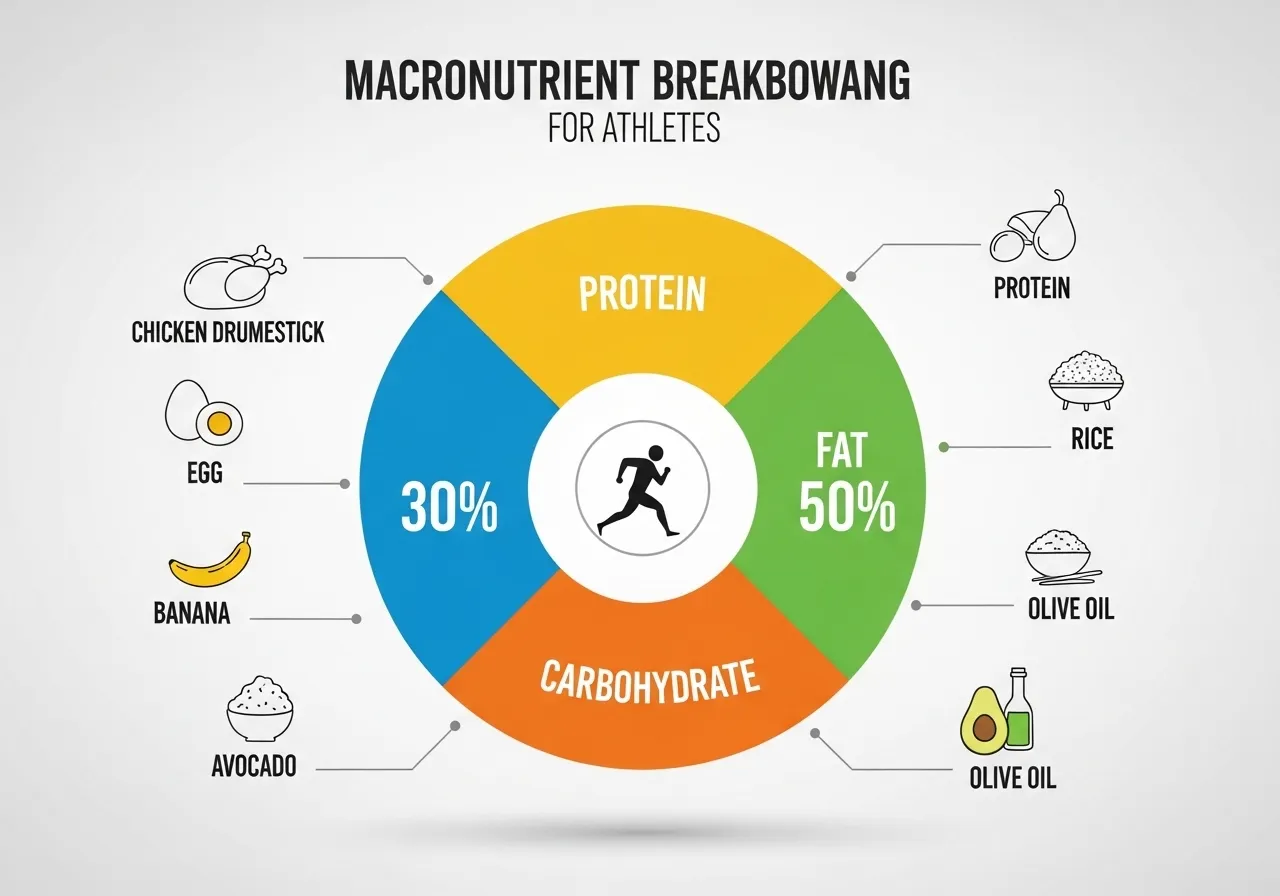
What a Balanced Diet Actually Means for Athletes and Active People
The word “balanced” in nutrition advice is so overused and vaguely defined that it has become almost meaningless. Ask ten different nutritionists what a balanced diet looks like for someone who trains four times per week, and you will get ten different answers — some emphasizing low carbohydrate approaches, some pushing high protein, some advocating for specific macronutrient ratios, and some retreating to the unhelpfully vague “eat whole foods and listen to your body.” I spent years confused by this noise, cycling between diets that promised optimal performance but left me underfueled during training, and diets that left me well-fed but gaining fat alongside muscle. The clarity I eventually found came not from a magic ratio but from understanding what “balanced” actually means in the context of specific training goals, and then building a practical system that consistently delivers the nutrients the body needs when it needs them.
A balanced diet for an active person is not the same as a balanced diet for a sedentary person. The general population dietary guidance — reasonable proportions of carbohydrates, protein, and fat from varied whole food sources — is a sensible baseline for health maintenance, but it was not designed to support progressive athletic training, maximize body composition changes, or fuel specific training modalities optimally. Active people training 3–6 hours per week have meaningfully higher protein requirements, different carbohydrate needs that fluctuate with training volume, and specific micronutrient requirements from exercise-induced losses that a general population dietary framework does not adequately address. Understanding what balance means specifically for your training goals — not for the average person, not for elite athletes, but for you and your specific program — is the foundation of building a diet that genuinely supports your training rather than generally approximating healthy eating.
The Three Pillars of Athletic Nutritional Balance
A genuinely balanced diet for active people rests on three pillars that must all be adequately addressed for the diet to support training performance, recovery, and progressive body composition improvement. Pillar one is caloric adequacy — consuming enough total energy to support training demands, recovery, and baseline physiological function without creating an energy deficit that impairs performance or a surplus that drives unwanted fat gain. Pillar two is macronutrient distribution — the proportional allocation of total calories among protein, carbohydrate, and fat that meets the specific demands of the training program being performed. Pillar three is micronutrient sufficiency — adequate vitamins, minerals, and dietary fiber from varied whole food sources that support the enzymatic processes, hormonal function, immune health, and tissue integrity that training demands but that macronutrient numbers alone do not capture.
Most discussions of athletic nutrition focus exclusively on macronutrients — protein grams, carbohydrate timing, fat ratios — and treat micronutrient adequacy as assumed. This assumption fails for active people in specific and impactful ways: iron deficiency (common in female endurance athletes from menstrual losses combined with training demand) significantly impairs aerobic performance and training adaptation; vitamin D insufficiency (widespread in indoor athletes and northern latitude populations) impairs muscle function, immune health, and bone integrity; magnesium depletion from sweat losses during high-volume training contributes to muscle cramps and impaired sleep quality; and zinc inadequacy from high-carbohydrate, low-animal-protein diets impairs testosterone production and immune function in training athletes. A nutritional approach that hits optimal macronutrient numbers from poor-quality food sources can simultaneously produce micronutrient deficiencies that impair the adaptation the macronutrient strategy was designed to support.
Protein: The Non-Negotiable Foundation
Of the three macronutrients, protein has the most clearly defined requirements for athletes that differ substantially from general population recommendations. The general population recommendation of 0.8g of protein per kilogram of body weight was established for nitrogen balance in sedentary individuals and is meaningfully inadequate for people performing regular resistance training or endurance exercise. Research from the Journal of the International Society of Sports Nutrition on protein requirements for athletes across training modalities establishes 1.6–2.2g/kg as the range that maximally supports muscle protein synthesis, muscle preservation during caloric restriction, and adaptation to training across resistance training, endurance training, and mixed training populations. For a 75kg individual, this means 120–165g of protein per day — substantially more than the 60g the general population recommendation implies and more than most people not deliberately tracking protein typically consume.
Protein quality matters alongside protein quantity: complete proteins containing all nine essential amino acids in adequate proportions — animal proteins (meat, poultry, fish, eggs, dairy) and some plant proteins (soy, quinoa, hemp) — support muscle protein synthesis more effectively per gram than incomplete plant proteins that are limiting in one or more essential amino acids. Plant-based athletes can meet protein requirements from plant sources, but the lower leucine content and lower digestibility of most plant proteins means targeting the higher end of the protein range (2.0–2.4g/kg) and prioritizing leucine-rich plant protein combinations (complementary proteins that together provide complete amino acid profiles) to achieve equivalent muscle protein synthesis stimulation to lower total protein intakes from animal sources.
Carbohydrates: The Performance Fuel That Scales With Training
Carbohydrate requirements are the most training-variable macronutrient — they should scale with training volume, intensity, and the specific demands of different workout types in ways that neither protein nor fat requirements do. The glycolytic energy system — which runs almost exclusively on carbohydrates — is the primary energy source for high-intensity training (resistance training, HIIT, sprinting) and the dominant energy source for moderate-to-high intensity endurance training. Training these systems with chronically depleted carbohydrate availability produces measurably inferior performance, impaired glycogen resynthesis between sessions, and reduced training quality that limits the adaptation stimulus — meaning that insufficient carbohydrate intake is not just a performance issue but a training adaptation issue that compromises the results of the workouts being fueled.
Carbohydrate targets for active people range from 3g/kg/day for individuals doing 1 hour of moderate-intensity training per day to 10g/kg/day for elite endurance athletes in high-volume training. For the recreational athlete training 3–5 hours per week at moderate-to-high intensity, 3–5g/kg/day provides adequate glycogen availability for training quality without excess carbohydrate that would be stored as fat. These amounts should be concentrated around training — higher carbohydrate intake in the meals surrounding training sessions and lower carbohydrate intake on rest days — rather than uniformly distributed across all days, producing a carbohydrate periodization that matches intake to demand.
Fat: Essential Functions Beyond Energy
Dietary fat is frequently the first macronutrient reduced when athletes attempt to improve body composition, and while fat’s caloric density (9 calories per gram versus 4 for protein and carbohydrates) makes it an obvious target for caloric reduction, reducing dietary fat below 20% of total calories creates specific hormonal and physiological problems that impair training adaptation. Testosterone production — critical for muscle gain, fat loss, and training motivation — requires dietary cholesterol and saturated fat as precursors; very low-fat diets consistently produce measurable testosterone reductions in male athletes. Fat-soluble vitamins (A, D, E, K) require dietary fat for absorption — reducing fat to minimal levels impairs uptake of these vitamins regardless of food source quality. Essential fatty acids (omega-3 EPA and DHA from fatty fish, omega-6 from plant oils) cannot be synthesized endogenously and must come from diet; deficiency in omega-3s specifically impairs muscle protein synthesis, inflammation resolution, and cognitive function. Maintaining 25–35% of total calories from fat, emphasizing unsaturated sources (olive oil, avocado, nuts, fatty fish) while not avoiding saturated fat entirely, provides the fat functions required for hormonal health and micronutrient absorption alongside the caloric contribution to total energy needs.
Micronutrients: The Untracked Foundation
Building genuine nutritional balance for athletes requires deliberate attention to the micronutrients that exercise increases requirements for and that are most commonly deficient in active populations. The highest-priority micronutrients for athletes: iron (especially for female athletes and endurance athletes — found in red meat, liver, fortified cereals, and legumes; pair plant-based iron with vitamin C for enhanced absorption), vitamin D (supplementation of 1,000–2,000 IU daily is appropriate for most athletes, particularly those training indoors or in low-sunlight environments), magnesium (found in leafy greens, nuts, seeds, and whole grains; depleted by sweat and inadequate intake; supplementation of 300–400mg magnesium glycinate at night improves sleep quality and reduces cramps), zinc (found in meat, shellfish, legumes; important for immune function and testosterone production), and calcium (found in dairy, fortified plant milks, leafy greens; essential for bone density maintenance in athletes with high training loads). A varied diet emphasizing vegetables, whole grains, lean proteins, and healthy fats covers most micronutrient requirements — but the specific exercise-induced losses of iron, magnesium, and zinc benefit from deliberate attention beyond general dietary variety.
Caloric Targets for Active People: Finding Your Baseline
Establishing the right caloric intake is the prerequisite for everything else in athletic nutrition — the macronutrient distribution that optimally supports training can only deliver its benefits within the context of appropriate total caloric intake. Too few calories and protein targets become irrelevant because the body catabolizes muscle for energy regardless of dietary protein sufficiency; too many calories and fat gain accumulates alongside any muscle built, complicating the body composition trajectory. Finding the baseline caloric intake that supports current training without creating unwanted fat gain or performance-impairing deficit is the first practical nutrition task for any athlete rebuilding their dietary foundation. Estimated daily energy expenditure for a moderately active person (training 3–5 hours per week) is approximately 1.5–1.7 times basal metabolic rate, which can be estimated from the Mifflin-St Jeor equation: for men, BMR = (10 × weight in kg) + (6.25 × height in cm) − (5 × age) + 5; for women, BMR = (10 × weight) + (6.25 × height) − (5 × age) − 161. Multiply BMR by 1.55 for moderate activity level and you have an estimated daily maintenance caloric requirement. This is a starting estimate, not a precise calculation — individual variation in metabolic rate means the real maintenance intake is only determinable through 2–4 weeks of tracking actual intake alongside body weight changes, adjusting upward or downward until weight is stable at the desired training body weight.
The Real Meaning of Food Quality in Athletic Nutrition
Food quality — the distinction between whole, minimally processed foods and highly processed, nutrient-poor alternatives — matters in athletic nutrition not primarily for moral or ideological reasons but for practical performance and recovery reasons. Whole foods provide the same macronutrient grams as processed alternatives alongside the micronutrients, fiber, phytonutrients, and satiety signals that processed foods lack. A diet meeting protein targets through whole food sources (eggs, chicken, fish, Greek yogurt, legumes) provides iron, zinc, B vitamins, and omega-3 fatty acids alongside the protein; the same protein grams from protein bars and meal replacement shakes provides isolated macronutrients without the nutritional co-factors. This doesn’t mean whole foods exclusively — protein powder, convenient snacks, and processed foods are practical parts of realistic athletic nutrition — but the diet’s foundation should be whole food sources that provide nutritional density beyond macronutrients, with processed foods filling convenience gaps rather than serving as the dietary core. The practical test: if you stripped away the supplements and protein shakes from your diet, would the whole food foundation still provide adequate protein, micronutrients, and dietary variety? If not, the foundation needs strengthening before the supplements add meaningful additional value.
These principles together — adequate calories, quality protein at 1.6–2.2g/kg, carbohydrates scaled to training, sufficient fat for hormonal function, and micronutrient-rich whole food foundations — define what a genuinely balanced diet means for an active person, as distinct from the vague generalities that typically pass for balanced eating advice. The athlete who has built genuine nutritional balance — meeting protein requirements, fueling training with appropriate carbohydrates, supporting hormonal function with adequate fat, and maintaining micronutrient sufficiency through varied whole food choices — has addressed the nutritional foundation that determines how fully their training stimulus translates into the adaptation, performance, and body composition outcomes they are training to achieve. No amount of training optimization produces its full potential when the nutritional foundation is inadequate; the well-built nutritional base is the multiplier that converts good training into great results.

How to Structure Your Macros Around Different Types of Workouts
One of the most practically powerful nutritional shifts an athlete can make is moving from a fixed daily macronutrient target to a dynamic approach that adjusts macros based on what type of training is being performed that day. Different workout modalities have dramatically different fuel requirements: a heavy resistance training session primarily stresses the glycolytic and phosphocreatine energy systems and creates significant mechanical muscle damage that requires protein-driven repair; a long moderate-intensity endurance session depletes glycogen progressively and creates oxidative stress that antioxidant-rich carbohydrates and micronutrients address; a HIIT session combines both glycolytic stress and mechanical demand; and a rest day requires maintenance nutrition without the elevated fuel and repair demands of training. Treating all days identically with fixed macronutrients systematically underfuels training days and overfeeds rest days — producing both performance impairment and unwanted fat gain that dynamic macro adjustment prevents.
Resistance Training Days: Protein Priority and Carbohydrate Support
Resistance training sessions create two primary nutritional demands: glycogen for fuel during the high-intensity sets, and protein for the muscle protein synthesis that repairs and builds from the mechanical damage the training produces. Both demands must be met for resistance training to produce optimal muscle gain and body composition improvement. Macro targets for resistance training days: protein at the higher end of the daily range (1.8–2.2g/kg), carbohydrates sufficient to support glycogen availability for training quality (3–5g/kg for most recreational lifters training 45–75 minutes per session), and fat at 25–30% of total calories. The distribution of these macros across the day should prioritize protein distribution — spreading protein intake across 4–5 meals of 35–45g each to maximize daily muscle protein synthesis stimulation — and position carbohydrates strategically around the training session for glycogen availability.
Pre-workout nutrition for resistance training: a meal 60–90 minutes before training containing 30–40g of protein and 40–60g of moderate-glycemic carbohydrates provides circulating amino acids and blood glucose for fuel throughout the session. Post-workout nutrition: 30–40g of fast-digesting protein (whey or equivalent) combined with 40–60g of carbohydrates within 60 minutes of the session’s end to initiate glycogen resynthesis and maximally stimulate muscle protein synthesis in the elevated post-workout anabolic window. These peri-workout meals are the two most critical meals on resistance training days — not because of a narrow “anabolic window” that research has largely debunked for well-nourished athletes, but because they directly support the two primary physiological demands that resistance training creates and that determine training adaptation quality.
Endurance Training Days: Carbohydrate as Performance Fuel
Endurance training — running, cycling, swimming, rowing at moderate-to-high intensity for 45+ minutes — is primarily fueled by glycogen and blood glucose, making carbohydrate availability the dominant nutritional variable for both performance and adaptation quality on endurance training days. Carbohydrate targets for endurance training days scale with session duration and intensity: sessions under 60 minutes at moderate intensity can typically be fueled by normal dietary carbohydrate intake without specific pre-session loading; sessions of 60–90 minutes at moderate-to-vigorous intensity benefit from 40–60g of carbohydrates in the meal 60–90 minutes before; sessions over 90 minutes require both adequate pre-session glycogen loading (higher carbohydrate intake the day before and morning of) and intra-workout carbohydrate intake of 30–60g per hour to maintain blood glucose and prevent glycogen depletion that impairs performance in the later portions of the session.
Post-endurance nutrition prioritizes glycogen resynthesis alongside protein for muscle repair. The combination of high-glycemic carbohydrates and fast-digesting protein immediately after a long endurance session initiates glycogen resynthesis at the fastest possible rate — critical when training twice per day or on consecutive days where incomplete glycogen restoration would impair the next session’s quality. Protein requirements on endurance training days are somewhat lower than on heavy resistance training days (1.4–1.8g/kg is adequate for most endurance athletes) because muscle mechanical damage is lower than in resistance training, but protein should not be neglected — endurance training produces meaningful muscle protein breakdown that dietary protein must offset to prevent the gradual muscle loss that poorly nourished endurance athletes experience over training seasons.
HIIT and Metabolic Conditioning Days: The Dual-Fuel Requirement
HIIT and metabolic conditioning sessions that combine high-intensity effort with significant total work volume create dual nutritional demands that neither a purely resistance-training nor purely endurance approach fully addresses. The high-intensity intervals deplete phosphocreatine and glycogen while producing the same mechanical muscle stress as resistance training, requiring both the carbohydrate availability of an endurance nutrition approach and the protein adequacy of a resistance training approach simultaneously. Macro targets for HIIT days: protein at 1.8–2.0g/kg (resistance training range), carbohydrates at 3–5g/kg (endurance training range for moderate-duration HIIT), and fat at 25–30% of calories. The pre-HIIT meal should emphasize fast-available carbohydrates for glycolytic fuel availability alongside protein for amino acid availability during the session; the post-HIIT meal should combine fast protein with moderate carbohydrates for the combined recovery of muscle protein synthesis and glycogen resynthesis that both exercise modalities demand.
Rest Day Macros: Strategic Reduction Without Under-Recovery
Rest days represent an opportunity to reduce total caloric intake slightly while shifting macronutrient distribution toward protein and fat and away from the higher carbohydrate intake of training days. With no training-driven glycogen depletion to replenish, the higher carbohydrate targets of training days are not needed on rest days — and reducing carbohydrates by 20–30% on rest days while maintaining protein and fat creates a modest caloric reduction that supports fat loss goals without creating the energy deficit that would impair training quality on subsequent training days. Rest day macro targets: maintain protein at 1.6–2.0g/kg (muscle protein synthesis continues on rest days, driven by the repair processes initiated by the previous training session), reduce carbohydrates to 2–3g/kg, and allow fat intake to fill remaining caloric needs. This rest-day carbohydrate reduction is the basis of carbohydrate cycling — a dietary approach that periodically reduces carbohydrate intake to restore insulin sensitivity and promote fat oxidation without the sustained glycogen depletion that impairs training performance.
Tracking Macros: Tools, Methods, and How Long to Do It
Tracking macronutrients — using a food logging app to record and quantify the protein, carbohydrate, fat, and total calorie content of everything eaten — is the most reliable method for establishing whether current dietary intake is aligned with the targets appropriate for training goals. Most people’s intuitive estimate of their macronutrient intake is substantially inaccurate — research on dietary recall accuracy consistently finds that people underestimate caloric intake by 20–40% and overestimate dietary quality across food categories. The athlete who “eats well and gets plenty of protein” without tracking may be consuming 100g of protein against a 160g target — a 40% gap that explains stalled muscle gain that seemed unexplained from a surface-level dietary assessment. Tracking with MyFitnessPal, Cronometer, or similar apps for 4–8 weeks provides the calibration data that allows an informed athlete to thereafter maintain approximately accurate intake without continuous tracking — building intuitive accuracy by first establishing objective measurement. After the calibration period, weekly spot-checks of 2–3 days of tracked intake verify that intuitive eating remains aligned with targets rather than drifting over time toward the habitual patterns that preceded the tracking intervention.
Flexible Dieting vs. Rigid Meal Plans: Which Approach Works Better
The debate between flexible dieting (tracking macronutrients but choosing any foods that hit the targets) and rigid meal planning (following a specific meal plan with predetermined foods and portions) has been substantially resolved by research on long-term dietary adherence: flexible approaches produce better long-term adherence, fewer disordered eating behaviors, and comparable or superior body composition outcomes compared to rigid plans. Rigid meal plans work well in the short term — they reduce decision fatigue, eliminate the need for daily planning, and produce consistent results when followed exactly. They fail in the long term because they are incompatible with the social eating, travel, and food preference variation of normal life, leading to either rigid avoidance of all non-plan situations (socially isolating and psychologically burdensome) or total plan abandonment when the first deviation occurs. A hybrid approach combines the structure of a default meal plan for typical days with the flexibility to hit macro targets through different foods when circumstances require — maintaining the habits and consistency of a plan while accommodating the real-world variability that makes rigid approaches unsustainable.
Intra-Workout Nutrition: Does Eating During Training Matter?
For most training sessions under 60–75 minutes, intra-workout nutrition is unnecessary if pre-workout nutrition was adequate — the glycogen stores loaded from the preceding meals are sufficient to fuel the session without replenishment mid-workout. Intra-workout nutrition becomes relevant in two specific contexts: training sessions lasting longer than 75–90 minutes (where glycogen depletion becomes a genuine performance limiter in the later portion of the session) and training performed in a fasted or under-fueled state where pre-session glycogen stores were not adequately loaded. For long sessions where intra-workout carbohydrates are appropriate: 30–60g of fast-digesting carbohydrates per hour (from sports drinks, energy gels, bananas, or rice cakes) maintains blood glucose and delays glycogen depletion. Protein during exercise is not well supported by research for sessions under 2 hours — the amino acids from the pre-workout meal remain in circulation throughout a typical training session, and additional protein intake during the session does not meaningfully enhance the anabolic response when pre-workout protein was adequate. The practical guideline: fuel sessions over 75 minutes with intra-workout carbohydrates; let adequate pre-workout nutrition carry sessions under 75 minutes without mid-session eating unless fasted training is being deliberately employed as a fat adaptation strategy.
Alcohol and Athletic Performance: The Honest Assessment
Alcohol occupies an uncomfortable place in athletic nutrition advice because its social and cultural role makes it difficult to address honestly without seeming preachy, yet its physiological effects on recovery and body composition are sufficiently significant that ignoring them misses a major modifiable variable for many athletes. Alcohol impairs muscle protein synthesis in a dose-dependent manner — research on alcohol and post-exercise recovery finds that even moderate alcohol intake (3–4 standard drinks) in the hours following a training session reduces muscle protein synthesis by approximately 24% compared to alcohol-free recovery, partially negating the anabolic stimulus of the training session. Alcohol disrupts sleep architecture, reducing deep sleep and REM sleep proportions in ways that impair growth hormone secretion and the neural recovery that adequate sleep provides. And alcohol’s caloric content (7 calories per gram, denser than protein or carbohydrates) contributes meaningfully to caloric intake without nutritional value. The realistic practical guidance: if alcohol is a regular part of social life, consuming it on rest days rather than post-training days, keeping intake to 1–2 drinks rather than 3–5, and timing it as far from training as possible minimizes its interference with recovery and body composition while accommodating the social reality that complete abstinence is not a goal most recreational athletes pursue.
The fundamental principle underlying all workout-specific macro structuring is matching nutritional inputs to physiological outputs: higher carbohydrate availability on high-intensity training days when glycogen is the limiting fuel, adequate protein every day to support continuous muscle protein synthesis, sufficient fat at all times for hormonal and micronutrient absorption functions, and strategic reductions on rest days to support body composition goals without impairing the recovery that makes the next training session possible. This dynamic matching of nutrition to training demand is what separates a diet that genuinely supports athletic performance from one that merely approximates healthy eating without specific athletic function. The practical mastery of workout-specific macro structuring develops gradually through the feedback loop of applying the principles, observing the results in training performance and recovery, and refining the approach based on what specific training sessions reveal about nutritional adequacy. An athlete who feels strong through the final sets of a heavy resistance session has adequate peri-workout carbohydrates; one who fades dramatically in the final intervals of a HIIT session is glycogen-depleted by the end and needs higher pre-workout carbohydrate intake. Using training performance as nutritional feedback — not just tracking numbers but observing how well sessions feel and perform — develops the intuitive nutritional awareness that eventually makes conscious tracking less necessary.

Meal Timing Strategies That Maximize Your Training Results
Meal timing — when food is consumed relative to training sessions and across the day — has a more nuanced evidence base than either its enthusiastic proponents or its dismissive critics acknowledge. The early sports nutrition emphasis on a narrow “anabolic window” immediately post-workout overstated the importance of specific minute-level timing; subsequent research showing no difference between immediate and delayed post-workout protein for well-nourished athletes overcorrected by suggesting timing is irrelevant. The current evidence-based position occupies the reasonable middle: meal timing matters in specific ways for specific populations and goals, and optimizing it produces meaningful performance and recovery improvements that are worth pursuing alongside the higher-priority variables of total caloric intake, protein quantity, and dietary quality.
The Pre-Workout Meal: Timing, Composition, and Practical Execution
The pre-workout meal is the nutritional input with the most direct influence on training session quality — what you eat and when you eat it before training directly affects the fuel availability, energy levels, and physical comfort that determine how well the session is performed. The research on pre-workout nutrition is clear on the basic requirements: a meal containing protein (30–40g) and carbohydrates (40–60g for moderate-duration sessions, 60–80g for sessions over 75 minutes) consumed 60–90 minutes before training provides the optimal combination of blood glucose availability and gastric emptying completion for most people. Closer timing (30–45 minutes pre-workout) requires faster-digesting foods to avoid training with a full stomach — a banana with a protein shake rather than chicken, rice, and vegetables. Further timing (2–3 hours pre-workout) allows larger, more complete meals with slower-digesting foods without gastric discomfort concerns. The 60–90 minute timing window balances these constraints for most practical training schedules.
Pre-workout meal examples at different timings: 90 minutes before — 150g chicken breast or salmon, 100g cooked rice, 100g vegetables (complete macro meal providing approximately 40g protein, 50g carbohydrate, 8g fat). 45 minutes before — Greek yogurt (200g) with banana and a scoop of protein powder (35g protein, 45g carbohydrate, 5g fat, fast-digesting and low-fiber for comfort). 20–30 minutes before for a light stimulus — banana with a handful of walnuts or a rice cake with peanut butter (15–20g carbohydrate for blood glucose without protein emphasis at very close timing). The pre-workout meal is not optional for resistance training or HIIT sessions — fasted training at high intensity produces measurably inferior performance and greater muscle protein breakdown compared to fed-state training at equivalent absolute intensity, and the performance reduction from inadequate pre-workout nutrition compounds over repeated training sessions into meaningfully worse adaptation outcomes over months.
Post-Workout Nutrition: The Optimal Recovery Window
Post-workout nutrition has two primary functions: initiating muscle protein synthesis to repair and build from the training-induced muscle damage, and replenishing muscle glycogen to restore fuel availability for the next training session. The timing sensitivity of these functions varies: muscle protein synthesis is most responsive to protein feeding in the hours following training, with the response peaking in the first 1–2 hours and remaining elevated for 24–48 hours post-exercise — meaning that post-workout protein consumed within 60 minutes is slightly superior to consumption delayed several hours, but both produce the anabolic response and the difference is practically meaningful mainly for athletes training twice per day or in glycogen-depleted states. Glycogen resynthesis timing is more sensitive: the rate of glycogen synthesis is highest in the first 30–60 minutes post-exercise and declines progressively over the following hours, making early post-workout carbohydrate consumption more important for athletes training again within 8 hours.
Practical post-workout meal: 30–40g fast-digesting protein (whey protein shake, cottage cheese, or chicken) combined with 40–60g moderate-to-high glycemic carbohydrates (banana, white rice, potato, or fruit) within 60 minutes of training completion, followed by a complete balanced meal within 2 hours. Athletes who train in the morning and eat a complete breakfast post-workout are meeting these requirements naturally; athletes who train in the evening should prioritize the post-workout recovery meal even if total caloric intake for the day has been met, because the specific timing of protein and carbohydrates relative to training matters for recovery quality beyond total daily intake adequacy.
Daily Meal Frequency: How Often Should You Eat?
The question of optimal meal frequency — how many times per day to eat for best body composition and performance outcomes — has generated significant debate that the research has substantially settled in favor of practical flexibility over rigid schedules. The physiological case for higher meal frequency (5–6 meals per day) rests on the leucine threshold model of muscle protein synthesis: each protein-containing meal stimulates muscle protein synthesis for approximately 3–5 hours before returning to baseline, suggesting that 4–5 daily protein feedings of 35–45g each maximize the cumulative daily synthesis stimulation compared to 2–3 larger but less frequent protein meals. Research comparing 2-meal versus 4-meal versus 6-meal protein distributions at equivalent total daily protein intake consistently finds 4 meals produce significantly more muscle protein synthesis than 2 meals, while 6 meals produce only marginally more than 4 — suggesting that 4 meals per day is the practical optimum that captures most of the frequency benefit without the logistical burden of eating every 2–3 hours.
For most people with regular work schedules, 4 daily protein-containing meals maps naturally to breakfast, lunch, a post-workout recovery meal, and dinner — a structure that is compatible with normal social eating patterns and professional schedules. The specific timing of these meals matters less than their protein content and total daily protein adequacy; the exact hours between meals can flex with schedule demands as long as the total daily protein target is met across the 4 feedings. Athletes training early morning should prioritize a post-workout protein feeding as the second meal of the day rather than waiting until lunch; athletes training in the evening should treat the post-workout meal as a late evening recovery meal rather than skipping it to hit a caloric target for the day.
Intermittent Fasting and Athletic Performance: The Evidence
Intermittent fasting — restricting eating to a specific daily window (typically 8 hours with 16 hours fasting, or 6 hours eating with 18 hours fasting) — has gained significant popularity among active people for its simplicity and reported body composition benefits. The research on intermittent fasting for athletic performance and body composition is more nuanced than either its advocates or critics present. For fat loss specifically, research comparing intermittent fasting to continuous caloric restriction at equivalent total caloric intake consistently finds comparable fat loss outcomes — the timing of eating matters less than total caloric intake for fat loss, and intermittent fasting produces fat loss through the same mechanism (caloric deficit) as any other dietary approach. Where intermittent fasting may be disadvantageous for athletes is in its constraint on protein distribution: compressing all eating into an 8-hour window makes hitting 4 protein meals of 35–45g each practically difficult, and the resulting lower-frequency protein distribution may reduce daily muscle protein synthesis compared to an eating window that accommodates 4 evenly distributed protein feedings. Athletes who find intermittent fasting reduces daily caloric intake effortlessly and supports adherence to their overall dietary goals can use it effectively — but they should prioritize hitting daily protein targets across the eating window rather than allowing the fasting constraint to reduce protein intake below optimal levels.
Pre-Sleep Nutrition: The Overnight Recovery Opportunity
Pre-sleep protein consumption — a casein-rich protein source consumed 30–60 minutes before sleep — has been shown in research from NIH-published studies on dietary protein and muscle protein synthesis to significantly enhance overnight muscle protein synthesis compared to not eating before sleep. Casein protein — found at high concentrations in cottage cheese, Greek yogurt (casein-dominant), and casein protein powder — forms a gel in the stomach that digests slowly over 5–7 hours, providing a sustained release of amino acids throughout the overnight fasting period that supports continuous muscle protein synthesis during sleep. The practical pre-sleep protein recommendation: 30–40g of casein-containing protein consumed 30–60 minutes before sleep. Best whole food sources: 200–250g of cottage cheese (providing 28–35g of predominantly casein protein), 200g of Greek yogurt, or a casein protein powder shake. This pre-sleep protein feeding does not impair fat loss when total daily caloric intake remains appropriate — the protein’s high thermic effect and satiety properties mean its caloric contribution is partially offset by the metabolic cost of digesting it, and its direct contribution to overnight muscle protein synthesis makes it among the highest-return protein feedings of the day for muscle gain and preservation during fat loss phases.
Hydration as Part of Meal Timing Strategy
Hydration is rarely discussed as part of meal timing strategy but has direct implications for both training performance and appetite regulation that make it relevant to dietary planning. Consuming 400–500ml of water 30–60 minutes before meals reduces appetite and caloric intake at the meal — a practical tool for athletes managing caloric intake during fat loss phases. Consuming 500ml of water immediately upon waking rehydrates after overnight losses and improves morning cognitive function and training readiness more rapidly than coffee alone. During training, adequate hydration directly supports cardiovascular function, heat dissipation, and exercise performance — research consistently finds that dehydration of 2% of body weight reduces high-intensity exercise performance by 5–10%. The practical hydration framework: 500ml on waking, 500ml 60 minutes before training, 200ml per 15 minutes during training, and 500–750ml post-training to restore losses. Total daily water intake targets of 35–45ml per kilogram of body weight account for the training-related water losses that active people produce beyond sedentary baseline requirements. Coffee and tea contribute to hydration despite mild diuretic effects — the net fluid contribution of caffeinated beverages is positive, and they can be counted toward daily fluid intake for practical purposes.
Nutrient Timing for Body Recomposition: Simultaneous Fat Loss and Muscle Gain
Body recomposition — simultaneously losing fat and gaining muscle — requires precise meal timing to support the opposing hormonal environments that each goal requires. Fat loss demands a caloric deficit that suppresses anabolic hormones; muscle gain demands an anabolic environment supported by caloric surplus and adequate protein. The way these opposing demands can coexist is through nutrient timing that creates local and temporal metabolic conditions: consuming higher carbohydrates and protein around training sessions (creating a peri-workout anabolic window) while maintaining a modest overall caloric deficit across the full day. Research on body recomposition in trained athletes confirms it is possible — particularly in individuals returning to training after a break or with adequate training experience — when protein is maximized (2.0–2.4g/kg), carbohydrates are concentrated around training, and the overall caloric deficit is modest (300–400 calories below maintenance rather than aggressive restriction). The meal timing strategy for recomposition: full pre-workout and post-workout nutrition to maximize the peri-workout anabolic environment, with caloric restriction coming primarily from rest day reduction and lower-carbohydrate evening meals on training days after the post-workout recovery window has passed.
The athlete who masters meal timing relative to training — adequate pre-workout fuel, timely post-workout recovery nutrition, distributed protein across 4 daily meals, and pre-sleep casein for overnight synthesis — has implemented the nutritional practices that convert adequate dietary quality and quantity into optimized training outcomes. Timing is the multiplier that makes good nutrition great, not a shortcut that makes poor nutrition acceptable. The meal timing strategies in this section represent the difference between a diet that technically meets nutritional requirements and one that actively leverages those nutrients at the times when they produce the greatest physiological return. Identical daily protein intakes distributed in 4 timed meals around training produce measurably better muscle protein synthesis outcomes than the same protein in 2 poorly timed large meals. The investment in optimizing meal timing — positioning food intake to match physiological demand rather than convenience or habit — is the nutritional parallel of optimizing training programming: the same inputs, better arranged, produce superior outputs.

Building a Balanced Weekly Meal Plan That Works With Your Training Schedule
The gap between knowing what to eat and consistently eating it is bridged by meal planning — the deliberate advance design of what will be consumed across the week, matched to the training schedule, and prepared efficiently enough to execute on busy days without defaulting to convenience food that undermines the nutritional strategy. A well-designed weekly meal plan for an active person is not a rigid prescription that eliminates food enjoyment or social eating; it is a default structure that ensures training days are fueled appropriately, protein targets are met daily, and the weekly caloric balance supports body composition goals — while accommodating the social meals, restaurant visits, and food preferences that make eating an enjoyable part of life rather than a medicalized obligation.
The Weekly Planning Process: How to Build Your Template
Start the weekly meal plan by placing the training schedule first, then building the nutrition plan around it. Mark training days and identify the type of training (resistance, endurance, HIIT, or rest) — this determines the macro targets for each day. For a typical 4-day training week (Monday/Wednesday resistance training, Tuesday HIIT, Thursday endurance, Friday/weekend rest), the macro targets differ by day as described in Section 2 — resistance and HIIT days need higher protein and carbohydrates, endurance days need higher carbohydrates with moderate protein, and rest days can reduce carbohydrates while maintaining protein. With the macro framework established, populate each day with meals that hit the targets using foods you actually enjoy and will consistently prepare. The planning process should take 15–20 minutes per week — not a lengthy production but a brief deliberate structuring that prevents the “what should I eat?” paralysis that leads to poor food choices on unprepared days.
The single most important practical element of weekly meal planning is identifying 3–5 high-protein base meals that you can prepare reliably and enjoy eating regularly: a go-to breakfast (overnight oats with protein powder, or eggs and Greek yogurt), a go-to lunch (meal-prepped rice and chicken bowls, or a large protein-rich salad), a go-to post-workout recovery meal, a go-to dinner (sheet pan salmon with vegetables and potatoes, or ground turkey stir-fry with rice), and a go-to evening snack (cottage cheese, Greek yogurt, or a casein protein shake). With these five anchor meals consistently available, hitting daily protein targets becomes largely automatic — the anchor meals provide 130–150g of protein daily, leaving 20–30g to be supplemented through additional snacks or adjustments to portion sizes. Variety within this anchor structure comes from rotating the specific proteins, vegetables, sauces, and seasonings across the anchor meal templates rather than changing the entire meal structure, maintaining nutritional consistency while preventing the monotony that derails rigid meal plans.
Meal Prep Strategy: 90 Minutes for the Entire Week
Consistent weekly meal prep is the single highest-leverage nutritional habit for athletes who want to consistently hit dietary targets without spending hours cooking daily. A Sunday 90-minute prep session that produces proteins, grains, and vegetables in bulk — portioned and stored for the week — removes the daily cooking burden and ensures high-quality, macro-appropriate food is available even on the busiest weekday evenings when takeout would otherwise win. The Sunday prep protocol: cook 1–1.5kg of lean protein in bulk (grilled chicken breasts, baked salmon fillets, or lean ground turkey seasoned for multiple uses), prepare 400–500g of cooked whole grains (brown rice, quinoa, or oats for overnight oats), roast 800g of mixed vegetables (whatever is in season and in the refrigerator), and portion these components into meal prep containers for 4–5 days of lunches and dinners. Breakfasts are largely self-preparing (overnight oats assembled in jars the night before, or eggs scrambled in 5 minutes), and protein snacks (Greek yogurt, cottage cheese, hard-boiled eggs) require no preparation beyond purchase. This 90-minute investment produces Monday-through-Friday nutritional infrastructure that costs less time per day than any alternative approach to consistent, quality eating.
Sample Full Week Balanced Diet Plan for a 4-Day Training Week
Monday (Resistance training day — higher protein and carbs): Breakfast — 3 eggs scrambled with spinach, 80g oats with berries, black coffee (45g protein, 70g carbs). Pre-workout snack — banana with Greek yogurt (20g protein, 40g carbs). Lunch — 150g chicken breast, 120g brown rice, roasted broccoli and peppers (42g protein, 55g carbs). Post-workout — whey protein shake with milk and banana (38g protein, 45g carbs). Dinner — 180g salmon, 150g sweet potato, large salad with olive oil dressing (40g protein, 45g carbs). Evening — 200g cottage cheese (24g protein). Daily totals: approximately 209g protein (2.8g/kg for 75kg), 255g carbs, 65g fat, 2,450 calories.
Wednesday (Rest day — reduced carbs): Breakfast — Greek yogurt parfait with protein powder, mixed nuts, berries (42g protein, 30g carbs). Lunch — large salad with 150g canned tuna, chickpeas, avocado, olive oil dressing (40g protein, 25g carbs). Afternoon snack — apple with almond butter (8g protein, 30g carbs). Dinner — 180g ground turkey with zucchini noodles, tomato sauce, and parmesan (45g protein, 20g carbs). Evening — casein shake with milk (35g protein, 15g carbs). Daily totals: approximately 170g protein, 120g carbs, 75g fat, 1,850 calories. The reduced carbohydrate intake on this rest day creates the weekly caloric variation that supports fat loss goals without impacting training day fuel availability.
Grocery Shopping for a Training-Aligned Diet: The Weekly List
A training-aligned diet requires consistent availability of the right foods, which requires consistent and systematic grocery shopping. The athletic nutrition pantry staples that should be purchased weekly: lean proteins (chicken breasts or thighs, ground turkey, salmon fillets, eggs — 1.5–2 dozen per week for a single person who eats eggs regularly), dairy proteins (Greek yogurt in large containers, cottage cheese, milk for protein shakes), grains (oats, brown rice, quinoa), vegetables (a mix of fresh and frozen — frozen vegetables are nutritionally equivalent to fresh and require no preparation), fruits (bananas, berries — fresh or frozen), healthy fats (avocados, olive oil, nuts), and protein powder (a 2kg tub lasts approximately 6–8 weeks). Monthly pantry items include canned proteins (tuna, salmon, chickpeas, black beans — shelf-stable proteins for backup meals), condiments (hot sauce, low-sodium soy sauce, nutritional yeast), and spices that make consistent protein sources enjoyable to eat repeatedly. The weekly grocery bill for this staple list runs approximately $60–80 for one person — less than the cost of regularly purchasing prepared meals or protein bars as primary nutrition sources, and substantially less than the long-term health cost of consistently poor dietary quality.
Eating Out While Maintaining a Balanced Athletic Diet
Restaurant meals, social eating, and food service nutrition are realities that a sustainable athletic diet must accommodate without creating social isolation or dietary anxiety. The principles for eating out while maintaining training-aligned nutrition: prioritize protein as the ordering anchor (always identify the highest-protein option on the menu and build the meal around it — grilled protein with vegetables and a complex carbohydrate side covers most nutritional bases at most restaurants), reduce the visibility of dietary choices to social companions (ordering strategically without announcing dietary constraints reduces the social friction of eating with people who are not tracking nutrition), and apply flexible dieting principles (if the meal exceeds the day’s macro targets, adjust other meals that day rather than treating it as a failed day that requires abandonment of the entire week’s dietary approach). Restaurant meals that reliably provide adequate protein: any grilled, baked, or roasted animal protein of 150g+ as the main course provides 35–45g of protein; Japanese restaurants offer sashimi, edamame, and tofu that are excellent protein sources; Mexican restaurants offer grilled chicken or shrimp bowls that accommodate macro tracking more easily than many other cuisines. The goal is finding accommodation strategies for the full range of social food situations rather than avoiding any restaurant or social eating context — because the dietary approach that requires social isolation to execute is not sustainable for the years it needs to function.
Budget-Friendly Athletic Nutrition: Eating Well Without Overspending
Athletic nutrition has a reputation for being expensive — premium protein powders, organic produce, specialty health foods, and pre-made meal prep services create an impression that optimal training nutrition requires significant financial investment. In reality, the most nutritionally complete and effective athletic diet is built primarily from the cheapest protein sources and most affordable whole foods available. Cost per gram of protein comparison: eggs ($0.07–0.10 per gram), canned tuna ($0.08–0.12 per gram), chicken thighs ($0.08–0.15 per gram), Greek yogurt ($0.10–0.15 per gram), cottage cheese ($0.08–0.12 per gram) — all are less expensive per gram of protein than protein bars ($0.25–0.50 per gram), premium meal replacement shakes ($0.30–0.60 per gram), or restaurant protein ($0.40–1.00+ per gram). Budget athletic nutrition builds its protein foundation from eggs, canned proteins (tuna, salmon, sardines), chicken thighs (significantly cheaper than breasts with similar protein and better flavor), Greek yogurt, and cottage cheese — whole food protein sources that are among the cheapest available and provide superior micronutrient profiles compared to processed protein products at twice the cost. Brown rice, oats, frozen vegetables, and canned legumes complete the budget-friendly carbohydrate and micronutrient components of an effective athletic diet for under $60 per week for a single person training 4 days per week.
Seasonal Meal Planning: Adapting the Diet Through the Training Year
A truly sustainable athletic diet adapts across training phases and seasons rather than maintaining identical nutrition year-round regardless of changing training demands. During base building phases (higher volume, lower intensity training), caloric intake should increase slightly to match elevated energy expenditure while carbohydrate intake supports the aerobic adaptation focus. During peak intensity phases (highest training loads), carbohydrate intake should be at its seasonal maximum to fuel the demanding sessions without glycogen depletion. During competition or testing phases (reduced volume, maintained intensity), caloric intake adjusts downward with volume reduction while carbohydrate quality remains high to fuel peak intensity sessions. During transition or off-season phases (significant volume and intensity reduction), caloric intake reduces to prevent the off-season fat gain that many athletes experience when training load drops but eating habits persist from the high-volume phase. This seasonal nutritional periodization mirrors the physical periodization of the training program — matching caloric and macronutrient inputs to the specific physiological demands of each training phase across the year, treating nutrition as a dynamic variable rather than a fixed protocol applied uniformly regardless of training context.
Meal planning is the operational bridge between nutritional knowledge and nutritional practice — the weekly system that converts the principles in this article into the specific meals consumed at specific times on specific days that determine actual training outcomes. Athletes who plan well eat well; athletes who rely on spontaneous food decisions in the moment of hunger and convenience will consistently fall short of the nutritional targets that support their training goals. Invest 20 minutes every Sunday in planning the week’s meals against the training schedule, prepare proteins and grains in bulk to reduce daily cooking burden, and build a pantry of consistent staples that makes high-quality meals the path of least resistance. The weekly plan is not a constraint on food enjoyment — it is the infrastructure that makes excellent athletic nutrition consistently achievable within the real demands of a busy life.

Common Nutrition Mistakes Athletes Make and Frequently Asked Questions
Understanding optimal athletic nutrition theory and consistently practicing it are separated by a predictable set of mistakes that most athletes make at some point in their training development. These mistakes are rarely the result of ignorance — most people who train seriously have read enough nutrition content to know the basics. They are the result of common psychological patterns, practical constraints, and the gap between knowing what to do and building the systems that make doing it reliably possible. Identifying these mistakes early and correcting them produces improvements in training performance, body composition, and recovery quality that often exceed the gains from training program optimization alone — because nutrition is frequently the limiting variable that determines how much of a training program’s theoretical potential is actually realized.
Mistake 1: Under-Eating Protein While Over-Eating Calories
The most prevalent nutritional mistake among recreational athletes is simultaneously eating too many total calories and too little protein — a combination that produces fat gain without the muscle gain that adequate protein would have supported from the same caloric surplus. The under-protein, over-calorie pattern typically looks like: adequate or high caloric intake from carbohydrate-dense foods (bread, pasta, rice, cereals), moderate fat intake, and protein from incidental dietary sources that total 60–80g per day rather than the 120–165g that a 75kg training athlete requires. The result is that the training stimulus for muscle gain is poorly supported by the anabolic signal that protein provides, muscle gain is minimal despite the caloric surplus, and fat accumulates on the excess carbohydrate and fat calories that exceed energy requirements without the protein-driven lean tissue anabolism that would have directed those calories toward muscle. The correction is straightforward but requires deliberate action: identify the daily protein target (1.6–2.2g/kg), audit current intake through a week of food tracking, and replace low-protein calorie sources with high-protein alternatives until the target is consistently met. This correction rarely requires eating more calories — it requires replacing some carbohydrate and fat calories with protein calories within the same total caloric budget.
Mistake 2: Fearing Carbohydrates for Training Performance
Carbohydrate fear — avoiding carbohydrates beyond minimal amounts in the belief that they impair body composition or health — is among the most performance-damaging nutritional mistakes an active person can make. The low-carbohydrate dietary philosophy that has dominated popular nutrition since the early 2000s has legitimate applications for sedentary people with metabolic conditions, but it fundamentally misapplies to people regularly performing high-intensity training that depends on glycolytic energy production. A resistance training session or HIIT workout performed with chronically depleted glycogen produces noticeably inferior performance — lighter weights, fewer reps, reduced power output, earlier fatigue — compared to the same session with adequate glycogen availability. Repeated over weeks of training, the performance impairment compounds: lower training quality means lower training volume, lower volume means less mechanical tension on muscles, less tension means less adaptation stimulus, and less adaptation stimulus means slower progress toward every training goal. The fear of carbohydrates producing fat gain is only valid in caloric surplus conditions — carbohydrates within appropriate total caloric intake do not produce fat gain, and the performance and adaptation benefits of adequate carbohydrate availability for high-intensity training far outweigh the negligible body composition benefits of chronically low carbohydrate intake for active people training 3–6 hours per week.
Mistake 3: Neglecting Nutrition on Rest Days
Many athletes treat rest days as nutritional holidays — eating whatever is convenient without attention to protein distribution, food quality, or total intake — on the reasoning that they are not training and therefore nutrition doesn’t matter as much. This reasoning misunderstands the physiology of rest days: the 24–72 hours following a training session are when the primary adaptation to that session occurs, driven by the repair and remodeling of damaged muscle tissue through muscle protein synthesis. Muscle protein synthesis in the 24–48 hours post-training is most elevated during exactly the period that most athletes identify as “rest days” — meaning rest days are the days when dietary protein is most actively being used for adaptation, and inadequate protein on rest days directly impairs the adaptation that the training session was designed to produce. Protein targets should be maintained on rest days at the same level as training days; only carbohydrates should be modestly reduced to match the lower glycogen depletion demands of a non-training day. Treating rest days as nutritional license to eat whatever without consideration of protein adequacy is sacrificing the majority of each training session’s adaptation benefit at the nutritional step that completes the training-adaptation cycle.
Mistake 4: Supplement Prioritization Over Food Foundation
The supplement industry’s marketing success has created widespread belief that the nutritional edge in training comes primarily from the right supplements — pre-workout formulas, fat burners, BCAAs, glutamine, HMB, and dozens of other products whose evidence bases range from modest to completely absent. The reality of supplement effectiveness for recreational athletes: the supplements with clear, replicated research support (creatine monohydrate, caffeine, vitamin D, protein powder as food supplement) deliver meaningful benefits; every other supplement category is delivering at best marginal improvements that would not be detectable against the background variance of a non-optimized dietary foundation. An athlete who spends $150 per month on supplement stacks but eats 90g of protein per day, skips post-workout meals, and doesn’t prep consistent meals is investing in the ceiling while leaving the floor full of holes. The return on investment from fixing dietary foundations — hitting protein targets, timing meals around training, eating adequate carbohydrates for training quality — is vastly higher than the return from any supplementation strategy applied on top of a poor dietary base.
Mistake 5: All-or-Nothing Dietary Thinking
All-or-nothing thinking — treating any dietary deviation as evidence of failure that justifies abandoning the entire dietary approach — is the psychological pattern that terminates more athletic nutrition programs than any practical constraint. The athlete who eats pizza at a social gathering and responds by eating poorly for the rest of the week, or who misses a protein target on Tuesday and decides the week is ruined, is allowing a normal, manageable dietary variation to become a catastrophic failure that requires full restart. Dietary adherence across weeks and months is what produces body composition results — not perfect adherence on individual days. A week where 5 of 7 days hit macro targets while 2 days had social eating deviations is an excellent dietary week that will produce progressive results. A week where 2 days of deviation led to 5 days of abandonment produces no results and leaves the athlete cycling between perfect weeks and written-off weeks that never accumulate into sustained progress. The ACSM’s nutrition position stand emphasizes sustainable dietary patterns over extended periods as the primary driver of body composition outcomes — consistency across months matters more than perfection across days.
Frequently Asked Questions About Athletic Nutrition
Do I need to eat differently if I exercise in the morning before work? Morning exercisers face the practical challenge of fitting pre-workout nutrition into a schedule where eating and training happen close together. For sessions under 45 minutes: a small fast-digesting snack (banana, rice cakes, or a small protein shake) 20–30 minutes before is adequate. For sessions 45–75 minutes: a moderate meal of protein and carbohydrates 60–90 minutes before requires either waking earlier or using fast-digesting options at 30–45 minutes. Post-workout breakfast immediately following the session covers the recovery nutrition requirement and can be the day’s largest meal.
Can I build muscle on a plant-based diet? Yes, with specific attention to protein quantity and amino acid completeness. Plant-based athletes should target the higher end of the protein range (2.0–2.4g/kg), combine protein sources for complete amino acid profiles (rice protein + pea protein combinations approximate whey’s amino acid profile), prioritize the most leucine-rich plant proteins (soy, hemp, pea), and may benefit from leucine supplementation if daily intakes remain below anabolic threshold despite adequate total protein.
How do I know if my diet is supporting my training, not just not hurting it? The signs of genuinely well-supported training: consistent energy throughout training sessions (no “hitting the wall” or marked fatigue decline in the second half of sessions), progressive performance improvements week over week (adding weight, reps, or intensity without performance declines), recovery that allows full performance in the next session without persistent soreness or fatigue, and body composition moving in the intended direction. If any of these indicators are absent, the diet is a likely limiting variable worth systematic investigation before attributing the plateau to training variables.
What is the single most impactful dietary change for most people training recreationally? Deliberately hitting daily protein targets — identifying the specific gram target for body weight and training goals, tracking intake for 2–4 weeks to establish whether current intake is meeting it, and adjusting food choices to consistently meet the target. The protein gap between current intake and optimal intake is the most common and most impactful nutritional shortfall in recreational athletes, and closing it produces more noticeable improvements in body composition, recovery, and training performance than any other single dietary change.
How to Audit and Improve Your Current Diet in One Week
The most practical first step for any athlete who suspects their diet is not fully supporting their training is a one-week audit — seven consecutive days of tracking everything eaten in a food logging app to establish an accurate baseline of what is actually being consumed versus what is believed to be consumed. The audit reveals the protein gap (almost always present), the calorie reality (usually different from estimated), the meal timing patterns (protein often front-loaded or back-loaded rather than distributed), and the food quality distribution (processed food contribution often higher than perceived). With this data, specific, ranked improvements become obvious: close the protein gap first, distribute remaining protein more evenly across meals, align carbohydrate intake with training days versus rest days, and improve food quality in the one or two meal categories where it is lowest. Implementing all improvements simultaneously is unnecessary and sets up the all-or-nothing failure pattern — implement the highest-impact change first (protein gap), establish it as consistent behavior over 2–3 weeks, then layer in the next highest-impact change. This sequential implementation approach builds dietary habits one at a time rather than attempting a comprehensive overhaul that collapses under the behavioral load of simultaneous changes across all meal categories.
Long-Term Athletic Nutrition: Building Habits That Last Years
The nutritional strategy that produces the best body composition and performance outcomes over a 5-year training career is not the one that is most theoretically optimal but the one that is most consistently executed across the full period. Consistency beats perfection: an athlete who hits 85% of their protein targets every day for 5 years produces better muscle mass, body composition, and performance outcomes than an athlete who hits perfect macro targets for 8 weeks, burns out, eats poorly for 4 weeks, and repeats this cycle indefinitely. Building lasting nutritional habits requires the same approach as building lasting training habits: start with the minimum viable change that produces measurable improvement, establish it as automatic behavior before adding the next change, accept that dietary quality will vary across life circumstances and that maintenance during difficult periods is success, and measure progress over months rather than weeks to capture the genuine trajectory that day-to-day fluctuation obscures. The athlete who reaches their training and body composition goals is almost never the one who discovered a perfect dietary approach and executed it flawlessly — they are the one who found a sustainable, good-enough approach and executed it consistently enough for the compound effect of years of adequate nutrition to accumulate into the outcomes they sought.