How to Get Six-Pack Abs (The Honest Truth)

1. The Honest Truth About Six-Pack Abs: What Nobody Tells You
Six-pack abs are the most desired and most misunderstood fitness goal in recreational training. The fitness industry generates billions of dollars annually selling the promise that the right ab exercises, the right supplements, and the right “secret” approach will reveal the six-pack that has apparently been hiding under the belly fat all along. After years of training, coaching, and reading the research, I can offer a different perspective — one that is simultaneously more discouraging and more empowering than the typical fitness marketing: visible abs are almost entirely a body fat story, not an ab exercise story, and achieving them requires understanding the honest physiology involved rather than consuming more ab workout content.
The honest truth is this: virtually every person reading this article already has a six-pack. The rectus abdominis — the paired muscle that produces the six-pack appearance when visible — is present in every human with sufficient core musculature to support upright posture. The abs are not hidden because they are undeveloped; they are hidden because a layer of subcutaneous fat between the skin and the muscle obscures them from view. The appearance of the six-pack is therefore determined almost entirely by how thin that fat layer is, which is determined almost entirely by overall body composition and body fat percentage, which is determined almost entirely by caloric balance over time. Ab exercises build and strengthen the rectus abdominis — a genuinely important training goal for core function, performance, and injury prevention — but they cannot remove the fat layer that hides it. That fat removal happens systemically, through overall body fat reduction, not locally through abdominal exercise.
The Spot Reduction Myth: Why Ab Exercises Don’t Burn Belly Fat
The most persistent and most commercially exploited misconception in fitness is spot reduction — the belief that exercising a specific muscle produces fat loss preferentially in that area. Infomercial ab machines, vibrating ab belts, and “targeted belly fat” workout programs all rely on this belief, which controlled research has consistently and definitively shown to be false. The mechanism of fat loss is systemic: when a caloric deficit causes the body to mobilize stored fat for energy, the fat is released from adipose tissue throughout the body in a genetically and hormonally determined sequence that is not meaningfully altered by which muscles are exercising during the energy expenditure. Research published on PubMed examining spot reduction and regional fat loss consistently finds no preferential abdominal fat reduction from abdominal exercise programs compared to equivalent caloric expenditure from other exercise forms. You can perform 1,000 crunches per day for months and produce the same abdominal fat reduction as performing 1,000 crunches worth of walking — the abs are exercising more, but the fat loss is the same because fat mobilization is systemic, not local.
This does not mean ab exercises are useless — they build the muscle beneath the fat that becomes visible once the fat is reduced, and they develop the core strength and stability that improves performance in all other training and reduces injury risk. But their contribution to fat loss, and specifically to abdominal fat loss, is essentially zero compared to the caloric deficit that drives actual fat reduction. Understanding this prevents the common mistake of spending the majority of training time on ab exercises while neglecting the nutrition and total body training that are the actual determinants of whether abs ever become visible.
Body Fat Percentage Requirements for Visible Abs
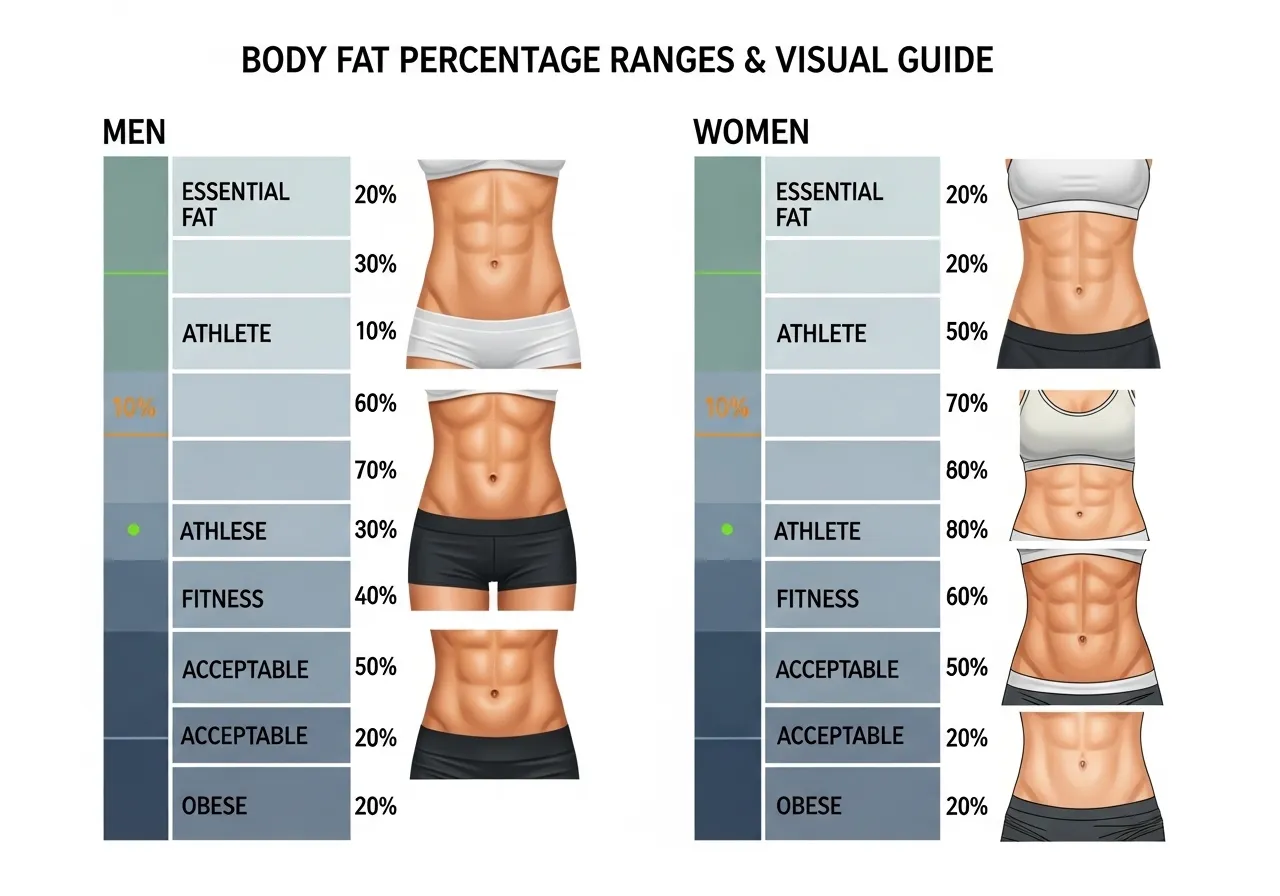
Visible abs — the specific appearance of defined rectus abdominis segments — typically require body fat percentages below 15% for men and below 20–22% for women, with significant individual variation based on fat distribution patterns, muscle mass, and skin thickness. The upper abs (upper two to four segments of the rectus abdominis) become visible first as body fat reduces, because abdominal fat distribution is not uniform — fat concentrates more at the lower abdomen and lower obliques, meaning the lower abs remain hidden by fat longer than the upper abs at any given body fat percentage. Full six-pack visibility — all six (or eight, depending on individual musculature) segments clearly defined — typically requires body fat below 10–12% for men and below 16–18% for women — body fat levels that require significant dietary discipline and are difficult to maintain year-round without meaningful lifestyle impact. The realistic expectation management implication: if a man is at 20% body fat and targets visible abs, he needs to lose approximately 10 percentage points of body fat before significant visible definition appears — a process requiring months of consistent caloric deficit, not weeks of ab training.
The Role of Genetics in Ab Visibility
Individual genetic variation significantly influences both how abs appear when visible and how difficult achieving visibility is. Fat distribution genetics determine where the body preferentially stores and releases fat — individuals who tend to store fat more in the abdominal region (android fat distribution) require lower overall body fat percentages to achieve abdominal visibility than individuals who store fat more peripherally. Ab muscle anatomy varies between individuals: the number of tendinous intersections that create the “pack” segments ranges from 3 to 5 pairs, producing 6-pack to 10-pack appearances, and this number is genetically fixed — training cannot create additional segments beyond those anatomically present. The horizontal symmetry of tendinous intersections also varies — some people have perfectly horizontally aligned segments, others have asymmetric arrangements that produce the aesthetically interesting irregular patterns seen on some physiques. Skin thickness over the abdomen — which partially depends on hormonal history, age, and genetics — affects how sharply defined the muscle segments appear at any given body fat percentage, with thinner skin producing sharper definition at higher body fat than thicker skin. These genetic factors are real and meaningful — they mean that two people at identical body fat percentages will have different abdominal appearance, and that some people achieve visible abs at body fat percentages where others still do not.
Sex Differences in Abdominal Fat and Ab Visibility
Women face a physiologically more challenging path to visible abs than men, and this difference is not a training or discipline failure but a biological reality with legitimate hormonal drivers. Women’s bodies maintain higher essential fat percentages than men’s — approximately 10–13% essential fat for women versus 2–5% for men — because adipose tissue serves critical hormonal functions in female reproductive physiology. The androgens (primarily testosterone) that drive male fat loss and muscle gain at relatively moderate body fat levels are present at approximately 10–20 times lower concentrations in women, making equivalent body composition changes require greater dietary adherence and caloric restriction relative to their body weight. Female sex hormones (estrogen and progesterone) promote fat storage, particularly in the gluteo-femoral region but also in the lower abdomen, as physiologically appropriate protective reserves. The practical result: visible abs in women require body fat percentages that represent the lower extreme of healthy body composition for many women — a level that some women can maintain healthily and others cannot without significant health and hormonal compromise. For women whose primary training goals are performance, health, and body composition improvement, visible abs may be an achievable peak-condition outcome rather than a sustainable year-round state — and pursuing them from a place of health rather than aesthetic obsession produces better outcomes across every dimension.
Setting Realistic Expectations: The Timeline for Visible Abs
The most honest service this article can provide is realistic timeline guidance for the goal of visible abs based on starting body fat percentage, dietary adherence quality, and individual response rates. Starting at 25% body fat (a common starting point for men who have not prioritized body composition before) and targeting 10–12% for full six-pack visibility requires approximately 30–40 lbs of fat loss for a 75kg man — which at the evidence-based maximum sustainable fat loss rate of 0.5–1% body weight per week (to minimize muscle loss) takes 30–50 weeks of consistent caloric deficit maintained with high dietary adherence. Real-world adherence being imperfect, 12–18 months is a more realistic timeline from 25% to visible abs for most people. Starting at 18–20% body fat — a relatively lean starting point for someone who already trains regularly — targets 10–12% through losing 15–20 lbs over 20–30 weeks of consistent deficit, realistically achievable in 6–9 months. These timelines assume correct nutrition strategy, consistent training, and the patience to pursue body composition change at the sustainable rate that preserves muscle alongside fat loss. They are not discouraging — they are accurate, and the accurate expectation allows realistic planning rather than the month-two abandonment that comes from expecting visible abs in 30 days of ab workouts.
The Psychological Dimension: Abs as a Goal vs. Abs as an Outcome
The framing of visible abs as a primary fitness goal — rather than as an outcome that emerges from the genuinely valuable goals of improving health, performance, and sustainable body composition — creates a psychological relationship with training and diet that often undermines the consistency required to actually achieve the goal. People who train primarily for the appearance of abs are at high risk of the all-or-nothing thinking pattern: perfect dietary adherence when motivation is high, complete abandonment when motivation dips, repeated cycles of dedicated effort and regression that produce years of work without progressive body composition improvement. People who train for health, strength, and performance — with visible abs as a metric that indicates sufficient body composition achievement alongside these goals — have motivational anchors that persist through the periods when aesthetic motivation is insufficient, producing the consistent effort across months and years that body composition change actually requires. The most productive psychological reframe of the six-pack goal: treat visible abs as confirmation that overall body composition, diet quality, and training consistency have reached a high standard — a measurement outcome rather than a primary aim. Train for strength, performance, and health with sufficient dietary discipline to maintain a modest caloric deficit; the abs will become visible when the cumulative effect of consistent training and nutrition reaches the body fat threshold at which they appear.
Cortisol, Stress, and Abdominal Fat Accumulation
Chronic psychological stress is a physiologically distinct contributor to abdominal fat accumulation that is frequently overlooked in discussions of six-pack achievement. Cortisol — the primary stress hormone — promotes preferential fat storage in the visceral adipose tissue of the abdominal region through glucocorticoid receptor activation, meaning that chronically elevated cortisol from sustained psychological stress, sleep deprivation, or overtraining creates a specific hormonal environment that both increases abdominal fat storage and impairs the fat mobilization that a caloric deficit should otherwise produce. Athletes pursuing aggressive body composition change — combining high training volumes, significant caloric restriction, and professional or personal life stress — frequently find that the combination of stressors elevates cortisol sufficiently to impair fat loss progress despite technically adequate caloric deficit management. Managing total stress load — through adequate sleep, appropriate training volume relative to recovery capacity, stress reduction practices, and avoiding excessively aggressive caloric restriction — is therefore not peripheral to the goal of visible abs but directly relevant to the hormonal environment that determines whether the caloric deficit achieves its intended fat loss effect.
The physiological and psychological framework established in this section underlies every practical recommendation that follows — understanding why abs require body fat reduction rather than targeted exercises, why genetics and sex hormones influence the difficulty of achieving visibility, and why the timeline requires months of consistent effort rather than weeks of dedicated ab training is the foundation that makes the subsequent nutrition and training guidance actionable rather than another set of tactics applied without understanding their place in the full picture.

2. Body Fat Percentage and Nutrition: The Real Path to Visible Abs
Since visible abs are primarily a body fat story, the nutrition strategy that produces progressive fat reduction is the most important variable in achieving them — more important than exercise selection, training frequency, or any supplement. The nutritional approach in this section is built around the two pillars that the research consistently identifies as most important for fat loss: an appropriately sized caloric deficit maintained consistently over time, and sufficient protein intake to preserve the muscle mass that both produces the visual definition of abs when visible and maintains the resting metabolic rate that makes sustained fat loss possible. Everything else — meal timing, carbohydrate cycling, intermittent fasting, specific food choices — matters far less than getting these two variables right.
Creating the Right Caloric Deficit for Ab-Revealing Fat Loss
The caloric deficit required to produce progressive fat loss while preserving muscle mass sits in a specific range that is smaller than most people pursuing body fat reduction implement. A deficit of 300–500 calories per day below total daily energy expenditure produces fat loss of approximately 0.3–0.7 lbs per week — the rate range that research on body composition change during caloric restriction consistently identifies as optimal for maximizing fat loss while minimizing lean mass loss. Larger deficits (750–1,000+ calories below maintenance) produce faster scale weight loss but disproportionately increase lean mass loss — in extreme cases losing nearly as much muscle as fat, producing a smaller but equally undefined physique rather than the lean, muscular appearance that visible abs require. The specific target: a deficit of 400–500 calories for most people produces the maximum rate of mostly-fat loss sustainable over the multi-month period that reaching the body fat percentage required for visible abs requires. This deficit translates to approximately 0.5–0.7% of body weight per week in weight loss — enough to produce meaningful, visible body composition change across months without the performance impairment, muscle loss, and hormonal disruption of more aggressive restriction.
Calculating the deficit requires first establishing total daily energy expenditure (TDEE): multiply basal metabolic rate (estimated from the Mifflin-St Jeor equation, as described in the nutrition article) by an activity multiplier (1.375 for lightly active, 1.55 for moderately active with 3–5 training days per week, 1.725 for very active with 6–7 hard training days). For a 75kg moderately active male: estimated BMR = (10 × 75) + (6.25 × 180) − (5 × 30) + 5 = 1,805 calories; TDEE = 1,805 × 1.55 = 2,798 calories. Target intake for fat loss = 2,798 − 450 = approximately 2,350 calories per day. This is not a precise number — individual metabolic variation means this estimate could be off by 200–300 calories in either direction — but it is the starting target to implement and refine based on actual body weight response over 2–3 weeks of tracking.
Protein Intake for Muscle Preservation During Fat Loss
The single most important nutritional variable for preserving muscle while losing fat — and therefore for producing the defined, muscular appearance that makes visible abs aesthetically significant rather than simply “skinny” — is protein intake. Research on protein requirements during caloric restriction consistently finds that higher protein intakes (2.0–2.4g/kg of body weight per day, the upper range of normal recommendations) significantly better preserve lean mass during caloric deficits compared to lower intakes (1.0–1.6g/kg), with the difference in lean mass preservation becoming more pronounced as the deficit size increases and the caloric restriction duration extends. For the 75kg athlete targeting visible abs: 2.0g/kg = 150g protein per day, 2.4g/kg = 180g protein per day. The higher end of this range — 180–200g protein for a 75kg person in a significant caloric deficit — ensures maximum muscle preservation and provides the satiety benefit of high protein intake that makes maintaining the caloric deficit more comfortable. Protein’s thermogenic effect (the body burns approximately 25–30% of protein’s caloric value digesting and metabolizing it, versus 5–10% for carbohydrates and 0–3% for fat) further contributes to the effective caloric deficit beyond the protein calories’ face value.
Carbohydrate Strategy for Body Fat Reduction
Carbohydrates are the most politically contentious macronutrient in the popular nutrition space, with advocates for very low-carbohydrate approaches and advocates for high-carbohydrate approaches both claiming superior fat loss outcomes. The controlled research evidence resolves this controversy clearly: at equivalent caloric intakes and protein intakes, fat loss does not meaningfully differ between low-carbohydrate and high-carbohydrate diets over 12+ weeks. The variable that determines fat loss is the caloric deficit — not the specific macronutrient from which the reduced calories come. This means that for athletes who train regularly and require carbohydrates for training performance, there is no evidence-based reason to aggressively restrict carbohydrates for fat loss; the reduced carbohydrate intake impairs training quality without producing superior fat loss compared to a calorically equivalent approach that maintains training-supporting carbohydrate availability. The appropriate carbohydrate intake for athletes pursuing visible abs: sufficient to fuel training quality (3–4g/kg on training days) while staying within the total caloric target, with carbohydrate intake reduced on rest days (2–3g/kg) to create the caloric variation that supports the weekly deficit without impairing training.
Foods That Support Fat Loss and Ab Definition
Within the caloric and macronutrient framework, specific food choices meaningfully influence fat loss outcomes through their effects on satiety, hormonal environment, and micronutrient density. The foods most consistently associated with successful fat loss outcomes in controlled trials: lean protein sources (chicken breast, egg whites, fish, Greek yogurt, cottage cheese) that provide high protein density with low caloric density, maximizing satiety per calorie; vegetables that provide volume, fiber, and micronutrients with minimal caloric contribution (leafy greens, cruciferous vegetables, cucumbers, tomatoes, peppers — eat them liberally); whole fruits that provide fiber and natural sugars with moderate caloric density and high satiety relative to refined alternatives; whole grains (oats, brown rice, quinoa) that provide complex carbohydrates with higher fiber and micronutrient content than refined alternatives; and healthy fats (avocado, olive oil, nuts) that support hormonal function and fat-soluble vitamin absorption at appropriate portions. Foods most consistently associated with fat loss difficulty: highly palatable, calorie-dense foods with low satiety per calorie (ultra-processed snacks, sweetened beverages, fast food, refined baked goods) that are engineered to override satiety signals and make caloric excess easy and caloric deficit difficult to maintain. No food is banned in an evidence-based fat loss approach — but the food environment should make high-satiety, protein-dense, whole food choices the path of least resistance and caloric-excess foods the deliberate occasional exception.
Tracking Progress: Body Fat Measurement Methods
Tracking body fat percentage — not just scale weight — provides more accurate and more motivating feedback on progress toward visible abs than scale weight alone. Scale weight conflates fat loss with water weight fluctuation, glycogen changes, and muscle gain, producing the apparent plateau or “wrong direction” movement that discourages dietary adherence when fat loss is actually occurring as intended. Body fat measurement methods for progress tracking: DEXA (dual-energy X-ray absorptiometry) is the most accurate accessible method, providing precise body composition data for approximately $50–100 per scan at medical or body composition testing facilities — appropriate for quarterly progress assessment. Bioelectrical impedance scales (InBody, common at gyms) are less accurate than DEXA but provide relative tracking data when used consistently under the same conditions (same time of day, same hydration state). Skinfold caliper measurement by a trained practitioner provides reliable tracking data at low cost. Progress photos at consistent lighting, time of day, and body position, combined with waist circumference measurements at the navel, provide practical progress evidence without requiring formal body fat testing — the trend in monthly progress photos is more informative than any single measurement method’s absolute accuracy.
Water Retention, Sodium, and the “Ab-Revealing” Effect
A significant and underappreciated factor in day-to-day ab visibility is water retention — the storage of subcutaneous water that blurs the appearance of muscular definition regardless of body fat percentage. Water retention fluctuates by 2–5 lbs daily based on sodium intake, carbohydrate intake, hormonal cycle in women, stress and cortisol, and hydration status. The phenomenon of abs appearing dramatically more defined on some mornings than others — without any actual fat loss between the appearances — is entirely a water retention story. High sodium the previous day, a high-carbohydrate meal that refilled glycogen (each gram of glycogen binds approximately 3–4 grams of water), high cortisol from stress, or the pre-menstrual phase in women can add 3–5 lbs of subcutaneous water that softens definition that fat loss alone has already created. This variability is physiologically normal and does not indicate that progress has reversed or stalled — it means that the daily appearance of abs is not a reliable indicator of body composition trend, which requires weeks of consistent observation rather than daily assessment.
Diet Breaks and Refeed Days: Managing Metabolic Adaptation
One of the most significant practical challenges of the extended caloric deficit required to reach visible-ab body fat levels is metabolic adaptation — the body’s progressive reduction in total daily energy expenditure in response to sustained caloric restriction, which progressively narrows the effective deficit and can eventually stall fat loss entirely. Metabolic adaptation occurs through reductions in non-exercise activity thermogenesis (spontaneous movement decreases as the body conserves energy), thyroid hormone downregulation (reducing resting metabolic rate), and reduced exercise efficiency (the body becomes more economical at the same workloads, burning fewer calories). Strategies that blunt metabolic adaptation during extended fat loss phases: diet breaks (2-week periods at maintenance calories, implemented every 8–12 weeks of deficit) allow metabolic rate to normalize before resuming the deficit, producing superior fat loss over a 24-week period compared to continuous restriction; refeed days (single days at or slightly above maintenance, particularly with higher carbohydrate intake, implemented 1–2 times per week during later fat loss phases) partially restore leptin levels and training performance without fully interrupting the weekly deficit. Research comparing continuous caloric restriction to diet break protocols for body composition finds that diet break protocols produce equivalent fat loss with significantly better lean mass retention and significantly better metabolic rate preservation — making planned maintenance periods a strategic component of extended fat loss programs rather than a failure of dietary adherence.
The Final 5%: Getting from “Almost There” to Visible Abs
The final phase of fat loss — reducing from 14–16% body fat (where ab outlines may be visible but not fully defined) to the 10–12% where full definition appears — is consistently the most difficult phase and the one where most people plateau and either maintain a “good shape but not six-pack” body composition or attempt extreme measures that impair health and muscle mass. The physiological reason the final phase is harder: as body fat approaches the lower range of normal, the body’s adaptive responses to caloric restriction intensify — hunger hormones (ghrelin) increase, satiety hormones (leptin, peptide YY) decrease, NEAT (non-exercise activity thermogenesis) reduces more dramatically, and the psychological difficulty of maintaining dietary adherence at the required caloric restriction increases. Strategies for navigating this phase: increase protein intake to 2.4–2.8g/kg to maximize satiety and muscle preservation at the most difficult point; implement cardio addition (LISS, 3–4 × 30–45 minute sessions per week) to increase the caloric deficit without further reducing food intake; use diet breaks strategically to manage metabolic adaptation; and accept that the final phase requires 12–16 weeks of focused dietary discipline beyond the point where significant additional appearance change is occurring — the definition is building under water retention and the final adaptation period before emerging clearly when the last few percent of body fat are removed.

3. The Best Ab Exercises That Actually Build a Six-Pack
With the understanding that visible abs require body fat reduction rather than endless ab exercises, the question of which ab exercises to perform becomes properly contextualized: the goal of ab training is to build the rectus abdominis and obliques sufficiently that when body fat is reduced to the appropriate percentage, the muscular definition that appears is as impressive as possible. Well-developed abs at 12% body fat look dramatically better than poorly developed abs at 12% body fat — the muscle hypertrophy and definition from targeted training makes the difference between vague outlines and deeply etched definition. Ab training also develops the core stability, rotation power, and spinal support that improves performance in every other lift and athletic movement. Here are the exercises that research and practical experience consistently identify as the most effective for developing the rectus abdominis and obliques.
Hanging Leg Raises: The Premier Lower Ab Builder
Hanging leg raises — performed from a pull-up bar or ab straps — are the highest-difficulty and arguably most effective rectus abdominis exercise, producing the highest rectus abdominis EMG activation of any bodyweight ab exercise in research comparisons. Hang from a bar with arms fully extended, engage the core, and raise the legs to parallel (knee raises for beginners) or to the bar (advanced straight-leg version) while controlling the movement through the abdominals rather than using hip flexor momentum to swing the legs up. The critical technique distinction: the movement should flex the lumbar spine (posterior pelvic tilt, bringing the pelvis toward the ribcage) during the raise — this activates the rectus abdominis through its full range of motion. Merely raising the legs while maintaining lumbar lordosis uses hip flexors rather than abs as the primary mover, producing a harder-feeling movement that is less effective for ab development. Sets/reps: 3–4 sets of 8–15 reps, progressing from knee raises to bent-leg raises to straight-leg raises to toes-to-bar as strength develops. The American Council on Exercise’s research on abdominal exercise effectiveness consistently ranks hanging leg raise variations among the highest-activating ab exercises across electromyographic measurement studies.
Cable Crunch: The Resistance-Progressive Ab Exercise
The cable crunch is the most important ab exercise for progressive overload — the principle that muscles grow in response to progressively increasing resistance that bodyweight ab exercises cannot provide once a baseline strength level is reached. At a cable machine with a rope attachment set to high, kneel facing the machine and hold the rope at the sides of the head, then flex the spine forward — bringing the ribcage toward the pelvis — against the cable’s resistance, feeling the rectus abdominis shorten through its full range of motion, then control the return. The cable crunch allows progressive load increases from 5kg to 50kg+ as ab strength develops, producing the hypertrophy stimulus that eventually creates deeply segmented, muscular abs rather than the thin, flat ab appearance that high-rep bodyweight training alone produces. Sets/reps: 3–4 sets of 10–15 reps with progressive loading. Key technique: the movement is a spinal flexion exercise — the abs shorten by curling the ribcage toward the pelvis, not by bending at the hips. Maintaining a fixed hip position while creating the crunch movement from spinal flexion ensures the rectus abdominis rather than hip flexors is the primary mover.
Ab Wheel Rollout: The Anti-Extension Core Challenge
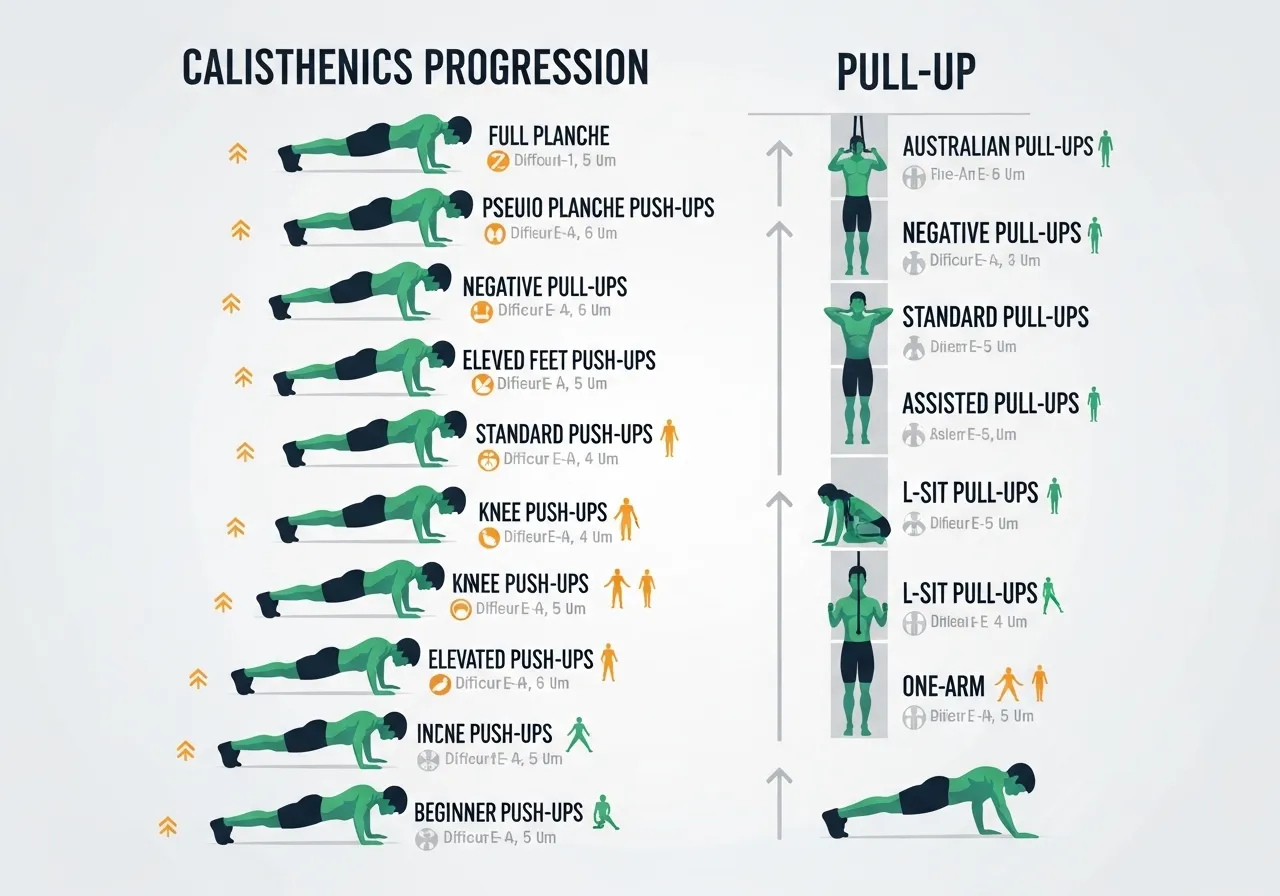
The ab wheel rollout trains the rectus abdominis and transverse abdominis in the anti-extension function — resisting lumbar hyperextension — that is arguably more functionally relevant to athletic performance and spinal stability than spinal flexion exercises like crunches. Starting from kneeling with the ab wheel directly below the shoulders, roll forward while maintaining a rigid plank-like body position until the arms are fully extended in front, then pull the wheel back using the abs. The resistance comes from gravity pulling the body into lumbar extension — the abdominals must contract isometrically and eccentrically to prevent collapse. The exercise difficulty is enormous: a full standing ab wheel rollout from a standing position is one of the most difficult core exercises available and represents an advanced goal for most athletes. Progress from kneeling rollouts on carpet (to provide a stopping point), to kneeling rollouts on a smooth surface (greater difficulty), to incline rollouts (feet elevated), to the eventual standing rollout. Sets/reps: 3 sets of 6–10 reps from kneeling, building up over months to standing variations.
Weighted Decline Crunch: The Upper Ab Hypertrophy Focus
The weighted decline crunch combines the mechanical advantage of the declined position (increasing range of motion beyond flat crunch range) with external loading (dumbbell or weight plate held at the chest or behind the head) to produce a resistance-progressive upper rectus abdominis exercise accessible without cable equipment. On a decline bench set to 30–45 degrees, hold a weight at the chest or behind the head, and perform a controlled crunch — spinal flexion bringing ribcage toward the pelvis — through the full available range of motion, feeling the upper abs contract through the movement. Sets/reps: 3–4 sets of 10–15 reps, progressing weight as the current load becomes manageable. The decline position increases rectus abdominis involvement by lengthening the starting position beyond what a flat surface allows, producing greater eccentric stretch and therefore greater hypertrophic stimulus per repetition.
Bicycle Crunch: The Oblique Activator
The bicycle crunch — consistently ranked as the highest-oblique-activating ab exercise in electromyographic research — simultaneously trains the rectus abdominis, obliques, and hip flexors in a rotational pattern that develops the lateral core musculature responsible for the waist-narrowing visual that frames the six-pack appearance. Lying on the back with hands lightly behind the head, bring one knee toward the chest while rotating the opposite elbow toward it, then alternate continuously in a cycling motion. The key technique distinction between effective and ineffective bicycle crunches: the rotation must come from thoracic rotation — the ribcage rotating toward the raised knee — rather than from cervical rotation where the elbow is thrown toward the knee without actual torso rotation. Thoracic rotation engages the obliques; cervical rotation engages neck flexors and produces nothing useful. Sets/reps: 3 sets of 20–30 reps (10–15 each side), focused on slow, controlled rotation rather than speed.
Plank Variations: Core Stability Foundation
The plank and its variations develop the anti-extension and anti-rotation core stability that supports all other athletic movement and provides the abdominal tension that contributes to ab definition even in the absence of dynamic contraction. Standard plank (forearms on floor, rigid body from head to heels, no hip sagging or piking): 3 sets of 45–60 second holds with progressive difficulty. More challenging plank variations: plank with alternating arm reach (increases anti-rotation demand), plank with leg lift (increases posterior chain demand), plank walkouts (dynamic anti-extension challenge), and side plank (specifically trains the obliques in lateral anti-bending stability). Planks develop the deep core musculature — transverse abdominis, multifidus — that the flexion and rotation exercises do not fully develop, completing the core development picture. Time-based plank training has a ceiling: once 60-second holds are comfortable, increase difficulty through unstable surface planks, weighted planks (weight plate on the back), or more dynamic plank variations rather than extending the hold duration indefinitely.
Dragon Flag: The Advanced Total Core Challenge
The dragon flag — famously demonstrated by Bruce Lee and popularized in modern fitness by its appearance in Rocky IV — is one of the most demanding total core exercises available, requiring simultaneous contraction of the entire anterior and posterior core chain to maintain a rigid horizontal body position while lowering from a vertical hold-up position down toward the floor. Lying on a bench, grip the bench behind the head, raise the body to a vertical position supported only by the upper back, then lower the rigid body slowly toward the bench while resisting the gravitational pull — the entire body must remain rigid like a falling plank rather than bending at the hips. The exercise is appropriate for advanced trainees who have mastered all preceding ab exercises — attempting it without the core strength foundation produces compensatory patterns that reduce its effectiveness and may strain the lumbar spine. Sets/reps: 3 sets of 3–5 reps, focusing on the quality of the eccentric lowering rather than the quantity of repetitions.
Compound Lifts as Hidden Ab Training
One of the most underappreciated sources of ab development in a complete training program is the isometric core demand of heavy compound lifts — squats, deadlifts, overhead press, and barbell rows all require sustained, intense rectus abdominis and transverse abdominis contraction to maintain spinal stability under load. A heavy back squat set produces higher absolute intra-abdominal pressure and core muscle activation than most isolation ab exercises, and the accumulated ab training stimulus across a week of heavy compound lifting represents a significant contribution to core development that isolation ab exercises supplement rather than replace. Athletes who squat, deadlift, and press heavy loads consistently develop strong, well-developed core musculature as a byproduct of the spinal stability demands of these movements — a foundational ab development stimulus that should be recognized as core training in its own right. The practical implication: prioritize compound strength training for its full-body development benefits including core strength, and use the isolation exercises in this section to supplement the compound lift core training with the specific rectus abdominis and oblique hypertrophy that loaded compound movements produce less directly.
Oblique Training: The Frame That Makes Abs Look Better
The obliques — external and internal — run diagonally from the ribs to the pelvis and create the V-taper and lateral core definition that frames the six-pack appearance and contributes as much to the overall aesthetic of a defined midsection as the rectus abdominis itself. Oblique training includes rotational exercises (bicycle crunch, cable woodchop, Russian twist) that train the obliques in their primary function of trunk rotation, and lateral flexion exercises (side plank, dumbbell side bend) that train them in lateral bending stability. A significant caution for oblique exercise selection: heavy lateral dumbbell side bends and heavy cable oblique exercises with high resistance can develop the lateral oblique musculature to a degree that widens the waist appearance rather than narrowing it — the opposite of the aesthetic goal. Athletes targeting a narrow-waist appearance alongside ab definition should favor isometric oblique exercises (side plank) and moderate-resistance rotational exercises over very heavy lateral oblique loading that produces oblique hypertrophy in the wrong aesthetic direction. The goal for most people is oblique definition rather than oblique mass, and this is achieved through relatively moderate resistance at higher reps rather than the maximum-load progressive overload approach appropriate for the rectus abdominis.
The complete ab exercise toolkit — hanging leg raises for lower ab development, cable crunches for progressive overload hypertrophy, ab wheel rollouts for anti-extension strength, weighted decline crunches for upper ab mass, bicycle crunches for oblique development, planks for stability foundation, and dragon flags as the advanced progression — addresses every dimension of core development needed to produce the deeply etched ab definition that appears when body fat reduction reveals the musculature built by this training. The exercise selection matters; the nutritional foundation that reveals it matters more. The complete ab exercise library in this section — when applied with progressive overload, appropriate frequency, and integration into a complete resistance training program — builds the muscular foundation that makes visible abs genuinely impressive rather than merely thin. The difference between barely visible abs at low body fat and deeply defined, muscular abs at the same body fat is entirely the ab training investment: the progressive cable crunches, the hanging leg raises with proper lumbar flexion, the ab wheel rollouts that develop anti-extension strength, and the oblique work that frames the whole midsection in the definition that turns a fitness achievement into an aesthetic statement.
4. Training Frequency, Progressive Overload, and Ab Workout Programming
The programming of ab training — how often to train abs, how to structure sessions, how to apply progressive overload, and how to integrate ab work into a complete training program — determines whether dedicated ab exercise produces the muscle development that makes visible abs impressive when fat is reduced, or whether it produces the stagnant maintenance of existing development that high-rep, low-intensity ab training typically delivers. The principles that govern ab training programming are the same principles that govern all resistance training: progressive overload over time, adequate recovery between sessions, and sufficient volume to stimulate hypertrophy without exceeding recovery capacity. The difference is that most athletes apply these principles rigorously to upper and lower body training while performing ab training as an afterthought — sets of bodyweight crunches without progression, without adequate intensity, and without the strategic programming that produces actual muscle development.
Training Frequency: How Often Should You Train Abs
The rectus abdominis and obliques are muscles like any other and respond to the same training frequency principles: sufficient stimulus 2–4 times per week with adequate recovery between sessions produces better hypertrophy than either too-infrequent training (once per week) or excessive frequency without recovery (daily training). The specific recovery requirement for ab muscles is somewhat shorter than large compound muscle groups — the relatively small muscle mass and lower overall training volume typical of isolated ab work means that recovery is generally complete within 24–48 hours, allowing more frequent training than quadriceps or back muscles that require 48–72 hours. Research on optimal training frequency for muscle hypertrophy generally supports 2–3 direct training sessions per week for most muscle groups, with the ab muscles fitting this recommendation. For athletes whose compound training program includes heavy squats, deadlifts, and overhead press — which already provide significant core training stimulus — 2 dedicated ab sessions per week of 15–20 minutes each provides the supplementary direct ab work that develops the isolation definition without exceeding total core recovery capacity. For athletes whose program is primarily upper body or cardio-focused without significant core demand from compound movements, 3 dedicated ab sessions per week is appropriate.
Progressive Overload for Ab Development
Progressive overload — the systematic increase in training stress over time that forces continuous muscle adaptation — is the most neglected principle in ab training and the primary reason that dedicated ab workouts often produce no visible muscle development despite consistent performance. The athlete who does 3 sets of 20 crunches every workout for 12 months has provided the same stimulus in month 12 as month 1 — the muscle has no reason to grow beyond the capability required to perform the established workload. Applying progressive overload to ab training requires the same approach as any other resistance training: increase the resistance (cable crunch weight, decline bench angle, ab wheel rollout distance), increase the reps before adding resistance, or increase the difficulty of the exercise variation (from knee raises to leg raises to toes-to-bar). A practical progressive overload framework for ab training: start with the beginner version of each exercise at a manageable difficulty, add reps until the top of the target range is consistently achievable (e.g., 15 reps for cable crunches), then increase weight by the smallest available increment and reduce reps to the bottom of the range, then rebuild reps to the top, then add weight again. This linear progression produces consistent strength and muscle gains that the bodyweight-only, fixed-difficulty ab training most people perform cannot replicate.
The Complete Ab Workout: Structure and Template
An effective ab workout session for muscle development rather than mere fatigue should include exercises that target the upper rectus abdominis, lower rectus abdominis, and obliques with appropriate progressive loading, taking 15–25 minutes total. Sample complete ab workout for intermediate trainees: Cable crunch 4 × 12 at progressive weight (upper rectus abdominis, loaded progressive exercise); Hanging knee raise 3 × 12 progressing to hanging straight leg raise (lower rectus abdominis, bodyweight progressive exercise); Ab wheel rollout from kneeling 3 × 8 (anti-extension, full core stability); Bicycle crunch 3 × 20 each side (obliques, rotation-focused); Side plank 3 × 30 seconds each side (oblique stability). Total sets: 16 working sets in approximately 20 minutes. This session structure covers all the primary ab functions — flexion, anti-extension, rotation, lateral stability — and includes both progressive loaded exercises (cable crunch) and bodyweight exercises with built-in progression (hanging raises, rollouts). Perform this session 2–3 times per week, either at the end of main training sessions or as standalone sessions on rest days from main lifting.
Cardio Selection for Fat Loss Without Muscle Loss
The cardio component of the six-pack training program — the energy expenditure that supplements dietary restriction to create the caloric deficit that drives fat loss — should be selected to maximize caloric expenditure while minimizing interference with the resistance training that builds and preserves muscle. The cardio approaches most compatible with concurrent resistance training: low-intensity steady-state (LISS) cardio (walking, cycling, rowing at 60–65% maximum heart rate for 30–60 minutes) produces significant caloric expenditure with minimal interference with recovery from resistance training, making it the most compatible cardio choice for athletes whose primary goal is maintaining muscle while losing fat. HIIT cardio (high-intensity interval training, 20–30 minutes of alternating high-intensity and low-intensity intervals) produces superior cardiovascular adaptations and higher post-exercise caloric expenditure per session time but creates meaningful fatigue that can impair the quality of resistance training sessions performed on the same or adjacent days. The optimal cardio programming for visible abs: 3–4 LISS sessions per week on rest days or after resistance training (never before, as it impairs resistance training performance), providing 30–45 minutes each for approximately 900–1,800 additional calories of weekly expenditure that supplements the dietary deficit without impairing the muscle-building training that makes visible abs worth achieving. HIIT can replace one or two LISS sessions for athletes who prefer variety, but should not be the primary cardio modality for athletes in strength training programs where maximum performance and recovery matter.
Integrating Ab Training Into a Complete Weekly Program
The complete program for visible abs integrates resistance training, ab training, cardio, and nutrition into a weekly structure that addresses all the variables that determine body composition and ab development simultaneously. Sample 5-day weekly structure: Monday — upper body resistance training + 15 minutes ab workout; Tuesday — LISS cardio 45 minutes; Wednesday — lower body resistance training + 15 minutes ab workout; Thursday — LISS cardio 45 minutes or rest; Friday — full body or upper body resistance training + 15 minutes ab workout; Saturday — LISS cardio 45 minutes; Sunday — rest. This structure provides 3 resistance training sessions with integrated ab work (covering progressive ab exercises 3 times per week), 3 cardio sessions for additional caloric expenditure, and one full rest day for recovery. Nutrition runs daily with the protein target (2.0–2.4g/kg) met every day and the caloric deficit maintained through the weekly average, allowing higher-carbohydrate training days and slightly reduced intake on rest days to match the lower energy expenditure without rigid daily identical intake. Executed consistently, this structure creates the training frequency, progressive stimulus, and dietary environment that produces body composition progress at the fastest sustainable rate.
Periodization of the Ab-Revealing Program: Phases and Peaks
Athletes who have been training consistently but have not achieved visible abs often benefit from a structured periodization approach that alternates focused fat loss phases with maintenance phases — preventing the metabolic adaptation that stalls continuous dieting while allowing strategic periods of focus that produce the most significant body composition changes. A two-phase annual periodization for visible abs: Phase 1 (20–24 weeks, fat loss focus) — caloric deficit of 400–500 calories, high protein (2.2–2.4g/kg), progressive ab training 3x/week, LISS cardio 3–4x/week, resistance training maintained at current performance. Phase 2 (8–12 weeks, maintenance/muscle building focus) — calories at maintenance or slight surplus, protein maintained at 1.8–2.0g/kg, ab training maintained, cardio reduced to 1–2 sessions per week for health, resistance training increased in volume and intensity to maximize muscle gain at the newly lower body fat. Returning to Phase 1 after the muscle building phase requires less time to reach visible abs because the increased muscle mass raises the metabolic rate and improves the muscular definition that appears at the target body fat percentage. This alternating approach prevents the year-round dieting that produces metabolic adaptation and psychological burnout while producing progressive body composition improvement across training seasons.
Supplements That Support Fat Loss: The Evidence-Based Short List
The supplement market for fat loss and ab definition is overwhelmingly populated by products with negligible evidence and aggressive marketing — fat burners, thermogenics, CLA, raspberry ketones, garcinia cambogia, and hundreds of proprietary blends that consistently fail to produce meaningful fat loss beyond placebo in controlled trials. The evidence-based short list of supplements that produce genuine fat loss support: caffeine (3–6mg/kg body weight before training — the most researched and most consistently effective fat loss supplement, increases fat oxidation during exercise and raises metabolic rate by 3–11% for several hours post-consumption); protein powder (not a fat burner but enables hitting protein targets efficiently, preserving muscle during caloric deficit in ways that directly support the body composition goal); and creatine (not a fat loss supplement but preserves muscle mass and training performance during caloric restriction, preventing the muscle loss that would otherwise accompany the fat loss and producing better body composition at the target body fat percentage). Everything else sold as a fat loss supplement either lacks meaningful evidence, has evidence from studies that are too small or poorly controlled to draw conclusions from, or produces effects so small as to be practically irrelevant alongside the dominant variables of caloric deficit and protein intake. Invest the supplement budget in high-quality protein sources and creatine; save the rest for food.
Sleep and Recovery: The Underrated Ab-Revealing Variable
Sleep quality and quantity directly influence body composition in ways that make adequate sleep a genuine component of the six-pack program rather than peripheral wellness advice. Sleep deprivation elevates cortisol and ghrelin (hunger hormone) while reducing leptin (satiety hormone) — the hormonal combination that simultaneously makes caloric restriction more difficult and promotes preferential abdominal fat storage, directly working against the fat loss goal. Research on sleep duration and body composition in caloric restriction finds that subjects sleeping 8.5 hours per night lose significantly more fat and significantly less lean mass from a given caloric deficit than subjects sleeping 5.5 hours — same diet, dramatically different body composition outcomes driven entirely by sleep duration. The mechanism: inadequate sleep reduces the quality and duration of slow-wave sleep where growth hormone secretion peaks, impairing the overnight muscle protein synthesis and fat mobilization that determines whether the caloric deficit produces primarily fat or a mixture of fat and muscle loss. Prioritizing 7–9 hours of high-quality sleep during a fat loss phase — using the pre-bed habits described in the sleep article — is not optional supplementary wellness practice; it is a direct contributor to whether the caloric deficit produces the body composition change it theoretically should.
The complete six-pack program is not just the training and nutrition in isolation — it is the integrated system of progressive ab training, appropriate caloric deficit, high protein intake, compatible cardio, adequate sleep, and stress management that creates the full physiological environment in which body fat consistently reduces and muscle is preserved, producing the body composition at which visible abs inevitably appear. The programming framework described here — 2–3 ab sessions per week with progressive overload applied to the loaded exercises, integrated into a complete resistance training and cardio program running alongside a protein-adequate caloric deficit — is the operational blueprint for converting the goal of visible abs from a wish into a training plan. Execute the plan with the consistency required over the realistic timeline that reaching the target body fat demands, and the result is guaranteed by the physiology: sufficient fat loss combined with sufficient ab development produces visible abs in every person whose body fat reaches the appropriate threshold.
5. Common Six-Pack Mistakes, Genetics, and Frequently Asked Questions
The path to visible abs is undermined by a predictable set of mistakes that are directly caused by the misconceptions the fitness industry perpetuates about how abs work. These mistakes are not failures of effort or dedication — they are failures of understanding that cause athletes to invest enormous effort in approaches that are physiologically incapable of producing the desired outcome. Identifying and correcting them is more valuable than any specific exercise or nutrition tip, because the mistakes have a multiplying negative effect on every other element of the program they undermine.
Mistake 1: Prioritizing Ab Exercises Over Compound Training and Nutrition
The most common mistake in pursuing visible abs is performing 20–30 minutes of dedicated ab exercises per session while neglecting the compound resistance training and dietary management that determine body composition. Ab exercises develop the muscle; they cannot reveal it. An athlete who spends 30 minutes on crunches, leg raises, and planks while performing minimal compound training and no meaningful caloric deficit will have stronger abs in six months — hidden under the same or more fat as before, making the effort invisible in every sense. The correct priority allocation: 80% of training time on compound resistance training (squats, deadlifts, presses, rows) that builds total body muscle and burns significant calories during and after the session; 15–20 minutes of dedicated ab work 2–3 times per week for the specific isolation development that compounds don’t fully provide; and the majority of dietary focus on creating the protein-adequate caloric deficit that drives actual fat reduction. The six-pack is found primarily in the kitchen and in the heavy lifting — not in the ab mat.
Mistake 2: Doing Only High-Rep, Low-Intensity Ab Work
Three sets of 20 bodyweight crunches performed at the end of every session — the most common ab training approach — produces near zero muscle development beyond the initial adaptation that occurred in the first few weeks of performing the exercise. The principle of progressive overload requires that training stress increases over time to continue producing muscle adaptation; fixed-weight, fixed-rep, fixed-difficulty ab work produces fixed results after the initial adaptation period. The solution is to introduce the loaded progressive exercises (cable crunch, weighted decline crunch) and the bodyweight exercises with progressive difficulty structure (hanging raises progressing from knees to straight legs to toes-to-bar, ab wheel rollouts from kneeling to standing) that provide the increasing stimulus required for continued ab muscle development. Treat ab training with the same progressive approach as bench press or squat — add weight when reps become easy, progress to harder variations, track the numbers — and the ab development will follow the same trajectory as any other trained muscle group.
Mistake 3: Expecting Six-Pack Results in 30–60 Days
The timeline expectations perpetuated by “30-day ab challenge” marketing and “six-pack in 6 weeks” program titles create the expectation that visible abs are a short-term achievable goal for most people starting from average body fat levels. At the realistic fat loss rate of 0.5–1% body weight per week that preserves muscle while losing fat, reaching visible-ab body fat levels from a typical starting point of 20–25% body fat requires 20–40 weeks of consistent effort — not 30–60 days. The misalignment between expected and actual timeline produces the two-month abandon cycle: the person begins with high motivation, follows the program for 4–8 weeks, sees visible progress in scale weight and general fitness but not in ab definition (which won’t appear until the last 10–15% of the total fat loss journey is complete), concludes that the approach isn’t working, and abandons before reaching the threshold at which abs would have become visible. The honest message: visible abs are achievable for most people who pursue them with appropriate methods, but the timeline is measured in seasons of effort rather than weeks of challenge.
Mistake 4: Using Extreme Methods for the Final Push
The final phase of achieving visible abs — typically the last 3–5% of body fat reduction — is the most difficult and the phase where extreme methods are most tempting: very low calorie diets (under 1,200 calories), elimination of entire food groups, excessive cardio (2 hours daily), diuretics to shed water weight for temporary definition, and other approaches that produce rapid apparent progress at the cost of muscle loss, metabolic damage, hormonal disruption, and psychological harm. These extreme methods are not shortcuts to visible abs — they are detours that produce a short-term appearance of progress followed by rapid regression and physiological costs that make subsequent fat loss attempts harder. The final phase requires more patience and better strategy, not more extreme restriction: implement diet breaks to counter metabolic adaptation, slightly increase protein to maximum levels for maximum muscle preservation, use LISS cardio to increase the effective deficit without more restriction, and accept that the timeline extends by weeks when the approach is sustainable rather than extreme. The person who reaches visible abs through sustainable methods maintains them far more easily than the person who achieved them through extreme restriction, because the hormonal and metabolic environment of the sustainable approach remains intact rather than requiring recovery before normal eating resumes.
The Genetics Reality: What You Can and Cannot Control
Genetics influence ab appearance in meaningful ways that deserve honest acknowledgment without using them as an excuse for effort avoidance. The aspects of ab appearance that are genetically determined and unchangeable: the number of tendinous intersections (producing 4-pack, 6-pack, 8-pack, or 10-pack anatomy), the horizontal symmetry of those intersections, the fat distribution pattern that determines at what overall body fat percentage abs become visible (some people have naturally lower abdominal fat concentration and achieve ab visibility at higher overall body fat than others), and skin thickness over the abdomen. The aspects of ab appearance that are entirely trainable and responsive to appropriate training: the depth and muscular definition of the segments present (determined by rectus abdominis hypertrophy through progressive training), the lateral framing provided by developed obliques, and the overall body fat percentage through sustained dietary management. The honest integration: genetics set the ceiling and some parameters of ab appearance, but for the vast majority of people, the distance between current ab appearance and genetic ceiling is primarily traversed by consistent training and dietary effort rather than being constrained by genetic ceiling that has already been reached.
Frequently Asked Questions About Getting Six-Pack Abs
Can I get abs without going to the gym? Yes, with appropriate home equipment (ab wheel, resistance bands, and a pull-up bar for hanging raises) and bodyweight progression, the complete ab exercise program can be performed at home. The more significant limitation is the compound resistance training component — heavy squats, deadlifts, and presses require either a gym or substantial home equipment investment. The nutrition component requires no gym access whatsoever and is the primary determinant of whether abs become visible.
Why do I have a flat stomach but no ab definition? A flat stomach at a body fat percentage above the visibility threshold (approximately 15% for men, 20–22% for women) will not show ab definition regardless of ab development, because the fat layer above the muscle obscures the muscular detail. Further reduction in body fat percentage — not more ab training — will reveal the definition that already exists beneath. Track body fat percentage rather than whether abs are visible as the progress metric, and continue the dietary approach that is moving body fat percentage downward.
Do I need to do cardio to get abs? Cardio is not strictly required — visible abs can be achieved through dietary deficit alone without any cardio. However, cardio provides caloric expenditure that makes hitting the required caloric deficit easier without further reducing food intake, improves cardiovascular health, and supports the caloric deficit through an additional mechanism alongside dietary restriction. For most people, the combination of modest dietary restriction and modest cardio is easier to sustain than pure dietary restriction at the larger deficit required to achieve the same caloric gap. Cardio is therefore recommended as a practical aid rather than a physiological requirement.
What is the fastest way to get visible abs? The fastest evidence-based approach: maximize protein intake (2.2–2.4g/kg), create a 400–500 calorie daily deficit, add 3–4 LISS cardio sessions per week to increase the effective deficit, prioritize sleep for optimal growth hormone secretion and cortisol management, perform progressive ab training 3x/week, manage total stress load to minimize cortisol-driven abdominal fat retention, and maintain the approach for as long as it takes — which at the realistic rate of 0.5–0.7% body weight weekly fat loss, depends on the starting body fat percentage. The “fastest” approach is the sustainable one that can be maintained consistently across the full duration required to reach the target body fat.
Will I lose my abs if I stop dieting strictly? Moving from a caloric deficit to maintenance calories will cause some water retention as glycogen stores refill and sodium balance normalizes — producing 3–5 lbs of apparent weight gain that is not fat gain and resolves within 1–2 weeks at maintenance. Ab definition will be slightly less sharp at maintenance than at the peak of caloric restriction due to this water retention, but the muscle definition developed through training remains. True fat regain occurs only if calories significantly exceed maintenance for extended periods — maintaining at or near the caloric level that preserves the achieved body weight will preserve ab visibility indefinitely.
Maintaining Visible Abs Long-Term: The Lifestyle Integration
Achieving visible abs is the beginning of a new nutritional and lifestyle equilibrium, not the end of a temporary effort that can then be abandoned. Athletes who achieve visible abs and then return to the eating habits and activity patterns of their pre-lean body will progressively return toward their pre-lean body composition — the biology that drove fat accumulation before the intervention has not changed, only the behavioral inputs that determine the outcome. Long-term maintenance of visible abs requires finding the lifestyle approach that maintains the achieved body fat percentage without the psychological burden of continuous dieting — which typically means a relatively high-protein, whole-food-dominant dietary pattern at a caloric intake that maintains body weight without deliberate restriction, combined with consistent resistance training that maintains the muscle mass and metabolic rate that make maintenance calories adequate for normal eating. Athletes who achieve visible abs through sustainable means — the approach described throughout this article — typically find that maintenance requires only modest vigilance rather than heroic ongoing effort, because the habits built during the achievement phase have become normalized and the body composition is genuinely stable at the new set point established by consistent training and dietary quality. The goal is not abs for a season but abs as the expression of the lifestyle that training, performance, and health-oriented living produces as a natural outcome.
The Bigger Picture: Abs as Part of a Complete Athletic Identity
The most satisfied athletes who achieve visible abs are those who pursued them as part of a broader commitment to health, performance, and physical capability rather than as an isolated aesthetic goal. The person who has visible abs because they train consistently for performance, eat to support that training with high protein and whole foods, sleep well, manage stress effectively, and maintain habits that compound into excellent health across decades has achieved something far more valuable than a temporary aesthetic milestone. The abs are a side effect of this lifestyle, which makes them both more achievable (because the motivational foundation is broader and more durable than aesthetics alone) and more sustainable (because the habits that produce them are maintained for their other benefits regardless of whether aesthetic visibility is being prioritized). Approach the goal of visible abs from the perspective of the athlete who wants to build a lean, strong, capable body that performs well and ages well — the abs will follow, and the overall outcome will be worth far more than the aesthetic goal alone would have produced.