How to Prevent Tennis Elbow from Getting Worse
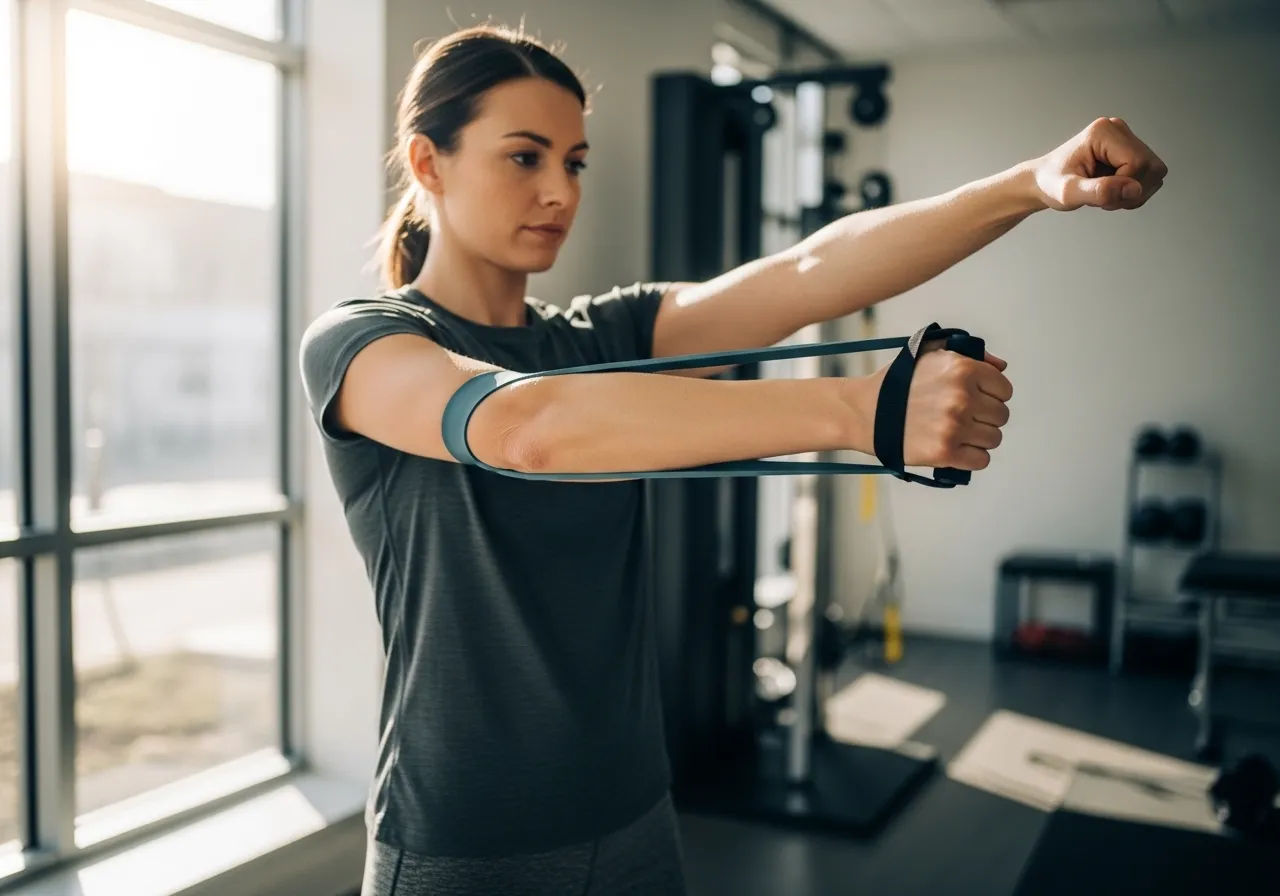
Understanding Tennis Elbow: What It Is and Why It Keeps Getting Worse
Tennis elbow brought my training to a halt for nearly four months — and the reason it lasted that long was not the severity of the initial injury but the series of mistakes I made in the weeks after onset that prevented the healing that rest alone might have produced. The initial pain during a heavy barbell row session seemed like ordinary muscle soreness; the next session made clear it was something else entirely. The diagnosis — lateral epicondylalgia, the clinical name for what popular culture calls tennis elbow — explained the sharp pain at the outer elbow that worsened with gripping, the morning stiffness that was worse after rest than during light activity, and the specific reproduction of pain when pressing on the bony prominence of the lateral epicondyle. This article covers the mechanisms that drive tennis elbow’s persistence, the interventions that the research supports for preventing its progression, and the loading strategies that accelerate recovery rather than impeding it.
The Anatomy of Tennis Elbow: Why the Lateral Epicondyle Is Vulnerable
The lateral epicondyle of the humerus is the bony prominence on the outer side of the elbow that serves as the common attachment point for the wrist extensor muscles — primarily the extensor carpi radialis brevis (ECRB), which is the most frequently involved structure in lateral epicondylalgia, along with the extensor digitorum communis, extensor carpi radialis longus, and extensor carpi ulnaris. These muscles extend the wrist and stabilize it during gripping activities — every action that requires holding an object while moving it (a tennis racket, a hammer, a mouse, a barbell) activates this muscle group and applies tensile loading to the lateral epicondyle attachment. The vulnerability of this attachment site reflects the combination of its mechanical demands and its relatively modest blood supply: tendons in general have lower vascularity than muscle, and the ECRB insertion at the lateral epicondyle is particularly exposed to repetitive high tensile loads during the gripping and wrist extension activities that most manual work and sport require. The pathological process in tennis elbow is not primarily inflammatory, despite the older name “lateral epicondylitis” suggesting it is — the histological findings consistently show tendon degeneration (angiofibroblastic changes, disorganized collagen, and neovascularization without significant inflammatory cell infiltrate) rather than the inflammatory process the “-itis” suffix implies. This distinction matters enormously for treatment: anti-inflammatory approaches (NSAIDs, ice, cortisone injections) that were previously the primary treatment are now understood to address a secondary component rather than the primary degenerative pathology — explaining why they produce short-term symptom relief without long-term resolution of the underlying tendon pathology.
Who Gets Tennis Elbow and Why It Persists
Tennis elbow affects approximately one to three percent of the adult population, with peak incidence between ages thirty-five and fifty-four — and despite the name, it occurs in non-tennis players far more frequently than in tennis players, with the occupations most associated including keyboard workers, manual laborers, and musicians. The risk factors that predispose to lateral epicondylalgia: repetitive wrist extension and gripping activities that repeatedly load the ECRB; sudden increases in activity volume or intensity without adequate adaptation time; inadequate forearm strength relative to the demands placed on it; and the age-related decline in tendon collagen quality that makes tendons progressively more susceptible to cumulative loading injury from the mid-thirties onward. The reason tennis elbow persists despite rest: tendons have inherently slow healing rates due to their poor blood supply, and the ECRB in particular is subjected to loading during activities (typing, holding a phone, opening doors, gripping the steering wheel) that are impossible to completely avoid in daily life — meaning that the rest that would allow healing is practically unachievable without immobilization. Furthermore, the degenerative tendon tissue that tennis elbow involves has poor self-repair capacity — the abnormal collagen organization and impaired blood supply of degenerated tendon tissue require specific mechanical stimulation to drive the remodeling that rehabilitation requires, rather than the passive rest that prevents it. From British Journal of Sports Medicine tendinopathy research, tennis elbow resolves spontaneously within twelve months in approximately eighty percent of cases — but appropriate rehabilitation accelerates this timeline to six to twelve weeks, while inappropriate management (complete rest, repeated cortisone injections, continued aggravating activity) extends it to years.
The Pain-Avoidance Paradox That Makes Tennis Elbow Worse
The instinctive response to pain — avoiding any activity that provokes it — is perhaps the most counterproductive approach to lateral epicondylalgia, because it allows the tendon to deconditioning without providing the mechanical stimulus that tendon remodeling requires. The pain avoidance paradox: resting the tendon from loading prevents the collagen synthesis stimulation that loaded exercise provides, allowing the degenerative changes that tennis elbow involves to persist or progress; but continuing the provocative loading that caused the condition perpetuates the cumulative trauma that the tendon cannot yet tolerate. The resolution is not rest or continued aggravating activity, but appropriately dosed mechanical loading — the graded tendon loading that is below the threshold that provokes significant pain while above the threshold that stimulates collagen synthesis and tendon remodeling. This is the foundational principle of tendon rehabilitation: the therapeutic window between too little load (insufficient for healing stimulus) and too much load (exceeding the damaged tendon’s capacity) must be found and progressively widened as the tendon’s capacity improves. Understanding this principle converts the frustrated tennis elbow sufferer who alternates between painful activity and fruitless rest into the informed rehabilitator who systematically builds the tendon’s load capacity through the graduated exercise progression that clinical research overwhelmingly supports.
The Neurological Component: Central Sensitization in Chronic Tennis Elbow
The tennis elbow that has persisted for more than three months develops a neurological dimension — central sensitization — that significantly complicates management and explains why some chronic cases respond poorly to the local tendon interventions that work well for acute presentations. Central sensitization is the amplification of pain signals that occurs when the central nervous system becomes hypersensitized by persistent peripheral pain input — producing allodynia (pain from normally non-painful stimuli like light touch), hyperalgesia (exaggerated pain from normally mildly painful stimuli), and the spread of pain sensitivity beyond the original injury site. In chronic lateral epicondylalgia, central sensitization manifests as widespread forearm hypersensitivity, pain during activities that should not mechanically load the ECRB significantly, and poor response to local tendon interventions that directly address the pathological tissue without addressing the sensitized neural processing that maintains pain above the level that tissue damage alone would explain. Identifying central sensitization in tennis elbow: widespread forearm sensitivity to pressure testing; pain in the contralateral unaffected elbow on similar pressure testing; allodynia along the forearm that extends beyond the lateral epicondyle region; and a poor analgesic response to the isometric loading that typically produces immediate pain reduction in uncomplicated tendinopathy. Management of the central sensitization component requires the education-based pain science approach (understanding pain as a neural process rather than a simple tissue damage signal), graded exposure to feared movements, sleep optimization, and stress management — alongside the local tendon loading program. From BJSM central sensitization and tendinopathy research, chronic tendinopathy patients with evidence of central sensitization demonstrate significantly poorer outcomes from tendon-loading-only programs compared to those without sensitization — confirming that the neurological component must be addressed alongside the structural one in chronic cases.
Differential Diagnosis: Is It Really Tennis Elbow?
Lateral elbow pain is not always lateral epicondylalgia — several other conditions produce symptoms in the lateral elbow region that require different management approaches. Radial tunnel syndrome (posterior interosseous nerve entrapment) produces a deep aching pain in the proximal forearm, typically maximally tender approximately four centimeters distal to the lateral epicondyle (at the radial tunnel rather than the epicondyle itself), and aggravated by resisted middle finger extension (the chair test) — distinguishing features from classical tennis elbow where the maximum tenderness is at the epicondyle and resisted wrist extension is the primary provocative test. Plica syndrome of the elbow produces lateral elbow symptoms related to synovial fold pathology rather than tendon pathology — often producing a snapping or locking sensation during forearm rotation that tennis elbow does not. Elbow instability from lateral collateral ligament injury (common after elbow dislocation or repeated cortisone injections that degrade ligamentous tissue) produces lateral elbow pain with specific instability testing findings. The practical implication: if the symptoms do not clearly fit the classical tennis elbow presentation (maximum tenderness at the lateral epicondyle, reproduction of pain with resisted wrist extension and gripping, and the absence of significant rest pain and night pain), professional assessment to confirm the diagnosis before committing to the tendon loading program is recommended — treating the wrong condition delays the resolution of the correct diagnosis.
The Patient Experience: What Recovery Actually Feels Like Week by Week
The subjective experience of tennis elbow recovery through appropriate rehabilitation differs from what most sufferers expect — and understanding what the week-by-week experience typically involves prevents the discouragement that unexpected symptom patterns produce. Week one: isometric exercises feel almost uselessly easy compared to the severity of pain from daily activities — this is appropriate and expected. The first session of isometric holds may produce paradoxical immediate pain reduction that lasts thirty to sixty minutes; this analgesic response from tendon loading is the isometric pain inhibition that the research describes. Week two to three: morning stiffness begins to reduce as the tendon responds to the loading stimulus; grip pain during daily activities starts to become less consistent (some hours considerably better than others, indicating the beginning of the loading capacity improvement that rehabilitation produces). Week four to six: the Tyler twist eccentric exercise produces manageable discomfort that steadily reduces within each session; grip strength begins to return to near-normal levels; and the activities that were impossible in week one (carrying groceries, turning a doorknob) become feasible at a low pain level. Week seven to ten: heavy slow resistance training loads increase consistently each session; return to sport activities at reduced intensity begin; and the lateral epicondyle tenderness on direct palpation that was severe at onset has reduced to mild or absent. Week ten to twelve: grip strength symmetry approaches the return criteria; sport-specific loading at seventy to eighty percent of full intensity is comfortable; and the condition that impaired daily function for weeks feels like a distant memory — not because it resolved spontaneously, but because the systematic investment in evidence-based rehabilitation produced the tendon capacity that makes it a historical rather than a current reality. This trajectory is the typical experience of the patient who follows the program consistently — the road map that makes the weekly investment of rehabilitation feel purposeful rather than indefinitely prolonged.
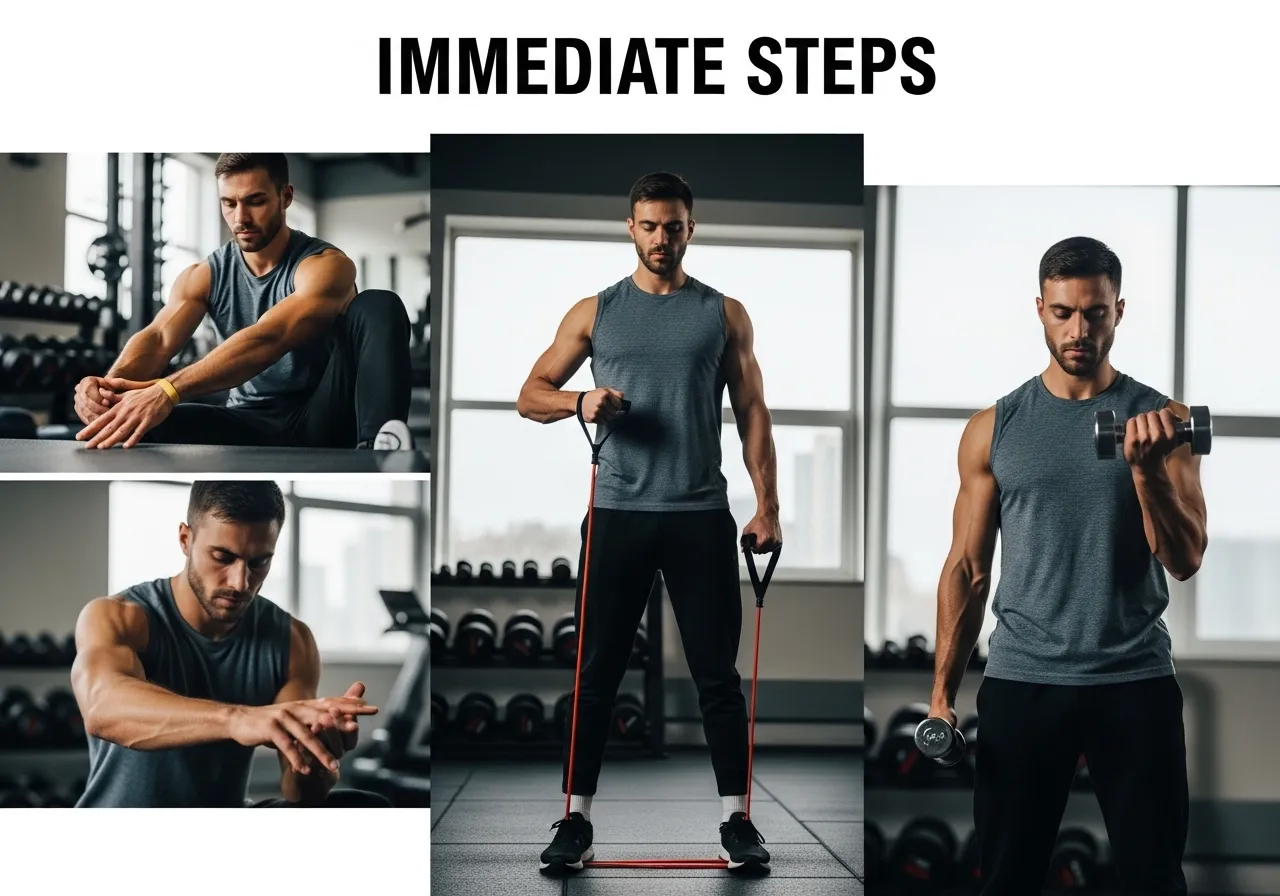
Immediate Steps: Preventing Tennis Elbow from Getting Worse in the First Two Weeks
The first two weeks after tennis elbow onset are the most critical period for preventing acute-to-chronic progression — and the decisions made in this window determine whether the condition resolves within weeks or persists for months.
Activity Modification: What to Stop, Reduce, and Continue
Immediate activity modification does not mean complete rest — it means eliminating the specific activities that most aggressively load the ECRB while maintaining movement and low-level activity that prevents deconditioning. Activities to stop immediately: the specific exercise or occupational activity that provoked onset; heavy gripping with significant wrist extension loading (heavy deadlifts, barbell rows, and any gripping exercise that provokes more than mild discomfort); and any repetitive activity involving the affected arm that consistently provokes elbow pain. Activities to reduce: general keyboard and mouse use should be reduced if it provokes symptoms, with ergonomic modifications (lower mouse sensitivity to reduce grip force, keyboard tray positioning to reduce wrist extension) reducing the provocative loading without complete cessation. Activities to continue: low-level activity of the arm that does not provoke pain (gentle walking with arm swing, typing within comfortable limits, driving); and the specific tendon loading exercises that the rehabilitation section of this article prescribes at appropriate intensity. The modification principle: use pain as a guide, targeting a level of activity that produces no more than a three out of ten pain level during activity and returns to baseline discomfort within thirty minutes of stopping. Activities that provoke pain above three out of ten or that produce pain lasting more than thirty minutes post-activity are currently above the tendon’s capacity and should be reduced or modified until capacity increases.
Ergonomic Modifications That Reduce Daily Tendon Loading
The daily activities that maintain low-level tendon loading in the absence of specific provocative exercise are addressable through ergonomic modifications that meaningfully reduce cumulative load without requiring activity cessation. Keyboard and mouse ergonomics: positioning the mouse closer to the keyboard to reduce reach distance; using a vertical mouse that positions the forearm in a more neutral rotation that reduces ECRB activation; reducing mouse sensitivity to allow movement with lighter grip force; and adjusting keyboard height to maintain the wrist in a more neutral (slightly extended) position rather than hyperextended reduce the continuous low-level ECRB activation that desk work produces. Tool modifications for manual workers: using tool handles with larger circumference (which reduces the grip force required to generate equivalent torque); using power tools where possible to eliminate the repetitive manual loading; and wearing vibration-dampening gloves that reduce the ECRB activation that vibrating tool use requires. The counterintuitive insight: many tennis elbow sufferers focus on treating the condition while continuing the ergonomic patterns that created it — and without addressing the occupational or sporting mechanics that produce the ECRB overload, treatment produces temporary relief that the persistent provocative loading repeatedly undermines. Ergonomic assessment and modification is as important a component of tennis elbow management as any direct treatment.
The Tennis Elbow Brace: Evidence and Application
The forearm strap brace (counterforce brace) is among the most commonly recommended early management tools for lateral epicondylalgia — and the evidence for its use is more nuanced than the widespread recommendation suggests. The mechanism: the counterforce strap applies circumferential pressure to the proximal forearm, distributing the tensile load that gripping applies to the lateral epicondyle across a broader tissue area — reducing the peak stress at the ECRB insertion and allowing activity at higher loads than the unbraced elbow can tolerate. The evidence: counterforce bracing consistently reduces pain during provocative activities in the short term (two to six weeks of use) and allows activity levels that would otherwise be intolerable, supporting its use as a pain management adjunct during the early phases of rehabilitation. However, bracing is not curative — it manages symptoms during activity without addressing the underlying tendon pathology, and reliance on the brace without progressive tendon loading produces symptom management rather than resolution. The appropriate use: wear the counterforce strap during activities that provoke symptoms and that cannot be adequately modified, while simultaneously implementing the progressive tendon loading program that treats the underlying pathology. Remove the brace during the specific tendon loading exercises that rehabilitation requires. From PubMed counterforce bracing research, counterforce bracing reduces pain and improves grip strength during braced activity but does not improve long-term outcomes compared to no bracing when combined with appropriate tendon rehabilitation — confirming its role as a symptom management adjunct rather than a treatment in itself.
The Role of Hip and Shoulder Strength in Elbow Health: Kinetic Chain Considerations
The counterintuitive finding that hip and shoulder strength deficits contribute to lateral epicondylalgia in throwing and racket sport athletes reflects the kinetic chain principle — the transmission of force from the ground up through the lower body, core, and upper arm to the forearm that all overhead and throwing movements require. When proximal segments of the kinetic chain are weak or poorly coordinated, the distal segments (wrist extensors and forearm musculature) are required to compensate for the energy leak that the proximal weakness creates — generating greater force than they are designed to produce and accumulating the overuse injury that this compensation produces. Assessment of the kinetic chain for tennis elbow: screening for hip abductor and external rotator weakness (the gluteus medius and external rotator deficit that is among the most common kinetic chain findings in upper limb tendinopathy); shoulder external rotation and scapular stability deficits (which require the forearm to compensate for the force generation and deceleration that the shoulder should provide); and thoracic rotation restriction (which forces the arm to generate more rotational force than the thorax contributes, increasing forearm extensor loading). Addressing these proximal deficits alongside the forearm-specific rehabilitation produces superior long-term outcomes than forearm-isolated treatment in racket sport players — confirming that the most effective tennis elbow prevention program includes the hip and shoulder strength work that maintains the kinetic chain integrity that forearm load distribution requires. This insight also explains why the athlete who rehabilitates the elbow in isolation but returns to sport with the same proximal deficits consistently experiences recurrence within weeks of full return — the cause of the overload, not merely its site, must be addressed.
Modalities and Adjunct Treatments: What the Evidence Actually Supports
The treatment landscape for tennis elbow includes a wide array of physical modalities — dry needling, shockwave therapy, ultrasound, laser, and platelet-rich plasma injections — with varying levels of evidence that the informed patient deserves an accurate assessment of. Extracorporeal shockwave therapy (ESWT): the most consistently evidenced physical modality for lateral epicondylalgia, with multiple randomized trials demonstrating meaningful improvements in pain and function at three and six months compared to sham. The mechanism — acoustic waves that produce tissue microtrauma and stimulate angiogenesis and collagen synthesis in chronically degenerated tendon — is consistent with the pathophysiology of tendinopathy and supported by histological evidence of tendon remodeling following ESWT. Recommended for cases that fail to respond to six to eight weeks of appropriate tendon loading — not as a substitute for exercise but as an adjunct that improves the tendon environment for the exercise-driven remodeling that is still the primary healing mechanism. Dry needling: the insertion of needles into trigger points and the tendon attachment produces short-term pain reductions that are useful as an adjunct to rehabilitation — the evidence is sufficient to recommend it as a component of physiotherapy-directed management but not as a standalone treatment. Platelet-rich plasma injections: the evidence base remains mixed, with some trials demonstrating superior long-term outcomes compared to cortisone and some showing no benefit over control. PRP is appropriate for consideration in cases failing other management rather than as a primary treatment. Therapeutic ultrasound and laser: insufficient evidence to recommend as independent treatments for lateral epicondylalgia in current systematic reviews.
Ice, Heat, and NSAIDS: Evidence-Based Use of Pain Management Tools
The pain management modalities most commonly applied to tennis elbow — ice, heat, and non-steroidal anti-inflammatory drugs (NSAIDs) — have specific evidence for appropriate use that differs from common practice. Ice application: reduces acute pain through the vasoconstriction and neural inhibition that cold produces, and is appropriate for pain management during the acute symptomatic phase (first two to four weeks) and after training sessions that provoke more than mild discomfort. Ice should not be applied before tendon loading exercises — the vasoconstriction it produces reduces the blood flow that loaded exercise requires to stimulate tendon metabolism. Ten to fifteen minutes of ice application post-exercise is the appropriate protocol for the athlete who uses training-induced pain management. Heat: increases local blood flow, tissue extensibility, and pain threshold through the vasodilation and neural effects of therapeutic warmth. Heat before exercise or mobility work is beneficial; heat applied to an acutely inflamed or swollen region may increase the inflammatory response. The practical use of heat for tennis elbow: warm compresses or heat packs for five to ten minutes before the forearm stretching and mobility work that precedes rehabilitation exercises. NSAIDs: oral ibuprofen, naproxen, and similar NSAIDs reduce pain and the secondary inflammatory component of lateral epicondylalgia in the short term — making them appropriate for the first two to four weeks of acute presentation management, particularly for individuals whose pain level prevents participation in rehabilitation exercises. Extended NSAID use (beyond four to six weeks) impairs the prostaglandin-mediated collagen synthesis that tendon healing requires — making the short-term pain management benefit of NSAIDs potentially counterproductive if continued beyond the acute phase. Topical NSAIDs (diclofenac gel applied directly to the lateral epicondyle) provide comparable short-term pain reduction with significantly lower systemic exposure and GI side effects — making them the preferred pharmacological option for ongoing pain management adjunct to rehabilitation.
The forearm extensor strength and tendon resilience that consistent rehabilitation builds are investments that compound across years — each week of appropriate loading adds to the tendon capacity reserve that prevents the future overload that recurrence requires. Build that reserve deliberately. Maintain it consistently. And approach the first signs of returning symptoms with the immediate, intelligent response that prevents the acute episode from becoming the chronic condition that inadequate early management produces.
The Eccentric and Isometric Exercise Program That Heals Tennis Elbow
The single most evidence-supported intervention for preventing lateral epicondylalgia from worsening and accelerating its resolution is progressive tendon loading through specific exercise — specifically, the eccentric and isometric loading protocols that clinical research has established as the most effective approach to tendinopathy rehabilitation.
Isometric Wrist Extension Holds: The First Phase
Isometric exercise — muscle contraction without movement — is the safest starting point for tendon loading in the acute and subacute phases of tennis elbow because it provides the mechanical stimulation that collagen synthesis requires without the tensile variation of dynamic movement that acutely sensitized tendons poorly tolerate. The specific isometric protocol for lateral epicondylalgia: sitting with the forearm supported on a table and the hand over the table edge, place the opposite hand over the back of the affected hand and press downward while resisting the downward pressure with wrist extension. Hold for forty-five to sixty seconds at a level of effort (approximately sixty to seventy percent of maximum) that produces no more than mild discomfort (two to three out of ten pain). Perform four to five sets with two minutes of rest between sets. Perform twice daily. This protocol, derived from the work of Ebonie Rio and colleagues at La Trobe University on isometric exercise and tendinopathy, produces cortical inhibition of pain (reducing pain within minutes of performing the exercise) alongside the collagen synthesis stimulation that mechanical loading provides. From British Journal of Sports Medicine isometric exercise and tendinopathy pain research, isometric exercise immediately reduces tendinopathy pain by significantly greater amounts than conventional pain management approaches — with the pain reduction persisting for forty-five minutes post-exercise — confirming that isometric loading is both a treatment and a pain management tool simultaneously.
Eccentric Wrist Extension Exercise: The Core Rehabilitation Protocol
Eccentric exercise — the lengthening of a muscle under load — produces the greatest collagen synthesis stimulation of any exercise modality for tendinopathy rehabilitation, making it the cornerstone of the tennis elbow exercise program after the acute phase resolves. The Tyler twist (also called the Theraband Flexbar technique): holding a flexible rubber bar or resistance band vertically in both hands, twist the non-affected hand forward (wrist flexion) while simultaneously extending the wrist of the affected arm, then slowly allow the affected wrist to eccentrically lower back to the starting position while the non-affected hand maintains tension. The eccentric lowering phase — the controlled, slow return against the resistance maintained by the non-affected arm — is the therapeutically active component. Three sets of fifteen repetitions, three times daily, with a moderate pain level (three out of ten) tolerated during the eccentric phase. The evidence for the Tyler twist is among the strongest in tendinopathy rehabilitation: a randomized controlled trial demonstrated seventy-one percent improvement in pain and function at six weeks in the Tyler twist group compared to twenty-three percent improvement in the sham exercise control — a statistically and clinically significant difference that established eccentric wrist extension as a first-line treatment for lateral epicondylalgia. The progression of the eccentric program: as the three-out-of-ten pain level becomes two out of ten or less, increase the resistance of the band or the weight of the dumbbell used for the loaded eccentric wrist extension — maintaining the progressive overload principle that tendon adaptation requires.
Heavy Slow Resistance Training: The Advanced Phase
The final phase of tennis elbow rehabilitation — heavy slow resistance training — produces the greatest long-term tendon structural improvements of any loading protocol, converting the pain-free functional capacity achieved in the isometric and eccentric phases into the load tolerance that prevents recurrence. Heavy slow resistance training for the forearm extensors: wrist extensions with a dumbbell or cable, performed through full range of motion at a tempo of three seconds up (concentric), one second pause, three seconds down (eccentric) — the slow tempo being essential for maximizing tendon loading time and collagen synthesis stimulus. Beginning at a load that allows three sets of twelve to fifteen repetitions with no more than mild discomfort (two to three out of ten), progressing every one to two weeks toward loads that allow three sets of eight to ten repetitions. The forearm extension exercise should be complemented by wrist supination and pronation exercises (rotating the forearm from palm-down to palm-up and back with light resistance) that address the rotational loading of the forearm extensor group that tennis elbow involves. From Sports Medicine tendinopathy rehabilitation research, heavy slow resistance training programs produce greater improvements in tendon structure (assessed by ultrasound and MRI) than eccentric-only programs over twelve weeks — confirming that the advanced loading phase of rehabilitation produces structural changes that earlier phases cannot achieve.
Preventing Tennis Elbow in High-Risk Occupations
Workers in occupations with high repetitive arm use — computer users, musicians, painters, carpenters, plumbers, and assembly line workers — face substantially elevated tennis elbow risk that specific prevention strategies can meaningfully reduce. The occupational prevention approach addresses both the mechanical loading that the work requires and the physical preparation that makes those loads tolerable. Regular micro-breaks: research on repetitive forearm use consistently finds that structured micro-breaks (one to two minutes of rest from the repetitive task every thirty to forty-five minutes) reduce cumulative forearm extensor loading more effectively than equivalent total rest in longer intervals, because they prevent the local muscle fatigue and blood flow restriction that sustained repetitive use produces. Tool and workstation optimization: as described in the ergonomics section, tool size, handle shape, and workstation configuration significantly affect the forearm extensor loading that equivalent work tasks produce — the worker who optimizes these factors reduces their tennis elbow risk at the same work output. Pre-work forearm strengthening: workers in high-risk occupations who implement the forearm extensor strengthening protocol (three sets of fifteen wrist extensions with moderate resistance, two to three times per week) as a preventive measure demonstrate lower tennis elbow incidence than control groups in prospective occupational health studies — confirming that the same loading principles that treat tennis elbow also prevent it. From PubMed occupational tennis elbow prevention research, a combined approach of ergonomic optimization and forearm strengthening reduces lateral epicondylalgia incidence by thirty to forty percent in high-risk occupational groups — making prevention a practical and evidence-supported priority rather than merely a theoretical ideal.
Psychological Factors in Tennis Elbow Recovery: The Pain Catastrophizing Problem
The psychological response to persistent elbow pain — particularly the pain catastrophizing (ruminating on pain severity, feeling helpless about recovery, and magnifying the threat that pain represents) that chronic pain commonly produces — significantly affects tennis elbow recovery trajectories in ways that purely physical treatment cannot address. Pain catastrophizing is among the strongest predictors of treatment outcome in musculoskeletal conditions including lateral epicondylalgia: patients with higher catastrophizing scores demonstrate slower recovery, greater disability, and poorer response to standard rehabilitation regardless of the physical severity of their condition. The mechanisms: catastrophizing amplifies the central sensitization described earlier, increases muscle guarding that reduces the biomechanical efficiency of forearm movement, and reduces adherence to the progressive loading programs that require engaging with some discomfort during exercise. Addressing catastrophizing in tennis elbow management: education about pain science (explaining the neurological rather than purely structural nature of persistent pain, normalizing the discomfort that effective tendon loading produces, and building realistic recovery expectations) reduces catastrophizing and improves rehabilitation outcomes in randomized trials. The pain education message that most effectively reduces catastrophizing: discomfort during rehabilitation exercise is not damage, it is a normal response to therapeutic loading that is both safe and necessary for recovery; the goal is not to avoid all discomfort but to manage it within the therapeutic window that drives healing without exceeding the tendon’s current capacity.
Monitoring Progress with Outcome Measures: The Patient-Rated Tennis Elbow Evaluation
The Patient-Rated Tennis Elbow Evaluation (PRTEE) is the validated outcome measure most specifically designed for lateral epicondylalgia — providing a standardized score of pain and disability that allows objective tracking of rehabilitation progress independent of the exercise performance metrics that strength testing provides. The PRTEE comprises fifteen questions scored zero to ten, covering pain during specific activities (lifting a coffee cup, opening a jar, carrying a grocery bag, using tools) and the impact of elbow pain on specific upper limb activities. A score of zero indicates no pain or disability; fifty is the clinical threshold for meaningful impairment; the minimum clinically important difference (MCID) is eleven points — the score change that represents a meaningful improvement rather than normal measurement variability. Using the PRTEE every two weeks during rehabilitation provides the objective progress tracking that motivates continued effort and identifies treatment failure early enough to modify the approach before weeks of inappropriate management are lost. The returning athlete whose PRTEE score has reached fifteen or below (mild residual limitation) has demonstrated the functional recovery that full return to activity safely allows; the athlete still scoring above thirty (moderate limitation) needs to continue the rehabilitation program before attempting full return. This validated, condition-specific tool converts the subjective experience of recovery into objective data that guides decision-making with the same rigor that strength testing and pain VAS provide.
The athlete who treats their tendons with the same progressive, systematic respect that they give their muscles — loading them intelligently, resting them adequately, and nourishing them appropriately — never experiences the extended disability that tennis elbow produces in those who ignore these principles until injury forces their attention. Prevention is always less costly than rehabilitation. And the rehabilitation, when necessary, is always less costly than the chronic condition that inadequate rehabilitation produces. Invest in both, consistently, and keep training for the long term.

Returning to Sport and Training: The Progressive Loading Plan
Returning to full training and sport after tennis elbow requires a carefully structured progression that reintroduces the provocative loads through a graduated sequence that tests and expands the tendon’s capacity at each stage before advancing to the next.
Grip Strength Restoration: The Performance Prerequisite
Grip strength is the primary functional marker of tennis elbow rehabilitation progress — and the most reliable indicator of readiness to return to full training. Normal grip strength for the affected side (within ten percent of the unaffected side) represents the functional prerequisite for return to activities that require gripping under load. Grip strength measurement: using a hand dynamometer, measure three trials on each side and compare averages. A deficit of greater than fifteen percent indicates insufficient rehabilitation progress for return to full training. Grip strength restoration exercises for the final rehabilitation phase: hand squeezes with a stress ball or grip strengthener (building from twenty repetitions to three sets of fifty over four weeks); barbell hold isometrics (holding a loaded barbell at deadlift lockout for twenty to thirty seconds, starting with bodyweight-level loads and progressing toward normal training loads); and farmer’s carries (walking with moderate-to-heavy loads in each hand for thirty to fifty meters), which provide the functional whole-chain grip loading that normal training demands without the wrist extension emphasis that the most provocative exercises involve.
Reintroducing Resistance Training: A Week-by-Week Plan
The return to resistance training following tennis elbow follows a specific progression that introduces the most provocative exercises last and uses pain response as the primary progression criterion. Week one return: bodyweight exercises and movements with minimal grip demand (push-ups on fists, leg press, machines with neutral grip); light dumbbell rows with a neutral grip (palm facing the body) at fifty percent of previous training weight; and the full rehabilitation exercise program continued alongside training. Week two to three: moderate dumbbell training with neutral grip at sixty to seventy percent; introduction of the cable row and lat pulldown with a wide grip that reduces forearm extensor activation compared to the close, pronated grip that most exacerbates tennis elbow. Week four to six: progressive return to full training weight on pulling exercises; introduction of the barbell row with the grip width and wrist position that produces minimal discomfort; and the sports-specific grip training (racket work at reduced intensity for tennis players, specific tool use for manual workers) that completes the functional return. The criterion for each progression step: no more than mild discomfort (two to three out of ten) during the exercise and return to baseline within thirty minutes of completing the session. Pain above this threshold or prolonged post-exercise soreness requires returning to the previous week’s loads before attempting progression again.
Protecting Your Elbow During Resistance Training: Technique Modifications
Resistance training modifications that reduce ECRB loading during the recovery phase — and that permanently improve technique to prevent future recurrence — address the mechanical factors that load the lateral epicondyle most aggressively. The grip modifications that most reduce ECRB activation: using a neutral or supinated grip (palm facing the body or ceiling) rather than a pronated grip (palm facing the floor) for pulling exercises reduces the ECRB activation that pronated gripping produces; using lifting straps to offload grip requirements for heavy pulls allows training the back and legs without adding to the ECRB loading that the recovering tendon must reduce; and using thicker bar grips or Fat Gripz attachments paradoxically reduces the grip force required to maintain hold of a bar (distributing the grip force over a larger circumference) while building the grip capacity that the larger diameter challenges. The wrist position during pressing exercises: keeping the wrist in neutral (straight) or slightly extended position during push-ups, bench press, and overhead press avoids the maximal wrist extension that produces the greatest ECRB activation — a technical modification that simultaneously reduces tennis elbow risk and improves pressing mechanics by maintaining better force transmission through the forearm. The elbow position during rows: pulling with the elbow tracking close to the body (rather than flaring away from the torso) reduces the rotational loading of the forearm extensor group that wide-elbow rowing mechanics produce. These modifications should be implemented permanently — not merely during the rehabilitation period — as part of the biomechanical improvement that tennis elbow recovery provides the opportunity to establish.
The Rehabilitation Timeline: Setting Realistic Expectations
The rehabilitation timeline for tennis elbow depends on the duration and severity of the condition before treatment begins — and setting realistic expectations prevents the discouragement that insufficient progress at inappropriate timelines produces. For acute tennis elbow (less than six weeks duration): four to six weeks of appropriate progressive tendon loading typically produces full resolution of symptoms and return to full activity. For subacute tennis elbow (six weeks to three months): six to twelve weeks of progressive rehabilitation, with professional physiotherapy guidance recommended to optimize the exercise prescription and manual therapy adjuncts. For chronic tennis elbow (more than three months): twelve to twenty-four weeks of structured rehabilitation is required in most cases, with adjunct treatments (shockwave therapy, dry needling, PRP if unresponsive) potentially necessary alongside the exercise program. The week-by-week progression markers that indicate appropriate rehabilitation progress: weeks one to two, isometric exercises tolerated at a three out of ten pain level; weeks three to four, pain during isometric holds reduced to one to two out of ten; weeks five to six, eccentric exercises tolerated and producing measurable strength improvements; weeks seven to eight, heavy slow resistance training introduced; weeks nine to twelve, return to sport or occupational loading progressed to full levels. These timelines reflect the average rehabilitation course — individuals with greater severity, longer duration, or complicating factors (central sensitization, comorbid neck pathology, persistent provocative activity) may progress more slowly and should adjust expectations and program duration accordingly rather than concluding that the approach is ineffective.
Every progressive loading session is a deposit into the tendon capacity account. Build the balance high enough, and no single activity demand will exceed it. That is the goal of prevention — not avoiding load, but building the capacity that makes the loads you love safe to continue indefinitely.

Nutrition and Lifestyle Factors That Accelerate Tendon Healing
The dietary and lifestyle variables that influence tendon healing are often neglected in tennis elbow management — yet the nutritional support for collagen synthesis and the lifestyle factors that affect tendon blood supply and inflammation significantly affect healing rate.
Collagen Synthesis Nutrition: Vitamin C, Glycine, and Hydrolyzed Collagen
Collagen — the primary structural protein of tendons — requires specific nutritional precursors for its synthesis that are often inadequate in typical Western diets. Vitamin C is an essential cofactor for the hydroxylation reactions that stabilize the triple helix structure of collagen — without adequate vitamin C, the collagen synthesized in response to tendon loading is structurally impaired. The emerging evidence supports consuming forty to fifty milligrams of vitamin C (from food or supplement) approximately thirty to sixty minutes before tendon loading exercise, timing the peak vitamin C availability to coincide with the exercise stimulus for collagen synthesis. Glycine — the most abundant amino acid in collagen — is conditionally essential during periods of elevated collagen turnover like tendon injury recovery. Bone broth, gelatin, and collagen hydrolysate supplements provide the glycine and other collagen-specific amino acids (hydroxyproline, proline) in more bioavailable forms than complete protein sources. From PubMed collagen synthesis and tendon rehabilitation research, consuming fifteen grams of hydrolyzed collagen with vitamin C one hour before exercise produces significantly greater collagen synthesis rates than placebo in mechanically loaded tendons — suggesting a specific nutritional strategy for tennis elbow rehabilitation that standard protein supplementation does not provide. The practical protocol: fifteen grams of hydrolyzed collagen powder mixed with a vitamin C-rich juice (orange, strawberry, or kiwi) consumed approximately sixty minutes before the tendon loading exercises in the rehabilitation program.
Anti-Inflammatory Nutrition for Tendon Health
While the primary pathology of tennis elbow is degenerative rather than inflammatory, the secondary inflammatory response that tendon degeneration triggers contributes to pain sensitization and impairs the healing environment — making anti-inflammatory dietary support a meaningful adjunct to the rehabilitation program. The omega-3 fatty acids from fatty fish, walnuts, and flaxseeds reduce the inflammatory prostaglandins that pain sensitization involves; curcumin from turmeric has demonstrated clinically meaningful reductions in tendinopathy pain in randomized trials at doses of five hundred to one thousand milligrams daily; and the Mediterranean dietary pattern as a whole — emphasizing colorful vegetables, olive oil, fish, and legumes while minimizing ultra-processed foods and added sugar — reduces the systemic inflammatory markers that impair tissue healing. Adequate protein intake (one point six to two grams per kilogram of body weight) provides the amino acid availability that tendon matrix remodeling requires — though total protein quantity matters less than ensuring adequate intake of the specific collagen precursor amino acids that tendon repair demands. Adequate hydration (two to three liters daily) maintains the hydration of tendon collagen that contributes to its mechanical properties and the synovial fluid that the tendon sheath requires for gliding without friction.
Sleep, Stress, and Tendon Recovery
Sleep quality and stress management — though seemingly unrelated to an elbow tendon injury — significantly affect the hormonal environment that tendon healing requires. Growth hormone, which is essential for the collagen synthesis that tendon repair involves, is secreted primarily during deep sleep in the first few hours after sleep onset — making the sleep quality investment that adequate, uninterrupted sleep provides directly relevant to tendon healing rate. Chronic psychological stress elevates cortisol, which impairs collagen synthesis through glucocorticoid receptor effects on the fibroblasts that produce tendon matrix — creating the hormonal environment that delays healing regardless of the excellence of the rehabilitation program. The practical implications: prioritizing sleep quality (consistent bedtime, dark and cool sleeping environment, limited evening screen exposure) and implementing stress reduction practices (exercise, meditation, social connection) during the tennis elbow rehabilitation period is not merely wellness supplementation — it is the creation of the hormonal environment that the rehabilitation exercises require to produce the collagen synthesis that tendon healing demands.
Cross-Training Strategies for Maintaining Fitness During Tennis Elbow Recovery
The fear of fitness loss during tennis elbow rehabilitation is legitimate — and the good news is that most fitness modalities can be maintained with appropriate modification during the recovery period, allowing the athlete to maintain cardiovascular fitness, lower body strength, and most upper body strength while the elbow heals. Lower body training during tennis elbow recovery requires only the grip modifications described earlier — the squat, leg press, hip hinge, and lunge patterns that form the foundation of lower body strength training can all be performed with neutral grip or strap-assisted grip that offloads ECRB without impairing the training quality. Cardiovascular training: running, cycling (with appropriate handlebar grip modifications), swimming with neutral-grip pull equipment, and rowing machine with strap assistance all maintain cardiovascular fitness without ECRB loading. Upper body pushing exercises (push-ups on fists, dumbbell press with neutral grip, machine chest press) can typically be performed earlier in recovery than pulling exercises because they involve less ECRB activation. The athlete who approaches tennis elbow recovery with the question “what can I still train?” rather than “what do I have to stop?” maintains the fitness base and the training identity that support both recovery and the return to full sport. The temporary training modifications of recovery produce a fitter athlete who has used the rehabilitation period productively, rather than a deconditioned athlete whose recovery was passive rather than active.
Building a Bulletproof Elbow: The Comprehensive Prevention Program
The comprehensive tennis elbow prevention program combines every evidence-supported strategy into a systematic approach that makes the lateral epicondyle and its associated musculature genuinely resilient to the loads that training and daily life apply. The weekly prevention program: two forearm strengthening sessions (wrist extensions, supination-pronation, grip work — fifteen to twenty minutes each); one thoracic rotation and shoulder mobility session to maintain the kinetic chain integrity that appropriate forearm load distribution requires; ergonomic optimization review of workstation, tools, and sport equipment at any sign of emerging symptoms. The monthly prevention review: assess grip strength bilaterally for symmetry; check that the training load increases of the past month have not exceeded the thirty percent weekly increase maximum; and address any emerging tenderness at the lateral epicondyle with immediate relative load reduction and increased rehabilitation exercise frequency before symptoms escalate to the acute injury level. The lifestyle prevention layer: adequate sleep for growth hormone-supported tendon repair; the anti-inflammatory dietary pattern that reduces the chronic inflammation that accelerates tendon degeneration; and the stress management practices that maintain the cortisol environment that collagen synthesis requires. This is not an overwhelming program — it is the integration of specific, time-efficient practices into the training and lifestyle framework that a physically active person already has, calibrated to the specific vulnerability of the lateral epicondyle that repetitive arm use creates. The athlete who implements this program does not experience the recurrence that passive management produces; they build the elbow resilience that supports decades of training and activity without the lost time, reduced performance, and chronic pain that poorly managed tennis elbow otherwise imposes.
Start the program. Follow it completely. The elbow that completes this rehabilitation is stronger than the one that was injured — because the systematic loading that recovery required built the capacity that the pre-injury tendon lacked. Recovery is not merely returning to baseline; it is building the resilience that prevents the return of what brought you here.

Preventing Tennis Elbow Recurrence: Long-Term Management
Preventing recurrence — the return of tennis elbow after successful rehabilitation — requires the long-term management of the underlying factors that created the initial condition: load management, technique correction, and the ongoing strength maintenance that tendon health requires.
Forearm Strength Maintenance: The Long-Term Prevention Program
The forearm extensor strength that rehabilitation develops is the primary protection against lateral epicondylalgia recurrence — but maintaining this strength requires ongoing loading that the pain-free former tennis elbow sufferer often discontinues when symptoms resolve. The maintenance program that prevents recurrence: two to three sets of wrist extensions with moderate weight, performed once to twice per week indefinitely, maintains the tendon load capacity that acute or chronic overload would otherwise exceed. The loads that maintenance training requires are substantially lower than the rehabilitation peak loads — the three-to-five-times-per-week loading of active rehabilitation reduces to the once-to-twice-per-week maintenance that preserves adaptation without requiring ongoing therapeutic investment. Additionally, including regular grip strength training (farmer’s carries, barbell holds, grip developers) in the long-term training program maintains the grip capacity that normal training demands without creating the relative weakness that makes the tendon susceptible to overload during periods of increased training volume. From ACSM tendinopathy prevention and long-term management guidelines, athletes who continue an appropriate maintenance loading program after tennis elbow rehabilitation demonstrate significantly lower recurrence rates than those who discontinue loading upon symptom resolution — confirming that the maintenance program is the prevention program.
Technique Corrections for Tennis and Racket Sport Players
For tennis players and other racket sport participants, technical factors in stroke mechanics are often primary contributors to lateral epicondylalgia that will cause recurrence if uncorrected regardless of the excellence of the rehabilitation program. The most common technical contributors: hitting with a bent elbow (requiring greater ECRB eccentric load to decelerate the forearm during impact); leading with the elbow (placing the extensor group in a shortened, high-tension position at ball impact); excessive topspin production with wrist snap mechanics (creating extreme ECRB loading at the acceleration-to-deceleration transition); and using a grip size that is too small for the player’s hand (requiring greater grip force to maintain racket control). Correction of these mechanics — ideally with video analysis and guidance from a qualified tennis coach — is as important as rehabilitation for the tennis player who wants to return to full match play without recurrence. The backhand mechanics correction is particularly important: the one-handed backhand, which requires the extensor group to control the racket through impact, is the most common stroke mechanism for tennis elbow — and technique corrections that transfer more of the loading to the shoulder and upper arm, or the adoption of a two-handed backhand that distributes load more evenly, can dramatically reduce the ECRB loading that was driving the injury.
Monitoring Load and Managing Training Spikes
The acute-to-chronic workload ratio — the ratio of the current week’s training load to the average of the preceding four weeks — is the most useful tool for preventing overuse tendon injuries in athletes who manage their own programming. Research on tendon injury and training load consistently finds that spikes in the acute-to-chronic ratio (rapid increases in training volume or intensity beyond the capacity that chronic conditioning has built) are the primary driver of tendon overuse injuries including lateral epicondylalgia. Maintaining the weekly training load within a one-point-zero to one-point-three ratio of the chronic load — equivalent to no more than thirty percent weekly increase — prevents the load spikes that overwhelm tendon adaptation capacity. For the recovering tennis elbow patient, this means planning return-to-sport progressions that observe the thirty percent weekly load increase maximum rather than rushing back to full training volume once pain resolves. The pain resolution that marks the end of the symptomatic phase does not represent full tendon structural recovery — it represents adequate symptom reduction to allow progressive loading, with the structural remodeling that full recovery requires continuing for several months beyond pain resolution. Respecting this timeline with appropriate load management prevents the early overload that produces immediate recurrence in the patients who mistake pain absence for complete healing.
Understanding Your Pain: The Visual Analogue Scale as a Training Guide
The visual analogue scale (VAS) — the zero-to-ten pain rating that healthcare providers use to quantify pain intensity — is the most practical tool for guiding the tennis elbow rehabilitation progression during both the rehabilitation exercises and the return to full training. The VAS-guided training protocol: zero to one out of ten pain during exercise is the ideal target for the later rehabilitation phases; two to three out of ten during exercise is acceptable and expected during the early phases of tendon loading (any more significant pain reduction during early rehabilitation would indicate insufficient loading stimulus); four to six out of ten pain indicates training is at or above current tendon capacity and load should be reduced; and greater than seven out of ten pain indicates a significant overload that requires stopping the provocative activity and reassessing the program. Post-exercise VAS is equally important: returning to baseline VAS within thirty minutes of completing exercise indicates appropriate loading; pain that persists for more than thirty minutes post-exercise or that is higher the morning after training than before indicates that the session exceeded the tendon’s current recovery capacity. The athlete who tracks VAS consistently during rehabilitation develops the self-monitoring skills that guide the progression decisions that prevent both under-loading (insufficient stimulus for healing) and over-loading (exceeding recovery capacity) — the twin failure modes that inadequately managed tennis elbow rehabilitation consistently produces. This simple tracking discipline converts the rehabilitation from an anxiety-inducing trial-and-error process into a systematic, data-guided progression that builds confidence alongside the tendon capacity that functional return requires.
Sleep Position and Equipment Modifications for Nighttime Pain Management
Nighttime pain and morning stiffness are among the most disruptive symptoms of moderate-to-severe tennis elbow — and specific sleep position and equipment modifications meaningfully reduce the nocturnal ECRB loading that provocative sleep positions create. The elbow position during sleep significantly affects the overnight ECRB loading: sleeping with the elbow in full flexion (as many side sleepers do, with the arm tucked under the head or pillow) maintains the forearm extensors in a shortened position overnight, producing the morning stiffness that is characteristic of both nerve tension and muscle shortening. Sleeping with the elbow in a more extended position (approximately thirty to forty degrees of flexion) reduces both ECRB compression at the lateral epicondyle and the nerve tension that elbow hyperflexion produces. A tennis elbow splint or simple elbow pad that prevents full elbow flexion during sleep is a practical tool for individuals whose sleep position consistently includes elbow hyperflexion — available inexpensively and wearing it for the three to four week acute phase significantly reduces morning pain and stiffness in clinical experience. The arm position during sleep also affects the shoulder — forward shoulder position with the arm across the chest maintains the pectoral tightness that contributes to thoracic kyphosis and the poor arm mechanics that tennis elbow predisposes. A body pillow positioned to prevent forward shoulder migration and maintain a more neutral arm position addresses this component of sleep posture that morning stiffness and the kinetic chain integrity for daytime activities both depend on.

When to Seek Medical Treatment: Beyond Self-Management
The self-directed rehabilitation program described in this article is appropriate for the majority of tennis elbow presentations — but specific clinical situations warrant professional assessment and medical intervention that home management cannot adequately address.
Red Flags That Require Medical Assessment
Certain presentations of lateral elbow pain require medical assessment to exclude pathologies that lateral epicondylalgia does not explain and that different management. Posterior interosseous nerve entrapment produces lateral elbow and proximal forearm pain that can mimic tennis elbow but requires specific nerve mobilization and potentially surgical decompression rather than tendon loading. Cervical radiculopathy from C6 or C7 nerve root compression produces arm pain that refers to the lateral elbow region and is often misidentified as tennis elbow; appropriate treatment requires cervical management rather than elbow rehabilitation. Significant elbow joint pathology — intra-articular loose bodies, cartilage damage, and elbow osteoarthritis — can produce lateral elbow symptoms that tendon rehabilitation alone cannot address. The red flags that suggest a referral is needed: pain that is present at rest and at night without any relationship to activity; pain that extends significantly beyond the lateral epicondyle into the forearm, hand, or up into the arm; significant loss of elbow range of motion; and failure to respond to six to eight weeks of the appropriate rehabilitation program described in this article.
Physiotherapy: When to Get Professional Help
A qualified physiotherapist specializing in upper limb or sports rehabilitation can provide the individualized assessment, manual therapy, and supervised exercise progression that accelerates recovery beyond what self-directed management typically achieves. The specific physiotherapy contributions: joint mobilization of the elbow and wrist that reduces the mechanosensitivity (pain with movement) that acute lateral epicondylalgia involves; soft tissue techniques for the forearm extensor group that reduce the muscle guarding and trigger points that chronic tennis elbow accumulates; individualized exercise prescription calibrated to the specific tendon presentation and symptom severity; and the technique analysis and correction for sport and occupational movements that prevent recurrence. From PubMed physiotherapy and tennis elbow outcomes research, supervised physiotherapy programs produce significantly faster recovery than unsupervised home exercise at comparable intensities — suggesting that the specific guidance and progression support that physiotherapy provides has value beyond the exercises themselves. Seek physiotherapy assessment if the self-directed program produces no improvement after four weeks, if symptoms are severe enough to prevent daily activities, or if there is uncertainty about the diagnosis or the appropriate exercise intensity.
Frequently Asked Questions About Tennis Elbow Prevention
How long does tennis elbow take to heal with proper treatment? With appropriate rehabilitation including progressive tendon loading, most cases resolve within six to twelve weeks. Cases managed with rest alone or with repeated cortisone injections often persist for twelve months or longer. Can I continue exercising with tennis elbow? Yes — with appropriate modification. The exercises that provoke pain above three out of ten should be modified or temporarily replaced with alternatives, while the specific tendon loading program should be performed to drive healing. Complete rest is not recommended and delays recovery. Are cortisone injections helpful for tennis elbow? Cortisone injections produce excellent short-term pain relief (three to four weeks) but consistently demonstrate inferior long-term outcomes compared to progressive tendon loading in randomized trials — with higher recurrence rates after cortisone at six and twelve months. They may be appropriate for severe acute pain that prevents participation in rehabilitation, but should not be used repeatedly or as a substitute for loading-based rehabilitation. What is the best exercise for tennis elbow? The Tyler twist eccentric exercise (using a Theraband Flexbar) and isometric wrist extension holds have the strongest randomized controlled trial evidence for lateral epicondylalgia — both producing significantly greater improvements than comparison interventions in multiple trials. Will tennis elbow come back after recovery? Recurrence rates are approximately twenty to thirty percent without maintenance loading and technique correction, and significantly lower with appropriate ongoing forearm strength training and load management.
The Complete Prevention Strategy: Building Elbow Resilience for Life
The most effective approach to preventing tennis elbow from worsening — or preventing its development in those who have not yet experienced it — is building the forearm extensor strength and tendon capacity that makes the structures resistant to the cumulative loading that daily activity and sport apply. This is the principle of antifragility applied to tendon health: the tendon that is systematically and progressively loaded develops the structural characteristics that make it resilient to the loads that an untrained tendon would fail under. Include wrist extension strengthening (two to three sets of twelve to fifteen repetitions, one to two times weekly) as a permanent component of the training program. Manage training load progressions within the thirty percent weekly increase maximum. Optimize ergonomics for the occupational and recreational activities that produce the highest forearm extensor loading. Address technique issues in sport with qualified coaching. Ensure adequate nutrition for collagen synthesis. These practices, maintained consistently across years, produce the tendon health that makes lateral epicondylalgia a condition the informed, proactive athlete avoids rather than endures. The elbow that has been treated well — loaded progressively, rested adequately, nourished appropriately, and managed intelligently — is the one that performs reliably across decades of training and daily life without the persistent pain that inadequate tendon management allows. Take care of your tendons with the same systematic attention you give to your muscles, and they will support the full physical capability that a lifetime of active living requires.
The Full Recovery Checklist: Criteria for Safe Return to Full Activity
The return-to-full-activity criteria for tennis elbow should be met systematically before progressively returning to the sport or occupation that produced the condition — ensuring that the tendon’s structural recovery matches the symptomatic recovery that pain reduction provides. The return criteria: grip strength of the affected side within ten percent of the unaffected side on dynamometer testing; ability to perform three sets of fifteen wrist extensions with a resistance that is eighty percent of the pre-injury level without exceeding two out of ten pain; no pain during the sport-specific or work-specific movements that reproduce the injury mechanism at sixty percent of normal intensity; and no increased pain or stiffness the morning after a return-to-sport trial session at fifty percent intensity. When all four criteria are met, a graduated return to full activity over four to six weeks — with each week’s volume and intensity approximately twenty-five to thirty percent greater than the previous — allows the final capacity testing that full return requires. The athlete who meets these criteria and follows the graduated return protocol completes the rehabilitation with the tendon capacity and the load management knowledge that prevents the recurrence that premature, unplanned return to full activity produces. Tennis elbow is ultimately a manageable condition — the vast majority of patients who follow appropriate evidence-based rehabilitation achieve full recovery and return to all activities. The investment in following this process completely, rather than returning to activity at the first symptom reduction, is the investment in the long-term elbow health that avoids the chronic recurrent tennis elbow that inadequate rehabilitation leaves behind.
Summing Up: The Evidence-Based Action Plan for Tennis Elbow Prevention
The evidence-based action plan for preventing tennis elbow from worsening — and for ensuring that the recovered elbow does not return to the pain cycle — synthesizes every element of this article into the practical daily and weekly actions that research consistently supports. For the athlete currently experiencing tennis elbow: immediately identify and eliminate the specific activities that provoke more than mild discomfort; implement the counterforce brace for activities that cannot be adequately modified; begin the isometric wrist extension holds twice daily within the pain tolerance guidelines; optimize forearm ergonomics in all daily tasks; and begin the collagen synthesis nutrition protocol (hydrolyzed collagen with vitamin C before exercises). For the athlete in the rehabilitation phase (two weeks to three months): progress from isometric to eccentric Tyler twist exercises at the recommended frequency; introduce heavy slow resistance training when pain during eccentric exercise reliably stays below two out of ten; address kinetic chain deficits (hip abductor and shoulder external rotator strength) concurrently with local elbow rehabilitation; and use the PRTEE monthly to objectively track progress. For the recovered athlete returning to full activity: meet all return criteria before full progression; implement the weekly forearm strength maintenance program; manage training load progressions within the thirty percent weekly maximum; correct sport technique with qualified coaching input; and monitor for early recurrence symptoms (tenderness at the lateral epicondyle, grip pain during training) that permit intervention before the condition returns to acute severity. For the proactively preventing athlete: include regular forearm strengthening in the training program before symptoms develop; optimize workstation and equipment ergonomics; maintain the anti-inflammatory dietary pattern and sleep quality that tendon health requires. The tennis elbow that is prevented, resolved, or maintained in recovery is not a matter of genetics or luck — it is the outcome of the systematic, evidence-based approach that this article provides. Implement it completely, maintain it consistently, and keep the lateral epicondyle healthy through the decades of training and activity that the investment deserves to support.