The Best Foods for Burning Belly Fat

Why Belly Fat Is Different — And Why the Right Foods Actually Matter
Belly fat is the fitness problem that generates more misinformation than almost any other topic in health and nutrition — and I spent the better part of two years following the wrong advice before understanding why. The premise that specific foods “burn” belly fat while others cause it is seductive because it offers the simple dietary solution that the frustrating reality of fat loss does not actually provide. But here is what is genuinely true: certain foods create the hormonal and metabolic environment that makes visceral fat loss significantly easier, while others systematically undermine it — not through magic mechanisms but through well-documented effects on insulin sensitivity, inflammation, cortisol regulation, and satiety that together determine whether the body preferentially stores or mobilizes abdominal fat. This article covers the foods that the research actually supports for the specific challenge of belly fat reduction, and explains the mechanisms that make them work.
Visceral vs. Subcutaneous Fat: Why Your Belly Is a Special Case
Not all body fat behaves the same way, and the fat that accumulates around the abdominal organs — visceral fat — is metabolically distinct from the subcutaneous fat that sits beneath the skin everywhere else on the body. Visceral fat is metabolically active in ways that subcutaneous fat is not: it secretes inflammatory cytokines (including interleukin-6, tumor necrosis factor-alpha, and resistin), reduces adiponectin secretion (the protective adipokine that improves insulin sensitivity and reduces inflammation), and directly drains into the portal circulation that supplies the liver — contributing to the hepatic insulin resistance that metabolic syndrome involves. The health implications are significant: high visceral fat is independently associated with type 2 diabetes, cardiovascular disease, and certain cancers regardless of overall body weight — explaining why the thin person with high visceral fat (the “normal weight obese” phenotype) carries substantially elevated metabolic disease risk. The good news is that visceral fat is also more metabolically responsive to dietary and exercise interventions than subcutaneous fat — it preferentially mobilizes during caloric deficit and responds more rapidly to the dietary changes that improve insulin sensitivity and reduce inflammation. From PubMed visceral fat research, dietary interventions targeting insulin sensitivity and inflammation reduction produce visceral fat losses that exceed subcutaneous fat changes proportionally — confirming that food choices affect where fat is lost from, not just how much total fat is lost.
The Hormonal Drivers of Belly Fat Accumulation
Three hormonal systems are most directly implicated in the preferential accumulation and maintenance of belly fat: insulin, cortisol, and sex hormones. Insulin is the primary driver of visceral fat accumulation in the context of modern Western diets — the chronically elevated insulin levels that high-glycemic, ultra-processed diets produce activate the lipogenic pathways that deposit fat in visceral adipose tissue while simultaneously suppressing the lipolytic pathways that would otherwise mobilize it. The result is the progressive visceral fat accumulation that insulin resistance enables: the cells of visceral adipose tissue are particularly sensitive to insulin’s fat-storage signaling, making them preferential sites for lipid deposition when insulin levels are persistently elevated. Cortisol — the primary stress hormone — directly stimulates visceral fat accumulation through glucocorticoid receptors that are more densely expressed in visceral adipose tissue than elsewhere in the body. Chronic stress, sleep deprivation, and the high-cortisol states that modern lifestyles produce all contribute to visceral fat deposition through this mechanism — explaining why the diet changes alone often produce incomplete visceral fat reduction when stress and sleep factors are unaddressed. Sex hormones (testosterone in males, estrogen in females) influence fat distribution patterns significantly: declining testosterone in males is associated with increased visceral fat accumulation; the estrogen decline of menopause shifts female fat distribution toward the more viscerally concentrated male pattern. Understanding these hormonal mechanisms explains why the foods that reduce insulin response, support cortisol regulation, and maintain hormonal balance are specifically effective at reducing belly fat.
The Caloric Deficit Reality: No Food Burns Fat Without It
Before detailing the specific foods that support belly fat reduction, an honest acknowledgment of the fundamental mechanism is essential: no food burns belly fat independently of caloric context. The dietary pattern and food choices that follow produce belly fat reduction because they create the hormonal and metabolic environment that makes maintaining a caloric deficit easier, promotes insulin sensitivity that allows fat mobilization, and reduces the inflammation and stress responses that visceral fat accumulation requires. They work through the caloric deficit they support and the metabolic improvements they produce — not through any magical fat-dissolving property. The person who adds these foods to a diet that is still in caloric surplus will not lose belly fat. The person who maintains these foods within a well-managed caloric deficit will lose belly fat more effectively than someone in the same deficit eating differently. The food list that follows is a complement to the caloric management that fat loss fundamentally requires — not a substitute for it.
The Glycemic Index vs. Glycemic Load: What Actually Matters for Belly Fat
The glycemic index — the ranking of foods by their speed of blood glucose elevation — has been widely used in dietary guidance for fat loss and metabolic health, but the glycemic load (which accounts for both the glycemic index and the actual carbohydrate quantity in a realistic serving) is a more practically useful metric for belly fat reduction. A food can have a high glycemic index but a low glycemic load if the serving size contains little actual carbohydrate (watermelon is the classic example — high GI but low carbohydrate per serving means low glycemic load). The foods that most effectively support belly fat reduction are those with low glycemic load per realistic serving — producing the blunted insulin response that prevents the lipogenic insulin signaling that visceral fat accumulation requires. From Harvard School of Public Health nutrition research, low glycemic load dietary patterns are associated with reduced visceral fat accumulation independent of total caloric intake — confirming that carbohydrate quality, not merely quantity, affects where fat is stored and mobilized.
The Stress-Belly Fat Connection: Cortisol, Comfort Eating, and the Adrenal Diet
Chronic psychological stress is one of the most underappreciated drivers of visceral fat accumulation — and the dietary interventions that specifically address cortisol-mediated visceral fat are an essential component of comprehensive belly fat reduction. The mechanism is direct: cortisol binds to glucocorticoid receptors that are expressed at higher density in visceral adipose tissue than elsewhere in the body, producing the preferential fat storage in the abdominal region that the “stress belly” description accurately captures. Cortisol also stimulates appetite for calorie-dense, high-sugar foods through its effects on ghrelin and neuropeptide Y — the comfort eating phenomenon that stress produces is a neurobiological response to cortisol signaling, not a character failing. The foods that specifically address cortisol-driven visceral fat: magnesium-rich foods (leafy greens, pumpkin seeds, dark chocolate, and avocado) reduce the cortisol response to psychological stress through the HPA axis modulation that adequate magnesium supports; ashwagandha (the evidence-based adaptogen with the strongest clinical trial support) reduces cortisol levels by fifteen to thirty percent in chronically stressed adults in randomized trials; and the Mediterranean dietary pattern, with its high content of anti-inflammatory foods and omega-3 fatty acids, reduces the systemic inflammation that stress chronically elevates and that drives cortisol-mediated visceral fat accumulation. The person whose belly fat is driven primarily by chronic stress — identifiable by the disproportionate abdominal fat relative to other body areas, the difficulty sleeping, and the emotional eating patterns that stress produces — requires the stress-specific dietary and lifestyle interventions that generic caloric restriction alone cannot address.
Inflammation and Belly Fat: The Anti-Inflammatory Diet Connection
Visceral fat and systemic inflammation exist in a bidirectional relationship — visceral fat drives inflammation through its cytokine secretion, and systemic inflammation promotes visceral fat accumulation through the cortisol and insulin resistance responses it produces. The anti-inflammatory dietary pattern is therefore both a cause and consequence of visceral fat reduction: adopting an anti-inflammatory eating approach reduces the systemic inflammation that promotes visceral fat accumulation, which reduces visceral fat, which reduces the inflammation that visceral fat was driving — creating the virtuous cycle that makes anti-inflammatory eating particularly effective for belly fat reduction. The anti-inflammatory dietary principles for belly fat: maximize omega-3 fatty acids from fatty fish, walnuts, and flaxseeds; include turmeric (curcumin, its active compound, reduces TNF-alpha and IL-6 at doses of five hundred to one thousand milligrams daily) and ginger (gingerols and shogaols inhibit NF-kB with demonstrated anti-inflammatory effects in clinical trials); minimize omega-6 fatty acids from industrial seed oils (corn, soybean, sunflower, and canola oils) that promote the arachidonic acid pathway that inflammatory prostaglandins require; and maximize the polyphenols from colorful vegetables, berries, and green tea that activate Nrf2 and inhibit NF-kB simultaneously. From Sports Medicine anti-inflammatory diet and body composition research, adherence to an anti-inflammatory dietary pattern reduces visceral fat area by eight to fifteen percent over twelve weeks in overweight adults — an effect that exceeds what equivalent caloric restriction without anti-inflammatory food emphasis achieves.
The metabolic transformation that consistent application of this dietary pattern produces is not merely aesthetic — it is a fundamental improvement in the hormonal and cellular environment that every system in the body operates within, producing benefits that extend from cardiovascular health and cognitive function to sleep quality and longevity that belly fat reduction research increasingly documents as the downstream consequences of visceral fat reduction achieved through these evidence-based food choices. Commit fully and the results will reflect that commitment.
The Top Fat-Burning Foods: Protein Sources That Target Belly Fat
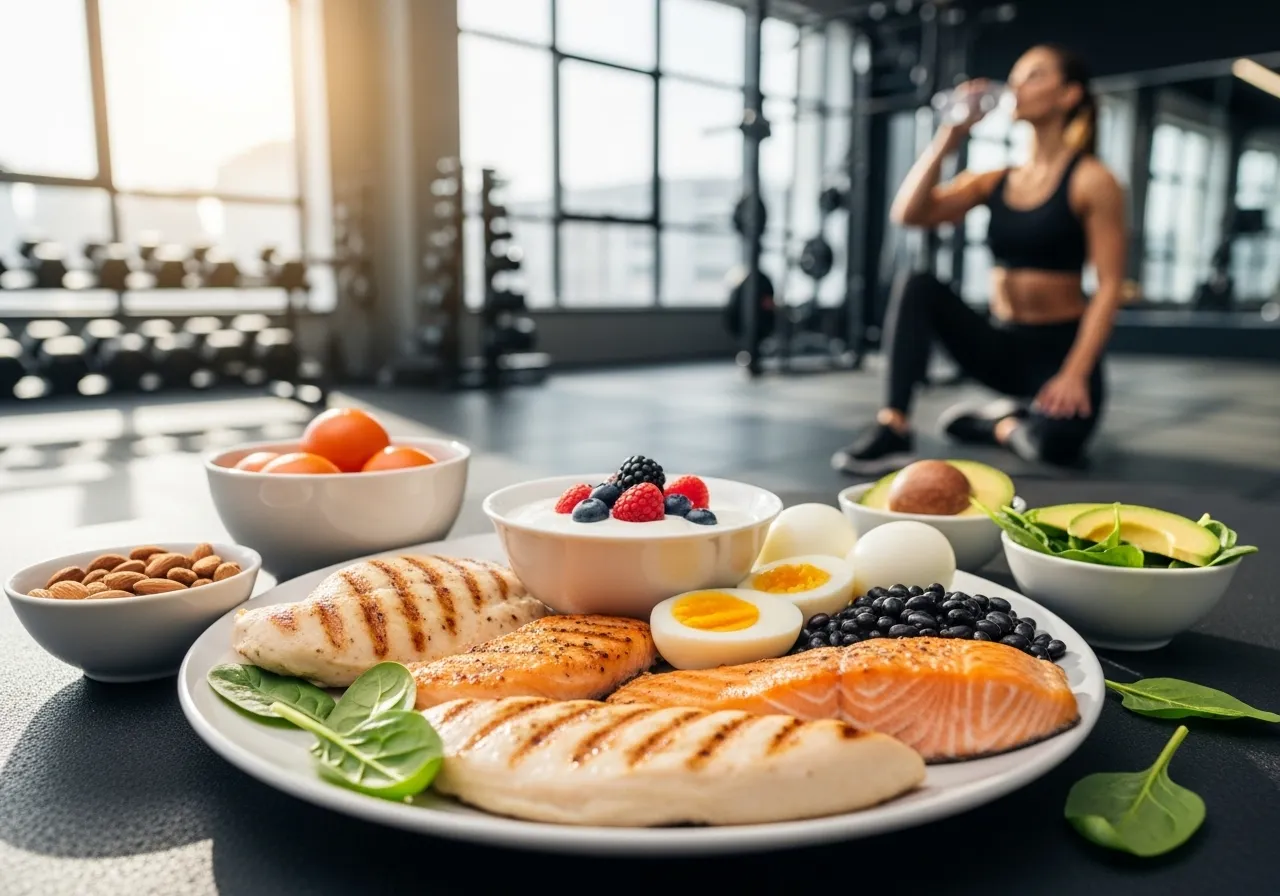
Protein is the macronutrient most specifically supportive of belly fat reduction — both through its direct effects on metabolism and satiety, and through its muscle-preserving role during caloric deficit that protects the metabolic rate that fat loss requires.
Fatty Fish: Omega-3s and Visceral Fat Reduction
Fatty fish — salmon, mackerel, sardines, herring, and trout — represent the most thoroughly evidenced single food category for visceral fat reduction, with the omega-3 fatty acids (EPA and DHA) they contain demonstrating direct anti-visceral-fat effects through multiple mechanisms. The omega-3 mechanisms: EPA and DHA activate the PPAR-alpha nuclear receptors that increase fat oxidation in the liver and reduce hepatic lipogenesis — directly reducing the visceral fat production pathway that high-carbohydrate, high-insulin-state diets amplify. Omega-3s also reduce the inflammatory cytokines that visceral fat secretes (interleukin-6 and TNF-alpha), breaking the inflammatory cycle that promotes further visceral fat accumulation. From Sports Medicine omega-3 and body composition research, supplementation with two to four grams of EPA+DHA daily over twelve weeks produces significant reductions in visceral fat area independent of caloric intake — an effect not observed with other dietary fat sources. The practical recommendation: two to three servings of fatty fish per week provides approximately three to five grams of EPA+DHA weekly, approaching the threshold at which these effects are most clearly demonstrated. For those who cannot achieve this through diet alone, high-quality fish oil supplementation (two to four grams EPA+DHA daily) produces equivalent effects.
Eggs: Complete Protein and Satiety for Belly Fat Reduction
Eggs are among the most satiating foods available per calorie — producing the appetite suppression that supports caloric deficit maintenance more effectively than most alternatives at equivalent caloric cost. The satiety mechanism: the combination of high-quality complete protein, dietary fat, and the specific amino acid profile of egg protein (particularly leucine, the primary trigger of muscle protein synthesis) produces a hormonal satiety response (reduced ghrelin, elevated peptide YY and GLP-1) that maintains fullness for three to four hours post-consumption. The specific evidence for eggs and belly fat: a randomized controlled trial comparing breakfast calories from eggs versus bagels found significantly greater weight loss, visceral fat reduction, and waist circumference reduction in the egg breakfast group over eight weeks — despite identical total caloric intake. The egg breakfast group also demonstrated greater improvements in insulin sensitivity markers, suggesting that the dietary cholesterol concerns that previously limited egg recommendations were less consequential than their metabolic and satiety benefits. Two to three eggs per day is a well-evidenced target for the satiety and protein contribution they provide — the dietary cholesterol from this quantity does not meaningfully affect cardiovascular risk in most individuals, consistent with the current consensus of major nutrition authorities.
Greek Yogurt and Fermented Dairy: Gut Microbiome and Visceral Fat
The emerging research on gut microbiome composition and visceral fat accumulation has elevated fermented dairy products — particularly Greek yogurt, kefir, and probiotic-rich yogurts — to the category of foods with specific evidence for belly fat reduction beyond their general protein and calcium contributions. The microbiome mechanism: specific gut bacteria strains, particularly Lactobacillus and Bifidobacterium species present in fermented dairy, produce short-chain fatty acids (SCFAs) including butyrate that improve intestinal barrier function, reduce systemic inflammation, and improve insulin sensitivity — all factors that specifically reduce visceral fat accumulation. From PubMed gut microbiome and visceral fat research, individuals with gut microbiome profiles enriched in butyrate-producing bacteria demonstrate significantly lower visceral fat content independent of dietary intake patterns — suggesting that microbiome composition is an independent variable in visceral fat regulation. Greek yogurt’s high protein content (eighteen to twenty grams per cup) also contributes directly to the satiety and muscle protein synthesis support that belly fat reduction training requires. Plain, unsweetened Greek yogurt maximizes the protein content and minimizes the added sugar that sweetened varieties contain — the added sugar in flavored yogurts partially negates the metabolic benefits of the probiotic and protein content they also provide.
Lean Poultry and Plant Proteins: Thermic Effect and Muscle Preservation
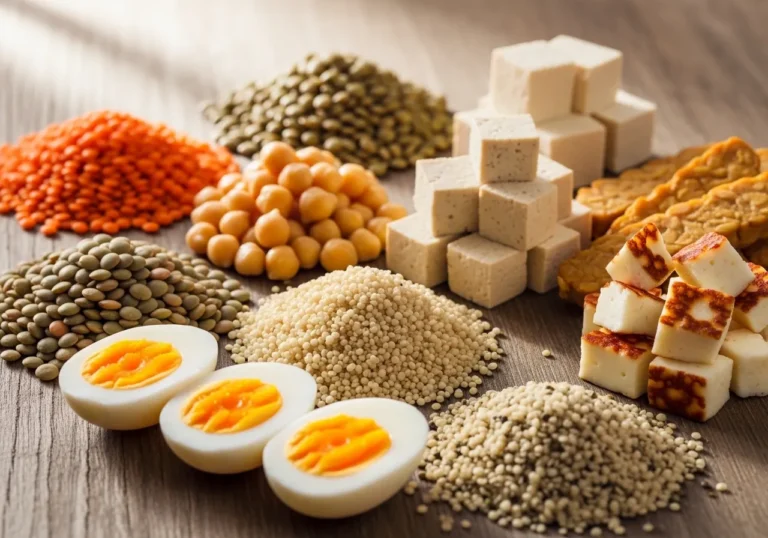
The thermic effect of food — the metabolic cost of digesting and assimilating nutrients — is highest for protein at twenty to thirty percent of caloric content (compared to five to ten percent for carbohydrates and zero to three percent for fat). This means that one hundred calories of protein effectively delivers only seventy to eighty metabolically available calories after the digestive cost — creating an inherent caloric advantage that supports the deficit that belly fat reduction requires. Lean poultry (chicken breast, turkey) and plant proteins (lentils, chickpeas, black beans, and edamame) provide the high protein content at relatively low caloric cost that maximizes both the thermic effect and the satiety that adequate protein produces. The muscle preservation benefit of adequate protein during caloric deficit is particularly relevant for belly fat reduction: the muscle mass lost during inadequate-protein caloric deficit reduces resting metabolic rate, making continued fat loss progressively more difficult and the weight regain that follows deficit cessation more rapid. Maintaining one point eight to two point four grams of protein per kilogram of body weight through a combination of animal and plant sources preserves the muscle mass that metabolic rate maintenance requires — making the leaner body that emerges from successful belly fat reduction also a more metabolically defended one.
Fermented Foods Beyond Yogurt: Kimchi, Sauerkraut, and Gut Health
The gut microbiome’s role in visceral fat regulation extends well beyond the probiotic bacteria in yogurt — the broader category of fermented foods that provide live bacterial cultures and the substrates they produce deserves specific attention for belly fat reduction. Kimchi — the Korean fermented vegetable preparation — has accumulated remarkable research support for visceral fat reduction: a randomized trial found that daily kimchi consumption reduced body fat percentage and waist circumference significantly more than a control diet over four weeks, with the visceral fat reduction attributed to the combination of probiotic bacteria (Lactobacillus plantarum and brevis), the anti-inflammatory compounds in the fermented cabbage and chili, and the capsaicin from the gochugaru that activates fat-oxidizing pathways. Sauerkraut provides similar probiotic and fiber benefits to kimchi with a milder flavor profile — the Lactobacillus species in unpasteurized sauerkraut are among the most thoroughly evidenced probiotic strains for metabolic health improvement. Kombucha, kefir, and miso provide additional fermented food diversity that supports the gut microbiome composition associated with lower visceral fat — the principle of fermented food variety mattering more than any single fermented food for optimal microbiome diversity is well-established in the research literature. The practical recommendation: one to two servings of varied fermented foods daily, rotating between yogurt, kimchi, sauerkraut, kefir, and miso, provides the microbial diversity that visceral fat reduction research supports.
Timing Protein Intake for Maximum Belly Fat Impact
The distribution of protein intake across the day — not merely the total quantity — affects both muscle protein synthesis and the satiety signaling that supports caloric deficit maintenance. Most people consume the majority of their daily protein at dinner, leaving breakfast and lunch protein-light — a pattern that inefficiently distributes the muscle-stimulating and satiety-producing effects of protein across the day. Distributing protein intake more evenly (thirty to forty grams at each meal, including breakfast) produces consistently greater satiety throughout the day, reduces afternoon and evening snacking, and maximizes the muscle protein synthesis that requires a minimum leucine threshold at each meal to trigger. The breakfast protein emphasis is particularly relevant for belly fat reduction: consuming thirty or more grams of protein at breakfast reduces caloric intake for the remainder of the day by ten to fifteen percent compared to a low-protein breakfast of equivalent calories — a daily caloric reduction that compounded over weeks produces meaningful contributions to the caloric deficit that belly fat reduction requires. Practical high-protein breakfast options: Greek yogurt with berries and seeds (twenty-five to thirty grams); eggs (three eggs provide nineteen grams, plus supplementary sources); or a protein shake with thirty grams of whey or plant-based protein mixed with berries and spinach. The morning protein habit, consistently maintained, is one of the most practically impactful dietary behaviors for the belly fat reduction that the rest of the day’s eating builds on.
Chicken Breast, Turkey, and Lean Meats: Building the Muscle That Fights Fat
Lean poultry and meats provide the highest protein density per calorie of any commonly consumed food category — critical for the muscle preservation during caloric deficit that protects the metabolic rate that continued fat loss requires. Chicken breast provides thirty-one grams of protein per one hundred grams at only one hundred and sixty-five calories — a protein-to-calorie ratio that is nearly impossible to match with any other whole food. The thermic effect of lean protein digestion consumes twenty to thirty percent of the calories consumed, meaning chicken breast effectively delivers only one hundred and fifteen to one hundred and thirty metabolically available calories per one hundred gram serving after the digestive cost. Turkey breast provides similar protein density with a slightly different micronutrient profile, particularly notable for its tryptophan content that supports serotonin and melatonin synthesis — relevant for the sleep quality that cortisol regulation and belly fat reduction require. Including a lean protein source at every meal creates the sustained protein synthesis rate that muscle preservation during deficit demands, and the prolonged satiety that prevents the between-meal snacking that undermines caloric deficit maintenance.
Every meal built around these principles is an investment in the metabolic health that makes lasting change possible. Eat well. Train smart.
Vegetables, Fruits, and Fiber: The Belly Fat Fighting Carbohydrates
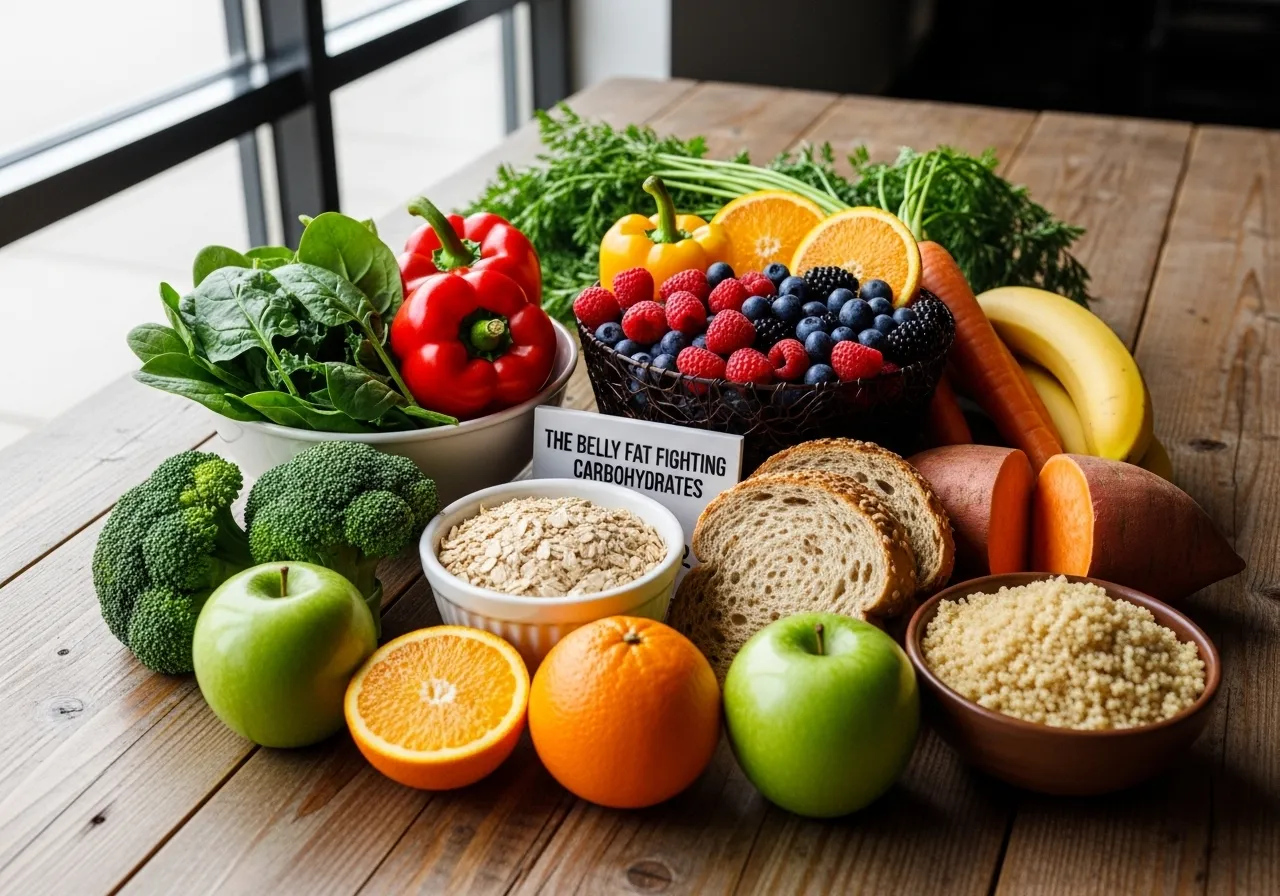
Not all carbohydrates are equivalent in their effect on belly fat — the fiber content, micronutrient density, and glycemic impact of different carbohydrate sources produce dramatically different effects on insulin sensitivity, gut microbiome, and visceral fat accumulation.
Cruciferous Vegetables: Anti-Inflammatory Powerhouses
Cruciferous vegetables — broccoli, cauliflower, Brussels sprouts, cabbage, and kale — are among the most evidence-supported food categories for visceral fat reduction through multiple mechanisms: high fiber content that improves satiety and gut microbiome composition; sulforaphane and other glucosinolate-derived compounds that reduce inflammation and activate the Nrf2 pathway that protects cells from oxidative stress; and indole-3-carbinol that modulates estrogen metabolism in ways that may specifically reduce estrogen-driven fat distribution. The fiber in cruciferous vegetables is particularly effective at visceral fat reduction: it slows gastric emptying, reducing the glycemic response to accompanying foods; feeds the beneficial gut bacteria that produce the anti-inflammatory SCFAs that improve insulin sensitivity; and provides the bulk that activates the stretch receptors that signal satiety. A serving of cruciferous vegetables at both lunch and dinner — targeting two hundred to three hundred grams daily — provides the fiber quantity (eight to twelve grams) that meaningful gut microbiome effects require and the micronutrient density that overall metabolic health supports. From Harvard nutrition research on vegetable consumption and abdominal fat, high cruciferous vegetable intake is among the dietary patterns most consistently associated with lower visceral fat in prospective studies — independent of overall caloric intake.
Berries: Polyphenols and Insulin Sensitivity
Berries — blueberries, strawberries, raspberries, and blackberries — are exceptional among fruit choices for belly fat reduction because their high polyphenol content (particularly anthocyanins) produces direct improvements in insulin sensitivity through mechanisms that extend well beyond their glycemic load. Anthocyanins activate AMPK — the cellular energy sensor that increases fat oxidation and improves insulin signaling — and inhibit the inflammatory NF-kB pathway that visceral fat’s cytokine secretion activates. From clinical trials specifically examining berry consumption and body composition, blueberry consumption produces measurable reductions in visceral fat independent of caloric intake in overweight adults — an effect attributed primarily to the anthocyanin content that activates fat oxidation pathways. The practical advantage of berries over other high-sugar fruits: berries’ fiber-to-sugar ratio is among the highest of any fruit (three to eight grams of fiber per cup against eight to twelve grams of sugar), producing a glycemic load of four to six per cup that makes them one of the lowest glycemic impact fruit options. Their high water content (eighty-five to ninety percent of weight) additionally means that a large volume can be consumed at low caloric cost — the satiety from a full cup of berries at approximately sixty calories far exceeds what the caloric content alone would suggest.
Avocado: Monounsaturated Fats and Visceral Fat Displacement
Avocado represents a counterintuitive belly fat reduction food — a high-fat, high-calorie food that the research increasingly supports as specifically beneficial for visceral fat reduction. The mechanism: avocado’s high oleic acid (monounsaturated fat) content activates the PPAR-alpha receptors that increase fat oxidation, particularly in the liver and visceral adipose tissue. A randomized controlled trial found that daily avocado consumption reduced visceral fat measured by DEXA in overweight adults compared to a control diet matched for total calories — specifically reducing the proportion of fat distributed in visceral compared to subcutaneous compartments. The fiber content of avocado (approximately ten grams per avocado) contributes to satiety and gut microbiome support, while the potassium content (approximately one thousand milligrams per avocado) supports the sodium-potassium balance that reduces water retention-related abdominal bloating. The practical caution: avocado is calorie-dense at approximately two hundred and fifty calories per medium avocado — its belly fat reduction benefits depend on its inclusion within a total dietary context that maintains the caloric deficit that fat loss requires. Half an avocado per day provides the oleic acid and fiber benefits at a more manageable caloric cost of approximately one hundred and twenty calories.
Legumes: The Fiber-Protein Combination That Fights Visceral Fat
Legumes — lentils, chickpeas, black beans, kidney beans, and edamame — are among the most comprehensively evidenced foods for visceral fat reduction, combining the high fiber content that improves insulin sensitivity and gut microbiome composition with the plant protein that contributes to muscle preservation and satiety. The specific mechanism of legume fiber: legumes contain resistant starch and soluble fiber (particularly beta-glucan in certain varieties) that feed Bifidobacterium and Lactobacillus species in the gut, increasing SCFA production and the anti-inflammatory, insulin-sensitizing effects those SCFAs produce. The low glycemic index of most legumes (GI of twenty to forty, compared to sixty to eighty for refined grains) produces a blunted insulin response that directly reduces visceral fat accumulation signaling. Meta-analyses of legume consumption and body composition find consistent associations between higher legume intake and lower visceral fat, with substituting legumes for refined grains and processed meats producing the greatest effect — confirming that the dietary pattern context of legume consumption matters alongside the legumes themselves.
Artificial Sweeteners and Belly Fat: The Surprising Research
Artificial sweeteners — promoted for decades as the zero-calorie solution that allows sweet taste without the metabolic consequences of sugar — have accumulated a more troubling research profile regarding visceral fat than their initial promise suggested. The mechanisms by which artificial sweeteners may promote belly fat: several artificial sweeteners (particularly sucralose and saccharin) alter gut microbiome composition in ways that reduce the beneficial Lactobacillus populations that SCFA production requires, potentially impairing the insulin sensitivity that gut microbiome health supports. They also fail to activate the satiety pathways that caloric sweeteners engage — the sweet taste without caloric delivery trains the appetite regulatory system to disregard sweetness as a satiety cue, potentially increasing subsequent caloric intake. Prospective observational studies consistently find associations between artificial sweetener consumption and higher visceral fat content — associations that exceed what their zero-calorie content would explain and suggest active metabolic effects rather than mere confounding by pre-existing obesity. The practical implication: replacing artificial sweeteners with nothing (eliminating sweetened beverages rather than substituting artificial for caloric sweeteners) rather than replacing sugar with artificial sweeteners represents the most conservative approach for visceral fat reduction, consistent with the available evidence that questions artificial sweetener metabolic neutrality.
Sleep, Food, and Belly Fat: The Late Night Eating Problem
The timing of food consumption relative to circadian rhythms significantly affects visceral fat accumulation through mechanisms that go beyond simple caloric accounting. The circadian regulation of metabolism means that the same caloric intake consumed at different times of day produces different metabolic responses: late evening eating (within three hours of sleep) is specifically associated with greater visceral fat accumulation independent of total caloric intake in prospective studies. The mechanisms: the circadian-driven decline in insulin sensitivity that occurs in the evening means that carbohydrates consumed late at night produce larger and more prolonged insulin responses than identical carbohydrates consumed earlier in the day; growth hormone secretion (which peaks in the early sleep period and requires a fasted state for maximum effect) is suppressed by late evening eating, reducing the growth hormone-driven fat mobilization that overnight fasting enables; and the body temperature decline that sleep preparation produces reduces metabolic rate, making the calories consumed late evening more likely to be stored than oxidized. The practical recommendation: consuming the last meal at least three hours before sleep — and shifting caloric intake earlier in the day (larger breakfast and lunch, smaller dinner) — produces belly fat reduction benefits that persist independent of total caloric intake, consistent with the chrono-nutrition research that increasingly supports meal timing as an independent variable in body composition management.
Dark Chocolate: The Belly Fat-Fighting Indulgence
Dark chocolate — specifically varieties with seventy percent or higher cacao content — has accumulated genuine research support for metabolic benefits relevant to belly fat reduction, providing the evidence-based indulgence that sustainable dietary patterns require. The mechanisms: flavanols in dark chocolate activate Nrf2 and improve endothelial function, while simultaneously reducing insulin resistance through AMPK activation; the stearic acid in cocoa butter converts partially to oleic acid in digestion, contributing to the PPAR-alpha activation that fat oxidation requires; and the theobromine content provides mild sustained energy without the cortisol spike that caffeine produces at high doses. From PubMed dark chocolate and metabolic health research, consuming twenty to thirty grams of dark chocolate (seventy percent or higher cacao) daily is associated with reduced insulin resistance, lower inflammatory markers, and modest improvements in visceral fat in metabolic syndrome patients — effects attributed primarily to the flavanol content that milk chocolate lacks. The practical limit: twenty to thirty grams (approximately one to two squares of a standard bar) provides the flavanol dose where benefits are demonstrated without the caloric excess that larger quantities would create. Dark chocolate also provides a meaningful magnesium contribution (fifty to sixty milligrams per thirty grams) and is among the most satiating foods per calorie of any sweet food option.
Start today, stay consistent, and let the science work for you.
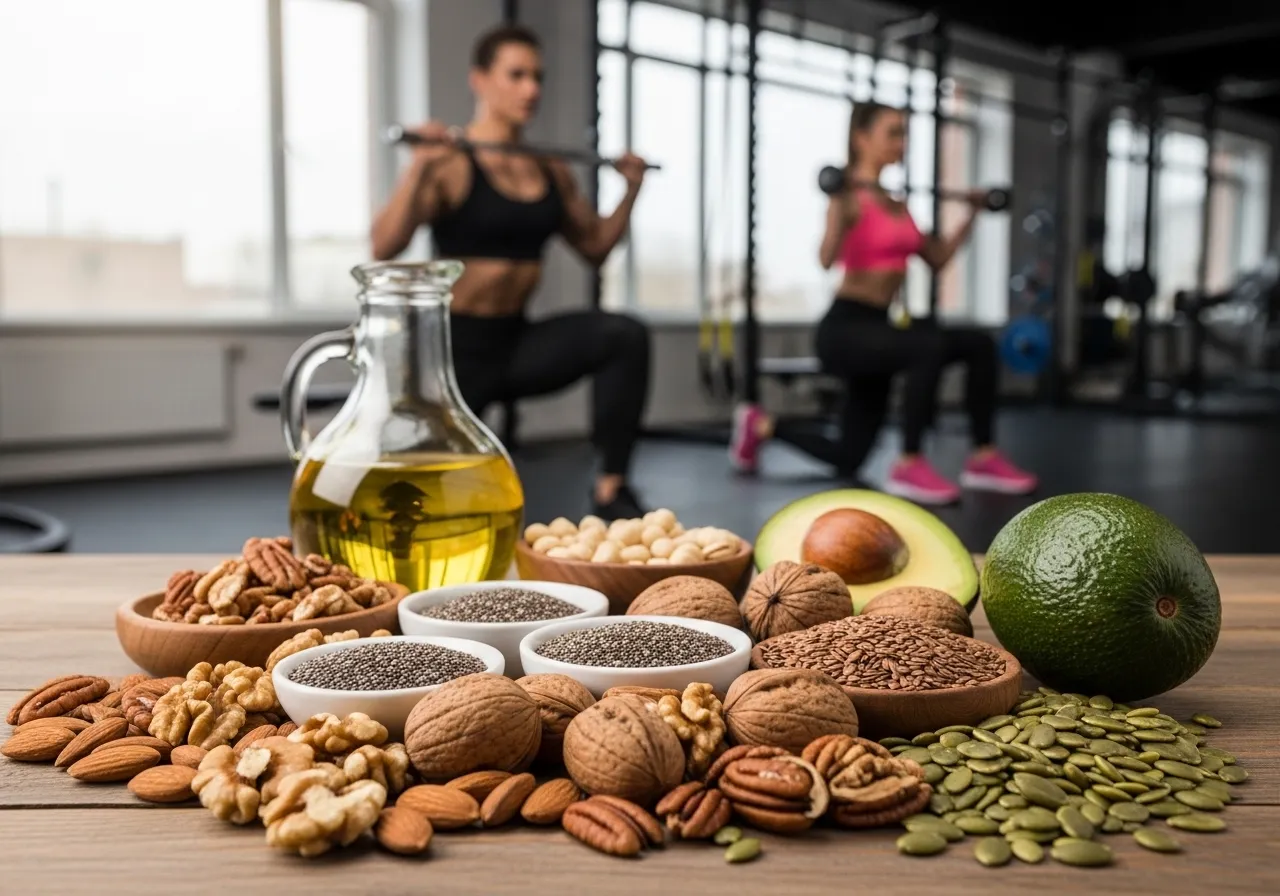
Healthy Fats, Nuts, and Seeds: The Anti-Inflammatory Approach to Belly Fat
The dietary fat choices that support belly fat reduction are those with the strongest anti-inflammatory and insulin-sensitizing profiles — the monounsaturated and omega-3-rich fats that reduce the visceral fat inflammation cycle and improve the hormonal environment for fat mobilization.
Extra Virgin Olive Oil: The Mediterranean Belly Fat Fighter
Extra virgin olive oil is among the most thoroughly evidenced foods for visceral fat reduction, supported by both the extensive Mediterranean diet literature and direct mechanistic research into its bioactive components. The mechanisms: oleic acid’s PPAR-alpha activation increases fat oxidation; oleocanthal (a phenolic compound in EVOO) inhibits COX-1 and COX-2 enzymes with ibuprofen-like anti-inflammatory potency; and the polyphenol content of high-quality extra virgin olive oil activates Nrf2 and inhibits NF-kB — the two master regulators of oxidative stress and inflammation that visceral fat accumulation drives. From PREDIMED trial Mediterranean diet research, the Mediterranean diet supplemented with extra virgin olive oil produced greater reductions in waist circumference and visceral fat than a low-fat control diet over five years — confirming that the fat quality of a dietary pattern, not merely its fat quantity, determines visceral fat outcomes. Two to three tablespoons of extra virgin olive oil daily provides the oleic acid and polyphenol quantity at which these effects are most clearly demonstrated — and substituting EVOO for butter, vegetable oils, and commercial salad dressings in daily cooking implements this recommendation without increasing total caloric intake.
Nuts: Almonds, Walnuts, and Brazil Nuts for Belly Fat
Nuts — particularly almonds, walnuts, and Brazil nuts — demonstrate specific evidence for visceral fat reduction through complementary mechanisms that reflect their different fatty acid and micronutrient profiles. Almonds are high in monounsaturated fat and vitamin E, producing anti-inflammatory effects and the blood glucose stabilization that their fiber and protein content supports — randomized trials of daily almond consumption find significant visceral fat reductions compared to calorie-matched refined carbohydrate controls. Walnuts are uniquely high in alpha-linolenic acid (ALA), the plant-based omega-3 that partially converts to EPA and DHA — while the conversion rate is limited, walnut consumption is consistently associated with reduced inflammatory markers and improved insulin sensitivity in intervention studies. Brazil nuts provide selenium in extraordinary concentration (approximately seventy to ninety micrograms per nut), the trace mineral that is essential for the selenoproteins that include glutathione peroxidase and thioredoxin reductase — the primary antioxidant enzymes that protect cells from the oxidative stress that visceral fat inflammation produces. One to two Brazil nuts daily provides the optimal selenium dose (one hundred to two hundred micrograms) without the toxicity risk that higher intake involves. The practical caution: nuts are calorie-dense (one hundred and sixty to two hundred calories per thirty-gram serving), requiring portion awareness — but their high satiety index means that a controlled daily portion reduces total caloric intake sufficiently to offset their direct caloric contribution.
Seeds: Chia, Flax, and Pumpkin Seeds for Visceral Fat Reduction
Seeds — chia, flaxseeds, and pumpkin seeds — provide concentrated combinations of omega-3 fatty acids, fiber, and micronutrients that support visceral fat reduction through multiple complementary pathways. Chia seeds contain eleven grams of fiber per ounce (the highest fiber density of any commonly consumed food) and five grams of omega-3 ALA per ounce — producing both the gut microbiome support that adequate fiber provides and the anti-inflammatory effects of plant omega-3s. When hydrated, chia seeds form a gel (from their soluble mucilage fiber) that slows gastric emptying and reduces the postprandial glycemic response to accompanying foods — a practical anti-insulin-spike mechanism that requires no behavioral change beyond adding chia to smoothies, oatmeal, or yogurt. Flaxseeds provide lignans — phytoestrogens that modulate estrogen metabolism and have been associated with reduced visceral fat accumulation particularly in post-menopausal women. Ground flaxseed (which releases the omega-3s and lignans more effectively than whole seeds) at one to two tablespoons daily provides the therapeutic dose of both nutrients. Pumpkin seeds are exceptionally high in magnesium (approximately forty percent of daily value per ounce) — the mineral that is deficient in a majority of people eating Western diets and that is essential for insulin receptor function, sleep quality, and cortisol regulation, all of which directly affect visceral fat accumulation.
The Role of Specific Micronutrients in Belly Fat Reduction
Beyond the macronutrient and food category interventions covered earlier, specific micronutrients have sufficient evidence for visceral fat effects to warrant dietary attention in the context of a comprehensive belly fat reduction approach. Vitamin D: deficiency, which is extraordinarily prevalent in populations with limited sun exposure and indoor lifestyles, is strongly associated with higher visceral fat content in both cross-sectional and interventional studies — the mechanism involves vitamin D’s role in insulin sensitivity regulation and its direct effects on adipose tissue through the vitamin D receptor that is expressed in adipocytes. Supplementation to sufficient serum levels (target of thirty to fifty nanograms per milliliter) produces improvements in insulin sensitivity and modest reductions in visceral fat in deficient individuals. Zinc: essential for insulin receptor function and testosterone synthesis, zinc deficiency (common in populations with low meat and legume consumption) impairs both insulin sensitivity and the hormonal environment that visceral fat accumulation is driven by. Oysters, red meat, pumpkin seeds, and legumes provide the dietary zinc that prevents the deficiency-driven metabolic impairment. Chromium: a trace mineral involved in insulin signaling, chromium supplementation produces modest improvements in insulin sensitivity and blood glucose control in insulin-resistant individuals — the dietary sources (broccoli, whole grains, and nuts) are consistent with the belly fat reduction food pattern described throughout this article. Magnesium: already mentioned in the cortisol section, magnesium’s role in insulin receptor function and sleep quality make its adequacy particularly important for visceral fat reduction — dietary magnesium from the leafy greens, seeds, and dark chocolate that appear throughout the belly fat reduction food list provides the most bioavailable form.
Building Your Personal Belly Fat Reduction Food Plan
The comprehensive food plan for belly fat reduction integrates the evidence from every section of this article into a personalized, sustainable eating pattern rather than a temporary dietary intervention. The architecture of an effective belly fat reduction food plan: anchor every meal with a high-quality protein source (fatty fish, eggs, Greek yogurt, legumes, or poultry) at thirty to forty grams; fill half the plate with non-starchy vegetables, particularly cruciferous varieties and leafy greens; include one to two servings of low-glycemic-load fruit daily (berries, apple, or citrus); use healthy fats (extra virgin olive oil, avocado, nuts, and seeds) as cooking media and flavor additions rather than eliminating them; replace refined grains with whole grains and legumes; consume green tea or black coffee as primary beverages; and include one to two servings of fermented foods daily. Within this framework, the specific foods can rotate based on preference, availability, and season — the principles are fixed while the implementation is flexible enough to sustain across months and years. The person who builds this eating pattern into their daily habits — not as a diet they are currently doing but as how they eat — creates the metabolic environment that supports permanent belly fat reduction and the long-term metabolic health that makes every decade of life healthier than the one before it. Start with one change, build the habit until it is automatic, then add the next. Sustainable belly fat reduction is the accumulation of these specific, evidence-based food habits applied consistently over the time that genuine physiological change requires.
Whole Grains vs. Refined Grains: Making the Substitution That Reduces Belly Fat
The substitution of whole grains for refined grains is one of the most consistently evidenced dietary changes for reducing visceral fat accumulation, with prospective studies and interventional trials both supporting meaningful visceral fat reduction from this single dietary shift. The mechanisms are well-characterized: the fiber content of whole grains slows gastric emptying and reduces the postprandial glucose and insulin response that refined grains produce; the phytochemicals in the bran and germ that milling removes include lignans, phenolic acids, and alkylresorcinols that have anti-inflammatory and insulin-sensitizing properties independent of fiber; and the lower energy density of fiber-intact whole grains produces greater satiety per calorie than their refined equivalents. The most impactful whole grain substitutions for belly fat: replacing white bread with whole grain bread (reducing GI from seventy-five to fifty-three); replacing white rice with brown rice, quinoa, or barley (reducing GI from seventy-three to forty-five to fifty); and replacing commercial breakfast cereals with oatmeal — specifically steel-cut or rolled oats whose beta-glucan content produces the most thoroughly evidenced gut microbiome and insulin sensitivity improvements of any grain. From PubMed whole grain and visceral fat research, a twelve-week whole grain substitution intervention produced significant reductions in visceral fat area compared to a refined grain control group at equivalent total caloric intake — confirming that carbohydrate source quality independently affects visceral fat deposition.
Your body will follow where your food choices consistently lead it.

Beverages That Support Belly Fat Loss
What you drink has significant and often underappreciated effects on belly fat — both directly through metabolic and hormonal mechanisms and indirectly through caloric contribution and hydration status that affects appetite and fat mobilization.
Green Tea: EGCG and Fat Oxidation
Green tea is the most thoroughly evidenced beverage for visceral fat reduction, with epigallocatechin-3-gallate (EGCG) — its primary catechin — demonstrating direct visceral fat reduction in multiple randomized controlled trials. The mechanisms: EGCG inhibits catechol-O-methyltransferase (COMT), the enzyme that breaks down norepinephrine — the catecholamine that drives fat oxidation through beta-adrenergic receptor activation. By reducing norepinephrine breakdown, EGCG prolongs the fat-oxidizing signal that exercise and caloric deficit produce, specifically increasing the mobilization of visceral adipose tissue. Caffeine in green tea produces a synergistic effect with EGCG, amplifying the thermogenic and fat-oxidizing response beyond either compound alone. Meta-analyses of green tea and body composition find consistent small but significant reductions in visceral fat area (average three to seven percent over twelve weeks) from green tea consumption of three to five cups daily or EGCG supplementation of two hundred to four hundred milligrams daily. From PubMed green tea and visceral fat research, the visceral fat reduction effect of green tea is independent of total caloric intake and additive to the effect of caloric deficit — making it one of the few dietary interventions with specific evidence for visceral fat reduction beyond generic caloric restriction.
Coffee: Chlorogenic Acids and Metabolic Rate
Coffee — specifically the chlorogenic acids in unroasted and lightly roasted coffee — demonstrates meaningful metabolic effects that support belly fat reduction beyond the well-known thermogenic effect of caffeine. Chlorogenic acids reduce intestinal glucose absorption, lower postprandial insulin response, and activate PPAR-alpha in the liver — producing the improved insulin sensitivity and enhanced fat oxidation that visceral fat reduction requires. Habitual coffee consumption (three to five cups per day of caffeinated coffee) is consistently associated in prospective studies with lower visceral fat content and reduced metabolic syndrome risk — associations that persist after controlling for lifestyle factors and remain significant across diverse populations. The practical recommendation: black coffee or coffee with minimal additions (a splash of milk or plant-based milk at most) maximizes the chlorogenic acid and metabolic benefits while avoiding the caloric load and insulin response that the specialty coffee drinks (lattes with flavored syrups, frappuccinos) that add three hundred to six hundred calories of sugar and fat to the daily intake would produce. The belly fat reduction benefits of coffee are entirely negated by the visceral fat-promoting effects of the added sugars and refined carbohydrates that these preparations contain.
Water: Hydration’s Role in Fat Mobilization
Adequate hydration is a non-negotiable component of effective belly fat reduction — not because water burns fat directly, but because the dehydration that inadequate water intake produces impairs fat mobilization through multiple mechanisms. Mild dehydration reduces the blood volume that fat-mobilizing hormones require to reach adipose tissue receptors; it also impairs mitochondrial function, reducing the rate at which mobilized fatty acids can be oxidized; and it activates the thirst-hunger confusion that produces caloric intake in response to dehydration signals that the brain interprets as hunger. Two to three liters of water daily (adjusting for training-related sweat losses) maintains the plasma volume that efficient fat mobilization requires. The evidence for water timing: consuming five hundred milliliters of water before each meal reduces subsequent caloric intake by thirteen to fifteen percent in randomized trials — a practically significant satiety mechanism that requires no dietary restriction, simply the habit of pre-meal hydration. Cold water drinking also produces a modest thermogenic effect (the body expending energy to warm the water to body temperature) — consuming two liters of cold water daily burns approximately eighty additional calories, a small but real contribution to the caloric deficit that belly fat reduction requires.
Apple Cider Vinegar: Acetic Acid and Visceral Fat
Apple cider vinegar has accumulated genuine research support for visceral fat reduction beyond its reputation as a folk remedy — the acetic acid it contains demonstrating several mechanisms relevant to visceral fat reduction. Acetic acid activates AMPK in the liver and muscle, increasing fat oxidation and reducing lipogenesis; it reduces postprandial blood glucose by inhibiting starch digestion and reducing gastric emptying rate; and it suppresses appetite through effects on the gastric hormones that regulate hunger signaling. A Japanese randomized controlled trial found that consuming one to two tablespoons of apple cider vinegar daily over twelve weeks reduced visceral fat area by five percent compared to placebo — a modest but statistically significant effect that was sustained across the full trial period. The practical recommendation: one to two tablespoons of apple cider vinegar diluted in water before meals provides the acetic acid dose at which these effects are demonstrated. The undiluted form should never be consumed directly — acetic acid at full concentration damages tooth enamel and the esophageal mucosa that repeated direct contact would erode. The flavor is challenging for many people; diluting in a larger volume of water, adding to salad dressings, or using in marinades makes consistent consumption more practical without reducing the acetic acid delivery.
Fermented Foods Beyond Yogurt: Kimchi, Sauerkraut, and Gut Health
The gut microbiome’s role in visceral fat regulation extends well beyond the probiotic bacteria in yogurt — the broader category of fermented foods that provide live bacterial cultures deserves specific attention for belly fat reduction. Kimchi has accumulated remarkable research support: a randomized trial found that daily kimchi consumption reduced body fat percentage and waist circumference significantly more than a control diet over four weeks, with visceral fat reduction attributed to the combination of Lactobacillus plantarum, anti-inflammatory compounds in the fermented cabbage, and capsaicin that activates fat-oxidizing pathways. Sauerkraut provides similar probiotic and fiber benefits — the Lactobacillus species in unpasteurized sauerkraut are among the most evidenced probiotic strains for metabolic health improvement. Kombucha, kefir, and miso provide additional fermented food diversity that supports the gut microbiome composition associated with lower visceral fat. The practical recommendation: one to two servings of varied fermented foods daily, rotating between yogurt, kimchi, sauerkraut, kefir, and miso, provides the microbial diversity that visceral fat reduction research supports.
Timing Protein Intake for Maximum Belly Fat Impact
The distribution of protein intake across the day — not merely the total quantity — affects both muscle protein synthesis and the satiety signaling that supports caloric deficit maintenance. Most people consume the majority of their daily protein at dinner, leaving breakfast and lunch protein-light. Distributing protein more evenly (thirty to forty grams at each meal, including breakfast) produces consistently greater satiety throughout the day and reduces afternoon snacking. The breakfast protein emphasis is particularly relevant for belly fat reduction: consuming thirty or more grams of protein at breakfast reduces caloric intake for the remainder of the day by ten to fifteen percent compared to a low-protein breakfast of equivalent calories. Practical high-protein breakfast options include Greek yogurt with berries (twenty-five to thirty grams), three eggs with avocado (nineteen to twenty-four grams), or a protein shake with thirty grams of whey protein mixed with berries and spinach. The morning protein habit, consistently maintained, is one of the most practically impactful dietary behaviors for supporting the belly fat reduction that the rest of the day’s eating builds on.
Spices and Herbs That Specifically Target Belly Fat
Several culinary spices and herbs have accumulated clinical evidence for specific effects on visceral fat and the metabolic pathways that drive its accumulation — making them practical, calorie-free additions to the belly fat reduction dietary pattern. Turmeric (curcumin): five hundred to one thousand milligrams of curcumin daily reduces TNF-alpha and IL-6 at concentrations achieved with daily turmeric cooking use, directly addressing the inflammatory cycle that visceral fat perpetuates. Curcumin also inhibits adipogenesis (the conversion of pre-adipocytes to mature fat cells) in visceral adipose tissue specifically, producing anti-accumulation effects beyond its anti-inflammatory properties. Black pepper’s piperine dramatically increases curcumin bioavailability by inhibiting the glucuronidation that rapidly clears curcumin from circulation — including both in the same meal is essential for meaningful curcumin absorption. Cinnamon: one to three grams of cinnamon daily improves insulin sensitivity and reduces fasting blood glucose in insulin-resistant adults in randomized trials — effects mediated through the proanthocyanidins that activate insulin receptor signaling and the AMPK that increases cellular glucose uptake. The belly fat relevance: improved insulin sensitivity directly reduces the visceral fat deposition signaling that insulin resistance drives. Ginger: gingerols and shogaols inhibit NF-kB with demonstrated anti-inflammatory effects; fresh or dried ginger at one to two grams daily in cooking or tea reduces inflammatory markers relevant to visceral fat accumulation. Cayenne pepper: capsaicin activates TRPV1 receptors that increase norepinephrine secretion, stimulating the beta-adrenergic fat oxidation that specifically mobilizes visceral adipose tissue. These spices are most effective as consistent additions to the complete dietary pattern rather than isolated interventions — the combination of their diverse anti-inflammatory and metabolic mechanisms creates a cumulative effect that amplifies the belly fat reduction potential of the broader food plan they complement.
Begin now.
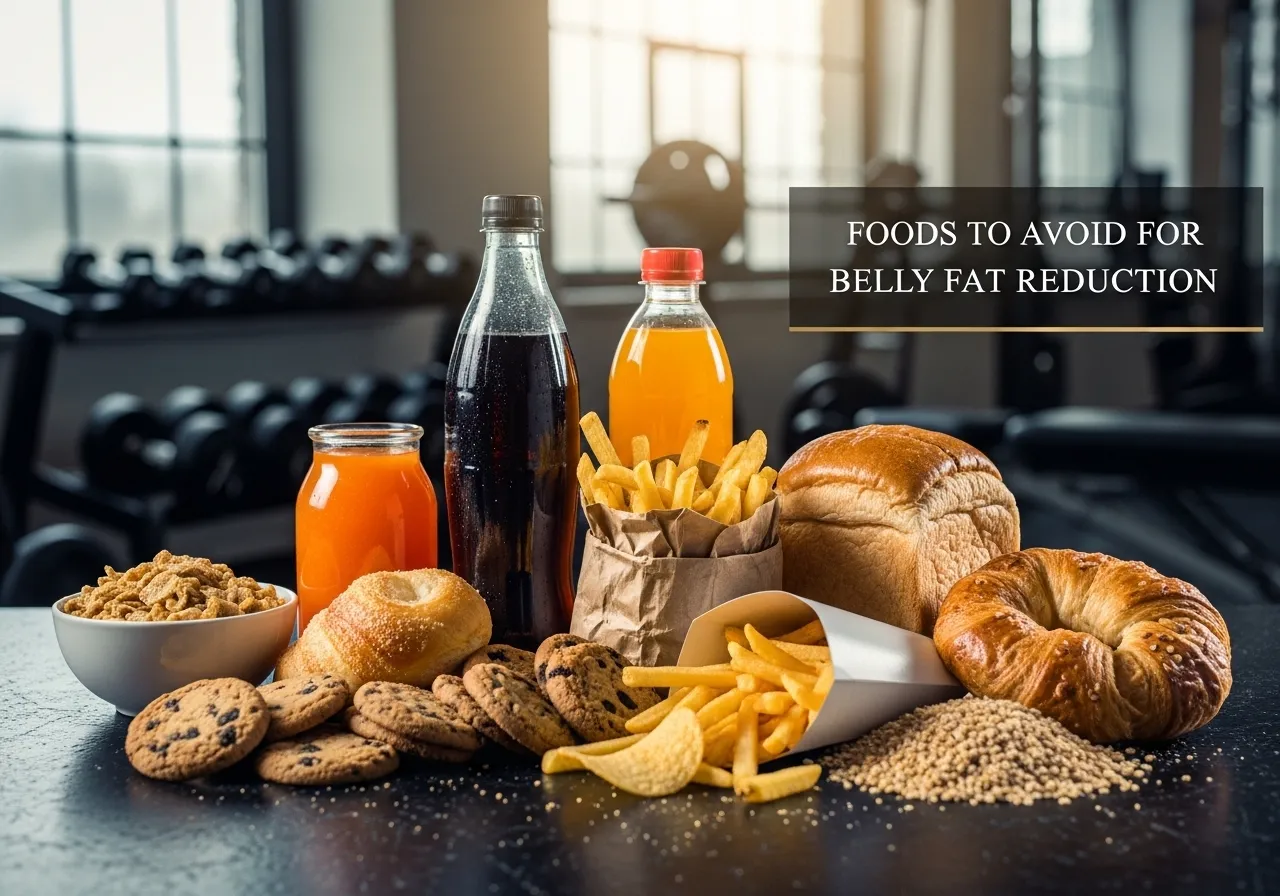
Foods to Avoid for Belly Fat Reduction
Understanding which foods to minimize is as important as knowing which to emphasize — the foods that most aggressively promote visceral fat accumulation undermine dietary efforts that even the best belly fat-fighting foods cannot overcome if they remain in the diet.
Ultra-Processed Foods and Added Sugar: The Primary Visceral Fat Drivers
Ultra-processed foods — defined as industrial food products containing ingredients not found in home cooking (emulsifiers, artificial flavors, modified starches, colorings, and preservatives) — are the single most significant dietary driver of visceral fat accumulation in populations with access to them. The mechanisms are multiple: ultra-processed foods are engineered to be hyper-palatable, producing dopamine responses that override satiety signaling and drive overconsumption; they are almost uniformly high in the refined carbohydrates, added sugars, and industrial seed oils that impair insulin sensitivity and promote visceral fat deposition; and the emulsifiers and preservatives they contain disrupt gut microbiome composition in ways that reduce SCFA production and increase intestinal permeability — contributing to the systemic inflammation that visceral fat accumulation drives. Added sugar, particularly fructose from high-fructose corn syrup and sucrose, is specifically lipogenic in the liver — fructose is metabolized almost exclusively in hepatocytes, with excess fructose beyond glycogen capacity converted directly to triglycerides through de novo lipogenesis. From BMJ ultra-processed food research, each ten percent increase in the proportion of ultra-processed foods in the diet is associated with a ten percent increase in all-cause mortality and specifically elevated visceral fat accumulation — confirming that ultra-processed food reduction is the highest-leverage dietary intervention for belly fat reduction available to most people eating Western diets.
Refined Grains: The Insulin Spike That Promotes Belly Fat
Refined grains — white bread, white rice, most commercial breakfast cereals, crackers, and processed grain-based snacks — have had the fiber, bran, and germ removed, leaving primarily the starchy endosperm that digests rapidly and produces the sharp insulin spikes that visceral fat accumulation requires. The comparison to whole grains is instructive: white bread has a glycemic index of seventy-five, producing a blood glucose and insulin response that directly activates visceral fat storage pathways; whole grain bread has a glycemic index of fifty-three, producing a significantly more moderate response that is insufficient to activate the lipogenic insulin signaling that refined grain consumption produces. Replacing refined grains with whole grains, legumes, and vegetables in the dietary pattern reduces visceral fat accumulation independently of total caloric intake — the insulin-mediated fat storage signal reduction that this substitution produces reduces visceral fat preferentially compared to subcutaneous fat, consistent with the specific insulin sensitivity of visceral adipose tissue.
Alcohol: The Belly Fat Beverage
The term “beer belly” reflects a genuine physiological relationship between alcohol consumption and visceral fat accumulation that extends to all alcoholic beverages, not merely beer. Alcohol promotes visceral fat accumulation through several mechanisms: alcohol provides seven calories per gram (almost double the caloric density of carbohydrates and protein) and these calories are not subject to the usual appetite-compensating mechanisms that food calories activate — alcohol calories add to rather than replace dietary caloric intake in most consuming patterns. More importantly, alcohol inhibits fat oxidation for the entire period the liver is processing it — up to twenty-four hours after moderate consumption — creating a window during which essentially no fat burning occurs regardless of training and dietary status. Alcohol also elevates cortisol acutely and chronically in heavy drinkers, directly promoting visceral fat deposition through the cortisol-visceral fat axis. The practical implication: complete elimination of alcohol is not the only effective strategy, but meaningful belly fat reduction requires honest accounting of the caloric and metabolic cost that regular alcohol consumption imposes on the dietary management that visceral fat reduction requires.
Artificial Sweeteners and Belly Fat: The Surprising Research
Artificial sweeteners — promoted for decades as the zero-calorie solution for sweet taste without metabolic consequences — have accumulated a more troubling research profile regarding visceral fat than their initial promise suggested. Several artificial sweeteners (particularly sucralose and saccharin) alter gut microbiome composition in ways that reduce beneficial Lactobacillus populations, potentially impairing insulin sensitivity. They also fail to activate the satiety pathways that caloric sweeteners engage — training the appetite regulatory system to disregard sweetness as a satiety cue, potentially increasing subsequent caloric intake. Prospective observational studies consistently find associations between artificial sweetener consumption and higher visceral fat content — associations that exceed what their zero-calorie content would explain. The practical implication: replacing artificial sweeteners with nothing (eliminating sweetened beverages entirely rather than substituting artificial for caloric sweeteners) represents the most conservative approach for visceral fat reduction, consistent with the available evidence questioning artificial sweetener metabolic neutrality.
Sleep, Meal Timing, and Belly Fat: The Circadian Connection
The timing of food consumption relative to circadian rhythms significantly affects visceral fat accumulation beyond simple caloric accounting. Late evening eating (within three hours of sleep) is specifically associated with greater visceral fat accumulation independent of total caloric intake in prospective studies. The mechanisms: the circadian-driven decline in insulin sensitivity in the evening means that carbohydrates consumed late at night produce larger insulin responses than identical carbohydrates consumed earlier; growth hormone secretion that peaks in early sleep is suppressed by late eating, reducing the growth hormone-driven fat mobilization that overnight fasting enables. Shifting caloric intake earlier in the day — larger breakfast and lunch, smaller dinner — produces belly fat reduction benefits that persist independent of total caloric intake. From New England Journal of Medicine chrono-nutrition research, time-restricted eating aligned with circadian rhythms produces visceral fat losses that exceed those from equivalent caloric restriction without timing considerations — confirming that when you eat, not just what you eat, matters for belly fat.
Exercise Synergy: The Foods That Amplify Your Workout’s Fat-Burning Effect
The belly fat reduction foods discussed throughout this article produce their strongest effects when combined with the exercise modalities that most powerfully target visceral fat — with specific pre- and post-workout nutritional strategies amplifying the fat-mobilizing effects of training beyond what either intervention achieves alone. Pre-workout nutrition for visceral fat reduction: consuming caffeine (from coffee or green tea) thirty to sixty minutes before HIIT amplifies the catecholamine surge that high-intensity exercise produces, increasing the beta-adrenergic fat mobilization signal that specifically targets visceral adipocytes. The combination of EGCG from green tea with the exercise-induced catecholamine release produces a synergistic fat oxidation effect that exceeds either component alone — making a pre-workout green tea the most evidence-supported pre-training beverage for visceral fat reduction specifically. Post-workout nutrition for visceral fat reduction: consuming thirty to forty grams of protein within forty-five minutes of resistance training maximizes the muscle protein synthesis response that preserves the metabolic rate that continued fat loss requires. Including fermentable fiber (from berries, legumes, or chia seeds) in the post-workout meal feeds the gut bacteria that produce the SCFAs that improve insulin sensitivity — an effect that is amplified during the post-exercise period when insulin sensitivity is at its daily maximum. The athlete who times the anti-inflammatory, insulin-sensitizing foods of the belly fat reduction plan strategically around their training sessions extracts the maximum metabolic benefit from both interventions — making the sum of the dietary and exercise approaches greater than either produces independently. Consistent application of this combined strategy across weeks and months produces the visceral fat reduction that neither food choices nor exercise alone, without the synergy of their combination, can match.
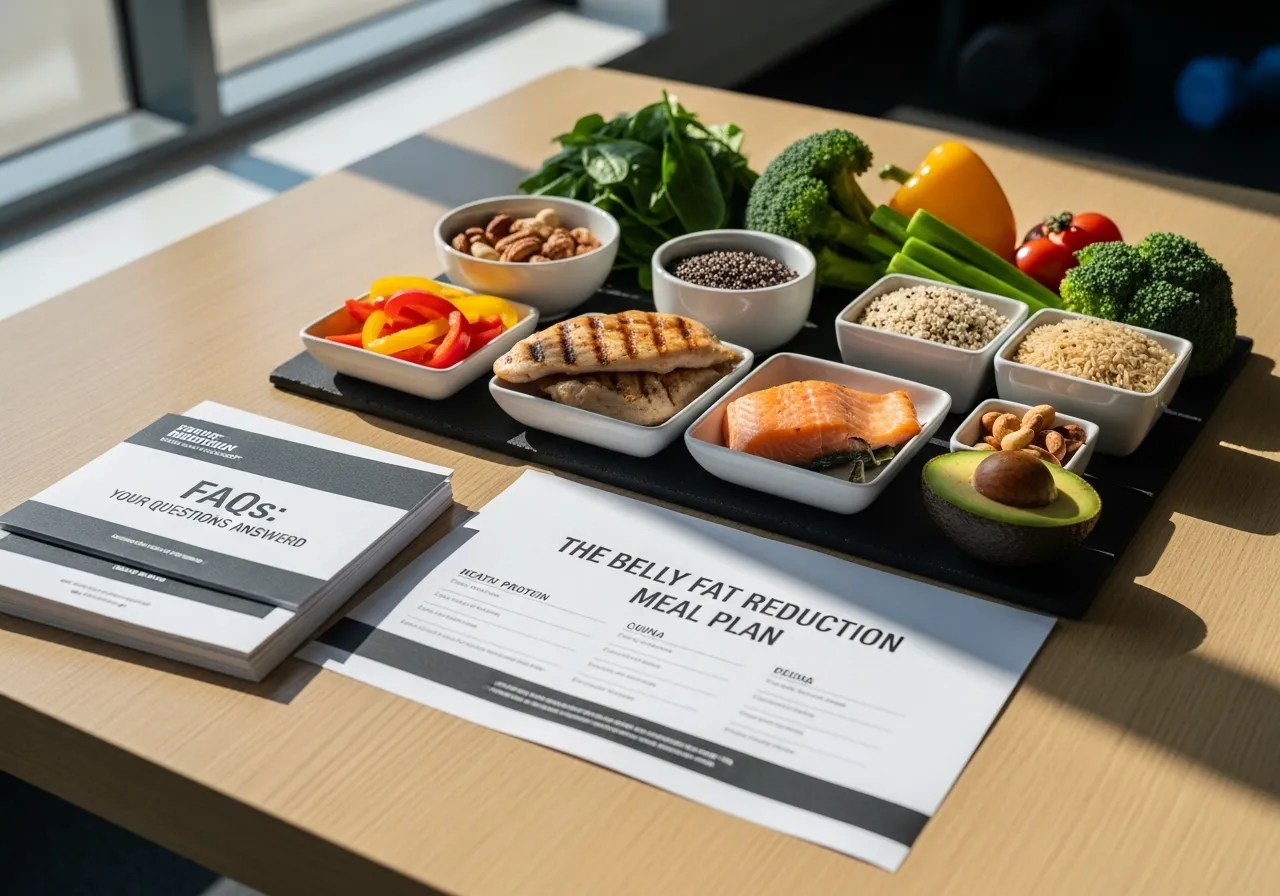
Putting It Together: The Belly Fat Reduction Meal Plan and FAQs
Translating the food research into a practical daily eating pattern requires an integrated approach that combines the belly fat-fighting foods into satisfying, sustainable meals that a real schedule can accommodate.
A Sample Day of Belly Fat Reduction Eating
Breakfast: two to three eggs scrambled with half an avocado, a cup of blueberries, and green tea or black coffee. This breakfast provides approximately thirty grams of protein, twelve grams of fiber, and the combination of EGCG (from green tea), anthocyanins (from blueberries), and oleic acid (from avocado) that directly addresses the hormonal drivers of visceral fat accumulation. The high protein content suppresses ghrelin for three to four hours, reducing mid-morning caloric intake. Lunch: large leafy green salad with grilled salmon, chickpeas, cucumber, cherry tomatoes, and an extra virgin olive oil and lemon dressing. This meal provides approximately forty grams of protein, ten grams of fiber, and the EPA and DHA from salmon that produce the direct visceral fat reduction that the research demonstrates. The chickpeas add resistant starch fiber that feeds beneficial gut bacteria, and the EVOO dressing provides oleic acid and polyphenols. Dinner: baked chicken breast with roasted broccoli and Brussels sprouts, a serving of brown rice or quinoa, and a side of plain Greek yogurt as a probiotic contribution. This dinner provides approximately forty-five grams of protein, fifteen grams of fiber, and the sulforaphane from cruciferous vegetables that activates the anti-inflammatory Nrf2 pathway. Snacks: a small handful of mixed nuts (almonds and walnuts), an apple with one to two tablespoons of almond butter, or a plain Greek yogurt with berries. This daily eating pattern provides approximately one hundred and thirty to one hundred and forty grams of protein, forty to fifty grams of fiber, and the comprehensive anti-inflammatory and insulin-sensitizing food combination that the belly fat research supports.
Meal Timing and Belly Fat: Intermittent Fasting Considerations
Intermittent fasting — particularly the sixteen-hour fasting, eight-hour eating window approach (16:8) — has accumulated strong evidence specifically for visceral fat reduction beyond what the same caloric intake without fasting produces. The mechanisms: the fasting period reduces insulin levels to their daily minimum, activating the fat mobilization pathways (AMPK, lipolysis) that elevated insulin suppresses; it activates autophagy — the cellular cleaning process that removes dysfunctional cellular components and has been specifically associated with visceral fat reduction in animal models; and the compressed eating window naturally reduces total caloric intake for most people without deliberate restriction. From New England Journal of Medicine intermittent fasting research, time-restricted eating produces visceral fat losses that exceed those from equivalent caloric restriction without fasting — suggesting that the timing of eating, not merely the quantity, affects visceral fat specifically. The practical 16:8 implementation: stop eating at eight PM and resume eating at noon the following day, consuming all daily calories within the noon to eight PM window. This schedule aligns the fasting period primarily with sleep (when appetite is naturally suppressed) and the post-sleep morning hours (when many people find skipping breakfast manageable), making it the most adherence-friendly intermittent fasting approach.
Exercise and Diet Synergy for Belly Fat Reduction
The foods that reduce belly fat work most powerfully in combination with the exercise that specifically targets visceral fat through complementary mechanisms. Resistance training reduces visceral fat through multiple mechanisms independent of caloric expenditure: it improves insulin sensitivity by increasing GLUT-4 transporter expression in muscle, reducing the insulin levels that visceral fat accumulation requires; it builds the muscle mass that improves resting metabolic rate, supporting the caloric deficit that fat loss requires; and the post-exercise EPOC (excess post-exercise oxygen consumption) elevates metabolism for twenty-four to forty-eight hours after resistance training. HIIT produces the strongest single-session visceral fat reduction signal of any exercise type — the catecholamine surge that maximum intensity exercise produces specifically mobilizes visceral adipocytes through beta-adrenergic receptor activation that lower-intensity exercise does not achieve. The combination of the anti-inflammatory, insulin-sensitizing dietary pattern described in this article with three to four weekly resistance and HIIT sessions produces visceral fat reduction rates that exceed either intervention alone — the dietary pattern improves the hormonal environment for fat mobilization, and the exercise provides the metabolic signal that drives preferential visceral fat utilization.
Frequently Asked Questions About Foods That Burn Belly Fat
How long does it take to see belly fat reduction from dietary changes? Visceral fat is more metabolically active than subcutaneous fat and responds more rapidly to dietary intervention — meaningful reductions in visceral fat are measurable within four to eight weeks of consistent dietary changes, though visible waist circumference changes typically require eight to twelve weeks. Can I target belly fat specifically with food choices? Yes — within a caloric deficit, the food choices described in this article preferentially reduce visceral fat compared to subcutaneous fat through their effects on insulin sensitivity, inflammation, and the hormonal environment that visceral adipose tissue specifically responds to. Do I need to eliminate all carbohydrates to lose belly fat? No — eliminating refined carbohydrates and added sugar while maintaining whole food carbohydrates (vegetables, legumes, whole grains, and fruit) produces the insulin sensitivity improvements that belly fat reduction requires without the restrictiveness of total carbohydrate elimination. Is spot reduction of belly fat possible through exercises? Core exercises and abdominal training do not specifically reduce belly fat — fat is lost from all depots in response to overall caloric deficit and the hormonal environment it creates, not from the muscles adjacent to fat depots. Exercise contributes to belly fat reduction through the systemic metabolic and hormonal effects it produces. What is the single most important dietary change for belly fat reduction? Eliminating ultra-processed foods and added sugar is the highest-leverage single dietary change available for most people eating Western diets — this substitution reduces insulin spiking, inflammation, caloric density, and gut microbiome disruption simultaneously, addressing multiple drivers of visceral fat accumulation in a single dietary shift.
Beyond the Belly: Long-Term Metabolic Health and Sustainable Eating
The dietary pattern that most effectively reduces belly fat is also the dietary pattern most strongly associated with long-term metabolic health, cardiovascular protection, and reduced chronic disease risk. This convergence is not coincidental — visceral fat is both a consequence of poor metabolic health and a driver of it, and the dietary approaches that reduce visceral fat address the same underlying mechanisms (insulin resistance, chronic inflammation, gut dysbiosis) that metabolic disease develops from. The person who adopts the belly fat reduction dietary pattern described in this article is not merely pursuing an aesthetic goal — they are implementing the evidence-based dietary approach that decades of epidemiological and clinical research identify as the most protective pattern for long-term health. The sustainability of this approach rests on its inclusivity: it emphasizes adding high-quality, satiating foods rather than restricting through willpower, creating the dietary abundance that sustainable habits require rather than the deprivation that restrictive diets impose. Build the habits gradually — adding fatty fish twice weekly, substituting green tea for one daily coffee, incorporating a cup of berries at breakfast — and allow the cumulative metabolic improvements that each addition produces to compound into the belly fat reduction that the complete pattern enables. This is not a thirty-day fix; it is the eating framework for a lifetime of metabolic health, with belly fat reduction as the visible evidence of the deeper improvements it produces.
The Role of Specific Micronutrients in Belly Fat Reduction
Beyond macronutrient and food category interventions, specific micronutrients have sufficient evidence for visceral fat effects to warrant dietary attention. Vitamin D deficiency — extraordinarily prevalent in populations with limited sun exposure — is strongly associated with higher visceral fat content in both cross-sectional and interventional studies, through vitamin D’s role in insulin sensitivity regulation and direct effects on adipose tissue via the vitamin D receptor expressed in adipocytes. Supplementation to sufficient serum levels (target thirty to fifty nanograms per milliliter) produces improvements in insulin sensitivity and modest visceral fat reductions in deficient individuals. Magnesium, essential for insulin receptor function and sleep quality, is deficient in a majority of people eating Western diets — dietary magnesium from leafy greens, pumpkin seeds, and dark chocolate provides the most bioavailable form. Zinc deficiency impairs both insulin sensitivity and testosterone synthesis; oysters, red meat, pumpkin seeds, and legumes provide the dietary zinc that prevents the deficiency-driven metabolic impairment. These micronutrients are available in abundance from the belly fat-fighting foods described throughout this article — the complete dietary pattern is naturally rich in all three, making targeted supplementation necessary only when dietary intake consistently falls short.
Building Your Personal Belly Fat Reduction Food Plan
The comprehensive belly fat reduction plan integrates the evidence from every section of this article into a personalized, sustainable eating pattern rather than a temporary dietary intervention. The architecture: anchor every meal with thirty to forty grams of high-quality protein (fatty fish, eggs, Greek yogurt, legumes, or poultry); fill half the plate with non-starchy vegetables, particularly cruciferous varieties; include one to two daily servings of low-glycemic-load fruit (berries, apple, or citrus); use healthy fats (extra virgin olive oil, avocado, nuts, seeds) as cooking media and flavor additions; replace refined grains with whole grains and legumes; consume green tea or black coffee as primary beverages; and include one to two daily servings of fermented foods. The person who builds this eating pattern into their daily habits — not as a temporary diet but as how they eat — creates the metabolic environment that supports permanent belly fat reduction and the long-term metabolic health that makes every decade of life healthier. Start with one change, build the habit until automatic, then add the next. Sustainable belly fat reduction is the accumulation of evidence-based food habits applied consistently over the time that genuine physiological change requires.
The intersection of optimal food choices and strategic exercise timing is where belly fat reduction accelerates from gradual to transformative — creating the compounding metabolic improvements that make each week of consistent effort more productive than the last. Build the dietary habits first, add the exercise layer second, and allow the synergy of their combination to deliver the visceral fat reduction that your commitment and consistency deserve. The evidence is clear, the approach is practical, and the results for those who apply it consistently are both measurable and lasting.