The Role of Sleep in Injury Prevention and Recovery
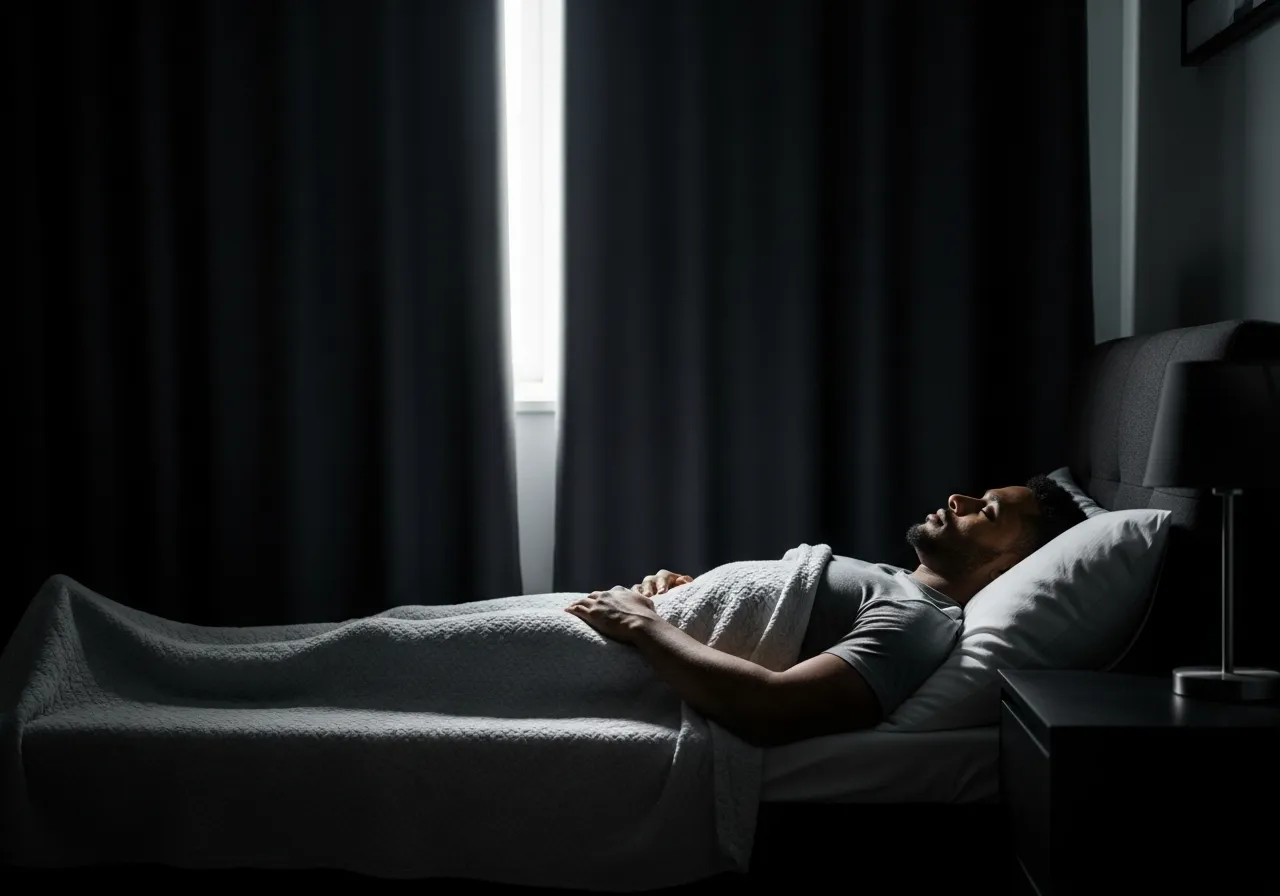
Why Sleep Is the Foundation of Injury Prevention
I learned the relationship between sleep and injury the hard way — a period of four to five hours of nightly sleep during a high-stress work period coincided with the accumulation of three separate overuse injuries in as many months: Achilles tendinopathy, shoulder impingement, and a hip flexor strain. None of these injuries occurred during training sessions that were more demanding than what I had handled injury-free for years. The training load was the same; the sleep was not. The physiological explanation I subsequently researched was both convincing and humbling: sleep is not merely passive rest but the active biological process through which the tissue repair, hormonal recovery, and neuromuscular restoration that injury prevention requires occur. Every training session that is not adequately followed by recovery sleep is a session whose damage is incompletely repaired — and the accumulation of incompletely repaired training damage is the mechanism through which overuse injuries develop.
The Biology of Sleep-Driven Tissue Repair
The tissue repair that sleep enables is not a passive process of rest but an active biological manufacturing operation — synthesizing the proteins, restoring the cellular energy, and clearing the metabolic waste that exercise accumulates. During the deep (slow-wave) sleep stages that dominate the first half of the night, growth hormone secretion peaks at its daily maximum — with approximately seventy percent of total daily growth hormone released in the first three hours of sleep. Growth hormone drives the protein synthesis that repairs the micro-damage that exercise produces in muscle and connective tissue; stimulates insulin-like growth factor 1 (IGF-1) that promotes tendon and cartilage matrix synthesis; and activates the cellular repair processes that restore tissue integrity after training-induced damage. The implication for injury prevention: the chronic sleep deprivation that reduces slow-wave sleep duration directly impairs the growth hormone-driven repair cycle, leaving training-damaged tissue in a progressively under-repaired state that accumulates across successive sessions. From PubMed sleep and growth hormone tissue repair research, sleep deprivation reduces growth hormone secretion and IGF-1 levels by twenty to thirty percent in otherwise healthy athletes — a meaningful impairment of the primary tissue repair signal that adequate sleep uniquely provides. The athlete who consistently sleeps six hours rather than eight is not merely performing suboptimally — they are operating with twenty to thirty percent of the tissue repair capacity that their training load demands.
Sleep and the Immune System: Inflammation Management for Injury Prevention
The immune system’s role in both causing injury (through excessive or poorly regulated inflammation) and healing it (through the controlled inflammatory response that tissue repair requires) is substantially regulated by sleep — making sleep quality a primary determinant of the inflammatory environment that either supports or impairs injury prevention. During adequate sleep, the immune system performs the surveillance, cytokine balance, and regulatory functions that maintain the controlled inflammatory state that healthy tissue represents. Sleep deprivation disrupts this regulation: chronically short sleep elevates pro-inflammatory cytokines (TNF-alpha, IL-6, CRP) while reducing anti-inflammatory mediators — creating the systemic low-grade inflammation that increases injury risk, impairs tendon and cartilage health, and slows the healing of existing injuries. The C-reactive protein (CRP) elevation that sleep deprivation produces is clinically significant: CRP levels associated with chronic short sleep are in the range associated with elevated cardiovascular risk and accelerated biological aging, representing a degree of systemic inflammation that measurably affects tissue vulnerability. For the athlete managing an existing injury, sleep quality is as important as any specific rehabilitation intervention — because the healing of the injured tissue occurs primarily during sleep, and the inflammatory environment that poor sleep creates actively impairs the controlled repair process that rehabilitation exercises stimulate. The athlete who performs excellent rehabilitation exercises but sleeps five to six hours is fighting the healing process during waking hours and impeding it during sleep — a losing battle against two reinforcing sources of repair impairment.
Neuromuscular Recovery During Sleep: Coordination and Proprioception
Beyond tissue repair, sleep is essential for the neuromuscular recovery that injury prevention in movement depends on — specifically, the restoration of proprioceptive sensitivity, neuromuscular coordination, and reaction time that fatigue accumulates across training sessions. The neuromuscular system — the integrated circuit of motor neurons, muscle spindles, Golgi tendon organs, and joint mechanoreceptors that coordinates safe movement — shows measurable functional decline with inadequate sleep: reaction time slows, proprioceptive sensitivity decreases, and the fine motor control that safe movement requires is impaired. These neuromuscular impairments are directly relevant to injury risk: the athlete whose proprioception is compromised by sleep deprivation is more likely to misstep, land awkwardly, or fail to produce the protective muscular contraction that prevents joint overload. A landmark study of adolescent athletes found that those sleeping less than eight hours per night were one-point-seven times more likely to experience injuries than those sleeping eight or more hours — an injury risk elevation of seventy percent that exceeds the risk increase of many commonly managed training variables like load and volume. The neurological explanation: inadequate sleep impairs both the conscious attentional capacity that safe training requires and the reflexive proprioceptive responses that prevent the joint positions that injury involves. From PubMed sleep duration and athlete injury risk research, every hour of sleep below the eight-hour threshold is associated with progressively increasing injury risk in athlete populations — confirming a dose-response relationship between sleep adequacy and injury prevention that places sleep quality alongside training load management as a primary injury prevention variable.
The Cortisol-Testosterone Balance: Sleep’s Hormonal Injury Prevention Role
The hormonal environment that sleep regulates — specifically the balance between the catabolic hormone cortisol and the anabolic hormones testosterone and growth hormone — is among the most mechanistically direct pathways through which sleep deprivation elevates injury risk and impairs recovery. Adequate sleep maintains the low cortisol, high testosterone, high growth hormone profile of the fully recovered athlete — the hormonal state that supports tissue repair, muscle protein synthesis, and the anti-inflammatory environment that healthy connective tissue requires. Sleep deprivation reverses this balance: cortisol remains chronically elevated (its natural nocturnal decline is truncated by short sleep), testosterone decreases by ten to fifteen percent per week of sleep deprivation in research on healthy male athletes, and growth hormone secretion is reduced proportionally to the slow-wave sleep that short nights truncate. The chronic high-cortisol, low-testosterone state of the sleep-deprived athlete directly impairs connective tissue health — cortisol inhibits collagen synthesis in tendons and ligaments while reducing the tensile strength of existing collagen, producing the mechanically weaker tendons that are more susceptible to the repetitive stress of training. The athlete who notices unusual tendon sensitivity, persistent joint soreness, or the slow recovery from minor training aches should examine sleep duration as a potentially primary contributor before attributing these symptoms entirely to training volume. From PubMed sleep deprivation and hormonal balance in athletes, one week of five-hour nightly sleep reduces testosterone by fifteen percent and maintains the elevated cortisol that training stress adds to — producing the combined hormonal environment most hostile to the tissue repair and recovery that injury prevention requires.
Sleep and Pain Sensitivity: How Poor Sleep Makes Everything Hurt More
The bidirectional relationship between sleep and pain — poor sleep increases pain sensitivity; pain disrupts sleep — creates the self-perpetuating cycle that makes chronic pain difficult to manage and the initial pain of minor training injuries more likely to escalate to significant injuries. The sleep-pain sensitivity mechanism: adequate sleep maintains the descending pain inhibitory pathways that modulate spinal cord pain processing — the endogenous opioid and serotonergic systems that reduce pain signal amplitude during normal nociception. Sleep deprivation impairs these inhibitory systems, producing central sensitization that makes normal tissue stress feel more painful, reduces the pain threshold at which the athlete modifies movement patterns, and increases the likelihood that normal training soreness triggers the compensation patterns that create secondary injuries. The practical implication: the athlete who sleeps poorly will perceive training as more painful than the same training session following adequate sleep, report higher pain scores during rehabilitation exercises, and be more likely to adopt the protective movement compensations that create secondary injury patterns. Managing the sleep-pain relationship for athletes dealing with existing injuries: aggressively optimizing sleep quality is a legitimate pain management intervention that reduces pain intensity through the central sensitization reversal that adequate sleep produces — not merely a wellness recommendation but a direct pain treatment with mechanisms comparable to some pharmacological interventions in terms of pain threshold restoration. Pain reduction achieved through sleep improvement is also sustainable without the tolerance development and side effects that pharmacological pain management creates — making sleep optimization the first-line intervention for the pain management component of injury recovery.
The Sleep Debt Calculator: Understanding Your Recovery Deficit
Sleep debt — the cumulative deficit between the sleep the body requires and the sleep actually obtained across days and weeks — is not merely a theoretical concept but a measurable biological deficit with predictable physiological consequences that compound with duration. The practical sleep debt assessment: if training consistently requires nine hours of recovery sleep but the schedule consistently provides seven, the weekly sleep debt is fourteen hours — equivalent to approximately two full nights of missed sleep accumulated per week. This debt does not disappear on rest days; it accumulates until either extended recovery sleep repays it or the physiological consequences (injury, performance decline, immune suppression) force the rest that schedule management failed to protect. The injury risk implications of sleep debt are proportional to its magnitude: the athlete with a cumulative two-hour nightly deficit running across three weeks has accumulated a forty-two-hour sleep debt that the research on sleep deprivation links to the injury risk, hormonal impairment, and immune dysfunction of three nights of complete sleep deprivation — because the physiological consequences of partial sleep deprivation accumulate in a nearly linear fashion with cumulative deficit hours. Recognizing and quantifying personal sleep debt through honest tracking of required versus actual sleep duration is the first step toward the schedule management decisions that prevent the physiological consequences that debt accumulation otherwise makes inevitable. The athlete who sees a growing weekly sleep deficit reflected in the gap between their eight-hour sleep requirement and their consistently six-hour nights has the information required to justify the schedule changes — earlier bedtime, morning practice avoidance, social obligation reduction — that sleep debt elimination requires before injury or performance collapse forces less voluntary rest.
Sleep is the intervention. Implement it tonight. The injury you prevent will be the one you never know you avoided — and that invisible protection, maintained across every night of adequate sleep, is the most valuable athletic investment any committed athlete can make. That is the deal.
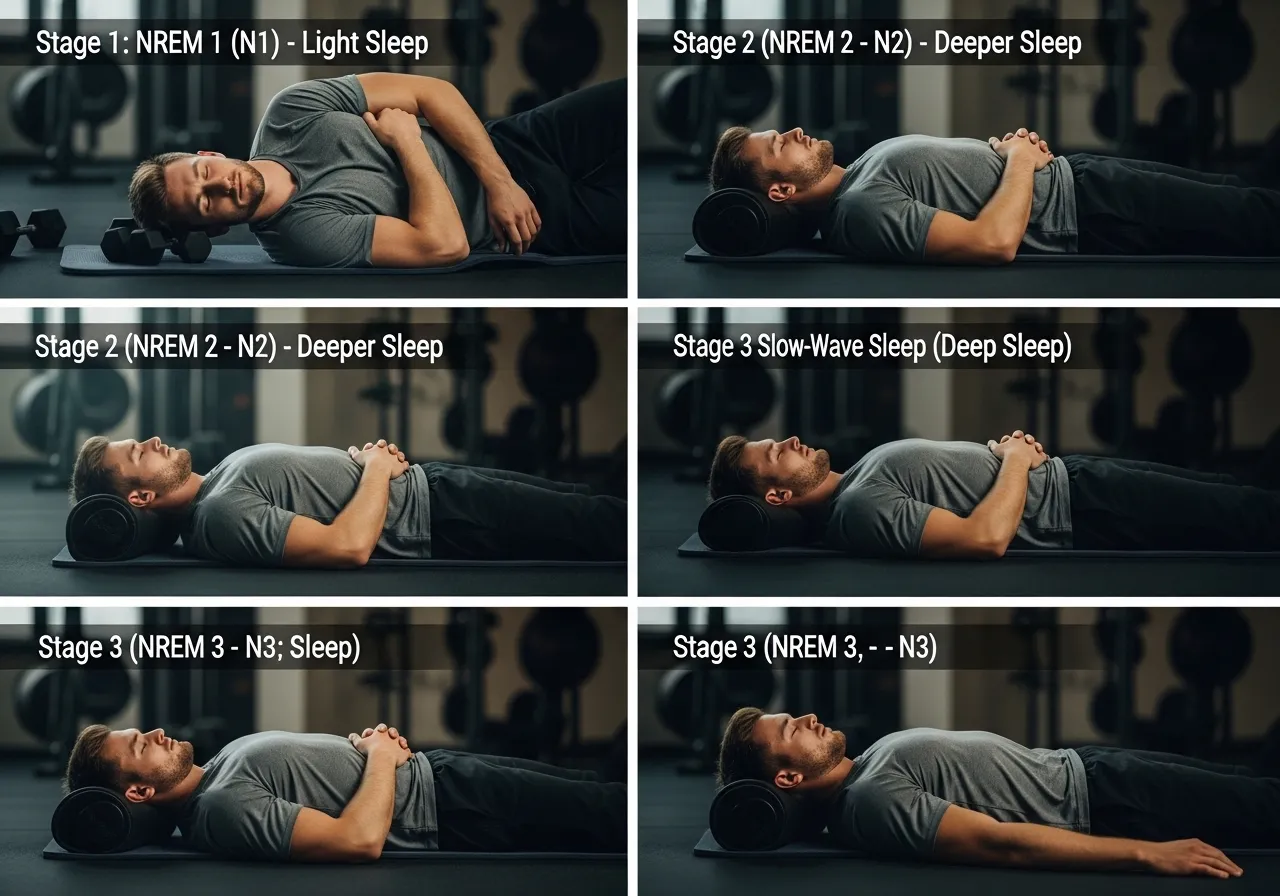
Sleep Architecture and Athletic Recovery: What Happens During Each Stage
Understanding the specific recovery functions of each sleep stage explains why both sleep quantity and sleep quality matter for injury prevention and athletic performance — and why the strategies that improve sleep quality produce recovery benefits that mere quantity alone cannot provide.
Slow-Wave Sleep: The Deep Repair Phase
Slow-wave sleep (SWS) — the deepest stage of non-REM sleep, characterized by high-amplitude delta waves on EEG — is the sleep stage most critical for physical recovery and injury prevention. The SWS functions include: peak growth hormone secretion, with the single largest growth hormone pulse of the twenty-four-hour period occurring during the first SWS episode approximately ninety minutes after sleep onset; the clearance of cerebral metabolic waste through the glymphatic system, which operates most efficiently during SWS; the consolidation of motor memory that technical skill development requires; and the cellular autophagy (cellular waste clearance and protein quality control) that tissue maintenance and metabolic health require. The SWS proportion of total sleep declines with age (from approximately twenty to twenty-five percent in young adults to ten to fifteen percent in older adults) and is selectively impaired by alcohol, certain medications, elevated body temperature, and stress — explaining why these factors produce the most significant impairment of physical recovery even when total sleep time is maintained. Strategies for improving SWS quantity: consistent sleep and wake timing (circadian rhythm consistency increases SWS proportion); cool sleeping temperature (eighteen to twenty degrees Celsius is the optimal range for SWS promotion through the core temperature decline that deep sleep requires); and the avoidance of alcohol, which suppresses SWS in the first half of the night despite its sedating effect on sleep onset. The athlete who prioritizes SWS quality — through temperature management, consistent timing, and alcohol avoidance — maximizes the tissue repair and growth hormone secretion that injury prevention depends on within the same total sleep duration.
REM Sleep: Nervous System Recovery and Psychological Resilience
REM (rapid eye movement) sleep — the dream-rich sleep stage that dominates the second half of the night in ninety-minute cycles — provides the nervous system recovery, emotional processing, and psychological resilience that athletic performance and injury prevention both require. The REM functions most relevant to athletic recovery: the norepinephrine-free period of REM that allows the desensitization of emotional memories associated with fear and threat (relevant for the psychological recovery from injury experiences); the procedural memory consolidation that technical skill improvement requires (the motor patterns practiced in training are consolidated during REM in a process that improves the next session’s performance without additional practice); and the psychological restoration that adequate REM provides — specifically the sustained reduction in cortisol and sympathetic nervous system activation that adequate REM produces in the waking hours. The REM deprivation that early alarm times, alcohol use, and stress-disrupted sleep architecture produce creates the psychological effects that compound injury risk: elevated anxiety, reduced stress tolerance, impaired emotional regulation, and the motivation reduction that makes training feel more effortful — all of which affect the attentional quality that safe training requires. Strategies for improving REM quality: maintaining a consistent sleep schedule that allows natural waking (rather than alarm-forced waking during REM phases); avoiding alcohol and high-dose sedatives that suppress REM; and the stress management practices that reduce the cortisol elevation that REM suppression produces.
Nutrition for Sleep Quality: Foods That Improve Recovery Sleep
The nutritional support for sleep quality addresses the specific biochemical requirements of the sleep-promoting neurotransmitter systems that the food consumed in the hours before sleep can meaningfully support. Tryptophan is the dietary amino acid precursor to both serotonin (the neurotransmitter that promotes the relaxed wakefulness that sleep onset requires) and melatonin (the hormone that initiates the circadian sleep signal) — and its dietary availability in the evening meal influences the rate of both syntheses. Tryptophan-rich foods include turkey, chicken, eggs, dairy products, and seeds — consuming these protein sources in the evening meal provides the substrate for the serotonin and melatonin synthesis that sleep onset depends on. The carbohydrate co-consumption enhancement: consuming moderate carbohydrates alongside tryptophan-containing protein increases tryptophan’s brain uptake by reducing the competition of other large neutral amino acids for the blood-brain barrier transport mechanism — making the traditional “warm milk and crackers” sleep aid mechanistically sensible as a protein-carbohydrate combination that supports tryptophan delivery. Magnesium: the mineral essential for GABA receptor function (the inhibitory neurotransmitter system that sleep requires) and the melatonin synthesis pathway is chronically deficient in a large proportion of Western populations. Supplementation with two hundred to four hundred milligrams of magnesium glycinate or malate in the evening consistently improves sleep quality in deficient individuals — and even in borderline-sufficient individuals, the GABA-supporting effect of magnesium produces sleep quality improvements measurable in sleep studies. Tart cherry juice: rich in melatonin precursors and the anti-inflammatory anthocyanins that reduce the exercise-induced inflammation that disrupts sleep, tart cherry juice consumed twice daily (morning and evening) has demonstrated significant improvements in sleep duration and efficiency in athlete populations across multiple randomized trials. From PubMed tart cherry juice and athlete sleep research, twice-daily tart cherry juice consumption improved sleep efficiency and duration in trained cyclists, with accompanying reductions in inflammatory markers that suggest the sleep improvement reflects both melatonin enhancement and anti-inflammatory recovery support simultaneously.
Exercise Timing and Sleep Quality: When Training Affects Nighttime Recovery
The timing of training sessions relative to sleep affects both the sleep quality available for recovery and the recovery quality that sleep at different circadian phases provides. The late evening training concern: intense exercise within two to three hours of bedtime elevates core body temperature, heart rate, and sympathetic nervous system activation — the physiological arousal state that is incompatible with the parasympathetic dominance and core temperature decline that sleep onset requires. For most athletes, intense exercise should ideally conclude three or more hours before the intended bedtime to allow the physiological arousal of training to resolve before sleep is attempted. However, individual variation is substantial: some athletes report no sleep quality impairment from evening training, while others find that exercise within four hours of bed significantly impairs both sleep onset and sleep depth. Light-to-moderate intensity exercise (yoga, walking, easy cycling) does not produce the same arousal concerns as intense training and can be performed closer to bedtime without impairment — and for some individuals, it actually supports sleep onset through the parasympathetic activation that light movement produces. The morning training advantage for sleep: early training produces the cortisol and catecholamine elevation in the morning hours when they are naturally highest, allowing the evening hours to be free of the hormonal arousal that late training produces — providing the hormonal environment that sleep quality requires. The athlete who trains in the morning, manages caffeine to morning hours, and implements the pre-sleep relaxation routine has created the evening physiological conditions most conducive to the deep, restorative sleep that recovery demands.
Sleep Extension Protocols for Overtrained Athletes
The sleep extension protocol — deliberately increasing total nightly sleep by one to two hours for a period of two to four weeks — is the most direct intervention for the overtrained athlete whose accumulated sleep debt has contributed to the recovery deficit that overtraining represents. The sleep extension implementation: advance the bedtime by thirty to sixty minutes every three to four days until the target sleep duration is achieved, rather than making an immediate full advancement that the shifted circadian rhythm may not support. The physiological changes produced by sleep extension in overtrained athletes: normalized HRV within one to two weeks; reduced inflammatory markers (CRP and IL-6) within two weeks; restoration of testosterone to pre-overtraining levels within three to four weeks; and the subjective recovery of training motivation and physical freshness that overtraining suppresses. Sleep extension combined with training load reduction (the standard overtraining recovery protocol) produces faster and more complete recovery than training load reduction alone — because the sleep extension addresses the biological repair processes that underrecovery has impaired, while training reduction prevents the continued accumulation of the damage that the repaired tissue must then also manage. The athlete who suspects overtraining should treat sleep extension as the first and most urgent intervention — before deciding on training modifications, nutritional adjustments, or supplementation strategies — because the hormonal and inflammatory normalization that extended sleep produces creates the physiological environment that every other recovery intervention operates within. From BJSM sleep extension and overtraining recovery research, sleep extension in overtrained athletes produces restoration of performance markers within two to four weeks that training reduction without sleep extension requires four to eight weeks to achieve — confirming sleep’s primacy in the overtraining recovery hierarchy.
Sleep is not merely the absence of wakefulness — it is the presence of the biological repair processes that training damages and recovery requires. Protecting and optimizing it is not a passive health behavior but the active performance management decision that distinguishes the athlete who trains effectively from the one who trains hard but recovers inadequately. Manage sleep as the performance variable it is, and allow the compounding returns of consistently adequate recovery sleep to reveal what the body is capable of when given the recovery it deserves. Rest is not weakness. It is the completion of training. Honor it as such.
Practical Sleep Optimization for Athletes: Evidence-Based Strategies
The evidence-based sleep optimization strategies for athletes address the specific barriers that training, competition schedules, and the high-achievement lifestyles of active people create for sleep quality.
Sleep Duration Recommendations for Athletes: How Much Is Enough
The general adult sleep recommendation of seven to nine hours is a population guideline that athletes — with higher tissue repair demands, greater neuromuscular fatigue, and the hormonal recovery requirements of consistent training — should consider a minimum rather than a target. Elite athlete populations studied across sports consistently show that those sleeping nine or more hours per night demonstrate better performance, lower injury rates, and faster recovery than those sleeping the population-average seven to eight hours. The specific recommendations by training intensity: athletes training at moderate intensity (three to four sessions per week) should target eight to nine hours; athletes in high-intensity training phases (five to seven sessions per week, high volume) should target nine to ten hours; and athletes in competition preparation or high-stress performance periods should specifically increase sleep opportunity through earlier bedtimes rather than attempting to compensate with napping alone. The practical implication: the athlete who averages seven hours nightly during a high training phase is probably recovering at approximately eighty to eighty-five percent of the rate that nine hours would provide — a fifteen to twenty percent recovery impairment that compounds across weeks of training into the overuse injury accumulation and performance plateau that inadequate recovery produces. From Sports Medicine sleep extension and athlete performance research, sleep extension to nine to ten hours per night consistently improves athletic performance across multiple measures — with sprint speed, reaction time, and accuracy improvements demonstrable within two to three weeks of extended sleep duration in multiple controlled studies.
Sleep Hygiene Practices That Make a Measurable Difference
The term “sleep hygiene” encompasses the behavioral and environmental practices that consistently improve both sleep onset speed and sleep quality — with specific practices showing the strongest evidence for athletes. Consistent sleep and wake timing: the circadian rhythm that regulates sleep-wake cycles operates most efficiently when maintained at consistent times — even on weekends and rest days. The “social jet lag” produced by significantly later weekend bedtimes and wake times than weekday patterns disrupts the circadian entrainment that optimal sleep architecture requires, producing the Monday fatigue that many athletes recognize. The recommendation: restrict the range of sleep and wake times to within one hour across all seven days of the week. Pre-sleep environment optimization: bedroom temperature of eighteen to twenty degrees Celsius; darkness sufficient to suppress melatonin inhibition (blackout curtains or sleep mask); and noise control sufficient for uninterrupted sleep (earplugs or white noise machine for environments with variable noise). Screen exposure management: the blue light emitted by smartphones, tablets, and computer screens suppresses melatonin secretion at the retinal level — reducing sleep onset speed and reducing the melatonin-driven circadian signal that initiates the sleep cascade. Ceasing screen exposure sixty to ninety minutes before the intended sleep time, or using blue-light-filtering glasses or screen settings, reduces this effect without requiring complete digital abstinence in the pre-sleep period. Pre-sleep nutrition: avoiding large meals, caffeine, and significant alcohol in the three to four hours before sleep prevents the sleep quality impairments that each produces — particularly the SWS suppression and increased sleep fragmentation that even moderate alcohol consumption produces despite its initial sedating effect.
Napping as a Recovery Tool: Evidence and Protocols
Strategic napping — deliberately timed daytime sleep intended to supplement nocturnal sleep and accelerate recovery — is a legitimate athletic performance and injury prevention tool with specific evidence for its recovery benefits. The short nap (ten to twenty minutes): produces significant improvements in alertness, cognitive performance, and neuromuscular function within minutes of waking from the nap, without the sleep inertia (grogginess) that longer naps produce when they include slow-wave sleep. Particularly effective for late-afternoon performance and for athletes who inevitably accumulate some sleep debt during high training phases. The long recovery nap (sixty to ninety minutes): includes slow-wave sleep and provides more substantial recovery benefits including growth hormone release and tissue repair — but produces sleep inertia and may interfere with nocturnal sleep if taken too late in the day. The optimal long nap timing: between 1 PM and 3 PM, exploiting the natural circadian dip in alertness that most people experience post-lunch and allowing adequate time for sleep pressure to rebuild before the intended nocturnal bedtime. Elite athletes frequently incorporate planned napping into their daily recovery protocols alongside adequate nocturnal sleep — not as a compensation for short nights but as an additional recovery stimulus that supplements the primary nocturnal recovery window. From PubMed napping and athletic recovery research, brief afternoon naps (twenty to thirty minutes) consistently improve afternoon athletic performance and reduce perceived fatigue — with the performance benefits demonstrable across endurance, strength, and skill-dependent sports.
Sleep Technology and Recovery Monitoring: Making Data Actionable
The proliferation of consumer sleep tracking technology — from basic phone accelerometers to sophisticated optical heart rate monitoring wearables — has made objective sleep data accessible to recreational athletes who previously had no quantitative window into their sleep quality and its recovery implications. The appropriate use of sleep technology for athletes: use sleep data as a trend indicator rather than a precise daily measurement — the accuracy limitations of consumer wearables (particularly for specific sleep stage identification) make daily absolute values less reliable than the weekly trends and deviations from personal baselines that the devices consistently track. The most actionable metrics from consumer sleep trackers: total sleep time (the most reliably measured metric); sleep efficiency (percentage of time in bed spent sleeping, with less than eighty-five percent indicating significant sleep fragmentation); resting heart rate during sleep (elevated values indicating inadequate recovery); and heart rate variability during sleep (declining trends indicating accumulating stress that recovery has not matched). The recovery decision framework based on sleep data: on days when sleep metrics are significantly below personal baseline (greater than ten percent decline in HRV, less than six hours total sleep, or sleep efficiency below seventy-five percent), reduce planned training intensity to sixty to seventy percent and prioritize recovery nutrition and stress management over session quality. On days when metrics are at or above baseline, proceed with planned training at full intensity. This reactive training management approach preserves the training stimulus on well-recovered days while preventing the overload accumulation on poorly recovered days that injury risk requires. From PubMed HRV-guided training and athlete outcomes research, athletes who manage training load reactively based on daily HRV data demonstrate superior performance outcomes and lower injury rates than those following fixed programs — confirming that the physiological data that sleep monitoring provides translates into the training management decisions that injury prevention requires.
Recovery Sleep After Competition and Tournaments
The recovery sleep requirements following competition — particularly prolonged competition days, tournaments with multiple same-day efforts, or high-intensity single events — differ from training recovery sleep in their urgency and specific physiological requirements. Post-competition physiology: the elevated cortisol and adrenergic activation that competition produces can persist for several hours post-event, potentially delaying sleep onset and impairing early sleep architecture even when the athlete is physically exhausted. Managing post-competition sleep: the deliberate post-competition wind-down routine (cool shower, low-lighting environment, light protein snack, relaxation practice) accelerates the transition from competition arousal to sleep-ready state. The timing of post-competition eating also affects sleep: a moderate protein and carbohydrate meal or snack within sixty minutes of competition completion begins glycogen resynthesis and provides the insulin response that cortisol reduction and tryptophan delivery supports. Tournament recovery — multiple competition days separated by brief overnight recovery — requires the most aggressive sleep optimization because the partial recovery of each night’s sleep must support the next day’s competition demand without the extended recovery periods that single-competition formats allow. The tournament athlete who maintains sleep quantity and quality across multi-day events through consistent pre-sleep routines, optimal sleep environment, and the strategic use of brief napping between competition sessions demonstrates significantly better late-tournament performance than those whose sleep deteriorates progressively across the tournament’s demands.
Altitude, Temperature Extremes, and Environmental Sleep Challenges
Athletes who train or compete in altitude environments, extreme heat, or cold conditions face specific sleep quality challenges that standard sleep hygiene recommendations inadequately address — and specific environmental management strategies that the evidence supports for each condition. Altitude training sleep: the hypobaric hypoxia of altitude above two thousand meters disrupts sleep architecture significantly — reducing SWS, increasing nocturnal awakenings, and producing periodic breathing (Cheyne-Stokes respiration) that fragments sleep and impairs the recovery quality that altitude training already challenges through its greater physiological stress. Gradual altitude ascent, acclimatization periods before full training begins, and the consideration of low-dose acetazolamide for the first two to four days of altitude exposure (which reduces the periodic breathing that acute altitude exposure produces) mitigate but do not eliminate the altitude-sleep quality impairment. Heat: sleeping in ambient temperatures above twenty-four to twenty-five degrees Celsius significantly impairs sleep quality through its interference with the core temperature decline that slow-wave sleep requires — making aggressive bedroom cooling (air conditioning, fans, cooling mattress pads) the primary sleep quality intervention in warm climates. Cold: sleeping environments below fifteen degrees Celsius reduce sleep quality through the thermoregulatory arousal that maintaining body temperature in cold environments requires. The ideal range of eighteen to twenty degrees Celsius represents the environmental temperature that minimizes thermoregulatory arousal while supporting the core temperature decline that deep sleep facilitates — and athletes training in environments outside this range should prioritize the sleeping environment temperature management that protects recovery quality within the available resources.
The athlete who sleeps well, trains intelligently, recovers completely, and repeats this cycle indefinitely is building the physical capability that no shortcut can replicate. Sleep is the foundation. Protect it absolutely. Every night that the sleep investment is made is a night that the body is repairing, adapting, and preparing to perform at the level that tomorrow’s training demands and the competition goals require. The bed is as important as the barbell. Use both well.

Sleep Deprivation and Injury Risk: The Research Evidence
The research specifically examining sleep deprivation and athletic injury risk provides the quantitative framework that converts sleep from a wellness recommendation into a measurable injury prevention variable.
What the Studies Actually Show: Sleep and Overuse Injury
The epidemiological evidence on sleep duration and athletic injury risk is both consistent and compelling. A study of one hundred and twelve adolescent athletes found that sleep duration below eight hours was the single strongest predictor of injury — more predictive than training volume, sport type, or age. A study of National Football League players found that those with lower sleep scores had significantly more career injuries and shorter career lengths than those with better sleep scores at equivalent training loads. Studies of military personnel consistently find injury rates two to four times higher in the sleep-deprived cohort compared to adequately sleeping controls during identical physical training programs. The mechanism research supporting these epidemiological findings: sleep-deprived individuals demonstrate reduced pain threshold (meaning the same tissue stress produces more pain and potentially more behavioral avoidance of protective responses); impaired proprioception (reducing the joint position sense that prevents landing in injury-producing positions); and elevated inflammatory markers (creating the chronic low-grade inflammation that increases tendon and cartilage vulnerability). The summary finding: sleep deprivation is both a direct physiological injury risk factor (through impaired tissue repair and immune dysregulation) and a biomechanical injury risk factor (through impaired neuromuscular function and proprioception) — operating simultaneously through multiple pathways to elevate the injury risk that training produces.
Sleep and Concussion Risk: A Special Consideration
For athletes in contact and collision sports, the relationship between sleep and concussion risk has specific dimensions beyond the general injury risk relationship. Sleep-deprived athletes demonstrate slower reaction times and reduced spatial awareness — the specific neurocognitive functions that positioning, timing, and collision avoidance in contact sports require. The athlete who enters competition with significant sleep debt is not merely less physically capable but less neurologically capable of the rapid decision-making and body positioning that collision avoidance demands. The post-concussion sleep relationship is equally important: sleep is the primary neurological recovery modality for mild traumatic brain injury — the glymphatic clearance of the tau protein and metabolic debris that concussion accumulates occurs most efficiently during sleep, making the post-concussion sleep environment as clinically significant as any specific concussion rehabilitation protocol. The athlete who returns to competition before adequate sleep-supported neurological recovery has occurred faces the dramatically elevated second-impact syndrome risk that premature return to contact sport involves. Sleep optimization is both a pre-injury prevention strategy (reducing the neurocognitive impairment that elevates collision injury risk) and a post-injury recovery requirement (supporting the neurological repair that safe return to competition requires) in contact sport contexts.
Sleep Disorders in Athletes: When Professional Help Is Needed
Sleep disorders — clinical conditions that impair sleep quality and duration beyond what behavioral and environmental interventions can resolve — are present in a significant minority of athletes and require professional assessment and treatment for the comprehensive recovery that the athletic demands require. Insomnia disorder: the most common sleep disorder, characterized by persistent difficulty falling asleep, staying asleep, or early morning waking despite adequate sleep opportunity, affecting an estimated ten to fifteen percent of the general adult population and potentially higher rates in competitive athletes facing performance pressure. Cognitive behavioral therapy for insomnia (CBT-I) is the first-line treatment with the strongest long-term evidence — producing durable sleep improvement that pharmacological treatment does not — and should be sought from a qualified sleep psychologist or behavioral sleep medicine specialist before pharmacological approaches are considered. Obstructive sleep apnea (OSA): the intermittent upper airway obstruction during sleep that produces hypoxia, sleep fragmentation, and the chronic fatigue and cognitive impairment that many athletes attribute to overtraining. OSA is significantly more common in athletes in weight-class sports (where bulk and airway anatomy intersect) and in those with larger neck circumferences. The CPAP treatment that OSA requires produces dramatic recovery improvements that athletes with unrecognized OSA frequently describe as the single most performance-enhancing intervention they have experienced — because the sleep quality that CPAP restores is qualitatively different from the fragmented hypoxic sleep that untreated OSA produces. Athletes who experience persistent non-restorative sleep, excessive daytime sleepiness despite adequate duration, loud snoring reported by partners, or morning headaches should seek polysomnography assessment to exclude OSA before attributing the symptoms to training overload.
Building a Sleep-Centered Recovery Culture in Team Environments
For athletes in team sports and training environments, the cultural norms around sleep — whether the team culture treats sleep as a serious recovery investment or dismisses it as a soft concern — significantly affect individual sleep behaviors and collectively determine the team’s recovery quality and injury rates. Research on team sports cultures and injury patterns finds that teams with coaches who explicitly prioritize sleep — scheduling early morning training to protect sleep rather than forcing early waking; educating athletes about the performance consequences of inadequate sleep; and monitoring team sleep metrics as part of the load management system — demonstrate lower injury rates and better late-season performance than teams without these practices. The cultural message that sleep is a performance advantage rather than a weakness to be overcome is increasingly endorsed by elite sport programs that have reviewed the recovery science — with NFL, NBA, and Premier League clubs investing in sleep education programs, sleep tracking technology, and travel sleep optimization as competitive performance investments. For individual athletes in team environments that have not yet adopted sleep-priority cultures, the individual education and personal practice described in this article produces personal recovery benefits independent of the team culture — and the performance improvements that individual sleep optimization produces are often the most compelling argument for the team culture shift that benefits all members simultaneously. From BJSM sleep culture in elite sport research, team-level sleep education interventions produce significant improvements in both individual athlete sleep duration and team-level injury incidence — confirming that the cultural component of sleep priority is as important as the individual behavioral component in team sport contexts.
Pediatric and Adolescent Athlete Sleep: Critical Developmental Considerations
The sleep requirements of adolescent athletes are substantially higher than adult athlete recommendations — and the chronic sleep deprivation that academic demands, social media use, and early morning training schedules impose on teenage athletes creates injury risks and developmental impairments that adult athletes do not face. Adolescent sleep requirement: nine to ten hours per night, reflecting the higher sleep requirement that the hormonal and neurological development of adolescence demands alongside the recovery requirements of athletic training. The adolescent circadian delay — the biological shift toward later sleep and wake times that puberty produces — means that adolescent athletes asking to sleep later are not being lazy but are expressing a genuine biological circadian reality that forces them to be awake at times when their circadian phase would normally support sleep. The injury risk implications of adolescent athlete sleep deprivation are well-documented: the seventy percent injury risk elevation of sleeping less than eight hours extends to adolescent populations with particular severity, because the growth plate injuries that adolescent athletes face are specifically dependent on the growth hormone secretion that adequate sleep provides for their closure and integrity. Coaches and parents of adolescent athletes should treat sleep duration as a training variable of equal importance to training volume — adjusting early morning practice schedules, academic load management, and social media boundaries to protect the nine-to-ten-hour sleep requirement that adolescent athletic development demands. The adolescent who sacrifices sleep for early morning training is not gaining a competitive advantage — they are increasing their injury risk, impeding their development, and reducing the very training quality that the early session was intended to provide.
The research on sleep and injury prevention is unambiguous: sleep less than the body requires, and injury risk rises proportionally. Sleep adequately, and the biological protection against the repetitive stress that training applies operates at full capacity. The choice between these two states is made each evening at bedtime — and the athlete who consistently makes the choice that eight to nine hours of sleep opportunity represents is making the most important injury prevention decision available to them, one night at a time, for the athletic lifetime that follows. Start tonight.
Managing Sleep During Competition, Travel, and High-Stress Training Phases
The specific sleep challenges that competition schedules, travel across time zones, and the psychological stress of high-stakes training create require targeted management strategies beyond standard sleep hygiene.
Travel and Time Zone Management for Competitive Athletes
International travel and significant time zone crossing produce the circadian disruption that jet lag represents — a mismatch between the internal biological clock and the external time environment that impairs sleep quality, cognitive performance, and physical recovery for the days required to re-entrain. The evidence-based jet lag management protocol for athletes: begin the circadian adjustment before travel by shifting sleep and wake times toward the destination time zone one to two days before departure (thirty to sixty minutes per day); use strategic light exposure on arrival (seeking bright morning light in the new time zone accelerates the phase advance required for eastward travel; avoiding morning light and seeking evening light supports the phase delay required for westward travel); use melatonin at low doses (zero-point-five to three milligrams) at the new time zone’s target sleep time to facilitate the circadian shift; and maintain the destination time zone schedule despite fatigue during the first two to three days of adjustment. Competition scheduling implications: performance is best when competition occurs at the athlete’s biological late afternoon or early evening — the circadian performance peak for most athletes. When competition timing cannot be controlled, the circadian management of the training days preceding competition significantly affects the degree of circadian misalignment on competition day. From Sports Medicine circadian rhythm and athletic performance research, athletes whose competition occurs at their biological performance trough (their body clock’s sleep phase) demonstrate measurable performance decrements that circadian-aligned athletes performing the same event do not — confirming that sleep schedule management for competitive athletes is a performance variable with quantifiable outcomes.
Pre-Competition Anxiety and Sleep: Breaking the Worry-Insomnia Cycle
Pre-competition anxiety is among the most common causes of performance-impairing sleep disruption in competitive athletes — producing the ironic situation where the event that most demands good sleep is the one whose psychological significance most impairs it. The pre-competition insomnia pattern: heightened arousal from competition anxiety, rumination about performance outcomes, and the elevated stress hormones that anticipatory anxiety produces combine to delay sleep onset, reduce sleep depth, and fragment sleep architecture — producing the suboptimal recovery that the competition demands recovery from. The evidence-based management of pre-competition sleep disruption: progressive muscle relaxation performed in bed reduces the physiological arousal that prevents sleep onset; cognitive reframing of competition arousal from threat (which suppresses sleep) to challenge (which is associated with better sleep outcomes in athletes with performance-activation profiles); the consistent pre-sleep relaxation routine practiced regularly in training so that the routine itself becomes a sleep-onset cue by the time competition arrives; and the acceptance-based strategy that reduces the performance anxiety about sleep deprivation itself (the athlete who catastrophizes about one poor pre-competition night’s sleep is adding anxiety about sleep to the anxiety about performance — the meta-anxiety that impairs sleep more than the initial performance anxiety does). Research consistently finds that one poor night of sleep before competition produces substantially less performance impairment than athletes fear — because the acute stress hormones of competition day partly compensate for the performance effects of sleep deprivation. Reducing the sleep anxiety itself is therefore as important as improving the sleep.
The Pre-Sleep Routine: Engineering the Wind-Down for Maximum Recovery
The pre-sleep routine — the thirty-to-sixty-minute behavioral sequence that precedes the intended sleep time — is among the most impactful behavioral investments for sleep quality improvement, operating through the conditioned association between routine and sleep state that consistent practice builds over weeks. The physiology: a consistent pre-sleep routine trains the nervous system to initiate the physiological transition from wakefulness to sleep readiness — reducing heart rate, lowering core body temperature, decreasing cortisol, and increasing melatonin — at the consistent routine cue rather than requiring the passive descent into sleep that unstructured bedtime activity less reliably produces. The evidence-based pre-sleep routine components for athletes: ten minutes of gentle stretching or yoga that activates the parasympathetic nervous system through the slow, controlled breathing that these activities involve; five minutes of journaling (brain dump of tomorrow’s concerns, gratitude reflection, or training log review) that externalizes the ruminating thoughts that otherwise persist into the sleep period as mental activity; and the consistent sensory cues of the bedroom environment preparation (cool temperature, darkness, white noise) that become conditioned sleep onset triggers through their consistent association with sleep. Progressive muscle relaxation (PMR) — systematically tensing and releasing each major muscle group from feet to head — is the single behavioral intervention with the strongest randomized controlled trial evidence for both sleep onset latency reduction and sleep quality improvement in athletic populations. From PubMed PMR and athlete sleep research, ten minutes of PMR performed nightly reduces sleep onset time by fifteen to twenty minutes on average in athletes with sub-optimal sleep — producing the additional deep sleep time that the earlier onset enables within the same total time in bed. Build the pre-sleep routine once. Maintain it consistently. Allow the conditioned response to build across weeks into the reliable sleep onset trigger that restores the recovery sleep that training demands and athletic performance and injury prevention both require.
Putting It All Together: The Athlete’s Complete Sleep-Recovery Action Plan
The athlete who has read this article to this point has the knowledge required to transform their sleep from a passive background activity into the deliberate, managed, and optimized recovery investment that injury prevention and peak performance require. The action plan: this week, assess current sleep duration against the eight-to-nine-hour athletic recommendation and calculate any existing nightly deficit; identify the single largest behavioral or environmental barrier to adequate sleep (typically either too-late bedtime, excessive screen use, or an uncontrolled bedroom environment); and implement one specific change that addresses that barrier. Next week, add the pre-sleep routine of ten minutes of stretching or relaxation practice; review the bedroom temperature and darkness, and make the specific adjustments identified. In the following weeks, add the nutritional sleep support (magnesium in the evening, morning caffeine cutoff, tart cherry juice if available); begin HRV or sleep quality monitoring if using a wearable; and implement the training load modification responses that poor sleep metrics justify. Within four weeks of consistent implementation, the sleep quality improvement that these changes produce will be measurable in both the objective metrics and the subjective experience of training freshness, reduced injury sensitivity, and the morning readiness that adequate recovery sleep provides. The compound investment of four weeks of improved sleep produces physiological changes — normalized hormones, reduced inflammation, restored neuromuscular function — that four weeks of improved training alone cannot achieve. This is the leverage point that sleep optimization provides: more recovery from the same training, more injury prevention from the same physical activity, and more athletic longevity from the same commitment to the sport that brought you to this article. Invest in sleep with the intentionality that training deserves. The returns are real, compounding, and available to any athlete willing to manage recovery with the same seriousness applied to the training it supports.
Sleep well. Stay injury-free. Win the long game.
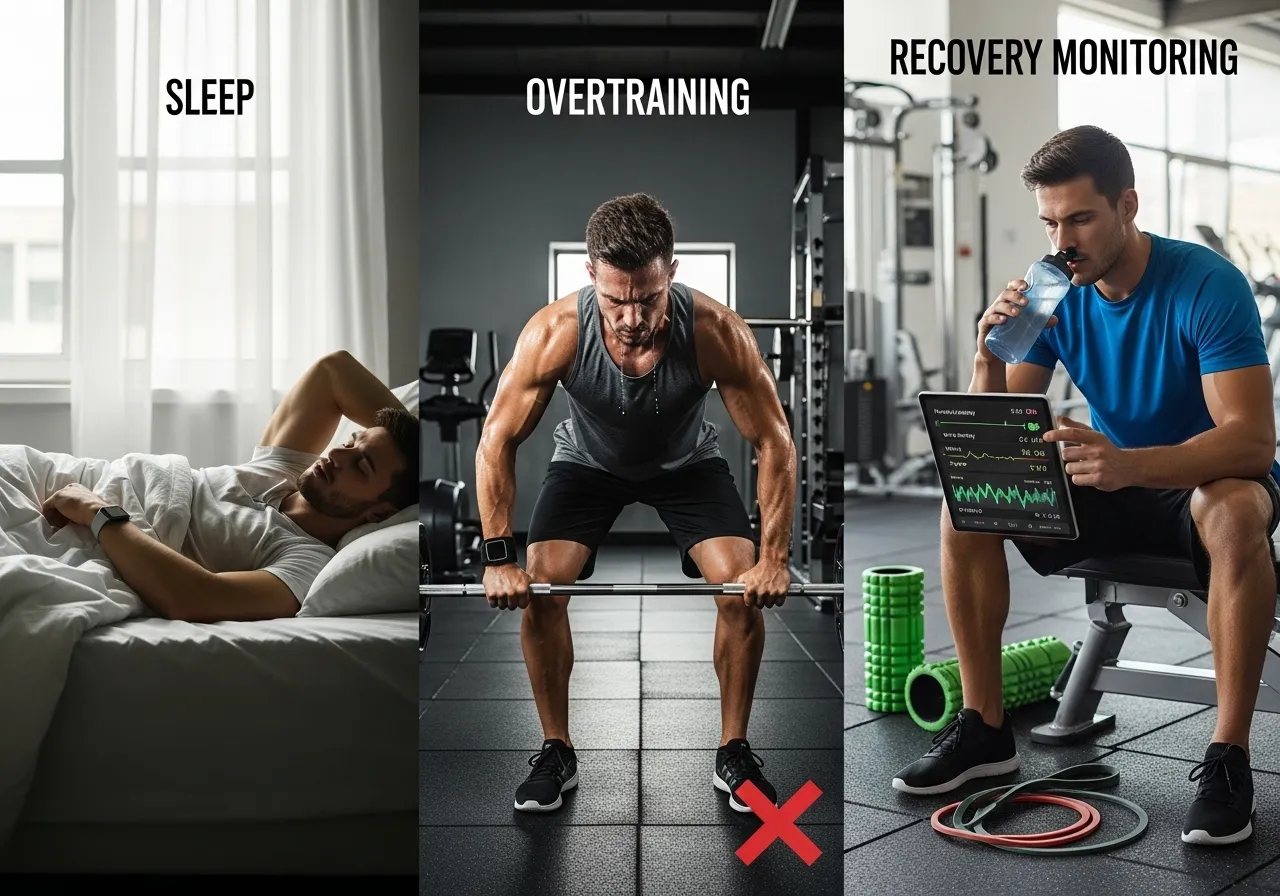
Sleep, Overtraining, and Recovery Monitoring
Sleep quality and duration are among the most sensitive biomarkers of overtraining — and monitoring sleep as a recovery metric provides the early warning system that prevents the overtraining syndrome that chronic underrecovery produces.
Sleep as a Biomarker of Recovery Status
The athlete’s subjective sleep quality and the objective sleep metrics of wearable devices (total sleep time, sleep efficiency, heart rate variability during sleep, and sleep stage distribution) provide the recovery status information that training load management requires. The early warning signs of impending overtraining that sleep metrics reveal: declining sleep efficiency (waking more frequently during the night); reduced heart rate variability during sleep (reflecting elevated sympathetic tone from chronic underrecovery); difficulty falling asleep despite physical fatigue (the paradoxical insomnia of overtraining, where physiological arousal exceeds the fatigue-driven sleep pressure); and subjective reports of non-restorative sleep (feeling unrested despite adequate duration — the hallmark of poor sleep quality regardless of quantity). The monitoring protocol: tracking these sleep metrics daily during high training phases allows the identification of the recovery deficit accumulation that precedes clinical overtraining syndrome — providing the intervention window for training load reduction that prevents the weeks-to-months of forced rest that overtraining syndrome requires. From British Journal of Sports Medicine overtraining and recovery monitoring research, sleep quality deterioration is among the earliest and most sensitive markers of functional overreaching — appearing before the performance decrements and mood disturbances that more advanced overtraining produces and providing the earliest opportunity for training modification that prevents progression to full overtraining syndrome.
Heart Rate Variability During Sleep: The Recovery Science Frontier
Heart rate variability (HRV) — the variation in time intervals between successive heartbeats — reflects the balance between sympathetic (stress) and parasympathetic (recovery) nervous system activity, and its measurement during sleep provides one of the most sensitive available indicators of recovery status and readiness for training. High HRV during sleep indicates adequate parasympathetic activity and recovery; declining HRV across successive days indicates accumulating autonomic stress that recovery has not kept pace with. Modern wearables (Whoop, Oura Ring, Apple Watch with HRV tracking) provide the daily HRV measurement that allows trend analysis across training cycles. The training application of HRV monitoring: on days when morning HRV is significantly below the personal baseline (more than one standard deviation below the rolling average), the physiological indication is that recovery is incomplete and training should be reduced in intensity or volume. On days when morning HRV is at or above baseline, the recovery indication supports normal or elevated training loads. Athletes who manage training intensity reactively based on daily HRV data demonstrate better performance progression and lower injury rates than those following fixed training programs without recovery monitoring — because the HRV-guided approach provides the biological feedback that distinguishes recoverable training stress from the accumulated deficit that injury risk involves. The integration of sleep HRV monitoring with training load management represents the current frontier of evidence-based athletic recovery management, and the accessibility of wearable HRV technology has made this once elite-athlete-only intervention available to any serious recreational athlete willing to invest in the monitoring hardware and the daily attention to the data it provides.
The Psychological Dimension of Sleep and Recovery: Managing Performance Anxiety
The psychological dimension of athletic recovery sleep extends beyond the pre-competition anxiety discussed earlier to the broader pattern of achievement-oriented cognitive activity that high-performing athletes characteristically bring to the sleep period. The athlete whose identity is deeply invested in training and performance often carries this investment into the bedroom — analyzing training sessions, planning future programming, worrying about fitness progression, and replaying performance errors in the mental activity that sleep requires the absence of. This achievement-oriented mental rumination is the most common cause of sleep onset difficulty in otherwise healthy athletes — not stress in the conventional sense but the productivity orientation that high achievers bring to all mental activity, including the period intended for sleep. Cognitive behavioral strategies for the high-achieving athlete’s sleep: the scheduled worry time technique (designating a specific thirty-minute period earlier in the evening for all training analysis and planning, then committing to redirect intrusive performance thoughts during the pre-sleep period to this designated future time); the cognitive defusion practice of observing thoughts as mental events without engaging with their content (acknowledging “there is a thought about tomorrow’s training” without elaborating or solving the thought during the pre-sleep period); and the deliberate transition ritual between the analytical waking activities and the pre-sleep wind-down that signals to the achievement-oriented mind that productive thinking has concluded for the day. For athletes whose sleep difficulty is primarily cognitive — a busy mind rather than physical arousal — these cognitive and behavioral strategies address the primary mechanism more effectively than any physical sleep environment optimization can, because the environment is not the limiting factor for the athlete whose mind remains productive at bedtime regardless of the physical conditions.
Sleep well tonight. Recover completely. Show up tomorrow ready. That is the entire formula — applied consistently, across a lifetime of athletic commitment, it produces the physical resilience and performance capability that no amount of additional training volume can substitute for. The sleep is the training. Protect it like one. Rest now.
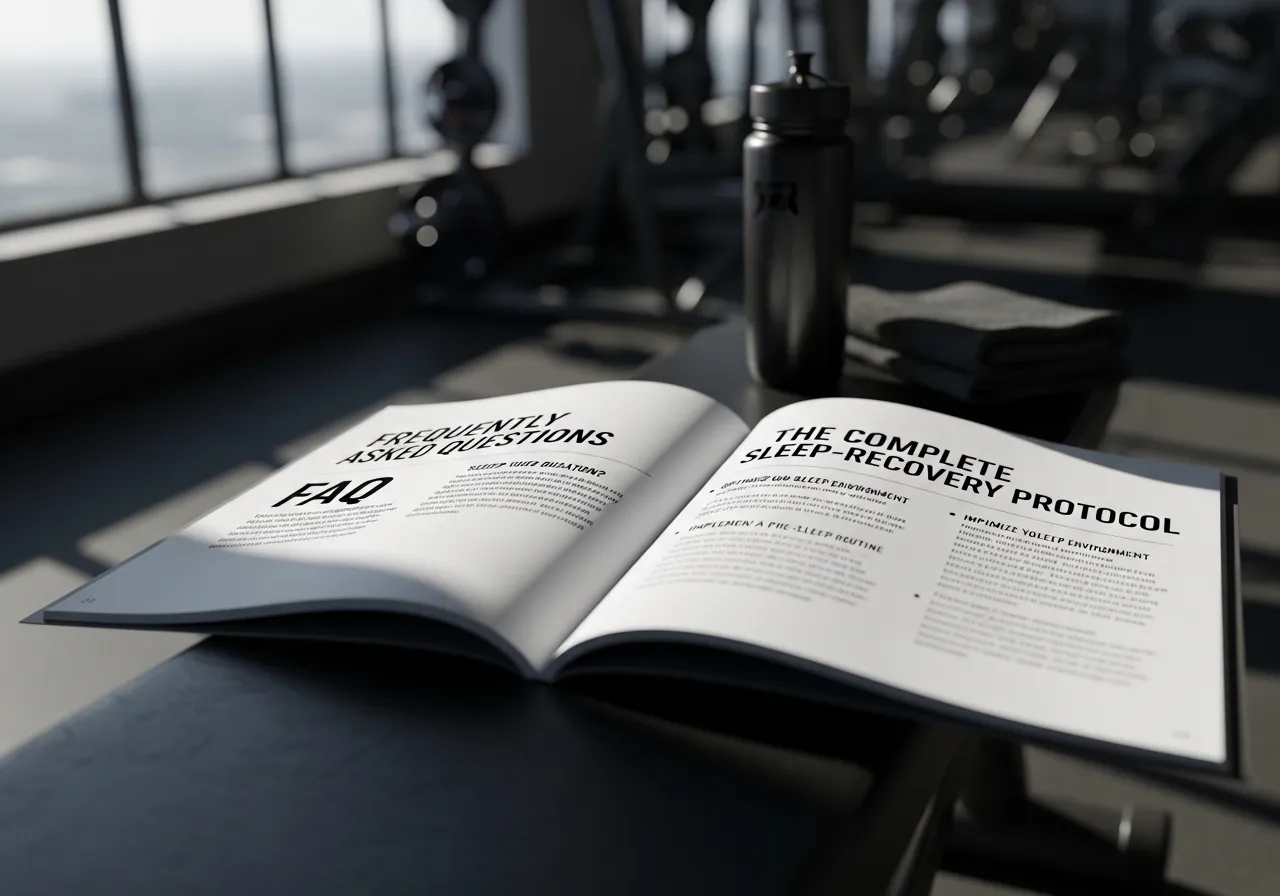
Frequently Asked Questions and the Complete Sleep-Recovery Protocol
The questions most commonly asked about sleep and athletic recovery address both the practical implementation of better sleep and the specific recovery benefits that athletes most want to understand.
Frequently Asked Questions About Sleep and Athletic Recovery
How does poor sleep affect muscle building? Sleep deprivation reduces growth hormone secretion, elevates cortisol, decreases testosterone, and impairs the protein synthesis that muscle building requires — producing the “training without recovering” state that prevents the muscle development that equivalent training with adequate sleep would produce. Can you catch up on sleep debt on weekends? Partial yes: recovery sleep on weekends restores some of the cognitive and performance effects of sleep debt, but the tissue repair, hormonal secretion, and inflammatory effects of chronically short weeknight sleep are not fully compensated by weekend extension. The best approach is to prevent the sleep debt by maintaining consistent sufficient duration throughout the week. Does caffeine affect sleep and recovery? Caffeine’s half-life of five to seven hours means that afternoon caffeine consumption (after 1–2 PM) maintains pharmacologically significant plasma concentrations at bedtime for most people, reducing sleep onset speed, decreasing SWS duration, and impairing the deep sleep that recovery requires even when total sleep time is maintained. Limiting caffeine to morning hours is the most conservative approach for sleep quality protection. What is the best sleep position for injury prevention and recovery? Side sleeping with appropriate pillow support (neutral cervical alignment, pillow between knees for hip alignment) is generally the most recommended sleep position for musculoskeletal health — preventing the spinal extension of prone sleeping and the prolonged hip flexion that curled side-lying without knee support produces. How do alcohol and exercise interact? Alcohol impairs SWS in the first half of the night despite its sedating effect, elevates inflammatory markers, reduces testosterone, and impairs the growth hormone secretion that recovery requires — making it a significant recovery impairment that the athlete serious about performance and injury prevention should minimize, particularly in the high-training periods when recovery demands are greatest. Can sleeping too much impair performance? For healthy athletes, sleeping up to ten or eleven hours per night during high training phases consistently improves rather than impairs performance. The “too much sleep” concern is primarily relevant for clinical hypersomnia and chronic fatigue conditions rather than the deliberate sleep extension that athletes practise during demanding training phases.
The Complete Sleep-Recovery Protocol for Athletes
The comprehensive sleep-recovery protocol integrates every evidence-based element into the daily and weekly sleep management system that injury prevention and athletic recovery require. Daily non-negotiables: a consistent bed and wake time within a one-hour range across all seven days; a bedroom maintained at eighteen to twenty degrees Celsius with effective darkness and noise control; screen cessation or blue-light filtering in the sixty-to-ninety-minute pre-sleep window; and the avoidance of caffeine after early afternoon. Weekly practices: a deliberate pre-sleep relaxation routine of ten to fifteen minutes that builds the sleep-onset conditioning that the consistent routine creates; a review of sleep metrics if using a wearable, with training modifications responding to HRV and sleep quality trends; and the evaluation of total sleep opportunity — if training load is high, the deliberate extension of sleep opportunity through earlier bedtimes rather than hoping for adequate sleep within the existing schedule. High-training-phase additions: a twenty-minute afternoon nap scheduled between 1 PM and 3 PM on the highest-volume training days; the nutritional support for sleep quality (magnesium and tart cherry juice at dinner for their melatonin-precursor and anti-inflammatory effects); and the sleep environment optimization review that ensures that the bedroom conditions are not contributing to the sleep quality impairment that high training stress already creates. The athlete who implements this protocol consistently converts sleep from a passive behavior into an active performance investment — treating the eight to nine hours of recovery time with the same intentional quality management that they apply to the training sessions that the sleep is recovering from. The sleep invested in recovery tonight is the training performance achieved tomorrow, the tissue repaired for the session after next, and the injury avoided in the months ahead. Sleep is not the opposite of training — it is the completion of it.
Long-Term Sleep Habits and Lifetime Athletic Health
The lifetime athlete who prioritizes sleep throughout their active years accumulates biological health reserves that the sleep-deprived athlete cannot replicate in any training session. The long-term benefits of consistently adequate sleep extend beyond athletic performance to the fundamental biological aging processes that sleep quality modulates: the telomere length that sleep deprivation shortens; the metabolic health that sleep-regulated cortisol and insulin sensitivity protects; the cognitive health that adequate sleep-driven glymphatic clearance of amyloid protein supports across decades; and the immune competence that sleep-adequate inflammation regulation maintains. The athlete who sleeps eight to nine hours consistently for twenty years reaches middle age with the biological resilience that makes each subsequent decade of athletic activity possible — the cardiovascular health, metabolic efficiency, musculoskeletal integrity, and cognitive sharpness that compound sleep investment protects. This is the ultimate argument for sleep as injury prevention and recovery: not merely the acute performance and tissue repair benefits of each individual night, but the biological capital that consistently adequate sleep accumulates across the athletic lifetime — the health reservoir that enables the active life that training is building toward. Prioritize sleep with the same seriousness given to training, nutrition, and recovery practices. The investment compounds across years and decades in ways that any single night’s sleep cannot reveal, but that the lifetime of athletic capability that adequate sleep enables fully demonstrates. Sleep deeply. Recover completely. Train effectively. Repeat for a lifetime.
The Complete Sleep and Recovery Integration: Bringing It All Together
The comprehensive sleep and recovery protocol that this article describes integrates every evidence-based element into the daily system that injury prevention and athletic recovery require — converting sleep from a passive behavior into an actively managed performance investment. The foundation layer: consistent bedtime and wake time within one hour, seven days per week; sleep opportunity of eight to nine hours; and the bedroom environment (cool, dark, quiet) that sleep physiology requires. The behavioral layer: the pre-sleep routine that conditions sleep onset; the nutrition timing that supports evening melatonin synthesis; and the training timing that avoids the late-evening arousal that sleep onset requires. The monitoring layer: daily tracking of subjective sleep quality and objective metrics if using a wearable, with training load modification responding to the recovery status the data reveals. The performance layer: strategic napping during high-volume training phases; the travel and competition management protocols that protect sleep quality across the schedule disruptions that competition life produces; and the professional consultation that sleep disorders require when behavioral management alone is insufficient. This comprehensive system produces the injury prevention, recovery quality, and performance maintenance that the research consistently attributes to sleep adequacy — not through any single dramatic intervention but through the systematic management of every variable that sleep quality and quantity depend on. The athlete who builds and maintains this system is not spending more time sleeping than the unmanaged sleeper — they are sleeping more efficiently, recovering more completely, and protecting the training investment that every session represents from the underrecovery that impairs it. Sleep is the most underrated performance intervention available to any athlete at any level, requiring no equipment beyond a good bed and a managed schedule, producing recovery benefits that no training innovation can replicate, and accessible to everyone willing to prioritize it as seriously as they prioritize the training it recovers. Make sleep a priority. Manage it systematically. And allow the fully recovered body that adequate sleep produces to perform at the level that all the training has been building toward.
Evidence-Based Supplement Support for Athletic Sleep
Beyond the food-based nutritional strategies for sleep quality, specific supplements have accumulated sufficient evidence for sleep quality improvement in athletic populations to merit consideration as targeted sleep optimization tools. Magnesium glycinate or bisglycinate: the most bioavailable magnesium forms for sleep support, providing both the magnesium that GABA receptor function and melatonin synthesis require and the glycine that independently promotes sleep through its hypothermic and central inhibitory effects. Two hundred to four hundred milligrams in the evening is the effective dose range in research on sleep quality improvement. Ashwagandha: the adaptogenic herb with the strongest evidence for cortisol reduction and sleep quality improvement in stressed and physically trained populations — three hundred to six hundred milligrams of KSM-66 standardized extract taken in the evening consistently reduces cortisol, improves sleep onset, and increases sleep duration in randomized trials of active adults. L-theanine: the amino acid found in green tea that promotes relaxation without sedation through its alpha wave-promoting and GABA-enhancing effects — two hundred milligrams at bedtime reduces sleep onset anxiety and improves sleep quality metrics without the next-day sedation that pharmaceutical sleep aids produce. Melatonin: most useful for circadian adjustment (jet lag management, shift schedule adjustment, pre-competition sleep timing) at low doses (zero-point-five to one milligram is as effective as higher doses for circadian shifting with less next-day grogginess) rather than as a chronic nightly sleep aid. These supplements are most effective as targeted additions to the foundational behavioral and environmental sleep optimization described throughout this article — not as substitutes for the sleep hygiene practices that address the primary causes of inadequate athletic recovery sleep. Used appropriately as precision tools within a well-managed sleep system, they provide the marginal sleep quality improvements that the competitive athlete seeking every performance and recovery advantage can meaningfully benefit from.
Sleep deeply. Recover fully. Train effectively. Repeat. Go sleep.