How to Build Injury-Resistant Joints with These Exercise

Understanding Joint Anatomy and Why Athletes Break Down
The joint injuries that end training programs prematurely, derail athletic careers, and reduce physical capacity in middle and older age are not random — they follow patterns that reflect specific structural vulnerabilities, training errors, and the cumulative loading that time without adequate recovery produces. I spent two years with chronic knee pain that I managed with ibuprofen and modified training, convincing myself it was just the price of training hard, before a sports physiotherapy assessment identified the specific muscle imbalances, movement pattern errors, and training load management failures that were producing the pain and that were straightforward to address. This article covers the anatomy of joint vulnerability, the specific training and lifestyle interventions that build injury-resistant joints, and the common training errors that silently accumulate the damage that eventually becomes the injury that sidelines the athlete who does not address them proactively.
The Four Structural Layers of Every Joint: What Can Go Wrong and Why
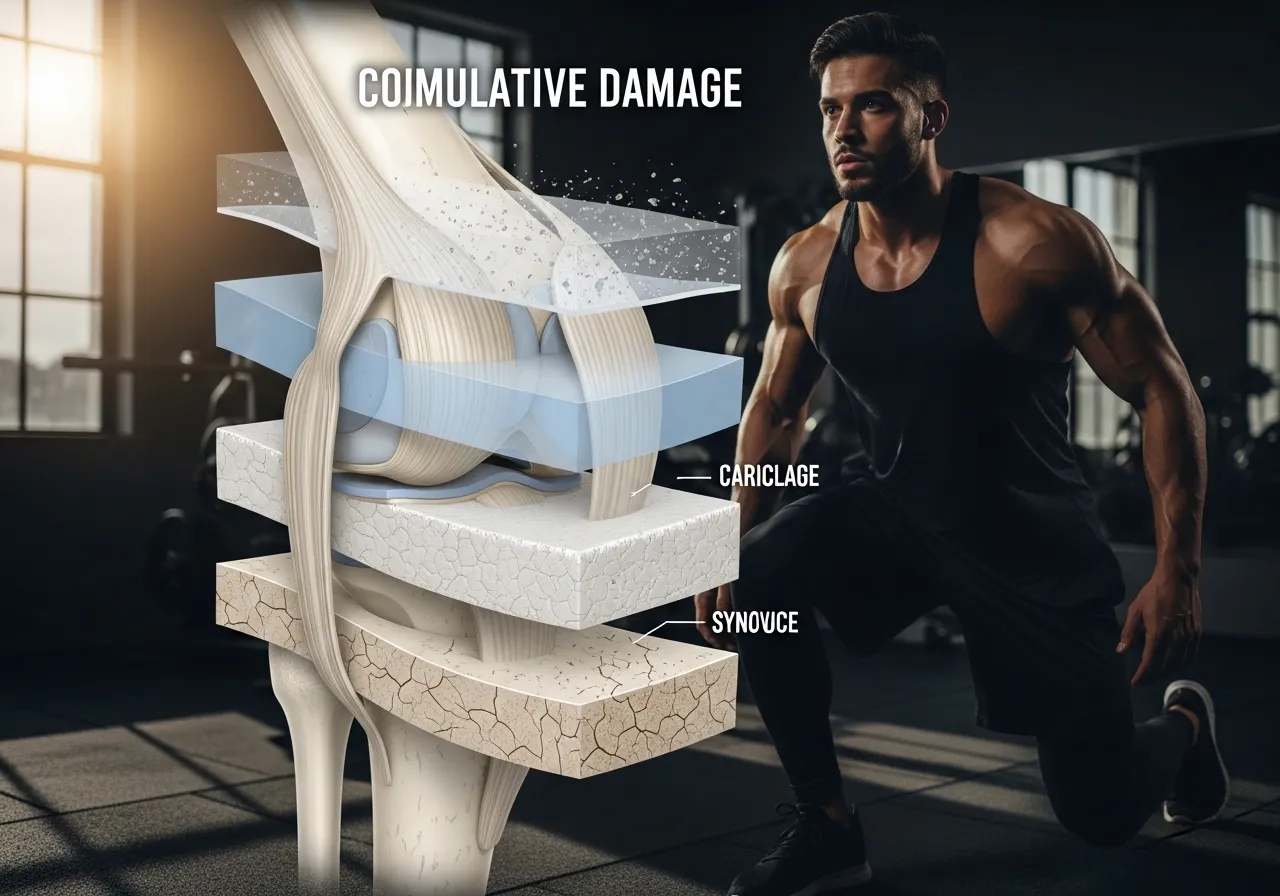
Joint health involves four distinct structural components that each require specific training attention and each fail through different mechanisms when training overloads or neglects them. Articular cartilage — the smooth hyaline cartilage surface that covers the bone ends within synovial joints and provides the frictionless movement surface and compressive load distribution that joint function requires — has minimal blood supply and extremely limited self-repair capacity, making the cartilage damage from repeated high-impact loading without adequate recovery the permanent, progressive damage pathway that the most feared joint injuries (osteoarthritis) ultimately represent. The cartilage health maintenance strategy: adequate joint fluid distribution through varied range of motion movement (not just linear loading patterns), appropriate loading that stimulates cartilage matrix production without exceeding the compressive tolerance that leads to breakdown, and the synovial fluid quality that the hydration and omega-3 intake strategies described in other articles of this series support. Tendons — the dense collagenous connective tissue structures that transmit the force produced by muscle to the bone — are the most commonly training-damaged joint structures because their adaptive response to loading is dramatically slower than the muscular adaptation that training-progressive load increases drive. The muscle-tendon adaptation mismatch: muscles adapt to increased loading within 2-6 weeks through hypertrophy and neural efficiency improvements, while tendon collagen turnover and structural strengthening requires 3-6 months of appropriate loading stimulus. The athlete who increases training load at the rate their muscles can accommodate is typically loading their tendons faster than tendon adaptation allows — the classic mechanism of patellar tendinopathy, Achilles tendinopathy, and rotator cuff tendinopathy that overuse injury statistics consistently show as the most prevalent training-related injuries in athletic populations. Ligaments — the passive stabilizing connective tissue structures that constrain joint movement to the functional range and protect against excessive force in any direction — are damaged primarily by traumatic events (sudden force application beyond ligament tensile strength) rather than overuse, though the proprioceptive deficit that previous ligament injury leaves, combined with the joint instability that ligament laxity creates, significantly increases subsequent injury risk. Joint capsules — the fibrous tissue sleeves that enclose synovial joints and contain the synovial fluid that articular cartilage nutrition requires — are affected by the inflammation that both overuse and traumatic injuries produce, with chronic joint capsule inflammation contributing to the stiffness and range of motion restriction that undertreated training injuries progressively create. From PubMed review on connective tissue adaptation to exercise and injury mechanisms, the differential adaptation rates of muscle versus tendon and the limited self-repair capacity of articular cartilage represent the two most significant structural vulnerabilities that training load management must account for to prevent the most common athletic joint injuries.
The Cumulative Damage Model: How Small Errors Become Big Injuries
The most consequential insight for injury prevention understanding is the cumulative damage model of overuse injury — the recognition that most sports injuries labeled “acute” are actually the acute-onset failure of structures that have been progressively accumulating damage over weeks or months of training errors. The patellar tendon that “suddenly” becomes painful during a heavy squat session was not healthy the week before — it was at 90% of its pathological threshold, silently accumulating microtrauma from inadequate loading management, and the heavy session tipped it from subclinical to clinical presentation. The athlete who experiences a “sudden” shoulder injury during a heavy overhead press typically has the rotator cuff imbalance, thoracic mobility restriction, and progressive tendon loading that the progressive overload was building toward over the preceding training cycle. Understanding the cumulative nature of these injuries has three critical practical implications: first, the absence of pain is not equivalent to structural health — the joint can be accumulating damage that clinical pain does not yet signal; second, the period of apparently productive pain-free training that precedes injury onset is not exoneration of the training errors that were producing the damage during that period; and third, the “listen to your body” maxim fails for cumulative damage injuries because the body does not reliably signal joint damage through pain until the damage threshold is significantly exceeded. The more useful principle is “manage training variables to maintain tissue load within adaptation capacity” — the proactive load management that prevents the accumulation that eventual pain reveals too late to prevent the damage that has already occurred.
Proprioception Training: Teaching Your Joints to Protect Themselves
Proprioception — the body’s ability to sense joint position, movement velocity, and applied force through the mechanoreceptors embedded in joint capsules, tendons, ligaments, and muscles — is the neurological foundation of the dynamic joint stability that prevents the uncontrolled movements that cause acute and chronic joint injuries. The mechanoreceptors that provide proprioceptive information include Ruffini endings (sensitive to joint position and sustained pressure), Pacinian corpuscles (sensitive to rapid pressure changes and vibration), Golgi tendon organs (sensitive to tendon tension), and muscle spindles (sensitive to muscle length changes and velocity) — collectively providing the real-time sensory input that the nervous system uses to automatically adjust muscle activation patterns to maintain joint stability during unexpected perturbations. The proprioceptive deficit after joint injury: ligament injuries, cartilage damage, and significant tendinopathy all reduce mechanoreceptor density and afferent signal quality from the affected joint — the proprioceptive impairment that injury produces is as clinically significant as the structural damage, and it is the most important factor in the recurrent injury risk that incompletely rehabilitated joint injuries carry. The athlete who returns to full training after an ankle sprain with normal strength and range of motion but impaired proprioception has restored two of the three joint health components that full recovery requires — the missing proprioceptive rehabilitation that balance training and perturbation exercises provide is what completes the recovery. Proprioceptive training exercises for healthy joints: single-leg balance on progressively unstable surfaces (flat floor → foam pad → wobble board → Bosu ball); single-leg squat variations with eyes closed (removing visual compensation for proprioceptive deficits); reaction exercises where the athlete must adjust movement direction or velocity on a sudden signal; and plyometric landing mechanics training that develops the rapid proprioceptive-to-motor-output loop that deceleration tasks require. Including 5-10 minutes of proprioception-challenging exercises in each training session’s warm-up or cool-down provides the neurological joint protection training that the mechanical joint conditioning described elsewhere in this article requires complementing for complete injury resistance.
Plyometric Progressions for Tendon and Joint Resilience
Plyometric training — the exercise modality that involves rapid stretch-shortening cycles where the muscle-tendon unit is rapidly loaded and immediately unloaded in explosive movement — is both the most effective training tool for developing the tendon stiffness and elasticity that athletic power requires and the highest-injury-risk category of training when applied to athletes without the connective tissue preparation it demands. The tendon adaptation from plyometric training: the rapid mechanical loading and unloading of plyometrics specifically stimulates the tendon stiffness increases that make the stretch-shortening cycle more energy-efficient — the stiffer tendon stores and returns more elastic energy per loading cycle, improving the running economy, jumping performance, and sprinting speed that reflect optimized tendon mechanical properties. The plyometric injury risk without preparation: Achilles tendon rupture, patellar tendon rupture, and plantar fascia rupture disproportionately occur in athletes who have undertaken plyometric training intensity levels that exceed the tendon stiffness their prior loading history has developed — the dramatic failures that the management of plyometric progression is specifically designed to prevent. The plyometric progression for tendon and joint resilience: Phase 1 (weeks 1-4): low-impact bilateral jumping — squat jumps, box step-ups, and the double-leg landing drills that establish landing mechanics before the unilateral demands of more advanced plyometrics are added. Phase 2 (weeks 5-8): moderate-impact bilateral and unilateral — broad jumps, lateral hops, and the single-leg landing progressions that develop unilateral deceleration capacity. Phase 3 (weeks 9-12): high-impact unilateral — depth jumps, bounding, and the sport-specific plyometric patterns that competitive athletes require. This 12-week progression respects the 3-4 month tendon adaptation timeline by distributing the plyometric load increase over the period that tendon collagen remodeling requires — the same timeline that the tendon training section established as the minimum for meaningful connective tissue adaptation.

Tendon Training: The Specific Protocol That Builds Injury-Resistant Connective Tissue
The research on tendon adaptation to loading has produced a more specific and practical understanding of how to build tendon resilience than the general “progressive overload” principle that most training advice applies equally to all tissues. Tendons respond to loading differently than muscles — understanding these differences is essential for the training approach that builds tendon health rather than merely loading tendons at the rate muscle adaptation allows.
Isometric Loading for Tendon Health and Pain Management
Isometric muscle contraction — producing force without joint movement — has emerged from the tendon rehabilitation and sports science research as the most immediately effective tendon loading strategy for both pain management and the early tendon adaptation that the more demanding heavy loading requires preparing the tendon for. The mechanism of isometric pain relief in tendinopathy: isometric loading at approximately 70-80% of maximum voluntary contraction held for 30-45 seconds produces cortical inhibition of the pain signal that the loaded tendon generates — the neurological pain gate mechanism that isometric loading specifically activates produces 45+ minutes of reduced pain and stiffness following the session, making it both a therapeutic intervention and the warm-up strategy that enables the subsequent training session for athletes managing active tendinopathy. The tendon adaptation benefit of isometrics: the sustained mechanical tension of a 30-45 second isometric hold produces different collagen fiber alignment and cross-link formation stimuli than the brief peak tensions of dynamic loading — specifically promoting the parallel collagen fiber organization that tendon load-bearing capacity depends on. For athletes without active tendinopathy, isometric loading is a valuable tendon conditioning addition to training: wall sits (90-second holds for quadriceps-patellar tendon conditioning), calf raises held at peak contraction for 30-45 seconds (Achilles tendon conditioning), shoulder external rotation with isometric holds (rotator cuff tendon conditioning), and the plank variations (shoulder girdle tendon conditioning) that sustained isometric core loading provides. Integrating 2-3 sets of one or two isometric holds per targeted tendon into the warm-up or cool-down of training sessions that heavily load those tendons provides the specific tendon conditioning stimulus that dynamic training alone does not adequately supply. From PubMed research on isometric exercise and tendinopathy treatment outcomes, isometric loading at 70-80% of maximum voluntary contraction consistently reduces tendon pain during loading and produces measurable tendon structural improvements in randomized controlled trials of patellar and Achilles tendinopathy — establishing isometrics as the evidence-supported first-line tendon intervention for both treatment and prevention.
Eccentric Loading: The Gold Standard for Tendon Strengthening
Eccentric loading — the controlled deceleration phase of exercise where the muscle lengthens under load — is the single most research-supported tendon strengthening protocol, with the greatest evidence base of any loading strategy for both tendon rehabilitation and preventive conditioning. The biomechanical basis for eccentric loading’s superior tendon stimulus: the force produced during eccentric contraction exceeds concentric force at equivalent neural activation levels because the cross-bridge detachment mechanics of eccentric action allow higher loads; and the specific mechanical stimulus of tissue lengthening under load activates the tenocyte mechanosensing pathways that upregulate collagen synthesis and collagen cross-link formation at greater magnitude than the compressive loading of isometric or the shorter-range stimulus of concentric-only loading. The classic eccentric loading protocols for major tendons: heel drops on a step edge (3 sets of 15 repetitions, slow 3-second lowering, daily) for Achilles tendon conditioning; single-leg decline squat (3 sets of 15 repetitions at slow eccentric tempo) for patellar tendon; eccentric external rotation with a cable or band for rotator cuff tendons; and Nordic hamstring curls (the most research-supported single exercise in sports medicine for hamstring injury prevention, with multiple RCTs showing 50-70% reductions in hamstring injury rates in soccer and sprint athletes who regularly perform them) for the proximal hamstring tendon at the ischial tuberosity. The loading progression for preventive eccentric tendon conditioning: beginning with bodyweight or light load and progressing over 8-12 weeks to the loaded versions that research protocols use ensures that the tendon adaptation keeps pace with the increased tendon stress that heavier loading produces — the same progressive overload principle applied to connective tissue at the slower adaptation timeline that tendon biology requires. The frequency and dosage: 3 times per week is the standard evidence-supported frequency for therapeutic eccentric programs; for preventive maintenance, twice weekly maintenance sessions maintain the tendon resilience that the initial 8-12 week conditioning program builds.
Heavy Slow Resistance Training: The Long-Term Tendon Strengthening Protocol
Heavy slow resistance (HSR) training — performing standard compound exercises through the full range of motion at a deliberately slow tempo (3-4 seconds eccentric, 2-3 seconds concentric) with heavier loads than the standard eccentric protocol uses — has emerged from the tendinopathy rehabilitation literature as the most comprehensive long-term tendon conditioning approach for athletes who have progressed beyond the initial isometric and eccentric phases. The HSR protocol’s advantages over pure eccentric training: the full range of motion and the concentric-plus-eccentric stimulus that bilateral and unilateral exercises provide loads the tendon through the full mechanical range rather than the eccentric-only stimulus of protocols that emphasize the lowering phase exclusively — producing more comprehensive collagen fiber orientation and tendon cross-sectional area improvements in the 3-6 month programs that HSR research has evaluated. The practical HSR implementation for patellar tendon (the most commonly injured tendon in gym training): leg press and leg extension at 70% of one-rep maximum, 3 sets of 15 repetitions at a 3-4 second eccentric tempo performed 3 times per week — the specific protocol that multiple Scandinavian sports medicine groups have validated in competitive athletes. For the healthy athlete performing HSR as preventive conditioning rather than rehabilitation: integrating the slow-tempo approach into one of the two or three lower body training sessions per week (performing the tempo squats or leg press with the deliberate slow eccentric as the tendon conditioning component of the session) provides the preventive stimulus without requiring a separate training session dedicated to tendon work.
Training Surfaces and Footwear: The Environmental Factors That Affect Joint Loading
The training environment — specifically the surface on which ground-contact exercise occurs and the footwear that mediates the interface between foot and surface — affects the joint loading profile at the ankle, knee, and hip in ways that cumulative training volume makes consequential for long-term joint health. Training surface hardness determines the impact attenuation that the musculoskeletal system must provide: hard surfaces (concrete, hardwood gym floors) require the greatest muscular and tendon energy absorption per ground contact, while soft surfaces (grass, artificial turf, rubber tracks) share the impact attenuation load between the surface material and the musculoskeletal system. The research on surface hardness and injury rates in running athletes: softer surfaces are consistently associated with lower stress fracture rates and lower cumulative joint loading markers, though the perception that softer surfaces always reduce injury risk is complicated by the increased ankle instability risk on highly compressible surfaces and the altered biomechanics that some synthetic surfaces produce. For gym training specifically: rubber flooring provides meaningful vibration absorption for lifting and jumping compared to concrete, and the standard rubber gym mat investment produces joint loading reductions that are most relevant for the high-rep jumping and landing activities that HIIT and plyometric training involves. Footwear considerations for joint health: the debate between maximalist (heavily cushioned) and minimalist (minimal cushioning, low drop) running shoes reflects genuinely different biomechanical footwear philosophies with different injury risk profiles — maximalist shoes reduce peak impact forces but may reduce the proprioceptive feedback that natural running mechanics depend on; minimalist shoes increase proprioceptive feedback and promote the midfoot strike that lower impact forces reflect, but require the gradual transition that Achilles and plantar fascia tissue adaptation to the increased demand for eccentric calf work demands over months rather than weeks. For lifting specifically: zero-drop, firm-soled shoes (Olympic weightlifting shoes, flat-soled powerlifting shoes, or zero-drop training shoes) provide the ankle proprioception and energy transfer efficiency that cushioned athletic shoes reduce during heavy compound loading — the heel-elevated position of traditional running shoes worn during squatting and deadlifting shifts loading patterns in ways that the ankle dorsiflexion limitation compensation research identifies as mechanically unfavorable for hip and knee joint loading.
Joint Health During Weight Loss Phases: Special Considerations
The fat loss phases of training periodization create specific joint health challenges that the body composition-focused framing of dieting often fails to address: the connective tissue catabolism that caloric deficit increases (collagen is a labile protein that contributes to the protein pool that caloric restriction increasingly accesses as deficit duration extends); the reduced synovial fluid quality from dehydration that aggressive restriction sometimes produces; and the increased training-induced joint stress from carrying additional body weight that precedes significant fat loss. The connective tissue protection strategy during weight loss phases: increasing collagen peptide supplementation to twice daily (before the training session as described and before sleep to capture the overnight synthesis window); maintaining protein intake at the upper range (2.4-2.6 g/kg) to protect collagen-containing proteins alongside muscle protein during the catabolically elevated state that caloric restriction creates; and the load management adjustment that reduces the connective tissue loading per session during the recovery-impaired state that caloric deficit represents — specifically reducing plyometric volume and the highest-intensity joint-loading activities by 20-30% during aggressive fat loss phases while maintaining the joint conditioning work that tendon health requires. The joint health monitoring during weight loss: increased awareness of the tendon tenderness signals described earlier, with a lower threshold for reducing loading when tenderness appears in the reduced-recovery state that caloric restriction creates — the connective tissue repair capacity that adequate nutrition enables is reduced during deficit, making the cumulative damage from maintaining full training load more likely to exceed the reduced repair capacity in ways that produce injury during phases that diet-focused athletes tend to overlook as injury-risk periods.

Mobility, Stability, and the Movement Foundation of Joint Health
Joint health requires the combination of adequate mobility (the range of motion that allows the joint to move through its full functional arc without compensatory movement elsewhere) and stability (the dynamic muscular control that maintains joint alignment and load distribution within that range). The athlete who has mobility without stability produces joint stress through the uncontrolled movement that strength training exposes; the athlete who has stability without mobility produces compensation patterns that transfer loads to structures not designed to bear them.
The Mobility-Stability Continuum: Assessing and Addressing Your Specific Deficits
The joint-by-joint approach to mobility and stability assessment — developed by physical therapists Gray Cook and Mike Boyle — provides the most practical framework for identifying the specific deficits that joint health requires addressing before training load exposes their consequences. The alternating joint-by-joint model: ankle (primarily mobility), knee (primarily stability), hip (primarily mobility), lumbar spine (primarily stability), thoracic spine (primarily mobility), glenohumeral shoulder (primarily mobility), and scapulothoracic joint (primarily stability) alternate between mobility-dominant and stability-dominant requirements in the musculoskeletal kinematic chain. The practical significance: a joint that is mobility-limited will force the adjacent stability-dominant joint to provide the mobility it cannot — the ankle mobility restriction that forces the knee to translate medially during the squat is the classic example that knee valgus and patellofemoral pain are often produced by. Addressing the mobility deficit at the ankle removes the compensatory demand from the knee before it produces the cumulative joint stress that pain eventually signals. The self-assessment for the primary mobility restrictions: ankle dorsiflexion (kneeling lunge test — can the knee travel 10cm past the toes without heel rise?); hip internal rotation (supine hip rotation — can 40+ degrees of internal rotation be achieved symmetrically without pelvic compensation?); thoracic extension (thoracic foam roll test — can the thoracic spine contact a foam roller at each vertebral level from T1-T12 when lying over it?); and shoulder flexion (wall reach test — can both arms fully extend overhead against a wall with lumbar neutral maintained?). The athlete who cannot meet these mobility standards in any of the tested joints has identified the specific mobility work that addressing their joint health requires — the corrective exercise priority that the assessment directs to the deficit rather than the generic mobility routine that may not address the specific restriction creating the compensatory loading.
Dynamic Stability Training: Building the Muscular Control That Protects Joints
Stability is not the same as strength — the joint stability that injury prevention requires is the dynamic, reactive neuromuscular control that maintains correct joint alignment across the full range of challenging loading conditions rather than the maximum force production that strength training tests. The training of dynamic joint stability requires exercises that challenge the stabilizing muscle systems at the speeds, in the positions, and under the loading conditions that real movement and heavy lifting expose — not the slow, controlled movements that beginners use to develop basic motor patterns. Perturbation training: exercises performed on unstable surfaces or under perturbation conditions (a training partner providing unexpected pushes, the wobble board that creates unpredictable loading, the single-leg exercises that challenge lateral stability) develop the reactive stabilization that level surfaces and bilateral exercises do not adequately train. The research on perturbation training for knee injury prevention is among the most compelling in sports medicine: the ACL injury prevention programs that include perturbation training and jump landing mechanics have demonstrated 40-50% reductions in ACL injury rates in female youth athletes — the prophylactic effect of dynamic stability training that the controlled loading of standard gym exercise cannot match. The specific dynamic stability exercises for major joints: single-leg deadlifts (hip, knee, and ankle stability in the hip hinge pattern); overhead pressing while standing on one leg (shoulder and scapular stability under destabilizing conditions); side-lying clamshells and hip abduction against resistance (hip external rotation and abductor stability for knee valgus prevention); and the rotator cuff-specific stability exercises (Y-T-W-L raises in prone, face pulls, external rotation with band) that shoulder injury prevention programs consistently include. From Physiopedia neuromuscular control and athletic injury prevention evidence, dynamic neuromuscular control training consistently reduces lower extremity injury rates in athletic populations — confirming the preventive value of stability-focused training alongside the strength and conditioning that most programs emphasize.
Warm-Up Protocols for Joint Protection
The warm-up’s joint-protective function extends beyond the temperature elevation that increases tissue viscoelasticity to the specific movement preparation that activates the stabilizing muscles and restores the range of motion that the joint health strategies in this article are designed to build. The joint-protective warm-up structure that research supports: general cardiovascular warm-up (5-7 minutes of brisk walking, light rowing, or cycling) elevates core and peripheral tissue temperature and initiates the synovial fluid distribution that articular cartilage nutrition requires at the start of each session; dynamic mobility work (leg swings, hip circles, shoulder circles, thoracic rotations) takes each major joint through its full functional range of motion with the rhythmic movement that lubricates the articular surfaces and assesses the current range of motion availability before loading; activation exercises (glute bridges, band walks, face pulls, scapular retractions) activate the specific stabilizing muscles that the session’s loading will rely on — the gluteus medius for lower body work, the rotator cuff for upper body work; and movement-specific progressive loading (starting compound movements at 30-40% of working weight and progressing through 2-3 warm-up sets before the first working set) applies the full-range movement under increasing load to confirm joint preparation before the training intensity that tissue vulnerability requires the warm-up to have addressed. The total warm-up time investment: 15-20 minutes for a comprehensive joint-protective warm-up is appropriate before heavy compound training. This time investment is not separate from the session — it is part of the session that the joint health and performance quality it enables makes non-negotiable for the athlete whose training involves heavy loading over years and decades.
Managing Existing Joint Injuries: The Return-to-Training Framework
The principles in this article are most valuable as preventive measures — but the athlete who already has existing joint pathology (tendinopathy, mild cartilage damage, post-surgical reconstruction) needs the specific framework for returning to full training without reproducing the injury cycle that incomplete rehabilitation creates. The return-to-training framework for existing joint injuries: Phase 1 (pain control and range of motion restoration): the goal is reducing the inflammatory response and restoring the full range of motion that injury restricts, through the isometric loading, active recovery movement, and anti-inflammatory nutrition that the acute injury period requires. Loads that reproduce or worsen pain above 3/10 are avoided; loads at or below 3/10 are maintained to preserve the tissue stimulation that complete rest would allow to atrophy. Phase 2 (progressive loading): beginning with the isometric and eccentric protocols described in the tendon training section, at load levels that produce mild discomfort (1-3/10) that resolves within 24 hours; progressing load weekly by the 10% guideline that the rehabilitation literature uses as the maximum single-week increase compatible with connective tissue adaptation. Phase 3 (sport-specific training): reintroducing the specific movements and loading patterns that the sport or training program requires, initially at reduced intensity and volume before progressive restoration to the pre-injury training load. Phase 4 (full return with monitoring): resuming full training with the ACWR monitoring, deload programming, and joint health maintenance practices that prevent recurrence. The critical success factor for this framework: the transition between phases should be guided by tissue response (pain and stiffness markers) rather than fixed timelines — rushing a phase transition because the timeline suggests readiness, rather than because the tissue response confirms readiness, is the mechanism of reinjury that impatient rehabilitation commonly produces. Working with a sports physiotherapist for phase transitions in significant injuries (tendon rupture repairs, ligament reconstructions, substantial cartilage damage) provides the clinical assessment of tissue readiness that self-assessment in the motivation-biased athlete cannot reliably supply.
My Personal Joint Health Journey: What Saved My Training
The two-year knee pain episode that opened this article was resolved not through rest or pharmaceutical management but through the specific interventions that the connective tissue science describes: identifying and correcting the ankle dorsiflexion restriction that was producing the knee valgus in my squat; adding twice-weekly patellar tendon eccentric loading (decline squats) that I had never previously included; reducing the weekly training load spike that my inconsistent attendance-and-then-catch-up training pattern was producing; and adding the pre-training collagen-and-vitamin-C protocol that the sports science literature had just begun publishing compelling evidence for. The pain resolved within four weeks of implementing these changes and has not returned across three subsequent years of progressive loading that exceeds the weights I was using when the pain was present. The specific lessons: the upstream mobility restriction (ankle) was causing the downstream joint stress (knee) in a way that directly treating the knee never addressed; the tendon conditioning work I had always skipped as unnecessary had been the missing structural component for the load I was applying; and the collagen supplement protocol was the lowest-effort, highest-return addition I had made to my training support stack in years. I now routinely include ankle dorsiflexion assessment as the first mobility test when any lower body joint sensitivity appears — in myself or in training partners I advise — and the upstream restriction identification that this systematic approach provides consistently identifies the correctable cause that local joint treatment alone misses. Joint injuries feel like the end of training progress; addressed properly, they are the diagnostic information that builds the more structurally complete training practice that prevents the next ten years of similar problems. The time invested in the connective tissue education that this article summarizes returns many times its cost in the training continuity that injury prevention enables.
Advanced Joint Health: Cold Therapy, Compression, and Emerging Recovery Tools
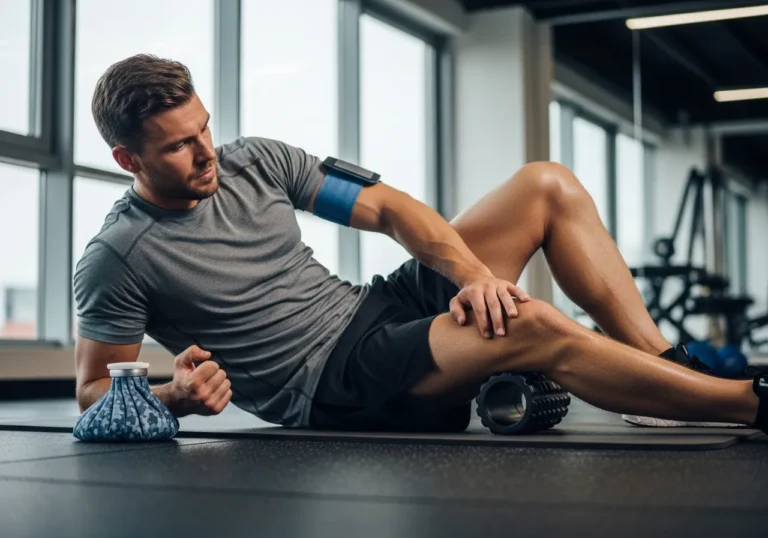
Beyond the foundational joint health practices described throughout this article, a category of recovery modalities targets joint inflammation management and the tissue repair optimization that the evidence-supported tools in this section provide with varying degrees of research backing. Cold therapy (cryotherapy): local ice application (15-20 minutes) after training sessions that produce joint soreness reduces the acute inflammatory response and provides the pain gate analgesia that cold-induced nerve conduction slowing creates. The post-training ice application protocol for inflamed joints: 15-20 minutes of crushed ice in a moist towel (direct ice contact without fabric insulation risks cryogenic burns) applied within 30-60 minutes of the training session that produced the joint stress. The long-term concern about routine post-training ice application is the research evidence that the acute inflammatory response to training is a necessary part of the adaptation signaling that excessive post-training icing may attenuate — the anti-inflammatory intervention that benefits injury management may impair the adaptation stimulus from heavy training when applied routinely after every session. The more selective application: ice for the specific joint sensitivity that exceeds normal training response, not as a routine post-session practice that may impair adaptation. Compression: graduated compression sleeves for the knee and ankle during training provide the proprioceptive feedback enhancement and the mechanical lateral support that reduce joint stress during heavy loading, with specific research support for knee sleeve compression in reducing patellofemoral pain during squatting. The elastic compression bandage applied post-training for joint swelling management provides the external compression that reduces edema accumulation. Foam rolling and soft tissue work: while primarily a muscle tissue intervention, foam rolling of the muscle-tendon junctions adjacent to chronically stressed joints addresses the myofascial tension that pulls on joint structures from the muscle belly side — the gastrocnemius foam rolling that reduces the proximal Achilles tension and the quad foam rolling that reduces the proximal patellar tendon tension are the specific applications that the joint-adjacent soft tissue management rationale supports. From PubMed systematic review on cold therapy and exercise recovery, local cryotherapy reduces acute post-exercise inflammation and pain and improves short-term recovery comfort, with the optimal application protocol involving selective rather than routine post-training use to preserve the inflammatory adaptation signaling that training recovery requires.

Nutrition and Supplementation for Joint Health
The connective tissue structures of joints — cartilage, tendons, ligaments — require specific nutritional inputs for their synthesis and maintenance that the performance nutrition framework (protein, carbohydrate, fat for muscle and energy) does not fully address. Specific dietary and supplementation strategies have meaningful evidence for supporting joint health in the training athlete.
Collagen, Vitamin C, and Connective Tissue Synthesis
Collagen is the primary structural protein in tendons (comprising 60-85% of tendon dry weight), ligaments, and articular cartilage — the building material that all connective tissue healing and maintenance requires. The dietary support for collagen synthesis is the most evidence-supported nutritional intervention for joint health in athletes specifically: hydrolyzed collagen peptide supplementation at 10-15 grams consumed with 50-100mg of vitamin C approximately 30-60 minutes before exercise has been demonstrated in multiple RCTs to increase both blood hydroxyproline (the collagen-specific amino acid) and the collagen synthesis marker P1NP in the hours following exercise — confirming that the combination of collagen-peptide priming and exercise-induced stimulus produces a synergistic collagen synthesis response that neither alone achieves as effectively. The mechanism: exercise increases blood flow to tendons and cartilage, temporarily improving the nutrient delivery that these relatively avascular structures depend on — and the elevated hydroxyproline and proline availability from the pre-exercise collagen supplement maximizes the synthetic capacity that this temporary nutrient access window allows. The vitamin C requirement: collagen synthesis requires the hydroxylation of proline to hydroxyproline, catalyzed by prolyl hydroxylase enzymes that require vitamin C as a cofactor — without adequate vitamin C, collagen synthesis is impaired regardless of collagen precursor availability, explaining the classic scurvy manifestation of connective tissue breakdown from vitamin C deficiency. The practical protocol: 10-15g hydrolyzed collagen or gelatin (the food-derived collagen source that produces equivalent results at lower cost) dissolved in a vitamin C-rich juice (orange juice provides the natural vitamin C) or combined with a separate 50mg vitamin C supplement, consumed 30-60 minutes before training that specifically stresses the target tendons. For patellar tendon conditioning: 30-60 minutes before squatting or running; for Achilles tendon: before running or calf-loading work; for shoulder tendons: before pressing and overhead work. From PubMed randomized trial on collagen supplementation and tendon collagen synthesis after exercise, hydrolyzed gelatin supplementation before exercise significantly increases circulating collagen synthesis markers and improves collagen content in engineered ligament tissue — providing the first direct evidence that dietary collagen supports connective tissue synthesis through a mechanistically validated pathway.
Omega-3 Fatty Acids and Joint Inflammation
The joint inflammation management that omega-3 fatty acids provide through the prostaglandin pathway competition that EPA and DHA mediate represents one of the most practically useful anti-inflammatory nutritional strategies for the athlete experiencing the low-grade joint inflammation that heavy training produces. The specific joint health effects of omega-3 research: EPA and DHA supplementation at 2-4 grams per day consistently reduces the joint tenderness, morning stiffness, and the synovial fluid inflammatory marker concentrations that both rheumatoid arthritis and exercise-induced joint inflammation studies measure — with the non-rheumatoid athlete research showing similar but less dramatic improvements in joint comfort and inflammatory markers than the clinical arthritis studies that the strongest evidence derives from. The mechanism: EPA and DHA compete with arachidonic acid for the cyclooxygenase enzymes that produce pro-inflammatory prostaglandins, reducing prostaglandin E2 production in favor of the less pro-inflammatory prostaglandins derived from omega-3 substrates. This is the same enzymatic pathway that NSAIDs (ibuprofen, naproxen) block through competitive inhibition — making omega-3 supplementation the dietary equivalent of mild, long-term, non-gastrointestinally-damaging NSAID use for the joint inflammation management that the training athlete’s cumulative joint loading creates. The additional cartilage health benefit of omega-3: the anti-catabolic effect of omega-3 on chondrocytes (the cells responsible for articular cartilage maintenance) reduces the inflammatory cytokine-mediated cartilage degradation that chronic low-level joint inflammation produces — the cartilage-protective mechanism that makes omega-3 supplementation particularly valuable for the older athlete whose articular cartilage has accumulated the use history that makes it more vulnerable to inflammatory degradation.
Glucosamine, Chondroitin, and Curcumin for Joint Support
The glucosamine-chondroitin combination and curcumin represent the most thoroughly researched non-prescription joint support supplements, with evidence bases that support specific modest benefits while stopping well short of the dramatic joint repair claims that marketing sometimes suggests. Glucosamine sulfate at 1,500mg daily and chondroitin sulfate at 1,200mg daily: the GAIT (Glucosamine/chondroitin Arthritis Intervention Trial) and multiple subsequent meta-analyses show consistent modest reductions in pain and functional limitation for the subset of osteoarthritis patients with moderate-to-severe pain — the benefit is real but limited to the symptomatic management of existing cartilage damage rather than the disease-modifying structural repair that earlier research suggested. For the training athlete without existing joint pathology, the preventive use of glucosamine-chondroitin has less research support than the symptomatic treatment use for existing osteoarthritis — the supplementation makes more evidence-supported sense for the older athlete (45+) with early articular cartilage changes than for the young athlete with structurally healthy joints. Curcumin (from turmeric) at 500-1,000mg of bioavailable form (phospholipid complex or piperine-enhanced formulation) produces anti-inflammatory effects through the NF-κB pathway inhibition described in the superfoods article, with multiple RCTs in knee osteoarthritis showing pain and function improvements comparable to lower-dose NSAIDs at matched treatment durations. For the training athlete, curcumin’s role in joint health management is most practically as a post-training anti-inflammatory that reduces the cumulative joint inflammation that heavy sessions produce over training weeks — the daily use that maintains the NF-κB inhibition throughout the training period rather than the reactive use after specific pain episodes. From PubMed systematic review on glucosamine and chondroitin for knee joint health, glucosamine and chondroitin produce modest but statistically significant improvements in pain and function in knee osteoarthritis, with the combination more effective than either alone — confirming their value as symptomatic interventions with appropriate expectations of modest rather than dramatic benefit.
Load Management: The Training Variable That Prevents Overuse Injuries
The majority of overuse joint injuries in athletes are preventable — not through avoiding challenging training but through the specific training load management practices that respect the tissue adaptation timelines that connective tissue biology establishes as non-negotiable regardless of training motivation or schedule pressure.
The Acute:Chronic Workload Ratio: Managing Training Load to Minimize Injury Risk
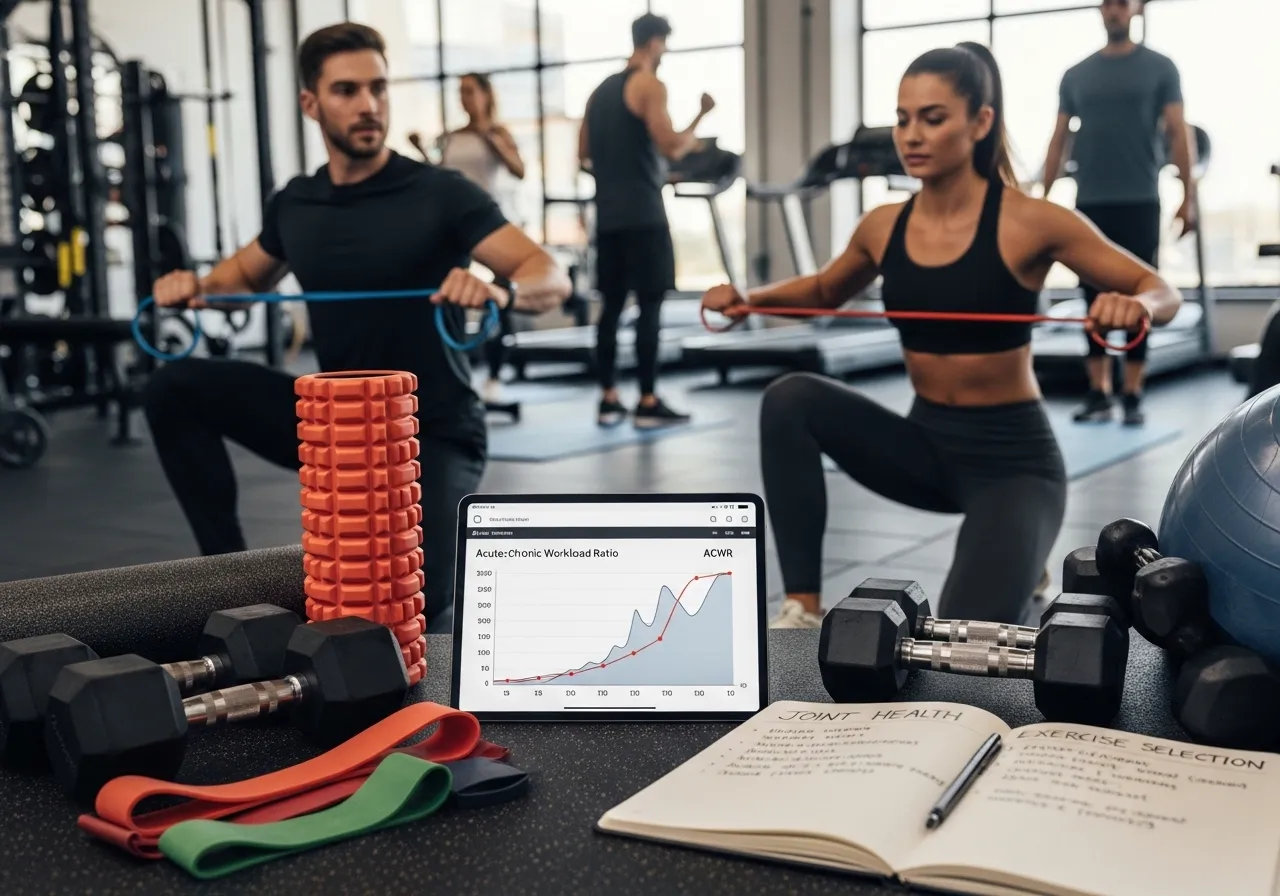
The acute:chronic workload ratio (ACWR) — the ratio of the current week’s training load to the average of the preceding 4 weeks — is the most practically useful training load management tool that sports science research has developed for overuse injury prevention. The research basis: a training load that significantly exceeds the chronic load baseline that the athlete’s connective tissue is adapted to — the “spike” in weekly load that occurs when athletes dramatically increase volume, intensity, or training frequency in a short time window — is the most consistent predictor of overuse injury occurrence across sports. An ACWR above 1.5 (current week’s load more than 50% higher than the 4-week average) is the threshold that research consistently associates with significantly elevated injury risk; an ACWR between 0.8-1.3 represents the “sweet spot” of progressive training that challenges adaptation without exceeding recovery capacity. The practical implementation: track weekly training load using a simple metric (session RPE multiplied by session duration in minutes = session load units) for each training session; calculate the 7-day rolling average and compare it to the 28-day rolling average; identify the weeks where the ratio approaches or exceeds 1.3 and plan the following week’s training to bring the ratio back into the safe zone before continuing the progressive loading. This is not a rigid mathematical rule that overrides clinical judgment — it is a monitoring tool that makes the invisible accumulation of training load visible before it exceeds the tissue adaptation capacity that pain reveals too late. From PubMed research on acute:chronic workload ratio and sports injury prediction, the ACWR model consistently identifies the loading patterns that most strongly predict overuse injury occurrence in athletes across multiple sports — confirming its practical utility as a training load monitoring framework for injury-prevention-oriented athletes.
Deload Weeks: The Non-Negotiable Recovery Cycles That Prevent Cumulative Damage
The structured deload — a planned reduction of training volume and/or intensity for one week after every 3-6 weeks of progressive loading — is the training periodization practice that most directly addresses the cumulative microtrauma accumulation that continuous progressive loading produces in connective tissue between the training blocks that push adaptation and the recovery periods that allow it. The deload’s joint-health rationale: the tendon and cartilage microtrauma that each week of progressive loading accumulates (the collagen micro-tears, the articular cartilage compression deformation, the ligament creep that sustained loading produces) requires specific unloading periods to complete the tissue remodeling and matrix replenishment that the repair process needs. Training cycles that do not include planned deloads allow this microtrauma to accumulate beyond the threshold that the tissue’s repair capacity can keep pace with — the “tired and beat up” feeling that many athletes normalize in the weeks before an injury is the physical experience of this threshold being approached. The deload structure that most effectively supports connective tissue recovery: 50-60% of normal training volume maintained at normal or slightly reduced intensity; maintaining movement variety and range of motion work that preserves the mobility that extended rest allows to decline; and the specific joint health practices (collagen supplement, mobility work, tendon isometrics at reduced intensity) that the normal training week’s fatigue sometimes limits. The deload misconception to avoid: treating the deload as complete rest that interrupts training adaptation. The research on deload timing and training adaptation consistently shows that a 50% volume deload week does not produce meaningful detraining and frequently produces performance improvements in the training week following the deload — the supercompensation from full recovery that the progressive weeks’ accumulated fatigue had been masking.
Exercise Selection for Long-Term Joint Health: Choosing Movements That Build Without Breaking
The specific exercise choices within training programs have meaningful differences in their joint-loading profiles — and understanding which exercises produce disproportionate joint stress relative to their muscular stimulus informs the long-term exercise selection decisions that joint health across decades of training requires. The high-muscle-stimulus, low-joint-stress exercises that joint-health-conscious programming prioritizes: the exercises that allow full range of motion, produce high mechanical tension on the target muscle, and distribute compressive forces across the full joint surface rather than concentrating them at specific points. Examples: the Bulgarian split squat that targets the quadriceps and hip musculature with lower spinal compression and knee shear force than the barbell back squat at equivalent muscular stimulus; the neutral grip pull-up that targets the latissimus and biceps with lower shoulder impingement risk than the behind-neck pull-down; the incline dumbbell press that develops the pectorals with lower shoulder joint strain than heavy flat barbell bench in athletes with anterior shoulder impingement tendencies. The high-joint-stress exercises that require specific technique, mobility prerequisites, and load management to perform safely: full-depth barbell back squats require adequate ankle dorsiflexion and hip mobility; behind-neck overhead press requires exceptional shoulder external rotation and thoracic extension; and explosive Olympic lifting derivatives require the technical proficiency that lower-skill alternatives lack. For athletes with existing joint sensitivities, the exercise substitution principle (replacing high-joint-stress versions with joint-friendly alternatives that provide equivalent muscular stimulus) allows continued training progress while the mobility and stability work that reduces the joint sensitivity develops over the weeks to months that connective tissue adaptation requires.

Recovery Protocols for Joint Health Between Sessions
The between-session recovery practices that specifically support joint health go beyond the general recovery nutrition and sleep optimization that muscle protein synthesis and general fatigue management requires — the connective tissue structures of joints have specific recovery needs that the targeted interventions in this section address.
Active Recovery and Joint Mobility Between Training Sessions
The myth of complete rest as the optimal recovery modality for joints has been progressively replaced by the research evidence that active recovery — low-intensity movement that promotes circulation, synovial fluid distribution, and the range of motion maintenance that extended immobility allows to decline — produces superior joint health outcomes than passive rest. The physiological basis: synovial joints are nourished by the compression-and-release pumping mechanism that joint movement produces, distributing synovial fluid across the articular cartilage surface and delivering the oxygen and nutrients that chondrocyte metabolism requires. Complete immobility interrupts this nutrition mechanism and allows the cartilage dehydration and proteoglycan loss that early joint degeneration reflects — the opposite of the recovery that resting joint pain suggests. Active recovery for joint health: 20-30 minute walks on rest days maintain the hip, knee, and ankle joint circulation that sedentary rest days do not; swimming at easy pace provides the full-range, low-impact joint movement that the reduced weight-bearing of water enables; yoga and mobility-focused movement sessions deliver the range of motion work that maintains joint flexibility while promoting the circulation that recovery requires; and the specific joint mobilization exercises (hip 90-90 stretches, thoracic foam rolling, shoulder CARs) maintain the range of motion that loading stiffness reduces after training sessions. The recovery day walking target: 7,000-10,000 steps on recovery days — the step count that provides adequate joint movement circulation without the loading that challenging training sessions impose. The contrast bath protocol that some athletes use for joint swelling management: alternating warm water (40-42°C, 2-3 minutes) and cold water (10-15°C, 1-2 minutes) immersion repeated 3-4 times produces the vascular pumping that the thermally driven vasodilation-vasoconstriction cycle creates — reducing the joint swelling that heavy training’s inflammatory response produces by accelerating the tissue fluid clearance that normal circulation would accomplish more slowly.
Sleep and Joint Repair: The Overnight Tissue Restoration Window
The sleep period represents the primary tissue repair window that the connective tissue repair process depends on — the growth hormone secretion, the reduced inflammatory cytokine production, and the cellular repair activity that the sleep-specific hormonal environment enables are as important for joint tissue health as they are for muscle protein synthesis. The joint-specific sleep quality considerations: growth hormone’s role in collagen synthesis (GH directly stimulates fibroblast activity and collagen production in tendons and ligaments) makes the SWS-phase GH secretion that adequate sleep provides a direct connective tissue repair input that sleep deprivation reduces. The anti-inflammatory sleep environment: the reduction in pro-inflammatory cytokine levels that occurs during normal sleep is disrupted by sleep deprivation, allowing the joint inflammation from training to persist at higher levels across the recovery period than adequate sleep would reduce it to. The morning joint stiffness that athletes experience upon waking is the practical manifestation of the overnight synovial fluid accumulation that immobility produces — the stiffness that resolves within 15-30 minutes of movement as the joint movement distribution restores optimal synovial fluid coverage. For athletes with active joint inflammation (post-heavy-training soreness or early tendinopathy), the pre-sleep anti-inflammatory practices described elsewhere in this article — omega-3 supplementation, turmeric consumption, and adequate hydration — extend the overnight anti-inflammatory environment that good sleep enhances. From Sleep Foundation evidence on sleep and musculoskeletal recovery, sleep quality directly affects connective tissue repair rate through the growth hormone and anti-inflammatory mechanisms that the sleep hormonal environment provides — confirming sleep optimization as a joint health intervention alongside its muscle recovery and cognitive benefits.

Joint-Specific Programs, Common Vulnerabilities, and Complete FAQ
The general joint health principles in this article apply most specifically when translated into the targeted approaches for the specific joints — knees, hips, shoulders, and ankles — that account for the majority of training-related injuries and that each have distinct vulnerability patterns and targeted conditioning protocols.
Knee Health: The Most Commonly Injured Joint in Gym Training
The knee is the most frequently injured joint in strength training due to the high compressive loads that squatting patterns impose, the patellar tendon stress that quad-dominant training produces, and the medial knee stress that hip abductor weakness allows through the valgus loading that poor movement control creates. The complete knee health program for training athletes: ankle dorsiflexion mobility work (the primary upstream mobility restriction that forces knee valgus compensation during squatting — 3 sets of 10 repetitions of standing wall ankle mobility daily); hip abductor strengthening (clamshells with band resistance, lateral band walks, single-leg squats with focus on knee tracking — 2-3 times per week); patellar tendon conditioning (decline squat eccentrics — 3 sets of 15 repetitions, slow eccentric, 3 times per week); VMO (vastus medialis oblique) activation for the medial quad contribution to patellar tracking (terminal knee extensions with band resistance — 3 sets of 15 repetitions, focusing on the last 30 degrees of extension); and the squat technique corrections for knee valgus, excessive knee travel, and the weight distribution errors that loaded squat technique produces in athletes with the mobility and stability restrictions described throughout this article. The knee health monitoring practice: a weekly patellar tendon palpation (pressing the tendon at the inferior pole of the patella and assessing the tenderness that subclinical tendinopathy produces before it becomes training-limiting pain) allows early identification of tendon stress accumulation that load modification and increased conditioning work addresses before clinical presentation.
Shoulder Health: Protecting the Most Complex Joint in the Upper Body
The glenohumeral shoulder is the most mobile joint in the body and consequently the least inherently stable — dependent on the rotator cuff musculature and the scapular stabilizers for the dynamic stability that skeletal structure alone cannot provide. The shoulder injuries that training athletes most commonly produce: rotator cuff tendinopathy from the shoulder impingement that inadequate scapular upward rotation allows under heavy pressing loads; glenohumeral labrum irritation from the progressive instability that inadequate posterior capsule mobility combined with excessive anterior laxity creates; and biceps tendon pathology from the supraglenoid attachment stress that the anterior shoulder impingement pattern aggravates. The complete shoulder health program: thoracic spine extension mobility (daily foam rolling — the upstream mobility restriction that limits scapular upward rotation range); shoulder external rotation strengthening (band external rotation, cable external rotation, and the face pull that combines external rotation with horizontal abduction — 2 sets of 15-20 repetitions, 3 times per week); lower trapezius and serratus anterior activation (Y-T-W-L raises prone, prone Y raise with resistance, wall slides — 2 sets of 12-15 repetitions, 3 times per week); and the overhead pressing warm-up sequence (CARs, shoulder dislocations with PVC pipe, band pull-aparts) that prepares the shoulder’s dynamic stabilizers before heavy pressing load is applied. The pressing technique corrections that most significantly reduce shoulder stress: the neutral grip (palms facing each other) dumbbell press that reduces the internal rotation impingement that barbell pressing’s fixed pronated grip creates; the slight backward elbows angle (45-60 degrees from torso rather than 90 degrees) that reduces the anterior shoulder stress at the bottom of the bench press; and the scapular retraction and depression cue that maintains the stable scapular base that efficient shoulder pressing requires.
Hip and Ankle Health: The Foundation of Movement Quality
Hip and ankle health are addressed together because their mobility is most closely linked in the movement chains that athletic training involves — and the restricted ankle dorsiflexion that the hip compensation research describes as the most common upstream cause of hip loading stress makes them functionally interdependent. Hip mobility: the hip’s movement in all six degrees of freedom (flexion, extension, internal and external rotation, abduction and adduction) determines the compensatory patterns that the lumbopelvic region is forced into when hip mobility limits the loading positions that training requires. Deep hip flexion restriction — the most common hip mobility limitation in desk workers who train regularly — produces the butt wink (posterior pelvic tilt) at the bottom of the squat that lumbar flexion under load represents; hip internal rotation restriction produces the hip impingement symptoms during the deep squat positions that femoral head contact with the acetabular rim produces in athletes with reduced internal rotation range. The hip mobility program: 90-90 hip stretching (the most comprehensive single hip mobility exercise — both hip internal and external rotation with the positions held 60-90 seconds per side, daily); hip flexor mobilization (the couch stretch or kneeling lunge with posterior pelvic tilt for the anterior capsule and psoas complex that desk sitting and hip flexion-dominant training compresses); and the hip CARs (controlled articular rotations — the full circumduction of the hip through its maximum range in a slow circular pattern that lubricates the joint and maintains the range of motion that disuse allows to decline) that physical therapists recommend as the hip joint health maintenance practice for the training athlete. Ankle dorsiflexion: the most undertreated mobility restriction in recreational athletes — the 10cm wall-to-knee test (standing with toes 10cm from the wall and performing a knee-over-toe touch of the wall) that most athletes fail and that causes the hip compensations described above. Daily ankle dorsiflexion mobilization (banded ankle mobilization, calf stretching with the knee bent, and the terminal knee extension that completes the full dorsiflexion restoration) produces meaningful ankle range of motion improvement within 4-6 weeks of daily practice for the athlete whose restriction is mobility-limited rather than bony-limited. From PubMed review on ankle mobility and lower extremity injury risk in athletes, ankle dorsiflexion restriction is independently associated with significantly increased rates of lower extremity injury in athletic populations — confirming the preventive value of the ankle mobility program that addresses this frequently overlooked movement limitation.
Frequently Asked Questions: Building Injury-Resistant Joints
Q: How long does it take to build significantly stronger tendons? A: The initial tendon adaptive response to appropriate loading begins within 2-4 weeks (stiffness increases as collagen cross-linking improves), with meaningful tendon cross-sectional area and strength improvements requiring 3-6 months of consistent loading. The full tendon strengthening benefit from a preventive conditioning program is typically apparent after 6-12 months of consistent twice-weekly loading. Q: Should I train through joint pain? A: Mild tendon soreness (1-3 out of 10) that resolves during the warm-up and does not persist for more than 24 hours after training can often be managed through load modification and continued training. Pain above 3/10, pain that worsens during exercise, or pain that lasts more than 24 hours after training warrants reduction in loading of the affected structure and professional assessment if it persists beyond 1-2 weeks. Q: Are some people just more prone to joint injuries? A: Genetic factors (collagen gene variations, joint geometry differences, body proportions) do create meaningful differences in joint injury predisposition. However, the training load management, mobility and stability development, and nutrition strategies in this article reduce injury risk substantially even for those with less favorable genetic joint architecture. Q: At what age should I start worrying about joint health? A: Preventive joint health practices are worth beginning at any training age — the earlier the tendon conditioning, mobility, and load management habits are established, the more connective tissue reserve capacity accumulates before the age-related structural changes that begin in the 30s and 40s make joint health management more consequential. Prevention is dramatically more effective than management of established joint pathology. Q: Is joint cracking during exercise harmful? A: The popping or cracking sounds during joint movement (crepitus) represent the cavitation of gas bubbles in synovial fluid or the movement of tendons over bony prominences — neither of which is inherently harmful in the absence of pain. Cracking accompanied by pain, swelling, or restricted motion warrants assessment; isolated painless crepitus is generally benign. From ACSM evidence-based joint health and training guidelines, the combination of progressive connective tissue loading, adequate mobility and stability development, and appropriate training load management provides the most comprehensive protection against training-related joint injuries available to the recreational and competitive athlete — confirming the proactive, multi-component approach that this article describes as the evidence-supported joint health strategy for the long-term training athlete.