
10 Things Nobody Tells You About Getting Fit
⚠️ Disclaimer: The information in this article is for general educational purposes only and does not constitute medical, nutritional, or professional fitness advice. Individual results may vary. Always consult a qualified healthcare professional or certified fitness trainer before starting any new exercise program, changing your diet, or making decisions about injury treatment or recovery. If you experience pain, discomfort, or any unusual symptoms during exercise, stop immediately and seek professional guidance.

The First Month Is the Hardest — Here’s Why Nobody Warns You
If you’ve recently started a fitness journey and feel like quitting, I need to tell you something nobody said to me when I began: the first month is genuinely, brutally hard — and that difficulty has almost nothing to do with your willpower or your potential.
The first four weeks were so uncomfortable that I nearly quit twice — nobody had warned me that starting hurts more than continuing, which made the discomfort feel like a sign that something was wrong.
When I started working out consistently for the first time in my late twenties, I assumed the hard part would be the workouts themselves. I was wrong. The workouts were tough, sure, but the real battle was everything around them — the soreness that made sitting down painful, the fatigue that hit at 3pm every day, the mental fog, the frustration of not seeing results, and the relentless voice asking why I was bothering.
Here’s what’s actually happening in your body during that first month. Your neuromuscular system is learning entirely new movement patterns. Every squat, every push-up, every hinge movement is recruiting muscle fibers in coordination patterns your nervous system has never used before. This neurological rewiring is exhausting in a way that’s completely invisible — you won’t see it in the mirror, and you won’t feel it as strength, but it’s consuming enormous energy.
At the same time, your connective tissue — tendons, ligaments, and fascia — is adapting to mechanical stress it hasn’t experienced before. Connective tissue adapts much more slowly than muscle, which is one reason beginners get injured when they ramp up too fast. Your muscles might feel ready for more, but your tendons are still catching up.
Research published in the Journal of Strength and Conditioning Research confirms that the first 4–6 weeks of resistance training are dominated by neural adaptations rather than muscle hypertrophy. Translation: you’re working extremely hard for results you mostly can’t see yet. This is the phase where most people quit — right before the visible gains begin.
There’s also the sleep disruption. New exercisers frequently report worse sleep in the first few weeks, especially if they’re working out in the evening. Your core body temperature stays elevated longer after intense exercise, which can delay sleep onset. Your cortisol rhythm is recalibrating. Your body isn’t used to the recovery demands being placed on it.
The emotional component is equally real. Starting a fitness routine means confronting your current fitness level repeatedly and directly. Every workout is a measuring stick that shows you how far you have to go. For many people, this triggers shame, frustration, and comparison — especially in gym environments surrounded by people who have been training for years.
What nobody tells you is that surviving the first month is the entire challenge. The second month is noticeably easier. The third month, easier still. By month four or five, working out feels more like brushing your teeth than climbing Everest. But you have to get there first, and getting there requires understanding that the difficulty is temporary, structural, and shared by literally everyone who has ever gotten fit.
Practical strategies for surviving month one: cap your workouts at 30–45 minutes, prioritize sleep above all else, don’t change your diet dramatically at the same time you’re starting to exercise, and find one person — real or online — who can normalize what you’re going through. The finish line of month one is the most important finish line in fitness.
Your Body Will Change in Ways the Scale Won’t Show
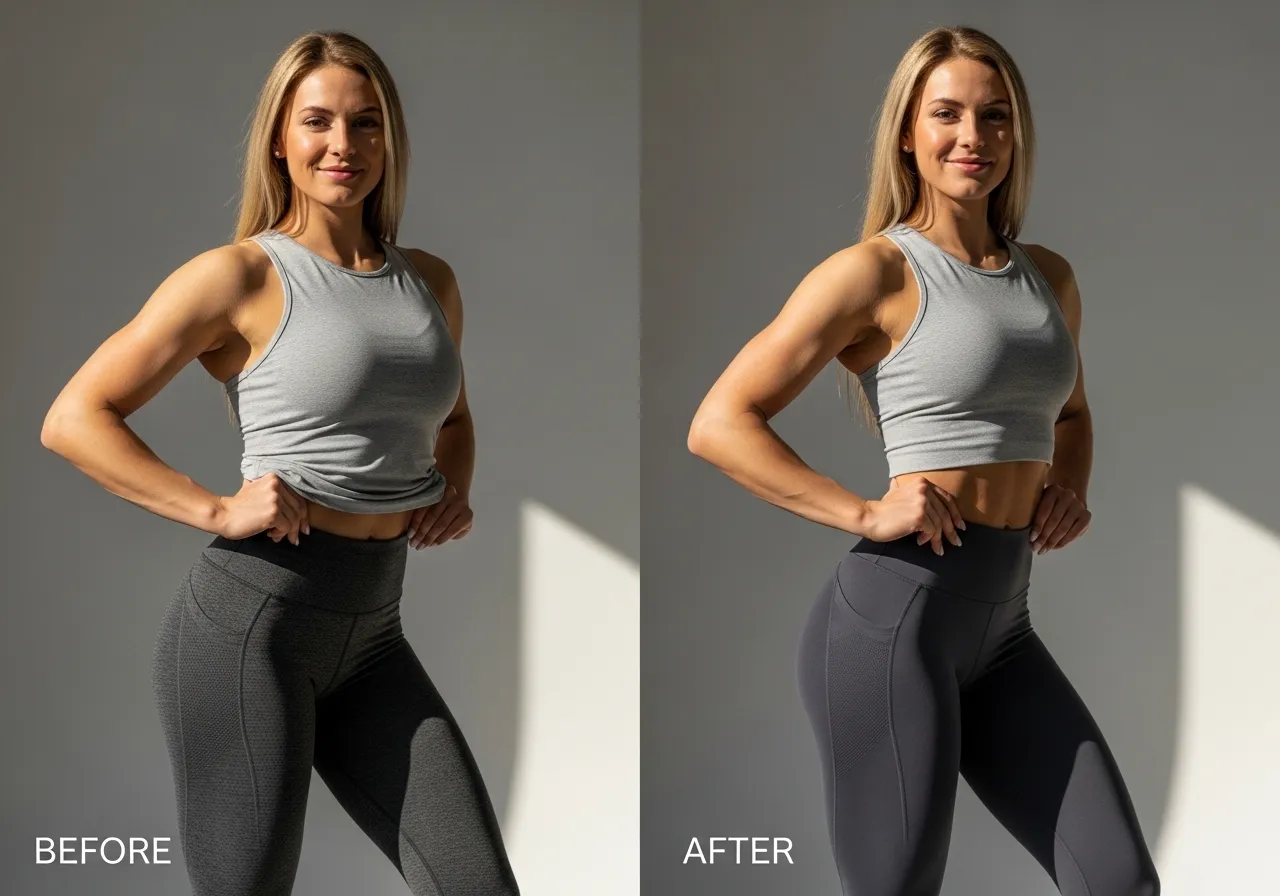
The scale is a deeply limited tool, and fitness culture’s obsession with it causes an enormous amount of unnecessary suffering. When I first started training seriously, I weighed myself every morning. After six weeks of consistent effort, I had lost exactly two pounds. I almost quit.
My scale weight barely moved for three months while my clothes got noticeably looser — without knowing to expect that, I would have given up thinking nothing was working.
What I didn’t understand at the time was that my body was transforming in ways that mattered far more than those two pounds — ways the scale was entirely blind to. My resting heart rate had dropped from 78 to 68 beats per minute. My blood pressure had normalized. My posture had improved visibly. My shoulders sat back, my core was more engaged at rest, and I could climb three flights of stairs without getting winded. My clothes fit differently — tighter in the shoulders, looser at the waist — even though the scale had barely moved.
This is body recomposition, and it’s one of the most commonly misunderstood phenomena in fitness. When you exercise and eat enough protein, your body simultaneously loses fat and gains muscle. Since muscle is denser than fat — it takes up less space per pound — you can lose significant fat volume while the scale stays stubbornly flat or even moves upward. The scale is measuring total mass. It cannot distinguish between fat mass, muscle mass, water retention, glycogen stores, or the contents of your digestive system.
A study in the Journal of the International Society of Sports Nutrition demonstrated that resistance training combined with adequate protein intake produces meaningful body composition improvements even when total body weight remains unchanged. Participants looked and felt significantly different despite minimal scale change.
Other invisible changes that happen as you get fitter deserve acknowledgment. Your mitochondrial density increases — you literally have more energy-producing machinery in your cells. Your insulin sensitivity improves, which reduces fat storage and stabilizes energy levels throughout the day. Your bone density increases, especially with resistance training, a benefit that pays dividends decades later. Your inflammation markers decrease. Your immune function improves.
Cardiovascular efficiency changes are particularly dramatic and fast. Within just a few weeks of consistent cardio training, your heart becomes more efficient at pumping blood, your blood vessels become more elastic, and your muscles become better at extracting oxygen from the blood they receive. You’ll notice this as improved endurance — tasks that used to leave you breathless become manageable.
Sleep quality improvements are another invisible win. Regular exercise has been shown in multiple studies to improve sleep architecture — specifically increasing the proportion of deep, restorative sleep stages. You may not notice this consciously, but it shows up as improved mood, better cognitive function, and faster physical recovery.
The practical lesson: stop weighing yourself daily. If you must track weight, do it weekly and look at monthly trends. But more importantly, track other metrics — resting heart rate, how your clothes fit, how many floors you can climb before breathing hard, how you feel getting out of bed in the morning. These metrics tell a far more complete and encouraging story about what’s actually happening in your body.
Progress photos, taken monthly under consistent lighting and posture, are dramatically more informative than scale weight. Many people who “failed” by scale metrics actually succeeded spectacularly by every measure that matters — and only discovered this when they compared photos six months apart.

Consistency Beats Intensity Every Single Time
Fitness culture is in love with intensity. High-intensity interval training, maximum effort, going hard, pushing limits — the language of fitness is almost entirely about how hard you work in any given session. This framing is not just misleading; it actively causes people to fail.
My most impressive training weeks produced mediocre long-term results while my most boring, consistent weeks are where all my real progress was made.
The single most important variable in fitness is not how hard your hardest workout is. It’s how consistently you show up over months and years. A person who trains at moderate intensity four times per week for two years will achieve dramatically better results than someone who trains at maximum intensity three times a week for three months before burning out and quitting — which is exactly what happens to the majority of high-intensity enthusiasts.
I learned this the hard way. In my first serious attempt at getting fit, I trained like a madman for eight weeks — two-hour sessions, maximum effort, barely able to walk afterward. I made impressive short-term progress and felt unstoppable. Then I got sick, missed a week, lost momentum, felt guilty, avoided the gym because the guilt was uncomfortable, and didn’t return for four months. All progress reversed. Starting over from scratch is psychologically devastating, and it’s entirely preventable.
The second time I committed to fitness, I deliberately chose sustainable over impressive. Forty-minute workouts. Never training so hard that I dreaded the next session. Building in planned rest days. Treating one missed workout as completely normal rather than a catastrophe requiring punishment. Two years later, I was still going — and the cumulative effect of that consistency had produced results I never approached in my high-intensity phase.
Research supports this emphatically. A landmark study on exercise adherence published in Preventive Medicine found that the strongest predictor of long-term exercise behavior was enjoyment and perceived sustainability — not program intensity or short-term results. Programs that participants described as “hard but manageable” had three times the long-term adherence rate of programs described as “maximum challenge.”
There’s a physiological dimension too. Chronic high-intensity training without adequate recovery elevates cortisol chronically, suppresses immune function, disrupts sleep, and can cause the overtraining syndrome — a legitimate medical condition characterized by declining performance, persistent fatigue, mood disturbances, and increased injury risk. Moderate-to-high intensity training with proper recovery doesn’t produce these effects.
The consistency principle applies to nutrition too. A dietary approach you can follow 85% of the time for years produces better long-term outcomes than a perfect diet followed for six weeks before abandonment. Sustainable beats optimal every time when the alternative to sustainable is quitting.
Practically, this means your goal should be to design workouts you’ll still be doing in six months. If the thought of your current program three months from now makes you tired, the program is too intense. Walk back the difficulty until consistency feels not just possible but likely. You can always add intensity later — but only if you’re still there to add it.

You’ll Have to Rebuild Your Social Life Around Fitness
Nobody tells you that getting fit is, in many ways, a social project. The decisions that determine your fitness success — what you eat, when you sleep, how you spend your evenings, what you do on weekends — are all deeply entangled with the people around you. And those people are not always going to be supportive.
I didn’t anticipate that getting serious about sleep and training would change which invitations I accepted — the social recalibration is real and nobody talks about it.
When I started taking fitness seriously, I noticed something unexpected: some people in my life seemed vaguely threatened by it. Friends made jokes about my food choices. Family members questioned whether I was “taking it too far.” Colleagues rolled their eyes when I declined office cake or suggested walking instead of sitting during a coffee break. None of this was malicious — it was a natural social response to someone breaking from the group norm. But it was real, and it created friction I hadn’t anticipated.
The social challenges operate on multiple fronts. Scheduling is the most obvious. If you train in the mornings, late-night social events become genuinely costly — you can attend, but you’ll pay for it the next day. If you train in the evenings, happy hours and after-work socializing conflict directly with your gym time. Fitness creates a competing claim on your time, and time is zero-sum.
Food situations are another constant negotiation. Social eating is a universal human experience — birthday dinners, holiday meals, team lunches, date nights. When you’re eating to support a fitness goal, every social eating situation requires a decision: stick to your plan and potentially seem antisocial, or relax your plan and potentially derail your progress. Neither option is always comfortable.
Research on social influence and exercise behavior published in the Journal of Health Psychology consistently shows that social environment is one of the strongest determinants of exercise adherence. People whose closest friends and partners exercise regularly are dramatically more likely to maintain their own fitness routines. Conversely, social environments where exercise is abnormal create constant friction that erodes commitment over time.
The constructive response to this is deliberate community building. Seek out people who share your fitness values — a gym class, a running group, a sports team. These communities provide both social connection and mutual reinforcement of fitness behavior. They also give you friends who understand your schedule and food preferences without requiring constant explanation.
With existing relationships, honest communication helps enormously. Explaining that your workout time is non-negotiable — not optional, not flexible, but a standing commitment — prevents a lot of the scheduling conflicts that arise when fitness is treated as a hobby that can always yield to more “important” things.
Over time, social life and fitness do integrate. Your friend group evolves to include more active people. Social activities shift toward things that accommodate a health-conscious lifestyle. The friction decreases. But you have to actively manage that transition rather than hoping it happens passively.

Your Relationship with Food Will Completely Transform
Before I started training seriously, food was simple: it tasted good or it didn’t, it was convenient or it wasn’t. After a year of consistent training, food had become something else entirely — fuel, information, strategy, and occasionally a source of genuine frustration. Nobody warned me about any of this.
What started as calorie tracking turned into a genuine interest in nutrition that changed how I shop, cook, and think about food in ways I never expected.
The first transformation is physical: you become genuinely hungry in ways that are qualitatively different from your pre-exercise baseline. Exercise increases energy expenditure, and your body responds by increasing appetite signals. This sounds straightforward, but it creates a practical challenge: you need to eat more while also being more conscious about what you eat, and those two goals can feel contradictory.
The second transformation is informational. Once you start caring about fitness, you inevitably start caring about what you eat to support it. Protein becomes a priority — because muscle protein synthesis requires adequate amino acid availability. Carbohydrates take on new significance as primary fuel for intense exercise. You start reading labels, understanding macronutrients, and thinking about meal timing in ways that would have seemed obsessive before.
This nutritional awareness is genuinely valuable. Research published in The American Journal of Clinical Nutrition consistently shows that people who track their food intake, even loosely, make meaningfully better nutritional choices than those who don’t. Awareness precedes change.
The third transformation is psychological, and it’s the most complex. Many people who start exercising develop a complicated relationship with food — using it as reward or punishment, feeling guilt after eating “bad” foods, categorizing everything as healthy or unhealthy. This moralization of food is a real risk of fitness culture, and it doesn’t serve you. Food is not a moral issue. A meal off-plan does not undo your progress. Flexibility and enjoyment are not weaknesses — they’re components of a sustainable approach.
I’ve personally gone through phases of being overly rigid with food — tracking every gram, feeling anxious about social eating situations, declining things I actually wanted because they didn’t fit a macro target. That rigidity produced marginal results while significantly reducing quality of life. The more balanced approach — prioritizing protein, eating mostly whole foods, allowing genuine flexibility — produced better long-term results with far less stress.
Practical food wisdom for fitness: focus on getting enough protein first (0.7–1g per pound of bodyweight), eat mostly unprocessed foods, and stop treating every meal as either perfect or ruinous. The overall pattern across weeks and months matters enormously; the individual meal matters almost not at all. Cook more of your own food when possible — not because restaurant food is evil, but because home cooking makes it effortless to hit protein targets without thinking about it.

Mental Health Benefits Hit Before the Physical Ones
If you’re starting a fitness journey primarily for physical reasons — to lose weight, build muscle, look better — I have news that might reframe everything: the benefits you feel first, and arguably the benefits that matter most, are mental. Nobody talks about this enough, and it means most people don’t know to look for these changes or credit their workout habit when they notice them.
I noticed the mood and energy improvements within two weeks — long before any visible physical change — and that early feedback kept me going through the slow physical progress.
Within two to three weeks of consistent exercise, most people experience measurable improvements in mood, anxiety levels, and stress resilience. This isn’t placebo — it’s the result of well-documented neurobiological changes. Exercise increases the production of brain-derived neurotrophic factor (BDNF), a protein that promotes neural growth and has been called “Miracle-Gro for the brain.” It increases endorphin and endocannabinoid release. It reduces cortisol sensitivity. It improves regulation of the serotonin and dopamine systems.
A comprehensive meta-analysis in JAMA Psychiatry found that exercise is as effective as antidepressants for mild-to-moderate depression, with effects that persist longer after the intervention ends. For anxiety, the research is similarly strong — regular aerobic exercise reduces both trait anxiety (baseline anxiety level) and acute anxiety responses to stressors.
I noticed the mental health benefits before I noticed anything physical. About three weeks into consistent training, I realized I was handling work stress differently — not better at avoiding it, but faster to recover from it. Frustrations that would have lingered for hours seemed to dissipate after an hour. My sleep was deeper. I woke up with more genuine energy rather than just caffeine-induced alertness.
Cognitive benefits are equally real and often overlooked. Exercise increases cerebral blood flow, promotes neurogenesis in the hippocampus (the brain region involved in memory and learning), and improves executive function. Studies consistently show that people who exercise regularly perform better on tests of memory, attention, and problem-solving. A 30-minute workout before cognitively demanding work can improve performance on that work measurably.
The psychological dimension of exercise — the sense of competence, the experience of setting and meeting challenges, the development of discipline — also builds what psychologists call self-efficacy: the belief in your ability to accomplish things through effort. This self-efficacy transfers. People who successfully build a fitness habit frequently find it easier to pursue other difficult goals — career challenges, creative projects, personal development — because they’ve demonstrated to themselves that difficult things are achievable through consistent effort.
If you’re going through a difficult period mentally and considering whether to start exercising, the answer is almost certainly yes — with your doctor’s knowledge if you have any health considerations. The mental benefits will come first, they will be real, and they may matter more than any physical change.

Getting Fit Creates Problems You Never Expected
Here’s the honest list of problems that fitness creates — problems nobody mentions because fitness culture is relentlessly positive and somewhat dishonest about the full picture.
Needing to buy new clothes because the old ones don’t fit is a legitimately annoying side effect of getting in shape that nobody mentions.
Your clothes stop fitting. This sounds like a good problem, and in some ways it is — but replacing an entire wardrobe is expensive and time-consuming, and it happens gradually in ways that make it hard to track. Shirts get tight in the shoulders and chest while loosening at the waist. Pants that fit your waist are tight in the quads. You end up in a frustrating in-between state for months where nothing fits quite right, and buying new clothes feels premature because you’re still changing.
You become genuinely sensitive to poor sleep. Before consistent training, I could function reasonably well on six hours of sleep. After a year of serious training, insufficient sleep affects my workout performance noticeably and my mood significantly. My body now has higher recovery demands, and it makes its displeasure known when those demands aren’t met. Fitness makes you more dependent on the habits that support it.
Social eating becomes complicated in ways already described, but there’s another dimension: you become genuinely less satisfied by food that used to be perfectly fine. When your diet shifts toward whole foods, high protein, and adequate vegetables, the processed food you used to enjoy tastes different — often too sweet, too salty, or simply less satisfying. This is a positive adaptation in terms of health, but it creates friction in social situations and honestly involves some genuine loss of simple food pleasure.
You become harder to injure but easier to notice injuries. This sounds contradictory, but it’s accurate. Consistent training builds resilience — you’re less likely to get hurt doing normal daily activities. But you’re also more attuned to your body, which means you notice discomfort that you previously would have ignored. Minor aches that you’d have never registered before become things you monitor and manage. This is generally good — you catch problems before they become serious — but it can feel like becoming more injury-prone when you’re actually becoming more body-aware.
Time management becomes an unignorable issue. Research from the World Health Organization recommends 150–300 minutes of moderate activity per week for adults. If you’re doing this consistently, plus recovery, plus food preparation to support it, fitness consumes a genuine portion of your week. This requires real trade-offs — less screen time, less passive socializing, earlier bedtimes. These trade-offs are worth it, but they’re real, and acknowledging them is more useful than pretending fitness is something you can layer on top of an already full life without anything giving way.
Finally: you become evangelical. When something improves your life significantly, the natural impulse is to tell everyone about it. Resist this impulse with people who didn’t ask. Fitness converts are among the most annoying people in any social circle, and the irony is that unsolicited fitness advice is one of the most reliable ways to ensure someone doesn’t pursue fitness. Lead by example. Answer questions when asked. Otherwise, let your results speak quietly.
None of these problems outweigh the benefits. But knowing they exist prepares you for them, which makes them infinitely easier to handle when they arrive.