How to Safely Return to Exercise After Being Sick


1. Why Returning to Exercise After Illness Requires a Different Approach
Returning to exercise after illness is the fitness decision most likely to be made too quickly — and the consequences of premature return range from prolonged illness and relapse to serious cardiac complications in cases involving certain viral infections. I made this mistake repeatedly in my earlier training years: feeling 80% recovered from a respiratory illness, returning to training at my pre-illness intensity, and spending the next week feeling worse than I had during the acute illness itself. The pattern of premature return followed by setback, extended recovery, and frustrated restart is so common among athletes that sports medicine recognizes it as one of the most consistent training errors that motivated athletes make. This article provides the framework for returning to exercise after illness that avoids this cycle — allowing full, safe resumption of training without the relapse and extended recovery that premature return produces.
Why Illness Changes Your Exercise Capacity
The physiological changes that illness produces explain why returning to pre-illness training intensity immediately after recovery is inappropriate — even when subjective wellbeing has returned and the acute symptoms have resolved. Cardiovascular deconditioning: even brief illness periods (5–10 days of reduced activity) produce measurable cardiovascular deconditioning — reduced VO2max, decreased cardiac output efficiency, and lower plasma volume that reduces the aerobic exercise capacity available to the returning athlete. This deconditioning is temporary and reverses rapidly with appropriate exercise resumption, but it means that the training load that was appropriate before illness now exceeds the cardiovascular capacity that the deconditioned heart and vasculature can safely support. Muscle protein catabolism: illness-associated fever, reduced food intake, and the inflammatory cytokines that immune response produces drive muscle protein breakdown — the athlete returning after a week of illness has measurably less muscle mass and strength than before, requiring a lower training load to produce the same relative effort. Immune system suppression: the immune system is still actively resolving the infection even after acute symptoms resolve — the immunosuppression that intense exercise produces (the “open window” effect that increases upper respiratory infection susceptibility after intense training) can allow reactivation of incompletely resolved infection or secondary infection when training resumes prematurely at high intensity. From British Journal of Sports Medicine illness and exercise guidelines, the physiological recovery from illness consistently lags behind the subjective sense of wellness by 3–7 days — athletes who feel well enough to train are often not yet physiologically ready for full training intensity.
The Neck Check Rule: The Classic Return-to-Exercise Guideline
The neck check — one of the oldest and most practically useful guidelines for exercise during and after mild illness — provides a simple framework for distinguishing between illness presentations that are compatible with light exercise and those that require complete rest. The rule: symptoms above the neck (runny nose, mild sore throat, nasal congestion, mild headache without fever) may be compatible with light-to-moderate exercise at reduced intensity; symptoms below the neck (fever, chest congestion, muscle aches, vomiting, diarrhea, significant fatigue) require complete exercise cessation until resolved. The rationale: above-neck symptoms primarily reflect upper respiratory infection that the cardiovascular and muscular systems are not significantly stressed by, making light exercise generally safe; below-neck symptoms reflect systemic infection or significant physiological involvement that exercise stress would worsen. The critical caveat: the neck check is a simplification that has important exceptions — fever is an absolute contraindication to exercise regardless of the symptom location (fever of any cause represents a systemic stress that exercise compounds, increasing the risk of dangerous cardiac arrhythmias); symptoms that worsen during exercise require immediate cessation; and any cardiac symptoms (chest pain, heart palpitations, unusual shortness of breath) associated with even mild illness require medical evaluation before any return to exercise.
COVID-19, Myocarditis, and the Heightened Return-to-Exercise Caution
The COVID-19 pandemic significantly elevated medical awareness of exercise-related cardiac risks following viral illness — myocarditis (inflammation of the heart muscle) was identified as a COVID-19 complication occurring in a small but significant percentage of infected individuals, including those with mild or asymptomatic disease. Myocarditis associated with exercise represents one of the most serious return-to-exercise risks available: exercising with active myocarditis can produce fatal cardiac arrhythmias even in young, healthy athletes without known cardiovascular disease. The myocarditis concern extends beyond COVID-19 to other viral infections — influenza, Epstein-Barr virus (infectious mononucleosis), enteroviruses, and adenoviruses can all produce myocarditis that may not produce obvious cardiac symptoms during the acute illness phase. The warning symptoms that require medical evaluation before exercise return after any viral illness: chest pain or pressure, heart palpitations, unusual breathlessness disproportionate to exertion level, lightheadedness or fainting, or significant exercise intolerance beyond what deconditioning explains. Current sports cardiology guidelines recommend cardiac screening (ECG, echocardiogram, and troponin testing) before return to high-intensity exercise for athletes who experienced severe COVID-19, any of the above symptoms, or any significant viral illness accompanied by unusual cardiac symptoms. From Sports Medicine Journal COVID-19 return-to-exercise research, the graduated return-to-exercise protocol following COVID-19 should extend to at least 10 days after symptom resolution for all athletes, with medical evaluation recommended for those with persistent fatigue, cardiac symptoms, or training-limiting breathlessness beyond 3 weeks post-infection.
The Psychological Challenge of Illness Interruption
Beyond the physiological challenge of returning safely, illness interruption presents a significant psychological challenge for committed athletes — the disruption of training momentum, the anxiety about fitness loss, and the identity disruption that the athlete who cannot train experiences. These psychological responses are normal, but they are the primary driver of the premature return decisions that extend illness duration and delay the full return they are intended to accelerate. The fitness loss anxiety is often disproportionate to actual deconditioning: 1–2 weeks of illness-related training reduction produces less cardiovascular deconditioning than athletes typically fear — VO2max declines approximately 1% per day of complete inactivity in the first week, then more slowly thereafter. A week of illness-related reduced training produces perhaps 5–7% reduction in aerobic capacity that 1–2 weeks of resumed training fully restores. The strength loss during illness is similarly modest: muscle mass and strength are relatively well-preserved during short illness periods (5–10 days) when protein intake is maintained — the perceived weakness during illness is primarily systemic illness fatigue rather than genuine muscle loss. Providing athletes with accurate information about actual fitness loss from short illness periods reduces the anxiety that drives premature return — understanding that a week of illness produces minor, rapidly-recoverable deconditioning makes the 10-day conservative return protocol feel achievable rather than fitness-threatening.
When to See a Doctor Before Returning to Exercise
Most illness-to-exercise return decisions can be made by the athlete using the protocols described in this article. Several situations require medical consultation before exercise return: any cardiac symptoms during or after illness (chest pain, palpitations, unusual breathlessness, or fainting); illness severity requiring hospitalization or urgent medical care; persistent fatigue beyond 3 weeks after apparent illness resolution (which may indicate post-viral fatigue syndrome, myocarditis, or other complications requiring medical evaluation); significant decrease in exercise tolerance at low intensities that does not improve within 1–2 weeks of graduated return; any diagnosis of COVID-19 accompanied by cardiac symptoms or significant breathing difficulty; high fever lasting more than 3–4 days; or any athlete with known cardiovascular disease, diabetes, or immunocompromising conditions where illness response and exercise clearance require physician guidance. The threshold for medical consultation should be low in athletes who train at high intensities — the cardiac demands of competitive training make undetected illness complications more dangerous than the same complications in recreational exercisers, and the medical evaluation cost is modest relative to the risk of missing a condition that makes high-intensity exercise dangerous.
Fitness Loss During Illness: What to Expect and How Fast You Recover
One of the most anxiety-provoking aspects of illness-forced training interruption is the fitness loss that occurs during time away from training — and understanding the actual physiology of detraining helps athletes approach the return with realistic expectations rather than the panic that drives premature, unsafe return attempts. The detraining timeline: cardiovascular fitness (VO2max) begins declining within 10–14 days of complete training cessation, with losses of 4–8% detectable at 2–4 weeks and 20–30% losses at 8–12 weeks of complete inactivity. Strength declines more slowly — significant strength losses are not measurable until 3–4 weeks of complete rest, and trained athletes retain strength advantages over untrained individuals for months after detraining begins. The reassuring reality: fitness returns faster than it was originally built. The neural adaptations, mitochondrial density, and muscle memory that training builds remain partially intact even after significant detraining — the returning athlete retrains at a faster rate than the original training produced. An athlete who loses 3 weeks of training to illness typically requires 10–14 days to fully recover the lost fitness rather than the 3 weeks the original adaptation required. This accelerated return is the physiological reward for the years of consistent training that illness temporarily interrupts — and it provides the realistic expectation that the recovery from illness-forced detraining is faster and less dramatic than the anxiety of watching fitness decline during sick days suggests.
Wearable Technology and Return-to-Exercise Monitoring
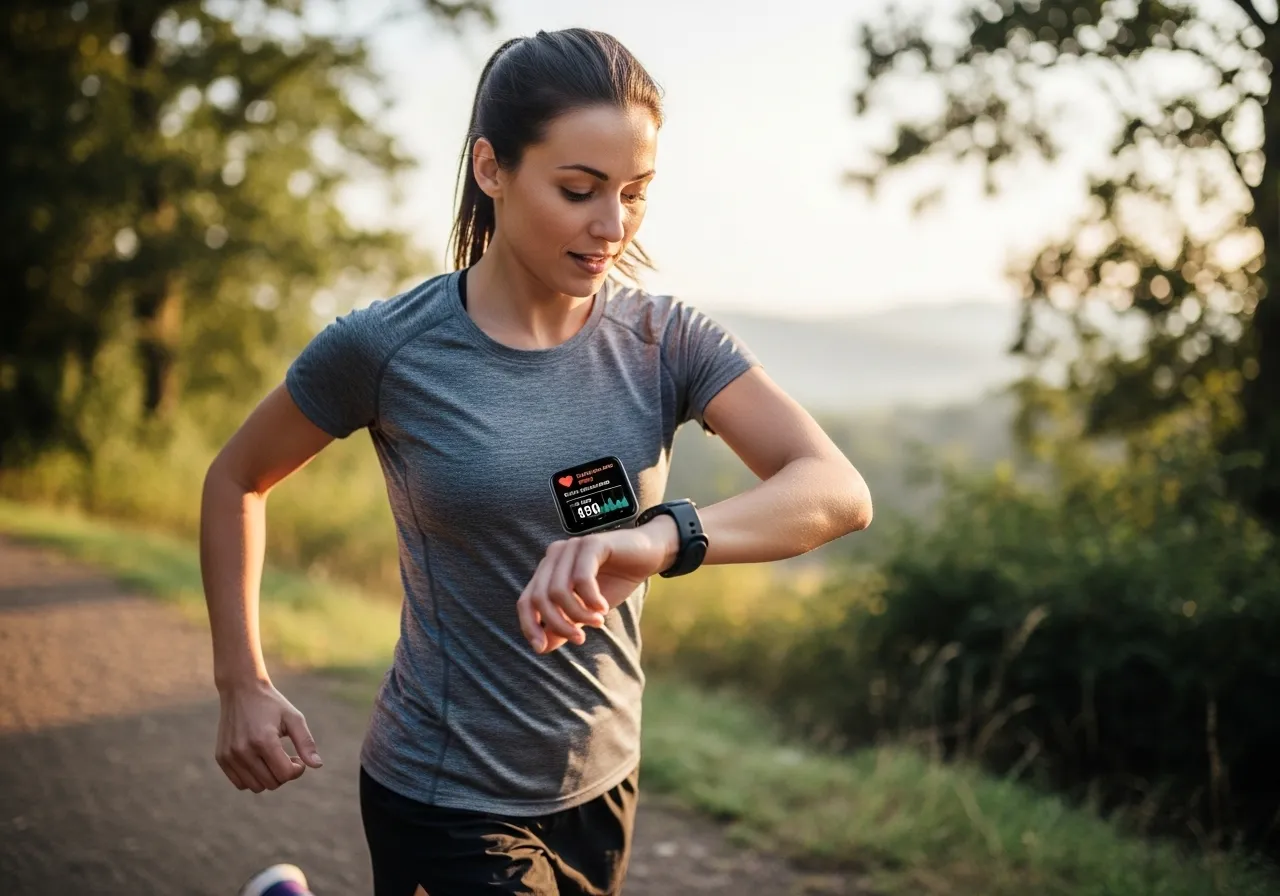
Smartwatches, heart rate monitors, and fitness trackers provide objective physiological data that supports safe return-to-exercise decision-making — offering a data-driven complement to the subjective symptom assessment that the return protocol relies on. The most valuable wearable metrics for illness return monitoring: resting heart rate trend (an elevated resting heart rate of 5–10+ beats per minute above the established personal baseline is a reliable indicator of ongoing physiological stress from illness, inadequate recovery, or developing overtraining — providing an objective signal to delay or reduce training intensity); heart rate variability (HRV — the variation in time between heartbeats that reflects autonomic nervous system recovery status; reduced HRV indicates incomplete recovery and elevated physiological stress; most modern smartwatches provide daily HRV measurements); and sleep quality metrics (deep sleep percentage, sleep duration, and wake frequency that reflect the recovery quality that overnight rest provides). The return-to-exercise decision framework using wearable data: if resting heart rate is more than 7 beats above personal baseline, delay training by one day and reassess; if HRV is more than 15% below personal baseline, reduce planned training intensity or volume; if sleep quality has been poor for multiple consecutive nights, prioritize sleep improvement before adding training stress. These data points do not replace clinical judgment or the symptom-based assessment that medical evaluation provides, but they offer the continuous physiological monitoring that allows athletes to make informed daily training decisions during the return period without requiring repeated medical consultation.
2. How to Know When You’re Ready to Return: Illness-Specific Guidelines
Different illnesses require different recovery periods and different return-to-exercise approaches — the generic “wait until you feel better” advice fails to account for the illness-specific physiological recovery timelines that safe exercise return requires.
Common Cold and Mild Upper Respiratory Infection
The common cold — caused primarily by rhinoviruses and producing above-the-neck symptoms without fever — is the illness most athletes experience and the one with the most permissive return-to-exercise guidelines. Return criteria: all acute symptoms resolved or resolving; no fever for at least 24 hours (fever-free without fever-reducing medication); no significant fatigue or weakness beyond the mild tiredness that cold recovery normally produces; and no below-the-neck symptoms. The return protocol: begin with 50–60% of pre-illness training intensity for the first 1–2 days; increase by 10–15% per day if symptoms do not worsen and energy levels support the increase; return to full training within 5–7 days of symptom resolution if the gradual progression is well tolerated. The common cold athlete caveat: many “colds” that seem like straightforward upper respiratory infections are actually early influenza or other systemic viral infections — if symptoms worsen after initial improvement, fatigue is more pronounced than typical cold fatigue, or any below-the-neck symptoms develop, reclassify as a more serious illness and apply the more conservative return protocol.
Influenza and Systemic Viral Illness
Influenza — characterized by high fever, significant muscle aches, profound fatigue, and systemic involvement beyond the upper respiratory tract — requires substantially more conservative return-to-exercise guidelines than the common cold. Return criteria: complete resolution of fever for at least 48–72 hours (not just 24 hours as for mild URI); resolution of the significant fatigue and muscle weakness that influenza produces (typically 7–14 days after acute onset); absence of lingering respiratory symptoms that worsen with exertion; and no cardiac symptoms that developed during the illness. The return protocol for influenza: rest for the full acute illness period (typically 7–10 days for most influenza episodes); begin with walking only (15–20 minutes at comfortable pace) for days 1–3 of the return phase; progress to light aerobic exercise (30–40% of pre-illness intensity) for days 4–7; then follow the standard graduated return protocol (adding 10–15% per day) until full training is restored over 1–2 weeks. Total return timeline from influenza: 2–3 weeks from illness onset to full training is typical for healthy athletes without complications. From ACSM exercise and illness guidelines, the systemic involvement of influenza — including the cardiac inflammation that influenza can produce in a small percentage of cases — justifies the more conservative return timeline that sports medicine recommends for influenza versus mild upper respiratory infection.
Gastrointestinal Illness: Vomiting, Diarrhea, and Dehydration Recovery
Gastrointestinal illness (gastroenteritis — viral or bacterial) produces the exercise return challenge of significant dehydration and electrolyte depletion alongside the systemic infection that exercise would worsen. Return criteria: no vomiting or diarrhea for at least 24–48 hours; ability to tolerate regular food and fluid intake without gastrointestinal symptoms; restoration of adequate hydration (urine is pale yellow rather than dark amber); return of normal energy levels; and resolution of the abdominal cramping that active gastroenteritis produces. The rehydration priority: restoration of fluid and electrolyte balance before any exercise return is essential — the dehydration that gastroenteritis produces (sometimes 2–5% of body weight in fluid losses) significantly impairs cardiovascular function and exercise tolerance, making exercise return before rehydration both ineffective and potentially dangerous (orthostatic hypotension risk is significant in dehydrated athletes who exercise). The return protocol: begin with easy walking 24–48 hours after the last gastrointestinal symptom; introduce light aerobic exercise at 40–50% intensity on days 2–3 of the return phase; progress to normal training over 5–7 days. Particular caution is warranted for the first hard session after gastroenteritis — the gut can remain sensitive and symptomatic with high-intensity exercise longer than systemic recovery suggests, and a hard training session that produces gastrointestinal distress and reactivates symptoms sets recovery back significantly.
Illness Prevention: Reducing the Frequency of Training Interruptions
The most effective strategy for managing illness impact on training is reducing illness frequency — the athlete who gets sick less often requires fewer return protocols and accumulates more uninterrupted training. The evidence-based illness prevention strategies for athletes: vaccination (annual influenza vaccination reduces flu incidence by 40–60% in vaccinated athletes — the single most impactful illness prevention intervention for the illnesses most likely to interrupt training); hand hygiene (frequent handwashing with soap for at least 20 seconds reduces respiratory and gastrointestinal illness transmission in the shared training environments and public spaces where athletes train); adequate sleep (athletes sleeping less than 6 hours per night are 4 times more likely to develop upper respiratory infection than those sleeping 7+ hours); managing training load (the open window of immunosuppression following very high-intensity training sessions increases infection susceptibility for 3–72 hours post-exercise — avoiding environments with high infection exposure immediately after the hardest training sessions reduces this risk); and nutritional immune support (vitamin D maintenance, adequate zinc from diet, and sufficient protein for immune cell production) that supports the immune competence that illness resistance depends on. The irony of illness prevention for competitive athletes: the training that improves athletic performance also temporarily suppresses immune function — the athlete who trains hard enough to compete at a high level is simultaneously more susceptible to illness than the recreational exerciser with lower training loads. Managing this tension through the evidence-based prevention strategies above is part of the complete athletic preparation that competitive training requires.
Training Modifications That Maintain Fitness During Illness
For athletes with mild above-the-neck illness (no fever, minimal fatigue), some modified training may be appropriate — maintaining a minimal exercise stimulus during the illness period reduces deconditioning and may maintain training momentum without significantly burdening the immune response. The appropriate training during mild illness: walking (15–30 minutes at comfortable pace) maintains basic cardiovascular conditioning and mood without the immune burden of intensity; gentle yoga or stretching maintains mobility and the movement habit without cardiovascular stress; and very light resistance training (50% of normal loads, 2 sets rather than 3–4) maintains the neuromuscular connection without the tissue damage and inflammatory response that normal training produces. The training that should always be avoided during any illness: high-intensity interval training (HIIT); heavy resistance training at or near maximum loads; competitive sport or races; and any training in hot, humid environments where thermoregulation adds additional physiological stress to the illness-burdened system. The decision heuristic: if illness makes the planned training session feel like an obligation being fulfilled through willpower rather than a physical activity the body is capable of supporting, rest is the appropriate choice — the motivated override of genuine physical unwillingness to train during illness is the pattern that produces the complications and extended recovery that conservative rest avoids.
Hydration and Electrolyte Recovery After Illness
Many illnesses — particularly gastrointestinal illness, fever, and respiratory infections — produce significant dehydration and electrolyte losses that must be fully corrected before exercise is safe. Exercise during dehydration imposes cardiovascular stress (reduced blood volume increases heart rate for any given workload) and thermoregulatory impairment (reduced sweating capacity elevates core temperature more rapidly during exercise) that transforms a modest return workout into an unsafe physiological challenge. The rehydration assessment before returning to exercise: urine color should be pale yellow (indicating adequate hydration); body weight should be within 1% of pre-illness baseline (fluid losses have been restored); and subjective thirst should be minimal (the persistent thirst of dehydration has resolved). The electrolyte recovery consideration: illness-associated vomiting, diarrhea, fever sweating, and reduced oral intake produce sodium, potassium, and magnesium losses that water replacement alone does not correct. Oral rehydration solutions (containing 75mmol/L sodium, 20mmol/L potassium, and 75mmol/L glucose) or electrolyte-containing sports drinks consumed in the 24–48 hours before resuming exercise ensure the electrolyte restoration that safe exercise performance requires. Athletes who resume exercise before fully correcting illness-related dehydration and electrolyte deficits consistently report earlier-than-expected fatigue, higher-than-expected heart rates at submaximal intensities, and greater post-exercise recovery time — all consequences of the physiological stress that unresolved dehydration imposes on exercise performance.
The Long-Term Perspective: Illness as Part of the Athletic Journey
Every athlete who trains consistently across years will experience multiple illness-forced training interruptions — colds, flu, gastrointestinal illness, and the inevitable acute illnesses that active human lives produce. The athletes who maintain their long-term training trajectories through these interruptions are not those who find ways to train through illness or return faster than their physiology supports — they are the ones who treat each illness as a temporary pause rather than a catastrophic setback, follow the return protocol that protects full recovery, and allow the training consistency that spans years to absorb the brief interruptions that illness produces. The career perspective: a 2-week illness that receives full recovery treatment costs 2 weeks of training; the same illness that drives premature return, secondary infection, and myocarditis or overtraining syndrome can cost 2–6 months of training and impose long-term cardiovascular health risks. The math overwhelmingly favors patience. Every illness-forced training pause, managed well, becomes a minor footnote in a long training history rather than the setback that inadequate recovery transforms it into. Rest fully, return gradually, and trust that the fitness built across years of consistent training will be waiting on the other side of every illness that proper recovery management resolves safely and completely.

3. The Step-by-Step Return-to-Exercise Protocol
The graduated return-to-exercise protocol provides the specific, day-by-day progression that translates the illness-specific guidelines into actionable training decisions for the returning athlete.
The Five-Stage Return Protocol
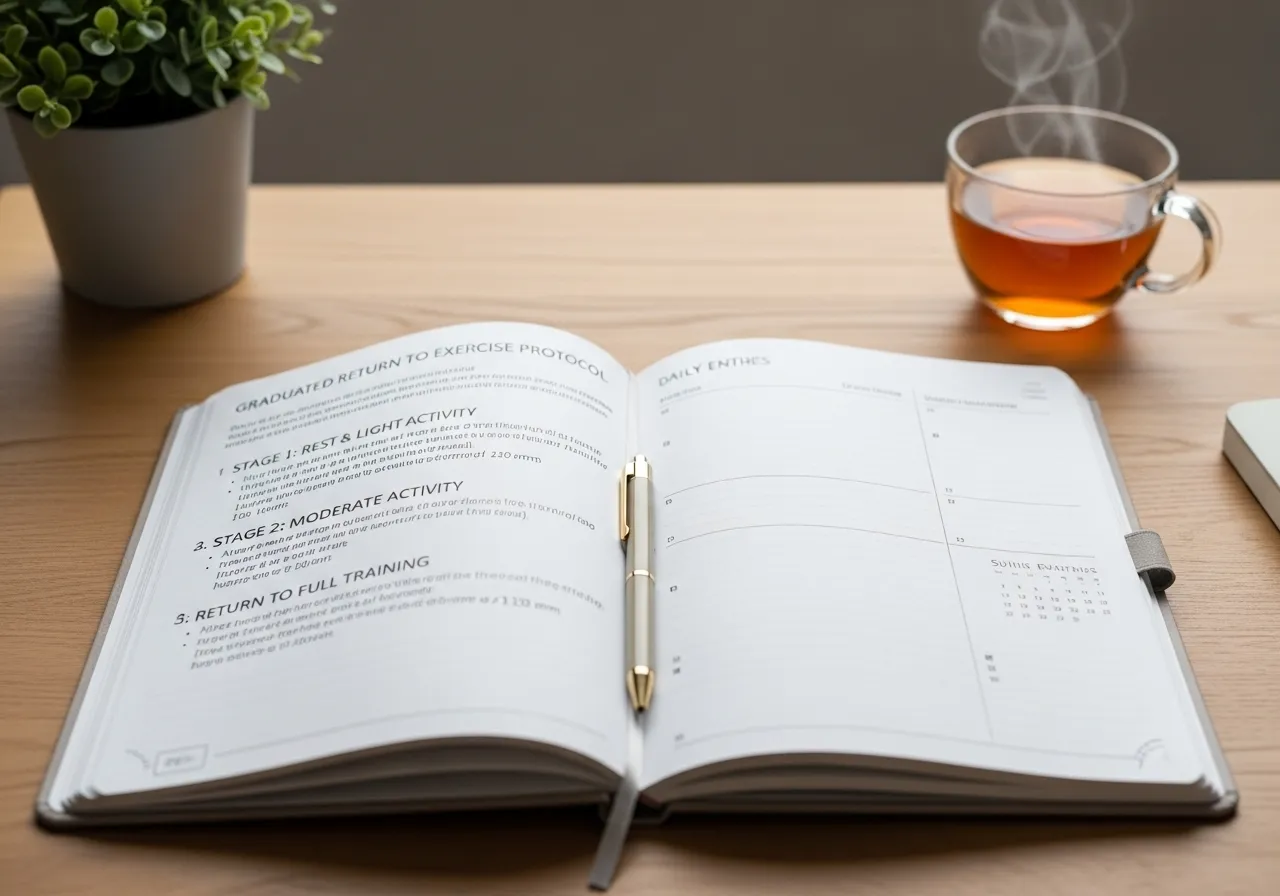
Sports medicine has developed a five-stage return-to-sport protocol (originally for concussion management but now widely applied to illness return) that provides the graduated progression framework that safe return requires. Stage 1 — Complete rest: no physical activity beyond gentle daily movement; the stage occupied during acute illness when any exercise would worsen the physiological illness burden. Stage 2 — Light aerobic exercise: walking, gentle cycling, or easy swimming at 30–40% of maximum heart rate for 15–20 minutes; the stage that begins 24–48 hours after meeting the illness-specific return criteria. No resistance training, no high-intensity work. The purpose: assess cardiovascular tolerance for light exercise and begin the deconditioning reversal without stressing the recovering immune and cardiovascular systems. If symptoms return or worsen during Stage 2, return to Stage 1 for 24 hours before attempting Stage 2 again. Stage 3 — Sport-specific exercise: activities that involve some athletic skill but at moderate intensity (60–70% maximum heart rate); jogging instead of walking, cycling at moderate resistance, swimming at a comfortable pace. Duration increases to 20–30 minutes. No high-intensity intervals, no heavy resistance training. Purpose: restore movement patterns and increase cardiovascular load in a controlled, sport-specific context. Stage 4 — Non-contact training drills and light resistance exercise: returning to the movement patterns of the primary sport or training activity at 70–80% intensity; resistance training at 50–60% of pre-illness loads. Duration 30–45 minutes. Purpose: assess tolerance for sport-specific intensity and begin muscle loading that reverses the illness-induced deconditioning. Stage 5 — Full training restoration: return to pre-illness training volume, intensity, and exercise selection; typically reached 7–14 days after illness resolution for mild illness and 14–21 days for moderate illness. From Journal of Athletic Training return-to-sport protocols, athletes who follow the five-stage protocol consistently recover more quickly and completely than those who attempt immediate full return — the graduated loading allows the cardiovascular and immune systems to restore capacity at a rate that prevents the setback that premature loading produces.
Heart Rate Monitoring During Return to Exercise
Heart rate monitoring during the return-to-exercise phase provides objective feedback that the subjective sense of effort cannot reliably supply after illness — the deconditioned cardiovascular system after illness produces higher heart rates at the same absolute exercise intensity than the pre-illness cardiovascular system, making rate of perceived exertion (RPE) an unreliable guide to appropriate training intensity. The heart rate-based return protocol: during Stages 2–4, keep training heart rate below 60–70% of maximum heart rate (calculated as 220 minus age), regardless of how easy the effort feels subjectively. This threshold keeps the training intensity within the cardiovascular system’s reduced post-illness capacity while still providing the aerobic stimulus that deconditioning reversal requires. The early return warning sign: if heart rate during light activity (Stage 2 level walking or cycling) is more than 10–20 beats per minute above the pre-illness rate for the same activity, this indicates cardiovascular involvement of the illness that is not yet fully resolved — return to rest for 24–48 hours before reassessing. Heart rate that normalizes within 2–4 days of light exercise return indicates physiological readiness for progression; persistently elevated heart rate at low intensities beyond this window warrants medical evaluation.
Listening to Your Body: The Daily Readiness Assessment
Beyond the objective heart rate monitoring, a simple daily readiness assessment — performed each morning during the return phase — provides the subjective check that prevents premature progression when the body is signaling incomplete recovery. The morning readiness assessment: rate overall energy level (1–10); note resting heart rate upon waking (elevated resting heart rate is an early indicator of physiological stress that illness, overtraining, or incomplete recovery produces); assess muscle soreness and joint comfort; check for any return of illness symptoms (sore throat, nasal symptoms, fatigue disproportionate to recent training); and assess mood and motivation (unusual irritability, anxiety, or low mood may indicate physiological stress beyond what the objective metrics reveal). The decision rule: readiness scores of 7 or above support progression to the next protocol stage; scores of 4–6 support maintaining the current stage; scores below 4 indicate returning to the previous stage or taking a complete rest day. This simple assessment takes 2 minutes and provides the morning data that makes the training decision before any subjective desire to push harder or social pressure to return to pre-illness training can override the physiological signals that recovery requires attention to.
Long COVID and Exercise: The Extended Return Challenge
Long COVID — the persistent symptoms that affect a subset of COVID-19 patients weeks to months after the acute infection resolves — presents unique challenges for the athlete attempting exercise return. The exercise-related long COVID symptoms: persistent fatigue that does not improve with rest (post-exertional malaise); exercise intolerance disproportionate to the fitness decline that the illness duration should produce; cognitive difficulty (“brain fog”) during exercise; and cardiovascular symptoms (heart rate dysregulation, unusual breathlessness) at low exercise intensities. The exercise approach for long COVID: standard graduated return protocols are insufficient for many long COVID patients, who experience symptom exacerbation with exercise intensities that would be appropriate for equivalent fitness loss from other illnesses. The current guidance for long COVID exercise return: begin at extremely low intensities (below the threshold that produces any symptom exacerbation — for some patients, this means walking rather than any structured exercise) and increase only when the current intensity is tolerated for several consecutive days without symptom worsening. Exercise should be supervised by a healthcare provider familiar with long COVID management for patients with significant ongoing symptoms — the autonomic nervous system dysfunction that some long COVID patients experience makes independent exercise progression both more difficult and more potentially risky than the guidance-supported approach. Pacing — the energy management strategy that ensures total daily energy expenditure (including exercise) does not exceed the reduced energy envelope that long COVID’s mitochondrial and autonomic dysfunction creates — is the fundamental long COVID exercise management principle that distinguishes appropriate activity from the post-exertional malaise that sets recovery back. From British Journal of Sports Medicine long COVID exercise guidelines, patient-led, symptom-guided exercise progression — prioritizing patient experience over objective protocol stages — produces better outcomes than protocol-driven return in long COVID populations.
The Mental Skills for Illness Recovery: Patience, Trust, and Perspective
The return to exercise after illness tests the mental skills of patience, self-compassion, and long-term perspective that the athletic mindset often struggles with. The athlete whose identity and emotional regulation depend heavily on training finds illness recovery disproportionately difficult — the forced rest and the gradual, conservative return feel psychologically threatening in ways that the physiological challenge alone does not explain. Developing the mental skills for illness recovery: patience with the timeline (the physiological recovery that safe exercise return requires cannot be accelerated by desire or willpower — it occurs at the rate that immune resolution, cardiovascular recovery, and nutritional replenishment allow); trust in the protocol (the evidence-based return progressions described in this article exist because athletes who followed them returned successfully without complication — the motivation to deviate from the protocol is the emotion speaking, not the physiology); and perspective on the training year (a 2-week illness interruption represents 4% of a 50-week training year — the fitness lost is minor, recoverable, and negligible in the context of the long-term athletic development that consistent training accumulates). The athlete who recovers these mental skills through illness returns faster, more completely, and with better psychological health than the one who fights the recovery timeline at every stage.
The Immune System and Exercise Intensity: The J-Curve Relationship
Understanding the relationship between exercise intensity and immune function provides the scientific foundation for the graduated return-to-exercise protocol — explaining why the slow, progressive approach is not merely cautious but immunologically optimal. The J-curve model of exercise and immune function: sedentary individuals have moderately elevated illness risk; moderate exercisers have the lowest illness risk (30–50% reduction compared to sedentary); and very high-intensity or high-volume exercisers have elevated illness risk comparable to or exceeding sedentary individuals. This J-curve relationship explains why excessive exercise increases illness susceptibility — the immunosuppressive effects of extreme training intensity include reduced natural killer cell activity, reduced secretory IgA production, and elevated cortisol that suppresses multiple immune functions for 3–72 hours after exhaustive exercise. The open window theory: the 3–72 hour period following exhaustive exercise during which immune function is suppressed creates a window of elevated infection susceptibility — the mechanism by which athletes who train through illness or return too aggressively develop secondary infections and prolonged recovery. The practical implication for illness return: keeping exercise intensity in the moderate range (below 70% of maximum heart rate) during the first week of return maintains the immune-supportive benefits of moderate exercise while avoiding the immunosuppressive effects of high intensity — protecting the recovering immune system from the secondary infection risk that premature intensity return creates.

4. Nutrition and Recovery to Support Safe Return to Exercise
Nutritional support during illness recovery and the return-to-exercise phase accelerates the physiological recovery that enables faster return to full training — the athlete who manages nutrition well during illness recovers measurably faster than the one who eats poorly or insufficiently during the recovery period.
Nutrition During Illness: Fueling Recovery
The “feed a cold, starve a fever” folk wisdom has no scientific support — adequate nutrition during both cold and fever illness supports the immune function and tissue repair that recovery requires, while inadequate nutrition during illness prolongs the immune response and delays the recovery that allows exercise return. The nutritional priorities during illness: protein intake should be maintained at or above normal levels (1.6–2.2g per kg) — the immune system’s production of antibodies, cytokines, and immune cells is protein-dependent, and the muscle catabolism that illness promotes is partially mitigated by adequate protein intake during the recovery period. Carbohydrate intake should continue at moderate levels (4–5g per kg) to fuel the elevated immune system metabolic demand and maintain the blood glucose that cognitive function requires during illness. Fluid intake should be increased above normal to replace the additional losses from fever (sweating), respiratory infection (increased respiratory water loss), and any gastrointestinal involvement. The illness-specific nutritional additions: zinc (from red meat, pumpkin seeds, or supplementation at 15–30mg daily) supports immune function and may reduce cold duration; vitamin C (500–1000mg daily during acute illness) supports immune cell function; vitamin D (1,000–2,000 IU daily) maintains the immune-regulatory function that vitamin D provides; and elderberry extract has some evidence for reducing flu duration and severity. From PubMed post-illness exercise research, athletes who maintain adequate protein and caloric intake during illness consistently return to pre-illness performance levels faster than those who significantly restrict intake during the illness period.
Nutrition During the Return Phase: Rebuilding Exercise Capacity
The return-to-exercise phase requires specific nutritional attention to support the concurrent demands of immune system completion and the rebuilding of the exercise capacity that illness depleted. The return phase nutritional priorities: protein at 1.8–2.4g per kg — the highest protein need of the illness-return cycle, as both the ongoing immune system protein demand and the beginning of muscle protein synthesis recovery from illness-induced catabolism are simultaneously active. Carbohydrate at 5–6g per kg — slightly below the full training day level but adequate to fuel the increasing exercise intensity and glycogen resynthesis that the return protocol’s progressive loading requires. Anti-inflammatory foods with particular emphasis: omega-3 fatty acids from fatty fish, tart cherry juice for its anthocyanin content, and turmeric — the anti-inflammatory dietary approach that reduces the residual illness-associated inflammation and supports the tissue recovery that return-phase exercise initiates. The caloric consideration: many athletes who lose appetite during illness and then attempt to return to training quickly are simultaneously nutritionally depleted and physically deconditioned — the double deficit that makes return progression more difficult and the relapse risk higher. Ensuring caloric adequacy during the return phase (at or slightly above TDEE) accelerates both the nutritional recovery and the exercise return that adequate energy availability supports.
Sleep as the Primary Recovery Tool During Illness and Return
Sleep is the most impactful recovery intervention available during illness and the return-to-exercise phase — the growth hormone secretion, immune function, and tissue repair that recovery requires are maximally supported during slow-wave sleep, making sleep quality and duration the primary determinant of recovery speed. The sleep recommendations during illness: prioritize 8–10 hours of sleep per night (more than the usual 7–9 hour target for healthy adults) to provide the additional restorative time that illness recovery requires; maintain consistent sleep timing even during illness (the circadian disruption that irregular sleep produces impairs the immune function that requires the synchronized hormonal environment that consistent sleep timing supports); and create the optimal sleep environment (dark, cool, quiet) that deep, restorative sleep requires. The nap strategy: 20–30 minute naps during the day are appropriate during acute illness when nighttime sleep is disrupted by congestion, fever, or gastrointestinal discomfort; longer naps (over 90 minutes) during the day may impair nighttime sleep quality and are best avoided once acute symptoms begin resolving. During the return phase, maintaining the 8–9 hour sleep target (versus the occasional lower target that pre-illness life allowed) supports the faster deconditioning reversal and immune completion that adequate sleep accelerates.
Returning to Exercise After Surgery or Medical Procedures
While this article focuses primarily on illness-related exercise interruption, many athletes experience exercise interruption from planned surgical procedures or medical interventions — the return principles share important elements with illness return while having procedure-specific considerations. The general return-to-exercise principles after medical procedures: always follow the specific return-to-exercise guidance provided by the operating or treating physician, as each procedure type has specific tissue healing timelines and exercise contraindications that override general athletic return protocols; begin with the lightest possible non-procedure-involving activity (upper body procedures allow lower body exercise initiation; lower body procedures allow upper body training) to maintain cardiovascular conditioning and the exercise habit while the surgical site heals; and progressively introduce procedure-site loading only when medical clearance for specific exercise types is provided. The common error after elective surgery: athletes who are highly motivated to maintain fitness sometimes attempt exercise types or intensities that jeopardize surgical healing — the fitness gain from premature exercise loading is invariably less valuable than the surgical complication risk it represents. Communicate clearly with the surgical team about athletic goals and ask specifically which exercise types are safe at each stage of healing — most surgeons appreciate and accommodate athletes’ fitness goals when the conversation begins with a clear commitment to healing priority.
Rebuilding Confidence After Extended Illness or Injury
Athletes returning from extended illness or injury interruptions (more than 3–4 weeks) often experience a confidence deficit alongside the fitness deficit — the uncertainty about whether the body can perform at pre-illness levels, the fear of re-injury or relapse, and the psychological distance from the athletic identity that extended training interruption creates. Rebuilding confidence is as important a component of the return process as rebuilding physical capacity. The confidence rebuilding strategies: focus on process metrics (completing today’s planned workout) rather than performance metrics (running a specific pace or lifting a specific weight) during the early return phase; celebrate small victories (the first pain-free run, the first workout completed at Stage 3 intensity) as genuine achievements that mark real progress; train with a trusted training partner who provides support and perspective during the return phase; and communicate with a coach or healthcare provider who can provide objective assessment of the return progress that subjective self-evaluation often distorts. The body’s capacity to recover from illness and injury — the remarkable physiological resilience that returns most athletes to full performance following even significant training interruptions — is the evidence that confidence in the return process is warranted. Trust the protocol, trust the body’s recovery capacity, and allow the accumulated evidence of progress to rebuild the confidence that the return process requires.
Managing Training Partners and Team Commitments During Illness
Athletes who train with partners, in group classes, or as part of team sports face the additional challenge of social and organizational pressure to return to training before full recovery — the real or perceived expectation that illness absence is imposing on training partners or jeopardizing team performance. Managing this pressure appropriately requires both the self-advocacy to protect adequate recovery time and the communication that maintains relationships and team functioning during the absence. The communication approach: inform training partners and coaches of the illness and expected timeline honestly and early — this allows training adjustments to be made with adequate notice rather than last-minute accommodations. Provide a conservative return timeline (slightly longer than the minimum recovery estimate) rather than an optimistic one — the athlete who returns as promised or earlier maintains more credibility than the one who repeatedly delays promised return dates. For team athletes with competition commitments, communicate with medical staff and coaching staff separately from training partners — the medical return-to-competition decision should be made by qualified health professionals rather than by social obligation to teammates. The athlete who returns too early due to team pressure and suffers a medical complication or significant setback is not serving their team — they are adding to the team’s burden with an extended, more serious absence. Protect the recovery that full return requires, communicate it clearly, and trust that the team relationships that genuine communication maintains are more valuable than the training sessions that premature return jeopardizes.
The athlete who recovers completely from illness before returning to full training is not losing time — they are protecting the months and years of consistent training that a premature return complicated by secondary illness or overtraining syndrome would cost. Patience during illness recovery is one of the highest-return investments in the long-term athletic career that consistent training builds.
5. Common Return-to-Exercise Mistakes and FAQs
Understanding the most common return-to-exercise mistakes — and the reasoning behind the return protocols that prevent them — equips the athlete to navigate the return phase with the caution that prevents prolonged setback and the confidence that appropriate progression supports.
The 6 Most Common Return-to-Exercise Mistakes
Mistake 1 — Returning at pre-illness intensity: the most common error, driven by the impatience that motivated athletes consistently demonstrate and the false confidence that subjective wellness provides. The physiological deconditioning, immune system burden, and cardiovascular changes that illness produces persist beyond the subjective sense of recovery — the athlete who feels 85% recovered and trains at 100% intensity is asking a 85%-capacity cardiovascular system to support 100%-intensity training demand, with predictable consequences of excessive fatigue, symptom recurrence, and prolonged recovery. Mistake 2 — Ignoring cardiac warning signs: exercise during or immediately after viral illness with cardiac symptoms (chest pain, palpitations, unusual breathlessness, or fainting) represents one of the genuinely dangerous exercise decisions — potentially encountering the myocarditis or cardiac inflammation that vigorous exercise can convert from a manageable condition to a fatal arrhythmia. Any cardiac symptoms warrant medical evaluation before exercise return, regardless of how mild the overall illness appeared. Mistake 3 — Exercising with fever: fever is an absolute contraindication to exercise — the elevated core temperature that fever produces is already stressing the cardiovascular and neurological systems without the additional thermal load that exercise generates. Exercise with fever risks dangerous hyperthermia, cardiac arrhythmias, and the prolongation of the febrile illness that rest would have resolved more quickly. Mistake 4 — Compensatory overtraining after illness: the “make up for lost time” training response — dramatically increasing training volume or intensity beyond pre-illness levels to compensate for the training missed during illness — produces the overtraining that premature return would have produced, simply on a slight delay. The illness represents a forced training interruption that is not recoverable by subsequent overtraining — fitness returns through consistent appropriate training, not through compensatory excess. Mistake 5 — Neglecting nutrition during illness: eating minimally during illness (the appetite suppression that fever and systemic illness produces often makes eating unappealing) delays recovery by depriving the immune system of the protein and caloric resources that immune response requires. Actively maintaining adequate nutrition during illness — even when food is unappealing — supports faster recovery and faster exercise return. Mistake 6 — Skipping the graduated return: the impatience that drives premature return also drives the skipping of graduated return stages — jumping from Stage 1 (rest) to Stage 4 (near-full training) because Stages 2 and 3 feel unnecessarily easy. The graduated protocol is designed for the physiological recovery that the stages sequentially test — skipping stages removes the warning system that symptom return during Stage 2 provides, allowing the athlete to discover cardiovascular incompleteness at Stage 4 intensity where the consequences of incomplete recovery are more serious.
Special Considerations for Specific Athlete Types
Masters athletes (over 45): immune function and cardiovascular recovery from illness are slower in older athletes — the return timeline should be extended by 25–50% beyond the guidelines above. A mild cold that a 25-year-old might return from in 5 days may require 7–10 days for a 50-year-old athlete. The myocarditis risk from viral illness is also higher in older athletes with any cardiovascular risk factors — cardiac symptoms warrant immediate medical evaluation in this population regardless of illness severity. Recreational athletes with low baseline fitness: the deconditioning that illness produces is proportionally more impactful for athletes with lower baseline fitness — the cardiovascular capacity margin above minimal daily function demands is smaller. Conservative return progressions that begin with 20–30 minutes of gentle walking before any higher-intensity work protect this population from the overexertion that their reduced fitness margin makes more likely. Endurance athletes: the respiratory illness that most commonly affects runners and cyclists is particularly disruptive because the aerobic system is the primary training adaptation targeted — the VO2max reduction and respiratory function impairment that even mild illness produces in endurance athletes requires more conservative return than the same illness produces in strength athletes whose primary adaptation is not aerobic-system-dependent. High-performance or competitive athletes: athletes preparing for imminent competitions face the specific challenge of balancing the physiological recovery that safe return requires with the performance preparation that competition demands. The guidance: always prioritize health and complete recovery over training preparation — the athlete who returns too quickly, relapses, and misses the competition entirely is worse positioned than the one who returns conservatively and competes at 90% of capacity.
Frequently Asked Questions About Returning to Exercise After Illness
How long should I wait before exercising after a cold? For above-the-neck symptoms without fever: exercise can begin when symptoms are resolving and energy is returning, typically 3–5 days after onset. Start at 50–60% of normal intensity. Can I exercise with a sore throat? A mild sore throat without fever, fatigue, or other systemic symptoms is consistent with light exercise (walking, gentle yoga). A severe sore throat or one associated with significant fatigue requires rest and possible medical evaluation for strep throat. When is it safe to run after COVID-19? For mild COVID-19, most sports medicine guidelines recommend waiting at least 10 days after symptom onset and 7 days after symptom resolution before returning to exercise, beginning with walking and progressing gradually. Any cardiac symptoms require medical evaluation before any running. How do I know if I’m ready to return to heavy lifting? Full strength training (pre-illness loads) is appropriate only in Stage 5 of the return protocol — typically 10–14 days after mild illness resolution and 14–21 days after moderate illness. Test with 60–70% of pre-illness loads first and assess response before returning to full weights. Should I take vitamins to return faster? Vitamin C, D, and zinc during illness support immune function and may slightly reduce illness duration. Protein supplementation during illness and return maintains muscle mass. No supplement dramatically accelerates the physiological recovery timeline — adequate rest, nutrition, and graduated return remain the primary return determinants. What if I feel worse after starting to return? Symptom return or worsening during exercise return is a clear signal to return to the previous protocol stage and wait 24–48 hours before attempting progression again. Persistent symptom return with exercise warrants medical evaluation to rule out complications that incomplete rest has allowed to persist.
Building a Return Plan Before You Need It
The athletes who return from illness most effectively are those who have a pre-defined return plan — a written protocol for illness response and exercise return that they follow when illness occurs, rather than making decisions impaired by the reduced cognitive function and impatience that illness and recovery produce. Create your personal return plan now: define your return criteria (fever-free for 24 hours minimum, no below-the-neck symptoms, energy above 6/10); define your Stage 2 starting workout (15 minutes of walking at comfortable pace); define your progression rule (add 10–15% intensity or duration daily if symptoms don’t return); and define your stop rule (any symptom return = previous stage). Having these decisions made in advance removes the in-the-moment judgment that motivated athletes consistently make too aggressively when illness disrupts training. The return plan functions as a commitment device — binding the future recovered-but-impatient athlete to the conservative protocol that the current healthy athlete recognizes as medically appropriate. File it with training plans, review it if illness occurs, and return safely every time. The athlete who consistently returns safely from illness accumulates more training over the year than the one who pushes too hard, relapses, and spends additional weeks recovering from the setback — patience in the return phase is the fastest path back to full training.
Exercise After COVID-19 Vaccination: Separating Fact from Myth
As COVID-19 vaccination became widespread, questions arose about exercise timing relative to vaccination — both from athletes concerned about training disruption from vaccine side effects and from those who had heard (inaccurately) that exercise impaired vaccine effectiveness. The evidence: moderate exercise before and after vaccination may slightly enhance the immune response to the vaccine — a finding consistent with the general immunostimulatory effects of moderate exercise that the open window of immunosuppression follows only at very high intensities. The practical guidance: moderate exercise on the day of vaccination and the 2–3 days following is safe and may modestly benefit the immune response; high-intensity training should be avoided for 24–48 hours after vaccination if significant side effects (fever, significant fatigue, arm soreness) are present; and the side effects that some athletes experience (fever, fatigue, muscle aches) after vaccination represent a normal immune response that benefits from the same management as mild illness — rest, hydration, adequate nutrition, and light movement if energy permits. The vaccine side effects are not illness but immune training — the physiological mechanism through which vaccination builds protection. Managing them with the same evidence-based approach as illness ensures rapid resolution and rapid return to full training for the small proportion of athletes who experience significant post-vaccination side effects.
Setting Realistic Performance Expectations After Illness
One of the most important psychological preparations for returning to exercise after illness is establishing realistic performance expectations for the first several weeks of return — protecting the athlete from the frustration and discouragement that unrealistic comparisons with pre-illness performance produce. Performance decrements after illness are predictable, temporary, and recovery-dependent: after 1–2 weeks of illness, most athletes experience 10–20% reductions in maximal exercise capacity, elevated perceived exertion at submaximal intensities, and faster fatigue onset during extended efforts. These decrements are not permanent setbacks but temporary reflections of the physiological recovery that is still in progress — and they improve measurably week by week when the return protocol is followed correctly. The performance mindset for illness return: compare each week’s performance to the previous week rather than to pre-illness baseline, celebrating the consistent improvement trajectory that correct return produces rather than measuring against the performance peak that preceded the illness. Athletes who frame their return as a progression from week to week consistently report higher satisfaction with their return experience and lower injury rates than those who immediately attempt to return to pre-illness training loads and intensities. Trust the process, track the improvement, and allow the physiological recovery that consistent training supports to restore the performance that illness temporarily reduced.