How to Stay Fit After 30 (What Changes and What Doesn’t)


1. What Actually Changes in Your Body After 30 (The Science)
The concern about fitness after 30 is well-founded — measurable physiological changes begin in the third decade that progressively affect training capacity, recovery, and body composition. Understanding exactly what changes (and the rate and magnitude of those changes) provides the context for the adaptive training and nutrition strategies that maintain and improve fitness despite the biological headwinds. The good news, backed by substantial research, is that most age-related declines are considerably smaller and more reversible than conventional wisdom suggests — and the gap between trained and untrained individuals widens significantly with age, meaning that the payoff for continued fitness investment increases rather than decreases after 30.
Hormonal Changes: Testosterone, Growth Hormone, and Estrogen
The hormonal environment that supports muscle building and recovery begins to shift in the early 30s — gradually and to a degree that is highly variable between individuals, but consistently in a direction that affects training adaptation and body composition. Testosterone in men peaks in the late teens to mid-20s and declines approximately 1–2% annually thereafter — a rate that produces roughly 10–20% lower testosterone at 40 compared to 25, and 20–40% lower at 50. This decline reduces anabolic signaling (the hormonal environment that promotes muscle protein synthesis in response to training) and the recovery rate from training-induced muscle damage. Growth hormone secretion (primarily during deep sleep) also declines with age — affecting the tissue repair, fat metabolism, and body composition regulation that GH mediates. In women, the hormonal landscape of the 30s is relatively stable until the perimenopause transition (typically beginning in the mid-40s), when estrogen fluctuations and eventual decline affect bone density, fat distribution, muscle mass, and cardiovascular risk factors simultaneously. The practical implications of these hormonal changes: muscle building and maintenance require more training stimulus (more volume, maintained intensity) to produce the same anabolic response as younger years; recovery takes longer and requires more deliberate management; and body composition is more sensitive to training and nutrition practices — both rewarding consistency more and punishing inconsistency more than in the hormonal environment of the early 20s.
Muscle Mass and Sarcopenia: The Starting Timeline
Sarcopenia — the age-related progressive loss of muscle mass and strength — begins earlier than most people realize. Research from PubMed sarcopenia research identifies measurable muscle mass decline beginning in the late 20s to early 30s in sedentary individuals, with the rate of decline accelerating through the 40s and 50s. The rate: approximately 3–8% of muscle mass per decade in sedentary adults from age 30, accelerating to 8–15% per decade after 60. At these rates, a sedentary 60-year-old has lost 20–40% of the muscle mass they had at 25 — a loss that produces the functional limitations, metabolic slowdown, and increased injury risk that characterize unhealthy aging. The critical finding for trained individuals: resistance training effectively prevents or significantly slows sarcopenia — masters athletes who maintain consistent resistance training show muscle mass levels comparable to those of untrained individuals 20–30 years younger. This finding establishes resistance training not merely as a performance tool but as the most effective anti-sarcopenia intervention available — with implications for longevity, metabolic health, and functional independence that dwarf any specific fitness goal.
Metabolic Changes: Resting Metabolic Rate and Insulin Sensitivity
Resting metabolic rate (RMR) — the calories burned at rest — declines with age primarily because of the muscle mass loss that sarcopenia produces, rather than from any intrinsic age-related metabolic slowdown. The practical consequence: each kilogram of muscle lost from sarcopenia reduces RMR by approximately 13–50 calories daily — modest per kilogram, but compounding across the 5–15kg of muscle mass that untrained adults lose between 30 and 60. The body fat gain that accompanies aging in sedentary individuals is largely explained by this RMR reduction from muscle loss rather than any intrinsic metabolic slowing. Insulin sensitivity — the body’s ability to efficiently manage blood glucose — also declines with age, particularly in sedentary individuals. The exercise and muscle mass connection: skeletal muscle is the primary site of insulin-mediated glucose disposal, and the muscle mass loss of sarcopenia directly reduces insulin sensitivity, increasing the risk of metabolic syndrome, type 2 diabetes, and cardiovascular disease that insulin resistance predisposes. Maintaining muscle mass through resistance training and daily activity is the most effective single intervention for preserving insulin sensitivity with aging.
Connective Tissue and Joint Changes
Beyond muscle, the connective tissues (tendons, ligaments, cartilage) undergo age-related changes that affect training capacity and injury risk. Collagen — the primary structural protein of tendons and ligaments — undergoes compositional changes with age that reduce tendon stiffness and alter the mechanical properties that protect joints during loading. Cartilage thickness and quality decline progressively after the mid-30s in unexercised joints, while appropriately loaded cartilage maintains better quality through the mechanical stimulation that weight-bearing exercise provides. The training implication: exercise selection, loading rates, and warm-up duration require adjustment after 30 to accommodate the altered connective tissue properties — not restriction, but intelligent modification. The good news: tendons adapt to training loads at all ages, and the collagen synthesis stimulated by progressive loading produces connective tissue quality improvements that partially compensate for the age-related changes. The athlete who maintains consistent training and adapts loading patterns intelligently maintains connective tissue health substantially better than the sedentary peer whose connective tissues receive neither the loading stimulus nor the collagen synthesis response.
VO2max Decline and Cardiovascular Aging
Beyond the muscular changes, the cardiovascular system undergoes specific age-related changes that affect aerobic performance and training response. Maximum heart rate declines approximately 1 beat per minute per year from around age 20 — a 35-year-old’s predicted maximum heart rate of approximately 185 bpm versus a 25-year-old’s 195 bpm means the absolute heart rate range for training zones is narrower, requiring recalibration of training intensities based on age-adjusted zones rather than the arbitrary 180–200 bpm targets that younger athletes use. Stroke volume (the blood volume pumped per heartbeat) is preserved better than heart rate in trained individuals — maintaining cardiac output through stroke volume efficiency rather than the heart rate elevation that compensates in untrained hearts. The practical implication of these cardiovascular changes: training that felt “moderate” at 25 may genuinely challenge the cardiovascular system more at 35 at the same absolute intensity — not because fitness has declined (in trained individuals it may not have), but because the maximum physiological capacity is somewhat lower and the same absolute effort represents a higher relative percentage of maximum. Heart rate monitoring becomes more useful, not less, as a training guide after 30 — the objective data clarifying what the subjective effort level cannot accurately convey as the cardiovascular aging adjustments accumulate.
Hormonal Optimization Strategies Without Medication
The age-related hormonal changes that affect fitness can be partially countered through lifestyle factors that influence testosterone, growth hormone, and cortisol within the limits that genetics and age determine. Testosterone optimization through lifestyle: heavy compound resistance training (squats, deadlifts, bench press at 75%+ 1RM) produces the greatest acute testosterone response of any exercise form; sleep optimization (testosterone synthesis occurs primarily during sleep, and sleep restriction produces testosterone reductions of 10–15% per week of insufficient sleep); body fat management (excess body fat, particularly visceral fat, is associated with reduced testosterone from aromatase conversion of testosterone to estrogen in adipose tissue); zinc adequacy (zinc is a required cofactor for testosterone synthesis — deficiency is common in athletes with high sweat rates and reduces testosterone production). Growth hormone optimization: high-intensity interval training produces the greatest GH release during exercise; deep sleep optimization (the SWS stage that GH secretion peaks in); and avoiding eating large carbohydrate-heavy meals close to bedtime (which blunts the GH pulse that occurs in early sleep). These lifestyle-based hormonal optimization strategies cannot restore the testosterone and GH of early adulthood — but they ensure the full expression of the hormonal capacity that age and genetics allow, minimizing the gap between the physiologically possible hormonal environment and the suboptimal environment that poor lifestyle management produces.
Staying fit after 30 is not about fighting aging — it is about training intelligently with the biology that aging produces, capturing the extraordinary fitness that consistent training into midlife and beyond enables, and building the physical foundation that healthy aging across every subsequent decade requires. The athletes who understand the changes and adapt their approach accordingly maintain fitness levels that most of their peers consider impossible — not through exceptional genetics or exceptional effort, but through the consistent, intelligent application of the principles that this article provides. Begin or resume today, adjust the approach for the body you have now rather than the one you had at 22, and allow the compound returns of consistent training to accumulate into the remarkable fitness that adulthood, properly trained, reliably produces. The research consistently demonstrates a fundamental truth about fitness after 30: the gap between trained and untrained individuals widens dramatically with age. A trained 50-year-old consistently outperforms a sedentary 35-year-old on every meaningful fitness and health metric — confirming that the decade of training investment between 30 and 40, and between 40 and 50, produces the compounding returns that make every year of consistent training the most important year of the career. The body after 30 is not less capable of fitness improvement — it requires more intelligent management of recovery, nutrition, and progression. Provide that management consistently, and the fitness that midlife and beyond enables will surprise every assumption that sedentary cultural narratives about aging have produced. Make this the year that the training investment after 30 begins or resumes — and let the evidence, the methodology, and the consistency do what they reliably do for every athlete who applies them: build the extraordinary fitness that adult training, intelligently practiced, always produces.

2. Strength Training After 30: Why It Becomes More Important, Not Less
If there is one training modality that becomes more important with age rather than less, it is resistance training — not because it becomes more enjoyable or convenient, but because the physiological case for its necessity grows stronger with each passing decade. The muscle mass, bone density, metabolic rate, insulin sensitivity, hormonal environment, and functional independence that resistance training maintains or improves are precisely the systems that aging progressively degrades without it.
Programming Adjustments for Masters Trainees
The resistance training program that produced results at 22 requires specific modifications at 35, 45, and 55 to continue producing optimal results while managing the changed recovery capacity and connective tissue properties that aging produces. The key programming adjustments: higher warm-up volume (more incremental warm-up sets before working weight, longer warm-up duration); reduced maximum intensity in most sessions (training at 75–85% 1RM rather than repeatedly pushing to 90%+ 1RM, reserving maximum efforts for planned peaking cycles); increased training frequency with reduced per-session volume (spreading weekly volume across more sessions allows the longer recovery between sessions that older athletes require while maintaining the stimulus frequency that muscle protein synthesis responds to); and longer deload frequency (every 3–4 weeks rather than 4–6 weeks for younger athletes). From JSCR research on masters resistance training, the programming principle for older athletes is managing fatigue more conservatively while maintaining training stimulus — the adaptation capacity remains, but the recovery resources to support that adaptation require more careful management. Exercise selection adjustments: replacing high-spinal-load exercises (barbell back squat, overhead press behind the neck) with lower-load-equivalent alternatives (goblet squat, dumbbell press variations) reduces cumulative spinal and joint loading while maintaining the muscle stimulus that those movements provide.
The Anabolic Resistance Problem and How to Overcome It
Anabolic resistance — the reduced sensitivity of aging muscle to the protein synthesis stimulus from both exercise and dietary protein — is the central physiological challenge of maintaining muscle mass after 30. Research consistently shows that older muscles produce a smaller muscle protein synthesis (MPS) response to a given training stimulus and a given protein dose than younger muscles — requiring either higher training volumes, higher protein doses, or both to achieve equivalent anabolic signaling. The practical solutions: consuming higher protein per meal (35–40g per meal to maximally stimulate MPS in older muscles, compared to 20–25g in younger individuals); training with higher relative intensity and volume than younger athletes require for equivalent stimulus; and including leucine-rich protein sources (whey protein, eggs, meat — the leucine that triggers the mTOR pathway for MPS is the primary driver of the anabolic signaling that older muscles respond to most reliably). Creatine supplementation specifically addresses anabolic resistance by enabling higher training volumes — allowing older athletes to perform more work per session despite the reduced recovery capacity, producing the greater mechanical tension and metabolic stress that compensates for the reduced per-rep stimulus that anabolic resistance produces.
Bone Density: The Silent Benefit of Strength Training
Bone density — peak in the mid-20s and declining progressively thereafter in both men and women — is significantly preserved by resistance training through the mechanical loading that stimulates osteoblast (bone-building cell) activity and the hormonal environment that high-intensity training maintains. The bone density decline rate in resistance-trained individuals is consistently lower than in sedentary counterparts — with long-term resistance trainers showing bone density levels 15–25% higher than age-matched sedentary controls in the most heavily loaded bone sites (lumbar spine, hip, femoral neck). For women approaching menopause, when estrogen decline accelerates bone loss dramatically, the preceding decade of resistance training provides the bone density reserve that reduces osteoporosis risk and fracture incidence. The exercise prescription for bone health overlaps significantly with the exercise prescription for muscle health — multi-joint compound movements at moderate to high loads provide the bone loading stimulus that bodyweight exercise and low-intensity cardio cannot replicate. This overlap means that athletes training primarily for aesthetics or strength simultaneously accrue the bone health benefits that will matter most in the 5th, 6th, and 7th decades of life.
Exercise Selection Principles for Longevity After 30
The exercise selection calculus shifts after 30 to incorporate long-term joint health considerations that are appropriately secondary concerns in the 20s. The key principle: select exercise variations that provide equivalent muscle stimulus with lower injury risk when alternatives exist, without reducing training intensity or the progressive overload that adaptation requires. This means: Bulgarian split squats over box jumps for lower body power development when knee health is a concern; cable and dumbbell pressing variations as alternatives to barbell pressing when shoulder impingement history makes the fixed barbell path uncomfortable; Romanian deadlifts over conventional deadlifts during phases of lower back sensitivity, returning to conventional when back health is fully restored. The substitution principle is not permanent restriction but dynamic management — exercise selection can return to higher-loading options when the specific joint concern is addressed through mobility work, technique refinement, and progressive loading. The alternative is the binary of either ignoring joint health concerns and accumulating damage that eventually forces training interruption, or avoiding all exercises that cause any discomfort and undertrained muscles that the avoided movements would have developed. The middle path — intelligent exercise substitution — maintains training quality and stimulus while managing the joint health preservation that long-term training participation requires.
Testosterone Naturally Declines — But Training Slows the Decline
Research comparing testosterone levels in resistance-trained masters athletes (men who have maintained consistent resistance training for 10+ years into their 40s and 50s) versus sedentary age-matched controls consistently finds significantly higher testosterone in the trained group — not at the levels of 20-year-olds, but meaningfully above the sedentary baseline that represents the “untreated” aging trajectory. The mechanism: resistance training at adequate intensity maintains the Leydig cell function (the testicular cells that produce testosterone) and the hypothalamic-pituitary-gonadal axis sensitivity that determines testosterone production, while sedentary behavior allows the progressive decline of this system’s function. The training dose required to produce this testosterone-preserving effect: minimum 2–3 resistance training sessions per week including at least one session with heavy compound movements (75%+ 1RM). This is not a pharmaceutical intervention but a physiological one — the training stimulus maintaining the biological systems that produce the hormone the performance and health outcomes the athlete values. Combined with the sleep, stress, and body composition optimization strategies, the lifestyle-based testosterone preservation approach produces a hormonal environment substantially better than sedentary aging without requiring medical intervention for the majority of men through their 40s.
Staying fit after 30 is not about fighting aging — it is about training intelligently with the biology that aging produces, capturing the extraordinary fitness that consistent training into midlife and beyond enables, and building the physical foundation that healthy aging across every subsequent decade requires. The athletes who understand the changes and adapt their approach accordingly maintain fitness levels that most of their peers consider impossible — not through exceptional genetics or exceptional effort, but through the consistent, intelligent application of the principles that this article provides. Begin or resume today, adjust the approach for the body you have now rather than the one you had at 22, and allow the compound returns of consistent training to accumulate into the remarkable fitness that adulthood, properly trained, reliably produces. The research consistently demonstrates a fundamental truth about fitness after 30: the gap between trained and untrained individuals widens dramatically with age. A trained 50-year-old consistently outperforms a sedentary 35-year-old on every meaningful fitness and health metric — confirming that the decade of training investment between 30 and 40, and between 40 and 50, produces the compounding returns that make every year of consistent training the most important year of the career. The body after 30 is not less capable of fitness improvement — it requires more intelligent management of recovery, nutrition, and progression. Provide that management consistently, and the fitness that midlife and beyond enables will surprise every assumption that sedentary cultural narratives about aging have produced. Make this the year that the training investment after 30 begins or resumes — and let the evidence, the methodology, and the consistency do what they reliably do for every athlete who applies them: build the extraordinary fitness that adult training, intelligently practiced, always produces.
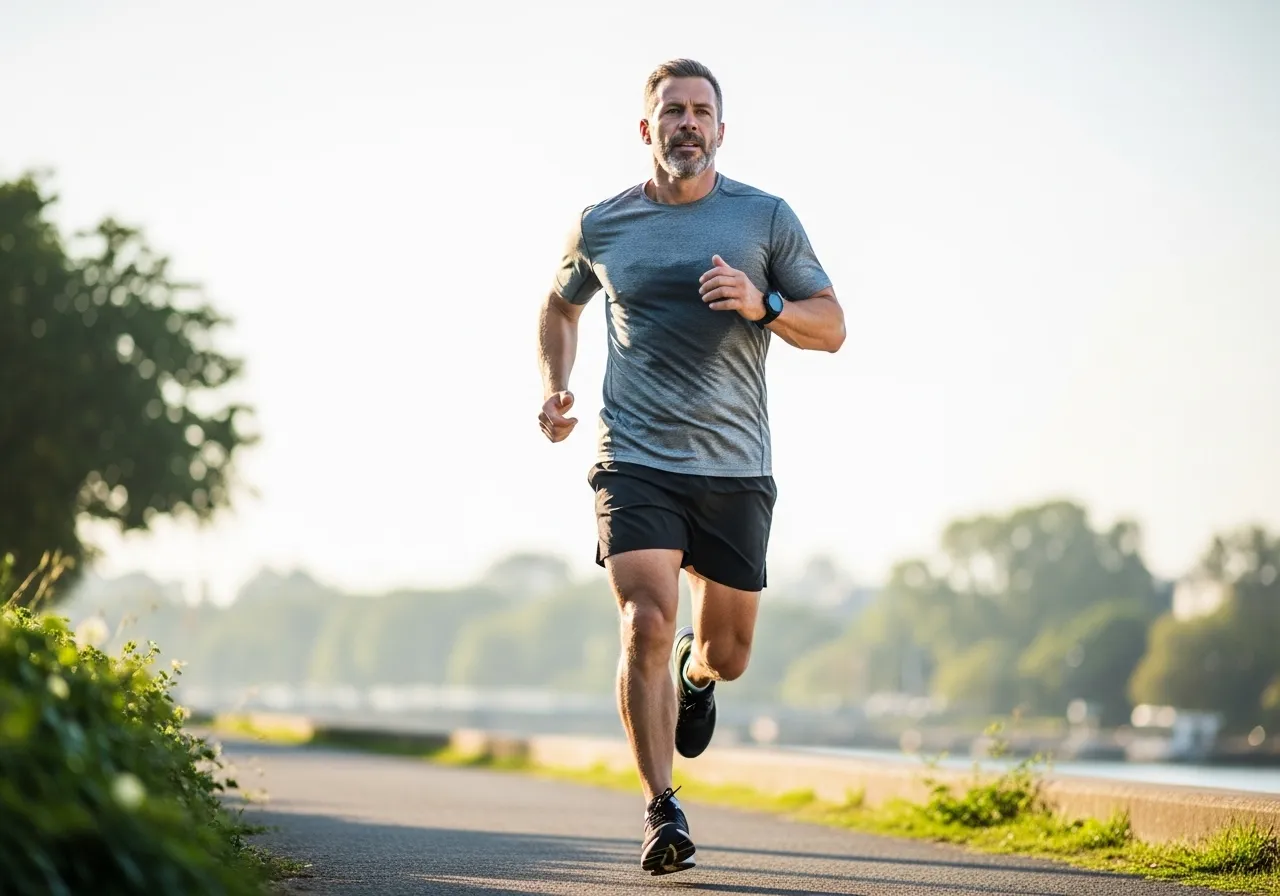
3. Cardiovascular Fitness After 30: Adapting Your Approach
VO2max — the maximum rate of oxygen consumption during exercise, and the gold standard measure of cardiovascular fitness — declines approximately 10% per decade in sedentary individuals from age 30 onwards. In consistently trained adults, this decline is reduced to 5–6% per decade — meaning that a trained 50-year-old can maintain the cardiovascular fitness of a sedentary 35-year-old through consistent aerobic training. The adaptation capacity of the cardiovascular system remains robust at all ages, and the response to cardiovascular training is preserved — only the recovery time and the approach to high-intensity work requires thoughtful adjustment.
Maintaining VO2max After 30
The most effective cardiovascular training approach for maintaining VO2max after 30 combines the high-intensity interval training (HIIT) that most effectively stimulates the cardiovascular adaptations that determine VO2max with the adequate recovery that older athletes require between high-intensity sessions. The evidence from Sports Medicine research on masters athletes consistently finds that masters endurance athletes who include 1–2 high-intensity sessions per week alongside 3–4 moderate-intensity sessions maintain VO2max within 5–10% of their age-20 values across decades of consistent training — a profound preservation that confirms the cardiovascular system’s responsiveness to training at all ages. The adjustment for older cardiovascular training: longer warm-up before high-intensity sessions (10–15 minutes of progressive intensity rather than 5 minutes); more conservative high-intensity protocols (slightly longer work intervals at 85–90% maximum heart rate rather than 90–95% that younger athletes target); and 48–72 hours between high-intensity sessions rather than 24–48 hours. The cardiac structural adaptations that endurance training produces — increased left ventricular volume, improved stroke volume, lower resting heart rate — remain achievable and maintainable at all ages with consistent training.
Zone 2 Training: The Long-Term Foundation
Zone 2 training — sustained aerobic exercise at 60–70% of maximum heart rate, the intensity where conversation is possible but mildly effortful — is the cardiovascular training foundation that produces the mitochondrial density, fat oxidation capacity, and aerobic base that all other intensity zones build upon. After 30, zone 2 training becomes increasingly important as the primary cardiovascular stimulus for the majority of training time: it is sustainable at high volumes without the recovery demand of high-intensity work, it produces the mitochondrial adaptations that metabolic health depends on, and it provides the cardiovascular stimulus that joint-friendly low-impact activities (cycling, swimming, elliptical, walking) can deliver without the connective tissue loading that age-related changes make more relevant. The target zone 2 volume for adults over 30 who want to maintain cardiovascular health and metabolic function: 150+ minutes per week of moderate-intensity activity (the WHO physical activity guideline) provides the minimum effective dose; 200–300 minutes per week produces the health and fitness outcomes that translate into measurable longevity and metabolic health improvements. This volume is achievable through the daily walking habit, cycling commutes, swimming, or structured moderate cardio sessions — cumulative over the week rather than requiring any single long session.
Heart Rate Monitoring for Age-Adjusted Training
Age-adjusted maximum heart rate predictions (220 minus age as the common formula) become increasingly important as training tools after 30, because the gap between the subjective “hard” effort and the physiologically optimal training intensity zone becomes harder to calibrate without objective measurement. A 35-year-old with a predicted maximum heart rate of 185 bpm targeting zone 2 training should exercise at 111–130 bpm — a range that feels considerably easier than the “working hard” subjective perception that many athletes associate with beneficial exercise. The wearable heart rate monitor (chest strap for accuracy, optical wrist sensor for convenience) converts the abstract zone 2 target into the real-time feedback that keeps training at the intended intensity rather than drifting into the neither-here-nor-there middle intensity that is too hard for zone 2 recovery adaptation and too easy for high-intensity cardiovascular stimulus. After 30, the precise intensity management that heart rate monitoring enables becomes increasingly valuable as the recovery cost of inadvertently training too hard — and the missed adaptation from training too easy — both become more consequential for the overall training balance that optimal progress requires.
Swimming and Cycling: Low-Impact Cardiovascular Preservation
The joint loading considerations that emerge after 30 make the low-impact cardiovascular options increasingly valuable for athletes who want to maintain or develop cardiovascular fitness without the cumulative loading stress that running and jumping produce. Swimming is the ideal cardiovascular training modality for older athletes with joint concerns — zero impact, full range of motion in multiple joints, the hydrostatic pressure that provides natural compression therapy for inflamed joints, and the thermoregulatory benefit of cool water that allows sustained effort at lower perceived exertion. Cycling (both outdoor and stationary) provides the cardiovascular stimulus equivalent to running at lower joint loading, making it an excellent complement to or partial substitute for running volume in the training of athletes with knee, hip, or ankle concerns. The cardiovascular adaptations produced by cycling and swimming are substantially similar to running adaptations — improved cardiac stroke volume, enhanced mitochondrial density, increased plasma volume — making them genuine training alternatives rather than merely therapeutic substitutions. For athletes who have run high mileage through their 20s and want to reduce cumulative joint loading while maintaining cardiovascular fitness into their 40s and 50s, transitioning 30–50% of running volume to cycling or swimming is the joint-preservation strategy that extends the training career without compromising cardiovascular fitness outcomes.
Flexibility Training and Cardiovascular Performance
The interaction between flexibility, mobility, and cardiovascular performance becomes more pronounced after 30 — as the movement restrictions that sedentary postures produce affect running economy, stroke efficiency in swimming, and the movement quality of all cardiovascular training modalities. Tight hip flexors reduce the hip extension range that efficient running requires, forcing compensatory lower back extension and reduced stride length that both worsen running economy and increase injury risk. Restricted thoracic rotation reduces the stroke efficiency of swimming and rowing by limiting the full rotation that powerful pull strokes require. The practical integration: 10–15 minutes of mobility work targeting the primary restriction patterns of the training modality (hip flexors and calves for running, thoracic rotation and shoulder for swimming, hip flexors and thoracic for cycling) performed as part of the warm-up or cool-down of cardiovascular sessions produces the performance and injury prevention returns that standalone mobility sessions provide — with the efficient integration into existing training sessions reducing the time barrier that standalone mobility practice faces.
Staying fit after 30 is not about fighting aging — it is about training intelligently with the biology that aging produces, capturing the extraordinary fitness that consistent training into midlife and beyond enables, and building the physical foundation that healthy aging across every subsequent decade requires. The athletes who understand the changes and adapt their approach accordingly maintain fitness levels that most of their peers consider impossible — not through exceptional genetics or exceptional effort, but through the consistent, intelligent application of the principles that this article provides. Begin or resume today, adjust the approach for the body you have now rather than the one you had at 22, and allow the compound returns of consistent training to accumulate into the remarkable fitness that adulthood, properly trained, reliably produces. The research consistently demonstrates a fundamental truth about fitness after 30: the gap between trained and untrained individuals widens dramatically with age. A trained 50-year-old consistently outperforms a sedentary 35-year-old on every meaningful fitness and health metric — confirming that the decade of training investment between 30 and 40, and between 40 and 50, produces the compounding returns that make every year of consistent training the most important year of the career. The body after 30 is not less capable of fitness improvement — it requires more intelligent management of recovery, nutrition, and progression. Provide that management consistently, and the fitness that midlife and beyond enables will surprise every assumption that sedentary cultural narratives about aging have produced. Make this the year that the training investment after 30 begins or resumes — and let the evidence, the methodology, and the consistency do what they reliably do for every athlete who applies them: build the extraordinary fitness that adult training, intelligently practiced, always produces.
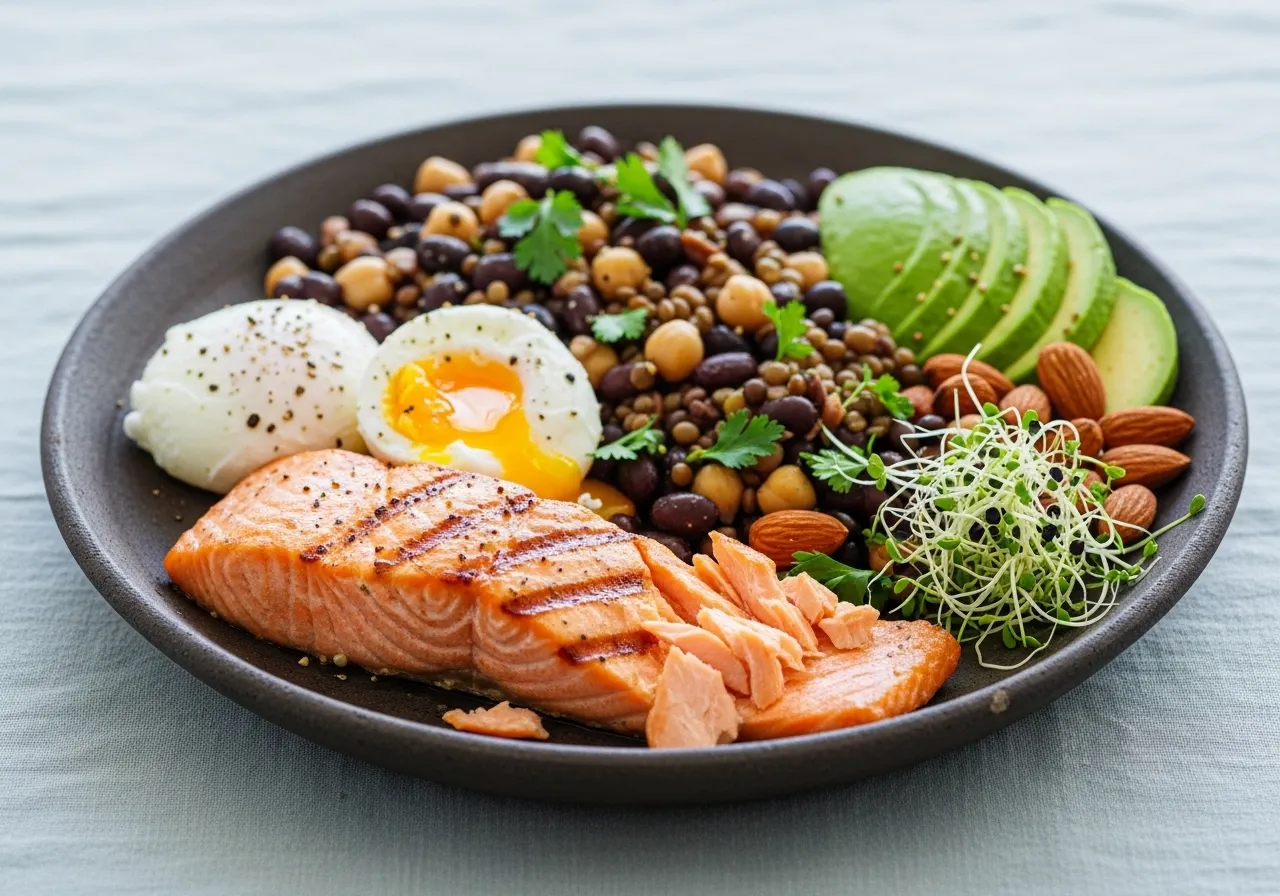
4. Nutrition Shifts After 30: Protein, Recovery, and Metabolism
Nutrition requirements shift meaningfully after 30 — not dramatically, but in ways that matter enough to adjust dietary habits for the athletes who want to maintain body composition, support training adaptations, and manage the metabolic changes that aging introduces. The most important nutritional shift is toward higher protein intake — the research on protein requirements for older adults consistently finds that the current recommended dietary allowance (0.8g/kg body weight) is insufficient for muscle mass maintenance in individuals over 35, particularly those who train.
Protein Requirements: Higher Than You Think
The anabolic resistance phenomenon described in the strength training section has direct nutritional implications: because older muscles are less sensitive to protein-triggered MPS, higher protein doses per meal are required to maximally stimulate the anabolic response. Research from the American Journal of Clinical Nutrition on protein and aging suggests optimal protein intake of 1.6–2.2g/kg body weight for active adults over 30 who train regularly — approximately double the RDA — with the higher end of this range (2.0–2.2g/kg) recommended for athletes in caloric restriction (cutting), those over 50, and those with particularly aggressive muscle mass maintenance goals. The per-meal recommendation also shifts: whereas 20–25g per meal maximally stimulates MPS in younger adults, older adults benefit from 35–40g per meal to achieve the same MPS response. The leucine threshold — the minimum leucine dose required to trigger the mTOR pathway that initiates MPS — does not change with age, but the absolute MPS response to a given leucine dose is lower in older muscle, requiring larger total protein doses to produce equivalent net protein balance. Practical protein sources that provide 35–40g per meal: 175g chicken breast (38g), 200g Greek yogurt + 2 eggs (28g + 12g = 40g), 200g salmon fillet (40g), or a 40g whey protein serving (39g typical).
Caloric Management and Body Composition After 30
The gradual metabolic rate decline from muscle mass loss (and to a lesser extent, reduced activity thermogenesis) after 30 means that the caloric intake that maintained weight at 25 progressively exceeds maintenance calories at 35, 45, and beyond — producing the creeping weight gain that many adults experience without obvious dietary changes. The response is not aggressive caloric restriction (which accelerates muscle loss from the protein deficit that severe restriction creates) but a combination of maintaining muscle mass through resistance training (preventing the RMR decline that drives the caloric surplus), increasing daily activity levels through non-exercise activity (NEAT — the calories burned through standing, walking, and incidental movement that sedentary office work suppresses), and modest caloric adjustment (200–300 calorie reduction) when body weight is trending upward despite adequate training and protein intake. The dietary pattern associated with best long-term body composition outcomes in adults over 30: protein-first meal construction (building meals around the protein source that meets the per-meal target, then adding carbohydrates and fats around it); high-fiber food priorities (vegetables, legumes, whole grains — the fiber that supports satiety, gut health, and glucose management that becomes more metabolically relevant with age); and reduced ultra-processed food consumption (the dietary pattern most strongly associated with the caloric excess and micronutrient inadequacy that aging adults are most vulnerable to).
Anti-Inflammatory Nutrition: Managing the Age-Inflammation Interaction
Inflammaging — the low-grade chronic inflammation that progressively increases with biological aging — affects training recovery, injury repair, and long-term health outcomes. Dietary patterns that reduce systemic inflammation provide both performance recovery benefits and long-term health protection. The anti-inflammatory dietary priorities: omega-3 fatty acids (2–3g EPA+DHA daily from fatty fish or fish oil supplementation — the most evidence-supported anti-inflammatory dietary intervention); polyphenol-rich foods (berries, dark chocolate, olive oil, green tea — the plant compounds with direct anti-inflammatory signaling effects); adequate vitamin D (deficiency is associated with increased inflammatory markers and is highly prevalent in adults over 30 in northern latitudes); and reduced refined sugar and trans fat consumption (the dietary components most consistently associated with increased inflammatory marker production). The combination of these anti-inflammatory dietary priorities does not require dramatic dietary restructuring — adding omega-3 supplementation and increasing polyphenol-rich food intake within an otherwise adequate diet produces the inflammation-management benefit that aging athletes require for the training recovery quality that inflammatory aging progressively impairs.
Micronutrient Priorities After 30
The micronutrient requirements of athletes over 30 shift from the general adequacy priorities of younger athletes toward specific deficiency-prevention targets that become increasingly relevant as absorption efficiency, dietary variety, and physiological demands change with age. Vitamin D: deficiency (serum 25-OH vitamin D below 50 nmol/L) is present in an estimated 40–70% of adults in northern latitudes and is associated with reduced muscle function, impaired immune response, increased injury risk, and reduced bone density — all outcomes that athletic performance depends on. Supplementation with 2,000–4,000 IU vitamin D3 daily is recommended for adults over 30 in low-sunlight environments, with testing to confirm individual adequacy. Magnesium: required for ATP production (muscle contraction, energy metabolism) and protein synthesis — athletes with high sweat rates and high dietary fiber restriction are at particular deficiency risk. 300–400mg of magnesium glycinate or malate daily supports the 300+ enzymatic processes that magnesium enables. Omega-3 fatty acids: EPA and DHA from fish oil at 2–3g daily reduce the inflammatory signaling that training-induced muscle damage and age-related inflammaging both produce — supporting the recovery quality and joint health that athletic participation after 30 increasingly requires. The micronutrient audit approach: annual blood testing for vitamin D, ferritin (iron stores), B12 (particularly for vegetarians and vegans), and zinc provides the specific deficiency identification that targeted supplementation can address — preventing the subtle performance impairments that subclinical deficiencies produce without obvious clinical symptoms.
Alcohol’s Amplified Impact After 30
Alcohol’s interference with training recovery — impaired muscle protein synthesis, reduced testosterone, disrupted sleep architecture, impaired glycogen resynthesis — is present at all ages, but becomes more practically significant after 30 when the recovery resources available are already reduced by the hormonal changes that aging introduces. Research on alcohol and muscle protein synthesis finds that even moderate alcohol consumption (3–4 drinks) after resistance training reduces the MPS response to protein feeding by approximately 37% — eliminating a substantial portion of the anabolic effect that the training session and post-workout nutrition was designed to produce. The alcohol-testosterone interaction: the same 3–4 drink intake reduces testosterone levels for 12–36 hours following consumption — meaningful in the context of already-declining testosterone that older athletes are managing. The practical approach is not abstinence advocacy but awareness of the training-alcohol interaction: alcohol consumed within 24 hours before or after training produces the greatest recovery impairment; alcohol on rest days with proper timing relative to the previous and next training session produces less impairment. Athletes over 30 who prioritize training recovery are well-served by shifting alcohol consumption to rest days and reducing total weekly intake toward the levels where the recovery impairment is below the threshold that training quality differences become detectable.
Staying fit after 30 is not about fighting aging — it is about training intelligently with the biology that aging produces, capturing the extraordinary fitness that consistent training into midlife and beyond enables, and building the physical foundation that healthy aging across every subsequent decade requires. The athletes who understand the changes and adapt their approach accordingly maintain fitness levels that most of their peers consider impossible — not through exceptional genetics or exceptional effort, but through the consistent, intelligent application of the principles that this article provides. Begin or resume today, adjust the approach for the body you have now rather than the one you had at 22, and allow the compound returns of consistent training to accumulate into the remarkable fitness that adulthood, properly trained, reliably produces. The research consistently demonstrates a fundamental truth about fitness after 30: the gap between trained and untrained individuals widens dramatically with age. A trained 50-year-old consistently outperforms a sedentary 35-year-old on every meaningful fitness and health metric — confirming that the decade of training investment between 30 and 40, and between 40 and 50, produces the compounding returns that make every year of consistent training the most important year of the career. The body after 30 is not less capable of fitness improvement — it requires more intelligent management of recovery, nutrition, and progression. Provide that management consistently, and the fitness that midlife and beyond enables will surprise every assumption that sedentary cultural narratives about aging have produced. Make this the year that the training investment after 30 begins or resumes — and let the evidence, the methodology, and the consistency do what they reliably do for every athlete who applies them: build the extraordinary fitness that adult training, intelligently practiced, always produces.

5. Recovery After 30: Why You Need More of It
Recovery after 30 is not a concession to aging — it is a strategic requirement for the sustained training quality and consistent progress that older athletes maintain. The physiological mechanisms of recovery (protein synthesis, glycogen resynthesis, connective tissue repair, hormonal normalization, nervous system restoration) are all slower in older athletes — not because the mechanisms fail, but because the reduced hormonal concentrations and altered cellular environment of aging produce a quantitatively different recovery timeline.
Sleep: The Most Powerful Recovery Tool
Sleep quality and quantity both decline with age — total sleep time decreases modestly (typically 20–30 minutes less per night by the mid-50s compared to the mid-20s), but more impactfully, the proportion of deep slow-wave sleep (the stage where growth hormone is secreted and tissue repair is most active) decreases substantially, from approximately 20% of sleep in young adults to 5–10% in those over 50. This SWS reduction reduces the recovery quality per hour of sleep even when total sleep time is maintained — making sleep optimization (consistent sleep timing, cool sleep environment, darkness, minimizing alcohol and late caffeine) increasingly important as the available SWS declines with age. From Sleep Foundation data on aging and sleep, adults over 30 who prioritize sleep consistency (same wake time 7 days per week, no more than 45 minutes of weekend sleep extension) demonstrate better recovery quality metrics than those with irregular sleep timing regardless of total sleep duration. The practical sleep optimization priorities after 30: consistent sleep and wake timing (the circadian foundation), alcohol reduction (alcohol specifically suppresses SWS — the recovery-critical sleep stage), and sleep environment optimization (18–19°C room temperature, complete darkness, minimal noise disturbance).
Recovery Modalities: What Works and What Doesn’t
The recovery modality market offers an expanding array of tools with varying evidence quality — from highly effective interventions to expensive placebos. Cold water immersion (10–15 minutes in 10–15°C water) consistently reduces DOMS severity and subjective fatigue in research, with the anti-inflammatory effect and nervous system recovery benefit providing measurable next-day training quality improvements. Active recovery (light aerobic exercise at 30–40% maximum heart rate) accelerates blood lactate clearance and maintains tissue temperature for longer recovery timeframes — equivalent or superior to passive rest for the metabolic recovery outcomes that next-day training quality depends on. Massage and foam rolling: produce meaningful short-term relief from DOMS and improved range of motion from the neural tone reduction and myofascial adhesion management that both provide — modest in magnitude but practically meaningful for the high-volume training athlete. Compression garments: modest evidence for DOMS reduction and perceived recovery improvement with limited definitive evidence for performance improvement — benefit is likely real but small. Nutrition-based recovery: protein and carbohydrate consumption within 30–60 minutes post-exercise provides the recovery investment with the strongest evidence and the lowest cost — every training session should be followed by 25–40g protein and 0.5–1.0g/kg carbohydrates regardless of other recovery modality investment.
Managing Accumulated Fatigue: Deloads and Recovery Weeks
Accumulated fatigue — the progressive training load accumulation that masks fitness improvements beneath fatigue-depressed performance — requires more frequent management after 30 because the recovery resources available to dissipate fatigue are quantitatively reduced by the hormonal and physiological changes that aging introduces. The practical deload frequency for athletes over 30: every 3–4 weeks during high-volume or high-intensity training phases, compared to every 4–6 weeks for younger athletes. The deload structure remains the same (50–60% volume reduction, 10–15% intensity reduction for one week) — only the frequency increases to match the altered fatigue-recovery balance. Athletes over 40 may benefit from a more extended approach: 3 weeks of progressive loading followed by 1 week of reduced volume as a fixed repeating cycle, rather than waiting for fatigue symptoms to trigger the deload. This proactive deload scheduling prevents the chronic fatigue accumulation that the reactive deload approach allows to develop before intervention — maintaining the training quality that ongoing performance improvement requires.
The Parasympathetic Recovery Shift After 30
Heart rate variability (HRV) — the variation in time between heartbeats that reflects autonomic nervous system balance between sympathetic (stress/activation) and parasympathetic (recovery/restoration) function — declines with age as the sympathetic-parasympathetic balance shifts toward sympathetic dominance. This shift means that the recovery state that the body naturally achieves between training sessions is less complete in older athletes — the parasympathetic activation that enables the anabolic, repair-focused physiological processes of recovery is harder to sustain with the elevated background sympathetic tone that aging and cumulative life stress produce. Practical interventions that specifically enhance parasympathetic recovery after 30: structured breathing practices (4-7-8 breathing, box breathing performed for 5–10 minutes daily) produce direct vagal activation and measurable HRV improvements; yoga and meditation practices combine mobility benefit with the parasympathetic activation that recovery requires; cold water immersion post-exercise produces a parasympathetic rebound that persists for several hours after the cold exposure ends. The HRV monitoring approach: wearable devices (WHOOP, Garmin, Oura Ring) provide daily HRV measurements that track recovery quality objectively — allowing training load adjustments based on recovery data rather than fixed programming that ignores daily readiness variation. Athletes over 30 who train based on HRV guidance consistently show better long-term performance outcomes than those who follow fixed programming regardless of recovery status — the feedback loop producing the recovery management that aging athletes increasingly require.
Active Recovery Strategies That Actually Work
Active recovery between training sessions — maintaining light movement and circulation without accumulating additional fatigue — provides the metabolite clearance, tissue circulation, and neuromuscular tone maintenance that passive rest cannot provide. The most effective active recovery for athletes over 30: walking at 40–50% maximum heart rate (20–40 minutes) maintains lower extremity circulation and lymphatic drainage without the mechanical loading that adds to training fatigue; light swimming or pool walking provides the joint-unloaded movement that maintains circulation without loading the musculoskeletal structures recovering from previous training; and gentle yoga maintains the mobility gains from previous mobility work while providing the parasympathetic activation and mental decompression that the psychological recovery component of recovery requires. The distinction between active recovery and training: true active recovery should feel effortless and leave the athlete feeling better than before the activity, not more fatigued. Any activity that produces significant fatigue, soreness, or elevated heart rate above 50–60% of maximum is not active recovery — it is additional training load that competes with recovery rather than supporting it. The athletes over 30 who implement genuine active recovery practices on their rest days consistently report better week-to-week training quality and more consistent progressive performance improvement than those who simply rest passively or who train through their rest days.
Staying fit after 30 is not about fighting aging — it is about training intelligently with the biology that aging produces, capturing the extraordinary fitness that consistent training into midlife and beyond enables, and building the physical foundation that healthy aging across every subsequent decade requires. The athletes who understand the changes and adapt their approach accordingly maintain fitness levels that most of their peers consider impossible — not through exceptional genetics or exceptional effort, but through the consistent, intelligent application of the principles that this article provides. Begin or resume today, adjust the approach for the body you have now rather than the one you had at 22, and allow the compound returns of consistent training to accumulate into the remarkable fitness that adulthood, properly trained, reliably produces. The research consistently demonstrates a fundamental truth about fitness after 30: the gap between trained and untrained individuals widens dramatically with age. A trained 50-year-old consistently outperforms a sedentary 35-year-old on every meaningful fitness and health metric — confirming that the decade of training investment between 30 and 40, and between 40 and 50, produces the compounding returns that make every year of consistent training the most important year of the career. The body after 30 is not less capable of fitness improvement — it requires more intelligent management of recovery, nutrition, and progression. Provide that management consistently, and the fitness that midlife and beyond enables will surprise every assumption that sedentary cultural narratives about aging have produced. Make this the year that the training investment after 30 begins or resumes — and let the evidence, the methodology, and the consistency do what they reliably do for every athlete who applies them: build the extraordinary fitness that adult training, intelligently practiced, always produces.

6. Lifestyle Habits That Protect Long-Term Fitness After 30
Fitness after 30 is not determined solely by training and nutrition — the broader lifestyle context of stress management, daily activity patterns, social connection, and preventive health practices significantly influences both the physiological capacity for training and the motivation that sustains long-term fitness commitment. The lifestyle factors that most directly affect fitness outcomes after 30 are those that interact with the hormonal, recovery, and metabolic systems that aging progressively affects.
Stress Management and Cortisol
Chronic psychological stress elevates cortisol — the catabolic hormone that promotes muscle breakdown, fat storage (particularly visceral fat), insulin resistance, and impaired recovery from training. After 30, the professional and personal stress load typically increases (career pressure, family responsibilities, financial obligations) precisely when the hormonal environment is shifting toward reduced anabolic capacity — creating the double disadvantage of reduced anabolic hormones and elevated catabolic hormones that makes muscle maintenance and body composition management more challenging. Stress management practices with evidence for cortisol reduction: regular physical exercise (paradoxically, the same training that creates beneficial physical stress reduces psychological stress cortisol when managed appropriately); meditation and mindfulness (10–20 minutes daily of formal meditation practice reduces cortisol and increases resilience to stress-induced cortisol spikes); and social connection (strong social support networks independently reduce cortisol and improve immune function, health outcomes, and longevity — making the social dimension of fitness (training partners, fitness communities) multiply beneficial through both the accountability and the social health effects it provides).
Daily Movement Beyond Training: NEAT After 30
Non-exercise activity thermogenesis (NEAT) — the calories burned through all daily movement outside formal exercise — becomes increasingly important after 30 as sedentary occupational demands and reduced spontaneous physical activity combine to reduce the daily caloric expenditure that maintaining body composition requires. Research on NEAT and metabolic health identifies daily step count and standing time as two of the most practically actionable NEAT variables — with each 2,000 additional daily steps (approximately 15–20 minutes of walking) producing measurable reductions in cardiovascular and metabolic disease risk. The target after 30 for NEAT maintenance: 8,000–10,000 daily steps as a minimum, with additional movement breaks (2–3 minutes of standing or walking every 30–60 minutes of sitting) to interrupt the continuous sedentary postures that independently increase metabolic disease risk regardless of total daily activity. The combination of formal training (3–4 sessions per week) and maintained NEAT (8,000+ steps, regular movement breaks) produces the total daily activity level that metabolic health after 30 requires — addressing both the structured training stimulus and the background activity that determines the metabolic environment between training sessions.
Preventive Healthcare and Monitoring After 30
Proactive engagement with preventive healthcare becomes increasingly relevant after 30 for fitness-focused adults who want to identify and address the health developments that affect training capacity and long-term wellbeing before they become significant. The screening and monitoring priorities for fitness-focused adults over 30: annual bloodwork (testosterone panel for men, complete metabolic panel, lipid profile, vitamin D level, complete blood count, thyroid function, HbA1c for metabolic health) — identifying the hormonal deficiencies, metabolic changes, and nutritional inadequacies that training and nutrition cannot directly address. Testosterone assessment is particularly relevant for men experiencing unexplained fatigue, reduced training performance, or body composition changes that appropriate training and nutrition are not resolving — testosterone replacement therapy (where clinically indicated) can restore the hormonal environment that training adaptation requires. Joint health monitoring: addressing the musculoskeletal complaints that emerge after 30 (knee pain, lower back pain, shoulder issues) proactively through physical therapy and training modification prevents the training interruptions that unaddressed structural issues eventually produce. Regular flexibility and functional movement assessment confirms that the mobility work and movement quality investments are producing the expected outcomes before restrictions become injuries.
Social Fitness: Community and Accountability After 30
The social dimension of fitness becomes increasingly important as a motivational and accountability resource after 30 — when the internal competitive motivation of youth athletics has faded and the practical barriers of work and family compete more aggressively for the time that training requires. Research on exercise adherence consistently identifies social support and community membership as among the strongest predictors of long-term exercise consistency — independent of fitness level, program type, or individual motivation. The practical application: joining a training community (gym class format, running club, team sport, CrossFit community) provides the external accountability structure that makes training attendance a social commitment rather than a purely internal motivation contest. Training partners create the mutual obligation that prevents the training cancellations that individual schedule disruptions would otherwise produce. The social fitness community also provides the modeling effect of observing peers maintain fitness through their 30s, 40s, and 50s — the psychological normalization of adult fitness that combats the cultural narrative that declining fitness is inevitable with age. For athletes who have previously trained alone, the social transition to community-based training is one of the most impactful sustainability investments available — not changing the training itself but dramatically improving the probability that the training continues consistently over the years and decades that compound improvement requires.
Mental Health Benefits of Fitness After 30
The mental health benefits of regular exercise — reduced anxiety and depression symptoms, improved mood, enhanced cognitive function, increased stress resilience — are well-established across populations, but their importance increases after 30 as the psychological stressors of adult life (occupational, financial, relational) intensify and the buffering effect of consistent exercise becomes a meaningful mental health management tool. The specific mental health mechanisms that exercise after 30 provides: neurogenesis in the hippocampus (the brain region most associated with learning, memory, and emotional regulation) stimulated by aerobic exercise; BDNF (brain-derived neurotrophic factor) elevation from both aerobic and resistance training that supports the neural plasticity underlying mood regulation; cortisol management through the acute cortisol response to exercise that trains the hypothalamic-pituitary-adrenal axis to manage stress responses more efficiently over time; and the identity and self-efficacy effects of maintained athletic competence into midlife that provide the self-concept resilience that challenges adult life inevitably tests. Adults over 30 who maintain consistent fitness practices consistently report better subjective wellbeing, better stress management, and lower rates of clinical anxiety and depression than those who are sedentary — making fitness after 30 a mental health investment with returns that compound alongside the physical health returns across the years of consistent practice.
Staying fit after 30 is not about fighting aging — it is about training intelligently with the biology that aging produces, capturing the extraordinary fitness that consistent training into midlife and beyond enables, and building the physical foundation that healthy aging across every subsequent decade requires. The athletes who understand the changes and adapt their approach accordingly maintain fitness levels that most of their peers consider impossible — not through exceptional genetics or exceptional effort, but through the consistent, intelligent application of the principles that this article provides. Begin or resume today, adjust the approach for the body you have now rather than the one you had at 22, and allow the compound returns of consistent training to accumulate into the remarkable fitness that adulthood, properly trained, reliably produces. The research consistently demonstrates a fundamental truth about fitness after 30: the gap between trained and untrained individuals widens dramatically with age. A trained 50-year-old consistently outperforms a sedentary 35-year-old on every meaningful fitness and health metric — confirming that the decade of training investment between 30 and 40, and between 40 and 50, produces the compounding returns that make every year of consistent training the most important year of the career. The body after 30 is not less capable of fitness improvement — it requires more intelligent management of recovery, nutrition, and progression. Provide that management consistently, and the fitness that midlife and beyond enables will surprise every assumption that sedentary cultural narratives about aging have produced. Make this the year that the training investment after 30 begins or resumes — and let the evidence, the methodology, and the consistency do what they reliably do for every athlete who applies them: build the extraordinary fitness that adult training, intelligently practiced, always produces.

7. Training Mistakes to Avoid After 30 and FAQs
The most common training mistakes of athletes over 30 reflect the application of younger-athlete approaches to an older-athlete physiology — or conversely, the excessive caution that underestimates the training capacity that remains. Both errors produce suboptimal results: the first through overtraining and injury; the second through undertrained potential.
Mistake 1: Training Exactly Like You Did at 22
The athlete who returns to training after years of inactivity and immediately attempts the training volume, intensity, and recovery pace of their college athletic career is the archetype of the post-30 training mistake. The connective tissue that was resilient to the immediate high-intensity demands of youth requires the progressive adaptation period that gradual load increase provides — but connective tissue adaptation lags muscular adaptation by 6–12 weeks, meaning that muscles can handle loads in 4–6 weeks that the tendons and ligaments supporting them cannot yet safely sustain. The correction: a 4–8 week gradual loading phase when returning to training after any significant break, reducing initial loads to 50–60% of previous working weights and increasing by 5–10% per week. This feels frustratingly conservative to athletes who know they are capable of more — but it represents the connective tissue adaptation investment that prevents the 8–12 week injury setback that overaggressive early loading produces.
Mistake 2: Neglecting Mobility and Warm-Up
The abbreviated warm-up that sufficed at 22 is genuinely insufficient at 35 — because tissue extensibility at rest is lower (requiring more time to achieve the elevated temperature and reduced stiffness that efficient warm-up produces) and the neuromuscular preparation needed to safely recruit motor units at high loads requires more extensive specific warm-up practice. The warm-up after 30 should include 5–10 minutes of light cardiovascular activity to elevate tissue temperature, 5–8 minutes of dynamic mobility addressing the primary joints used in the session, and 3–4 incremental warm-up sets before each primary exercise’s working weight. This 15–20 minute warm-up investment reduces injury risk and actually improves performance quality through the superior neuromuscular preparation it provides — the time investment pays dividends in the working set quality that exceeds what an abbreviated warm-up precedes.
Mistake 3: Insufficient Protein Intake
Athletes over 30 who maintain the protein intake of their 20s (typically 1.2–1.6g/kg — already below the optimal range for younger athletes but tolerable with younger anabolic sensitivity) are working against the anabolic resistance that aging introduces with inadequate substrate for MPS maximization. The protein gap — the difference between current intake and the 1.8–2.2g/kg that optimizes MPS in older adults — is the most commonly unaddressed nutritional factor in the fitness plateau that many over-30 athletes experience without obvious explanation. Auditing protein intake for one week using a food diary app and comparing the average to the 1.8–2.2g/kg target identifies this gap precisely — and the correction of a single additional 30–40g protein meal or supplement per day is typically sufficient to bridge it.
Frequently Asked Questions About Staying Fit After 30
Is it too late to start building muscle after 30? Absolutely not — research consistently shows that adults in their 30s, 40s, 50s, and beyond build meaningful muscle mass from resistance training. The rate of hypertrophy is somewhat slower than in the 20s, and the protein intake required is higher, but the biological capacity for muscle building is robustly maintained throughout adulthood. How much should my training change at 35 vs. 45? The principles remain the same; the adjustments accumulate gradually. At 35: mild adjustments to recovery frequency and warm-up duration. At 45: more significant recovery management, more conservative intensity prescription in most sessions, and clearer periodization structure. At 55+: more frequent deloads, higher protein requirements, and greater attention to joint health and mobility. Can I maintain the fitness level I had at 25? With consistent training and optimal nutrition, maintaining 90%+ of young adult fitness levels through the 40s and maintaining 80–85% through the 50s is achievable — far better than the 50–60% retention that sedentary aging produces. Should I switch from powerlifting to “lighter and more reps” after 30? Heavy lifting remains appropriate and beneficial after 30 — the adjustment is in training smarter (better periodization, more conservative maximal effort frequency) rather than abandoning intensity. Masters powerlifters compete and set records into their 70s with appropriate program modification. What’s the single most important fitness habit after 30? Consistent resistance training — the single intervention with the strongest evidence for sarcopenia prevention, metabolic health, bone density, hormonal health, and functional independence that healthy aging requires. Every other recommendation in this article supports and amplifies this foundational practice.
Mistake 4: Avoiding Cardio Entirely
The resistance training-exclusive approach that some athletes adopt after 30 — motivated by concerns about muscle loss from cardio or simply time constraints — neglects the cardiovascular health, metabolic function, and aerobic base that cardiovascular training provides and that resistance training cannot replicate. The cardiopulmonary system’s age-related changes (VO2max decline, reduced cardiac stroke volume, decreased arterial elasticity) are specifically addressed by cardiovascular training in ways that resistance training does not — making the two training modalities complementary for the complete fitness maintenance that aging adults require. The minimum cardiovascular training for fitness maintenance after 30: 150 minutes per week of moderate-intensity activity (the WHO recommendation that mounting evidence suggests is sufficient for meaningful cardiovascular health protection). This is achievable within a primarily resistance-training-focused schedule through three 50-minute moderate-intensity sessions or five 30-minute sessions per week — modest time allocations that the health and fitness returns fully justify. For athletes with genuine time constraints, the most efficient cardiovascular training approach is HIIT: 20–25 minute HIIT sessions 2–3 times per week produce cardiovascular benefits comparable to much longer moderate-intensity sessions and fit within the most compressed training schedules.
Mistake 5: Comparing Current Self to Past Self Inappropriately
The psychological trap of measuring current fitness against the peak performance of youth — the sub-3-hour marathon pace of age 24, the 150kg bench press of the college athletic career, the 10% body fat of a 22-year-old with minimal life stress — produces the discouragement that undermines the training motivation that current performance potential, properly appreciated, could sustain. The appropriate comparison framework after 30: compare current fitness to age-matched peers (the performance context that reveals genuine fitness achievement), compare current fitness to previous year’s fitness (the progress trajectory that confirms whether training investment is producing returns), and compare to the fitness level that specific health and performance goals require (the functional target that motivates without invoking the irreversible changes of aging as a failure metric). Masters athletics provides the most useful comparative framework for competitive-minded athletes — age-group records and rankings reveal that the performance ceiling at 45 or 55, while lower than at 25, is dramatically higher than most adults over 30 believe possible, and that consistent training into midlife and beyond produces athletic achievements that sedentary age comparison makes seem impossible until the training data demonstrates otherwise.
Staying fit after 30 is not about fighting aging — it is about training intelligently with the biology that aging produces, capturing the extraordinary fitness that consistent training into midlife and beyond enables, and building the physical foundation that healthy aging across every subsequent decade requires. The athletes who understand the changes and adapt their approach accordingly maintain fitness levels that most of their peers consider impossible — not through exceptional genetics or exceptional effort, but through the consistent, intelligent application of the principles that this article provides. Begin or resume today, adjust the approach for the body you have now rather than the one you had at 22, and allow the compound returns of consistent training to accumulate into the remarkable fitness that adulthood, properly trained, reliably produces. The research consistently demonstrates a fundamental truth about fitness after 30: the gap between trained and untrained individuals widens dramatically with age. A trained 50-year-old consistently outperforms a sedentary 35-year-old on every meaningful fitness and health metric — confirming that the decade of training investment between 30 and 40, and between 40 and 50, produces the compounding returns that make every year of consistent training the most important year of the career. The body after 30 is not less capable of fitness improvement — it requires more intelligent management of recovery, nutrition, and progression. Provide that management consistently, and the fitness that midlife and beyond enables will surprise every assumption that sedentary cultural narratives about aging have produced. Make this the year that the training investment after 30 begins or resumes — and let the evidence, the methodology, and the consistency do what they reliably do for every athlete who applies them: build the extraordinary fitness that adult training, intelligently practiced, always produces.