The Best Nutrition Plan for Losing 10 Pounds in a Month


Losing 10 Pounds in a Month: What’s Real, What’s Water Weight, and What’s Fat
Ten pounds in a month is a goal I have heard stated confidently in gyms, online forums, and diet plan marketing more times than I can count — and I want to address the physiology honestly before presenting the nutrition plan, because the number means something very specific biologically, and understanding what you are actually targeting changes both your strategy and your realistic expectation of what success looks like. Ten pounds of body weight and ten pounds of fat mass are different targets, and the distinction matters enormously for both the approach you take and the health of the result you achieve.
The Physiology of Weight Loss: Fat vs Water vs Muscle
Human body weight fluctuates by 2-5 pounds daily from water, food mass in the digestive tract, and glycogen storage changes — none of which represents a change in fat mass. A single high-carbohydrate meal can add 2-3 pounds of water weight through the glycogen synthesis that stores approximately 3-4 grams of water per gram of glycogen; a sodium-heavy day can add 2 pounds from the osmotic water retention that high sodium intake produces. The implication: the first week of any caloric restriction and dietary change produces the most rapid scale weight loss because glycogen depletion (occurring in the first 2-5 days of significant caloric deficit) releases the stored water, simultaneously making fat loss appear faster than it is and then making subsequent weeks appear disappointingly slow as the water loss phase ends. True fat loss rate is governed by the caloric deficit created: one pound of body fat contains approximately 3,500 calories. A 1,000-calorie daily deficit — the aggressive but achievable maximum that preserving muscle mass and metabolic health allows without severe restriction — produces approximately 2 pounds of fat loss per week, or 8 pounds of fat loss over four weeks. Combined with the 2-4 pounds of initial water weight that dietary change produces, the realistic 10-pound month weight loss is achievable as a combination of 7-8 pounds of fat and 2-3 pounds of water and glycogen — not 10 pounds of fat. This distinction matters because the person expecting 10 pounds of fat loss and experiencing plateau after the initial water loss phase interprets the correct physiological response as program failure and abandons an approach that was working. Understanding the composition of the weight loss prevents the discouragement that realistic biology produces when it conflicts with unrealistic expectations. From PubMed review on the physiology of caloric restriction and fat loss rate, the theoretical maximum rate of fat loss from pure adipose tissue is 0.5-1% of body weight per week in most adults, with the achievable 2-pound weekly fat loss representing approximately 1% of body weight for a typical adult — confirming that the 8-10 pound monthly goal is at the upper realistic boundary of achievable fat loss for most individuals.
Health Considerations Before Starting an Aggressive Diet
The 1,000-calorie daily deficit that a 10-pound-per-month fat loss goal requires is a medically significant caloric restriction that is appropriate for overweight individuals with physician guidance but warrants specific health considerations for those near or at healthy body weight. The individuals for whom aggressive monthly fat loss is generally safe: those with a BMI above 27 who have medically supervised guidance; those whose current caloric intake is sufficiently above maintenance that a 1,000-calorie reduction still represents an adequately nourishing diet (2,500+ daily intake reducing to 1,500+ is meaningfully different from 2,000 reducing to 1,000); and those without the eating disorder history, cardiovascular conditions, or metabolic conditions that aggressive restriction may aggravate. The safety markers to monitor during aggressive fat loss: weekly body weight (more than 2.5 pounds per week of consistent loss over multiple weeks suggests lean mass loss from excessive deficit); training performance (strength loss of more than 5% over 2-3 weeks indicates muscle protein breakdown from inadequate caloric or protein intake); and subjective energy and mood (the severe fatigue, cognitive difficulty, and mood instability that excessive restriction produces are signals that the deficit requires moderating). For athletes whose primary goal is body composition improvement (losing fat while preserving or building muscle), the combination of adequate protein, resistance training maintenance, and a moderate rather than extreme deficit produces superior long-term results — the rapid weight loss approach sacrifices the muscle preservation that body composition improvements require, and the metabolic adaptation of severe restriction makes the body weight maintenance after the month-long protocol significantly harder than the slower, muscle-preserving approach.
Sleep, Stress, and the Hidden Variables That Determine Fat Loss Success
The dietary and exercise variables that the fat loss plan addresses are the primary determinants of the caloric equation that fat loss depends on — but the sleep quality and stress management that the non-dietary variables represent are sufficiently powerful in their effects on both sides of the caloric equation (suppressing fat oxidation, increasing caloric intake through hunger hormones, reducing training performance and NEAT) to determine whether the plan produces the expected 10-pound result or the underwhelming 4-5 pounds that inadequate sleep and high chronic stress reliably produce despite dietary adherence. The specific fat loss impact of sleep deprivation that the fat loss month requires addressing: the ghrelin elevation and leptin reduction that insufficient sleep produces increases ad libitum caloric intake by 200-500 calories per day — the hunger amplification that consistently undermines the dietary deficit that the plan creates through careful food choices and portion management. The fat oxidation reduction of poor sleep: the insulin resistance that sleep deprivation increases (30-40% within one week of restriction below 7 hours per night) reduces the metabolic flexibility that shifts the energy substrate toward fat oxidation during the fasted and inter-meal periods — the physiological fat-burning capacity that good insulin sensitivity enables and that sleep deprivation impairs. The stress cortisol effect on fat loss: the visceral fat deposition that chronic cortisol elevation specifically promotes through the cortisol receptor density in abdominal adipose tissue works directly against the central fat loss that many people prioritize — the “stress belly” that high-cortisol states produce is not responsive to dietary intervention alone when the hormonal driver is not addressed through stress management. The practical sleep and stress target for the fat loss month: 8 hours of sleep nightly as the non-negotiable minimum; the stress management practices (exercise, social connection, time in nature, adequate recovery) that maintain cortisol within the range compatible with fat oxidation rather than fat storage — treating these as dietary adherence requirements of equal importance to the macronutrient targets that the plan quantifies.
Tracking Progress Beyond the Scale: Why Body Measurements and Photos Matter
The scale is the most widely used fat loss progress tracking tool and simultaneously the most psychologically volatile — its daily fluctuations of 1-4 pounds from water, food mass, and hormonal variation obscure the genuine fat loss progress that the 7-day trend reveals. The comprehensive progress tracking system that provides a more accurate and psychologically stable assessment of fat loss progress: body circumference measurements (waist, hip, upper arm, thigh) with a flexible measuring tape taken at the same time of day (morning, post-bathroom, pre-eating) on the same day each week — these measurements show the fat loss from the specific regions that most people care about and do not fluctuate with water retention the way scale weight does; progress photographs in consistent lighting, position, and clothing taken every two weeks provide the visual comparison that scale weight alone cannot represent for the body composition changes that fat loss and muscle preservation produce; and the clothing fit assessment — the jeans that were too tight, the shirt that was uncomfortable across the shoulders — provides the practical measure of body composition change that the daily life environment confirms without requiring measurement equipment. The multi-metric tracking framework prevents the scale-plateau discouragement that abandons successful plans: the athlete who has not lost scale weight in the past week but has lost 2cm from their waist measurement has accurate evidence that fat loss is continuing despite the water retention that the scale weight reflects. Understanding that body fat loss and scale weight loss are related but not identical metrics, and tracking both alongside body measurements and photos, produces the evidence-informed confidence in the plan that the scale-only tracker lacks during the normal fluctuations that real-world fat loss produces.
The Psychological Dimension of Aggressive Fat Loss: Managing Your Relationship with Food
The month-long aggressive fat loss protocol places the individual’s relationship with food under the most direct stress that any dietary approach creates — and the psychological health of that relationship during and after the protocol is as important as the physiological outcomes for the long-term body composition that the month is ideally a step toward rather than a destination. The food relationship risks of aggressive restriction: the dietary restraint that caloric deficit requires can, in psychologically vulnerable individuals, initiate the restrictive-binge cycle that food restriction-and-deprivation-followed-by-loss-of-control produces in the 20-30% of dieters who develop this pattern rather than the calm dietary management that evidence-based restriction enables. The distinction between healthy dietary restraint and disordered eating: healthy restraint is flexible, accommodating imperfect days without catastrophic thinking, externally referenced by hunger and health rather than purely appearance, and compatible with eating enjoyment — disordered restriction is rigid, appearance-obsessed, and produces the guilt and anxiety around food that eating disorder research identifies as the early markers of clinical eating pathology. For those with a history of eating disorders or BMI already in the underweight range, the slower, more flexible dietary approach with professional support provides the better path. For the psychologically healthy individual with a clear goal and adequate fat reserves: this 10-pound month plan provides the structured, evidence-based framework that achieves the goal with dietary education that makes the outcome more maintainable than uninformed aggressive restriction.

Calorie Targets and Protein: The Two Non-Negotiables
Every effective fat loss nutrition plan reduces to two non-negotiable variables: a consistent caloric deficit sufficient to produce the target fat loss rate, and adequate protein intake to preserve the lean mass that the deficit’s catabolic environment would otherwise reduce. Everything else in a fat loss nutrition plan is implementation detail that serves these two requirements.
Calculating Your Calorie Target: Finding the Right Deficit
The calorie target for losing 10 pounds in a month requires calculating your Total Daily Energy Expenditure (TDEE) and establishing the deficit that produces the 1,000+ calorie per day shortfall that the target loss rate demands. Step 1: Estimate TDEE using the Mifflin-St Jeor formula as the starting point for Basal Metabolic Rate calculation, then multiply by the appropriate physical activity factor: BMR = (10 × weight in kg) + (6.25 × height in cm) – (5 × age in years) + 5 (for men) or -161 (for women). Activity multipliers: sedentary (desk job, minimal exercise): 1.2; lightly active (1-3 days exercise per week): 1.375; moderately active (3-5 days exercise per week): 1.55; very active (6-7 days hard exercise): 1.725. Step 2: Subtract 1,000 calories from the calculated TDEE to establish the daily calorie target for approximately 2 pounds per week of fat loss. The minimum safe calorie floors that the 1,000-calorie deficit should not reduce below: 1,400 calories per day for women, 1,600 calories per day for men — below these thresholds, meeting micronutrient requirements, adequate protein, and training fuel becomes physiologically difficult and the metabolic adaptations that accelerate lean mass loss and suppress BMR become more pronounced. Step 3: The first week’s actual weight response calibrates the estimate — losing more than 3 pounds in the first non-water-weight week (after the initial 2-3 pounds of water loss) suggests the deficit is larger than calculated and the target should be raised by 200-300 calories; losing less than 1 pound in weeks 3-4 (when water weight should no longer be contributing) suggests the TDEE estimate was too low and the target should be reduced by 200-300 calories. This empirical adjustment approach is more accurate than any formula because individual metabolic variation is substantial enough that formula-derived estimates require real-world calibration. From PubMed accuracy of resting metabolic rate prediction equations review, the Mifflin-St Jeor formula provides the most accurate population-level BMR estimate but individual variance of ±15% means that real-world caloric response data is necessary to refine the estimate for optimal individual fat loss planning.
Protein Intake: The Muscle Preservation Non-Negotiable
Protein intake during aggressive caloric restriction is the single most important dietary variable for preventing the lean mass loss that underfed caloric deficits produce — and the optimal protein target during fat loss is significantly higher than the general population recommendations that are derived from studies in non-dieting, non-resistance-training populations. The protein target for fat loss with muscle preservation: 2.2-2.6 grams of protein per kilogram of body weight per day during caloric deficit — higher than the 1.6-2.0 g/kg target that muscle building phases require because the catabolic state of energy restriction increases the protein oxidation that total protein requirements must cover above the muscle protein synthesis needs alone. For a 75kg individual: 165-195g of protein daily, spread across 3-4 meals of 40-50g each. The protein distribution consideration: spreading protein intake across multiple meals throughout the day maintains the elevated amino acid availability that muscle protein synthesis requires for continuous stimulation — the single large protein meal that intermittent fasting formats sometimes produce is less effective at maximally stimulating muscle protein synthesis throughout the day than the distributed protein approach, even at equivalent total daily intake. High-protein food sources for the fat loss nutrition plan: chicken breast (31g per 100g cooked, approximately 165 kcal); Greek yogurt (17-20g per 170g serving, 100 kcal for fat-free); eggs (6.3g per large egg, 72 kcal); white fish (20-23g per 100g, 80-100 kcal); egg whites (11g per 100g, 52 kcal); and cottage cheese (11g per 100g, 72 kcal) provide the highest protein-to-calorie ratios available in whole food sources — the protein sources that stretch the caloric budget furthest at the high protein requirements that fat loss with muscle preservation demands.
Tracking and Measuring: The Tools That Make Targets Real
The difference between “eating less” and “maintaining a 1,000-calorie deficit” is precision — and the precision that consistently produces the target fat loss rate requires the tracking systems that convert the abstract calorie target into the daily food quantity decisions that create it. Food tracking applications (MyFitnessPal, Cronometer, MacroFactor) allow the logging of all consumed food against the calorie and protein targets, providing the real-time feedback that most people cannot achieve through intuitive estimation alone — research consistently shows that unaided estimates of caloric intake are 30-50% lower than actual intake in most individuals, explaining the “I eat very little and still don’t lose weight” experience that precise tracking nearly always reveals as significantly higher actual intake than perceived. The food scale: the single most valuable kitchen implement for fat loss nutrition management, providing the gram-level accuracy that volumetric estimation cannot achieve for calorically dense foods where small volume differences represent large caloric differences (nuts at 180 calories per 30g are an example where “a handful” produces 30-100g depending on handful size). The protein tracking priority: for individuals who find comprehensive food tracking burdensome, tracking only protein as the primary variable — ensuring the 2.2-2.6g/kg target is met at each meal — produces the most important single dietary outcome of the fat loss plan with the lowest tracking burden, and the high satiety of protein-prioritized meals tends to naturally reduce total caloric intake toward the deficit target even without comprehensive tracking of every food.
Adapting the Plan for Different Body Types and Starting Points
The caloric and macronutrient targets in this plan represent a generalized framework that the individual’s starting body fat percentage, training history, and metabolic health modify in specific ways. The adaptation principles for different starting conditions: significantly overweight individuals (BMI above 30) can generally sustain larger caloric deficits with less muscle loss risk because the greater fat mass available as a fuel source reduces the protein-sparing demand that leaner individuals face at equivalent deficits — a 500-750 calorie deficit rather than the 1,000-calorie target may actually produce faster net fat loss by avoiding the metabolic adaptation that more aggressive deficits accelerate in significantly overweight individuals. Athletes at or near competition body fat levels (below 10% for men, below 18% for women) require the most careful deficit management because the proximity to essential body fat reduces the hormonal tolerance for aggressive restriction — the testosterone suppression, leptin decline, and cortisol elevation that occur most dramatically at low body fat levels require the smaller deficit, higher protein, and more frequent diet breaks that lean-condition fat loss requires. Women’s fat loss physiology: the monthly hormonal cycle produces predictable weight fluctuations of 2-5 pounds related to the progesterone-driven water retention of the luteal phase — female athletes tracking fat loss should expect the weight increase in the 10-14 days before menstruation and the corresponding weight decrease after that represents hormonal water retention rather than fat mass change. The practical implication: comparing weight at the same phase of each monthly cycle provides the most accurate fat loss assessment for female athletes rather than the week-to-week comparison that the hormonal water fluctuations distort. Individual metabolic variation: approximately 15% of the population are metabolic “outliers” whose actual BMR differs meaningfully from formula predictions — the individuals who consistently track 1,000 calories below their calculated TDEE and do not lose weight at the expected rate are likely in this group, requiring the empirical adjustment approach (reducing target further in 100-200 calorie increments until loss rate matches target) rather than the assumption that the formula represents their individual metabolism accurately.
Post-Diet Maintenance: Keeping the 10 Pounds Off for Good
The weight loss phase is the first half of the complete body transformation — the maintenance phase that follows is where the majority of short-term fat loss success converts to long-term body composition change or reverts to the starting point that inadequate maintenance strategies allow. The weight regain statistics for conventional dieting are sobering: research consistently shows that 50-80% of weight lost is regained within 2 years, and 80-95% is regained within 5 years for individuals who do not implement specific maintenance behaviors. The maintenance behaviors that the long-term weight loss maintainers research identifies as predictive of sustained success: continued self-monitoring (weekly weight tracking and periodic food tracking to prevent the caloric creep that unmonitored maintenance eating produces); maintained exercise frequency and type (both cardio and resistance training maintained at consistent frequency, even if at reduced volume compared to the fat loss phase); the dietary pattern that was developed during the fat loss phase retained in modified form at maintenance calories rather than completely abandoned; and the social and environmental designs that make the new dietary behavior easier than the old defaults that the environment previously supported. The reverse diet transition approach: the most successful maintenance strategy begins during the post-diet caloric restoration — gradually increasing calories by 100-200 per week over 4-6 weeks from the deficit level to maintenance allows the metabolic adaptation to reverse progressively rather than the dramatic caloric surplus that immediate full maintenance creates, minimizing the fat storage that occurs when maintenance calories exceed the still-partially-suppressed metabolic rate that the recovering post-diet metabolism represents. The athletes who maintain their fat loss results most successfully are those who have genuinely shifted their relationship with food through the dietary education that the fat loss month provided rather than those who endured the month as a temporary deprivation before returning to the habits that produced the original weight. This article’s complete nutrition framework — the high-protein, high-volume, whole-food dietary pattern that the fat loss plan exemplifies — is most valuably understood as the permanent dietary upgrade that the month-long protocol introduces rather than the temporary measure that the scale goal motivates and the achievement ends.
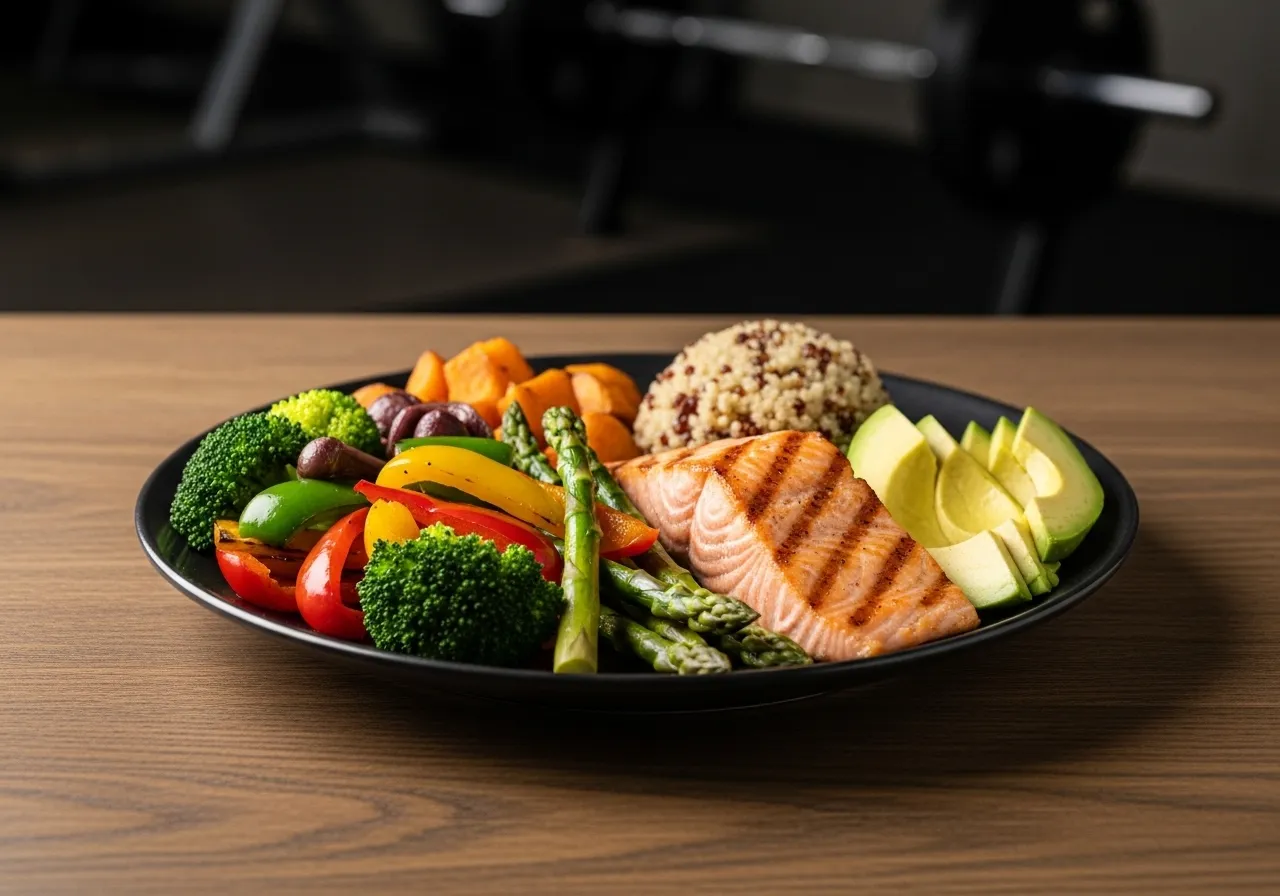
The Foods That Make Up the 10-Pound Month Diet
The specific food choices that constitute the fat loss nutrition plan matter beyond their caloric content — the satiety, nutrient density, and the blood glucose management that different food choices provide determines whether the caloric deficit is bearable and sustainable across the full month or whether hunger and energy crashes undermine adherence before the goal is reached.
High-Satiety, Low-Calorie Foods That Make Dieting Bearable
The dietary strategy that makes a 1,000-calorie deficit sustainable for a full month is maximizing the satiety and dietary volume that the calories allow — choosing the foods whose hunger-suppression per calorie ratio makes each meal satisfying rather than immediately followed by the hunger that undermines adherence. The satiety hierarchy of macronutrients: protein provides the greatest satiety per calorie through the CCK, PYY, and GLP-1 satiety hormone release that protein digestion stimulates and the slower gastric emptying that protein’s digestion rate produces; fiber-rich carbohydrates provide satiety through gastric distension and the viscous gel that soluble fiber forms in the stomach that slows digestion; and dietary fat provides satiety through the delayed gastric emptying that fat’s digestion requires. The specific foods with the highest satiety per calorie in each category: protein — eggs (satiety index of 150% — 50% more filling than white bread at equivalent calories), canned tuna (32g protein per 100g at 110 calories), and Greek yogurt; fiber-rich carbohydrates — oats (the highest-satiety grain due to beta-glucan), legumes (beans and lentils providing 15g fiber per cup at moderate caloric cost), and cruciferous vegetables (broccoli, cauliflower, cabbage — the maximum dietary volume per calorie available in food); and dietary fat — avocado (the combination of fat, fiber, and water content produces exceptional satiety) and eggs (the fat-protein combination that the yolk contributes). The dietary volume maximization strategy: non-starchy vegetables at every meal — the cucumber, zucchini, leafy greens, bell peppers, and mushrooms that provide dietary bulk and the chewing action that satiety research identifies as a mechanical satiety signal — make meals visually and physically substantial while contributing minimal calories. A 400-calorie chicken-and-vegetable bowl with 200g of chicken breast, 200g of mixed vegetables, and 100g of sweet potato provides the satiety of a substantial meal at a caloric cost that a 1,600-calorie daily target accommodates comfortably.
Carbohydrate Management for Fat Loss: Timing, Sources, and Blood Glucose
Carbohydrate management — not elimination, but the strategic selection and timing of carbohydrate intake to optimize blood glucose stability and fat oxidation — is the dietary variable that most directly determines the energy consistency, training quality, and hunger management that a successful fat loss month requires. The carbohydrate timing approach: consuming the majority of daily carbohydrates around training sessions (pre- and post-workout) ensures that the carbohydrate’s glycogen replenishment and insulin-mediated nutrient partitioning benefits occur during the period when the muscle’s insulin sensitivity is highest, while reducing carbohydrate intake in the hours away from training shifts the energy substrate toward fat oxidation in the fasted and inter-meal periods. The carbohydrate source selection for fat loss: whole food, fiber-rich carbohydrates (oats, sweet potato, brown rice, legumes, fruit) provide the blood glucose stability that the high-fiber, lower-glycemic-load foods produce — the slower, more sustained glucose release that prevents the blood glucose crash that high-glycemic sources produce 90-120 minutes after consumption and that triggers the hunger and carbohydrate craving that dietary adherence finds most difficult to resist. The practical carbohydrate allocation for a 1,600-calorie fat loss day with 160g protein (640 calories) and 50g fat (450 calories): the remaining 510 calories support approximately 127g of carbohydrate from primarily vegetable, oat, and sweet potato sources — the allocation that provides adequate glycogen for training without the insulin-driven fat storage inhibition that excessive carbohydrate intake produces in the caloric deficit context where nutrient partitioning determines whether the deficit produces primarily fat loss or a mixture of fat and muscle. The carbohydrate amounts for low-activity days (no training): reducing carbohydrates by 30-40g on rest days and replacing with additional non-starchy vegetables and protein maintains the caloric deficit without requiring the glycogen replenishment that training days need, while naturally increasing fat oxidation in the lower-insulin, higher-fat-substrate environment that lower-carbohydrate non-training days create.
Meal Frequency and Structure: Building the Day That Works
The optimal meal structure for a 1,000-calorie deficit fat loss plan balances the protein distribution requirements (3-4 protein meals per day), the hunger management that meal timing affects, and the training nutrition that performance preservation requires. The recommended meal structure for the 10-pound month plan: Breakfast (approximately 400-450 calories, 40g protein): the largest meal protein-wise, establishing the leucine threshold early in the day and suppressing the mid-morning hunger that inadequate protein breakfasts produce — 3 whole eggs plus 3 egg whites scrambled with vegetables, or 200g Greek yogurt with 30g protein powder, mixed berries, and oats. Mid-morning snack (approximately 150-200 calories, 25-30g protein): the protein snack that maintains elevated muscle protein synthesis between breakfast and lunch — 170g cottage cheese, 150g Greek yogurt, or a protein shake. Lunch (approximately 450-500 calories, 40-50g protein): the largest volume meal that utilizes the non-starchy vegetable strategy — a large salad or stir-fry base with 200g of chicken, turkey, or fish, and 100g of complex carbohydrate (sweet potato, legumes, or brown rice) for those whose lunch follows a training session. Pre-workout (if applicable, 150-200 calories, 30g protein): a small protein-and-carbohydrate meal 60-90 minutes before training maintains blood glucose and provides amino acids for the intra-workout muscle protein synthesis that pre-training nutrition enables. Post-workout dinner (approximately 400-450 calories, 40g protein): completing the daily macro targets with the second whole-food protein serving and the post-training carbohydrate replenishment that evening trainers require. Pre-sleep protein option (100-150 calories, 30-35g protein): casein from Greek yogurt, cottage cheese, or casein protein powder provides the slow-digesting protein that the overnight muscle protein synthesis window benefits from — the optional fifth protein feeding that athletes targeting maximum muscle preservation during aggressive deficit should include.
My Personal 10-Pound Month Experience: What the Protocol Actually Felt Like
I have run three versions of this aggressive 4-week fat loss protocol over the years — the first before a vacation where I wanted to look my best, the second before a wedding where the suit I had bought was tighter than planned, and the third as a research-informed test of the protocol’s limits. The consistent experiences across all three: the first week is the most challenging because the hunger and energy adjustment of transitioning to the significant deficit hits before the hormonal and metabolic adaptation that makes subsequent weeks more manageable. The second week is where most people quit — the initial water weight loss plateau has arrived, the hunger is normalized but not gone, and the motivation of the first week’s dramatic scale drop is no longer available as psychological fuel. The strategy that carried each second week: tracking protein obsessively (never letting the protein target slip, because maintaining it maintained muscle and satiety better than any other single variable), logging food consistently (the accountability of tracking prevented the “just a little extra” additions that accumulate into the deficit-destroying caloric additions that untracked eating allows), and maintaining the resistance training (the performance preservation of maintaining training gave me the evidence that muscle was being preserved that the scale’s slower progress wasn’t providing). By weeks three and four, the dietary pattern had become habitual enough that the conscious effort of adherence was substantially reduced — the meals were familiar, the hunger patterns were predictable, and the momentum of visible progress in measurements and photographs replaced the initial motivation that pure commitment to the goal had provided in weeks one and two. The hardest moments were social situations — the dinners out, the social events, the moments where the food environment was out of my control. The strategy that worked: eating a substantial protein-rich meal before any uncertain social event so that genuine hunger was not a factor in the decision-making, and committing to the protein-first ordering strategy that found the best available option rather than the perfect option at any restaurant or social setting. The ten pounds that I lost in the most successful run took six weeks in the realistic implementation rather than the theoretical four — and the result was cleaner and more sustainable for the additional two weeks of moderate rather than maximum deficit. The honest recommendation: the 10-pound month is achievable, but the 10-pound six-weeks is more sustainable, more muscle-preserving, and produces results that the four-week approach’s more aggressive compromise of recovery and metabolic adaptation makes harder to maintain.

The Full 4-Week Meal Plan: Week-by-Week Guidance
The structured four-week meal plan translates the caloric and macronutrient principles above into the specific daily eating patterns that produce the 10-pound monthly weight loss goal when combined with consistent training and adequate sleep.
Week 1: Establishing the Deficit and Clearing Initial Water Weight
Week 1 targets the aggressive deficit establishment and the dietary change that triggers the initial glycogen and water weight loss phase. Expected weight loss: 3-5 pounds total from the combination of 1-1.5 pounds of fat loss and 2-3 pounds of water and glycogen reduction. The week 1 dietary strategy: implement the full 1,000-calorie deficit from the calculated TDEE; prioritize protein at every meal to immediately establish the muscle preservation environment; eliminate the processed foods, liquid calories, and high-sodium foods that water retention and caloric tracking difficulty represent — the clean dietary baseline that week 1 establishes produces both the initial weight loss and the habit foundation that subsequent weeks build on. The critical week 1 challenge: the hunger and energy adjustment that transitioning from caloric maintenance or surplus to a 1,000-calorie deficit produces, typically most intense in days 3-5 before the metabolic and hormonal adaptation to the new intake level reduces acute hunger. The hunger management strategies for week 1: front-load protein at breakfast to establish early satiety; ensure that every meal contains non-starchy vegetables that provide volume and fiber; maintain adequate hydration (2-3 liters of water daily) because dehydration mimics hunger and because the glycogen water release requires adequate fluid replacement; and avoid the large time gaps between meals in the early adjustment period that allow hunger to accumulate beyond the manageable level that smaller, more frequent feeding keeps more consistent. Sample week 1 daily menu: Breakfast — 3 egg omelette with spinach and mushrooms (320 kcal, 28g protein) + 150ml Greek yogurt (70 kcal, 10g protein); Mid-morning — cottage cheese 150g (108 kcal, 12g protein) + apple; Lunch — 200g chicken breast + large mixed salad + 100g sweet potato + olive oil dressing (520 kcal, 48g protein); Pre-workout — banana + 25g whey protein (210 kcal, 26g protein); Dinner — 150g salmon + steamed broccoli 200g + 80g brown rice (450 kcal, 38g protein); Pre-sleep — 200g Greek yogurt (120 kcal, 18g protein). Total: approximately 1,800 kcal, 180g protein.
Weeks 2-3: The Fat Loss Engine Running at Full Speed
Weeks 2 and 3 represent the core fat loss phase where the water weight adjustment is complete and the consistent 1,000-calorie deficit is producing the 1.5-2 pounds of fat loss per week that the target goal requires. Expected weight loss: 1.5-2 pounds per week from primarily fat, with the scale progress appearing more gradual than the dramatic first week — the critical period where understanding the physiology prevents the discouragement that plateau-looking-but-actually-working progress produces. The weeks 2-3 dietary refinements: if hunger in week 1 was higher than manageable, reduce the deficit by 200 calories and extend the goal to 6 weeks rather than 4; if training performance declined significantly (more than 5% strength reduction), increase carbohydrate intake around training sessions by 20-30g while maintaining total calories through reduction elsewhere; and if body weight has plateaued despite consistent tracking, reduce calories by 100-200 and confirm that all tracking is accurate by re-measuring portions. The dietary variety challenge in weeks 2-3: rotating protein sources and vegetable bases prevents the dietary monotony that rigid same-meal patterns produce, while maintaining the macronutrient targets that the plan requires. The protein-base rotation: chicken, fish, eggs, Greek yogurt, turkey, and lean red meat (3-4 times per week for the zinc and iron that red meat provides that chicken and fish do not) across the week’s meals maintains both nutritional completeness and the dietary engagement that variety provides against the adherence attrition that monotony accelerates. The psychological management of weeks 2-3: body weight fluctuations of 1-2 pounds in either direction from day to day are normal and expected — the 7-day average or 14-day trend rather than daily scale readings is the appropriate data window for assessing fat loss progress, and the athlete who tracks only daily readings and responds to normal fluctuations with panic adjustments disrupts the dietary consistency that consistent fat loss requires.
Week 4: Final Push and Transition Planning
Week 4 completes the four-week protocol with the full deficit maintained and the transition planning that prevents the rebound weight gain that immediately returning to maintenance eating without adequate dietary transition produces. Expected week 4 total loss: 8-12 pounds total from the four weeks combined, with individual results varying based on the accuracy of TDEE estimation, training consistency, sleep quality, and stress level factors that the protocol’s theoretical calculation cannot account for. The week 4 dietary focus: the same macronutrient targets as weeks 2-3, with specific attention to the pre-sleep protein that the fourth week’s accumulated muscle protein synthesis stimulus benefits from; the continued training performance monitoring that confirms muscle preservation has been adequate through the four weeks; and the measurement and comparison of strength levels, physical measurements, and body composition photographs that provide the multi-dimensional evidence of results beyond scale weight alone. The post-protocol transition: immediately returning to the TDEE-estimated maintenance calories on day 29 produces the glycogen and water refilling that a 3-4 pound scale weight increase over the first week of maintenance represents — the normal, non-fat-mass weight rebound that the glycogen stores depleted during the month refill when carbohydrates return to normal intake. Planning for this rebound and understanding its physiological rather than fat-mass origin prevents the panic re-restriction that many people implement and that initiates the yo-yo dieting cycle. The sustainable post-protocol approach: increase calories by 200 per week from the deficit level until reaching the maintenance estimate, allowing the metabolic adaptation to adjust gradually rather than the abrupt surplus that immediate full maintenance provides — the reverse diet approach that minimizes the fat regain that rapid caloric increases produce while restoring the metabolic and hormonal environment that sustained restriction suppresses. From Academy of Nutrition and Dietetics evidence-based weight loss rate and diet planning guidelines, a caloric deficit of 500-1,000 calories per day producing 1-2 pounds of weekly weight loss is the maximum rate compatible with preserving lean mass and metabolic health — with aggressive approaches at the upper end of this range requiring the protein prioritization, resistance training maintenance, and careful monitoring that this article’s protocol specifically provides.

Exercise Strategy to Support the 10-Pound Goal
The nutrition plan alone creates the caloric deficit that fat loss requires; the exercise strategy determines how much of the weight lost comes from fat versus lean mass, how well training performance is preserved through the deficit, and the EPOC and NEAT contributions that expand the total caloric deficit beyond what dietary restriction alone produces.
Resistance Training During Fat Loss: The Muscle Preservation Strategy
Maintaining resistance training through the fat loss month is the single most important exercise decision for the individual whose goal is body composition improvement (losing fat while preserving muscle) rather than simply reducing the scale number. The research on resistance training during caloric restriction consistently shows that athletes who maintain strength training through their fat loss phases preserve significantly more lean mass than those who use cardio-dominant approaches at equivalent caloric deficits — the mechanical stimulus that resistance training provides is the signal that tells the body to preserve the muscle tissue that the energetically expensive caloric deficit would otherwise preferentially catabolize. The resistance training modification for the fat loss phase: maintain the training structure (exercises, muscle groups addressed, weekly frequency) while reducing volume by approximately 20-30% if recovery quality declines in the caloric deficit. The load should be maintained at or near pre-diet working weights — the training intensity signal for muscle preservation is more important than volume during a deficit, and the volume reduction is the appropriate adaptation to reduced recovery capacity rather than the intensity reduction that removes the muscle-preserving mechanical stimulus. The training frequency during fat loss: 3-4 resistance training sessions per week provides the stimulus frequency for muscle preservation without the excessive recovery demand that higher frequencies create in a caloric deficit’s reduced-recovery environment. Full-body or upper-lower training splits are generally superior to the 5-6 day body part splits for the fat loss phase because they provide more frequent whole-body stimulus and allow more flexibility in session scheduling when the lower energy levels of deficit affect motivation and attendance.
Cardio for Fat Loss: Adding to the Deficit Without Destroying Recovery
Cardiovascular exercise adds to the caloric deficit that accelerates fat loss — but the exercise compensation effect described in the metabolism article means that cardio’s contribution to the deficit is often less than its theoretical caloric output suggests, and the recovery burden that high-volume cardio imposes on top of the resistance training and caloric deficit can compromise both muscle preservation and training quality. The cardio strategy that maximizes fat loss contribution without undermining muscle preservation: LISS (Low Intensity Steady State) cardio — the 30-45 minute walking, cycling, or swimming at 50-60% of maximum heart rate — provides the caloric expenditure contribution (200-300 calories per 30-minute session) with minimal eccentric muscle damage, low cortisol stimulus, and no meaningful recovery burden that undermines resistance training quality. 3-4 LISS sessions per week, scheduled on the days between resistance training sessions or as morning fasted sessions on training days, adds 600-1,200 additional weekly calories of expenditure to the dietary deficit — the combined caloric deficit from diet and LISS cardio that accelerates the fat loss rate without the muscle-damaging recovery impairment that high-intensity cardio adds to the caloric-restriction-already-compromised recovery state. The high-intensity cardio caveat: HIIT during significant caloric deficit is the combination that produces the most rapid muscle catabolism because the high cortisol and metabolic stress from HIIT compounds with the catabolic hormonal environment of deficit to create the muscle-breakdown environment that body composition improvement specifically aims to avoid. Reserve high-intensity intervals for the maintenance and building phases when caloric support enables the full recovery that high intensity demands; use LISS as the primary cardio modality during aggressive fat loss. From PubMed systematic review on aerobic exercise intensity and body composition during caloric restriction, low-to-moderate intensity aerobic exercise combined with caloric restriction preserves lean mass more effectively than high-intensity aerobic exercise at matched caloric expenditure — confirming the LISS priority for body composition-focused fat loss versus scale-weight-reduction approaches.
NEAT Maximization During the Fat Loss Month
The NEAT maximization strategy described in the metabolism article takes on special importance during the caloric restriction month because the biologically driven NEAT reduction that caloric deficit produces — the unconscious movement reduction that the body implements to conserve energy in response to dietary energy scarcity — works directly against the caloric deficit that fat loss requires. Actively counteracting the NEAT reduction through deliberate daily movement habits adds the fat loss contribution that the body would otherwise compensate away: the 10,000 step daily target maintained through the conscious walking habits and environmental designs (standing desk, walking meetings, staircase use) that require volitional effort to sustain against the biological pull toward rest that the deficit creates. The step count tracking tool (pedometer or smartwatch) provides the objective feedback that maintains NEAT awareness through the months where declining spontaneous movement would otherwise reduce daily energy expenditure without the individual’s conscious awareness. The NEAT contribution from maintaining 10,000 daily steps on a 30-day fat loss protocol: approximately 2,000-2,500 additional steps above a 7,500-step sedentary baseline produces approximately 100-150 additional calories per day — the cumulative 3,000-4,500 additional calories across the four weeks that accelerate total fat loss by approximately 1 additional pound without any additional deliberate exercise session requirement.

Practical Strategies, Pitfalls to Avoid, and Complete FAQ
The most comprehensive nutrition plan fails if real-world social situations, psychological challenges, and common implementation errors undermine the consistent daily execution that the plan requires across 30 consecutive days. This section addresses the practical strategies that maintain adherence through the obstacles that every real-world fat loss attempt encounters.
Social Eating, Alcohol, and Maintaining the Deficit Outside Home
The four-week fat loss plan does not occur in the controlled environment that research protocols use — it occurs in the real world of restaurants, social gatherings, family meals, and the cultural food environments that eating is embedded in. The social eating strategy that maintains the deficit without social isolation: pre-logging — entering the planned restaurant meal into the tracking app before going, using the restaurant’s nutrition information or the app’s database estimate, and adjusting other meals on the day to accommodate the restaurant calories within the daily target. The protein-first ordering strategy: choosing the highest-protein, lowest-empty-calorie option on any restaurant menu (grilled protein with vegetables, salads with protein addition, sushi with lean fish components) maintains the protein target and satiety while accommodating social dining. The alcohol management decision: alcohol provides 7 calories per gram (nearly as calorie-dense as fat), is preferentially metabolized over other substrates when present (effectively pausing fat oxidation during its metabolism), and reduces dietary adherence through the decision-making impairment that alcohol’s disinhibition effect produces. The simplest alcohol strategy for the fat loss month: temporarily eliminating or dramatically reducing alcohol removes both the direct caloric contribution and the downstream dietary adherence reduction that is often more calorically significant than the alcohol itself. If social events make complete alcohol elimination impractical: limiting to 1-2 drinks of the lowest-calorie options (dry wine at 120-130 kcal per 150ml, spirits with zero-calorie mixers at 70-100 kcal per measure) and pre-planning the meals surrounding the drinking event to create the caloric space that the drinks occupy maintains the weekly deficit even when individual days are not perfectly tracked. From CDC healthy weight loss evidence-based guidelines, dietary adherence flexibility that accommodates real-world social situations while maintaining the weekly caloric target produces better long-term weight loss outcomes than rigid all-or-nothing approaches that dietary lapses derail completely — confirming the 80-90% adherence approach over the perfectionism that eventual failure makes more likely.
Hunger Management: The Psychological and Physiological Strategies
Hunger is the primary experience that determines fat loss plan adherence — and the strategies that reduce hunger at the caloric deficit that the 10-pound goal requires are as important as the food choices themselves for the 30-day commitment that success demands. The hunger management framework: dietary hunger (the genuine physiological need for calories that the deficit creates) is manageable through the protein, fiber, and volume strategies described in this article; hedonic hunger (the desire to eat pleasurable foods in the absence of physiological need — the boredom eating, stress eating, and habitual eating that the caloric deficit does not reduce) is the hunger type that most fat loss failures actually represent, and requires the behavioral rather than dietary strategies to address. The behavioral hunger management tools: distinguishing physiological from hedonic hunger before eating by checking whether any food would satisfy the desire or only the specific craved food (physiological hunger accepts any food; hedonic hunger is specific); the 15-minute delay strategy (waiting 15 minutes after a hunger urge before eating, which allows the gastric emptying signals that the body frequently mistakes for hunger to resolve); and the food journaling that identifies the specific triggers, times, and emotional states that hedonic hunger episodes cluster around — the pattern awareness that replaces the automatic eating response with the conscious identification and interruption of the non-hunger eating trigger. The physical hunger management additions: spicy foods (capsaicin increases satiety signaling through CCK release); adequate sleep (the ghrelin elevation of sleep deprivation is the single most powerful hunger increase that lifestyle behavior produces, and the 8-hour sleep target is the non-nutritional hunger management strategy that fat loss requires as a foundation); and the meal timing structure that prevents the extended hunger accumulation that large meal gaps produce by maintaining protein availability throughout the day.
Plateaus, Adjustments, and Troubleshooting the Plan
The fat loss plateau — the period where scale weight stops declining despite consistent caloric deficit — is the most common and most discouraging obstacle in the fat loss month, and it has specific physiological causes that specific adjustments address. Cause 1: TDEE overestimation. The formula-derived TDEE is an estimate that the actual metabolic response calibrates against — if weight loss rate is below target after 2 weeks of consistent tracking, reduce calories by 150-200 and confirm all tracking is accurate. Cause 2: Metabolic adaptation. The NEAT reduction and BMR suppression that caloric restriction produces reduce the effective deficit over time — the 1,000-calorie initial deficit is typically 700-800 calories after 3-4 weeks of restriction due to the adaptation mechanisms described in the metabolism article. A one-week diet break at maintenance calories (the “refeed” that restores leptin, reverses NEAT suppression, and allows the metabolic rate to normalize) followed by returning to the deficit often resolves the adaptation-driven plateau and produces renewed fat loss in the subsequent restriction period. Cause 3: Inconsistent tracking accuracy. The most common actual cause of apparent plateaus is caloric intake that is higher than tracked — portion size drift, untracked cooking oils and sauces, and the cumulative tracking errors that accumulate over weeks. A week of stricter tracking with food scale verification of all portions typically reveals the tracking gaps that explain the apparent plateau without any true metabolic issue. Cause 4: Water retention from training inflammation or dietary factors. Soreness from new exercises, high sodium, menstrual cycle water retention, and the inflammatory response to increased cardio volume all produce temporary scale weight increases that mask fat loss progress. The 7-day and 14-day moving average assessment that removes daily fluctuations from the trend analysis confirms whether actual fat loss progress continues beneath the water weight variation that daily scale readings cannot isolate.
Frequently Asked Questions: Losing 10 Pounds in a Month
Q: Is it possible to lose 10 pounds of pure fat in one month? A: The maximum physiologically achievable rate of fat loss for most adults is approximately 2 pounds of fat per week (1,000-calorie daily deficit), making 8 pounds of fat in one month the realistic upper target. The remaining 2 pounds in a 10-pound month typically come from water, glycogen, and the digestive tract content that dietary changes rapidly reduce. Q: Will I lose muscle on this plan? A: Maintaining the 2.2-2.6g/kg protein target and continuing resistance training minimizes muscle loss during the aggressive deficit — research shows that high protein plus resistance training during caloric restriction produces minimal lean mass loss compared to lower protein or cardio-only approaches. Q: Should I take any supplements during this plan? A: The evidence-supported supplements for fat loss phases: protein powder (whey or casein, for meeting protein targets conveniently); creatine (maintained during fat loss to preserve training performance and muscle volume); omega-3 (anti-inflammatory, supports muscle preservation); and a multivitamin (covers micronutrient gaps that restricted caloric intake may produce). Aggressive fat-loss supplements beyond these have limited evidence and are not necessary for the dietary plan’s effectiveness. Q: What if I’m already close to my goal weight? A: The closer to ideal body weight, the smaller the practical caloric deficit that can be created without dipping below safe minimum calories — individuals within 5-10 pounds of their goal weight may need to extend the timeframe to 6-8 weeks and moderate the weekly loss rate to 0.5-1 pound rather than the 2-pound rate that individuals with more fat mass can safely target. Q: Can I do this plan while maintaining my normal exercise routine? A: Yes, with the training volume modification described — maintaining exercise frequency and intensity while reducing total sets by 20-30% accommodates the reduced recovery capacity of the caloric deficit. Do not add new exercise programs or dramatically increase training volume during the fat loss month. Q: What’s the best way to maintain the weight loss after the month? A: The reverse diet approach — gradually increasing calories by 100-200 per week from the deficit level until maintenance is reached — minimizes the fat regain that the abrupt return to maintenance eating produces. Maintaining the protein habits and resistance training through the transition carries the body composition improvements into the maintenance phase where long-term results are preserved.