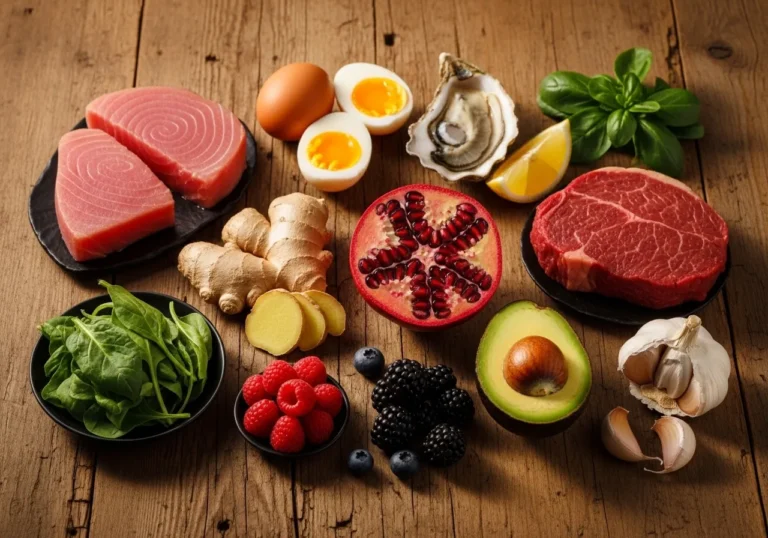
10 Best Low-Calorie Foods That Keep You Full
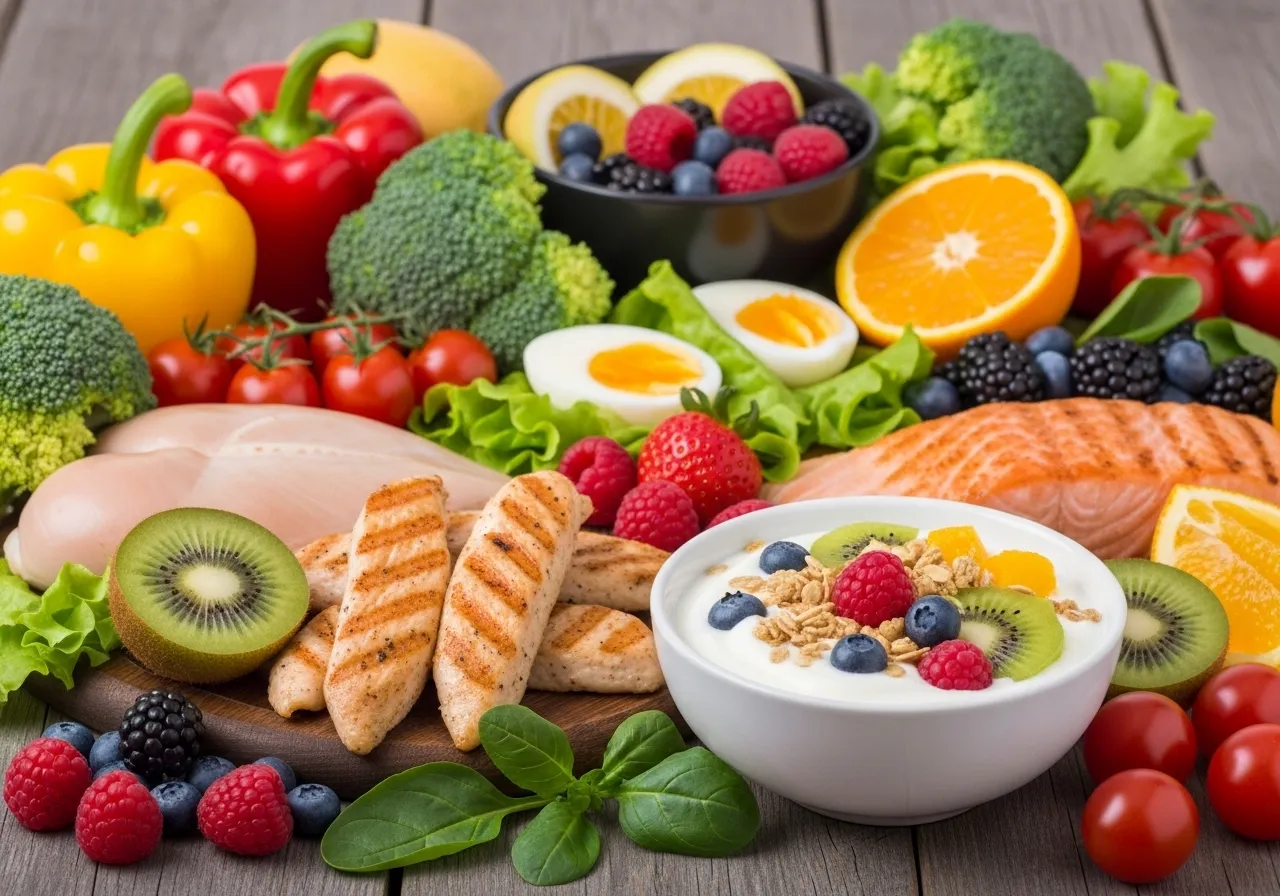
1. Why Low-Calorie Doesn’t Mean Low-Satisfaction: The Science of Satiety
The most destructive myth in fat loss nutrition is the assumption that eating fewer calories means feeling perpetually hungry, deprived, and miserable. This belief is responsible for more failed diets and abandoned weight loss attempts than almost any other misconception, because it makes caloric restriction sound psychologically unsustainable before it even begins. The truth is more encouraging and more nuanced: satiety — the feeling of genuine fullness and satisfaction after eating — is determined by multiple physiological mechanisms that operate largely independently of caloric content. A 500-calorie bowl of white rice and a 500-calorie plate of grilled chicken with roasted vegetables and a side of Greek yogurt provide identical energy, but the physiological satiety they produce is dramatically different. Understanding why the second option keeps you satisfied for three to four hours while the first leaves you hungry within ninety minutes is the foundation of every sustainable low-calorie eating strategy. I spent two years eating low-calorie meals and feeling perpetually hungry before learning that I had been selecting the wrong low-calorie foods — foods that were low in energy but also low in every satiety mechanism, leaving my body biochemically hungry despite meeting my caloric targets. Switching to the foods and combinations in this article eliminated that hunger without changing my caloric intake by a single digit.
The Four Physiological Pillars of Satiety
Satiety research has identified four distinct physiological mechanisms that collectively determine how full and satisfied a person feels after eating — each responding to different food characteristics and operating on different timescales after the meal. Designing low-calorie eating around foods that activate multiple pillars simultaneously is the key to achieving genuine satiety at reduced caloric intakes. The first pillar is gastric distension: the physical stretching of the stomach wall from food and liquid volume activates mechanoreceptor nerve endings that send satiety signals directly to the brain via the vagus nerve. These receptors respond to volume — not calories. Five hundred milliliters of water-rich vegetable soup produces more gastric distension signal than an equivalent-calorie protein bar consumed in two bites. This is why research consistently finds that beginning a meal with a large broth-based soup or salad reduces total meal caloric intake — the volume of the first course fills the stomach and reduces the hunger signal before the calorie-dense main course arrives. Research from the American Journal of Clinical Nutrition on satiety and food volume demonstrates that a large, low-calorie salad consumed before a main meal reduces subsequent caloric intake by seven to twelve percent — a meaningful reduction achieved purely through volumetric stomach filling rather than caloric substitution. The second pillar is hormonal satiety signaling: the gastrointestinal hormones released in response to nutrient absorption — primarily peptide YY (PYY), glucagon-like peptide-1 (GLP-1), and cholecystokinin (CCK) — are secreted into the bloodstream when protein, fat, and fiber are detected in the small intestine, and signal to the hypothalamus that nutrients have been absorbed and that continued eating is no longer necessary. Protein is by far the most potent stimulator of these satiety hormones among all macronutrients — a matched-calorie comparison of protein versus carbohydrate versus fat meals consistently shows that the protein meal produces substantially higher PYY and GLP-1 levels and greater reductions in subsequent caloric intake. Dietary fiber stimulates satiety hormone release through two mechanisms: direct intestinal receptor stimulation when fiber passes through the small intestine, and delayed colonic production of short-chain fatty acids (SCFAs) from bacterial fiber fermentation — providing a satiety signal that extends hours beyond the meal and partially explains why high-fiber foods produce longer-lasting fullness than their caloric content would suggest. The third pillar is the thermic effect of food: the metabolic energy cost of digesting, absorbing, and processing macronutrients — which varies dramatically by macronutrient type. Protein carries a thermic effect of 20 to 30 percent, meaning that 100 calories of protein effectively deliver only 70 to 80 net calories after accounting for the metabolic cost of processing it. Carbohydrates carry a five to ten percent thermic effect; dietary fat only zero to three percent. This difference is significant across the full day’s eating: a 2,000-calorie diet composed primarily of protein-rich foods might yield only 1,700 to 1,750 net calories due to the thermic effect differential, compared to 1,940 to 1,960 net calories from a fat-and-refined-carbohydrate-dominant diet at the same total caloric intake. The fourth pillar is sensory-specific satiety: the reduction in the perceived palatability of a specific food as it is repeatedly consumed within a meal. The brain’s pleasure response to any particular taste, texture, and flavor diminishes with each exposure — the first bite of any food is more rewarding than the tenth, which is why monotonous single-food meals naturally produce earlier satiety than varied multi-food meals. Applying this principle to low-calorie eating: keeping meals varied with multiple foods, flavors, and textures extends sensory engagement across the meal, making it possible to achieve greater volume and satisfaction from the same caloric allocation.
The Satiety Index: Which Foods Actually Keep You Full
Dr. Susanna Holt at the University of Sydney developed the Satiety Index — an empirical ranking of common foods by the subjective fullness they produce per 240-calorie serving, using white bread as the reference baseline of 100 points. The results upend many conventional assumptions about which foods are filling. Boiled potatoes scored 323 — more than three times the satiety of white bread, making them the most filling food tested. Oatmeal scored 209; oranges 202; apples 197; whole grain pasta 188; beef 176; beans and legumes 168; grapes 162; eggs 150; cheese 146; whole grain bread 157. At the bottom of the scale: croissants scored only 47; doughnuts 68; candy bars 70; ice cream 96; crisps and crackers 91 to 127. The pattern across the Satiety Index data is clear: foods high in protein, water content, or dietary fiber consistently produce more fullness per calorie than foods high in refined carbohydrates or fat without these properties. The practical application is direct — choosing meals composed primarily of high-satiety-index foods (potatoes, eggs, fish, legumes, oatmeal, fruits, and vegetables) rather than low-satiety-index foods (processed snacks, refined grains, sugary foods) produces dramatically different hunger outcomes at identical caloric intakes. An athlete eating 1,600 calories per day composed of high-satiety-index foods can feel genuinely satisfied; an athlete eating 1,600 calories of low-satiety-index foods will feel chronically deprived — and the chronic deprivation of the second approach is why it fails while the first approach succeeds.
Blood Sugar, Insulin, and the Hunger-Crash Cycle
The glycemic response to different foods — the magnitude and speed of blood glucose rise following consumption — is one of the most practically important determinants of post-meal hunger that most people eating low-calorie diets are completely unaware of. High-glycemic foods produce a rapid, large blood glucose spike that triggers an exaggerated insulin response, which drives blood glucose down past the pre-meal baseline into the reactive hypoglycemia range — the physiological state that the brain interprets as urgent caloric need and responds to with the intense, sudden hunger that sends people to the nearest snack cabinet. This hunger-crash cycle is particularly destructive during caloric restriction because each crash episode presents the temptation of relief eating that breaks the caloric budget. The practical manifestation: eating a bowl of sugary cereal for breakfast produces a blood glucose spike by 8am, a crash by 9:30am, and urgent hunger by 10am — only ninety minutes after a meal that provided four hundred calories. Eating an equivalent calorie breakfast of eggs and oatmeal produces a moderate blood glucose rise that returns to baseline gradually over two to three hours without the crash, maintaining satisfied fullness until noon. Understanding this mechanism reframes the food selection question: not just “how many calories does this food have?” but “how will this food affect my blood glucose and subsequent hunger over the next three hours?” Low-glycemic foods — protein sources, legumes, most vegetables, most fruits, oats, and other intact whole grains — consistently produce moderate, stable blood glucose responses that prevent the hunger-crash cycle that derails caloric restriction.
Hydration and the Hunger-Thirst Confusion
The hypothalamus governs both hunger and thirst regulation, and a critical feature of its signaling architecture is that mild dehydration — a state that most people exist in for significant portions of most days — produces hunger-like signals that motivate food-seeking behavior as well as or instead of thirst-seeking behavior. Research estimates that twenty to thirty percent of hunger episodes experienced during caloric restriction are actually dehydration-driven rather than genuine caloric deficits. This means that a significant fraction of the “I’m hungry even though I just ate” experiences during dieting are not failures of the caloric plan but failures of hydration management that food cannot resolve — only water can. The practical implication for low-calorie eating: maintaining aggressive daily hydration (a minimum of 35 milliliters per kilogram of body weight, approximately 2.5 liters for a 70-kilogram person) prevents the dehydration-hunger confusion that creates false hunger signals. Drinking 400 to 500 milliliters of water twenty to thirty minutes before each meal provides pre-meal gastric distension (reducing the portion needed for satiety), addresses any pre-meal dehydration, and extends the total volume in the stomach during the meal — producing measurably smaller meal sizes in controlled research studies. Water-dense foods — cucumbers at 96 percent water, tomatoes at 94 percent, zucchini at 95 percent, celery at 95 percent, lettuce at 96 percent — contribute simultaneously to hydration and to gastric distension-based satiety, making them among the most calorie-efficient foods for hunger suppression available.
The Role of Eating Speed and Meal Duration
The gut-to-brain satiety signal pathway has a fundamental time limitation: from the moment food enters the stomach and intestines, the hormonal and neurological satiety signals require approximately fifteen to twenty minutes to reach conscious awareness as the feeling of fullness. Eating faster than this signal transmission speed allows consistently produces overconsumption before the body’s own satiety mechanisms can communicate that enough food has been eaten — and the widespread modern habit of eating while distracted (phone, television, work) further reduces awareness of satiety signals that are being generated but not consciously registered. Research comparing eating speed in the same individuals consistently finds that slowing the eating pace — putting utensils down between bites, chewing more thoroughly, removing screen distractions — reduces meal caloric intake by ten to fifteen percent without any reduction in post-meal satisfaction. For low-calorie dieters, this means that slowing the eating speed alone can produce a meaningful caloric deficit relative to normal eating speed, while simultaneously improving the subjective experience of the meal by allowing more time to perceive and enjoy each bite. The practical techniques for slowing eating: set a timer for twenty minutes at the beginning of each meal and aim to still be eating when it goes off; put utensils down between every two to three bites; drink water between bites; and eat in an environment without screens or other distracting stimuli. These behavioral modifications cost nothing, require no food substitution, and produce the satiety improvement from the same food that the additional fifteen minutes of signal transmission time allows.
Practical Framework: Building Maximally Satiating Low-Calorie Meals
Integrating all four satiety pillars — gastric distension, hormonal signaling, thermic effect, and sensory satisfaction — into a practical meal-building framework produces the low-calorie eating pattern that genuinely satisfies hunger rather than requiring willpower to tolerate. The framework operates as a plate composition hierarchy: protein source first (25 to 35 grams per meal — activates the strongest satiety hormone response and provides the highest thermic effect); non-starchy vegetables second (as much volume as desired — provides gastric distension with minimal calories while contributing fiber for extended hormonal satiety); fiber-rich complex carbohydrate third (a moderate portion of oats, legumes, or whole grain — contributes additional fiber satiety and blood glucose stability); and a small amount of healthy fat fourth (provides flavor, CCK stimulation, and the sensory satisfaction that pure protein and vegetable meals sometimes lack). A 450 to 500 calorie meal built on this framework — grilled chicken breast (150 calories, 30 grams protein), a large mixed salad with tomatoes and cucumbers (50 calories, high volume), half a cup of black beans (115 calories, 8 grams fiber), and an olive oil and lemon dressing (80 calories) — produces the satiety that most people report as equivalent to meals of 700 to 800 calories, because the protein, fiber, and volume simultaneously activate all four satiety mechanisms. This framework, applied consistently across three meals per day, creates the caloric deficit that produces fat loss while maintaining the genuine satisfaction that makes the deficit sustainable indefinitely rather than for only a few weeks before hunger overwhelms the dietary commitment.
Mindful Eating and the Psychological Dimension of Satiety
Satiety is not a purely physiological phenomenon — the psychological experience of eating significantly modulates how full a person feels from any given meal. Research on mindful eating demonstrates that identical meals consumed with full attention produce greater subjective fullness and longer intervals before the next meal compared to the same meals consumed while distracted. The mechanism involves both the enhanced awareness of satiety signals (which allows the brain to register fullness that distracted eating misses) and the reduced cephalic phase response from non-mindful eating — the cephalic phase being the pre-digestive physiological preparation (saliva production, gastric acid secretion, insulin release) triggered by the smell, sight, and taste of food, which primes the digestive system for optimal satiety hormone production. When eating is distracted and the sensory experience of food is bypassed, the cephalic phase response is blunted — reducing the satiety hormone production that the mindful eating of the same food would produce. The practical application for low-calorie dieters is straightforward but requires behavioral commitment: eat every meal seated at a table, without screens, giving full attention to the taste, texture, and aroma of each bite. This practice costs nothing, requires no food changes, and produces the ten to fifteen percent caloric reduction and improved satiety that the research on mindful versus distracted eating documents. Over a full year of consistent mindful eating, the compound effect of this behavioral change alone produces body composition improvements equivalent to months of gym training — from the same food, at the same caloric intake, simply eaten with attention.
Circadian Eating Patterns and Their Impact on Hunger
The timing of meals across the day — not just their composition — significantly influences hunger and satiety through the circadian modulation of appetite hormones. Ghrelin, the primary hunger-stimulating hormone, follows a circadian rhythm with peaks in the mid-morning, early afternoon, and late evening in most adults — and insulin sensitivity peaks in the morning, declining through the afternoon and evening. These circadian patterns have practical implications for low-calorie meal planning: eating a larger, protein-rich breakfast aligns the day’s highest caloric investment with the period of best insulin sensitivity and lowest subsequent ghrelin rebound — research comparing morning-heavy versus evening-heavy caloric distribution at identical total daily intakes consistently finds that the morning-heavy pattern produces greater fat loss, better appetite control through the day, and higher diet adherence scores. Conversely, skipping breakfast — while reducing the morning caloric intake — produces a ghrelin rebound that elevates hunger through the remainder of the day, often resulting in compensatory overeating at lunch and dinner that exceeds the breakfast calories avoided. For low-calorie dieters specifically, the breakfast investment is critical: the protein and fiber at breakfast establishes the blood glucose stability and satiety hormone environment that prevents the hunger escalation through the morning that derailed breakfast-skipping patterns produce. Even a modest 300 to 400 calorie high-protein breakfast — two eggs with Greek yogurt, or oatmeal with protein powder — produces a morning satiety that makes the mid-morning hunger spike manageable rather than overwhelming, dramatically improving the dietary adherence that determines fat loss outcomes over weeks and months of consistent effort.
Sleep and Hunger: The Overlooked Satiety Factor
Sleep duration and quality are among the most powerful modifiers of appetite and hunger hormone regulation — and the most frequently overlooked in discussions of low-calorie diet success. Research is unequivocal: sleeping less than seven hours per night significantly elevates ghrelin (the hunger hormone) and reduces leptin (the satiety hormone), producing an average increase of 200 to 300 additional calories consumed the following day in well-controlled studies. Beyond the hormonal effects, sleep deprivation increases the reward value of high-calorie, highly palatable foods — neuroimaging studies show that sleep-deprived individuals show stronger brain reward responses to junk food compared to healthy food, and weaker activity in the prefrontal cortex areas responsible for dietary self-regulation. The practical consequence for someone attempting to eat low-calorie: six hours of sleep makes the same dietary plan feel significantly harder to adhere to than eight hours of sleep — not because the plan changed, but because the sleep deprivation altered the hormonal and neurological environment in which dietary decisions are made. Optimizing sleep — targeting seven to nine hours of consistent-quality sleep — is not a peripheral lifestyle recommendation for low-calorie dieters but a central intervention that directly determines whether the satiety strategies in this article work as described or are fighting against the hormonal headwinds that sleep deprivation creates. The low-calorie dieter who sleeps eight hours and the one who sleeps six hours are operating in fundamentally different hunger environments despite eating the same foods, and the sleep-deprived dieter will consistently struggle more with hunger, adherence, and cravings regardless of how well-designed their food choices are.
Why Most Low-Calorie Diets Fail — And How Understanding Satiety Fixes That
The failure rate of conventional low-calorie dieting is well-documented: approximately 80 to 95 percent of people who successfully lose weight through caloric restriction regain it within three to five years. The predominant explanation in popular discourse attributes this failure to lack of willpower or motivation — but the physiological research tells a different and more actionable story. Caloric restriction triggers a coordinated metabolic and hormonal response that the body evolved to defend against what it interprets as famine: ghrelin rises, leptin falls, metabolic rate decreases, and the hedonic reward value of food increases — all changes that drive caloric intake upward toward the pre-diet level. This adaptive metabolic response makes conventional caloric restriction progressively harder to maintain as it continues, not easier — the longer a person restricts calories without addressing the satiety mechanisms that make restriction comfortable, the stronger the biological pressure to abandon the restriction becomes. The satiety-focused approach in this article directly counters the adaptive metabolic response: by choosing foods that maximize satiety hormone production (protein, fiber, water-rich vegetables), the hormonal environment shifts toward lower ghrelin and higher PYY and GLP-1 — reducing the biological pressure toward overeating that conventional caloric restriction without satiety management produces. By maintaining high food volume through water-rich and fiber-rich foods, gastric distension signals remain robust despite reduced caloric density. The result is a caloric deficit that the body’s satiety mechanisms support rather than fight — the physiological foundation of the sustainable low-calorie eating that produces lasting fat loss rather than the temporary weight loss followed by compensatory regain that conventional restriction without satiety awareness consistently produces.
The foods profiled in the following sections were selected precisely because they maximize the satiety mechanisms described here — high protein content for hormonal satiety, high fiber for extended fullness, high water content for gastric volume, and low caloric density for the energy deficit that fat loss requires. Combined with the behavioral practices of slow eating, consistent hydration, adequate sleep, and circadian-aligned meal timing, these foods form the nutritional foundation of the low-calorie eating pattern that feels genuinely satisfying, that the body supports rather than fights, and that produces the lasting body composition improvements that nutritional science has identified as the outcome of this specific combination of food selection and eating behavior optimization.
The Hunger Hormone Ghrelin: Understanding and Managing It
Ghrelin — the primary hunger-stimulating hormone produced by the stomach — rises before meals and falls after eating, driving the appetite cycles that determine when and how urgently we feel hungry. Understanding ghrelin’s behavior under different dietary conditions reveals why certain low-calorie eating approaches feel more sustainable than others. Protein consumption produces the most significant ghrelin suppression among the macronutrients — a high-protein meal reduces ghrelin for 3–4 hours versus the 1.5–2 hours that a high-carbohydrate meal at the same caloric content produces. Sleep deprivation dramatically elevates ghrelin — even one night of poor sleep (under 6 hours) increases ghrelin by 14–28%, producing the increased hunger and caloric intake that sleep-deprived people consistently report. Chronic caloric restriction below the threshold of metabolic adaptation (typically below 80% of total daily energy expenditure for extended periods) produces a sustained ghrelin elevation that the body maintains as a physiological defense against continued weight loss — the “starvation mode” hunger increase that severe restriction produces. The moderate caloric deficit approach (500–700 calories below TDEE, rather than 1,000+ calories) produces minimal chronic ghrelin elevation while still creating the deficit for gradual fat loss — making moderate deficits far more sustainable than aggressive restriction that fights against the body’s ghrelin-driven hunger response. Specific foods shown to suppress ghrelin most effectively: eggs (the protein and fat combination produces sustained ghrelin suppression), Greek yogurt (the high protein density produces hormone effects comparable to meat-based protein), oatmeal (the fiber and moderate protein combination produces 4+ hours of ghrelin suppression in research comparisons), and legumes (the combination of protein, fiber, and resistant starch produces the prolonged ghrelin suppression that makes them among the most satiety-per-calorie-efficient foods available).
Leptin Resistance and Its Role in Chronic Hunger
Leptin — the satiety hormone produced by fat cells that signals to the hypothalamus that energy stores are sufficient and appetite should be reduced — is chronically elevated in many overweight individuals, yet paradoxically fails to produce adequate appetite suppression. This condition, leptin resistance (analogous to insulin resistance), means that despite high circulating leptin levels, the hypothalamus has become desensitized to the leptin signal — producing the chronic hunger that drives the continued overeating despite already-excessive caloric intake that characterizes obesity. The foods and lifestyle factors that contribute to leptin resistance: high-fructose diets (fructose interferes with leptin signaling in the hypothalamus), chronic sleep deprivation (reduces leptin sensitivity independently of circulating levels), and highly processed, ultra-palatable foods (the reward circuit activation from these foods overrides the leptin satiety signal). The dietary interventions with the strongest evidence for improving leptin sensitivity: increased dietary fiber (supporting gut microbiome diversity that modulates leptin signaling), reduced fructose intake (replacing sugar-sweetened beverages and highly processed foods with whole food sources), adequate sleep (the single most impactful lifestyle factor for leptin sensitivity restoration), and regular physical activity (exercise improves leptin sensitivity through multiple mechanisms including reduced visceral adiposity and improved hypothalamic signaling). For athletes pursuing fat loss who experience persistent hunger despite adequate caloric intake, leptin resistance is a clinically relevant consideration — and the dietary and lifestyle strategies that address it are largely aligned with the food choices that this article recommends for their direct satiety benefits.
Practical Satiety Testing: Finding Your Personal High-Satiety Foods
The Satiety Index research provides population-average satiety ratings that serve as a useful starting framework, but individual satiety responses to specific foods vary considerably based on gut microbiome composition, personal taste preferences, habituated eating patterns, and the psychological satisfaction component of food that pure physiological research cannot fully capture. The practical approach to identifying personal high-satiety foods: for two weeks, rate hunger on a 1–10 scale at 1 hour and 3 hours after each meal, recording the meal composition alongside the hunger ratings. Patterns emerge quickly — the meals that produce the longest period of comfortable fullness (3-hour hunger rating of 2–3/10) versus those that return hunger within 90 minutes (3-hour hunger rating of 6–8/10). This personal hunger diary approach identifies the individual’s specific high-satiety foods and meal compositions with a reliability that generalizing from population research cannot provide — because the individual’s gut, hormone profile, and preferences determine their personal satiety landscape, not the population average. For most athletes, the personal testing confirms the research hierarchy (protein-rich meals with fiber-rich vegetables produce the longest fullness) while revealing the specific foods within these categories that produce the best individual response — information that transforms low-calorie eating from a generic prescription into a personalized approach that sustainably satisfies the individual.
2. The Top 10 Low-Calorie Foods That Actually Fill You Up
The foods in this section are ranked based on their combination of low caloric density, high satiety-producing nutrients (protein, fiber, water content), and practical accessibility — the foods that produce the greatest fullness per calorie while being readily available in most grocery stores and easy to incorporate into daily eating. Each food is described with its nutritional profile, satiety mechanism, and practical usage guidance.
1. Eggs: 155 Calories Per 100g, Maximum Satiety Per Calorie
Eggs are the gold standard low-calorie satiety food — the single food with the most evidence for exceptional fullness relative to caloric content, and one of the most nutritionally complete foods available. Two large eggs provide approximately 150 calories, 12g of complete protein (containing all 9 essential amino acids in proportions closely matching human protein requirements), 10g of fat (primarily from the yolk — the source of the fat-soluble vitamins, choline, and the satiety-producing fat that slows gastric emptying), and virtually no carbohydrates. The satiety research on eggs is extensive and consistent: a breakfast of 2 eggs versus a calorie-matched breakfast of bagel and cream cheese produces significantly less hunger at 3 hours, lower caloric intake at lunch, and lower total daily caloric intake in the studies that have compared them directly. The protein quality of eggs (biological value of 93–100, the highest of any whole food) ensures maximum satiety hormone (CCK, PYY) stimulation per gram of protein consumed. The choline in egg yolks (125mg per egg) supports the neurotransmitter acetylcholine production that cognitive function during caloric restriction requires — making eggs not only a satiety tool but a cognitive performance supporter during the mental demands of a caloric deficit. Practical usage: scrambled, poached, hard-boiled, or incorporated into any meal — eggs are among the most versatile low-calorie satiety foods. Hard-boiled eggs prepared in advance provide a portable protein source (80 calories per egg) that addresses hunger anywhere without requiring preparation. The concern about dietary cholesterol from eggs has been substantially reassessed in current nutritional science — the scientific consensus from major health organizations now recognizes that dietary cholesterol from whole food sources like eggs has minimal impact on blood cholesterol in most individuals, and that the overall nutritional package of eggs (complete protein, fat-soluble vitamins, choline, zeaxanthin for eye health) far outweighs the previously overstated cholesterol concern.
2. Greek Yogurt: 59 Calories Per 100g, Probiotic Protein Powerhouse
Plain Greek yogurt — not the flavored, sugared varieties that often contain 15–25g of added sugar per serving — is one of the most calorie-efficient protein sources available, with non-fat Greek yogurt providing approximately 59 calories and 10g of protein per 100g serving. The protein density (17g per 100 calories) rivals chicken breast and significantly exceeds most other dairy products, making Greek yogurt one of the highest protein-to-calorie ratio foods in the grocery store. The satiety mechanism: the high protein content stimulates CCK and PYY release for 2–3 hours post-consumption; the thick texture and protein content delay gastric emptying; and the calcium content (approximately 110mg per 100g) has independent satiety effects through its role in fat metabolism regulation. Greek yogurt’s live bacterial cultures (Lactobacillus bulgaricus and Streptococcus thermophilus, plus additional probiotics in many brands) support gut microbiome diversity that influences satiety hormone signaling through the gut-brain axis. Research from PubMed satiety and protein research identifies dairy protein (casein and whey, both present in Greek yogurt) as particularly effective for satiety — casein forms a gel in the acidic stomach environment, slowing digestion and extending the protein absorption and satiety hormone stimulation period beyond what rapidly digesting proteins produce. Practical usage: 200g serving of plain non-fat Greek yogurt (118 calories, 20g protein) is one of the most effective hunger-suppressing snacks available at any caloric investment. Add berries for fiber and antioxidants, a teaspoon of honey for palatability if needed, or use as a base for savory dips and sauces that replace higher-calorie cream-based alternatives.
3. Chicken Breast: 165 Calories Per 100g, Lean Protein Standard
Skinless chicken breast is the archetypal lean protein source — 165 calories per 100g with 31g of protein and only 3.6g of fat. The protein density (19g per 100 calories) makes it one of the most efficient protein deliveries available, and its neutral flavor allows incorporation into virtually any cuisine. The satiety return from 150g of chicken breast (approximately 248 calories, 47g of protein) is exceptional — the protein load stimulates multiple hours of satiety hormone elevation and provides over 90% of the daily protein requirement for a 50kg individual in a single serving. The lean fat content of chicken breast slows gastric emptying less than fattier protein sources (which extends the satiety duration of fattier cuts like thighs), but this limitation is largely offset by the higher protein concentration that breast provides. Cooking method dramatically affects the caloric density: grilled, baked, or poached chicken breast maintains the 165 calories per 100g; breaded and fried chicken increases to 250–350 calories per 100g from the breading and oil absorption. The practical preparation that makes chicken breast sustainable as a weekly staple: batch cooking 500–700g of chicken breast on Sunday (using a slow cooker, oven roast, or pressure cooker) produces a week’s supply of lean protein that requires only seconds of meal prep — sliced over salad, added to stir-fry, stuffed into a wrap, or eaten cold as a snack. The weekly preparation habit converts chicken breast from a meal that requires 25 minutes of active preparation into a pre-prepared ingredient that adds protein to any meal in under 60 seconds.
4. Legumes (Lentils, Chickpeas, Black Beans): 116–130 Calories Per 100g Cooked
Legumes — lentils, chickpeas, black beans, kidney beans, edamame, and their relatives — represent the most nutritionally complete plant food category and one of the most underutilized satiety tools in conventional western diets. Cooked lentils provide approximately 116 calories per 100g with 9g of protein, 8g of fiber, and 20g of complex carbohydrates; cooked chickpeas provide 164 calories per 100g with 9g of protein and 7g of fiber; cooked black beans provide 132 calories per 100g with 9g of protein and 8g of fiber. The satiety triple-action of legumes: the protein content stimulates satiety hormone release; the soluble fiber (beta-glucan in lentils, pectin in various beans) forms a viscous gel in the small intestine that slows nutrient absorption and extends the satiety period; and the resistant starch (the portion of starch that resists small intestinal digestion and ferments in the large intestine) provides the additional satiety benefit of SCFA production that feeds the gut microbiome and signals satiety through the gut-brain axis. The glycemic response to legumes is among the lowest of any carbohydrate-containing food — the protein, fiber, and resistant starch together produce a gradual, moderate blood glucose rise with proportionate insulin response, avoiding the reactive hypoglycemia that drives post-meal hunger from high-glycemic carbohydrates. Research consistently identifies legume consumption as associated with lower BMI, better appetite regulation, and higher dietary quality compared to legume-free dietary patterns — and the dose-response relationship suggests that daily legume consumption (one 100–150g cooked serving) provides the most significant benefits for appetite regulation and body composition management.
5. Non-Starchy Vegetables: 20–50 Calories Per 100g, Maximum Volume Per Calorie
Non-starchy vegetables — broccoli (34 cal/100g), spinach (23 cal/100g), cucumber (15 cal/100g), zucchini (17 cal/100g), cauliflower (25 cal/100g), tomatoes (18 cal/100g), bell peppers (31 cal/100g), celery (16 cal/100g), cabbage (25 cal/100g) — are the foundation of volume eating because they provide the highest physical volume per calorie of any food category. A 300-calorie serving of broccoli is approximately 900g — nearly 1kg of food — a volume that produces substantial gastric distension regardless of its caloric content. The fiber content of vegetables (2–4g per 100g, primarily soluble fiber) stimulates GLP-1 and PYY release that extends satiety for 2–4 hours per serving. The water content (85–96% in most non-starchy vegetables) contributes to the total fluid intake that supports hydration-dependent appetite regulation. The practical implication: filling half of every meal plate with non-starchy vegetables before adding the protein and carbohydrate portions automatically reduces the caloric density of the meal while maintaining or increasing the volume — a mechanical approach to caloric reduction that requires no calorie counting, no food restriction, and produces genuine fullness from the volume and fiber of the vegetable half-plate. The specific preparation method affects palatability dramatically without significantly affecting caloric content: roasting vegetables (broccoli, cauliflower, zucchini, tomatoes) with a small amount of olive oil and seasoning produces caramelized, deeply flavored vegetables that satisfy the desire for rich, cooked food — converting the “bland diet food” perception of vegetables into genuinely enjoyable eating that athletes maintain long-term.
Foods 6–10: Oatmeal, Salmon, Apples, Cottage Cheese, and Broth-Based Soups
Oatmeal (68 cal/100g cooked): the beta-glucan soluble fiber of oats forms a highly viscous gel in the small intestine that slows gastric emptying and produces the longest satiety duration of any grain food. A 250g serving of cooked oatmeal (170 calories) consistently produces 3–4 hours of satisfied fullness in research comparisons — longer than calorie-matched alternatives including eggs in some studies. The preparation enhancement: adding a scoop of protein powder (bringing the protein content to 25–30g for the meal) addresses oatmeal’s protein limitation while maintaining its exceptional fiber and glycemic advantages. Salmon (208 cal/100g): the omega-3 fatty acids (EPA and DHA) in fatty fish have emerging evidence for satiety enhancement through their effects on appetite-regulating hormones and hypothalamic signaling. The protein content (20g per 100g) provides the satiety hormone stimulation that lean protein sources produce, combined with the slower gastric emptying from the fat content that extends the satiety duration. Apples (52 cal/100g): the pectin (soluble fiber) and high water content (86%) produce gastric distension and fiber-driven satiety hormone release from a 100-calorie food (approximately 2 medium apples). The chewing time that apples require — significantly longer than soft foods at the same caloric content — contributes to satiety through the oral sensory component that fast-eating food lacks. Cottage cheese (98 cal/100g, low-fat): similar protein density to Greek yogurt (11g per 100g) with a different texture that some individuals find more satisfying as a snack or meal component. The casein protein dominant profile produces slow digestion and sustained satiety — making cottage cheese an excellent pre-sleep protein source that supports overnight muscle protein synthesis without excessive caloric load. Broth-based soups: the combination of high water volume, vegetable fiber, and protein (in meat or legume-containing soups) produces exceptional satiety per calorie through gastric distension. Research comparing soup versus solid food at equivalent caloric content consistently finds superior satiety and lower subsequent meal caloric intake from the soup — the water incorporated into the food (rather than consumed as a beverage alongside the food) produces more effective gastric distension than an equivalent volume of water consumed separately. From Harvard Nutrition Source guidance, incorporating these high-satiety foods as the foundation of daily eating provides the nutritional structure that makes caloric deficit sustainable as a long-term approach rather than a short-term intervention.
Understanding why these foods work — through the satiety science described in this section — converts food choices from arbitrary rule-following into informed, empowered decisions that the athlete makes confidently in any eating environment, including restaurants, travel, social events, and the unplanned meal situations where pre-made rules provide the decision framework that produces consistent, satiety-optimized choices without requiring real-time calorie calculation or nutritional analysis.
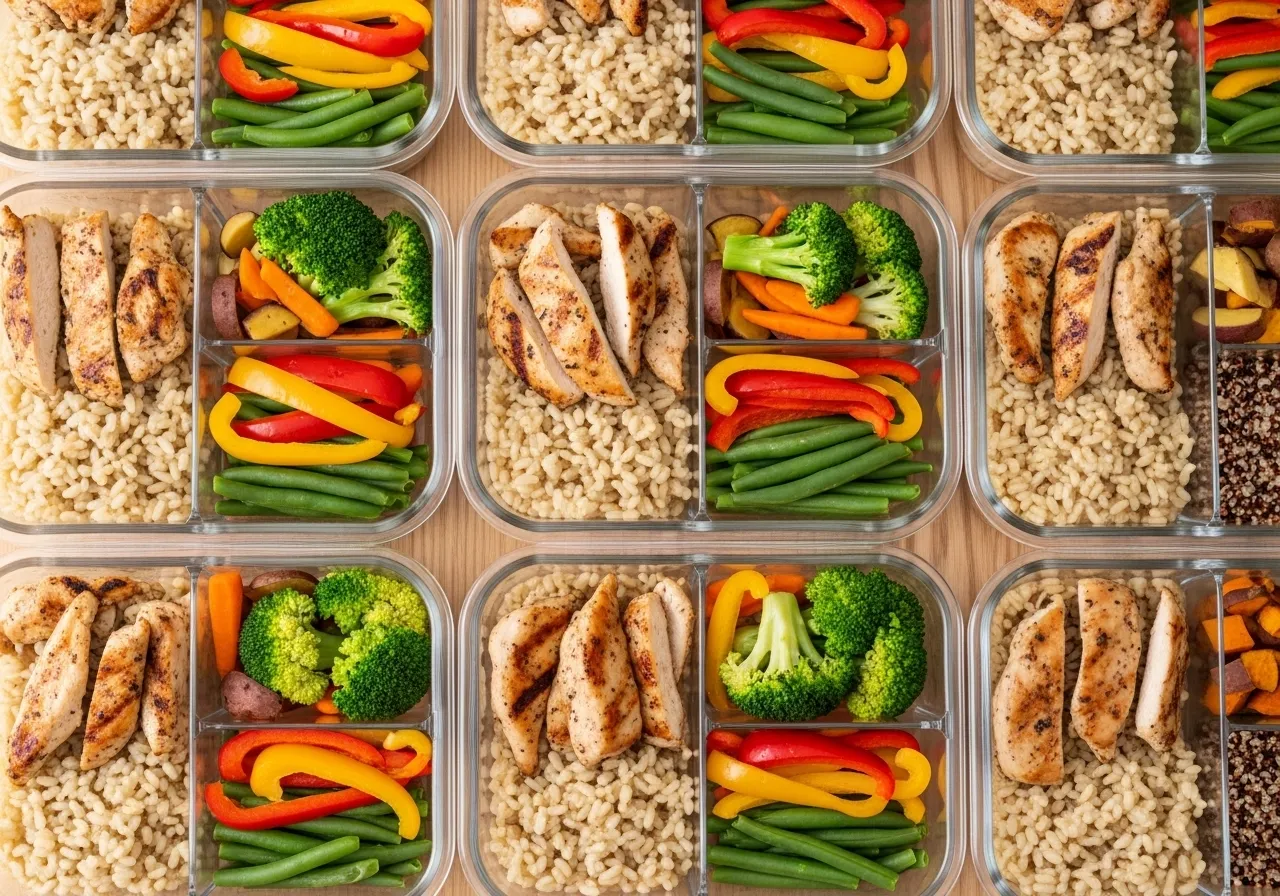
3. Protein-Rich Low-Calorie Foods: The Ultimate Fat Loss Tools
Protein is the macronutrient with the greatest impact on both fat loss and the prevention of muscle loss during a caloric deficit — and among the three macronutrients, it delivers the highest satiety per calorie through the hormonal mechanisms described earlier. This section profiles the highest-protein, lowest-calorie foods available and provides the specific strategies for distributing protein across the day in the pattern that research identifies as optimal for fat loss while preserving the lean mass that determines long-term metabolic health.
Why Protein Is the Fat Loss Macronutrient
The case for high protein intake during fat loss is supported by three distinct and additive mechanisms. First, the thermic effect: as discussed, protein requires 20 to 30 percent of its own caloric content to digest and process, meaning that a 200-calorie protein serving effectively contributes only 140 to 160 net calories to the daily energy balance. Across a full day of high-protein eating, this thermic advantage reduces the effective caloric intake by 200 to 300 calories relative to equivalent-calorie low-protein eating — a meaningful contribution to the caloric deficit that requires no portion size reduction. Second, muscle preservation: during caloric restriction, the body breaks down both fat and lean mass for energy — the proportion depends heavily on protein intake. Low-protein caloric restriction loses muscle mass alongside fat; high-protein caloric restriction primarily loses fat while preserving or even increasing lean mass if resistance training is included. Research consistently shows that athletes in a caloric deficit consuming 1.8 to 2.6 grams of protein per kilogram of body weight preserve significantly more lean mass than those consuming 0.8 to 1.2 grams per kilogram — the high-protein group loses more fat relative to total weight lost, producing the body composition improvement that determines long-term metabolic rate. Third, satiety and reduced cravings: high-protein eating reduces ghrelin (the hunger hormone) more effectively than any other macronutrient, reduces the late-night calorie-seeking behavior that characterizes caloric restriction, and lowers the reward response to high-fat, high-sugar foods in neuroimaging studies — making adherence to the caloric deficit physiologically easier rather than requiring progressively stronger willpower as the diet continues.
The Complete Protein Density Rankings
Protein density — grams of protein per 100 calories — is the most useful metric for selecting protein foods for a low-calorie eating pattern. The rankings reveal which protein sources provide the most satiety-driving protein per caloric unit consumed. Highest protein density (above 10 grams per 100 calories): non-fat Greek yogurt at approximately 17 grams per 100 calories; egg whites at 12 grams per 100 calories; cod and other white fish at 21 grams per 100 calories; shrimp at 20 grams per 100 calories; canned tuna in water at 22 grams per 100 calories; chicken breast (skinless, grilled) at 18 grams per 100 calories; low-fat cottage cheese at 13 grams per 100 calories. High protein density (7 to 10 grams per 100 calories): whole eggs at 8 grams per 100 calories; lentils at 8 grams per 100 calories; edamame at 9 grams per 100 calories; tempeh at 10 grams per 100 calories; black beans at 7 grams per 100 calories. Moderate protein density (4 to 7 grams per 100 calories): quinoa at 4 grams per 100 calories; whole milk Greek yogurt at 7 grams per 100 calories; tofu at 8 grams per 100 calories. This ranking system allows intelligent protein food selection that maximizes protein per calorie — choosing white fish over salmon (not because salmon is unhealthy, but because white fish provides more protein per calorie during fat loss phases when caloric efficiency matters), or choosing Greek yogurt over regular yogurt, or choosing egg whites alongside whole eggs rather than only whole eggs when protein needs are high and caloric budget is tight. The Harvard T.H. Chan School of Public Health Nutrition Source consistently recommends these high-density lean proteins as the foundation of healthy eating patterns for weight management.
Protein Timing: Distributing Intake for Maximum Muscle Preservation
The distribution of protein across the day — not just the total daily intake — significantly influences the muscle protein synthesis rate and the lean mass preservation that determines long-term metabolic health during fat loss. Research on the muscle protein synthesis response to protein feeding establishes a ceiling effect: a single meal can stimulate maximum muscle protein synthesis with approximately 30 to 40 grams of protein, with additional protein above this threshold not providing proportionally greater MPS stimulation. This ceiling effect means that the common pattern of consuming most daily protein at dinner — a single 60 to 80 gram protein meal at the end of the day — produces lower total daily MPS than distributing the same protein across three or four meals of 25 to 35 grams each. The optimal protein distribution for muscle preservation during fat loss: 30 to 40 grams at breakfast (targeting the post-overnight fasting period when MPS is particularly responsive to protein), 30 to 35 grams at lunch, 30 to 35 grams at dinner, and optionally 20 to 25 grams pre-sleep (casein protein or cottage cheese, whose slow digestion rate provides sustained overnight amino acid availability that research associates with improved overnight MPS). This distribution, consuming 110 to 140 grams of protein daily for a 70-kilogram person (1.6 to 2.0 grams per kilogram), provides the muscle preservation infrastructure that protects lean mass during the caloric deficit — ensuring that the weight lost is primarily fat rather than the metabolically expensive lean tissue that caloric restriction without adequate protein sacrifices.
Plant Protein Sources for Low-Calorie Eating
Athletes following plant-based diets face a specific challenge in high-protein, low-calorie eating: most plant protein sources come packaged with significant carbohydrate and fat caloric content, making it harder to achieve the protein density per calorie that animal proteins provide. The highest-protein-density plant foods and the strategies for using them effectively: soy-based proteins are the gold standard for plant protein density and completeness — tempeh (20 grams protein per 100 grams, 193 calories), firm tofu (8 grams protein per 100 grams, 76 calories), and edamame (11 grams protein per 100 grams, 121 calories) provide the closest plant equivalents to animal protein in terms of protein density and amino acid profile. Seitan (wheat gluten) provides 25 grams of protein per 100 grams at 142 calories — the highest plant protein density of any whole food — but is unsuitable for people with gluten intolerance or celiac disease. Lentils and legumes provide the dual protein-fiber advantage at moderate caloric density, making them the most satiety-efficient plant protein sources even if their protein density per calorie is lower than animal foods. The amino acid limitation of plant proteins — most plant proteins are deficient in one or more essential amino acids — is addressed by combining complementary plant proteins across the day (rice and beans, hummus and whole grain pita, lentils and quinoa), a strategy that ensures adequate essential amino acid availability without requiring every individual meal to be complete.
Protein Supplements in a Low-Calorie Context
Protein powder — whey, casein, pea, rice, or soy protein concentrate or isolate — is the most calorie-efficient protein source available: a 30-gram scoop of whey protein isolate provides approximately 110 to 120 calories and 25 to 28 grams of protein — a protein density of 22 to 25 grams per 100 calories that exceeds even the leanest whole food protein sources. In a low-calorie eating plan where reaching protein targets without exceeding caloric targets is the primary nutritional challenge, protein powder provides the concentrated protein supply that prevents the protein-deficit that low-calorie eating without deliberate protein management frequently produces. The practical applications: protein powder added to oatmeal converts a moderate-protein breakfast into a high-protein meal without meaningful caloric increase; protein powder blended with water and frozen berries creates a 150 to 200 calorie meal-replacement that provides 25 grams of protein and reasonable satiety for periods when meal preparation time is unavailable; and a pre-bed casein protein shake provides the slow-release overnight protein that maximizes the overnight muscle protein synthesis window during fat loss phases. The important caveats: protein supplements are supplemental — they are most valuable when used to bridge the gap between the protein whole foods provide and the target intake, not as the primary protein source that displaces the fiber, micronutrients, and satiety mechanisms of whole food protein sources. And the protein supplement market requires quality assessment: third-party tested products (NSF Certified for Sport, Informed Sport) provide the purity guarantee that prevents the protein content misrepresentation that some lower-quality products have shown in independent testing.
Practical High-Protein, Low-Calorie Day Template
A full day of high-protein, low-calorie eating — hitting 130 grams of protein within 1,600 calories — demonstrates the practical application of the protein-first principles. Breakfast (420 calories, 38 grams protein): half cup of rolled oats cooked with water (150 calories, 5 grams protein) topped with one scoop of vanilla protein powder stirred in while hot (110 calories, 25 grams protein) and half cup of blueberries (42 calories, 0 grams protein), plus one whole egg scrambled (78 calories, 6 grams protein) and one cup of black coffee (5 calories). Mid-morning snack if needed (130 calories, 15 grams protein): one 150-gram container of plain low-fat Greek yogurt. Lunch (480 calories, 40 grams protein): 150 grams of grilled chicken breast (248 calories, 46 grams protein) over a large salad of romaine, tomatoes, cucumbers, and red onion (50 calories, 3 grams protein) with two tablespoons of light olive oil and lemon dressing (90 calories) and half cup of chickpeas (115 calories, 7 grams protein). Dinner (450 calories, 37 grams protein): 150 grams of baked cod (126 calories, 27 grams protein) with 200 grams of roasted zucchini and broccoli (60 calories, 4 grams protein), 150 grams of boiled and cooled baby potatoes (116 calories, 3 grams protein), and a tablespoon of olive oil used in cooking (119 calories). Evening snack (120 calories, 15 grams protein): half cup of low-fat cottage cheese with a few cherry tomatoes. This day provides approximately 1,580 calories and 145 grams of protein — meeting the fat loss caloric target while providing the protein that preserves lean mass, the fiber that drives extended satiety, and the food volume that prevents the persistent hunger that low-calorie eating without these properties consistently produces.
The Muscle Preservation Imperative During Fat Loss
The single most important reason to prioritize protein during fat loss — beyond its satiety benefits — is the preservation of lean muscle mass that determines long-term metabolic health and the ease of maintaining the weight loss achieved. Skeletal muscle is metabolically expensive to maintain: each kilogram of muscle tissue burns approximately 13 calories at rest per day, compared to approximately 4.5 calories for an equivalent mass of fat tissue. The practical consequence: an athlete who loses 10 kilograms during a fat loss phase, composed of 7 kilograms of fat and 3 kilograms of muscle (the typical composition of low-protein, high-deficit approaches) ends the diet with a metabolic rate approximately 39 calories per day lower than before the diet — from the muscle loss alone, before accounting for the metabolic adaptation to restriction. This reduced maintenance metabolic rate makes it progressively easier to gain weight at the same caloric intake that previously maintained a lower weight — the physiological mechanism behind the weight regain that follows most conventional caloric restriction programs. Contrast this with the high-protein fat loss approach: 10 kilograms lost composed of 9 kilograms of fat and 1 kilogram of muscle (or even net muscle gain with resistance training) results in a maintenance metabolic rate that is only slightly lower — and with continued resistance training, actually higher — than before the diet. The 2 to 3 kilogram difference in muscle preserved between the low-protein and high-protein approaches translates to a 26 to 39 calorie per day metabolic rate difference that compounds across months and years into the weight maintenance advantage that high-protein fat loss uniquely provides. This is why protein optimization is not a peripheral consideration during fat loss but the central nutritional priority that determines whether the fat loss produces a lasting metabolic improvement or the progressive metabolic disadvantage that muscle-losing approaches create.
Protein and Hormonal Health During Caloric Restriction
Beyond its direct effects on muscle mass and satiety, adequate protein intake during caloric restriction supports the hormonal environment that makes the fat loss process healthier and more sustainable. Leptin — the satiety hormone produced by fat cells that signals energy sufficiency to the brain — declines as body fat decreases during fat loss, producing the progressive hunger increase that makes sustained caloric restriction harder over time. High protein intake partially mitigates the leptin decline by maintaining the satiety hormone signaling that protein specifically drives — the CCK, PYY, and GLP-1 produced by protein consumption partially compensate for the declining leptin, maintaining a more favorable hunger hormone balance during the fat loss phase. Testosterone and the anabolic hormones: very low-calorie diets (below 1,200 calories for most adults) suppress testosterone and other anabolic hormones — the body’s adaptation to what it perceives as famine conditions, reducing the energy allocated to reproductive and anabolic functions. High protein intake at moderate caloric deficits (rather than extreme restriction) maintains healthier testosterone and IGF-1 levels, supporting the muscle preservation and recovery capacity that continued training during fat loss requires. Thyroid function: prolonged severe caloric restriction reduces T3 (the active thyroid hormone) as part of the metabolic adaptation to energy deficit — high protein intake and resistance training are the two most evidence-supported interventions for maintaining thyroid hormone levels during moderate caloric restriction, partially explaining the superior long-term metabolic outcomes of high-protein fat loss approaches compared to low-protein, equal-calorie approaches.
Protein Sources for Every Dietary Pattern and Budget
The practical challenge of high protein intake during fat loss differs significantly across dietary patterns — omnivores, flexitarians, vegetarians, and vegans face different food selection challenges and require different protein sourcing strategies. For omnivores on a budget: eggs and canned fish (tuna, sardines, salmon) provide the lowest cost-per-gram protein of any food group, and buying in bulk further reduces unit cost. A week’s protein supply built primarily around eggs ($3 to $5 for a dozen), canned tuna ($1 to $2 per can providing 25 to 30 grams protein), and chicken thighs (more cost-effective than breasts while providing similar protein) provides adequate protein for a 70-kilogram athlete at approximately $25 to $35 per week — less than many people spend on coffee alone. For vegetarians: the combination of Greek yogurt, cottage cheese, eggs, lentils, beans, and edamame provides complete protein coverage across the day with the amino acid variety that prevents the limiting amino acid problem of relying on a single plant protein source. For vegans: the soy protein trio of tempeh, firm tofu, and edamame provides the most complete and dense plant protein available; supplementing with pea protein powder or rice-and-pea blend protein powder bridges any gaps between whole food plant protein and the target intake. For athletes with gluten intolerance: seitan (the highest-density plant protein) is eliminated from the toolkit, making soy, legumes, and whole grain pseudo-cereals like quinoa and buckwheat the primary protein sources alongside any animal proteins consumed. The common thread across all dietary patterns is the protein-first meal construction principle: build each meal around the protein source, then add the fiber-rich vegetables and complex carbohydrates that complete the satiety profile — rather than building meals around carbohydrate bases and adding protein as an afterthought, which invariably under-delivers on protein and over-delivers on the less-satiating macronutrients.
High-protein, low-calorie eating is not a temporary dietary phase but a nutritional lifestyle that produces compounding health and body composition benefits across years of consistent practice. The lean mass preserved through adequate protein during each fat loss phase is permanently retained when maintenance calories are restored, building the metabolic foundation that makes each successive fat loss phase easier and more effective. The athlete who loses fat with high protein and resistance training emerges from each diet phase with a higher metabolic rate, better body composition, and superior hormonal health than the one who restricts calories without protein optimization — the long-term compounding of these advantages explains why the high-protein approach is the consistent finding of both the sports nutrition research and the clinical weight management literature as the superior strategy for lasting, healthy fat loss. Applying the protein density rankings, distribution strategies, and practical day templates in this section provides the implementation framework that converts the protein-prioritization principle from abstract nutritional theory into the daily eating pattern that produces measurably better fat loss outcomes than the protein-neglecting approaches that most people default to when beginning caloric restriction. The subsequent sections on volume eating and meal building translate these protein principles into complete meal patterns that are satisfying, practical, and genuinely sustainable across the months and years that meaningful body composition improvement requires.
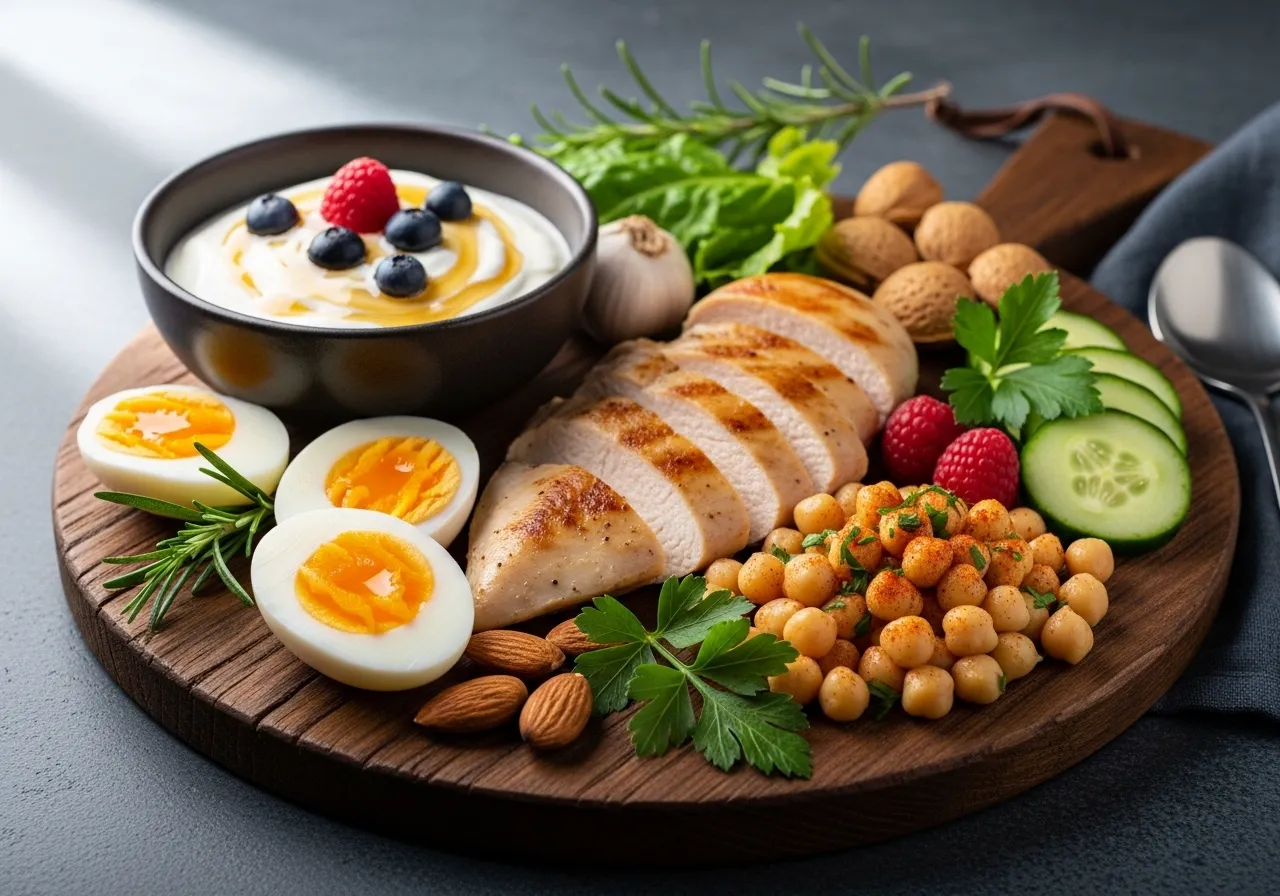
4. Volume Eating: How to Eat More Food While Losing Weight
Volume eating — structuring meals around foods with low energy density (calories per gram) so that a large, visually satisfying amount of food fits within a restricted caloric budget — is the most psychologically effective strategy for making low-calorie eating feel like abundance rather than deprivation. The principle sounds paradoxical but is physiologically sound: filling the stomach with large quantities of water-rich, fiber-rich foods produces the gastric distension and hormonal satiety signals that reduce hunger, while the low caloric density of these foods means that the stomach-filling volume delivers far fewer calories than an equivalent volume of energy-dense food.
Energy Density: The Key Metric for Volume Eating
Energy density — the number of calories per gram of food — is the central metric that volume eating optimizes. Foods range from 0.1 calories per gram (water, broth) to 9 calories per gram (pure fat, oils). The volume eating strategy: maximize the proportion of low-energy-density foods (0.5 to 1.5 calories per gram) in the diet while minimizing high-energy-density foods (3.5 to 9 calories per gram) without entirely eliminating the flavor and satisfaction they provide. The energy density spectrum: cucumber (0.16 calories per gram), lettuce (0.14 calories per gram), tomatoes (0.18 calories per gram), broccoli (0.34 calories per gram), strawberries (0.32 calories per gram) — all of these foods can be consumed in enormous quantities for minimal caloric cost. At the other end: nuts (5.7 calories per gram), oils (8.8 calories per gram), chocolate (5.4 calories per gram), chips (5.3 calories per gram) — even small quantities provide large caloric contributions. The practical application: a large salad bowl filled with lettuce, cucumber, tomatoes, bell pepper, and red onion contains approximately 80 to 100 calories while providing a meal-size volume that produces substantial gastric distension. The same bowl filled with mixed nuts would contain 1,200 to 1,400 calories — fourteen times the caloric content in the same physical volume. Building the foundation of every meal from low-energy-density vegetables allows large, satisfying portions while maintaining the caloric deficit that fat loss requires.
The Volume Eating Plate Method
The volume eating plate method translates the energy density principle into a practical meal construction template. Half the plate: non-starchy vegetables at 0.2 to 0.5 calories per gram — leafy greens, broccoli, cauliflower, zucchini, mushrooms, tomatoes, peppers, cucumbers. This half provides enormous volume, 4 to 8 grams of fiber, and only 60 to 100 calories regardless of how generously it is portioned. Quarter of the plate: lean protein source — grilled chicken, fish, eggs, legumes, Greek yogurt, cottage cheese. This quarter provides the 25 to 35 grams of protein needed for hormonal satiety and muscle preservation. Final quarter: complex carbohydrate with fiber — oats, beans, lentils, sweet potato, whole grain rice, or quinoa. This quarter provides sustainable energy, additional fiber, and the blood glucose stability that prevents post-meal hunger crashes. The flavor finishing: a small amount of healthy fat for flavor (a tablespoon of olive oil, a quarter avocado, a tablespoon of nut butter) and acidic flavor enhancers (lemon juice, vinegar, herbs, spices) that make the high-vegetable, high-protein meals genuinely delicious without adding significant calories. This plate method, consistently applied across three meals per day, produces 1,400 to 1,800 calorie daily intakes with exceptional satiety because every meal simultaneously activates gastric distension (from the vegetable volume), hormonal satiety (from the protein and fiber), and stable blood glucose (from the complex carbohydrate and high fiber). From the Journal of the Academy of Nutrition and Dietetics, dietary patterns emphasizing low-energy-density foods consistently produce greater weight loss, better dietary adherence, and higher satisfaction scores than calorie-matching approaches that do not prioritize energy density — confirming that how much food is on the plate matters as much as how many calories it contains.
Volume Eating Snacks: High Satiety, Minimal Calories
Snacking during caloric restriction is the most vulnerable period for dietary deviation — hunger between meals drives the impulse toward calorie-dense, highly palatable foods that are immediately available and require no preparation. Volume eating snacks — pre-portioned, low-energy-density options that are ready to eat — provide the between-meal hunger management that prevents the unplanned caloric additions that derail daily caloric targets. The most effective volume eating snacks: a full cucumber sliced with two tablespoons of low-fat cottage cheese dip (80 calories, high volume, 8 grams protein); a large apple (95 calories, 4 grams fiber, high water content, natural sweetness that satisfies the sweet craving); a bag of pre-washed baby carrots with two tablespoons of Greek yogurt dip flavored with herbs (100 calories, high crunch and volume); a cup of frozen grapes (90 calories, natural sweetness, the cold temperature slowing eating pace); a large bowl of air-popped popcorn (100 calories for 3 to 4 cups — the highest-volume 100-calorie snack available); celery sticks with one tablespoon of natural almond butter (110 calories, crunch, volume, and protein). Pre-preparing these snacks at the beginning of the week — washing, cutting, and portioning into ready-to-eat containers — eliminates the preparation barrier that causes people to reach for processed snacks out of convenience rather than choice. The availability principle: high-satiety, low-calorie snacks at eye level in the refrigerator and pantry are chosen far more often than healthy options that require any preparation, regardless of the individual’s dietary intentions. Environmental design — making the low-calorie, high-volume options the most convenient choice — is more reliable than willpower as a behavioral mechanism for consistent healthy snacking.
Soups, Stews, and the Volumetric Power of Liquid
Broth-based soups and water-rich stews are among the most powerful volume eating tools because they combine the gastric distension benefit of liquid volume with the satiety of protein, fiber, and nutrients — providing the meal satisfaction of a large, warm, flavorful dish at exceptionally low caloric cost. A large bowl of vegetable soup (500ml) provides only 100 to 150 calories while producing gastric distension equivalent to a much more calorie-dense solid meal. When beans, lentils, chicken, or tofu are added to provide protein (raising the bowl to 200 to 300 calories), the soup becomes a complete meal that provides the gastric, hormonal, and thermic satiety of a meal twice its caloric content in solid food form. The pre-meal soup strategy — consuming a broth-based soup starter before the main meal — has been specifically researched for its effect on subsequent food intake: studies consistently find that a 200 to 300 calorie broth-based soup consumed before a meal reduces subsequent meal intake by 20 percent compared to consuming the same ingredients as a casserole (same total calories, different form) — the separate liquid volume of the soup produces greater gastric distension than the same ingredients mixed with solid food. Building a weekly rotation of batch-prepared soups and stews — vegetable minestrone, lentil soup, chicken and vegetable broth, black bean soup — provides the most time-efficient volume eating strategy available: a single two-hour batch cooking session on Sunday produces five to seven servings of complete, high-satiety, low-calorie meals that require only reheating for the remainder of the week.
Volume Eating and Food Preparation Psychology
The visual and psychological experience of a meal significantly influences its perceived satiety — a plate that looks abundant and full produces greater pre-meal anticipation and post-meal satisfaction than a small plate of the same caloric content, regardless of the actual physiological satiety the food provides. Research on portion size and food perception confirms that people consume more when served in larger portion sizes regardless of hunger, and conversely, that visually abundant low-calorie meals are rated as more satisfying than visually sparse meals of identical caloric content. The practical volume eating applications of this psychological principle: use larger plates and fill them with the high-volume, low-calorie vegetables that make the entire plate visually abundant; serve salads in large bowls that look generous rather than small bowls that look restrictive; garnish meals with additional no-calorie or near-zero-calorie flavor elements (fresh herbs, lemon zest, chili flakes, balsamic glaze used sparingly) that enhance the visual and sensory richness of the meal without meaningfully increasing caloric content; and present meals attractively — the effort of plating food with care increases the perceived value and satisfaction of the meal beyond what the same food casually dumped from a container provides. These presentation principles cost nothing and require minimal additional time, but they meaningfully improve the psychological experience of low-calorie eating — converting it from a sensory deprivation to a genuinely pleasant meal experience that sustains long-term dietary adherence through the positive reinforcement of satisfying, beautiful meals rather than the negative reinforcement of spartan restriction.
Volume Eating for Athletes in Training
Athletes who combine caloric restriction with significant training volumes face a specific volume eating challenge: the caloric deficit required for fat loss may intersect with the caloric needs of training performance in ways that compromise both outcomes. The volume eating approach provides a particularly useful solution for this population because it allows the high food volume that satisfies appetite and supports micronutrient intake while maintaining the caloric deficit that fat loss requires. For athletes, the timing dimension of volume eating is especially important: consuming the higher-carbohydrate, higher-calorie meal of the day around the training session (either two to three hours before or within one to two hours after) maximizes the use of these calories for training fuel and glycogen restoration rather than fat storage, while the lower-calorie, higher-volume meals at other times of day maintain the overall daily deficit. This nutrient timing approach — often called carbohydrate periodization or training-day versus rest-day caloric cycling — allows athletes to perform well in training (by providing adequate energy around the training session) while maintaining the average caloric deficit that produces fat loss over time. A practical implementation: on training days, the post-workout meal is a full, normal-calorie meal with substantial carbohydrates for glycogen replenishment; the other meals of the day are volume-eating-optimized low-calorie meals that create the deficit despite the higher-calorie training meal. On rest days, all meals follow the volume eating template without the higher-carbohydrate training meal, producing a greater daily deficit on the days when performance nutrition is not required.
Zero-Calorie and Near-Zero-Calorie Volume Boosters
A category of foods and ingredients exists that provides meaningful volume, flavor, and texture to meals while contributing essentially no calories — and these volume boosters are among the most underutilized tools in low-calorie eating. Plain sparkling water or still water adds zero calories while contributing to gastric volume when consumed with meals; a 500ml glass of water consumed just before or during a meal genuinely reduces subsequent intake by reducing the portion needed to produce gastric distension satiety. Fresh or dried herbs — basil, cilantro, parsley, mint, dill, chives — add dramatic flavor complexity at zero to three calories per generous handful, transforming plain chicken breast and vegetables from a bland dietary chore into a genuinely appetizing meal without any caloric cost. Spices — black pepper, smoked paprika, cumin, turmeric, cinnamon, cayenne — contribute no meaningful calories and provide flavor intensity that increases meal satisfaction and palatability; cayenne pepper specifically has been studied for mild appetite-suppressing effects from its capsaicin content. Citrus juice — lemon and lime juice squeezed fresh — provides 8 to 10 calories per tablespoon while contributing the acidic brightness that makes vegetables, proteins, and salads dramatically more palatable and less like “diet food.” Vinegars — apple cider vinegar, balsamic (used sparingly, as it is more caloric than other vinegars), red wine vinegar, white wine vinegar — provide bright acidity at essentially zero calories and the added benefit of modest blood glucose lowering effects documented in multiple research studies. Mustard provides virtually no calories per teaspoon while contributing strong, complex flavor as a condiment, marinade base, and salad dressing component. Understanding that flavor does not require calories — and that the herbs, spices, acids, and aromatics that make food genuinely delicious can be deployed freely without caloric consequence — is one of the most liberating realizations in low-calorie cooking. The “diet food” reputation of low-calorie eating is not an inevitable result of the caloric restriction itself but a consequence of boring preparation that neglects the free resources of flavor that fresh herbs, spices, and acidic components provide at zero caloric cost.
Volume Eating and Social Situations
One of the most common challenges of volume eating during fat loss is maintaining the approach in social eating situations — restaurants, dinner parties, work lunches, and family gatherings where menu control is limited and social pressure to eat normally is present. Volume eating principles can be applied in these situations through specific strategies that allow genuine participation in social meals without abandoning the dietary approach. In restaurants: scan the menu for the highest-volume, lowest-calorie options and choose them without apology — most restaurant menus include salads, grilled proteins, and vegetable sides that align with volume eating principles; request dressings and sauces on the side to control their caloric contribution; order a broth-based soup or large salad as a starter before the main course to pre-fill the stomach; and ask for double vegetables in place of calorie-dense sides like fries or white rice. At dinner parties: eat a volume-eating snack before arriving (a large apple and a small container of Greek yogurt, for example) to reduce the hunger that drives overeating at social gatherings; fill the plate with the highest-volume, lowest-calorie options first (vegetables, lean proteins, salads) before adding smaller portions of the more calorie-dense dishes; and participate in the social and sensory experience of the meal without making it a zero-sum contest between dietary adherence and social enjoyment. The mental framing: volume eating during social situations is not about perfect adherence to the daily caloric target but about applying the best available choices within the constraints of the situation — consistently choosing the higher-volume, lower-calorie option when two comparable choices are available, without the perfectionism that turns a single social dinner into dietary failure.
Tracking Volume vs. Tracking Calories
A practical advantage of volume eating over traditional calorie counting is that the approach reduces the need for precise caloric tracking — because the low energy density of the foods means that even large portions fall within acceptable caloric ranges. However, combining volume eating awareness with basic caloric tracking for the first two to four weeks of implementing the approach provides the calibration that allows accurate intuitive portion estimation thereafter. The tracking approach for volume eating: rather than weighing and logging every gram of every food, focus on tracking the higher-calorie components of meals (the protein portion, the fat additions, any calorie-dense carbohydrates) and estimating rather than measuring the vegetable and water-rich components that contribute minimal calories regardless of exact quantity. This simplified tracking approach — measuring the calorie-dense foods precisely and estimating the low-density foods broadly — reduces the cognitive burden of calorie counting while maintaining accuracy where it matters most. After two to four weeks of tracking with this approach, most people develop the visual calibration for their typical meal portions that allows tracking to be discontinued without meaningful loss of dietary accuracy. The long-term goal of volume eating is not to count calories indefinitely but to develop the intuitive eating pattern — automatically choosing high-volume, low-calorie foods as the default — that makes dietary management automatic rather than effortful. Tracking is the learning tool; the intuitive eating habit it builds is the permanent outcome.
The Psychology of Abundance in Caloric Restriction
Volume eating’s most powerful contribution to long-term dietary success is psychological: it reframes low-calorie eating from scarcity to abundance. Conventional caloric restriction — smaller portions of the same foods — makes every meal a reminder of deprivation, activating the restriction mindset that increases food preoccupation, heightens the reward response to high-calorie foods, and eventually drives the binge eating that breaks most conventional diets. Volume eating inverts this dynamic: because portions are large and plates look full, the visual and physical experience of every meal communicates abundance rather than restriction — even though the caloric content is significantly lower than a calorie-dense equivalent. Research on dietary psychology identifies perceived deprivation as a stronger predictor of diet failure than actual caloric deficit — people who feel restricted fail their dietary programs at higher rates than people who feel satisfied, even when caloric intake is identical. Volume eating produces genuine physiological satisfaction that eliminates felt deprivation, creating the psychological environment where dietary adherence feels like choosing satisfying, abundant food rather than enduring hunger. This is not willpower — it is the physiological redesign of eating that makes low-calorie living genuinely sustainable long-term. The athlete who masters volume eating stops counting the days until their diet ends, because the eating pattern itself is satisfying enough to maintain indefinitely — which is precisely the condition that produces lasting fat loss rather than the temporary weight loss followed by compensatory regain that deprivation-based restriction always eventually produces.
Weekly Volume Eating Meal Prep Strategy
The practical barrier that prevents most people from consistently applying volume eating principles is preparation time — chopping, washing, and assembling high-volume vegetable-rich meals takes more time than grabbing calorie-dense processed foods that require no preparation. Batch meal preparation, performed once or twice per week, eliminates this barrier by front-loading the preparation time so that volume eating meals require only assembly or reheating during the week. The optimal weekly prep session (2 to 3 hours on Sunday): wash and chop all vegetables for the week and store in airtight containers; prepare two large batches of protein (roast a full chicken, or cook a large batch of ground turkey or lentil soup); cook a large pot of oatmeal or grain base; hard-boil a dozen eggs; prepare four to five servings of a broth-based soup or stew; and portion out snacks (berries, carrot sticks, cucumber slices, Greek yogurt containers). With this prep done, every meal during the week is reduced to assembling pre-prepared components — ten minutes or less for any meal — removing the preparation barrier that causes people to abandon volume eating when time is short. The efficiency investment of three hours on Sunday produces twenty-one volume-eating-optimized meals for the following week, each taking ten minutes or less to prepare. This time investment — equivalent to watching two episodes of a television show — is the difference between consistent volume eating adherence and the mid-week dietary breakdown that preparation-dependent healthy eating without batch cooking produces.
Volume eating is not a complicated nutritional system requiring advanced knowledge — it is the simple principle of choosing foods with lower energy density so that a larger physical volume of food fits within a caloric budget, activating the gastric and hormonal satiety mechanisms that make the caloric restriction genuinely comfortable. Implement the plate method, batch prep the high-volume staples, keep volume eating snacks available, and apply the restaurant strategies that maintain the approach in social situations — and the result is a low-calorie eating pattern that produces fat loss through the sustainable comfort of genuine satisfaction rather than the temporary endurance of willful deprivation.
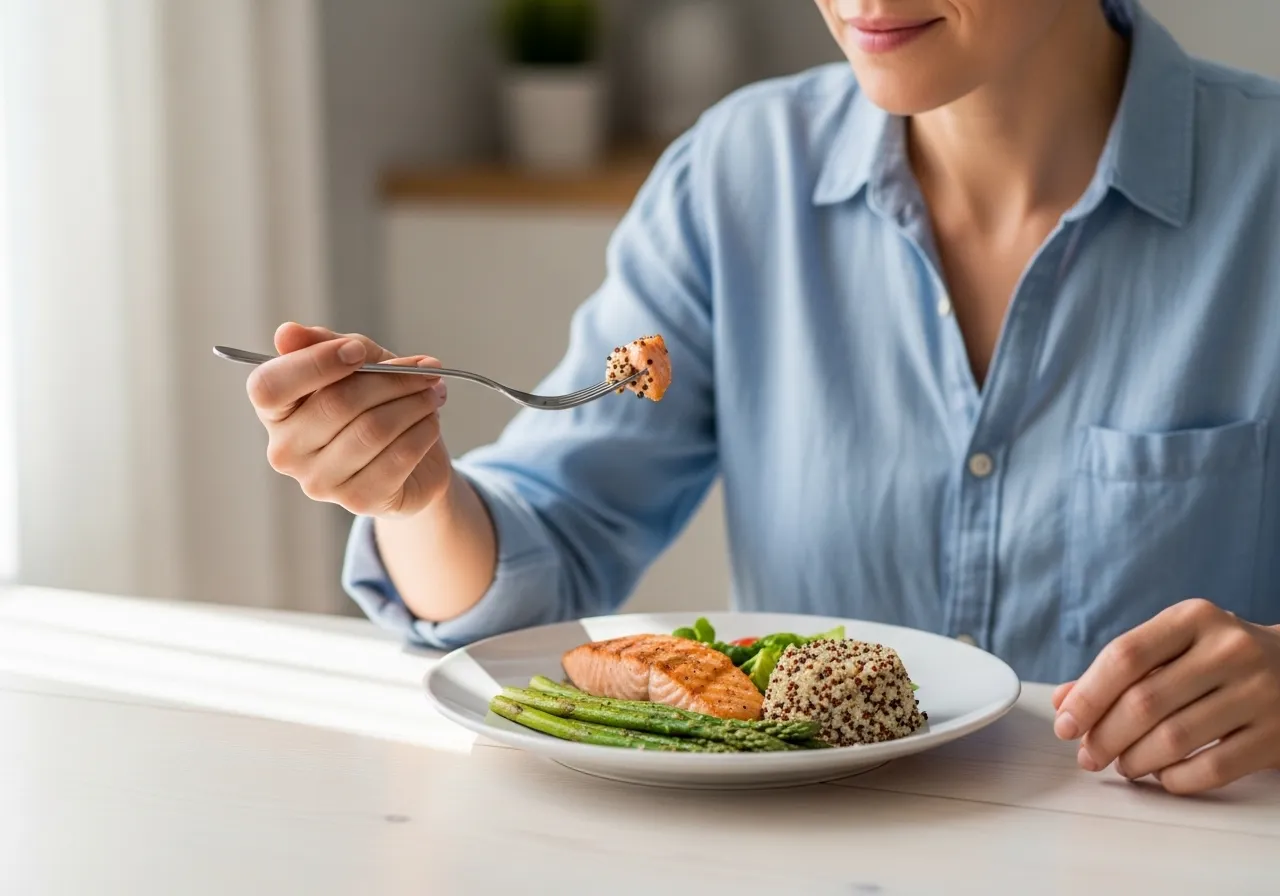
5. Building Low-Calorie Meals: Practical Combinations That Work
The nutritional principles of the previous sections — satiety mechanisms, top satiating foods, protein optimization, and volume eating — produce their best outcomes when translated into specific, repeatable meal templates that fit naturally into any lifestyle. This section provides complete meal blueprints for breakfast, lunch, dinner, and snacks that embody all the satiety principles while remaining genuinely delicious, quick to prepare, and flexible enough to accommodate individual preferences and dietary patterns.
Breakfast Templates: Starting With Satiety
Breakfast is the most leverage-rich meal for hunger management because it establishes the blood glucose and satiety hormone environment that governs appetite for the entire morning — and a poor breakfast choice (high glycemic, low protein, low fiber) produces the mid-morning hunger crash that drives caloric overconsumption at the times when workplaces and schedules make healthy eating most challenging. The three highest-performing low-calorie breakfast templates provide 30 to 40 grams of protein, 6 to 10 grams of fiber, and 350 to 450 calories while requiring under 10 minutes to prepare. Template A — The Protein Oat Bowl: half cup of dry rolled oats cooked in water (150 calories, 5g protein, 4g fiber), one scoop of vanilla protein powder stirred in while hot (110 calories, 25g protein), half cup of frozen blueberries thawed on top (40 calories, 2g fiber), and a sprinkle of cinnamon. Total: 300 calories, 30g protein, 6g fiber — a 4 to 5 hour satiety window from a 300-calorie investment. Template B — The Egg and Vegetable Scramble: two whole eggs plus two egg whites scrambled (180 calories, 22g protein), one cup of fresh spinach wilted into the eggs (7 calories, 1g fiber), half cup of cherry tomatoes halved and added (15 calories, 1g fiber), and a half cup of low-fat Greek yogurt on the side (65 calories, 10g protein). Total: 267 calories, 32g protein, 2g fiber — the highest protein-to-calorie-ratio breakfast template. Template C — The Savory Cottage Cheese Bowl: three-quarters cup of low-fat cottage cheese (140 calories, 19g protein), half cup of diced cucumber and tomato mixed in (20 calories, 1g fiber), fresh herbs and black pepper, and two slices of whole grain crispbread (80 calories, 3g fiber) on the side. Total: 240 calories, 20g protein, 4g fiber. The common principle across all three templates: protein is the dominant macronutrient (minimum 20 grams), fiber is deliberately included from a whole food source, and the caloric ceiling is kept under 450 calories while the volume and satiety mechanisms ensure satisfaction through the morning.
Lunch Templates: Midday Meal for Sustained Afternoon Energy
Lunch is the meal where volume eating principles are most practically expressed — a large, colorful, high-volume lunch at 400 to 500 calories sustains afternoon energy and prevents the 3pm hunger that drives the afternoon snacking that frequently breaks caloric budgets. The three highest-performing low-calorie lunch templates. Template A — The Protein-Packed Salad: three cups of romaine lettuce and baby spinach mixed (20 calories, 3g fiber), 150 grams of grilled chicken breast sliced (165 calories, 35g protein), half cup of chickpeas (115 calories, 6g fiber, 6g protein), half cup of cherry tomatoes and sliced cucumber (25 calories), two tablespoons of balsamic vinaigrette (60 calories), and a tablespoon of pumpkin seeds for crunch and zinc (50 calories). Total: 435 calories, 43g protein, 9g fiber — the highest-fiber, highest-volume lunch template. Template B — The Lentil Soup and Protein: a large bowl (400ml) of homemade or packaged lentil soup (200 calories, 12g protein, 8g fiber), a hard-boiled egg on the side (78 calories, 6g protein), and two slices of whole grain crispbread (80 calories, 3g fiber). Total: 358 calories, 18g protein, 11g fiber — the highest-fiber template and the quickest to prepare (opening a container of premade soup requires zero cooking). Template C — The Buddha Bowl: half cup of cooked quinoa (111 calories, 4g protein, 2.5g fiber), 120 grams of baked salmon (197 calories, 27g protein, 0g fiber), one cup of roasted broccoli and red pepper (60 calories, 4g fiber), and a tablespoon of tahini-lemon dressing (45 calories). Total: 413 calories, 31g protein, 6.5g fiber — the highest omega-3 and most anti-inflammatory template. Each template can be batch-prepped (the salad ingredients pre-washed and pre-chopped, the lentil soup prepared in large batches, the Buddha bowl components pre-roasted) so that the actual meal assembly during the work week takes under five minutes.
Dinner Templates: Satisfying Evenings Without Excess
Dinner is the highest-risk meal for caloric overconsumption — the end-of-day hunger, social eating patterns, and the relaxed constraints of home cooking combine to produce the evening overeating that eliminates the caloric deficit achieved through disciplined daytime eating. Volume eating dinner templates specifically address this risk by providing the visual abundance and genuine satiety that prevent the post-dinner snacking that extends evening caloric intake well beyond the meal itself. Template A — The Sheet Pan Protein and Vegetables: 150 grams of chicken thighs or white fish (200 to 250 calories, 30g protein), two cups of mixed vegetables (broccoli, zucchini, cherry tomatoes, bell pepper) roasted with light olive oil spray (80 calories, 6g fiber), and 150 grams of boiled baby potatoes (116 calories, 3g protein). Total: 450 to 500 calories, 33g protein, 6g fiber — a full plate of food from a low-calorie investment. Template B — The Protein Stir-Fry: 150 grams of extra-firm tofu or shrimp (110 to 150 calories, 20 to 25g protein), three cups of mixed vegetables (broccoli, bok choy, snap peas, mushrooms, onion) stir-fried in a teaspoon of sesame oil (100 calories, 8g fiber), served over two-thirds cup of cauliflower rice (50 calories, 4g fiber), with a soy and ginger sauce (30 calories). Total: 290 to 330 calories, 24 to 29g protein, 12g fiber — the highest-fiber dinner template and particularly suitable for those targeting the lowest end of the caloric range. Template C — The Bean and Vegetable Soup: a large pot of black bean soup (two cups per serving, 300 calories, 16g protein, 14g fiber) with a side of two corn tortillas (120 calories) and a small Greek yogurt for dessert (80 calories, 10g protein). Total: 500 calories, 26g protein, 14g fiber — the highest-fiber, most filling dinner template that requires the least active cooking time once the soup is prepared in bulk.
Snack Templates and Smart Snacking Principles
Snacks in a low-calorie eating plan serve two functions: preventing the between-meal hunger that drives unplanned eating, and bridging the protein gaps that three meals alone may not fill. The principle of strategic snacking — choosing snacks that have a specific nutritional purpose rather than eating out of boredom or habit — applies here. High-protein snacks for muscle preservation: a 150-gram container of low-fat Greek yogurt provides 15 to 17 grams of protein at 80 to 100 calories — the highest protein-to-calorie ratio snack available in a standard refrigerator. A quarter cup of low-fat cottage cheese with five cherry tomatoes provides 12 grams of protein at 80 calories with a savory flavor profile. High-volume snacks for hunger management: a full cucumber sliced (16 calories, essentially infinite volume for hunger satisfaction during low-hunger periods); a large apple with cinnamon (95 calories, 4g fiber, natural sweetness that satisfies sweet cravings at low caloric cost); three cups of air-popped popcorn (93 calories — the highest-volume 100-calorie snack available and the one most people find genuinely satisfying as a crunchy, savory, volume option). Combined protein-and-volume snacks for the highest hunger management: half cup of Greek yogurt with half cup of strawberries (95 calories, 10g protein, 3g fiber); ten almonds with one medium apple (200 calories, 5g protein, 6g fiber — slightly higher calorie but the fat and fiber combination extends satiety longer than either alone). The snacking rule: have one or two pre-portioned snack options ready in the refrigerator at all times so that the choice of snack when hunger strikes is already made and requires only opening a container rather than evaluating options while hungry — the decision-making environment that produces the worst snack choices.
Building a Full Week of Low-Calorie Eating: Sample Meal Plan
A complete seven-day meal plan demonstrates the practical application of all the meal building principles — showing that 1,500 to 1,600 daily calories can provide three genuinely satisfying meals plus optional snacks while maintaining the protein, fiber, and volume that keep hunger manageable across the full week. The overarching structure for each day: breakfast 300 to 400 calories (30 to 40g protein), lunch 400 to 500 calories (30 to 40g protein), dinner 450 to 550 calories (25 to 35g protein), optional snacks 100 to 200 calories (10 to 20g protein). Monday: Breakfast — protein oat bowl (300 cal, 30g protein); Lunch — large chicken and chickpea salad (435 cal, 43g protein); Dinner — sheet pan salmon with roasted vegetables and baby potatoes (480 cal, 35g protein); Snack — Greek yogurt with berries (110 cal, 15g protein). Daily total: 1,325 to 1,525 calories, 123g protein, 25g fiber. Tuesday: Breakfast — egg and vegetable scramble with Greek yogurt (267 cal, 32g protein); Lunch — lentil soup with hard-boiled egg and crispbread (358 cal, 18g protein); Dinner — tofu stir-fry over cauliflower rice (310 cal, 24g protein); Snack — apple and almond butter (195 cal, 5g protein). Daily total: 1,130 to 1,330 calories with room for a second snack. The week rotates through all templates, providing nutritional variety that prevents sensory-specific satiety from reducing meal satisfaction, while the consistent protein and fiber targets maintain the hormonal satiety environment that makes each day manageable without hunger. Preparing the shopping list from this seven-day plan reveals the practical simplicity of volume eating: approximately fifteen to twenty whole food ingredients provide all the variety needed across the full week.
Adapting Meals to Individual Preferences and Dietary Restrictions
The meal templates above are frameworks, not fixed prescriptions — every element can be substituted for an equivalent food that meets the same nutritional criteria while accommodating individual taste preferences, dietary restrictions, and cultural eating patterns. The substitution principles: any protein source can replace any other protein source in any template, as long as the calorie and protein quantities are approximately matched — chicken breast (165 calories, 35g protein per 150g) can be replaced by equivalent servings of tuna, tofu, legumes, eggs, or cottage cheese without meaningfully changing the meal’s satiety profile. Any non-starchy vegetable can replace any other in any quantity — the caloric range of all non-starchy vegetables is narrow enough (15 to 50 calories per cup) that substitutions do not require caloric recalculation. Grain and complex carbohydrate components can be freely exchanged within the same caloric range: quinoa, brown rice, whole grain pasta, sweet potato, lentils, and chickpeas all provide roughly similar calories per serving and all offer the fiber and complex carbohydrate that supports blood glucose stability. Accommodating dietary restrictions: gluten-free eating replaces whole grain crispbreads and pasta with rice, quinoa, and potato carbohydrates without meaningful satiety impact. Dairy-free eating replaces Greek yogurt and cottage cheese with high-protein soy alternatives (soy yogurt, tofu-based cottage cheese substitutes) and plant-based protein powders. The flexibility of the volume eating framework — built around universal principles (high protein, high fiber, high volume, low energy density) rather than specific foods — means that virtually any dietary pattern can be adapted to meet these criteria with appropriate food substitutions.
Weekly Meal Prep: The System That Makes Low-Calorie Easy
Weekly meal preparation — dedicating 60–90 minutes on Sunday (or another consistent day) to preparing the protein sources, cooked grains, and washed vegetables that form the building blocks of the week’s meals — is the single most impactful behavioral change available to athletes pursuing consistent low-calorie eating. Without meal prep, food decisions are made in real time under conditions of hunger, time pressure, and cognitive fatigue — the exact conditions that produce poor nutritional choices. With meal prep, the components of each meal are already prepared, and the decision reduces to “which pre-prepared components do I combine right now?” — a decision that requires 60 seconds rather than 20 minutes and consistently produces the planned nutritional outcome rather than the convenient, calorie-dense alternative. The standard weekly prep sequence: cook 700–900g of lean protein (chicken breast in the oven for 25 minutes, requiring only 5 minutes of active preparation); cook 500g of whole grain (rice or quinoa on the stovetop while the chicken cooks); wash and chop a full bag of mixed salad vegetables and store in a container with a paper towel to absorb moisture; hard-boil 6–8 eggs; portion 5 servings of Greek yogurt into individual containers; and prepare one batch recipe (soup, grain bowl base, or legume dish) for 2–3 dinners. Total active preparation time: 30–45 minutes; total elapsed time with concurrent cooking: 60–75 minutes. The week’s meals — breakfast through dinner for 5–6 days — are substantially pre-prepared, requiring only final assembly that most meals complete in under 5 minutes. The behavioral advantage of this system extends beyond time efficiency: the pre-prepared healthy components are the most accessible food in the refrigerator when hunger arises, reducing the probability that convenience drives a less healthy choice. The path of least resistance — opening the refrigerator and grabbing the prepared protein and vegetables — is the healthy choice, inverting the usual dynamic where convenient food is the less healthy option.
Calorie Tracking: When to Use It and When to Stop
Calorie tracking — logging every food and beverage consumed and totaling against a daily caloric target — is a powerful tool for establishing the awareness of food’s caloric content that most people lack, and for confirming that the daily intake is actually at the intended deficit level. Research on calorie tracking and weight loss consistently finds that tracking significantly improves dietary adherence and weight loss outcomes compared to untracked intention alone — primarily because the tracking reveals the discrepancy between perceived and actual intake that is often substantial. Studies of dietary recall consistently show that individuals underestimate their actual caloric intake by 20–50% — the tracking process corrects this systematic underestimation. The recommended approach to calorie tracking for low-calorie eating: track rigorously for 4–8 weeks to build accurate intuitive understanding of the caloric content of the foods eaten regularly. After this learning phase, the goal is caloric awareness rather than daily tracking — the ability to estimate meals within 10–15% accuracy without measuring, freeing the eating experience from the administrative burden of constant tracking while maintaining the caloric awareness that accurate intake management requires. Apps that facilitate effective calorie tracking: MyFitnessPal (largest food database, barcode scanning for packaged foods, restaurant database); Cronometer (superior micronutrient tracking for athletes who want to confirm nutritional adequacy alongside caloric management); and MacroFactor (AI-powered adaptive calorie recommendations that adjust to actual weight trend data rather than fixed formulas). The combination of 6 weeks of consistent tracking to build caloric intuition, followed by periodic tracking check-ins (1 week per month) to prevent the caloric drift that untracked eating gradually produces, provides the long-term caloric management accuracy that sustainable fat loss requires without the psychological burden of indefinite daily tracking.
Hydration Timing to Maximize Meal Satiety
The specific timing of water consumption relative to meals significantly affects the satiety produced by each meal — and intentional hydration timing is among the most practical, zero-cost strategies for enhancing meal satisfaction during low-calorie eating. The pre-meal hydration protocol: drink 300–500ml of water 20–30 minutes before each meal. This volume of pre-meal water produces meaningful gastric distension that reduces hunger entering the meal, and research comparing this protocol to no pre-meal water finds 10–13% reduction in subsequent meal caloric intake from the pre-meal hydration alone. The mechanism: the 300–500ml of water occupies gastric volume for 20–30 minutes before the meal begins, partially activating the stretch receptor satiety signal before the first bite — meaning the meal begins with the stomach already partially distended rather than completely empty. During-meal hydration: sipping water throughout the meal (rather than drinking large volumes at the end) maintains gastric volume throughout the meal and slows eating pace — both contributing to the improved satiety signal detection that prevents the overconsumption that rapid, thirst-quenching end-of-meal drinking does not. Between-meal hydration: consuming 250–300ml of water every 1–2 hours between meals prevents the dehydration-driven false hunger that most people experience in the mid-morning and mid-afternoon periods. Keeping a water bottle at the desk, workstation, or anywhere the primary daily activity occurs provides the environmental prompt that converts hydration intention into consistent behavior — the visual reminder of the water bottle is more reliable than the internal thirst signal that dehydration often suppresses until more significant dehydration has developed.
The meal-building framework in this section — protein centerpiece, vegetable dominant base, moderate complex carbohydrates, and strategic snacking with high-protein, high-fiber choices — provides the structural template that converts the knowledge of which foods are high-satiety into the practical daily eating pattern that produces the caloric deficit and nutritional adequacy that sustainable fat loss requires. Apply these templates consistently, adapt them to personal taste preferences and cultural food contexts, and commit to the weekly meal preparation habit that makes these meals accessible and easy throughout the week. The practical implementation of low-calorie meal building is not a restrictive diet — it is a satisfying, nutritionally abundant way of eating that happens to produce a caloric deficit, because it is built on the foods and compositions that human biology is designed to feel full from.
The athlete who masters this meal-building system discovers that low-calorie eating is not the difficult, willpower-demanding dietary discipline that most people expect, but the natural outcome of eating the right foods in the right structures that satiety biology reliably produces when given the food inputs it was designed to respond to.
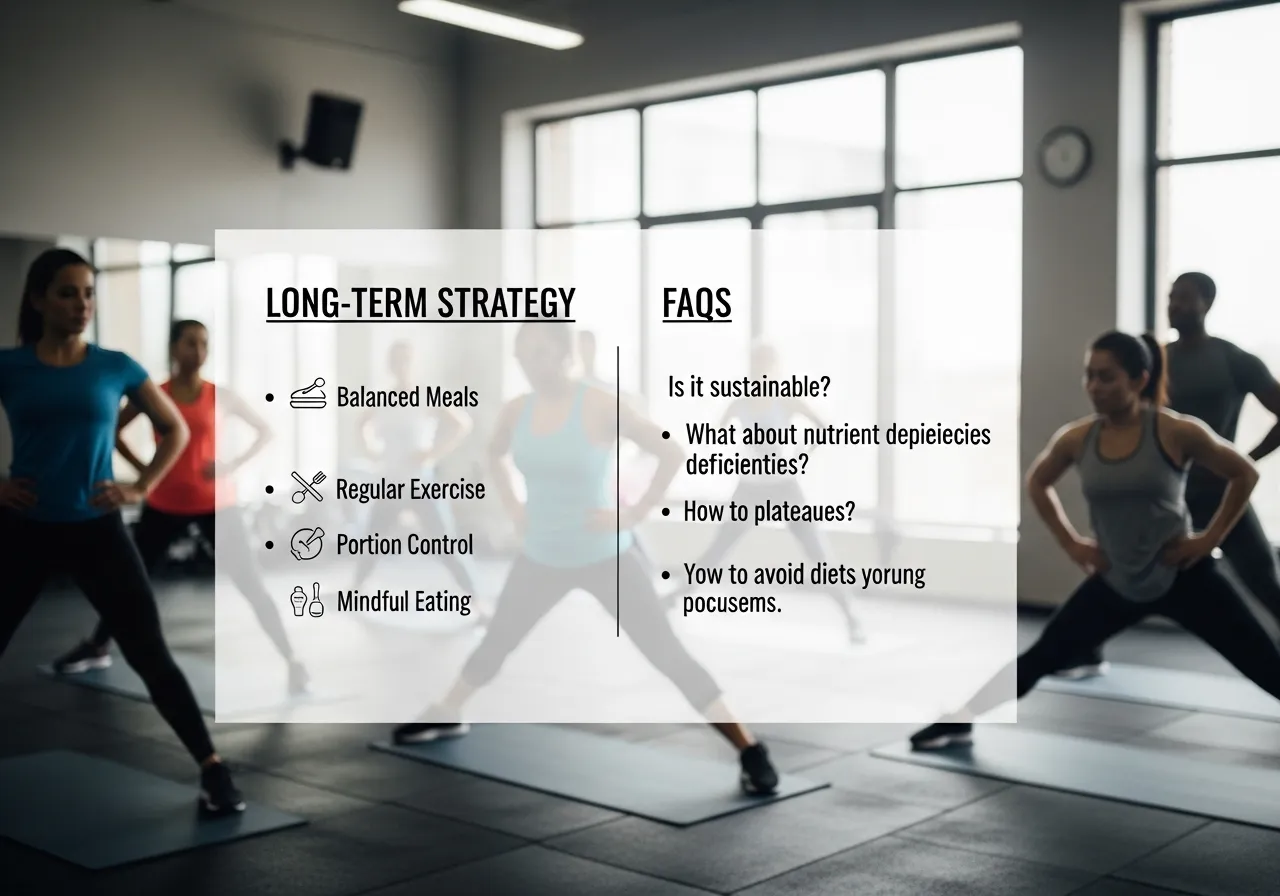
6. Sustainable Low-Calorie Eating: Long-Term Strategy and FAQs
The greatest challenge of low-calorie eating is not the initial weeks — motivation, novelty, and visible early results carry most people through the first 4–6 weeks without significant difficulty. The real test is sustainability across months: maintaining the eating patterns that produce fat loss after the initial motivation has normalized, the early results have slowed, and the dietary discipline that felt manageable short-term begins to accumulate psychological cost. The strategies in this section address the long-term sustainability dimension that most nutrition advice ignores — providing the framework for the 6–12 month fat loss phase that produces the significant, lasting body composition transformation that shorter attempts cannot achieve.
Metabolic Adaptation: Understanding and Managing the Plateau
After 4–8 weeks of consistent caloric restriction, the body’s metabolic rate adapts downward — reducing energy expenditure in response to the reduced caloric intake through several mechanisms. The four components of metabolic adaptation: reduced resting metabolic rate (the thyroid hormones T3 and T4 decrease, reducing the basal metabolic rate by 5–15% within 4 weeks of significant restriction); reduced thermic effect of food (less food consumed means less metabolic cost of food processing); reduced NEAT (non-exercise activity thermogenesis — the spontaneous physical activity of fidgeting, standing, and incidental movement decreases as the body conserves energy); and potentially reduced exercise efficiency (metabolic adaptations reduce the energy cost of standardized exercise, producing fewer calories burned per workout). The combined effect of these adaptations — collectively referred to as adaptive thermogenesis — can reduce total daily energy expenditure by 15–20% below what the initial caloric deficit calculation predicted, explaining the fat loss plateau that most dieters experience after the initial weeks of linear progress. Managing metabolic adaptation: periodic diet breaks (returning to maintenance calories for 1–2 weeks every 6–8 weeks of restriction) partially reverse the metabolic adaptations by restoring the hormone levels (leptin, T3, T4, testosterone) that restriction suppresses. Research on diet breaks versus continuous restriction finds that alternating restriction and maintenance phases produces comparable fat loss to continuous restriction over the same timeframe — with significantly better maintenance of metabolic rate, lean mass preservation, and subjective wellbeing. The diet break is not a failure of dietary adherence — it is a planned recovery phase built into the fat loss program that prevents the accumulating metabolic, hormonal, and psychological cost of prolonged continuous restriction.
Protein Intake for Muscle Preservation During Fat Loss
Caloric restriction without adequate protein intake produces fat loss accompanied by significant muscle loss — the body catabolizes muscle protein to supplement the amino acid supply that insufficient dietary protein fails to provide when caloric deficit reduces total amino acid availability. The research on protein requirements during caloric restriction consistently identifies 1.8–2.4g per kg of body weight as the target range for maximizing lean mass preservation during fat loss phases — significantly higher than the 0.8g/kg recommended dietary allowance for sedentary individuals, and higher than the 1.6g/kg that is sufficient for lean mass gains during maintenance or slight caloric surplus. The higher protein requirement during restriction reflects the protein-sparing role of abundant dietary amino acids: when amino acid supply is sufficient, the body prioritizes dietary amino acids for tissue synthesis and energy production, reducing the catabolism of muscle protein that energy deficit otherwise drives. The practical target: for a 75kg athlete in a fat loss phase, 135–180g of daily protein. Achieving this target from the low-calorie, high-satiety foods described in this article: 3 eggs at breakfast (18g), 150g chicken breast at lunch (47g), 200g Greek yogurt as a snack (20g), 180g salmon at dinner (37g) = 122g from meals, supplemented by 1–2 protein shakes (25g each) to reach the 135–180g target. The protein distribution principle applies equally during fat loss: distributing the protein across 3–4 meals and snacks produces higher 24-hour muscle protein synthesis rates than consuming the same total protein in 1–2 large meals — maintaining the anabolic signaling that preserves muscle mass through the caloric deficit period. From American Journal of Clinical Nutrition on protein during weight loss, high protein intake during caloric restriction preserves lean mass and produces superior body composition outcomes — more fat lost and more muscle retained — compared to lower-protein restriction at the same caloric deficit.
Psychological Sustainability: Avoiding Restriction Fatigue
Dietary restriction produces psychological costs alongside its physiological ones — the preoccupation with food, the social limitations, the reduced spontaneity around eating, and the sustained self-discipline that prolonged caloric deficit requires accumulate into the “restriction fatigue” that eventually overwhelms even genuinely motivated athletes. Managing the psychological cost of low-calorie eating is as important as managing the physiological aspects for long-term sustainability. The cognitive flexibility principle: categorizing foods as “allowed” and “forbidden” — the binary restriction approach that most diets employ — reliably produces the psychological reactance and eventual binge eating that violation of the “forbidden” rule triggers. Research on flexible versus rigid dietary restraint consistently finds that flexible dieters (who incorporate preferred foods in moderate quantities within caloric targets) maintain their dietary patterns significantly longer than rigid dieters (who employ strict food exclusions) and achieve better long-term weight management outcomes. The practical implementation: build planned indulgences into the weekly caloric budget — a single meal per week where caloric targets are not the primary concern — and approach these meals with the specific intention of genuine enjoyment rather than guilty consumption. The planned indulgence meal serves multiple functions: it breaks the restriction monotony that produces restriction fatigue; it provides the social eating flexibility that prevents diet-driven social isolation; and it reinforces the overall dietary control by demonstrating that a single flexible meal does not derail the fat loss trajectory that the other 20+ meals of the week maintain. The identity framework for sustainable restriction: approaching low-calorie eating as “how I eat” rather than “what I’m doing until I lose weight” produces the identity-based behavioral sustainability that outcome-focused restriction cannot maintain. The athlete who identifies as someone who eats protein-first, vegetable-abundant, whole-food meals is not restricting — they are expressing their dietary identity — and this identity expression requires far less willpower to maintain than the “I’m on a diet” framing that most fat loss phases employ.
Exercise and Low-Calorie Eating: The Synergy
The combination of caloric restriction and resistance training produces superior body composition outcomes to either approach alone — not simply additive benefits, but synergistic improvement in the fat-to-muscle ratio of weight change. Resistance training during caloric restriction preserves lean mass through the muscle protein synthesis stimulus that training provides — signaling to the body that muscle mass is functionally necessary and must be maintained despite the energy deficit. Research comparing resistance training versus aerobic training versus no exercise during caloric restriction consistently finds that resistance training produces the best lean mass preservation and the best body composition outcome (fat-to-muscle ratio of weight change) — even though aerobic training produces more total energy expenditure per session. The resistance training signal for lean mass preservation requires only a maintenance-level stimulus during fat loss — the 3 sets of 3–5 exercises, 3 times per week that prevents detraining is sufficient for most athletes; the effort-per-set maintained at near-failure (2 reps in reserve maximum) ensures the signal is adequate even if total volume is reduced from the building phase. Nutritional timing around training during caloric restriction: ensuring that the largest protein serving of the day occurs within the 3-hour post-training window — when muscle protein synthesis is most elevated and amino acid availability is most critical — maximizes the lean mass preservation return on each training session. The pre-training meal should contain sufficient carbohydrates to support training quality (30–50g for a 45–60 minute session) without excessive total calories — a banana and Greek yogurt 60–90 minutes before training (approximately 200 calories, 20g protein, 30g carbohydrates) provides the training fuel that maintains session quality within the overall caloric target.
Frequently Asked Questions About Low-Calorie Eating
How low should I go with calories? The evidence-supported range is 500–700 calories below total daily energy expenditure (TDEE) for sustainable fat loss of 0.5–0.75kg per week. Deficits above 1,000 calories accelerate fat loss short-term but increase muscle loss, metabolic adaptation, and restriction fatigue that make the deeper deficit less effective over the full fat loss period. Will eating low-calorie slow my metabolism permanently? Metabolic adaptation during caloric restriction is real but reversible — returning to maintenance calories for 1–2 weeks reverses most of the adaptation. There is no permanent metabolic damage from caloric restriction in healthy individuals, despite common claims to the contrary. Can I build muscle while eating low-calorie? True simultaneous muscle building and fat loss (body recomposition) is possible for beginners, those returning after a break, and individuals with significant fat reserves — but becomes increasingly difficult for experienced lean athletes. For most intermediate athletes in a caloric deficit, the goal is lean mass preservation (not building) while maximizing fat loss. How do I handle cravings? Address the specific craving with the smallest satisfying portion of the craved food rather than attempting to suppress the craving with compliant alternatives. Research on craving management finds that small portions of the craved food produce faster craving resolution than avoidance or substitution attempts. The 3-bite rule — three deliberate, mindful bites of the craved food with full attention to the sensory experience — frequently provides sufficient sensory satisfaction to resolve the craving with minimal caloric impact. Are artificial sweeteners helpful or harmful? The current evidence on artificial sweeteners in dietary management finds them generally neutral to mildly helpful for caloric reduction — they reduce the caloric content of sweetened beverages and foods without the harm that early rodent studies suggested at dramatically higher doses. For athletes who find that sweet taste without caloric consequence helps them maintain caloric targets without feeling deprived, artificial sweeteners are a reasonable tool. Athletes who find that sweet-tasting low-calorie foods increase cravings and total food intake should avoid them. How do I maintain fat loss after reaching my goal? The transition from fat loss to maintenance requires gradually increasing calories over 4–8 weeks (adding 100 calories per week) rather than immediately returning to full maintenance intake — allowing the metabolic adaptations from restriction to reverse as caloric intake rises, and establishing the new maintenance intake that accounts for the changed body weight before fully releasing caloric tracking. Maintaining the food habits and meal structures developed during the fat loss phase — protein-first meals, vegetable-dominant plates, regular meal timing — provides the behavioral continuity that prevents the rapid regain that abandoning all dietary structure at goal weight produces.
Building a Lifelong Relationship With Food: Beyond the Diet
The ultimate purpose of understanding low-calorie, high-satiety eating is not to provide a temporary dietary strategy for a specific fat loss goal — it is to build the lasting food relationship and nutritional intelligence that supports health, performance, and wellbeing across decades of athletic life. Diets that are “done” when the goal is reached and abandoned when the goal is achieved produce the yo-yo weight cycling that characterizes the experience of most people who pursue fat loss — the goal weight achieved, the restriction ended, the old habits resumed, the weight regained, and the cycle repeated. The alternative is the nutritional lifestyle shift that incorporates the principles of satiety-optimized, protein-adequate, vegetable-abundant eating as the default dietary pattern — not a temporary imposition of restriction but a genuine preference for the foods and meals that make the body feel good, perform well, and maintain the health and composition that athletic life requires. The journey from “dieting” to “how I eat” typically requires 3–6 months of consistent application — the period over which the high-satiety foods become genuinely preferred, the meal templates become habitual rather than effortful, and the eating pattern that once felt like discipline becomes the eating pattern that feels most natural and satisfying. Invest in this transition, and the low-calorie eating challenge that motivates reading this article becomes the last “diet” ever needed — replaced by the sustainable, enjoyable nutritional practice that maintains the body composition and health that the diet set out to achieve.