How Much Fat Should You Eat on a Fitness Diet?
1. Why Fat Is Essential: The Science Behind Dietary Fat and Health
Dietary fat spent decades as the nutritional villain — the macronutrient blamed for heart disease, obesity, and poor athletic performance, and systematically removed from the low-fat foods that the 1980s and 1990s food industry promoted as the solution to these health crises. The low-fat era produced a remarkable dietary experiment: Americans reduced dietary fat intake, increased carbohydrate intake (often from refined sources that replaced the removed fat), and obesity rates doubled. The fat hypothesis was wrong — not because fat is without risk in any quantity or type, but because dietary fat is a heterogeneous category encompassing essential nutrients, neutral energy sources, and genuinely harmful forms in a single macronutrient label that the “fat is bad” narrative treated as uniform. Understanding dietary fat correctly — distinguishing the types, understanding their biological roles, and determining the quantities appropriate for fitness goals — is the foundation of the nutrition literacy that optimal athletic performance and body composition management require.
The Four Types of Dietary Fat: What Each Does
Dietary fats are classified by their chemical structure into four primary categories, each with distinct biological effects. Saturated fatty acids (SFAs) — found in animal products (butter, cheese, red meat), coconut oil, and palm oil — have all carbon-carbon bonds saturated with hydrogen atoms, producing the solid-at-room-temperature texture characteristic of these foods. SFAs raise LDL cholesterol in most people (particularly the large, buoyant LDL particles rather than the small, dense particles most associated with atherosclerosis) but also raise HDL cholesterol, producing a mixed lipid profile effect whose net cardiovascular impact remains debated. Current evidence suggests that replacing SFAs with unsaturated fats improves cardiovascular risk markers, while replacing SFAs with refined carbohydrates produces no cardiovascular benefit. The practical guidance for athletes: moderate SFA intake (10% or less of total calories) is supported by evidence, with the food matrix context (dairy SFAs appear less harmful than processed meat SFAs in research comparisons) mattering more than SFA content alone. Monounsaturated fatty acids (MUFAs) — found in olive oil, avocados, almonds, and cashews — have one carbon-carbon double bond. MUFAs improve LDL and HDL profiles, reduce inflammation, and are associated in population research with the cardiovascular health outcomes of Mediterranean-style diets. Athletes can consume MUFAs liberally within their caloric budget — olive oil, avocados, and mixed nuts are nutritionally excellent fat sources that provide MUFAs alongside fat-soluble vitamins, antioxidants, and micronutrients that pure fat sources lack. Polyunsaturated fatty acids (PUFAs) — found in fatty fish, walnuts, flaxseed (omega-3 PUFAs) and vegetable oils, seeds (omega-6 PUFAs) — have multiple carbon-carbon double bonds and include the essential fatty acids that human metabolism cannot synthesize. The omega-3 fatty acids EPA and DHA from fatty fish are the most studied PUFAs for athletic performance — reducing exercise-induced inflammation, improving heart rate variability, supporting brain function, and potentially improving muscle protein synthesis rates. Trans fatty acids — artificially produced through partial hydrogenation of vegetable oils (found in industrial processed foods) or naturally occurring in small amounts in ruminant animal fats — are the genuinely harmful dietary fat category. Artificial trans fats simultaneously raise LDL cholesterol and lower HDL cholesterol, maximally worsening the atherogenic lipid profile, and are associated with dramatically elevated cardiovascular disease risk at even small intakes. Most countries have banned or severely restricted industrial trans fat use — athletes should check ingredient labels for “partially hydrogenated” oils as the marker for artificial trans fat presence.
The Essential Functions of Dietary Fat
Fat is not merely an energy source — it performs critical biological functions that make it genuinely essential (in the technical sense: inadequate intake produces measurable physiological deficits) rather than merely palatable. The essential functions: fat-soluble vitamin absorption (vitamins A, D, E, and K require dietary fat for absorption in the small intestine — athletes eating extremely low-fat diets are at risk for fat-soluble vitamin deficiency even with adequate intake of vitamin-rich foods, because the absorption requires the fat-containing meal context that ultra-low-fat diets eliminate); cell membrane structure (all cell membranes are phospholipid bilayers — the phospholipid composition, influenced by dietary fat types, determines membrane fluidity, receptor function, and the inflammatory signaling that exercise recovery depends on); hormone production (steroid hormones — testosterone, estrogen, cortisol, and vitamin D, a technically a hormone — are synthesized from cholesterol, which is produced from dietary fat and body fat stores; athletes with severely restricted fat intake consistently show reduced testosterone and estrogen levels that impair recovery, libido, mood, and body composition); nervous system function (myelin — the insulating sheath surrounding nerve fibers that determines neural conduction speed — is predominantly fat; adequate dietary fat supports the neural function that athletic coordination and reaction time require); and inflammation regulation (the balance between omega-6 and omega-3 fatty acids in cell membranes determines the ratio of pro-inflammatory to anti-inflammatory eicosanoids produced during exercise — athletes with appropriate omega-3 intake experience less post-exercise inflammation and faster recovery than those with high omega-6 to omega-3 ratios). From the American Journal of Clinical Nutrition on dietary fat and health, fat intake below 20% of total calories is associated with the hormonal disruptions and fat-soluble vitamin absorption deficits that impair athletic performance and health — establishing the lower bound of fat intake for performance-oriented athletes.
The History of Fat Fear and Why It Was Wrong
The low-fat dietary guidelines that dominated nutritional policy from the late 1970s through the early 2000s were based on the diet-heart hypothesis — the proposition that dietary saturated fat raised blood cholesterol, which caused atherosclerosis and heart disease. The hypothesis was supported by the Seven Countries Study (Ancel Keys, 1970) and subsequently adopted as dietary policy before the full evidentiary base for such a population-wide recommendation was established. The confounders that subsequent research revealed: the countries included in Keys’s analysis were selected non-randomly in a way that confirmed the hypothesis; the studies that controlled for dietary context found that the food matrix (the full nutritional package of a food, not just its SFA content) strongly modified the health effect of SFAs; and the dietary replacement for removed fat in the low-fat dietary pattern — refined carbohydrates — produced metabolic consequences (insulin resistance, triglyceride elevation, HDL reduction) that worsened rather than improved the cardiovascular risk profiles the dietary change was intended to address. The subsequent decades of nutrition research have substantially revised the fat-health hypothesis: healthy dietary fat types (MUFAs, omega-3 PUFAs) are now recognized as cardiovascular and metabolic health protective; the specific food context of SFAs (full-fat dairy appears metabolically neutral to beneficial in population research; processed meat SFAs appear harmful) matters more than SFA content alone; and the carbohydrate quality of the diet is as important a cardiovascular risk determinant as fat type. Athletes and fitness enthusiasts who still apply 1980s low-fat dietary principles are applying superseded nutritional science that impairs both their health and their performance relative to the current evidence-based approach.
Dietary Fat and Cognitive Performance: The Brain-Fat Connection
The brain is approximately 60% fat by dry weight — the most fat-dense organ in the body, with a specific requirement for the long-chain polyunsaturated fatty acids (particularly DHA) that dietary fat provides and that the brain cannot synthesize in sufficient quantities from other substrates. DHA (docosahexaenoic acid) constitutes approximately 30–40% of the fatty acids in brain grey matter — incorporated into the phospholipid membranes of neurons where it determines membrane fluidity, receptor function, and the synaptic transmission efficiency that cognitive performance depends on. Athletes pursuing body composition goals that involve aggressive fat restriction or ketogenic manipulation risk impacting the dietary DHA supply that brain function requires — the brain prioritizes DHA retention over other organs, but chronic dietary DHA deficiency (from either very low-fat diets that restrict all fat sources or very low omega-3 diets that eliminate the marine sources of preformed DHA) produces measurable cognitive performance impairment that training and competition performance suffer from. The practical guidance: regardless of the overall fat intake approach, maintaining 2–3g per day of EPA+DHA through fatty fish or supplementation ensures the specific fatty acid supply that brain and nervous system function requires — and given the cognitive demands of tactical sports, coordination-dependent training, and the mental performance that high-level competition requires, this specific fatty acid target is not a nutritional luxury but a performance necessity. The cognitive benefits of adequate omega-3 intake in athletes: research in military populations and team sport athletes finds that omega-3 supplementation improves reaction time, sustained attention, and working memory — cognitive capacities that directly translate to athletic decision-making and performance under pressure.
Fat and Immune Function: The Recovery Connection
The relationship between dietary fat and immune function has practical athletic significance — athletes training at high volumes are at elevated risk for upper respiratory tract infections (URTI) that disrupt training continuity, and immune function is significantly influenced by both total fat intake and specific fatty acid intake. Omega-3 fatty acids (EPA and DHA) modulate immune function through their incorporation into immune cell membranes and their role as precursors to the resolvin and protectin family of immune-regulatory lipid mediators that resolve inflammation and restore immune homeostasis after the training-induced immune suppression that high-volume exercise produces. Athletes with adequate omega-3 intake demonstrate faster resolution of exercise-induced inflammation, lower post-exercise cortisol elevations, and reduced incidence of URTI compared to those with low omega-3 status in controlled studies. The fat-soluble vitamins provided by dietary fat sources similarly support immune function: vitamin D (from fatty fish, egg yolks, and fortified foods) is an immune-modulating hormone that deficiency (extremely common in athletes training primarily indoors or in low-sunlight climates) impairs the adaptive and innate immune responses that infection resistance requires; vitamin E (from olive oil, almonds, and avocados) is an antioxidant that protects immune cell membranes from the oxidative stress that both training and infection produce; and vitamin A (from egg yolks, liver, and orange-yellow vegetables) supports the mucosal immune barriers that are the first line of defense against respiratory infection. Athletes who restrict dietary fat severely during intense training blocks — the high-training-volume periods when immune function is most compromised by training stress — are compounding the immune suppression of high-volume training with the nutritional deficits that inadequate fat-soluble vitamin intake produces, creating the conditions for the training-disrupting illness that careful nutritional management can substantially reduce.
The fat science reviewed here represents decades of nutritional research — apply it with confidence, knowing that the evidence base supporting these recommendations is among the most robust in sports nutrition. Eat fat wisely, perform better.
2. How Much Fat Should You Eat? Calculating Your Personal Target
The optimal fat intake for an athlete depends on total caloric intake, training demands, body composition goals, and individual metabolic factors — making a single universal recommendation impossible and a personalized calculation necessary. The frameworks in this section provide the calculation methodology for determining individual fat intake targets across different training and body composition phases.
The Percentage-Based Fat Intake Framework
The most widely used fat intake guideline for athletes: consume 20–35% of total daily calories from fat. This range accommodates the variation in individual caloric intake (higher calorie intakes require the lower percentage to maintain appropriate absolute fat quantities; lower calorie intakes require the higher percentage to meet minimum essential functions), body composition goals (fat loss phases may use the lower end of the range to create caloric deficit without sacrificing protein; maintenance and gaining phases use the middle to upper range), and personal dietary preference and food culture (Mediterranean-style diets naturally produce fat intakes at 35–40% of calories from the olive oil, nuts, and fatty fish that characterize the dietary pattern). The calculation: if total daily caloric intake is 2,400 calories and target fat intake is 25% of calories, fat intake target = 2,400 × 0.25 = 600 calories from fat ÷ 9 (calories per gram of fat) = 67g of dietary fat per day. The range at this caloric intake: 53g (20%) to 93g (35%). For most recreational athletes training 4–5 times per week at 2,400 calories, 70–85g of daily fat provides the essential functions, hormonal support, and training performance support without encroaching on the protein and carbohydrate intake that training adaptation requires. From Journal of the International Society of Sports Nutrition on athlete nutrition, the minimum fat intake for maintaining testosterone and estrogen production in training athletes is approximately 20% of total calories — dropping below this threshold consistently produces hormonal disruption that impairs recovery, body composition, and reproductive health.
Gram-Based Fat Targets by Body Weight
An alternative fat intake calculation that does not require knowing total caloric intake: target 0.8–1.2g of fat per kilogram of body weight per day as the baseline for most athletes. This range provides: adequate fat for fat-soluble vitamin absorption; sufficient cholesterol precursor for steroid hormone synthesis; and appropriate cell membrane phospholipid composition for recovery and neural function. For an 80kg athlete, the range is 64–96g of daily fat — consistent with the 20–35% of calories framework at moderate caloric intakes. The body weight-based calculation is particularly useful for athletes whose caloric intake varies significantly day-to-day (higher intake on training days, lower on rest days) but who want consistent fat intake across the week for hormonal stability — the gram target remains constant even as total calories fluctuate with training demand. Athletes in cutting phases (caloric deficit for fat loss) should maintain fat intake at the 0.8g/kg minimum rather than reducing fat proportionally with total caloric reduction — the hormonal support and fat-soluble vitamin absorption that fat provides are not reduced in requirement during caloric restriction, and fat reduction below the minimum produces the hormonal disruption that impairs the very fat loss and lean mass preservation that the cutting phase is intended to achieve.
Adjusting Fat Intake for Different Body Composition Goals
Fat intake targets shift across different body composition phases — the bulking, cutting, and maintenance phases that most athletes cycle through across their training year require different macronutrient distributions that affect the appropriate fat intake for each. Maintenance phase: 25–30% of calories from fat provides hormonal support, palatability, and caloric balance without either restricting essential fat functions or displacing protein and carbohydrates from the macronutrient distribution. Bulking phase (caloric surplus for muscle gain): fat intake can remain at 25–30% of calories, with the caloric surplus provided by carbohydrates (which are more efficiently stored as muscle glycogen for training performance) rather than fat. Alternatively, some athletes prefer a higher-fat approach to caloric surplus (fat provides 9 cal/g versus 4 cal/g for protein and carbohydrates, making it calorie-dense and easy to add to meals) — this is metabolically acceptable but less optimal for training performance than a carbohydrate-dominant surplus. Cutting phase (caloric deficit for fat loss): maintain fat at 0.8g/kg minimum (approximately 20% of calories at moderate total intake) and direct the caloric reduction from carbohydrates and fat proportionally, prioritizing protein at 2.0–2.4g/kg to maximize lean mass preservation. The cutting phase fat minimum is the most commonly violated fat guideline in athletes pursuing aggressive fat loss — the temptation to reduce all calorie-containing macronutrients proportionally produces fat intakes below 0.5g/kg in athletes at aggressive deficits, producing the hormonal disruption, fat-soluble vitamin deficiency, and training performance impairment that the cutting phase is not worth producing.
Omega-3 Supplementation: The Special Case
The omega-3 fatty acids EPA and DHA from marine sources (fatty fish, fish oil, algae oil) have sufficient evidence for specific athletic performance benefits — reduced exercise-induced inflammation, improved heart rate variability, potential muscle protein synthesis enhancement — that they warrant specific intake targets beyond the general fat intake calculation. The target for athletes: 2–3g per day of combined EPA and DHA from whole food sources (fatty fish 3+ times per week) or supplementation (fish oil or algae-based omega-3 capsules). This specific EPA+DHA target is separate from the general fat intake calculation — meeting the general fat target from MUFAs and omega-6 PUFAs without including adequate EPA+DHA is insufficient for the specific anti-inflammatory and recovery benefits that omega-3s provide. The omega-6 to omega-3 ratio: the modern western diet provides an omega-6 to omega-3 ratio of approximately 15:1 to 20:1 — far from the 4:1 to 1:1 ratio at which research finds optimal inflammatory balance. Reducing omega-6 intake (by reducing vegetable oil use in cooking) and increasing omega-3 intake (fatty fish, fish oil) moves this ratio toward the anti-inflammatory range — a dietary modification with profound implications for recovery, joint health, cardiovascular function, and cognitive performance that the general fat intake guideline does not capture.
Fat and Joint Health: The Lubrication and Inflammation Connection
Joint health — the maintenance of cartilage integrity, synovial fluid viscosity, and the inflammatory balance that prevents the chronic joint inflammation that degrades cartilage over training careers — is directly influenced by dietary fat intake in ways that most athletes overlook until joint problems begin demanding attention. Synovial fluid — the viscous fluid that lubricates and nourishes articular cartilage — contains phospholipids (fat-based compounds) that contribute to its lubricating properties; adequate dietary fat intake supports the phospholipid synthesis that optimal synovial fluid composition requires. The omega-6 to omega-3 fatty acid ratio in cellular membranes determines the balance of eicosanoids produced during joint stress — high omega-6 to omega-3 ratios (the western dietary pattern default of 15:1 to 20:1) favor the production of pro-inflammatory prostaglandins and leukotrienes that drive the chronic low-grade joint inflammation that training-accumulated joint stress produces; correcting this ratio toward 4:1 or lower through increased omega-3 intake shifts eicosanoid production toward the anti-inflammatory prostaglandins and resolvins that protect against inflammation-driven cartilage degradation. Athletes with a history of joint pain, inflammatory conditions (tendinopathy, bursitis, early osteoarthritis), or high-volume training in impact sports (running, team sports) should treat the 2–3g daily EPA+DHA target not as an optional performance enhancement but as a joint health maintenance requirement — the evidence for omega-3 supplementation in reducing joint pain, improving joint function, and slowing cartilage degradation in inflammatory joint conditions is among the most robust in the sports nutrition literature.
Dairy Fat: The Research Revision Worth Knowing
Dairy fat — the saturated fat in whole milk, cheese, butter, and full-fat yogurt — was systematically removed from dietary recommendations during the low-fat era based on its saturated fat content and the assumption that all saturated fat equivalently elevates cardiovascular risk. The subsequent research has produced a substantial revision of this recommendation: multiple large prospective cohort studies find that full-fat dairy consumption is neutral to protective for cardiovascular disease risk, metabolic syndrome, and type 2 diabetes — results that are inconsistent with the predicted harmful effect of saturated fat from mechanistic theory. The food matrix explanation: dairy fat is packaged with calcium, potassium, phosphorus, vitamin D, conjugated linoleic acid (CLA), and branched-chain amino acids in a matrix whose overall metabolic effect differs from isolated saturated fat. The calcium in dairy fat appears to bind some dietary fat in the gut and reduce its absorption; the CLA in dairy fat has anti-inflammatory and potentially body-composition-supporting effects; and the fermentation in yogurt and cheese modifies the metabolic impact of the food beyond what fat content alone predicts. The practical implication for athletes: choosing full-fat dairy over low-fat dairy is not a health compromise — the evidence supports full-fat dairy as a legitimate option within a balanced dietary fat intake, and the superior satiety, palatability, and fat-soluble vitamin delivery of full-fat dairy make it a reasonable preference over the artificially reduced-fat alternatives that the now-superseded low-fat dietary guidelines produced.
Make informed fat choices every day, and the cumulative benefit of evidence-based fat intake across weeks and months of training will manifest in the performance, body composition, and health outcomes that the right nutritional foundation produces. The research is clear and the guidance is actionable.
3. Best and Worst Fat Sources for Fitness: A Complete Guide
The quality of dietary fat sources — the micronutrient profiles, fatty acid compositions, and food matrix effects that different fat foods provide — varies as significantly as the quantity of fat intake. This section identifies the best fat sources for athletes and the fat-containing foods that impair rather than support fitness goals.
Top Fat Sources for Athletes
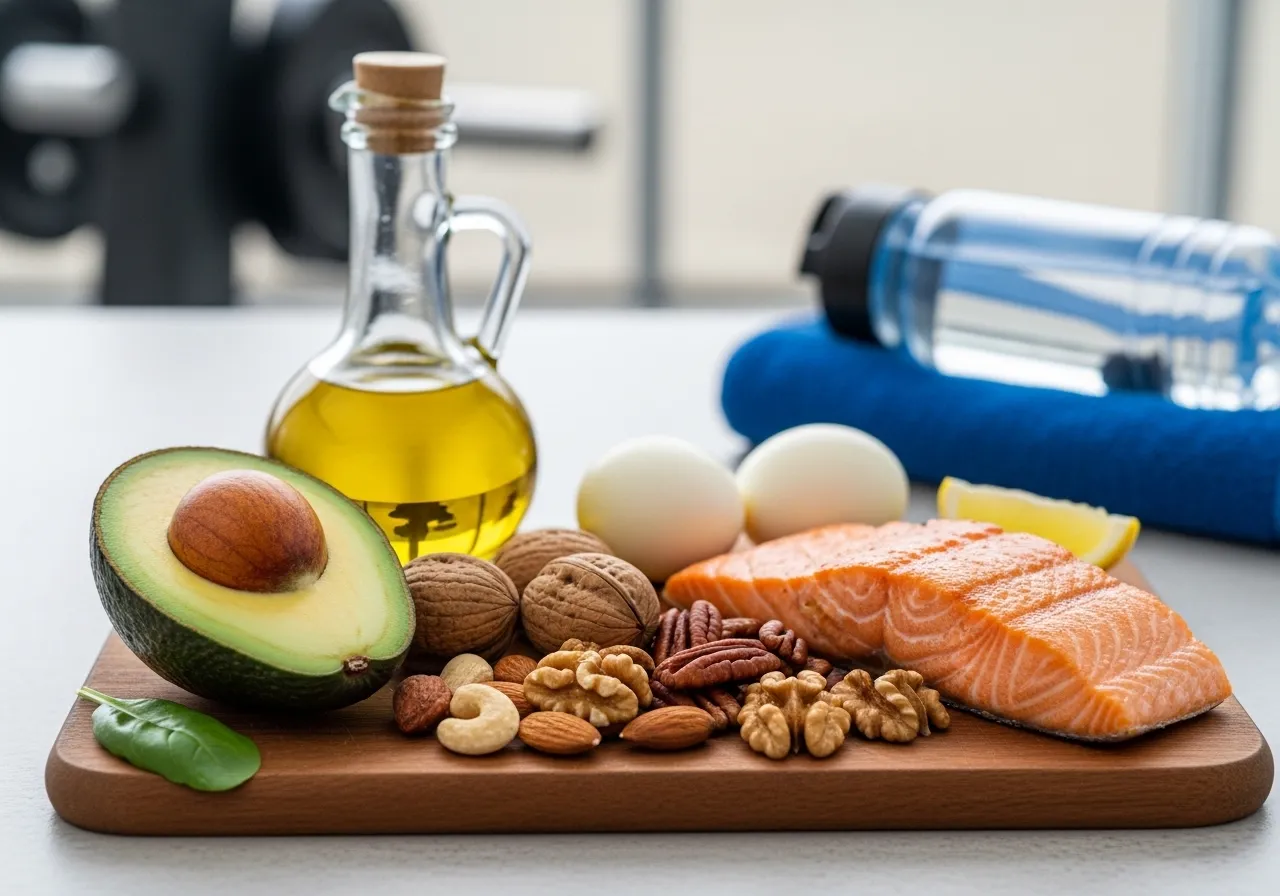
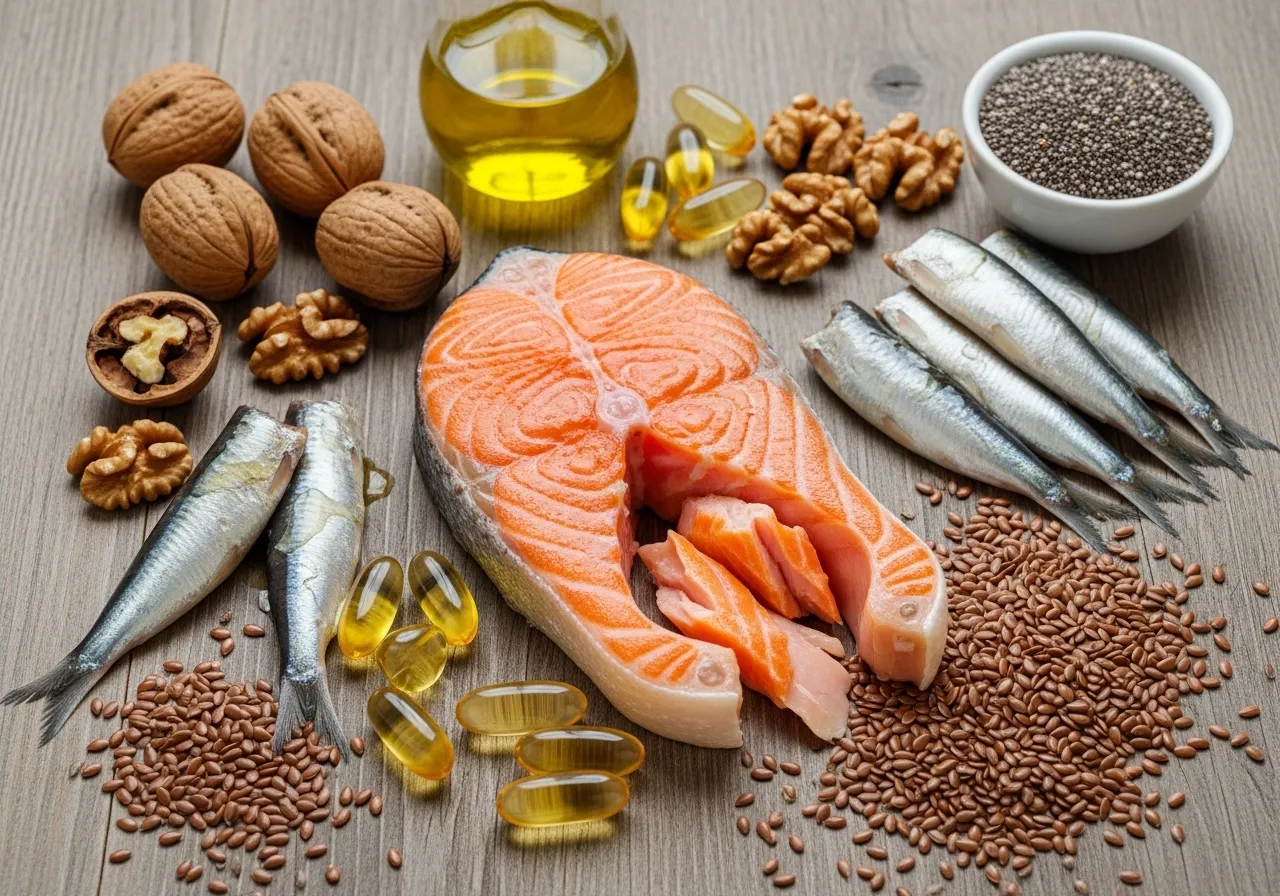
Olive oil (extra virgin): the gold standard fat source for general health and cooking — rich in oleic acid (the primary MUFA in the Mediterranean diet), polyphenols that reduce oxidative stress, and vitamin E. Extra virgin olive oil (cold-pressed, unrefined) provides the full polyphenol content that refined olive oil loses in processing. Use for cold applications (salad dressing, finishing) and low-to-medium heat cooking (sautéing) — the smoke point of extra virgin olive oil (190–207°C) is adequate for most stovetop cooking but not appropriate for high-heat frying. Avocados: the most micronutrient-dense fat source available, providing oleic acid, potassium (higher than bananas per serving), B vitamins, folate, vitamin K, and the carotenoids lutein and zeaxanthin that eye health requires. A medium avocado provides approximately 240 calories and 22g of fat — the monounsaturated fat profile and fiber content (10g per avocado) produce genuine satiety and glycemic stabilization that pure fat sources without fiber cannot match. Fatty fish (salmon, sardines, mackerel, herring): the only food category providing preformed EPA and DHA at meaningful concentrations — 2–3 servings per week provides the 2–3g daily EPA+DHA target without supplementation. Fatty fish additionally provide complete protein, selenium, iodine, and vitamin D — making them among the most nutritionally complete foods available. Eggs: the yolk provides the fat-soluble vitamins (A, D, E, K), phospholipids for cell membrane synthesis, and choline (125mg per egg yolk) for acetylcholine production and liver function. The cholesterol in egg yolks (186mg per egg) is now understood to minimally impact blood cholesterol in most individuals — the current evidence supports consuming 1–2 whole eggs per day as part of a healthy dietary pattern. From Harvard Nutrition Source on healthy fats, the food sources of fat matter as much as the fat quantity — whole food fat sources (avocados, nuts, olive oil, fatty fish) consistently produce better health outcomes in research than equivalent quantities of fat from processed and ultra-processed sources, even at similar fatty acid profiles.
Fat Sources to Limit or Avoid
Industrial trans fats (partially hydrogenated oils): found in some commercially fried foods, certain margarines, and processed baked goods — the only dietary fat with a truly dose-dependent harmful effect at any intake level. The evidence for cardiovascular harm is sufficient that most regulatory bodies have banned or severely restricted industrial trans fats — athletes should verify ingredient labels for “partially hydrogenated” oil presence and avoid these products entirely. Refined vegetable oils (soybean oil, corn oil, sunflower oil) in large quantities: while not acutely harmful, these oils are the primary dietary source of omega-6 linoleic acid, and their predominance in processed food cooking has driven the omega-6 to omega-3 ratio imbalance that characterizes the inflammatory western dietary pattern. Replacing refined vegetable oils with olive oil for home cooking dramatically improves the dietary fatty acid profile without reducing fat intake. Processed meat fat: the fat in processed meats (bacon, sausage, deli meat) is associated with cardiovascular and colorectal cancer risk in population research — the food matrix effect of processed meat (the nitrites, sodium, and preservative compounds that processing adds to the fat-containing meat) appears to modify the health effect of the saturated fat in a more harmful direction than the same SFA content from unprocessed sources. Limiting processed meat to occasional consumption and meeting protein and fat needs from less processed sources (eggs, poultry, fish, legumes, dairy) applies the food matrix understanding that macronutrient-only analysis misses.
Nuts and Seeds: The Athlete’s Portable Fat Source
Mixed nuts — almonds, walnuts, cashews, pecans, Brazil nuts — provide the concentrated combination of MUFAs, PUFAs (particularly ALA, the plant-based omega-3 precursor in walnuts), protein, fiber, micronutrients, and phytonutrients that make them one of the most research-supported snack foods for cardiovascular health and body composition management. The research on nut consumption consistently finds inverse associations between nut intake and cardiovascular disease risk, obesity, and metabolic syndrome — despite nuts being calorie-dense (160–200 calories per 30g serving). The satiety explanation for this apparent paradox: the combination of protein, fiber, and fat in nuts produces substantial satiety per calorie that moderate portions satisfy without driving overconsumption at subsequent meals. The practical caveat: portion control is essential — 30g of mixed nuts (a small handful) is the appropriate serving for most caloric budgets; eating from an open bag consistently leads to 60–90g servings that add 300–450 calories to the daily total, eroding the caloric deficit that body composition goals require. Pre-portioning nuts into individual containers (30g per container, prepared in advance) is the practical approach that maintains the health benefits while preventing the inadvertent overconsumption that open-bag snacking produces.
Reading Food Labels for Fat Content and Quality
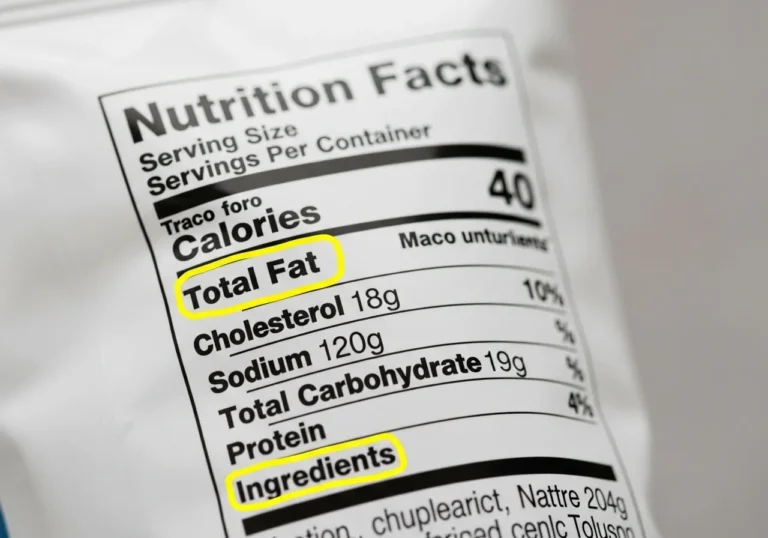
The nutritional label on packaged foods provides the fat information needed to manage daily intake — but reading it accurately requires understanding both what the label shows and what it omits. The label typically shows: total fat (in grams per serving); saturated fat (in grams — the category that remains relevant to cardiovascular health in excess); trans fat (in grams — should be zero; any non-zero value warrants avoiding the product); and sometimes polyunsaturated and monounsaturated fat (in grams — not required on all labels but present on many). What the label omits: omega-3 versus omega-6 fatty acid breakdown (relevant for assessing the anti-inflammatory quality of the fat); the specific fatty acid profile within saturated fat (which matters for health effect as discussed); and the food matrix effects that determine health impact beyond the isolated nutrient content. The practical label-reading approach: first check for trans fat (zero is required; if non-zero, avoid the product); check saturated fat against the 10% of daily calories limit (for 2,000 calorie intake, this is 22g per day; individual foods providing more than 8–10g per serving will approach this daily limit rapidly); and check total fat against the daily target to ensure the serving contributes appropriately to the day’s total without displacing other important fat sources. The ingredient list — not the nutrition facts panel — is where the specific fat quality information exists: “olive oil” versus “partially hydrogenated soybean oil” versus “palm oil” in the ingredient list reveals the fat quality that the nutrition facts panel cannot distinguish. Athletes who develop the habit of checking ingredient lists for fat source identification — in addition to the nutrient facts for quantity — develop the nutritional literacy that food label reading is intended to support.
Proper fat nutrition is a cornerstone of athletic excellence — treat it as such and your training will reflect the difference consistently and measurably across every phase of athletic development. Apply the principles now.

4. Dietary Fat and Athletic Performance: Timing and Application
Fat intake timing — when dietary fat is consumed relative to training — significantly affects both training performance and the recovery and adaptation that follows. The application of fat intake timing principles optimizes the training-nutrition interaction that maximizes the return on each training session.
Pre-Training Fat Intake: What to Avoid and Why
Fat is the macronutrient that most significantly slows gastric emptying — the rate at which the stomach contents move into the small intestine for absorption. A high-fat pre-training meal delays the absorption of the carbohydrates that training performance depends on, and can produce the gastrointestinal discomfort of exercising with a full, slowly digesting stomach. The pre-training fat guideline: limit fat intake to less than 15g in the 1–2 hours before training. This restriction applies specifically to the pre-training window — the rest of the day’s fat intake is not affected by this timing consideration. Practical pre-training meals that meet this guideline: banana and Greek yogurt (3g fat, 30g carbohydrates, 10g protein — consumed 60–90 minutes before training); oatmeal with berries (5g fat, 45g carbohydrates, 8g protein); rice cakes with honey and banana (2g fat, 40g carbohydrates — consumed 30–45 minutes before training for fast pre-workout fuel). The foods to avoid within 2 hours of training: avocados, nuts, nut butters, oils, cheese, and fatty meats — all providing fat quantities that significantly delay gastric emptying and may impair training session quality through both energy delivery delay and gastrointestinal discomfort during intense training.
Post-Training Fat Intake: The Recovery Window
The post-training recovery window — the 0–2 hour period after exercise when muscle glycogen resynthesis and muscle protein synthesis are most elevated — is best served by rapid carbohydrate and protein delivery, which fat intake slows. The post-training fat guideline: minimize fat intake in the first 30–60 minutes after training to optimize the recovery nutrient absorption that the training stimulus has upregulated. A post-training meal of grilled chicken breast, white rice, and steamed vegetables (low fat, high carbohydrate and protein) delivers recovery nutrients far more rapidly than the same meal with added avocado, dressing, and olive oil — and this delivery speed matters most during the first 2 hours of the recovery window. After the initial 2-hour recovery window, fat intake can resume normally — the subsequent meals of the day can include the full dietary fat allocation without impairing recovery. From PubMed research on fat and athletic performance, the peritraining (before and after training) fat minimization approach optimizes both training performance (adequate glycogen for the session) and recovery (rapid nutrient delivery after the session) without affecting total daily fat intake — the fat omitted from peritraining meals is redistributed to other meals of the day.
Fat-Adapted Training: The Ketogenic Approach for Athletes
The ketogenic diet — very high fat (65–75% of calories), very low carbohydrate (under 50g per day) — produces metabolic adaptation over 3–6 weeks that dramatically increases fat oxidation during exercise at the expense of carbohydrate oxidation. The rationale for athlete keto adaptation: the body stores far more energy as fat (80,000–100,000 calories in a lean athlete) than as glycogen (1,500–2,000 calories) — if fat oxidation can be upregulated sufficiently, the energy supply for endurance exercise becomes effectively unlimited. The research reality: fat adaptation does increase fat oxidation substantially, but also impairs carbohydrate oxidation through reduced pyruvate dehydrogenase activity — the enzyme that converts pyruvate (from glucose) to acetyl-CoA for the Krebs cycle. This impairment reduces the ability to generate ATP at the high rates that high-intensity exercise requires, producing the well-documented performance impairment at intensities above approximately 70% VO2max that fat-adapted athletes experience. The current evidence: ketogenic diets appear beneficial for ultra-endurance events (100+ mile runs, Ironman triathlon) where exercise intensity is chronically below 70% VO2max and fat oxidation capacity is the primary performance determinant; they appear detrimental for high-intensity sports (HIIT, CrossFit, team sports, strength training) where peak power output and high-intensity interval performance depend on the carbohydrate oxidation that keto adaptation impairs. For most recreational athletes whose training includes both high-intensity work and lower-intensity sessions, the conventional mixed diet (moderate fat, moderate-to-high carbohydrates) provides better overall performance support than fat adaptation.
Cooking Fats: Choosing the Right Oil for Each Application
The choice of cooking fat affects both the nutritional quality of the meal and the safety of the cooking fat itself — oils heated above their smoke point undergo oxidation that produces harmful compounds that are better avoided. The cooking fat selection guide: extra virgin olive oil (smoke point 190–207°C — suitable for sautéing, roasting at moderate temperatures, and cold applications); refined avocado oil (smoke point 270°C — the highest smoke point of common cooking oils, suitable for all cooking applications including high-heat searing and frying); refined coconut oil (smoke point 204°C — suitable for medium-heat cooking, with the characteristic flavour that suits certain cuisines); butter (smoke point 150°C — suitable only for low-heat cooking or finishing; ghee, with the milk solids removed, has a higher smoke point of 250°C); and refined olive oil (smoke point 240°C — lighter in flavor than extra virgin, suitable for higher-heat cooking when the polyphenol benefits of extra virgin are less relevant). The oils to avoid for cooking: unrefined flaxseed, walnut, and hemp oils are excellent for cold applications (rich in omega-3 ALA) but extremely heat-sensitive — heating them destroys the omega-3 content and produces oxidized fatty acids. Use these oils as finishing oils, in salad dressings, and in cold applications only, never for cooking.
Fat Intake for Vegetarian and Vegan Athletes
Vegetarian and vegan athletes face specific dietary fat challenges — the absence of fatty fish eliminates the most concentrated and bioavailable source of EPA and DHA, while plant-based diets rich in nuts, seeds, and plant oils can easily provide adequate total fat but with a fatty acid profile dominated by ALA (the plant omega-3 precursor) rather than the preformed EPA and DHA that marine sources provide. The ALA conversion efficiency to EPA and DHA is low — approximately 5–10% of ALA converts to EPA and less than 1% to DHA in most individuals — meaning that ALA-rich plant foods (walnuts, flaxseed, chia seeds, hemp seeds) do not adequately substitute for marine EPA and DHA for the purposes of anti-inflammatory effect, brain DHA maintenance, and cardiovascular benefit. The solution: algae-based omega-3 supplementation provides preformed EPA and DHA from the same microalgae that fish consume — delivering the same fatty acid forms as fish oil without animal-derived ingredients. Algae oil supplements are now widely available at 250–500mg DHA per capsule — achieving the 2–3g daily EPA+DHA target requires 4–12 capsules daily depending on the product, representing a higher supplementation burden than fish oil but the appropriate solution for plant-based athletes who prioritize complete omega-3 status alongside their ethical dietary choices. The total fat intake for plant-based athletes: avocados, olive oil, nuts, seeds, and coconut products provide generous fat quantities that easily meet the 0.8–1.2g/kg daily target — the primary fat concern for plant-based athletes is quality (EPA+DHA from algae supplementation) rather than quantity.
Long-Term Fat Intake and Athletic Aging
As athletes age, the role of dietary fat in health maintenance becomes increasingly important across several dimensions: bone health (vitamin D from fatty fish and egg yolks, and vitamin K2 from dairy and fermented foods, support the calcium metabolism and bone mineral density that aging-associated loss of estrogen and testosterone make progressively more important); cardiovascular health (omega-3 fatty acids’ antiplatelet, anti-inflammatory, and cardiac rhythm-stabilizing effects become more important as baseline cardiovascular risk increases with age); muscle preservation (the anabolic resistance of aging muscle — its reduced sensitivity to protein ingestion — is partially attenuated by omega-3 supplementation in older adults, according to research published in the American Journal of Clinical Nutrition); and cognitive aging (DHA adequacy supports the cognitive function that aging can impair, with observational studies finding lower rates of cognitive decline in older adults with higher DHA status). Masters athletes — those competing and training seriously beyond age 40 — should treat the 2–3g daily EPA+DHA target as a longevity investment rather than an optional performance supplement, and should ensure that their dietary fat sources provide the fat-soluble vitamins (particularly vitamin D and K) that aging-associated deficiency increasingly compromises. The athlete who maintains appropriate dietary fat intake across the full training career — beginning in the early training years with the performance optimization focus of this article and continuing into the master years with the added longevity dimension — provides their body with the consistent nutritional foundation that long-term athletic development and health maintenance both require. Fat is not the enemy; insufficient dietary knowledge about fat is — and this article provides the knowledge that allows athletes of any age to use dietary fat as the powerful performance and health tool that the evidence establishes it to be.
Invest in fat nutrition knowledge now, and your body will return that investment through superior performance, faster recovery, and better long-term health across every year of your athletic life.
5. Fat Loss vs. Fat Intake: The Common Misconceptions
The confusion between dietary fat (the fat in food) and body fat (the fat stored in adipose tissue) is one of the most persistent nutritional misconceptions — and the one most responsible for the counterproductive dietary strategies that athletes apply in pursuit of body composition improvement. Clarifying the relationship between dietary fat intake and body fat accumulation or loss is essential for making evidence-based nutritional decisions.
Eating Fat Does Not Cause Fat Gain
The belief that dietary fat directly converts to body fat — making fat-containing foods uniquely fattening — is physiologically incorrect. Body fat accumulation occurs when total caloric intake exceeds total caloric expenditure, regardless of the macronutrient source of the excess calories. Excess protein is converted to fat through gluconeogenesis and de novo lipogenesis; excess carbohydrates are converted to fat through hepatic de novo lipogenesis; and excess dietary fat is stored as triglycerides in adipose tissue. The macronutrient source of the caloric surplus does not determine whether fat gain occurs — only the presence and magnitude of the surplus does. The research on fat intake and body weight comprehensively confirms this: controlled studies comparing higher-fat diets and lower-fat diets at equivalent caloric intakes produce equivalent weight change. Low-carbohydrate, high-fat diets and low-fat, higher-carbohydrate diets produce equivalent fat loss when protein is matched and calories are controlled. The dietary fat myth that produces the greatest practical damage: athletes who add fat to their diet while maintaining a caloric surplus gain fat not because they added fat but because they added calories — and those who replace carbohydrates with fat at matched calories experience no change in fat balance despite dramatically changing dietary fat intake. The implication: fat intake decisions should be based on the health, hormonal, and performance functions that fat serves — not on the incorrect belief that dietary fat uniquely promotes fat storage.
Why Low-Fat Diets Often Fail for Fat Loss
Low-fat diets — despite their logical appeal (fat has more than twice the calories per gram of protein or carbohydrates) — produce inferior long-term fat loss outcomes in most comparative studies when compared to higher-fat alternatives at equivalent caloric restriction. The mechanisms for this counterintuitive finding: satiety impairment (fat significantly delays gastric emptying and stimulates cholecystokinin and PYY release — the satiety hormones that signal fullness; removing fat from the diet reduces these satiety signals and increases hunger at equivalent caloric intakes); palatability reduction (fat carries flavor and provides the mouthfeel satisfaction that many people find essential for dietary adherence; low-fat diets that sacrifice this palatability produce lower dietary adherence than moderately higher-fat alternatives at equivalent calories); hormonal disruption (fat intake below 20% of calories reduces testosterone and estrogen levels — the hormonal changes that impair lean mass preservation, recovery, mood, and motivation that fat loss phase compliance requires); and the refined carbohydrate replacement problem (removing fat from processed foods requires a replacement for the texture, moisture, and flavor that fat provides — food manufacturers typically replace it with refined carbohydrates and sugar, converting a low-fat food into a high-glycemic food that impairs the blood glucose regulation that satiety and metabolic health depend on). The superior fat loss approach: moderate fat (25–30% of calories), high protein (2.0–2.4g/kg), and carbohydrates providing the energy balance that the caloric deficit requires — maintaining satiety, hormonal function, and palatability while creating the deficit through total caloric management rather than macronutrient elimination. From Sports Medicine research on athlete nutrition strategies, the most sustainably effective dietary approach for fat loss in athletes is the one the athlete can maintain — and the evidence consistently favors moderate-fat, high-protein dietary patterns over low-fat alternatives for both physiological and behavioral sustainability.
The Hormonal Case for Adequate Fat During Fat Loss
The hormonal consequences of inadequate dietary fat during a caloric deficit represent the most frequently overlooked nutritional risk of aggressive fat loss approaches. When caloric intake is restricted while fat intake falls below the 0.8g/kg minimum, multiple hormonal systems are simultaneously disrupted: testosterone reduction (males in severe caloric restriction with very low fat intake show testosterone reductions of 20–40% in some studies — the hormonal state that impairs lean mass preservation, training motivation, and recovery quality); estrogen disruption in women (very low fat intake combined with caloric restriction is the nutritional context for the hypothalamic amenorrhea that the female athlete triad describes — menstrual cycle cessation from energy availability restriction that has profound bone health consequences); cortisol elevation (the stress hormone response to caloric and fat restriction elevates cortisol, which promotes muscle catabolism and abdominal fat deposition — the precise body composition outcome that the cutting phase attempts to prevent); and thyroid hormone reduction (T3 levels decrease with caloric restriction and fat restriction — reducing the metabolic rate that already decreases in response to caloric deficit through adaptive thermogenesis). Maintaining fat at 0.8–1.0g/kg during a cutting phase is not optional if preserving these hormonal functions is a priority — and for athletes whose body composition, performance, and long-term health matter, it is always a priority.
The evidence-based fat intake principles in this article — the type hierarchy (MUFAs and omega-3 PUFAs prioritized, refined omega-6 minimized, trans fats eliminated), the quantity targets (0.8–1.2g/kg body weight, 20–35% of total calories), the timing considerations (minimize peritraining, maintain daily minimum during cutting), and the food source priorities (whole food sources over extracted oils wherever possible) — provide the complete framework for making dietary fat decisions that support performance, body composition, and long-term health simultaneously. Apply these principles consistently, track fat intake for the first 4–6 weeks to calibrate intuition, and allow the accumulated evidence in this article to replace the outdated low-fat mythology that has impaired athlete nutrition for decades. Dietary fat, understood correctly and applied strategically, is not the enemy of the athletic body — it is one of its most important nutritional allies, and treating it as such is the decision that distinguishes the nutritionally sophisticated athlete from the one still applying the debunked dietary science of a previous era. The fat-informed athlete performs better and recovers faster.

6. Practical Fat Intake Strategies and FAQs
Translating the fat intake science into daily eating decisions — grocery shopping, meal preparation, restaurant choices, and the practical habits that maintain appropriate fat intake across weeks and months — requires the actionable strategies in this section.
Building Daily Meals With Correct Fat Intake
A practical daily fat intake template for an 80kg athlete targeting 80g of fat per day: breakfast (2 whole eggs scrambled in 1 tsp olive oil, with vegetables — approximately 17g fat); mid-morning snack (30g mixed nuts — 15g fat); lunch (150g salmon fillet, mixed salad with 1 tbsp olive oil dressing — 22g fat); pre-training snack (banana and Greek yogurt — 3g fat); post-training meal (150g chicken breast, 200g sweet potato, steamed broccoli — 5g fat); dinner (avocado half on a mixed grain bowl with vegetables — 12g fat). Daily total: approximately 74g fat — within the 80g target with room for minor additions. This template provides EPA+DHA from the salmon serving (approximately 2–3g), vitamin E from the olive oil and nuts, vitamin D and choline from the eggs, and the full spectrum of fat-soluble vitamins from the varied fat sources. The template demonstrates that meeting fat targets from whole food sources — rather than added oils and processed fats — provides the micronutrient co-benefits that extracted fat sources cannot. Adjusting for fat loss versus building phases: in a cutting phase, reduce the nuts portion to 15g and the avocado to a quarter — saving approximately 150 calories while maintaining essential fat functions. In a building phase, increase to 40g nuts and a full avocado — adding approximately 200 calories from high-quality fat sources that support the hormonal environment for muscle gain.
Tracking Fat Intake: Tools and Practical Approaches
Tracking dietary fat intake — at least for the first 4–6 weeks of applying evidence-based fat intake principles — develops the nutritional literacy that allows accurate estimation without ongoing tracking. The tracking approach: use a food diary app (Cronometer provides detailed fat-type breakdown including saturated, monounsaturated, polyunsaturated, omega-3, and omega-6 — more relevant for fat quality assessment than apps that only track total fat); log every meal for 2 weeks to establish baseline fat intake; assess against the targets in this article; and make targeted adjustments (add an olive oil drizzle if under target, replace a nut portion with lean protein if over target during a cutting phase). The fat tracking reveals the most common dietary fat errors: athletes who are over-consuming fat (adding oils and nuts to an already fat-sufficient diet from eggs, meat, and dairy) and those who are under-consuming (very lean meat and low-fat dairy dominant diets that consistently fall below the 0.8g/kg minimum). After 6 weeks of tracking and adjustment, most athletes develop the intuitive fat intake awareness that allows accurate estimation without daily logging — the awareness that 1 tablespoon of olive oil adds 14g of fat, 30g of almonds adds 15g, and an avocado adds 22g provides the mental model for rapid visual assessment of any meal’s fat content.
Frequently Asked Questions About Fat in Fitness Diets
Will eating more fat make me gain weight? Only if eating more fat increases total caloric intake above your maintenance level. Fat at 9 cal/g is calorie-dense — the same foods provide more calories in smaller volumes than protein or carbohydrate sources — requiring portion awareness. But matching fat intake to target grams within an overall caloric target produces no fat gain from the fat itself. Should I avoid fat before workouts? Limit fat to under 15g in the 1–2 hours before training to optimize gastric emptying speed and carbohydrate delivery. The rest of the day’s fat intake is unaffected by this peritraining consideration. Is the ketogenic diet effective for fat loss? Ketogenic diets produce fat loss at equivalent rates to other caloric restriction approaches when calories and protein are controlled — the initial rapid weight loss from keto is primarily from glycogen and associated water loss, not from superior fat oxidation. For most athletes who include high-intensity training, the conventional mixed diet with moderate fat supports training performance better than keto. How much omega-3 should I take? Target 2–3g per day of combined EPA and DHA from fatty fish (3+ servings per week) or fish oil supplementation. This specific EPA+DHA target supports the anti-inflammatory and recovery benefits documented in athletic populations. Are all plant-based fats healthy? No — palm oil and coconut oil are plant-based but high in saturated fat; refined vegetable oils (soybean, corn) are plant-based but high in omega-6 that worsens the dietary fatty acid ratio when consumed in large quantities. The best plant-based fat sources for athletes are olive oil, avocados, and mixed nuts — the plant fats with the strongest evidence for health benefit and the most favorable fatty acid profiles. Can I get enough fat from whole foods without adding oils? Yes — fatty fish, eggs, nuts, avocados, and dairy provide substantial fat quantities that many athletes reach their daily target from whole foods alone. Adding oils is a convenient way to reach fat targets if whole food sources are insufficient, but is not required if whole food fat intake meets the gram target.
The complexity of dietary fat — encompassing essential nutrients, performance-determining fatty acids, hormonal precursors, and the fat-soluble vitamin carriers that whole food fat sources provide — is matched by the simplicity of the practical guidance that the evidence supports: eat a variety of whole food fat sources, meet the gram target for your body weight, prioritize EPA and DHA through fatty fish or supplementation, minimize industrial trans fats and refined omega-6 oils, and time fat intake to support rather than impair training performance. These five principles cover the essential nutrition decisions around dietary fat for virtually all athletes in virtually all training contexts — the remaining complexity of the fat research resolves into these actionable guidelines for the vast majority of practical nutrition decisions that training and performance require. Use this article as the reference that replaces fat confusion with evidence-based clarity, and experience the performance, recovery, and health improvements that appropriate dietary fat intake reliably produces when applied with the consistency and knowledge that this comprehensive guide provides. Start applying these fat nutrition principles today for lasting results.