How Dehydration Increases Your Risk of Injury

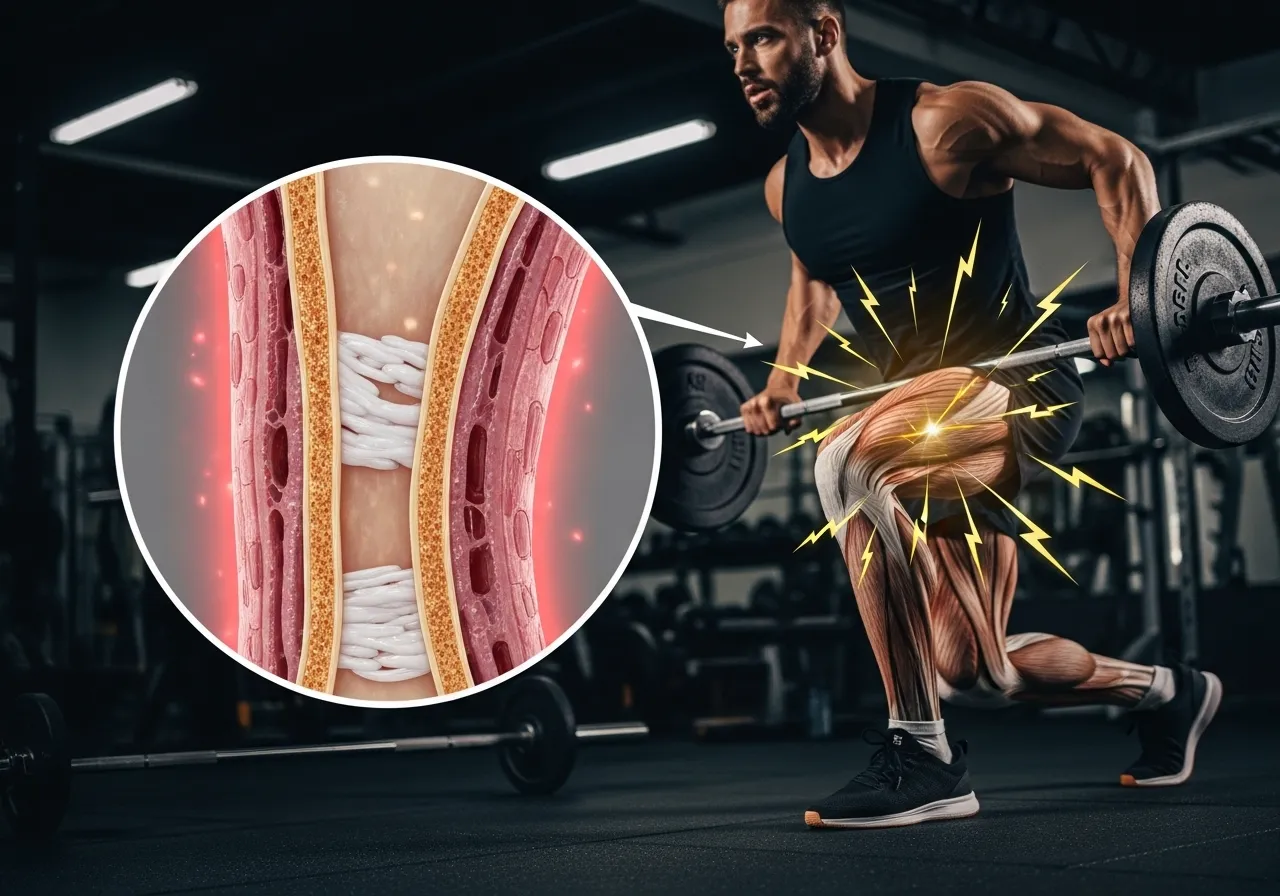
How Dehydration Directly Increases Injury Risk: The Physiology Explained
The connection between hydration status and injury risk is among the most practically important and least discussed topics in sports medicine — athletes routinely focus on hydration for performance (endurance, strength output, cognitive function) while remaining unaware that the injury mechanism of dehydration is equally significant. I learned this lesson during a summer training block when I made the connection between my heaviest injury period and the consistent under-hydration that the hot weather training had produced without my recognizing the deficit that the adaptation to increased sweat rate had obscured. The headaches I had attributed to training intensity, the muscle cramping I had interpreted as training-volume consequence, and the tendon discomfort that had appeared over three weeks were all consistent with the dehydration-injury relationship that the sports medicine research has characterized in detail. Understanding this relationship — mechanistically specific, research-supported, and practically preventable — transforms hydration from a performance variable into the injury prevention practice it also serves as.
The Connective Tissue Hydration Mechanism: Tendons, Ligaments, and Cartilage
The connective tissues that are the primary sites of overuse injury — tendons, ligaments, and articular cartilage — are substantially composed of water, and the mechanical properties that protect these tissues from injury are directly dependent on their hydration status. Tendon hydration: tendons are approximately 55-70% water by wet weight, and this water is not merely passive filler but the structural medium that the collagen fibril network requires for the viscoelastic behavior that makes tendons simultaneously stiff (to transmit muscle force effectively) and compliant (to absorb the shock that prevents high-strain rate tissue damage). The dehydrated tendon loses the fluid cushion between collagen fibrils, increasing the stiffness and the brittleness that reduces the tendon’s ability to absorb the energy of rapid loading changes — the mechanical property change that makes dehydrated tendons more susceptible to the microstructural damage that repeated loading accumulates. Cartilage hydration: articular cartilage’s compressive load absorption depends entirely on its high water content (65-80% by weight) — the proteoglycan matrix that attracts and retains water creates the hydrostatic pressure that distributes compressive forces across the cartilage surface. Dehydrated cartilage loses this pressure, concentrating compressive stress at collagen fibril junctions rather than distributing it across the proteoglycan matrix — the mechanical stress concentration that accelerates the microdamage that repetitive loading accumulates in poorly hydrated articular surfaces. Ligament and joint capsule hydration: the mechanoreceptors in ligaments and joint capsules that provide the proprioceptive information the neuromuscular control system uses to protect joints from dangerous loading are affected by the extracellular fluid environment that hydration status determines — the dehydration that reduces extracellular fluid volume impairs the mechanoreceptor sensitivity that proprioceptive accuracy requires. From PubMed research on dehydration effects on connective tissue mechanical properties, even mild dehydration (2% body weight loss) produces measurable changes in tendon viscoelastic properties and cartilage hydration that increase mechanical stress accumulation during loading — confirming the injury risk mechanism that clinical observation of dehydration-associated injury patterns reflects.
Neuromuscular Control Impairment: The Coordination Pathway to Injury
The neuromuscular control impairment that dehydration produces represents the second major mechanism linking dehydration to injury risk — distinct from the direct connective tissue mechanical property changes, this pathway operates through the impaired motor function and proprioceptive accuracy that the neural and muscular consequences of dehydration produce. The neuromuscular dehydration effects: electrolyte imbalances that dehydration produces — particularly sodium, potassium, and magnesium loss through sweat — alter the resting membrane potential and action potential threshold of both motor neurons and sensory neurons. The consequence is the reduced motor unit recruitment efficiency, the slowed nerve conduction velocity, and the proprioceptive accuracy impairment that increase the athlete’s susceptibility to the movement errors that injury produces. The reaction time impairment: multiple studies have documented significant increases in reaction time at 2-3% body weight dehydration — the response to the unexpected surface change, the sudden directional demand, or the miscalculated landing that the hydrated athlete’s neuromuscular system navigates safely but the dehydrated athlete’s slower reaction time fails to protect. The muscle fatigue acceleration that dehydration produces: the heat dissipation impairment and the reduced blood volume that dehydration creates accelerate the peripheral and central fatigue that reduces the muscle force production and coordination quality that joint protection requires. The fatigued muscle’s reduced contribution to joint stability — the protective co-contraction that muscles provide around joints under dynamic loading — is the mechanism that explains the consistent finding that injuries cluster at the end of training sessions and competitions when both fatigue and dehydration are typically maximal.
The Dehydration Threshold for Injury Risk: How Much Is Too Little?
The dehydration level at which injury risk becomes meaningfully elevated is lower than most athletes assume — the performance research has established 2% body weight loss as the threshold for significant performance impairment, and the injury risk elevation appears at similar or lower thresholds for some of the neurological mechanisms. The practical body weight loss monitoring: the body weight comparison between pre- and post-training measurements approximates sweat loss volume (1kg body weight loss ≈ 1L sweat loss) and provides the most accessible assessment of acute dehydration severity in the training context. The pre-training hydration assessment: urine color is the most practical pre-training hydration check available without laboratory testing — the pale yellow (like lemonade) color that adequate hydration produces versus the dark amber of the dehydration that substantially elevates injury risk provides an actionable daily hydration status signal that requires no equipment. The chronic dehydration pattern that injury risk creates: the athlete who consistently begins training in a mild dehydration state — from inadequate overnight rehydration, from insufficient daytime fluid intake during high-sweat-rate summer conditions, or from the fluid deficit that altitude or dry environments creates without the obvious thirst that acute dehydration produces — accumulates the chronic connective tissue dehydration that the tissue-level mechanical property changes the research documents develop from the persistent rather than only the acute fluid deficit. From PubMed research on dehydration and neuromuscular performance impairment, cognitive and neuromuscular performance impairments begin at 1-2% body weight dehydration in controlled studies — below the threshold where thirst provides reliable warning and below the level most athletes monitor in routine training, confirming that proactive hydration strategies are required to prevent the deficit levels that injury risk elevation reflects.
The Blood Volume Connection: How Dehydration Affects Cardiovascular Protection During Exercise
The blood volume reduction that dehydration produces — approximately 3% per 1% body weight loss from sweat — has injury-relevant consequences beyond the cardiovascular performance impairment that the exercise physiology literature most extensively documents. The injury-relevant blood volume effects: reduced blood volume increases cardiovascular strain during the same absolute workload, producing the heart rate elevation and increased RPE that identify the dehydrated state — and the higher cardiovascular strain that dehydration creates for equivalent training intensity accelerates the central and peripheral fatigue that reduces neuromuscular protection quality. The oxygen delivery impairment: the reduced plasma volume and cardiac output that dehydration produces reduces oxygen delivery to the exercising muscles and the central nervous system, accelerating the neuromuscular fatigue and the cognitive function reduction that increases movement error probability and consequently injury risk. The muscle blood flow competition during dehydration: under dehydrated conditions, the competing demands of muscle blood flow (for fuel and oxygen delivery) and skin blood flow (for heat dissipation) cannot both be fully met, producing the compromise that simultaneously impairs both thermoregulation and neuromuscular function. The result is the mutually reinforcing dehydration-heat stress-neuromuscular impairment cascade that produces the injury cluster at end-of-training sessions in warm conditions that the epidemiological injury timing data documents. Maintaining hydration prevents this cascade at its initiation — the blood volume preservation that adequate fluid intake provides maintains both the oxygen delivery and the thermoregulatory capacity that the dual demand requires to be simultaneously met rather than mutually compromised.
Hydration and Sleep Quality: The Overnight Recovery Connection
The sleep period represents both the longest dehydration interval in the daily cycle (8+ hours without fluid intake) and the primary connective tissue repair window that growth hormone-mediated protein synthesis during sleep provides. The overnight dehydration that the sleeping athlete experiences is inevitable — the 0.3-0.5 liters of respiratory water loss during sleep and the ongoing renal water loss that the kidneys continue producing during sleep create the morning fluid deficit that the first-morning urine color reflects. The connective tissue repair implication: the mild dehydration of the overnight fasting period is not injurious in the athlete whose pre-sleep hydration was adequate — the overnight rehydration that the recumbent position allows through the osmotic fluid shifts from the vascular to the tissue compartment maintains the connective tissue hydration that the repair processes require. The pre-sleep hydration practice: consuming 300-400ml of water (or a protein-carbohydrate recovery beverage if the evening training session was recent) before sleep provides the fluid substrate that overnight tissue hydration maintenance requires, while avoiding the volume that disrupts sleep through nocturnal urination. The sports beverage companies’ recent interest in “overnight recovery” hydration products with casein protein and electrolytes represents the commercial exploitation of the legitimate overnight recovery nutrition concept — the combination of casein protein (slow-release amino acids for overnight muscle protein synthesis), electrolytes (for fluid retention), and a small carbohydrate dose provides the overnight recovery nutrition that the evidence for pre-sleep nutrition supports, at significantly lower cost than branded products when assembled from individual components.
Which Injuries Are Most Linked to Dehydration
The dehydration-injury relationship is not uniform across all injury types — specific injury categories show the strongest associations with hydration status, and understanding this specificity helps the athlete prioritize hydration in the training contexts where the risk is highest.
Muscle Cramps: The Most Visible Dehydration Injury Signal
Exercise-associated muscle cramps (EAMC) are the most commonly recognized dehydration-related injury — the sudden, involuntary, and painful muscle contractions that interrupt training and competition with immediate functional consequences. The dehydration contribution to muscle cramping: electrolyte loss through sweat (particularly sodium, and to a lesser extent magnesium and potassium) alters the electrical environment of the neuromuscular junction, affecting the motor neuron firing threshold and the muscle relaxation mechanism that requires the calcium re-sequestration that ATP provides. The sodium-specific contribution is most clinically significant: the heavy sweater who loses substantial sodium in sweat and replaces fluid volume without replacing electrolytes creates the hyponatremia relative to muscle sodium that the cramping research most consistently identifies as the electrochemical mechanism. The practical cramp prevention implication: sodium replacement alongside fluid replacement — the electrolyte supplementation or sodium-containing sports drink approach that accounts for electrolyte loss rather than only fluid volume replacement — is more effective for cramp prevention than fluid replacement alone. The magnesium connection: magnesium is required for the calcium-ATPase enzyme that resequestrates calcium after muscle contraction, enabling relaxation — the athlete with chronically low magnesium intake (a very common dietary gap in endurance athletes) is at elevated cramp risk independently of acute dehydration, and the chronic magnesium supplementation that addresses the dietary gap provides cramp prevention benefit beyond the acute electrolyte replacement that intra-training hydration provides.
Tendon and Ligament Injuries: The Silent Dehydration Connection
The tendon and ligament injuries that the mechanical property changes of dehydration predispose are less obviously connected to hydration status than muscle cramps but represent the more serious and prolonged training consequences of the dehydration-injury relationship. The acute tendon injury risk: the dehydrated tendon’s reduced viscoelastic compliance — its increased stiffness and brittleness relative to the well-hydrated state — increases the strain rate at which tendon collagen fibrils experience microdamage during rapid eccentric loading. The rapid deceleration, the sudden directional change, and the maximal effort jump landing that athletic movement requires apply the high strain rates that the dehydrated tendon absorbs more poorly than the hydrated tendon whose fluid cushion distributes the energy more effectively. The chronic tendinopathy connection: the athlete who consistently trains in mild dehydration accumulates the tendon microtrauma at a higher rate than the well-hydrated athlete performing identical training — the cumulative microdamage that the dehydrated tissue sustains at loading levels that the hydrated tissue tolerates without significant damage. The epidemiological support: the exercise science literature contains multiple observational studies linking dehydration states with higher injury rates in sports with high tendon loading demands (court sports, field sports, distance running) — the causal mechanism that the connective tissue mechanical property research provides plausibility for the population-level association that sports injury surveillance has documented.
Heat-Related Injury: The Extreme End of the Dehydration-Injury Spectrum
The heat-related illness spectrum — heat cramps, heat exhaustion, exertional heat stroke — represents the most severe dehydration-associated injury outcomes, with exertional heat stroke carrying significant mortality risk that makes it the most medically urgent dehydration-related training emergency. The dehydration contribution to heat illness: the reduced blood volume of dehydration impairs the cardiovascular thermoregulation that exercise heat dissipation requires — the sweating and skin vasodilation that remove exercise-generated heat depend on the blood volume that dehydration reduces, creating the heat accumulation that core temperature elevation reflects. The core temperature elevation that heat stroke represents (40°C+) produces the protein denaturation and multi-organ dysfunction that the medical emergency management aims to reverse before the irreversible cellular damage threshold is reached. The practical heat illness prevention: the combination of adequate pre-exercise hydration (pale yellow urine before beginning exercise), intra-exercise fluid replacement (400-800ml per hour for most endurance activities, adjusted for sweat rate and conditions), and the acclimatization period (10-14 days of progressive heat exposure that expands plasma volume and reduces the cardiovascular strain that unacclimatized heat exercise produces) addresses the dehydration and thermoregulation factors that heat illness requires for its development. From ACSM exercise in the heat guidelines and heat illness prevention recommendations, adequate hydration combined with heat acclimatization and appropriate exercise intensity modification in hot conditions significantly reduces exertional heat illness risk — confirming the hydration-specific and combined approach that heat-environment training safety requires.
Ankle Sprains and Joint Laxity: The Proprioception-Dehydration Link
Ankle sprains represent the most common acute sports injury across nearly all athletic activities — and the proprioception impairment that dehydration produces through the electrolyte-mediated sensory nerve function reduction is a mechanistically specific risk factor that explains the clinical observation of higher ankle sprain rates in heat and dehydration conditions. The proprioceptive mechanism: the mechanoreceptors in the ankle ligaments and joint capsule that detect joint position and movement velocity provide the millisecond-response proprioceptive feedback that the peroneal muscles use to generate the protective reflex contraction that prevents the excessive inversion that ankle sprain requires. Dehydration affects this protective pathway at multiple points: the extracellular fluid reduction that systemic dehydration produces changes the mechanical environment of the mechanoreceptor ending; the electrolyte imbalance (particularly sodium) alters the receptor threshold; and the neuromuscular fatigue that dehydration accelerates reduces the peroneal response speed that the protective reflex requires. The practical implication: the athlete who enters the second half of a game or the final miles of a long run in a dehydrated state has statistically higher ankle sprain risk at the mechanical level — the hydration management that maintains the proprioceptive pathway function is the injury prevention that the dehydration research supports for this specific injury mechanism. The resistance training application: the proprioceptive impairment that dehydration produces during the final sets of a heavy leg session — when both fatigue and intra-session dehydration are maximal — increases the likelihood of the movement errors that loaded joint injuries in resistance training context produce. The intra-training hydration that maintains electrolyte levels through the final sets of the session maintains the neuromuscular accuracy that late-session injury prevention requires.
Back Injuries and Intervertebral Disc Hydration
The intervertebral discs — the fibrocartilaginous structures between vertebral bodies that absorb spinal compressive loads and allow the segmental mobility that spinal function requires — have a particularly high dependence on hydration status among all musculoskeletal structures. The intervertebral disc water content: nucleus pulposus (the inner gel-like core of the disc) is approximately 80-90% water in healthy young adults, and this water content is what provides the hydraulic pressure that distributes compressive loads across the disc and the adjacent vertebral endplates. Disc dehydration during the day — the slow fluid loss from the nucleus as the upright compressive loading of daily activity squeezes fluid into the surrounding vertebral endplates — accounts for the 1-2cm height loss that most people experience between morning and evening (the overnight recumbent position allows the discs to rehydrate by osmotic absorption). The acute dehydration effect on disc mechanics: systemic dehydration reduces the osmotic gradient that drives fluid into the disc during the rehydration period, maintaining the reduced disc hydration and the diminished compressive load absorption that higher spinal injury risk reflects. The training-day disc hydration practice: morning training before significant disc rehydration has occurred (the standing and loading position of morning activity begins the day’s disc dehydration from the fully hydrated overnight-resting state) may expose the discs to earlier compressive loading than the fully hydrated state would support. The late afternoon to early evening training window that many athletes naturally favor allows the morning’s disc rehydration, though the subsequent daytime dehydration from upright activity partially offsets this advantage. Maintaining adequate systemic hydration throughout the training day supports the disc osmotic rehydration that spinal load tolerance requires.
Assessing Your Hydration Status: Practical Methods That Work
The practical challenge of hydration management for injury prevention is that the subjective thirst mechanism reliably under-reports the fluid deficit that training creates — the athlete who relies on thirst to guide drinking begins replacing the fluid deficit after it has already affected connective tissue mechanical properties and neuromuscular function. Proactive hydration assessment that precedes the impairment is the evidence-based approach.
Urine Color: The Simple Daily Check
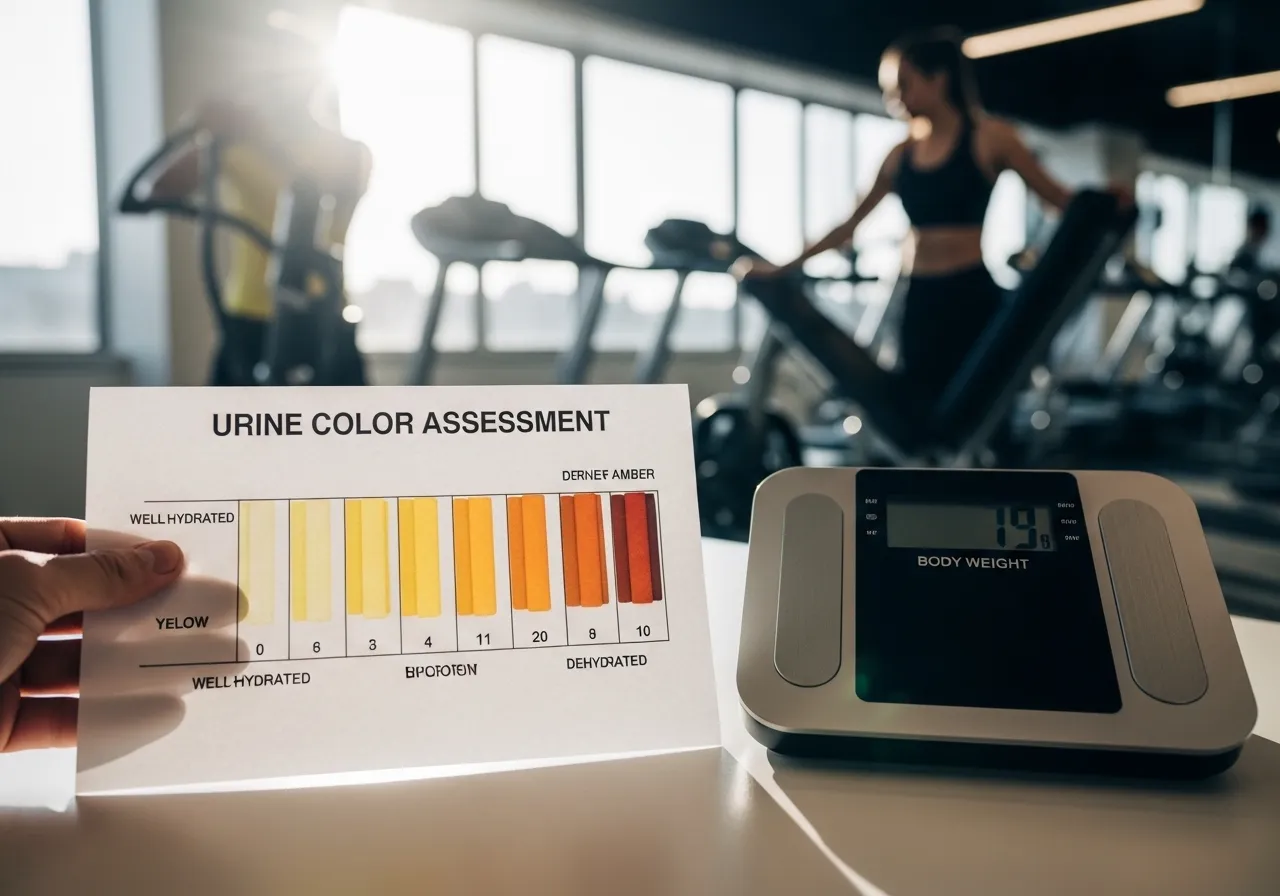
Urine color is the most practically accessible hydration assessment available outside the laboratory — the urine color chart that sports medicine uses as a field hydration tool provides actionable guidance without any equipment or calculation. The color interpretation: pale yellow (like diluted lemonade) indicates adequate hydration for training; medium yellow indicates mild dehydration that additional fluid intake before training addresses; dark amber indicates significant dehydration that requires substantial fluid intake before intense training is appropriate; and colorless urine indicates over-hydration (which carries its own risk through the sodium dilution of hyponatremia for endurance athletes who drink excessive plain water). The morning urine color as the daily hydration baseline: the first morning urine after overnight fluid restriction is typically the most concentrated of the day — checking its color before any fluid intake provides the baseline hydration status that overnight rehydration adequacy (from the previous day’s fluid intake) reflects. The target that injury prevention hydration management aims for: pale yellow morning urine indicates that overnight rehydration from the previous training day’s sweat loss was adequate — the starting point that pre-training top-up hydration builds on toward the optimal hydration status that the connective tissue and neuromuscular evidence targets.
Body Weight Monitoring: Quantifying Sweat Loss
The body weight comparison between pre- and post-training measurements — performed consistently under similar conditions (same time relative to eating, same clothing) — provides the most practical quantification of acute sweat loss that training produces. The calculation: 1kg body weight loss from pre- to post-training approximates 1 liter of sweat loss (plus a small respiratory water loss component) — the volume that requires replacement to restore euhydration. The post-training rehydration target: replacing 150% of the sweat loss volume (the additional 50% accounting for the ongoing urinary losses that continue during rehydration) over the 2-4 hours following training provides the complete acute rehydration that pre-training hydration the next day requires as its starting point. The sweat rate calculation that allows intra-training fluid replacement planning: the body weight comparison from a 60-minute training session in known conditions (temperature, humidity, exercise intensity) provides the hourly sweat rate that subsequent sessions under similar conditions can use to plan fluid intake timing and volume — the proactive replacement that maintains hydration status during training rather than the reactive replacement that recovers the deficit after it has accumulated. The practical monitoring implementation for the injury-prevention-focused athlete: weigh before and after the two most hydration-demanding training sessions of the week (the longest, the hottest, or the most intense) for 2-3 weeks to establish the personal sweat rate profile that optimal hydration planning requires — a one-time assessment investment that the subsequent training seasons benefit from without repeating.
Sports-Science Hydration Monitoring: HRV, Heart Rate, and Performance Tracking
The wearable technology available to the recreational athlete increasingly includes hydration-relevant physiological monitoring that extends beyond the urine color and weight measurement approaches. Heart rate variability monitoring provides an indirect dehydration signal — the reduced blood volume of dehydration decreases cardiac stroke volume, increasing the heart rate that the cardiovascular system uses to compensate, and the HRV reduction that elevated sympathetic drive produces in the dehydrated state appears in the morning HRV measurement that modern wearables collect. The resting heart rate elevation: a 5+ beats per minute elevation in resting heart rate compared to the personal baseline — particularly when combined with recent high-sweat-rate training in warm conditions — provides a dehydration-consistent signal that merits additional hydration before training. The performance tracking signal: the sudden unexplained performance decline (reduced endurance capacity, heavier perceived effort at standard loads, slower reaction times in sports with reaction demands) without illness or significant training load change may reflect the chronic mild dehydration that the connective tissue and neuromuscular mechanisms explain — the training log pattern that identifies the performance-hydration relationship for the specific athlete who monitors both variables consistently. From PubMed research on hydration assessment methods in field conditions, urine color combined with body weight changes provides the most practical and valid hydration assessment for athletic populations in field conditions — confirming the two-method approach as the evidence-based standard over more complex assessment technologies that do not significantly improve on the accessible methods’ validity.
Altitude, Travel, and Environmental Dehydration Challenges
The training camp, competition travel, and altitude training scenarios that serious athletes encounter present specific dehydration challenges that the home-environment hydration baseline does not adequately address. Altitude training: at elevations above 2000m, the decreased air density and lower humidity of high-altitude environments significantly increase respiratory water loss — the same breathing rate that produces 0.3L hourly respiratory loss at sea level produces 0.5-0.7L hourly respiratory loss at 3000m altitude. The concurrent effects of the altitude-stimulated increased breathing rate (from the hypoxic ventilatory response) and the dry high-altitude air multiply the respiratory dehydration risk that altitude training produces. The practical altitude hydration adjustment: increasing fluid intake by 1-1.5 liters daily from the sea-level baseline and allowing the 7-10 day acclimatization period that the cardiovascular and hematological adaptations require before returning to full training intensity addresses the dehydration risk while the altitude adaptation proceeds. Air travel dehydration: the aircraft cabin maintains 10-20% relative humidity — far below the 40-60% that typical indoor environments provide and the 60-80% that outdoor conditions maintain. The 6-10 hours that international competition travel requires in this environment produces the respiratory dehydration that arrives at the competition venue partially dehydrated. The pre-competition travel hydration protocol: consuming 500ml of electrolyte water per 2 hours of flight time, avoiding the alcohol that in-flight service makes available (the diuretic effect compounding the respiratory dehydration), and consuming 500-750ml during the first 30 minutes after landing provides the recovery hydration that competition-day performance and injury prevention requires from the starting hydration state that arrival in adequate condition represents.
The Hydration Protocol That Prevents Dehydration-Related Injury
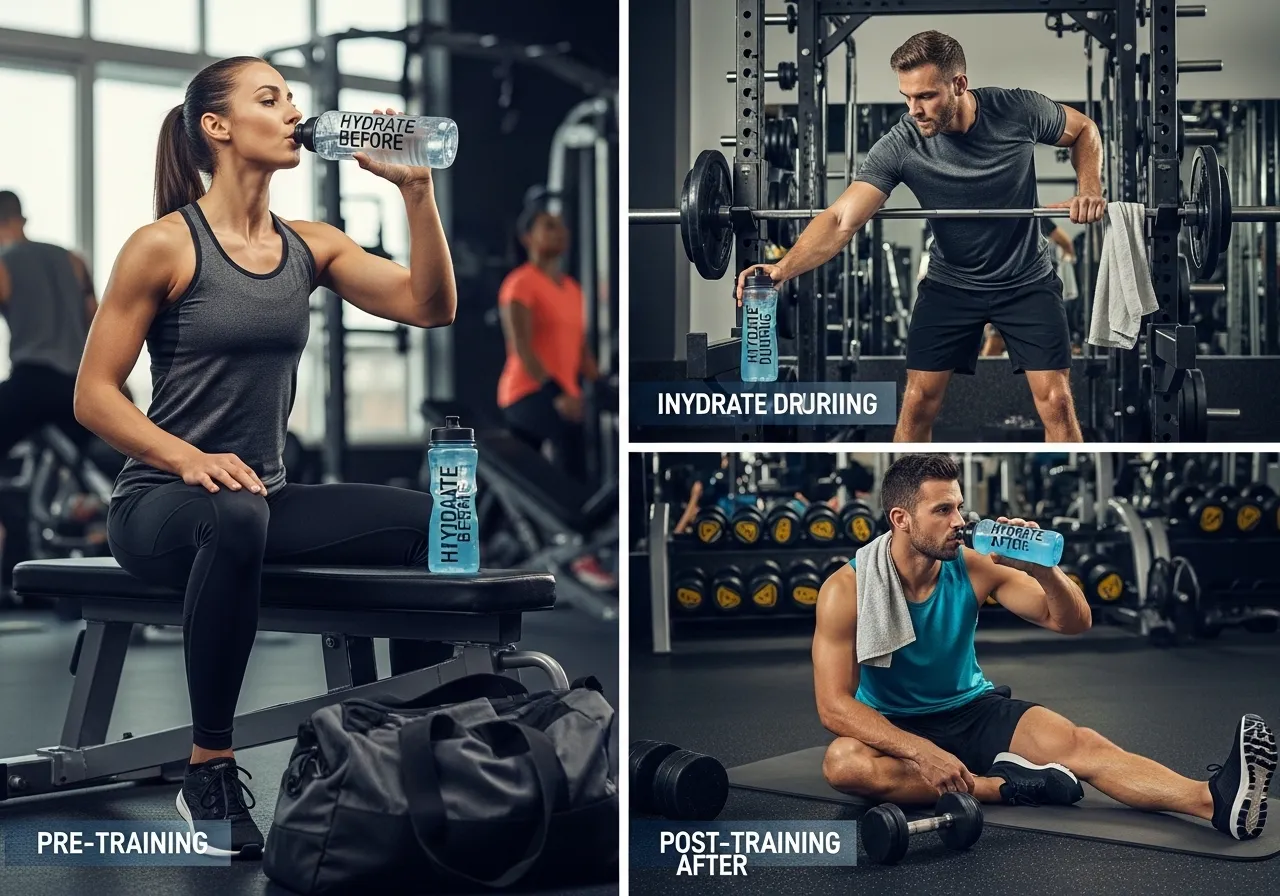
The evidence-based hydration protocol for injury prevention applies the research on dehydration mechanisms to the specific timing windows that pre-, intra-, and post-training hydration represents — the three-phase hydration management that maintains euhydration throughout the training cycle rather than attempting to correct the deficit after it has already affected connective tissue and neuromuscular function.
Pre-Training Hydration: Starting in the Right State
The pre-training hydration target is euhydration — the fluid-electrolyte balance that pale yellow urine confirms and that the body weight within 1% of normal baseline reflects. The practical pre-training hydration protocol: 500-600ml of water or electrolyte beverage consumed 2-3 hours before training provides the absorption time that the pre-exercise volume requires for the gastric emptying and intestinal absorption that circulates the fluid before training begins; 200-300ml of water consumed 15-20 minutes before training tops up the hydration status as the final pre-exercise preparation. The electrolyte consideration for pre-training hydration: adding electrolytes (sodium 400-600mg per 500ml, potassium, magnesium) to the pre-training fluid improves the fluid retention that plain water does not achieve — the osmolality match between the beverage and body fluid that electrolyte addition provides reduces the urinary excretion of the consumed fluid and produces the euhydration state more effectively than equivalent volumes of plain water. The pre-training meal hydration: the food consumed 2-3 hours before training provides approximately 20-30% of daily water intake through its water content — the athlete who consumes solid food rather than liquid meal replacements in the pre-training window receives the passive hydration contribution that food water content provides alongside the macronutrient fuel that training requires.
Intra-Training Hydration: Replacing What You Lose
The intra-training hydration strategy that injury prevention and performance optimization share is the proactive, scheduled fluid replacement that prevents the 2% body weight dehydration threshold rather than the reactive drinking that thirst prompts after the deficit has exceeded the threshold. The general guideline for intra-training fluid replacement: 400-800ml per hour, with the higher end for high-intensity exercise in hot conditions and the lower end for moderate-intensity exercise in cool conditions — but the individual sweat rate variation is substantial enough that the personal sweat rate assessment described in the previous section provides more relevant guidance than population averages. The electrolyte replacement during training: for sessions exceeding 60-90 minutes, the sodium and potassium replacement that plain water does not provide becomes relevant for both the hyponatremia risk (the sodium dilution that high-volume plain water replacement without electrolytes produces in endurance athletes) and the cramping prevention that electrolyte maintenance supports. Sports drinks (providing 500-700mg sodium per liter alongside carbohydrate) or electrolyte tablets dissolved in water provide the sodium replacement that extended training hydration requires. The practical fluid availability during training: carrying a water bottle to the gym, planning drinking stations in run routes, and scheduling drinking breaks in the training session plan converts the intention to drink into the behavior that dehydration prevention requires — the athlete who relies on thirst to prompt drinking in the training environment where social and performance demands compete for attention will consistently drink less than the proactive scheduling approach ensures.
Post-Training Rehydration: Completing the Fluid Replacement
The post-training rehydration window is the most important and most consistently under-completed phase of the hydration cycle for the athlete with multiple training sessions per week — the incomplete rehydration after the first session of the day creates the starting dehydration that the second session begins from, and the incomplete rehydration after the final session of the day creates the overnight dehydration that the next morning’s training begins from. The rehydration volume target: replacing 150% of the estimated sweat loss (body weight change + 500ml to account for respiratory loss and ongoing urinary excretion during rehydration) over the 2-4 hours following training completes the acute rehydration cycle. The protein-carbohydrate recovery nutrition that post-training meals provide contains substantial water in the food itself — the rehydration target accounting for dietary water intake is lower than the pure fluid replacement calculation suggests. The sodium role in post-training rehydration: consuming sodium alongside the rehydration fluid reduces the urinary excretion rate that plain water rehydration produces, improving the fluid retention efficiency that completes rehydration with lower total fluid volume — the recovery sports drink, the salt added to recovery meals, or the sodium-containing foods (soups, salted nuts, dairy products) that normal food provides alongside the beverages that complement them. From PubMed research on post-exercise rehydration strategies and fluid retention, sodium-containing beverages and foods consumed during the post-exercise rehydration period significantly improve fluid retention compared to plain water rehydration — confirming that electrolyte-informed post-training nutrition is more effective for complete rehydration than fluid volume alone.
The Caffeine-Hydration Relationship in Training Context
The athlete who uses caffeine as a pre-training performance enhancer — the majority of serious recreational and competitive athletes — faces the caffeine-hydration interaction that the prevalent “caffeine is dehydrating” myth addresses in ways that both overstate and understate the actual relationship. The accurate caffeine-hydration research summary: caffeine is a mild diuretic at doses above 300-400mg that produces a transient increase in urine output over the 2-3 hours following ingestion — but this diuretic effect is substantially attenuated in habituated caffeine consumers (the tolerance that develops to caffeine’s diuretic effect within 4-7 days of regular use reduces it to near-absence). Multiple well-designed studies have confirmed that habitual caffeine consumers who consume caffeine as part of their normal daily routine do not show net dehydration versus caffeine-free controls — the fluid volume in coffee, tea, or energy drinks more than compensates for the mild diuretic effect in habituated users. The pre-training caffeine dose consideration: the 3-6mg/kg body weight caffeine dose that pre-training performance enhancement research supports (200-400mg for a 70kg athlete) falls within the dose range where the diuretic effect is present but compensated by the fluid vehicle — treating the pre-training caffeinated beverage as part of the daily fluid intake rather than a dehydrating agent that requires additional water replacement provides the accurate hydration accounting. The exception context: very high caffeine doses (above 600mg) in non-habituated users in hot conditions may produce more significant diuretic effects that warrant additional fluid intake — the scenario that the general caution about caffeine and dehydration most accurately addresses, though it represents a minority of athlete caffeine use patterns.
Hydration Challenges in Specific Training Contexts
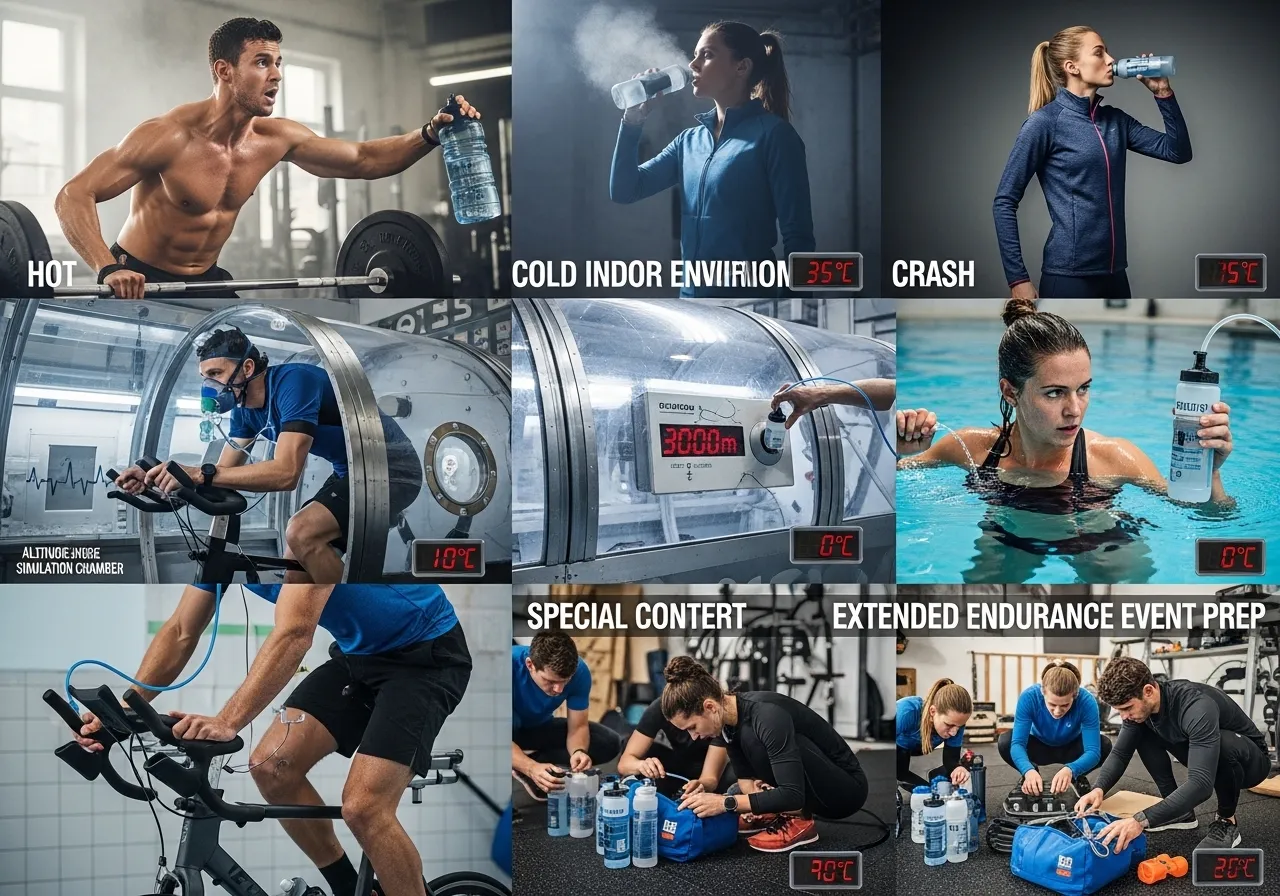
The hydration demands that injury prevention requires vary across training contexts — the summer outdoor training, the winter indoor training, the altitude training camp, and the competition day each present specific hydration challenges that the standard hydration protocol must be adapted to address.
Hot and Humid Conditions: The Highest Injury Risk Hydration Context
High ambient temperature combined with high humidity represents the most challenging hydration context for athletic injury prevention — sweat rates increase substantially in hot conditions, but humid air reduces the evaporative cooling efficiency that sweating provides, increasing the core temperature for a given sweat rate and extending the time at elevated temperature that connective tissue and neuromuscular dehydration accumulates. The sweat rate increase in hot conditions: research documents sweat rates of 1-2.5 liters per hour in hot, humid training conditions compared to 0.5-1.0 liters per hour in cool conditions — the 2-5 fold increase in fluid loss rate that hot-weather training creates relative to the cool-condition baseline that most athletes use to calibrate their hydration practices. The summer training adaptation: increasing fluid intake from the cool-condition baseline by 1-2 liters daily (distributed across the training day rather than consumed at once) and increasing electrolyte replacement to account for the higher sweat-sodium loss that elevated sweat rates produce provides the hydration adjustment that hot-condition training demands. The heat acclimatization hydration benefit: the 10-14 day progressive heat exposure that acclimatization requires expands plasma volume by 10-12%, increasing the cardiovascular reserve that the dehydration-related blood volume reduction reduces — the athlete who acclimatizes before the hot competition season begins the season with the plasma volume expansion that delays the dehydration threshold and reduces the injury risk accumulation that unacclimatized hot-condition training produces more rapidly.
Cold Weather and Indoor Training: The Underappreciated Dehydration Context
The winter training environment that produces no visible sweating and generates no thirst from the warmth that summer training creates is paradoxically a significant dehydration risk context — the combination of respiratory water loss from breathing cold, dry air, the reduced thirst sensation that cold temperatures suppress, and the diuretic effect of cold exposure (cold diuresis, the vasoconstriction response to cold that increases urine output) creates the insidious dehydration that cold-weather athletes are least likely to recognize and most likely to underestimate. The respiratory water loss in cold, dry air: breathing exercise-volume air at 100% humidity at body temperature in cold, dry conditions can produce 0.5-1.0 liters of water loss per hour through the respiratory tract — the loss that the exhaled vapor represents but that is invisible and non-thirst-generating in the way that visible sweat prompts awareness. The practical cold-weather hydration approach: applying the same proactive hydration schedule that hot-weather training demands — pre-training fluid intake, scheduled intra-training drinking regardless of thirst, and post-training rehydration completion — rather than the reactive thirst-guided approach that cold weather normalizes. The indoor gym training humidity consideration: the dry air that most climate-controlled gyms maintain creates the respiratory water loss component without the temperature stimulus that outdoor hot conditions use to trigger drinking awareness — the gym athlete who trains 60-90 minutes without drinking because they are not visibly sweating heavily may be losing 0.5-1.5 liters through respiratory and sweat loss that the cool, dry gym environment makes less perceptible than the hot, humid outdoor context.
Intra-Training Hydration Strategies for Resistance Training
The resistance training context presents specific hydration challenges that the endurance athlete’s hydration framework does not fully address — the intermittent high-intensity effort structure of resistance training produces sweat losses that accumulate across the session without the continuous movement that motivates consistent drinking in endurance contexts. The resistance training hydration approach: scheduling 1-2 swallows (150-250ml) at every rest period between sets maintains the fluid intake that the intermittent rest periods provide natural opportunities for — the consistent small-volume strategy that prevents the large-volume deficit that end-of-session replacement must address. The warm-up to working set hydration transition: the initial cardiovascular warm-up and early lighter sets produce the initial sweating that the subsequently heavier working sets lose through reduced skin blood flow as the higher intensity directs blood toward the working muscles — maintaining hydration through these transitions prevents the early-session deficit that compounds through the heavier sets. The intra-session electrolyte consideration for long resistance training sessions: a session extending beyond 90 minutes in warm conditions may benefit from an electrolyte tablet or sports drink at the mid-session point — the sodium replacement that maintains the plasma osmolality signal for continued drinking and the electrolyte balance that neuromuscular function requires through the final heavy sets of the session. The practical resistance training hydration setup: bringing 1-1.5 liters of water (or electrolyte water for sessions over 90 minutes) to the gym and drinking consistently across the session rather than relying on the gym’s water fountain at the beginning and end provides the distribution that intra-session hydration maintenance requires without the repeated trip disruption that water fountain-dependent hydration creates.
Electrolytes and Hydration: Beyond Water
The injury prevention role of electrolytes in hydration extends significantly beyond the cramp prevention that is the most commonly discussed electrolyte-injury relationship — the sodium, potassium, magnesium, and calcium that sweat losses deplete each contribute to specific components of the connective tissue mechanical properties, neuromuscular control, and recovery processes that dehydration-injury prevention requires.
Sodium: The Primary Electrolyte for Hydration Management
Sodium is the primary extracellular electrolyte that determines the osmolality of blood and extracellular fluid — the concentration signal that the kidneys and hypothalamic thirst center use to regulate fluid balance. The injury-relevant sodium functions: sodium is the primary determinant of extracellular fluid volume, making sodium loss the primary electrolyte driver of blood volume reduction that cardiovascular and neuromuscular function impairment reflects; sodium is required for the nerve conduction and muscle action potential generation that neuromuscular control depends on; and sodium retention in the post-training period is the primary determinant of rehydration completion efficiency, as described in the post-training hydration section. The sweat sodium loss variation: sodium concentration in sweat varies substantially between individuals (200-2000mg per liter sweat, with a population average of approximately 900mg per liter) — the “salty sweater” who sees visible white salt residue on skin and dark training clothes loses sodium at rates that plain water replacement without electrolyte supplementation cannot maintain, and these individuals represent the highest-risk group for the hyponatremia and cramping that high-sweat-volume training without adequate sodium replacement produces. The sodium intake guidance for training: for sessions under 60 minutes at moderate intensity, plain water is generally adequate; for sessions 60-90 minutes at high intensity, sodium-containing beverages (sports drinks providing 400-700mg sodium per liter) or sodium supplementation (electrolyte tablets, sodium-containing foods) alongside water provides the sodium maintenance that extended sweat losses require. From PubMed research on sodium and exercise-associated hyponatremia, sodium replacement alongside fluid replacement during extended exercise is essential for maintaining the plasma sodium concentration that neuromuscular function and injury risk prevention depends on — confirming the electrolyte-informed hydration approach over plain water replacement for sessions exceeding 60-90 minutes.
Magnesium and Potassium: The Supporting Electrolytes
Magnesium and potassium play supporting roles in the hydration-injury relationship that are less prominent than sodium’s central role but nonetheless mechanistically relevant for the athlete whose training volume and sweat rate produce the losses that dietary intake may not replace. Magnesium: the cofactor for over 300 enzymatic reactions including the ATP synthase that provides the energy for muscle contraction and relaxation, and the calcium-ATPase that is specifically required for muscle relaxation after contraction — the magnesium deficiency that consistent sweating without dietary replacement produces impairs both energy production and muscle relaxation, contributing to the fatigue and cramping that dehydration and electrolyte depletion synergistically create. The dietary magnesium adequacy for athletes: research consistently documents that athletes consuming high carbohydrate training diets with limited green vegetable, legume, and nut intake frequently achieve only 60-80% of the magnesium RDA that active individuals require — the dietary gap that magnesium supplementation (magnesium glycinate or malate at 300-400mg daily) addresses for the athlete unable to consistently achieve the dietary target. Potassium: the primary intracellular cation that determines intracellular fluid volume and the resting membrane potential that neuromuscular excitability requires — potassium loss in sweat is less than sodium loss per volume but accumulates over high-volume training days, particularly in hot conditions. The dietary potassium sources that training athletes should prioritize: bananas, sweet potatoes, avocados, spinach, and dairy products provide the potassium that the training diet should include in adequate quantity — the same food sources that general dietary health recommendations emphasize, making the sports-specific potassium guidance consistent with general dietary quality improvements.
Hydration for Injury Recovery: Accelerating Tissue Repair
The hydration management during injury recovery — the period when tissue repair processes are actively replacing the damaged connective tissue that injury has disrupted — requires elevated attention to the fluid availability that the cellular repair processes depend on. The connective tissue repair hydration requirement: the synthesis of the collagen, fibronectin, and proteoglycans that replace damaged connective tissue during repair requires the fluid availability that the repair cell (fibroblast, chondrocyte, tenocyte) environment must provide for the biosynthesis reactions that generate these structural molecules. The proliferative phase of wound healing (days 3-21 post-injury) is the period of highest metabolic activity in the repair tissue and the period where the nutritional and hydration support that optimal healing requires is most impactful. The practical hydration target during injury recovery: the 35-40ml per kilogram daily maintenance hydration target increases by 10-15% during the active tissue repair period — the additional fluid allocation that supports the elevated metabolic activity of the healing tissue without the training sweat losses that would normally justify the increase. The anti-inflammatory nutrition that injury recovery hydration supports: the omega-3 fatty acids and curcumin that the anti-inflammatory nutrition approach provides require adequate tissue perfusion for their delivery to the inflammatory site — the hydration that maintains blood volume and tissue perfusion ensures that the anti-inflammatory nutritional compounds that oral supplementation provides reach the repair site at the concentration that their mechanism requires. The physical therapy context: the manual therapy, ultrasound, and exercise rehabilitation that physiotherapy provides are all more effective when the target tissue is adequately hydrated — the tissue pliability and fluid exchange that adequate hydration maintains enhances the mechanical and metabolic effects that the physical therapy interventions intend. From PubMed research on nutrition and hydration for musculoskeletal injury healing, adequate hydration and protein intake during the tissue repair phase consistently improve healing outcomes and reduce recovery time compared to inadequate nutritional support — confirming that the recovery period’s hydration management is as important as the acute injury management for the complete tissue repair that full function restoration requires.

Hydration Myths, Common Mistakes, and Complete FAQ
The hydration field contains more persistent myths and misconceptions than most sports science topics — the “8 glasses per day” rule, the belief that coffee is dehydrating, the performance-hydration relationship that thirst reliably tracks, and the electrolyte-sport drink necessity for all training contexts are among the most frequently encountered that merit evidence-based correction.
Hydration Myths Debunked
Myth 1: “Drink 8 glasses of water per day.” This specific recommendation has no evidence base — the correct approach is individualized hydration based on body weight, training volume, sweat rate, and environmental conditions, not a fixed daily volume that ignores these variables. The evidence-based replacement: the urine color and body weight monitoring approach described in this article provides the individualized guidance that the fixed-volume recommendation cannot. Myth 2: “Caffeine is significantly dehydrating.” The research on caffeine and hydration consistently shows that the diuretic effect of moderate caffeine (400mg or less) is small and does not produce clinically significant dehydration in the athlete who consumes caffeine habitually — the coffee or tea that athletes consume before training does not require additional water compensation beyond normal pre-training hydration. The acute diuretic effect of caffeine is real but transient and substantially attenuated in habituated consumers. Myth 3: “You should drink as much water as possible during exercise.” Overdrinking — consuming fluid beyond the rate that sweating, respiration, and metabolism generate losses — produces the dilutional hyponatremia that has caused serious illness and death in endurance athletes who consumed excessive plain water without sodium replacement. Drinking to thirst or to body weight maintenance (not exceeding pre-exercise weight) during exercise is safer than drinking maximally. Myth 4: “Sports drinks are necessary for all training sessions.” The carbohydrate and electrolyte composition of sports drinks provides specific benefits for extended high-intensity training (60+ minutes), but for moderate-intensity sessions under 60 minutes in cool conditions, plain water adequately addresses the hydration requirements without the caloric addition that sports drinks provide. The sports drink decision should be based on session duration, intensity, and environmental conditions rather than routine preference.
Building Your Personal Hydration Strategy
The individual hydration strategy that injury prevention requires is built from the personal sweat rate assessment, the daily monitoring practices, and the environmental adjustments described throughout this article — combined with the electrolyte management that individual sweat sodium loss rates and dietary patterns determine. The practical personal hydration strategy development: complete the sweat rate assessment (pre- and post-training weight comparison across 3-5 representative training sessions in current conditions); establish the morning urine color monitoring habit as the daily hydration status baseline; implement the pre-training hydration protocol (500ml with electrolytes 2-3 hours before, 200ml 15 minutes before); schedule intra-training drinking at 15-20 minute intervals regardless of thirst; complete the post-training 150% sweat loss replacement over 2-4 hours; and assess over 2-4 weeks whether the joint discomfort, cramping, or fatigue patterns that may have reflected chronic mild dehydration have improved. The seasonal adjustment: revisit the sweat rate assessment with each major seasonal change (cool season to warm season, altitude change, competition travel to different climate) and adjust the fluid intake targets that the assessment reveals. From ACSM position stand on exercise and fluid replacement, individualized hydration strategies based on personal sweat rate assessment, environmental conditions, and sport-specific demands produce better hydration status outcomes than universal guidelines — confirming the personal strategy approach over fixed-volume recommendations for the athlete whose training and environmental context varies sufficiently to require the responsive hydration management that individual monitoring provides.
Frequently Asked Questions: Dehydration and Injury Risk
Q: Can I become dehydrated even if I don’t feel thirsty? A: Yes — thirst does not reliably activate until approximately 1-2% body weight dehydration has occurred, and in cold environments, distracted training contexts, and older athletes (whose thirst sensitivity declines with age), thirst may not activate until the dehydration level exceeds the injury risk threshold. Proactive hydration scheduling is more reliable than thirst-guided drinking. Q: How much water should I drink on rest days? A: On rest days without significant sweat losses, the general hydration guidance of 35ml per kilogram body weight (approximately 2.5-3L for a 75kg athlete) provides the maintenance hydration that restores overnight and daily non-exercise fluid losses. Adjust upward for hot weather, air travel (the low-humidity aircraft cabin produces substantial respiratory water loss), and illness. Q: Will drinking more water reduce my injury rate? A: The evidence for adequate hydration reducing injury rate is strongest for the dehydration-injury mechanisms described in this article — maintaining euhydration throughout training removes the connective tissue mechanical property changes and neuromuscular control impairment that dehydration produces. The causal evidence from controlled trials showing that increasing hydration reduces injury rate is limited, but the mechanistic evidence for the injury risk increase that dehydration produces is well-established and sufficient to justify the proactive hydration investment. Q: Is coconut water as effective as sports drinks for rehydration? A: Coconut water provides potassium at higher concentrations than most sports drinks but typically lower sodium — making it a reasonable rehydration option for most training contexts but potentially inadequate for the high-sweat-rate conditions where sodium replacement is the primary electrolyte priority. Athletes who prefer coconut water can supplement with a sodium source (a pinch of salt, sodium-containing food) alongside it for extended rehydration after high-sodium sweat loss sessions. Q: How does alcohol affect training-day hydration? A: Alcohol is a diuretic (it inhibits antidiuretic hormone, reducing kidney fluid reabsorption) — the same-day or night-before alcohol consumption that produces the diuresis and the morning dehydration that the reduced overnight fluid retention represents begins training in a dehydration state that the injury risk mechanisms this article describes elevate. The post-training alcohol consumption that some athletes use for social recovery impairs the post-training rehydration process and delays the complete fluid restoration that overnight recovery requires.
My Personal Hydration Practice and Lessons Learned
The hydration practice I have developed over years of connecting the dots between my training discomfort patterns and my hydration habits has evolved from the casual thirst-guided drinking that produced the chronic mild dehydration I did not recognize as a variable, to the proactive monitoring and scheduled replacement approach this article describes. The turning point: a physiotherapist’s question during a tendon complaint assessment — “how much are you drinking on training days?” — produced my first honest inventory of daily fluid intake and the recognition that the hot summer training period that had coincided with my most significant tendon discomfort was also the period of my highest sweat rates and lowest actual fluid replacement rates. Adding the pre-training 500ml with electrolytes, the intra-training consistent drinking, and the post-training weight-based replacement calculation did not produce immediate dramatic change — the chronic tendon dehydration and the microdamage accumulation that the connective tissue adaptation requires weeks to address do not reverse overnight. But over the subsequent 8-12 weeks of consistent adequate hydration alongside the loading modification and collagen protocol, the tendon discomfort that had persisted for months resolved in a way that the loading modification alone had not achieved in the preceding 6 weeks of trying. I cannot prove that the hydration was the decisive variable — the simultaneous interventions prevent the controlled attribution that research requires. But the experience of the parallel between chronic mild dehydration and chronic tendon discomfort, and the parallel resolution of both with the combined intervention, convinced me that hydration deserved the same systematic attention that I had previously reserved for sleep, nutrition, and training load management. It now receives it — consistently, daily, and with the simple monitoring practices that take less than 5 minutes of daily attention for the injury prevention benefit that months of careful tendon management cannot fully replace.