The Best Foam Rolling Techniques for Muscle Recovery

What Is Foam Rolling and Why Athletes Swear By It
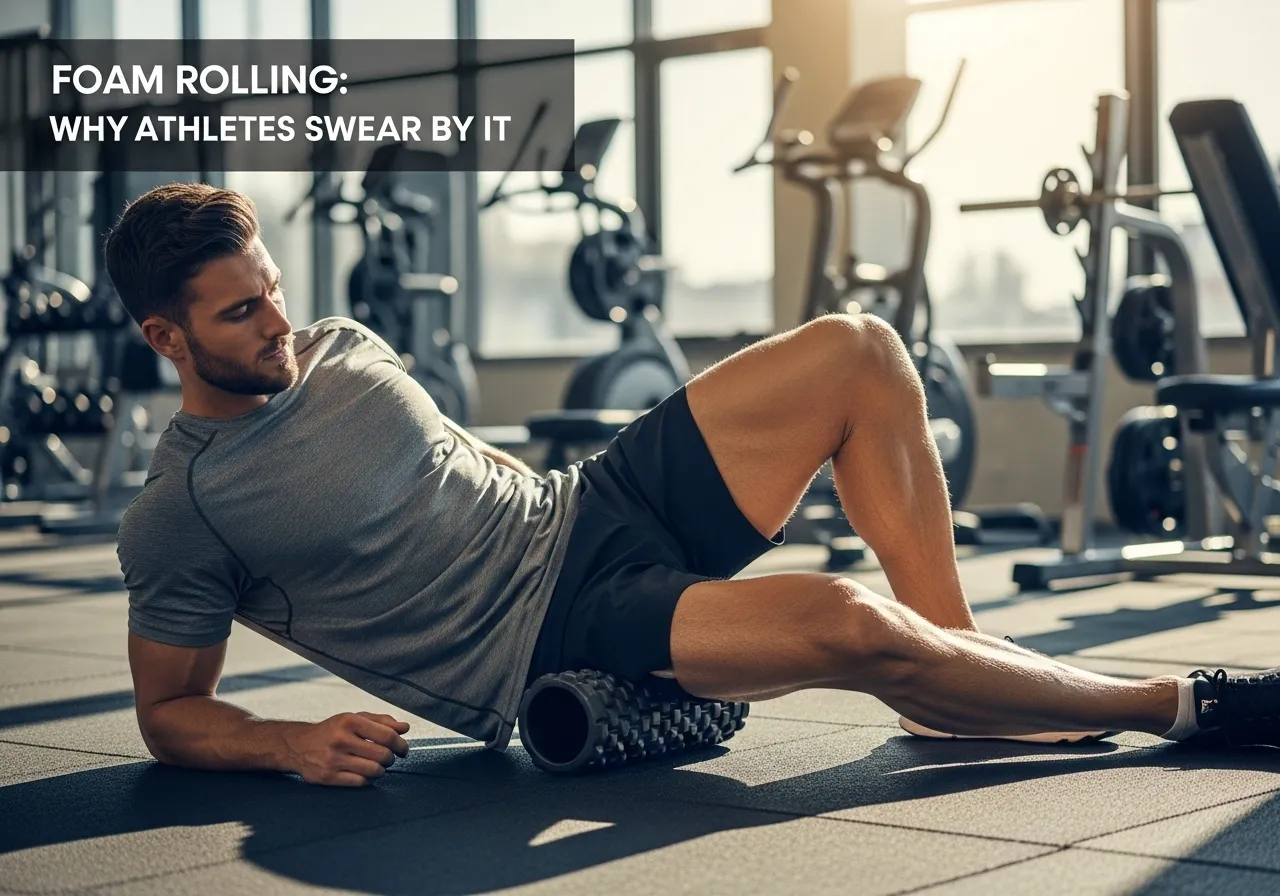
The first time I used a foam roller — a dense cylinder of polypropylene foam positioned under my IT band after a particularly demanding leg session — the sensation was somewhere between therapeutic massage and controlled suffering. The pressure against the lateral thigh produced a deep, aching tenderness that simultaneously felt like it was doing something genuinely useful and like it might be making things worse. Several years and considerable research later, I understand both why that initial uncertainty was reasonable and why foam rolling has nonetheless become a mainstay of recovery practice for athletes from recreational runners to professional team sport players. The evidence for foam rolling is nuanced, the mechanisms are debated, and the optimal protocols continue to evolve — but the consistent finding across research is that done correctly and at the right times, foam rolling produces genuine improvements in muscle flexibility, reduces post-exercise soreness, and improves the recovery between training sessions that training frequency and adaptation rate both depend on.
The Physiology Behind Foam Rolling: What Is Actually Happening
Foam rolling applies compressive force and shear stress to the soft tissues — muscle, fascia, and the connective tissue structures that connect them — producing the physiological responses that its recovery benefits reflect. The primary mechanisms proposed by the research literature: autogenic inhibition through the Golgi tendon organ (the sustained pressure of foam rolling activates the GTO’s tension-sensing mechanism, causing the muscle to reflexively relax and reducing the resting tone that contributes to tightness and restricted range of motion); thixotropy (the mechanical property of fascia to become less viscous and more pliable when mechanically loaded, explained by the gel-to-sol transformation of the glycosaminoglycan ground substance under sustained applied pressure); increased local blood flow and tissue temperature (the mechanical stimulation of blood vessel walls and the increased metabolic activity of the compressed tissue both elevate local circulation and tissue temperature); and neurological desensitization (repeated rolling over a tender area reduces its perceived tenderness through the central nervous system’s pain gate modulation that repeated innocuous stimulation produces). The debate: the research has not definitively established which of these mechanisms contributes most to the clinically observed benefits of foam rolling, and the relative contributions likely vary with rolling technique, tissue type, and the specific recovery outcome being measured. What the research does consistently support is that the outcomes — increased short-term range of motion, reduced DOMS intensity, maintained or improved power output compared to passive rest — are genuine regardless of the mechanistic debate about their origin. From British Journal of Sports Medicine foam rolling systematic review, foam rolling consistently improves short-term flexibility and reduces DOMS intensity across multiple randomized controlled trials — establishing it as an evidence-supported recovery tool despite ongoing mechanistic uncertainty.
Foam Rolling vs. Massage: What Research Shows About Effectiveness
The comparison between foam rolling and professional massage therapy — the gold standard soft tissue intervention against which foam rolling is most usefully benchmarked — reveals both the genuine recovery value of foam rolling and the performance gaps that its self-administered nature creates. The similarities: both foam rolling and massage reduce perceived muscle soreness, improve short-term range of motion, and increase post-intervention blood flow to the treated tissue. The differences: professional massage — particularly sports massage with its techniques of effleurage, petrissage, cross-friction, and trigger point pressure — produces tissue effects at depths and with specificity that the self-administered foam roller cannot replicate, particularly for the deep paraspinal muscles, the posterior hip musculature, and the small intrinsic muscles of the foot and shoulder girdle that roller geometry and self-application mechanics cannot access. The research comparison: studies directly comparing foam rolling and massage for DOMS and flexibility outcomes find broadly equivalent short-term effects for the muscle groups that foam rolling can effectively access, with professional massage providing greater benefit for deeper or less accessible tissues. The practical conclusion: foam rolling is a cost-effective, time-efficient, daily-accessible tool that provides genuine recovery benefits for the muscles most amenable to roller access (quadriceps, hamstrings, IT band, calves, upper back) while professional massage remains superior for comprehensive soft tissue management and the less accessible tissues that self-rolling cannot adequately address. The optimal recovery approach combines regular foam rolling for daily accessible maintenance with periodic professional massage for deeper, more comprehensive soft tissue treatment.
Neurological vs. Mechanical Effects: Understanding What Rolling Actually Changes
The debate between neurological and mechanical explanations for foam rolling’s benefits has practical implications for how rolling protocols should be designed and what outcomes should be expected. The neurological explanation emphasizes the role of pain processing and motor control: foam rolling stimulates the skin, fascia, and muscle mechanoreceptors in ways that modulate the central nervous system’s tonic control of muscle tension — reducing the resting motor unit activity that maintains chronic “tightness” through a combination of pain gate inhibition (the large-fiber mechanical stimulation competing with and reducing pain signals from the same region) and the muscle spindle desensitization that sustained mechanical loading produces. The practical implication of the neurological explanation: the range of motion improvements from foam rolling are at least partly neurological (reduced motor inhibition rather than genuinely lengthened tissue) and may be more durable when combined with movement that reinforces the new range in functional patterns. The mechanical explanation emphasizes actual tissue changes: the thixotropic softening of fascia under sustained mechanical load, the alignment of collagen fibers in the direction of applied stress, and the disruption of abnormal fascial adhesions that restrict sliding between tissue layers. The practical implication: these mechanical changes may take longer to accumulate (days to weeks of consistent practice rather than the session-immediate neurological changes) but may produce more durable structural improvements. Most sports physiotherapists and researchers now accept that both mechanisms contribute to foam rolling’s benefits, with the neurological effects dominating the acute session response and the mechanical effects accumulating with consistent practice over weeks — explaining why the athlete who foam rolls consistently for months experiences qualitatively different tissue mobility than the inconsistent roller who achieves the same total rolling minutes in sporadic sessions.
Foam Rolling Research: What Studies Actually Demonstrate
A grounded understanding of what the research actually shows — and does not show — about foam rolling allows realistic expectations and the appropriate integration of rolling into the broader recovery and performance framework. The consistent research findings: foam rolling reduces DOMS intensity in the twenty-four to seventy-two hours following intense exercise (evidence level: multiple randomized controlled trials, moderate quality); foam rolling improves short-term flexibility (increases range of motion for fifteen to thirty minutes post-rolling in most studies); and foam rolling does not impair neuromuscular performance when performed before training (unlike prolonged static stretching, which reduces force production). The limited or inconsistent findings: the long-term structural changes from consistent foam rolling practice have not been reliably measured in controlled research; the comparative effectiveness of different foam rolling tools (smooth vs. textured, different densities) has minimal rigorous study; and the optimal protocol parameters (pressure, duration, rolling speed) have not been established by controlled research. The research gaps: the mechanisms of foam rolling’s effectiveness remain incompletely understood, and the dose-response relationships that would allow precision programming of rolling protocols are not established by available evidence. The honest application: foam rolling is a well-supported recovery tool for DOMS reduction and acute flexibility improvement, and a plausible but less well-evidenced chronic mobility development practice — used with realistic expectations within a comprehensive recovery framework, it provides consistent value that the available evidence supports even where the mechanistic explanation remains incomplete.
The History of Foam Rolling: From Physical Therapy to Mainstream Fitness
The foam roller’s journey from physical therapy clinics to gym floors to the recovery bags of professional athletes reflects both the genuine efficacy evidence that accumulated over decades of clinical use and the athletic community’s recognition that the self-applied tissue work that foam rolling enables provides daily access to a previously professional-only intervention. Physical therapists have used foam cylinders for balance training, Pilates-based exercise, and soft tissue mobilization since the 1980s, when Moshé Feldenkrais and his students incorporated foam rolls into awareness-through-movement practices that used the unstable surface for proprioceptive challenge. The specific application of foam rolling for self-myofascial release emerged from the athletic training community in the 1990s, when coaches and physiotherapists working with elite athletes began recommending it as a between-session maintenance tool that extended the tissue work of professional massage into the athlete’s daily practice. The mainstream adoption followed the 2000s publication of research confirming the flexibility and DOMS benefits that clinical experience had already established, combined with the explosion of online fitness content that exposed recreational athletes to practices previously known only within elite sport environments. The commercialization that followed — foam rollers now available in a range of densities, textures, lengths, and price points from under ten dollars to over two hundred dollars for high-end vibrating models — reflects the market recognition that foam rolling has earned through its consistent evidence base and the genuine experience of millions of athletes who discovered its recovery benefits through their own training practice.
The athlete who understands both the evidence and the practical application of foam rolling — and who implements it with the consistency that produces results — has a daily recovery tool that costs nothing to use and produces genuine, measurable improvements in tissue quality, training readiness, and injury resilience over the months and years of consistent practice that athletic development requires. The practice is accessible to every athlete. The evidence is consistent. The investment is minimal. The return, maintained across years of consistent daily rolling, is the tissue health and training resilience that every athlete who trains seriously deserves to protect.
Essential Foam Rolling Techniques for Major Muscle Groups
The technique applied during foam rolling significantly affects the tissue response and the recovery benefits produced — with specific approaches optimized for different muscle groups, tissue types, and recovery objectives.
Quadriceps Foam Rolling: Technique and Protocol
The quadriceps — the four-muscle group of the anterior thigh that resists knee flexion during running and decelerates the body during landing — is among the most foam-rolling-accessible and most commonly treated muscle groups in athlete recovery. The correct quadriceps rolling technique: position the foam roller under the front of the thigh from just above the knee to the hip flexor insertion, supporting body weight through the forearms in a plank-like position that allows independent control of rolling pressure. Roll slowly from just above the knee to the hip flexor at a rate of approximately five centimeters per second — slow enough to allow the tissue to respond to the mechanical stimulus before the roller has moved past the area. When a particularly tender or restricted area is identified (a “trigger point” or dense fascial adhesion), pause the rolling and apply sustained pressure to the specific point for thirty to sixty seconds, allowing the GTO-mediated autogenic inhibition to release the elevated muscle tension that the tender point reflects. The quadriceps rolling protocol for recovery: two to three passes along the full muscle length per session, with two to five minutes of total rolling time for each leg, performed either in the warm-up (to increase tissue temperature and reduce pre-training tightness) or in the cool-down (to accelerate the post-training blood flow increase and soreness reduction). The common quadriceps rolling error: rolling too quickly (less than five centimeters per second produces less tissue response than slower applications) or applying pressure only to the middle of the muscle without addressing the quadriceps tendon region just above the knee or the hip flexor insertion region at the iliac crest, which are frequent tightness and injury sites in runners and cyclists.
IT Band and Lateral Hip: The Most Misunderstood Foam Rolling Area
The iliotibial band — the thick connective tissue band running from the outer hip to the lateral knee — is one of the most commonly targeted and most frequently incorrectly approached foam rolling areas. The IT band itself is a sheet of dense connective tissue with very limited extensibility — applying aggressive compressive force to it does not elongate the band (which has almost no elasticity) but rather stimulates the underlying vastus lateralis muscle and addresses the fascial planes adjacent to the band. The correct lateral thigh rolling technique: position the roller under the outer thigh (not the knee, where the IT band inserts and direct compression can irritate the bursa) and support weight through the forearm and lower leg. Roll from just above the lateral knee to the greater trochanter (outer hip prominence) slowly, pausing at tender areas. The most common finding is a particularly tender region approximately one-third of the way up the lateral thigh from the knee — the area corresponding to the vastus lateralis-IT band interface where fascial restriction most commonly develops. The rolling pressure for the lateral thigh should be lower than for the quadriceps, as the tissues here are more sensitive and aggressive rolling can produce bruising without additional recovery benefit. From PubMed IT band syndrome and foam rolling research, foam rolling of the lateral thigh reduces IT band tightness and associated lateral knee pain in runners when combined with the hip strengthening that addresses the underlying weakness contributing to IT band syndrome — confirming that rolling is best used as part of a comprehensive approach rather than as the sole intervention for lateral knee complaints.
The Complete Warm-Up Foam Rolling Sequence
A systematically designed pre-training foam rolling sequence addresses the specific mobility restrictions and tissue preparation needs of the planned session in a time-efficient protocol that reliably improves session quality and reduces injury risk. The general pre-training rolling sequence for full-body sessions: begin with the thoracic spine extension rolling that improves shoulder positioning for upper body exercises and upright torso mechanics for lower body movements; progress to the hip flexors and quadriceps that restrict hip mobility and knee mechanics in squatting movements; address the calves and ankle region that limit dorsiflexion in deep knee flexion; and conclude with the lateral hip and gluteal region that influences the hip stability and external rotation that safe knee mechanics require. The rolling duration at each region: thirty to forty-five seconds per side, with brief pauses at the most tender areas rather than the sustained holding of post-training recovery rolling — maintaining the stimulating rather than sedating nature of pre-training tissue preparation. Following the rolling sequence, perform two to three minutes of dynamic warm-up (leg swings, hip circles, arm circles, and movement-specific activation) that moves the freshly rolled tissue through the training-relevant ranges in active rather than passive patterns. The total pre-training rolling and dynamic warm-up sequence should require eight to twelve minutes — a time investment that consistently reduces the injury rate and improves early session performance quality that under-prepared tissue training produces. Athletes who skip the warm-up rolling to save time frequently discover, through repeated early-session performance inconsistency and elevated minor injury frequency, that the time cost of an adequate warm-up is less than the performance and injury cost of its absence.
Post-Training Full-Body Recovery Rolling: The Systematic Approach
The post-training recovery rolling sequence that most effectively reduces DOMS and accelerates recovery follows the principle of progressive pressure application — beginning with the most recently trained muscles (which are most tender and benefit most from early intervention in the inflammatory cascade) and working systematically through the rest of the trained muscle groups. The post-strength training sequence: for a lower body session, begin with the quadriceps (front thigh rolling for two to three minutes per side), progress to the hamstrings (seated roller under posterior thigh), address the calves and Achilles region, roll the IT band and lateral thigh, and complete with the gluteal and piriformis region. For an upper body session: begin with the thoracic spine extension rolling, progress to the latissimus dorsi and posterior shoulder, address the pectoral and anterior chest, and complete with the neck-upper trapezius junction where tension most commonly concentrates. The rolling pressure for post-training recovery: moderate to high pressure appropriate to the tissue’s post-training tenderness — the tender post-training muscle tolerates less pressure than the fresh pre-training tissue, and respecting this difference by reducing applied force prevents the pain-avoidance response that excessive post-training rolling pressure creates. Post-rolling, perform static stretching of the three most restricted areas identified during rolling — the passive lengthening of recently released tissue extends the flexibility benefit into the recovery period and reinforces the new range that rolling produced. Total post-training recovery rolling: twelve to eighteen minutes for a comprehensive full-body recovery session — a time investment that multiple studies confirm reduces the performance impairment of the following session by accelerating DOMS resolution and range of motion restoration.
Foam Rolling for the Neck and Upper Trapezius: Managing Desk-Worker Tension
The cervical spine and upper trapezius — the muscles most commonly held in sustained tension by the forward head posture of desk work and the asymmetric demands of ball-sport training — are among the most symptomatically impactful areas of tightness for the working athlete, producing headaches, neck pain, and the upper back tension that reduces both comfort and performance. However, the neck region requires specific caution in foam rolling application: the cervical spine’s vulnerable anatomy, the proximity of major blood vessels (carotid and vertebral arteries), and the potential for neural compromise from excessive compression make direct cervical spine rolling inappropriate and potentially dangerous. The safe upper trapezius and suboccipital rolling: using a lacrosse ball against a wall at the base of the skull and the upper trapezius region provides targeted pressure to the suboccipital muscles (the small muscles at the skull-neck junction that headache-producing trigger points frequently inhabit) and the upper trapezius belly without the cervical spine compression that rolling on a floor-based roller would produce. Sustained pressure of thirty to sixty seconds on the specific tender points within the upper trapezius (typically found one to two centimeters lateral to the cervical spinous processes and along the upper trapezius muscle belly) provides the trigger point release that reduces the referred pain patterns — including headache, lateral neck pain, and the shoulder blade discomfort — that upper trapezius trigger points are known to produce. Cervical mobility work following upper trapezius rolling: gentle active range of motion through neck flexion, extension, and rotation after rolling consolidates the muscle tension reduction into improved functional cervical mobility — the combined rolling and movement approach that produces more durable relief than rolling alone.
The athlete who maintains consistent adductor rolling alongside the standard lower body protocol reduces the groin injury risk that lateral sport demands create — protecting the most laterally demanding sessions with the tissue preparation that prevents the strain that unprepared adductors are vulnerable to. Roll it out. Every day.
Foam Rolling the Lower Body: Hamstrings, Calves, and Glutes
The posterior chain — the hamstrings, glutes, and calves that generate propulsion in running, jumping, and cycling — contains the muscle groups most commonly tight and sore after athletic training and most amenable to foam rolling for recovery and mobility improvement.
Hamstring Rolling: Technique for the Posterior Thigh
The hamstrings — the biceps femoris, semimembranosus, and semitendinosus that flex the knee and extend the hip — are frequently tight in athletes who sit for prolonged periods and in those who train the posterior chain intensely. The correct hamstring rolling technique: seated on the floor with the roller positioned under the posterior thigh, use the hands placed on the floor behind the hips to support and control body weight. Roll from just above the knee crease to the gluteal fold at the base of the buttock, moving slowly and pausing at tender areas. The challenge of hamstring rolling: the reduced mechanical leverage available for self-rolling (pressing the posterior thigh against the roller with the arm-supported seated position) produces less force than is typically applied to the anterior thigh — limiting the pressure that the technique can achieve compared to the prone quadriceps rolling position. Increasing the rolling pressure: crossing one ankle over the other concentrates body weight on a single leg, effectively doubling the force applied to the hamstring being rolled. This modification is appropriate for athletes with less tissue tenderness who want greater mechanical stimulus; it should be avoided by those with high hamstring tenderness or recent hamstring strain, for whom gentler application is more appropriate. The hamstring rolling protocol: two to three passes per session, with particular attention to the proximal hamstring region (where the tendons attach to the ischial tuberosity) and the biceps femoris belly that the most common hamstring strains involve. Post-rolling, active hamstring stretching (lying leg raise with controlled flexion and extension through the full available range) extends the flexibility benefit of the rolling beyond the immediate mechanical effect.
Calf and Achilles Region: Essential Rolling for Runners
The gastrocnemius and soleus — the two primary calf muscles that plantar flex the ankle and bear the repetitive loading of every running stride and jump landing — are among the muscles that most benefit from regular foam rolling in run-sport athletes. The calf rolling technique: seated with the roller under the lower leg, cross the opposite ankle over the top of the working leg to increase the applied pressure, and use the hands to lift and control the rolling motion along the calf from just above the Achilles tendon insertion to the back of the knee. Rolling the soleus separately from the gastrocnemius requires a slightly different positioning: flexing the knee to approximately ninety degrees relaxes the gastrocnemius (which crosses the knee joint) and allows the deeper soleus to be more directly accessed by the roller’s pressure. The Achilles tendon region: the roller should not be applied directly to the Achilles tendon itself (a structure with very low blood flow that responds poorly to compressive stress) but rather to the musculotendinous junction approximately five to eight centimeters above the heel — where the transition from muscle belly to tendon creates the fascial restriction that runner’s calf tightness most commonly involves. From PubMed calf foam rolling and plantar fasciitis research, calf rolling combined with plantar fascia-specific stretching reduces plantar fasciitis symptoms in recreational runners — supporting the calf rolling practice that running coaches have empirically recommended for plantar fascia management for decades.
Glute and Piriformis Rolling: The Hip Rotator Protocol
The gluteus maximus, medius, and the deep hip rotator muscles (particularly the piriformis) are frequent contributors to lower back pain, hip tightness, and the sciatica-like pain that piriformis syndrome produces — and their relative inaccessibility to conventional stretching makes foam rolling one of the more targeted self-treatment tools available for this region. The glute rolling technique: seated on the roller with one ankle crossed over the opposite knee (the figure-four position that places the hip in the flexion-abduction-external rotation position that stretches and exposes the piriformis), rock the body gently over the roller to identify the most tender areas within the gluteal region. The piriformis, when tender, is typically found as a horizontal band of tissue running from the greater trochanter (outer hip) toward the sacrum — a diagonal line across the mid-buttock that produces a deep aching sensation distinct from the superficial tenderness of gluteal muscle soreness. Sustained pressure on the piriformis tender point (thirty to sixty seconds of held pressure while maintaining the figure-four position) allows the gradual release of piriformis tension that can reduce the sciatic nerve compression that a tight piriformis produces. This piriformis rolling technique is one of the most immediately impactful foam rolling applications for athletes with hip tightness, lower back pain, or buttock-region discomfort that other treatments have not resolved — though any symptoms that extend down the leg or are accompanied by neurological symptoms (numbness, tingling, weakness) should be evaluated by a medical professional before pursuing self-treatment.
Vibrating Foam Rollers: Do They Work Better?
Vibrating foam rollers — standard foam cylinders incorporating an internal motor that produces mechanical vibration at one to five vibration frequencies — have been marketed as providing superior recovery benefits to standard non-vibrating rollers, combining the compressive mechanical effect of foam rolling with the muscle relaxation and circulation enhancement that vibration therapy produces. The limited research: a small number of randomized controlled trials and quasi-experimental studies have compared vibrating and non-vibrating foam roller effects on DOMS, flexibility, and muscle performance, with mixed results. Several studies find superior flexibility improvements from vibrating rollers versus non-vibrating; others find equivalent outcomes between conditions. The proposed mechanism for vibration benefit: vibration stimulates the muscle spindle (la afferent) pathway that produces tonic vibration reflex — a vibratory frequency-dependent inhibition of muscle activation that reduces muscle tone more effectively than static compression alone. At frequencies of thirty to forty-five Hz (the range most vibrating foam rollers provide), this mechanism has theoretical support from neuroscience research that may translate to greater acute flexibility improvements than static rolling provides. The practical recommendation: standard foam rollers provide well-evidenced recovery benefits at a fraction of the cost of vibrating options; athletes whose primary concern is acute flexibility improvement for sports requiring exceptional range of motion (gymnastics, martial arts, Olympic lifting) may find the potential advantage of vibrating rollers worth the additional investment, particularly if standard rolling has not produced sufficient pre-training flexibility response.
Integrating Foam Rolling With Other Recovery Practices
Foam rolling produces its greatest recovery benefits when integrated as one component of a comprehensive recovery system rather than relied upon as the primary or sole recovery intervention. The complementary recovery practices that work synergistically with foam rolling: static stretching (addressing the muscle length that rolling prepares the tissue to accept); dynamic stretching and mobility drills (reinforcing the new range in functional movement patterns); active recovery (low-intensity movement that maintains blood flow without additional training stress during the recovery period); cold water immersion (reducing the acute inflammatory response and perceived soreness through the vasoconstriction and analgesic effects that cold exposure produces); sleep (the primary biological recovery mechanism through which tissue repair, hormone secretion, and neuromuscular restoration occur — as described elsewhere in this blog); and nutrition (the protein and carbohydrate availability that tissue repair and glycogen resynthesis require for complete recovery). The integration sequence: post-training foam rolling addresses the immediate myofascial recovery need; nutrition within sixty minutes provides the metabolic recovery substrate; cold water immersion (if available and appropriate) reduces acute inflammation; and sleep provides the overnight biological repair. The athlete who implements all components of this recovery system recovers faster, trains more frequently, and accumulates more adaptation than the one who relies on any single element — and foam rolling’s role as the accessible, daily-use, no-special-equipment component of this system makes it a reliable fixture in the recovery architecture that comprehensive athletic development requires. From BJSM multimodal recovery and performance research, combining foam rolling with other evidence-based recovery modalities produces additive benefits that each modality alone does not achieve — confirming the value of the integrated recovery approach that positions foam rolling within a comprehensive system rather than as a standalone solution.
Adductor and Inner Thigh Rolling: The Often-Neglected Medial Thigh
The adductor muscle group — the gracilis, adductor longus, adductor brevis, adductor magnus, and pectineus that run along the inner thigh — is one of the most neglected areas in standard foam rolling protocols despite being a frequent contributor to groin tightness, hip mobility restriction, and the groin strains that side-to-side movement sports impose on the medial thigh. The adductor rolling technique: lying prone (face down) with one hip abducted and the roller positioned under the inner thigh, use the elbows and opposite knee to control body weight as the roller is moved from the adductor origin at the pubis down toward the inner knee. The accessible body position for adductor rolling is less natural than other techniques and requires some practice to establish — the prone abducted hip position that enables inner thigh access creates more awkward weight distribution than the simpler positions of quadriceps and calf rolling. The alternative technique: a foam roller positioned vertically along the inner thigh while lying on the side, using the top leg and upper body to control the applied pressure, provides somewhat easier access for athletes who find the prone position uncomfortable. The adductor rolling frequency: athletes in sports with significant lateral movement demands (soccer, basketball, tennis, hockey) should include adductor rolling in every lower body session, as the eccentric loading of the adductors during lateral deceleration produces the myofascial restriction that groin tightness and eventual strain risk reflects. Athletes who have previously experienced groin injuries should treat adductor rolling with particular care — rolling over recently healed groin tissue should be guided by a physiotherapist rather than pursued aggressively without professional input.
The complete lower body rolling toolkit — quadriceps, hamstrings, calves, IT band, glutes, and adductors — addresses every major tissue contributor to the lower extremity injury patterns that training most commonly produces, providing the comprehensive soft tissue care that isolated tissue focus alone cannot achieve. Start now.
Upper Body Foam Rolling: Thoracic Spine, Lats, and Chest
The upper body foam rolling techniques address the thoracic mobility limitations, latissimus dorsi tightness, and chest restriction that prolonged sitting, overhead training, and asymmetric sport mechanics commonly produce.
Thoracic Spine Mobility Rolling: Opening the Upper Back
The thoracic spine — the twelve vertebral levels of the mid and upper back between the neck and lower back — is the region of the spine most commonly restricted in mobility in desk-working athletes, and the restoration of thoracic extension mobility through foam rolling is one of the most consistently impactful upper body rolling techniques available. The thoracic rolling technique: position the roller horizontally across the mid-back at approximately the level of the shoulder blades, with the hands supporting the head (not pulling it forward) and the knees bent with feet flat on the floor. Gently extend the thoracic spine over the roller — allowing gravity to create the passive extension mobilization that thoracic stiffness restricts — then reposition the roller one to two vertebral levels higher and repeat. Progressing from the mid-thoracic spine upward to the upper thoracic levels systematically addresses the full thoracic extension restriction that the technique is designed to reduce. The thoracic rolling caution: this technique should not be applied to the lumbar spine (the lower back), where the facet joint orientation and the absence of rib attachments makes extension mobilization over a roller a potential injury risk rather than a recovery benefit. Positioning the roller at the lumbar-thoracic junction (roughly the level of the lowest rib attachment) and not lower prevents this error. The rolling pressure and duration: two to three passes across the thoracic spine, spending thirty to forty-five seconds at each spinal level, produces the thoracic mobility improvement that the technique’s mechanism supports. The improved thoracic extension that regular thoracic rolling produces directly benefits overhead pressing mechanics, rotational power in throwing and swinging sports, and the postural alignment that reduces neck and upper back pain in desk-working athletes.
Latissimus Dorsi and Teres Major: Addressing Shoulder Mobility Restriction
The latissimus dorsi — the broad flat muscle of the posterior lower trunk that produces shoulder extension and internal rotation — is frequently tight in athletes who perform significant pulling training (rowing, pull-ups, cable rows) and in those with the forward head, rounded shoulder posture that prolonged computer use produces. Latissimus tightness restricts the overhead shoulder mobility that pressing and throwing mechanics require, contributing to the shoulder impingement and rotator cuff overload that inadequate thoracic and shoulder mobility produces. The latissimus rolling technique: lying on the side with the roller positioned under the lateral torso between the armpit and the lower rib cage, extend the bottom arm overhead on the floor and allow the roller to apply pressure to the lateral border of the latissimus and the teres major at the posterior axillary fold. Rolling slowly from the lower lateral rib cage to the posterior armpit region addresses the full extent of the muscle, with particular attention to the teres major-latissimus junction at the armpit where restriction most commonly concentrates. The overhead arm position that the rolling requires simultaneously provides a passive stretch to the latissimus in its lengthened position — producing the combined mechanical stimulus and passive stretch that the technique’s effectiveness reflects. The combined latissimus rolling and post-rolling stretch (standing lat stretch with one arm overhead, reaching away from the wall while laterally flexing the trunk) extends the mobility benefit of the rolling beyond the session into the functional range improvement that mobility training is intended to produce.
Foam Rolling for Specific Pain Conditions: Practical Guidance
Athletes dealing with specific pain conditions that foam rolling can address — plantar fasciitis, IT band syndrome, upper cross syndrome, and lower back tightness — benefit from condition-specific rolling protocols that target the tissue restrictions most causally involved in each condition. Plantar fasciitis rolling: the plantar fascia itself responds poorly to direct aggressive rolling (it is a fascial structure with limited extensibility), but the calf-Achilles complex tightness and the intrinsic foot muscle restriction that contribute to plantar fasciitis are both amenable to rolling. The calf rolling protocol described in the lower body section, combined with direct plantar surface rolling using a lacrosse ball or purpose-designed foot roller while seated (moderate pressure, thirty to sixty seconds of sustained contact on the most tender arch region), provides the most consistent symptomatic relief available from foam rolling for this condition. IT band syndrome rolling: addressing the underlying cause (weak hip abductors and external rotators) through targeted strengthening is more important than rolling for IT band syndrome resolution, but rolling the vastus lateralis and gluteus medius reduces the tissue tension that loads the IT band and provides symptomatic relief during the rehabilitation period. Upper cross syndrome rolling: the thoracic spine extension rolling and latissimus/pectoral rolling described in the upper body section directly addresses the thoracic restriction, chest tightness, and latissimus shortening that upper cross syndrome produces — combined with activation of the deep neck flexors and lower trapezius that the syndrome’s weakness component involves. Lower back tightness: rolling the quadratus lumborum (the deep posterior abdominal muscle adjacent to the lumbar spine, accessed by rolling the lateral lower back region with a lacrosse ball against a wall) and the hip flexors that anterior pelvic tilt produces is more appropriate for lower back pain management than direct lumbar spine rolling, which carries the joint compression risk that thoracic rolling avoids.
Thoracic Rotation and Lateral Flexion: Beyond Extension Rolling
The thoracic spine requires mobility in three planes — extension, rotation, and lateral flexion — for the sport performance and injury prevention that thoracic mobility supports, and foam rolling can address each plane with appropriate technique modifications beyond the extension rolling that most protocols emphasize. Thoracic rotation rolling: seated on the floor with the roller positioned alongside the thoracic spine (perpendicular to the spine rather than across it), gently rotate the thoracic spine toward and away from the roller to combine the compressive effect of the roller with the rotational mobility that rotation rolling promotes — addressing the thoracic rotation restriction that asymmetric sports (golf, tennis, baseball) most specifically demand. This technique is more advanced than the standard extension rolling and requires the spinal rotation control that some athletes develop only with practice; beginning with small rotation amplitudes and increasing range as comfort allows prevents the overcorrection that excessive early rotation creates. Thoracic lateral flexion rolling: from the standard thoracic extension rolling position, shifting body weight to one side while maintaining the roller across the spine creates a lateral flexion bias that addresses the lateral thoracic restriction that scoliosis, asymmetric training loads, and habitual carrying positions create. The comprehensive thoracic rolling protocol that addresses extension, rotation, and lateral flexion in each session produces more complete thoracic mobility development than the extension-only approach that standard foam rolling instructions provide — delivering the full three-dimensional thoracic mobility that the shoulder, rib cage, and hip function that sports performance requires all depend on.
Upper body foam rolling — thoracic spine, lats, chest, and posterior shoulder — is the component of rolling practice that most directly impacts the quality of pressing, pulling, and overhead movements that upper body training demands. Athletes who include thoracic and shoulder-girdle rolling in their pre-upper-body-session routine consistently report better range of motion in the early working sets and reduced shoulder discomfort across the session — the direct performance and comfort benefits of tissue preparation that the evidence supports and daily practice confirms. Done right.
Foam Rolling Protocols: When, How Long, and How Often
The optimal foam rolling protocols — the specific timing, duration, and frequency that maximize the recovery and mobility benefits the technique provides — are among the most practically important and most frequently misapplied aspects of foam rolling practice.
Pre-Training Rolling: Warm-Up Applications and Best Practices
Pre-training foam rolling — performed as part of the warm-up before a training session — serves a different purpose than post-training recovery rolling, with specific protocol adjustments that reflect these different objectives. The pre-training rolling purpose: increasing tissue temperature and blood flow to the muscles to be trained; reducing the resting muscle tone and neural inhibition that restricted range of motion in the warm-up reflects; and preparing the proprioceptive and neuromuscular systems for the coordinated demands of the upcoming session. The pre-training rolling protocol: shorter duration (thirty to sixty seconds per muscle group compared to the two to three minutes of post-training recovery rolling) and moderate pressure that stimulates tissue without creating the parasympathetic response that sustained deep rolling produces (which can actually reduce neuromuscular readiness in the short term). The sequence: begin with the muscle groups that will be most heavily loaded in the planned session (rolling the quadriceps and hip flexors before a squat-heavy session; rolling the lats and thoracic spine before an overhead pressing session); follow rolling with dynamic stretching that moves the freshly rolled tissue through the full range that the training will require; and complete the warm-up with progressively loaded movement preparation before beginning the working sets. The pre-training rolling research: studies specifically examining pre-training foam rolling find improvements in range of motion without the strength and power reductions that static stretching before training consistently produces — supporting the use of foam rolling as a range of motion tool that does not impair the performance of the upcoming session the way prolonged static stretching can.
Post-Training Recovery Rolling: The Protocol for Maximum DOMS Reduction
Post-training foam rolling — performed in the cool-down period following a training session — is the most commonly practiced rolling protocol and the one with the strongest evidence for the delayed-onset muscle soreness reduction that is its primary clinical benefit. The physiological basis: exercise-induced muscle damage triggers the inflammatory cascade that DOMS reflects over the subsequent twenty-four to seventy-two hours; post-training foam rolling increases local blood flow, promotes lymphatic drainage, and may modulate the inflammatory response through the mechanical stimulation of the damaged tissue and surrounding fascia — collectively reducing the peak intensity of the DOMS that follows. The post-training rolling protocol: sixty to ninety seconds per muscle group, progressing through all heavily trained muscles in a systematic sequence, with moderate to high pressure appropriate to the tissue’s post-training tenderness. Total post-training rolling duration: eight to fifteen minutes for a comprehensive full-body recovery rolling session, or four to six minutes for a session focused on the specific muscles most heavily loaded in the preceding training. The DOMS reduction finding: multiple randomized controlled trials comparing post-training foam rolling to passive recovery find that rolling reduces peak DOMS intensity by twenty to forty percent and accelerates the return to full range of motion and performance capacity by twelve to twenty-four hours — outcomes that translate directly to the training frequency that recovery rate determines. From Sports Medicine foam rolling and DOMS meta-analysis, post-exercise foam rolling consistently reduces DOMS and improves recovery of muscular performance in the days following intense training — confirming its value in the multi-session training weeks that athlete recovery demands.
Daily Maintenance Rolling: Building Long-Term Mobility
The daily maintenance rolling session — performed independent of training sessions as a mobility and tissue health practice rather than an acute recovery intervention — produces the cumulative flexibility improvements and myofascial health benefits that training-adjacent rolling alone cannot achieve. The daily rolling purpose: the gradual reduction of chronic myofascial restriction that develops from the combined effects of training, prolonged sitting, postural asymmetries, and the cumulative micro-damage of athletic loading; and the improved range of motion that constitutes the long-term mobility development that daily practice enables. The daily maintenance protocol: five to ten minutes of systematic rolling through the tight or restricted areas identified in training and movement assessment, performed in the morning before training, in the evening before sleep, or at any consistent daily time that habit formation supports. The morning rolling advantage: the reduced tissue hydration of the post-sleep state (the diurnal variation in disc height and tissue fluid content that makes most people slightly stiffer in the morning) makes morning rolling the time at which daily flexibility work produces the greatest relative improvement — addressing the stiffness that the recumbent overnight position creates before the training demands of the day begin. The compounding benefit: athletes who maintain a consistent five-minute daily rolling practice across six to twelve months consistently report better training mobility, reduced chronic tightness, and lower injury frequency than those who roll only before and after training sessions — because the cumulative tissue health benefit of daily practice exceeds what training-adjacent rolling alone can produce.
Foam Rolling for Older Athletes: Adapting the Practice for Masters Training
The tissue characteristics that change with age — reduced collagen cross-linking efficiency, decreased tissue hydration, reduced elasticity, and the longer recovery times from tissue stress that aging produces — make foam rolling both more valuable and requiring specific adaptations for athletes over forty-five. The increased value for older athletes: the myofascial restriction that aging produces from decades of training patterns, postural habits, and the reduced physical activity of sedentary periods accumulates into the chronic tightness that limits training performance and elevates injury risk — and foam rolling is one of the most accessible and effective tools for managing this accumulated restriction. The specific adaptations: lower initial pressure (beginning with a softer roller or lighter body weight application until the tissue responds and tolerance develops); longer hold times at tender areas (sixty to ninety seconds rather than thirty to forty-five seconds, reflecting the longer tissue response time that less elastic connective tissue requires); lower rolling speed (the slower mechanical application that older tissue responds to more effectively than the quicker rolling that younger, more responsive tissue tolerates); and the addition of heat before rolling (a hot shower or heating pad applied to the area being rolled warms the tissue and increases its thixotropic response to the subsequent mechanical loading). The older athlete rolling frequency: daily maintenance rolling is particularly valuable for masters athletes because the tissue restriction that accumulates overnight (related to the reduced hydration and tissue recovery rate of aging) is most effectively addressed by consistent morning rolling that prepares the tissue for the day’s training demands. Athletes over fifty who establish a consistent ten-to-fifteen-minute morning foam rolling routine consistently report better daily training readiness and lower chronic pain levels than those who roll only before and after formal training sessions.
Foam Rolling and Stress Reduction: The Parasympathetic Recovery Component
Beyond the direct tissue effects, the meditative and stress-reducing components of a consistent foam rolling practice contribute to the parasympathetic activation that recovery requires — making rolling a recovery tool that simultaneously addresses tissue restriction and the nervous system recovery that psychological stress and training-induced sympathetic activation both require. The parasympathetic activation mechanism: sustained, rhythmic, moderate-pressure mechanical stimulation activates the large-fiber afferent pathways that inhibit pain and promote the “rest and digest” parasympathetic tone — similar to the mechanism through which massage therapy produces its relaxation effects. Athletes who practice foam rolling in a mindful, attentive way (focused on the sensation, breathing slowly and deeply through tender areas, maintaining relaxed body tension through the session) report greater subjective recovery and tension release than those who roll while distracted by phone or television — suggesting that the quality of attention during rolling affects the nervous system recovery component even when the mechanical tissue effects are equivalent. The rolling practice as recovery ritual: designating the post-training rolling session as a deliberate transition between training effort and recovery rest — the specific behavioral and physiological wind-down that separates the training stimulus from the recovery period — provides a structured transition that the nervous system uses as a cue for the autonomic shift from sympathetic training activation to parasympathetic recovery. Building this ritual into the consistent daily recovery practice creates the conditioned nervous system response that accelerates the recovery transition on every occasion it is performed.
Building the 10-Minute Daily Foam Rolling Habit
The ten-minute daily foam rolling habit — brief enough to be maintained on even the most time-constrained days, comprehensive enough to address the tissue quality needs of regular training — is the most practical implementation of the evidence that this article presents. The ten-minute protocol: two minutes of thoracic spine extension rolling (the mobility that benefits the broadest range of training movements); two minutes of quadriceps and hip flexors per side (the most commonly restricted lower body tissues); two minutes of IT band and lateral hip per side; one minute of calves per side; and one minute of any additional area identified as particularly restricted in the previous session. This sequence covers the primary restriction patterns of most athletes in a consistent daily practice that requires no equipment beyond the foam roller and enough floor space to move through the rolling positions. The habit anchoring strategy: attach the daily rolling to a consistent existing habit — after morning coffee, immediately following the training session, or as part of the pre-sleep routine that other recovery practices already occupy. The environmental prompt: the foam roller stored in a visible location in the training area or living space provides the visual cue that initiates the rolling behavior before the decision to roll is required. The consistency investment: maintaining the ten-minute daily rolling practice for sixty-six days (the average habit formation period in behavioral research) converts it from a deliberate daily decision into an automatic behavior that requires no motivational effort and produces the cumulative tissue quality and recovery benefits that years of consistent practice accumulate. The athlete who reads this article and implements ten minutes of daily rolling consistently for the next three months will experience tissue quality improvements that reading alone cannot produce. Implement the practice. Maintain the consistency. Allow the compounding returns of daily tissue investment to protect the training that deserves to be protected.
The older athlete who adapts rolling protocol to age-appropriate pressure, duration, and frequency — and who commits to the daily practice that consistently produces better outcomes than sporadic high-intensity rolling — discovers that the tissue quality investments of foam rolling scale with the age-related tissue needs that training progressively demands. Consistent gentle daily rolling produces better long-term tissue health in older athletes than periodic aggressive rolling sessions, and the sustained practice that morning rolling habits enable is the most sustainable form of the tissue investment that decades of continued athletic training require. Go.
Advanced Foam Rolling: Tools, Techniques, and Targeted Applications
The standard foam roller — dense cylindrical foam — is the entry point for foam rolling practice, but the expanded toolkit of rolling tools and advanced techniques available to the experienced practitioner provides more targeted and effective options for specific muscle groups and recovery objectives.
Choosing the Right Foam Roller: Density, Texture, and Size
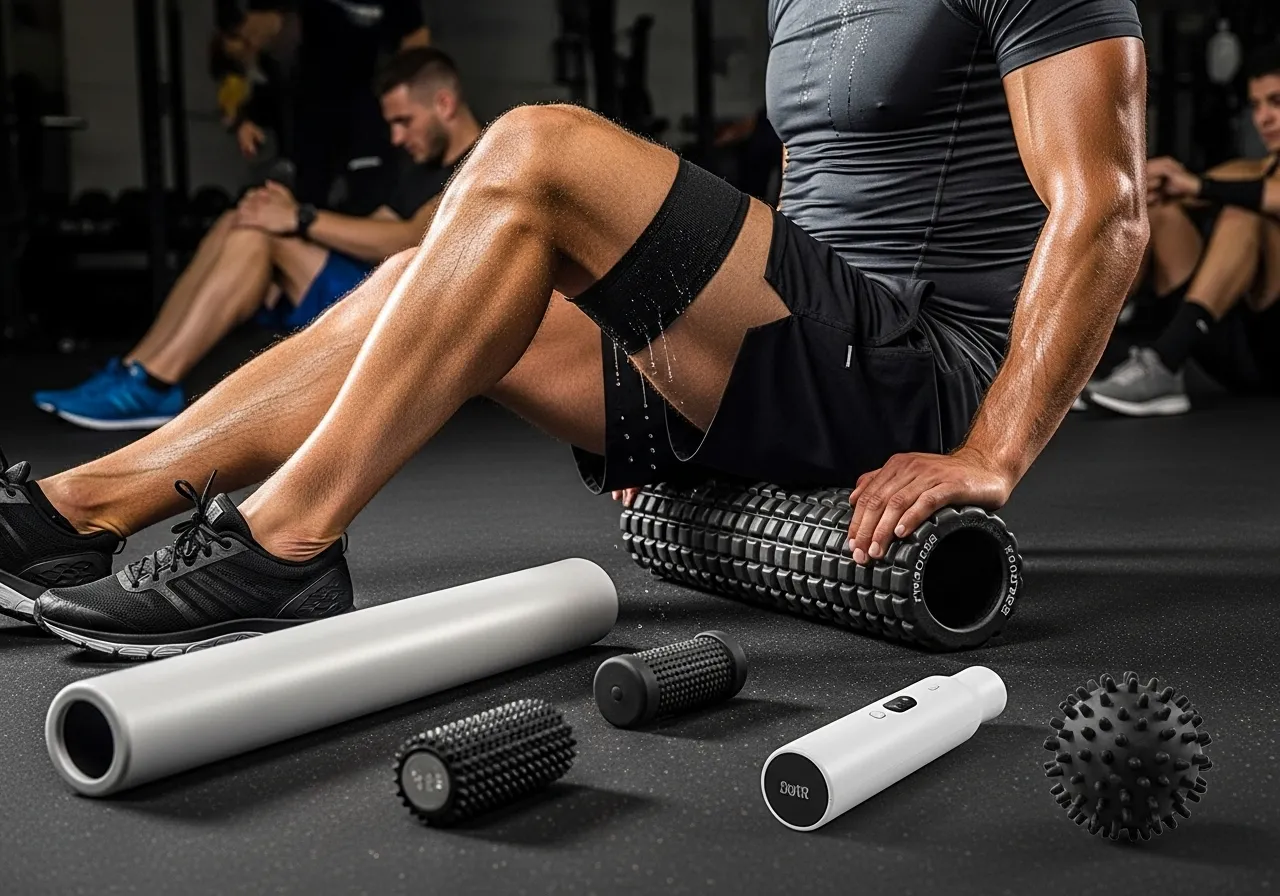
The foam roller market offers a range of densities, textures, and sizes that produce meaningfully different tissue responses — and selecting the appropriate tool for the specific application improves both effectiveness and comfort compared to using a single roller for all purposes. Foam density: soft foam rollers (white, low-density polyethylene foam) provide gentle compression appropriate for beginners, post-injury sensitive tissue, or warming up delicate areas; medium-density rollers (the standard grey or black EVA foam) provide the moderate pressure appropriate for most athlete recovery applications; and hard foam or solid plastic rollers (the highest-density options) provide the deepest compression for experienced athletes treating well-conditioned tissue. The common error: beginners who use high-density rollers on untreated tissue experience excessive pain without proportional additional benefit — the optimal pressure produces the “hurts-so-good” sensation that indicates productive tissue stimulation without the sharp pain that indicates inappropriate force. Textured rollers (with ridges, knobs, or grid patterns) claim to provide deeper tissue effects than smooth rollers by creating point contacts that concentrate the applied force — the evidence on whether this produces meaningfully superior outcomes compared to smooth rollers is limited, but athletes who find that standard rollers do not produce sufficient mechanical stimulation for their conditioned tissue often find textured options more effective. Roller size: the standard thirty-centimeter length roller is appropriate for most applications; shorter rollers (fifteen centimeters) provide more portability and better precision for small areas like the calves and upper arm; longer rollers (forty-five to ninety centimeters) provide the stability for back and thoracic rolling that shorter rollers cannot maintain under lateral movement.
Lacrosse Balls and Targeted Tools: Accessing Deep Tissue
The lacrosse ball — or the firmer therapy balls available from physical therapy suppliers — provides the targeted, high-pressure point contact that foam rollers cannot achieve for the small or deep muscles that foam rolling geometry cannot specifically address. Lacrosse ball applications: the plantar fascia (rolling the ball under the arch of the foot while standing, applying moderate body weight through the foot — the most accessible plantar fascia self-treatment available); the posterior shoulder (the infraspinatus and teres minor of the rotator cuff, accessed by placing the ball between the upper back and a wall and applying pressure by leaning into the wall — inaccessible by floor-based foam rolling); the hip flexor complex (the psoas major, accessible by lying prone with the ball positioned at the lateral abdomen, one to two centimeters medial to the front of the hip bone); and the sole of the foot and plantar intrinsic muscles that foot rolling addresses. The massage gun alternative: the percussive therapy devices (Theragun, Hypervolt, and similar) that have proliferated in athlete recovery practice produce a different mechanical stimulus from foam rolling — rapid percussive impact rather than sustained compression — with evidence for equivalent or superior DOMS reduction and blood flow effects for muscle belly applications. Their advantage over foam rolling is the ability to apply targeted percussion to posterior muscles (mid-back, posterior shoulder, posterior hip) that self-rolling requires contorted positioning to access, making them particularly valuable for athletes with significant posterior chain recovery needs.
Self-Myofascial Release Beyond Foam Rolling: The Complete Toolkit
Foam rolling is the most widely used form of self-myofascial release, but it is one of several effective self-treatment modalities that athletes can use to address the tissue restrictions and recovery needs that training creates. The complete self-myofascial release toolkit: foam rolling for the large muscle groups accessible to cylindrical roller pressure; lacrosse balls and therapy balls for targeted deep tissue work in small or deep muscles; percussion therapy devices (massage guns) for posterior muscle access and rapid soft tissue stimulation; cryotherapy tools (ice massage, cold therapy sleeves) for acute injury and post-training inflammation management; and the floss bands (Rogue Floss Bands, VooDoo Floss) that combine compression with movement to address joint mobility and tissue sliding that other tools cannot produce. The floss band technique: wrapping the elastic band tightly around a joint or muscle belly and then moving the joint through full range of motion combines the compressive effect of the band with the active tissue shearing that movement creates — producing a joint mobility and tissue quality effect that purely passive tools like foam rollers and static pressure balls cannot replicate. Floss band applications: the ankle (addressing the ankle dorsiflexion restriction that calf tightness and joint stiffness produce in squatters and Olympic lifters); the knee (addressing the quadriceps-patellar tendon-tibia complex mobility that knee flexion restriction involves); and the shoulder (addressing the shoulder internal rotation restriction that overhead athletes commonly develop). The complete athlete who knows when to use each of these tools — and applies them with the protocol specificity that maximizes their respective benefits — has a comprehensive self-treatment capacity that rivals the treatment access of athletes with dedicated sports medicine support, within the daily at-home practice that the self-administered toolkit enables.
Foam Rolling in Rehabilitation: Working With Healthcare Providers
Foam rolling during injury rehabilitation is most effectively implemented within a framework guided by the physiotherapist or sports medicine physician managing the injury — because the stage of healing, the specific tissues injured, and the mechanical demands of the injury site all influence whether foam rolling is appropriate, which tissues should and should not be rolled, and what pressure is therapeutic versus potentially harmful. The general rehabilitation phases where foam rolling is most valuable: during the remodeling phase (four to twelve weeks post-injury, when the immature repair tissue is being organized by mechanical loading into a more functional structure), foam rolling the injured muscle at appropriate pressure levels provides the mechanical stimulus that guides scar tissue alignment along the functional tissue orientation; and during the functional recovery phase (beyond eight weeks post-injury), full foam rolling of the injured and surrounding tissues as part of the return-to-sport mobility program that athletic readiness requires. The contraindications that healthcare providers identify: foam rolling over open wounds, fresh hematomas (bruises less than forty-eight hours old), deep vein thrombosis risk regions, acute tendon ruptures, and fracture sites — circumstances where the mechanical loading of rolling would impair rather than support the healing process. The collaboration approach: sharing the specific foam rolling practices used in home recovery programs with the treating healthcare provider allows the integration of self-rolling into the managed rehabilitation plan rather than as an unsupervised parallel activity that may conflict with professional treatment priorities. Most sports physiotherapists actively support appropriate home foam rolling during rehabilitation and will provide specific guidance on technique, pressure, and timing that integrates rolling into the rehabilitation framework more effectively than general instructions can.
The rehabilitation-integrated foam rolling approach — coordinated with the treating physiotherapist and calibrated to the healing phase of the specific injury — produces superior return-to-sport outcomes compared to either unsupervised self-rolling or no self-treatment during the rehabilitation period. The informed athlete who communicates their home rolling practice to their healthcare team creates the collaborative recovery environment that the evidence for rolling in rehabilitation best supports. Done.
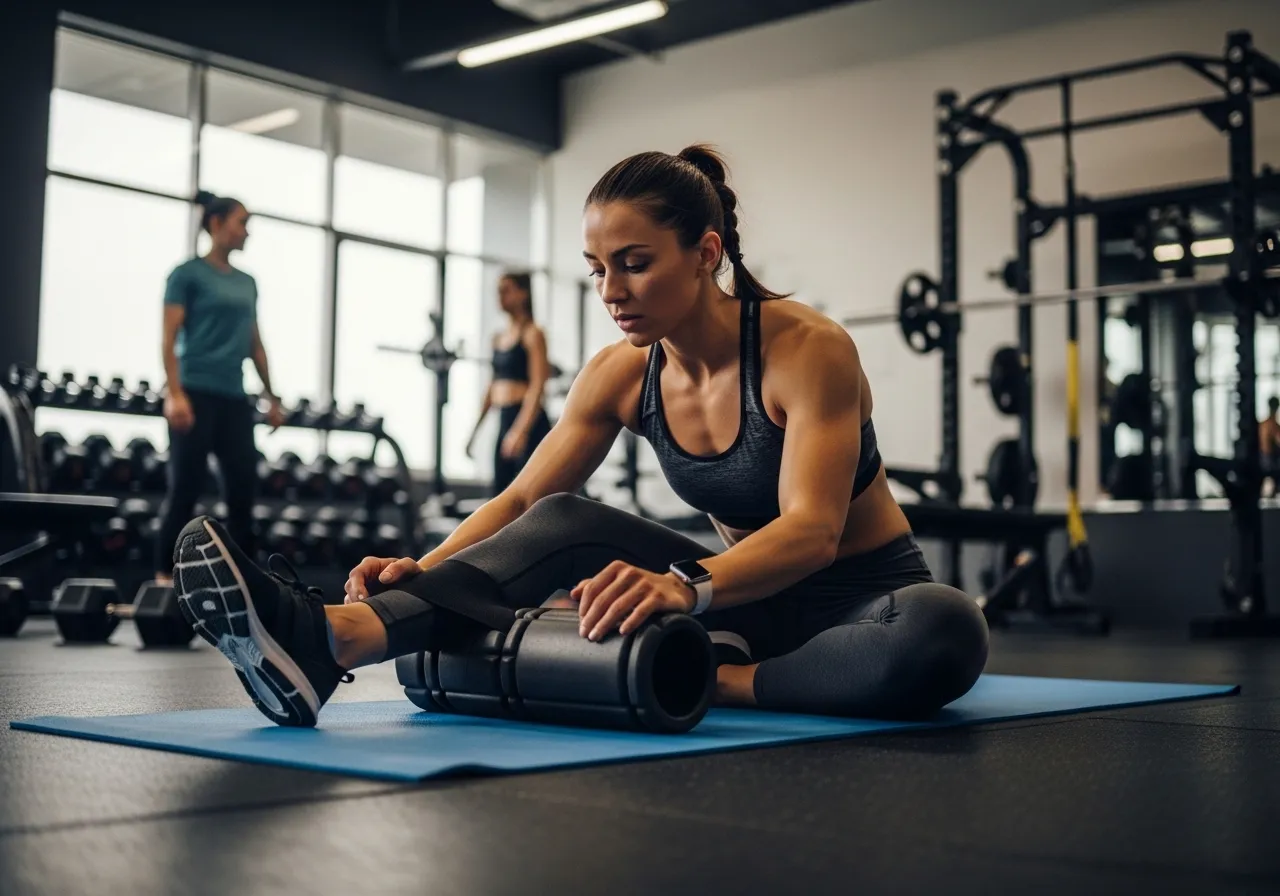
Foam Rolling for Specific Athletic Goals and Injury Prevention
The application of foam rolling for specific athletic goals — runner recovery, strength athlete mobility, injury prevention, and post-injury rehabilitation — involves targeted protocols that the general technique descriptions above inform but do not fully address.
Foam Rolling for Runners: The Essential Protocol
The repetitive unilateral loading pattern of running creates the specific myofascial restriction patterns that runner foam rolling protocols are designed to address: IT band and lateral hip tightness from the hip abductor-adductor imbalances and the lateral knee forces of the running stride; calf and Achilles region restriction from the repetitive plantar flexion loading; hip flexor tightness from the forward lean and hip extension demands of running economy; and plantar fascia restriction from the forefoot loading that distance running imposes. The runner’s foam rolling protocol: performed after every run and as a standalone session on rest days, progressing through the lateral hip and IT band, quadriceps, hip flexors, hamstrings, calves, and plantar fascia in a systematic sequence that takes fifteen to twenty minutes. The total time investment produces the injury prevention return that the most common running injuries (IT band syndrome, plantar fasciitis, calf strains, and hip flexor tightness) represent — with consistent foam rolling identified by running coaches and physiotherapists alike as among the most impactful injury prevention practices available to the distance runner. From BJSM running injury prevention and soft tissue management research, regular self-myofascial release is associated with lower running injury rates in recreational distance runners compared to training-matched runners who do not perform regular tissue maintenance — confirming the injury prevention value that the recovery mechanism and performance benefits of foam rolling collectively produce.
Foam Rolling for Strength Athletes: Mobility and Performance
Strength athletes — those focusing on powerlifting, Olympic weightlifting, or bodybuilding — face specific mobility restrictions that foam rolling addresses for both performance improvement and injury prevention. The squat mobility complex: thoracic spine extension (for the upright torso that safe barbell squatting requires), hip flexor and quadriceps flexibility (for the depth and knee position that competition standards and injury prevention demand), and ankle dorsiflexion (for the forward shin angle that deep squat mechanics require) are the most commonly restricted areas in strength athletes and the ones most amenable to systematic foam rolling. The bench press and overhead pressing complex: the latissimus dorsi and teres major restriction that limits shoulder mobility for overhead pressing; the pectoral tightness that limits the horizontal extension of the chest that safe shoulder mechanics for bench pressing requires; and the thoracic extension restriction that produces the rounded upper back that transfers shear stress to the lumbar spine. Rolling these specific areas before lower body and upper body strength sessions respectively provides the acute mobility improvement that improves both performance and injury risk in the training session it precedes. The strength athlete rolling frequency: daily rolling of the chronically restricted areas identified in movement assessment, combined with the session-specific pre-training rolling of the muscles involved in the planned session, produces the mobility development that accumulated training history and sitting-dominated lifestyles progressively restrict.
Frequently Asked Questions About Foam Rolling
Can foam rolling replace stretching? No — foam rolling and stretching produce complementary but distinct tissue effects. Rolling addresses myofascial restriction and muscle tone; stretching addresses the muscle length and joint range that the cleared fascial environment can then access. Combining both in the warm-up and cool-down produces superior outcomes to either alone. Is it normal for foam rolling to hurt? Moderate discomfort (a “productive pain” sensation of pressure on tight tissue) is normal and indicates effective engagement with restricted tissue. Sharp, radiating, or neurological pain (tingling, numbness, burning) indicates nerve contact or inappropriate pressure that should be immediately addressed by reducing force and repositioning. How long does it take to see results from foam rolling? Acute flexibility improvements are visible in the session immediately following rolling; DOMS reduction is measurable in the twenty-four to forty-eight hours following post-training rolling; and chronic mobility improvements from daily practice accumulate over four to eight weeks of consistent application. Should I foam roll if I have an acute injury? Foam rolling over an acutely inflamed area (within the first forty-eight to seventy-two hours of injury) is generally contraindicated — the additional mechanical stress of rolling on inflamed tissue can exacerbate the inflammatory response. Rolling adjacent to the injured area (to maintain circulation and tissue health in the surrounding region) is generally appropriate with appropriate guidance. How hard should I press? A pressure of six to seven on a ten-point discomfort scale is the general guideline — uncomfortable enough to indicate productive tissue engagement but not so painful that the nervous system defensively contracts the tissue being rolled. Can I foam roll every day? Yes — daily foam rolling is safe and produces better long-term mobility outcomes than rolling only on training days. The recovery rolling serves different purposes from training-adjacent rolling; both are compatible with daily practice.
Building the Foam Rolling Habit: Making It Part of Every Session
The foam rolling practice that produces the injury prevention, recovery, and mobility benefits described throughout this article is the one that is performed consistently — not the technically perfect protocol performed once monthly when inspiration strikes. The habit building approach: keep the foam roller visible in the training area (the visible roller is the used roller; the stored roller is the forgotten roller); designate a specific time within the training session structure where rolling always occurs (immediately after changing into training clothes for pre-session rolling; immediately after the final working set for post-session rolling); begin with the single most beneficial rolling area for the individual athlete and add areas progressively rather than attempting the full protocol on the first session; and track rolling consistency in the training log alongside training sessions to create the accountability that habit maintenance benefits from. The athlete who commits to five minutes of foam rolling after every training session — even when time or motivation is limited — accumulates the tissue health investment that injury prevention requires and the mobility improvement that performance benefits from, across every week and month of consistent training. The foam roller is one of the most cost-effective, time-efficient, and consistently evidence-supported tools in the athlete’s recovery toolkit. Use it consistently, apply it correctly, and allow the compounding benefits of regular practice to protect the tissue health that training demands and athletic longevity requires.
Tracking Foam Rolling Progress: Measuring the Results of Consistent Practice
The recovery and mobility benefits of consistent foam rolling practice are genuinely measurable — and implementing specific tracking methods converts the intuitive sense of “feeling better” into the objective data that confirms the practice’s effectiveness and motivates its continuation. The measurable outcomes of foam rolling: DOMS intensity rated on a zero-to-ten scale on the day following training, tracked across weeks with and without consistent rolling; joint range of motion measured with a goniometer or the simpler sit-and-reach, shoulder rotation, and hip mobility tests that require no equipment; and the subjective training readiness score (a morning assessment of muscle freshness, motivation, and perceived recovery on a one-to-ten scale) that reflects the cumulative recovery quality that rolling contributes to. The tracking protocol: establish baseline measurements for the specific outcomes to be tracked before beginning a consistent rolling practice; re-measure at four-week intervals to document the specific improvements that the practice produces. Athletes who track their rolling practice and its outcomes produce better adherence to the consistency that long-term benefits require — because the objective evidence of improvement provides the reinforcement that sustains the practice through the low-motivation periods where its benefits are most important. The consistency investment: five to ten minutes daily for six to twelve weeks produces the measurable tissue quality and range of motion improvements that occasional rolling cannot achieve — and the tracking data that reveals these improvements is the evidence that makes the daily time investment feel proportionate to the return it produces. The foam rolling practice that is tracked, measured, and refined based on objective outcomes is the one most likely to become the sustainable, injury-preventing, performance-supporting daily habit that every athlete who trains consistently would benefit from maintaining for the remainder of their athletic career.
The Athlete’s Complete Foam Rolling Reference: Key Techniques at a Glance
A concise reference for the major muscle group techniques covered in this article provides the at-a-glance guidance that the training floor requires when the specific protocol details of a comprehensive article are not easily recalled mid-session. Quadriceps: prone position, roller under front thigh, elbows supporting weight, roll slowly from knee to hip, pause at tender spots. IT band/lateral thigh: side-lying, roller under outer thigh, slow roll from just above knee to outer hip, reduce pressure compared to quadriceps. Hamstrings: seated, roller under posterior thigh, hands behind supporting weight, cross ankles for added pressure, roll from knee to gluteal fold. Calves: seated, roller under lower leg, cross ankles for added pressure, roll from just above heel to back of knee. Glutes/piriformis: seated on roller, figure-four position (ankle over opposite knee), rock to find and hold tender areas. Thoracic spine: lying on back, roller across mid-back at shoulder blade level, hands supporting head, extend over roller, reposition upward by one to two vertebrae and repeat. Latissimus dorsi: side-lying, roller under lateral torso, arm extended overhead, roll from lower rib to armpit. The rolling principles that apply to every area: slow application (five centimeters per second); pause at tender points (thirty to sixty seconds); breathe steadily through discomfort; moderate rather than maximum pressure; and follow with movement through the newly released range. These principles transform the mechanical application of compressive force into the recovery investment that the tissue health, performance maintenance, and injury prevention that athletic training demands require as their biological foundation. Roll daily. Roll correctly. Protect the tissue that training tests every session, and allow the investment to compound across the years of athletic life that consistent tissue care enables.
Roll consistently. Recover completely. Train for a lifetime. Be well.