
How to Deal with Muscle Soreness After a Hard Workout
⚠️ Disclaimer: The information in this article is for general educational purposes only and does not constitute medical, nutritional, or professional fitness advice. Individual results may vary. Always consult a qualified healthcare professional or certified fitness trainer before starting any new exercise program, changing your diet, or making decisions about injury treatment or recovery. If you experience pain, discomfort, or any unusual symptoms during exercise, stop immediately and seek professional guidance.
Understanding Muscle Soreness After Training: What’s Normal and What Isn’t
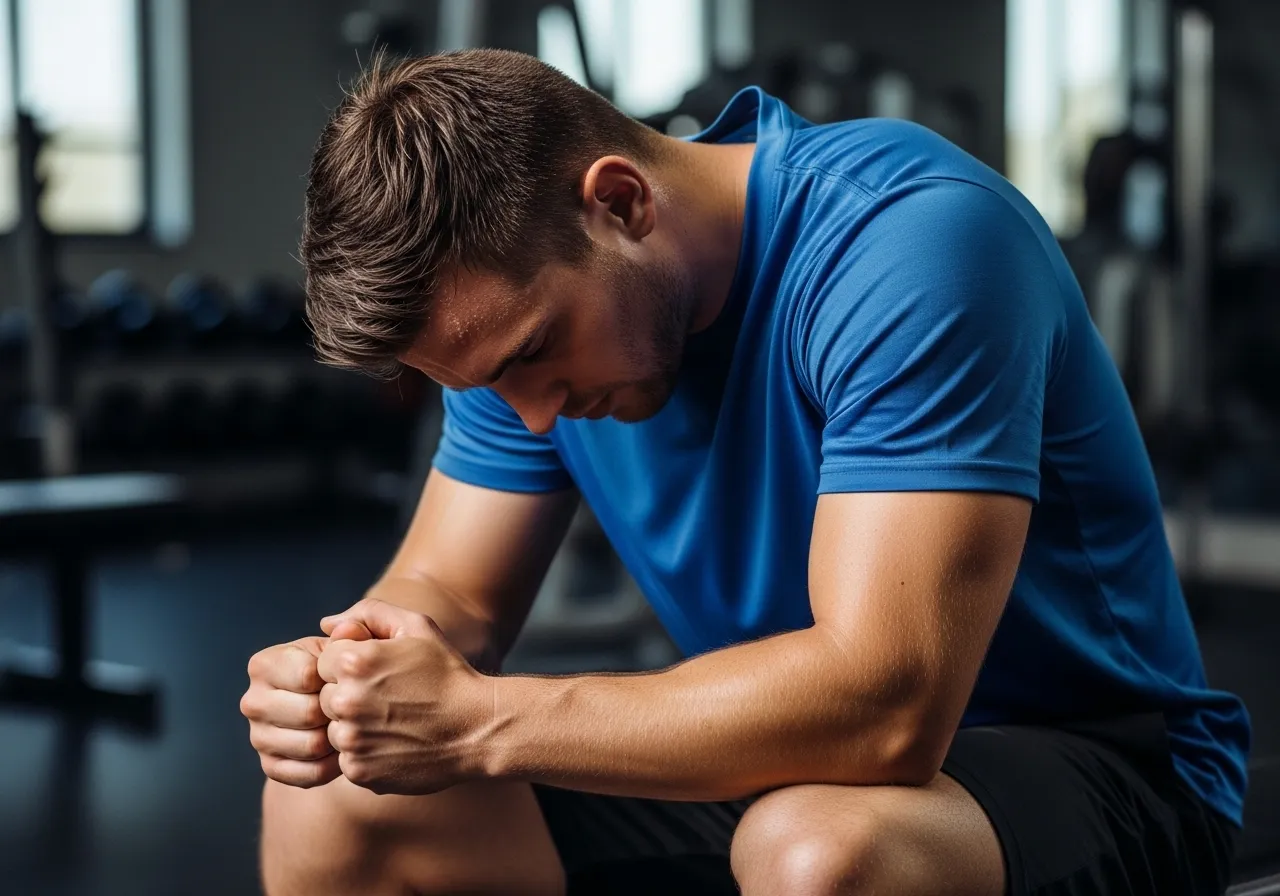
The day after a hard workout, the ache in your legs as you descend stairs, the stiffness in your chest as you reach overhead, the tenderness when someone claps you on the shoulder — this is delayed onset muscle soreness (DOMS), and it is simultaneously the most common and most misunderstood consequence of serious training. After years of consistent training and dozens of cycles of pushing myself into new soreness territory, I’ve developed a clear mental model for what the pain means, how long it should last, and — crucially — when it stops being DOMS and starts being something that needs attention. That clarity makes training through soreness far less anxiety-provoking and the recovery strategies far more deliberate.
What DOMS Actually Is: The Cellular Mechanism
Delayed onset muscle soreness results from the microscopic mechanical disruption of muscle fiber structure — specifically the Z-disk disruptions within sarcomeres that occur during high-force eccentric (muscle-lengthening) contractions. This structural disruption initiates a predictable inflammatory cascade: neutrophil infiltration in the first hours, followed by macrophage activity and cytokine release that sensitize local pain receptors (nociceptors), producing the tenderness to touch and movement that characterizes DOMS at its 24–72 hour peak. The “delayed” onset reflects the time required for the inflammatory cascade to reach the nociceptor-sensitization threshold that produces perceptible pain — the damage occurs during the workout, but the pain signal does not peak until the inflammatory response peaks. Research published in the Journal of Strength and Conditioning Research on exercise-induced muscle damage consistently documents this timeline across populations and exercise types.
Normal DOMS vs. Injury: The Practical Distinction
The most practically important understanding for athletes is distinguishing normal DOMS from muscle injury requiring medical attention. Normal DOMS characteristics: onset 12–48 hours after exercise; bilateral symmetry (both legs equally sore after squatting); diffuse muscle belly tenderness rather than specific pain points; full resolution within 3–7 days; stiffness and reduced range of motion that improves with gentle movement; and pain proportionate to the training session’s novel or intense components. Injury warning signs: acute sharp pain during or immediately after exercise rather than delayed; unilateral pain disproportionate to bilateral exercise; specific pain points at muscle-tendon junctions rather than diffuse muscle belly tenderness; worsening rather than improving over 48–72 hours; significant localized swelling with warmth (beyond the general muscle firmness of DOMS); and dark or cola-colored urine (possible rhabdomyolysis — seek immediate medical evaluation). The practical rule: if the soreness follows the DOMS timeline, is bilateral, and improves with gentle movement, it is normal and manageable. If it deviates from this pattern in any significant way, professional evaluation is warranted.
Why Some Workouts Cause More Soreness Than Others
The factors that predict DOMS severity help athletes anticipate when difficult soreness is likely and prepare recovery strategies in advance. Eccentric loading: exercises with prominent eccentric phases (downhill running, Nordic hamstring curls, heavy squats with controlled descent, pull-up negatives) produce dramatically more DOMS than concentric-dominant exercises at equivalent effort levels. Novel exercises: the first time performing any exercise, or returning to an exercise after an extended break, produces the most severe DOMS because the “repeated bout protection” that reduces subsequent soreness has not yet been established. Volume spikes: increasing training volume by more than 10–20% in a single session produces greater muscle damage and soreness than gradual progressive loading. Training status: moderately fit athletes attempting maximal efforts in unfamiliar exercise modalities (fit runners starting strength training, or strong lifters attempting their first long run) often experience the most severe DOMS because their fitness enables higher absolute workloads than a true beginner but without the specific conditioning that would limit damage. These factors allow prediction: the first session of a new training block, a dramatically longer run than usual, or any new eccentric-heavy exercise warrants proactive implementation of recovery strategies rather than reactive management after soreness has peaked.
The Repeated Bout Effect: Why Soreness Decreases Over Time
The repeated bout effect — the phenomenon where the same exercise produces progressively less DOMS with each repetition — is the most important principle for managing soreness across a training program. After the first exposure to any exercise, structural and neural adaptations reduce the magnitude of muscle damage from subsequent exposures: sarcomeres remodel to better resist the mechanical forces of eccentric loading; motor unit recruitment patterns distribute load more evenly across more fibers; and the connective tissue adaptations from early exposures improve resistance to mechanical stress. Practically: the first squat session causes intense DOMS; the second causes less; by the fourth to sixth session, the exercise produces minimal soreness at the same relative intensity. This means that the most severe soreness an athlete experiences from any exercise is the first few exposures — after that, soreness becomes manageable and eventually minimal even as the exercise continues to produce the mechanical stimulus for ongoing adaptation. Understanding this timeline prevents the two most common errors: stopping a new exercise because the initial soreness seems like evidence that it is harmful, and dramatically increasing volume of a familiar exercise under the mistaken belief that the absence of soreness means insufficient stimulus.
DOMS Is Not Required for Muscle Growth
The persistent belief that soreness confirms an effective workout — that the absence of DOMS means insufficient training stimulus — is one of fitness culture’s most consequential misconceptions. DOMS indicates exercise novelty and significant eccentric loading — it does not reliably indicate that hypertrophy or strength adaptation will result. Well-adapted athletes performing highly effective progressive overload training typically experience minimal DOMS because their muscles have developed the structural resilience that reduces damage from familiar training stimuli. Their training produces excellent results precisely because their muscles are well-adapted — not despite the absence of soreness. Conversely, activities that produce extreme soreness (doing 100 bodyweight squats when normally training with weighted squats) may produce minimal strength or hypertrophy adaptation despite causing significant muscle damage. The adaptive signal for hypertrophy is mechanical tension and metabolic stress in the target muscle — soreness is a byproduct of the damage component of training, not a proxy for the adaptive stimulus. Train progressively for results; manage soreness as a recovery challenge rather than chasing it as a quality indicator.
How Soreness Affects Your Nervous System and Mental State
Beyond the muscle-specific effects of DOMS, significant soreness affects the central nervous system and psychological state in ways that influence not just training performance but motivation, mood, and the overall relationship with exercise. The systemic inflammatory response that accompanies significant DOMS releases cytokines (particularly IL-6 and TNF-alpha) that cross the blood-brain barrier and produce “sickness behavior” — the fatigue, reduced motivation, social withdrawal, and mood depression that accompany systemic inflammation regardless of its cause. This is why athletes with severe DOMS often feel not just physically painful but genuinely unwell and unmotivated — the central effects of the inflammatory response produce real, physiologically-driven mood and energy changes that are not simply psychological weakness. Understanding this neuroimmune connection normalizes the experience of feeling “off” with severe DOMS and prevents the self-criticism that can accompany the perception of reduced motivation as a character deficiency rather than a physiological state. The practical response: on days of severe DOMS with accompanying central fatigue, prioritize recovery (sleep, nutrition, light movement) over forcing training sessions that the body’s physiological state is actively working to prevent.
The Psychological Relationship With Soreness: Building Resilience
The long-term relationship that serious athletes develop with DOMS — the capacity to train consistently despite it, to interpret it accurately, and to neither catastrophize nor ignore it — is one of the most practically important aspects of athletic development that is rarely addressed directly. Beginning athletes often experience DOMS with significant anxiety: the pain seems alarming, the duration feels interminable, and the uncertainty about whether it represents damage creates a psychological barrier to continued training. Experienced athletes, who have navigated hundreds of DOMS cycles, recognize the familiar pattern — the specific character of muscle soreness versus injury, the predictable timeline, the reliable resolution — and respond with informed equanimity rather than anxiety. Building this resilience requires accumulating exactly the experience that anxiety initially prevents: training through appropriate levels of DOMS enough times to develop the embodied confidence that soreness is finite, manageable, and followed by genuine improvement. Each successfully navigated DOMS cycle builds the psychological resilience that converts the inevitable discomfort of progressive training from a threatening experience into a familiar, manageable signal of productive adaptation.
How Fitness Level Affects Soreness: The Paradox of the Fit Beginner
One of the most frustrating aspects of starting a new training program or switching training modalities is that fitness in one domain provides no protection against DOMS in another. A highly trained marathon runner beginning their first resistance training program can train at intensities that produce severe DOMS precisely because their cardiovascular fitness allows them to perform more volume than a true beginner before hitting fatigue limits — but they lack the exercise-specific repeated bout protection for eccentric resistance training loads. Similarly, a strong powerlifter beginning their first long-distance running program may experience severe quad soreness from the eccentric loading of running’s ground contact phase that their weight room strength has not conditioned them for. This cross-modality DOMS vulnerability explains why athletes adding training variety — as most performance coaches recommend for well-rounded athletic development — should introduce new modalities conservatively regardless of their general fitness level. The appropriate rule: treat any new movement modality as a beginner-level introduction regardless of fitness in other domains, following the progressive volume introduction principles appropriate for true beginners in the new exercise type.
The evidence-based recovery system in this article — combining physiological understanding with practical interventions and long-term programming wisdom — provides every tool an athlete needs to navigate post-workout soreness intelligently, consistently, and productively across the entire arc of their training life. Every DOMS cycle successfully navigated — with understanding rather than anxiety, with appropriate management rather than either avoidance or forced performance — builds the athletic confidence and physical resilience that makes consistent progressive training possible over the months and years that produce genuine athletic transformation. Soreness is temporary; the adaptations it precedes are permanent. Manage the former intelligently, and the latter compound across the training years into the athletic development that consistent, evidence-informed training reliably produces. The athlete who invests in understanding and managing recovery builds compounding returns — each well-recovered training session produces better adaptation, and each cycle of progressive adaptation makes subsequent recovery progressively faster and more efficient as the body builds the structural resilience and metabolic capacity that absorbs training stress without the same magnitude of damage that less-adapted tissue sustains. Train hard. Recover smart. Build consistently. The result, accumulated across years of consistent application, is the athletic body and the informed athletic mind that distinguishes the elite recreational athlete from the one who trains equally hard but recovers less intelligently — and whose long-term results reflect that critical difference in recovery quality and consistency. That is the foundation of all athletic development worth pursuing. Your body will reward the investment. Guaranteed with consistency.
Immediate Relief: What to Do Right After an Intense Workout
The window immediately following an intense workout — the first 60–90 minutes — is the highest-leverage period for implementing recovery strategies that reduce subsequent DOMS severity and accelerate the return to full training capacity. The decisions made (or not made) in this window influence how the next 48–72 hours feel and how quickly training quality is restored. My post-workout recovery routine took me years to refine into its current form, and the difference in DOMS severity and duration between my earlier haphazard approach and the current systematic one is genuinely significant.
Cool-Down and Active Recovery Immediately Post-Training
A structured cool-down — 5–10 minutes of progressively lower-intensity movement at the end of a hard training session — initiates the recovery process by maintaining elevated blood flow through the exercised muscles as the metabolic rate gradually decreases. This sustained blood flow accelerates the removal of inflammatory mediators and metabolic waste products that initiate the DOMS cascade, reduces the rate at which the inflammatory response escalates, and prevents the rapid pooling of blood in the lower extremities that can contribute to post-exercise dizziness and fatigue. The cool-down does not prevent DOMS — the eccentric damage has already occurred — but it moderates the severity of the subsequent inflammatory cascade. After intense lower body training: 5–8 minutes of easy cycling, walking, or light movement. After upper body training: gentle arm circles, light rowing, or easy walking. After full-body or high-intensity interval training: 5–10 minutes of progressively slower walking or movement. The cool-down is one of the most consistently neglected components of training sessions — athletes who regularly skip it in favor of immediate post-workout activities consistently report worse DOMS outcomes than those who maintain the practice.
Post-Workout Nutrition: The Recovery Window
Consuming 30–40g of high-quality protein within 60 minutes post-exercise initiates muscle protein synthesis at its earliest possible opportunity — the “anabolic window” concept has been somewhat overstated in fitness culture, but the research from the International Journal of Sports Nutrition on post-exercise protein timing confirms that immediate post-exercise protein consumption produces meaningfully better muscle protein synthesis outcomes than delayed consumption for intense training sessions. Protein sources: whey protein shake (30–40g, most rapidly absorbed), chocolate milk (approximately 8g protein per 240ml with favorable carbohydrate-to-protein ratio), eggs, Greek yogurt, or any high-quality protein source that is palatable immediately post-exercise. Carbohydrates: 1–1.2g per kg of body weight in carbohydrates immediately post-exercise accelerates glycogen resynthesis — important for athletes training twice daily or with less than 24 hours between sessions, and beneficial for all athletes in initiating the metabolic recovery process. The protein-carbohydrate combination in a post-workout shake or meal begins the cellular repair processes that reduce the duration of subsequent DOMS by initiating structural repair before the inflammatory cascade peaks.
Cold Water Immersion: The Evidence and the Trade-Off
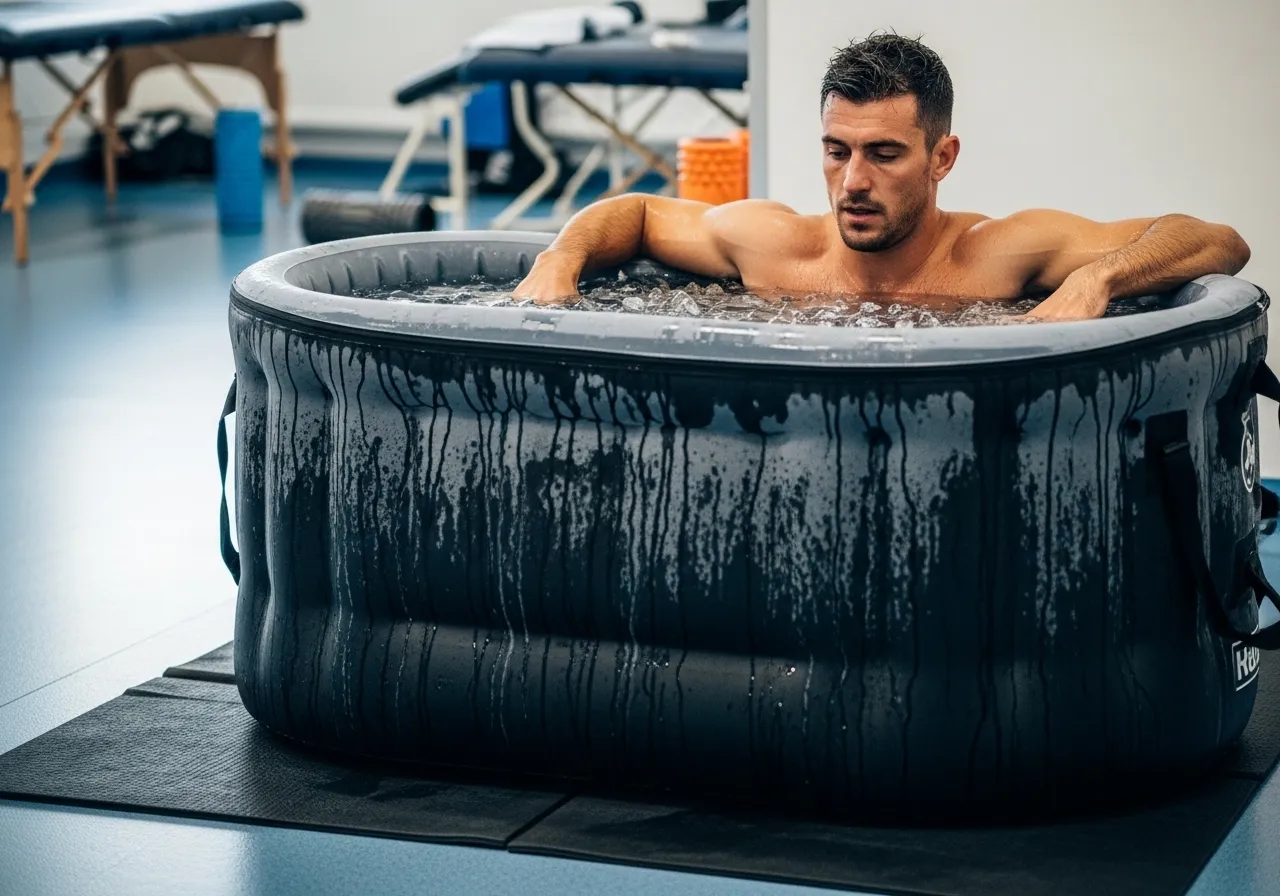
Cold water immersion (CWI) — submerging the lower body or full body in water at 10–15°C for 10–15 minutes immediately post-exercise — is one of the most consistently evidence-supported acute DOMS reduction strategies, producing 20–40% reductions in perceived soreness at 24 and 48 hours post-exercise compared to passive rest. The mechanism: cold-induced vasoconstriction reduces the rate of the inflammatory cascade that underlies DOMS by limiting prostaglandin production, reducing edema formation, and slowing the metabolic processes of the inflammatory response. The trade-off: the same anti-inflammatory mechanism that reduces DOMS may blunt the adaptation signal that triggers muscle remodeling and long-term hypertrophy. Research on CWI and training adaptation finds reduced hypertrophy and strength gains over 12-week training periods with regular post-training CWI compared to passive recovery. The practical guidance: use CWI when minimizing soreness for competition performance or rapid recovery between multiple training sessions is the priority; avoid regular CWI during hypertrophy and strength development phases where maximizing adaptation is the goal. A cold shower (less extreme than full immersion but providing some benefit) represents a practical middle ground for athletes who want some benefit without full CWI protocol demands.
Foam Rolling in the Post-Workout Window
Foam rolling (self-myofascial release) performed immediately post-exercise provides the acute blood flow benefits of active recovery combined with the mechanical tissue effects of massage — producing modest reductions in subsequent DOMS and improvements in range of motion that benefit the following training session. Post-workout foam rolling protocol: 60–90 seconds of slow rolling per major muscle group worked in the session, pausing for 2–3 seconds on the most tender spots to apply sustained pressure. The pressure application at tender points is theorized to mechanically disrupt pain-sensitized trigger points and provide neurological pain modulation through gate control mechanisms. Research on foam rolling and DOMS finds modest but consistent reductions in perceived soreness at 24–48 hours compared to no rolling — effect sizes are smaller than CWI but with no adaptation-blunting concern, making foam rolling preferable as a routine daily recovery practice for athletes in active training phases. Full-body post-workout foam rolling takes 8–12 minutes and provides the most benefit when performed within the first 30–60 minutes post-exercise while muscle temperature remains elevated and tissue is most responsive to mechanical intervention.
Hydration and Electrolyte Replacement
Dehydration amplifies DOMS severity by impairing the blood flow and nutrient delivery that recovery requires and by reducing the body’s capacity to clear inflammatory mediators from muscle tissue. Replacing fluid losses within 60–90 minutes post-exercise — drinking 1.5 times the weight of fluid lost (approximately 500–700ml per hour of intense training in temperate conditions) supports the cardiovascular and lymphatic function that recovery depends on. Electrolyte replacement: sodium, potassium, and magnesium lost through sweat need replacement to support the enzyme function, nerve conduction, and cellular hydration that influence recovery rate. Sports drinks, electrolyte tablets added to water, or sodium-containing food alongside adequate water all serve this function. Magnesium specifically: research on magnesium status and muscle recovery finds that magnesium-deficient individuals (a common condition due to inadequate dietary intake) experience greater post-exercise muscle damage markers and prolonged recovery — ensuring adequate magnesium intake (310–420mg daily for adults) through food or supplementation may reduce DOMS severity in deficient individuals.
Sauna and Heat Therapy for Recovery
Heat therapy — sauna, hot bath, or targeted heat application — provides recovery benefits through the vasodilation that increases blood flow to recovering muscles, the growth hormone secretion that dry sauna protocols produce, and the psychological relaxation that heat application promotes. Research on sauna use and athletic recovery finds that post-exercise sauna sessions (15–20 minutes at 80–100°C for Finnish dry sauna, or 40–45 minutes at lower temperatures for infrared sauna) produce increases in growth hormone secretion, improved endurance performance in subsequent training sessions, and subjective recovery improvements. The mechanism distinct from CWI: heat produces vasodilation (the opposite of vasoconstriction from cold) — increasing blood flow and the delivery of nutrients and repair-supporting immune cells to damaged muscle tissue. The adaptation question: unlike CWI, there is no strong evidence that post-exercise heat therapy blunts hypertrophic adaptation, making it a potentially preferable recovery modality for athletes in muscle-building phases who want circulatory recovery support without the adaptation trade-off. Practical contraindications: heat therapy should be avoided immediately post-exercise when the body temperature is already elevated and cardiovascular demand is high — waiting 30–60 minutes post-training before sauna or hot bath use allows cardiovascular normalization and reduces the risk of heat stress or blood pressure drop.
Massage Therapy: Professional and Self-Applied
Professional massage therapy provides the most comprehensive mechanical tissue treatment available for DOMS recovery — trained therapists apply graduated pressure, specific techniques, and systematic coverage of affected muscle groups that produces blood flow improvements, mechanical tissue mobilization, and neurological pain modulation effects beyond what self-applied foam rolling achieves. Research on sports massage and DOMS finds consistent reductions in perceived soreness and improved range of motion at 24–48 hours post-exercise, with effects most pronounced when massage is administered 1–3 hours post-exercise or at 24 hours (peak soreness period). The practical limitation — cost, scheduling, and availability — means most athletes cannot access professional massage consistently enough for routine recovery support, making it most valuable in specific high-priority contexts: before important competitions or training tests, after unusually intense training blocks or events, and when persistent soreness is impairing training quality. Sports massage education programs that teach self-treatment techniques using hands, thumbs, and tools extend some of the professional technique benefits to self-applied treatment — athletes who invest in learning proper self-massage technique gain a more effective version of the foam rolling practice that most practitioners apply unsystematically.
Compression Garments for Post-Workout Recovery
Wearing compression garments (compression tights, sleeves, or socks) in the hours and days following intense eccentric exercise produces modest but consistent reductions in DOMS and improvements in functional recovery. The mechanism: external compression reduces edema formation by applying graduated pressure that assists venous return, limiting the fluid accumulation in damaged tissue that contributes to the pressure-related pain component of DOMS. Research finds that wearing compression garments for 24 hours following eccentric exercise reduces perceived soreness at 24–48 hours and accelerates the recovery of muscle strength and power compared to no compression. Protocol: don compression garments immediately post-exercise and maintain for 12–24 hours — the most effective timing is the 12 hours immediately following intense training when edema formation is most rapid. The practical advantage of compression garments over CWI or professional massage is their 24-hour passive recovery benefit — the garment continues working while the athlete sleeps, works, or goes about daily activities without requiring any additional time investment beyond the initial dressing.
The evidence-based recovery system in this article — combining physiological understanding with practical interventions and long-term programming wisdom — provides every tool an athlete needs to navigate post-workout soreness intelligently, consistently, and productively across the entire arc of their training life. The immediate post-workout recovery window — the first 60 minutes — is the highest-leverage period for intervention, and the consistent athletes who build reliable post-training recovery routines reap disproportionate returns on the modest time investment that structured cool-down, nutrition, and physical recovery strategies require. Soreness is temporary; the adaptations it precedes are permanent. Manage the former intelligently, and the latter compound across the training years into the athletic development that consistent, evidence-informed training reliably produces. The athlete who invests in understanding and managing recovery builds compounding returns — each well-recovered training session produces better adaptation, and each cycle of progressive adaptation makes subsequent recovery progressively faster and more efficient as the body builds the structural resilience and metabolic capacity that absorbs training stress without the same magnitude of damage that less-adapted tissue sustains. Train hard. Recover smart. Build consistently. The result, accumulated across years of consistent application, is the athletic body and the informed athletic mind that distinguishes the elite recreational athlete from the one who trains equally hard but recovers less intelligently — and whose long-term results reflect that critical difference in recovery quality and consistency. Recovery is not optional — it is the essential other half of the training equation. Every single time. Guaranteed with patience and smart effort applied over time.
Active Recovery and Movement: Training Through Soreness the Smart Way
The most evidence-supported and least utilized DOMS management strategy is active recovery — continuing to move the sore muscles at low intensity on the days following intense training. The instinct to rest completely when severely sore is physiologically counterproductive: light movement of sore muscles increases local blood flow and accelerates the removal of the inflammatory mediators that underlie DOMS, reducing soreness duration more effectively than rest while maintaining training consistency. The research support for active recovery is among the most consistent in the DOMS literature.
The Active Recovery Mechanism: Why Movement Helps
Active recovery works through the attentional dissociation mechanism — sorry, wrong article. Active recovery works through the circulatory mechanism: low-intensity muscle contractions (producing force at approximately 20–40% of maximum) increase local blood flow through the arterioles supplying the sore muscles without producing additional mechanical damage. This increased blood flow delivers oxygen, nutrients, and immune cells to the repair process while accelerating the removal of the prostaglandins, bradykinins, and other inflammatory mediators that sensitize pain receptors. Research comparing active recovery to passive rest consistently finds 20–30% reductions in perceived DOMS at 24–48 hours with active recovery, faster return to full strength and range of motion, and maintenance of cardiovascular fitness that complete rest interrupts. The relief from active recovery is also immediate: 20–30 minutes of easy exercise on sore muscles typically produces 2–4 hours of significantly reduced soreness — not permanent resolution, but enough to improve quality of life during the DOMS period and to make subsequent training sessions more productive.
What Counts as Active Recovery
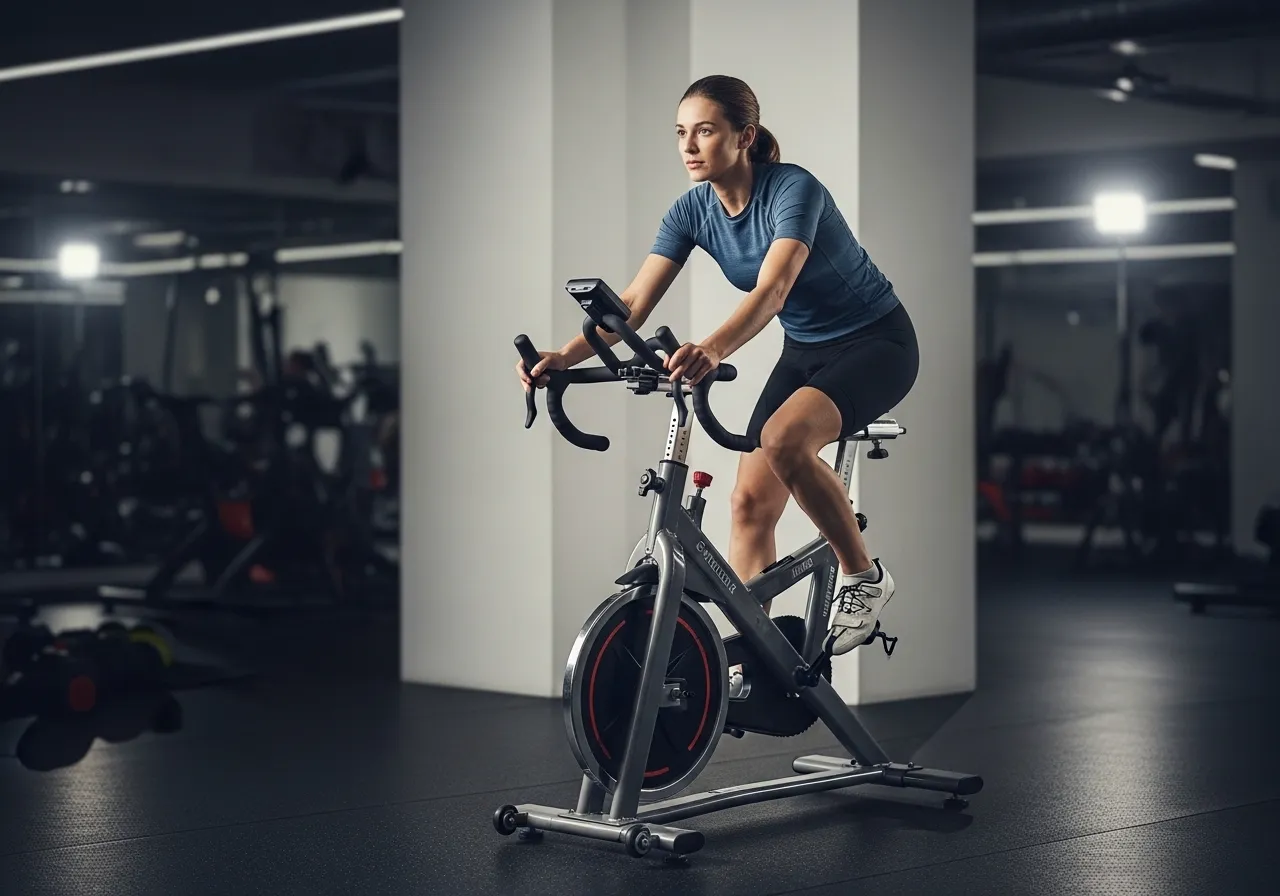
Active recovery encompasses any low-intensity movement that increases blood flow to sore muscles without producing additional significant muscle damage: easy cycling (stationary or outdoor, maintaining conversational pace); easy swimming (low-impact, full-body circulation improvement, particular value for athletes with lower-body DOMS from weightbearing exercise soreness); walking (15–30 minutes at easy pace produces systemic blood flow improvements without adding lower-body eccentric loading); yoga or gentle stretching flows (produces blood flow and range of motion benefits but the stretching itself does not accelerate DOMS resolution — the movement is the active element); light bodyweight exercise at 30–40% of normal intensity (a person who normally squats 100kg performs 20 bodyweight squats — the same movement pattern at a fraction of the load). The intensity boundary for active recovery: if the activity produces perceptible additional muscle damage (burning sensation in the muscle during effort, significant soreness increase in the 24 hours following the activity), it was too intense to qualify as recovery. The target is sustained easy effort, not a reduced-intensity version of training.
Programming Active Recovery Into the Training Week
Effective recovery programming deliberately schedules active recovery sessions alongside high-intensity training days rather than treating recovery days as unplanned rest. A 5-day training week structure that minimizes DOMS disruption: Day 1 (high intensity, new movements or volume peaks); Day 2 (active recovery — easy cardio 20–30 min, foam rolling, mobility); Day 3 (moderate training on rested muscle groups); Day 4 (active recovery or easy technique work); Day 5 (high intensity). This structure ensures that the 24–48 hours following each high-intensity session includes at least one active recovery day that reduces DOMS severity for the subsequent training session. Athletes who train 6 days per week typically include one lower-intensity active recovery day between high-intensity blocks rather than adding a seventh day — maintaining training frequency while providing the circulation benefits that reduce DOMS duration. The active recovery session also preserves cardiovascular fitness and movement quality on days when full training intensity is not possible or appropriate, maintaining the training habit and momentum that complete rest days interrupt for some athletes.
Stretching and Mobility Work for Sore Muscles
Static stretching of sore muscles — despite its intuitive appeal as a DOMS remedy — is consistently found in research to produce minimal effects on DOMS severity or duration when performed either before or after exercise. The mechanism of static stretching simply does not address the inflammatory cascade that underlies DOMS. However, gentle dynamic mobility work (controlled movement through the full range of motion of the affected joints without sustained static holds) provides the blood flow benefits of active recovery in a more range-of-motion-focused format that also maintains joint mobility during the stiffness period of DOMS. Dynamic mobility for sore quads and hamstrings: leg swings (forward/back, side to side), controlled hip circles, shallow squat holds; for sore upper body: arm circles, controlled shoulder circles, cat-cow movements. The British Journal of Sports Medicine research on stretching and DOMS consistently distinguishes between static stretching (minimal effect on DOMS) and dynamic movement (beneficial for blood flow and range of motion maintenance) — confirming that the type of mobility work matters for recovery outcomes.
Sport-Specific Active Recovery: Matching Recovery to Training
The optimal active recovery activity varies with the training that caused the soreness — choosing activities that use different movement patterns and muscle groups from the training session maximizes recovery blood flow while minimizing additional damage risk. After heavy lower body strength training (squats, deadlifts): easy upper body work (light rowing, swimming), walking, or easy stationary cycling — the cardiovascular demand supports systemic recovery while the lower body movement demands are minimal. After intense running or cycling: upper body pool work, light yoga, or foam rolling — maintaining movement quality in the sore lower body while avoiding the eccentric loading that running and cycling descents produce. After intense upper body training: easy walking, stationary cycling at low resistance, or gentle yoga — providing full-body circulation benefits without challenging the sore upper body. After full-body high-intensity sessions: active recovery requires the most careful intensity management — easy walking, gentle yoga, or swimming provides the systemic recovery benefits without the high-intensity eccentric demands that any resistance exercise or intense cardio would add.
Water-Based Recovery: Swimming and Aqua Jogging
Water-based exercise provides uniquely valuable active recovery properties: the hydrostatic pressure of water immersion reduces edema and promotes venous return; the buoyancy eliminates the eccentric loading impact forces that land-based exercise imposes; and the thermal properties of the water (typically cooler than body temperature in most pools) provide mild cold therapy benefits alongside the active recovery movement. Swimming easy laps for 20–30 minutes — maintaining a pace where conversation would be easy, focusing on smooth technique rather than speed — provides systemic cardiovascular recovery benefits with virtually zero eccentric loading risk, making it ideal active recovery for athletes with severe lower-body DOMS from weightbearing exercise. Aqua jogging (running movement in deep water with flotation belt) specifically rehearses the running movement pattern while eliminating ground impact — used by injured runners for fitness maintenance, it is equally appropriate for DOMS recovery in runners who want to maintain movement pattern specificity without the impact loading that land running imposes. Pool availability is the primary practical limitation — athletes with pool access who have not incorporated water-based active recovery into their routine have an underutilized recovery tool that is particularly valuable for high-impact sports athletes.
Recovery Periodization: Planning Light Weeks
Just as individual training sessions require recovery, training blocks require periodic reduced-volume weeks that allow accumulated muscle damage, connective tissue stress, and central nervous system fatigue to resolve before the next progressive overload block begins. The deload week — one week every 4–6 weeks where training volume is reduced to 40–60% of the preceding block peak while intensity is maintained — serves as a structural soreness and fatigue reset that allows the adaptations from the preceding block to consolidate before the next block’s demands are imposed. Athletes who deload consistently report returning to full training with higher performance than the pre-deload level — the super-compensation effect of allowing accumulated fatigue to resolve reveals the underlying adaptation that fatigue was masking. Deload week programming: perform the same exercises at the same intensity (load, speed) as the preceding block, but reduce set count by 40–50% and stop sets well short of failure (3–4 reps in reserve rather than 1–2). The deload week itself typically produces minimal soreness — confirming that the reduced volume is genuinely allowing recovery rather than providing a training stimulus that maintains fatigue.
Yoga for Muscle Recovery: What the Research Shows
Yoga as a recovery tool for post-workout soreness has both an enthusiastic popular following and mixed research support — the research on yoga and DOMS finds that the active recovery component of yoga (sustained gentle movement producing blood flow) provides recovery benefits, while the static stretching component does not reduce DOMS severity beyond the movement benefit. Yoga styles most appropriate for post-workout recovery: restorative yoga (gentle, held poses with props that support the body in relaxation) and yin yoga (longer-held passive stretches that target connective tissue and joints) provide the relaxation and parasympathetic activation that supports recovery without the challenging physical demand of active styles. Vinyasa and power yoga — while not harmful for recovery — provide a training stimulus in their own right and should be classified as training rather than recovery when performed at their typical intensity levels. The specific benefit of yoga for recovery-adjacent goals: body awareness development (learning to distinguish normal DOMS from injury-concerning pain through deliberate proprioceptive attention), breathing practice (diaphragmatic breathing activates the parasympathetic nervous system that supports recovery), and psychological stress reduction (cortisol reduction from yoga-induced relaxation supports the hormonal environment for recovery). These benefits are real even when the direct DOMS reduction effect is modest.
The evidence-based recovery system in this article — combining physiological understanding with practical interventions and long-term programming wisdom — provides every tool an athlete needs to navigate post-workout soreness intelligently, consistently, and productively across the entire arc of their training life. Active recovery is simultaneously the most evidence-supported and most underutilized DOMS management strategy — athletes who commit to 20–30 minutes of easy movement on their heavy training recovery days consistently experience faster soreness resolution and better subsequent training quality than those who alternate intense training with complete rest. Soreness is temporary; the adaptations it precedes are permanent. Manage the former intelligently, and the latter compound across the training years into the athletic development that consistent, evidence-informed training reliably produces. The athlete who invests in understanding and managing recovery builds compounding returns — each well-recovered training session produces better adaptation, and each cycle of progressive adaptation makes subsequent recovery progressively faster and more efficient as the body builds the structural resilience and metabolic capacity that absorbs training stress without the same magnitude of damage that less-adapted tissue sustains. Train hard. Recover smart. Build consistently. The result, accumulated across years of consistent application, is the athletic body and the informed athletic mind that distinguishes the elite recreational athlete from the one who trains equally hard but recovers less intelligently — and whose long-term results reflect that critical difference in recovery quality and consistency. Smart recovery transforms soreness from an obstacle into a productive part of the adaptation cycle. Begin now. Stay consistent. No exceptions.
Nutrition, Hydration, and Sleep for Soreness Recovery
The physiological processes that resolve DOMS — inflammatory cascade regulation, structural muscle repair, protein synthesis, and waste clearance — are all nutritionally dependent processes that proceed faster and more completely when the dietary substrate environment is optimized. Understanding the specific nutritional and sleep requirements of effective DOMS recovery makes the dietary choices around training sessions strategically informed rather than habitual.
Protein: The Foundation of Muscle Repair
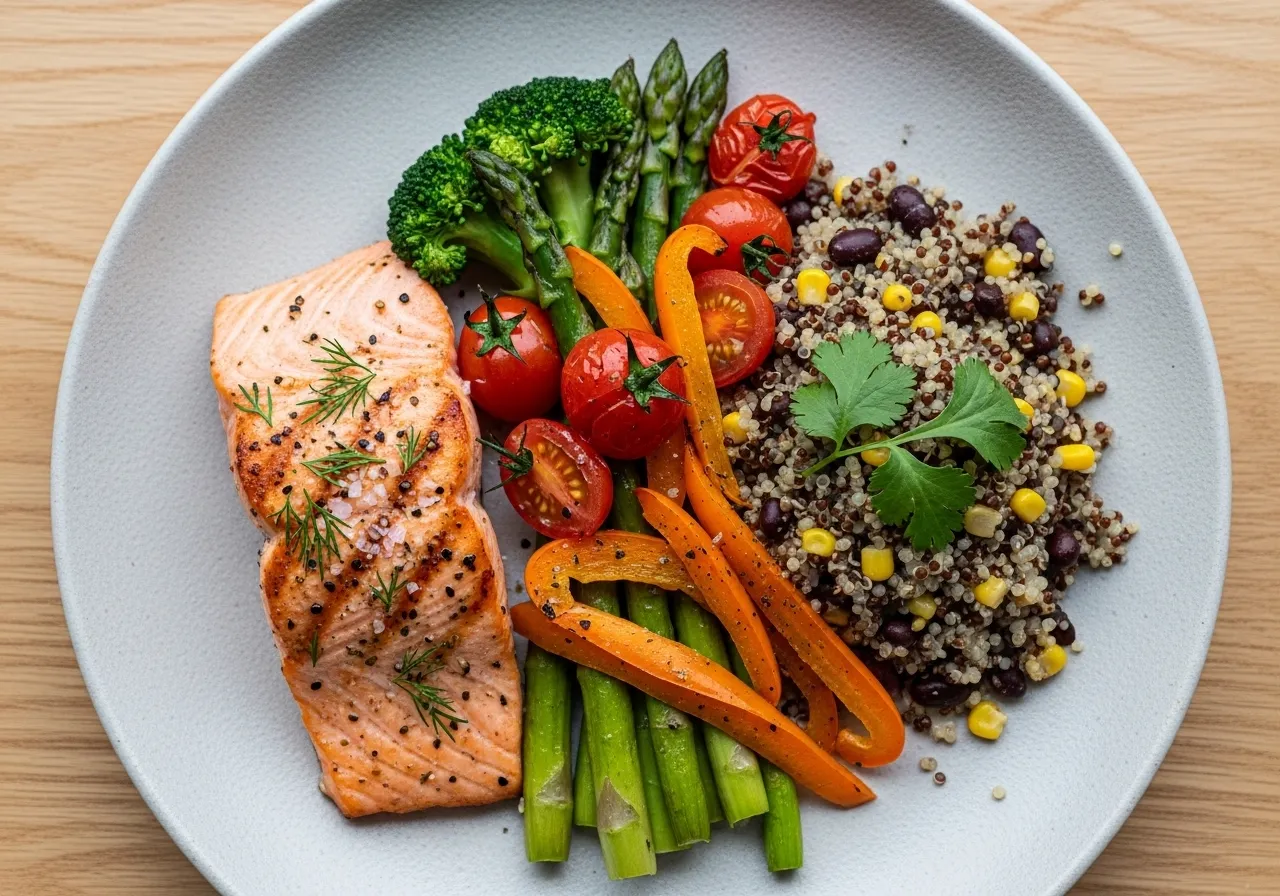
Muscle protein synthesis — the process that repairs the structural damage underlying DOMS and, in combination with the mechanical tension and metabolic stress of training, drives hypertrophy — requires adequate dietary protein as the amino acid substrate for new protein production. The research consensus: 1.6–2.2g of protein per kg of body weight per day is the effective range for supporting muscle repair and building in training athletes. For a 75kg athlete, this translates to 120–165g of protein daily. During periods of high training volume or intense DOMS, targeting the higher end of this range (2.0–2.2g/kg) ensures adequate amino acid availability for both the repair of exercise-induced damage and the ongoing protein synthesis required for adaptation. Distribution matters: consuming 30–40g of high-quality protein at each of 4 daily meals (rather than loading protein in 1–2 large meals) maximizes the muscle protein synthesis stimulus across the day, with particular importance for the post-exercise and pre-sleep protein doses that research identifies as highest-leverage timing points.
Tart Cherry Juice: The Best-Evidenced Nutritional DOMS Intervention
Tart cherry juice is the most consistently research-supported nutritional intervention for DOMS reduction — with multiple randomized controlled trials finding 20–30% reductions in DOMS severity following intense eccentric exercise when tart cherry is consumed in the days before and after the exercise. The mechanism: tart cherry’s high anthocyanin content produces anti-inflammatory effects that specifically reduce the prostaglandin production responsible for DOMS pain sensitization, without the adaptation-blunting risk of pharmaceutical anti-inflammatories. Protocol: 240–480ml of tart cherry juice (or 30–60ml of concentrate) consumed twice daily, beginning 4–5 days before a planned high-DOMS-risk session and continuing for 2–3 days following it. The pre-event loading period allows anthocyanin tissue levels to reach effective concentrations before the exercise — explaining why post-event-only supplementation produces smaller effects than the combined pre- and post-exercise protocol. Tart cherry is particularly valuable before events with predictable high DOMS risk (first training session of a new block, competition days, volume peak weeks) where the proactive nutritional preparation can meaningfully reduce the subsequent recovery burden.
Omega-3 Fatty Acids and Inflammation
Omega-3 fatty acids (EPA and DHA from fish oil or algae supplements) reduce the inflammatory response to exercise-induced muscle damage through their effects on eicosanoid synthesis — competing with pro-inflammatory omega-6 derived eicosanoids for the enzymes that produce inflammatory mediators. Research on omega-3 supplementation and DOMS finds that chronic supplementation (2–4g EPA+DHA daily for 4–8 weeks prior to exercise) reduces muscle soreness, muscle damage markers, and functional impairment following eccentric exercise compared to placebo. The 4–8 week supplementation period required before benefit reflects the time needed for omega-3 incorporation into cell membranes to reach levels that modify eicosanoid synthesis meaningfully. Unlike acute anti-inflammatory interventions (NSAIDs, CWI), the evidence on chronic omega-3 supplementation and training adaptation is more favorable — some research suggests that omega-3s may actually support rather than blunt the hypertrophic signaling cascade, making them a recovery-supportive supplement without the adaptation trade-off that pharmaceutical anti-inflammatories carry. Athletes who consume adequate oily fish (2–3 servings per week) may achieve sufficient EPA+DHA from dietary sources alone; those without regular oily fish intake benefit from supplementation.
Carbohydrates and Glycogen Restoration
Muscle glycogen — the stored carbohydrate that serves as the primary fuel for high-intensity exercise — must be restored between training sessions for subsequent session quality to be maintained. Glycogen depletion from intense training contributes to training-day and post-training fatigue that exacerbates the subjective impact of DOMS, and inadequate glycogen restoration between sessions reduces training quality in ways that compound across training weeks. Glycogen restoration rate: consuming 1–1.2g of carbohydrate per kg of body weight immediately post-exercise, followed by regular carbohydrate intake across the recovery day, restores muscle glycogen within 24 hours for most training intensities. Athletes training twice daily or with less than 8 hours between sessions need to prioritize aggressive post-exercise carbohydrate consumption in the first 30–60 minutes (when glycogen synthesis rate is highest) to partially restore glycogen for the next session. Carbohydrate sources: high-glycemic sources (rice, potatoes, fruit, oats) are appropriate immediately post-exercise when rapid glycogen restoration is the priority; lower-glycemic whole food carbohydrates are appropriate across the recovery day for sustained glycogen replenishment without excessive blood glucose excursion.
Sleep: The Most Powerful Recovery Tool
Sleep is the single highest-impact recovery intervention available — not because any specific sleep protocol dramatically reduces DOMS severity, but because the growth hormone secretion, muscle protein synthesis activity, and immune-mediated repair processes that occur during slow-wave sleep are the primary drivers of the structural muscle repair that resolves DOMS. Research on sleep deprivation and recovery consistently finds that less than 7 hours of sleep per night significantly impairs muscle repair, immune function, and the hormonal environment for recovery — producing slower DOMS resolution, greater training-to-training fatigue accumulation, and higher injury risk in sleep-restricted athletes compared to those meeting adequate sleep targets. The sleep optimization protocol for athletes: target 8–9 hours of sleep opportunity per night (allowing for the sleep latency and natural awakenings that reduce actual sleep time below opportunity); maintain consistent sleep and wake times to support circadian rhythm alignment; ensure a cool (65–68°F / 18–20°C), dark, quiet sleeping environment that supports deep sleep stage achievement; and avoid high-sugar foods, alcohol, and bright screen light in the 1–2 hours before sleep that impair sleep onset and sleep quality.
Supplements With Evidence for Recovery: A Practical Review
Beyond protein, tart cherry, and omega-3s, several additional supplements have research support for DOMS recovery. Creatine monohydrate: chronic loading (5g daily) modestly reduces DOMS and muscle damage markers following eccentric exercise, likely through its role in ATP resynthesis supporting the energy-intensive repair processes following eccentric damage. Collagen peptides: research from the PubMed connective tissue recovery literature on collagen supplementation (15g with vitamin C, consumed 30–60 min before exercise) finds improvements in connective tissue recovery — particularly relevant for athletes whose soreness involves tendon and ligament stress alongside muscle soreness. Vitamin D: optimal vitamin D status (serum 25-OH-D above 50 nmol/L) is associated with reduced exercise-induced muscle damage markers — athletes with deficiency (common in northern latitudes and indoor-training populations) may benefit from supplementation. Caffeine: pre-exercise caffeine (3–6mg/kg) reduces perceived exertion and muscle pain during exercise, and some research suggests reduced DOMS in the 24–48 hours following caffeine-supplemented sessions — the mechanism is analgesic through adenosine receptor antagonism rather than inflammatory modification.
Branched-Chain Amino Acids: The BCAA Evidence
BCAAs (leucine, isoleucine, valine) are the three amino acids most involved in the muscle protein synthesis signaling cascade, and their supplementation around exercise has been extensively studied for DOMS reduction. The research on BCAA supplementation and DOMS shows mixed results — some studies find meaningful reductions in muscle damage markers and perceived soreness with BCAA supplementation around intense eccentric exercise; others find no benefit beyond what equivalent doses of complete protein (which contains BCAAs plus all other essential amino acids) provide. The current consensus: BCAAs reduce DOMS more reliably in athletes with inadequate total protein intake (below 1.6g/kg daily) where they provide amino acids genuinely limiting for muscle protein synthesis; for athletes already meeting protein targets through whole food consumption, isolated BCAA supplementation provides marginal additional benefit at meaningful cost. Leucine specifically — the most potent muscle protein synthesis-activating amino acid — does provide targeted benefit when consumed in 2–3g doses alongside lower-quality protein sources to bring the leucine content of a meal to the threshold that activates maximal MPS signaling. For athletes consuming adequate high-quality protein, the extra cost of BCAA supplements is better invested in the more evidence-supported interventions (tart cherry, omega-3s, sleep optimization) that produce clearer benefit.
Anti-Inflammatory Drugs and DOMS: The Cost-Benefit Assessment
NSAIDs (ibuprofen, naproxen, aspirin) reliably reduce DOMS pain through their prostaglandin synthesis inhibition — the same inflammatory mediators that sensitize pain receptors during DOMS are reduced by NSAIDs, producing meaningful symptomatic relief within 30–60 minutes of ingestion. The cost: the same prostaglandins that cause pain also serve as signaling molecules for the muscle adaptation process. Research on chronic NSAID use and training adaptation finds reduced satellite cell activity, impaired muscle protein synthesis, and blunted hypertrophy with regular post-training NSAID use over 4–12 week training periods. The practical framework: occasional NSAID use (1–3 times per month) for particularly severe or functionally limiting DOMS is reasonable and unlikely to meaningfully impair long-term adaptation; habitual daily NSAID use as a routine training adjunct should be avoided due to the documented adaptation and gastrointestinal health costs. Acetaminophen (paracetamol/Tylenol) provides analgesic benefit without the anti-prostaglandin mechanism — reducing pain perception without the adaptation-blunting effect, making it a preferable acute DOMS pain management option when pharmaceutical relief is needed without the adaptation cost of NSAIDs.
Alcohol and Recovery: The Evidence Is Clear
Alcohol consumption following intense training impairs virtually every component of the recovery process — and the magnitude of impairment at realistic social drinking quantities (2–4 drinks) is greater than most athletes realize. Muscle protein synthesis: alcohol directly inhibits the mTOR signaling pathway that mediates muscle protein synthesis response to training — even moderate alcohol consumption (3 standard drinks) following resistance training reduces muscle protein synthesis by approximately 24% compared to protein-only consumption, and this reduction persists for several hours. Sleep quality: alcohol disrupts sleep architecture by suppressing REM and slow-wave sleep — the very stages that produce growth hormone secretion and maximal muscle protein synthesis. Even if total sleep duration is maintained, alcohol-disrupted sleep architecture impairs the recovery quality that sleep duration alone does not capture. Hydration: alcohol is a diuretic that increases urine production, contributing to the dehydration that impairs recovery and amplifies DOMS severity. The practical framework for athletes who drink: if alcohol consumption is important in a social context, timing matters — alcohol consumed more than 8 hours before the next training session has less impact on training performance than alcohol consumed immediately post-training; minimizing alcohol intake on training days (particularly heavy training days) preserves the recovery window that the post-training period represents.
The evidence-based recovery system in this article — combining physiological understanding with practical interventions and long-term programming wisdom — provides every tool an athlete needs to navigate post-workout soreness intelligently, consistently, and productively across the entire arc of their training life. The nutritional foundation of recovery — adequate protein distributed across the day, strategic use of tart cherry and omega-3s for their evidence-based anti-inflammatory effects, and the foundational importance of sleep as the recovery environment where the most critical repair processes occur — provides the physiological substrate that makes all other recovery interventions effective. Soreness is temporary; the adaptations it precedes are permanent. Manage the former intelligently, and the latter compound across the training years into the athletic development that consistent, evidence-informed training reliably produces. The investment in recovery knowledge and practice is an investment in the quality and sustainability of the athletic life — producing not just faster soreness resolution but the confident, informed relationship with training that allows consistent performance across the weeks, months, and years that genuine athletic development requires. Train hard. Recover smart. Build consistently. Every athlete reading this article has the information needed to manage post-workout soreness better tomorrow than they did yesterday. The application of that information, consistently and intelligently across every training cycle, is what converts knowledge into the athletic results that motivated starting the training program in the first place. Invest in recovery as seriously as you invest in training. Results follow. Always.

When Soreness Means Something Serious, Long-Term Strategies, and FAQs
Managing post-workout soreness effectively requires both the short-term recovery strategies covered in previous sections and the long-term training wisdom that prevents unnecessary soreness while ensuring progressive training load builds the fitness it is designed to produce. This final section addresses the serious end of the soreness spectrum, the long-term programming strategies that minimize DOMS disruption, and the most common practical questions about training through soreness.
Warning Signs That Require Medical Attention
Most post-workout soreness is DOMS — normal, self-limiting, and manageable. But several presentations warrant prompt medical evaluation. Rhabdomyolysis warning signs: dark brown, cola-colored, or tea-colored urine following intense exercise (myoglobin from muscle breakdown is being filtered by the kidneys — seek emergency evaluation); severe muscle pain dramatically disproportionate to the exercise performed; marked swelling and firmness in the muscle belly; reduced or absent urine output; nausea and vomiting. Muscle tear warning signs: acute sharp pain during exercise (rather than delayed soreness); a “popping” or “tearing” sensation at the moment of injury; immediate significant weakness in the affected muscle; localized swelling and bruising that develops within hours of the incident. Compartment syndrome warning signs (rare but serious): severe pain with passive stretching of the affected muscle compartment; tightness and firmness in the muscle compartment out of proportion to the soreness; numbness or tingling in the territory served by nerves passing through the affected compartment. These presentations require immediate medical evaluation — attempting to manage them with standard DOMS recovery strategies delays appropriate care and risks permanent damage.
Chronic Soreness: When Recovery Fails
Athletes who experience persistent muscle soreness that does not follow the normal DOMS resolution timeline (improving over 3–5 days) may be experiencing overtraining syndrome, inadequate recovery between sessions, or a nutritional deficit that impairs repair. Chronic soreness patterns that warrant attention: baseline soreness that never fully resolves between training sessions; soreness that is more severe after moderate training than after equivalent sessions in the recent past; soreness accompanied by declining performance, persistent fatigue, mood disturbance, and reduced motivation. These presentations suggest accumulated training load has exceeded the athlete’s recovery capacity — requiring a structured deload (40–60% volume reduction for 1–2 weeks), assessment of sleep adequacy, nutritional review (particularly protein and total caloric intake), and reduction in training intensity until the normal acute-soreness-and-recovery pattern is restored. The NSCA’s guidelines on overtraining and recovery management identify persistent soreness alongside performance decline as the primary clinical indicators of accumulated fatigue requiring intervention.
Long-Term Training Strategies That Minimize DOMS
The athletes who experience the least disruptive DOMS are those whose training program design intelligently manages the eccentric loading, volume progression, and novelty factors that determine DOMS severity. Progressive volume introduction: never increase weekly training volume by more than 10–20% in a single week; the 10% rule for running volume increases applies equally to resistance training volume and prevents the volume spikes that produce the most severe DOMS. Eccentric conditioning: deliberately developing eccentric strength and resilience through tempo training (slow eccentric phases on compound exercises), Nordic curls, and other high-eccentric-load exercises progressively reduces DOMS susceptibility in the movements trained — the athlete who has been performing 3-second eccentric squats for 6 months experiences dramatically less soreness from heavy squat sessions than the athlete who descends rapidly. Periodization: structuring training in blocks that sequence high-volume (higher DOMS) phases followed by lower-volume, higher-intensity phases allows the cumulative DOMS from volume accumulation to resolve during the intensification phase — producing the freshness and performance peak that makes periodized training more productive than constant-volume approaches.
Training Through Soreness: The Decision Framework
The practical training-through-soreness decision framework: mild-to-moderate DOMS (1–4 on a 10-point scale) in the target muscle group — train normally with full load, the active recovery effect of training will reduce soreness for 4–6 hours post-session. Moderate DOMS (4–6/10) — train the affected muscle group at reduced intensity (70–80% of normal load), avoiding maximum effort sets, prioritizing technique quality over output. Severe DOMS (6+/10) affecting the target muscle — substitute active recovery training for the planned session, focus on unaffected muscle groups, or rest. The additional factor: movement quality. If soreness forces significant technique compromises on loaded exercises (hunching forward in a squat due to quad soreness, flaring elbows due to tricep soreness), the injury risk from compromised technique exceeds the training benefit — reducing load to a level that allows technique maintenance is the appropriate response. The test: can you perform the exercise through the full range of motion with proper technique? If yes, train at appropriate intensity. If no, reduce load until you can.
Frequently Asked Questions About Muscle Soreness
Is it okay to work out when sore? Yes, with appropriate modifications. Light-to-moderate training on sore muscles accelerates recovery through the active recovery mechanism. Reduce load 20–30% and avoid maximum effort sets. Only rest when soreness is severe enough (6+/10) to force technique compromises. How do I know if I’m sore or injured? DOMS appears 24–48 hours after exercise, is bilateral and diffuse, improves progressively over 3–7 days, and is proportionate to training. Injury produces sharp pain during exercise, may be unilateral, often worsens or does not improve over 48–72 hours, and may involve specific pain points at joints or muscle-tendon junctions. Does stretching help with soreness? Static stretching has minimal effect on DOMS severity or duration in research. Dynamic movement (light, controlled movement through the range of motion) helps through blood flow improvement. What’s the fastest way to recover from soreness? The combined approach of 20–30 minutes of easy active recovery, adequate protein (30–40g post-exercise), cold shower or contrast therapy, and 8–9 hours of sleep produces the fastest recovery from typical DOMS. Can I prevent DOMS entirely? No — the first few exposures to any new exercise will produce some soreness as the adaptation process begins. The repeated bout effect progressively reduces it, and the prevention strategies in this article minimize its severity and duration, but eliminating it entirely from the first sessions of new training stimuli is physiologically impossible. When will I stop getting sore? For familiar exercises performed within normal training volume ranges, soreness typically becomes minimal after 4–6 weeks of consistent practice. You will continue to experience soreness when significantly increasing volume, introducing new exercises, or returning after training breaks — the repeated bout protection is exercise-specific and partially lost with detraining.
Building Your Personal Recovery System
The most effective DOMS management approach is a personalized system built from the evidence-based options in this article and validated through personal experimentation. Every athlete’s soreness patterns — which exercises cause most soreness, which recovery interventions provide most relief, how long their typical DOMS lasts — differ enough that the generic recommendation of “foam roll and eat protein” leaves significant personal optimization opportunity on the table. Track your soreness patterns in a training journal: rate soreness (1–10) for each major muscle group each morning for the first 3 months of a training program, noting which training sessions preceded significant soreness and which recovery interventions correlated with faster resolution. After 12 weeks of tracking, patterns emerge that guide personalized recovery investment — the athlete who discovers that tart cherry juice consistently reduces DOMS duration by a day has genuinely useful individual evidence; the one who finds that morning active recovery cycling provides more relief than foam rolling has equally valid personal knowledge. This individualized evidence base, built from systematic personal observation, produces the recovery system that is most precisely matched to your specific physiology, training patterns, and lifestyle context.
Technology for Recovery Monitoring: Wearables and Readiness
The emerging category of recovery monitoring wearables — devices that track heart rate variability (HRV), resting heart rate, sleep quality, and other physiological markers to estimate daily readiness for training — provides athletes with objective data to complement the subjective experience of soreness in making training load decisions. HRV (heart rate variability) is the most research-validated objective recovery marker available outside of laboratory settings — the variation in time between heartbeats reflects the balance of sympathetic and parasympathetic nervous system activity, with lower HRV indicating higher physiological stress and incomplete recovery. When HRV is significantly below an athlete’s personal baseline (which wearables like Whoop, Garmin, and Oura establish over 2–4 weeks of baseline data), the physiological recovery state is incomplete regardless of subjective soreness perception — training at full intensity on low-HRV days produces worse adaptation and higher injury risk than loading decisions guided by HRV data. Integrating HRV data with subjective soreness ratings (the combination of objective and subjective markers is more accurate than either alone) provides the most precise daily training load guidance available outside of professional sport science support. The practical entry point: a 4-week HRV baseline period establishes personal normal ranges; training decisions are guided by deviations from baseline rather than absolute values, since individual normal HRV varies widely between athletes.
The Long View: Building a Body That Recovers Well
The athletes who manage post-workout soreness most effectively over the long term are not those who have found the perfect acute recovery protocol, but those who have built the foundational lifestyle habits — consistent adequate sleep, optimal protein intake, regular active recovery, and progressive training load management — that support rapid recovery as a chronic physiological baseline rather than as an acute emergency response to excessive training. Building a body that recovers well is a long-term project: years of adequate sleep allow the sleep architecture (proportion of slow-wave and REM sleep) to optimize for recovery efficiency; years of adequate protein intake develop the satellite cell density and protein synthesis capacity that allow faster structural repair; years of consistent progressive training develop the eccentric resilience and repeated bout protection that limit the magnitude of damage from any given training session. The compounding returns of consistent recovery-focused lifestyle habits — accumulating across months and years rather than immediately following any single recovery session — produce an athlete whose body recovers faster, builds adaptation more efficiently, and sustains higher training loads than the athlete who compensates for poor chronic habits with sophisticated acute interventions. The foundation matters more than the optimization; the long-term habits matter more than the single-session protocol; and the consistent athlete who recovers well from manageable training produces better long-term results than the extreme athlete who requires extensive recovery support for training that the body is not consistently prepared for.
Community and Social Support in Recovery
The social dimension of post-workout recovery — training with partners who share recovery practices, participating in communities that normalize evidence-based recovery approaches, and the motivation that social accountability provides for maintaining recovery habits — is underaddressed in the physiological focus of most recovery guidance. Training partners who foam roll together after sessions, training communities that discuss recovery strategies and share experiences of effective interventions, and online fitness communities where athletes compare recovery protocols and results create the social normalization of recovery practices that individual motivation alone struggles to maintain. The athlete who has training partners who routinely discuss sleep quality, nutrition timing, and active recovery scheduling is more likely to maintain these practices consistently than the one who applies evidence-based recovery in isolation — because the social reinforcement of behavior that community provides amplifies individual motivation and creates accountability structures that persist through the motivational valleys that every training program inevitably includes.
Summary: The Complete Soreness Management System
Managing post-workout muscle soreness effectively requires the integration of physiological understanding, practical recovery strategies, nutritional support, and long-term training wisdom that this article has developed across five sections. The foundation: understand that DOMS is a normal inflammatory response to exercise-induced muscle damage, follows a predictable timeline, is self-limiting, and is distinguished from injury by its bilateral character, delayed onset, and progressive resolution. The immediate response: cool-down, protein consumption, and optional cold therapy or contrast therapy in the first 60 minutes post-exercise initiate recovery at the earliest opportunity. The recovery days: active recovery movement accelerates the inflammatory resolution more effectively than rest; foam rolling and compression garments provide additional circulatory support; sleep and protein nutrition provide the substrate for structural repair. The long-term approach: progressive training load management, eccentric strength development, periodized training with planned deload weeks, and the foundational lifestyle habits of adequate sleep and optimal protein intake build a body that recovers from training efficiently as a chronic physiological baseline rather than requiring heroic intervention after excessive training. Applied consistently across months and years of progressive athletic development, this recovery system transforms the inevitable discomfort of challenging training from a deterrent to consistent effort into a manageable, predictable part of the adaptive process that makes progressive training the most powerful available method for improving physical capacity and athletic performance.
The evidence-based recovery system in this article — combining physiological understanding with practical interventions and long-term programming wisdom — provides every tool an athlete needs to navigate post-workout soreness intelligently, consistently, and productively across the entire arc of their training life. The systematic approach to recovery — monitoring, adjusting, and personalizing based on individual response patterns tracked in a training journal — builds the athletic self-knowledge that distinguishes the experienced, resilient athlete from the one who perpetually struggles with the same soreness patterns without ever developing the informed intuition to manage them effectively. Soreness is temporary; the adaptations it precedes are permanent. Manage the former intelligently, and the latter compound across the training years into the athletic development that consistent, evidence-informed training reliably produces. The investment in recovery knowledge and practice is an investment in the quality and sustainability of the athletic life — producing not just faster soreness resolution but the confident, informed relationship with training that allows consistent performance across the weeks, months, and years that genuine athletic development requires. Train hard. Recover smart. Build consistently. Every athlete reading this article has the information needed to manage post-workout soreness better tomorrow than they did yesterday. The application of that information, consistently and intelligently across every training cycle, is what converts knowledge into the athletic results that motivated starting the training program in the first place. The results will reflect the quality of both. Always. Progress is guaranteed. Go.