How Long Before a Workout Should You Eat?

Why Pre-Workout Nutrition Timing Actually Matters
I spent the first two years of serious training eating at completely random times relative to my workouts — sometimes training fasted, sometimes training an hour after a large meal, and noticing dramatic swings in energy and performance that I attributed to everything except what was actually causing them. The afternoon session where I could add weight to every lift, followed by the morning session where I could barely complete the warm-up sets, was not explained by sleep quality or motivation but by the eight hours of fasting that separated my dinner from my pre-dawn training. Pre-workout nutrition is not a minor variable — it is among the most controllable performance factors available to any athlete, and the research supporting specific timing windows is both consistent and actionable.
The Physiology of Pre-Workout Fueling: Blood Glucose, Glycogen, and Performance
Understanding why meal timing affects training performance requires understanding the fuel systems that resistance and cardiovascular exercise depend on. Blood glucose — the circulating sugar that the brain and working muscles draw from during exercise — is maintained within a narrow range by the interplay of insulin, glucagon, and the glycogen stores in muscle and liver. When blood glucose is adequate and muscle glycogen is well-stocked (the fed state that recent carbohydrate consumption produces), the energy systems for both high-intensity resistance training and sustained cardiovascular exercise operate at their maximum efficiency. When blood glucose is low and glycogen is partially depleted (the fasted state that overnight or extended periods without eating produce), the body relies increasingly on fat oxidation and gluconeogenesis — metabolic pathways that produce energy more slowly and at lower rates than glycolytic pathways, limiting the high-intensity work that resistance training and interval training require. The practical implication: the muscles that perform best during resistance training are those with full glycogen stores that carbohydrate-containing pre-workout meals provide — not the partially depleted muscles of the extended fasted state. From ISSN exercise and sport nutrition guidelines, consuming carbohydrates within three hours of training increases muscle glycogen availability, improves high-intensity exercise performance, and reduces the perceived exertion of submaximal work — confirming that pre-workout carbohydrate availability is a genuine performance variable, not merely a placebo effect of eating before exercise.
The Insulin Sensitivity Window: Why Timing Matters Beyond Just Eating
The timing of pre-workout nutrition affects not only fuel availability but the insulin dynamics that determine both performance and post-workout nutrient partitioning. Consuming a meal thirty to sixty minutes before training places the peak insulin response from that meal during the training session — a timing that simultaneously provides the circulating glucose that working muscles require and the insulin signaling that drives glucose uptake into muscle cells. However, the peak insulin state also has a counter-effect: elevated insulin suppresses fat oxidation, meaning that training during peak insulin drives energy provision almost entirely from carbohydrate sources rather than the fat-carbohydrate blend that lower-insulin training states would produce. This distinction matters most for body composition goals: the athlete who prioritizes fat loss may accept the reduced high-intensity performance of lower-insulin training states in exchange for the greater fat oxidation that lower pre-workout insulin allows; the athlete who prioritizes performance maximizes carbohydrate availability and accepts the reduced fat oxidation during the session. The training two to three hours after a mixed meal represents the optimal balance for most athletes: the insulin response from the meal has partially declined, muscle glycogen is still well-stocked, and blood glucose is maintained at an adequate level without the peak insulin state that an immediate pre-workout meal produces.
Individual Variation: Why One Timing Rule Does Not Fit Everyone
The research on pre-workout nutrition timing consistently finds substantial individual variation in responses to different feeding protocols — making individual experimentation within the evidence-based framework more productive than rigid adherence to any single timing recommendation. Gastrointestinal tolerance is the primary source of individual variation: some athletes can eat a full mixed meal sixty minutes before intense training and perform excellently; others experience significant nausea, cramping, or GI distress from eating closer than three hours before training. The GI transit rate, food composition tolerance, and the specific sport or exercise type (high-impact activities like running are significantly more provocative than stationary cycling or resistance training) all contribute to the individual training-to-meal timing window that each athlete should determine through systematic personal experimentation. A practical experimentation approach: test training at one, two, and three hours post-meal over separate sessions of equivalent planned intensity, and track both performance metrics (weight moved, time completed, perceived effort) and GI comfort ratings. The timing that consistently produces the best combination of performance and comfort is the individual’s optimal pre-workout meal window — and this window may differ between training types (longer gap for running, shorter gap tolerated for lifting) and between meal compositions (mixed meals requiring longer gaps than liquid nutrition).
Glycogen Supercompensation: Maximizing Fuel Stores Before Intense Training
Glycogen supercompensation — the process of maximizing muscle glycogen stores above normal resting levels through strategic dietary carbohydrate manipulation — is a technique originally developed for endurance athletes preparing for competition that has relevant applications for strength athletes facing particularly demanding training sessions. The supercompensation protocol: following a brief period of glycogen depletion (one to two days of reduced carbohydrate intake combined with moderate training), consuming two to three days of elevated carbohydrate intake (eight to twelve grams per kilogram of body weight daily) produces muscle glycogen levels that exceed pre-depletion baseline by twenty to forty percent. The elevated glycogen stores delay fatigue onset during prolonged high-intensity training, allowing greater total training volume in sessions that might otherwise be limited by glycogen availability. The practical applications beyond competition preparation: the strength athlete whose weekly program includes a particularly high-volume training day benefits from increasing carbohydrate intake in the twenty-four to forty-eight hours preceding that session — not a full supercompensation protocol, but the strategic carbohydrate elevation that supports the session’s demands. From PubMed glycogen and strength performance research, muscle glycogen availability directly limits high-intensity resistance training volume and the metabolic stress that hypertrophy stimulus requires — confirming that strategic glycogen management before demanding training is a meaningful performance investment, not merely endurance sport preparation.
The Role of Protein Quality in Pre-Workout Nutrition
The protein source selected for the pre-workout meal influences the muscle protein synthesis response both during and after the training session through differences in amino acid profiles, digestion rates, and leucine content. Leucine — the branched-chain amino acid that most directly triggers the mTOR signaling cascade that initiates muscle protein synthesis — is present in highest concentrations in animal proteins, with whey protein providing the highest leucine content per gram of any common protein source (approximately eleven percent leucine by weight). The threshold leucine content required to maximally stimulate muscle protein synthesis is approximately two to three grams per serving — achieved by twenty to twenty-five grams of whey protein, thirty to thirty-five grams of egg white protein, or forty to fifty grams of plant protein blends. For the pre-workout meal two to three hours before training, the digestion rate of the protein source is less critical than the total amino acid content and leucine concentration — allowing the athlete to use any complete protein source that provides sufficient leucine. For the thirty-to-sixty-minute pre-workout snack where digestion speed is more important, rapidly digesting protein sources (whey isolate, hydrolyzed protein, or egg whites) provide faster blood amino acid elevation than slower-digesting sources (casein, solid meat, or soy) — making them preferable for the shorter pre-workout window. Plant-based athletes should note that most single plant protein sources are limited in one or more essential amino acids — combining complementary sources (rice and pea protein, or legumes with grains) in the pre-workout meal ensures complete amino acid availability comparable to animal protein sources.
Blood Sugar Management Through the Training Day
The management of blood glucose across the full training day — not merely in the pre-workout window — creates the metabolic environment that both pre-workout fueling and post-workout recovery build within. The athlete who manages blood glucose through consistent meal timing, appropriate carbohydrate selection, and adequate protein at every meal arrives at the pre-workout window with the metabolic stability that optimal pre-workout nutrition requires, rather than the blood glucose instability that erratic eating patterns produce. The specific blood glucose management strategies that support training performance: consuming protein with every meal reduces the glycemic response of co-consumed carbohydrates; distributing carbohydrate intake across four to five meals rather than concentrating it in one or two large eating occasions maintains more stable blood glucose throughout the training day; and avoiding the high-fructose, ultra-processed foods that impair insulin sensitivity and produce the glucose variability that pre-workout performance suffers from. The athlete who combines good whole-day blood glucose management with the specific pre-workout timing and composition optimization of this article produces better training performance than the athlete who relies on pre-workout nutrition to compensate for the blood glucose instability that poor whole-day nutrition creates. Pre-workout nutrition works best as an enhancement of an already-adequate nutritional foundation — not as a compensatory intervention for an otherwise inadequate diet.
Pre-workout nutrition is ultimately the daily expression of athletic self-respect — the acknowledgment that the training session is important enough to prepare for, and that the body performing it deserves to be optimally fueled. Consistent application of these principles across every training session compounds into the performance level, the physical development, and the recovery capacity that adequately fueled training accumulates. Fuel well. Train hard. Recover completely. Repeat. Done right.

The 2–3 Hour Pre-Workout Window: The Gold Standard Meal
Consuming a mixed meal of protein, carbohydrate, and moderate fat two to three hours before training represents the most consistently evidence-supported pre-workout nutrition strategy — providing the complete nutrient availability that peak performance requires while allowing adequate digestion time for most individuals.
Optimal Macronutrient Composition of the Pre-Workout Meal
The macronutrient composition of the two-to-three-hour pre-workout meal should be calibrated to maximize both fuel availability and the hormonal environment that performance and recovery support. Carbohydrates: the primary performance fuel for resistance and high-intensity training, targeting forty to sixty grams of moderate-to-low glycemic index carbohydrates provides sustained glucose availability without the insulin spike-and-crash pattern that high-glycemic sources can produce. Low-to-moderate GI sources — oats, sweet potato, brown rice, and whole grain bread — provide the sustained glucose release that maintains blood glucose throughout the training session. Protein: twenty-five to forty grams of high-quality protein in the pre-workout meal serves two purposes: it provides the amino acid availability that post-workout muscle protein synthesis requires, as research demonstrates that pre-workout protein consumption elevates blood amino acid levels through and beyond the training session; and it activates the insulin response that improves glucose uptake into working muscle. Complete protein sources (chicken, eggs, Greek yogurt, whey) provide all essential amino acids and the leucine content that muscle protein synthesis most directly requires. Fat: moderate fat content (ten to twenty grams) slows gastric emptying and provides the sustained energy that longer training sessions (more than sixty minutes) require, but excessive fat delays digestion sufficiently to impair the glucose availability that the training session needs. The full pre-workout meal example: one cup of oats with a scoop of protein powder and half a banana (approximately fifty grams carbohydrate, thirty grams protein, ten grams fat); or chicken breast with sweet potato and steamed vegetables (approximately fifty grams carbohydrate, thirty-five grams protein, eight grams fat).
Timing the Two-to-Three-Hour Meal for Different Training Schedules
Implementing the two-to-three-hour pre-workout window within diverse training schedules requires different practical strategies for the morning trainer, midday trainer, and evening trainer. Morning training (5–7 AM): the most challenging schedule for pre-workout meal timing, as eating a full meal at 2–4 AM to achieve a two-to-three hour gap is impractical for most people. Morning trainers who prefer a pre-workout meal should consider one of two approaches: shifting training to 8–9 AM to allow a 6 AM breakfast to digest (two-hour gap); or using the smaller, rapidly digesting thirty-to-sixty-minute pre-workout nutrition strategy described in the next section. Midday training (12–1 PM): the most naturally accommodating schedule for the two-to-three-hour meal, as a 9–10 AM breakfast of oats and protein aligns perfectly with midday training. Evening training (6–8 PM): a substantial lunch at 2–4 PM, combined with a small carbohydrate snack one hour before training, provides the fuel for evening sessions within the two-to-three-hour window framework. The lunch-to-evening-training gap also allows adequate time for full meal digestion before the training session, avoiding the GI discomfort that training too soon after a large meal produces.
Pre-Workout Meals for Different Training Goals
The optimal pre-workout meal composition varies meaningfully between different training goals — with the body composition management athlete, the strength-focused athlete, and the endurance athlete each having specific nutritional priorities that the two-to-three-hour window meal should reflect. For the strength and hypertrophy athlete: maximize both carbohydrate and protein in the pre-workout meal — the high-intensity, high-volume resistance training that muscle development requires demands full glycogen stores and elevated blood amino acid availability simultaneously. A slightly higher carbohydrate content (fifty to seventy grams) than the general recommendation supports the high training volume that hypertrophy programming demands. For the fat loss athlete: moderate carbohydrate (thirty to forty-five grams, emphasizing low-GI sources) with high protein (thirty to forty grams) balances the performance support that training quality requires with the lower insulin response that fat mobilization during training benefits from. For the endurance athlete: the highest carbohydrate pre-workout meal of the three — sixty to eighty grams of moderate-GI carbohydrates at the two-to-three-hour mark, potentially supplemented with additional fast-digesting carbohydrates during sessions longer than sixty to ninety minutes. From Sports Medicine pre-exercise nutrition and performance research, carbohydrate loading in the two-to-four hours before endurance exercise consistently improves performance in sessions exceeding ninety minutes — confirming the importance of adequate pre-workout carbohydrate for endurance athletes specifically.
Pre-Workout Nutrition for Women: Hormonal Considerations
Female athletes have specific pre-workout nutritional considerations that reflect the hormonal variation of the menstrual cycle and the specific metabolic characteristics that distinguish female physiology from the male physiology that most exercise nutrition research has historically studied. The follicular phase (days one to fourteen, from menstruation through ovulation) is characterized by higher estrogen and lower progesterone — producing a metabolic state that more closely resembles the male metabolic profile, with better carbohydrate utilization and higher absolute training performance. Pre-workout carbohydrate availability is particularly important during the late follicular phase when training intensity peaks alongside estrogen. The luteal phase (days fifteen to twenty-eight, from ovulation through menstruation) is characterized by elevated progesterone, which shifts substrate utilization toward fat oxidation, increases body temperature, reduces glycogen storage efficiency, and often reduces training performance in the week before menstruation. Pre-workout nutrition during the luteal phase should maintain adequate carbohydrate intake despite the reduced glycogen storage efficiency — the performance-impairing effects of luteal phase carbohydrate reduction are compounded by progesterone’s catabolic effects on muscle protein, making both carbohydrate and protein adequacy more critical during this phase than during the follicular phase. The practical recommendation for female athletes: track training performance across the menstrual cycle to identify personal phase-specific patterns, and adjust pre-workout carbohydrate content upward during the luteal phase to compensate for the reduced glycogen storage efficiency that progesterone creates. From PubMed female athlete nutrition and menstrual cycle research, individualized carbohydrate periodization aligned with menstrual cycle phases improves training performance consistency in female athletes compared to static nutritional protocols — confirming that phase-specific pre-workout nutrition adjustment is a meaningful performance optimization for female athletes.
Pre-Workout Nutrition for Masters Athletes Over 40
The aging athlete — defined for nutritional purposes as those over forty — faces specific pre-workout nutrition considerations that reflect the age-related changes in protein metabolism, glycogen resynthesis, and anabolic hormone sensitivity that progressive aging produces. Anabolic resistance — the blunted muscle protein synthesis response to a given protein dose that aging produces — means that older athletes require both higher absolute protein quantities and higher leucine concentrations to achieve the same muscle protein synthesis response that younger athletes produce from smaller doses. The practical pre-workout protein adjustment for athletes over forty: increasing pre-workout protein to thirty-five to forty-five grams (versus twenty-five to thirty-five for younger athletes) and ensuring leucine content exceeds three grams per serving compensates for the anabolic resistance that reduces the efficiency of lower-dose protein stimulation. Carbohydrate metabolism is also affected by aging: insulin sensitivity naturally declines with age, making the glycemic response to carbohydrate intake more pronounced and the value of low-to-moderate GI carbohydrate sources in pre-workout meals greater for masters athletes than for younger trainees. The timing consideration for masters athletes: some research suggests that the pre-workout protein and carbohydrate window may be relatively more important for older athletes than for younger athletes, because the reduced post-workout anabolic response window of aging athletes makes the total peri-workout (pre plus post) nutrition more important for compensating the age-related reduction in synthesis efficiency. Masters athletes who prioritize peri-workout nutrition while ensuring adequate total daily protein (one point eight to two point four grams per kilogram) produce better muscle development outcomes than those who rely on total daily protein adequacy without specific pre-workout timing.
The Psychological Dimension of Pre-Workout Nutrition
The pre-workout meal carries psychological significance beyond its physiological function — serving as a ritual that signals the transition from daily life to focused athletic performance and activating the attentional and motivational states that optimal training requires. The pre-workout routine that includes a specific, consistently prepared meal creates the conditioned response that behavioral psychology calls a “contextual cue” — the consistent pairing of the meal preparation and consumption with training performance strengthens the association between the nutritional ritual and the performance state, making the former a reliable trigger for the latter. Athletes who report that consuming their pre-workout meal reliably produces training motivation and focus are describing this conditioned association rather than merely pharmacological effects — the ritual matters independently of the specific foods consumed. The practical application: design the pre-workout nutrition routine as a deliberate performance ritual rather than merely a feeding event. The consistency of the meal composition, timing, and preparation sequence builds the psychological signal that complements the physiological preparation — converting the pre-workout meal from a nutritional transaction into a performance preparation process that engages both the body and the mind for the training session it precedes.
Pre-Workout Nutrition Across Different Fitness Levels
The appropriate complexity of pre-workout nutrition strategy scales with the athlete’s training experience and performance sophistication — with beginners benefiting most from simple, consistent implementation and advanced athletes having genuine performance benefits to extract from more precise optimization. For the fitness beginner: the single most important pre-workout nutrition principle is simply eating something carbohydrate-containing within two to three hours of training, and consuming adequate protein across the day. The specific composition and precise timing that advanced athletes optimize are secondary to the foundational habit of not training completely fasted and maintaining adequate daily nutrition. For the intermediate athlete (one to two years of consistent training): adding specific attention to the protein quality and quantity of the pre-workout meal, timing caffeine appropriately, and ensuring adequate hydration before training produces meaningful performance improvements beyond the beginner foundation. For the advanced athlete: precise glycemic index selection, phase-specific carbohydrate periodization, amino acid profiling of protein sources, and the competition-specific nutrition planning that peak performance requires are the optimization layers that extract performance gains from an already well-managed foundation. The progression through these levels of sophistication should mirror training experience — beginning with simple, consistently applied principles and adding precision as the foundation is established and the marginal gains of more precise optimization become the limiting factor on further progress.
Every athlete who commits to systematically fueling their training discovers the same truth: the difference between good and great training sessions is often not effort, not programming, and not talent — it is the specific choices made in the one to three hours before the session begins. Make those choices deliberately, consistently, and with the evidence that this article provides, and watch the compounding performance improvements that consistently well-fueled training produces across months and years of athletic development. Every time.
The 30–60 Minute Pre-Workout Window: Quick Nutrition Options
The thirty-to-sixty-minute pre-workout window requires a fundamentally different nutritional approach than the two-to-three-hour window — prioritizing rapid digestion and absorption over the sustained release that the longer-gap meal provides.
What to Eat 30–60 Minutes Before Training
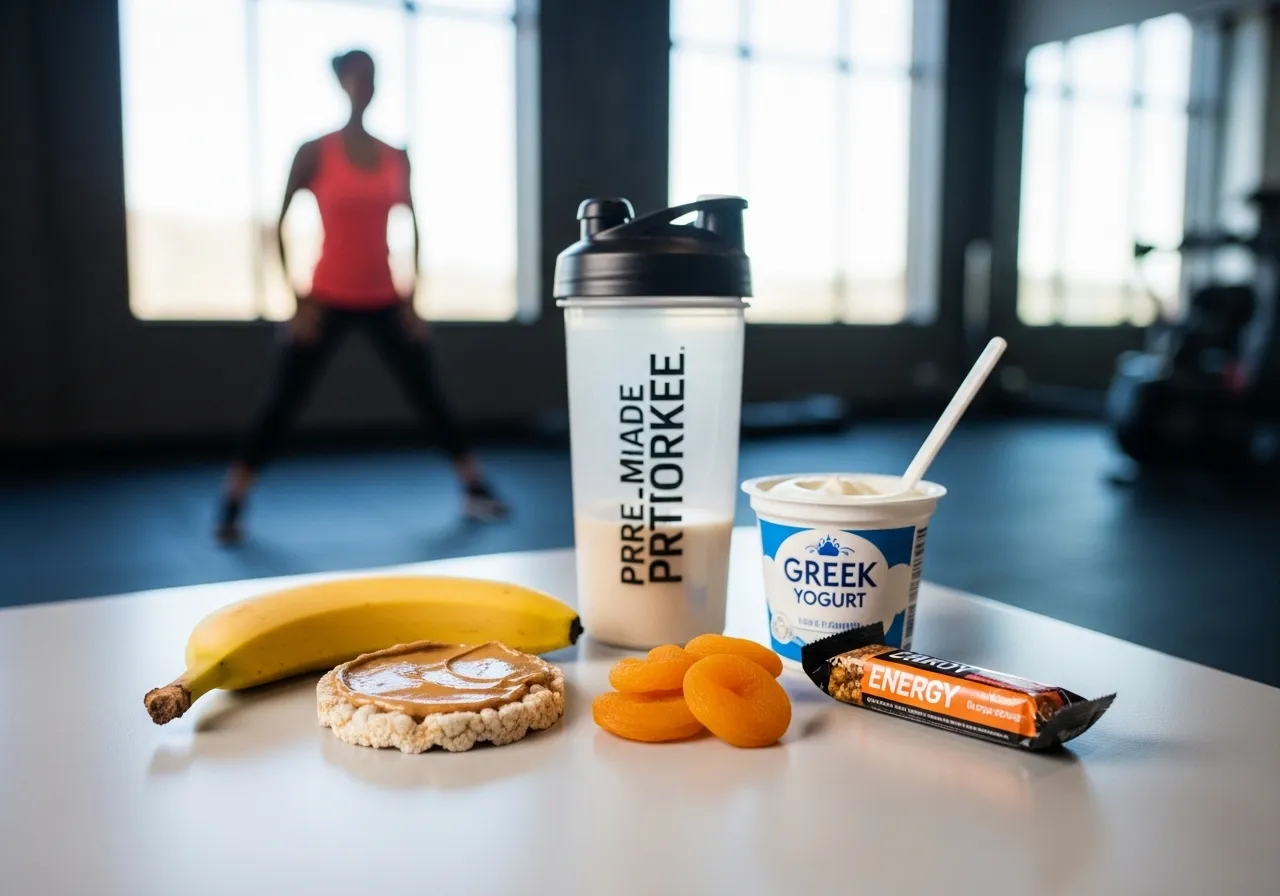
The nutritional requirements for the thirty-to-sixty-minute pre-workout window center on providing rapidly available carbohydrates and moderate protein without the fat and fiber that slow digestion and can produce GI discomfort during training. The ideal thirty-to-sixty-minute pre-workout snack: high-GI to moderate-GI carbohydrates at twenty-five to forty grams, with fifteen to twenty-five grams of protein, and minimal fat and fiber. Practical options: a medium banana with twenty grams of whey protein in water (approximately thirty grams carbohydrate, twenty grams protein, minimal fat); two rice cakes with one tablespoon of honey and a twenty-gram protein shake (twenty-five grams carbohydrate, twenty grams protein); Greek yogurt with half a cup of berries (thirty grams carbohydrate, seventeen grams protein, five grams fat); or a sports nutrition bar specifically formulated for pre-workout use (most containing thirty to forty-five grams carbohydrate and fifteen to twenty grams protein with low fat and fiber). The selection criterion: choose foods that your GI system specifically tolerates without distress during training — the technically optimal composition is irrelevant if it produces cramping during the session. The morning trainer who trains at 6 AM can implement this thirty-to-sixty-minute approach with a protein shake and banana at 5–5:15 AM, providing adequate fuel without the impractical demands of a 3 AM full meal.
The Case for and Against Fasted Training
Fasted training — exercising after an overnight fast of eight to twelve hours without pre-workout nutrition — is practiced by a significant portion of the fitness community, primarily for its purported fat-burning advantages and the practical convenience of training without the planning that pre-workout nutrition requires. The evidence for fasted training’s fat-burning advantage: fasted exercise produces greater fat oxidation during the session (because lower glycogen availability and lower insulin levels promote fat mobilization) — a real metabolic effect that the research consistently demonstrates. However, the total fat oxidation over twenty-four hours does not consistently differ between fasted and fed training in research that measures the full daily metabolic response rather than only the intra-session response. The reduced glycogen availability of fasted training limits high-intensity exercise performance — research consistently demonstrates reductions in resistance training volume and intensity under fully fasted conditions compared to equivalent carbohydrate-fed conditions. The practical implication: fasted training is a viable option for low-to-moderate intensity cardiovascular training (where the fat oxidation advantage is real and the performance penalty is small) but is generally suboptimal for resistance training and high-intensity interval work (where performance capacity matters more than the fat-oxidation substrate preference). The athlete whose primary goal is muscle development or strength should prioritize pre-workout fueling over fasted training convenience; the endurance athlete whose primary goal includes fat adaptation may strategically incorporate fasted sessions for this specific physiological stimulus.
Pre-Workout Supplements: Caffeine, Beta-Alanine, and Creatine Timing
The evidence-supported performance supplements benefit from specific timing relative to training that maximizes their ergogenic effects. Caffeine: the most thoroughly evidenced and consistently effective performance supplement, with its peak plasma concentration occurring sixty to ninety minutes after oral consumption — making the timing forty-five to sixty minutes before training optimal for peak ergogenic effect during the session. Three to six milligrams per kilogram of body weight (two hundred to four hundred milligrams for most adults) is the dose range at which consistent performance improvements are demonstrated across resistance training, endurance, and cognitive performance research. The tolerance and sleep disruption considerations limit caffeine supplementation for late-evening training (consuming caffeine after 2 PM impairs sleep for most people due to caffeine’s five-to-seven-hour half-life) — making the specific timing recommendation for pre-workout caffeine dependent on the individual’s training time and caffeine sensitivity. Beta-alanine: the precursor to carnosine — the muscle buffer that reduces lactic acid accumulation during high-intensity exercise — is most effectively loaded through consistent daily dosing (three to five grams daily, with meals to reduce the characteristic tingling paresthesia of higher acute doses) rather than immediate pre-workout timing. Creatine: the timing of creatine supplementation is less critical than consistent daily dosing for the intramuscular saturation that creatine’s performance benefits require — whether consumed pre-workout, post-workout, or at a non-training-adjacent time produces equivalent muscle creatine saturation at equivalent daily doses. From ISSN supplement timing position stand, creatine and beta-alanine benefit from consistent daily dosing rather than precise training-adjacent timing, while caffeine specifically benefits from the thirty-to-sixty-minute pre-training timing that aligns peak plasma levels with the training session.
Practical Meal Prep for Consistent Pre-Workout Nutrition
The barrier to consistent pre-workout nutrition for most athletes is not knowledge but implementation — the planning and preparation that ensures a suitable pre-workout meal or snack is available at the right time for every training session in the week. The meal prep strategies most effective for consistent pre-workout nutrition: batch-cooking carbohydrate staples (oats, brown rice, sweet potatoes) for the week eliminates the daily preparation that makes the two-to-three-hour window meal impractical on busy training days; pre-portioning protein sources (grilled chicken, boiled eggs, Greek yogurt) into the quantities used for pre-workout meals eliminates the decision and preparation of appropriate portions in the rushed pre-training period; and maintaining a designated shelf in the refrigerator for pre-workout ingredients reduces the friction of assembling the pre-workout meal under time pressure. The thirty-to-sixty-minute snack is the easiest to prepare consistently: a sealed container of protein powder and a designated spot for bananas, rice cakes, or the specific snack that individual tolerance has confirmed, eliminates all decision-making from the pre-workout routine. For the athlete who trains at the same time daily, building the pre-workout meal into the recurring daily schedule — the same meal consumed at the same time before the same training slot — eliminates the planning requirement entirely by converting nutrition timing into a habit rather than a decision. From a behavioral psychology perspective, the pre-workout nutrition habit that requires the fewest decisions at the time of implementation is the one most likely to be consistently maintained — making the systematized, pre-prepared approach significantly more reliable than the thoughtful but ad-hoc approach that knowledge without systems produces.
Special Situations: Pre-Workout Nutrition for Competition and Testing Days
Competition days and performance testing sessions represent the highest-stakes applications of pre-workout nutrition strategy — and the specific adjustments that peak performance circumstances justify differ from the standard training-day protocol. The competition-day protocol: increase carbohydrate content of all meals in the twenty-four hours before competition (eight to ten grams per kilogram of body weight for endurance sports; six to eight grams for strength and power sports) to maximize glycogen stores; the pre-competition meal two to three hours before should emphasize familiar, well-tolerated foods at slightly higher carbohydrate content than the training-day equivalent; and test the competition-day protocol in training at least twice before the actual competition to confirm GI tolerance under the performance anxiety that competition physiology produces. The critical competition-day mistake: trying new foods or supplements on competition day that have not been tested in training, regardless of their theoretical performance benefits. The gut’s reaction to unfamiliar foods combined with competition stress is unpredictable enough to make any novel nutritional strategy a liability rather than an advantage. Compete on the protocol that training has proven — optimize in training, execute in competition.
Pre-Workout Nutrition During Weight Cutting and Cutting Phases
The caloric restriction of a fat loss phase creates a specific challenge for pre-workout nutrition: the reduced overall caloric intake required for fat loss conflicts with the fueling demands that training quality requires, requiring strategic allocation of the available calories to prioritize the training-adjacent windows that most directly affect performance. The caloric allocation principle for cutting phases: prioritize the pre-workout meal and post-workout nutrition windows with the majority of the day’s carbohydrate calories, reducing carbohydrate content at other meal times (particularly in the evening) where the performance and recovery benefits of carbohydrates are lower. This carbohydrate timing approach maintains training performance on reduced total calories by ensuring that the training-adjacent windows receive adequate fuel, while the reduced overall caloric intake creates the deficit that fat loss requires without uniformly starving all meal occasions equally. The specific cut-phase pre-workout meal adjustment: maintain protein content at the full recommendation (thirty-five to forty grams) but reduce carbohydrate content to the lower end of the range (thirty to forty grams) from the higher end appropriate during maintenance or surplus phases. This maintains the amino acid availability and muscle-sparing protein content that cutting phases demand while reducing the total caloric cost of the pre-workout meal to support the daily deficit. The performance expectation management for cutting phases: some reduction in training performance is inevitable during significant caloric restriction, and the athlete who manages their expectations accordingly and focuses on maintaining as much performance as possible (rather than achieving performance peaks during a cut) approaches the cutting phase with the realistic mindset that sustainable fat loss requires.
Micronutrients That Support Pre-Workout Performance
Beyond the macronutrient composition of the pre-workout meal, specific micronutrients play supporting roles in the energy metabolism and neuromuscular function that training performance requires — and ensuring their adequacy in the pre-workout meal and broader daily nutrition maximizes the performance environment. Iron: the oxygen transport that aerobic exercise depends on requires adequate hemoglobin and myoglobin, both of which need iron. The athlete with marginal iron status (common in endurance athletes and women with heavy menstrual flow) experiences disproportionate fatigue at submaximal intensities that iron sufficiency would not produce — making iron-rich foods (red meat, legumes, fortified grains, spinach) in regular meals important for the aerobic capacity that informs all training types. Vitamin B12 and folate: essential for red blood cell production and the mitochondrial function that energy metabolism requires. Deficiency is most common in vegans and vegetarians without supplementation or fortified food consumption — and the fatigue and reduced exercise capacity that B12 deficiency produces can masquerade as overtraining or inadequate recovery. Potassium and magnesium: the electrolytes that muscle contraction, nerve signaling, and glycogen synthesis require. Both are most accessible through the whole foods — bananas, sweet potatoes, leafy greens, nuts, and seeds — that appear throughout the pre-workout nutrition recommendations in this article. The pre-workout meal that combines a complete protein source, a moderate-GI carbohydrate, and a diverse selection of vegetables or fruit naturally provides adequate micronutrients alongside the macronutrient composition that performance requires — confirming that whole-food pre-workout nutrition delivers both the fuel and the nutritional support that optimal training performance demands.
Go.

Training on an Empty Stomach: When Fasted Training Makes Sense
The fasted training debate involves more nuance than either its proponents or critics typically acknowledge — with specific contexts where it provides meaningful benefit and others where it clearly impairs outcomes.
Fasted Cardio for Fat Loss: Separating Evidence from Marketing
The fasted cardio hypothesis — that performing cardiovascular exercise before breakfast preferentially burns body fat and produces greater fat loss than equivalent fed cardio — has been a cornerstone of bodybuilding pre-contest preparation methodology for decades. The mechanistic basis is real: lower insulin levels and partially depleted glycogen stores during overnight fasting do shift the substrate oxidation toward fat during moderate-intensity exercise. Where the hypothesis overreaches is in the translation from intra-session substrate oxidation to net fat loss: the body’s total daily energy expenditure and substrate utilization over twenty-four hours is the relevant metric for fat loss, not the intra-session fuel mixture. Studies comparing fasted and fed cardio with equivalent total caloric intake and expenditure find no significant differences in fat loss outcomes over weeks — the greater fat oxidation during the fasted session is compensated by greater carbohydrate oxidation later in the day, with the twenty-four-hour balance reflecting the caloric deficit rather than the training state. The legitimate advantages of fasted morning cardio are practical rather than metabolic: training before breakfast eliminates the meal planning and digestion time that pre-workout eating requires, fits naturally into schedules that leave only early morning windows for training, and some individuals genuinely perform better cardiovascularly in a fasted state than with a recent meal on their stomach. These practical benefits justify fasted morning cardio for athletes who experience them — but the specific fat loss advantage that fasted cardio marketing claims exceeds what the research supports.
When Not to Train Fasted: High-Intensity and Resistance Training
The performance impairment from fasted training is most significant for the exercise modalities that depend most heavily on carbohydrate as fuel: high-intensity interval training, resistance training at significant loads, and any session involving maximum or near-maximum effort. Research specifically examining resistance training performance under fasted versus fed conditions consistently finds reduced training volume (fewer total reps) and reduced perceived energy in the fasted condition — effects that translate to reduced training stimulus for muscle development and strength adaptation. The muscle protein breakdown that fasted resistance training increases (through elevated cortisol and reduced insulin signaling in the fasted state) directly opposes the muscle protein synthesis that muscle development requires — making the fasted state physiologically counterproductive for hypertrophy goals even when the caloric and protein totals for the day are equated. The practical recommendation: if morning training is the only available window and fasted training is therefore the practical choice, consuming at minimum a small protein source (fifteen to twenty grams of whey protein or a couple of eggs) before resistance training partially mitigates the muscle protein breakdown of the fasted state without the GI demands of a full meal, while a small carbohydrate source (half a banana, twenty grams of dextrose) partially restores the glycogen availability that high-intensity training performance requires.
Carbohydrate Sources Ranked: Best to Worst for Pre-Workout Fueling
Not all carbohydrate sources are equally appropriate for pre-workout nutrition — with the selection depending on the timing window, training type, and individual GI tolerance of the specific athlete. The best pre-workout carbohydrate sources for the two-to-three-hour window: oats (slow digestion, sustained glucose release, moderate GI of fifty-five, high fiber provides satiety without excessive GI loading for training two to three hours later); sweet potato (moderate GI of sixty-three, rich in potassium that supports muscle contraction and reduces cramping, and high in antioxidants that support the recovery from oxidative stress that training produces); brown rice (moderate GI of fifty-five to sixty-eight depending on preparation, the most universally GI-tolerated carbohydrate for athletes with sensitive GI systems, minimal flavor that pairs with any protein source); and whole grain bread (practical, widely available, moderate GI, and the timing flexibility of the complex carbohydrate that digests over the full two-to-three-hour window). The best pre-workout carbohydrate sources for the thirty-to-sixty-minute window: ripe banana (simple sugars for rapid absorption, natural potassium, and the GI tolerance that most athletes maintain even close to training); white rice (high GI of seventy-three, rapid digestion, minimal fiber and fat — ideal for the athlete who needs fast-digesting carbohydrate with minimal GI distress); sports gels and chews (designed specifically for exercise-adjacent use, providing twenty-five to thirty grams of rapidly absorbed carbohydrate in a GI-friendly format); and dates (sixty-five percent sugar by weight, rapid digestion, with two to three medjool dates providing approximately thirty grams of quickly available carbohydrate). The carbohydrate sources to avoid immediately before training: high-fiber vegetables (broccoli, beans, raw onion), fructose-heavy fruits (large amounts of apple or pear), and high-fat carbohydrates (pastries, nut-butter-heavy preparations) that slow gastric emptying and increase the risk of GI distress during training.
Integrating Pre-Workout Nutrition Into a Complete Sports Nutrition System
Pre-workout nutrition does not exist in isolation — it is one component of the complete daily nutrition system that total diet quality, recovery nutrition, and consistent macro and micronutrient adequacy collectively determine. The athlete who perfectly times their pre-workout meal but inadequately manages total daily protein, sleep, and overall caloric balance achieves far less than the athlete who achieves moderate pre-workout nutrition optimization within a comprehensively managed daily nutritional framework. The pre-workout meal represents one to two of the four to six nutritional opportunities that most athletes have daily — prioritizing it without proportional attention to the other meal occasions misallocates the nutritional investment. The integrated sports nutrition approach: establish adequate total daily protein (one point six to two point two grams per kilogram), appropriate total calories for the goal (deficit for fat loss, surplus for muscle gain, maintenance for performance), distributed across four to six meals that collectively ensure adequate fuel for training and adequate building blocks for recovery. Within this framework, optimize the pre-workout meal’s timing, composition, and consistency to extract the performance benefit that this specific meal opportunity provides. The pre-workout nutrition strategy that fits seamlessly into a well-managed total daily nutrition system produces results that neither element achieves in isolation — because the pre-workout fuel is used most efficiently by the body that is consistently well-nourished and well-recovered, not merely fueled for the sixty minutes of the session that the pre-workout meal directly precedes. Build the complete system. Optimize each component. And allow the performance and recovery that comprehensive sports nutrition produces to make every training session more productive than the isolated nutrition interventions that address only pre-workout timing could achieve alone.
The Two-a-Day Training Challenge: Pre-Workout Nutrition for Double Sessions
Athletes who perform two training sessions in a single day face an accelerated version of the pre-workout nutrition challenge — the recovery nutrition between sessions must simultaneously serve as post-workout nutrition for the first session and pre-workout nutrition for the second. The glycogen resynthesis rate is the primary constraint: maximal glycogen resynthesis occurs at approximately zero-point-seven grams of carbohydrate per kilogram per hour in the hour following exercise — meaning that the four-to-six-hour inter-session window common in two-a-day training provides just enough time to substantially restore depleted glycogen stores if nutrition is aggressively managed. The between-session nutrition protocol for two-a-days: consume one to one-point-two grams of carbohydrate per kilogram in the first hour post-session to maximize the elevated insulin sensitivity and glycogen synthase activity that the immediate post-exercise period provides; repeat this level of carbohydrate intake approximately two to three hours later to complete the repletion before the second session begins. High-GI carbohydrates (white rice, sports drinks, bananas, dextrose) are preferable for rapid glycogen resynthesis between sessions because their faster digestion and higher insulin response accelerates glycogen synthase activation compared to low-GI sources that are more appropriate for non-time-pressured recovery. Adding twenty-five to thirty grams of protein to each between-session feeding simultaneously supports muscle protein synthesis from the first session while providing the amino acid availability that the second session will also benefit from. Athletes who perform two-a-day training without appropriate between-session nutrition consistently find second-session quality significantly degraded compared to the first — not because two sessions in a day is inherently too much, but because the glycogen resynthesis that the second session requires has been inadequately addressed by insufficient inter-session fueling.
The pre-workout nutrition protocol you build through this systematic approach is one of the most reliable performance advantages available to any athlete regardless of budget, genetics, or training access. It costs nothing beyond the food that proper nutrition requires, requires no special equipment, and produces performance improvements in every session it is consistently applied. Build the protocol. Follow it. And allow the performance consistency that reliable pre-workout nutrition delivers to become the competitive and personal advantage that distinguishes your training from those who leave this critical variable to chance.
Pre-Workout Nutrition for Specific Training Types
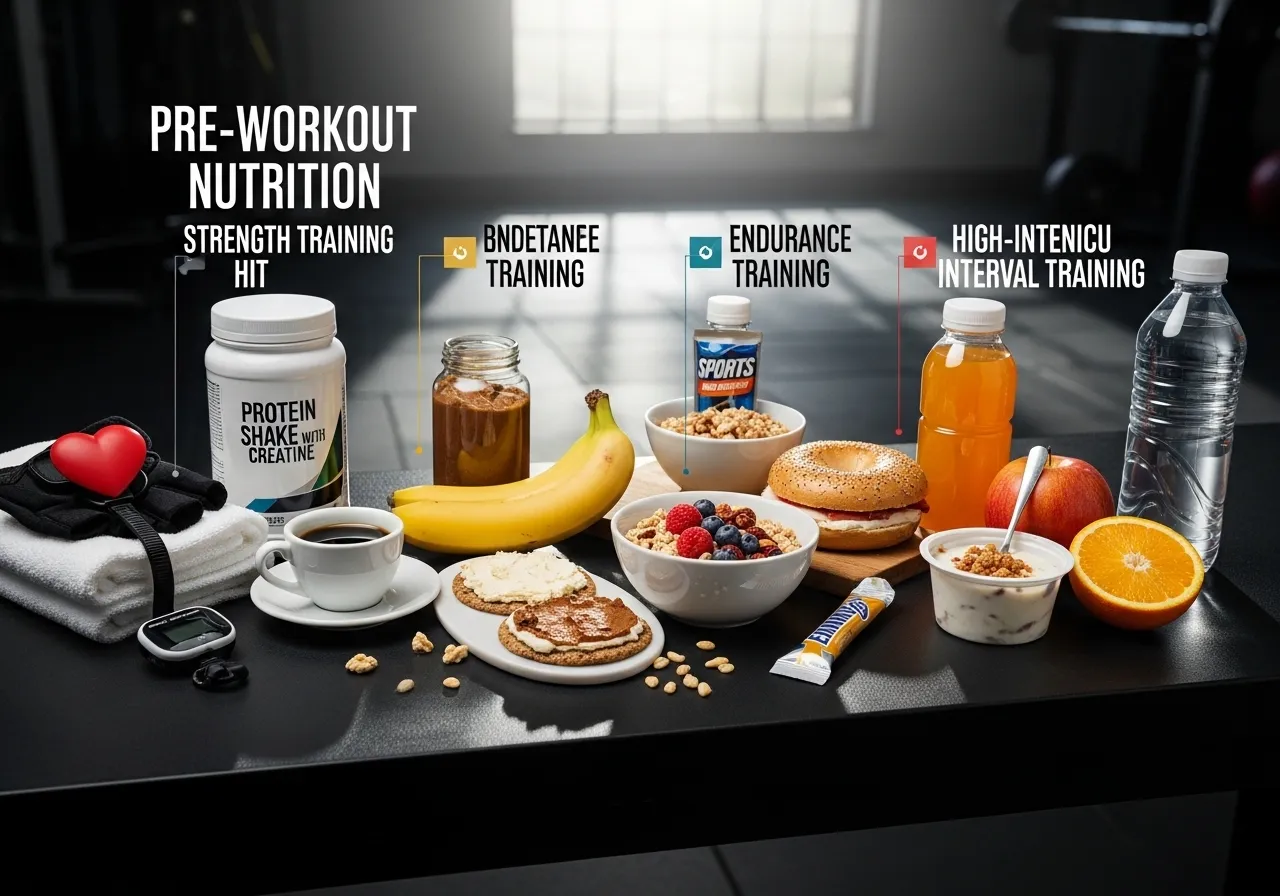
The optimal pre-workout nutrition strategy differs meaningfully between resistance training, endurance training, and HIIT — reflecting the different fuel system demands and performance determinants that each training modality involves.
Pre-Workout Nutrition for Resistance Training and Muscle Building
Resistance training fueling prioritizes the combination of carbohydrate availability for glycolytic energy provision and protein availability for muscle protein synthesis stimulation — making the pre-workout meal composition more protein-intensive than pre-endurance nutrition. The specific priorities: the intensity of resistance training (eighty to ninety percent of maximum for strength work, sixty to seventy-five percent for hypertrophy volume) relies primarily on phosphocreatine and glycolytic pathways that require adequate muscle glycogen; and the muscle protein synthesis response to resistance training is augmented by the elevated blood amino acid availability that pre-workout protein consumption provides, extending the synthesis stimulation beyond the session into the hours that follow. The pre-resistance training meal: two to three hours before training, a mixed meal with thirty-five to forty-five grams of protein (to elevate amino acids for the full training session duration) and forty to fifty-five grams of moderate-GI carbohydrates. Studies specifically measuring muscle protein synthesis responses find that training with elevated blood amino acids from a pre-workout protein meal produces greater net muscle protein accretion than training fasted at equivalent post-workout nutrition — confirming the value of pre-workout protein for the muscle building athlete. The caffeine timing for resistance training is the same as for other modalities: forty-five to sixty minutes before the session at three to six milligrams per kilogram of body weight, producing the strength and power performance improvements (five to ten percent increase in resistance training volume and perceived energy) that caffeine consistently delivers for resistance athletes.
Pre-Workout Nutrition for Endurance Training
Endurance training spanning sixty minutes or more makes pre-workout carbohydrate availability a primary performance determinant — with glycogen depletion being the primary cause of performance decline in prolonged aerobic exercise (the “hitting the wall” phenomenon). The pre-endurance meal: two to three hours before sessions of sixty to ninety minutes, fifty to seventy-five grams of moderate-to-low GI carbohydrates with twenty to thirty grams of protein. For sessions longer than ninety minutes, additional intra-workout carbohydrate supplementation (thirty to sixty grams per hour of easily digestible carbohydrates — sports gels, chews, or sports drinks) is as important as pre-workout fueling. The sodium and electrolyte content of the pre-workout meal and intra-workout supplementation becomes relevant for sessions exceeding ninety minutes in warm conditions: sodium in the pre-workout meal (one hundred to two hundred milligrams) stimulates thirst and supports the fluid intake that pre-hydration for long sessions requires. The pre-endurance caffeine strategy: three milligrams per kilogram of body weight at sixty minutes before the session produces the VO2max improvement, reduced perceived exertion, and extended time to exhaustion that caffeine delivers for endurance athletes — with effects demonstrably present across distances from five kilometers to marathon and beyond. From Sports Medicine endurance nutrition review, pre-exercise carbohydrate feeding improves endurance performance by three to seven percent on average — a difference that translates to minutes in race contexts and additional training volume in practice sessions.
Pre-Workout Nutrition for HIIT and Metabolic Conditioning
High-intensity interval training combines the carbohydrate dependence of resistance training (for the sprint and power intervals) with the duration consideration of endurance training (for recovery intervals and longer HIIT sessions) — requiring a pre-workout approach that ensures carbohydrate availability without the GI discomfort that high-impact intervals produce in the early post-meal period. The HIIT pre-workout challenge: the high-impact and ballistic nature of HIIT (sprinting, jumping, plyometrics) makes GI discomfort more common than in stationary exercise modalities, reducing the tolerance for proximity between eating and training that non-impact exercise allows. The optimal HIIT pre-workout window is typically two to two and a half hours for a full mixed meal, or ninety minutes for a smaller carbohydrate-focused snack — longer than the thirty-to-sixty-minute window that stationary resistance training often accommodates. The composition: thirty to forty-five grams of moderate-GI carbohydrates (with white rice, banana, or a sports bar being the most GI-tolerated sources for impact-sensitive individuals) with fifteen to twenty-five grams of protein and minimal fat and fiber. The pre-HIIT caffeine dose should be on the lower end of the recommended range (three milligrams per kilogram rather than six) if GI sensitivity is a concern — as caffeine increases intestinal motility and can exacerbate the GI distress that high-impact exercise already promotes.
Pre-Workout Nutrition for Vegetarians and Vegans
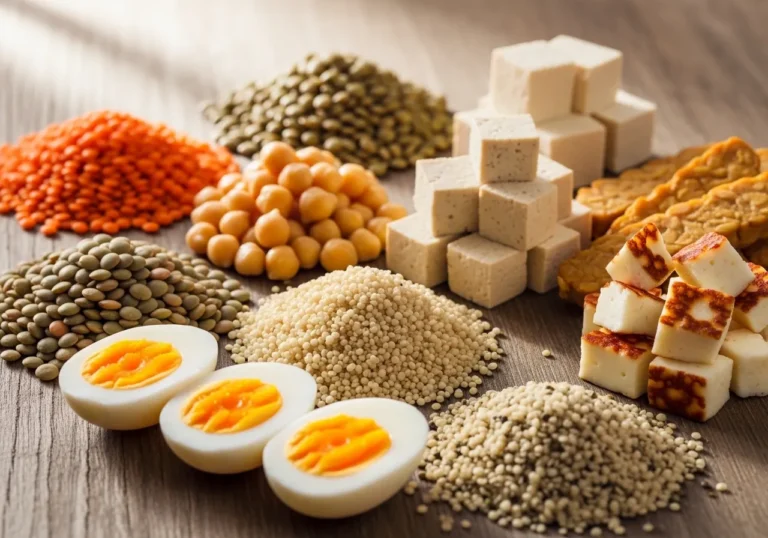
Plant-based athletes face specific pre-workout nutrition challenges that reflect the lower bioavailability, incomplete amino acid profiles, and higher fiber content of plant protein sources — requiring targeted strategies that ensure equivalent performance support despite these differences. The primary challenge: most plant protein sources are limited in one or more essential amino acids (lysine is the limiting amino acid in grains; methionine in legumes), requiring deliberate combination of complementary sources to achieve the complete amino acid profile that muscle protein synthesis requires. The pre-workout protein strategy for plant-based athletes: using a blended plant protein supplement (pea and rice protein combination) provides an amino acid profile comparable to whey in terms of essential amino acid content and leucine concentration, making it the most practical pre-workout protein source for athletes who cannot or do not consume animal products. Soy protein, the only complete single plant protein source, provides all essential amino acids in adequate proportions — but its phytoestrogen content and the individual GI tolerance variation it produces lead many plant-based athletes to prefer the pea-rice blend. The higher fiber content of whole plant foods (legumes, whole grains) means that the GI-sensitive plant-based athlete often requires a longer pre-workout gap (two and a half to three hours) or smaller portions than their omnivorous counterparts to achieve the same GI comfort during training. The carbohydrate sources are generally similar for plant-based and omnivorous athletes — oats, sweet potato, rice, and fruit are appropriate for all athletes regardless of dietary philosophy — making the protein source selection the primary adaptation that plant-based athletes must make to the general pre-workout nutrition framework.
Intra-Workout Nutrition: When Eating During Training Makes Sense
Intra-workout nutrition — consuming carbohydrates and potentially protein during the training session itself — is a meaningful performance strategy for specific training contexts that shorter sessions and standard pre-workout nutrition alone cannot adequately fuel. The threshold for considering intra-workout nutrition: sessions exceeding sixty to seventy-five minutes of sustained high-intensity work, or resistance training sessions with more than twelve working sets in athletes aiming for maximum performance throughout. For endurance sessions exceeding sixty minutes, consuming thirty to sixty grams of easily digestible carbohydrates per hour of training (sports gels, dates, bananas, or sports drinks) maintains blood glucose and muscle glycogen at levels that delay fatigue and maintain intensity in the late session period. For resistance training sessions exceeding seventy-five minutes, a thirty-gram carbohydrate beverage (sports drink or diluted fruit juice) consumed between training sets in the second half of the session maintains the blood glucose that extends high-intensity performance beyond the glycogen depletion that longer sessions approach. Adding twenty grams of whey protein to the intra-workout carbohydrate source for sessions exceeding ninety minutes provides the amino acid availability that extended mechanical loading demands and that post-workout protein alone cannot supply for the muscle groups trained in the first hour of the session. From ISSN intra-workout nutrition guidelines, carbohydrate consumption during exercise sessions exceeding one hour consistently improves late-session performance and reduces post-session fatigue — confirming that intra-workout nutrition is a genuine performance strategy rather than a convenience behavior.
The athlete who eats to perform, not merely to satisfy hunger, discovers a different relationship with food — one where every meal is purposeful, every timing decision is intentional, and the training results that follow confirm that the nutritional investment was entirely worthwhile. Eat with purpose. Train with confidence. Recover completely.

The Post-Workout Window: Why Pre-Workout Nutrition Affects Recovery
The pre-workout nutrition strategy affects not only the training session itself but the post-workout recovery that determines how completely the body repairs and adapts before the next session.
The Anabolic Window: How Pre-Workout Protein Extends Post-Workout Recovery
The post-workout “anabolic window” — the period of elevated muscle protein synthesis sensitivity following resistance training — has been a cornerstone of sports nutrition guidance for decades. The research revision of this concept is important: the anabolic window is longer than the original thirty-minute mythology suggested (three to five hours is the more accurate estimate for the elevated protein synthesis sensitivity post-exercise), and its urgency depends significantly on the pre-workout nutritional state. The athlete who consumed a protein-containing meal two to three hours before training has elevated blood amino acids that persist through and for some time after the training session — reducing the urgency of immediate post-workout protein consumption and extending the effective window for post-workout nutrition. Conversely, the athlete who trained fasted has been in a catabolic state throughout the session, with muscle protein breakdown elevated and synthesis suppressed — making immediate post-workout protein consumption genuinely time-sensitive for this individual. The practical implication: prioritizing pre-workout protein consumption reduces the urgency of the post-workout protein window, while fasted training increases it. The athlete who has eaten nothing for twelve hours before training should consume twenty-five to forty grams of protein as soon as practical after the session; the athlete who ate a protein-rich meal two hours before training has more flexibility in the post-workout nutrition timing without meaningful impact on the muscle protein synthesis outcomes the research consistently demonstrates. From ISSN protein timing position stand, total daily protein intake is a more important determinant of muscle hypertrophy than precise pre- and post-workout timing — but timing genuinely matters for the fasted-training athlete whose pre-workout state makes the post-workout window genuinely time-sensitive.
Hydration Before and During Training: The Performance Variable Most Athletes Underestimate
Hydration status at the beginning of the training session is as important as macronutrient availability for training performance — and the pre-workout nutritional strategy should include explicit attention to the fluid intake that adequate hydration requires. Even mild dehydration (one to two percent of body weight in fluid deficit) measurably impairs both cognitive and physical performance: muscular strength declines, heat tolerance decreases, perceived exertion increases for equivalent work, and decision-making in skill-dependent sports deteriorates. The pre-workout hydration strategy: beginning the session in a well-hydrated state requires drinking adequate fluid throughout the day — not merely in the hour before training. For the two-to-three-hour pre-workout meal, consuming four to six hundred milliliters of water with the meal begins the pre-training hydration process; an additional two to three hundred milliliters in the thirty minutes before the session tops up the fluid status before exercise-related sweat losses begin. The urine color check is the most accessible hydration assessment tool: pale yellow (the color of lemonade) indicates adequate hydration; dark yellow or amber indicates meaningful dehydration that should be corrected before beginning intense training. Sodium in the pre-workout meal (naturally present in most whole foods, and targeted at three hundred to five hundred milligrams in the hour before prolonged exercise) promotes fluid retention and stimulates the thirst that drives adequate hydration — an often-overlooked contribution of solid food to pre-workout hydration status.
Reading Your Body: Signs That Pre-Workout Nutrition Is Working (or Not)
The feedback signals that indicate whether the current pre-workout nutrition strategy is optimal or requires adjustment are available in every training session — but recognizing and interpreting them correctly requires deliberate attention to the performance and physiological markers that pre-workout nutrition directly affects. Signs that pre-workout nutrition is working well: consistent energy levels throughout the session without the mid-session decline that glycogen depletion produces; ability to maintain planned training intensity and volume without excessive fatigue in the final sets; absence of GI discomfort or nausea during the session; stable mood and cognitive focus throughout training (hunger and low blood glucose impair both); and the recovery of training motivation and capacity that signals adequate fueling as distinct from the lethargy that insufficient pre-workout nutrition produces. Signs that pre-workout nutrition needs adjustment: mid-session energy crashes (typically around thirty to forty-five minutes into the session) suggesting insufficient carbohydrate or too-simple glycemic sources; GI discomfort or nausea (suggesting too-close meal timing, too high fat content, or excessive fiber); light-headedness or inability to focus (suggesting low blood glucose that insufficient pre-workout carbohydrate has failed to prevent); and excessive fatigue in the final sets that was not present at equivalent intensity earlier in the training cycle (suggesting progressively declining glycogen availability from inadequate carbohydrate overall). Using a simple training log to record both performance metrics and pre-workout nutrition timing and composition creates the data that reveals these patterns over weeks — converting the subjective feeling that “some days are just bad training days” into the objective observation that certain nutritional patterns consistently precede poor sessions, enabling the specific adjustments that eliminate the avoidable performance impairments.
The Science of Caffeine Timing: Maximizing the Ergogenic Window
Caffeine is the most extensively researched ergogenic aid in sports nutrition — and the precision of its timing relative to training significantly affects the magnitude of performance benefit it produces. The caffeine pharmacokinetics: oral caffeine is absorbed rapidly from the gastrointestinal tract, with plasma concentrations rising within fifteen to forty-five minutes of ingestion and reaching peak levels at approximately sixty minutes. The ergogenic effects — reduced perceived exertion, improved reaction time, enhanced force production, and the central fatigue delay that caffeine’s adenosine receptor blockade produces — are most pronounced during the peak plasma concentration window of forty-five to ninety minutes post-ingestion. For a six AM training session: consuming caffeine at 5:00 to 5:15 AM aligns peak plasma levels with the early-session period when the ergogenic effects most improve warm-up and initial working sets quality. For a six PM training session: consuming caffeine at 4:45 to 5:00 PM aligns peak levels with the main working sets while allowing sufficient metabolism before a ten PM or later bedtime (caffeine’s six-to-eight-hour half-life means a five PM dose still has fifty percent of its concentration at eleven PM to midnight). Individual caffeine metabolism varies significantly due to CYP1A2 enzyme polymorphism: fast metabolizers (CYP1A2 1F/1F genotype) clear caffeine approximately twice as fast as slow metabolizers, meaning their performance window may be shorter and their effective pre-workout timing window tighter. The practical recommendation: experiment with timing from thirty to ninety minutes before training across multiple sessions to identify the individual timing that produces the most noticeable performance benefit — this individual timing calibration produces better results than any population-average recommendation can guarantee. From Sports Medicine caffeine and exercise performance meta-analysis, caffeine improves athletic performance across virtually all exercise modalities by an average of three to five percent — a consistently meaningful ergogenic effect that precise timing optimization amplifies.
Start with one change today — the banana and protein shake at thirty minutes before training if nothing else — and build from there.

Common Pre-Workout Nutrition Mistakes and How to Fix Them
The pre-workout nutrition errors that most consistently impair training performance are preventable with specific knowledge and practical strategies.
Eating Too Close to Training: Managing GI Distress
The most common pre-workout nutrition mistake — eating a large or high-fat meal immediately before intense exercise — produces the GI distress, nausea, and cramping that reduce training quality more effectively than the suboptimal fueling that not eating at all would produce. The physiology: digestion requires the redirection of blood flow to the splanchnic circulation (stomach, small intestine, and liver) that exercise simultaneously needs to redirect to the working muscles — creating the competition for blood flow that GI distress during early post-meal exercise reflects. The solution is not to stop eating before training but to respect the timing windows that allow adequate digestion. Minimum recommended gaps by food type: a full mixed meal (protein, carbohydrate, and fat — two to three hours); a smaller protein-and-carbohydrate snack (sixty to ninety minutes); a liquid meal replacement or protein shake (thirty to forty-five minutes); and simple carbohydrate sources alone (banana, sports gels — fifteen to thirty minutes). These gaps are the practical framework for training schedule planning — the athlete who knows their specific training time can work backward to determine what and when to eat. For athletes who consistently experience GI distress regardless of timing, identifying the specific trigger foods (high-fiber vegetables, lactose from dairy, high-fat sources) and replacing them with GI-friendly alternatives (white rice instead of brown, whey protein isolate instead of whole dairy, fruit instead of high-fiber vegetables) typically resolves the issue within the required timing window.
Undereating Before Training: The Performance Cost of Insufficient Pre-Workout Fuel
The systematic undereating before training that calorie-counting athletes sometimes practice — saving calories for the end of the day, consuming insufficient carbohydrates before resistance training, or attempting aggressive fat loss through pre-workout caloric restriction — produces the training quality impairment that ultimately reduces both fat loss and muscle development outcomes. A suboptimal training session produces a suboptimal training stimulus: fewer total reps completed means less mechanical tension applied to the target muscles; lower intensity means less metabolic stress and less growth hormone response; and the reduced mind-muscle connection that low blood glucose produces means less effective neuromuscular activation of the muscles being trained. The result: the calorie saved from the pre-workout meal costs several calories of training output — a trade that produces inferior body composition outcomes for both fat loss and muscle building athletes. The resolution: prioritize training quality by fueling adequately before sessions, and manage the caloric deficit through post-workout and non-training-day nutrition adjustments rather than pre-workout restriction.
Frequently Asked Questions About Pre-Workout Meal Timing
What is the best thing to eat 30 minutes before a workout? A rapidly digesting carbohydrate and protein combination — a medium banana with twenty grams of whey protein, two rice cakes with honey, or Greek yogurt with berries — provides quick energy without GI distress at the thirty-minute window. Can I exercise two hours after eating? Yes — two hours after a moderate mixed meal is within the optimal pre-workout window for most training types and individuals, providing adequate digestion time while maintaining carbohydrate availability. Is it better to work out on an empty stomach? Depends on the goal and training type: fasted low-to-moderate intensity cardio is acceptable and may support fat adaptation; fasted resistance training or HIIT is generally suboptimal for performance and muscle development. What should I eat before a morning workout? For training within thirty to sixty minutes of waking: a small, rapidly digesting snack (banana and protein shake). For training ninety minutes or more after waking: a mixed breakfast of oats, protein, and light fruit. How long should I wait to exercise after eating a full meal? Two to three hours for a full mixed meal is the general guideline — though individual GI tolerance varies, with some athletes comfortably training at ninety minutes and others requiring three or more hours. Does pre-workout nutrition matter for weight loss? Yes — adequate pre-workout fueling allows higher training intensity, which produces greater caloric expenditure and metabolic stimulus for fat loss. Underfueling before training reduces training quality and the metabolic benefits that high-quality training produces.
Building Your Personal Pre-Workout Nutrition Protocol
The pre-workout nutrition protocol that consistently delivers peak training performance is one built through systematic personal experimentation within the evidence framework — not the rigid application of a single recommendation. Begin with the two-to-three-hour mixed meal approach for a two-week trial, tracking training performance metrics and GI comfort. If performance is excellent and GI comfort is good, this is your protocol. If GI discomfort is present, extend the gap to two and a half to three hours or reduce the fat and fiber content of the meal. If training is performed early enough that a two-to-three-hour gap is impractical, test the thirty-to-sixty-minute snack protocol across a two-week period. The athlete who systematically tests these variables and records both performance metrics and subjective comfort emerges with a personalized pre-workout nutrition protocol that is specific to their schedule, GI tolerance, training goals, and food preferences — the individualized approach that generic recommendations cannot provide and that consistent high-quality training performance requires. Implement the protocol consistently, adjust it as training goals and schedules change, and treat it as the performance investment that fueling an athlete before their most important daily physical work actually represents.
Sample Pre-Workout Meal Plans for a Full Week
A complete week of pre-workout nutrition planning demonstrates how the evidence-based principles translate into the practical variety that dietary adherence requires across different training days and schedules. Monday — morning resistance training (6 AM), pre-workout at 5:15 AM: banana with twenty-five grams of whey protein in water. Tuesday — evening resistance training (7 PM), pre-workout at 4 PM: chicken and sweet potato bowl with steamed broccoli (forty-five grams carbohydrate, thirty-five grams protein). Wednesday — midday HIIT session (12 PM), pre-workout at 9:30 AM: two scrambled eggs on two slices of whole grain toast with a small apple (forty grams carbohydrate, twenty-five grams protein). Thursday — morning endurance run (7 AM), pre-workout at 6 AM: oats with a scoop of protein powder and sliced banana (fifty grams carbohydrate, thirty grams protein). Friday — evening strength training (6:30 PM), pre-workout at 3:30 PM: Greek yogurt parfait with granola and berries topped with a protein shake (fifty-five grams carbohydrate, forty grams protein). Saturday — long endurance session (9 AM), pre-workout at 6:30 AM: large bowl of oats with eggs and fruit juice (seventy grams carbohydrate, thirty grams protein) plus banana at 8:30 AM. Sunday — rest day or light active recovery: no specific pre-workout nutrition required, maintain regular meal pattern. This weekly sample demonstrates the variety of appropriate pre-workout nutrition approaches across different training times, session types, and schedules — confirming that the evidence-based framework accommodates the dietary diversity that week-long adherence requires without compromising the performance support that each session demands. Build your own weekly plan within this framework, starting with the training days and times that are most fixed and working backward to establish the pre-workout nutrition timing that each session requires. The consistency of having a plan — and the performance results that consistent pre-workout nutrition produces — will motivate the continued investment in the meal preparation and timing that optimal fueling requires.
Putting It All Together: The Pre-Workout Nutrition Decision Framework
The pre-workout nutrition decision framework converts the research findings in this article into the specific choices that each training session requires. Step one — determine the training window: what time does training begin, and how much time is available between the last meal and training? Two to three hours available permits a full mixed meal; sixty to ninety minutes permits a moderate snack; thirty to sixty minutes requires a small, rapidly digesting snack; under thirty minutes permits only liquid nutrition or nothing. Step two — identify the session type: resistance training or HIIT requires carbohydrate availability and protein; low-intensity steady-state cardio is manageable fasted if preferred; long endurance (over ninety minutes) requires the highest carbohydrate pre-workout meal of any training type. Step three — apply goal-specific adjustments: fat loss phase reduces carbohydrate quantity and emphasizes protein; muscle building phase maximizes both; endurance performance phase maximizes carbohydrate. Step four — select the specific foods within the determined timing and composition framework, using the GI-tolerance experience from previous sessions to choose the sources that your individual GI system handles best at the required proximity to training. Step five — time caffeine appropriately if used: forty-five to sixty minutes before training for the ergogenic peak during the session. Step six — ensure hydration: four to six hundred milliliters of water with the pre-workout meal, plus two to three hundred milliliters in the thirty minutes before training. Apply this framework consistently across every training session, refine based on performance feedback, and allow the systematic fueling that it produces to make every training session the quality workout that adequate pre-workout nutrition enables. The effort invested in pre-workout nutrition planning returns compounding performance dividends across every training session, every week, and every year of the athletic life it consistently supports.
Results follow.